Tag: Fashion

  • Lanvin Group Reports 22% Revenue Decline Amid Global Luxury Market Softening

    Lanvin Group Reports 22% Revenue Decline Amid Global Luxury Market Softening

    The luxury fashion conglomerate, Lanvin Group, which houses brands such as Lanvin, Wolford, Sergio Rossi, St John, and Caruso, has reported a decline in first-half revenue to US$155.6 million. This figure represents a 22% decrease compared to the same period last year due to the softening global luxury demand.

    Market Pressures and Cost Management

    The group cited several factors that contributed to the decrease in sales, one of which was weaker wholesale in the EMEA region and Greater China. However, disciplined cost management and efficiency measures have begun to show positive impacts. Despite these challenges, the group’s gross profit stood at $84.2 million, maintaining a margin of 54%, aided by precise inventory management during a challenging period of creative transition.

    Zhen Huang, the chairman of Lanvin Group, stated, “Despite facing a challenging luxury market in the first half, we remained disciplined in cost management and strategic streamlining. With new creative leadership and ongoing investment in product innovation, we are well-positioned to capture opportunities as the market environment improves.”

    Individual Brand Performance

    Lanvin saw the most significant drop in the group, with its revenue down by 42%, as wholesale partners in EMEA were more restrained. The brand noted some resilience in the retail sector in the same region and that its North American e-commerce platform showed strong recovery under a new marketplace model.

    Wolford’s revenue declined by 23%, although its wholesale sales rose by 14%. The brand’s gross margin was affected by lower production utilization and inventory clearance, but the company managed to cut general and administrative expenses by 18% under cost-saving measures.

    Sergio Rossi’s sales fell by 25%, with direct-to-consumer revenue down by 21% and wholesale sliding by 33%. It managed, however, to show some progress in Q2, with retail sales up by 17% and e-commerce climbing 10% from the previous quarter.

    St John maintained a stable performance, with revenues remaining broadly flat. The brand sustained a 69% gross margin and an 11% contribution margin.

    Caruso saw an 11% decline in its revenue, primarily due to a temporary slowdown in its Maisons business.

    Adjusted EBITDA for the period was a negative $60.8 million, reflecting the lower revenue. This figure was less favorable than the negative $49.1 million reported for the previous year.

    Future Plans

    Andy Lew, the group’s executive president, stated that the group plans to refine its retail footprint in the future, strengthen wholesale partnerships, and invest in new creative leadership to drive momentum in the second half of the year. “Our focus in the first half was on operational discipline and laying the foundation for future growth. We expect to build brand momentum and increase consumer engagement in the second half with fresh creative direction across our houses, supported by targeted marketing and refined channel strategies.”

    Questions & Answers

    What factors contributed to Lanvin Group’s decline in revenue?
    Answer: The decline in revenue was primarily due to weaker wholesale in the EMEA region and Greater China, along with general market pressures.

    Which brand in the Lanvin Group saw the most significant drop in revenue?
    Answer: Lanvin reported the most significant drop in revenue, with a decrease of 42%.

    What are Lanvin Group’s plans for the future?
    Answer: The group plans to refine its retail footprint, strengthen wholesale partnerships, and invest in new creative leadership to drive momentum in the second half of the year.
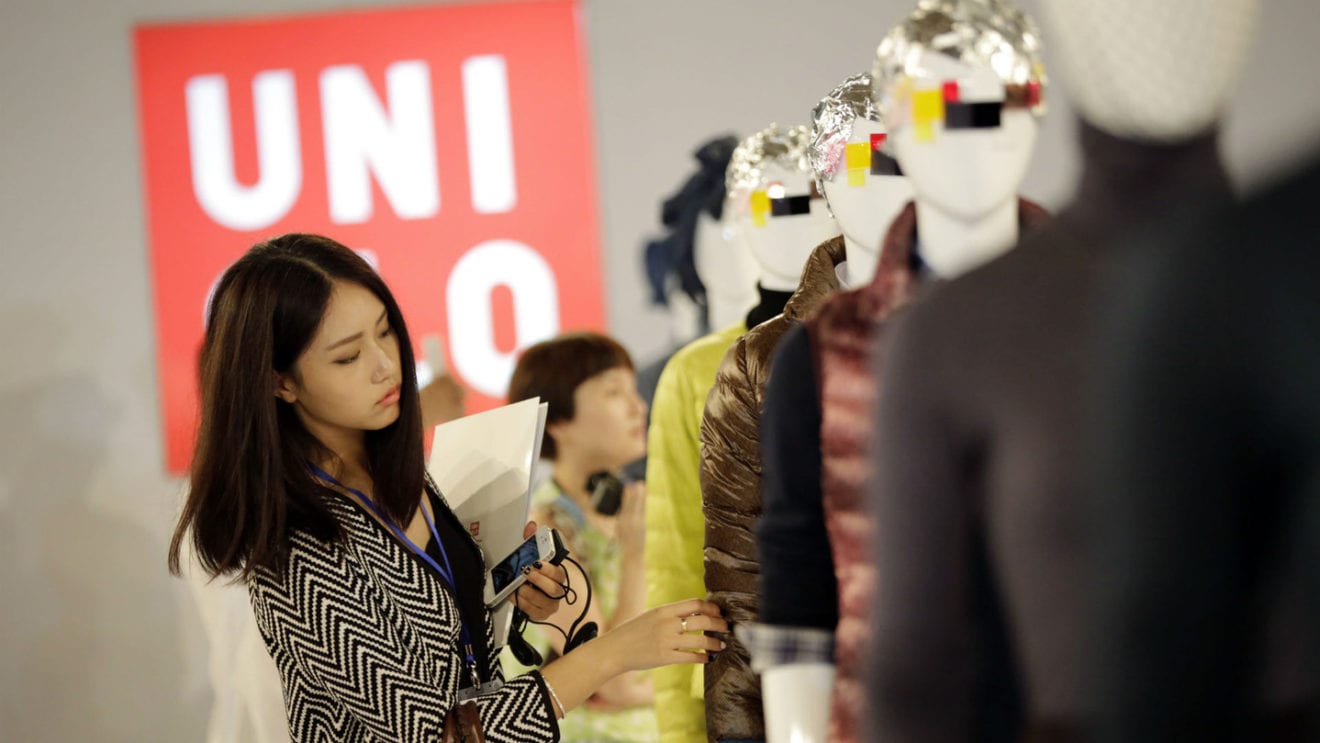

  • Uniqlo India Aims for 300% Sales Boost and Plans to Double Store Count!

    Uniqlo India Aims for 300% Sales Boost and Plans to Double Store Count!

    Uniqlo is poised for a dramatic uplift in its Indian operations, aiming for a threefold sales increase by 2028, according to insights shared by the company’s COO with Nikkei Asia. This ambitious goal surfaces amid a backdrop of tepid consumer spending and fierce competition facing many fashion retailers in the region.

    The launch of its 17th Indian store in Bengaluru on August 29 signifies a strategic shift as Uniqlo ventures into new territory, marking its first retail footprint in Southern India. The company’s expansion mirrors its commitment to raise brand awareness and strengthen its presence in major urban centers.

    As consumer habits continue to evolve amid economic pressures, Uniqlo remains undeterred. “We see immense potential in the Indian market, which is largely untapped compared to other regions,” the COO emphasized. With this new store opening, Uniqlo aims not just to sell clothing but also to weave itself into the fabric of the local culture.

    Considering the array of global fashion choices, it seems consumers are craving quality at an accessible price, a sweet spot where Uniqlo excels. Perhaps this strategy will prove to be the fashion equivalent of finding buried treasure in the bustling marketplace.

    This push into Bengaluru is also expected to play a vital role in bolstering Uniqlo’s positioning against its rivals, leveraging its unique brand identity and commitment to innovative fabrics. As they gear up for the store’s launch, the spotlight is firmly on how Uniqlo plans to capture the hearts—and wallets—of another diverse consumer base in India.

    Questions & Answers

    What are Uniqlo’s sales goals in India by 2028?
    Uniqlo aims to achieve a threefold increase in sales in India by 2028.

    What is significant about the upcoming Bengaluru store?
    The Bengaluru store will be Uniqlo’s 17th in India and its first in Southern India, marking a key expansion into new territory.

    How does Uniqlo plan to differentiate itself in the competitive Indian market?
    The company plans to leverage its strong brand identity, innovative fabrics, and the promise of quality apparel at accessible prices to appeal to Indian consumers.

  • L’Oréal Invests In Asian Manufacturing For Greener, Localized Beauty Products

    L’Oréal Invests In Asian Manufacturing For Greener, Localized Beauty Products

    As the retail landscape in Asia rapidly evolves, global brands are increasingly eyeing the region for their strategic expansion plans. A striking example is the decision by major cosmetics player L’Oréal to significantly ramp up its investment in local manufacturing capabilities, reflecting an acute understanding of the region’s unique market dynamics and consumer preferences.

    Investing in Local Manufacturing

    L’Oréal recently announced its commitment to invest over €150 million in its manufacturing facilities in various Asian markets, including Vietnam and China. This investment is not just about increasing production capacity; it’s a calculated move aimed at enhancing supply chain efficiency and ensuring that the company can quickly respond to the ever-changing trends that define the beauty industry in Asia. With products flying off the shelves at the speed of light, L’Oréal is positioning itself to capture the hearts—and wallets—of consumers who increasingly crave local and authentic experiences in their beauty regimes.

    What makes this investment even more compelling is L’Oréal’s clear intention to incorporate eco-friendly practices within their production lines. By integrating sustainable technology, the brand is not simply keeping pace with consumer expectations but is actively setting the stage for a greener retail future in a region that is becoming more environmentally conscious.

    Market Trends Fueling Growth

    The move comes amid significant shifts in consumer behavior across Asia. In particular, digital engagement and e-commerce sales are skyrocketing, with beauty products becoming some of the most sought-after items online. L’Oréal’s decision to fortify its manufacturing presence underscores a broader trend among brands aiming to localize their offerings. This not only streamlines operations but also aligns products more closely with local tastes and cultural nuances, providing a personalized shopping experience that many consumers are now demanding.

    Moreover, the beauty market in Asia is projected to grow exponentially in the coming years, bolstered by a diverse demographic and an influx of youthful consumers eager to experiment with new products and trends. With this pivotal investment, L’Oréal is not merely playing catch-up but rather, making a bold statement that it intends to lead in this dynamic marketplace.

    Consumer Engagement at the Forefront

    Brands like L’Oréal are also innovating in how they engage with consumers. Interactive campaigns on social media, coupled with influencer partnerships, are reshaping traditional marketing tactics. Rather than simply advertising products, L’Oréal is entering a dialogue with its consumers, which is often more effective. After all, in a world flooded with choices, who wouldn’t want to be engaged by the brands they love?

    Furthermore, the ability to produce and distribute products locally allows L’Oréal to experiment with limited-edition launches tailored specifically for Asian markets. The idea of creating something exclusive that resonates locally adds not just value but a tantalizing element of desirability—because, let’s face it, who doesn’t love a product that feels tailored just for them?

    A Bright Future Ahead

    With these strategic investments and innovations, L’Oréal is well-positioned to thrive in Asia’s retail sector. By balancing local production with sustainable practices, and by engaging deeply with consumers, the brand is crafting a path that many others may soon follow. As the beauty industry continues to flourish, one thing is clear: the best is yet to come, and the sparkle of local engagement combined with a global brand ethos is set to dazzle Asian consumers.

    Questions & Answers

    How much is L’Oréal investing in its Asian manufacturing capabilities?
    L’Oréal is committing over €150 million to enhance its manufacturing facilities in several Asian markets, including Vietnam and China.

    What impact do local manufacturing investments have on consumer preferences?
    By localizing production, L’Oréal can better cater to regional tastes and preferences, creating a more personalized shopping experience for consumers.

    Why is sustainability important in L’Oréal’s investment strategy?
    Integrating sustainable practices in manufacturing responds to the growing environmental consciousness among consumers, positioning L’Oréal as a responsible leader in the beauty industry.

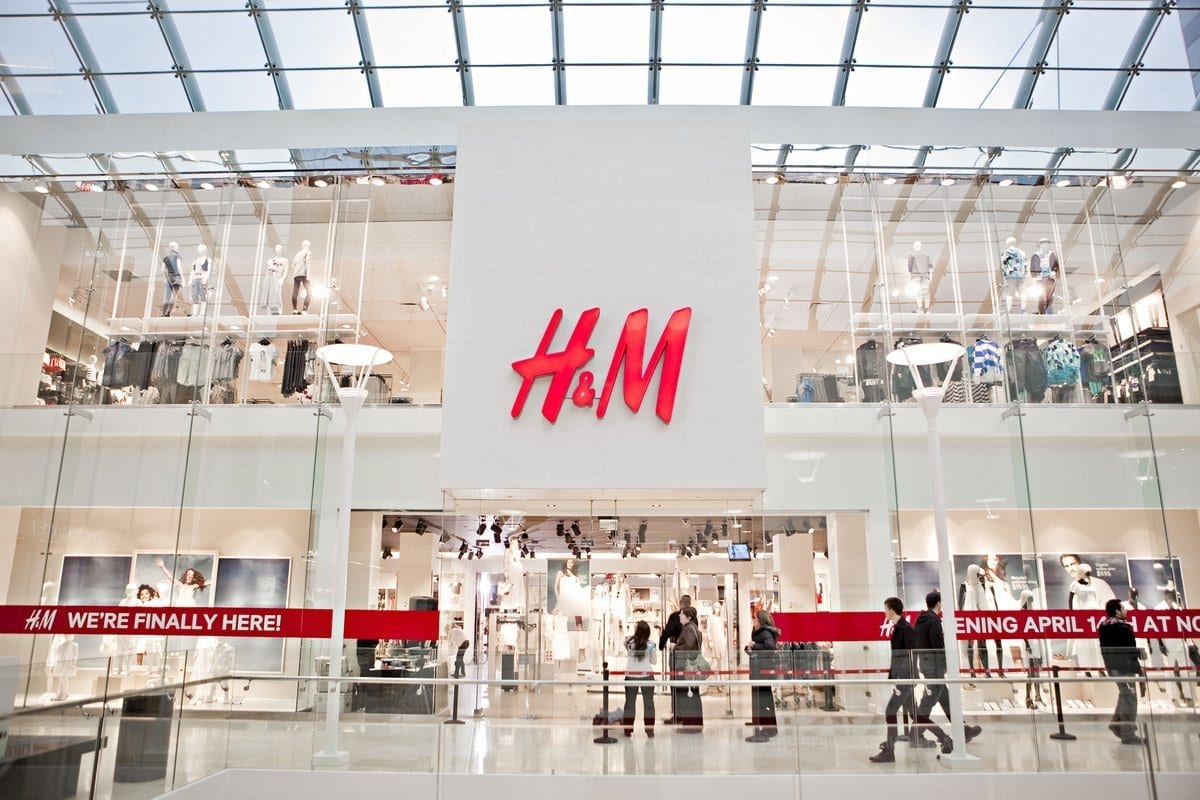
  • Gill Capital Revolutionizes H&M With Ai-powered Search Agent And Virtual Shopping Assistant

    Gill Capital Revolutionizes H&M With Ai-powered Search Agent And Virtual Shopping Assistant

    Gill Capital Group is making waves in the retail sector with its recent pilot of a generative AI-powered search agent and a virtual shopping assistant on H&M’s e-commerce platforms in Indonesia and Thailand. This initiative seeks to enhance the online shopping experience, and early trials indicate it has achieved just that, resulting in boosted engagement and sales among test groups.

    Addressing the Challenges of Online Shopping

    The retail landscape is riddled with challenges, one of the most pressing being ineffective search functions that often misinterpret customer intentions. Gill Capital’s innovative search agent addresses this issue head-on, using natural language processing to accurately comprehend and interpret shopper queries. Whether a customer is searching for a breezy blouse in Thai or a chic tunic for Eid in Bahasa, the AI is designed to understand context over mere keywords, yielding more relevant search results.

    This intelligent system not only enhances the user experience but also streamlines backend operations by automatically organizing product catalogs. Gone are the days of employees manually sifting through inventory to assign keywords—now, they can focus on more strategic tasks.

    Transforming the Shopping Experience with AI

    In addition to the search agent, Gill Capital is integrating a conversational shopping assistant on H&M’s digital platforms. This smart agent provides personalized recommendations and can tackle complex inquiries, such as confirming product availability in local stores. By serving as a bridge between online and physical retail, it empowers shoppers and enriches customer service interactions.

    Victor Siow, Gill Capital Group’s Chief Data and Analytics Officer, emphasized the importance of staying ahead in the retail game. “While search technology has advanced from basic keyword matching to more sophisticated semantic searches, many online retailers haven’t kept pace. We’re leveraging Google’s powerful infrastructure to maintain our competitive edge,” he stated.

    Combining reasoning models like Gemini 2.5 Flash with its proprietary data, Gill Capital ensures that its AI delivers relevant and accurate recommendations across the board. The company isn’t just stopping with H&M; it plans to extend these AI solutions to other brands in its portfolio while also exploring new opportunities for innovation, particularly in supply chain optimization.

    These ambitious projects are currently being piloted under Google Cloud’s AI Cloud Takeoff program, launched in collaboration with Digital Industry Singapore (DISG). Gill Capital’s foray into AI isn’t just a technological upgrade; it’s a clear investment into the future of retail that could reshape shopping in Asia and beyond.

    Questions & Answers

    What are the key features of Gill Capital’s AI-powered search agent?
    The search agent excels at understanding natural language queries, comprehending local languages, and addressing user intent beyond basic keywords, enabling more relevant shopping results.

    How is Gill Capital enhancing customer service through AI?
    By incorporating a conversational shopping assistant, customers can receive personalized recommendations and resolve queries regarding stock availability, effectively connecting the digital experience with physical stores.

    What are Gill Capital’s future plans for its AI initiatives?
    The company aims to roll out these AI solutions to other brands within its portfolio while exploring further applications, particularly in optimizing supply chain operations.

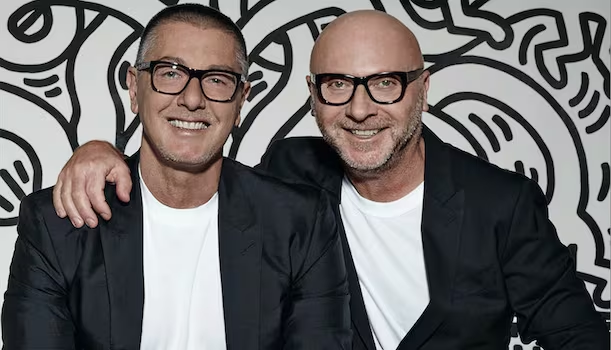
  • Dolce & Gabbana Reports 4% Revenue Growth Despite Retail Challenges; Sets High Ambition For Beauty Division

    Dolce & Gabbana Reports 4% Revenue Growth Despite Retail Challenges; Sets High Ambition For Beauty Division

    Dolce & Gabbana, the revered Italian luxury fashion brand, has unveiled financial figures for the fiscal year that came to a close on March 31. The company saw its revenue climb by 4 per cent, translating to a total of US$2.2 billion.

    Revenue Drivers and Losses

    The primary catalyst behind this revenue growth was an 11 per cent surge in wholesale sales, accounting for 46 per cent of the brand’s total revenue. Unfortunately, the company also witnessed a 3 per cent decline in retail sales, indicative of challenges in crucial markets such as Europe and Asia.

    Despite the increase in revenue, Dolce & Gabbana’s net loss expanded to $136 million from the previous fiscal year’s figure of $15 million.

    Department Specific Performance

    Notably, the fashion and home division of the company experienced an 8 per cent revenue drop to $1.4 billion. This downturn is attributable to weakened demand in Europe and China, with the effect partially mitigated by gains in the Middle East, South America, and South Africa.

    On the other hand, the beauty segment posted strong figures, with sales escalating by 30 per cent year-over-year to approximately $699 million.

    Expansion and Future Endeavors

    From 2022 onwards, Dolce & Gabbana has broadened its makeup offerings to encompass more than 100 products. The brand plans to further expand this range to a complete line of 350 SKUs and has recently launched a skincare line, the Fresh Skin Collection.

    In terms of future goals, the company has set its sight on achieving $1.1 billion in annual beauty sales by the end of fiscal 2027. This objective emerges as part of their strategic shift from licensing to direct management of the beauty division.

    Additionally, Dolce & Gabbana has obtained $116 million in medium-term financing and has extended the maturity of a $345 million term loan to 2030.

    Questions & Answers

    What was the primary driver behind Dolce & Gabbana’s revenue growth?
    The primary driver was an 11 per cent increase in wholesale sales, which now account for 46 per cent of the brand’s total revenue.

    How did Dolce & Gabbana’s beauty segment perform in the past fiscal year?
    The beauty segment performed exceptionally well, with sales seeing a 30 per cent year-over-year increase to approximately $699 million.

    What are Dolce & Gabbana’s future plans for their beauty division?
    The company plans to achieve $1.1 billion in annual beauty sales by the end of fiscal 2027, following its strategic shift from licensing to direct management of the beauty division.

  • Hermès Unveils Stunning Expanded Flagship Store in Seoul: A New Era for Luxury Retail!

    Hermès Unveils Stunning Expanded Flagship Store in Seoul: A New Era for Luxury Retail!

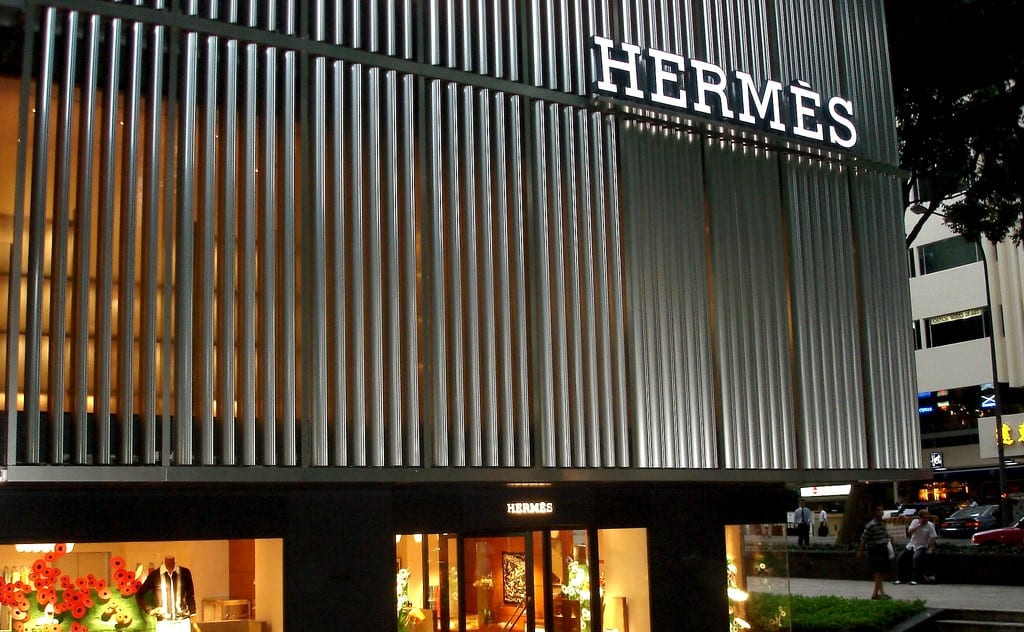
    In a grand unveiling that is sure to turn heads, Hermès has launched its newly relocated and expanded store within the Galleria department store at Apgujeong Rodeo in Gangnam, South Korea. This West Hall location shines as a beacon for luxury, showcasing all sixteen of the brand’s crafts in a lively and contemporary setting.

    The store’s façade is a stunning display itself, featuring anodized metal stripes that draw inspiration from South Korea’s traditional Dancheong decorative art. A fusion of ancient motifs and sleek modernity sets the tone for what lies inside.

    Once inside, guests are greeted by a vibrant environment where the layout is as striking as the products. A central silk section serves as the heart of the store, flanked by meticulously organized sections dedicated to men’s and women’s fashion, leather goods, jewelry, watches, and home and equestrian collections — all enriched by a palette of cheerful pastels that invites exploration.

    The architectural vision comes courtesy of the Parisian design agency RDAI, seamlessly blending heritage with modern aesthetics. Notably, the store includes locally crafted elements like elegant silk walls and pleated paper lighting designed by Jungmo Kwon, adding a distinct Korean touch to the luxurious experience.

    Art enthusiasts will find themselves delighted as well, with a selection of artworks from Hermès collections and contemporary artisans such as Mamadou Cissé and Jan Bajtlik adorning the space. The artistic narrative extends to the store’s window displays as well, where the 2025 theme “Drawn to Craft,” curated by Korean artist Miju Lee, invites passersby to reflect on creation and memory through the lens of everyday moments.

    Questions & Answers

    What is the significance of the store’s design elements?
    The store’s façade features anodized metal stripes inspired by South Korean Dancheong, showcasing a blend of traditional artistry with modern design, which resonates with local culture while enhancing the luxury experience.

    Who was involved in the store’s design?
    The store was designed by the Parisian agency RDAI, incorporating unique local elements crafted by Jungmo Kwon, which enrich the Hermès aesthetic with a distinctly Korean flair.

    What is the theme of the 2025 window displays?
    The theme “Drawn to Craft,” spearheaded by Korean artist Miju Lee, creatively explores the concepts of creation and memory, encouraging viewers to find significance in everyday moments.

  • Hermes Unveils Expanded Boutique In Seoul: A Fusion Of French Luxury And Korean Tradition

    Hermes Unveils Expanded Boutique In Seoul: A Fusion Of French Luxury And Korean Tradition

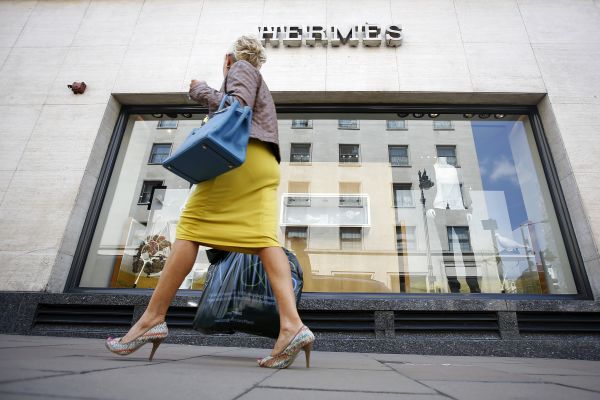
    The renowned brand, Hermes, has recently reopened its enlarged boutique in the high-end shopping zone, Apgujeong Rodeo, within Seoul’s Galleria department store. This area is famously known as a luxury buying hub in the Gangnam district.

    Design and Aesthetics

    The storefront, crafted by the Parisian architecture agency RDAI, is beautifully wrapped in oxidizing metal stripes. This design is an homage to the traditional Korean decorative painting known as Dancheong, creating a perfect blend of modern and traditional. Hermes, the French luxury powerhouse, refers to this as a lively interaction between culture and modernity.

    Upon entering, visitors are greeted with the emblematic ex-libris of the house, embedded into the signature terrazzo Faubourg pattern. The boutique layout accentuates different merchandise categories, with silk items occupying the central space. On the right side, there are men’s shoes and ready-to-wear sections, while home and equestrian collections are located toward the back.

    Showcasing Products

    The goods on display include leather items, jewellery, and watches, which are showcased in dedicated intimate spaces. Women’s ready-to-wear and shoe collections are exhibited against a backdrop of pastel blue terrazzo and silk partitions.

    The interior design incorporates local custom craftsmanship, such as pleated paper lighting created by Jungmo Kwon. This is in addition to pieces from the Emile Hermes collection and contemporary photography.

    The statement from the company further elucidates, “As the store moves to a new location, the two window scenes also lead the viewer on a poetic journey. This narrative transforms the mundane details of daily life into thought-provoking reflections on our collective imagination.”

    The luxury brand extends an invitation to its loyal clientele and prospective customers to explore their timeless creations in a vibrant environment that mirrors the unique culture of Seoul and the impeccable craftsmanship of the house.

    Questions & Answers

    What does the new design of the Hermes store symbolize?

    The new design brings together the elements of traditional Korean decorative painting with modern aesthetics, symbolizing a playful dialogue between heritage and modernity.

    What kind of products are highlighted in the store layout?

    The store layout emphasizes different categories including silk at the center, men’s shoes and ready-to-wear to the right, and home and equestrian collections toward the rear. Leather goods, jewellery, watches, and women’s ready-to-wear and shoes are also showcased.

    What local elements are incorporated in the interior design of the store?

    The interior design incorporates local custom craftsmanship, such as pleated paper lighting by Jungmo Kwon, displayed alongside pieces from the Emile Hermes collection and contemporary photography.

  • Calvin Klein Unveils Global Flagship Store In Tokyo: A Fusion Of Minimalism And Japanese Craftsmanship

    Calvin Klein Unveils Global Flagship Store In Tokyo: A Fusion Of Minimalism And Japanese Craftsmanship

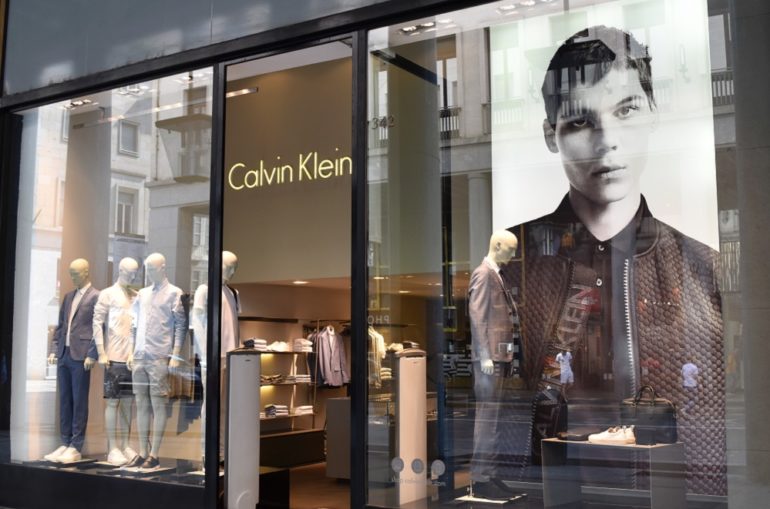
    In the bustling Harajuku district of Tokyo, Calvin Klein is set to unveil its latest global flagship store this Friday. This new move is a significant step in the brand’s ongoing global expansion efforts, following the successful establishment of a store in Paris last year.

    Creating a Unique Shopping Experience

    Calvin Klein aims to offer more than just a shopping destination with its latest flagship. Designed to be a fusion of culture and commerce, the new store seeks to elevate the retail experience for customers. David Savman, appointed as Calvin Klein’s global brand president in May, described the Tokyo flagship as a critical achievement in the brand’s worldwide retail strategy.

    A Blend of Minimalism and Tradition

    Spread over three floors, the flagship store is a harmonious blend of Calvin Klein’s signature minimalism and the artistry of traditional Japanese craftsmanship. The store features traditional materials such as stone, plaster, glass, paper, and cedar, all in a natural color scheme. Savman described the store as a place where “the Calvin Klein way of living meets the culture of fashion”.

    At the Intersection of Fashion and Culture

    Calvin Klein has consistently been at the crossroads of fashion and culture, creating products and experiences that inspire and resonate with consumers. According to Savman, the brand’s stores are where this unique aspect of its identity is most fully expressed. The company also hinted at an upcoming New York flagship store, which is scheduled to open later this year.

    Questions & Answers

    Where is Calvin Klein’s newest global flagship store located?
    The newest global flagship store by Calvin Klein is located in the Harajuku district, Tokyo.

    What is unique about the design of the Tokyo flagship store?
    The Tokyo flagship store uniquely blends Calvin Klein’s signature minimalism with the artistry of traditional Japanese craftsmanship.

    What is the next significant opening planned by Calvin Klein?
    Calvin Klein plans to open a flagship store in New York later this year.

  • Riccardo Bellini Steps In As New CEO Of Valentino Following Venturini’s Departure

    Riccardo Bellini Steps In As New CEO Of Valentino Following Venturini’s Departure

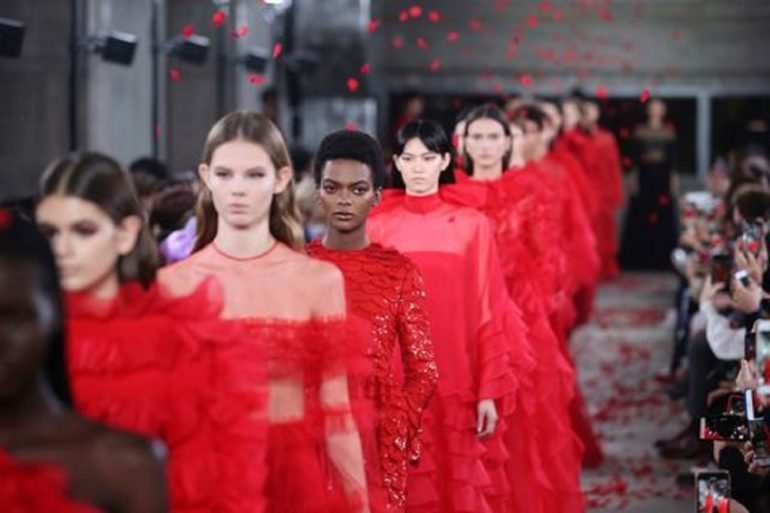
    Valentino, the renowned Italian luxury brand, has announced the appointment of Riccardo Bellini as the company’s new CEO. Bellini’s appointment follows the recent resignation of his predecessor, Jacopo Venturini. Bellini is set to officially assume the CEO role starting September first.

    Riccardo Bellini brings extensive experience in the luxury industry, having held notable leadership positions at prestigious fashion houses like Maison Margiela and Chloe in the past. Moreover, his marketing expertise has been honed at renowned companies such as Diesel and P&G.

    At Valentino, Bellini will collaborate closely with Alessandro Michele, the brand’s creative director. Michele was appointed to his role last year and has since been leading the brand’s creative strategies and campaigns.

    Rachid Mohamed Rachid, chairman of Valentino, expressed his confidence in Bellini’s appointment, stating, “Riccardo’s extensive luxury experience, strategic acumen, and proven leadership, in conjunction with our creative team, are sure to propel the Maison forward and amplify its unique identity.”

    Kering, the French luxury conglomerate, holds a significant stake in Valentino, owning 30% of the Italian luxury company.

    Questions & Answers

    Who has been appointed as the new CEO of Valentino?
    Riccardo Bellini has been appointed as the new CEO of Valentino.

    Who was the previous CEO of Valentino?
    The previous CEO of Valentino was Jacopo Venturini.

    Who does Riccardo Bellini plan to collaborate with at Valentino?
    Riccardo Bellini will be working closely with Alessandro Michele, the brand’s creative director.

  • Guess Inc. To Go Private In $1.4b Deal With Authentic Brands And Marciano Founders

    Guess Inc. To Go Private In $1.4b Deal With Authentic Brands And Marciano Founders

    Guess, a renowned fashion and lifestyle brand, is preparing to transition into a privately-held company following a US$1.4 billion pact with Authentic Brands Group, major shareholders, and co-founders Maurice and Paul Marciano, Nicolai Marciano, as well as CEO Carlos Alberini.

    Details of the Agreement

    According to the terms of this agreement, Authentic Brands Group is slated to acquire the majority stake, 51%, of Guess’s intellectual property. Meanwhile, the Marciano family and their affiliated entities will retain a minority stake of 49%.

    Despite the shift in ownership, Guess’s management team will continue to operate the business and retain full ownership of the operating company. Shareholders who are not part of the founding group are set to receive a cash payment of $16.75 per share.

    The Future of Guess

    Jamie Salter, the founder, chairman, and CEO of Authentic Brands, expressed his excitement and optimism about the impending partnership with the Marcianos. He acknowledged Guess as a dominant brand that has significantly influenced style and culture for over four decades. Salter is eager to collaborate with the Marciano family as Guess embarks on this new phase, building upon its enduring legacy.

    Questions & Answers

    What will be the distribution of Guess’s intellectual property ownership following the deal?
    Following the agreement, Authentic Brands Group will own 51% of Guess’s intellectual property, while the Marciano family and their affiliated entities will retain a 49% stake.

    What will happen to shareholders who are not part of the founding group?
    Shareholders who are not part of the founding group will receive a cash payment of $16.75 per share as a result of the agreement.

    Who will continue to manage Guess after the deal?
    Despite the change in ownership, Guess’s current management team will continue to run the business, maintaining full ownership of the operating company.

  • LVMH Targets Asia: Luxury Market Expansion Amid Shifting Retail Landscape

    LVMH Targets Asia: Luxury Market Expansion Amid Shifting Retail Landscape

    In a move that underscores the ever-evolving world of retail, French luxury goods giant LVMH Moët Hennessy Louis Vuitton has set its sights on expansion in Asia. The company recently announced plans to increase its investment in the region, aiming to capture a larger share of the burgeoning luxury market. With a growing middle class and an appetite for high-end products, Asia has emerged as a hotspot for luxury retail, prompting LVMH to adapt its strategy and deepen its footprint.

    Luxury Frenzy: A Golden Opportunity

    This latest initiative aligns seamlessly with LVMH’s ongoing effort to cater to the region’s affluent consumers, who are increasingly favoring homegrown experiences over international travel. Notably, China remains at the forefront of this luxury boom, with more than 35% of global luxury sales now occurring within its borders. This trend showcases not just resilience but also a vibrant enthusiasm for luxury brands that many thought would wane. Spoiler alert: it hasn’t!

    A Blazing Trail in Retail Innovation

    To strategically position itself within this competitive landscape, LVMH plans to boost its digital presence. As online shopping transforms how consumers interact with brands, the company is shifting gears to enhance its e-commerce capabilities, making luxury shopping as easy as a click. It’s no coincidence that they are investing heavily in technology to create engaging platforms and luxurious online experiences that resemble their flagship stores.

    Tailored Approaches for Diverse Markets

    Each market within Asia offers unique opportunities and challenges, prompting LVMH to tailor its approach for various consumer preferences. While wealth is concentrated in urban centers, shopping behaviors fluctuate wildly between regions. With this understanding, LVMH is conducting in-depth market studies to customize both product lines and marketing strategies accordingly. This meticulous attention to detail could be the key to winning over luxury aficionados from Tokyo to Mumbai.

    The Road Ahead: Sustaining Growth

    As LVMH ramps up its investment in Asia, the company faces the challenge of maintaining sustainable growth amid shifting economic landscapes. Market analysts are closely monitoring how both local and global factors will influence consumer spending habits. The retailer’s leadership remains optimistic, betting that strong brand loyalty and innovative marketing will prevail in attracting the discerning customers lined up at the entrance of their luxurious establishments.

    Questions & Answers

    What is LVMH’s plan for expanding in Asia?
    LVMH aims to boost its investment in Asia to capture a larger share of the luxury market, enhancing their digital presence and focusing on tailored approaches for diverse regional markets.

    How significant is the luxury market growth in Asia?
    Asia, particularly China, represents over 35% of global luxury sales, highlighting its status as a key player in the luxury retail landscape with a rapidly growing middle class.

    What strategies is LVMH employing to reach consumers?
    The company is increasing its digital capabilities and conducting detailed market studies to adapt its product lines and marketing strategies to the distinct preferences of consumers across various Asian markets.

  • Indian Fashion Pioneer Brand Studio Lifestyle Expands Into Uae With Three Flagship Stores

    Indian Fashion Pioneer Brand Studio Lifestyle Expands Into Uae With Three Flagship Stores

    Brand Studio Lifestyle, the parent company of Indian fast-fashion labels Highlander and Tokyo Talkies, has expanded its operations into the Middle East with the launch of three flagship stores in the United Arab Emirates (UAE).

    Flagship Stores Launch in the UAE

    The new stores have been established in prominent shopping locations, including the BurJuman Mall in Dubai and the Sahara Centre and Mega Mall, both situated in Sharjah. The Sahara Centre location is the largest of the three, spanning an impressive 9,000 square feet, while the other two stores each occupy 5,000 square feet spaces.

    A Strategic Move into a Growing Market

    Shyam Prasad, the co-founder and CEO of Brand Studio Lifestyle, expressed his optimism about this international venture, stating that it closely aligns with the increasing demand for Indian fashion within the Middle East. He highlighted the company’s pioneering status in terms of exporting Indian fast fashion on a global scale, expressing hope that this move will inspire other domestic brands to explore international expansion.

    Future Expansion Plans

    The company also disclosed plans to further strengthen its presence in the region. By next year, Brand Studio Lifestyle aims to open an additional seven stores, as well as establish 600 shop-in-shop formats across various large-format and multi-brand outlets.

    Creating a Comprehensive Retail Experience

    Rapheal Lifestyle, the retail and consumer-facing subsidiary of the UAE-based Rapheal Group, has been instrumental in supporting the launch of these stores. The founder of Rapheal Pozholilparambil emphasized the significance of the launch. He explained that the objective is not simply to introduce new retail outlets, but to offer customers an affordable, accessible, and expressive lifestyle experience.

    Questions & Answers

    What is the significance of Brand Studio Lifestyle’s entry into the Middle East market?

    The company’s expansion into the Middle East aligns with the growing demand for Indian fashion in the region. This move also signifies the brand’s intent to internationalize Indian fast-fashion.

    Where are the new flagship stores located?

    The three flagship stores are located at the BurJuman Mall in Dubai, and the Sahara Centre and Mega Mall in Sharjah, UAE.

    What are the company’s future plans in the region?

    Brand Studio Lifestyle intends to expand its presence by opening seven more stores in the region by next year. The company also plans to establish 600 shop-in-shop formats across various large-format and multi-brand outlets.

  • Chinese E-commerce Giants Disrupt South Africa’s Retail Sector, Claiming 3.6% Market Share

    Chinese E-commerce Giants Disrupt South Africa’s Retail Sector, Claiming 3.6% Market Share

    The South African retail market has witnessed significant disruption with the entry of Chinese e-commerce firms, Shein and Temu. Together, they constitute 3.6% of the nation’s retail sector, specifically the clothing, textile, footwear, and leather (CTFL) market. This translated to 7.3 billion rand (US$405 million) in sales in 2024.

    Disrupting the Retail Landscape

    Shein made its debut in the South African market in 2020, with Temu following in 2024. Both companies have effectively shaken up the local retail scene with competitive pricing, strategic marketing, and tax loopholes that initially provided them with an advantage over domestic retailers.

    The allure of these platforms for cost-conscious shoppers has had significant effects on local retailers. In response, these retailers appealed to regulatory bodies last year to address the tax loophole, which was subsequently closed.

    Impact on Market Shares

    The Localisation Support Fund (LSF) report indicates that the market share of domestic CTFL retailers has gradually dwindled from 75.3% in 2011 to 74% in 2024. In comparison, international physical store brands such as H&M, Zara, and Cotton On hold a combined market share of 3.4%.

    Shein and Temu together now hold a 3.6% share of the CTFL market, and a commanding 37.1% of South Africa’s e-commerce CTFL market. In particular, Shein has cornered 28% of the online women’s CTFL sales.

    Sean Mercer, a principal consultant at consulting firm BMA, observed that international retailers had spent 13 years building their market share. In contrast, Shein and Temu have managed to equal and even surpass this in a mere five years.

    Questions & Answers

    What market share do Shein and Temu hold in South Africa’s retail sector?
    Shein and Temu together hold a 3.6% share in South Africa’s retail sector, specifically in the clothing, textile, footwear, and leather market.

    What strategy did Shein and Temu use to disrupt the South African retail market?
    Shein and Temu disrupted the South African retail market with competitive pricing, strategic marketing, and by leveraging tax loopholes that initially provided them with an advantage over domestic retailers.

    How has the entry of Shein and Temu affected local retailers?
    The entry of Shein and Temu has significantly impacted local retailers, leading to a decline in their market share. The cost-effective offerings of these e-commerce platforms have drawn cost-conscious shoppers, affecting the sales of local retailers.

  • Rodrigo Pizarro Appointed As New Ceo Of L’oreal Korea: A Vision For Innovation And Deepened Collaboration

    Rodrigo Pizarro Appointed As New Ceo Of L’oreal Korea: A Vision For Innovation And Deepened Collaboration

    Rodrigo Pizarro has been announced as the new Chief Executive Officer for L’Oreal Korea, effective immediately. Pizarro brings an impressive 30-year experience from within the L’Oreal organization to the role.

    Three Decades of L’Oreal Experience

    Pizarro’s history with L’Oreal dates back to 1993 when he joined the company’s Portugal division. Over the years, his expertise in digital and data-driven initiatives has made significant impacts within the organization, spanning multiple regions.

    Throughout his career at L’Oreal, Pizarro has been in leadership positions in various regions including Europe, South America, and the Asia-Pacific. His ability to lead across different cultures and markets demonstrates his adaptability and capacity to understand diverse consumer behavior.

    Multiple Leadership Roles

    Pizarro’s leadership roles within L’Oreal have been extensive and diverse. He has successfully led the consumer products division in both Venezuela and Hungary, displaying a strong understanding of different market dynamics.

    Moreover, Pizarro has also held the position of country manager for several regions, including Venezuela, Portugal, Australia, and New Zealand. His time in Australia and New Zealand was particularly noteworthy as he spearheaded the company’s digital transformation in these countries, implementing AI-powered business models.

    Contributions to L’Oreal’s Digital Transformation

    In 2020, Pizarro served as the Chief Transformation Officer for the Sapmena region, which includes South Asia Pacific, the Middle East, and North Africa. In this role, he played a significant part in advancing decision-making initiatives across multiple facets of the business: commercial, marketing, and operations.

    Upon his appointment, Pizarro emphasized the importance of L’Oreal Korea’s relationship with the Korean industry since its establishment in 1993. He expressed his enthusiasm about the opportunity to deepen this collaboration and pledged to continue promoting Korea’s innovative spirit on the global stage.

    Questions & Answers

    What is Rodrigo Pizarro’s background with L’Oreal?
    Rodrigo Pizarro has been with L’Oreal since 1993 and has held various leadership roles in multiple regions, including Europe, South America, and the Asia-Pacific.

    What significant role did Pizarro play in Australia and New Zealand?
    Pizarro led L’Oreal’s digital transformation efforts in Australia and New Zealand, which included the implementation of AI-powered business models.

    What are Pizarro’s plans for L’Oreal Korea?
    Pizarro intends to deepen the collaboration between L’Oreal Korea and the Korean industry, with an aim to further highlight Korea’s innovative spirit on the world stage.

  • Uniqlo and Adidas Consider U.S. Price Increases Amid Rising Asian Tariff Pressures

    Uniqlo and Adidas Consider U.S. Price Increases Amid Rising Asian Tariff Pressures

    In a dramatic turn of events, U.S. President Donald Trump is poised to impose significant tariffs on key apparel sourcing nations, including Vietnam, Cambodia, and Bangladesh. Industry titans like Japan’s Fast Retailing and Germany’s Adidas are now faced with the daunting prospect of raising prices for U.S. consumers.

    This impending tariff storm is seen as a major blow to manufacturers already vulnerable in an increasingly competitive global market. With tariffs set to escalate, brands may soon find themselves caught between rising costs and consumer expectations for affordable fashion. Nike, for instance, has already warned of tariff costs soaring by a staggering $1 billion, a figure that could rattle even the most seasoned retailers.

    The actual impact of these tariffs extends beyond the borders of these Southeast Asian nations. If brands choose to absorb the costs, their margins will take a hit; if they pass the costs onto consumers, they risk losing market share in an already price-sensitive environment. It’s a high-stakes game of chess where every move could determine their future in one of the most lucrative retail markets.

    As industry leaders gather to strategize, the uncertainty of the situation looms large. Fast Retailing, known for its Uniqlo brand, is assessing the potential fallout while Adidas is evaluating its supply chain to mitigate risks. “We’re living in a time where a change in policy can flip the script overnight,” commented an industry insider, alluding to the volatility retailers are facing.

    In this climate of tension and unpredictability, what could be the silver lining? Some experts believe that these tariff challenges could spur innovation and a shift toward more sustainable sourcing practices. After all, when faced with adversity, the retail sector has a reputation for finding creative solutions — like turning an economic lemon into a fashion lemonade.

    Questions & Answers

    How will the tariffs impact prices for consumers in the U.S.?
    The tariffs could lead to significant price increases for apparel products in the U.S., as brands may either absorb the added costs, squeezing their profit margins, or pass them directly onto consumers.

    Which companies are most affected by these impending tariffs?
    Major apparel companies like Fast Retailing and Adidas, which source garments from Vietnam, Cambodia, and Bangladesh, are at the forefront of this issue and are actively reevaluating their pricing strategies.

    What potential opportunities could arise from these challenges?
    Some experts suggest that the tariff-related difficulties may encourage companies to innovate and adopt more sustainable sourcing practices, transforming challenges into pathways for growth.