Tag: Fashion

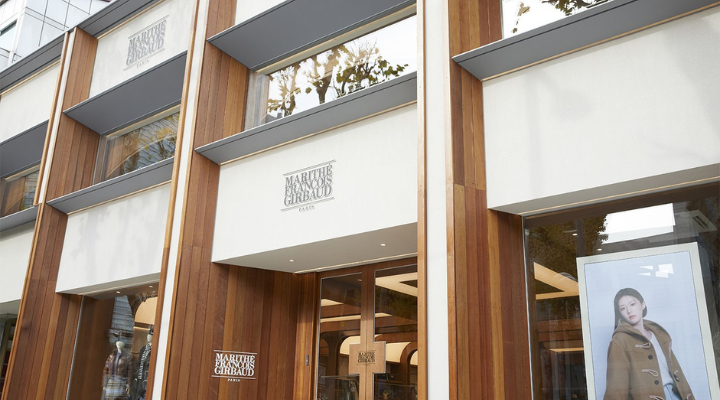
  • Marithe Francois Girbaud launches first store in Greater China

    Marithe Francois Girbaud launches first store in Greater China

    Misto Holdings has announced its expansion plans in Greater China with the introduction of Marithe Francois Girbaud, a French casualwear brand. The company has opened the first local store for this label in the bustling Xintiandi district of Shanghai. The new flagship outlet has been meticulously designed to appeal to China’s young, style-conscious consumers.

    Store Highlights

    One of the key attractions of this new store is the “DIY Eco-Bag” customization station. This unique feature allows shoppers to personalize their bags, adding a level of individuality and creativity to their shopping experience.

    Expansion Plans

    The Shanghai store is just the beginning of Misto’s expansion in the region. The company has planned the launch of three more outlets in major cities including Hangzhou and Beijing. The upcoming stores are set to be located in well-known retail spaces such as IN77 in Hangzhou, Taikoo Li in Beijing, and the IAPM Mall in Shanghai.

    A spokesperson for Misto Holdings emphasized the significance of the Shanghai flagship store in promoting the brand across Greater China. They stated, “We will continue to offer unique brands that represent authenticity. Our value will be clear through our knowledge of execution and understanding of the market.”

    Introducing Korean Fashion Brands

    In addition to launching Marithe Francois Girbaud in China, Misto is also extending its fashion portfolio in the region with an array of Korean fashion labels. The company plans to introduce brands like Matin Kim, Raive, and Rest & Recreation, further diversifying its fashion offerings.

    Questions & Answers

    What is the significance of Misto Holdings’ new flagship store in Shanghai?
    The new store signifies Misto’s commitment to expanding in the Greater China market. It will serve as a crucial point for increasing brand awareness throughout the region.

    What unique feature does the new Marithe Francois Girbaud store offer its customers?
    The store features a “DIY Eco-Bag” customization station where shoppers can personalize their own bags.

    What are Misto’s future plans in regards to expansion in China?
    Misto plans to open three more stores in major cities including Hangzhou and Beijing. They also aim to introduce a variety of Korean fashion brands to further expand their fashion footprint in the region.

  • Armani Group’s Revenues Dip 5% In 2024: Prioritizes Quality Over Profit Amid Market Challenges

    Armani Group’s Revenues Dip 5% In 2024: Prioritizes Quality Over Profit Amid Market Challenges

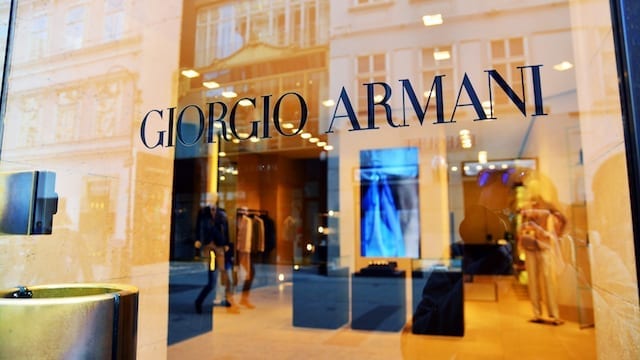
    The Armani Group, a renowned Italian fashion enterprise, saw a 5% decrease in its revenue for the fiscal year 2024. The company attributes this decline to a dip in customer expenditure and a lackluster performance in the Asia Pacific region.

    Financial Performance Insight

    The fiscal year ended with total sales hitting US$2.65 billion. However, the year saw a decrease in net cash and equivalents, which fell from $1.09 billion to $656 million. The company also reported Earnings Before Interest and Taxes (EBIT) of $77 million, and a pre-tax profit of $86 million.

    The luxury fashion brand maintained a positive outlook despite the dip in revenue. It highlighted the year’s favorable results as evidence of robust and vigilant management, thereby attesting to the strength and stability of the group.

    Regional Performance Analysis

    In terms of geographic performance, Europe maintained its position as the group’s most substantial market, accounting for 49% of the total annual revenue. The Americas followed, contributing 22% to the total revenue. However, the company saw a decrease in revenue from the Asia Pacific region, which accounted for 19% of the total revenue. This decline was primarily attributed to a slump in demand from China.

    Investments and Business Strategy

    Despite experiencing a dip in revenue, the group showed a commitment to growth as it doubled its yearly investment to nearly US$383 million. This figure marked a significant increase from the previous year’s investment of $194 million. The company allocated these funds primarily towards refurbishing stores and bringing e-commerce procedures in-house.

    Giuseppe Marsocci, the Deputy Managing Director and Chief Commercial Officer, stated that the company maintains a conservative pricing strategy, with increases remaining under inflation rates. He emphasized the group’s decision to prioritize product quality and customer experience, even if it meant compromising short-term profit margins. Marsocci expressed confidence that this strategy would enhance the company’s competitiveness when the market rebounds.

    Questions & Answers

    What factors contributed to the Armani Group’s 5% revenue decline in fiscal 2024?
    The company attributes the decline in revenue to a decrease in consumer spending and a weak performance in the Asia Pacific region.

    How did the company respond to this decrease in revenue?
    Despite the decline in revenue, Armani Group chose to double its annual investment to US$383 million, focusing on store renovations and the internalization of e-commerce operations.

    What is Armani Group’s pricing strategy, and how does it plan to stay competitive in the future?
    Armani Group maintains a restrained pricing approach, with increases below inflation levels. The company prioritizes product quality and customer experience over short-term profits, believing this strategy will enhance competitiveness when the market returns to growth.

  • Dollar Soars to New Heights Against Vietnamese Dong, Impacting Retail Landscape

    Dollar Soars to New Heights Against Vietnamese Dong, Impacting Retail Landscape

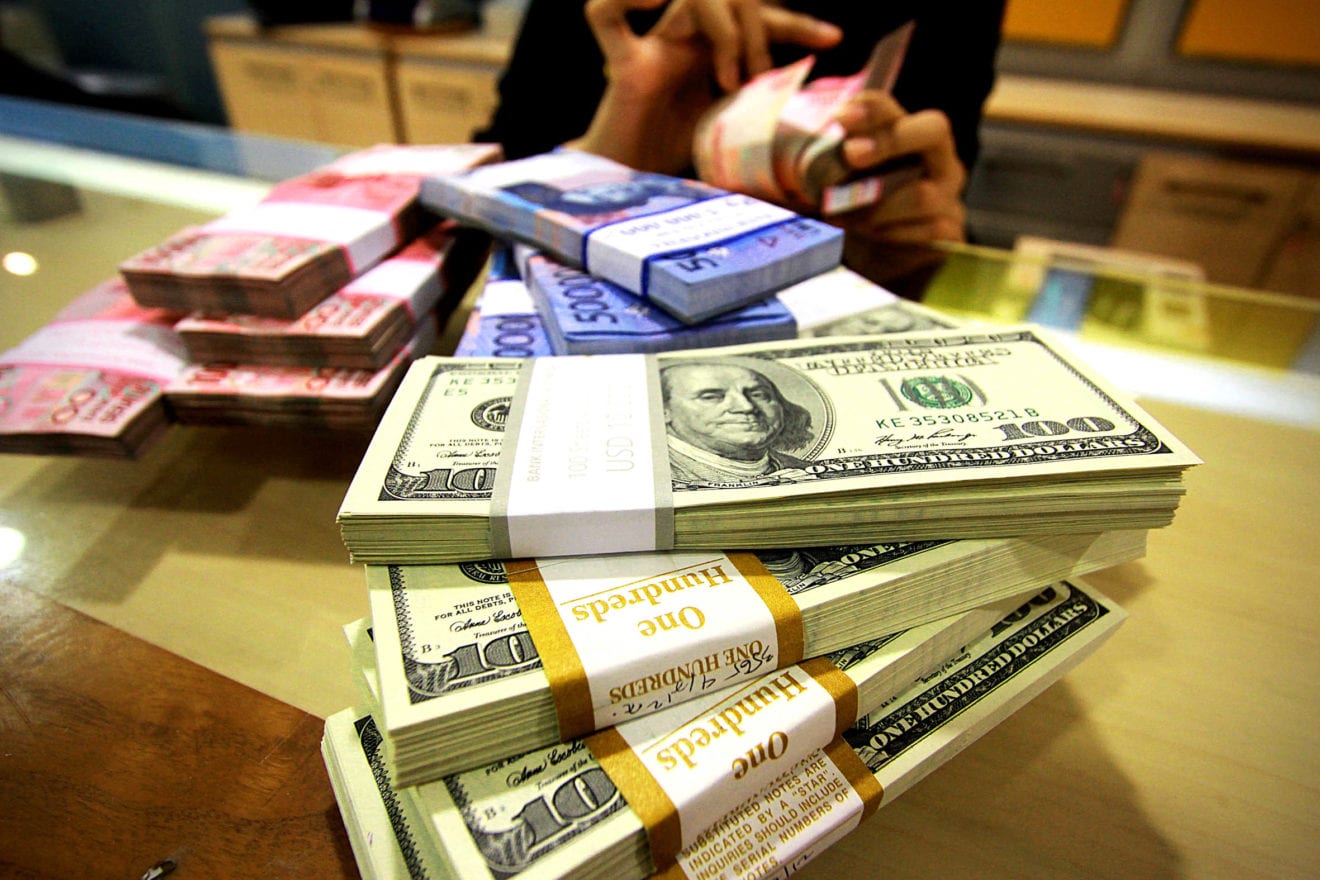
    The U.S. dollar has reached a striking new high against the Vietnamese dong, even as it maintains a steady presence in global markets this Friday morning.

    At Vietcombank, the dollar is selling at VND26,370, reflecting a modest increase of 0.09%. Meanwhile, the State Bank of Vietnam has raised its reference rate by 4.09% to VND25,116. In the black market, the dollar has climbed by 0.19%, now costing VND26,520.

    On the global stage, the dollar has sustained its gains after President Donald Trump successfully pushed his signature tax cut bill through its final legislative challenge. This development has intensified pressure on nations to secure favorable trade agreements with the U.S., as reported by Reuters.

    Despite these developments, the dollar index—which gauges the greenback against a basket of major currencies—has experienced its worst first half since 1973. Trump’s tumultuous tariff strategies have raised alarms about the U.S. economy and the stability of Treasury securities, leaving the gauge relatively unchanged at 97.056 after a 0.4% rise on Thursday. The euro has seen a slight uptick of 0.1% to $1.1765.

    Hirofumi Suzuki, chief currency strategist at SMBC, noted, “The U.S. labor market is gradually slowing down, but the lack of sudden shifts is reassuring. I personally predict that the tariff discussions will not yield favorable outcomes, which could lead to continued weakness for the dollar and strengthen the yen.” While the future remains uncertain, one thing is clear: the currency dance is as captivating as ever—who knew economics could rival a blockbuster thriller?

    Questions & Answers

    How has the U.S. dollar performed against the Vietnamese dong recently?
    The U.S. dollar has recently reached a new high against the Vietnamese dong, selling at VND26,370 with a 0.09% increase at Vietcombank, and VND26,520 in the black market.

    What factors are influencing the dollar’s stability on the global stage?
    The stability of the dollar globally can be attributed to President Trump’s tax cut bill gaining approval, which has pressured countries to negotiate trade agreements with the U.S.

    What predictions are experts making regarding the future of the dollar and yen?
    Experts, including SMBC strategist Hirofumi Suzuki, predict that the ongoing tariff negotiations may not favor the dollar, potentially leading to continued weakness against the yen.

  • Uniqlo Seeks Advantage from US-Vietnam Tariff Agreement to Boost Market Position

    Uniqlo Seeks Advantage from US-Vietnam Tariff Agreement to Boost Market Position

    In a significant shift for the retail landscape, tariff reductions between the U.S. and Vietnam are set to ease the financial pressure on companies like Uniqlo, the popular casualwear brand that heavily relies on Vietnamese manufacturing. This move comes at a crucial time as global supply chains continue to navigate the challenges posed by rising tariffs.

    Tariffs Take a Tumble

    Speaking on Wednesday, U.S. President Donald Trump announced that the previously proposed 46% tariff on imports from Vietnam would be slashed to a more manageable 20%. This news has been met with optimism from various sectors, particularly in retail, where the costs of sourcing apparel can make or break profit margins. While the Vietnamese government has yet to reveal details on the agreed tariff levels, the reduction is undoubtedly a welcome gift for Uniqlo, which has built a robust supply chain in Vietnam.

    Impact on Supply Chains

    This tariff cut is expected to bolster Uniqlo’s operations as it continues to harness the efficiency and productivity of Vietnamese manufacturers. With Vietnam already being a linchpin in Uniqlo’s supply chain strategy, these new developments may allow the retailer to further reduce costs and potentially pass on savings to consumers. In an age when customers are more price-conscious than ever, this could prove to be a savvy move.

    A Surprising Twist in Trade Relations

    The ongoing trade dynamics between these two nations have undergone numerous twists and turns, making this reduction a somewhat unexpected yet delightful surprise. Retail brands aiming for a competitive edge will likely keep a close eye on these changes, translating these potential savings into strategic business decisions.

    Looking Ahead

    As retailers like Uniqlo brace for a changing tide in tariffs, stakeholders are watching how this newfound flexibility will influence pricing strategies and market competitiveness in Asia. The ramifications of these tariff modifications extend beyond simple numbers, hinting at a broader narrative of increasing collaboration between the U.S. and Vietnam in the retail sector.

    Questions & Answers

    How will the reduced tariff affect Uniqlo’s pricing strategy?
    The tariff reduction is likely to allow Uniqlo to lower costs associated with its supply chain, which could enable the brand to offer more competitive pricing to customers.

    What prompted the U.S. to lower the tariff on Vietnamese imports?
    The decision comes amid ongoing negotiations and assessments of trade relationships, reflecting a need for a more balanced approach in tariffs that supports both nations’ economic interests.

    What broader implications could this tariff reduction have?
    This reduction could foster stronger trade relations between the U.S. and Vietnam, setting a precedent for further cooperation in the retail sector and beyond, potentially encouraging additional U.S. investments in Vietnam.

  • Set Sail for Style: Louis Vuitton Unveils Cruise Ship-Inspired Store in Shanghai

    Set Sail for Style: Louis Vuitton Unveils Cruise Ship-Inspired Store in Shanghai

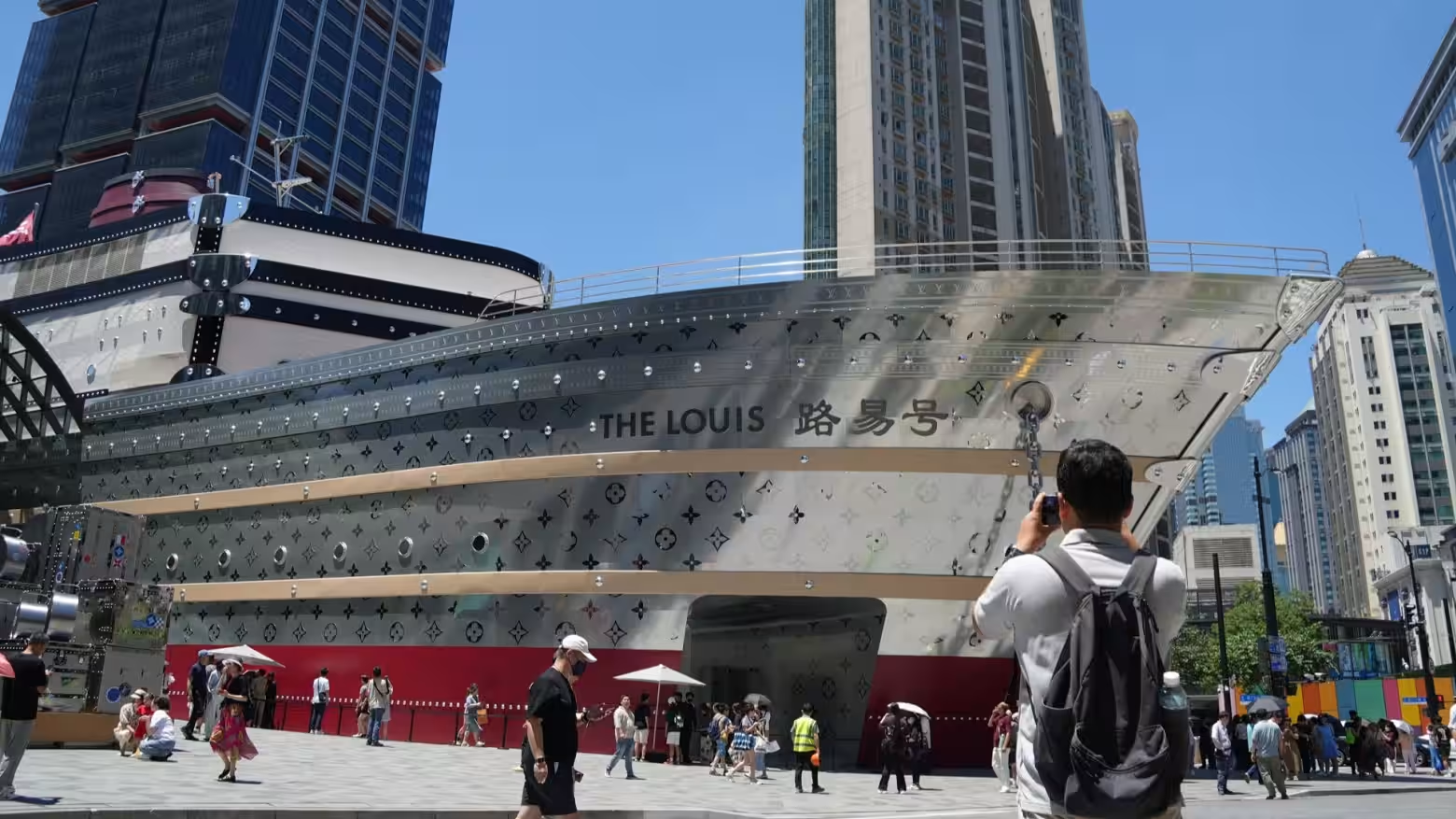
    Louis Vuitton’s latest venture into retail has set sail in the heart of Shanghai with a striking cruise ship-themed concept store that is stirring excitement among both shoppers and social media enthusiasts. With its whimsical design, the three-story venue has quickly established itself as a go-to hotspot for those looking to capture the perfect Instagram moment.

    An Immersive Shopping Experience

    This innovative store offers more than just a place to browse and buy. It incorporates an expansive sales area, a chic café, and curated exhibits that delve into the rich culture and history of Louis Vuitton. It’s a retail experience that invites customers not only to shop but to engage with the brand in a fun and educational way—like taking a cinematic journey without ever leaving the building!

    A Blend of Retail and Art

    As guests wander through the store, they encounter a stunning array of merchandise, art installations, and interactive displays that celebrate the brand’s legacy. This is more than just retail therapy; it’s a celebration of the craftsmanship and artistry that define the Louis Vuitton name. The store cleverly marries the allure of luxury fashion with an engaging narrative experience, captivating the interests of a diverse clientele.

    Strategic Location Fuels Popularity

    Situated in a bustling area of Shanghai, the store is perfectly positioned to attract both tourists and locals, making it a prime destination on the city’s retail map. The balance of luxury and accessibility is evident as chatter fills the café and excited voices exclaim over creatively designed displays. It appears that luxury shopping has found a new rhythm that resonates with the modern consumer’s desire for memorable experiences.

    Questions & Answers

    What makes the Louis Vuitton store unique compared to traditional retail locations?
    The Louis Vuitton store in Shanghai stands out with its cruise ship theme and immersive experience, blending retail with art and education about the brand’s heritage.

    How does the store enhance customer engagement beyond shopping?
    The store features exhibits showcasing Louis Vuitton’s culture, interactive displays, and a café, transforming the shopping experience into a multi-faceted engagement with the brand.

    Why is the location significant for the store’s success?
    Located in a bustling part of Shanghai, the store attracts both tourists and locals, creating a vibrant atmosphere that drives foot traffic and enhances its appeal as a social hotspot.

  • Uniqlo Set to Debut in South India with Exciting New Store in Bengaluru!

    Uniqlo Set to Debut in South India with Exciting New Store in Bengaluru!

    Retailers in Asia are facing a significant market shift as consumer spending trends evolve amid a changing economic landscape. With inflation and cautious consumer sentiment on the rise, businesses are strategizing to capture attention in an increasingly competitive environment.

    Adapting to Consumer Sentiment

    For many retailers, the focus is shifting from unconditional loyalty to a deeper understanding of consumer behavior. Brands are working tirelessly to adapt, employing data analytics to glean insights that go beyond the shopping cart. A recent survey revealed that 62% of consumers are now prioritizing value over brand allegiance, significantly impacting purchasing decisions across sectors.

    This newfound pragmatism has prompted retailers to reconsider promotional strategies, ensuring that discounts and offers align tightly with customer expectations. Some companies are even getting playful, testing quirky ad campaigns that resonate with younger audiences while remaining relatable—a refreshing departure from the usual marketing motifs.

    Investing in Sustainability

    Sustainability has taken a primary seat at the strategy table for numerous brands aiming to woo environmentally conscious shoppers. As greenwashing becomes a more serious issue, authentic commitment stands out. Retail giants are increasingly investing in sustainable supply chains and eco-friendly practices, with reports indicating a 25% uptick in consumer willingness to pay a premium for sustainable products.

    Brands like Uniqlo and Zara have rolled out extensive recycling programs, encouraging customers to return old garments while promoting a circular economy. The early adopters are seeing positive feedback, proving that a commitment to sustainability is not just a trend—it’s becoming a consumer expectation.

    Digital Transformation and E-Commerce Growth

    The pandemic hurled the retail sector into a digital renaissance, and now, e-commerce is not just a complementary channel but often the primary shopping avenue. Many brands are enhancing their online presence with immersive shopping experiences that merge practicality with engagement. Virtual try-ons and live-stream shopping events have become staples in the arsenal of savvy retailers, capturing the attention of a tech-savvy demographic yearning for connection.

    Moreover, social commerce is skyrocketing, with platforms like TikTok and Instagram evolving into marketplaces where sales can happen with a simple swipe. As the line between social interaction and shopping continues to blur, retailers are finding innovative ways to turn idle scrolling into spending.

    Understanding Regional Nuances

    It’s essential for retailers to recognize that Asia is not a monolith. Consumers in Southeast Asia have distinct tastes compared to their counterparts in East Asia, influenced by local cultures, economic conditions, and social dynamics. Brands that embrace these regional differences—by localizing products and marketing strategies—are often the ones that emerge victorious in this complex landscape.

    As retailers gear up for the future, the ability to blend tradition with innovation will be crucial. After all, in an age where consumer preferences can swing like a pendulum, agility may well be the most valuable asset.

    Questions & Answers

    How are retailers adapting to changing consumer sentiments in Asia?
    Retailers are focusing on understanding consumer behavior through data analytics and are shifting their promotional strategies to prioritize value, reflecting consumers’ increased price sensitivity.

    What role does sustainability play in modern retail strategies?
    Sustainability is becoming a key element for retailers, with many investing in eco-friendly practices and transparent supply chains to meet the expectations of environmentally conscious consumers.

    How is digital transformation impacting retail in Asia?
    Digital transformation has led to significant e-commerce growth, with brands enhancing online experiences through innovative technologies and social commerce, turning platforms into marketplaces.

  • Uniqlo Unveils Ambitious Expansion Plan Amid Rising Demand In Asia

    Uniqlo Unveils Ambitious Expansion Plan Amid Rising Demand In Asia

    In a recent shake-up within the retail sector, the iconic Japanese fashion retailer, Uniqlo, has confirmed plans to expand its presence in Asia, unveiling an ambitious strategy to open 50 new stores across key markets in the region over the next year. This move comes as the company seeks to capitalize on the rising demand for affordable yet trendy apparel among Asia’s rapidly growing middle class.

    Accelerated Growth Amid Global Challenges

    Despite facing headwinds from global supply chain constraints and the lingering effects of the pandemic, Uniqlo’s executives remain optimistic. In a statement, the company highlighted its commitment to sustainable practices and innovative product offerings, which are expected to be central to its new store openings. As the world becomes increasingly eco-conscious, Uniqlo plans to leverage its reputation for quality and affordability to attract a loyal customer base.

    A Unique Brand Experience

    What sets Uniqlo apart from its competitors is its philosophy of “LifeWear”—a commitment to creating functional, everyday clothing that seamlessly blends style with comfort. The company is not just about selling clothes; it’s about crafting an experience that resonates with consumers’ lifestyles. With its latest initiatives, Uniqlo intends to enhance its in-store environment, incorporating technology that allows customers to engage with the brand in more meaningful ways. Imagine scanning a QR code and instantly discovering outfit inspirations!

    Responding to Consumer Trends

    The surge in online shopping during the pandemic has prompted Uniqlo to bolster its digital presence, complementing its physical stores. With a robust e-commerce strategy in place, the retailer is ensuring that its customers can enjoy a seamless shopping experience, whether online or in-store. In fact, with investments in AI and personalized marketing, shoppers may even find themselves greeted by name on their next visit. Talk about a warm welcome!

    Looking Ahead

    As the retail landscape evolves, Uniqlo’s expansion plans embody its belief in the resilience of brick-and-mortar stores, especially in vibrant markets like Asia, which brims with lifestyle enthusiasts eager to explore new fashion trends. The excitement around this expansion is palpable, and as many have noted, maybe it’s time to make some room in your closet!

    Questions & Answers

    What regions will Uniqlo focus on for its new stores?
    Uniqlo is concentrating on expanding in key markets across Asia, tapping into the growing demand for affordable fashion.

    How is Uniqlo adapting to changes in consumer behavior?
    The retailer is enhancing its digital presence and integrating technology into its shopping experience, allowing customers to engage with the brand more actively.

    What is the core philosophy behind Uniqlo’s product offerings?
    Uniqlo’s philosophy, known as “LifeWear,” emphasizes creating functional, everyday clothing that combines style and comfort, catering to the lifestyle of contemporary consumers.

  • Indian lingerie Clovia eyes international expansion over 5 years

    Indian lingerie Clovia eyes international expansion over 5 years

    Founder and Director, Neha Kant, says that apart from the 10 EBOs in Delhi, the brand has 2 EBOs in Gujarat and 1 in West Bengal. The average size of a Clovia store is between 275 and 400 sq. ft. “Aside from this, we are also present in 50+ shop-in-shops in these three states in India.” “We have also introduced a new distribution model – Clovia Partnership Program. Under this program, we invite women around the country to educate other women about sizing and fits and run their enterprise by selling Clovia products from the comfort of their home. At present, we have around 3,000 members on board,” she adds.

    Operating Model

    The lingerie brand sells through direct sales channels including exclusive brand e-store, partner websites like Myntra, Jabong, Flipkart and Amazon among others and also through offline retail outlets.

    “As a brand we want to be present at every customer touch point and offline was a natural progression for us. The intent was to make product touch-points that can be brand builders and self-sustaining at the same time. While online continues to grow profitably, offline helped us capture a completely complementary user base, while continuing to build the brand,” asserts Kant.
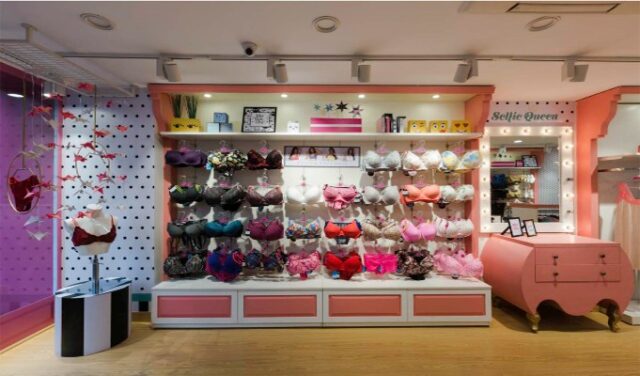
    “Our Noida office is also the central design hub. Designs and raw materials are shipped out to exclusive third party manufacturing units which have been incubated by us and work exclusively with us. Our skillful use of technology helps us ensure the industry’s most efficient mind-to-market and extremely tight inventory management. On the online front, we’ve innovated to deliver some of the best sales conversion rates. These innovations have ensured the company is operationally profitable since inception,” she adds.

    TG & Product Portfolio

    The brand’s target audience includes working women between the ages of 25-35 years and young girls aged between 18 to 24 who are either in college or have just entered the workforce.

    The brand designs, manufactures and sells premium fashion lingerie, innerwear, nightwear and shapewear. Tier II and III contribute to over 60 percent of Clovia’s orders.

    “Clovia has redefined the lingerie market by going beyond standard fits, colours and sizes. We offer customers a wide variety of choices in ‘everyday essentials’, along with ‘fashion solutions’ keeping up with customer’s evolving wardrobes,” says Kant.

    “As a brand which lives on feedback, and iterates its entire portfolio basis that, we are focused on a few major categories for now and have been slowly expanding our category focus. Clovia, started predominantly as a ‘bra & brief’ brand which extended into nightwear, shapewear and loungewear with time and demand. Within the categories, we’ve identified a lot of verticals for example: in bras, we have ranges for beginners and nursing mothers, as well as sizes till 44F. We launch 200+ new options including colours and prints per month across women’s bras, briefs, nightwear, shapewear, lounge wear, resort wear, swim wear, leisure wear and active wear categories,” she explains.

    The brand, which produces all its products in India, offers 2,000+ plus styles across categories.

    Supply Chain & Production Capacity

    Clovia is a full stack lingerie brand that controls every part of its supply chain from mind-to-wardrobe.

    “We procure raw material, design in-house, manufacture in third-party facilities working exclusively for us, ensure our own 4-level quality control and sell through a host of direct sale channels. Every product we create is first made in small quantities, monitored via state-of-the-art backend technology, which predicts future sales (based on sales patterns and customer feedback) and recommends what further quantities should be produced,” states Kant.

    At the moment, the brand is manufacturing almost a million units per month and ship close to 2 million units in a quarter.

    “We deliver pan India across 970 cities and to over 13,000 pin codes,” she says, adding, “Clovia has an established operating infrastructure with a 30,000 sq. ft. capacity warehouse and a wide distribution network with logistic partners pan India.”

    A Technology Forward Company

    Clovia uses smart technology and big data analytics for smart management of inventory ensuring that they have a highly consumer-relevant range all times with high sell-through rates resulting in industry best inventory holding.

    “We have set up a unique distribution system (both online and offline) which is based on direct interaction with customers, getting their direct feedback and using the same in planning the next product range. Big data played a big role here and this led to an extremely strong connect with our customers, leading to creation of a brand on the back of experience and not pure-play marketing,” she says.

    “We use smart technology and big data analytics to plan consumptions and purchase patterns. We stock the maximum number of SKUs in the industry with minimum inventory holding. Also, using technology for geographical understanding of tastes, we’re bringing structure to a traditionally unorganised market,” she further states.

    Future Plans

    The lingerie brand is expanding both in the online and the offline space with equal vigour. The brand is putting in the effort to understand audiences and nuances of each channel to ensure a true Omnichannel experience for customers and sellers. This is the key focus for Clovia over the next five to six quarters.

    “We have been operationally profitable,” she says.

    The brand currently generates around 15 percent of its revenue from offline channels and expects the revenue to witness a 50 percent growth in the current financial year.

    “Clovia gets over 55 percent of its total online sales through its own website which will maintain its share. The rest comes from online marketplaces such as Amazon,” Kant concludes.
  • Louis Vuitton India sales and profits surge

    Louis Vuitton India sales and profits surge

    Louis Vuitton India has reported a 24.5-per-cent increase in profit year on year, representing a doubling of income since 2017.

    Sales have grown by 41 percent since 2017 with the luxury retailer now operating three stores in the country, at Delhi, Mumbai and Bengaluru.

    The growth reflects a strengthening Indian luxury-goods market estimated to be worth about US$8 billion now and growing at a rate as high as 18 percent through to 2023.

    Louis Vuitton India’s net profit for the 2019 financial year was ₹16.17 crore (US$2.25 million), over ₹12.98 crores ($1.8 million) for the previous year, according to local regulatory filings.

    Globally, the company, LVMH recorded revenue of €53.7 billion last year, up 15 percent year on year.

    Meanwhile, LVMH India’s country manager Sunaina Kwatra has announced her intention to resign from the firm’s board.

  • Uniqlo Launches New Game Model Worn by Global Brand Ambassador, Roger Federer

    Uniqlo Launches New Game Model Worn by Global Brand Ambassador, Roger Federer

    UNIQLO, Japanese global apparel retailer announces that it will offer replica game wear and other items worn at the 2019 Wimbledon Championships by its Global Brand Ambassador, Roger Federer. Items will be available from July 1, 2019 (Monday) at UNIQLO Orchard Central Flagship store and UNIQLO.COM. The new game wear model was developed by the design team at the UNIQLO Paris R&D Centre, led by Artistic Director Christophe Lemaire, in consultation with Roger Federer.

    Roger Federer – “It’s now been a year since I partnered with UNIQLO, and I still clearly remember the excitement of first walking on court in UNIQLO at last year’s Wimbledon Championships. I’m thankful to the design team at UNIQLO, and I appreciate UNIQLO’s efforts to have a vision beyond sports through its LifeWear philosophy. I’m looking forward to this year’s outfit as well as the many more opportunities to come.”

    Roger Federer model: A classic design for a classic tournament – The Roger Federer polo features a classic cutaway collar and design that is well suited to this traditional tournament and Roger Federer’s elegant playing style.

    Jointly developed by UNIQLO and Toray Industries, Dry EX features a special arched structure that dries faster than ordinary dry function material, preventing the steamy and sticky feeling due to perspiration to maintain comfort throughout play. The raised structure is well suited to the strenuous movements of tennis. Highly breathable mesh has been used in areas that accumulate sweat, helping to avoid overheating and allowing the athletes to be at their best during competitions.

  • LOEWE’s 4th store in Korea opens

    LOEWE’s 4th store in Korea opens

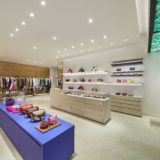
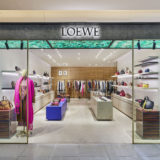
    Spanish brands LOEWE opened a women’s store on the second floor of the Hyundai Department Store. LOEWE is a Spanish leather brand with over 170 years of history and is now attracting the attention of global fashion people, led by designer Jonathan Anderson.

    According to LOEWE, the store is the 4th one to open in Korea, and Loewe plans on developing women’s bags, clothing, accessories and eye-wear in its newly opened store. In addition, the brand will present exclusive products for Hyundai Department Store in commemoration of the store opening.

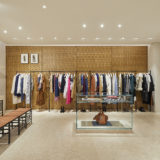
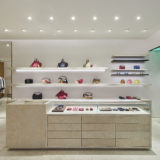
    The concept of this store is known as ‘Casa Loewe’, designed by Brand Creative Director Jonathan Anderson, using materials such as Spanish limestone, walnut wood and concrete to feature strong mood.

    Eye-catching furniture exclusive to the store are displayed around the space. The brand had a specially-made carpet to show the LOEWE DNA “craftsmanship”.

    With the upcoming holiday season, LOEWE plans on releasing its “Mackintosh” capsule collection. Some items of the collection are exclusive to the Hyundai department store.

    While the newly opened store is one for women, LOEWE opened the men’s store in Galleria department store last October.

    View gallery below for pictures (5 images) :

  • Lululemon and employer branding

    Lululemon and employer branding

    Lululemon Athletica Inc. is beefing up benefits to attract and retain workers, offering full-time employees from three to six months of paid parental leave. The gender-neutral benefit awards three months of paid leave to full-time workers who have been at the yogawear company for two years. Employees with five or more years at the firm qualify for six paid months off. At Lululemon, workers are considered full-time if they work 24 hours a week.

    “When you think about an investment, there’s also all of those areas where it’s really hard to quantify because of the contribution and the return,” said Susan Gelinas, senior vice president for people and culture at Vancouver-based Lululemon. “We just see this as something that’s right to do for our people.”

    In the U.S., without any federal requirement for paid parental leave, it’s up to individual companies to offer a benefit, and about 35 percent do, according to a survey from the Society for Human Resource Management. Still, 84 percent of workers in the U.S. don’t have access to paid family leave, according to data from the Bureau of Labor Statistics.

    The majority of Lululemon’s full-time staffers in the U.S. have been with the company for two or more years, while one-fifth have worked there five or more years. As of January 2018, about 60 percent of Lululemon’s 13,400 workers were based in the U.S. The company declined to say how much the new policy would cost.

    Employees working in Canada already receive some paid parental leave, a portion of which comes from the government’s unemployment insurance program. That compensation is partial, and Lululemon’s offer there is a “paid top-up,” Gelinas said in an interview.

  • Angel Chen x HM collaboration reflects East-meet-West street style

    Angel Chen x HM collaboration reflects East-meet-West street style

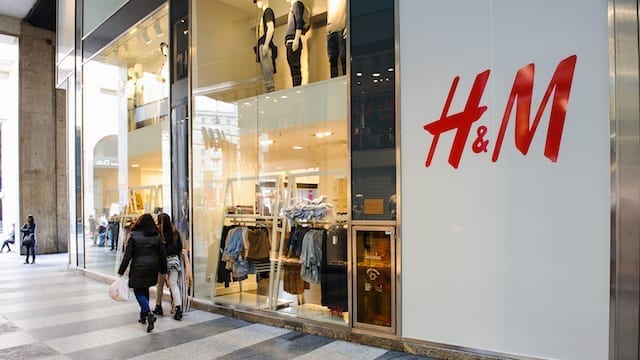
    &M has released its first collaboration with Chinese designer Angel Chen.

    The new Angel Chen x HM collection is inspired by the theme of “Kung Fu” and portrays an East-meets-West street style with a combination of vivid colors and embroidery. It sports a chic navy blue bomber jacket with dragon embroideries featuring a calligraphic “Kung Fu” design on the cuffs, while the women’s collection portrays the artist’s signature red hue with an oversized jacket and mini skirt combo that fuses both contemporary street style and Asian traditional elements.

    The Angel Chen x H&M collaboration collection will be available in selected H&M stores globally as well as its online store hm.com from September 26.

  • Giuseppe Zanotti Expands Into Singapore

    Giuseppe Zanotti Expands Into Singapore

    Valiram and Giuseppe Zanotti jointly announce a new phase in their partnership with the opening of a new boutique in Singapore.

    Valiram’s partnership with the Italian luxury footwear and fashion designer started in 2007 when the Malaysian-based luxury and lifestyle retail specialist opened the first Giuseppe Zanotti boutique in Malaysia at premier retail landmark Pavilion Kuala Lumpur.

    The new Giuseppe Zanotti monobrand boutique will be located in ION Orchard, a stylish architectural wonder and the most glamorous shopping complex in Singapore.

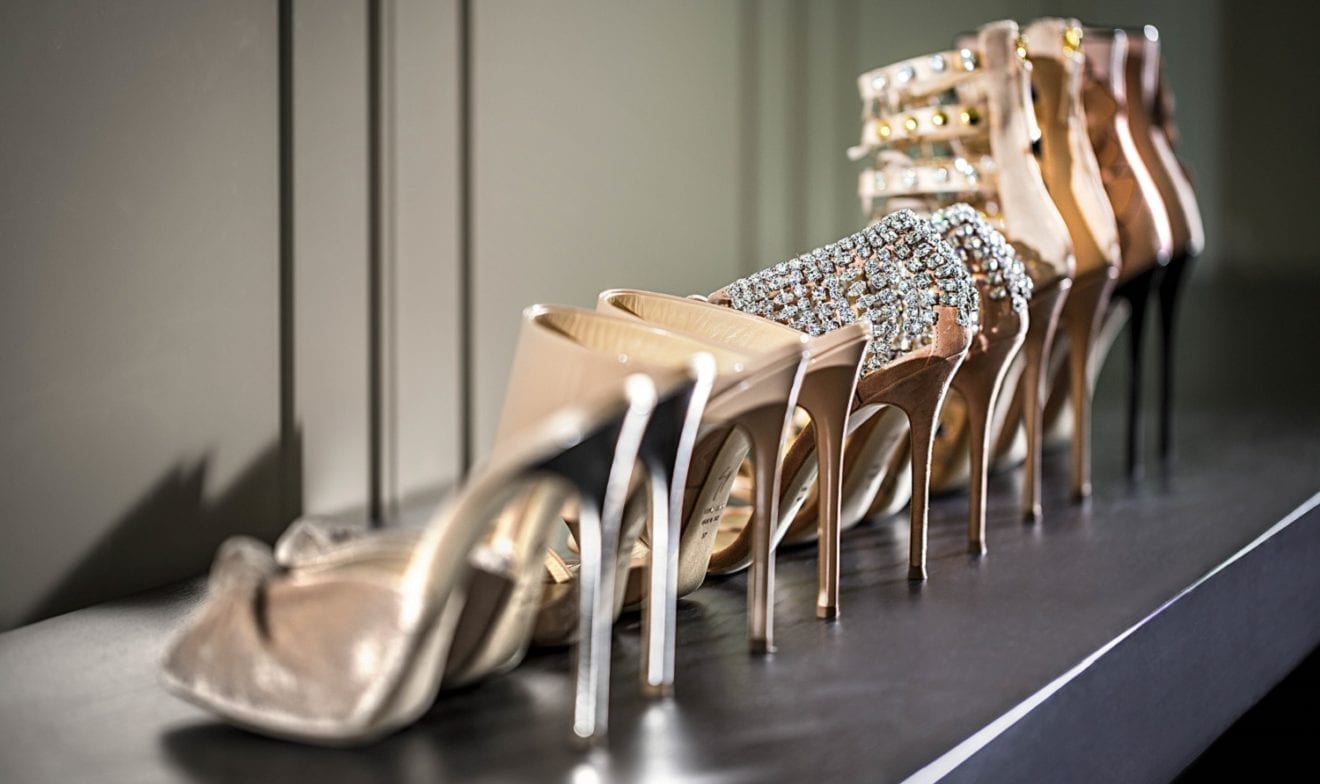
    Occupying 108-square-meter premium retail space, this refined concept store houses the brand’s iconic sculptural shoes, avant-garde sneakers and leather handbags and accessories for both men and women.

    A limited collection of children’s shoes will be introduced specifically for the boutique launch.

    The boutique’s interior design is driven by the vibrant and emotional DNA of the brand. Chrome and shiny gold surfaces mix with dark yellow and electric blue fabric on the floor carpet and furniture, and classic elements like white walls and mirror finishing complement the contemporary furniture and hardware details.

    A careful juxtaposition of materials and details brings to the environment a refined and contemporary mood, which enhances the brand’s creations for a luxury shopping experience.
    “Valiram is passionate about creativity and craftsmanship, a combination that Giuseppe Zanotti is renowned for.

    Mr. Giuseppe Zanotti added: “The strong affinity between Valiram and the brand, two businesses both longing for creativity and craftsmanship, has made it possible to accept this new challenge with true determination.

    This partnership along with the new boutique at ION Orchard, embarks our footprints in Singapore”.

  • agnès b. brings art to Hong Kong

    agnès b. brings art to Hong Kong

    agnès b. Galerie Boutique has always brought beautiful and artistic works to Hong Kong. In January, agnès b. Galerie Boutique was pleased to welcome renowned, published Belgian cartoonist turned artist, François Olislaeger, who has participated in exhibitions at the Contemporary Art biennal in Le Havre in France, at the Cité de l’Architecture and at the Gaité Lyrique.

    In Hong Kong for the first time, François exhibits his Une Fleur Par Jour (A flower a day) project inspired by his obsession with heavenly flowers.

    In 2016, François Olislaeger turned himself into a florist crafting an incredible herbarium of Cacti, Bougainvillea, Lysis, Daisies and Tulips with the utmost care and attention to detail. It is here that he honed in on his craft using gentle, pastel watercolours to depict “simply” feeling the power of flowers and paint.

    Through each flower’s lifecycle François focused on the emerging blossoms, changes of colour palettes, the variation of gestures and movement from each unique bloom, he then reinterpreted it through soft watercolours onto canvases with a sense of artistic freedom and playfulness.

    François Olislaeger’s flowers don’t have the precision of botanic boards – it is not his vocation. They don’t have the radicalness of those of Ellsworth Kelly yet. The creativity is somewhere else, in the context, in the setting, some details more or less noticeable – a colour, an incongruous presence, and petals hanging. François Olislaeger’s flowers are innocent. For the moment, they talk mainly about love – of art, of life, of a father for his young daughter Lila – and about the transformation of a very talented cartoonist becoming a painter.

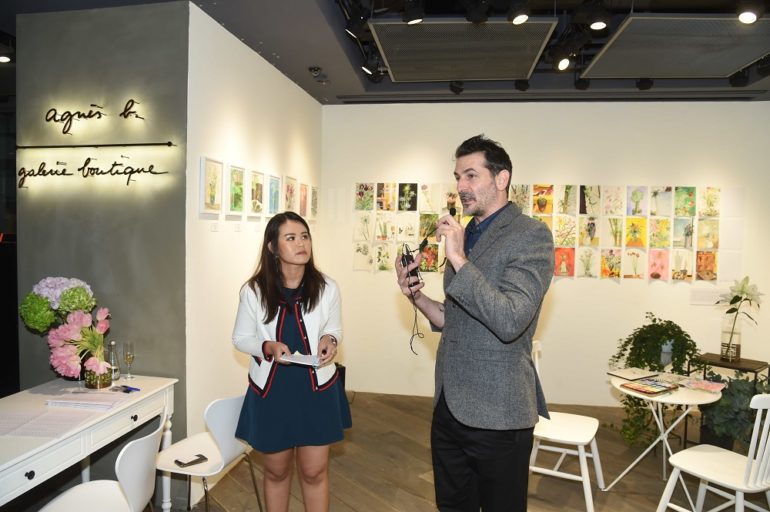
    agnès b. Galerie Boutique is showcasing more than 80 pieces of François’s collection in this exhibition, some of the artworks were previously exhibited in agnès b. Galerie du jour in Paris, however for the majority of his collection – this is their first showcase and the exhibition is now open to public until 30 June 2019.

    agnès b. Galerie boutique was delighted to welcome François Olislaeger to the vernissage of his exhibition at the agnès b. Galerie Boutique on the night of 31 January 2019.

    Media and KOL friends were treated to a personal recollection of what inspired him to create his artwork as well as witness François live paint the Lily and two other artworks exclusively for the Hong Kong exhibition. agnes b. Galerie Boutique also designed 7 styles of temporary tattoo stickers that guests were about to take home a memory of his art.