Tag: Fashion

  • J Lindeberg opens five-story flagship in Seoul’s Gangnam district

    J Lindeberg opens five-story flagship in Seoul’s Gangnam district

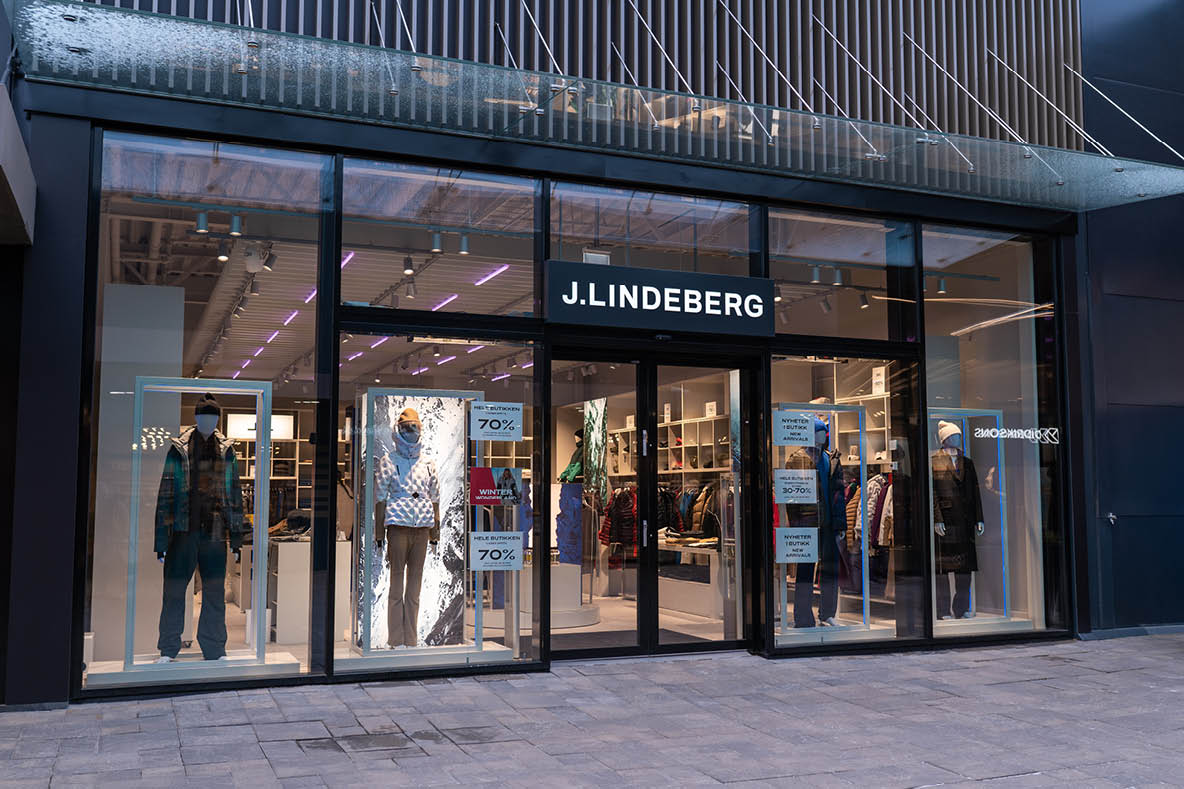
    In Seoul’s trendy Gangnam district, Swedish apparel label J Lindeberg has opened its largest store yet, a five-storey flagship.

    The concept store is inspired by the rhythm of golf and each floor showcases the company’s apparel as if navigating a golf course.

    The store was designed in collaboration with interior creatives, Showmakers, to celebrate movement, performance, and modern luxury through its furniture, themed zones and hangout spaces.

    The store offers different services on each floor,

  • Zara to open first cafe in South Korea

    Zara to open first cafe in South Korea

    Zara, the Spanish fashion giant, is set to open its first Zacaffe location in South Korea this May, launching inside the brand’s newly renovated flagship store in Myeong-dong, Seoul.

    The move reflects a growing trend among global fashion brands incorporating cafes into their retail spaces, offering customers a more immersive brand experience.Zara introduced Zacaffe in Madrid in November 2024, integrating a cafe space within select stores to serve coffee, desserts, and branded merchandise, including tumblers, hats, eco-bags, and t-shirts. Following its China debut in Nanjing this month, the Seoul location will be its third global outpost, with an Osaka store also in the pipeline.

    “Myeong-dong is a prime shopping and fashion district, attracting both locals and tourists, making it the perfect location for a flagship Zara store and our cafe experience,” a Zara representative said.

    Zara also plans to introduce Korean-inspired desserts and a cafe design that reflects local aesthetics, aiming to attract both domestic customers and international visitors. The company is considering further expansion within South Korea.Zara is not alone in blending retail and café culture. Luxury fashion brands have increasingly adopted coffeehouse ventures to strengthen their brand presence and enhance customer engagement.

    Ralph Lauren introduced Ralph’s Coffee to South Korea in September 2024, opening a cafe in Seoul’s Garosu-gil district, a decade after launching the brand in New York in 2014. The cafe, featuring classic green-and-white interiors and American-style menu offerings, has drawn long queues, even on weekdays. Ralph’s Coffee also opened a popular pop-up store at The Hyundai Seoul last month.
    Maison Kitsune, the Parisian-Japanese brand under Samsung C&T fashion division, launched cafe Kitsune in Seoul’s Garosu-gil in 2018. The brand has since expanded to Hyundai Department Store’s Mokdong and Pangyo locations, as well as Shinsegae’s Centum City branch, where the cafe welcomes over 400 customer groups daily on weekends.

    Gelato Pique, a Japanese homewear brand, entered the cafe scene in September 2024 by opening Pique cafe in Hannam-dong, Seoul. The cafe offers specialty crepes and gelato, aligning with the brand’s “comfortable luxury” ethos and attracting foot traffic to the store.The trend underscores a strategic shift in the fashion industry. With the rise of e-commerce reducing in-store foot traffic, brands are reinventing retail spaces as lifestyle destinations.

    “Online shopping has made it harder for brands to showcase their identity in physical stores,” a fashion industry insider noted. “By launching cafés and selling branded merchandise, fashion labels create a more tangible, memorable experience for customers.”

    As more brands adopt cafe-driven retail strategies, the industry’s shift toward experiential shopping is expected to accelerate, blurring the lines between fashion, lifestyle, and hospitality.

  • Hermes opens new Indonesia store

    Hermes opens new Indonesia store

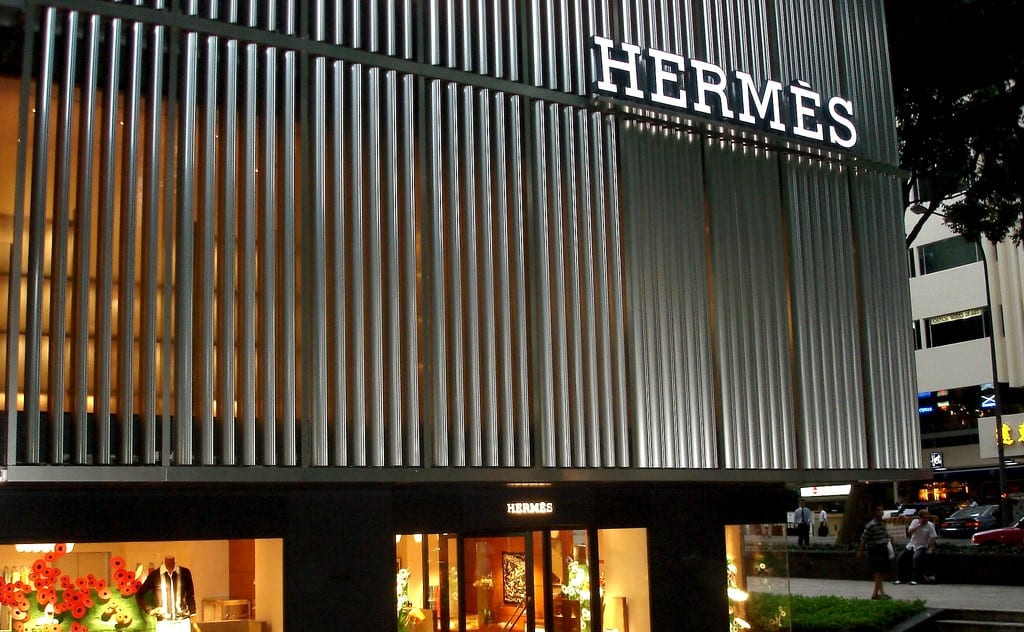
    Hermes has opened a new store in Jakarta, Indonesia, located in Plaza Indonesia.

    Designed by Paris-based RDAI, the space showcases the French luxury house’s 16 metiers (artisinal expertise) in a setting that blends traditional craftsmanship with contemporary design.

    The store’s facade features teal-green ceramic tiles and semi-sheer rattan screens, offering glimpses into the interior. Inside, the layout is arranged by category, with fashion jewellery, silks, home collections, beauty, and fragrance near the entrance.

    Leather goods and equestrian collections are framed by fabric-covered panels, while dedicated areas present ready-to-wear and footwear. A jewellery and watch salon, adorned with hand-carved lacquered panels, adds a “refined touch”, while hand-tufted carpets introduce texture throughout the space.

    The store also incorporates locally sourced materials, including hand-woven wall fabrics and wooden furniture. Curated artworks from the Emile Hermes collection and contemporary photography further enhance the interior.

    In collaboration with Indonesian art collective Tromarama, the window displays merge the label’s equestrian heritage with Jakarta’s rail network, offering a unique artistic interpretation.

    “We invite visitors to explore our collections in a space that reflects Indonesia’s cultural and artistic heritage,” said Hermes.

  • Hermes achieves double-digit sales growth in fourth quarter

    Hermes achieves double-digit sales growth in fourth quarter

    Hermes has posted double-digit sales growth for the fourth quarter and the full fiscal year, which management described as a solid performance in an “uncertain” environment.

    The company’s revenue surged 18 percent to €4 billion (US$4.2 billion), both on a reported and constant currency basis, during the quarter ended December 31. This extended the 11.4 percent uplift in the third quarter.

    Sales in Asia excluding Japan were up 10 per cent despite the downturn in traffic in Greater China. In Japan, sales jumped 20 per cent driven by the loyalty of local clients.

    The Americas rose 21.4 percent, while Europe increased 16.9 percent.

    For the full year, revenue rose 13 percent (15 percent in constant currency) to €15 billion, and consolidated net profit increased 7 percent to €4.6 billion.

    “In 2024, in a more uncertain economic and geopolitical context, the solid performance of the results attests to the strength of the Hermes model and the agility of the house’s teams,” said executive chairman Axel Dumas.

    “While preserving the group’s major balances and its responsibility as an employer, the house is staying the course, attached more than ever to its fundamental values of quality, creativity and savoir-faire,” he added.

    The company expects to record continued revenue growth in the medium-term despite the economic, geopolitical and monetary uncertainties.

  • Adidas posts higher revenue, profit

    Adidas posts higher revenue, profit

    Adidas saw its revenue surge in the last fiscal year, according to the athleticwear company’s preliminary results.

    Revenue soared 24 percent to €23.68 billion (US$24.70 billion), while gross margin improved to 50.8 percent, with operating profit up 398.9 percent to €1.34 billion.

    “We clearly see that consumers’ and retailers’ interest in our products is growing across both lifestyle and performance,” said Bjorn Gulden, Adidas CEO.

    “Strong growth across all regions and divisions proves the good job our teams are doing across regions and functions.”

    Last October, the company said it expects full-year revenue to rise 10 percent and operating profit to reach around €1.2 billion.

    Adidas will publish the final results and 2025 financial guidance on March 5.

  • Guess Jeans to launch in India

    Guess Jeans to launch in India

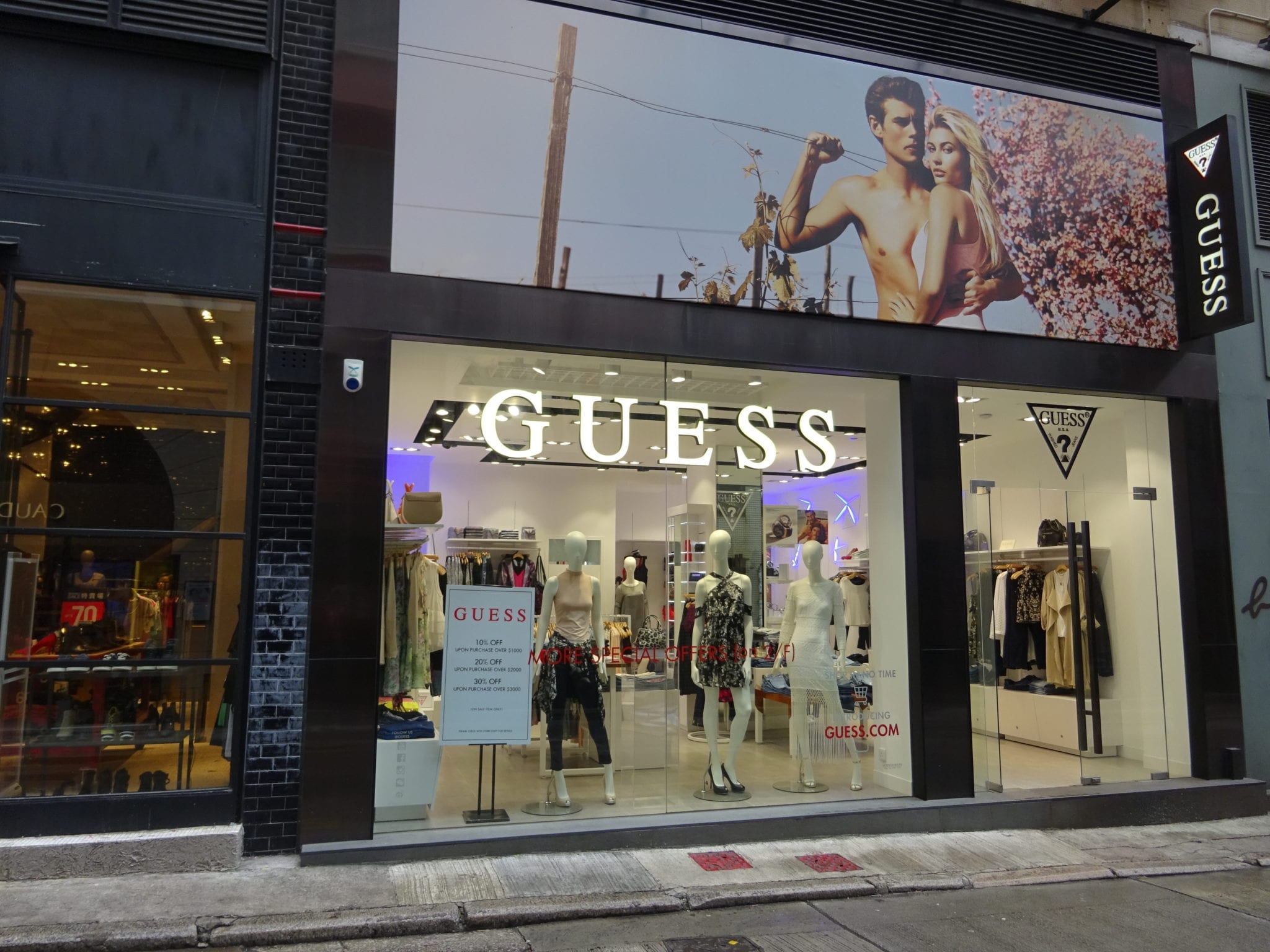
    Guess sub-brand Guess Jeans will launch in India through a long-term franchise agreement with Tata Group’s multi-category e-commerce platform, Tata CLIQ.

    As part of this collaboration, Tata CLIQ will become Guess Jeans’ exclusive retailer in India, growing its retail footprint through brick-and-mortar stores and digital storefronts.

    According to the brand, the collaboration between Guess Jeans and Tata CLIQ will be critical in extending distribution channels and supporting Guess Jeans’ ambition to expand its store network nationwide.

    “As the next step in our global growth initiative for Guess Jeans, we expect a rapidly expanding and prosperous partnership with Tata CLIQ, which is part of the Tata Group in India,” said Nicolai Marciano, chief new business development officer, Guess Inc.

    “Our brand’s legacy, heritage, and innovative outlook on denim, paired with the local knowledge and expertise of Tata Group, ensure a strong and enduring partnership.”

    Guess Jeans is a West Coast lifestyle brand founded by Nicolai Marciano. The brand offers a full line of core basics, concentrating on denim, that captures Guess’s spirit.

    Last year, Tata announced it would postpone the plans to open m

  • Luk Fook’s retail revenue falls in third quarter

    Luk Fook’s retail revenue falls in third quarter

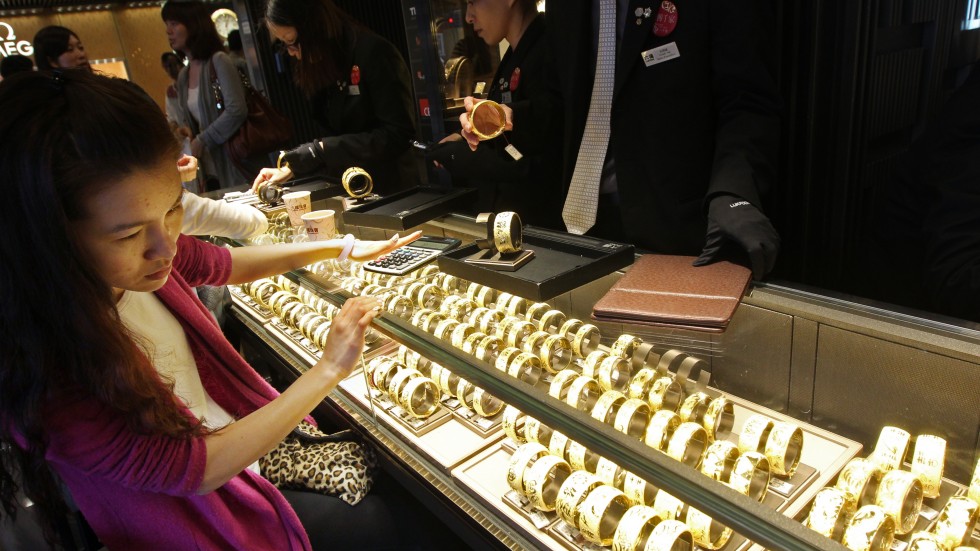
    Luk Fook posted lower retail revenue in the fiscal third quarter as high gold prices continued to weaken consumer sentiment.

    The group’s retail revenue fell 9 percent as Hong Kong and Macau plunged 20 percent and Mainland China soared 27 percent.

    Overall same-store sales plummeted 22 percent, with Hong Kong and Macau decreasing 24 percent and Mainland China falling 11 percent.

    In terms of products, same-store sales of gold fell 26 percent while fixed-price jewelry slid 7 percent.

    During the three months ended March 31, the group saw a net decrease of 65 shops.

    Moving forward, the company plans to actively promote non-diamond fixed price jewellery products as demand for diamond products remains weak.

    The company also anticipates sales of gold products to resume to normal levels after consumers adapt to high gold prices.

    Luk Fook targets to allocate more resources for expansion and add about 15 shops in the overseas markets in the current financial year.

    The company forecasts business performance to improve in the second half.

  • Jim Thompson’s new lifestyle store heralds the brand’s global ambition

    Jim Thompson’s new lifestyle store heralds the brand’s global ambition

    Jim Thompson, a global lifestyle brand from Thailand, has opened a stunning lifestyle store in Bangkok. For the first time, the store showcases the brand’s stylish blend of on-trend fashion for men and women, homewares, and contemporary Thai cuisine in a single mall location.

    The 550sqm duplex in the newly opened One Bangkok shopping centre, near the Thai capital’s embassy and expat hub of Silom-Sathorn, is home to the new store that telegraphs the fast-rising company’s global aspirations as a lifestyle brand, entering a new era of refinery and haute couture – without the price tag.

    Founded by James H.W. Thompson in 1951 as The Thai Silk Company, Jim Thompson was a visionary and the driving force behind the current-day emergence of Thailand’s silk industry. For decades, his apparel was popular with tourists. Elephant motifs – the quintessential Thai icon – featured prominently on shirts, ties and other apparel.

    While the brand has been trying to expand beyond that somewhat tourist-driven design element, elephants still have their place in the range, whether as tiny motifs in a silk tie or subtly embroidered into polo shirts or t-shirts.

    “Some tourists still like the elephants because it is distinctly Thai. So we still keep the elephant, but we have made it more sophisticated, like this,” Panjarat Limpinon, chief commercial officer at Jim Thompson, told Inside Retail.

    Jim Thompson is now entering a new era, epitomised by its new brand positioning slogan, ‘Beyond Silk,’ that symbolises an evolution beyond its world-renowned Thai silk heritage to embrace a more comprehensive lifestyle approach that covers all business units – fashion, home furnishings, and hospitality – and its embrace of linen and cotton fabrics, and silk blends.

    “This new store aligns with Jim Thompson’s mission to offer our customers an immersive shopping experience that combines a wide range of products, dining options, and cultural experiences,” said Frank Cancelloni, Group CEO at Jim Thompson.

    “This opening marks another milestone in our transformation journey to become Asia’s first global lifestyle brand.”

    Limpinon told Inside Retail during an exclusive tour that the One Bangkok lifestyle store is the first location in a shopping mall to combine food, fashion and homewares. The three were also linked in the upgraded Jim Thompson Heritage Quarter, where the Jim Thompson House is located, which officially opened last year. The Quarter features a retail store, cafe, bar, restaurant, and event space alongside Thompson’s home on the banks of the Khlong Saen Saep (canal).

    “We are offering the immersive Jim Thompson experience of retail and dining culture.”

    At the Jim Thompson Lifestyle Store at One Bangkok, that experience starts downstairs with a towering entranceway and dazzling displays of men’s and womenswear, including scarves.

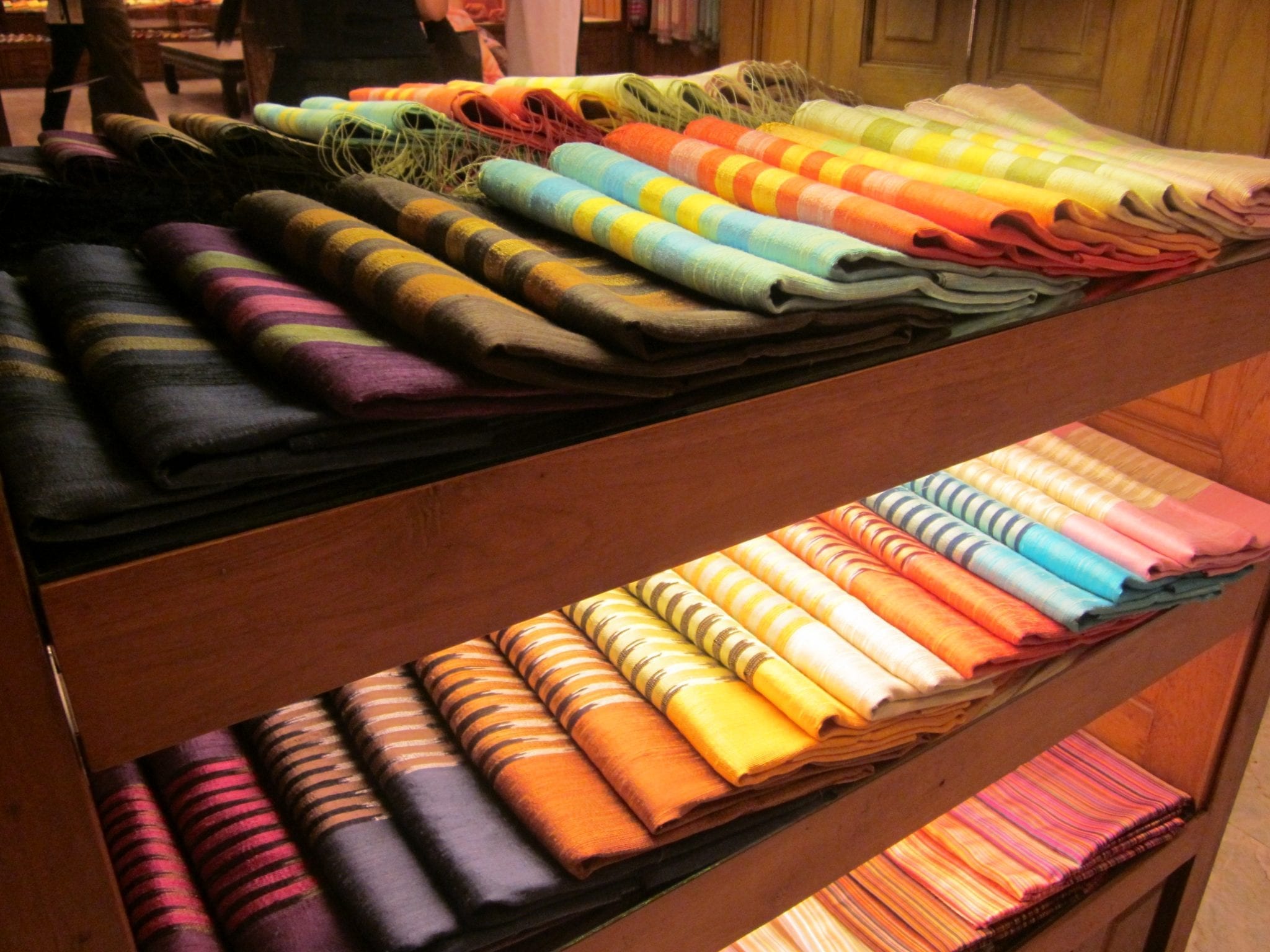
    The designs of Jim Thompson’s famous silk scarves are so intricate and striking that customers often buy them to be framed and mounted on walls as art. The One Bangkok store features framed scarves to inspire visitors.

    Upstairs, accessed by a stylish glass lift or stairs, the homewares include cushions, throws, dining tableware, and a limited-edition range of outdoor chairs created in partnership with Thai furniture brand Kitt.Ta.Khon.

    Next to that is a mini-exhibition with a vintage silk loom at its heart, highlighting the brand’s rich heritage. Interactive tablet screens show the process of producing silk at Jim Thompson’s farm several hours outside the capital and share the story – and the mystery – of Jim Thompson, the man.

    “You can see the story from the beginning of our brand history to today,” explains Jirames Suriwongsewarakul, senior manager of retail operations for Jim Thompson.

    “While the Heritage Quarter site focuses on the story of the man, the One Bangkok display focuses more on how Jim Thompson built a company around using Thai silk to make fine garments and furnishings.”

    There is also a display showing some high-profile projects worldwide in which architects and designers have specified Jim Thompson fabrics and furnishings for upmarket hotels, resorts, restaurants, and luxury retail spaces.

    A colour wall created from multiple spools of coloured silk arranged like a rainbow serves as a backdrop for selfies and Instagram photos.

    Food is a growing focus for Jim Thompson, which considers hospitality a key brand element.

    “When we decided to become a global lifestyle brand, we wanted to combine everything: food, art, culture and the retail experience, all in the same place,” explains Limpinon. “That started in the Jim Thompson Heritage House, and now we will roll out this idea to other locations.”

    In preparation for the evolution, Jim Thompson closed down restaurants it operated in Singapore and Japan around the Covid era as it worked to reform the brand in Thailand and create a new offer that could then be rolled out in selected Thai locations before being exported to other markets in the future.

    Jim’s Terrace, the One Bangkok restaurant and bar, serves crafted beverages and delicious Thai foods to be enjoyed with panoramic views over One Bangkok’s green landscape and The Wireless House One Bangkok – Thailand’s first telegraph station built in 1914, revived with a modern contemporary exhibition.

    In design terms, Jim Thompson has been careful to retain what it considers its iconic style. The colours, elements such as the cushion covers, the wooden floors (upstairs) and the framed hero portrait of the brand’s late founder all lend a familiarity to any customer who has experienced the company’s multi-storey Bangkok flagship store or the newer showcase within the heritage compound.

    In time, products will be created exclusively for the store, along with collaborations with other One Bangkok tenants and partners that are already in planning.
  • Inditex posts solid nine-month revenue growth

    Inditex posts solid nine-month revenue growth

    Apparel giant Inditex says its net revenue grew by 7.1 per cent, reaching US$29.04 billion (€27.4 billion) for its first nine months.

    The company says the results reflect strong growth for its physical stores and online channels.

    Inditex’s gross profit increased by 7.2 per cent, totalling $17.33 billion (€16.3 billion), while its EBITDA jumped by 9.3 per cent, reaching $6.09 billion (€5.7 billion).

    The company continued its expansion, with 45 new store openings across multiple markets. By the end of the period, Inditex operated 5659 stores globally.

    Looking ahead, Inditex said it’s focused on its long-term growth, with an investment of $951 million (€900 million) annually in logistics for this year and the next. This investment aims to improve the company’s logistics capacity and enhance its integrated business model.

    Zara, Inditex’s flagship brand, continues to lead the portfolio, along with other brands such as Bershka, Massimo Dutti, Oysho, Pull&Bear, Stradivarius, Uterqüe, and Lefties.

  • L’Oreal acquires South Korea’s Dr.G in skincare deal with Migros

    L’Oreal acquires South Korea’s Dr.G in skincare deal with Migros

    French cosmetics giant L’Oreal said on Monday it had agreed to buy Gowoonsesang Cosmetics, which includes South Korean skincare brand Dr.G., from Swiss retailer Migros.

    The Korean beauty market is dominated by local brands known for being among the world’s most innovative, and increasingly popular overseas as part of a trend for ‘K-Beauty’.

    Dr.G will meet rising demand for K-Beauty and effective yet affordable skincare, L’Oreal said in a statement, adding that it has a growing pan-Asian presence and global growth potential.

    “We have been following the brand and its success for many years and we look forward to accelerating its growth in South Korea and the rest of the world,” said Alexis Perakis-Valat, global president of L’Oréal’s consumer products division.

    Reuters reported on Friday that L’Oreal and Migros were in final talks on a deal. Migros announced a strategic review of its Mibelle cosmetics group in February, saying it wanted to find a new home for the owner of Gowoonsesang and other brands.

    L’Oreal did not give a valuation for the deal, which comes amid a slowdown in China, previously one of the fastest-growing beauty markets.

  • Puma opens its first flagship in Vietnam

    Puma opens its first flagship in Vietnam

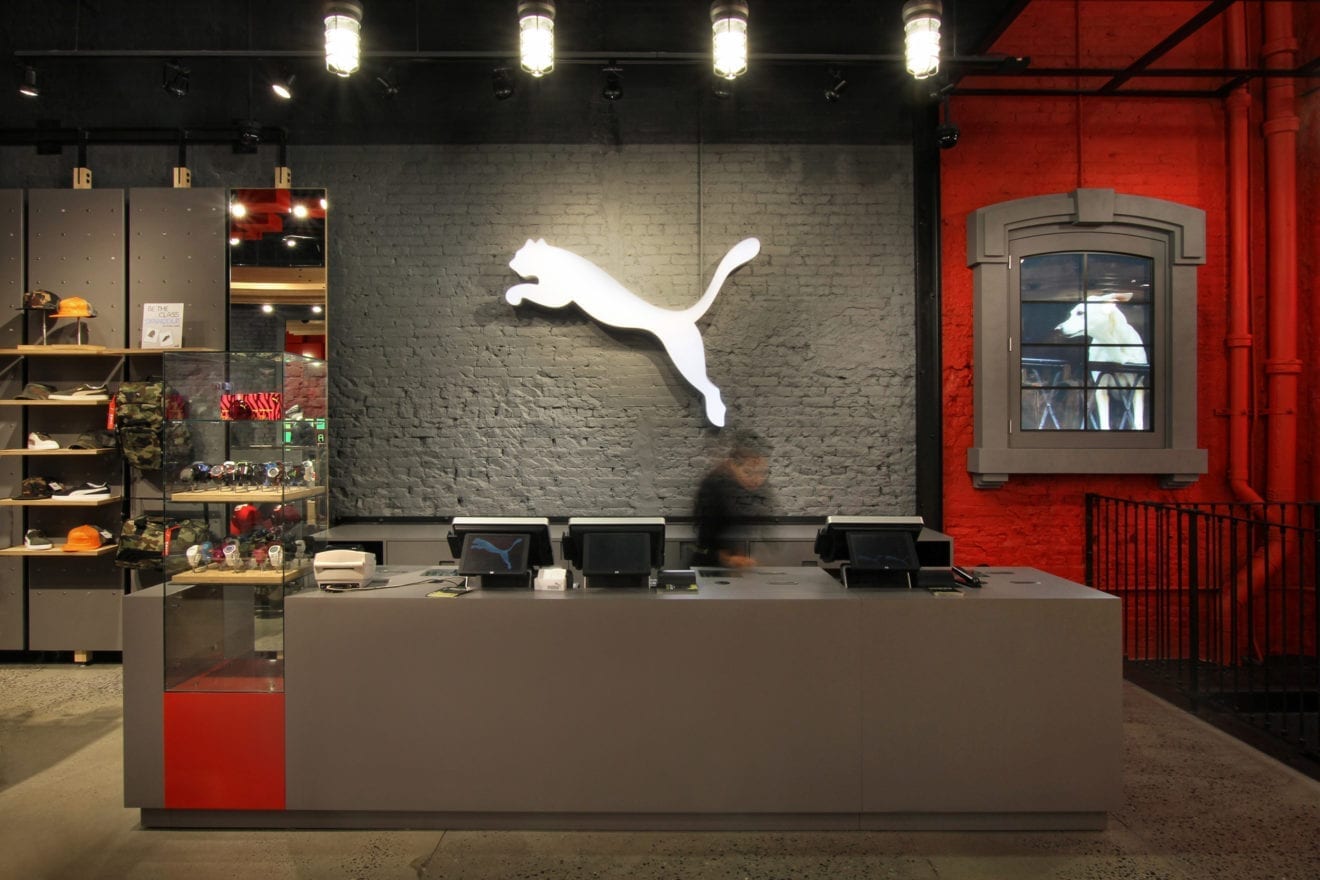
    Sportwear retailer Puma has launched its first flagship in Vietnam, following the opening of its largest Southeast Asian store in Malaysia.

    The store is located in the centre of Ho Chi Minh City, in the Vincom Dong Khoi shopping mall, and offers a broad selection of Puma items for men and women.

    The launch is part of Puma’s Southeast Asian development strategy.

    Puma debuted in Vietnam in the 2000s and is distributed exclusively by Maison through around 14 physical stores in Vietnam.

    In June, Puma named K-pop girl band member, Blackpink’s Rose, as its global brand ambassador, joining Rihanna, A$AP Rocky, Dua Lipa, and Skepta.

  • Zara opens first tech-forward concept store in Thailand

    Zara opens first tech-forward concept store in Thailand

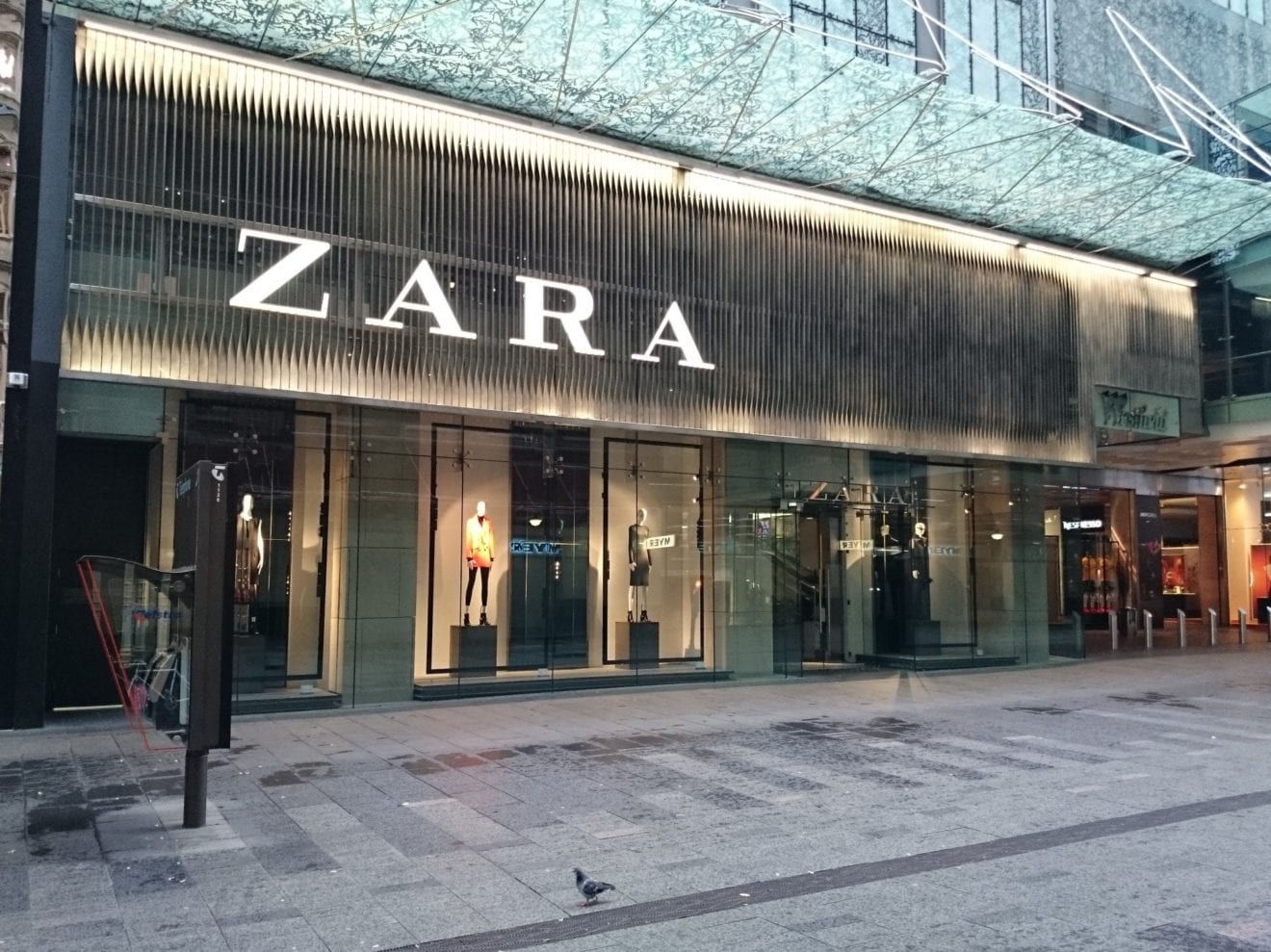
    Zara has renovated its store in Central Phuket, making it the brand’s first tech-forward concept store in Thailand.

    The store, which first opened in 2011, features a white minimalist interior design and has more than doubled in size, from 840sqm to more than 1700sqm. It features technology tools that allow customers to integrate online and physical store platforms.

    This is part of the brand’s global rollout of its new concept, which aims to provide customers with a more spacious, innovative, and sustainable shopping experience.

    The Inditex-owned company unveiled its first tech-forward concept store in Madrid, Spain, which it characterised as the “most advanced” store in 2022. The store concept focuses primarily on technology tools that allow consumers to browse the store of their choice online, check available stock, shop online, and pick up their products in just two hours.

    It also promotes sustainability in store, where it uses eco-friendly products and “some of the most advanced environmental eco-efficient systems”

    Zara has also launched this model with stores in the US, India, and Portugal.

  • Uniqlo to open global flagship in former Bicqlo site in Shinjuku

    Uniqlo to open global flagship in former Bicqlo site in Shinjuku

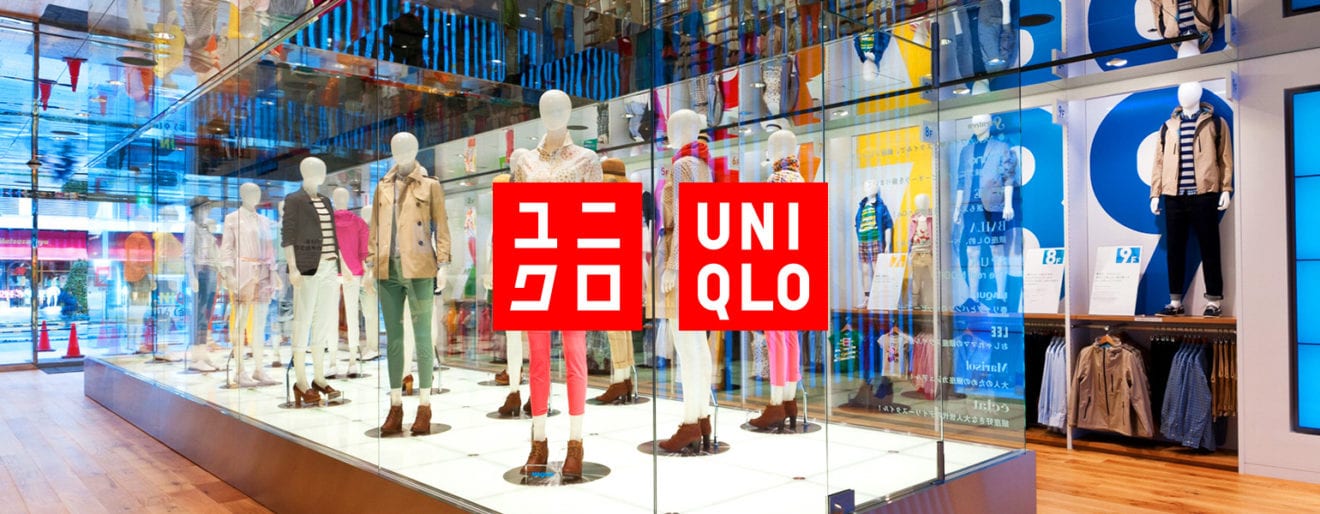
    Uniqlo is set to open a new global flagship store in Shinjuku, replacing the former Bicqlo location, as part of its aggressive expansion plan.

    In addition to offering its range of clothing and accessories, the store will feature unique elements such as Uniqlo Flower, Uniqlo Coffee, and Re:Uniqlo.

    Uniqlo Flower is located on the first floor, selling seasonal flowers and will be displayed at the store’s entrance. On the second floor, Uniqlo Coffee will serve beverages and local sweets.

    Additionally, the third floor will house Re:Uniqlo Studio where customers can access embroidery and clothing repair services, encouraging shoppers to care for and extend the life of their garments.

    To celebrate its opening, Uniqlo will release an exclusive Shinjuku Mainstore Special, which will feature select Western products not previously available in Japan; and a Shinjuku Department Store Guidebook, a booklet introducing the town, insights from staff from long-established local stores, and cultural figures from the district.

  • Levi’s to fuel growth ambitions with Suria KLCC Malaysia store reopening

    Levi’s to fuel growth ambitions with Suria KLCC Malaysia store reopening

    Levi’s has reopened its expanded store at Suria KLCC, Malaysia. Spanning 393sqm, this is the brand’s largest flagship in Southeast Asia and part of its direct-to-consumer expansion strategy in the region.

    The new store features the brand’s signature NextGen Indigo format, designed to deliver an immersive shopping experience, with modern touches like LED portal entry and elevated style lounges.

    It will offer various collections including Levi’s Vintage Clothing, the Made in Japan line, and climate-adaptive offerings such as the Performance Cool range.

    Levi’s also partnered with local artists to offer unique, Malaysia-inspired personalisation options. For the reopening, the brand worked with street artist Cloakwork to design exclusive heat press patches that celebrate local heritage.

    In addition, the Suria KLCC outlet has its very own Tailor Shop, offering consumers the option to personalise and customise their apparel.

    Nuholt Huisamen, MD of East Asia Pacific, Levi Strauss and Co, said strengthening its presence in Southeast Asia is crucial for the brand’s growth ambitions.

    “Our ambition is to become a $10 billion company and a world-class retailer, and our international business will play an integral role in helping us to achieve this,” said Huisamen.

    “Southeast Asia – and the broader East Asia Pacific region – holds immense potential for us, with many markets leading the way in creating fashion trends that are quickly picked up globally.”

  • Uniqlo to open 20 flagship stores in Europe, North America and Asia

    Uniqlo to open 20 flagship stores in Europe, North America and Asia

    Uniqlo is aggressively expanding its reach by opening more than 20 flagship stores in Asia, Europe, and North America from this month, taking its worldwide store count to more than 2500.

    In Asia, the Fast Retailing-owned brand will open its largest store in South Korea at the Lotte World Mall and its first overseas roadside store featuring a new design concept in Bangkok, Thailand.

    The new roadside store is based on the brand’s Maebashi Minami Inter Store with the concept that customers can learn about the company from a corporate point of view, beyond being a store where people buy their clothes.

    Meanwhile, in North America, the brand will open its first store in Houston and Dallas, Texas, and six new stores on the West Coast in California.

    In Europe, Uniqlo will debut in Poland and Rotterdam with its first physical stores in the cities, and it will open a second store in Rome Termini Station, Italy. More new flagships are planned for Coal Drops Yard in London, at Scotland, at Copenhagen in Denmark, and at Amsterdam in the Netherlands.

    Moreover, the company will open stores in India, a regional flagship store in Wuhan, China, and five major stores in Japan.

    “In recent years, the concept of LifeWear as ‘the ultimate everyday wear that enriches the lives of everyone’ has resonated with people, and brand recognition and customer base have been expanding in Europe and North America,” said Uniqlo in a statement.

    “The company will accelerate store openings in these regions, driving further growth of its global business.”