Tag: Fashion

  • Gentle Monster unveils its third Haus Nowhere flagship

    Gentle Monster unveils its third Haus Nowhere flagship

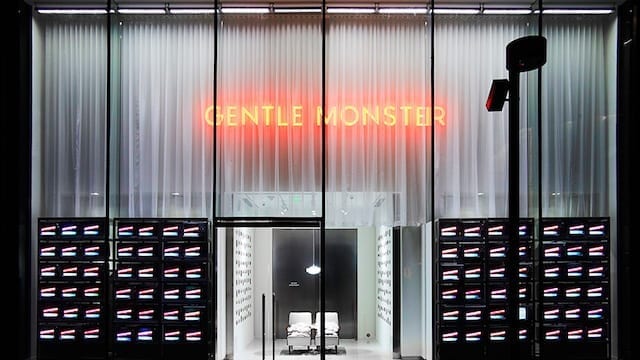
    South Korean fashion and lifestyle company Gentle Monster has opened its third Haus Nowhere store – in Shenzhen, China.

    The retail space spans 6914sqm across three floors and features kiosks from its eyewear brand Gentle Monster and perfume line Tamburins, along with other curated shops and brands.

    Inspired by the theme of “Insect Kingdom”, a fictional tale of the 10,000-year relationship between colossal humans, beasts, and insectoids, the store aims to evoke “unique emotions” as visitors are invited to step into the narrative and become part of the story.

    The Gentle Monster section is designed with an abstractly shaped concrete mantis head, with insect-inspired objects that give off an otherworldly atmosphere.

    Meanwhile, Tamburins’ section features silkworm installations and kinetic art pieces.

    “Haus Nowhere Shenzhen is more than just a shopping destination,” said the company. “It is a vast universe with its own narrative.”

    The Haus Nowhere Shenzhen marks the third chapter of the project, following the successful launches in Seoul and Shanghai.

  • Italian luxury brand N21 debuts in South Korea

    Italian luxury brand N21 debuts in South Korea

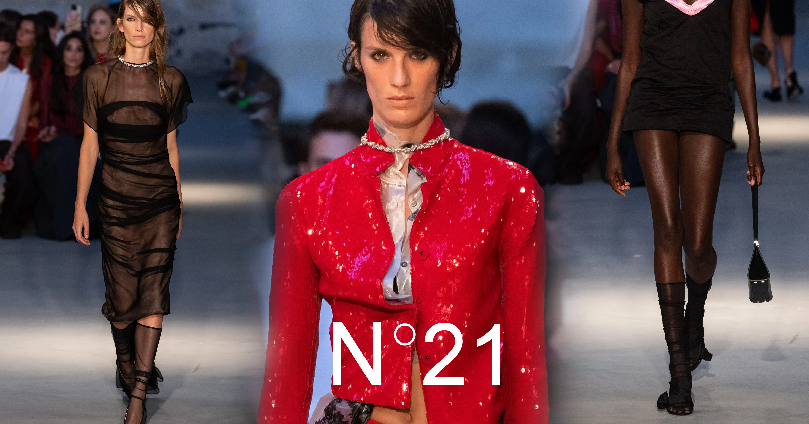
    Italian luxury fashion brand N21 (Numero Ventuno) has opened its first store in South Korea at the Hyundai Department Store Trade Center, marking its entry into the Korean market.

    Founded in 2010 by designer Alessandro Dell’Acqua, N21 is known for its modern yet feminine designs, offering a range of clothing, handbags, shoes, and accessories.

    The new store incorporates the brand’s signature design elements, featuring a nude colour palette with materials like lava stone and translucent surfaces, creating a “bold yet luxurious” ambience.

    It currently showcases the Fall/Winter 2024 collection, with key pieces such as the ‘Jewelry Sweater’ with signature jewellery buttons, oversized wool jackets, and long silk dresses.

    Kolon FnC – which secured exclusive distribution rights for N21 in South Korea  – said it plans to use the new store to strengthen N21’s presence and name awareness.

    With this addition, the company expands its portfolio of international brands, which includes Marc Jacobs, Neil Barrett, Valextra, and Khaite.

  • Uniqlo to open largest store in South Korea

    Uniqlo to open largest store in South Korea

    Japanese fashion label Uniqlo will launch its largest store in South Korea on September 13 after reporting strong sales at home and in some overseas markets.

    The 3504sqm store will be located in Jamsil Lotte World Mall.

    “As a local community member, Uniqlo has been striving to show our commitment,” said Kuwahara Takao, co-CEO of Uniqlo.

    “Our new store will provide products and services that enrich everyone’s daily lives and organise various local-friendly activities continuously to better the lives of people in Seoul.”

    Founded in 1949, Uniqlo is owned and operated by Fast Retailing Group and has more than 2000 stores worldwide.

    The brand entered South Korea in 2005 and now has 126 stores in strategic areas.

  • Uniqlo names Clare Waight Keller as creative director

    Uniqlo names Clare Waight Keller as creative director

    Uniqlo has appointed British designer Clare Waight Keller as its new creative director.

    On top of the new appointment, Keller will continue in her role as designer for the Uniqlo: C womenswear project.

    In her new role, Keller will also lead Uniqlo’s mainline collection, including menswear, beginning this year’s fall/winter.

    “Clare Waight Keller’s work with Uniqlo: C has convinced me that she is one of the few creators in the world able to achieve a high level of balance between creation and merchandising,” said Yukihiro Katsuta, Uniqlo Fast Retailing group senior executive officer and head of research and development.

    “I believe that with her, we will be able to evolve LifeWear, the ultimate everyday wear, into something even richer and create clothes that will make our customers even happier,” added Tadashi Yanai, Uniqlo fast retailing chairman, president and CEO.

  • Chinese tourists drive up Louis Vuitton

    Chinese tourists drive up Louis Vuitton

    Chinese tourists are fueling a surge in luxury goods sales in Japan, capitalizing on the weakened yen, which has plummeted to its lowest level in decades this year.

    Major luxury brands, including Yves Saint Laurent, Louis Vuitton, and Burberry, have reported significant sales growth in Japan during the first six months, despite experiencing weaker results in other markets.

    French fashion house Yves Saint Laurent’s sales jumped 42% in Japan “due to strong growth in the number of tourists visiting from China and Southeast Asia, who were attracted by the pricing differential arising from the favorable exchange rate,” its parent company Kering said recently.

    Another French brand, Louis Vuitton, operated by conglomerate LVMH, saw “exceptional growth in Japan arising in particular from purchases made by Chinese travelers.

    British brand Burberry has seen slower sales in China, its biggest market. But Japan posted a 6% growth, thanks to a surge in tourists’ spending, especially those from China, it said in a financial report last month.

    “Globally, the Chinese customer group also declined but held up better than mainland China as spend was diverted offshore,” it said.

    “Japan continued to grow, benefiting from strong tourism spend mainly from Chinese and near shore customers in Asia, whilst locals remained soft,” it added.

    The number of Chinese tourists in Japan quadrupled year-on-year in the first six months to 3.1 million, according to the Japan National Tourism Organization.

    The Japanese yen has been the one of the most depreciated currencies in the world this year and is hovering around the lowest in nearly four decades against the U.S. dollar.

    The Chinese yuan has risen 6.9% against the yen so far this year. Last month it reached a 24-year high against the Japanese currency.

    This currency disparity created opportunities for Chinese nationals like Snow and her boyfriend, who spent their first Japan visit indulging in luxury purchases.

    At a Gucci shop in Tokyo, the 30-year-old spent US$3,390 on a bag and two accessories.

    Another tourist who visited Japan in June said: “With the effect of the weak yen, shopping is quite affordable.”

    “You could buy a Bulgari necklace that costs 368,000 yen in mainland China for 300,000 yen in Japan.”

    Interest among affluent Chinese households in visiting Japan increased by 5 percentage points in May compared to a survey conducted last September, according to a study by consulting firm Oliver Wyman.

    Their travels are motivated by affordability. Prices for a range of luxury products in Japan were 10% to 30% lower than in mainland China, it added.

    Foreigners visiting Japan spent JPY2.14 trillion in the second quarter, a new quarterly record, according to the Japan Tourism Agency. Apart from mainland China, other major inbound tourism markets included South Korea, Taiwan and the U.S.

    Large department stores have also reaped the benefits of the luxury shopping boom. Isetan Mitsukoshi Holdings’ three flagship stores in Tokyo experienced a 20% year-over-year sales increase in the first half of July.

    Daimaru Matsuzakaya Department Stores’s tax-exempt sales jumped nearly 22% during the same period.
  • Ralph Lauren bucks subdued luxury market with higher sales

    Ralph Lauren bucks subdued luxury market with higher sales

    Ralph Lauren has posted a modest increase in sales and a surge in profit for the first quarter despite a challenging luxury market.

    The company’s revenue for the quarter ended June 29 was $1.5 billion, up 1 percent on a reported basis and 3 percent in constant currency.

    According to GlobalData MD Neil Saunders, the slight increase was delivered against a very difficult environment for luxury and consumer spending. This shows the company has “bucked the performance of many other high-end brands”, setting it apart as one of the few players still driving growth in a more subdued market.

    The sales growth was led by Europe with a 6 percent increase on a reported basis, followed by Asia with 4 percent improvement. Sales in North America, however, declined 4 percent as stronger direct-to-consumer performance was more than offset by planned declines in wholesale.

    While Ralph Lauren will need to wait for the NA market to bounce back, Saunders believes the Europe and Asia regions will continue to drive some good numbers. The company has more control over distribution and the brand is less mature in these markets, he added.

    Comparable store sales rose 5 percent, reflecting a strong performance in a muted market. The brand is benefitting from attracting more younger consumers, while its focus on classic, quiet luxury is favorable to current trends, according to the analyst.

    The results were even more robust on the bottom line, with net income jumping 27.6 percent to  $169 million. “Lower cotton costs, some better margins from a shift to retail, and general cost savings all helped to produce the outsized performance,” Saunders explained.

    For FY25, the company expects revenue to increase 2-3 percent given the current geopolitical and macroeconomic environment.

    “The powerful combination of our brand strength and diverse growth drivers — together with our culture of agility and operating discipline — gives us confidence that our long-term strategy will continue to deliver even through these dynamic times,” commented Patrice Louvet, president and CEO of Ralph Lauren.

  • Uniqlo elevates its T-shirt’s popularity as Singapore’s ‘national uniform’

    Uniqlo elevates its T-shirt’s popularity as Singapore’s ‘national uniform’

    Japanese fashion brand Uniqlo has launched new Singapore-exclusive colors for its AIRism oversized T-shirt, promoting it as the “SG uniform” and acknowledging its popularity as the go-to attire for Singaporean men.

    The new T-shirt colors, orange, red and dark green, were released last month at Uniqlo stores across the city-state, advertised as “The SG uniform”.

    This move indicated that the Japanese retailer is embracing the product’s ubiquity in the nation, especially among Singaporean men.

    The brand’s Singaporean website also listed the product as an “essential” fashion item, with one unit being sold almost every minute in the city-state from October 2022 to September 2023.

    Due to its prevalence, the “SG uniform” has often been a topic of discussion on social media, where Singaporean men’s basic outfit – the Uniqlo T-shirt, a pair of shorts and slippers – is often ridiculed.

    Notably, one viral video by TikTok user Sherrgoh, showing a man buying the same t-shirt in several different shades and captioned ‘SG boys shopping for their uniform in new colors,’ has gained over 1.6 million views.

    According to those who favor the oversized T-shirt, Uniqlo’s biggest appeal is its convenience.

    “I think that there are many other brands on the market that are of a similar price bracket and quality, like Muji, but Uniqlo makes it convenient to get the same piece of clothing that you know fits you well repeatedly or in different colors,” Raffli Noor, 39.

    Meanwhile, others have said that the item is both comfortable and low-key, not standing out and attracting unwanted attention.

    Singapore boasts 30 Uniqlo outlets and the highest density of Uniqlo stores outside of Japan, with approximately one store for every 189,000 people.

    The new colors for the AIRism T-shirt are not the brand’s first Singapore-exclusive release, as it had previously introduced several products inspired by Singaporean literature in collaboration with the city-state’s National Library Board in March.

  • Sasa International’s annual profit surges 276 percent

    Sasa International’s annual profit surges 276 percent

    Sasa International‘s annual attributable profit surged 275.8 percent to HK$218.9 million (US$28 million), as mainland Chinese tourists returned as the borders between Hong Kong, Macau, and Mainland China reopened.

    During the year, turnover rose 24.8 percent to HK$4.37 billion as sales in Hong Kong and Macau, its largest market, soared 31.4 percent to $3.41 billion.

    Mainland China sales grew 9.7 percent to $581.6 million, but Southeast Asia sales fell 1.7 percent to $365.8 million.

    Sales in other markets swelled 126.1 percent to $10.4 million.

    Moving forward, the beauty retailer is looking to introduce exclusive brands via livestream platforms in Mainland China to improve the company’s gross margin profile. It is also planning to expand in Hong Kong and is looking at high-traffic malls in Malaysia and Singapore.

    The company maintains a cautious outlook for China amid continued geopolitical tensions and said it has to consolidate its position in the region before making further moves.

    However, in the early weeks of the new financial year—from April 1 to June 16—the company’s turnover declined 9.5 percent year over year to $812.5 million.

  • Hermes reopens Lee Gardens store in Causeway Bay

    Hermes reopens Lee Gardens store in Causeway Bay

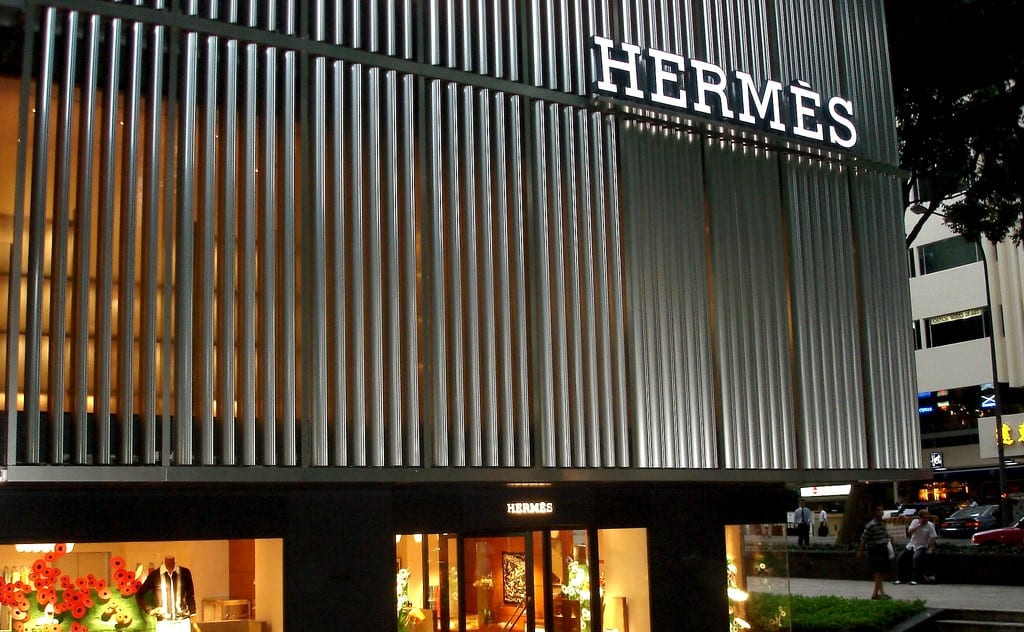
    Hermes has reopened its expanded store at Lee Gardens in Causeway Bay, Hong Kong.

    The store first opened in 1997 and is one of the luxury brand’s six stores in the metropolis.

    Hermes partnered with Parisian architecture agency RDAI for the expanded store’s design, which draws inspiration from nearby natural landscape.

    The expanded store now features three storeys, with its curves and ridges inspired by Hong Kong’s masonry wall trees and the interior showcasing metallic panels.

    A triptych of horses in motion by Japanese artist Ryu Mitarai is displayed at its three windows, which can be seen from the outside.

    The lower floor flaunts Hermes’ men’s and women’s ready-to-wear items, equestrian goods, home collection, and has two private rooms.

    A wooden cocoon on the first floor presents leather, watches, and jewellery metiers.

  • Tumi expands travel retail footprint in Asia

    Tumi expands travel retail footprint in Asia

    Travel accessories brand Tumi is expanding in Asia with a redesigned presence at major airports across the region.

    The stores at South Korea’s Incheon International Airport and Thailand’s Suvarnabhumi Airport opened on earlier this month.

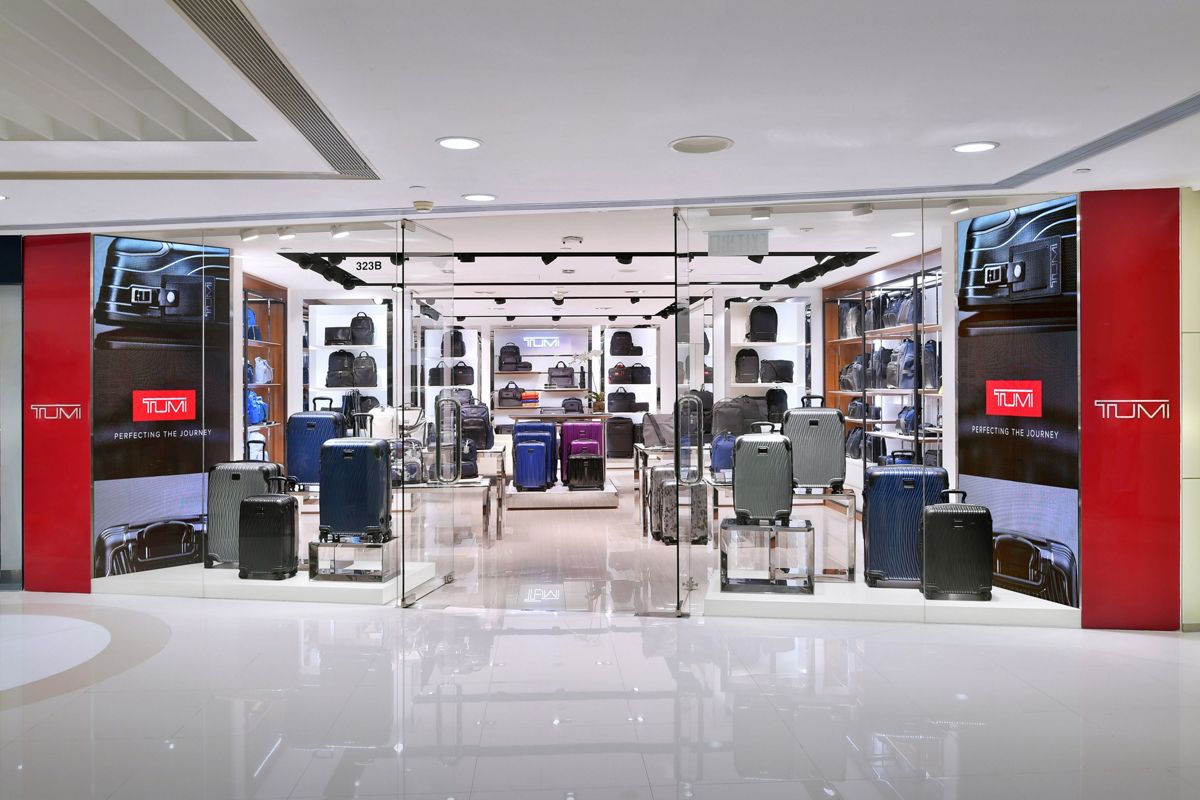
    The new 50sqm store at Incheon International Airport in Seoul contains a large-scale architectural facade. The approximately 19-foot-tall exterior, designed by CJ2 and local South Korean company Design Poom, features a T-icon pattern with 3D aluminium panels accented by a logo-inspired lighting effect.

    The store at Suvarnabhumi Airport in Bangkok also greets customers with an illuminated exterior and a T-icon design.

    Both sites have sleek and modern interiors and offer a wide choice of products tailored to the demands of tourists.

    “With more launches coming soon at Soekarno–Hatto International Airport in Jakarta and Chhatrapati Shivaji Maharaj International Airport in Mumbai, which are also among the busiest in the region, travel retail will continue to be a key focus through thoughtfully planned and skilfully executed designs that bring customers into our world and speak to the way they travel today,” said Aris Maroulis, VP of Asia-Pacific and the Middle East at Tumi.

    The new store at Soekarno-Hatto International Airport is set to open late this month and will join the airport’s other duty-free shops and restaurants in Terminal 3. The location at Chhatrapati Shivaji Maharaj International Airport will open in mid-June and will have a similar design.

  • Thai fashion brand Pomelo opens in Cambodia

    Thai fashion brand Pomelo opens in Cambodia

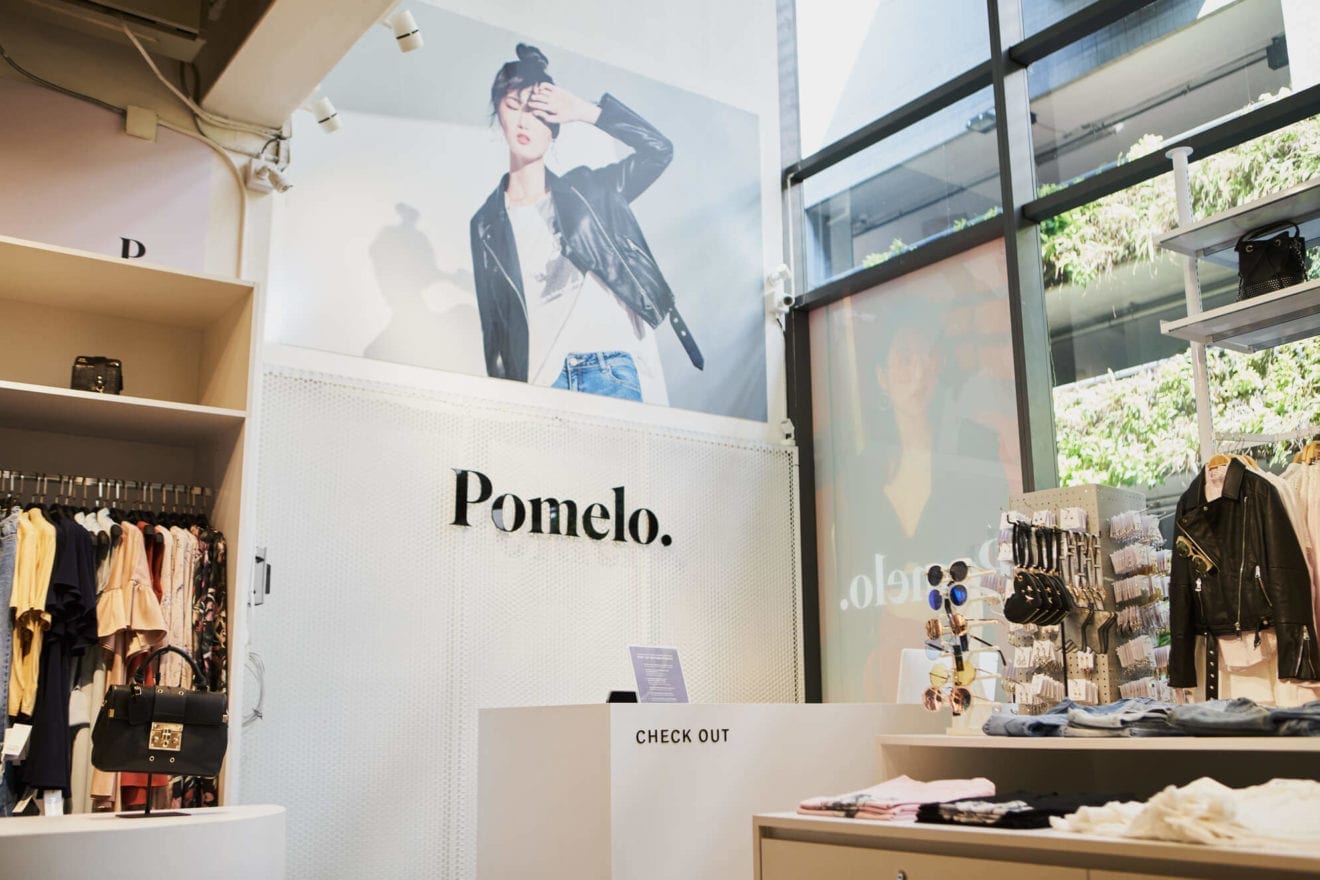
    Thai omnichannel fashion retailer Pomelo will launch in Cambodia in the first quarter of next year with physical stores and an e-commerce platform.

    The company has signed a partnership agreement with local distributor Zando Group to make its Cambodian debut and the launch is also part of a strategy to expand further within Southeast Asia.

    Pomelo, founded in 2013 by David Jou and Casey Liang, has developed from an internet-only fashion firm to a major Southeast Asian omnichannel retailer, with physical stores in Thailand, Singapore, Malaysia, and Indonesia, as well as online shipping to 50 countries.

    The brand opened its first store in Thailand in 2018 with the Tap, Try, Buy concept, which allows customers to order an infinite number of things online without paying anything upfront.

    Due to its growing economy, rising middle class, and increased demand for high-quality products, Cambodia’s retail sector has attracted major foreign labels in recent years.

    MLB, a South Korean streetwear brand, also opened its first physical store in Cambodia earlier this year, in collaboration with Vietnamese distributor Maison Retail Management International (MRMI).

  • Prada looks to double China business in the medium term

    Prada looks to double China business in the medium term

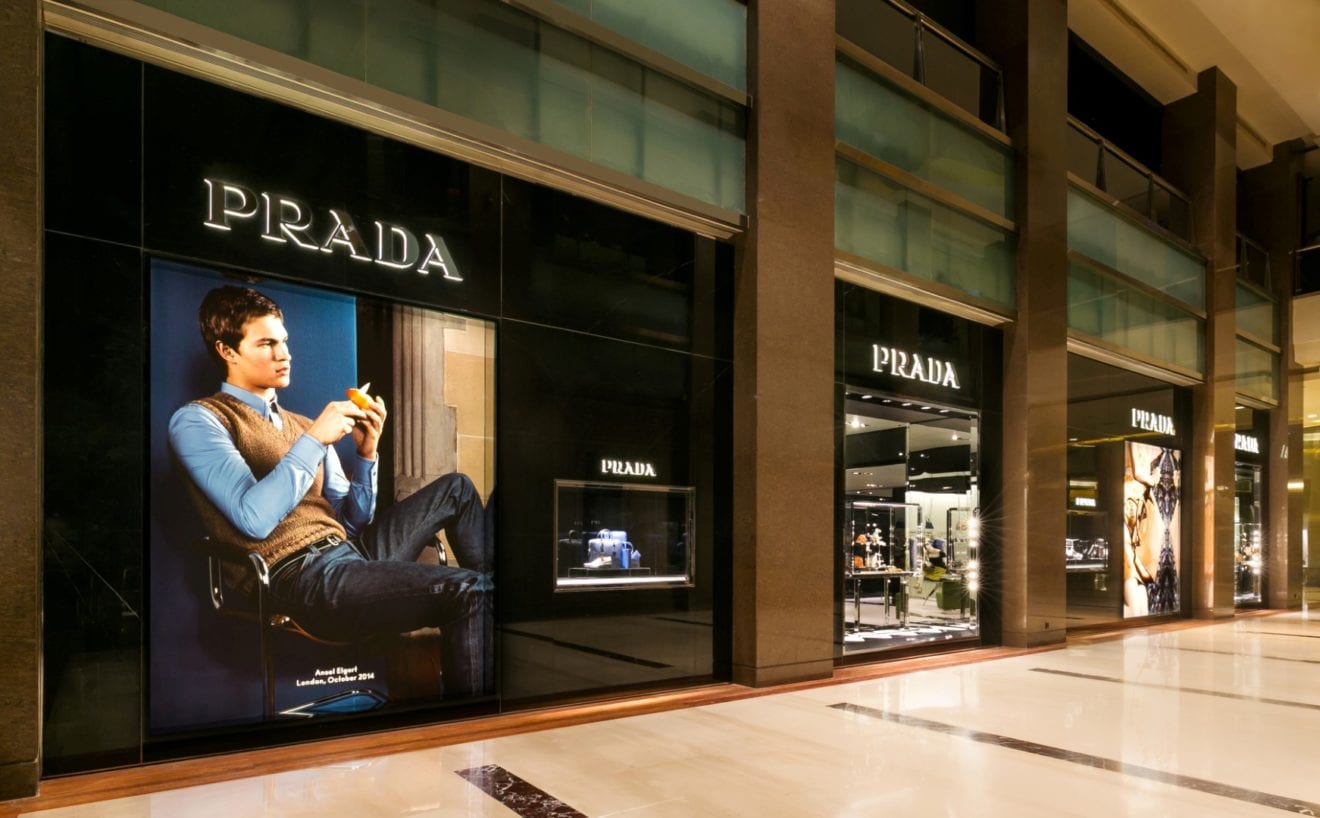
    Prada is looking to double its business in key luxury market China, Chief Executive Gianfranco D’Attis said on Wednesday, even as the country faces slowing growth in luxury demand and significant economic headwinds.

    “We have a lot of ambitions here in China, to double our business in the upcoming mid-term future. And with that comes also increasing our investments,” D’Attis told reporters in Shanghai.

    He did not give an exact timeframe for the ambition but said increased investments would not necessarily mean a major uptick in the number of stores opening across the country.

    “Not only the number of stores is important to us, but the quality of stores, bigger stores with more categories, with more localized products, with more experiences, with more hospitality, more events, more special capsules,” he said.

    D’Attis, a former Dior executive who took the helm at Prada in January, was speaking at a preview of the brand’s Pradasphere II exhibition in Shanghai. This is the second iteration of a concept that first showed in London.

    As well as a deep dive into the brand’s archive and identity, Pradasphere II, which is showing at a museum on Shanghai’s Huangpu River, also includes a Prada-themed cafe and a gift shop in a repurposed train parked alongside the museum.

    According to D’Attis, this likely won’t be the last time fans of the brand in China get to enjoy something like the Prada cafe, which boasts premium Italian coffee. Developing a hospitality concept is on the agenda for the brand worldwide, including in China, he said, possibly in 2024 or 2025.

    The Prada Group, whose brands also include classic English shoemaker Church’s, reported a 10% rise in third-quarter revenues in November, saying a strong performance in Asia and Europe helped to compensate for weakness in the Americas.

    According to consultants Bain, China is forecasted to account for almost 40 percent of global luxury sales by 2030.

    D’Attis is hopeful Chinese consumers will return to traveling and shopping in greater numbers in Europe, but said that wouldn’t necessarily impact sales at home.

    “Because we have such a different offer abroad than the local offer that we have, we believe that there is no cannibalization,” he said.

    “They will continue to spend locally, they will continue to be treated like kings and queens in China and when they travel, they get a different product… than they can find in China. So it’s very complementary.”

    Prada is not alone in remaining optimistic about China’s post-pandemic market. Even as luxury growth slows in the world’s second-largest economy, spooking investors, global brands from Louis Vuitton to Chanel have all recently staged events in cities such as Shanghai and Shenzhen.

  • Christian Louboutin forms joint venture with ABFRL

    Christian Louboutin forms joint venture with ABFRL

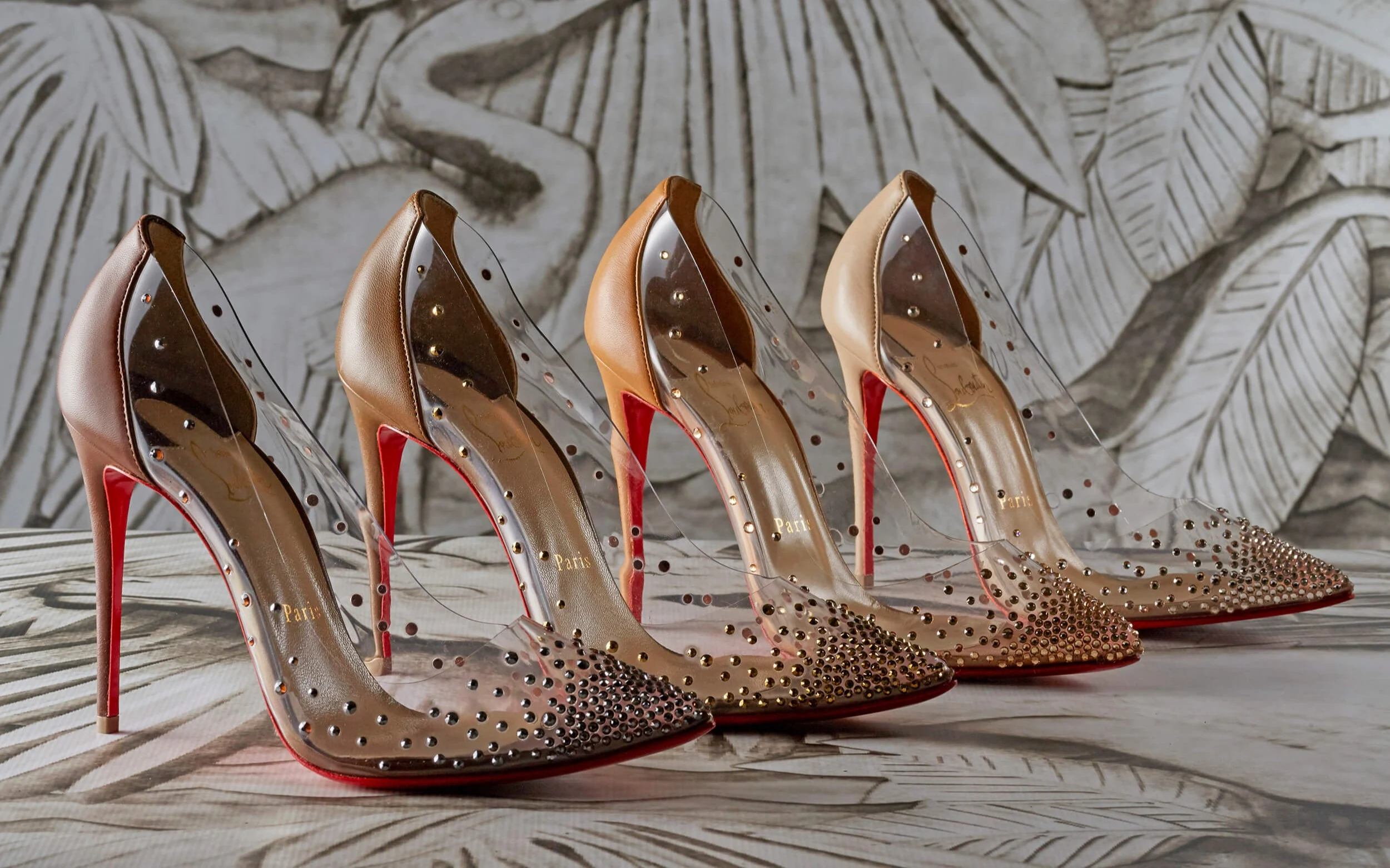
    Christian Louboutin has transferred its current Indian business into a joint venture with Indian fashion brand operator Aditya Birla Fashion and Retail Limited (ABFRL).

    Although the deal’s details have not yet been disclosed, ABFRL said the partners will hold an equal stake. Christian Louboutin’s Group CEO, Alexis Mourot, referred to India as an important market for the business.

    “This partnership reflects our commitment to offering our discerning customers the very best in elegance and style,” said Ashish Dikshit, MD at ABFRL. “It also exemplifies our ambition to develop and shape the future of the luxury market in India.”

    Founded in 2991 in Paris, the French label is known for its signature red-soled shoes. The brand, retailing footwear, leather goods & accessories, and beauty products, has a presence in more than 30 countries.

    Christian Louboutin will join ABFRL’s existing portfolio of international brands, including Ralph Lauren, Hackett London, Ted Baker, Fred Perry, Forever 21, American Eagle, Reebok and Galeries Lafayette.

    Earlier this year, the Indian fashion retail giant acquired a 51 percent stake in TCNS Clothing, which owns ethnic brands W, Aurelia, Wishful, Folksong, and Elleven.

    The country’s luxury market has received an influx of investment in the past few months. SMCP, which owns Sandro, Maje, Claudie Pierlot and Fursac, has recently expanded its reach to India in partnership with retail conglomerate Reliance Brands, betting on the country’s growing luxury market.

    Euromonitor International estimates India’s luxury market to generate US$8.5 billion this year, making it one of the fastest-growing markets in the world.

  • Italian outerwear label Herno makes global duty-free debut in Korea

    Italian outerwear label Herno makes global duty-free debut in Korea

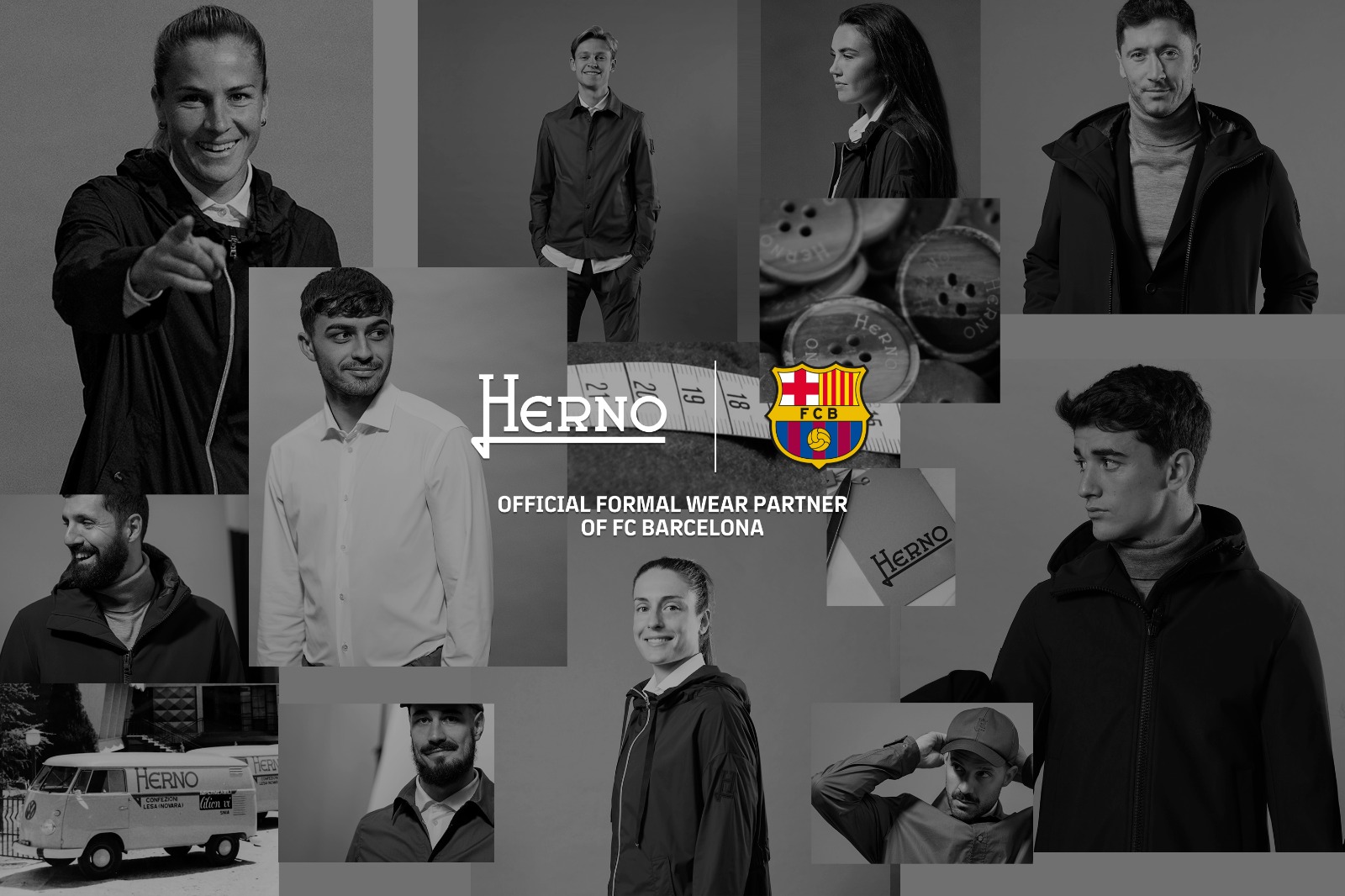
    Italian luxury brand Herno has made its first presence in South Korea, in partnership with Shinsegae International. The launch also marks Herno’s first presence in a duty-free shop.

    Located on the ninth floor of the Shinsegae Duty-Free Myeongdong branch, the store offers its latest winter collection in a variety of colors, with products made primarily of cashmere, silk, goose down, and nylon.

    “Even though outerwear is expensive, there is a perception that people buy high-quality products and wear them for a long time, so the demand for luxury padding is steadily increasing,” said a representative for Shinsegae International Herno.

    “As the number of travelers leaving overseas, including foreign tourists, is rapidly increasing ahead of the end of the year. We are expecting a good response from the Shinsegae Duty Free Myeongdong branch.”

    Herno, founded in 1948 by Giuseppe Marnezi, is notable for not showing its logos, in line with the quiet luxury trend. The decision to create a duty-free store was made in reaction to South Korea’s emergence as a centre of luxury fashion, the recent growth in international tourists visiting Korea, and the rapid increase in overseas travel by Koreans.

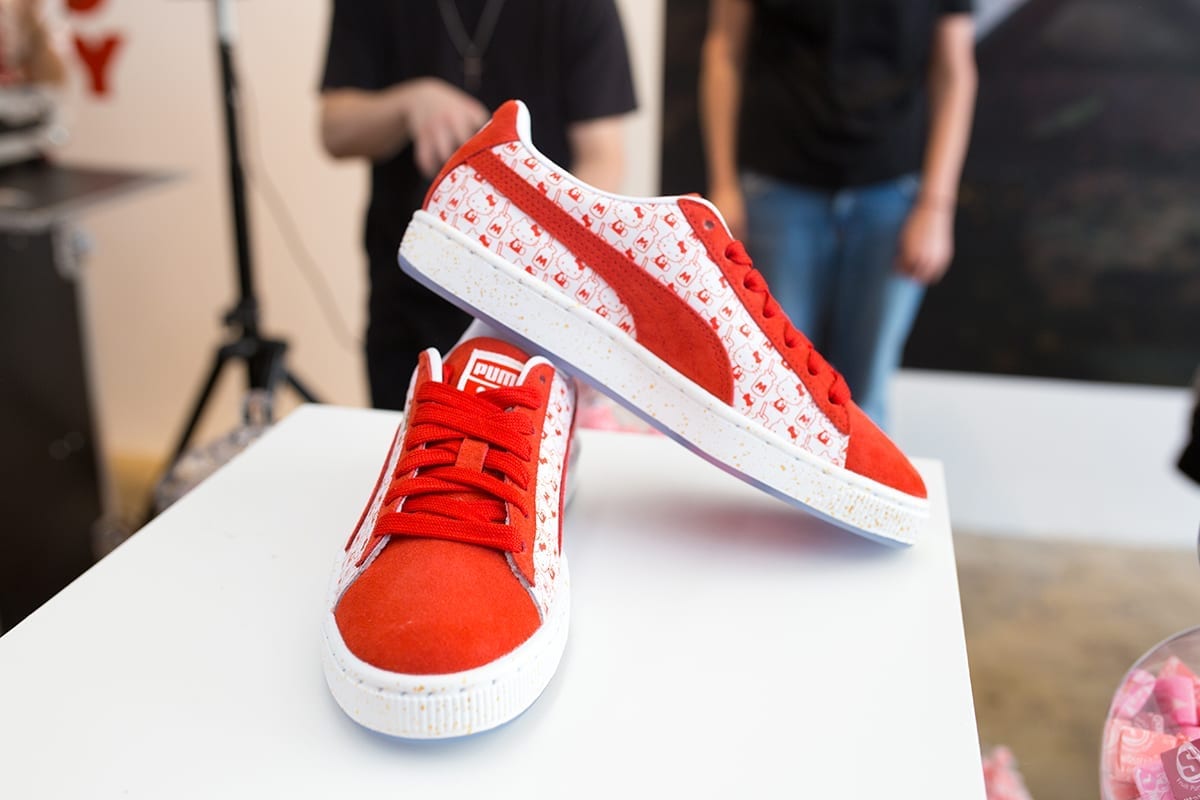
  • Puma says it has successfully converted sneakers into compost in pilot trial

    Puma says it has successfully converted sneakers into compost in pilot trial

    Sportswear company Puma has successfully produced compost from an experimental version of its classic suede sneaker, according to the results of its two-year-long Re:suede experiment.

    The experiment was the first program to launch as part of the company’s “Circular Lab”, an innovation hub led by innovation and design experts to create the future of the its circularity programs.

    The company created 500 pairs of experimental Re:suedes in 2021 using Zeology tanned suede, a TPE outsole, and hemp fibres during the experiment.

    Volunteers from Germany wore the shoes for six months to test their comfort and durability before being sent to a specially equipped industrial composting area operated by the Ortessa Group in the Netherlands.

    After being mixed with household waste and placed into a composting tunnel, the shoes were sprayed with leaching water from earlier composting that contained nutrients and naturally heated from the biological activity and controlled air circulation in the tunnel.

    The composting process took approximately 3.5 months, and the materials that were small enough (<10mm) to pass through a sieve were sold as Grade A compost for agricultural use in the Netherlands. The remaining materials were returned to the composting tunnel until they, too, had broken down to the desired level <10mm).

    “While the Re:suede could not be processed under the standard operating procedures for industrial composting, the shoes eventually turned into compost,” said Anne-Laure Descours, chief sourcing officer at Puma.

    “We will continue to innovate with our partners to determine the infrastructure and technologies needed to make the process viable for a commercial version of the Re: suede, including a takeback scheme, in 2024.”

    The company plans to share its insights in a detailed report so its peers and other interested stakeholders can learn from the experiment and apply the learnings to their initiatives.

    “We learned a lot during the Re:suede trial and how to streamline our industrial composting process to include items that need longer to turn into compost,” added Marthien van Eersel, manager of materials and innovations at Ortessa.

    As a result of feedback from volunteers who wore the Re:suedes for half a year, the company plans to enhance the overall fit of future versions of the shoes by using a new material pattern for the upper and the sock liner.