Tag: Fashion

  • Coach Unveils Its First Coffee Shop in Singapore – A Bold New Venture!

    Coach Unveils Its First Coffee Shop in Singapore – A Bold New Venture!

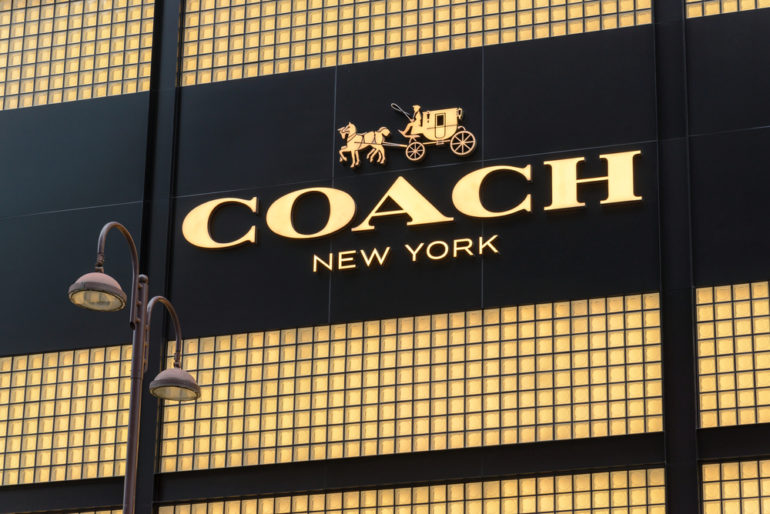
    The vibrant new Coach Coffee Shop has officially opened its doors in Singapore, nestled within the bustling WEAVE lifestyle hub at Resorts World Sentosa. This innovative café marks Coach’s first foray into the world of coffee, merging retail with a cozy dining experience right at the entrance of its retail store

    In true homage to its New York origins, the café boasts a striking design characterized by city skyline wallpaper, sleek black industrial accents, and raw concrete walls, all illuminated by modern LED lighting. The exterior, adorned with lush greenery, creates a welcoming contrast that invites visitors to step in and explore.

    At the heart of the café’s whimsical vibe is its charming mascot, Lil Miss Jo, who not only graces the coffee cups but also appears on an exclusive lineup of merchandise. Shoppers can pick up tote bags, mugs, t-shirts, and more, creating a delightful connection between the café and Coach’s fashion-forward ethos.

    As for the menu, Coach is serving up a variety of American comfort food classics. Diners can savor grilled cheese, hearty Reuben sandwiches, and, for the weekend crowd, a special cheeseburger that promises to satisfy cravings. Sweet tooths will be tempted by innovative cruller-style donuts in flavors like raspberry and maple, as well as a playful soft-serve ice cream selection that includes peanut butter & jelly and peaches & cream, with an exclusive Singapore twist featuring chili crab.

    Quenching Thirst with Creative Beverages

    To wash it all down, the café offers a diverse drink menu, featuring staples such as coffee, hot chocolate, iced chocolate, and refreshing cherry lemonade. Additionally, Coach Coffee Shop introduces an exciting seasonal menu that kicks off with unique concoctions like strawberry matcha and orange cream, ensuring that every visit can be a new adventure.

    For a brand known for its luxurious handbags, Coach Coffee Shop in Singapore adds an unexpected layer of charm and culinary delight, blurring the lines between retail and gastronomic experience in a way that turns a shopping trip into a fun-filled outing.

    Questions & Answers

    What unique features does Coach Coffee Shop offer that reflect its brand identity?
    The café showcases Coach’s New York roots through its design, featuring city skyline wallpaper and industrial accents, while also promoting its coffee cup mascot, Lil Miss Jo, across exclusive merchandise.

    What types of food and drinks are available at the café?
    The menu emphasizes American comfort food, including grilled cheese, Reuben sandwiches, and weekend cheeseburgers, accompanied by desserts like cruller-style donuts and a playful soft-serve ice cream selection. The drink menu features coffee, iced beverages, and creative seasonal drinks.

    What is special about the café’s seasonal menu?
    The café introduces a rotating seasonal menu that begins with unique offerings like strawberry matcha and orange cream, adding an element of surprise for returning visitors.
  • H&M’s Balancing Act: Navigating Sustainability Goals Amid Rising Retail Competition

    H&M’s Balancing Act: Navigating Sustainability Goals Amid Rising Retail Competition

    In the fast-paced world of retail, brands often find themselves caught in a web of immediate consumer demands and long-term strategic planning. One company feeling the heat is H&M, which has recently made headlines for its sustainability initiatives and focus on ethical fashion. However, as the Swedish retailer grapples with fluctuating sales and increasing competition, a closer look at its approach reveals a mixture of innovation, challenges, and the occasional misstep.

    H&M’s Sustainability Journey

    H&M has positioned itself at the forefront of sustainability, pledging to use 100% recycled or other sustainably sourced materials by 2030. This ambitious commitment resonates well with eco-conscious consumers, particularly younger shoppers who prioritize sustainability in their purchasing decisions. Still, the journey has not been without pitfalls; the brand has faced scrutiny over greenwashing accusations, raising questions about the authenticity of its efforts.

    Facing Market Challenges Head-On

    As of mid-2023, H&M has reported a notable dip in sales, attributed partly to changing consumer preferences and the rise of fast fashion competitors who are nimble and aggressive. The retailer’s recent focus on overhauling its online platform and optimizing supply chains indicates a strategic pivot to better meet contemporary retail demands. A dash of urgency is in the air, as the brand aims to strike the right balance between sustainability and competitiveness — ensuring it doesn’t lose its footing in the rapid race that is retail.

    The Asian Market Landscape

    In Asia, where retail dynamics differ significantly from those in Europe and the Americas, H&M has been investing heavily. The brand has recently opened new flagship stores in key markets such as Bangkok and Shanghai, designed to deliver a more personalized shopping experience. It’s a gamble aimed at turning foot traffic into sales, as traditional shopping experiences are making a resurgence post-pandemic. Who knew that physical stores would have to go full circle and embrace digital experiences, incorporating tech-savvy elements while still allowing customers to feel the fabric before they buy?

    Looking Ahead

    The company is betting on strategic collaborations to further enhance its offerings. Partnerships with local designers and influencers have become pivotal in creating collections that resonate with diverse Asian consumers. By understanding local tastes and trends, H&M strives to craft a more cohesive brand narrative that appeals across cultural lines. The road ahead will require diligence and adaptability, and as H&M navigates these waters, the aim remains clear: to redefine what it means to be a responsible retailer in a rapidly evolving marketplace.

    Questions & Answers

    What sustainability goals has H&M set for itself?
    H&M aims to use 100% recycled or other sustainably sourced materials by 2030, reflecting its commitment to ethical fashion.

    What challenges is H&M currently facing in the retail market?
    H&M is dealing with declining sales due to shifting consumer preferences and stiff competition from fast fashion brands.

    How is H&M adapting to the unique demands of the Asian market?
    The retailer is opening flagship stores in major Asian cities and collaborating with local designers to tailor its offerings to regional tastes.

  • Hermès Chairman Confirms Recovery of Missing $16B Stake by Heir is Impossible

    Hermès Chairman Confirms Recovery of Missing $16B Stake by Heir is Impossible

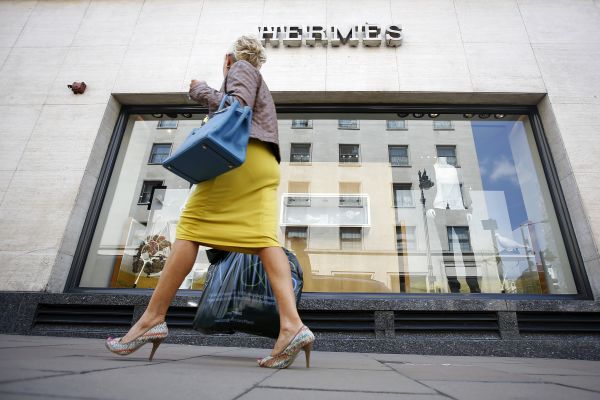
    During an earnings call on Wednesday, Executive Chairman Axel Dumas revealed an unsettling update regarding Nicolas Puech, the great-grandson of Hermès founder Thierry Hermès. “I’ve had the certainty for a long time that Nicolas Puech no longer holds his shares,” Dumas stated, suggesting the luxurious legacy has spiraled into complex legal battles. Dumas further expressed skepticism about the possible restoration of Puech’s stake and disclosed that the firm has initiated legal proceedings to address the issue.

    This insight from Dumas is the most comprehensive yet on the ongoing saga surrounding Puech’s missing fortune, a topic that has stirred intrigue among luxury retail watchers. Puech inherited a 5.7% stake in Hermès following the deaths of his mother in 1996 and sister in 2004, yet his relationship with the family and the company has grown increasingly fraught.

    A Pivotal Moment Amid a Takeover Attempt

    In 2010, as LVMH’s Bernard Arnault attempted a discreet takeover of Hermès, Puech turned against his family by quietly facilitating the transfer of some Hermès shares to Arnault, which allowed the business mogul to acquire a 23% stake in the luxury powerhouse. However, Arnault’s ambitions crumbled, resulting in a resolution in 2014 that saw him unwind his stake. That same year, Puech stepped down from Hermès’ supervisory board, but the fate of his shares has since become shrouded in mystery.

    The Complications of Bearer Shares

    Things took a turn for the complicated when it was revealed that Puech’s shares are bearer shares, a type of stock traditionally less transparent than registered shares. Unlike his family members who hold shares in their names, Puech’s stock does not disclose ownership, leading to challenges in tracing who currently possesses them and distributing dividends through intermediaries.

    A Legal Twist in 2023

    The plot thickened in 2023 when Puech claimed in court that he no longer owned the shares, placing the blame on his former wealth manager, Eric Freymond. According to reports, Puech accused Freymond of mismanaging his financial affairs, prompting intrigue about the control and governance of the inherited wealth. However, a Geneva court dismissed these claims, emphasizing that Puech had ceded control of his affairs to Freymond and could have revoked their arrangement at any time. The court found Puech’s accusations to be vague and lacking in substantial evidence.

    Freymond, who staunchly denied any wrongdoing, recently passed away in Switzerland, leaving behind an even more tangled narrative around the Hermès shares. Meanwhile, LVMH confirmed it has divested all its holdings in Hermès, closing the door on any former entanglements.

    The Broader Implications for Hermès

    If Puech still retains his stake, he would emerge as the largest individual shareholder of Hermès, a brand that carries a staggering market value of over US$300 billion as of February. The Hermès family, a network of over 100 members, remains one of Europe’s most affluent dynasties, and the repercussions of this saga could resonate far beyond just one heir’s misfortune. After all, in a world where luxury can be as elusive as it is sought after, such tales weave a compelling narrative that captivates the imagination.

    Questions & Answers

    What prompted the current dispute over Nicolas Puech’s shares?
    The dispute emerged from Puech’s alleged lack of ownership of his inherited shares after he assisted Bernard Arnault during a failed takeover of Hermès, raising questions about the ultimate fate of those shares.

    Why are Puech’s bearer shares significant?
    Bearer shares lack registered ownership details, complicating the process of tracking dividends and ownership, which poses challenges for the company in determining who rightfully holds the shares.

    What was the outcome of the recent legal proceedings involving Puech?
    A Geneva court ruled against Puech, stating he ceded control to his wealth manager and failed to provide sufficient evidence to support his claims of mismanagement.

  • Prada Sees 9% Revenue Boost, Credits Rising Star Miu Miu Amid Tough Luxury Market

    Prada Sees 9% Revenue Boost, Credits Rising Star Miu Miu Amid Tough Luxury Market

    Prada, a family-owned group known for its luxury fashion, recently reported a 9% spike in first-half net revenues at constant currencies. The company’s lesser-known yet rapidly growing Miu Miu brand played a significant role in this upswing, potentially signaling a positive shift in an otherwise sluggish sector.

    In terms of figures, Prada’s net revenue reached a substantial 2.74 billion euros ($3.16 billion), mirroring analysts’ expectations. This growth can be attributed to supportive performance across all regions.

    Brand Performances

    Despite the group’s overall success, the Prada brand experienced a 3.6% drop in retail sales in the second quarter. In contrast, the Miu Miu label saw a remarkable 40% increase in sales, accounting for a quarter of the group’s total revenues last year.

    Prada’s second quarter was adversely affected by reduced tourist influx into Europe and Japan, as well as unfavorable comparisons to last year’s performance. Company executives shared these insights during a conference call held after the results were announced.

    Andrea Guerra, the Chief Executive, informed analysts that he anticipates tourist traffic levels to rebound by the end of August.

    Management Changes

    In a noteworthy development, the Italian firm recently separated from Prada’s brand CEO, Gianfranco D’Attis. Guerra has temporarily assumed the additional responsibilities, with plans to retain them for an extended period. He stated, “If it is an interim (arrangement), it’s a long one.”

    Operating Profit and Future Acquisitions

    The group’s adjusted operating profit climbed 8% to 619 million euros in the first six months, falling slightly short of the 636 million euro operating EBIT projected by analysts.

    Prada Chairman Patrizio Bertelli commented on this solid performance, stating it was achieved amidst a challenging backdrop, somewhat unprecedented in our industry.

    In terms of upcoming developments, the group anticipates finalizing the acquisition of Versace from Capri Holdings between September and November this year.

    Luxury Industry Outlook

    Despite these positive developments for Prada, a robust recovery for the luxury industry remains uncertain. For instance, Gucci’s parent company, Kering, reported a 15% fall in quarterly revenues. Additionally, LVMH recorded a 4% drop in quarterly sales, and Hermes, despite a 9% sales surge, showed signs of being affected by the broader luxury downturn.

    Questions & Answers

    What accounted for Prada’s 9% increase in first-half net revenues?
    Prada’s growth in the first half was largely due to supportive performance across all regions and the exceptional growth of the Miu Miu brand.

    How has Prada’s management changed recently?
    Prada recently parted ways with its brand CEO, Gianfranco D’Attis. The company’s Chief Executive, Andrea Guerra, has taken on these additional responsibilities for the foreseeable future.

    What is the current outlook for the luxury industry?
    The luxury industry faces uncertain times. While some brands like Prada and Hermes have shown growth, others, such as Gucci and LVMH, have reported decreases in revenue. A robust recovery for the industry remains elusive.

  • LVMH Sees Sales Dip: Fashion And Wine Departments Hit Hardest Amid Economic Uncertainty

    LVMH Sees Sales Dip: Fashion And Wine Departments Hit Hardest Amid Economic Uncertainty

    LVMH Moet Hennessy Louis Vuitton experienced a decrease in sales during the first half of the year, primarily due to weaker performance in its fashion and wine departments.

    Decreased Revenue

    The distinguished luxury conglomerate reported a 4 per cent decline in revenue, which totaled EUR39.8 billion (US$46.7 billion) over a six-month period. This figure represents a 3 per cent decrease in sales on an organic basis, including a 3 per cent decrease in the first quarter and a 4 per cent reduction in the second quarter.

    Impact on Different Divisions

    The major contributors to this decline were an 8 per cent drop in sales in both the fashion and leather goods division and the wine and spirits division. The group attributes the dip in fashion revenue to the strong growth it enjoyed last year, which was largely spurred by increased tourist spending in Japan, owing to a weaker yen. As for the wine segment, it suffered due to the influence of trade tensions impacting the critical markets of the US and China.

    Furthermore, perfume and cosmetics and watches and jewellery departments also reported a 1 per cent decline in sales. In contrast, the selective retailing segment remained flat, a result of continued growth at Sephora and the streamlining of operations at DFS.

    Profit Decline

    In terms of profit, there was a 15 per cent slide in profit from recurring operations which amounted to EUR9 billion, and the net profit was down 22 per cent to EUR5.6 billion.

    Despite these figures, the group maintains its confidence in the prevailing uncertain geopolitical and economic climate. It plans to continue focusing on bolstering the appeal of its brands.

    Questions & Answers

    What were the major contributors to LVMH’s decline in sales?
    The major contributors were an 8 per cent drop in sales in both the fashion and leather goods division and the wine and spirits division.

    What factors affected the fashion and wine segments?
    The dip in fashion revenue can be attributed to the strong growth it experienced last year due to increased tourist spending in Japan, owing to a weaker yen. The wine segment suffered due to trade tensions impacting the crucial markets of the US and China.

    What are LVMH’s plans moving forward amidst the economic downturn?
    The group plans to maintain its focus on enhancing the desirability of its brands, expressing confidence in the prevailing uncertain geopolitical and economic environment.

  • LVMH Explores Sale of Iconic Fashion Brand Marc Jacobs Amid Strategic Refocus

    LVMH Explores Sale of Iconic Fashion Brand Marc Jacobs Amid Strategic Refocus

    Rumors are swirling around LVMH’s Marc Jacobs label, as the luxury giant engages in discussions with interested buyers, including Authentic Brands Group, known for their acquisition of Reebok, and WHP Global. Sources close to the negotiations, who wished to remain anonymous due to the sensitive nature of the talks, suggest that a deal could be on the horizon.

    While Authentic Brands has declined to comment, WHP Global has yet to respond. Adding to the mix, Bluestar Alliance, the current owner of Brookstone, is also vying for the Marc Jacobs brand, which analysts estimate could fetch around $1 billion, according to a recent report by the Wall Street Journal.

    Neither LVMH, Marc Jacobs, nor Bluestar Alliance provided comments regarding the report from the WSJ. Previously, in 2024, Bloomberg revealed that LVMH was looking into strategic options for the Marc Jacobs brand after attracting interest from potential buyers, though the company denied such claims at that time.

    Founded by American designer Marc Jacobs in 1984, the brand is celebrated for its vibrant and eclectic designs that marry high fashion with street style. In a pivotal moment for both parties, LVMH appointed Jacobs to oversee Louis Vuitton in 1997 and subsequently acquired a stake in his own label.

    According to the Journal, a deal might be finalized soon, provided that discussions do not stall. This potential offloading of Marc Jacobs aligns with LVMH’s recent efforts to streamline its brand portfolio. Last year, the luxury conglomerate sold Off-White—initially established by Virgil Abloh—to Bluestar Alliance, although the sale price was not disclosed.

    In another notable move, Stella McCartney, who previously sold a minority stake of her brand to LVMH, reacquired that stake this year, just five years after the luxury group’s investment. McCartney has pledged to continue advising LVMH’s chief executive, Bernard Arnault, on sustainability issues—a topic she passionately champions.

    The luxury retail sector has been a hotbed for dealmaking recently, particularly in Europe. In a significant move, Prada acquired Versace from Capri Holdings in a staggering $1.4 billion deal, highlighting the competitive and dynamic nature of high-end fashion.

    While LVMH’s second-quarter sales, which encompass iconic products like Louis Vuitton handbags and Moët & Chandon champagne, fell slightly short of market expectations, analysts remain optimistic. The group’s shares have risen, buoyed by signs of recovering demand in the critical Chinese market, a beacon of hope amid challenging conditions.

    Analyst Adam Cochrane from Deutsche Bank noted that, despite the second-quarter results lacking brilliance, there were “glimmers of hope” on the revenue horizon. French luxury brands continue to navigate a tricky landscape, grappling with economic downturns and the looming specter of U.S. import tariffs.

    Questions & Answers

    Which companies are interested in acquiring Marc Jacobs?
    Authentic Brands Group and WHP Global are among the potential buyers, with Bluestar Alliance also expressing interest.

    What is the estimated value of the Marc Jacobs brand?
    Analysts estimate the brand could be valued at around $1 billion.

    What recent strategic move did Stella McCartney make concerning her brand?
    Stella McCartney has repurchased the minority stake that LVMH held in her label, five years after LVMH’s initial investment.

  • F&F Engages Goldman Sachs For Potential Acquisition Of Taylormade Amid Legal Tensions

    F&F Engages Goldman Sachs For Potential Acquisition Of Taylormade Amid Legal Tensions

    South Korean apparel company F&F Co announced on Monday that it had engaged Goldman Sachs as its advisor on the prospective purchase of TaylorMade. The company also stated that it would pursue legal action if the current owner of TaylorMade proceeds with an independent sale process.

    The Context of the Acquisition

    Earlier this year, Centroid Investment Partners, a private equity firm headquartered in Seoul, initiated a sales process for TaylorMade, which it had acquired in 2021. The company, based in Carlsbad, California, could potentially be sold for as much as $3.5 billion, according to those familiar with the transaction.

    F&F Co was a pivotal player in the 2021 acquisition of TaylorMade, participating as a strategic investor. As the most significant investor, F&F secured written Consent Rights over major business decisions, which included borrowing, key management decisions, and sales of equity. However, F&F has not approved Centroid’s current attempt to sell TaylorMade, and it views this action as a considerable violation of its contractual consent rights.

    Despite the potential acquisition, F&F stated that it is fully prepared to use all available legal and contractual measures to hold Centroid accountable for any violations. The company is carefully preparing to exercise its Right of First Refusal (ROFR) if necessary, to ensure alignment with its original investment thesis.

    Investment Breakdown

    F&F’s investment in the acquisition of TaylorMade by Centroid was substantial, contributing 358 billion won ($258 million) of a total subordinated equity investment of 619.2 billion won. This made F&F the primary equity investor as a limited partner (LP).

    Additionally, F&F contributed 195.7 billion won to a mezzanine investment of 471.5 billion won. The fashion company had already expressed its intent to acquire TaylorMade last month, explaining that its significant investment in TaylorMade in 2021 was made with the ultimate aim of acquiring the company.

    Centroid’s Sale Process

    According to insiders, Centroid’s advisors have sent confidential memoranda and process letters concerning the sale of TaylorMade to potential buyers. However, no official process has been initiated yet. Responding to a request for comment, Centroid confirmed it was in the process of selling TaylorMade to maximize its LPs’ return on investment.

    In the private equity sector, a GP, or General Partner, refers to the manager of a fund who is responsible for making investment and operational decisions. In contrast, LPs, or Limited Partners, are investors in the fund who usually have a passive role in individual deals. F&F is an LP investor in a fund managed by Centroid as the GP.

    Centroid confirmed that F&F holds the right of first refusal, which it guarantees. However, it pointed out that this right does not preclude a sale process from occurring.

    TaylorMade Overview

    Established in 1979, TaylorMade produces golf clubs, balls, and other golf-related accessories. The company has offices in Canada, China, Japan, South Korea, and Australia, in addition to its U.S. base.

    Questions & Answers

    What is F&F Co’s role in TaylorMade’s acquisition?
    F&F Co participated as a strategic investor in the 2021 acquisition of TaylorMade and is the largest equity investor as a limited partner (LP).

    What are the potential legal actions that F&F Co might take?
    F&F Co stated that it is fully prepared to use all available legal and contractual measures to hold Centroid accountable for any violations of its contractual consent rights.

    What is the right of first refusal that F&F Co holds?
    The right of first refusal allows F&F Co to decide whether or not to match the terms of a sale determined through the auction process.

  • Acne Studios Unveils Pink Granite-adorned Flagship Store In Tokyo’s Aoyama District

    Acne Studios Unveils Pink Granite-adorned Flagship Store In Tokyo’s Aoyama District

    Acne Studios, a renowned fashion brand from Sweden, has unveiled its flagship store in the Aoyama district of Tokyo.

    Designing the Flagship Store

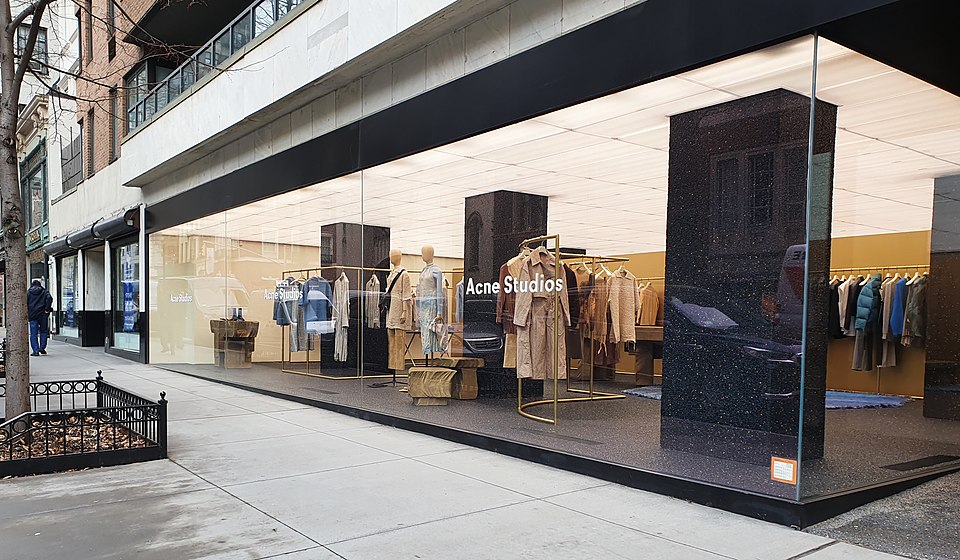
    The store occupies three levels and was crafted in association with Hallerod, an architecture firm based in Stockholm and a long-term collaborator of the brand. The store’s interior is predominantly adorned by pink granite, a signature material in Acne’s retail settings, employed throughout the store’s floors, walls, and fixtures.

    Max Lamb, a London-based designer, contributed matching pink sofas made of leather and fabric, adding to the store’s distinctive aesthetic. The lighting was designed by Parisian Benoit Lalloz, further enhancing the store’s unique ambiance.

    Collaborations & Collections

    The basement of the store features ceramic works by Takuro Kuwata, a renowned Japanese artist. These pieces were curated as part of a collaboration spearheaded by Acne’s creative director, Jonny Johansson. This partnership also resulted in a capsule collection that reimagines traditional Acne pieces. The collection includes denim, bags, and small leather goods.

    Store Offerings

    The flagship store houses the complete range of Acne Studios products. Shoppers can find men’s and women’s clothing, footwear, accessories, jewelry, and eyewear, offering a comprehensive Acne Studios shopping experience.

    Questions & Answers

    Who designed the interior for Acne Studios’ flagship store in Tokyo?
    The space was designed in collaboration with Stockholm-based architecture firm Hallerod. The interior is characterized by pink granite, used throughout the store’s floors, walls, and fixtures.

    What is unique about the basement of the store?
    The basement displays ceramic works by Japanese artist Takuro Kuwata. These were curated as part of a project led by Acne’s creative director, Jonny Johansson.

    What types of items does the store sell?
    The store carries the full Acne Studios range, including men’s and women’s apparel, footwear, accessories, jewelry, and eyewear.

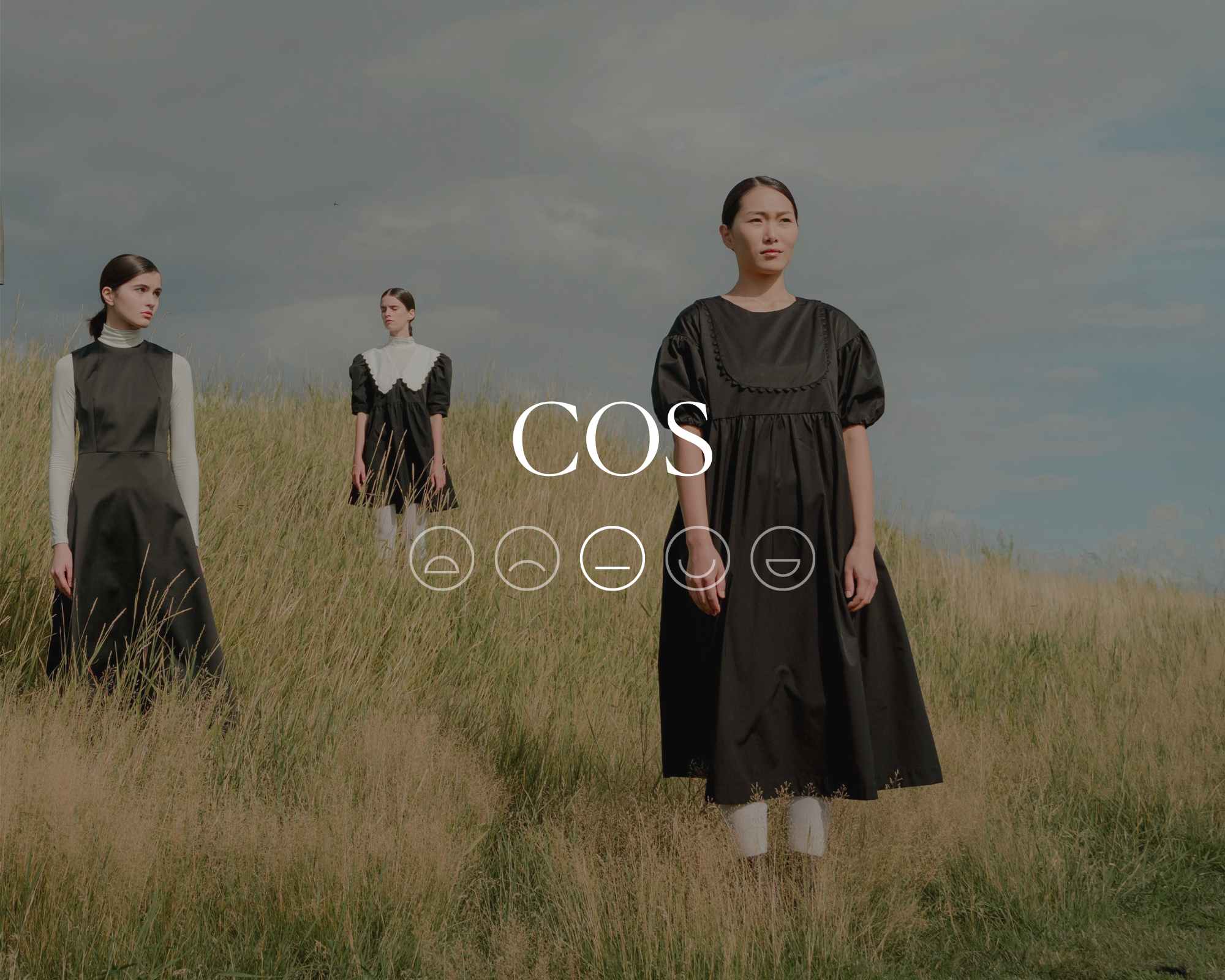
  • Cos, H&m’s High-end Fashion Brand, To Debut In India With New Delhi Store

    Cos, H&m’s High-end Fashion Brand, To Debut In India With New Delhi Store

    Cos, the fashion brand owned by H&M and renowned for its “Collection of Style,” is set to make its debut in India later this year.

    Store Location and Offerings

    The inaugural store will be situated in New Delhi, India’s capital. It will exhibit the brand’s trademark contemporary aesthetic, featuring ready-to-wear collections along with accessories. The product range will cater to women, men, and children, thereby covering all demographics.

    Cos is globally recognized for its minimalist design, with a strong emphasis on craftsmanship. The brand is eager to bring its approach of creating long-lasting, durable fashion pieces to the new Indian market.

    Company Vision

    The company expressed its excitement for the new venture stating, “We are excited to introduce Cos to the Indian market and bring our emphasis on craftsmanship and innovative materials to a new audience.”

    Established in 2007, Cos has grown into a significant global presence. The brand operates 239 stores across 48 physical markets and holds an online presence in 38 markets. Apart from running its own outlets, the brand also sells through wholesale and franchise channels, marking its omnipresence in the fashion industry.

    Questions & Answers

    Where will Cos open its first store in India?
    The first Cos store in India will be opened in New Delhi.

    What is Cos known for?
    Cos is globally recognized for its minimalist design and a strong emphasis on craftsmanship.

    How does Cos distribute its products?
    Cos operates physical stores, has an online presence, and sells through wholesale and franchise channels.

  • Lululemon Partners With Tata Cliq To Expand Global Reach Into India

    Lululemon Partners With Tata Cliq To Expand Global Reach Into India

    Lululemon, a prominent Canadian athleisure brand, is preparing to penetrate the Indian market. This development comes as a result of a franchise agreement with domestic distributor Tata Cliq, signaling a crucial phase in Lululemon’s strategy for global expansion.

    Brick-and-Mortar Store Set to Launch in India

    The first physical Lululemon store in India is expected to open its doors in the latter half of next year. To complement this physical presence, the athleisure brand will also carve out a digital space on Tata Cliq Luxury and Tata Cliq Fashion.

    Gopal Asthana, in his capacity as CEO of Tata Cliq, expressed his excitement about the partnership. He emphasized that the collaboration is aimed at acquainting the Indian consumer with Lululemon’s superior-quality athletic wear and lifestyle products.

    Lululemon’s Product Range

    Asthana further elaborated on the range of products Lululemon will introduce in India. These include innovative athletic and lifestyle apparel, shoes, and accessories. The brand’s high-performance items are designed for a variety of activities, including yoga, running, training, tennis, and golf.

    Lululemon’s Global Presence

    Since its inception in 1998, Lululemon has spread its wings to operate over 760 stores across the globe. Its presence is felt in North America, Europe, and the Asia-Pacific region.

    The upcoming launch in India aligns with the broader vision of Lululemon’s CEO, Calvin McDonald. He anticipates expanding the brand’s global reach to a total of 1,000 locations.

    Questions & Answers

    Who is Lululemon partnering with to break into the Indian market?
    Lululemon has entered into a franchise agreement with Tata Cliq, a local distributor, to make inroads into the Indian market.

    What range of products will Lululemon be introducing in India?
    Lululemon will present an array of products to the Indian consumer, including innovative athletic and lifestyle apparel, shoes, and accessories designed for activities such as yoga, running, training, tennis, and golf.

    What is the broader vision of Lululemon’s CEO, Calvin McDonald?
    Calvin McDonald has expressed his goal of expanding Lululemon’s global footprint to encompass 1,000 locations.

  • Uniqlo’s Parent Company Chooses the Netherlands as Its Strategic European Distribution Hub

    Uniqlo’s Parent Company Chooses the Netherlands as Its Strategic European Distribution Hub

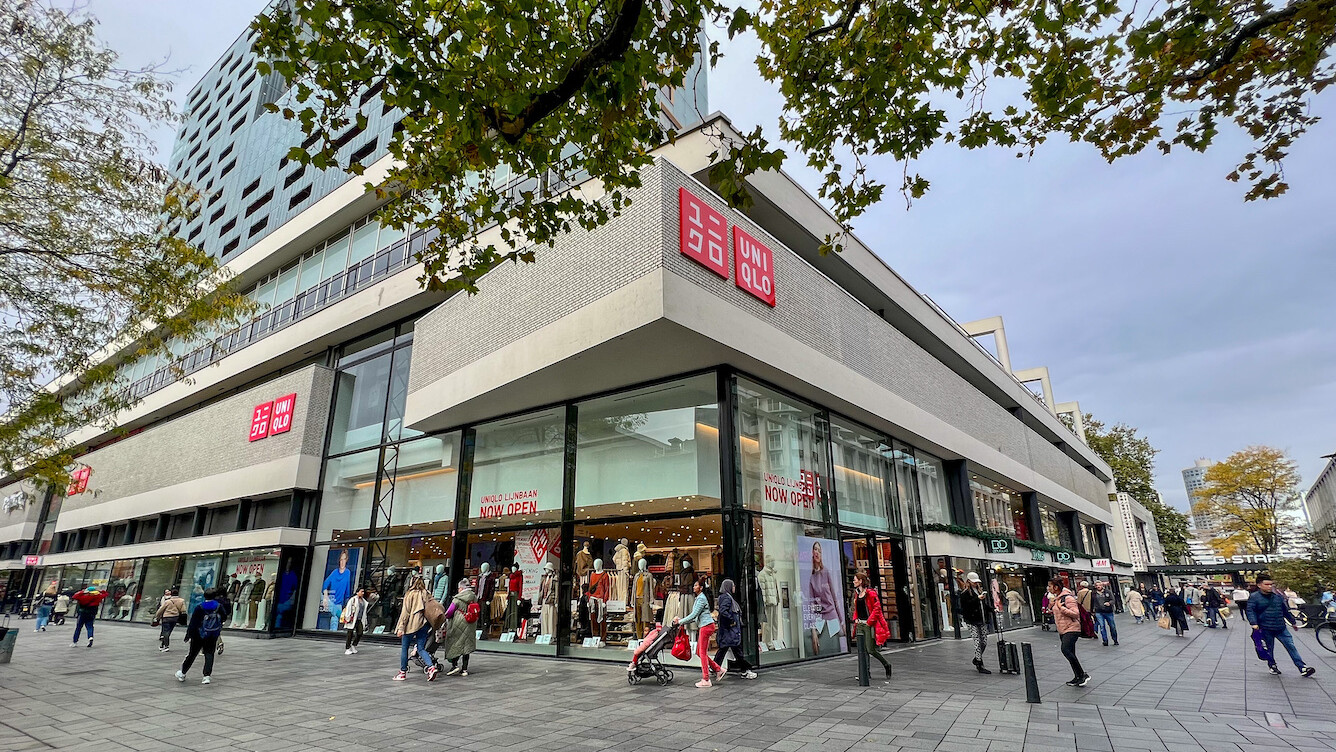
    Fast Retailing, the parent company of the popular Uniqlo brand, has unveiled one of its largest automated warehouses globally, strategically located in the Netherlands. This ambitious move aims to streamline distribution across Europe, a market the retailer has identified as ripe for expansion.

    A New Hub for European Operations

    The state-of-the-art distribution center in Rotterdam represents a significant investment, totaling 10 billion yen (approximately $69.2 million). Spanning an impressive 110,000 square meters on a 145,000 square meter site, the facility mirrors the dimensions of a similar warehouse that Fast Retailing launched in the United States in 2021. With this new hub, the company is poised to enhance its logistics capabilities in the region, setting the stage for accelerated growth.

    Meeting Market Demand

    As demand for Uniqlo’s affordable yet high-quality clothing continues to rise, this latest venture reflects the company’s strategy to bolster supply chain efficiency. By consolidating its European distribution efforts, Fast Retailing not only enhances its operational capabilities but also positions itself to better serve customers in a rapidly evolving retail landscape. After all, who wouldn’t want to get their favorite wardrobe staples delivered faster and more reliably?

    The Future Looks Bright

    With increased automation and a focus on sustainability, Fast Retailing’s new facility aligns perfectly with its long-term goals. As the retail sector continues to innovate, the company’s proactive investment in logistics is likely to pay dividends, fostering growth in the European market while ensuring that shoppers can enjoy Uniqlo’s offerings with even greater convenience.

    Questions & Answers

    What is the significance of the new distribution center for Fast Retailing?
    The new center in Rotterdam enhances Fast Retailing’s logistics capabilities in Europe, allowing for greater efficiency and improved customer service as demand for Uniqlo products grows.

    How does this facility compare to others that Fast Retailing has built?
    The Rotterdam facility, at 110,000 square meters, is comparable in size to a warehouse Fast Retailing opened in the United States in 2021, showcasing the company’s commitment to large-scale investments in automation.

    What are Fast Retailing’s long-term goals with this investment?
    The company aims to optimize its supply chain, boost sustainability efforts, and ensure quicker delivery of its products, positioning itself for significant growth in the European retail market.

  • Uniqlo Sees 3% Dip in China Profits for Q3, While North America Thrives with Solid Growth

    Uniqlo Sees 3% Dip in China Profits for Q3, While North America Thrives with Solid Growth

    TOKYO – Fast Retailing, the parent company of Uniqlo, has reported a modest uptick in operating profit growth, which edged up by 1.4% for the three months ending in May. This figure, while positive, reflects a slowdown in growth that is making analysts sit up and take notice. The company is navigating a complex landscape as it adjusts to the economic ripples caused by tariffs introduced by former U.S. President Donald Trump.

    Tariffs: Not as Wild as Expected

    Despite initial concerns, Fast Retailing clarified that the impact of these tariffs on its fiscal 2025 profits will be more limited than feared. Company representatives noted that they currently hold a “considerable” volume of products in their U.S. warehouses, effectively cushioning them from the immediate consequences of the tariffs. This tactical inventory management could prove to be a smart move, leaving room for speculation about what other strategies they might employ to keep their momentum.

    Eyes on the Future

    As the retail giant looks ahead, all eyes remain on how it can sustain growth in an unpredictable market. The slow profit increase is a signal to stakeholders that while the brand remains resilient, there are challenges on the horizon. With fierce competition and economic pressures, it will be intriguing to see how Fast Retailing adapts—after all, in retail, fortune favors the flexible!

    Questions & Answers

    What was the operating profit growth percentage for Fast Retailing in the recent quarter?
    The operating profit growth for Fast Retailing was 1.4% for the three months ending in May.

    How is Fast Retailing addressing the impact of U.S. tariffs?
    Fast Retailing indicated that the impact of tariffs on their fiscal 2025 profits will be limited because they already have a substantial volume of merchandise in their U.S. warehouses.

    What might the future hold for Fast Retailing in the competitive retail landscape?
    Fast Retailing faces several challenges but remains focused on adapting its strategies to sustain growth amid competition and economic fluctuations.

  • Mountain Dew And Pyra Unveil High-performance Urbanwear In Unique Fashion Collaboration

    Mountain Dew And Pyra Unveil High-performance Urbanwear In Unique Fashion Collaboration

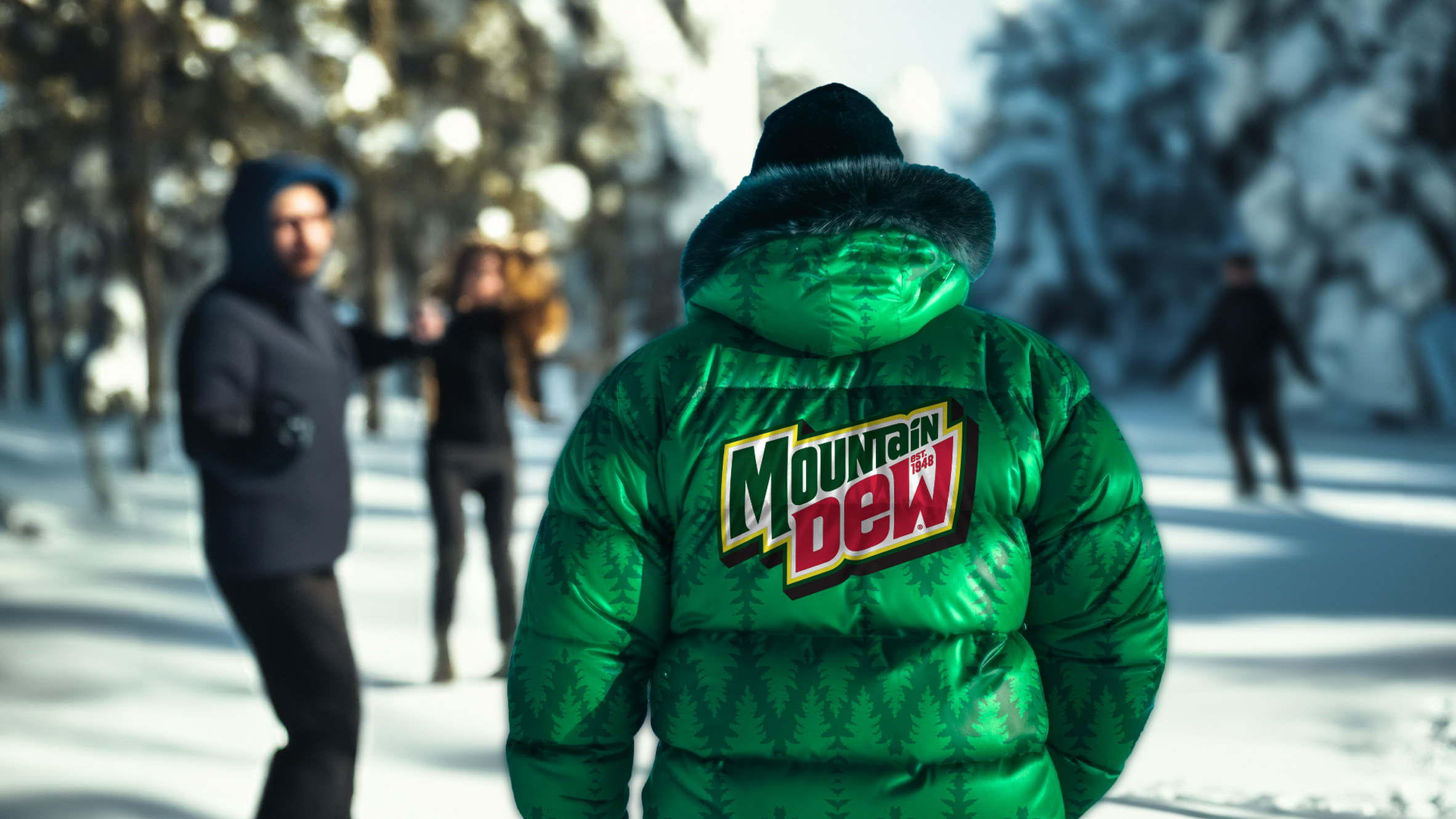
    Mountain Dew, in collaboration with the acclaimed Australian outdoor brand, Pyra, is launching its inaugural apparel line. This innovative collection harmoniously fuses practical, high-performance elements with an urban, stylish aesthetic.

    Artful Blend of Performance and Style

    Drawing inspiration from the iconic Volt Green color, symbolic of both brands, the collection contains a wide variety of unique pieces. Highlights include a versatile, reversible puffer jacket insulated with 3M Thinsulate featherless down, a sherpa fleece balaclava hoodie and a versatile multi-pocket camouflage vest bearing a Realtree print.

    A Fresh Take on Streetwear

    The collection also features a range of organic cotton graphic tees, generously cut nylon cargo pants, and innovative antimicrobial accessories. These items are not only trail-ready but also promise to make a significant style statement on city streets.

    Rachel Siu, Mountain Dew’s brand manager, spoke enthusiastically about the new collection. “Mountain Dew has always represented a vibrant, bold approach to life. This collection allows us to extend that ethos into the world of fashion. While the gear is indeed technically proficient, it also captures a fun, playful spirit in the best way imaginable.”

    Building on Previous Success

    This new Mountain Dew x Pyra collection comes on the heels of the brand’s previous viral hit: the Mountain Dew Djorts. The success of this previous launch has generated significant anticipation for the brand’s latest venture into the fashion world.

    This limited-edition collection is currently available exclusively through the Pyra online store.

    Questions & Answers

    What inspired the new clothing line by Mountain Dew and Pyra?
    The line is inspired by the iconic Volt Green color, symbolic of both brands, and a desire to blend high-performance outdoor gear with street-smart design.

    What are some standout pieces in the collection?
    The collection features a reversible puffer jacket, a sherpa fleece balaclava hoodie, a multi-pocket vest in Realtree print, organic cotton graphic tees, nylon cargo pants, and antimicrobial accessories.

    Where can consumers purchase items from the collection?
    The limited-edition collection is currently available exclusively through the Pyra online store.

  • Seasoned Executive Felipe Garcia Alvarez Appointed As New Ceo Of Zalora, Set To Drive Brand Transformation

    Seasoned Executive Felipe Garcia Alvarez Appointed As New Ceo Of Zalora, Set To Drive Brand Transformation

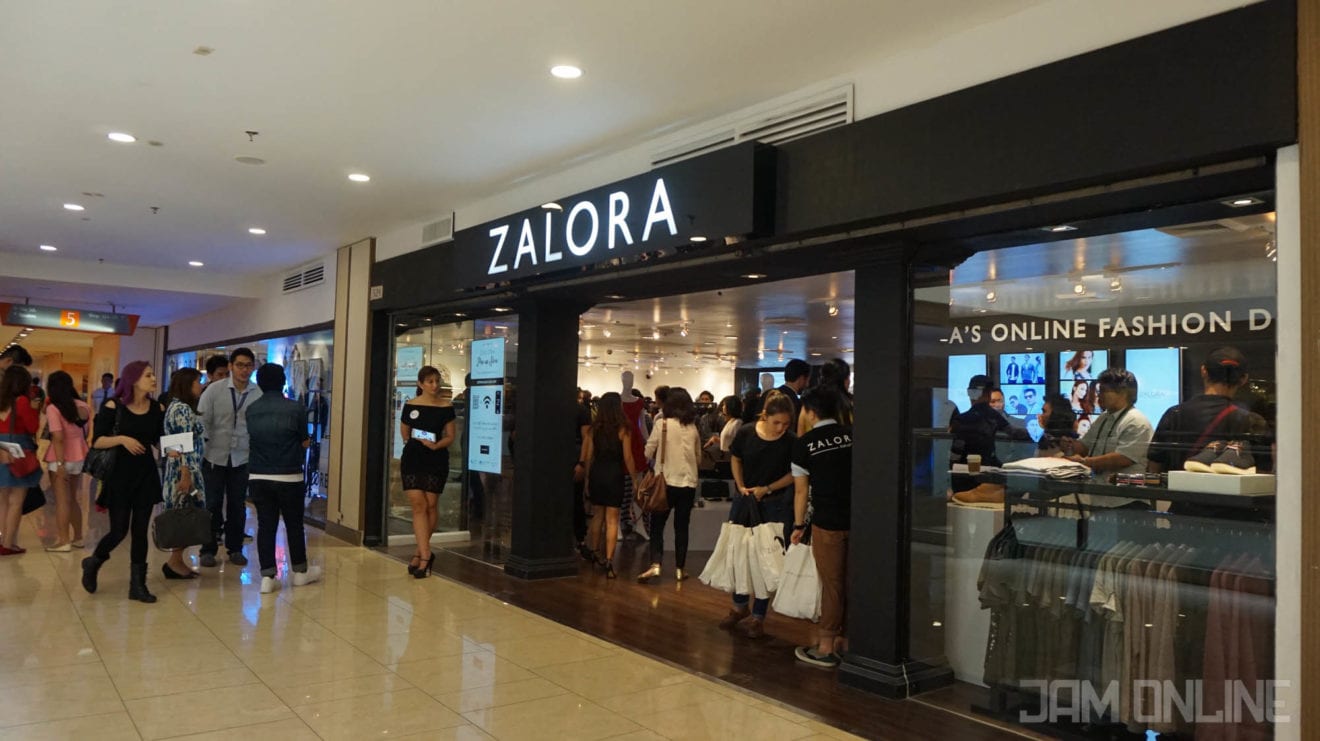
    Zalora, an e-commerce fashion firm under the ownership of the Global Fashion Group (GFG), has recently announced the appointment of Felipe Garcia Alvarez as their new Chief Executive Officer (CEO). Alvarez is set to take up his role beginning in September.

    A Seasoned Executive

    Alvarez brings with him a wealth of experience that spans over two decades in the e-commerce fashion industry. His career has seen him hold key executive roles in leading digital brands across regions including Europe, Southeast Asia and the Middle East. Among the prominent digital brands he has served include Amazon UK, Lazada Singapore, and Namshi.

    Driving Transformation

    In his capacity as CEO, Alvarez will be at the helm of Zalora’s transformation journey. His focus areas will include improving product selection, enhancing customer engagement, and refining marketing strategies. He will be tasked with leading an all-encompassing brand transformation to fortify Zalora’s market presence and enhance its competitive edge.

    GFG’s CEO, Christoph Barchewitz, extended a warm welcome to Alvarez, expressing pleasure at his decision to join GFG. Barchewitz expressed strong confidence in Alvarez’s ability to spearhead Zalora’s transformation, considering him instrumental to the brand’s future trajectory.

    Questions & Answers

    Who is the newly appointed CEO of Zalora?
    Felipe Garcia Alvarez has been appointed as the new CEO of Zalora.

    What experience does Alvarez bring to his new role at Zalora?
    Alvarez has over 20 years of experience in the e-commerce fashion industry, with previous executive roles in companies such as Amazon UK, Lazada Singapore, and Namshi.

    What will be the main focus areas for Alvarez as he takes the helm at Zalora?
    Alvarez will focus on enhancing the product mix, improving the customer experience, and refining marketing strategies as he leads Zalora’s transformation.

  • Adidas Revives 90’s Icon With ‘superstar, The Original’ Campaign, Narrated By Samuel L. Jackson

    Adidas Revives 90’s Icon With ‘superstar, The Original’ Campaign, Narrated By Samuel L. Jackson

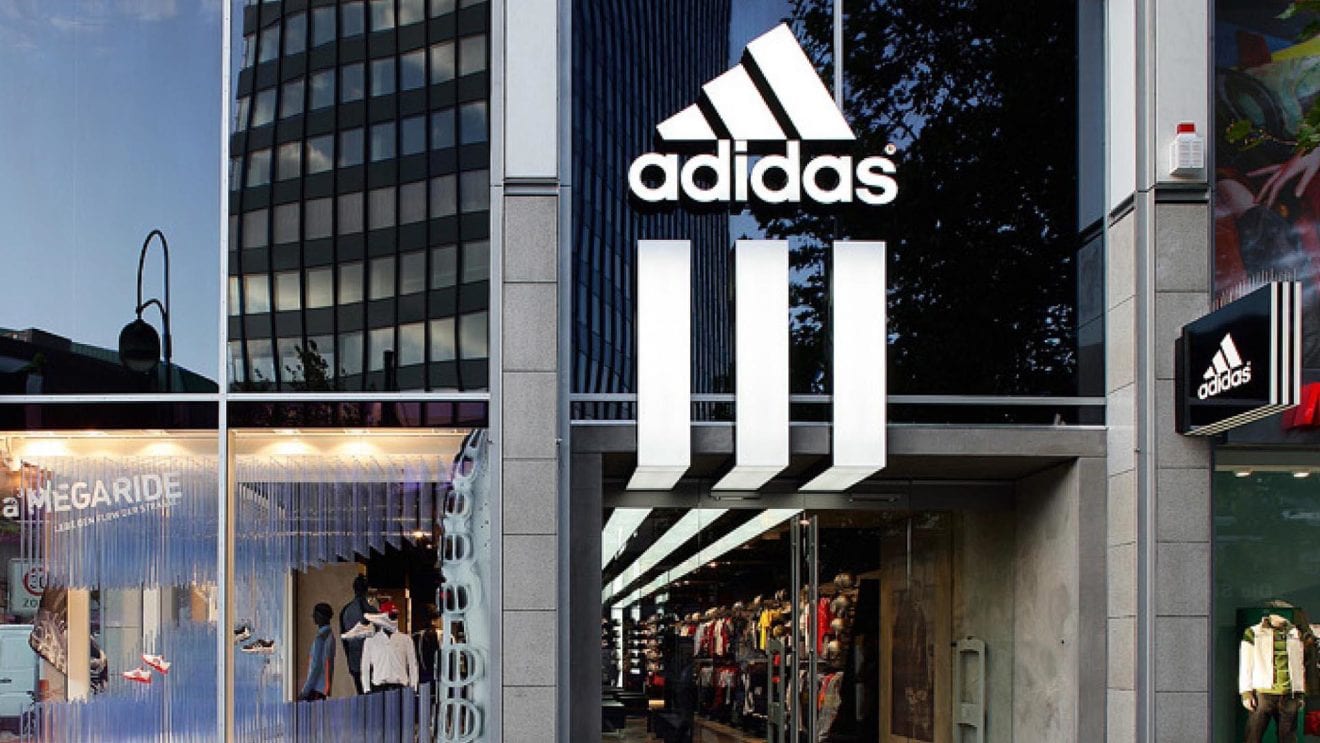
    Adidas has launched a new campaign entitled “Superstar, The Original,” aimed at rekindling the public’s fascination for its iconic 90s sneaker and Firebird Tracksuit.

    Featuring Prominent Personalities

    The campaign is narrated by renowned actor Samuel L. Jackson and showcases a variety of personalities from the world of art and sports. Noteworthy appearances include Missy Elliott, Jennie, Anthony Edwards, Mark Gonzales, Glorilla, Teezo Touchdown, and Gabbrielle.

    Classic Sneakers with a Modern Twist

    Adidas is bringing back the Superstar sneakers in two of its original color schemes, but with the addition of upgraded padding in the tongue and collar for enhanced comfort.

    A Two-Chapter Narrative

    Directed by Thibaut Grevet, the black-and-white campaign unfolds in two distinct chapters. The first chapter, titled Pyramids, draws an analogy between significant cultural landmarks and the enduring cultural relevance of the Superstar. The second chapter, Clocks, encompasses the entire cast in a visual tale linking the sneaker’s legacy with the innovative spirit of a new generation of creators.

    More Than Just a Sneaker

    Annie Barrett, VP of marketing at Adidas Originals, emphasizes the campaign’s forward-looking perspective. “This campaign isn’t about looking back, it’s about spotlighting a new generation of Originals who are building what’s next, unapologetically,” Barrett said. She further stressed the significance of the Superstar beyond its function as a sneaker. “The Superstar has always been more than just a sneaker. It’s a symbol of originality and a spark for cultural change,” she added.

    Questions & Answers

    What is the objective of Adidas’ “Superstar, The Original” campaign?
    The campaign aims to renew interest in Adidas’ classic 90s sneaker and Firebird Tracksuit.

    Who are some of the personalities featured in the campaign?
    The campaign showcases several artists and athletes, including Missy Elliott, Jennie, Anthony Edwards, Mark Gonzales, Glorilla, Teezo Touchdown, and Gabbrielle.

    What does the Superstar sneaker symbolize according to Annie Barrett, VP of marketing at Adidas Originals?
    Barrett emphasizes that the Superstar is more than just a sneaker. It’s seen as a symbol of originality and a catalyst for cultural change.