Tag: Finance

  • SE Asia Stocks: Most end lower, Vietnam hits near 2-month high

    SE Asia Stocks: Most end lower, Vietnam hits near 2-month high

    Most Southeast Asia stock markets closed lower on Tuesday while Vietnam rallied for the second straight session to its highest level in nearly two months. Washington and Beijing will commence high-level trade talks this week to negotiate an end to their bitter trade dispute. Despite positive responses from both sides, the sailing of two U.S. destroyers near the disputed South China Sea, and China’s subsequent anger over the move appeared detrimental to negotiations.

    The Indonesian index fell the most in the region, closing 1.1 percent lower in its worst session this year, weakened by a slump in financial and telecom stocks.

    The country’s biggest bank by market value, Bank Central Asia, shed 0.6 percent, whereas Telekom Indonesia lost 2.8 percent.

    The Philippine benchmark slipped 0.6 percent, dragged by consumer and industrial stocks. Meanwhile, the country’s trade deficit narrowed in December as imports tumbled for the first time in a year.

    The stock index has outperformed other exchanges in the region so far in 2019, gaining about 7.3 percent.

    “We are mildly concerned about the surprise pullback in capital goods and raw materials. If this continues, this could show that recent aggressive tightening by the BSP (Bangko Sentral ng Pilipinas) is starting to bite into investment appetite, hampering the nascent investment-driven growth story that we have witnessed of late,” ING said in a note.

    Meanwhile, Vietnam benchmark rose for the second straight session and ended up 1.2 percent at its highest level since Dec. 17, with real estate and consumer stocks leading the gains.

    Property developer Vingroup JSC scaled 4.9 percent, while Saigon Beer Alcohol Beverage Corp jumped 1.9 percent.

    Vietnam was also chosen to host this month’s summit between U.S. President Donald Trump and his North Korean counterpart KimJong Un.

  • Malaysia to post 4.4% GDP growth for Q4 2018: StanChart

    Malaysia to post 4.4% GDP growth for Q4 2018: StanChart

    Standard Chartered has projected Malaysia’s gross domestic product (GDP) to remain at 4.4% in the fourth quarter (Q4) of 2018. However, full-year GDP is expected to come in lower at 4.6% compared with 5.9% in 2017. Bank Negara Malaysia will release Q4 GDP data on Thursday.

    “We estimate GDP growth of 4.4% y/y, similar to Q3. Private consumption may have eased from the 9% y/y growth in Q3 as the boost from the tax holiday in June-August 2018 likely faded. Nevertheless, a rebound in mining and agriculture activity may have supported growth,“ Standard Chartered said in a research note.

    It added that private consumption was the main growth driver in 2018, accounting for 92% of GDP growth in the nine months (9M) of 2018 versus 64% for the same period of 2017, benefiting from the “tax-holiday” boost and strong labour market conditions.

    Meanwhile, private investment eased (primarily on lower investment in residential and commercial properties in the first quarter) and public investment extended its decline in 9M 2018.

    “Our GDP growth tracker suggests downside risk to our Q4 GDP growth forecast, with our tracker being reliant on more readily available externally driven activity data, such as IP, and less reflective of strong domestic consumption,” it said.

    Standard Chartered forecast 4.9% GDP growth for 2019, saying that private consumption is likely to remain the main growth pillar.

    “Beyond the consumer sector, we are slightly cautious on growth, especially given weak external demand. However, we see two one-off supportive factors. First, goods and services tax (GST) and income tax refunds amounting to RM37 billion (2.5% of GDP) may support spending (but these refunds have not been disbursed yet, posing downside risk to our growth forecast). Second, resumption of production capacity in the mining sector may also help.”

    On monetary policy, Standard Chartered said the latest meeting of Bank Negara Malaysia’s Monetary Policy Committee in January suggested that it is more dovish on the global outlook but still comfortable on domestic growth, underpinned by private consumption and private investment.

    “We maintain our call for Bank Negara Malaysia to keep rates on hold in 2019, with risks skewed towards a cut, especially if external demand worsens further and affects domestic activity.”

  • Malaysia to double palm oil used in transport biodiesel to 20%: Minister

    Malaysia to double palm oil used in transport biodiesel to 20%: Minister

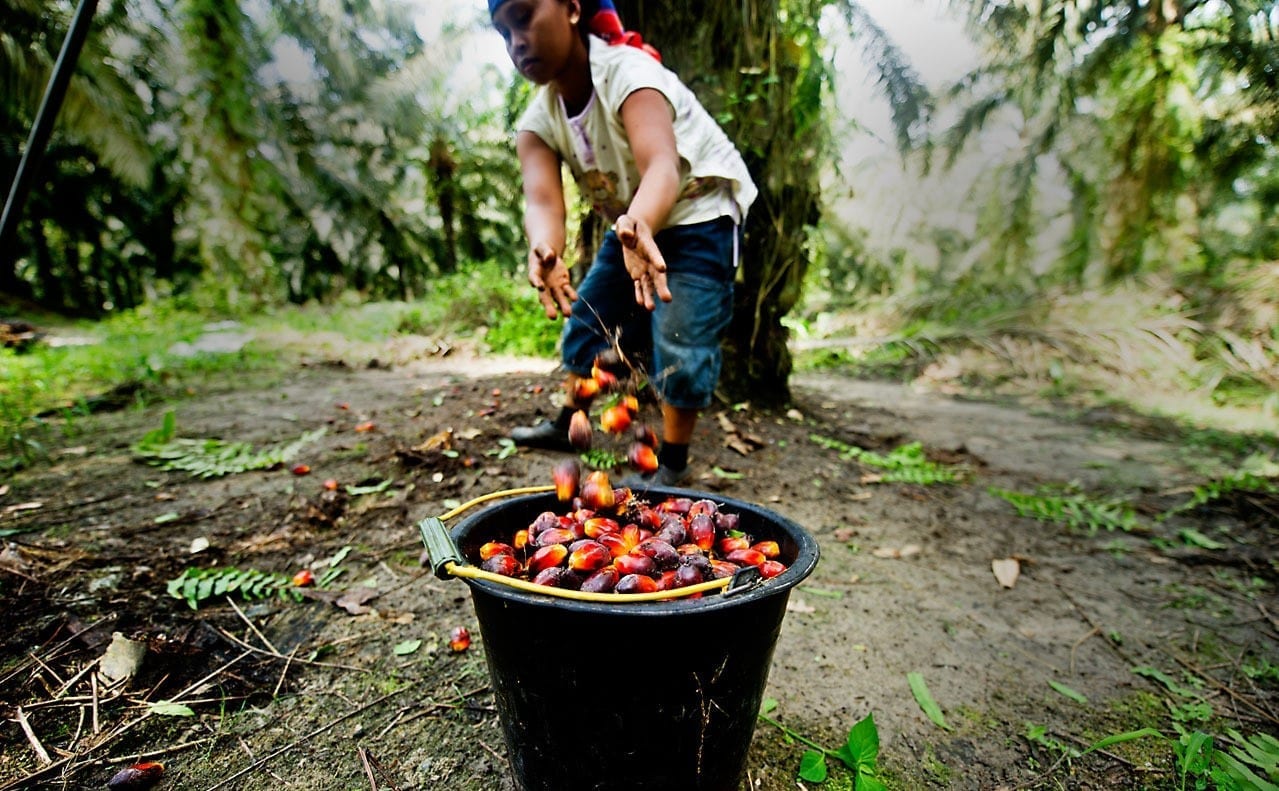
    Malaysia aims to double the palm oil content in biodiesel used for the transport sector to 20% next year, as Southeast Asia’s third-largest economy looks to cut record stockpiles and boost prices, a government minister said. The government will also raise the palm oil content in biofuel for the industrial sector to 10% next year from a 7% quota being rolled out this July, Primary Industries Minister Teresa Kok said, speaking at a conference.

    Malaysia’s palm oil inventories fell to 3.001 million tonnes in January on increasing demand and falling production, but that was still near the two-decade high of 3.22 million tonnes recorded a month earlier.

    The increases in the amount of palm oil mandated for biodiesel – known as B20 for transport and B10 for industrial use – should lift use of the vegetable oil in biofuels to 1.3 million tonnes annually, the minister said.

    Kok said her ministry has submitted a proposal to the cabinet to set up a biofuel stabilisation fund to manage the price of biofuels, a similar mechanism to the export levy fund imposed by fellow palm oil producer Indonesia.

    “What if the palm oil price is high and the diesel price has gone up a lot? That would be costly for the public to use biodiesel, so we need to stabilise the price so biofuel will be more attractive to consumers,“ Kok said.

    “I have suggested (a stabilisation fund) in cabinet meeting before but we still need to have deeper discussion with other ministries.”

    Top palm producer and exporter Indonesia began collecting levies from palm exporters in 2015 to help finance the development of its palm-based biodiesel programme, as well as funding other palm oil agenda, such as replanting.

    However, Indonesia’s government temporarily removed the levy in November after a sharp drop in prices hit farmers.

  • Samsung to pay its biggest tax bill ever as profits rise

    Samsung to pay its biggest tax bill ever as profits rise

    Samsung Electronics is expected to pay 16.8 trillion won ($15 billion) in corporate taxes this year, up 20.1 percent from a year earlier, due to its record earnings, its regulatory briefing showed Monday. It is expected to cough up 28.6 percent of its operating profits, which reached an all-time high of 58.9 trillion won in 2018, according to its consolidated financial statement.

    The estimated tax amount is the highest amount ever for the company, 2.4 times the number from 2015 and over 14 times from 2009, its past reports showed.

  • Korea automobile production falls for 3rd year in 2018

    Korea automobile production falls for 3rd year in 2018

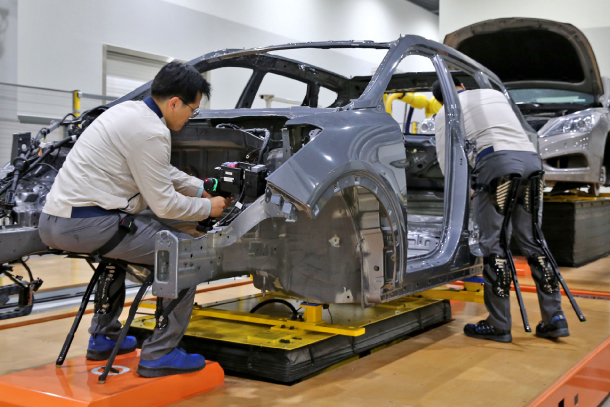
    Korea’s auto production tumbled for a third consecutive year in 2018 amid weaker domestic and global demand, data showed Sunday. According to the data by the Korea Automobile Manufacturers Association (KAMA), Korea produced 4.03 million vehicles last year, down 2.1 percent from the previous year. The figure has been decreasing over the past three years from 4.56 million in 2015 to 4.23 million in 2016 and 4.12 in 2017.

    The 2018 figure put Korea as the seventh-largest car manufacturing country in the world, down one notch from the previous year, according to the association.

    Korea became the world’s fifth-largest maker of cars in 2005 and retained the ranking until 2015. But India edged out Korea to stand at the world’s sixth in 2016 and 2017. Last year, Korea fell behind Mexico.

    China was found to produce the largest number of vehicles in 2018, with 27.81 million followed by the United States, Japan, Germany and India.

    Korea’s total car exports also fell to 2.45 million vehicles last year from the previous year’s 2.53 million, the KAMA said, adding that the country accounted for 4.1 percent of the world’s car production in 2018, down 0.1 percentage point from a year earlier.

    “Contentious labor-management relations, as well as stiff labor market conditions, among others, appear to negatively affect local carmakers’ competitiveness,” the association said in a release, calling for state support and business innovation.

  • Foot Locker buys out Goat Group stake

    Foot Locker buys out Goat Group stake

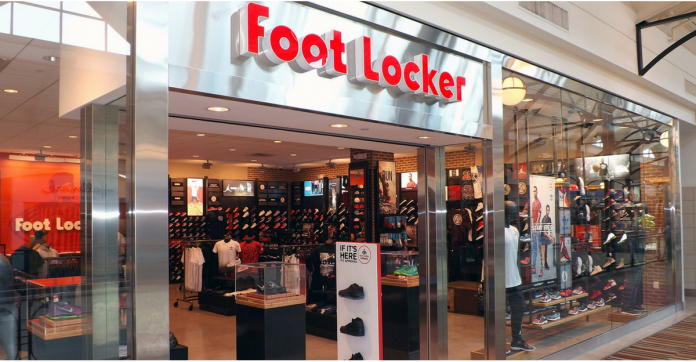
    Specialty athletic retailer Foot Locker is making a US$100 million strategic minority investment in Goat Group, a managed marketplace for authentic sneakers operating the Goat and Flight Club brands. The partners expect to make joint efforts across digital and physical retail platforms to create exclusive experiences for their customers in an attempt to elevate customer engagement. The investment is also expected to help accelerate Goat Group’s global operations, expanding its omnichannel experience and innovative technologies.

    “At Foot Locker we are constantly looking at new ways to elevate our customer experience and bring sneaker and youth culture to people around the world”, said Foot Locker’s chairman and CEO Richard Johnson. “We are excited to leverage Goat Group’s technology to further innovate the sneaker buying experience and utilise their best-in-class online marketplace to help meet the ever-growing global demand for the latest product.

    “Together, Foot Locker and Goat Group’s shared commitment to trust and authenticity in the sneaker industry will provide consumers with unparalleled experiences and diversified offerings,” said Johnson.

    “In 2015, we pioneered the ship-to-verify model with a mission to bring a seamless and safe customer experience to the secondary sneaker market,” said Goat Group’s co-founder and CEO Eddy Lu. “With more than 3000 retail locations, Foot Locker will support our primarily digital presence with physical access points worldwide, bringing more value to our community of buyers and sellers. Having Foot Locker as a strategic partner will also expand our business as we continue to scale our operations both domestically and internationally.”

    Scott Martin, Foot Locker’s senior VP for strategy and store development, will join Goat Group’s board of directors.

    The Goat Group deal follows Foot Locker’s recent investments in innovative, digital-first companies including leading women’s luxury activewear brand Carbon38; tactical play and children’s lifestyle brand Super Heroic; and footwear design academy Pensole.

    Foot Locker’s investment will bring the total raised by Goat Group to $197.6 million since it was founded in 2015.

  • China retail earnings up 8.5% during new year holiday – ministry

    China retail earnings up 8.5% during new year holiday – ministry

    China’s retailer and catering enterprises earned over 1 trillion yuan ($148.3 billion) during the Lunar New Year holiday, defying an economic slump to rise 8.5% from last year, the country’s commerce ministry said late on Sunday. The increase was down to the rapid growth in sales of new-year gifts, traditional foods, electronic products and local speciality products over a six-day holiday period ending on Saturday, the Ministry of Commerce said in a notice on its website.

    Domestic tourism during the new year break generated total revenues of 513.9 billion yuan, up 8.2% on the year, with the number of trips rising 7.6% to 415 million, the official Xinhua news agency said on Sunday, citing official data. ($1 = 6.7426 yuan)

  • Axiata’s share price falls 4.87% on RM2.16b tax bill

    Axiata’s share price falls 4.87% on RM2.16b tax bill

     Axiata Group Bhd’s share price fell 4.87% at mid-day after the group and its majority owned subsidiary Ncell Pte Ltd were ordered by the Nepal Supreme Court to pay capital gains tax of 61 billion Nepalese rupees (RM2.16 billion) for the Ncell buyout deal. At 12.30pm, Axiata was the eighth loser on Bursa Malaysia, trading at RM3.71 with 7.03 million shares changing hands.

    The Himalayan Times yesterday reported that Axiata had been hit with the tax bill, which excludes late fees and fines, for its US$1.36 billion purchase of Reynolds Holdings Ltd, which has 80% stake in Ncell, in 2015.

    The publication cited the Nepalese Large Taxpayers Office chief as saying it would only initiate the process of collecting the tax amount once it gets a copy of the tax verdict.

  • Axiata slides 5% in early morning trade on tax bill

    Axiata slides 5% in early morning trade on tax bill

    Axiata Group Bhd saw some selling pressure in early morning trade on news that it had been hit with a capital gains tax bill of RM2.16bil by the Nepalese Supreme Court. The stock lost as much as 20 sen or 5.1% in early morning trading on Friday to a low of RM3.70. At 9.30am, the counter was down 14 sen or 3.59% to RM3.76 a share on the back of 1.57 million shares traded.

    Analysts said the news report by the Himalayan Times yesterday came as a negative surprise, which may impact the group’s FY19E earnings forecasts.

    Kenanga research made no changes to its FY18-19E earnings forecast pending its upcoming 4Q18 results but lowered its target price to RM4.50 from RM4.60 previously.

    “All in, we are keeping our Outperform call for now in view of its relatively decent valuation (Forward EV/EBITDA of 7.2x vs. peers of 12-13x) coupled with a stronger Celcom and earnings recovery at XL.

    “Bargain-hunting opportunity could potentially arise on any share price weakness due to the recent hiccup. We advocate investors to start accumulating the share at c.RM3.70 level,” it said.

    PublicInvest research said its core earnings forecasts remain unchanged but headline profit could see a sharp decline if Axiata paid the capital gains tax in FY19F.

    “Although our core earnings forecasts and Neutral call remain unchanged, we believe share price would react negatively to this news due to uncertainties and the potential downside to headline profit,” it said.

    It maintained its target price at RM3.85.

    In its response to news reports, Axiata said in a statement that it is yet to receive the judgment and order of the Supreme Court and is yet to receive any details of the order.

    “Ncell, Reynolds, and Axiata UK were given the full clearance by the Large Tax Payers Office of Nepal [LTPO] of its obligations to withhold any CGT payment on behalf of the Seller in relation to the Transaction via the letter from LTPO dated 4 June 2017, following the full and final payment made by Ncell, albeit under protest on the basis that CGT is not applicable on offshore transactions and even if applicable, any shortfall on payment is the responsibility of the Seller,” it said.

    The group said it would provide further updates upon receiving the order of the Supreme Court.


  • India central bank makes surprise interest rate cut

    India central bank makes surprise interest rate cut

    India’s central bank unexpectedly lowered interest rates and, as anticipated, shifted its stance to “neutral” from “calibrated tightening” to boost a slowing economy after a sharp fall in the inflation rate. The monetary policy committee (MPC) of the Reserve Bank of India cut the repo rate by 25 basis points to 6.25%, as predicted by only 21 of 65 analysts polled by Reuters. Most polled respondents expected the central bank to only change the stance, to neutral.

    Four of six members of the MPC voted to cut the rates, while all six voted for a change in the stance.

    “Investment activity is recovering but supported mainly by public spending on infrastructure,” the MPC said in a statement. “The need is to strengthen private investment activity and buttress private consumption.”

    Rupa Rege Nitsure, chief economist at L&T Financial Services, called the central bank moves “the perfect policy response in the current circumstances.”

    Indian shares pared gains while 10-year bond yields slid 5 basis points after the surprise rate cut.

    The Indian rupee weakened to 71.69 to the dollar immediately after the announced but strengthened soon after to 71.42.

    The NSE index was up 0.04% at 11068.05 while the 10-year benchmark government bond yield fell to 7.51% from Wednesday’s close of 7.56%.

    India’s last rate cut, to 6.00%, was in August 2017.

    Also, in Manila, the Philippine central bank kept its benchmark interest rate steady for a second straight meeting , saying inflation risk had fallen on lower crude oil and food prices.

    The Bangko Sentral ng Pilipinas kept the rate on its overnight reverse repurchase facility The central bank paused its tightening cycle in December to allow its five straight previous rate increases, totalling 175 basis points, to work their way into the economy.

    The rate increases appear to be having their desired effect as inflation has started to cool since it hit a near-decade peak of 6.7% in September and October last year.

    The decision to stay on hold was based on the central bank’s view that lower oil costs and stabilisation in food prices would bring inflation under control and could see it back on target as early as March, when it could fall to below 4%.

  • Oil price drops as global economic concerns grip market

    Oil price drops as global economic concerns grip market

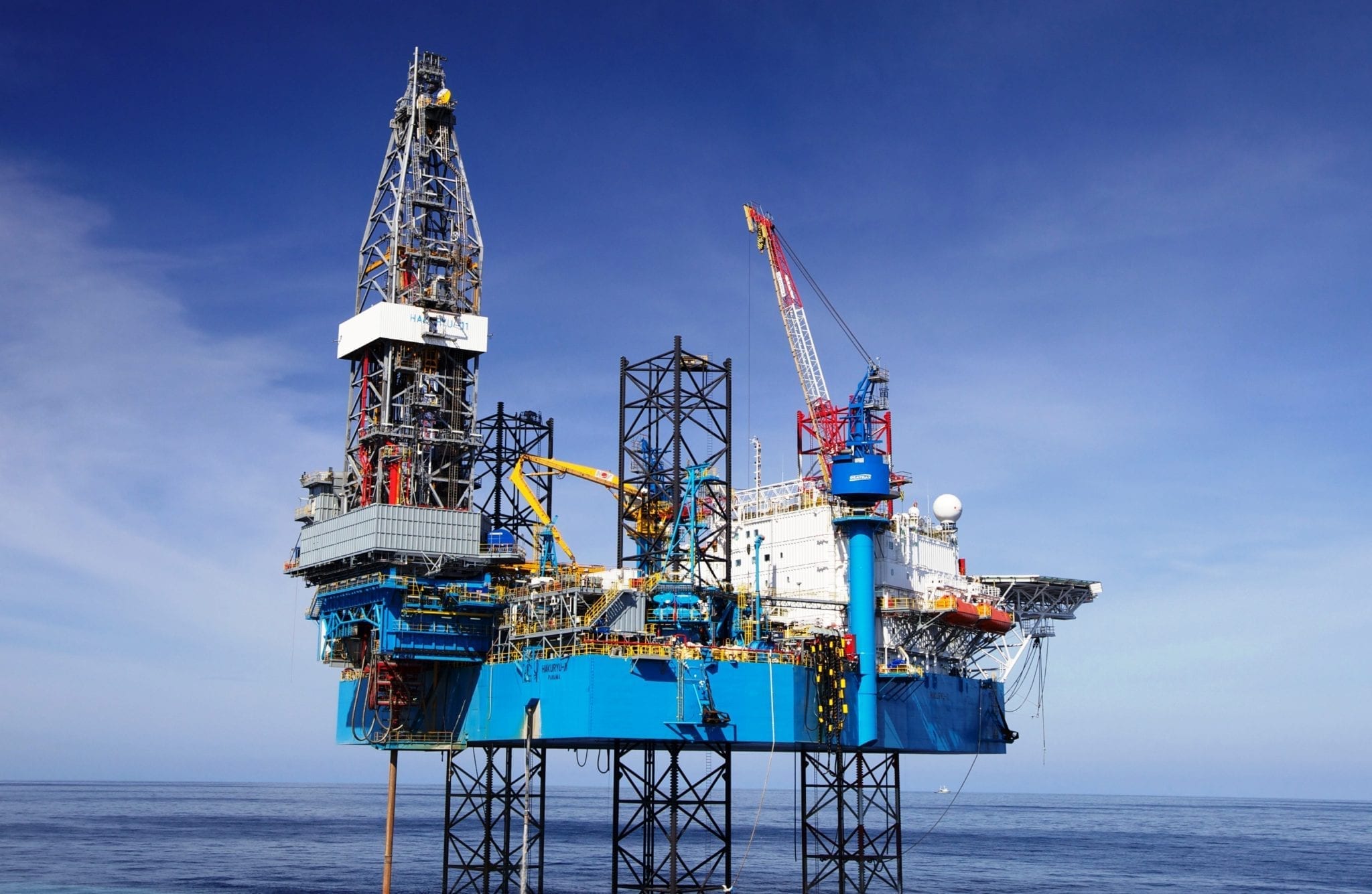
    Oil price fell about 2 percent on Thursday as the market was weighed down by concerns that global demand growth would lag in the coming year. A rebound from late December lows seemed to stall amid worries that a trade war between the U.S. and China would continue, weighing on demand. The market also contended with the possibility that oil producers would not adhere strictly to cuts agreed to last year.

    Brent crude futures fell $1.06 a barrel, or 1.7 percent, to settle at $61.63. U.S. crude futures fell $1.37 a barrel, or 2.5 percent, to settle at $52.64.

    “The correction is stalled, mainly on concerns about demand growth,” said Gene McGillian, director of Market Research at Tradition Energy in Stamford, Connecticut. “There seems to be uncertainty about what is going to happen with the trade talks, with global economic growth and demand in the coming year,” he said.

    In particular, he said, the market is worried about whether demand is sufficient to absorb growing crude production from the U.S.

    “Supply fundamentals have increasingly been turning supportive in recent weeks, but against this the market still worries about the yet-to-be-realised – if at all – impact on demand from weaker macroeconomic fundamentals,” said Ole Hansen, head of commodity strategy at Saxo Bank.

    Though the United States published robust jobs data last week, global markets remain nervous after China reported the lowest annual economic growth in nearly 30 years in January. That focuses yet more attention on the outcome of U.S.-China talks to end the trade war between the world’s top two economies.

    The oil price also came under pressure as weekly data published by the U.S. Energy Information Administration on Wednesday showed an unwelcome increase in stocks of crude oil.

    A decline in OPEC production and a squeeze on supply from Iran and Venezuela because of U.S. sanctions have led many analysts to forecast that the market will be balanced in 2019.

    The oil price is showing a 20 percent gain so far this year.

    Price support is provided by supply cuts led by the Organization of the Petroleum Exporting Countries (OPEC) to tighten the market.

    Saudi Arabia, the world’s top oil exporter, told OPEC it had pumped 10.24 million barrels per day (bpd) in January, two OPEC sources said, a deeper cut than targeted in the supply pact. The kingdom pumped 10.643 million bpd in December.

    “We believe that financial markets may be overestimating the risks of a global recession,” said Jean-Pierre Durante, Head of Applied Research at Pictet Wealth Management.

    “Moreover, lower oil prices – prices were between 14 percent and 18 percent lower in January than their 2018 average – are likely to stimulate economic activity and oil demand, particularly in emerging markets.”

    U.S. sanctions against Venezuela’s oil industry are expected to freeze sales proceeds of Venezuelan crude exports to the United States.


  • Korea’s industrial output growth slowest in near 20 years

    Korea’s industrial output growth slowest in near 20 years

    Industrial output is growing at the slowest rate in nearly 20 years, while facility investment dropped the most in a decade.  Other signs that the economy is in trouble include seven straight month of declines in the coincident and leading indexes. According to Statistics Korea and the Ministry of Strategy and Finance Thursday, last year industrial output grew 1 percent compared to 2017. This is the slowest annual growth rate since 2000.

    Manufacturing industry output was only able to rise 0.3 percent, while the construction industry, which is an important contributor to the domestic economy, fell 5.1 percent, with a particularly weak second half.

    Facility investment was down 4.2 percent, the sharpest drop since 2009, when the number declined 9.6 percent. The government said the decline in facility investment was largely due to weakening in the semiconductor sector.

    Consumption statistics were relatively strong, on the rising sales of both durable and nondurable goods. When compared to the previous year, consumption rose 4.2 percent, the sharpest increase in seven years. In 2011 consumption went up 4.6 percent.

    Strength was noted at duty-free shops and online.

    While traditional retail store sales were down, including those of discount marts like Emart and Lotte Mart, falling 2.8 percent, as well as those at smaller supermarkets and miscellaneous stores, falling 0.7 percent, sales of online stores were up 14.2 percent and duty-free sales surged 31.5 percent. Chinese tourists returned to the country in great numbers as a result of easing tensions over the introduction of a U.S. missile defense system.

    Convenience store sales were up 8.5 percent, a trend that has been seen in recent years as the number of people living alone has been rising.

    December figures weren’t comforting.

    When compared to the previous year, overall output grew 0.3 percent, which is half of the 0.6 percent reported in November. When compared to the previous month, December output fell for the second consecutive month at 0.6 percent.

    Manufacturing and mining output improved compared to the previous month. It also rose 1.6 percent compared to the same month the previous year, compared to November’s 1.1 percent.

    December output fell 1.4 percent month-on-month, the second consecutive month of decline.

    While the fall in output of automobiles was one of the major factors, down 5.9 percent compared to November, semiconductor output was also another contributing factor, as it fell 4.5 percent.

    The ministry said automobile production continued to fall as exports have shrunk. Overseas and domestic demands have been weak.

    Semiconductors, which have long been a positive force, started to become a drag, with production at some companies falling on weak demand.

    Investment in December alone fell sharply, declining 14.5 percent year-on-year, the sharpest fall since September 2018, when it tumbled 19.2 percent. Even when compared to the previous month, it dipped 0.4 percent.

    The coincident index, which shows the current economic situation when compared to the previous month, fell 0.2 points, down for nine consecutive months.

    It is the longest losing streak since falling for 11 months starting September 1997, when Korea was hit by the first financial crisis.

    The leading economic index fell 0.2 points compared to November, declining for seven consecutive months.

    In a statement, the ministry said it will swiftly move on “big projects” so investment sentiment will improve.

    “The government, if possible, is trying spend a quarter of the budget as early as possible,” Finance Minister Hong Nam-ki said Thursday.

    He denied he is looking into the possibility of a supplementary budget to boost the economy.

    “We’re only in January,” Hong said. “A supplementary budget is not under consideration.”

    The minister said the government will be announcing export measures, mostly focusing on financial aid to SMEs.

    “While finding new markets [for exports] is important, currently the most difficult issue is [SME] exporters struggling to get financial aid,” Hong said.

  • Apple again the most valuable US company

    Apple again the most valuable US company

    Apple won back its crown as the most valuable publicly listed US company on Wednesday, ending the session with a market capitalization above recent leaders Microsoft and Amazon.com. Apple edged up 0.03%, putting its market value at $821.5 billion. Microsoft’s market capitalization ended at $813.4 billion after its stock dipped 1.11%, while Amazon’s stock market value finished the day at $805.7 billion, in third place, after its shares slid 1.12%.

    Apple’s stock has risen about 13% since its quarterly earnings report on Jan 29, with investors betting it was oversold following months of concern about a slowdown in iPhone demand and the company’s rare revenue warning on Jan 2 related to soft demand in China.

    But slowing iPhone sales have led to lower expectations for Apple’s stock. The average analyst price target for Apple has fallen from $240 three months ago to $175, less than a dollar more than its current stock price of $174.24.

    After touching a record $1.1 trillion last October, Apple’s market capitalization fell gradually, and it was overtaken in December by Amazon and Microsoft, which have taken turns in the top position since then.

    Apple’s stock market value hit a low of $675 billion on Jan 3 after its revenue warning, but then steadily recovered, helped in part by a quarterly report that was better than feared by investors.

    While Apple has gained in recent sessions, Microsoft and Amazon’s shares fell after their quarterly reports. Amazon has declined almost 5% since Thursday, when it forecast first-quarter sales below Wall Street estimates and said it would step up investments in 2019.

    “That has raised some eyebrows, it’s a perception that Amazon may be settling into a more mature phase in terms of growth,” said Dan Morgan, a senior portfolio manager at Synovus Trust in Atlanta.

    Morgan owns shares in Apple, Amazon and Microsoft, but he said that if forced to choose, he would favor Amazon because of its lead in cloud-computing market share.

    Microsoft’s stock is about flat from last Wednesday, when the software maker met targets for its quarterly results and forecast.

  • Korean export decline picks up speed in January

    Korean export decline picks up speed in January

    Exports have continued to fall for a second month, but at a steeper rate, confirming concerns raised by Finance Minister Hong Nam-ki earlier this week. Although Korea succeeded in posting a trade surplus for the 84th consecutive month, a new record, exports in January fell 5.8 percent, sharper than the 1.2 percent drop recorded in December.

    This is the first time since September and October 2016, when exports fell for two consecutive months.

    According to the Ministry of Trade, Industry and Energy on Friday, Korea’s exports in January amounted to $46.4 billion.

    Imports also retreated, losing 1.7 percent to $45 billion. As a result, Korea’s trade surplus in January was $1.3 billion, which is one-third of the $3.4 billion surplus reported a year ago.

    The ministry, however, said the decline of Korea’s exports wasn’t exclusive to Korea as other countries have also been falling as well.

    In December, China’s exports retreated 4.5 percent while Japan was down 3.2 percent, Taiwan lost 3 percent and Singapore fell 4.1 percent.

    The ministry said the decline was largely the result of external factors including the trade dispute between the United States and China, uncertainties resulting from Brexit, falling prices of semiconductors and crude and the slowing growth of the Chinese economy.

    Semiconductors, which were the largest contributor to last year’s thriving exports, played the biggest role in pulling down the number in January and December. Exports fell 23 percent compared to a year ago to $7.42 billion. Semiconductors account for roughly 20 percent of all Korean exports. Semiconductor exports have been shrinking after reaching a high of $12.4 billion in September 2018. The figure fell below $10 billion in December for the first time since April last year.

    The ministry blamed the falling price of semiconductors as global IT companies have been delaying additional purchases since the second half of last year. The price of an 8 gigabyte DRAM chip nosedived 36.5 percent from $9.60 a year ago to $6.10. The price of a 128 gigabyte NAND memory has fallen 22.4 percent from $6.7 to $5.2.

    Falling crude prices was another factor that drove down exports. Petroleum product exports fell 4.8 percent to $3.47 billion, while petrochemical goods slipped 5.3 percent to $3.98 billion. International oil prices have been falling since October last year. Last month, the price of a barrel of oil was down 10.7 percent on year.

    But these weren’t the only export items that struggled.

    Mobile telecommunication goods exports, including smartphones, have fallen 29.9 percent while computers exports are down 28.2 percent. Exports of ships fell 17.8 percent and displays were down 7.5 percent.

    Mobile telecommunication exports to the United States fell 9.7 percent, while the figure for member countries of the Association of Southeast Asian Nations (Asean) saw a steeper drop of 21.9 percent.

    On the contrary, automotive exports, which struggled throughout 2018, appeared to recover, growing almost at the same rate as a year ago.

    Automobile exports in January were up 13.4 percent to $3.67 billion, largely thanks to growing demand in the United States, Europe and the Commonwealth of Independent States (CIS). Exports to the United States in the first 20 days of January were up 43.4 percent to $820 million, Europe grew 20.7 percent to $350 million and the CIS surged 104.1 percent to $150 million.

    Thanks to positive growth in automotive exports, automobile parts exports grew as well, increasing 12.8 percent.

    Steel was another export good that saw an increase thanks to rising prices. When compared to a year ago, it grew 3.3 percent to $2.8 billion.

    By country, China, which is Korea’s No. 1 export market, tumbled 19.1 percent. China, as of last year, accounts for 26.8 percent of Korea’s exports.

    While the majority of the goods exported to China all fell last month, semiconductors, petroleum and petrochemical goods were hit especially hard. Semiconductor exports plummeted 40 percent in the first 20 days of last month to $1.61 billion, while petroleum exports fell 36.4 percent. Petrochemical exports lost 13.7 percent. The three products account for 44 percent of exports to China.

    Exports to the United States rose 20.4 percent to $6.21 billion, largely thanks to import of Korean automobiles, particularly SUVs, which saw an uptick of 43.4 percent.

    EU exports also grew in the double digits at 11.9 percent to $5 billion.

    The ministry said the situation will likely turn around in the second half when semiconductors and crude prices go up. The ministry said that when excluding semiconductors, petroleum and petrochemical goods, Korea’s exports in January only dipped 0.7 percent to $31.5 billion.

    The ministry also noted that new growth engine products like rechargeable batteries are doing well.

    It said that rechargeable battery exports have been rising over the last three years and are now expected to surpass exports of electronic consumer goods, which amount to $7.22 billion.

    Last year, secondary battery exports amounted to $7.23 billion, up 21.5 percent.

    Last month, it grew 14.5 percent year on year to $660 million.

    Biohealth exports have been growing in double-digits for four consecutive years. Last year, they reached a record of $8.15 billion, up 13 percent. Last month, however, biohealth exports fell 1.6 percent to $560 million. The ministry said that it still expects exports of biohealth goods to rise over the course of the year.

    OLED panels and electric vehicles are also seeing an increase in exports. OLED panels last month grew 12.8 percent to $800 million, while electric cars saw a surge of 184.7 percent to $280 million.

    The finance minister said the government will be coming up with measures to help small- and medium-sized exporters that may struggle from the recent turnaround, while Trade, Industry and Energy Minister Sung Yun-mo on Friday emphasized that the government will do its best to revitalize all exports.

    “Our plan will not be concentrated on short-term measures, but committed to all 365 days so that we can achieve $600 billion of exports by the end of this year,” Sung said.

    Korea, last year, reached a new milestone with exports exceeding $600 billion. However, with the global economy expected to shrink, there have been concerns that, this year, Korea’s exports may fall back below that threshold.

    “In a Jan. 21 export strategy meeting, we initiated a pan-government and a private-government joint support system, and since Jan. 30, we started a program of consulting on export difficulties in 15 cities starting with Changwon in South Gyeongsang,” the minister added.
  • Australia’s December sales slump below expectations

    Australia’s December sales slump below expectations

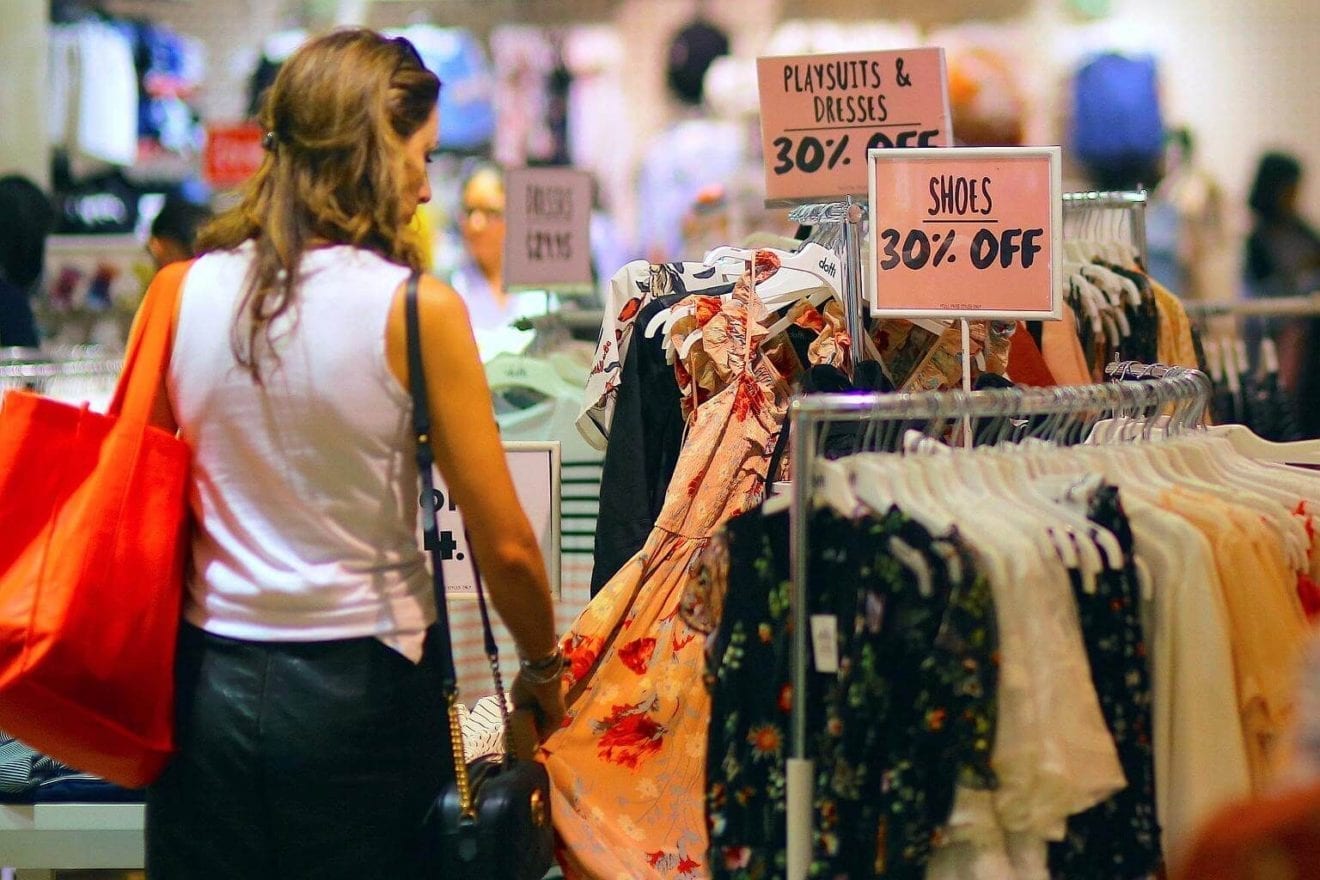
    Monthly retail figures from the Australian Bureau of Statistics have shown a somewhat dismal December trading period performance, having fallen 0.4 per cent to $27 billion, compared to the 0.5 per cent increase seen in November. While online retail turnover made up 5.6 per cent of the total figure, this figure fell from 6.6 per cent enjoyed in November, indicating the increasing importance of the pre-Christmas sales events such as Black Friday and Cyber Monday.

    The results show that, over the course of the holiday period Australians spent $48.7 billion on retail sales, below the $51 billion projected by the Australian Retailers Association (ARA) and Roy Morgan, though above the corresponding turnover of $47.5 billion from 2017.

    National Retail Association chief executive Dominique Lamb pointed out that these figures should serve as a warning, to both sides of the political landscape, that sectors of the retail industry are struggling.

    “Retail is the second biggest sector in the Australian economy, so when it goes through a challenging period there is a knock-on effect throughout the economy,” Lamb said.

    “While the retail community certainly doesn’t look to government for all the answers, it is during slow periods such as these that measures are required that assist small business.”

    Household goods fell 2.8 per cent, and clothing and footwear saw a 2.4 per cent decline in spending over the month, while department store turnover decreased 1.1 per cent. However, cafes, restaurants and takeaway food services rose by 1.1 per cent over the month.

    ARA executive director Russell Zimmerman pointed out that, while the monthly figures were depressed, annually the industry achieved a 3 per cent growth in sales, compared to the 2.76 per cent seen the previous year.

    “Although these figures are disappointing, it is important to note that there are a variety of factors that have contributed to these soft figures, including the decrease in consumer sentiment caused by rising household costs and low wage growth, which continues to plague the industry and overall economy,” Zimmerman said.

    These sentiments were echoed earlier in the month by NAB chief economist Alan Oster, who noted that these factors had led to consumers becoming reluctant to spend on non-essentials, having observed a 1.4 per cent decrease in online spending over the December period.