Tag: Finance

  • Wall St rises after Trump stirs China trade hopes again

    Wall St rises after Trump stirs China trade hopes again

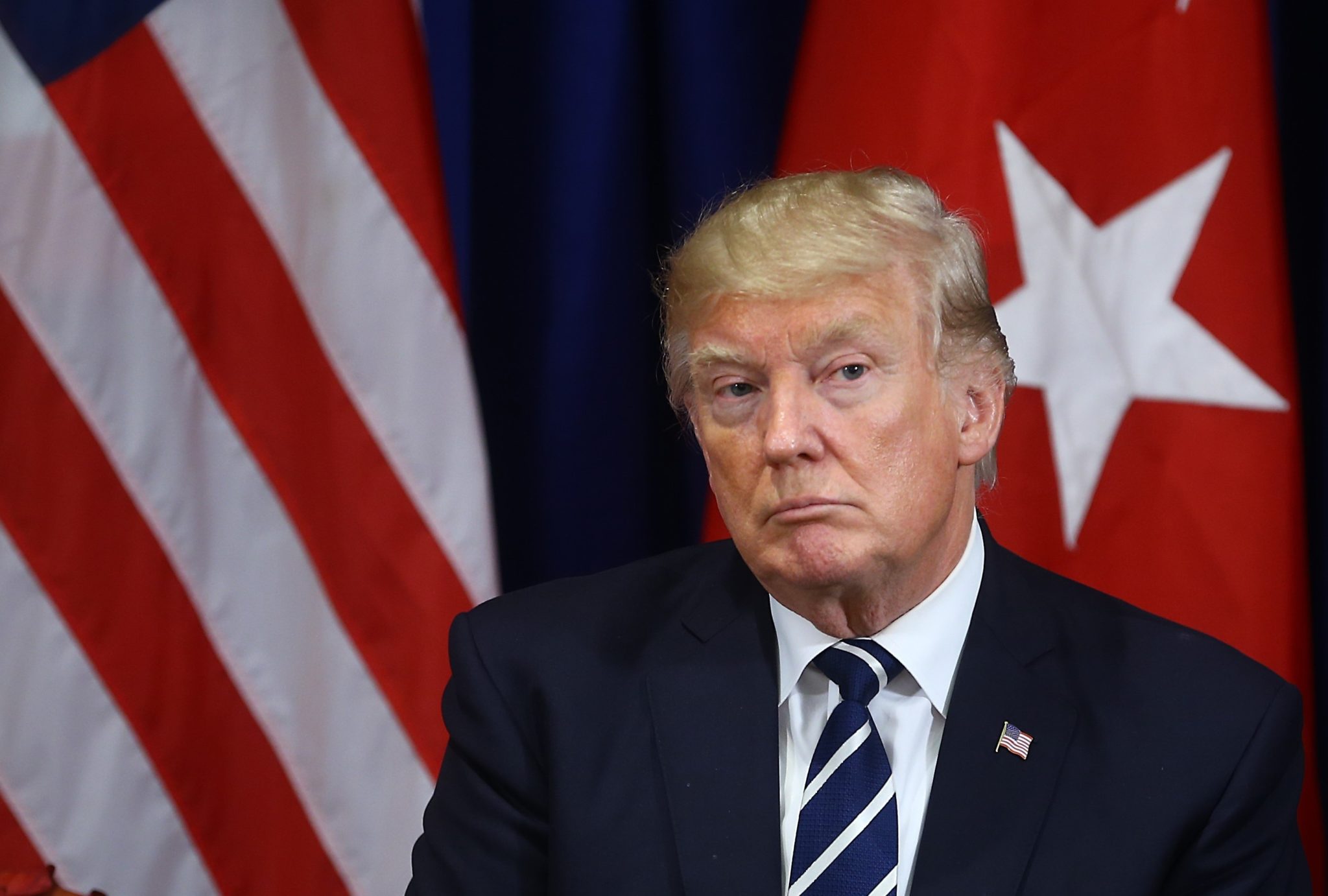
    Wall Street’s three major indexes ended higher on Monday but well below the session’s highs after President Donald Trump said he would delay a planned hike in tariffs on Chinese imports. Postponement of the tariff deadline was seen as the clearest sign yet the two countries were closing in on an agreement to end their prolonged trade spat, which has slowed global growth and disrupted markets.

    But gains were capped after weeks of advances for the S&P 500, the Dow Jones Industrial Average and the Nasdaq, partly due to trade optimism and dovish signals from the Federal Reserve.

    “A lot of the good news related to trade is priced in at this point,“ said R.J. Grant, head of trading at Keefe, Bruyette & Woods in New York.

    “There’s only so much we can rally when somebody says we’re making progress … The trade stuff is a little bit of a sideshow. If you get back to looking at economic growth, it’s clearly slowing.”

    The S&P 500 index ended 4.9% below its late September record closing high after narrowing the gap to 4.3% earlier in the session.

    Investors were also looking ahead to an appearance by Fed Chairman Jerome Powell before a US Senate committee on Tuesday.

    “In the short term trade got taken off the table today so next up on the calendar is Powell speaking to Congress. It’s possible investors are starting to clam up a bit because of what they think Powell may say,“ said Michael Cuggino, portfolio manager at Permanent Portfolio Funds in San Francisco.

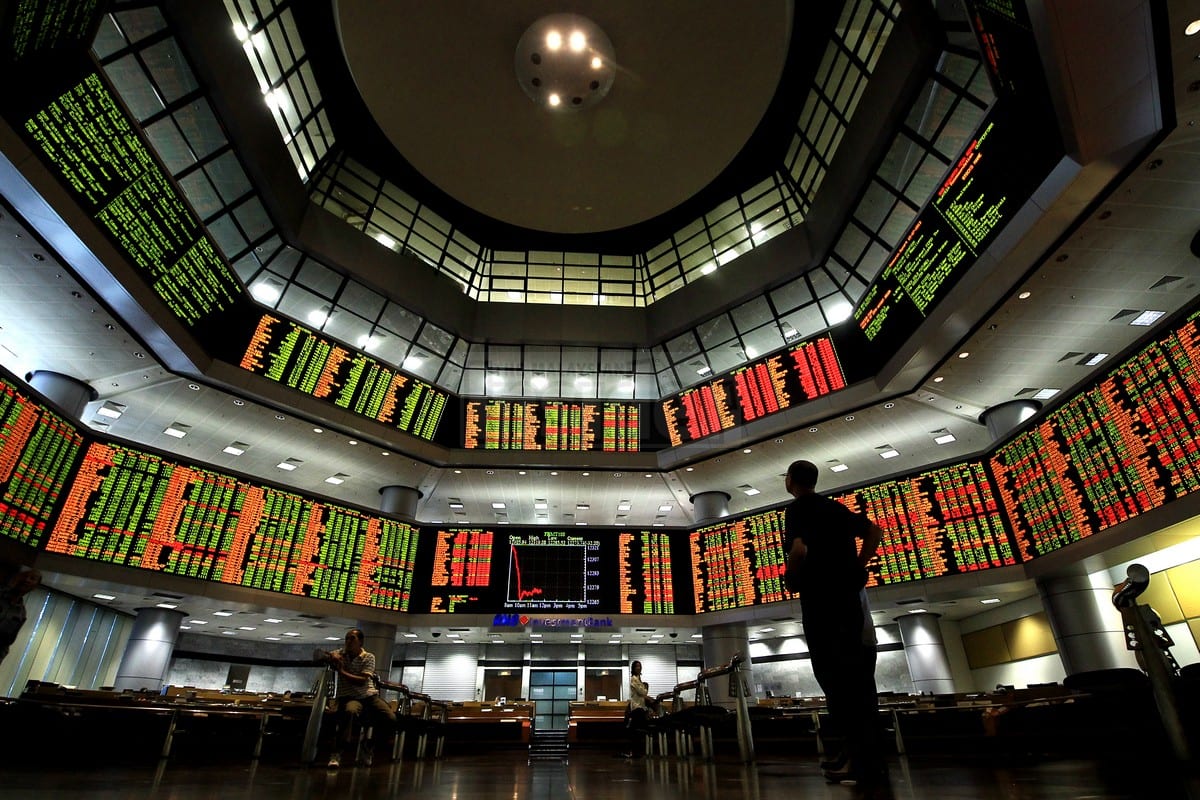
    The Dow Jones Industrial Average rose 60.14 points, or 0.23%, to 26,091.95, the S&P 500 gained 3.44 points, or 0.12%, to 2,796.11 and the Nasdaq Composite added 26.92 points, or 0.36%, to 7,554.46.

    Investors were also wary of weakening estimates for current quarter earnings, with Wall Street on Monday expecting a 0.9% decline in S&P first-quarter earnings per share compared with expectations for 5.3% growth on Jan. 1, according to IBES data from Refinitiv.

    “It’s hard to get valuations to continue to rise in the face of falling earnings estimates,” said Jeffrey Kleintop, chief global investment strategist at Charles Schwab in Boston.

    Of the S&P’s 11 major sectors, 7 ended the day with gains.

    After advancing as much as 1.4%, the financials index lost ground late in the day to close up 0.4%.

    The S&P technology index rose 0.5%. The Philadelphia semiconductor index climbed 0.8% as chip companies have a big exposure to China.

    The industrials sector rose 0.4%, getting its biggest boost from General Electric Co, which gained 10.8% after announcing a sale of its biopharma business to Danaher Corp for $21.4 billion. Danaher shares rose 8.2%.

    A flurry of M&A activity also helped the risk-on sentiment.

    The Nasdaq Biotechnology Index rose 2%, its biggest boost coming from shares in Spark Therapeutics Inc, which soared 120% after Swiss drugmaker Roche Holding AG agreed to buy it for $4.3 billion.

    The biggest laggards were the S&P’s defensive sectors – consumer staples, utilities and real estate. The consumer discretionary sector also ended down 0.3%, with the biggest drag from Home Depot, down 1.3%, on concerns about a soft housing market ahead of its quarterly results.

    Advancing issues outnumbered declining ones on the NYSE by a 1.14-to-1 ratio; on Nasdaq, a 1.05-to-1 ratio favoured advancers.

    The S&P 500 posted 58 new 52-week highs and 2 new lows; the Nasdaq Composite recorded 128 new highs and 14 new lows.

    Volume on U.S. exchanges was 7.36 billion shares, compared with the 7.32 billion average for the last 20 trading days.

  • Western Union Debuts New Payment Option for Amazon

    Western Union Debuts New Payment Option for Amazon

    Cross-border, cross-currency money-movement firm Western Union has unveiled a new payment option that allows Amazon customers in Hong Kong and other Asian markets to pay in local currency for their purchases. The service is being offered initially in 10 countries – Chile, Colombia, Hong Kong, Indonesia, Kenya, Malaysia, Peru, the Philippines, Taiwan and Thailand – enabling customers who prefer to pay in cash to shop Amazon.com’s vast product selection.

    The new platform is called Amazon PayCode, which processes the complex foreign exchange, settlement and money movement requirements for international e-commerce transactions. After selecting PayCode on the Amazon.com checkout page, customers will be sent a code along with instructions on how to pay in person at a participating Western Union agent location.

    The move by Western Union and Amazon will provide greater access to online goods for customers who have largely been excluded from e-commerce shopping due to lack of accepted payment methods.

    “We’re helping to unlock access to Amazon.com for customers who need and want items that can only be found online in many parts of the world,” said Khalid Fellahi, SVP and GM of Western Union Digital.

    “This is a great example of two global brands innovating and collaborating to bring customers more convenience and choice. In a world where cross-border buyers and sellers are often located on different continents and in completely different financial ecosystems, our platform is ideally suited to solving the complexity of collecting local currency and converting it into whatever currency merchants need on the other end.”

    “Amazon is committed to enabling customers anywhere in the world to shop on Amazon.com, and a big part of that is to allow customers to pay for their cross-border online purchases in a way that is most convenient for them,” said Ben Volk, director of payment acceptance and experience at Amazon. “Amazon PayCode leverages the reach of Western Union to make cross-border online shopping a reliable and convenient experience for customers who do not have access to international credit cards, or prefer to pay in cash.”

  • Korea’s Woori Bank partners with Chinese banks on remittance

    Korea’s Woori Bank partners with Chinese banks on remittance

    Woori Bank launched a money-transfer service linked with Chinese banks to allow its customers to readily and easily send money to people holding Chinese bank accounts. On Monday, the bank said the service will be carried out in real time. The partnered entities include the Industrial and Commercial Bank of China, the Bank of China, the Bank of Communications and also Chinese financial services company UnionPay.

    The service will charge 10,000 won ($8.9) in fees for a transaction less than 2 million won. For remittance over 2 million won, the charge will increase to a flat rate of 20,000 won.

    The service was jointly developed by Woori Bank, Woori Card and UnionPay. Once a user sends money, the service will notify the user of the transfer result via text message.

    The sender must send Korean won and the receiver will receive Chinese Yuan.

  • Petronas Chemicals share price up on higher profit

    Petronas Chemicals share price up on higher profit

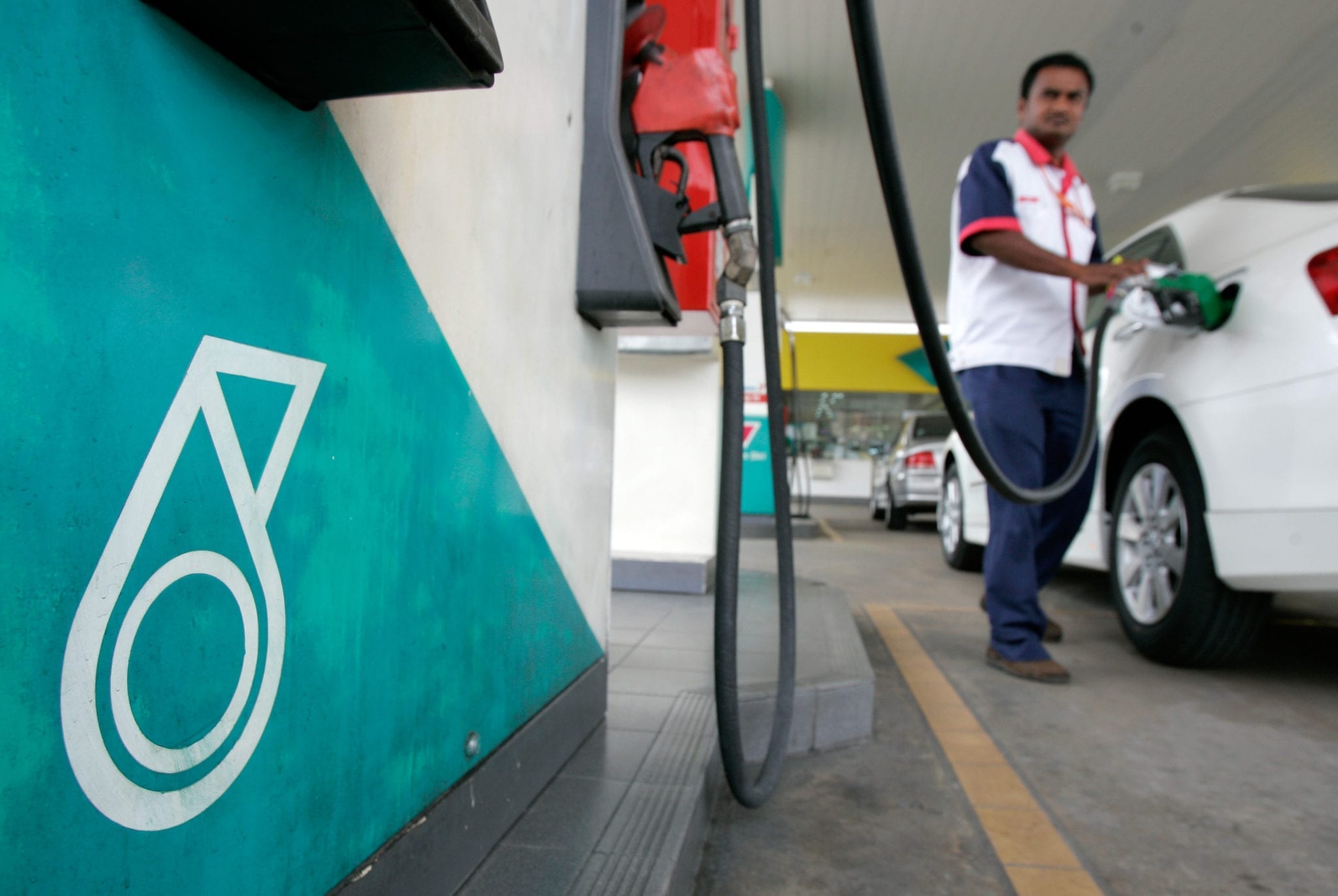
     Petronas Chemicals Group Bhd’s share price up 0.66% or 6 sen this morning, after its net profit jumped 27.9% to RM1.29 billion for the fourth quarter ended Dec 31, 2018 (Q4). As at 11.56am, the stock stood at RM9.22 with 2.93 million shares changing hands. The group said the higher profit was due to lower tax expenses and higher share of profits from joint ventures and associates.

    Its revenue also increased by 6.8% to RM5.06 billion compared with RM4.74 billion in the previous year’s corresponding quarter.

    It has proposed to declare a second interim dividend of 18 sen per share amounting to RM1.44 billion in respect of the financial year ended Dec 31, 2018.

  • Foreign investors return to surging Vietnamese stock markets

    Foreign investors return to surging Vietnamese stock markets

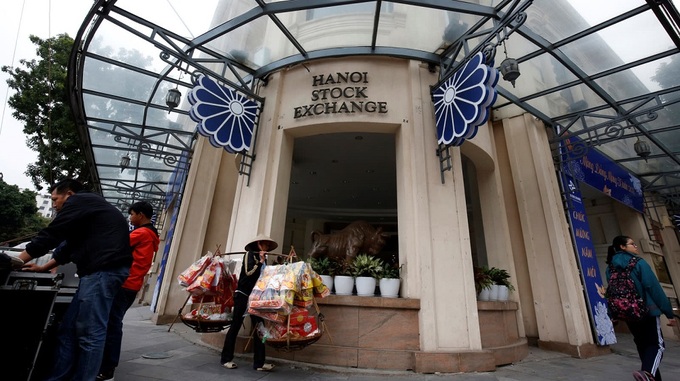
    At over VND3 trillion ($129.21 million), foreign buying in the local bourses from February 1-25 is three times the January figure. Foreign investment since the beginning of the year has been worth over VND4.3 trillion ($185.16 million). They have been focusing on blue chips like Hoa Phat (HPG), one of Vietnam’s leading steel producers. The company, ignored for the last several months, returned to the portfolio of foreign investors and saw millions of shares traded every day in February.

    In the 11 sessions after the market reopened February 11 after the nine-day Lunar New Year (Tet) holiday from Feb 2-10, foreigners bought 20 million shares for more than VND600 billion ($25.8 million). A month earlier they had been net sellers of over 10 million shares.

    Other blue chips like Vietnam’s biggest dairy company Vinamilk (VNM), private conglomerate Masan Group (MSN) and the biggest bank by assets Vietcombank (VCB) have all run up quite sharply as a result of buying by foreign investors.

    The benchmark VN-Index has gained more than 100 points this year, equivalent to over 11 percent. On Monday it closed at 994.43 points, within touching distance of the psychological 1,000-point mark.

    Foreigners have played a significant role in the recovery, having invested over VND4.3 trillion ($185.16 million) in the period, almost half of it since Tet.

    According to Rong Viet Securities Company, foreign investment this year could actually go down as a result of the reduction in monetary easing and fiscal stimulus across the globe this year, meaning there is less foreign cash available to invest in marginal markets such as Vietnam.

    But it also points out that Vietnam is on the verge of being upgraded to ‘emerging’ market, which could be a positive sign for foreign investors.

  • Hanoi businesses do brisk business with Trump-Kim summit specials

    Hanoi businesses do brisk business with Trump-Kim summit specials

    Several enterprising businesses have cashed in on the Trump-Kim summit with signature products – craft beer, cocktails, haircuts and T-shirts. A standing bar on Tran Vu Street has already gained a lot of attention with a craft beer named Kim Jong Ale, a kimchi flavored beverage concocted in Saigon.

    Huong Anh, who manages the bar, has waxed lyrical about the beer for the occasion. “Kim Jong Ale is a customers’ favorite here. The inspiration behind this beer is the pure streams of Mount Paektu, which is located between North Korea and China,” she told reporters.

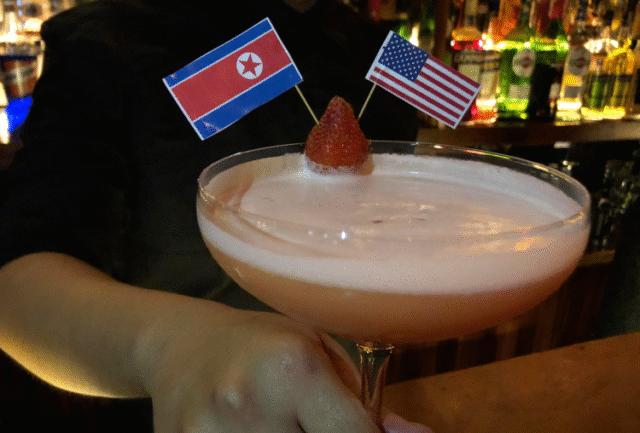
    Yet another bar on Hang Than Street brought out a cocktail called “Make the world great again”, mixing soju, bourbon and Fireball Cinnamon Whisky, pineapple juice, vanilla and grenadine.A wine bar in the capital city has also helped itself to some publicity and increased business with a cocktail called “Peace Negroniations,” a variation of the classic Negroni, made with pink-grapefruit soju, vermouth and bitters. We replaced gin with soju for this special cocktail,” bartender Chau said.

    It took two days to complete this recipe, said Ngo Dinh Tien, a bartender.

    A pizzeria has been offering free pizzas to people with names similar to that of Kim Jong-un and Donald Trump, and to those sporting the distinctive haircuts of both leaders, from February 20-28.

    To get such haircuts, the place to go to is the one on De La Thanh Street that has been offering these for free. The salon is even organizing a contest for people getting such haircuts, with the grand prize being free haircuts for three years.

    A South Korean restaurant in the My Dinh area has hung a banner on their door, featuring Kim Jong-un and Donald Trump and welcoming the summit. The owner said the poster has attracted a lot of attention with many customers taking selfies with it.

    An Old Quarter restaurant has hogged some attention for itself with hamburgers named after the two leaders – “Durty Donald” and “Kim Jong Yum,” served with U.S. and North Korean flags.


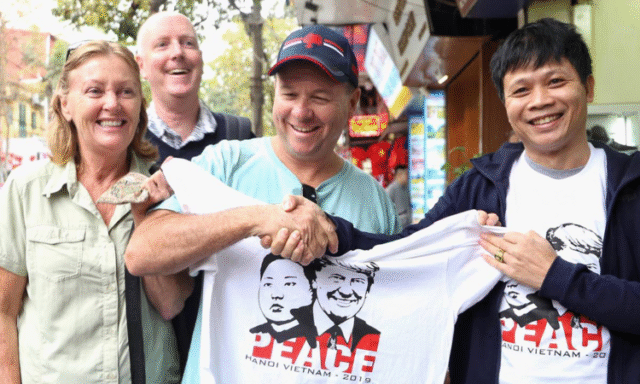
    Perhaps the hottest summit item has been souvenir T-shirts. Truong Thanh Duc’s small shop on Hang Bong Street has been operating at full capacity, making 500 shirts a day with a design that says peace and carries pictures of both leaders. Each T-shirt costs less than $5


    .

  • Foreign e-tailers must have registered entity in India: Draft policy

    Foreign e-tailers must have registered entity in India: Draft policy

    E-commerce sites or apps available for download in India must have a registered business entity in the country, according to latest draft e-commerce policy, which also proposes regulation of cross-border flow of data collected by sector players in India.

    According to analysts, the move to make it mandatory for foreign online retailers to register entities in India follows the relatively recent spread and expansion in the country of Chinese e-commerce platforms which do not have an Indian presence.

    These include Chinese portals such as Shein, Romwe and AliExpress and the proposed registration norms come after complaints made to the government by traders’ bodies like the All India Online Vendor Association about Chinese online operators shipping cheaper products to Indian customers as gifts in order to avoid customs duty.

    As per the proposed norms, all foreign e-commerce sites must have a registered business entity in India as the importer on record or as the entity through which all sales in India are transacted.

    The draft policy has also proposed a ban on all parcels designated as gifts, with the exception of life-saving drugs.

    Moreover, as per the draft policy, all data collected by e-tailers in India and stored abroad should not be made available to other business entities outside the country, for any purpose, even with customer consent.

    However, the government will have the right to access the data of Indian consumers stored abroad.

    Restrictions on cross-border flows of data would not apply to data which is not collected in India, business-to-business (B2B) data sent to India as part of a commercial contract between a business entity located outside India and an Indian business entity.

    Software and cloud computing services involving technology-related data flows, which have no personal or community implications and multi-national companies, moving data across borders, which is largely internal to the company and its ecosystem, would not have to follow the regulations.

    New foreign direct investment (FDI) norms, which prohibit the e-tailers from selling products of companies in which they have stakes, came into effect on February 1 despite both Amazon and Walmart seeking a six-month delay in their implementation.

    The second e-commerce draft policy has been welcomed by sector players like Snapdeal and trader associations such as the Confederation of All India Traders (CAIT).

    Snapdeal said the draft policy’s rejection of inventory based e-commerce must be followed by effective implementation of FDI norms to ensure marketplaces do not own or control inventory, directly or indirectly.

    “The recognition of data as a strategic national asset is well-timed and will lead to the development of required regulation in this regard,” a Snapdeal spokesperson said.

    US giants Amazon and Walmart, which recently acquired a 77 percent majority stake in the Indian e-retail major Flipkart, said they are reviewing the draft e-commerce policy and will share their inputs on the proposals in course of time.

    Amazon has been forced to remove an array of products from its India website in order to comply with the new FDI regulations in e-commerce.

  • Zen Corporation Thailand completes IPO

    Zen Corporation Thailand completes IPO

    Thai restaurant operator Zen Corporation secured THB975 million (US$31.35 million) via an IPO issued last Wednesday. The firm sold all 75 million shares on offer, representing 25 per cent of its registered capital, at THB13 each. Its stock price grew 17.69 per cent over the course of its trading debut, as strong demand pushed the value per share up to THB15.30 on the first day.

    Zen Corporation is known for its various restaurant chains, including its eponymous brand as well as Musha by Zen, Sushi Cyu Carnival Yakiniku, AKA, On the Table Tokyo Cafe, Tetsu and de Tummour.

    The firm also operates food delivery, catering, restaurant management and consultancy services, as well as food retail operations.

  • Gold prices rise on trade talk optimism; Fed stance limits gains

    Gold prices rise on trade talk optimism; Fed stance limits gains

    Gold prices edged higher on Friday as optimism over U.S.-China trade talks pressured the dollar, but signs of the U.S. Federal Reserve raising interest rates again this year capped gains. Spot gold inched 0.1 percent higher to $1,324.59 per ounce at 0408 GMT. The metal was headed for a second straight weekly rise, up almost 0.3 percent. The precious metal had hit a 10-month high on Thursday, but later erased the gains.

    U.S. gold futures were subdued at $1,327.7 per ounce.

    “On a day-to-day basis, gold is a function of changing currency markets and the U.S. dollar. Medium outlook is a lot more to do with geopolitical issues and yields,” said Kyle Rodda, a market analyst with IG Markets.

    The dollar index against a basket of six major currencies was set to decline about 0.3 percent this week, which could be its biggest weekly fall in a month..

    “The fact that gold was overbought-driven very much by a new yield environment and tensions around the world has helped keep gold prices elevated,” Rodda said.

    Gold had hit a 10-month high of $1,346.73 on Wednesday, but minutes from the Fed’s January policy meeting indicated there might in fact be a rate hike this year, erasing gains in gold.

    “Dovish signals from U.S. Federal Open Market Committee officials for the shorter term have kept global equities steady whilst applying bearish pressures on the non-interest bearing asset,” Phillip Futures said in a note.

    Higher interest rates reduce investor interest in non-yielding bullion.

    Markets were looking for further indications of progress on trade talks with U.S. and Chinese negotiators resuming high-level talks on Thursday to hash out a deal that could end their trade war, just over a week before a U.S.-imposed deadline.

    The United States and China have started to outline commitments in principle on the stickiest issues in their trade dispute, marking the most significant progress yet toward ending a seven-month trade war, according to sources familiar with the negotiations, Reuters reported exclusively.

    Indicative of investor sentiment toward bullion, holdings of SPDR Gold Trust, the world’s largest gold-backed exchange-traded fund, fell 0.63 percent to 789.51 tonnes on Thursday.

    Meanwhile, palladium was up 0.3 percent to $1,473.00 per ounce, having surpassed the key $1,500 level for the first time on Feb. 20.

    The autocatalyst metal was on track for a third straight week of gains, up nearly 3 percent. Platinum gained 0.6 percent to $824, and was set for its best week since early January.

    Silver was little changed at $15.81 per ounce. It was on course to snap two consecutive weekly losses.

  • Allianz Malaysia earnings up 15.3% to RM100m in fourth quarter

    Allianz Malaysia earnings up 15.3% to RM100m in fourth quarter

    Allianz Malaysia Bhd’s earnings increased by 15.3% in the fourth quarter ended Dec 31, 2018 (Q4) to RM100.04 million, from RM86.78 million in the previous corresponding quarter mainly due to higher underwriting profit from motor business arising from lower claims and management expenses. For the quarter under review, the general insurance segment recorded a profit before tax of RM78 million, an increase of 15.7% as compared to the preceding year quarter.

    Meanwhile, the life insurance segment recorded a profit before tax of RM50.3 million, a decrease of 15.5% due mainly to higher group claims.

    Allianz reported a 7.63% increase in revenue to RM1.3 billion in Q4 from RM1.21 billion, driven by higher gross earned premiums and investment income.

    For the full year, its net profit grew 30.9% to RM377.02 million from RM287.96 million a year ago, while revenue was up 7.9% to RM5.18 billion from RM4.8 billion previously.

    The general insurance industry reported a marginal growth of 1.5% in gross written premium for the year ended Dec 31, 2018.

    Allianz said the group anticipates similar trend in the medium-term given the economic uncertainty and subdued consumer sentiments.

    However, it said the general insurance segment will continue to offer innovative products and services in anticipation of a fully liberalised insurance market while further expanding its multi-distribution model to maintain market leadership.

    For the life insurance segment, Allianz will continue to leverage on the strength of its multi-distribution channels and increase productivity across distribution channels to generate growth.

    The group will also continue to focus on optimising the performance of its insurance businesses and expect to maintain satisfactory results in 2019, it added.

  • Asia markets rally as Trump delays China tariffs

    Asia markets rally as Trump delays China tariffs

    Shanghai led a rally across Asian markets Monday after Donald Trump said he would delay a hike in tariffs on Chinese goods citing “substantial progress” in trade talks and fuelling hopes of an end to their long-running stand-off. Optimism over the negotiations had already provided support to global equities, spurring a rally in January and February, but the president’s comments gave extra ammunition to investors to ramp up the buying.

    The news also fired currency markets with the yuan extending gains to a seven-month high, while other high-yielding, riskier units were also up against the dollar.

    Trump said on Twitter that the US “has made substantial progress in our trade talks with China on important structural issues including intellectual property protection, technology transfer, agriculture, services, currency, and many other issues”.

    He added: “As a result of these very productive talks, I will be delaying the US increase in tariffs now scheduled for March 1.”

    The president also said he planned to hold a summit with his Chinese counterpart Xi Jinping at his Mar-a-Lago estate in Florida to sign a deal.

    China’s Xinhua news agency added that the two sides had “made substantial progress on specific issues” including on transfer of technology, intellectual property and agriculture.

    ‘Sigh of relief’

    In morning trade, Shanghai jumped 2.8% and Hong Kong added 0.4% while Tokyo ended the morning 0.7% higher.

    Sydney and Singapore each put on 0.1%, while Seoul was flat, Taipei added 0.4% and Jakarta rose 0.3%.

    The gains in Asia followed another positive lead from Wall Street, where the Dow enjoyed its ninth straight weekly gain – the longest streak since May 1995.

    “This is a sigh of relief,“ said Ben Emons, managing director for global macro strategy at Medley Global Advisors. “Markets will still keep a level of caution, but this news is encouraging,“ he said.

    The upbeat sentiment lifted high-risk currencies, with the yuan hitting its highest level against the dollar since July, while South Korea’s won, the Australian dollar and the Indonesia rupiah were also well up.

    Forex traders will be closely watching speeches this week from top Federal Reserve officials – including chairman Jerome Powell’s appearance in front of lawmakers – hoping for clues about the bank’s monetary policy plans.

    Wall Street “will be looking for soothing comments about the future size of the balance sheet – the bigger the better – and insights into future rate hikes”, said Jeffrey Halley, senior market analyst at OANDA.

  • Malaysia ranks second in SEA for Chinese tourist transactions during CNY

    Malaysia ranks second in SEA for Chinese tourist transactions during CNY

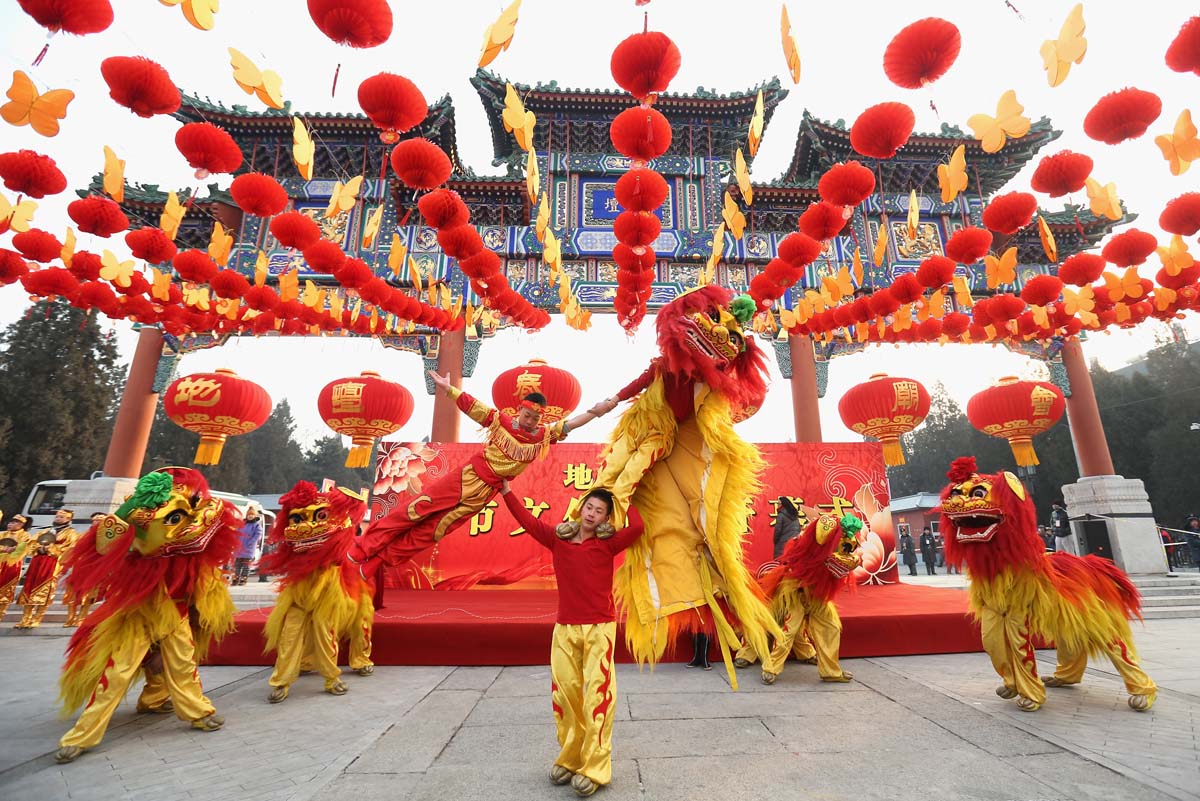
    Malaysia is the second largest market in Southeast Asia for Chinese tourists spending over the Chinese New Year holiday season, as recorded by Alipay, the digital payment and lifestyle platform offered by Ant Financial, an affiliate company of Alibaba Group. The transactions were recorded between Feb 4 and 10 this year. Malaysia saw a 16% increase in average per-capita spend by Chinese tourists this year, with a growth in transaction volume by 71% compared to 2018.

    What’s more, Chinese millennials can no longer claim to be the dominant user group spearheading spending while travelling, as 68% of Chinese tourists born between 1960 and 1979 were found to be the main driving force in outbound tourism and overseas consumption.

    Alipay head of business operation for cross-border business Janice Chen said this year’s findings highlight how mobile payment is taking root in China’s outbound tourism market, and it is excited to see the robust growth in the use of Alipay by overseas tourists from third-and-fourth tier cities and middle-aged vacationers.

    “While providing a better experience for Chinese travellers, Alipay is, at the same time, a huge drawcard for overseas merchants as a platform to help grow their business,” Chen said in a statement.

    This is in accordance to a recent report published by Nielsen and Alipay, called the 2018 Trends for Mobile Payment in Chinese Outbound Tourism.

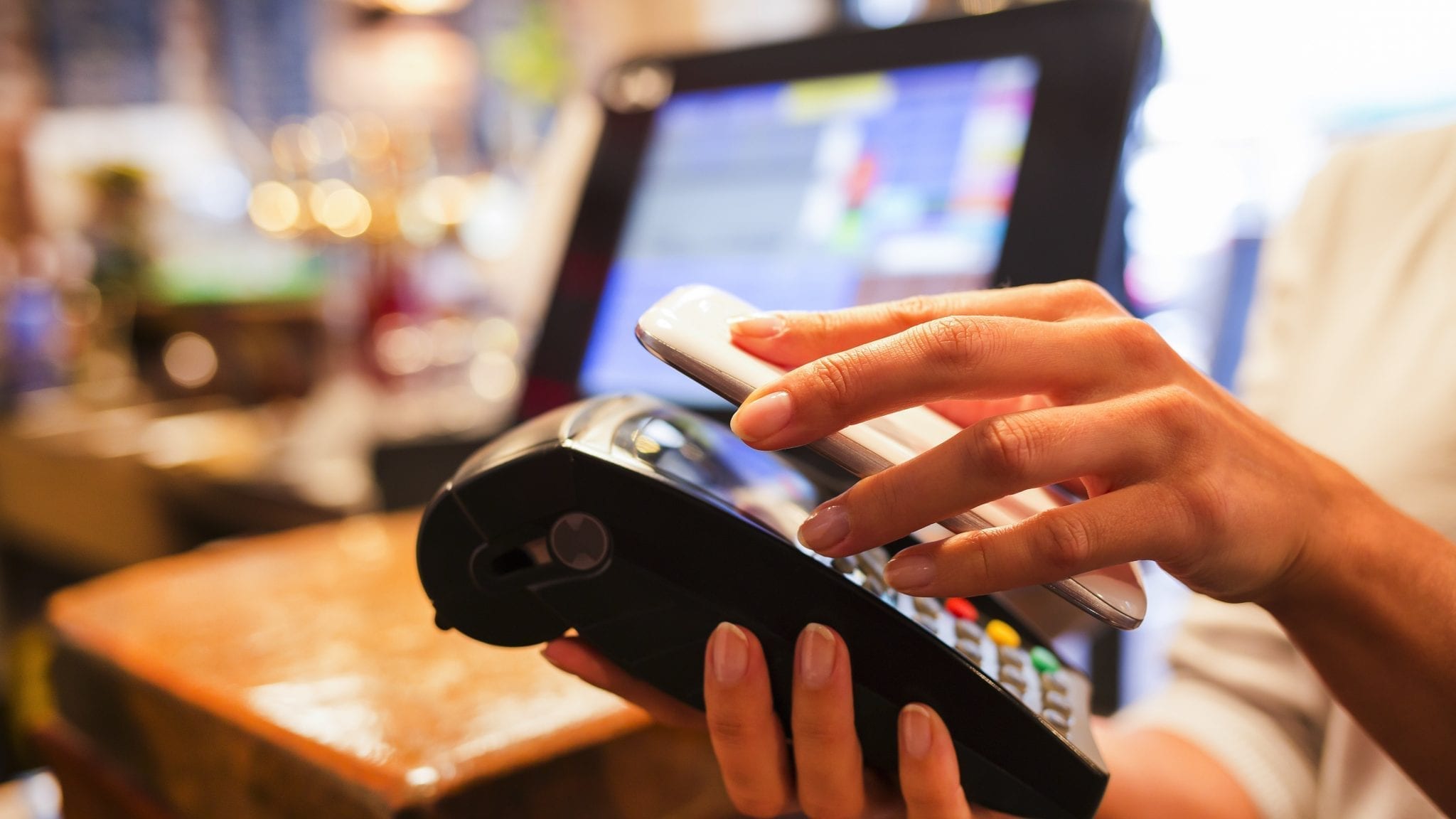
    Chinese tourists are bringing their cashless lifestyles outside of China, paying for 32% of their overall travel transactions using mobile payment, overtaking their use of cash for the first time ever.

    The survey found that merchants offering Alipay as a payment option has experienced growth in both foot traffic (58%) and revenue (56%).

    Heinemann, a travel-retailer with a store in Kuala Lumpur International Airport 2 (KLIA2) has also reported an increase in sales. Its general manager for retail operations Alexander Maas said since implementing Alipay, it is now able to provide added convenience to its customers from China, and provide them with a familiar shopping experience, ultimately seeing over 20% of all its transactions completed on the Alipay app with Chinese tourists.

    With the increased popularity of Alipay among both young and old Chinese tourists, brick-and-mortar retailers across the region can continue to adopt Alipay as a payment option to further boost profitability moving forward.

  • Cashless-payments will be launched soon in Japan

    Cashless-payments will be launched soon in Japan

    More than 50 Japanese banks are joining Tokyo bank J-Coin to set up a cashless payment system developed by Mizuho Financial Group, to be launched late next month. The new service will initially be rolled out to existing account holders at regional banks. Mizuho Bank will initiate the service on March 1, with regional banks to follow after a period of around three weeks.
    Around half of Japan’s regional banks are participating in the scheme at a time when the Japanese government is advocating cashless payments in advance of the 2020 Tokyo Olympics and Paralympics.

    J-Coin payments will be processed via an app using a QR barcode, a phone number or a Line messenger personal ID number. Unlike the prepaid smart cards commonly used in Japan, J-Coin allows transactions between individuals without the need for dedicated scanning devices at point of sale.

    A number of major retailers, including East Japan Railway Co and FamilyMart, have already indicated interest in adopting the system.

    Observers have noted that partnerships with international cashless payment providers such as Alipay could see J-Coin become a preferred method of payment among visitors to Japan.

    The Japanese government, aiming to double digital payments to 40 per cent of all transactions by 2025, will offer rebates of 2 per cent of convenience-store cashless purchases and 5 per cent of cashless purchases at other small- or medium-sized stores for nine months after its consumption tax is raised from 8 per cent to 10 per cent in October this year.

  • CIMB Niaga posts 16.9% net profit growth in 2018

    CIMB Niaga posts 16.9% net profit growth in 2018

    CIMB Group Holdings Bhd’s 92.5%-owned T Bank CIMB Niaga Tbk reported an audited consolidated net profit of 3.5 trillion rupiah (RM1 billion) for the financial year ended Dec 1, 2018 a 16.9% growth compared with a year ago. The bank said the improved net profit came on the back of a 13.8% increase in on-interest income to 3.8 trillion rupiah and a 63 basis-point improvement in credit charges from 2.26% to 1.63% as provisions declined 25.7%.

    CIMB Niaga’s loan loss coverage remains comfortable at 105.86%.

    “We aim to maintain a targeted growth trajectory while keeping asset quality as a priority,” said CIMB Niaga president director Tigor M. Siahan.

    Total loans grew by 1.8% to 188.5 trillion rupiah mainly from growth in mortgages of 11.2% to 30 trillion rupiah, small- and medium enterprise loans of 8.5% to 29.6 trillion rupiah and credit card of 5.5% to 8.6 trillion rupiah.

    With total assets of 266.8 trillion rupiah as at Dec 31, 2018, CIMB Niaga maintained its position as Indonesia’s second largest private owned bank by assets.

    Its capital adequacy ratio stood at 19.66% as at end-December 2018, representing a 106 basis-point increase from the previous year.

    “Going forward, we will continue to focus on expanding our consumer and SME businesses, building our CASA (current account savings account) franchise and strengthening our Sharia business proposition and Sharia-compliant product offerings,” Tigor added.

  • Malaysia’s economy likely to slow in April to June 2019

    Malaysia’s economy likely to slow in April to June 2019

    Malaysia’s economy is likely to grow at a slow rate in April to June 2019 in view of the decline in the Leading Index (LI) in December 2018, according to the Statistics Department. Chief statistician Datuk Seri Dr Mohd Uzir Mahidin said the monthly change of LI decreased 1.4% to 117.3 points in December 2018 from 119.0 points in the previous month.

    “The declined in six out of seven components have weighed down the performance of the LI with the significant decreased by two components namely real imports of other basic precious & other non-ferrous metals and number of housing units approved, which posted negative 0.5% respectively,” he said in a statement.

    The annual change of LI also registered a negative growth of 1.7% in December 2018.

    The LI is designed to monitor the economic performance for an average of four to six months ahead.

    Meanwhile, the Coincident Index (CI), a measure of current economic activity, was unchanged in December 2018.

    The increased in real salaries & wages in manufacturing sector (0.2%) and real contributions to EPF (0.1%) were offset by the decreased in capacity utilisation in manufacturing sector (-0.2%) and Industrial Production Index (-0.1%).

    The annual change of CI grew at 3.6% as in the previous month.