Tag: Finance

  • Vietnam Jan-Nov coffee exports up 23 pct, rice 4.8 pct

    Vietnam Jan-Nov coffee exports up 23 pct, rice 4.8 pct

    Vietnam’s coffee export volumes from January to November have grown 23 percent year-on-year and rice exports have risen by 4.8 percent, official data shows.

    Coffee

    Coffee exports from Vietnam will climb an estimated 23 percent between January and November from a year ago to 1.725 million tonnes, equal to 28.75 million 60-kg bags, the General Statistics Office said in a report on Thursday.

    Coffee export revenue for Vietnam, the world’s biggest producer of the robusta bean, will edge up 2.9 percent to $3.3 billion in the 11-month period, the report said.

    November coffee exports were estimated at 140,000 tonnes, worth $264 million.

    Rice

    Rice exports in January-November from Vietnam were forecast to rise 4.8 percent from a year ago to 5.7 million tonnes. Revenue from rice exports in the period was expected to grow 16.8 percent year-on-year to $2.86 billion.

    November rice exports from Vietnam, the world’s third-largest shipper of the grain, were estimated at 450,000 tonnes, worth $218 million.

    Energy

    Vietnam’s January-November crude oil exports were seen plunging 42.5 percent year-on-year to an estimated 3.6 million tonnes.

    Crude oil export revenue in the first 11 months of 2018 were expected to decline 20.4 percent to $2.1 billion.

    Oil product imports in the 11-month period were estimated at 10.7 million tonnes, falling 8.1 percent from the same period last year, while the value of product imports rose 15.4 percent to $7.3 billion.

    Vietnam’s January-to-November liquefied petroleum gas imports were seen increasing 1.5 percent from a year earlier to 1.3 million tonnes.

  • US, China trade war finally (temporary) stops

    US, China trade war finally (temporary) stops

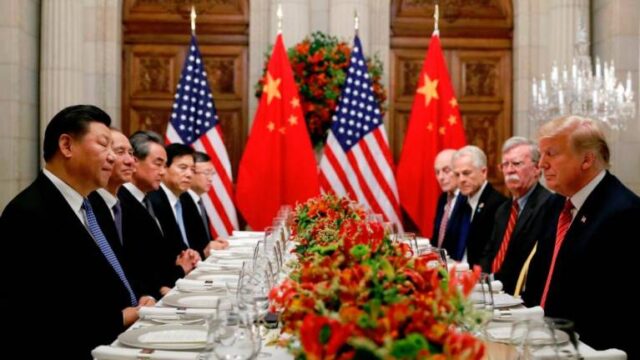
    China and the United States agreed to a ceasefire in their bitter trade war on Saturday after high-stakes talks in Argentina between US President Donald Trump and Chinese President Xi Jinping, including no escalated tariffs on Jan 1. Trump will leave tariffs on US$200 billion (RM835.8 billion) worth of Chinese imports at 10% at the beginning of the new year, agreeing to not raise them to 25% “at this time”, the White House said in a statement.

    “China will agree to purchase a not yet agreed upon, but very substantial, amount of agricultural, energy, industrial, and other product from the United States to reduce the trade imbalance between our two countries,“ it said.

    “China has agreed to start purchasing agricultural product from our farmers immediately.”

    The two leaders also agreed to immediately start talks on structural changes with respect to forced technology transfers, intellectual property protection, non-tariff barriers, cyber intrusions and cyber theft, services and agriculture, the White House said.

    Both countries agreed they will try to have this “transaction” completed within the next 90 days, but if this does not happen then the 10% tariffs will be raised to 25%, it added.

    The Chinese government’s top diplomat, state councillor Wang Yi, said the negotiations were conducted in a “friendly and candid atmosphere”.

    “The two presidents agreed that the two sides can and must get bilateral relations right,“ Wang said adding they agreed to further exchanges at appropriate times.

    “Discussion on economic and trade issues was very positive and constructive. The two heads of state reached consensus to halt the mutual increase of new tariffs,“ Wang said.

    “China is willing to increase imports in accordance with the needs of its domestic market and the people’s needs, including marketable products from the United States, to gradually ease the imbalance in two-way trade.”

    “The two sides agreed to mutually open their markets, and as China advances a new round of reforms, the United States’ legitimate concerns can be progressively resolved.”

    The two sides would “step up negotiations” toward full elimination of all additional tariffs, Wang said.

    The announcements came after Trump and Xi sat down with their aides for a working dinner at the end of a two-day gathering of world leaders in Buenos Aires, their dispute having unnerved global financial markets and weighed on the world economy.

    After the 2½ hour meeting, White House chief economist Larry Kudlow said the talks went “very well,“ but offered no specifics as he boarded Air Force One headed home to Washington with Trump.

    China’s goal was to persuade Trump to abandon plans to raise tariffs on US$200 billion of Chinese goods to 25% in January, from 10% at present. Trump had threatened to do that, and possibly add tariffs on US$267 billion of imports, if there was no progress in the talks.

    With the United States and China clashing over commerce, financial markets will take their lead from the results of the talks, widely seen as the most important meeting of US and Chinese leaders in years.

    The encounter came shortly after the Group of 20 industrialised nations backed an overhaul of the World Trade Organisation, which regulates international trade disputes, marking a victory for Trump, a sharp critic of the organisation.

    Trump told Xi at the start of their meeting he hoped they would achieve “something great” on trade for both countries. He struck a positive note as he sat across from Xi, despite the US president’s earlier threats to impose new tariffs on Chinese imports as early as the next year.

    He suggested that the “incredible relationship” he and Xi had established would be “the very primary reason” they could make progress on trade.

  • Maybank sees marginally lower net profit for Q3

    Maybank sees marginally lower net profit for Q3

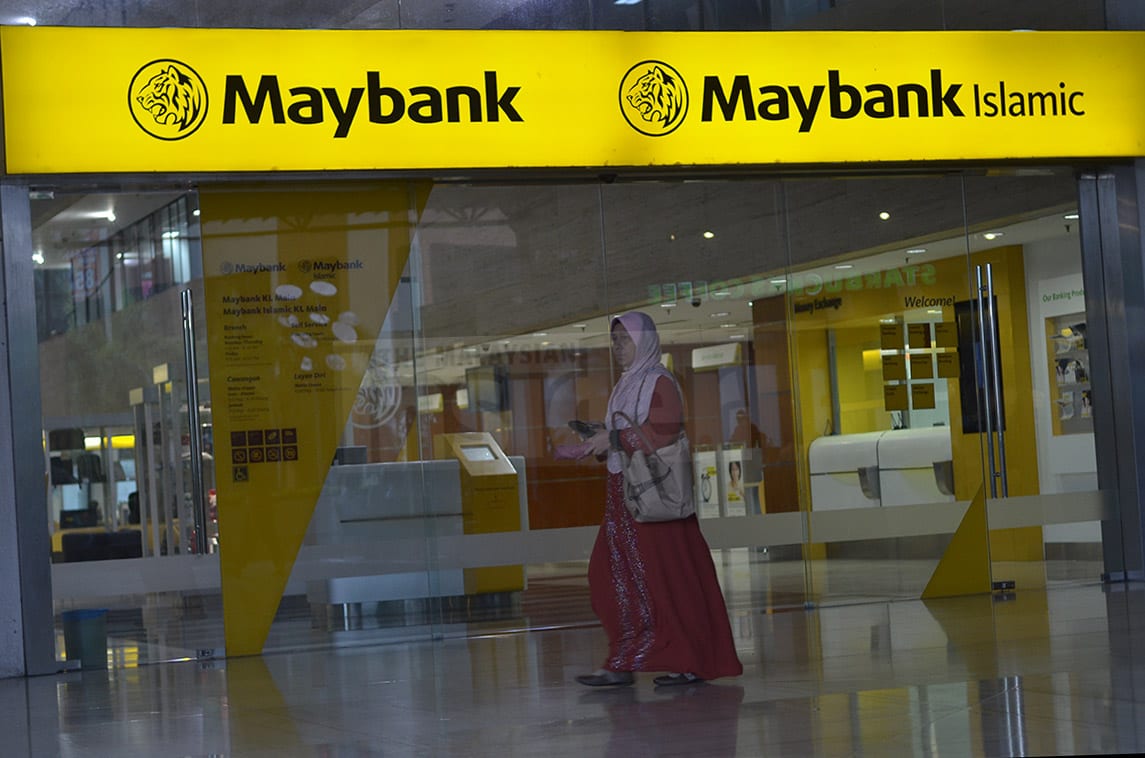
    Malayan Banking Bhd posted marginally lower net profit for the third quarter ended Sept 30, 2018 of RM1.96 billion, compared with RM2.03 billion in the corresponding quarter in 2017, on lower net operating income, higher allowances for impairment losses on loans, advances, financing and other debts and lower share of profits in associates and joint ventures .

    For the quarter under review, the group registered a net operating income of RM5.69 billion, compared with RM5.89 billion a year earlier, impacted by a dip in fee based income owing mainly to lower investment and trading proceeds as well as foreign exchange fluctuations. Notwithstanding this, operating profit for the third quarter ended Sept 30, 2018 was higher at RM2.61 billion from RM2.60 billion a year, as the group benefited from lower overhead expenses which declined 6.2% from a year earlier, as well as lower impairment losses which fell 5.5%.

    Maybank group said its key priorities for 2018 include maintaining pricing discipline across our products, focus on attaining cheaper funding sources to support loan growth, growing our loan portfolio within our risk appetite, while proactively managing our asset quality.

    The group has implemented MFRS 9 on Jan 1, 2018, of which the impairment assessment is based on the expected credit loss model that uses forward looking assumptions as opposed to an incurred loss model under the previous accounting standard. The group’s capital and liquidity positions remain strong notwithstanding the implementation of MFRS 9.

    Barring any unforeseen circumstances, the group expects its financial performance for 2018 to be satisfactory against the expected growth prospects of its key home markets. The group has set its Headline Key Performance Indicator for Return on Equity of 11%.

    Net profit for the nine month period ended Sept 30, 2018, was 7.39% higher at RM5.79 billion, compared with RM5.39 billion for the period in 2017.

    This was on 3.82% higher revenue of RM35.09 billion, compared with RM33.79 billion.

  • CIMB Group Q3 net profit up 4.2%

    CIMB Group Q3 net profit up 4.2%

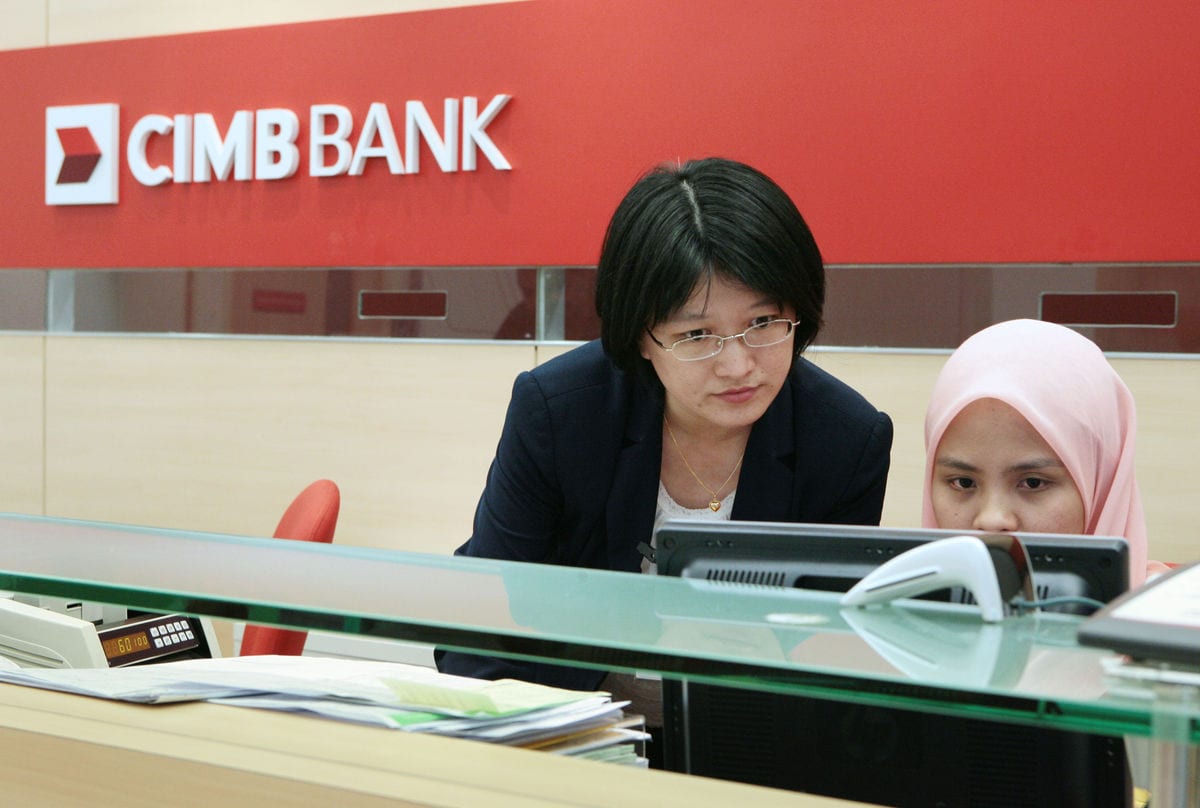
    CIMB Group Holdings Bhd posted 4.2% higher net profit for the third quarter ended Sept 30, 2018 of RM1.18 billion, compared with RM1.13 billion for the same quarter in 2017 with contribution from all segments except wholesale banking. This was despite group revenue coming in 6.4% lower at RM4.14 billion, compared with RM4.42 billion.

    CIMB Group said the decline in operating in the quarter under review, was attributed to declines in non-interest income and net interest income of 17.0% and 1.6%, respectively.

    Consumer Banking profit before tax (PBT) grew 3.9% year-on-year (Y-o-Y) from better cost management. Regional Commercial Banking PBT rose 450.0% Y-o-Y from the reduction in provisions. Wholesale Banking PBT was 41.7% lower Y-o-Y across all wholesale segments given the weaker capital markets. Group Asset Management and Investments (Gami) PBT was 542.9% higher Y-o-Y from improvement in private markets, while Group Funding for the third quarter ended Sept 30, 2018 PBT was flat Y-o-Y.

    “As 2018 draws to a close, we remain on track to meet our key T18 targets. However, we remain cautious amidst weaker regional economies and global trade tensions. Against this backdrop, we will continue to control asset quality and cost across all businesses and geographies, while we finalise our next mid-term plan to propel CIMB onto a stronger growth trajectory,” said Group Chief Executive Tengku Datuk Seri Zafrul Aziz.

    Net profit for the nine month period was 30.8% higher at RM4.47 billion, compared with RM3.41 billion for the period ended Sept 30, 2017.

    Revenue for the period was also higher at RM13.31 billion, compared with RM13.11 billion.

  • LNG Canada investor Petronas signs gas supply deal with Vitol

    LNG Canada investor Petronas signs gas supply deal with Vitol

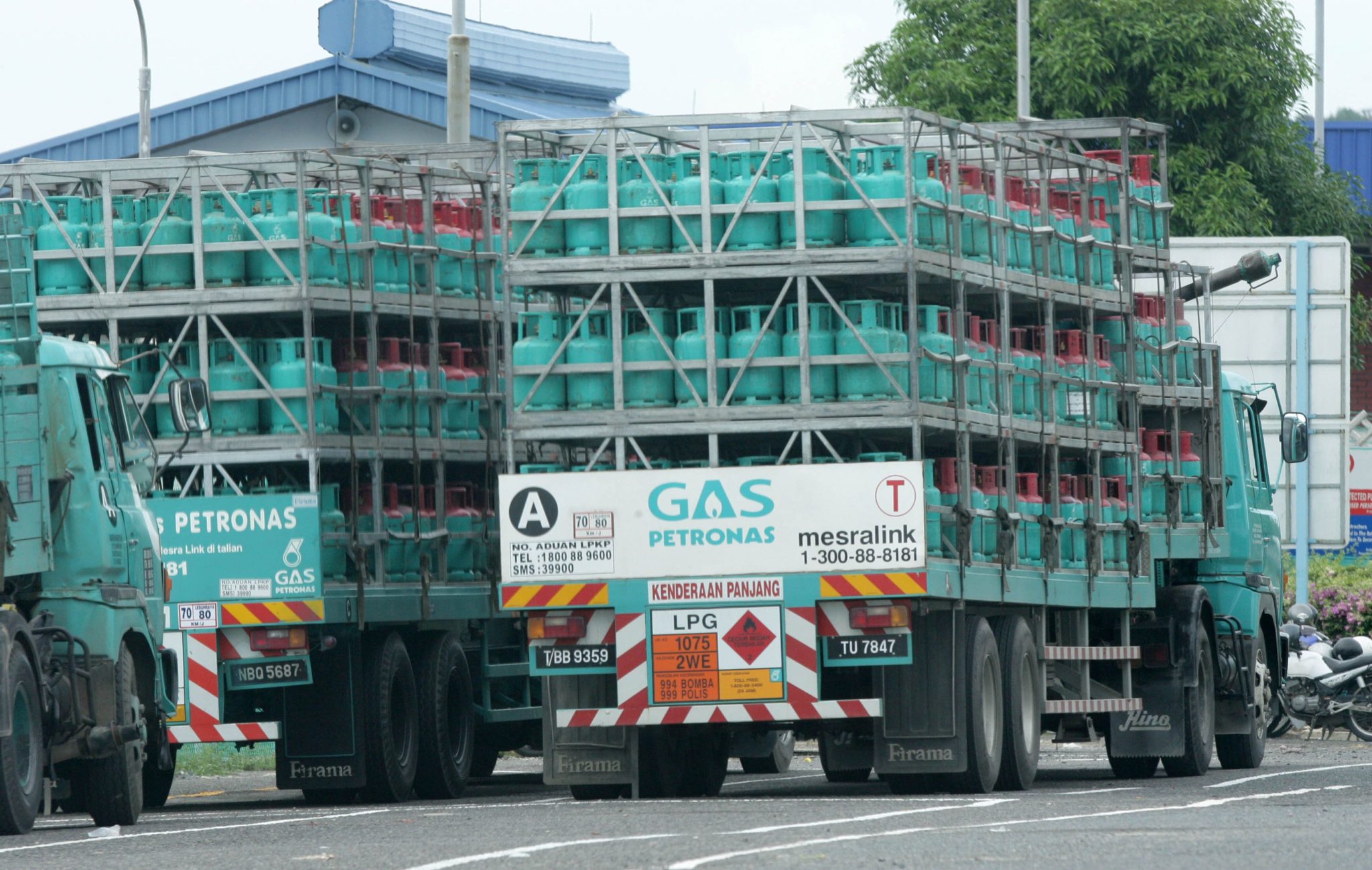
     LNG Canada, the US$30 billion (RM125.7 billion) liquefied natural gas (LNG) export project, has bagged another client after project shareholder Petroliam Nasional Bhd (Petronas) signed an initial sales deal with trading house Vitol.

    Royal Dutch Shell decided in October to construct the export terminal. It was the first major investment decision in a new North American LNG export project for two years and was expected to launch a new wave of such projects in the region.

    Petronas, the Malaysian state-owned oil and gas company that bought a 25% stake in the project in May, will supply Vitol with 0.8 million tonnes per year (mtpa) of LNG starting from 2024 for 15 years, Vitol said in a statement.

    “The primary supply to Vitol will come from LNG Canada as well as from (Petronas’) other global LNG supply portfolio,“ Vitol said.

    Vitol joins Asian utilities Tokyo Gas, Toho Gas and Korea Gas Corp (Kogas) as buyers, committing to offtake around 2.4 mtpa collectively.

    Such long-term agreements normally underpin project finance and are critical before a final investment decision is taken. But because Shell and partners Petronas, PetroChina, Mitsubishi and Kogas are such large players in the LNG market, they can absorb the output into their global portfolios without needing to find significant other buyers.

    Under previously announced deals, Toho Gas will buy 0.3 mtpa, Tokyo Gas 0.6 mtpa and Kogas 0.7 mtpa from LNG Canada.

  • Trade war refugees race to relocate to Vietnam, Thailand

    Trade war refugees race to relocate to Vietnam, Thailand

    Experts say this is the biggest shift in cross-border supply chains since China joined the World Trade Organisation in 2001. Fred Perrotta spent four years building a network of Chinese suppliers for his line of trendy backpacks, but as soon as the United States announced tariffs on almost half of its Chinese imports, he started looking for suppliers in other countries.

    That process is now so far advanced it would be too late to reverse it even if U.S. President Donald Trump and his Chinese counterpart Xi Jinping call a truce in their growing trade war at this week’s G20 summit, the 33-year-old said.

    Perrotta’s company, Tortuga, is joining what industry experts say is the biggest shift in cross-border supply chains since China joined the World Trade Organisation in 2001.

    The shift is creating stiff competition to secure new facilities in neighboring countries and rebuild supply chains outside of China, home to a fifth of global manufacturing.

    “Everyone is nervous and scrambling around,” Perrotta said by phone from Oakland, California, where he recently took delivery of the first samples from a potential new supplier in Vietnam.

    “Long-term, we will probably shift everything.”

    The scramble is driven by the risk of more, and higher, U.S. tariffs on China, and fears that nearby emerging economies can only accommodate new businesses on a “first come, first served” basis.

    Vietnam and Thailand are emerging as preferred destinations, but they still face capacity constraints ranging from red-tape to skilled labor and limited infrastructure.

    Frenzied activity 

    In an interview with more than a dozen company executives, trade lawyers and lobby groups in various industries revealed a frenzy of activity across Asia in recent months: executives are requesting product samples, touring industrial parks, hiring lawyers and meeting with officials.

    In June, Hong Kong-listed furniture maker Man Wah Holdings bought a factory in Vietnam for $68 million and said earlier this month it plans to almost triple its capacity to 373,000 square meters by the end of 2019.

    “The acquisition is to mitigate the risks posed by tariffs,” Man Wah said in a statement.

    Vietnam-based industrial real estate developer BW Industrial says inquiries have surged since October, and all its factories are now leased out.

    “The manufacturers are from all over the world but they all have production plants in China and need to start production ASAP,” Chris Truong, a sales manager at BW Industrial said.

    In Thailand, SVI Pcl, which provides electronics and manufacturing solutions, said it has just selected four new deals worth about $100 million with existing customers who have operations in China.

    “The trade war is good for us,” CEO Pongsak Lothongkam said. “We have been approached by so many companies that we have to prioritize.”

    KCE Electronics, Southeast Asia’s biggest maker of printed circuit boards (PCBs), has been contacted by U.S. companies who want to seek a new supplier to replace one in China, CEO Pitharn Ongkosit said.

    “It’s a good opportunity. Many customers have contacted us to ask about our products and prices. But there are no sales yet as it will take time,” he said.

    Stars Microelectronics Pcl, another Thai electronics manufacturing services provider, is also getting new business.

    “Two (or) three companies will start moving their production base (out of China) to us soon,” CEO Peerapol Wilaiwongstien said.

    Cambodia is also attracting interest, with Parsippany, NJ-based bicycle maker Kent International Inc shifting Chinese production to the Southeast Asian country.

    “We have a big business in the United States,” Arnold Kamler, the company’s majority owner and chief executive said. “There is no choice but to as rapidly as possible look to move production away from China.”

    Disruption 

    The re-sourcing and relocation efforts mark an acceleration of an already established trend as China’s economy shifts towards services, consumption and high-tech production.

    “We are on the cusp of the biggest sourcing disruption that we have seen in a generation,” said Stephen Lamar, executive vice-president of the American Apparel&Footwear Association, whose more than 1,000 members contribute over $400 billion annually to U.S. retail sales.

    “The No. 1 thing I hear from companies is along the lines of: ‘For years we have been talking about diversifying from China and now we have to actually do it’.”

    Shifting production can take years to complete: firms need to secure funding, find the right suppliers, sort out new logistics – all while dealing with new legal and accounting issues in a country they may not know well.

    “Any relocation away from China is going to be very slow and very uncertain,” said Aidan Yao, senior Asia EM economist at AXA Investment Managers.

    Low tech goods and low value manufacturing would be the quickest to migrate while higher value-added exports in the machinery, transport and IT category would likely take decades to relocate due to high R&D costs and competitive Chinese labor costs, UBS said in a note earlier this month.

    Yet a regional client poll by Citi conducted in the last month showed more than half of them already adjusting their supply chain to limit upheaval to their business.

    China’s sophistication in areas such as automation means no one country can replace China, said trade lawyer Sally Peng of Sandler, Travis&Rosenberg.

    “So everyone is looking for that China Plus One, Plus Two, Plus Three country strategy, all the way to Africa,” she said.

    Companies hold out little hope for a truce in the trade dispute when Trump and Xi are due to meet on the sidelines of the G20 summit in Buenos Aires this week.

    Indeed, Trump said on Monday he expected to move ahead with raising tariffs on $200 billion in Chinese imports to 25 percent from the current 10 percent.

    While Chinese export data shows little sign yet of an impact from the trade war, some economists say that is because companies are rushing to get shipments out ahead of more tariffs.

    Collateral victims 

    To be sure, smaller emerging Asian economies are not necessarily licking their lips about the prospect of the trade war between the world’s top two economies worsening.

    Growth has slowed in the third quarter across Southeast Asia, as well as in Taiwan, Japan and South Korea, with officials partly blaming the trade war for it.

    Thailand’s exports of electronic integrated circuits, for instance, rose 4 percent to the United States in October but fell 38 percent to China. Vietnam’s manufacturing sentiment indicator is the highest in Asia but is well off its peak.

    A lack of infrastructure is also a problem for countries seeking to pick up business.

    Thailand is 41st in World Bank infrastructure quality rankings, Vietnam is 47th, compared to China’s 20th ranking.

    Bangkok is seeking to address that with its Eastern Economic Corridor, an ambitious $45 billion development project which plans improvements to deep water ports, airports and railways.

    Beyond infrastructure bottlenecks, red tape – particularly in Vietnam – remains hard to navigate and skilled labor is not easily available.

    Vietnam’s unemployment rate is 2.2 percent. Thailand’s is even lower.

    “The proportion of unskilled labor in Vietnam remains large and there hasn’t been any effective plan to improve this issue, and I don’t see any significant change in five or even 10 years,” said the vice chairman of the Vietnam Electronic Industries Association, Nguyen Phuoc Hai.

    “Whether cheap labor will remain one of Vietnam’s advantages in the face of the fourth industrial revolution is questionable.”

  • Vietnam’s blue chips fall faster than stock market plunge

    Vietnam’s blue chips fall faster than stock market plunge

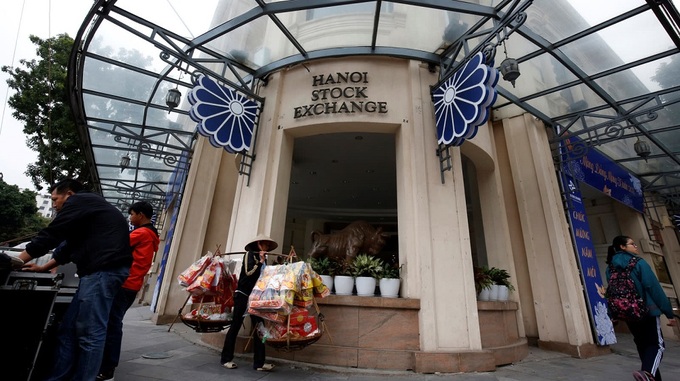
    As business results fall short of targets, Vietnamese blue chips are falling faster than the stock market’s continued plunge. Vietnam’s benchmark VN-Index dropped 23.5 percent to 917.97 points on Friday from its April peak over 1,200 points. In corresponding comparison, the fall in value of blue chips stocks has been more than twice as high. A share of Vietnam’s leading stone manufacturer Vicostone (VCS) on Friday was worth VND75,000 ($3.2), down 47 percent from its peak on April 4 at VND141,600 ($6.06).

    Analysts at that time called the stock a “phenomenon,” as its value surged 50 times from VND3,000 (13 cents) in mid-2014 on the Hanoi Stock Exchange (HNX).

    Vicostone’s profits also rose over 50 percent a year from 2014 to 2017, while its revenue increased from VND2 trillion ($85.64 million) to VND4.35 trillion ($186.27 million) in the same period.

    But this year, maintaining double-digit growth seems to be a challenge for the company as its revenue has stayed the same year-on-year at VND3.2 trillion ($137 million), while net profit fell 7 percent to VND790 billion ($33.82 million) in the first nine months of this year.

    Although the company has reassured shareholders that business is normal and that Vicostone plans to buy its own shares to stop the falling momentum, investors have been selling their holdings at increasing speeds.

    A similar situation can be seen at the Vietnam Prosperity Joint-Stock Commercial Bank (VPBank). Its stocks on Friday morning closed at VND21,950 (94 cents), dropping 48.7 percent from its peak on April 9 at VND42,826 ($1.83).

    Last year, as it focused specifically on consumer finance, the bank’s stocks was one of the most sought-after when it was listed on the Ho Chi Minh City Stock Exchange (HOSE) in August.

    But its stocks value has been dropping this year because business results are not as expected, analysts say.

    The company gained a consolidated net profit of VND4.9 trillion ($209.82 million) in the first nine months, up nearly 9 percent year-on-year, but only 60 percent of the year’s target.

    Securities firm Viet Capital Securities (VCSC) said in its recent report that the bank is not likely to meet targets set earlier this year. It said its own forecast on VPBank’s profit and stock prices for the year could be revised downwards 15-20 percent.

    Major plastic stocks are also falling in value.

    Binh Minh Plastic (BMP) and Tien Phong Plastic (NTP), the country’s two leading plastic producers, had their stock values plunge 50 percent from their peak last year.

    The two companies recorded high growth from 2010-2016. Binh Minh Plastic’s revenues went up from VND1.4 trillion ($59.95 million) to almost VND3.7 trillion ($158.43 million), with gross margin going up to nearly 30 percent.

    In the same period, Tien Phong Plastics also doubled their revenue and had its gross margin rise to almost 36 percent.

    Both companies were able to achieve this growth thanks to cheap materials and continual expansion.

    But as investors started to lose faith in the potential of the plastic industry and the entrance of foreign companies along with higher material costs, the plastic manufacturers had to reduce their profit margins.

    Last year, Binh Minh Plastic’s gross margin dropped to below 23 percent, while that of Tien Phong Plastic fell to 33 percent.

    Other stocks in the country have also fallen. The HNX-Index on the Hanoi Stock Exchange on Friday closed at 104.271 points, down 24.4 percent from its peak in April.

    The UPCoM-Index for unlisted companies on Friday closed at 51.872 points, 16 percent lower from its peak in March.

  • Murphy Oil said to be in talks to sell Malaysian oil & gas assets

    Murphy Oil said to be in talks to sell Malaysian oil & gas assets

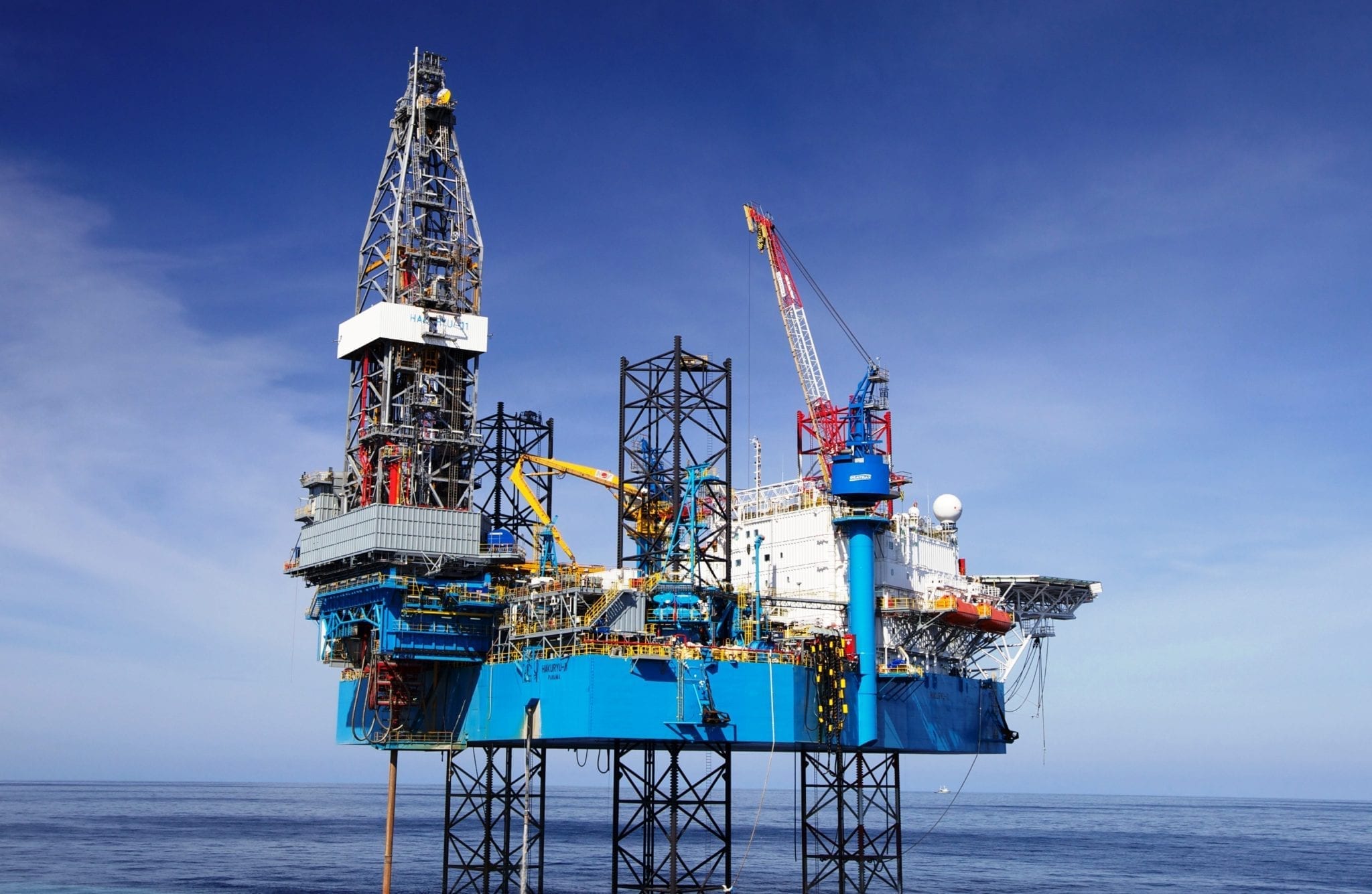
    Murphy Oil Corporation is in talks to sell its Malaysian oil and gas assets after an unsolicited bid that could fetch between US$2 billion to US$3 billion (RM8.4 billion to RM12.6 billion), people familiar with the matter said, in the latest energy merger and acquisition deal in the Southeast Asian nation.

    The independent US oil and gas exploration and production company has tapped banks for the potential sale of its majority interests in eight separate offshore production sharing contracts in Malaysia, said the people, who declined to be identified because the matter is confidential.

    “Murphy wasn’t considering a sale but was approached by a party that put forward a very compelling bid. They are in negotiations,” said one of the people.

    Murphy, which has been in Malaysia since 1999, could agree on a deal in a couple of weeks, the person said. Others familiar with the matter suggested Spanish oil major Repsol, whose presence in Malaysia is focused on its upstream business, or other global majors could be potential buyers for Murphy’s assets.

    The possible transaction comes as M&A activity is heating up in Malaysia’s oil and gas sector, where international companies pursuing expansion plans are spotting opportunities.

    Repsol and Murphy declined to comment on any potential transaction or talks. There was no response to a query to Malaysian state-owned Petroliam Nasional Bhd (Petronas), which partners Murphy in Malaysia.

    “This is a good, balanced portfolio and offers a smart way for someone looking to grow quickly in the region. Otherwise, it’ll take a decade to start from scratch,” said Alex Siow, upstream oil and gas analyst at energy research firm Wood Mackenzie.

    “The buyer will be buying into an operatorship position with Murphy’s stake, therefore having the know-how and will to be an operator is important,” he said.

    Murphy produced nearly 46,700 barrels of oil equivalent a day in the quarter ended Sept 30 in Malaysia, the company said in response to the query.

  • Plum food delivery to cut entire staff

    Plum food delivery to cut entire staff

    Food delivery startup Plum has laid off its entire staff, casting doubt on its continued operations in Singapore and its home market of Hong Kong. According to a report, Plum co-founder Desmond Clinton Cheung, who is also the company’s GM, said full-time contracts for all 110 workers, including his own, had been terminated. The company is creating a new structure which would give staff who wish to remain with the company an equity ownership.

    “In the past, they were salaried staff and they would become shareholders,” he said.

    Plum was founded in Hong Kong a year ago and Cheung said it may have grown “a bit fast”.

    Efforts to reduce losses, including laying off 40 staff several months ago, had not worked and Cheung said he believed the new company structure offered an opportunity for the company to continue trading on a more sustainable basis.

  • Hana Bank reveals Vietnam expansion plan

    Hana Bank reveals Vietnam expansion plan

    South Korean banks are setting themselves up to score big in Vietnam as foreign ownership limits would be loosened. South Korea’s second-largest lender by assets, KEB Hana Bank, is interested in buying a 17.65 percent stake in the Bank for Investment and Development of Vietnam (BIDV), a source said. BIDV is currently the second-largest state-owned lender in Vietnam by assets. 95.28 percent of its equity belongs to the country’s central bank, the State Bank of Vietnam (SBV).

    The SBV has “proposed to sell” the stake to KEB Hana for 30 billion won ($26.6 million), said the source, who requested anonymity.

    Last year, Shinhan Bank, a commercial banking unit under Seoul-based Shinhan Financial Group, acquired ANZ Vietnam’s retail unit, bringing along the Australian bank’s 95,000 credit card customers.

    Shinhan Bank has recently become the largest foreign bank in Vietnam with $3.3 billion in assets, surpassing HSBC.

    Vietnam presented a draft securities law in Hanoi earlier this month that would remove the current 49 percent foreign ownership cap in many sectors, allowing majority or even 100 percent ownership of a company.

    Although the limit for banks remains at 30 percent, government economic advisor Can Van Luc said at the draft presentation forum on November 7 that authorities would consider raising this limit for banks on a case-by-case basis, Reuters reported.

    Analysts say Vietnam’s growth potential and deregulation plans make it an attractive market for South Korean banks.

    “Vietnam is the most desirable market among emerging countries,” said Seo Young-soo, an analyst at Kiwoom Securities.

    “It has more advanced urbanization, and its market is more concentrated compared to Indonesia. Its government-driven economic development model is also familiar to South Korean banks, which have grown under the same strategy,” Seo said.

    Data from the Seoul-based regulator Financial Supervisory Service (FSS) show that total assets held by South Korean banks in Vietnam increased 18.9 percent last year to $5.7 billion.

    This ratio is higher than that of foreign lenders overall, whose combined total assets increased 12.9 percent to $42 billion during the same period, FSS said. South Korean lenders’ combined net profit in Vietnam also jumped 28.9 percent last year to $61 million.

    Vietnam has nine wholly-owned foreign banks, four state-owned banks and 31 domestic joint-stock banks.

  • Malaysia projected 4.9% retail sales growth for 2018

    Malaysia projected 4.9% retail sales growth for 2018

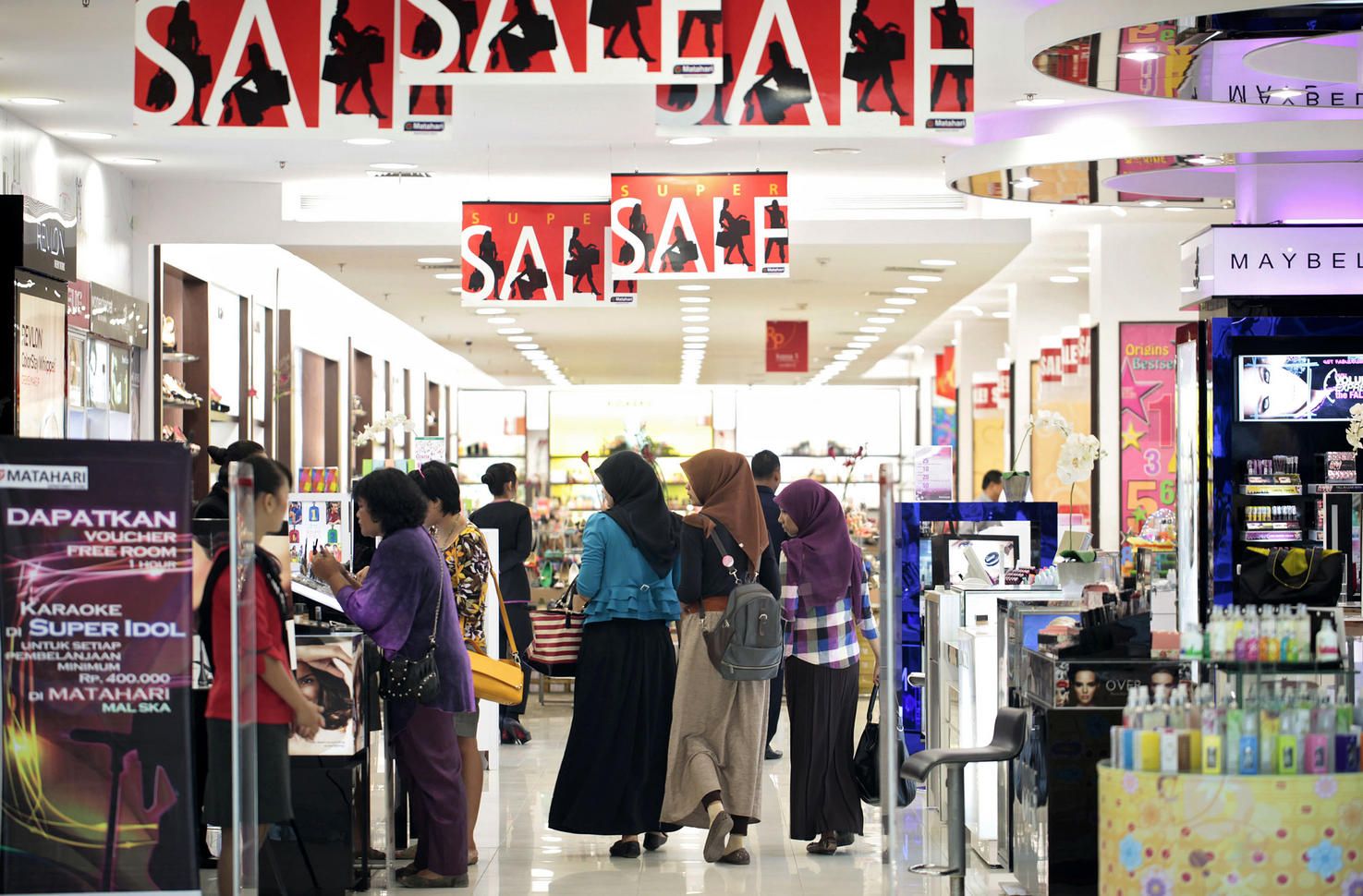
    The Malaysia Retail Chain Association (MRCA), which expects retail sales growth to come in at 4.9% for 2018 in line with the country’s gross domestic product growth, has pointed out that some of its members face difficulties in retailing online amid the push for e-commerce.

    MRCA, in releasing its first quarterly retail sales survey for the third quarter (Q3) today, highlighted that online sales make up only 3.9% of its retail revenue.

    The sample of respondents for the survey include 10% of MRCA’s members, representing 59 brands and 2,266 stores across a variety of trade categories, including food & beverage (F&B), fashion, health & beauty, supermarket & department stores, entertainment, optical, education, home improvement and more.

    MRCA president Datuk Seri Garry Chua said the association constantly reminds members to bring their businesses online and be part of the digital ecosystem, adding that MRCA also has digital membership for players like Lazada, Lelong and 11street, which are all its members.

    “We can also work closely with them (digital players) to reinforce and increase the market share for online. We’re confident the (industry) sales from online retail is going to be double-digit growth every year as more brick and mortar retailers go online, as with many start-ups,” Chua said.

    MRCA vice-president Datuk Liew Bin said although all members have an online presence, most of its members rely on the brick and mortar model and “survive happily on brick and mortar”, whereby online sales is regarded as a bonus to them.

    “With so many years in brick and mortar, it’s difficult for our members to turn to online. This is one of the challenges that our retailers face because (the) online (wave) is coming on strongly. This should be an alert to our members, as 3.9% is still a small figure,” Liew said, adding that MRCA expects online sales to grow 5% next year.

    Individually, he said some retailers have seen a 20% growth in their online retail sales.

    MRCA projected retail sales growth to grow 6.1% year-on-year in Q4 this year as year-end school holidays and the festive season are expected to bolster consumer spending; while an increase in the number of outlets is also expected to boost sales growth.

    It said retail sales grew 5.7% year-on-year in Q3 with the tax holiday between June and August that had encouraged consumers to spend.

    In Q2, retail sales grew at a slower rate of 2.1% year-on-year, affected mainly by the general election in May, where consumers held back on spending due to economic uncertainty.

    Retail sales grew 5.7% year-on-year in Q1 due to Chinese New Year sales and promotions.

    F&B, health & beauty and other retailers reported encouraging growth rate of 5.4%, 3.1% and 21.3% year-on-year respectively. However, fashion retailers suffered a negative growth in Q2 and Q3 at -2.2% and -2.8% year-on-year respectively.

  • China could use Vietnam to avoid US tariffs: experts

    China could use Vietnam to avoid US tariffs: experts

    Experts said the U.S.-China trade war puts Vietnam at risk of fraud as capital moves into the country to avoid U.S. sanctions. Vietnamese products would face tough competition from China in both the domestic and overseas markets, Nguyen Thi Thu Trang, director of the Vietnam Chamber of Commerce and Industry’s (VCCI) WTO Center, said at a recent conference on the impact of the Sino-American trade spat.

    In the domestic market, China might seek to dump its goods on Vietnam to avoid Donald Trump’s tariffs. Cheaper Chinese goods competing with Vietnamese goods will not benefit Vietnam’s economy.

    In overseas market, China might borrow the “made in Vietnam” label to dodge U.S. tariffs.

    If this cannot be controlled, there could be grave consequences for Vietnamese firms since the U.S. might apply the same tariffs as they have done on China, according to industry insiders.

    Ho Duc Lam, chairman of the Vietnam Plastics Association, said his industry has been impacted by having to compete directly with Chinese companies as China might borrow the “made in Vietnam” label to dodge U.S. tariffs.

    Tran Dinh Thien, an economist and member of the Prime Minister’s Economic Advisory Group, noted that the trade war brings both opportunities and challenges for Vietnam, but it is up to local companies to identify the opportunities.

    He said the trade war has hit investors’ confidence causing them to pull out of emerging markets including Vietnam. The global supply chain is badly disrupted as a result, and the investment environment has become uncertain, he said.

    Lam argued that to protect domestic companies the government should consider import taxes if there are signs of a safeguard action.

    It should not issue licenses if there is no guarantee that more than two thirds of the production chain would be in Vietnam, and should promote free trade agreements with Europe and others to reduce Vietnam’s dependence on the U.S. and China, he added.

    Trang of the VCCI said since the trade war shows no signs of ending soon production enterprises should monitor the situation to respond nimbly to changes and should know where and how to take advantage of potential opportunities.

    It is known which goods face sanctions, so businesses should research about customers for those goods and offer them a better deal, she said.

    The U.S.-China trade war escalated in September with the U.S. levying an additional 10 percent tariff on about $200 billion worth of Chinese products. Washington is set to raise the tariffs to 25 percent in January if there is no agreement between the both sides.

    China retaliated with 5 and 10 percent tariffs on $60 billion worth of U.S. products.

  • Vietnam ratifies Trans-Pacific Partnership

    Vietnam ratifies Trans-Pacific Partnership

    Solidifying its commitment to the Trans-Pacific Partnership that was redrafted and signed in March, Vietnam is the latest member nation to ratify the trade agreement. Vietnam’s lawmaking body approved the Comprehensive and Progressive Agreement for Trans-Pacific Partnership (CPTPP) on November 12, following Australia’s ratification on October 31.

    Other countries to have now ratified the deal include Japan, Canada, Mexico, Singapore and New Zealand, taking the member count to seven.

    Originally a 12-country trade deal, the CPTPP – also known as TPP-11 – had to be redesigned in March to facilitate 11 members, after US president Donald Trump pulled Washington out of the deal shortly after taking office in early 2017.

    At its first creation, the CPTPP represented some 30% of global trade, but without the US, that figure has dropped to 13%. Still, it is expected to reduce tariffs between the 11 participating nations that together add up to US$10 trillion.

    As for Vietnam, the deal comes at a time when the Southeast Asian nation looks to rid its dependency on its two major trading partners – the US and China, amid the recent tensions between the two.

    Some 25% of Vietnam’s total trade is with China, which is is in a tariff battle on all of its exports to the US.

    The new CPTPP gives Vietnam the chance to limit its reliance on China for things such as yarns and textiles for its garment industry, meaning it will source from member countries to receive tariff-free components.

    “This is an important political decision, affirming our country’s active role in international integration,” Nguyen Van Giau, head of the National Assembly’s external relations department said this week.

    Up close, the deal sees taxes on nearly 43% of Vietnam’s apparel exports to Canada removed immediately after the agreement takes effect, and 100 percent after four years, the government said.

    The garment sector is Vietnam’s second largest export-earner after smartphones, while footwear products and seafood will also benefit.

    The pact, which includes specific requirements on labour rights and conditions of work, is also expected to help Vietnam advance in labour reforms, the International Labour Organization said.

    Brunei, Chile, Malaysia and Peru are the four remaining members yet to ratify the pact.

  • Bursa slips on Wall Street, oil price slump

    Bursa slips on Wall Street, oil price slump

    Bursa Malaysia was not spared the fallout from this week’s rout on Wall Street and the slump in crude oil prices, with the FBM KLCI sliding 15.34 points to close at 1,695.37 points today. Most sectoral indices on the local bourse ended in the red today, save those for construction, healthcare, utilities and the ACE Market, and the FBM Fledgling Index.

    The selloff on Wall Street has been led by technology stocks, and the New York stock market’s gains for 2018 have been wiped out with the latest plunge on Tuesday.

    The Dow Jones Industrial Average and the S&P 500 ended at their weakest since late October on Tuesday, diving 553 points or 2.2 % and 49 points or 1.8 % respectively. The technology-heavy Nasdaq declined 117 points or 1.7 %, the lowest it has hit in seven months.

    Energy stocks also took a beating after crude oil prices slumped 6.6%.

    Rakuten Trade Sdn Bhd head of research Kenny Yee said that the performance of the local bourse is attributable to developments on Wall Street and the decline in crude oil prices – which will be used as the “relevant excuse” by investors to take profits given the recent climb in stock prices.

    Asked if the selling will persist, he said this will depend on Wall Street’s performance.

    Yee projects the FBM KLCI to trade around the 1,680 level, which he said is a well-supported position.

    He noted that selling could also be induced by the expected dip in third quarter corporate earnings, in which further downgrades on corporate earnings growth are expected.

    “We were deep into the tech bubble and now it is bursting. The bubble is not totally without fundamentals but prices rose too much over a long period of time. For the US, it is only starting and for Malaysia the oil price drop marked our peak. We were just trying to recover before the bursting of this bubble hit us,” explained Inter-Pacific Securities Sdn Bhd head of research Pong Teng Siew.

    “There is no cover currently. All asset classes are being hit. Bonds, stocks, commodities, properties, cryptocurrencies … all are being hit. Even gold is going nowhere,” he said.

    Asked if this will continue, Pong noted that the market does look like continuing its bearish streak in all asset classes as the tide of liquidity is flowing out at the moment.

    Sapura Energy was the most active counter on Bursa Malaysia yesterday, surging 4.17% to 37.5 sen with 87.49 million shares traded.

    Malaysian Pacific Industries was the top loser, falling 4.08% to RM11.74 on volume of 480,600 shares.

  • Foreign flows into Asian bonds turn positive, Malaysia leads

    Foreign flows into Asian bonds turn positive, Malaysia leads

    Foreign flows into Asian bonds turned positive in October, in stark contrast to the sharp outflows faced by equity markets due to slowing earnings and concerns over trade. Data from central banks and bond market associations showed overseas investors bought a net US$2.24 billion (RM9.4 billion) in Malaysian, Thai, Indonesian, South Korean and Indian bonds in the last month. That compared with net outflows of US$2.46 billion in September.

    Malaysia’s bond market led the region with inflows of US$1.8 billion in October, the highest in 2018. At the end of last month, foreign ownership of Malaysian government securities rose to 40.7% from 39.5% in September, the data showed.

    Thailand and Indonesian bond markets also attracted foreign money of US$1.07 billion and US$886 million, respectively.

    “Thailand’s large current account surplus and growth recovery have boosted the perception of Thai debt as a relative safe haven in the region,” said Khoon Goh, Singapore-based head of Asia research for ANZ Banking Group in a note.