Tag: Finance

  • SE Asia Stocks end firmer; Vietnam gains 2.9 percent

    SE Asia Stocks end firmer; Vietnam gains 2.9 percent

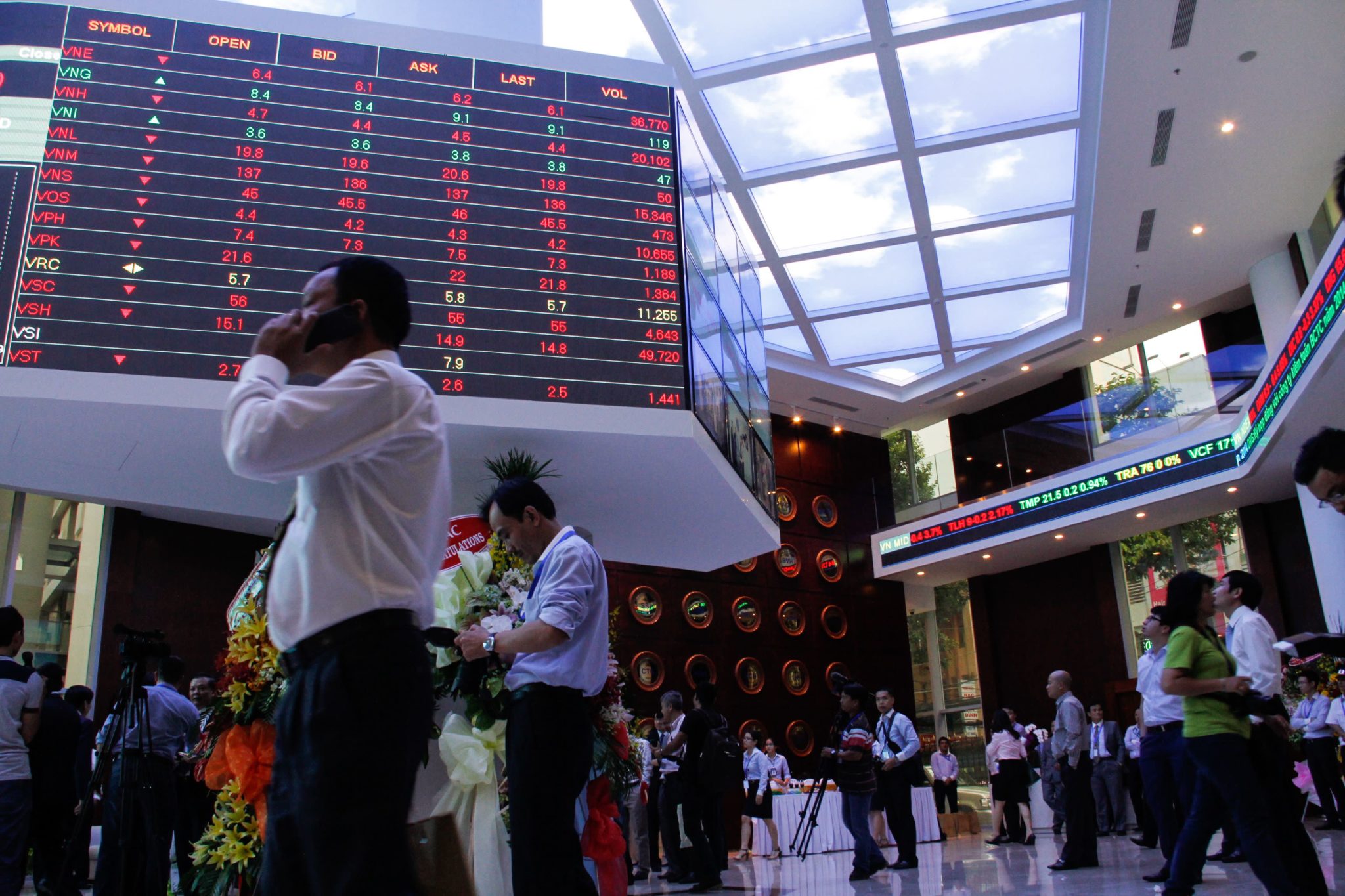
    Southeast Asian stock markets ended higher on Wednesday tracking a firm finish on Wall Street, though they posted heavy losses in October.

    Financial markets across the globe faced a raft of negative factors, including Sino-U.S. trade tensions, to worries about global economic growth, higher U.S. interest rates and company earnings in the past few weeks.

    In Southeast Asia, Singaporean shares ended 1.8 percent firmer, but lost 7.3 percent this month.

    Conglomerate Jardine Matheson Holdings Ltd closed up 0.9 percent, while lender DBS Group Holdings Ltd added 2.9 percent to the bourse.

    Vietnam shares snapped nine sessions of declines to close 2.9 percent higher.

    Banking sector stocks accounted for most gains, with Joint Stock Commercial Bank for Investment and Development of Vietnam (BIDV) closing 6.9 percent higher. BIDV, Vietnam’s second-biggest bank by market value, said it intends to sell 15 percent shares to South Korea’s KEB Hana Bank.

    Meanwhile, gains in the real estate sector were led by Vinhomes JSC after the property developer posted a 177 percent surge in third-quarter net profit.

    Malaysian shares closed 1.4 percent firmer as sentiment was balanced on hopes that cost-saving measures will be included in the country’s 2019 budget due later in the week.

    The country’s newly elected government, led by Prime Minister Mahathir Mohamad, is likely to announce broad spending cuts in the budget speech scheduled on Nov 2.

    The Philippines market rebounded from previous session’s declines, underpinned by broad gains in the industrial and real estate stocks.

    Thai shares ended firmer on the back of energy stocks, which gained on higher oil prices. However, the index posted a 5.2 percent drop for the month.

    The biggest gainer on the index, petroleum and gas company PTT Pcl, closed at its highest in more than a week.

    The bourse was further cushioned by data from the Bank of Thailand, which stated September trade surplus of Thailand was at $1.96 billion, after a $0.60 billion surplus in August.
  • Thai’s KBank presses ahead with 2019 loan growth target of 5-7%

    Thai’s KBank presses ahead with 2019 loan growth target of 5-7%

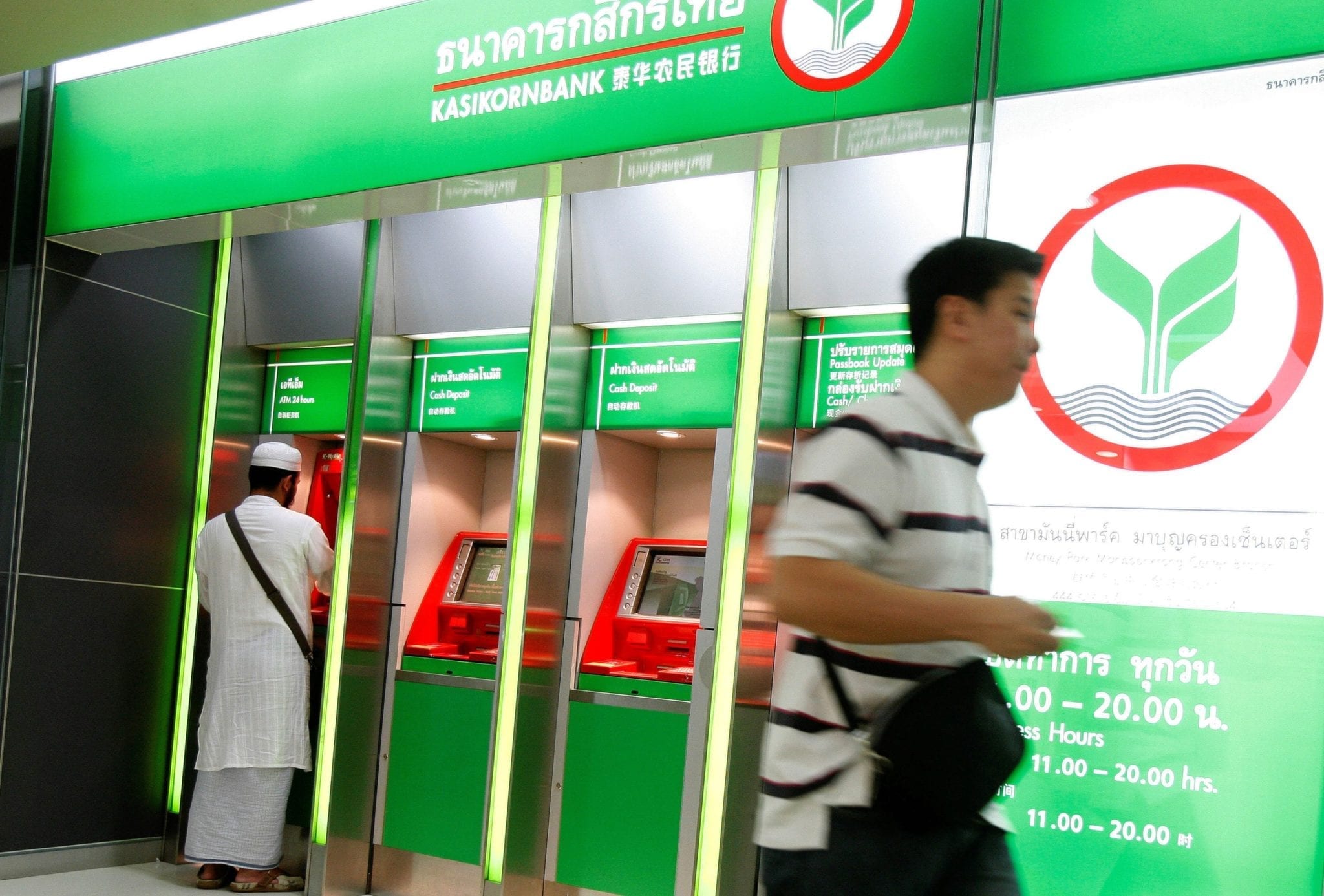
    In the recently announced 2019 business plans, KASIKORNBANK (KBank) will press ahead to become the “Customers’ Life Platform of Choice” by using K PLUS to introduce financial and lifestyle services that suit individual clients. KBank’s financial and IT capabilities will be further enhanced through using data for decision making and steering business toward becoming a “Bank of Sustainability. The Bank has set 2019 loan growth target of 5-7%

    Mr. Banthoon Lamsam, Chairman of the Board of KBank, said that the Thai economy will likely post steady growth in 2019. Despite sagging demand abroad, domestic spending, buoyed by both public and private investments, may play a more important role in bolstering the Thai economic performance. It is expected the Thai GDP growth will reach 4.3 percent in 2019, which would be lower than the 4.6 percent pace projected for 2018 due to the slowdown in the export sector and tourism caused by the high 2018 base and the protracted US-China trade dispute that may dampen the global trade overall. Major drivers for the Thai economy in 2019 may include steady public infrastructure investment and the scheduled general election that will likely help reinvigorate investment climate overall while Thailand’s interest rates will be on the upward trend amid lofty household debt.

    Amid numerous challenges, KBank’s 2019 business operations will continue to focus on our “Customer Centricity” philosophy. With this mantra, we will press ahead with the “Customers’ Life Platform of Choice” strategy by using K PLUS, which has the highest number of users of any mobile banking applications in the country, to introduce financial and lifestyle services to meet the needs of individual customers. Our financial and IT capabilities will be enhanced further to allow KBank to be more responsive to every situation and become a data-driven bank, thus paving the way toward being a “Bank of Sustainability”.

    With regard to overall goals for 2019, KBank looks forward to achieving loan growth of 5-7%, which would be consistent with the 2019 economic growth, breaking down into corporate loan growth at 3-5%, SME loan growth at 2-4% and retail loan growth at 9-12%. We also set growth targets for our net interest margin (NIM) at 3.3-3.5%, and non-interest income growth at -5 to -7%. KBank’s NPL ratio is projected at 3.3-3.7%.

    Mr. Banthoon added that KBank continues to operate business, based on being a “Bank of Sustainability”, and under appropriate risk management and good governance. We are also building a balance in economic, social and environmental dimensions via strategies that will enable us to achieve and create sustainable returns over the long term. Such a sustainable development philosophy has been instilled in all of our operations until it becomes part of our corporate DNA, which has helped create maximum benefit for all stakeholders and promote sustainable growth to Thailand.

  • Vietnam to navigate rough trade war waters

    Vietnam to navigate rough trade war waters

    Parliament members say the ongoing US-China trade war has had visible impacts, and Vietnam needs to reduce dependence on both nations. At the ongoing National Assembly session, several National Assembly deputies Saturday stressed the need for Vietnam to make policy changes and diversify markets.

    Ha Sy Dong, a deputy from Quang Tri Province, said that the escalating tension between the U.S. and China is not confined to trade.

    It is also a long-term political conflict that has had visible impacts on Vietnam’s economy, he said.

    “The obvious impacts are higher risks in trade, and fluctuating currency and capital flows,” Dong said.

    A report by the National Center for Socio-Economic Information and Forecast (NCIF) released in August said that Vietnam’s GDP could drop 0.03 percent this year, 0.09 percent next year and 0.12 percent in 2020 and 2021 due to impacts of the US-China trade war.

    This equals a GDP drop of VND1.65 trillion ($71 million) this year and VND5.3 trillion ($228 million) next year. The decline will climax at VND8 trillion ($344 million) in 2021.

    The Vietnam Institute for Economic and Policy Research (VEPR) had previously cautioned that the trade war could prompt large corporations to send their capital back to the developed countries as developing countries lose their attraction.

    Technology giants like Foxconn are investing more in manufacturing in the U.S. as a result of the trade war, the VEPR noted.

    “We need to diversify our markets and trade partners to reduce dependence on China and the U.S.,” Dong stressed.

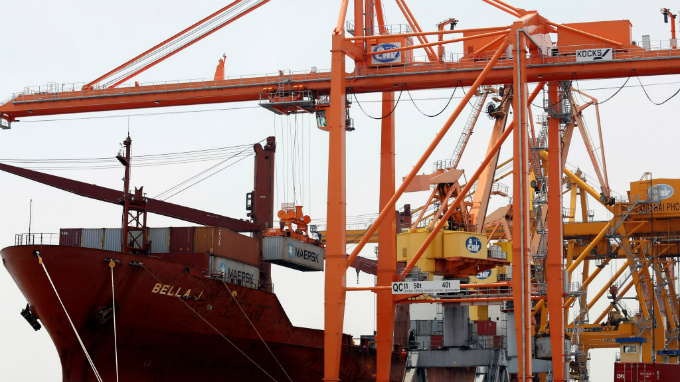
    In the first nine months this year, the U.S. was Vietnam’s largest export market, accounting for 19.5 percent of Vietnam’s total exports, a growth of 13.2 year-on-year, according to Vietnam Customs.

    China was the third largest export market, with the highest growth rate of 29.9 percent. It was also Vietnam’s largest import market, accounting for 27.3 percent of Vietnam’s total imports.

    Tran Tuan Anh, Minister of Industry and Trade, said that as geographical and political tensions between the U.S. and China escalate, the Vietnamese government needs to limit risks for the country.

    He told the National Assembly that he would report in more detail on this issue.

    Taking advantage

    Dong said that Vietnam could also benefit from the tensions, exporting more to the U.S. and welcoming more foreign direct investment as companies leave China.

    U.S. sports apparel company Brooks Running has recently announced that it is considering shifting its manufacturing operations from China to Vietnam to avoid the trade war tariffs of 45 percent.

    Adidas CEO Kasper Rorsted also said in May that his company was shifting footwear sourcing from China to Vietnam, and data from Nike showed that Vietnam produced 46 percent of its footwear last year, against 27 percent in China.

    The U.S.-China trade war escalated last month as the U.S. levied new tariffs of 10 percent on about $200 billion worth of Chinese products, with the tariffs to go up to 25 percent by the end of this year.

    China retaliated immediately with 5 and 10 percent tariffs on $60 billion worth of U.S. products.

  • SE Asia Stocks: Most lose ground, Vietnam dives to three-month low

    SE Asia Stocks: Most lose ground, Vietnam dives to three-month low

    Most Southeast Asian stock markets slumped on Thursday, following a tech rout on Wall Street that saw the year’s gains being wiped out. Disappointing forecasts from chipmakers beat down the tech sector, sending investors scurrying to the safety of sovereign bonds, pushing Wall Street to its worst single-day fall since 2011.

    A concoction of other negative factors like Saudi Arabia’s diplomatic tensions, fears of slowing global growth and the Brexit stalemate spooked investors, with MSCI’s broadest index of Asia-Pacific shares outside Japan dropping about 2 percent.

    Vietnamese stocks dived as much as 4 percent to an over three-month low and were on track for a sixth straight day in the red.

    Financial and real-estate stocks bore the brunt of the beating, with lender Joint Stock Commercial Bank for Foreign Trade of Vietnam (Vietcombank) losing 2.7 percent and conglomerate Vingroup JSC shedding 2.3 percent.

    Philippine shares fell 2.3 percent, dragged by banking and industrial stocks, pushing the index’s loss this week to 2.6 percent.

    “About 45 minutes into trading, net foreign selling has already reached over 100 million pesos. After last night’s bloody session on Wall Street, as expected foreigners are stepping up selling of Philippine shares, while local investors are staying on the sidelines,” said Fio Dejesus, a research analyst at RCBC Securities.

    Banking giant BDO Unibank Inc shed 3.6 percent and industrial conglomerate SM Investments Corp fell 2.7 percent.

    “It’s a flight to safety, they’re entering into lower risk assets like govt treasuries because the risk-off sentiment has hit emerging markets really hard,” he added.

    Singapore stocks saw the same dismal sentiment, giving up the previous day’s short-lived gains to take weekly losses to over 2 percent.

    Casino and gaming operator Genting Singapore Ltd fell 3.3 percent and investor Yangzijiang Shipbuilding (Holdings) Ltd lost 1.7 percent.

    Malaysian shares followed the same trajectory, shedding 0.8 percent, on track to post their sixth straight session of losses.

    Plantation and industrial heavyweight Sime Darby Berhad lost 5.9 percent and oil and gas services provider Dialog Group Berhad fell 3.9 percent.

    After the previous session’s sharp losses on energy stocks, the Thai index extended losses and were poised for a six-day run of losses.

    All sectors traded in the red, with oil and gas refiner PTT PCL losing 1 percent and lender Siam Commercial Bank PCL lost 2.2 percent.

    Indonesian shares appeared to escape the worst, trading slightly higher as gains in financial stocks offset losses in other sectors.

    Lender PT Bank Central Asia Tbk gained 0.8 percent while sector heavyweight and auto truck manufacturer PT Astra International Tbk lost 0.3 percent.

  • Vietnam’s per capita GDP up 17.3 pct in 3 years: PM

    Vietnam’s per capita GDP up 17.3 pct in 3 years: PM

    This year’s estimated per capita GDP of $2,540 marks a $440 increase over 2015, PM Nguyen Xuan Phuc informed the National Assembly Monday. In term of purchasing power parity (PPP), the per capita income in 2018 is estimated at $7,640, and expected to rise annually by six percent to reach $8,580 in 2020, the prime minister said.

    “Many international organizations said that Vietnam has good prospects, and is one of the fastest growing economies in the region and in the world,” Phuc noted.

    Vietnam is likely to achieve GDP growth of 6.7 percent in 2018, he said, adding that despite complex fluctuations in the domestic and global economies, caused in particular by the US-China trade war, as well as financial and currency market risks, Vietnam has managed to pull through 2018 with several positive economic signs.

    GDP growth reached 6.98 percent between January and September, and foreign direct investment inflows into Vietnam this year will likely reach a record $18 billion, Phuc said.

    It is expected that inflation will be kept at below 4 percent for the year, the third year in a row that the government has maintained this level, he added.

    Vietnam is aiming to post economic growth of between 6.6-6.8 percent in 2019, the PM said, adding that the target of keeping inflation below 4 percent will also be applied.

    However, he conceded that there was pressure on Vietnam’s inflation rate due to higher crude and electricity prices as well as costlier education and healthcare services.

    To speed up economic development, the Government plans to push ahead with the state-owned enterprise restructuring plan, Phuc said.

    “We want to restructure public investment more effectively and improve the efficiency of capital use. Furthermore, the privatization and divestment of state-owned enterprises will ensure publicity, transparency and maximization of the State’s interests,” the PM said.

    He emphasized the need for strong development of the private sector and the creation of a favourable and competitive environment that maximizes resources and improves all economic sectors.

    The Government will also focus on public investment, speeding up implementation of projects like the North-South expressway and the Long Thanh International Airport in southern Dong Nai Province, the PM said.

  • For Vietnamese exporters, ASEAN market remains bridge too far

    For Vietnamese exporters, ASEAN market remains bridge too far

    Vietnamese companies are struggling to sell their products to ASEAN member countries despite the abolition of tariffs within the bloc. Analysts blame this on their lack of market information and poor understanding of consumer needs among other factors.

    With the formation of the ASEAN Economic Community (AEC) three years ago, members had to reduce over 90 percent of their tariff lines to zero percent, though Vietnam, Laos, Cambodia, and Myanmar were allowed until 2018 to do so.

    Yet Vietnam’s intra-ASEAN exports accounted for only 11 percent last year while this number for other members averaged 24 percent even in 2016, Nguyen Thi Tue Anh, deputy head of the Central Institute of Economic Management (CIEM), said at a recent conference.

    Anh said besides Vietnamese enterprises’ lack of market information, they have also failed to adequately differentiate their products from those of competitors within the bloc.

    A spokesperson for a business based in southern Soc Trang Province said his company, which produces dried fish and other fisheries products, wants to take its products to the ASEAN market but does not know how.

    He said that there are many factors such as package design, marketing and market research, and it does not know where to begin since all are equally important.

    Ha Xuan Anh, chairman of HCMC-based textile maker Son Viet, said his company’s products – undergarments – are sold at many modern retail outlets. But for the last 10 years it has sought to sell to Singapore, Thailand and Malaysia, and has been unable to do so.

    He explained that though the quality of his company’s products is competitive, Vietnamese brands remain unknown in these markets.

    It only sells in markets with less competitive products such as Laos, Cambodia and Myanmar.

    Pham Thiet Hoa, director of the HCMC Investment and Trade Promotion Centre (ITPC), also blamed the weaknesses of Vietnamese enterprises for their inability to export, listing lack of product diversification, failure to closely liaise with authorities responsible for foreign affairs, and poor marketing.

    ITPC said small companies entering a new market alone would find it very difficult to identify foreign business partners and distribution chains.

    Hoa said it is therefore necessary for trade envoys to work with their counterparts in foreign markets to bridge this gap.

    Participating in fairs, exhibitions and trade promotion programmes in target markets enables companies to assess the competitiveness of local rivals, he said.

    Despite the free trade environment, each country in the bloc has differences in culture, religion and consumer preferences, and businesses need to understand them before venturing into those countries, he said. “Enterprises should also carefully study the technical barriers and legal regulations to avoid losses.”

  • Bank Negara to extend observation period for net stable funding ratio by a year to 2020

    Bank Negara to extend observation period for net stable funding ratio by a year to 2020

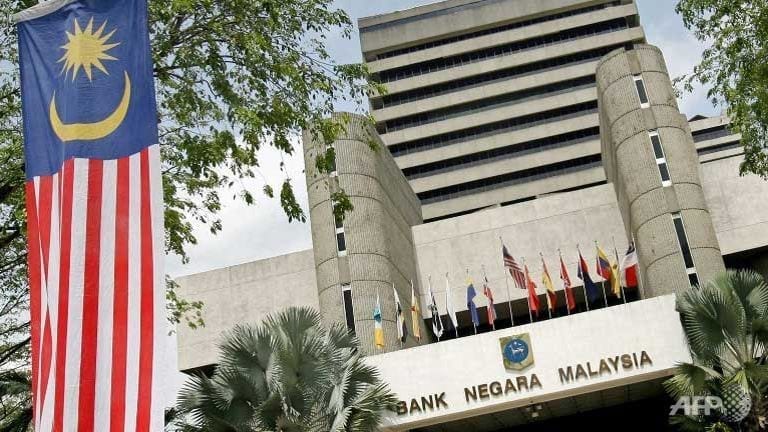
    Bank Negara Malaysia (BNM) is looking to extend the observation period for the net stable funding ratio (NSFR) in Malaysia for a year to 2020. NSFR is a liquidity standard which comes under the Basel III international regulatory reforms. It refers to requirements for banks to have in place a certain percentage of stable sources of funding, such as commercial papers that have more than a year’s maturity and retail deposits, to support their asset portfolios in the longer term.

    The initial deadline proposed by the Basel committee for the NSFR standard of above 100% was Jan 1, 2018. It was then deferred to Jan 1, 2019.

    Speaking at BNM’s Financial Stability Conference, governor Datuk Nor Shamsiah Mohd Yunus said the extension takes into account the intention to conduct further on-site assessments to validate the maturity and robustness of the liquidity and funding practices of banks, and uneven progress in implementation at the global level.

    “The bank remains committed to implementing the NSFR requirements as part of overall liquidity standards applicable to licensed banks in Malaysia.”

    She added that currently all banks maintain adequate liquidity buffers against short-term liquidity stress, and the vast majority of banks already report NSFR levels above the minimum 100% based on observation data.

    On another note, Nor Shamsiah said the challenge now is when a crisis is going to strike and how it will spread.

    In navigating an uncertain future, she suggested four strategic priorities for financial stability authorities.

    First, authorities need to remain vigilant as emerging economies face mounting pressures that continue to see more volatile capital flows. Second, authorities must continue to develop and deepen their understanding of risk transmission.

    Third, authorities must have a broad policy toolkit for responding to financial stability risks. Fourth, authorities need to increase policy agility as every crisis or financial stability issue is different, and each requires a different policy response.

  • Five Things to Check Before Taking Personal Loan

    Five Things to Check Before Taking Personal Loan

    Personal loan helps everyone in an unexpected financial crisis. Whether it’s an unforeseen expense during a wedding or renovating your home, emergency medical needs, restructuring your debts, starting a small business, etc., a personal loan can help you with immediate resources.

    Here is a list of five things to check before you avail of a personal loan –

    Interest rate offered

    The interest rate can vary depending on your creditworthiness. In addition, interest rates must be reviewed and compared with those of another institution before applying for loans, since interest rates usually vary due to several factors including competition among lenders. In this case, you can benefit from a loan at lesser interest.

    Since personal loans do not carry any security they attract high interest rates. Since there is no guarantee of repayment and nor does the lender have any asset in his possession to sell off the rate of interest is unusually high. As a customer you have to find a loan with lower interest rate to benefit

    Loan tenure

    Make sure that the tenure of the loan is acceptable to you. Loans with very short or long tenure can cause financial loss. You must always select a tenure that is suitable to your needs. A very long tenure would mean low EMI but also you must remember that you will be paying interest for a longer period. Thus your total outflow of interest will be more. Short tenure would mean rapid payback of principal which reduces total interest but makes the EMI expensive. The mean between these two would be best.

    Eligibility

    For being able to receive a personal loan you would have to check your eligibility to receive such a loan. Most banks and financial institutions have a web page with loan eligibility calculator. The amount of personal loan which can be given to you depends on the applicant’s income, age, credit score and other outstanding debts. If the loan is at all provided the loan amount and tenure of loan would depend on the above factors too. These factors vary widely between different financial institutions and it is quite possible that another bank will accept someone who has been refused earlier.

    Capacity to pay back

    It is always best to think calmly about your ability to repay. What is the EMI that you can afford depending on your income and monthly expenses and other commitments. The bank that is providing you with the loan will also carry out similar due diligence. It is of utmost importance that a borrower has sufficient funds to repay the monthly installments.

    Applicable penalties

    Lenders usually charge a fee if there is pre-payment. It is because early repayment prevents the bank from earning interest which they had expected as an income. One must always find a bank with least rate of prepayment penalties. Also watch out for exorbitant processing fees and late payment fines.

    Conclusion

    Take a personal loan only if it is absolutely needed for an emergency. It makes no sense to go on a vacation by paying exorbitant interest rates. Use personal loans judiciously and pay them back as soon as possible.

    Since a personal loan is associated with high interest rates, it is always advisable to obtain a personal loan only if you need money urgently and do not want to provide other assets as collateral. Personal loans are not secured, which means that nothing has been given as collateral.


  • Kakao’s blockchain gets 9 development partners

    Kakao’s blockchain gets 9 development partners

    Nine companies have agreed to develop apps for Kakao’s new Klaytn blockchain system. The public platform was developed by Ground X, Kakao’s blockchain subsidiary. It was offered on Oct. 8 on a test basis, or testnet. Kakao, Korea’s largest messenger app company, announced the introduction on Monday.

    The companies building the apps are from a wide range of industries from gaming to health care. They are planning to use Klaytn for the development and operation of dApps, or decentralized applications.

    Service operators are attracted to dApps because of their decentralized nature, transparency and ability to incentivize users through in-app rewards.

    Wemade Tree, a subsidiary of game developer Wemade Entertainment, is one of the Klatyn partners. Wemade said it wants to use blockchain because it allows for smooth and speedy operations. Wemade’s games, including its popular Legend of Mir massively multiplayer online role-playing games (Mmorpg) series, have over 200 million accumulated users.

    Piction Network, which helps web comic and novel creators retain ownership over their works while making them available for users, has also partnered with Klaytn. Piction Network plans to provide its Klaytn-powered network to webtoon platform Battle Comics, which currently has over a million active users.

    A blockchain-based food data project called Hint Chain, operated by Vital Hint, has also announced a plan to utilize Klaytn. Vital Hint first gained popularity for providing recipe recommendations through apps like Foodiest. Hint Chain goes one step further and analyzes individual tastes and eating habits. Hint Chain plans to use Klaytn to help consumers manage their eating and purchasing habits, and make this information available to restaurants, convenience stores, supermarkets and hospitals.

    Other notable industry partners include Nabu Studio, a sports simulation game developer, Airbloc, a data marketplace for businesses interested in gathering personal information for research and advertising, and Humanscape, a data marketplace specifically dealing with health information related to rare and incurable illnesses.

    Cosmochain, another partner, is a beauty information platform that incentivizes users to provide feedback on cosmetics products.

    VETTA is a crowdfunding platform for games selected by GTR, a game accelerator. Rayon connects borrowers and lenders.

    “It’s important to prove the value and utility of blockchain in order for the technology to commercialize,” said Han Jae-sun, chief executive of Ground X. “We will soon gradually begin presenting high-quality services that we worked on together with partners.”

    After the selected partners complete a test run, Klaytn plans to launch in the first quarter of 2019. Until the official release, Klaytn will continue forming new partnerships with qualified companies.

    “Service providers and developers interested in using Klaytn’s testnet can still register on the official Klaytn homepage,” said a Kakao spokesperson.

  • Samsung works with Dutch on blockchain

    Samsung works with Dutch on blockchain

    Samsung SDS said on Sunday it signed a partnership with two Dutch entities, ABN AMRO and the Port of Rotterdam, to use blockchain technologies for logistics. The IT solutions and logistics arm of Samsung will link its Nexledger blockchain product with ABN AMRO’s Corda platform by February. In doing so, it will verify whether the system is compatible with other blockchain systems.

    ABN AMRO’s system is designed mainly for financial transactions.

    Blockchain technologies, which allow for the validation of data without central management, will be used for the paperless administration of container financing and logistics, the Samsung SDS pilot project integrating container payments, administration and physical transportation.

    At present, the various processes in the handling of containers utilize separate circuits.

    “The project came after Europe took note of Korean marine logistics blockchain services,” said Kim Hyung-tae, vice president and general manager of the smart logistics unit at Samsung SDS. “It will help our global blockchain business expand and improve our competitiveness.”

    Last year, Samsung SDS led a consortium to conduct tests on blockchain-powered storage in marine transport. The consortium included companies and government bodies.

    “The ultimate goal is to reach an open, independent and global platform that operates from the perspective of shippers,” said Daphne de Kluis, ABN AMRO’s CEO of commercial banking. “This will make the logistics chain more transparent and efficient, and millions of euros can be saved in the long term.”

    According to the bank, the hope is to create an entirely new industry standard.

    “The transportation, monitoring and financing of freight and services should be just as easy as ordering a book online,” said Port of Rotterdam in a release.

    The pilot with the Dutch companies starts in January, and the results will be announced in February.

    The cooperative network will become open to other parties, according to ABN Amro and Port of Rotterdam.

  • Vietcombank files for private issue of 360 million shares

    Vietcombank files for private issue of 360 million shares

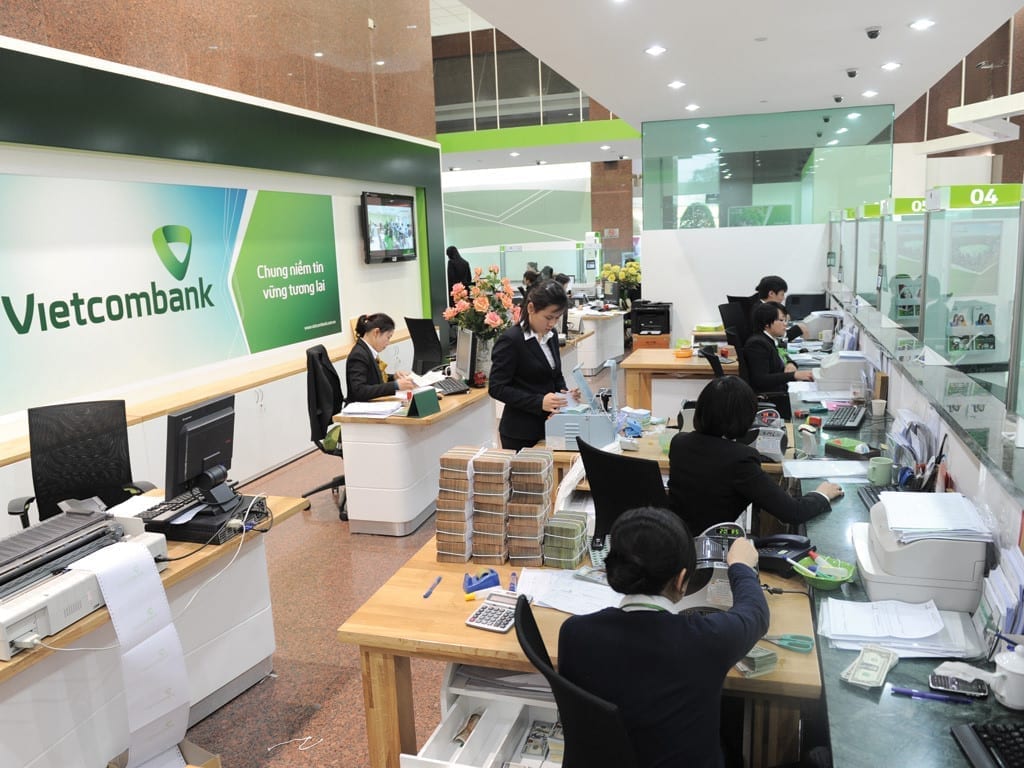
    The commission (SSC) said the country’s third largest bank by assets proposes to make a private issue of 360 million shares, equivalent to 10 percent of its charter capital. The lender plans to sell nearly 54 million shares to its strategic partner, Japan’s Mizuho Bank, to ensure it retains its 15 percent stake post dilution. It will sell the remaining 306 million shares, or 7.73 percent of its charter capital, to other undisclosed investors. The bank has not disclosed the issue price either. Its shares closed at VND58,000 ($2.5) Friday on the HCMC market.

    The State Bank of Vietnam recently gave Vietcombank approval to increase its charter capital by 10 percent to VND39.58 trillion ($1.69 billion).

    The lender has also received approval from its shareholders to make the private placement. Vietcombank and other top lenders, including BIDV and Vietinbank, have been struggling to increase their capital to meet international capital adequacy norms.

    The second Basel Accords, or Basel II, prescribe minimum capital adequacy of 8 percent of risk-weighted assets for all financial institutions to cover operational risks. In 2016 Vietcombank signed a deal with Singapore sovereign wealth fund GIC Private Limited to sell a 7.73 percent stake. The deal has yet to be consummated, with the bank’s chairman, Nghiem Xuan Thanh, saying they have been unable to agree on a price.

    As a state-owned bank, Vietcombank’s issue of new shares must not be at a price lower than their current market price or a minimum value set by the government.

    However, the price offered by GIC did not meet this requirement.

    If the private issuance of VND3.6 trillion ($156.5 million) is successful, Vietcombank will have the highest chartered capital in the industry of nearly VND40 trillion ($1.74 billion).

  • HSBC Appoints New Chairman for Singapore

    HSBC Appoints New Chairman for Singapore

    HSBC Singapore appointed Mukhtar Hussain as chairman effective this week, the company said in a statement. The local subsidiary of HSBC  includes the retail banking and wealth management business in the city-state. It was formed when the bank incorporated its retail operations in May 2016.

    «Mukhtar’s presence, experience and counsel will go a long way to support our three-year growth plans – not just for retail banking – but across all of our business lines,» said Tony Cripps, chief executive officer of HSBC Singapore.

    Regional Knowledge

    On the consumer banking side, HSBC will tap on Mukhtar’s regional knowledge to provide oversight of the bank’s strategy to capture the personal wealth that is flowing from Asean markets into Singapore.

    «On the institutional side, his role in spearheading HSBC’s regional activity in support of BRI will be invaluable in advising Singapore on how it can further position itself as a strategic partner of this multi-decade investment programme,» said Cripps.

  • UOB Launches Southeast Asia eLab

    UOB Launches Southeast Asia eLab

    UOB launches its pan-regional Engagement Lab (eLab) on Thursday, making it the first dedicated unit set up by a Southeast Asian bank that focuses on using the latest technology and behavioural insights to deepen customer engagement.

    «We believe that designing a simple and easy-to-navigate app interface to create an intuitive user experience is just the beginning. We want to build on this and to ensure that every touchpoint – from the on-boarding process to day-to-day banking – at the Digital Bank is relevant to our customers and resonates deeply with their lifestyle needs and priorities,» said Dennis Khoo, head of digital bank at UOB in a press statement.

    eLabs Serves Southeast Asian clients 

    The Bank will set up eLabs across its network of ASEAN countries such as Indonesia, Malaysia, Singapore, Thailand and Vietnam. UOB’s Digital Bank, set to launch in the next few months, has been modelled such that digital interactions with the customers are designed to deepen client relationships.

    Through the eLab, the Bank will use the insights drawn to design, to test and to trial ways to encourage customers to save and spend more wisely. Given ASEAN’s cultural and linguistic diversity, these conversations will be in the customers’ own mother tongue.

    Digital Capabilities

    In August, the bank had announced plans to introduce a Digital Bank for Asean customers that will use a data-centric business model to understand individual customer banking needs and habits through their digital interactions with the bank.

    «We will use next-generation digital capabilities to anticipate our customers’ needs and to prompt them to make better financial decisions to achieve their goals. This will be done through meaningful real-time digital conversations that guide customers to better financial choices,» Khoo said.

    UOB Accelerates Hiring For Digital Bank

    The Bank aims to increase its Digital Bank team by 50 per cent in the next 12 months. Of these new hires, a quarter will join the eLab. Other roles include those in areas such as user experience and user interface design, behavioural science and research, data analytics and design thinking.

    This helps to accelerate the Digital Bank’s initiatives in the region, it said. The new hires will join the 120-people strong team already working on the roll-out of UOB’s digital bank across ASEAN.

    In addition, it is looking to hire software engineers and architects to develop solutions such as in-house application programming interfaces (APIs) which tap UOB’s secure IT architecture to drive real-time data analytics.

  • Asian Private Banking Abuzz with UBS China Fiasco

    Asian Private Banking Abuzz with UBS China Fiasco

    Onshore China, and its rapidly growing billionaire population, is a target for most private banks in the region. UBS has arguably the best-established franchise in the competitive onshore market. Chinese regulators require foreign banks such as UBS to obtain licenses in each jurisdiction that they operate. UBS opened branches in both Beijing in 2014 and Shanghai in 2016 offices, amidst much fanfare and presumably at great cost.

    Due for Interview Next Week

    A female relationship manager at Switzerland’s biggest bank this week was detained at the airport in Beijing, according to a source familiar with the matter. The authorities allegedly held the UBS banker on grounds of illegally soliciting business, the source told.

    The relationship manager may have violated stringent Chinese onshore regulations, which declare illegal the marketing and sale of offshore financial products.

    The banker will be interviewed by Chinese authorities next week, according to information obtained. She has however received back her passport, which had been confiscated. The reasons for her detention remain unclear.

    Strong Message

    The Swiss bank will not comment on the detention of one of its bankers, but said that it had very stringent rules set for its bankers. «This is a strong message from the regulator that it will not tolerate fly in banking,» says one senior banker at another Swiss finance firm. The practice of «flying in» bankers, ostensibly for legitimate onshore reasons ranging from client meetings to golf trips – was one favored by many banks in capital controlled markets such as Taiwan and India.

    It was, however, abandoned as banks – Swiss wealth managers in particular – ran into trouble with regulators in these onshore jurisdictions.

    «Breached Lines»

    «Chilling» is how another senior manager at a European bank described the developments. «The fact that it is a UBS banker – and not one at a smaller shop – is indicative of how determined the regulator is,» he explains.

    A head of Taiwan business at another private bank says, «the line continues to be breached several times in onshore markets,» but it is likely there will be systemic reluctance among both bankers and their banks after the latest incidence.

    Hands-Off in China

    What this means for banks that have made deep investments in the China onshore market and are under considerable pressure to «move out of investment phase» is unknown. For the savvier ones, this is likely to be an inflection point.

    «It is certainly hands-off China for the moment and we will implement no-fly restrictions in any case where it is ambiguous whether the purpose of the visit is strictly onshore,» confirms the senior manager.

  • Worldpay launches new cross-border payment options

    Worldpay launches new cross-border payment options

    UK-based Worldpay has introduced new payment solutions aimed at providing eCommerce businesses with more choices to disburse funds to partners and customers and across country borders.

    Worldpay’s dynamic payment solutions combine the enhanced Worldpay Bankout solution, which now delivers 154 direct bank disbursement destinations (up from 65), and Worldpay FastAccess – enabled by Visa Direct.

    With these payment options, partners and customers need no longer wait for days to receive funds or refunds as they now can obtain them via card in near real-time – through a mobile wallet or directly to a local bank account.

    Bankout is targeted at businesses needing to make a large number of global payments to – or on behalf of – their customers and suppliers. With 89 new local markets, Worldpay now provides seamless cross-border payouts for businesses in local currencies without the expense of making multiple international bank transfers.

    Dynamic payouts allow businesses to make faster, seamless card-based payouts in near-real time within a maximum of 30 minutes. Building on its launch in the United States last year, FastAccess is now available to Worldpay customers in over 50 new markets across Europe and Asia.

    The new payment solutions are targeted at wide range of industries. For example, travel and tourism companies and marketplaces can pay out funds to accommodation vendors or disbursements to travellers in a variety of countries and currencies; gaming businesses can provide near-instant payouts to customers; insurance companies can save costs by replacing local checks with bank transfers; and marketplaces can allow independent sellers to retrieve funds more quickly.