Tag: Finance

  • Standard Chartered launches bold new brand campaign

    Standard Chartered launches bold new brand campaign

    Launched in 2010, StanChart’s ‘Here for good’ campaign showed how a bank could be a force for good by promoting economic activity that has a positive social impact. The new campaign retains the original brand promise but sharpens the bank’s focus on how banks can help tackle some of the problems that stand in the way of global prosperity and commerce.

    Behind the ‘Good enough will never change the world’ campaign is an 18 month deep-dive into the values underpinning Standard Chartered and ‘Here for good’. The project included hundreds of client interviews and collected inputs and values of our 85,000 staff.

    The campaign showcases a series of inspirational short films featuring people who accomplished extraordinary things because they wouldn’t settle for ‘good enough’. Directed by award-winning film-maker Asif Kapadia, the launch video stars Jamaican sprinter and Olympic champion Usain Bolt.

    “I always say ‘never think limits’ and ‘anything is possible’.  It is not enough to dream big – you need to push through barriers to realise your dreams,” said Usain Bolt. “When you have an end goal in mind and you’re passionate about it, you can find the will and the strength to break through boundaries and achieve that goal.”

    Follow-up videos will tell stories of how companies and clients overcame obstacles to deliver stronger performance or make a difference in emerging markets across Africa, Asia and the Middle East.

    “What is really exciting about the next chapter in ‘Here for good’ is that it’s deeply rooted in the Bank’s clients, employees and history” said Emma Sheller, Global Head, Brand and Marketing. “It’s also about being in tune with what’s happening in the world. We set the bar high with ‘Here for good’. Now we are setting it higher with ‘Good enough will never change the world’.”

    The campaign kicked off on 30 April in Hong Kong, Korea, Singapore, Taiwan and the United Kingdom. It will roll out in 2018 in phases across the rest of the Bank’s footprint.

  • Security Bank focuses on digitalization

    Security Bank focuses on digitalization

    During the annual stockholders’ meeting of Security Bank Corporation (PSE: SECB) on Tuesday, 24 April 2018, the following were elected to the Security Bank Board: incumbent directors Diana P. Aguilar, Philip T. Ang (independent), Anastasia Y. Dy, Frederick Y. Dy, Takayoshi Futae, Joseph R. Higdon (independent), James JK Hung (independent), Ramon R. Jimenez, Jr. (independent), Jikyeong Kang (independent), Napoleon L. Nazareno (independent), Takahiro Onishi, Alfonso L. Salcedo, Jr., Rafael F. Simpao, Jr. and Alberto S. Villarosa, and new director Cirilo P. Noel. During the organizational Board meeting, key appointments were for Frederick Y. Dy as Chairman Emeritus, Alberto S. Villarosa as Chairman, Anastasia Y. Dy as Vice Chairman, and Alfonso L. Salcedo, Jr. as President and Chief Executive Officer.

    In his report on 2017 operations, President and CEO Mr. Alfonso L. Salcedo, Jr. highlighted Security Bank’s 20% earnings growth that resulted in a record-high net income of Php 10.26 billion, versus industry’s 7% earnings growth. In the last five years, Security Bank’s net income grew by a compounded annual growth rate of 20% versus industry’s 3%. The Bank’s revenue growth in 2017 was 20% versus industry’s 11%. Net interest income growth was 22% versus industry’s 17%, while non-interest income growth was 15% versus industry’s 5% decrease. The Bank’s return on shareholders’ equity was 10.2% versus industry’s 9.96%. The Bank’s Core Equity Tier 1 and Total Capital Adequacy ratios of 15.5% and 17.7%, respectively, are among the highest in the industry and well above the minimum regulatory requirements. Total assets grew 9% to Php 757 billion. In the past five years, Security Bank’s total assets grew by a compounded annual growth rate of 21%, versus industry’s 11%.

    Also highlighted was Security Bank’s healthy loan portfolio growth of 28% versus industry’s 19%. The Bank’s loan growth was driven by corporate loans which increased 25%, middle market loans which grew 24%, and consumer loans which expanded 49%. In the past five years, Security Bank’s loan portfolio grew by a compounded annual growth rate of 22% versus industry’s 18%. The Bank’s three customer segments grew by compounded annual growth rates of 18% for corporate loans, 20% for middle market loans, and 63% for retail loans. Retail loans as a percent of total loans increased to 16% at year-end 2017 from 13% in 2016. Security Bank now has a full slate of consumer loan products consisting of home, auto, credit card, personal and small business loans. Asset quality remained healthy with net non-performing loan ratio at 0.02%, a decrease from 0.17% in 2016, and lower than industry’s 0.47%. NPL cover increased to 239%, versus industry’s 150%. Deposit growth was 19%, faster than industry’s 12%. In the last five years, Security Bank’s deposits grew by a compounded annual growth rate of 19% versus industry’s 12%. The Bank added 12 new branches in 2017, bringing its network to 302 branches. Its ATM network has grown from 622 to 713.

    Security Bank maintained its cost-to-income ratio at an efficient 49.8% compared to industry’s 63.3%, even as the Bank continued to invest heavily in information technology, digitalization, people and branches. Mr. Salcedo stated that these investments are designed to transform the Bank’s infrastructure and way of doing business, and ensure that the Bank stays relevant to shifting customer needs in a fast-changing banking and technology landscape. Security Bank continues to be focused on its medium-term strategic goals which are to regain industry-leading ROE, continue growth momentum to build its retail banking business as the third business pillar, and transform the Bank’s infrastructure to support its growth aspirations and deliver its BetterBanking promise. Key to this transformation is the digitalization of its customer acquisition and servicing channels and operational processes. In 2017, Security Bank increased cash dividends to Php 3.00 per share from Php 2.00 in prior years.

    Highlighted in the President’s report were the major awards that Security Bank received, most recently as The Best Retail Bank in the Philippines for 2018 by The Asian Banker and Best Bank in the Philippines by Global Finance. Mr. Salcedo stated that the execution and results of Security Bank’s retail banking strategy led to the major breakthrough award as The Best Retail Bank in the Philippines for 2018. In 2017, Security Bank was named Best Bank in the Philippines by Alpha Southeast Asia; Best Bank for SMEs in the Philippines by Asiamoney; and Best Digital Bank in the Philippines by Capital Finance International of London. The Bank also received awards for management excellence, industrial peace and harmony, corporate banking and treasury, brand marketing, product innovation, investor relations, and corporate social responsibility.

  • DBS shares shoot past S$30 on 21% surge in Q1 earnings

    DBS shares shoot past S$30 on 21% surge in Q1 earnings

    DBS shares crossed S$30 for the first time after it sparked a surge in bank stocks on Monday with sparkling Q1 results. South-east Asia’s biggest bank group announced before market hours that earnings for the first quarter rose 21 per cent to S$1.5 billion as it benefited from higher interest rates and loans growth as well as a property sale gain in Hong Kong.

    The first of the three local banks to report Q1 results, DBS exceeded expectations. Analysts polled by Bloomberg had forecast S$1.4 billion in net profit for the three months ended March 31. The stock surged 2.8 per cent to close at S$30.84.

    Chief executive Piyush Gupta, speaking at the bank’s results briefing, said he expects “a fairly strong year for DBS” as the global growth momentum is still robust and “the opportunities that we see are continuing to stay for us.”

    Loans expanded 13 per cent, or S$39 billion in constant-currency terms to S$328 billion from growth across trade, corporate and consumer loans, including S$9 billion from the consolidation of the retail and wealth management business of ANZ.

    Income and loans growth from small and medium enterprises (SME) has been strong but it was slow for the bank’s large corporate customers, he said.

    Corporate income in Q1 was flat while SME income rose 9 per cent.

    Full-year loan growth guidance maintained at 8 per cent, said Mr Gupta.

    Net interest margin (NIM) – defined as difference between interest income generated and the amount of interest paid to its lenders including depositors – rose nine basis points from a year ago to 1.83 per cent from higher Singapore dollar as well as US and Hong Kong dollar interest rates.

    DBS is on track for full year NIM of at least 1.85 per cent and may even exceed that by one to 2 basis points if there are three more US Federal Reserve rate hikes and there is pass through to local Sibor/SOR rates, said Mr Gupta. The 3-month Sibor or Singapore interbank offered rate which is the benchmark for housing loans has risen to 1.5 per cent from 1 per cent last June. Three-month SOR or swap offer rate – used to price commercial loans is even higher, at 1.6 per cent from last June’s low of 0.6 per cent.

    Mr Gupta said he wouldn’t be surprised if there are even four rate hikes by the US Fed this year.

    Net fee and commission income rose 12 per cent to S$744 million, led by higher bancassurance and unit trust sales. Card fees rose from higher credit card and debit card transactions as well as the consolidation of the retail and wealth management business acquired from ANZ.

    Consumer and wealth management income rose 17 per cent to S$1.4 billion. Wealth management income went up a strong 28 per cent while retail was up 8 per cent. Assets under management gained 22 per cent to S$208 billion, with S$22 billion from ANZ.

    Home loan market share remains at 31 per cent and SGD savings market share is 52 per cent. New home loan sales was S$2.5 billion in Q1.

    Other non-interest income swelled 25 per cent to S$488 million. There was a S$86 million gain from the sale of a Hong Kong property. Net trading income was also higher, partially offset by a fall in net income from investment securities.

    Expenses increased 12 per cent to S$1.4 billion. Excluding the consolidation of ANZ and a non-recurring item, underlying expenses were 6 per cent higher. Non performing assets (NPA) fell 4 per cent from the previous quarter while the non performing loan (NPL) rate eased to 1.6 per cent from 1.7 per cent. NPL ratio was 1.4 per cent in Q1 2017.

    Mr Gupta said asset quality is “looking very good” with new NPA formation of S$195 million at 4-year low. Return on equity (ROE) was 13.1 per cent, the highest in a decade. ROE was 11.1 per cent a year ago. Mr Gupta said he expects full year ROE to be at 12.5 per cent.

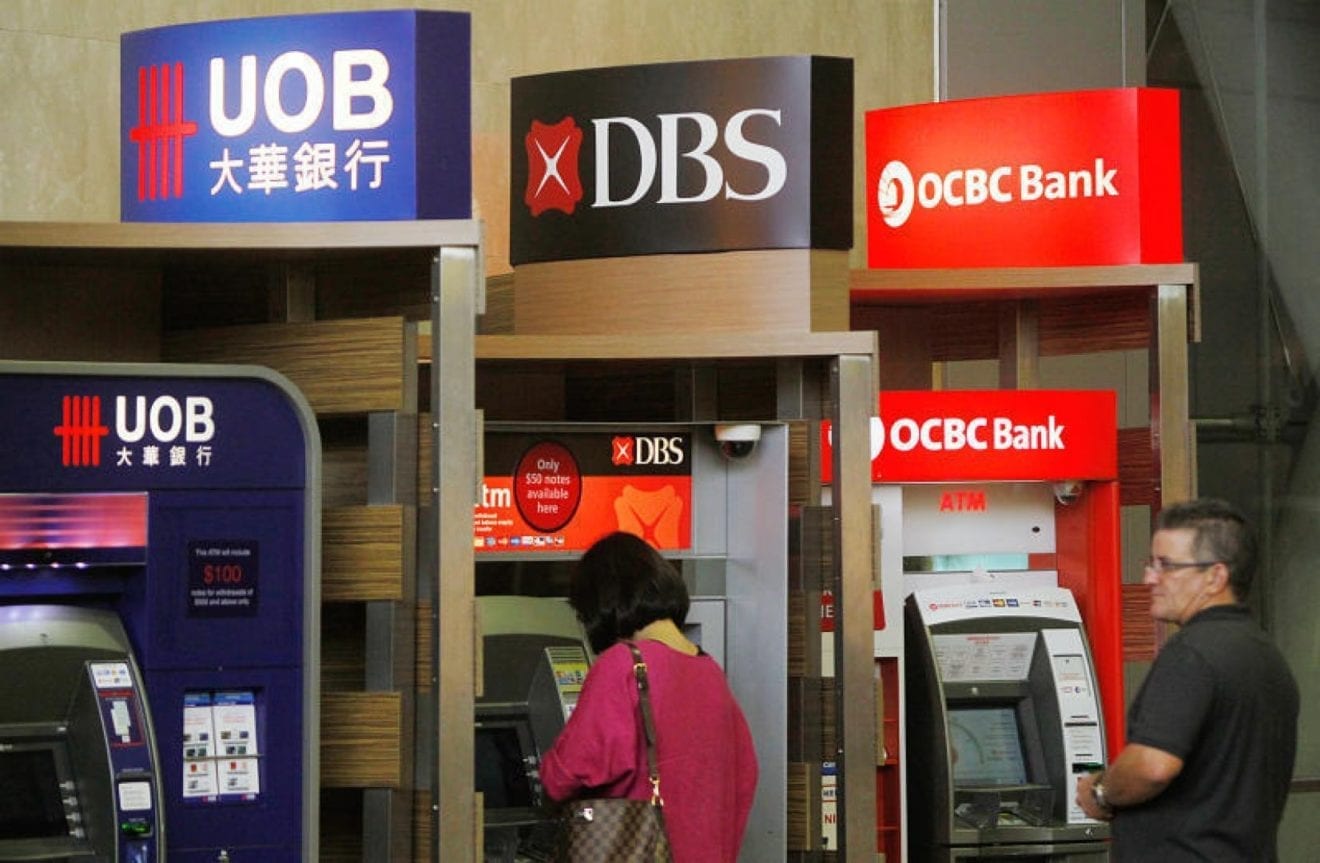
    Along with DBS, UOB, which is announcing its results on Thursday, rose S$0.70, or 2.38 per cent, to S$30.14, while OCBC went up S$0.15, or 1.1 per cent to S$13.80.

  • Mastercard expands Indian research facility

    Mastercard expands Indian research facility

    Mastercard has opened its upgraded technology center in Vadodara, India as part of the company’s support of the government’s initiative to enhance India’s digital capabilities.

    Spread across 65,000 square feet, the state-of-the art facility will serve as a collaboration center for more than 700 employees.

    Mastercard’s Vadodara Centre is part of the company’s vision to build a world beyond cash in India and beyond. Over the past few years, it has contributed to the “Make in India” and “Digital India” campaigns.

    In 2017, Mastercard collaborated with the Indian government to launch Bharat QR, an application that provides local, small and medium enterprises with a low-cost way to accept digital payments from any type of mobile phone.

    Ari Sarker, co-president, Asia Pacific, Mastercard said, “With its incredible pool of talent and opportunities for digitization, India is a strategic market and innovation hub for Mastercard. The expansion of our Technology Centre in Vadodara is an extension of our undertaking to drive the next level of growth and support the government’s agenda to shape a digital future and less-cash society in the market.”

    “Every day, our teams are working relentlessly to deliver real-world technology that breaks down barriers and makes people’s everyday lives easier, more efficient and secure,” said Ed McLaughlin, president, Operations and Technology, Mastercard. “That’s what makes this office so important.  Our Vadodara team is crucial to the next generation digital services and solutions Mastercard will implement across the world.”

  • CIMB Bank’s digital push

    CIMB Bank’s digital push

    CIMB Bank is ready to disrupt itself and will bank on data as one of the main thrusts in becoming a regional digital banking group at a time when disruptions are fast taking place in the financial services sector.

    On the whole, the group’s digital sales revenue has grown at a rapid phase from financial year 2016 (FY16) to FY17. In Malaysia it grew about 134%, in Indonesia by 200%, in Thailand and in Singapore by more than 1,000% and 464% respectively from FY16 to FY17.

    CIMB Bank Bhd CEO for group consumer banking Samir Gupta says digital sales enablement is the first phase of CIMB’s digital ambitions. Customers are moving away from over-the-counter service to digital transactions, resulting in a close to 35% drop in CIMB’s over-the-counter transactions to 2.9 million in March this year from 4.4 million in September 2016.

    Currently, more than 95% of customers’ transactions are performed via digital or self-service platforms.

    Samir adds that there had been a 27% drop in over-the-counter transactions in the last six months alone – while existing staff are being reskilled and retrained to take on more productive tasks – reinforcing the banking group’s strength and commitment to digital transactions.

    Moving forward, big data will define CIMB’s retail banking as part of the bank’s transformation into a digital banking group in South-East Asia.

    “The usage of data will build, reshape and strengthen the bank’s digital initiatives.

    “Amid the disruptions from fintech, CIMB has made a firm commitment to disrupt itself as this will help us to reach and meet consumers’ demanding needs promptly.

    “Rather than just look at existing competition, the bigger challenge is how fast we can meet consumers’ needs at a fraction of the cost. Big data will allow us to have a full view of customers’ needs and enable us to facilitate faster transactions,’’ he says during an interview.

    CIMB has launched the first big data platform in the country, using open source software and supported by a data science centre of excellence.

    There are plans underway to beef up the group’s big data initiative by hiring a significant number of data scientists and data engineers over the next two years.

    “As almost 90% of global data is unstructured, there is great demand for data scientists and data engineers who has the expertise to combine both data – structured and unstructured – to help banks to have a full view of customers’ needs,’’ he adds.

    Apart from this, the bank will also launch by next month what it terms as a “rules engine” as part of its big data push. This involves the bank’s ability to listen and react to customers’ needs instantaneously in real time.

    Big data initiatives

    The big data initiatives will be carried out at the bank’s operations in Malaysia and other regional markets. CIMB will be launching its digital “challenger” bank in Vietnam in June and in Philippines by November this year. Digital challenger bank refers to a full-fledged digital bank which challenges the traditional way of doing business.

    Commenting on the scope and market of these two countries, Samir says: “They have a combined population of over 200 million and the market is huge and offers great potential.

    “We are moving away from the traditional brick-and-mortar branch model in Vietnam and Philippines. For these markets, CIMB will be bringing totally new systems to support the full-fledged digital proposition which will be led and driven from a customer’s journey view point. We will also be replicating the challenger bank concept in Thailand by year-end.”

    Meanwhile, CIMB Bank recently added new features to its first-in-Asean, innovative and award-winning mobile chat-banking app, CIMB Enhanced Virtual Assistant (EVA), to include Spend Analyser and natural language conversational capabilities.

    With CIMB EVA’s Spend Analyser, customers are able to manage their accounts better and make smarter financial decisions via single-tap spending insights for utilities, petrol, entertainment, dining and travel made on their CIMB debit, credit, and prepaid cards.

    In addition, CIMB EVA’s chat capabilities have been enhanced to cater to a wider range of chat-based transactions, enabling customers to chat with EVA based on words in natural conversations.

    On CIMB’s strategic regional partnership with Japan’s number one insurer, Sompo, Samir comments that “this partnership in our markets in Malaysia, Indonesia, and Singapore not only allows us to optimise regional synergies and operational efficiencies, but also leverage on both parties’ digital capabilities to spur innovation and bring to market products that address customers’ protection needs instantaneously, such as the Travel Care EVA to be launched soon.”

    Soon, CIMB Bank will also be launching its personalized life stage-based holistic financial solutions – based on its F.I.R.S.T. proposition, which stands for finance, insure, returns (investment), save and transact – as part of its initiative to leverage on big data and encourage customer stickiness.

    Thanks to its push towards digital, CIMB Bank was recently awarded, for the second year in a row, the Best Retail Bank in Malaysia, and was also declared winner for The Best Productivity, Efficiency and Automation Initiative, Application or Programme by the prestigious Asian Banker’s Retail Financial Awards 2018.

    CIMB Bank is also the first bank in Malaysia to receive Bank Negara’s regulatory sandbox approval for electronic-know your customer (E-KYC), a paperless and electronic method of verifying the identity of customers, which is set to be a feasible alternative to existing face-to-face verification requirement in today’s traditional banking.


  • RHB Bank’s five-year roadmap to strengthen presence in Malaysia

    RHB Bank’s five-year roadmap to strengthen presence in Malaysia

    RHB Bank Bhd, which registered a 16% net profit growth to RM1.95bil for the financial year ended Dec 31, 2017 (FY17), has outlined its strategies in a new five-year plan, FIT22.

    The roadmap entails the bank’s priorities to strengthen its presence in Malaysia and win in targeted segments, as well as to focus on its niche and strength in its overseas operations while exploring partnerships.

    Speaking at a media briefing held in conjunction with the bank’s FY17 results briefing, RHB group managing director Datuk Khairussaleh Ramli said digital enablement would be a core priority within FIT22, following the conclusion of the IGNITE 17 transformation programme last year.

    RHB intends to spend over RM200mil over the next three to five years on digital capabilities and technological investments. “We are now focusing on building scale through an agile way of doing things and believe that we still have room to grow in Malaysia to be able to gain market share and improve profitability,” he said, adding that RHB was now the fourth-largest bank in Malaysia in terms of assets.

    The core component of FIT22 will be the small and medium enterprise (SME) and retail segments to drive growth, as well as to build a connected ecosystem.

    Khairussaleh said that the retail and SME segments were expected to constitute an estimated 75% of RHB’s domestic loan portfolio from the current 69%, while the affluent customer segment will make up 25% of RHB’s retail business by 2022, from the current 18%.

    In addition, RHB aims to boost its return on equity to 11.5%, be the number three bank for SMEs as well as maintain a top-three position for investment banking.

    “We are already number one in the mid-cap segment, so if we can build our ecosystem around this segment, some day the mid-caps will grow to become large-caps for us.

    “That is something that we think can differentiate ourselves from the other banks as well,” Khairussaleh explained.

    Todate, RHB has established relationships with some 57% of mid-cap companies, of which one-third have a lending relationship with the bank.

    Meanwhile, RHB’s 2018 key performance indicator is to achieve an ROE of between 9% and 10%, a loan growth of 6%, as well as a cost-to-income ratio of below 50%.

    On mergers and acquisitions (M&As), Khairussaleh said the bank does not intend to look for any M&As overseas, and will instead focus on expanding its product portfolio across its overseas market.

    Noting RHB’s lacklustre performance in Singapore, Khairussaleh said the bank intends to move towards more secured lending and build a new private wealth business in the republic, targeting mid-tier customers with assets under management of S$1mil to S$2mil.

    In 2018, the Malaysian banking sector is expected to see a recovery in loan growth, primarily from stronger business loans, while capital market activities are also expected to pick up, which would help support the non-interest income of banks.

    RHB’s improved performance in FY17 was largely driven by higher net funding income, lower loan loss impairment and lower impairment losses on other assets.

    However, this was partially offset by higher overheads and lower non-fund-based income.

    The bank has announced a dividend of 10 sen per share, bringing its total dividend per share for FY17 to 15 sen, representing a 30.8% payout ratio.

  • Higher provisions push AmBank Group’s Q3 earnings down

    Higher provisions push AmBank Group’s Q3 earnings down

    AMMB Holdings Bhd’s net profit dropped 30.1 per cent in the third quarter ended December 2017 to RM218.97 million from RM313.16 million a year earlier partly due to rise in provisions toward bad loans.

    Revenue for the quarter under review grew 9.18 per cent to RM2.15 billion from RM1.97 billion in the previous year.

    For the nine-month period, net profit was down 11.1 per cent at RM878.72 million while revenue rose 3.6 per cent to RM6.36 billion.

    Group chief executive officer Datuk Sulaiman Mohd Tahir said its net interest income increased by RM149.0 million or 8.8 per cent in the nine-month period mainly from customer lending and interest on fixed income securities.

    The 5.4 per cent year-on-year growth in total income was underpinned by consistent growth momentum in net interest income.

    “Interest income from customer lending was boosted by several factors, primarily, robust growth recorded in residential mortgages as well as increased interest income from securities.

    “In addition, cost of funds was lower mainly as a result of the repayment of medium term debt and from diversifying our funding sources towards retail deposits,” he said in a statement.

    Moving forward, Sulaiman said the bank’s net interest income will continue to drive its top line growth with mortgage, small and medium enterprises, credit card loans maintaining their growth momentum.

    Non-interest income from investment banking and money market activities may still be lumpy but wealth management, corporate and commercial banking will continue to propel non-interest income growth,” he added.

    “We expect credit cost to continue to normalise for us with reduced recoveries relative to financial year 2017 as impairment allowances are expected to commensurate with our loans growth.

    “We will continue to manage our funding mix, grow current account savings account and diversify our portfolio for sustainable net interest margins. Our capital position is constantly being assessed and we continuously strive to improve its efficiency,” he said.

    Sulaiman added that a mutual separation scheme offered in January 2018 will allow them to further optimise the group’s organisational structure, which will in the long run, translate into greater savings and efficiency.

  • HSBC names new retail head

    HSBC names new retail head

    HSBC Holdings has named Charlie Nunn as chief executive of its retail banking and wealth management business to replace John Flint, who will take over as the British lender’s overall chief executive.

    Nunn joined the bank in 2011 and is already acting head of HSBC’s retail banking and wealth management business.

    In Hong Kong, Kerry Properties (0683) announced that Wong Siu Kong, 66, will relinquish his position as chief executive and will remain chairman and an executive director.

    Wong has been the chairman of the board since 2013 and chief executive since 2015.

    Ho Shut Kan, 69, who has been an executive director of the company since 1998, will be re-designated chief executive and will become a member of the remuneration committee and the nomination committee of the company. He is also a director of Kerry Holdings Limited, the controlling shareholder of the company, and a director of China World Trade Center Co.

    TV operator i-Cable Communications (1097) announced that Irene Leung Shuk-yee has been named chief operating officer with effect from tomorrow.

    The 48-year-old is an experienced senior manager in the telecommunications industry, having developed her expertise in fixed and mobile telecom services, i-Cable said in a filing to the Hong Kong stock exchange.

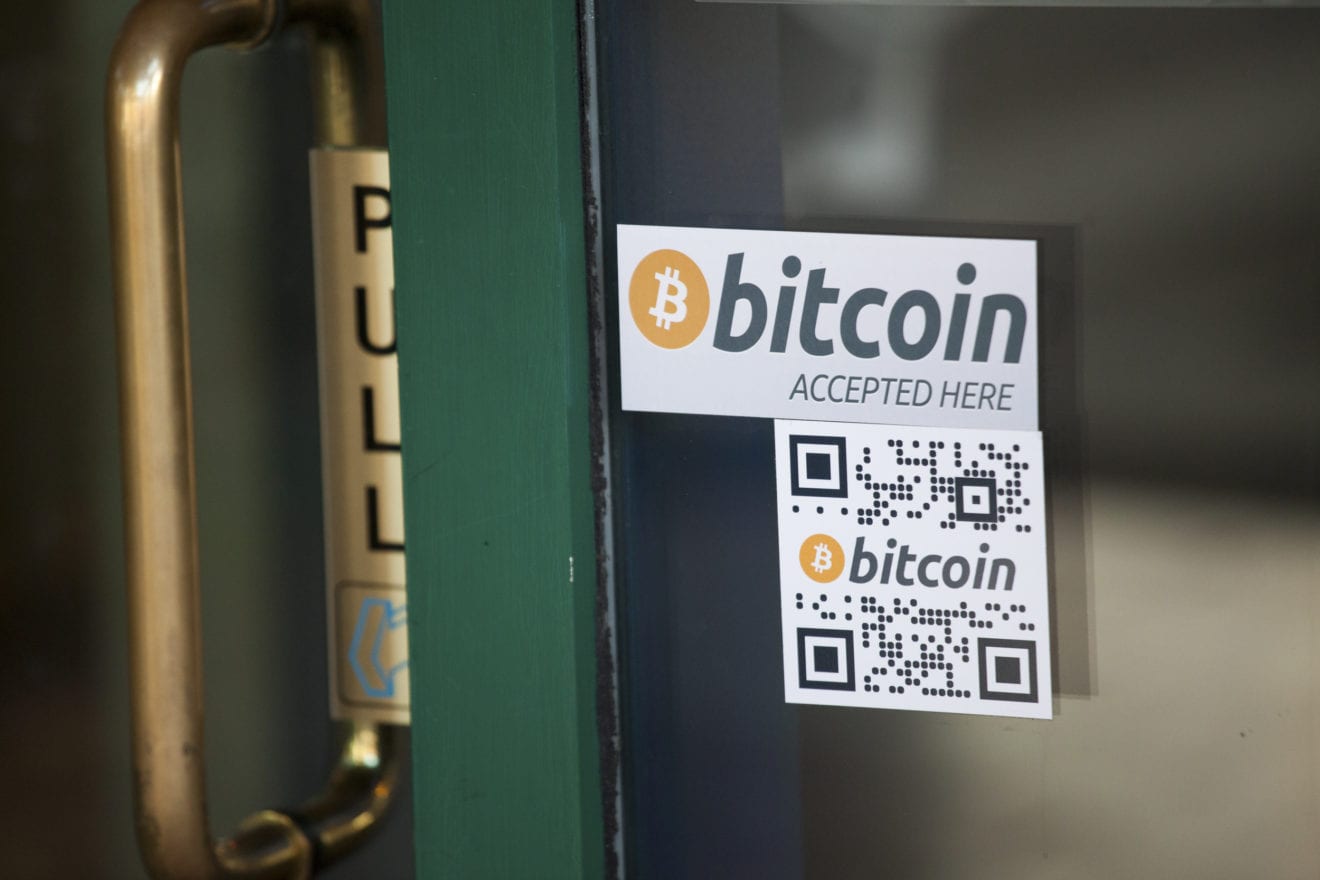
  • Bitcoin broke through $11,000 for the first time since January

    Bitcoin broke through $11,000 for the first time since January

    Bitcoin broke through the $11,000 mark over the weekend for the first time since the end of January as its price continues to slowly rise following a violent sell-off at the start of the month.

    The price of the cryptocurrency went as high as $11,279.18 on Sunday, its most elevated level since January 30, according to CoinDesk’s bitcoin price index, which tracks prices from four major cryptocurrency exchanges.

    Bitcoin’s price has been slowly climbing higher after a massive sell-off in early February, which was triggered by fears over tighter regulation, rumors of price manipulation in the market, and a hack on cryptocurrency exchange Coincheck that saw over $500 million stolen.

    Bitcoin is up over 80 percent since it bottomed at $5.947.40 on February 6.

    In South Korea, a key market for bitcoin, there were fears that an outright ban on cryptocurrency trading could come into effect. But as new measures were implemented, they were less strict than investors thought, and many sounded a positive note.

    Earlier this month, chairman of the Commodity Futures Trading Commission (CFTC), Christopher Giancarlo, and the chairman of the Securities and Exchange Commission (SEC), Jay Clayton, gave a testimony in front of the Senate Banking Committee on cryptocurrencies. They struck a positive tone, with Giancarlo saying that regulators should have a “thoughtful and balance response, and not a dismissive one.”

    Bullishness appears to be returning to the cryptocurrency markets, with both ripple and ethereum also off their lows seen earlier this month.

    Tom Lee, the first major Wall Street strategist to cover bitcoin, said recently that bitcoin will likely rise to $25,000 this year. Kay Van-Petersen, an analyst at Saxo Bank who correctly predicted the cryptocurrency’s rally at the start of last year told in a recent interview that bitcoin could go to $100,000.

    Still, there are a number of major organizations and figures warning about the potential for cryptocurrencies to crash. Goldman Sachs said in a note this month that most digital coins are likely to fall to zero. And Ethereum founder Vitalik Buterin also warned Sunday that cryptocurrencies are a “hyper-volatile” asset class and “could drop to near-zero at any time.”

  • Fees, retail services to be banks’ main income

    Fees, retail services to be banks’ main income

    Commercial banks are expecting the revenue from fees and retail banking services to become their main income sources this year, as a result of rising market demands.

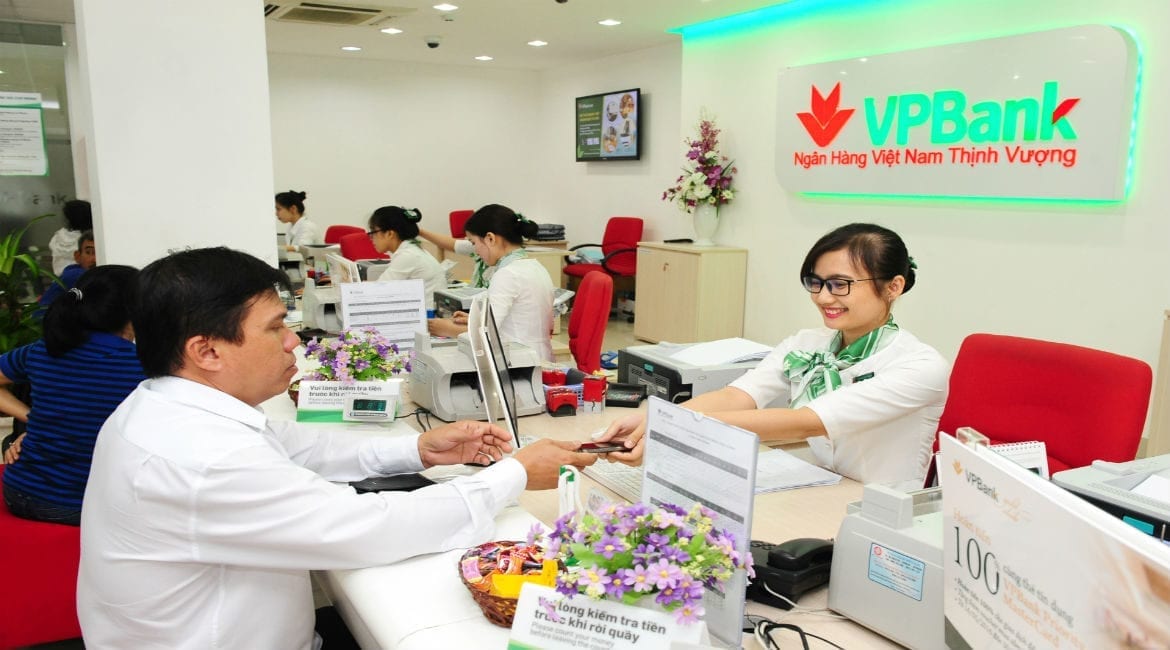
    According to Nguyễn Đức Vinh, general director of VP Bank, after years of investing in the financial company FE Credit, his bank was expecting to receive a large profit from the company in 2018.

    FE Credit started to gain profits from the retail banking segment in 2016, and the profit improved continuously last year. VP Bank’s financial reports showed that the bank’s profits last year hit a record high of more than VNĐ6.43 trillion (US$283.25 million), of which FE Credit made up some 51 per cent.

    Vietcombank also expects to better exploit the potential retail banking segment this year, as it recruited Thomas William Tobin, a Canadian foreign senior expert in retail banking, last year, to be its retail banking director. It was the first time the State-owned bank appointed a foreigner in its management board, showing its priority for the retail banking segment.

    Vietcombank’s chairman Nghiêm Xuân Thành hoped that the expert, who has expertise in global and Vietnamese finance, will help the bank make a leap in the retail banking segment.

    Vietcombank is targeting to become the country’s leading bank in retail segment in 2020, Thành said.

    According to Nguyễn Đình Tùng, general director of the Orient Commercial Joint Stock Bank, his bank is expected to earn a pre-tax profit of more than VNĐ1 trillion in 2018, thanks to specific strategies in the sales of financial products, especially in non-credit services.

    Some other banks have also planned to better exploit the potential business segment in 2018 through mergers and acquisitions last year. Typically, Shinhan Bank Vietnam acquired ANZ’s retail banking services or the Vietnam International Bank (VIB) acquired the HCM City’s branch of Commonwealth Bank of Australia.

    According to experts, banks are investing significantly in retail banking services, instead of only focusing on corporate lending in the hope of gaining higher profits from the potential segment this year.

    With more than 93 million people and sharply increasing consumption, Việt Nam is considered a hot destination for the retail banking segment, which is why banks have strategically planned to boost the segment.

    In fact, the in-cash habit of Vietnamese people is no longer an obstacle to the development of card network and non-credit services. Thus, several banks are aiming to give their customers a variety of non-traditional credit services, such as savings and transactional accounts, mortgages, personal loans, debit and credit cards.

    Notably from the beginning of this year, many banks have considerably improved the quality of their retail banking services to enhance competitiveness in the market. They are also focussing on other aspects such as marketing, technology and human resources to attract more individual customers to non-credit services.

    The move was decided after the retail banking segment contributed to a large amount of the total profits of many banks last year. BIDV and MB Bank, for example, gained high profits last year, thanks to a 34 per cent to 35 per cent rise in retail banking services.

    Nguyễn Thanh Nhung, general director of VietBank, said retail banking services would be a key to making a sustained and stable profit for the banking sector this year. The development of non-credit services contributes to diversifying bank’s services, thereby bringing more customers. This type of service will also disperse risks and create higher profits for commercial banks, said Nhung.

    According to Trần Du Lịch, a member of the National Financial and Monetary Policy Advisory Council, banks currently not only gain profits from lending but also from retail banking services, so the move to invest in retail services is inevitable in the future.

    Based on the results gained, leaders of commercial banks said they would continually apply this business strategy, with a focus on retail banking services next time.


  • Different approaches to bitcoin in Asia

    Different approaches to bitcoin in Asia

    In mid-September, China’s central bank, the People’s Bank of China (PBOC), told virtual currency trading platforms based in Beijing and Shanghai to cease market operations.

    Authorities also clamped down on ethereum and any other electronic units that are exchanged online without being regulated by any country.

    The PBOC said it wanted to fight “speculation” around the crypto-currencies, which “seriously disrupted the financial system”.

    This came after the National Internet Finance Association of China — an offshoot of the PBOC — drew up a damning report on virtual currencies, saying they were “increasingly used as a tool in criminal activities” such as drug trafficking.

    Experts say Chinese authorities are also concerned about possible capital flight which could harm the value of the yuan.

    However, the authorities in Beijing have not yet attacked bitcoin mining — the creation of the digital currency.

    Between 60 and 70 percent of new bitcoins are created in China.

    Korean concern

    Hyper-wired South Korea was also a hotbed for virtual currencies such as bitcoin, accounting for some 20 percent of global transactions, about 10 times its share of the world economy.

    But South Korean authorities late last year banned financial institutions from dealing in virtual currencies on fears of a bubble fuelled by retail speculators.

    About one million South Koreans, many of them small-time investors, are estimated to own bitcoins and demand is so high that prices are around 20 percent higher than in the US.

    Initial coin offerings (ICOs) — where companies sell newly mined cryptocurrencies to investors for real money — were also outlawed.

    The government has also pledged to strengthen investor protection rules, in an effort to curb speculation and potential fraud.

    Announcing the ban on ICOs in September, South Korea’s Financial Services Commission declared “cryptocurrencies are neither money nor currency nor financial products”.

    Youbit, a South Korean exchange trading bitcoin and other virtual currencies, declared itself bankrupt in December after being hacked for the second time this year.

    North Korea was accused of being behind the first attack.

    Singapore caution 

    Singapore’s central bank has issued a warning over cryptocurrencies, cautioning the public about the risk of jumping in on the “bitcoin bubble”.

    The Monetary Authority of Singapore noted they are not backed by any central bank and are unregulated, which means those who lose their investments have no grounds for redress under Singapore law.

    Yusho Liu, co-founder of Singapore-based cryptocurrency wallet Coinhako, says demand has been soaring, with transactions up around 10-fold over the past year.

    However, while regulators have been prepared to offer a cautious free rein to the digital units, “financial institutions and service providers have been rather resistant”, Liu told AFP.

    “In fact, I believe that only 30-40 percent of the market potential is fulfilled because of the friction generated by such matters. This is the key missing piece of Singapore being the fintech hub,” said Liu.

    Japanese jump in 

    The high-profile collapse of digital currency exchange platform MtGox failed to douse the enthusiasm for virtual currencies in Japan, which in April became the first country in the world to proclaim it as legal tender.

    As many as 10,000 businesses in Japan are thought to accept bitcoin and bitFlyer, the country’s main bitcoin exchange, saw its user base pass the one-million mark in November.

    Many Japanese, especially younger investors, have been seduced by the idea of strong profits in the context of ultra-low interest rates that offer little in the way of returns.

    However, the governor of the Bank of Japan, Haruhiko Kuroda, has recently issued a warning that the recent rise of the bitcoin price was “abnormal”.

  • Japanese and Korean bank to test RippleNet for cross-border funds transfers

    Japanese and Korean bank to test RippleNet for cross-border funds transfers

    Japanese and Korean banks are to run pilot trials of real-time cross-border funds transfers over the Ripple network. The Japan Bank Consortium — a coalition of 61 banks in Japan, organised by SBI Ripple Asia — has announced the launch of a new Ripple pilot with Woori Bank and Shinhan Bank, two of South Korea’s largest banks.

    It follows the formation in September of of a partnership agreement with Dayli Intelligence, a subsidiary of Dayli Financial Group, which has previously acted with South Korea’s first blockchain consortium as well as the Ministry of Science and ICT.

    Under the terms of the trial, the Japan Bank Consortium will use Ripple’s settlement technology, xCurrent, to settle transactions between participating Japanese banks and Woori Bank or Shinhan Bank.

    The pilot solidifies the Japan Bank Consortium’s commitment to modernise payment systems — specifically in the Japan/Korea corridor where Korea is Japan’s third largest trade partner.

    “The Japan Bank Consortium’s pilot with Woori Bank and Shinhan Bank brings us closer to sending money in an important corridor,” says Emi Yoshikawa, director of partnerships at Ripple. “The use of RippleNet to send cross-border payments reinforces that financial institutions are ready to provide a modern payments experience and enable to the Internet of Value.”

    With interest in cryptocurrencies surging, the Japanese consortium has additionally created a virtual currency and blockchain working group to explore the institutional use case of alternative assets, such as Ripple’s own XRP, to source on-demand liquidity for these cross-border payments.

  • Philippine capital markets need to be more inclusive

    Philippine capital markets need to be more inclusive

    The local capital markets may have had significant developments over the years but it remains relatively small compared to other emerging economies in Asia.

    In a span of five years, Philippine corporations have already raised over P1.7 trillion from five to eight initial public offerings (IPOs) and 10 to 15 corporate bond transactions a year.

    Retail investors have also stepped up, especially for local equity and fixed-income deals, and now account for 50 percent to 70 percent of the volume, compared to previous years where institutions take up around 60 percent to 70 percent.

    Although the scenario has gotten better, the number of IPOs and bond issues in the country still pale in comparison to other emerging economies in the region. And while participation from retail investors has increased, most of the investors are coming from the more affluent retail, leaving a huge untapped market, such as the overseas Filipino workers and the unbanked sector.

    The challenge, according to BDO Capital and Investment Corp. President Eduardo V. Francisco, is to make the local capital markets more inclusive, enabling the ordinary man on the street to invest in stocks and bonds.

    BDO Capital is a full service investment house wholly owned by BDO Unibank that provides securities underwriting and trading, loan syndication, financial advisory, and private placement of debt and equity among others.

    Speaking before capital market participants during the recent Euromoney Philippine Investment Forum, Francisco emphasized there is more to increasing financial literacy in the country to achieve inclusivity and make the local capital markets on a par with the developed countries.

    One of the solutions, he suggested, is not only to digitize but also to rid of too many touch points for IPO or bond subscriptions as these are roadblocks to encouraging many to invest in the capital markets.

    He added subscribing to equities and bonds in the country is too cumbersome due to the numerous documents, forms and identifications required.

    “Our Monetary Board, Securities and Exchange Commission, Philippine Stock Exchange are open to new ways to raise the number of investors and make it more available to the masses. We have seen them liberalize rules but we need to propose new products or solutions,” Francisco said.

    He added the Philippines should also look into new platforms and models from abroad that the Philippines can adopt, particularly innovative solutions that would minimize documentation.

    “Foreign players with platforms abroad are welcome to bring it here. Fintech solutions are also welcome and we can work with the regulators to get approvals,” he said.

  • KB Kookmin Bank to kick off voluntary retirement program

    KB Kookmin Bank to kick off voluntary retirement program

    KB Kookmin Bank, South Korea’s largest retail lender, said Wednesday it will carry out a voluntary retirement program for workers subject to the wage peak system.

    The bank will pay the equivalent of between 27 and 36 months of salary to those who are eligible for the retirement program, the lender said. An agreement was made between the labor and the management.

    The workers subject to the wage peak system starting from next year can apply for the program. Under the system, employees are supposed to get less pay from the age of 55 to the retirement age of 60.

    Major banks in South Korea have made a series of job cuts in recent years to reduce costs and buttress their bottom lines. KB Kookmin Bank has carried out the program annually since 2015.

  • Bad loans rise at Philippines’ big banks in October

    Bad loans rise at Philippines’ big banks in October

    Bad loans on the books of the country’s biggest banks rose further in October, latest central bank data showed, amid the industry’s rising total lending portfolio.

    Data from the Bangko Sentral ng Pilipinas (BSP) showed gross non-performing loans of universal and commercial banks amounted to P107.69 billion in October this year – which was P9.27 billion higher than the P98.42 billion recorded in the same month in 2016.

    Non-performing loans are left unpaid by borrowers for at least 30 days past the due date. These are seen as risky assets due to higher risk of default.

    Amid the uptick in bad loans, BSP said the rate remains manageable across economic sectors, such as financial and insurance activities, real estate, manufacturing, wholesale and retail trade, as well as electricity, gas, steam and air-conditioning supply.

    The rise in bad loans happened as total loan portfolio of big banks grew at a faster rate of 17% to P7.36 trillion in October, from P6.29 trillion in the same month last year.

    This translated to a lower gross non-performing loan ratio of 1.46% in October, from a year-ago level of 1.56%, BSP data showed.

    The central bank said latest figures indicate the continued adherence to high credit underwriting standards of local big banks.

    Aside from trying to keep bad loan levels low, BSP said big banks continued to earmark sizeable reserves for potential credit losses, which was at P144.94 billion or 1.97% of total portfolio in October this year. This is compared to last year’s P133.05 billion or 2.11% of the total lending portfolio.

    Latest data from the BSP showed the industry’s credit growth eased to 19.9% in October, from 21.1% in September after increasing for 4 consecutive months – which some economists and credit rating agencies see as a possible sign of an overheating economy.

    Loans for production activities are up 18.7% to P6.01 trillion in October, from P5.06 trillion in the same month in 2016, accounting for 88.3% of loans given out by the banks.

    Meanwhile, credit to the real estate sector accounted for 17.2% of the total loan portfolio at P1.17 trillion, followed by credit to wholesale and retail trade and repair of motor vehicles at 13.6%, worth P924.56 billion.

    This was followed by manufacturing sector loans (12.8% of loan portfolio, worth P873.64 billion), and credit to electricity, gas, steam and airconditioning supply sector (12.1% share, P821.87 billion).

    The country’s gross domestic product gowth climbed to 6.9% in the 3rd quarter, from the revised 6.7% in the 2nd quarter of 2017. This brought the average economic growth in the 1st 9 months of 2017 to 6.7%.

    The Philippines has posted positive economic growth for 75 straight quarters since the Asian Financial Crisis.