Tag: Finance

  • IDX datafeed disruption has no effect on investor confidence

    IDX datafeed disruption has no effect on investor confidence

    The Indonesian Stock Exchange (IDX)s Datafeed disruption on Monday morning was claimed to have no effect on investors confidence.

    “We measured our Key Performance Indicator, and the result was still good,” IDX General Director Tito Sulistio stated here on Monday.

    To date, the disruption had been fixed, and IDXs information system has returned to normal; however, Sulistio added that IDX would continue to develop its information technology to upgrade their trade availability system in order to avoid and minimize disruption.

    He explained that the system had a maximum availability of 99.999 percent, and IDX already had 99.975 percent, which will be upgraded to 99.98 percent.

    “Every 0.05 percent hike may need US$20-25 million,” he remarked.

    At the same time, IDX is trying to upgrade its trade infrastructure system from Tier-2 to Tier-3.

    “Hopefully, we will be moving to the new Tier-3 system on August 30,” noted Sulistio.

    Separately interviewed, IDX Director of Information Technology and Risk Management Sulistyo Budi revealed that the disruption was caused by uneven distribution of information from Datafeed application.

    “During investors trading, information for public has to be provided. When it is not available, we have to suspend the trade in order to check the problem. Once it is resolved, activities return to normal,” he stated.

    Despite the IDXs claims, Indosurya Mandiri Securities analyst William Surya Wijaya explained that the bourse could anticipate more technical systems disruption that might affect investments plan from the stakeholders.

    “This could be a lesson for the stock market players, so that they should also anticipate systems disruption,” he explained.

    Wijaya was optimistic that the investors confidence in Indonesian market was still high as the domestic economy remained conducive, despite being overshadowed by some negative sentiment, especially current geopolitical situation.

  • DBS Indonesia’s net profit surges 75% in Q1

    DBS Indonesia’s net profit surges 75% in Q1

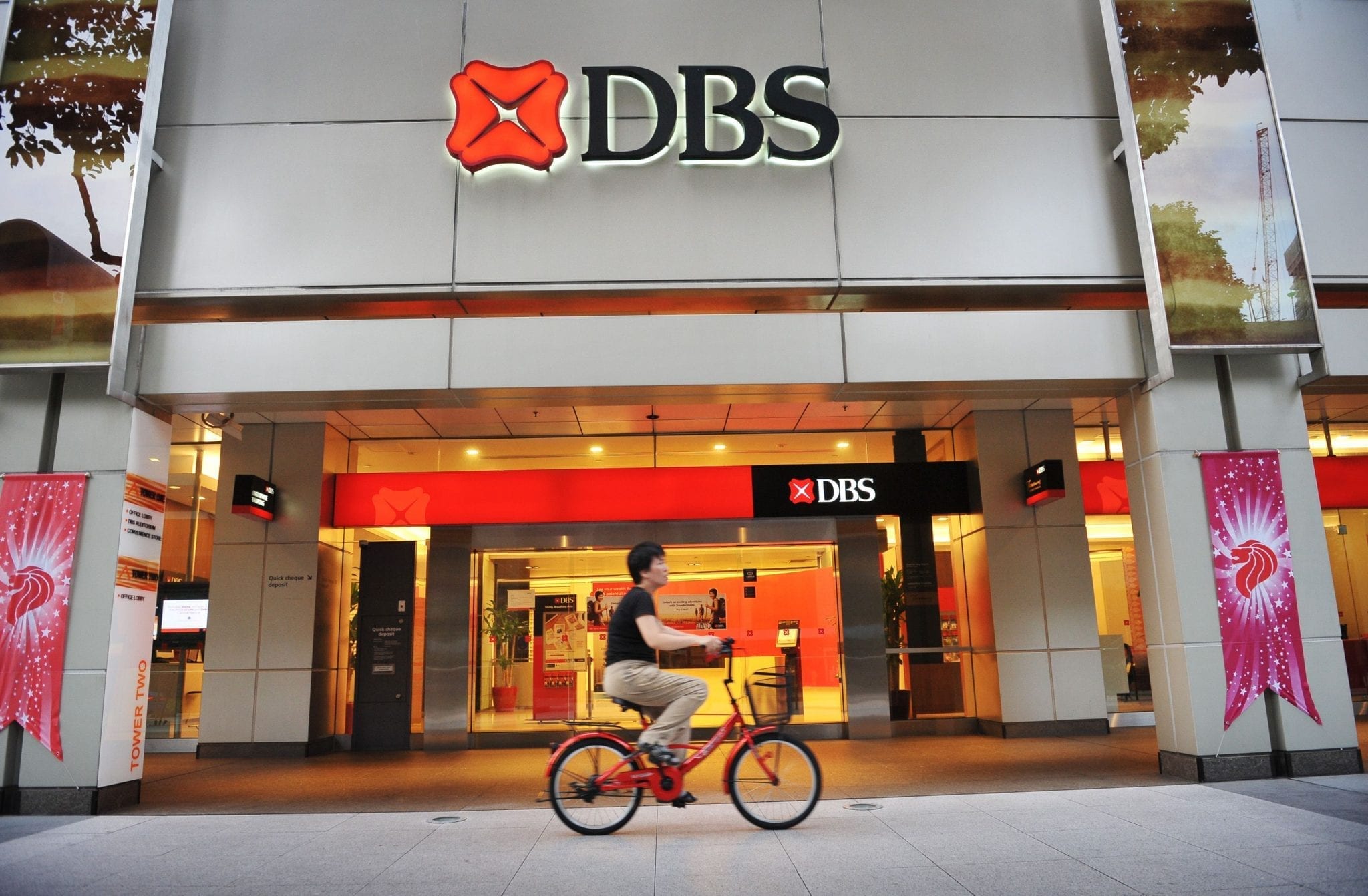
    PT Bank DBS Indonesia, a subsidiary of Singapore-based DBS Bank, has reported a 75 percent year-on-year (yoy) increase in its net profit during the first quarter of 2017 to Rp 263 billion.

    The net profit increase was supported by a 16 percent yoy increase in revenue, which reached Rp 1 trillion in the first quarter this year. Its net interest income rose 23 percent to Rp 740 billion.

    “The positive performance reflects our strong commitment in the corporate and consumer banking segment,” Bank DBS Indonesia director of strategy and planning Rudy Tandjung said in a press statement on Saturday.

    Focusing on corporate banking and small and medium enterprises (SME) banking segments, the lender booked increases in the return on assets (ROA) ratio and the return on equity (ROE) ratio to 2.16 percent and 13.45 percent, respectively.

    Rudy said the bank was on its way to transforming itself into a digital bank this year. “We are focusing in our […] agenda on becoming a digital bank. We started the transformation from the inside, by changing the mindset and behavior of our employees and also redefining their respective roles,” he said.

    In the first quarter of this year, DBS Indonesia issued a negotiable certificate of deposit (NCD) with a 7.1 percent annual interest rate. DBS Indonesia had also released a new bancassurance product in its Wealth Management portfolio during the same period, Rudy said.

  • Bank Mandiri to expand in Malaysia as first ‘ASEAN bank’

    Bank Mandiri to expand in Malaysia as first ‘ASEAN bank’

    Bank Mandiri will expand operations in Malaysia by using its newly awarded status as a cross-regional lender, Indonesia’s largest state-owned bank said Thursday.

    Mandiri said it is the first bank in the region to be designated a qualified ASEAN bank — a concept developed by Association of Southeast Asian Nations members as part of an effort to create an open, integrated financial market providing services to companies investing and trading in the region.

    To obtain QAB status, banks must meet certain conditions, such as in capital adequacy, and pass screening under bilateral agreements between monetary authorities. Indonesia and Malaysia agreed in 2016 to grant QAB status to three banks from each other’s countries.

    Such Malaysian banks as CIMB Group Holdings and Malayan Banking already have major operations in Indonesia, while Indonesian banks have been seeking opportunities to grow outside the home market. “We highly appreciate the Malaysian banking authorities that support the presence of banks from Indonesia,” said Muliaman Hadad, chairman of Indonesia’s Financial Services Authority. “Indonesia has also treated Malaysian banks as their own. This is a step forward that can strengthen relations between Indonesia and Malaysia.”

    Malaysia will become the first overseas market for Mandiri to operate a full-fledged banking business in, the lender said. It plans to invest 300 million ringgit ($70 million) to upgrade a remittance office in Kuala Lumpur to a full branch and roll out wholesale and retail banking services.

    Mandiri is also exploring expansion into Myanmar and the Philippines, it said in a news release.

  • Indonesian banks urged to update their IT systems

    Indonesian banks urged to update their IT systems

    Indonesian banks have been urged to update their system of information technology so that they could protect themselves from possible cyber attacks that have become more and more massive.

    Bank Indonesia Governor Agus Martowardojo said here on Monday hackers or virus attackers continued to innovate and find loopholes in the IT system and so banking industry and other financial sectors must update their security standard.

    His statement came in the midst of increasing alertness following global virus attack by so-called “”Petya” after global system of IT routed by “Ransomware Wannacry”.

    “All who use technology applications must use the latest version. The latest version usually has been given features to prevent possible cyber attacks,” Martowardojo said.

    “We must not be offguard. We must be prepared because there will certsinly be other innovations that could disrupt the system,” he said.

    The general chairman of the State-owned Banks Association, Maryono, said that until Monday there had been no report coming from four state-owned banks – three of them controlling banking markets -being attacked by Peyya virus.

    “Usually if one bank is hit and so will the others but so far we have received no teport about it,” he said.

    The chief of PT. Bank Central Asia Tbk. which is the countrys largest private bank said Petya did not disrupt the banking system. Howevet cyber attack has been rife to give a warning for banks to improve their IT security system.

    “We will keep safeguarding it. Thank God there has been no problem so far,” BCA president director Jahja Setiaatmadja said.

    The ministry of informatics and communication has earlier called on the people and heads of institutions to take anticipatory measures against global Ransonware Petya cyber attack by preparing backup and updating their IT security system.

    Indonesias financial industry including capital market is worth more than Rp16,000 trillion and so security system in the industry is a very important pillar to maintain trust and sustainability of the industry which also serves as a source of development funding.

    Petya was first known after infecting the server in Russias biggest oil company and disrupted the operation of a bank in Ukraine and paralyzed computers in multinational shipping and advertising companies.

    Petya-infected computer will show a message telling that the system has been blocked and its owner must pay a tansom of US$300 in the form of Bitcoin.

  • Indonesia, Swiss to exchange information on finance

    Indonesia, Swiss to exchange information on finance

    The governments of Indonesia and Switzerland have declared the readiness of both countries to implement the Automatic Exchange of Information (AEOI).

    The signing of the joint declaration was undertaken by Director General of Taxes, Ken Dwijugiasteadi, and Swiss Ambassador to Indonesia, Yvonne Baumann, witnessed by the Minister of Finance of the Republic of Indonesia and Members of the Board of Commissioners of the Financial Services Authority here on Tuesday.

    Finance Minister Sri Mulyani stated that it was important for Indonesia to be able to implement AEOI with Switzerland as it was one of the largest financial centers in the world.

    “Financial information obtained from Switzerland and nearly 100 other countries will be used as a tax database to test the compliance rate of taxpayers. It is expected to encourage their awareness to fulfill tax obligations voluntary, especially in reporting their earnings and financial assets abroad which have not been reported,” Sri Mulyani explained.

    Through the joint declaration, Indonesia and Switzerland agreed to exchange financial account information automatically in accordance with the Common Reporting Standard (CRS) starting from 2018, with the first exchange in 2019, protected by data security assurance according to international standards.

    Both jurisdictions also stated that they will share information on the development of CRS implementation in each countrys domestic legislation and affirm the commitment to continue strengthening cooperation in the financial sector.

    The joint declaration is required by Switzerland to enable the Multilateral Competent Authority Agreement (MCAA) to implement AEOl to obtain the Swiss Parliament approval by the end of 2017.

    On May 8, 2017, the Indonesian Government adopted a Government Regulation In lieu of Law No. 1/ 2017 on Access to Financial Information for Tax Interests.

    It regulates the authority of the Directorate General of Taxation to receive and obtain financial information from financial institutions throughout Indonesia and the authority of the Minister of Finance to execute financial information exchange with authorities for other countries or jurisdictions.

  • Commonwealth Bank of Australia sells HCM City branch to VIB

    Commonwealth Bank of Australia sells HCM City branch to VIB

    The Vietnam International Bank (VIB) and Commonwealth Bank of Australia (CBA) announced on Monday that CBA’s HCM City branch would be sold to VIB.

    The sale was approved by the State Bank of Viet Nam last week, the two sides said.

    They however refused to disclose the value of the transaction.

    VIB has a network of 160 branches and more than 400 ATMs across Viet Nam.

    CBA said its HCM City branch has around 20,000 customers.

    “This decision signifies our commitment to the Vietnamese market as we strengthen our partnership with VIB,” Steve Ellis, general manager of CBA in Viet Nam, said.

    “It demonstrates the confidence CBA has in VIB to continue to provide high-quality service to our customers.”

    CBA said it would retain the representative office in Hà Nội, which it had opened in 1995, to liaise with Government agencies, financial institutions and corporations.

    Han Ngoc Vu, chief executive officer, VIB, said: “We value our partnership with CBA and have always looked to strengthen our partnership to bring the capabilities of CBA’s HCM City branch together with VIB’s.”

    He added that the two banks will be working closely with customers in the coming weeks to ensure a smooth transition of their banking relationship to VIB.

    The two banks expect the sale to be completed in the third quarter of this year.

    CBA had opened the branch in 2008.

    It has a 20 per cent share in VIB, which it had bought in 2009-10.

  • Ocean Bank finds new foreign owner

    Ocean Bank finds new foreign owner

    Although the buyers identity was undisclosed, the private source confirmed that the two sides are finishing the paper works.

    One Member Limited Liability Global Petroleum Bank (GPBank ), another zero VND bank, may be sold to a consortium of a foreign financial institution and an investment and real estate development company.

    The last zero VND bank, Vietnam Construction Bank (CBBank), is said to be implementing its restructuring plan before merging with a domestic bank.

    Besides, DongA Joint Stock Commercial Bank (DongA Bank) is said to be merging with Ho Chi Minh City Housing Development Bank (HDBank).

    At a press conference at the beginning of 2017, Nguyen Van Hung, deputy chief inspector of the State Bank of Vietnam’s Inspection and Supervision Agency, said that there would be solutions to address the five weak commercial banks, including three banks acquired by SBV for zero VND (CBBank, Ocean Bank, GPBank), DongA Bank, and Saigon Joint Stock Commercial Bank (Sacombank).

    “Although these banks’ operating activities have been improved to avoid the collapse of the whole banking system, they need a complete overhaul,” Hung said.

    Between the end of 2015 and October 2016, the bad debts of the three zero VND commercial banks declined by about 8 per cent. Of the total, the bad debts of Ocean Bank and GPBank significantly decreased. GPBank and CBBank’s outstanding loan balance for enterprises and individuals decreased dramatically. In addition, CBBank’s deposits even increased between the end of 2015 and November 2016 by nearly 14 per cent.

    At the 2017 conference on implementing plans for Ocean Bank, Do Thanh Son, chairman of Ocean Bank, said that in 2015 and 2016 the bank continuously reported profit, which partially covered its losses accumulated in the past.

    In 2017, Ocean Bank targets to receive more than VND30 trillion ($1.2 billion) in deposits and to report an outstanding loan balance of nearly VND18 trillion ($720 million).

    In February 2017, Ha Van Tham, former chairman of Ocean Bank, and 47 other former leaders and employees of the bank were tried for charges including breaching the regulations on loans of credit institutions, abusing their positions and power while on duty, and intentionally acting against the state’s laws on economic management, causing serious financial loss in the period before 2014.

    The Ocean Bank case is one of the six biggest economic crimes that the Central Anti-Corruption Steering Committee was asked to bring to trial. In the trial, Tham admitted to misconduct and said his actions were caused by a need to complete his quota and avoid being dismissed. He asked the court to reduce the legal responsibilities of his accomplices because they were forced to adapt to the difficult circumstances at the time.

    According to the indictment of the People’s Procuracy, Ha Van Tham, as Ocean Bank’s chairman at the time, directed his employees to approve Pham Cong Danh’s borrowings. Pham Cong Danh was the former chairman of Vietnam Construction Joint Stock Commercial Bank. He took up significant loans from Ocean Bank through Trung Dung Company without meeting the bank’s prescribed requirements and did not submit collateral. By lending to Danh, Ha Van Tham violated lending procedures, causing a loss of VND350 billion ($14 million) for Ocean Bank.

    Besides, Nguyen Xuan Son, who was the bank’s general director and the representative of Vietnam National Oil and Gas Group (PetroVietnam) capital contribution to the bank, had worked with Tham to illegally pay interest outside deposit contracts to customers, which caused a loss of nearly VND69 billion ($2.8 million) to the bank.

    A wide range of employees involved committed extremely serious violations in lending, mobilising deposits, and paying customers higher interest rates than the ceiling regulated by the central bank.

    In total, through their rampage of violations, Ha Van Tham and his employees caused a loss of nearly VND2 trillion ($80 million) to the bank, affecting the central bank’s monetary market management policy and hindering the implementation of the state’s monetary policy.

  • Asia still top dog for payments innovation but Europe gaining ground

    Asia still top dog for payments innovation but Europe gaining ground

    Asia remains home to most payments innovation but Europe is making a charge, leapfrogging Africa, North America and Latin America, according to a survey of industry execs which also calls out distributed ledger technology as over-hyped.

    Based on a survey of 70 execs from 37 countries, the Global Payments Innovation Jury table sees Asia crowned champion again – a position it has held since the inaugural 2008 Jury. The continent scores 64% of the vote and while the “China effect” is significant, there have also been innovative developments in the likes of South Korea, Singapore, Japan and Malaysia.Notably, for the first time in nine years, Europe has leapfrogged Africa, North America and Latin America to take second place in the ranking.

    Says John Chaplin, chairman, Global Payments Innovation Jury: “While Europe has never been rated favourably for payments innovation in the past, the 2017 Jury sees real grounds for optimism.

    “There is now a much more progressive regulatory environment in Europe, world-leading innovation hotspots have developed in London and Berlin and we are starting to see that consumers are more willing to give new financial service providers a go.”

    In developed markets, such as Europe, a big majority see B2B investment as more likely to generate good returns than B2C, citing the consumer expectation that payment services should be free and the major marketing investment required to build a substantial user base.

    However, in markets such as Asia and Africa, the sheer size of the population still without access to formal financial services makes the Jury lean more towards B2C (56%) than B2B (44%).

    Addressing top industry trends, three quarters of the Jury believe that APIs are going to play an increasingly significant role in the payments market over the next three years.

    “Payments are often a source of friction and that means lost sales for retailers and frustrated customers. Using APIs it is much easier to integrate payments into apps so that transactions become almost automatic,” says Chaplin.

    Meanwhile, DLT is seen as the most over-hyped payments innovation. Says Chaplin: “While the Jury believe that distribution ledger technology can deliver real benefits for the overall financial services business they also consider that many of the claims made about its applicability to retail payments are over the top.”

  • Philippines, Indonesia agree to open up banking

    Philippines, Indonesia agree to open up banking

    The Philippines and Indonesia are set to ink an agreement this weekend to open up the banking industry aimed at greater financial integration and economic development among members of the Association of Southeast Asian Nations (ASEAN).

    Bangko Sentral ng Pilipinas Governor Amando Tetangco Jr. said a letter of intent (LOI) on the ASEAN Banking Integration Framework (ABIF) would be signed with Indonesia’s Financial Services Authority (OJK) in Jakarta over the weekend.

    “The LOI is in line with the ASEAN Banking Integration initiative,” he said.

    Under the ABIF timeline, each ASEAN-5 including Indonesia, Malaysia, Philippines, Singapore, and Thailand should conclude at least one bilateral agreement with another ASEAN-5 country by 2018.

    By 2020, ABIF targets the conclusion or near conclusion of at least one bilateral agreement for each of the 10 ASEAN members as part of the integration under the ASEAN Economic Community (AEC).

    The integrated system is defined under the ASEAN Financial Integration Framework (AIFF) that also covers the integration of the banking markets wherein qualified ASEAN banks (QABs).

    To achieve the consolidation of the 10 ASEAN markets into a single economic base with the launch of the AEC in 2015, the BSP chief said there is a need to have an integrated and well-functioning regional financial system.

    “It reflects the mutual interest of the BSP and OJK to begin discussions intended to culminate in a formal bilateral agreement on the entry of QABs between the Philippines and Indonesia,” the outgoing BSP chief said.

    The BSP signed the Declaration of Conclusion of Negotiations (DCN) with Bank Negara Malaysia and the LOI with the Bank of Thailand on the sidelines of the 3rd ASEAN Finance Ministers’ and Central Bank Governors’ joint meeting and related meetings in Mactan, Cebu last April 6.

    Tetangco signed the DCN on the entry of Qualified ASEAN Banks between the Philippines and Malaysia with Bank Negara Malaysia Governor Muhammad bin Ibrahim as well as the LOI with Bank of Thailand Governor Veerathai Santiprabhob.

    The agreement signed by the BSP and Bank Negara Malaysia reflects the specific conditions for QABs from each jurisdiction to enter the other in a manner that is consistent with global banking standards and meets host jurisdiction regulations.

    The ASEAN region has a great potential as savings rate reached 33 percent of gross domestic product (GDP) against the lower rate of 25 percent in other regions.

    For his part, BSP Deputy Governor Nestor Espenilla Jr. said several foreign banks have expressed interest in establishing its presence in the Philippines through several modes of entry.

    Aside from entering as a QAB or as a strategic partner, he said foreign banks could enter the country through Republic Act 10641 signed by former president Benigno Aquino III in July 2014.

  • OJK to expand banking access to the Philippines

    OJK to expand banking access to the Philippines

    The Financial Services Authority (OJK) plans to expand banking access to the Philippines by signing a Letter of Intent (LoI) with the countrys central bank, Bangko Sentral ng Pilipinas (BSP).

    The cooperation will pave way for access to some Indonesian banks that already certified as “Qualified ASEAN Bank” (QAB), the authoritys Deputy Commissioner for Supervision, I Sukarela Batunanggar, said at a press conference in Jakarta on Friday.

    “Besides the positive trends in economy growth, the two countries also have similarities in the sectors of social and economy, mainly in their domestic credit ratios,” Batunanggar stated.

    Indonesia and the Philippines, he further remarked, also have great potential in terms of their population sizes.

    “The two countries still have more opportunities to continue flourishing,” he noted.

    The LoI that was scheduled to be signed on next Sunday is an initial measure for negotiating bilateral cooperation through the ASEAN Banking Integration Framework (ABIF).

    The framework, which is set by two main principles, including reciprocity and equality, is aimed at supporting the banks in expanding their business within the Southeast Asia region.

    In accordance with the framework, Batunanggar stated the authority has assessed several banks that seek to hold a QAB certification.

    Batunanggar hoped the negotiation between two countries could be completed soon, so it would enhance trade volumes between Indonesia and the Philippines.

    In 2016, the two countries trade volumes remained low, compared with other states.

    Indonesian exports to the Philippines reached less than 4 percent last year, while the imports were only about 1 percent.

    The authority had signed a similar LoI for bilateral financial cooperation with Bank of Thailand (BOT) in March last year.

    Another bilateral deal was implemented between the countrys financial authority and the Malaysian bank central in August last year.

  • Indonesia’s Mandiri eyes Singapore private banking business

    Indonesia’s Mandiri eyes Singapore private banking business

    Indonesia’s largest lender Bank Mandiri wants a piece of the lucrative private banking business in Singapore, particularly the accounts of wealthy Indonesian clients.

    Recent reforms in Indonesia, including a successful tax amnesty, have made ultra-rich citizens less averse to banking with state-owned institutions, said Mandiri chief executive Kartika Wirjoatmodjo.

    “In the past, they were worried that their undeclared wealth will be reported,” he told recently.

    “After the tax amnesty, everything is transparent so Indonesians who put money in Singapore are no longer worried about having us, a state-owned bank, as their banker.”

    Many wealthy Indonesians are believed to bank much of their fortune abroad and the local tax authorities believe some do so to avoid scrutiny and paying taxes.

    Finance Minister Sri Mulyani Indrawati said Indonesians have stashed about US$250 billion (S$346.5 billion) worth of assets overseas, of which a whopping 80 per cent is kept in Singapore.

    The tax amnesty, started in July last year, was introduced to encourage these rich citizens to come clean with the taxman on their assets at home and abroad by offering tax rates as low as 2 per cent.

    More than 4,000 trillion rupiah (S$417 billion) – about a third of Indonesia’s gross domestic product – of newly declared assets were recorded at the end of the scheme in March, with a small portion of the wealth repatriated from overseas.

    Mandiri, which operates in Singapore under an offshore bank licence granted by the Monetary Authority of Singapore (MAS), plans to apply for another licence to run private banking operations. This follows the opening of its securities subsidiary Mandiri Securities Singapore last October.

    Mr Kartika said Mandiri’s move into Singapore’s private banking sector will require a “limited retail banking licence” so that it can serve high-net-worth Indonesians there. “So we don’t want to deploy 200 ATMs in Singapore, perhaps just a couple of branches would do.”

    Mandiri also wants to make Singapore a hub for its corporate clients, most of whom have offshore financing, either bilateral bank loans or fund raising via capital markets, to access global investors.

    “Many investors operate their Asian accounts from Singapore, so by giving them access to the Singapore market, we automatically have global exposure,” said Mr Kartika.

    Besides growth in Singapore, the bank has been expanding its retail banking business in Malaysia and the Philippines.

    After long negotiations, Mandiri is set to get a full retail banking licence in Malaysia within the next two months which would allow it to open retail branches across the country, said Mr Kartika.

    In the Philippines, where the banking industry is less mature and saturated compared with Indonesia, Mandiri is betting on the country’s strong economic growth and is in talks with local banks for possible acquisitions of minority stakes.

    Analysts said Mandiri’s “Singapore strategy” will pave the way for it to become a regional player, just like DBS Bank or Malaysia’s CIMB.

    “It is a positive move if Bank Mandiri starts investing more in its international business,” said Mr Harry Su, head of strategy and research at stockbroker Bahana Sekuritas.

    But Mr Su added that while this is a part of the bank’s strategy to be a bigger player in South-east Asia, it is still early days as “contribution from such efforts will remain minimal to their overall earnings performance in the next three to five years”.

    Another analyst, who declined to be named because he is from a competing bank in Jakarta, said the top four banks control the majority of Indonesia’s total banking assets so the room for others is restricted.

    “This would make Malaysia, Singapore and the Philippines more competitive markets for Mandiri,” he said.

    “But it also means returns or profit margins from doing business there would be less, but as the biggest bank in Indonesia, Mandiri has to expand there.”

  • AYA Bank to overhaul core banking system with Misys

    AYA Bank to overhaul core banking system with Misys

    AYA Bank (Ayeyarwady Bank) has selected the Misys FusionBanking suite to support a transformative project which will overhaul its core banking system, digitalise operations and improve overall efficiency throughout the organisation.

    U Zaw Zaw, Chairman, AYA Bank said, “It’s thrilling to see more of our vision for AYA Bank come to life in Myanmar. In addition to providing existing customers with a seamless, best-in-class experience, this transformation will drive rapid business and economic growth in Myanmar by increasing banking penetration and the availability of reliable, secure banking services to the nation’s large underbanked population. With Misys, this transformation will mean we can deliver excellence and pursue growth in our rapidly changing country while continuing to lead from the front. These financial services not only support the Myanmar government’s national goals of inclusive economic growth, but also connect Myanmar to global commerce.”AYA Bank has always been at the forefront in providing modern retail banking services and products and in just seven years the bank has grown to become one of the top three private banks in Myanmar. Using the Misys platform, the bank will consolidate and streamline workflow as well as digitalising all manual and non-digital processes to better service its customers across retail and corporate banking.

    The modern digital Misys platform will help improve the services and products available, as well as protecting customer information and data integrity. AYA Bank’s customers will enjoy faster access to more information and will have the option to perform a wider range of transactions at the click of a button through new online and mobile banking solutions. This in turn will enable the bank to improve customer engagement and accelerate customer acquisition through functions such as digital on-boarding.

    “As Myanmar’s banks modernise to keep pace with the disruption that’s driving the economy forward, digitalisation can be a catalyst for much broader change across the nation,” said Nadeem Syed, CEO, Misys. “With fierce competition brewing in Myanmar’s financial services sector, we are confident that we can help AYA Bank leapfrog developed market banking challenges to modernise faster and more efficiently. This will help to have a significant impact in including more people into Myanmar’s financial system and making a cashless society a reality for all.”

    This transformation will also enable AYA Bank to offer internal stakeholders a better service. This includes improving process efficiency and minimising operational risk, providing accurate and reliable reporting, supporting decision-making and improving the bank’s speed-to-market in launching new products and services in branches across the country.

    The Misys partnership-driven approach and commitment to remain closely engaged with AYA Bank will also be beneficial over the longer term as AYA Bank uses the integrated FusionBanking solution suite to anticipate future needs, deliver growth and plan regional expansion that stretches beyond Myanmar’s borders.

    Expansion of the Misys footprint in Myanmar is testament to the fast transformation taking place in the region as banks strive to modernise and keep one step ahead of the technological advancements changing their customers’ lives. Big Byte International, a Misys InFusion partner, has been instrumental in supporting the Misys journey in Myanmar and Asia Pacific, and is now investing in creating regulatory framework tools for Myanmar using the Misys FusionFabric architecture, in addition to building a team of local domain experts to support Misys in the region.

  • Rupiah Weakens with Asian Currencies

    Rupiah Weakens with Asian Currencies

    The rupiah exchange rate at the Jakarta Interbank Spot Dollar Rate this morning fell by 8.0bps to trade for Rp13,332 per US dollar. The rupiah is corrected along with most Asian currencies.

    “Rupiah weakens along with Asian currencies depreciation against the US dollar,” Samuel Sekuritas economist Rangga Cipta said in Jakarta, May 18.

    However, Rangga said the rupiah correction is relatively limited as the Indonesian state bonds (SUN) yields improve amid prospects of inflation ahead of the Ramadan, raising expectations that of a possible credit ratings upgrade by Standard & Poor’s (S&P).

    “Increasing optimism in the bond market and expectation of commodity price improvement can secure the rupiah from plunging too deep,” he said.

    Binaartha Sekuritas analyst Reza Priyambada said the rupiah and other Asian currencies weaken because of an increasing interest among market players to invest in safe havens.

    Reza hopes that Indonesia’s well-guarded economic fundamentals and the government’s infrastructure projects will be responded well by the market, allowing the rupiah to rebound.

  • Bank Indonesia is seeking to integrate electronic payment

    Bank Indonesia is seeking to integrate electronic payment

    Bank Indonesia (BI) is seeking to integrate electronic payment system of various banks and issuers on toll roads during the Eid al-Fitr homecoming in June.

    BI Transformation Center Executive Director Onny Widjanarko said that the central bank has done the trial on the electronic payment integration on the toll road between Surabaya and Sidoarjo. The next trial will be implemented in Cikopo-Palimanan (Cipali) toll booths.

    Onny added that the central bank has options to integrate electronic payment system on toll roads during homecoming. The use of hybrid cards is one of the options.

    The option will be taken if the integration of technical infrastructure for toll payments could not be realized in time before the homecoming season. However, Onny said that BI would need to consult with industry working group and another regulator i.e. the Public Works and Public Housing Ministry.

    “We had wanted to implement the integrated payment systems during lebaran (Eid) but we are still discussing it in the working group whether select toll gates could adopt hybrid cards but we have to consult with the government,” he said.

    Santoso, the director of private lender Bank Centra Asia (BCA), the issuer of BCA Flazz cards in Cipali, said the bank would allow other banks to join its toll road payment system.

    “In Cipali and Gresik, BCA has encouraged [other] banks to integrate their payment systems. Meanwhile, other toll roads which are operated by Bank Mandiri must first be discussed because Mandiri has a special partnership with other state-owned lenders and state-owned toll operator Jasa Marga,” Santoso.

  • Fiserv Clients recognized for mobile banking and biometric innovations

    Fiserv Clients recognized for mobile banking and biometric innovations

    Fiserv, a leading global provider of financial services technology solutions, announced today that its clients Bangkok Bank and Gesa Credit Union were recognized for their innovative use of technology by Retail Banker International (RBI) at the Retail Banking Conference and Awards 2017.

    Thailand’s Bangkok Bank won Best Mobile Banking Strategy for delivering ‘everyday, everywhere’ banking to its customers with Mobiliti Edge from Fiserv. Gesa Credit Union, located in Richland, Washington, won Retail Banking Security Innovation of the Year for pioneering the use of biometrics in their branches with Verifast™: Palm Authentication from Fiserv.

    The Retail Banking Awards by RBI highlight the achievements of retail banking organizations throughout the past year. Award winners are highly regarded within the industry as top performers representing an exceptional level of achievement.

    “These awards are a testament to the vision of Bangkok Bank and Gesa Credit Union, both of which are powerful examples of financial institutions that are using technology innovation to deliver experiences that fit seamlessly into people’s everyday lives,” said Andrew Steadman, vice president, Product Management and Marketing, International Group, Fiserv.

    Further details of the winning entries include:

    Best Mobile Banking Strategy Award – Winner, Bangkok Bank

    With fast-growing smartphone adoption in Thailand and the rising demand from customers for on-the-go banking tools to complement their mobile lifestyles, Bangkok Bank has been continually adding new functionality to its mobile banking proposition, Bualuang mBanking. With Bualuang mBanking, which is built on the Mobiliti Edge mobile banking and payments platform from Fiserv, Bangkok Bank customers have the ability to access financial services via a mobile phone, tablet or the Apple Watch. Additionally, the bank added mobile peer-to-peer (P2P) payments and advanced push notifications and alerts that can be received directly through the app.

    Almost one year after launching the P2P service and other enhancements of the user experience, the average payment transaction volume per month increased by 350 percent and revenue increased by 300 percent.

    Retail Banking Security Innovation of the Year – Winner, Gesa Credit Union

    Gesa Credit Union piloted the use of Verifast: Palm Authentication, a fast, secure and convenient biometric authentication solution based on near-infrared scanning of an individual’s palm vein patterns. Gesa reduced the time to authenticate a member in the branch by 93 percent, speeding up the teller line while enhancing security and improving the customer experience. On a 1-to-5-point scale with 5 being the best, about 99.9 percent of Gesa members using the solution rated the palm vein technology a 5 on both the registration process and use.

    In a world that is moving faster than ever before, Fiserv helps clients deliver solutions that are in step with the way people live and work today – financial services at the speed of life.