Tag: Finance

  • Central Bank of Vietnam maintains flexible forex regime

    Central Bank of Vietnam maintains flexible forex regime

    According to the National Finance Supervision Committee, the deficit is likely to be 3.5% of exports. The trade deficit with China rose from US$3.7 billion in 2013 to US$28 billion last year. The US Federal Reserve (FED) is expected to increase the interest rate in June and continue to do so through 2019 to take the rate to 3 per cent.

    Analysts said this is causing downward pressure on the value of the đồng against the dollar.

    In mid-May, the US Dollar Index (DXY) rose significantly to 99.60.

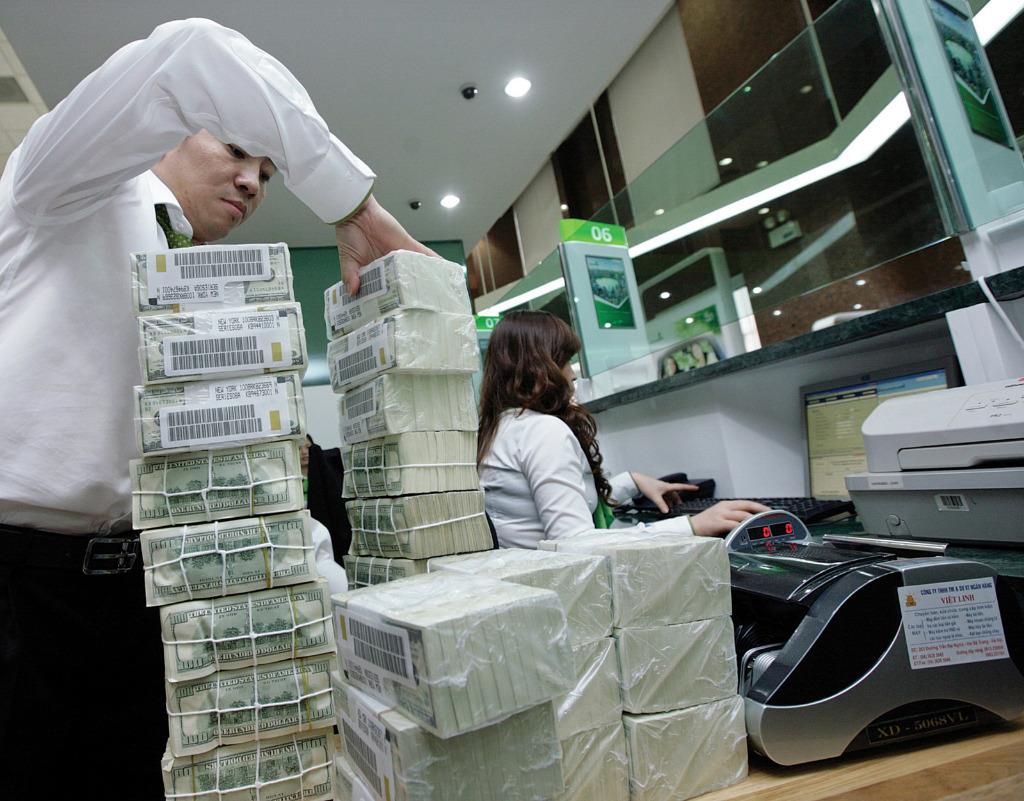
    The State Bank of Vietnam (SBV) recently increased the đồng reference rate by VND9 after the greenback appreciated strongly to avoid possible shocks.

    SBV Governor Le Minh Hung said the international markets remain volatile due to the UK vote to leave the EU, US President Donald Trump’s policies and the US rate hikes.

    The volatility has had an impact on the đồng exchange rate and made it harder for the Government to keep things smooth on the forex front. Since the beginning of the year, the central bank has been very cautious. As a result, the đồng has only lost 1.1% against the dollar.

    The National Financial Supervisory Committee (NFSC) officials said the central bank is flexible and keeps a close eye on the exchange rate, regulating it on a daily basis.

    Analysts said Vietnam should not pay too much attention to the US interest rate hikes since they do not always affect the đồng.

    They pointed to the rate hike in March when the dollar actually declined against the đồng.

    One of the reasons for this is that foreign direct investment has been pouring into the country.

    In the first four months of the year, US$10.95 billion flowed in, representing a year-on-year increase of 40.5%.

    Though the big trade deficit with China is a factor in the đồng’s value, the Chinese Government is unlikely to depreciate the renminbi.

    This is because its policy is to develop the economy based on the domestic market in future instead of exports as the case used to be.

    Hung said since the Government would continue to pursue its de-dollarisation policy, the central bank would remain flexible with its exchange rate regulations to ensure exporters, importers, the Government and enterprises borrowing overseas and repaying foreign loans all benefit.

    Many analysts estimate the greenback will rise 2-3% against the đồng this year, saying the economy can easily absorb this.

    Foreign retailers crowd VN market

    Koji Takayanagi, president of Japan’s second largest convenience store chain FamilyMart, said the company is reviewing its loss-making operations in Indonesia, Thailand and Vietnam.

    “If we can get them to rally we will, but we cannot continue to pour in resources,” he told Reuters.

    The Japanese franchise has forecast operating profit to more than double to 1 trillion yen (US$8.79 billion) in four years from 412 billion yen in the current fiscal year.

    But while the business is profitable in China and Taiwan, it is not doing well elsewhere.

    FamilyMart came to Vietnam in 2010 and expected to open 300 stores in collaboration with local distributor Phu Thai Group, according to online newspaper VnExpress.

    But the partnership ended in 2013, with the distributor taking over 42 stores and turning them into B’s Mart in collaboration with Thailand’s Beri Jucker Plc.

    The brand made a comeback in July 2013 and now has 130 stores in HCM City, the nearby resort town of Vung Tau and Binh Duong Province, and aims to expand to 150 by the end of this year.

    Last December, Parkson, owned by Malaysian conglomerate Lion Group, closed its second store in Hanoi after eight years of operations, citing unsatisfactory results.

    The move marks the closure of the last store in Hanoi and third in Vietnam. In May 2016, Parkson Paragon in HCM City’s upscale Phu My Hung urban area closed after five years of operations, and in January 2015, Parkson Landmark 72 in Hanoi closed.

    The management had stuck a notice on the door of the latter store that it would only close for a few days “to take inventory”, but never opened again.

    Parkson’s recent results in the third quarter of 2016-17 showed its business in Vietnam remained mired in difficulties because the retail market was getting “more and more cramped”.

    Market observers offered explanations for the failure of some foreign retailers in Vietnam, with the decisive factor being the growing presence of giant global retailers, which is making competition in the sector fiercer.

    According to a report from the Ministry of Industry and Trade earlier this year, foreign enterprises now hold a 17% market share in the shopping centre and supermarket segment, 70% in convenience stores, 15% in minimarts and around 50% in online, TV and phone shopping.

    The percentages may not be too high but the looming presence of foreign retailers can be seen in many major cities.

    For instance, Thailand’s Central Group has bought the entire stake of France’s Casino Group in Big C Vietnam, while another Thai conglomerate, TCC Holding, has acquired Metro Cash and Carry Vietnam.

    Other foreign groups such as the Republic of Korea’s Lotte and Japan’s Aeon have been steadily expanding, and have plans to double or triple the number of stores in Vietnam in the coming years.

    In terms of growth, Vietnam’s retail market is among the top five in Southeast Asia and 11th globally, according to A.T. Kearney’s 2016 Global Retail Development Index.

    The trade ministry said retail sales of goods and services rose 10.2% to VND3,530 trillion (US$156.7 billion) last year.

    It has projected the market to hit US$179 billion by 2020.

    There is indeed a lot room for the retail sector to grow in Vietnam, where more than half the population of nearly 92 million is young and incomes are rising very fast, it said.

    Business-to-customer transactions are expected to double in value from the US$2.2 billion recorded in 2013.

    The ministry also expects the country to have 1,200-1,300 supermarket outlets by 2020, up 650 from 2011. The number of trade centres and malls are projected to increase to 180 and 175, respectively.

    Thời Báo Kinh Doanh newspaper (Business Times newspaper) quoted Akiihiko Maeda, CEO of Japan’s  Ministop 24-hour convenience store chain in Vietnam as saying competition is now the biggest challenge for his company.

    Ministop would need five to six years to break even, he said.

    But to achieve that, it would have to increase the number of stores by 80-100 a year and reach around 300.

    Analysts pointed out that this means Ministop — and other foreign retailers – would have to bring in lots of money.

    Where do domestic retailers stand?

    The swift expansion of foreign firms has also piled pressure on local retailers. Domestic goods suppliers are feeling the pinch as foreign retailers are developing their own brands for selling through their stores.

    Local retailers, at least many of them, cannot take on their foreign rivals, analysts fear.

    To compete, they need good management in all areas from brand building, ensuring product quality and marketing to human resources, training and establishing distribution networks, they said.

    But most are too weak and need to be immediately restructured, they said.

    Technology is also a problem for many Vietnamese retailers in a sector that is highly technology-intensive, they said.

  • UOB UnionPay Card Relaunched with 2% Cash Rebate

    UOB UnionPay Card Relaunched with 2% Cash Rebate

    UOB and UnionPay International (UPI) have revamped its UOB UnionPay Card as a simple, no-frills card. The UOB UnionPay Card offers a 2% cash rebate on local and overseas spend1, with no minimum spending restrictions, enabling customers to reap cash rebates of up to S$600 for the first year.

    Sporting a brand new design and UnionPay’s contactless payment feature QuickPass, the UOB UnionPay Card enables Cardholders to pay for their purchases via quick tap-and-go at participating point-of-sales (POS) counters. Cardholders can take advantage of this convenient feature at local merchants such as BHG, BreadTalk, M1 and Shaw Theatres, along with overseas merchants such as 7-Eleven in Macau, SaSa in Hong Kong and Watsons in South Korea.

    “The UOB UnionPay Card is perfect for those who want fuss-free rewards. It simplifies money management, and makes life easier for everyone with a simple cash rebate system. With the QuickPass contactless payment feature, Cardholders can also make payment quickly and easily by tapping their cards at participating contactless payment terminals, saving them time that can be spent on more important moments in life. This card also represents our commitment to bringing products that are tailored to the needs of local consumers, and underscores our desire to continually enhance our products and services to serve them better,” said Wenhui Yang, General Manager for Southeast Asia, UnionPay International.

    Ms Choo Wan Sim, Head of Cards and Payments Singapore, UOB said: “UOB was the first and remains the only Singapore bank to offer a UnionPay credit card. In 2008, we launched our first card in recognition of the increasing travel and trade between our two markets. Since then, our cardmembers have been using the card to make purchases in China through UnionPay’s extensive acceptance network. In the last two years, we have seen a 20 per cent increase in the number of customers making purchases in China, not just for big ticket items but also for daily essentials such as groceries. UOB UnionPay cardmembers will now be rewarded with cash rebates on the purchases they make overseas and in Singapore.”

    In addition to receiving 2% cash rebate, new sign-ups for the UOB UnionPay Card can enjoy: 

    3-year annual fee waiver

    New customers who sign up for the UOB UnionPay Card can enjoy a 3-year waiver of the annual card membership fee from the date of application.

    More cash rebates until 30 September 2017

    The first 2,000 customers who sign up for the card and whose card is approved between 26 May 2017 and 31 August 2017 can also enjoy two times the rebate i.e. 4% on all spend until 30 September 20171.

    UOB UnionPay Cardholders will also be able to enjoy global offers for shopping, dining, travel and entertainment, including duty free offers at over 100 international airports around the world. UnionPay Cardholders can download the UnionPay International application via Apple App Store or Google Play Store and enjoy discounts of up to 30% at Bath & Body Works, Kate Spade, Michael Kors, TUMI and Victoria’s Secret, along with other attractive U Plan offers at Matsumoto Kiyoshi in Japan, Macy’s in the USA and King Power in Thailand among others.

    In addition, the UOB UnionPay Card, a Platinum Card, entitles Cardholders to the privileges in U Collection, with global concierge services, airport VIP services and an exclusive range of dining privileges specially curated for premium Cardholders. The UOB UnionPay Card is available for sign up from 26 May 2017. To sign up online, visit uob.com.sg/unionpay

  • Big money flowing into Vietnam stock market

    Big money flowing into Vietnam stock market

    The liquidity has improved considerably with trading value of VND4.5 trillion in each trading session. One month ago, Nguyen Huu, an investor, decided to buy Sacombank shares (STB). “If I make a bank deposit, I would get an interest rate of a maximum 7 percent for six months. Meanwhile, with the investment in STB, I expect profit at 15-20 percent at minimum,” he said.

    Huu bought STB when the share price was at VND9,500 per share. And if he had sold the shares some days later, he would have made a profit of 10 percent.

    According to Nguyen Duc Hung Linh from the Saigon Securities Incorporated (SSI), the cash flow to the stock market mostly comed from big investors who prepare in financial capability and have big targets.

    The VN Index has for the first time in the last nine years has regained the 700 point threshold, while the trading value has reached VND4.5 trillion per daily trading session and foreign investors’ portfolio value has reached the highest peak.

    On May 15 morning, the stock market witnessed a record morning trading session with VND3.1 trillion worth of shares were traded. Investors were excited when seeing 56 shares hitting the ceiling price level.

    On May 16, the trading volume increased to VND3.659 trillion, an increase of 18 percent, the highest trading volume in the history of the Vietnamese market.

    “There is so much money from new sources and new investors who are more hot-headed than old investors,” the representative of a closed-end fund said.

    Nguyen Tri Hieu, a renowned banking expert, at a workshop on the stock market held some days ago, commented that this was good news for Vietnam, but investors have been advised to be cautious.

    “The index has been escalating rapidly. If the trend continues, I think the VN Index would reach the 740 point threshold or even higher,” Hieu said.

    Tong Minh Tuan from VCB Securities commented that the most important thing is that the stock market has more good commodities this year to offer.

    “Foreign funds are very excited and they have taken action. I think the market would be even more busy towards the end of the year,” Tuan said.

    Other analysts also commented that they were optimistic about the market in 2017-2018, because there would be more good shares on the market once the state divests from several profitable companies.

  • OCBC Bank subsidiary launches private onshore banking in Indonesia

    OCBC Bank subsidiary launches private onshore banking in Indonesia

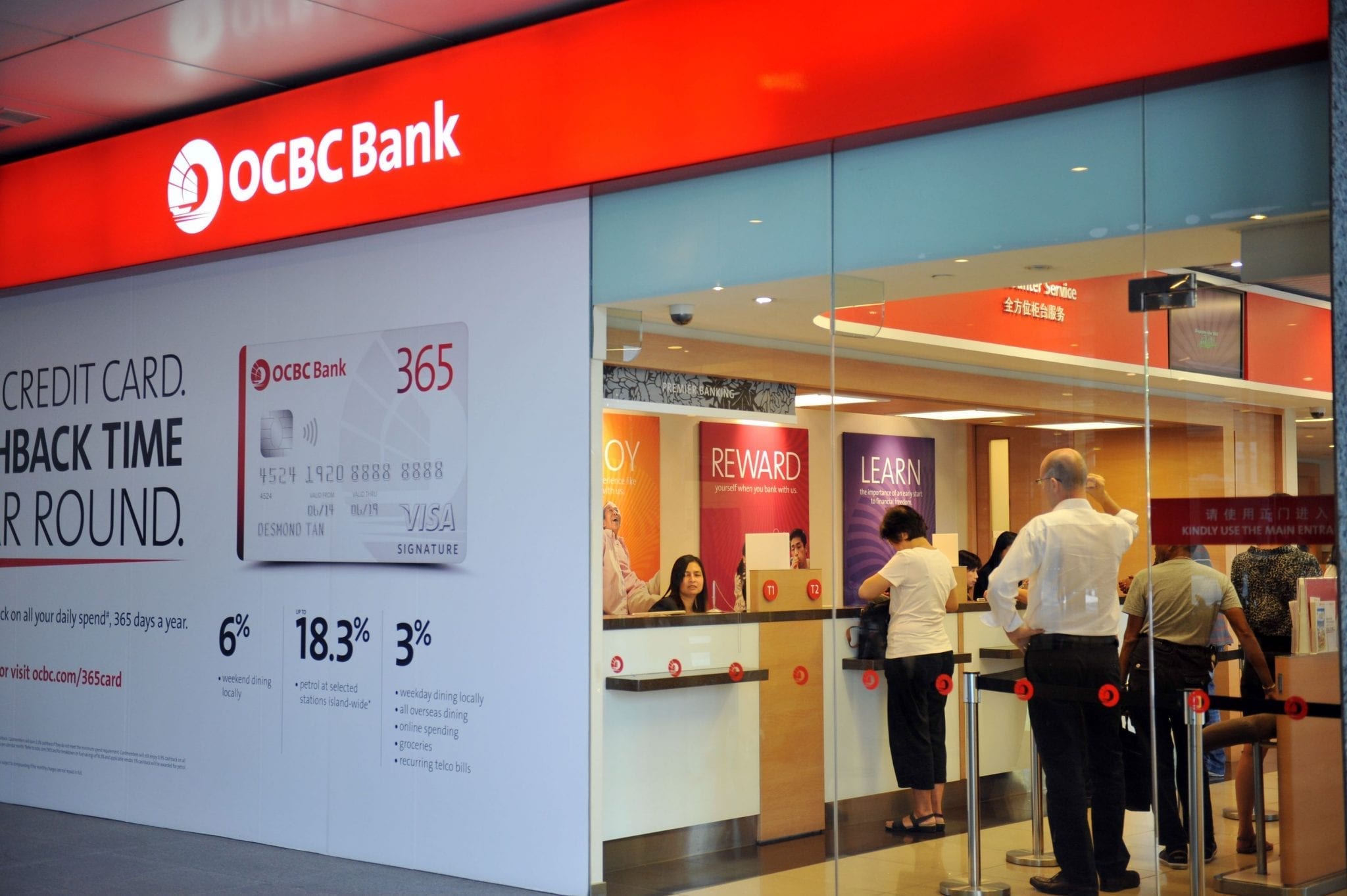
    OCBC Bank has launched onshore private banking in Indonesia through its 85 per cent-owned subsidiary, OCBC NISP, the company said on Monday.

    OCBC NISP has obtained regulatory approval to establish the private banking unit to manage the wealth of Indonesians with assets under management of more than US$1 million (S$1.38 million) with a comprehensive range of wealth management solutions.

    The unit will leverage OCBC Bank’s uniquely integrated wealth management platform that draws on the combined product expertise of the Bank and its subsidiaries – insurance products from Great Eastern Holdings, equities and bond funds from Lion Global Investors, brokerage services from OCBC Securities and private banking services from Bank of Singapore.

    The launch team includes four other private bankers who have an average of 18 years of onshore and offshore private banking experience and deep knowledge of regional markets. The team is expected to double in size by the end of the year.

    OCBC NISP private banking clients who are business owners will be able to draw on the commercial banking solutions offered by OCBC NISP and leverage OCBC Bank’s global network of more than 610 branches and offices across 18 countries and regions.

    “We are pleased to offer our wealthy clients alternative wealth management and investment options to help them manage their funds with the launch of our private banking business,” said Ms Parwati Surjaudaja, president director of OCBC NISP. “We will be introducing more sophisticated solutions that are tailored to our clients’ unique wealth planning and investment needs as we grow our business.”

    Calling the launch an important milestone in the expansion of OCBC’s wealth management franchise, Mr Samuel Tsien, group CEO of OCBC Bank, said the new business will help broaden client coverage of high net worth individuals. “We will leverage our strong product development, distribution and execution capabilities across the OCBC group to support this new customer segment in Indonesia.”

  • ANZ plans to sell VN banking retail business

    ANZ plans to sell VN banking retail business

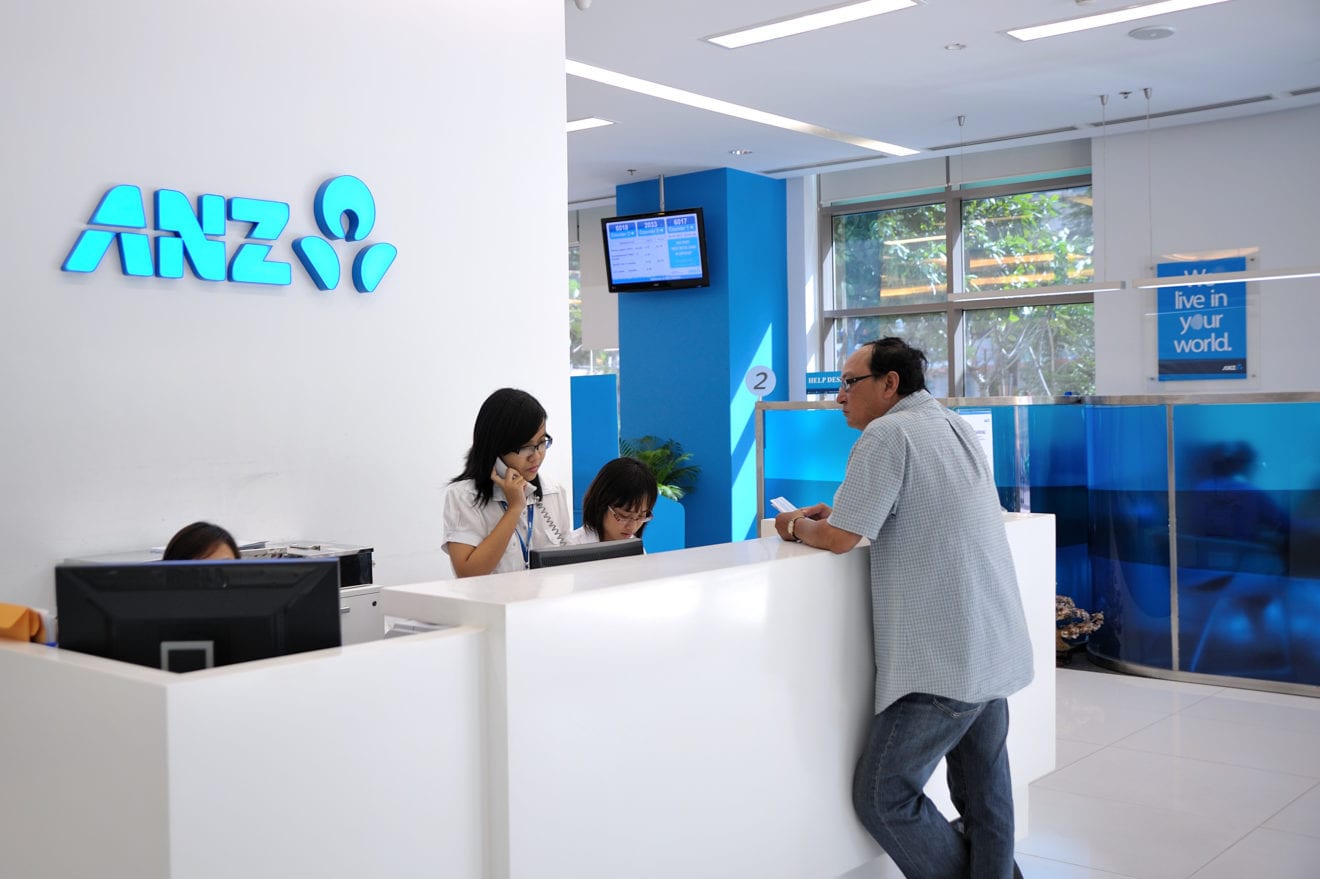
    The Australia and New Zealand Banking Group (ANZ) plans to sell its Việt Nam retail business, a source close to the matter has told the Saigon Times Online.

    According to the source, three foreign and two local banks are hoping to acquire ANZ’s retail business unit in Việt Nam.

    The Việt Nam retail business will not be sold to Singapore-based DBS Bank Ltd, the source said. DBS is not on the list of five potential buyers for the deal.

    In late October 2016, DBS purchased ANZ’s retail banking and wealth management units in five Asia markets for some S$110 million in book value, according to international media.

    The deals were based on business performance, profitability and strategy, and would limit ANZ’s activities in some segments for Asian clients. The bank would, instead, focus on its core businesses for the Asia region such as capital market, bond market, cash-flow management, corporate banking and investment banking.

    The value of retail banking business units transferred in the Asia region is small in comparison with ANZ’s total scale value.

    Việt Nam News tried to contact ANZ for more details, however, the Melbourne-based bank declined to comment.

    ANZ expanded strongly in Asia prior to 2013 and purchased stake in local commercial banks, including HCM City-based Sacombank. Since October 2015, ANZ has divested from its earlier small-scale investments and focused on its core businesses.

    Other Australian banks have also offloaded stake in investments and closed their representative branches outside the New Zealand and Australia markets. They have planned not to expand further in the Southeast Asia region after the Australian government made changes in its banking policies regarding class-one capital, lending and banking retail activities such as real estate trading.

  • AEON Your Cash Awards 1 Million Baht Worth of Gold to Lucky Winner

    AEON Your Cash Awards 1 Million Baht Worth of Gold to Lucky Winner

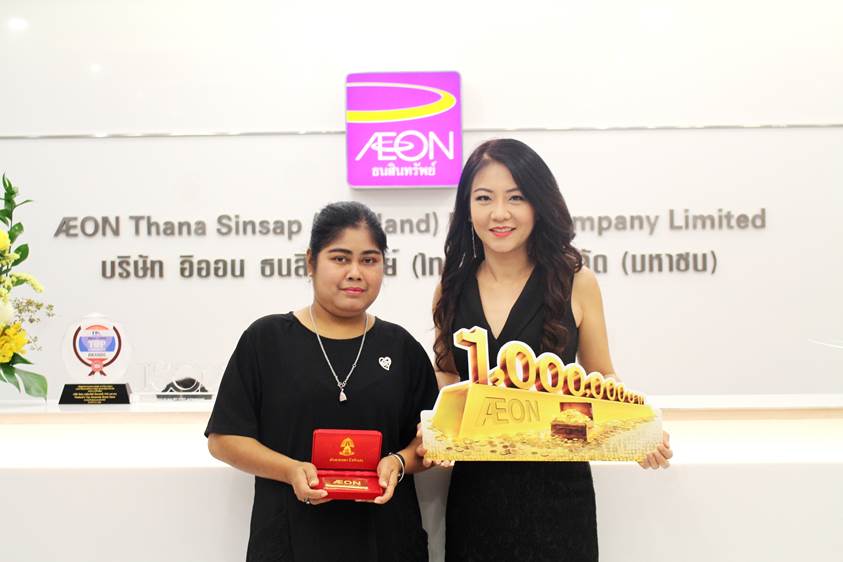
    Ms.Saranya Pipoppinyo (right), Vice President Marketing of AEON Thana Sinsap (Thailand) Public Company Limited, awarded a gold bar, valued at 1 million baht, to Ms. Jirarat Khunthong, a lucky winner from Trang province, as part of “Win Gold Worth THB1 Million with AEON”. The campaign was eligible for AEON Your Cash customers who withdrew cash or transferred Your Cash loan at least 1,000 baht from 1 January – 28 February 2017.

  • Vietnam to adopt international financial reporting standards by 2025

    Vietnam to adopt international financial reporting standards by 2025

    Financial statements prepared under the new standards will give investors better insight into how companies perform. Vietnam will join most of the world by adopting the International Financial Reporting Standards (IFRS) by 2025 to improve transparency and boost investment.

    The decision was announced by officials at a seminar in Hanoi late last week.

    Vu Duc Chinh, director of the Accounting and Auditing Policies Department, said Vietnam has its own accounting standards but there are shortcomings and inconsistencies that hinder foreigners from investing in the country.

    Financial statements prepared under the international standards will give investors better insight into how a company actually performs, officials said.

    Globally, over 90 percent of all countries have publicly confirmed adoption or already followed the standards.

    It normally takes quite a long time before a country completes its transition to the new rules.

    “Adopting IFRS in a comprehensive and complete way often takes five to 10 years, depending on financial conditions of each country,” said Chris Fabling, senior financial management specialist at the World Bank.

    Under the current roadmap, the standards will be gradually rolled out and applied by 2020, with listed companies as the first group to be subjected to the rules. By 2025, all companies in the Vietnam will have to follow the new standards.

  • Singapore Airlines partners with UOB for frequent flyer program

    Singapore Airlines partners with UOB for frequent flyer program

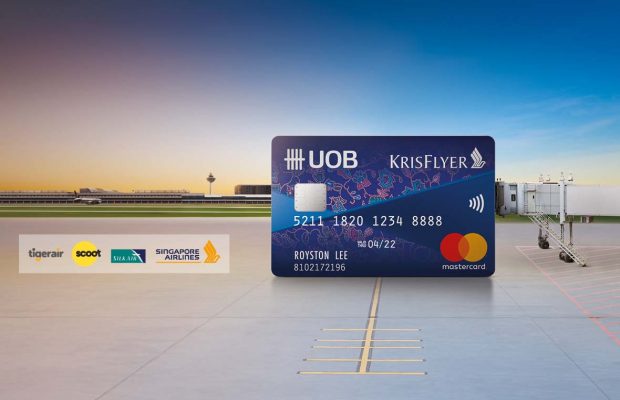
    United Overseas Bank Limited (UOB) has teamed up with Singapore Airlines’ (SIA) frequent flyer program to launch KrisFlyer UOB Account.

    Targeting those who prefer to use a debit card or millennials who may not yet be eligible for a credit card the account allows users to earn KrisFlyer miles whenever they save or spend. The miles can also be used for award flights and upgrades on SIA and SilkAir, or as travel vouchers on Scoot or Tigerair.

    The miles earned will depend on the customers’ account balance. Those who have an account balance of S$350,000 (US$249,377) and above, for instance, will earn 5.4 KrisFlyer miles for every dollar they spend using their KrisFlyer UOB account.

    “We have seen spending on UOB debit cards grow 40 percent over the past two years. Travel spend on debit cards also increased 15 percent in the corresponding period as our customers make more trips abroad,” said UOB head of personal financial services Singapore, Jacquelyn Tan, in a press release.

    The bank is targeting to open at least 200,000 KrisFlyer UOB accounts in the next five years.

    Meanwhile, SIA Marketing Planning senior VP Tan Kai Ping said, “The KrisFlyer UOB card leverages the wide reach of the KrisFlyer frequent flyer programme, giving card members access to all the airlines within the Singapore Airlines Group. This means seamless access to our four airlines – from full-service carriers Singapore Airlines and SilkAir to budget carriers Scoot and Tigerair – when they spend and save through this account.”

  • Singapore banks seek to simplify online transactions

    Singapore banks seek to simplify online transactions

    Four banks in Singapore are participating in a pilot that aims to explore ways to simplify online banking transactions with the use of the government’s MyInfo online authentication service.

    The pilot is backed by the Smart Nation and Digital Government Office (SNDGO) and Government Technology Agency (GovTech), in collaboration with the Monetary Authority of Singapore (MAS).

    Prospective customers of United Overseas Bank (UOB), Development Bank of Singapore (DBS), Oversea-Chinese Banking Corporation (OCBC) and Standard Chartered Bank (StanChart) with a registered profile on myinfo.gov.sg will be able to apply for a new bank account without needing to submit supporting documentation.

    This aims to provide greater convenience and a faster transaction time for consumers while benefiting banks in the form of higher productivity and lower compliance costs.

    Banks in Singapore currently require users to submit copies of their identity, income and CPF documents for applications. With MyInfo, customers can pre-fill these Government-verified personal particulars into the necessary forms, and avoid the need to submit supporting documents.

    MyInfo has been rolled out for SingPass users since May 2016 for popular government digital services such as balloting of the Housing Development Board’s Build-To-Order (BTO) flats. MyInfo is scheduled to be available on most government digital services with SingPass two-factor authentication (2FA) by 2018.

    Jacqueline Poh, Chief Executive, GovTech, said, “We want to explore how citizen-centric government digital services can be extended to better help industry and transform service-delivery to citizens. We have seen good take-up of MyInfo, and hope that this public-private collaboration will provide citizens with even more benefits.”

    Sopnendu Mohanty, Chief FinTech Officer, MAS, said: “MAS is excited by the opportunities that national infrastructure platforms can bring to the financial industry, such as hassle-free online account opening and instant account activation in the near future. MAS would like to urge the industry to reimagine their customer journey for instant gratification as they leverage platforms like MyInfo.”

    Michael Gorriz, Group CIO, Standard Chartered Bank, said: “Central database and central data-keeping is absolutely the way forward. If you look at the 3 parties – the Singapore government, the citizens and the banks or other entities – it is really a win-win-win situation. So first of all, for the consumer, he only has to enter the data once and then he decides who has access to the data. We as a Bank, we win, because we get qualified data from the consumer, which he puts all due diligence and care in to keep it up to date.”

    After this pilot, MyInfo may be extended later this year to other popular transactions such as applications for credit cards and home loans. MyInfo could also be extended to other sectors with strong citizen touch points such as insurance.

  • HSBC takes the long view with Guangdong strategy

    HSBC takes the long view with Guangdong strategy

    After two years of ploughing to become a universal bank in China’s southern Guangdong province that also serves the surrounding region, there is little sign of a full yield in near sight for HSBC Holdings. But HSBC stresses that it always knew the road to harvest would be long and treacherous, and is reiterating its commitment by pumping in more resources to expand services and hiring more staff this year.

    This is despite the fact that the lender made a loss of US$72 million in retail banking and wealth management in China last year. “The [Pearl River Delta] plan is on track,” said Kevin Martin, HSBC’s Asia-Pacific head of retail banking and wealth management. “What we’ve said is that in Guangdong we want to be a full universal bank. We feel that we are able to compete on the ground there, using digital capabilities, to bank the communities in Guangzhou and Shenzhen, and also the surrounds.” In fact, it was these efforts and investments to build out the Guangdong and Pearl River Delta plan that led to the loss last year. “It [the loss] largely reflects investment,” Martin said. “If you look at the underlying HSBC business in China retail, it is profitable. But as you invest into the future, your earnings are a tail.”

    HSBC’s choice of Guangdong and the Pearl River Delta to front its China strategy is hardly surprising, given their proximity to Hong Kong, which benefits the bank as far as Chinese consumers’ recognition of the HSBC brand goes. The bank, first called Hongkong and Shanghai Bank, was established 152 years ago in Hong Kong and a month later in Shanghai.

    “Guangdong residents don’t consider us to be the Bank of China, but when they look at their international needs… they know us and that we are well placed to meet those needs. And obviously for those who come to Hong Kong regularly, it makes sense,” Martin said. In Guangdong, HSBC has expanded its premier offering to mass affluent customers, grown out its mortgage book (though this has been affected by the Guangdong government’s cooling measures) and in December last year announced it would launch credit cards.

    Martin said there were currently 150,000 HSBC credit cards in the market by the end of April, or 5 per cent of the three-million-card target it aims to issue over three to five years that he announced in December when the card was launched. Currently, 600 million to 700 million credit cards are issued in China.

  • UnionPay International’s Cross-Border Marketing Platform

    UnionPay International’s Cross-Border Marketing Platform

    With the May Day holiday approaching, tourism in Asia is set to experience another peak. In anticipation of the increased tourist arrivals around the world, UnionPay International announced the expansion of its cross-border marketing platform, U Plan, to 1,600 stores in nine countries and regions around the world.

    With U Plan, UnionPay Cardholders around the world can enjoy more savings when shopping with UnionPay Cards locally and overseas. To take advantage of the U Plan benefits, Cardholders can simply download the UnionPay International mobile app on iOS and Android phones prior to their travels. Through the app, Cardholders can access all the latest merchant discounts and promotions available at their travel destinations, and download exclusive U Plan discount coupons to be presented at the participating merchant’s point-of-sales counters together with their UnionPay Card (card number starting with 62), to enjoy additional savings on their travels.

    Since the launch of U Plan in July last year, the cross-border marketing platform has expanded to 300 stores in Hong Kong, Macau, Singapore and Thailand in November 2016. With this latest expansion, the platform now covers 1,600 stores across the globe, as well as merchants in countries including Australia, Japan, New Zealand and the USA.

    Some of the new merchants that have come on board U Plan include:

    Country/Region Merchant U Plan Benefits
    Thailand ShowDC Enjoy 5% and an additional THB100 off when you spend a minimum of THB1,000 with UnionPay Cards upon presentation of U Plan coupon


    Emporium, EmQuartier, Paragon Department Stores Enjoy 10% off with UnionPay Cards upon presentation of U Plan coupon
    Korea Doota Mall Enjoy KRW30,000 off when you spend a minimum of KRW150,000 with UnionPay Cards upon presentation of U Plan coupon


    Doota Duty Free Enjoy KRW20,000 off when you spend a minimum of KRW200,000 with UnionPay Cards upon presentation of U Plan coupon


    Japan Mitsui Outlet Park, Mitsui Shopping Park LaLaport (Toyosu, EXPOCITY), DiverCity Tokyo Plaza, Coredo Muromachi


    Enjoy 10% off with UnionPay Cards upon presentation of U Plan coupon
    Matsumoto Kyoshi Enjoy 7% off when you spend a minimum of JPY30,000 with UnionPay Cards upon presentation of U Plan coupon


    USA Macy’s Enjoy 20% off with UnionPay Cards upon presentation of U Plan coupon


    Australia JR Duty Free Enjoy 10% off with UnionPay Cards upon presentation of U Plan coupon


    T Galleria Sydney Enjoy AUD25 off when you spend a minimum of AUD500 with UnionPay Cards upon presentation of U Plan Coupon


    New Zealand JR Duty Free Enjoy 10% off with UnionPay Cards upon presentation of U Plan coupon


    T Galleria Auckland Enjoy NZD25 off when you spend a minimum of NZD500 with UnionPay Cards upon presentation of U Plan Coupon


    U Plan is the world’s first open cross-border marketing platform launched by UnionPay for Cardholders. By bringing together service providers in the finance, tourism and retail industries, U Plan provides a one-stop marketing platform for UnionPay and its partners to market products and services to Cardholders across geographical borders. Through the use of mobile applications and location services,U Plan enables a high-level of precision for UnionPay and partners to reach out to potential travelers prior to their travels, to promote special privileges and discounts that UnionPay Cardholders can enjoy at their travel destinations.

    To date, U Plan has been well received by merchants and UnionPay Cardholders around the world. Moving forward, UnionPay International plans to expand the platform to more merchants in Europe and the USA, providing a wider range of gifts, discounts and VIP shopping booklets to enhance the overall experience for UnionPay Cardholders.

  • Korean banks expand in Vietnam

    Korean banks expand in Vietnam

    Following Shinhan Vietnam’s successful acquisition of ANZ Vietnam’s retail business, fellow Korean banks have also expanded their sizes and market share in Vietnam, seizing the lead in the foreign bank race on the Vietnamese market.

    Shinhan getting stronger

    Shinhan’s takeover of ANZ Vietnam’s retail arm has made its competitors worry, as Shinhan seems to get closer to becoming the champion of foreign banks in Vietnam, especially as the growth rate of the current leader HSBC Vietnam has been wildly fluctuating over the last five years.

    Despite a relatively low chartered capital of only VND4.547 trillion (US$200 million) and being less active than HSBC Vietnam—the number one foreign bank in Vietnam in terms of chartered capital, total assets, and profit, in 2016 Shinhan Vietnam’s profit exceeded VND1 trillion (US$44 million).

    This amount far outstripped numerous, similar-sized domestic banks and all foreign banks in Vietnam. Shinhan Vietnam’s profit was lower than HSBC Vietnam’s only.

    According to the acquisition agreement with ANZ, Shinhan Vietnam will have eight ANZ’s branches and transaction offices in Hanoi and Ho Chi Minh City, carrying on the entirety of the ANZ retail banking staff and 125,000 individual clients in Vietnam, as well as AUD1.1 billion (US$824 million) in outstanding loans and deposits.

    With 20 years of experience on the Vietnamese market and the takeover of ANZ’s retail business, Shinhan Vietnam’s position is getting steadier.

    At present, Shinhan Vietnam has a large number of corporate clients, primarily made up of Korean investors in Vietnam.

    Before the agreement with ANZ, Shinhan Vietnam had been continuously expanding its network. At the middle of April 2017, the State Bank of Vietnam permitted it to open a representative office and four branches and transaction offices in Hanoi and Ho Chi Minh City.

    Korean banks make foray into Vietnam

    Following Shinhan Bank, many other Korean banks are increasing their influence in the Vietnamese market. This expansion is easy to understand, as Korea is the biggest foreign investor in Vietnam.

    Currently, two of the eight 100% foreign-owned banks in Vietnam are from Korea (Shinhan and Woori Bank). Besides, many big Korean banks are starting to join the Vietnamese market by establishing branches or representative offices.

    These include Kexim, KEB Hana, Industrial Bank of Korea, Kookmin, Busan, and Nonghyup.

    In terms of size and market share, Shinhan and Woori Bank are in the lead among all foreign banks in Vietnam. They are formidable competition even to well-established Vietnamese banks.

    By providing good services and competitive interest rates, Korean banks are luring away a large number of clients from domestic banks.

    For instance, in Shinhan Vietnam, the outstanding loan balance of Vietnamese corporate clients accounts for at least 50% of its total corporate credit.

    In addition, Shinhan’s interest rates for home loans, car loans and consumer loans are lower than in many domestic banks. This has attracted a huge number of individual clients, especially from the middle and high income bracket.

    Besides Shinhan, newbie Woori also plans to deploy plenty of retail products in Vietnam in the course of 2017, such as cards, unsecured loans, and mortgages.

    Abundant capital, modern technology inherited from parent banks, knowledge of the Vietnamese market, and the huge number of corporate clients make up the rare advantages for Korean banks to successfully join the Vietnamese retail market, likely making domestic and other foreign banks worry.

  • Bank Mandiri posts net profit of Rp4.1 trillion in Q1

    Bank Mandiri posts net profit of Rp4.1 trillion in Q1

    State lender Bank Mandiri posted a net profit of Rp4.1 trillion in the first quarter of 2017, up 6.9 percent from Rp3.8 trillion in the same period last year.

    One of the factors increasing the profit was the rise in the amount of financing as reflected by credit growth, which rose 14.2 percent to Rp656.2 trillion in the first quarter of 2017, with the gross non-performing loan (NPL) ratio reaching 3.98 percent, Bank Mandiri President Director Kartika Wirjoatmodjo said here on Tuesday.

    “Although the gross NPL ratio rose 80 points year-on-year, its value was relatively good compared to Dec 2016,” he stated.

    In addition, the net profit hike was also fueled by net interest income and net premiums, which rose by 3 percent to Rp13.4 trillion, and fee-based income, which went up by 25 percent to Rp13.4 trillion.

    He added that the bank also managed to cut operating costs by 3.8 percent to Rp7.9 trillion, while operating profit before tax and reserves increased 11.9 percent to Rp10.8 trillion compared to March 2016.

    The banks total assets reached Rp1,034.4 trillion as of the first quarter of 2017, up 14.1 percent compared to the same period last year.

  • Vietnam’s bank seeks $700 mln via stake sale to foreign investor

    Vietnam’s bank seeks $700 mln via stake sale to foreign investor

    Saigon Commercial Bank expects further talks with two potential investors from China and Indonesia as it plans to sell more than half of the bank at par value. Saigon Joint Stock Commercial Bank, Vietnam’s fifth largest by assets, is in talks to draw an investment of at least $700 million by selling a controlling stake to a foreign investor.

    As the first Vietnamese bank granted government approval to seek such foreign investment, the lender plans to sell more than half of the bank at par value through the issuance of new shares, Chief Executive Officer Vo Tan Hoang Van was quoted as saying.

    “We’re really looking for a partner who would not only put money into the bank but also has the same vision about this market,” Van told Bloomberg. “”More importantly, they need to help our clients to complete their real estate projects so that we can solve the bad debt issue in a shorter time.”

    Saigon Commercial Bank slashed its bad debt ratio to 0.68 percent by the end of last year from 7.25 percent in 2012, the lender said at its April 18 shareholders’ meeting.

    Van said the bank has been in talks with banks, equity funds and insurance companies from China, Indonesia, Norway, and Taiwan over the stake sale. It expects intensifying negotiations with two potential investors from China and Indonesia.

    The bank plans to submit its stake sale plan to the central bank for approval early next year and close the deal in mid-2018, he said.

    The Vietnamese government currently sets a 30-percent cap on total foreign ownership in banks.

    Prime Minister Nguyen Xuan Phuc told in January that he plans to raise the cap in banks to accelerate restructuring Vietnam’s banking system.

    The government established the Vietnam Asset Management Company in 2013 to deal with bad bank loans, mostly incurred due to a slowdown in the country’s real estate market in the early 2010s.

    State Bank of Vietnam’s data showed the bad debt ratio was cut to 2.46 percent of total loans in November last year, from 17.2 percent in September 2012.

  • ANZ sells retail business in Vietnam to South Korea’s Shinhan

    ANZ sells retail business in Vietnam to South Korea’s Shinhan

    The Australian bank said it will focus on its institutional banking, its biggest business in the region. Australian lender ANZ has announced to sell its retail business in Vietnam to South Korea’s Shinhan to focus resources on institutional banking.

    The bank has entered an agreement to transfer all eight branches, including retail staff in Hanoi and Ho Chi Minh City, to Shinhan Bank Vietnam, part of the Seoul-based Shinhan Financial Group, Farhan Faruqui, ANZ international group executive, said in a statement on Friday.

    Faruqui said the sale will allow the bank to focus resources on institutional banking, its “largest business in Asia.”

    “We will be maintaining our presence through our institutional bank in Vietnam which will continue to support our corporate clients in the Greater Mekong Region,” he said.

    ANZ’s institutional bank has a presence in 15 different markets in Asia and was ranked as one of the top four corporate banks in the region by market intelligence provider Greenwich Associates in 2016.

    ANZ’s retail business serves 125,000 customers in Vietnam, and includes $241.2 million in lending assets and $603 million in deposits. The Southeast Asian country’s economy has one the world’s fastest growing rates.

    ANZ said the transfer is subject to regulatory approval and expected to complete by year end.

    Rumors about the sale have been circulating since late last year after the bank sold its wealth management and retail business in Singapore, Hong Kong and three other Asian markets to Singaporean DBS for nearly $80 million above book value.

    Vietnam’s credit growth this year is targeted at 18 percent to facilitate the country’s annual economic expansion of 6.7 percent, the central bank has said. Last year the economy grew 6.21 percent from 2015, the slowest in two years, even though the banking sector posted an annual credit growth of 18.39 percent.