Tag: fmcg

  • Shippit Targets Grocery Fleets with NowGo Dispatch Software

    Shippit Targets Grocery Fleets with NowGo Dispatch Software

    Shippit rolled out its NowGo fleet software to fast-moving consumer goods suppliers in Australia, aiming to automate dynamic re-routing across supermarket delivery networks. The Sydney-based logistics provider claims the system lifted vehicle utilisation by 15 per cent and expanded completed drops by 12 per cent.

    Built on historical Australian and New Zealand transport data, the platform manages temperature-controlled loads, fixed dock booking windows, and delivery-in-full, on-time performance targets. The software combines owned vehicle fleets and third-party transport operators into a single dispatch dashboard. Dispatchers reassign delivery stops and adjust routes instantly when vehicles break down or store receiving slots shift, replacing manual spreadsheet adjustments.

    Dynamic Dispatch and FMCG Time Slots

    Supermarket supply chains across Australia enforce strict delivery windows and immediate penalties for missed dock bookings. When a chilled vehicle fails or a store moves a delivery window forward, manual rescheduling across legacy software often forces suppliers to dispatch costly emergency backup vehicles.

    NowGo allows operators to adjust live runs without pulling drivers off the road, according to Helen Studley, Senior Product Manager at NowGo. The platform also includes scenario-modelling tools designed to test fleet capacity ahead of seasonal volume spikes.

    Fleet Pressures Across Regional Supply Chains

    Across Asia-Pacific grocery networks, suppliers face continuous margin pressure from elevated fuel prices, driver shortages, and tighter supermarket service agreements. While regional logistics giants have historically built bespoke tracking tools or relied on fragmented transport management systems, software providers are pushing modular dispatch algorithms to mid-tier suppliers.

    Fleet operators now face the challenge of integrating real-time routing data across mixed subcontractor networks ahead of peak end-of-year trading volumes.

  • Australian Certified Organic Sales Hit AU$1.02 Billion

    Australian Certified Organic Sales Hit AU$1.02 Billion

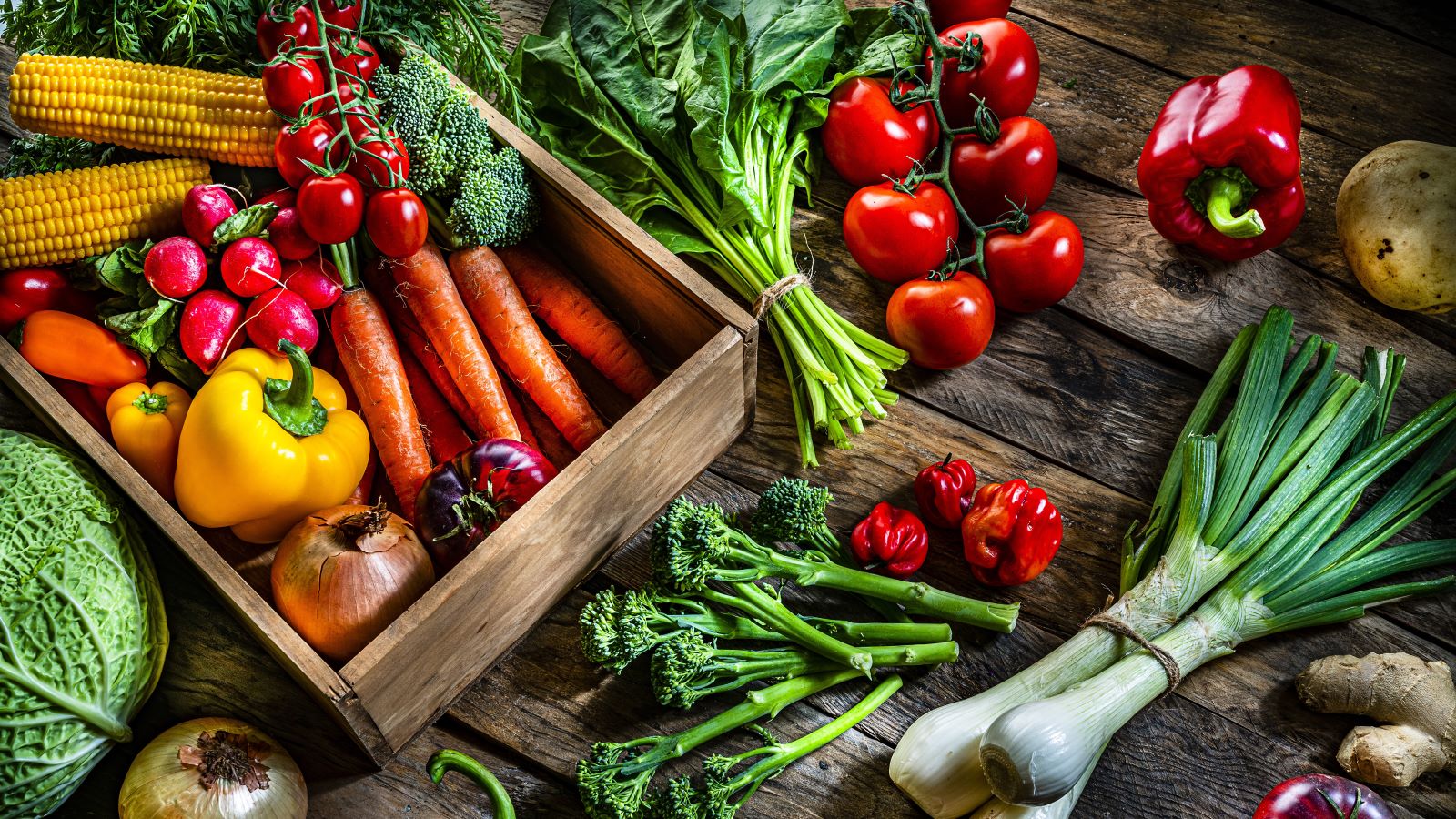
    Australia certified organic sector generated AU$1.02 billion in annual sales during the 2024-25 financial year. The total represents the first time the market cleared the billion-dollar threshold, driven largely by supermarket shelves and household pantry purchases.

    Retail sales for take-home consumption reached AU$657.6 million, climbing 11.9 per cent year on year, according to the Australian Organic Market Report 2026 released by Australian Organic Limited. The growth in household buying outpaced broader packaged grocery volume across major Australian supermarket chains.

    Supermarket Aisles Drive Revenue Gains

    Packaged food and fresh produce accounted for the bulk of retail spend, with shoppers prioritizing chemical-free certifications despite broader inflationary pressures on household food budgets. Certified supply chains kept up with the volume demand, helping standardise shelf placements across national grocery operators.

    The AU$1.02 billion total spans domestic agriculture, food manufacturing and retail channels across the country. Commercial operations continued converting conventional acreage to certified standards to capture premium wholesale margins.

    Wholesale Margins and Export Volumes

    Across the Asia-Pacific region, premium food producers face tight price sensitivity, yet certified organic goods continue to hold distinct price premiums in tier-one retail channels. Australian producers are positioning their certified output against competing high-end food exports from New Zealand and Europe.

    Industry bodies will monitor whether retail volume growth holds through the 2025-26 period as supply contracts renew and private-label organic ranges expand in major supermarket chains.

  • Real Pet Food Expands Fussy Cat Range with Dental Dry Food

    Real Pet Food Expands Fussy Cat Range with Dental Dry Food

    Real Pet Food Company expanded its Australian cat care line with the release of Fussy Cat Dental Defence Ocean Fish, a grain-free dry formula targeting dental health.

    The product uses an engineered kibble shape designed to prompt chewing and reduce tartar accumulation on teeth. Australian-sourced ocean fish forms the core protein base alongside added calcium for bone and tooth maintenance.

    Oral Care in Pet Grocery

    Specialised pet nutrition remains one of the steadiest sub-sectors in Australasian grocery aisles. Supermarket operators continue giving shelf space to functional lines that address specific conditions such as joint health, digestion, and dental hygiene. Fussy Cat competes directly against established premium dry pet food lines across supermarket networks in the region.

    Sourcing and Format Strategy

    Domestic ingredient sourcing gives local pet manufacturers a clear marketing point against imported dry kibble brands. Real Pet Food Company relies on local fish supply to back its grain-free recipe specifications across Australian grocery distribution.

    Retailers will track sell-through rates as the new dental stock hits Australian pet food fixtures over the coming retail quarter.

  • Global FMCG Brands Reshape Experiential Deals Across Asia-Pacific

    Global FMCG Brands Reshape Experiential Deals Across Asia-Pacific

    Global consumer goods manufacturers are restructuring major event partnerships across Asia-Pacific, shifting capital into high-traffic sports and cultural fixtures that drive direct product trial.

    Treasury Wine Estates flagship label Penfolds took an event supporter role at the Formula 1 Australian Grand Prix at Albert Park in March 2026. The four-day motorsport contract replaced its five-year tenure at the Melbourne Cup carnival, aligning the label with international broadcast reach during the 75th anniversary of its Grange vintage.

    On-Ground Services and Market Reach

    Consumer goods conglomerate Procter & Gamble expanded its multi-market Olympic platform to integrate retail campaigns directly with athlete usage. During the Milano Cortina 2026 Olympic Winter Games, the company ran its Champions Clubhouse across the Milano and Cortina villages, servicing more than 3,500 athletes with grooming, hair care and recovery facilities.

    The group distributed product kits across 25 corporate labels, including SK-II, Head & Shoulders, Oral-B and Gillette Venus. That athlete-facing footprint converts into localized supermarket campaigns across the region, including an ongoing partnership with eight-time Olympic gold medallist Lisa Carrington in New Zealand.

    Community Anchors and High Volume

    Pernod Ricard brand Absolut continues to direct festival marketing toward high-throughput consumption formats. The spirits maker pairs rapid-service cocktail menus with cultural events, including its long-running alignment with the Sydney Gay and Lesbian Mardi Gras in Australia and massive activations at Coachella in North America.

    Alcohol and personal care groups across Asia-Pacific are increasingly moving away from passive perimeter signage. Instead, brand owners want dedicated on-premise pours and physical service lounges that put physical inventory straight into shoppers’ hands.

    Brand teams now face the next test of this experiential spending when race organizers release spectator attendance and paddock hospitality figures for the upcoming grand prix calendar.

  • Malaysia Targets $2 Billion in Cambodia Trade by 2027

    Malaysia Targets $2 Billion in Cambodia Trade by 2027

    Malaysia aims to increase bilateral trade with Cambodia to $2 billion by 2027, driven by consumer goods exports and new retail supply deals in Phnom Penh.

    Two-way trade reached approximately $800 million in the first half of 2026, putting full-year volumes on course to surpass $1.5 billion.

    The target follows an official trade delegation led by the Malaysia External Trade Development Corporation (MATRADE). The four-day mission secured 186 million ringgit ($45 million) in sales, beating its initial 100 million ringgit ($24 million) projection.

    Distribution Deals Across Supermarkets and Wholesalers

    Twenty-six Malaysian suppliers joined the Phnom Penh mission, representing fast-moving consumer goods, halal-certified packaged foods, personal care lines, palm oil products and agricultural supplies. MATRADE organised more than 260 commercial meetings between these exporters and Cambodian retail buyers, including Chip Mong Retail, DKSH Cambodia, Goodhill Enterprise and Westec Media.

    Cambodian Minister of Commerce Cham Nimul and MATRADE Chairman Reezal Merican Naina Merican also held talks to expand bilateral halal commerce. Reezal Merican told delegates that Malaysian suppliers must build permanent local partnerships and supply chains in Cambodia instead of relying on spot trading.

    Regional Expansion and Consumer Goods Demand

    Malaysian packaged food and personal care brands are pushing harder into frontier Southeast Asian markets to capture rising household spending. Cambodia offers a fast-growing modern grocery network and rising demand for certified imports, giving regional consumer brands an accessible market between larger distribution hubs in Thailand and Vietnam.

    Bilateral trade totaled $1.17 billion in 2025, according to data cited by the Malaysian Business Chamber in Cambodia. Trade officials will track whether full-year 2026 numbers clear the projected $1.5 billion threshold on the path to the 2027 deadline.

  • Balter Brewing Launches Dark Lager Exclusively with Liquorland in Australia

    Balter Brewing Launches Dark Lager Exclusively with Liquorland in Australia

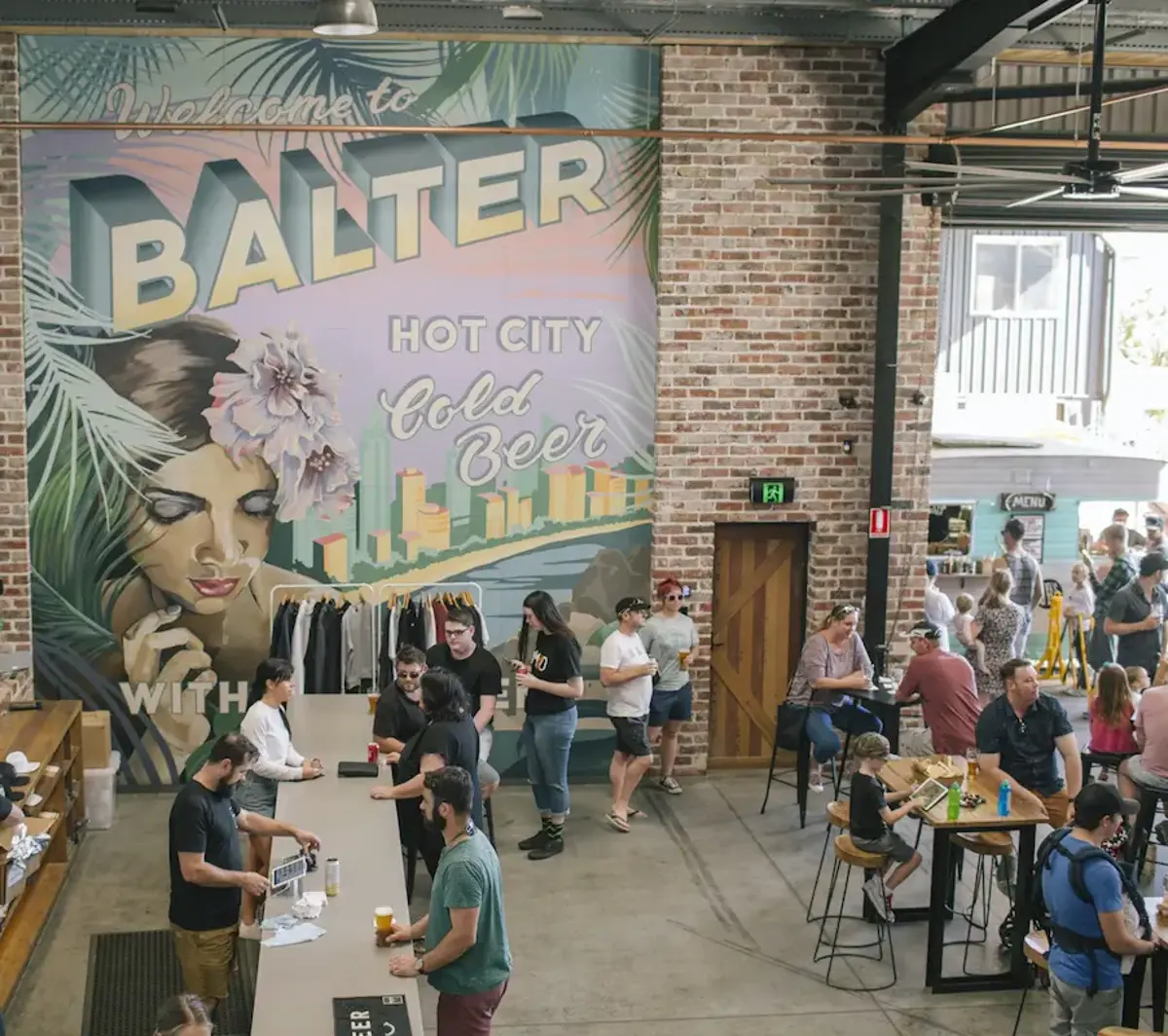
    Balter Brewing, an Australian craft beer producer, has unveiled its new dark lager, Balter Black. The product is launching as an exclusive retail offering through Liquorland, one of Australia’s prominent liquor retailers. This partnership highlights the growing consumer demand for diverse beer options, particularly in the dark brew segment.

    The Balter Black lager is designed to appeal to drinkers seeking an alternative to traditional heavy stouts. It combines the characteristic chocolate notes and mild roasted flavour of a dark malt with the lighter, crisp profile typically found in standard lagers. This approach aims to capture consumers who are drawn to the increasing popularity of dark beers, influenced by the resurgence of traditional varieties like Guinness.

    Exclusive Retail Partnership

    Initially developed as a limited-run special brew, Balter Black is now being brought to a wider market through its collaboration with Liquorland. This exclusive distribution model gives Liquorland a unique product in a competitive retail landscape, potentially driving foot traffic and sales for the retailer. For Balter Brewing, it secures significant shelf space and market penetration for their new product.

    Exclusive product launches and strategic retail partnerships are a common and effective strategy for brands seeking to gain market share or introduce new categories. In Asia, similar models are frequently seen, with craft brewers in markets like Japan and Singapore often partnering with specific supermarket chains or online platforms to launch new limited editions or seasonal brews. This allows brands to test market response while offering retailers a competitive edge. The trend for premium and craft alcoholic beverages continues to grow across the Asia-Pacific region, with consumers increasingly looking for unique flavour profiles and brand stories.

    Responding to Consumer Trends

    The introduction of Balter Black directly addresses evolving consumer preferences within the Australian beer market. The rising interest in dark beers, alongside a general appreciation for craft and specialty brews, indicates a shift from mainstream lagers towards more nuanced and experimental styles. By offering a dark lager that is both flavourful and approachable, Balter Brewing positions itself to capitalise on this trend, providing a product that caters to both seasoned dark beer enthusiasts and those exploring the category for the first time.

  • Kinrise Expands Poppin Snack Range with Maltesers Popcorn in Australia

    Kinrise Expands Poppin Snack Range with Maltesers Popcorn in Australia

    Australian food manufacturer Kinrise has launched Maltesers-flavoured ready-to-eat popcorn in retail aisles nationwide. The rollout extends its existing brand partnership with confectionery giant Mars Snacking.

    The product sells in a 110-gram sharebag format tailored for supermarket snack aisles across Australia. It blends traditional popped corn with malt and chocolate seasoning based on the Mars confectionery brand.

    Mars Snacking partnership and packaging updates

    This release builds on an established commercial licensing agreement between Kinrise and Mars Snacking. Alongside the new malted variant, Kinrise refreshed the packaging across its Mars Bar flavoured popcorn range.

    Kinrise also introduced a dedicated multipack format for that Mars Bar popcorn line. The pack contains smaller, single-serve bags designed for lunchboxes and on-the-go shoppers seeking portion control.

    Supermarket aisle brand crossover trends

    Confectionery licensing into adjacent grocery categories is gaining speed across Asia-Pacific supermarkets. Packaged food manufacturers lean on established sweet brand equity to attract impulse buyers facing higher grocery price points.

    Retail buyers in Oceania increasingly set aside shelf space for hybrid sweet snacks bridging savoury chips and premium confectionery. Kinrise and Mars Snacking will track scan data across major supermarket accounts as the 110-gram format moves through national inventory systems this quarter.

  • Shrinkflation Pushes Half of Australian Grocery Shoppers to Switch Brands

    Shrinkflation Pushes Half of Australian Grocery Shoppers to Switch Brands

    Eighty-five per cent of Australian grocery shoppers have noticed shrinkflation on supermarket shelves, driving half of them to seek out competitor brands when pack sizes shrink.

    The findings from the 2026 Australian Grocery Shopper Report show that reducing pack volumes rather than raising shelf prices carries immediate commercial risks for FMCG manufacturers. Overall price remains a decisive factor for six in 10 shoppers, but consumers now weigh cost directly against product volume, quality, and ingredient integrity.

    The cost of breaking consumer habits

    Consumer tolerance for stealth volume cuts has eroded sharply across grocery aisles. Focus Insights found that 60 per cent of shoppers do not believe packaged goods companies are transparent about size adjustments. When presented with the choice between a price increase or fewer biscuits in a pack, 59 per cent preferred the product to stay at its original size.

    Downsizing familiar products breaks repeat purchasing cycles. One in two consumers surveyed said they actively seek alternatives if a favourite item shrinks. One in three said they purchase the downsized product less often, and one in five said they stop buying the product altogether.

    The promotional trap for FMCG brands

    Price discounting adds another layer of margin pressure across the category. Nine in 10 shoppers said price promotions influence what they place in their baskets, with 57 per cent stating discounts almost always dictate their purchases. Frequent discounting cycles have conditioned 67 per cent of shoppers to defer purchases until products go on sale rather than pay full shelf price.

    For retailers and consumer packaged goods brands across Asia-Pacific markets, managing rising input costs requires explicit communication on shelf. Quietly trimming product weights threatens core volume share in high-frequency categories where private label substitutes are readily accessible.

    Focus Insights chief executive Deane Hubball and Believe You Me founder Blair Triplett will present the detailed category breakdowns and shopper sentiment data at industry briefings in Melbourne and Sydney next month.

  • New Zealand Clears Kimberly-Clark Kenvue Deal with Feminine Hygiene Divestment

    New Zealand Clears Kimberly-Clark Kenvue Deal with Feminine Hygiene Divestment

    New Zealand’s Commerce Commission has approved Kimberly-Clark’s acquisition of Kenvue. Clearance requires the business to divest Kenvue’s feminine hygiene operations across New Zealand and Australia.

    This divestment covers regional rights to brands including Carefree and Stayfree. The condition aims to prevent excessive market concentration on supermarket shelves.

    Conditions for Clearance Across Australasia

    Kimberly-Clark is acquiring Kenvue, the consumer health spin-off from Johnson & Johnson, in a global takeover. Under an undertaking given to the regulator, Kimberly-Clark must sell the entire Kenvue feminine care unit in both countries to an approved independent buyer.

    Commerce Commission deputy chair Anne Callinan said the remedy protects competition across personal care aisles, where both suppliers held overlapping product lines.

    Supermarket Consolidation and Buyer Timelines

    Australasian retailers face tightening supplier networks as multinational consumer goods groups consolidate personal care portfolios. Selling Carefree and Stayfree keeps an independent supplier in play against Kimberly-Clark’s Kotex and U by Kotex lines.

    Attention now turns to the asset sale. Kimberly-Clark must secure a commission-approved buyer within a confidential, binding timeframe to finalize the broader merger clearance.

  • Parent Hax Secures Coles Distribution for Rinse-Free Washcloth

    Parent Hax Secures Coles Distribution for Rinse-Free Washcloth

    Melbourne startup Parent Hax has secured national retail distribution with supermarket chain Coles for Top N Tail, its rinse-free washcloth priced at $15 for a 20-pack.

    The listing gives the young Australian brand immediate nationwide physical reach across one of the country’s two dominant grocery networks.

    Plant-based formulation targeting bath alternatives

    Top N Tail is formulated with plant-based cleansers, glycerin, aloe and chamomile. Unlike standard baby wipes designed for spot cleaning, the cloth is self-foaming and built for full-body cleansing without requiring water rinsing afterwards.

    Parent Hax engineered the item to bridge the gap between quick wet wipes and full tub baths, targeting parents seeking faster hygiene routines. The product cleans deeply enough to replace an evening wash while cutting down bath preparation and cleanup time.

    Supermarket baby care competition

    Supermarket baby aisles across Australia have traditionally belonged to multinational incumbents selling standard wet wipes and liquid soaps. Coles and rival Woolworths have steadily allocated shelf space to local independent brands offering premium or plant-derived formulations that command higher retail price points.

    Parent Hax enters this category at a per-unit premium compared to conventional baby wipes, betting that convenience and reduced water use justify the $15 shelf price. Initial sales performance across Coles stores will determine whether the startup can expand the range into additional personal care formats.

  • Endeavour Group Earnings Fall 8.7% as Retail Price Cuts Hit Margins

    Endeavour Group Earnings Fall 8.7% as Retail Price Cuts Hit Margins

    Australia’s Endeavour Group posted an 8.7 per cent drop in underlying earnings to $845 million after aggressive price discounting across its retail bottle shop network squeezed operating margins.

    Total sales edged up 1.3 per cent to $12.2 billion, demonstrating that sharper shelf pricing succeeded in defending retail volumes even as profit yields contracted.

    Trading profit for volume

    The liquor and hospitality operator chose to sacrifice margins to protect foot traffic at Dan Murphy’s and BWS stores. Discretionary spending among Australian shoppers remained constrained, prompting the group to sharpen shelf pricing on core beverage lines.

    “Sales momentum in retail is building with customers responding positively to our renewed focus on value and price leadership,” said managing director and chief executive Jayne Hrdlicka.

    Supermarket rivals intensify price war

    Major grocery and liquor merchants across Australasia face identical margin pressure as household budgets tighten. Competing retail conglomerates have poured cash into promotional programs and private-label alternatives to stop shoppers from migrating to discount banners, accepting compressed margins to defend market share.

    Investors now await trading updates across the peak spring and summer beverage calendar to see whether customer volume gains can outpace sustained promotional costs.

  • BioCheese Launches Protein-Fortified Vegan Cheddar at Coles for $9

    BioCheese Launches Protein-Fortified Vegan Cheddar at Coles for $9

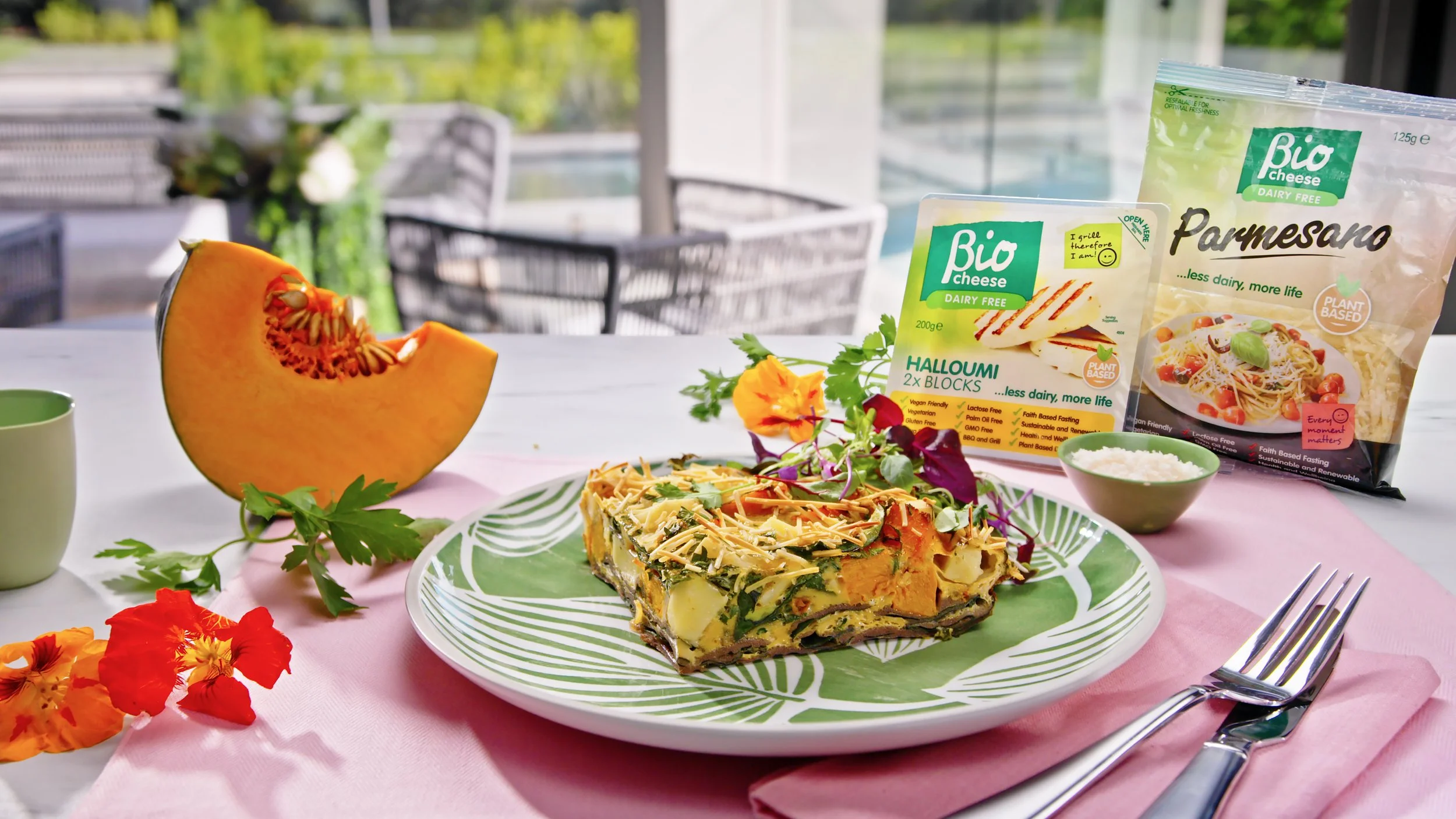
    BioCheese has launched a protein-fortified plant-based cheddar shred across Australian supermarket chain Coles, priced at $9 for a 200-gram pack.

    The product delivers 10 grams of protein per 100 grams, making it the first added-protein dairy-free cheese stocked in Australian grocery aisles.

    Pea Protein and Melting Performance

    Formulated with pea protein, the shredded cheese is built specifically for hot and cold culinary applications. The brand designed the shred to melt in toasties and baked dishes while holding texture in tacos and salads.

    Each unit ships in a resealable 200-gram pouch intended for standard refrigerated dairy and plant-based sections across Coles supermarkets nationally.

    Protein Claims in Plant Dairy

    Plant-based cheese alternatives have historically faced pushback from shoppers over low nutritional value compared to traditional dairy cheddar. While standard dairy cheese provides around 25 grams of protein per 100 grams, standard coconut oil and starch-based alternatives often register near zero.

    By adding 10 grams of functional plant protein, BioCheese is testing whether enhanced nutritional metrics can defend premium shelf space as price-conscious shoppers scrutinise grocery spending across the Asia-Pacific region.

    Distribution is now live across Coles stores, with retail buyers watching whether the $9 price point can sustain regular basket repeat rates against traditional dairy blocks.

  • Noumi Revenue Climbs 8.8 Percent to $648.4 Million on Dairy Demand

    Noumi Revenue Climbs 8.8 Percent to $648.4 Million on Dairy Demand

    Noumi grew full-year revenue 8.8 per cent to $648.4 million for the twelve months ended June 30, led by gains in its dairy and nutritionals division.

    Adjusted operating earnings before interest, tax, depreciation and amortisation rose 7.6 per cent to $61.8 million, up from the prior corresponding period.

    Earnings improve despite shipping drag

    The Sydney-listed maker of MilkLab absorbed an estimated $2 million hit to second-half operating EBITDA caused by trade disruptions linked to conflict in the Middle East. Statutory net loss after tax narrowed 55.2 per cent to $67.2 million as legacy liabilities and exceptional costs receded.

    Operational gains came largely from higher processing volumes across dairy and plant-based beverage lines. Factory throughput remained steady across packaging facilities, offsetting higher ingredient costs with targeted wholesale price adjustments in key commercial accounts.

    Regional cafe demand supports volume

    Plant-based beverage suppliers across Asia-Pacific have faced stiff competition from local co-packers and expanding oat milk capacity. Noumi has leaned on barista-grade distribution across Southeast Asian coffee chains to protect margins that grocery private-label contracts often erode.

    Investors are tracking Noumi’s upcoming annual general meeting for detailed export segment breakdowns and full-year capital expenditure plans.

  • Ally Adds Collagen and Lifts Protein to 10G in Thailand Drink Relaunch

    Ally Adds Collagen and Lifts Protein to 10G in Thailand Drink Relaunch

    Thai functional beverage brand Ally has reformulated its Pro Fiber line in Bangkok, raising plant protein to 10 grams per bottle and adding collagen peptide.

    The updated ready-to-drink formula packs 20,000 milligrams of dietary fiber alongside psyllium husk to target digestive health and sustained fullness. Two new flavour profiles accompany the relaunch: Grape Berry, blending grape, blueberry, acai, and kale, alongside Apple Lemon, made with apple, pear, lemon, and kale.

    Upgraded formulation and new blends

    Ally originally launched the Pro Fiber line in 2025 with 8 grams of plant protein per unit. The revised 2026 iteration increases the protein dose extracted from pea and soy by two grams to support muscle maintenance while introducing marine collagen peptide aimed at skin hydration.

    Packaging changes reflect the formula shift. Psyllium husk, previously listed as a minor claim at the bottom of the bottle, now sits prominently on the front panel as a key functional selling point.

    Shift in convenience beverage positioning

    Thai beverage makers are packing multiple functional ingredients into single stock-keeping units rather than selling standalone protein or fiber drinks. Ally itself expanded into clear protein with creatine in May 2026 and rolled out ready-to-eat overnight oats in July 2026, building out a convenience-led functional nutrition portfolio in urban retail chains.

    Distribution continues across convenience store chillers and supermarket shelves in Thailand, where consumer uptake of high-fiber meal-replacement beverages will test whether multi-benefit RTD drinks can sustain premium shelf space against traditional dairy and juice competitors.

  • Filipinos Tighten Belts as Financial Pressures Mount, Study Finds

    Filipinos Tighten Belts as Financial Pressures Mount, Study Finds

    Filipino households are exercising greater caution in their spending habits, as global and political instability intensifies pressure on family finances. This trend is leading consumers to prioritize cheaper products and purchase smaller quantities, according to the Shopperscope 2026 study by Worldpanel by Numerator.

    The study indicates that Filipinos anticipate a decline in their financial and socioeconomic conditions over the next year. This marks a reversal from 2025, when there were indications of improvement. Many households are now concerned about simply covering daily expenses.

    Shifting Consumer Sentiment And Spending

    Laurice Obana, Worldpanel’s shopper insights director, noted that Filipinos are reverting to a state of financial constraint after a brief period of improvement. This pressure is widely felt across various financial segments: those who are comfortable may see their buffers shrink, managing households could face shortfalls, and struggling families may fall deeper into debt. This increased caution is already evident in consumer spending, with the local fast-moving consumer goods sector showing no growth from March to May compared to the previous year.

    To manage their budgets, consumers are actively looking for promotions and discounts, opting for more economical items, and reducing the size of their purchases. Shopping behaviors are also adapting across different retail channels. Discounters are seeing increased sales of frozen meats and non-sweet snacks, while online platforms are key for baby diaper purchases. Convenience stores, however, experienced double-digit growth in sales of snacks, ice cream, and bread.

    Retailers Must Adapt To New Demands

    For retailers, mere proximity is no longer sufficient to retain customers. Shoppers are now carefully evaluating a store’s product range and the value it offers. This shift necessitates a deeper understanding of how and why Filipino consumers make their purchasing decisions for essential goods.

    Retailers across Southeast Asia frequently encounter similar shifts in consumer sentiment during periods of economic uncertainty. Tracking these changes in purchasing priorities and channel preferences is vital for brands and operators in markets like the Philippines, Vietnam, and Indonesia, which often show parallel trends in consumer resilience and adaptability. Understanding these local nuances allows for more targeted strategies and product offerings.