Tag: fmcg

  • Good Drinks Australia and Molson Coors Launch Miller Dry 3.5 per Cent

    Good Drinks Australia and Molson Coors Launch Miller Dry 3.5 per Cent

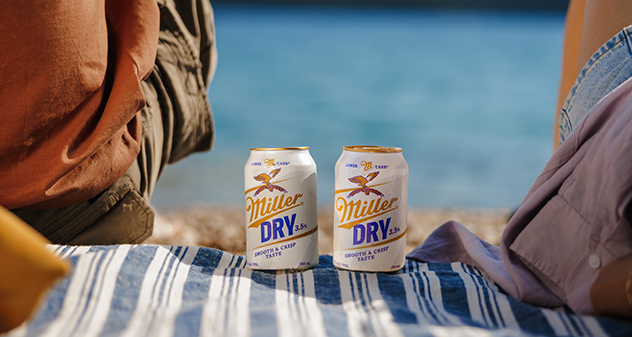
    Good Drinks Australia, in partnership with Molson Coors, launched Miller Dry 3.5 per cent in September 2026. The release targets Australia’s contemporary beer segment, which accounts for roughly 40 per cent of national volume.

    Bottles and cans in 355ml formats sell at a recommended retail price of $19 per six-pack. Distribution is national.

    Targeting Lower Alcohol and Carb Demand

    Formulated with a reduced-carbohydrate profile, the brew carries a 3.5 per cent alcohol-by-volume level. Molson Coors built the recipe for Australian drinkers. Consumer demand has swung sharply toward lighter options without losing standard lager characteristics.

    For bottle shops, the product fills a high-velocity gap between premium imports and domestic mid-strength beers. Shelf space has tightened. Category managers are pruning slow craft lines to give more room to lighter contemporary styles that move faster across high-traffic suburban networks.

    Shifting Margins in APAC Beverage Retail

    Brewers across the Asia-Pacific region face rising excise rates and softer drinking volumes. Lower-alcohol recipes help defend margins. Trimming the ABV reduces tax exposure in alcohol-tiered markets while holding retail price points, protecting gross margins for both distributors and store owners.

    The rollout tightens the commercial partnership between the two beverage makers in Oceania. Good Drinks Australia previously secured exclusive local manufacturing and distribution rights for Molson Coors brands, including Miller Genuine Draft and Coors. That shift brought production onshore to cut supply chain lead times and freight costs.

    Retailers will track rate-of-sale data through the initial summer trade period to determine permanent ranging allocations across national banner groups.
  • Lindt Opens First India Boutique at New Delhi Aerocity

    Lindt Opens First India Boutique at New Delhi Aerocity

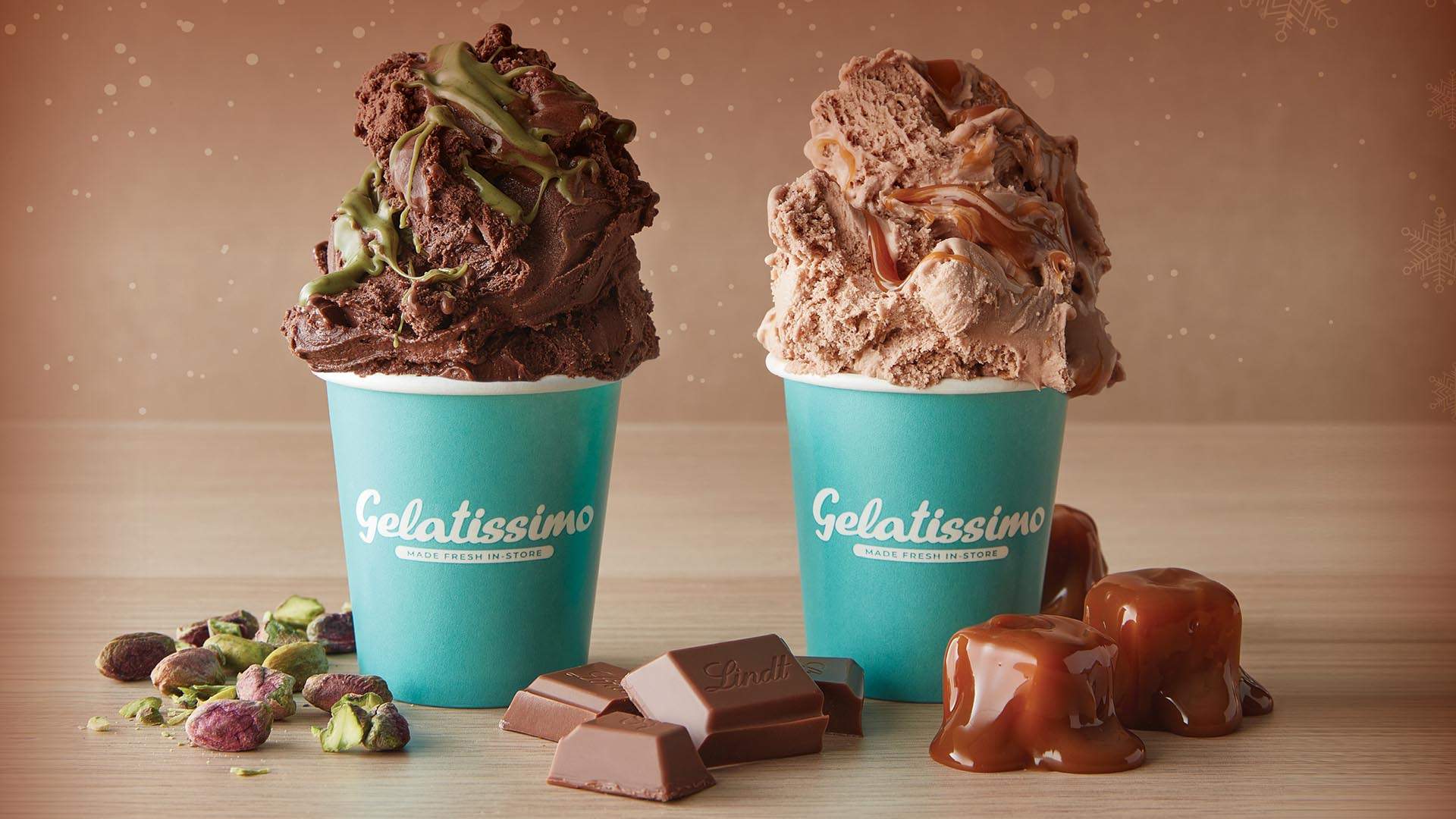
    Swiss confectionery maker Lindt has opened its first retail store in India, launching an 1,100-square-foot boutique at New Delhi’s Aerocity. The opening gives the Zurich-headquartered brand a direct-to-consumer storefront. Previously, Lindt reached Indian shoppers mainly through wholesale channels, supermarkets and travel retail counters.

    Aerocity sits between the capital’s domestic and international airport terminals. That location gives the company immediate access to business travellers, tourists and affluent transit crowds. The district has become a key testing ground for premium international consumer labels looking for high-spending footfall outside traditional suburban shopping malls.

    Aerocity footprint and retail layout

    Inside, the boutique carries the brand’s core line of chocolate bars, packaged gifting selections and seasonal product drops. Central to the layout is a dedicated Pick & Mix installation. Shoppers can select individual confections across more than 25 flavours.

    “The opening of our first retail store in India reflects our continued commitment to enchanting consumers around the world with Lindt chocolate,” the company said in a statement.

    Custom gifting ranges and loose assortments form the operational core of the outlet. Lindt is directly targeting high-ticket festive purchases and corporate gifting. Both segments drive premium confectionery volumes across Indian metropolitan centers.

    Direct retail shift in premium confectionery

    Operating dedicated boutiques changes how international confectionery brands in India manage inventory and product freshness. The country’s hot climate and fragmented cold-chain infrastructure have historically created shelf-life and display challenges for imported chocolate sold through general trade. A standalone store allows the company to regulate storage temperatures. It also lets Lindt present entire seasonal product lines that general retailers rarely stock in full.

    Competition is intensifying with local artisanal chocolate makers and multinational rivals that have expanded their boutique footprints in Mumbai, Bengaluru and Delhi. Lindt is betting that brand recognition built through years of supermarket distribution will translate into destination footfall at standalone retail price points.

    Global scale and network reach

    Founded in Zurich in 1845, Lindt operates 12 manufacturing facilities across Europe and North America. The company manages more than 600 company-owned retail boutiques worldwide and distributes products through wholesale partners in over 120 countries.

    India now joins the list of international markets where Lindt operates proprietary retail stores alongside its wholesale network. Expansion into high-end retail hubs across Mumbai and Bengaluru represents the next phase of that rollout.

  • Waterdrop Rolls Out Hydration Cubes Across 150 7-Eleven Stores

    Waterdrop Rolls Out Hydration Cubes Across 150 7-Eleven Stores

    Vienna-based hydration brand Waterdrop expanded its functional beverage line into 150 7-Eleven stores nationwide in September 2026.

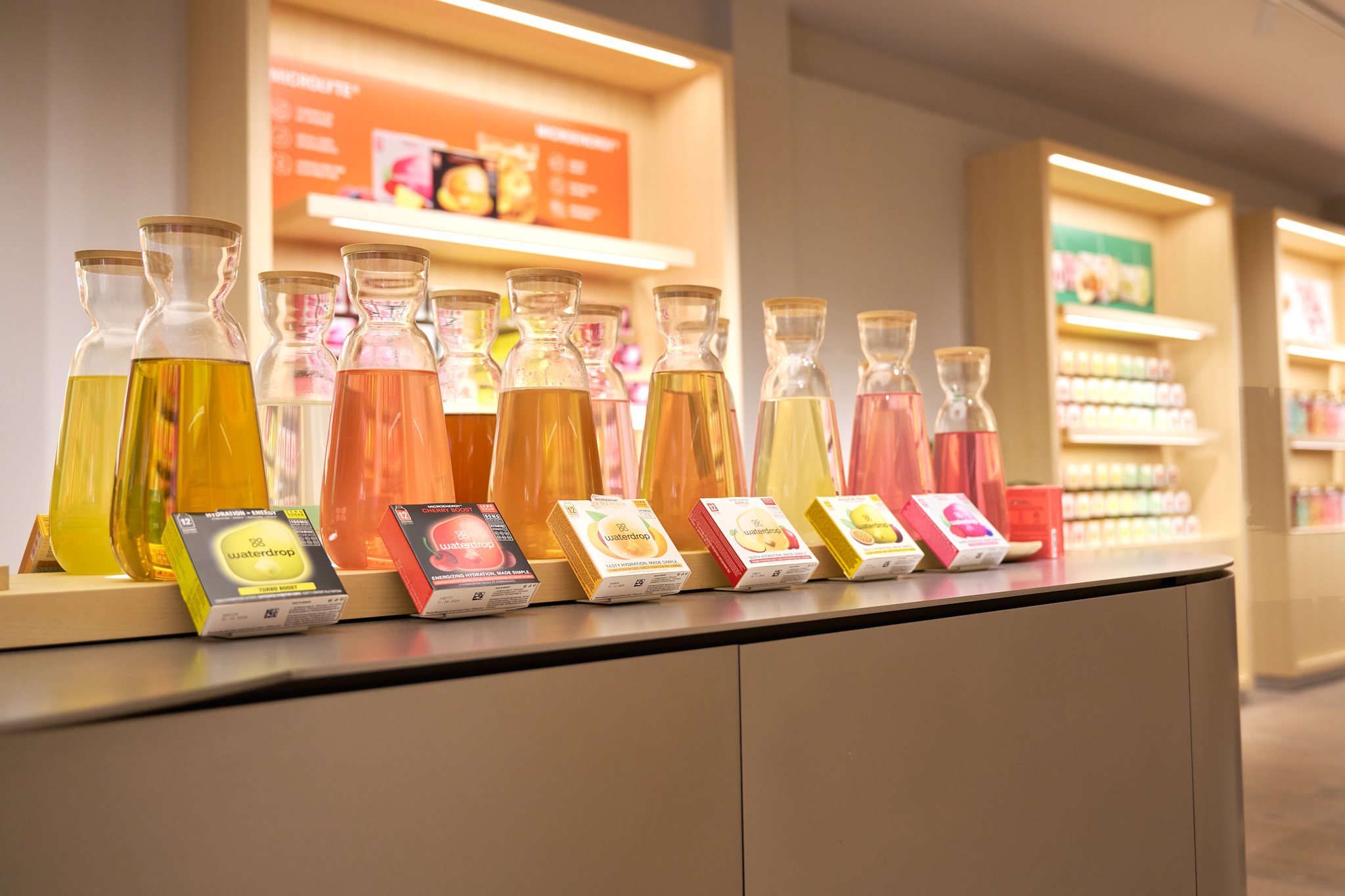
    The rollout features three-pack units of Berry Recharge and Vitamin Apple priced at $7. Berry Recharge provides essential electrolytes and vitamins for rapid rehydration, while Vitamin Apple is formulated with natural fruit and plant extracts.

    Convenience Formats Challenge Bottled Drinks

    Convenience stores typically dedicate cold vaults to heavy ready-to-drink plastic bottles and energy cans. Placing lightweight, ambient dissolvable cubes on front-of-counter shelves alters the revenue math per square centimetre for franchise operators.

    A three-pack footprint takes up less than a tenth of the shelf space required by three 600ml beverage bottles. For 7-Eleven, the compact format delivers higher gross margins per unit while appealing to urban commuters who carry reusable bottles to avoid single-use plastics.

    Pricing and Channel Strategy

    At $7 for three servings, Waterdrop costs roughly $2.33 per prepared drink. That price point undercuts imported sports drinks and functional sodas in Australian convenience fridges, which regularly retail between $4.50 and $6.00 per bottle.

    Consumer habit presents the primary obstacle. Selling dissolvable cubes in convenience retail requires shoppers to plan ahead rather than grabbing a cold drink for instant thirst. Competitors in sports hydration have largely stuck to ready-to-drink bottles or multi-serving tubs sold through grocery chains and specialty supplement shops.

    Expanding Beyond Direct-to-Consumer Channels

    Waterdrop built its initial business through direct-to-consumer online sales and dedicated brand kiosks in European and North American transit hubs. The push into Australian convenience stores shifts the company toward everyday impulse foot traffic in the Asia-Pacific region.

    Early sales will test whether convenience shoppers adopt compact cube formats without extensive educational marketing at the counter. Performance across these first 150 7-Eleven sites will decide whether the brand expands into the retailer’s wider network of more than 750 stores nationwide.

  • Southern Alps Brewing Launches NZ Low-Gluten Lager for $27 to $30

    Southern Alps Brewing Launches NZ Low-Gluten Lager for $27 to $30

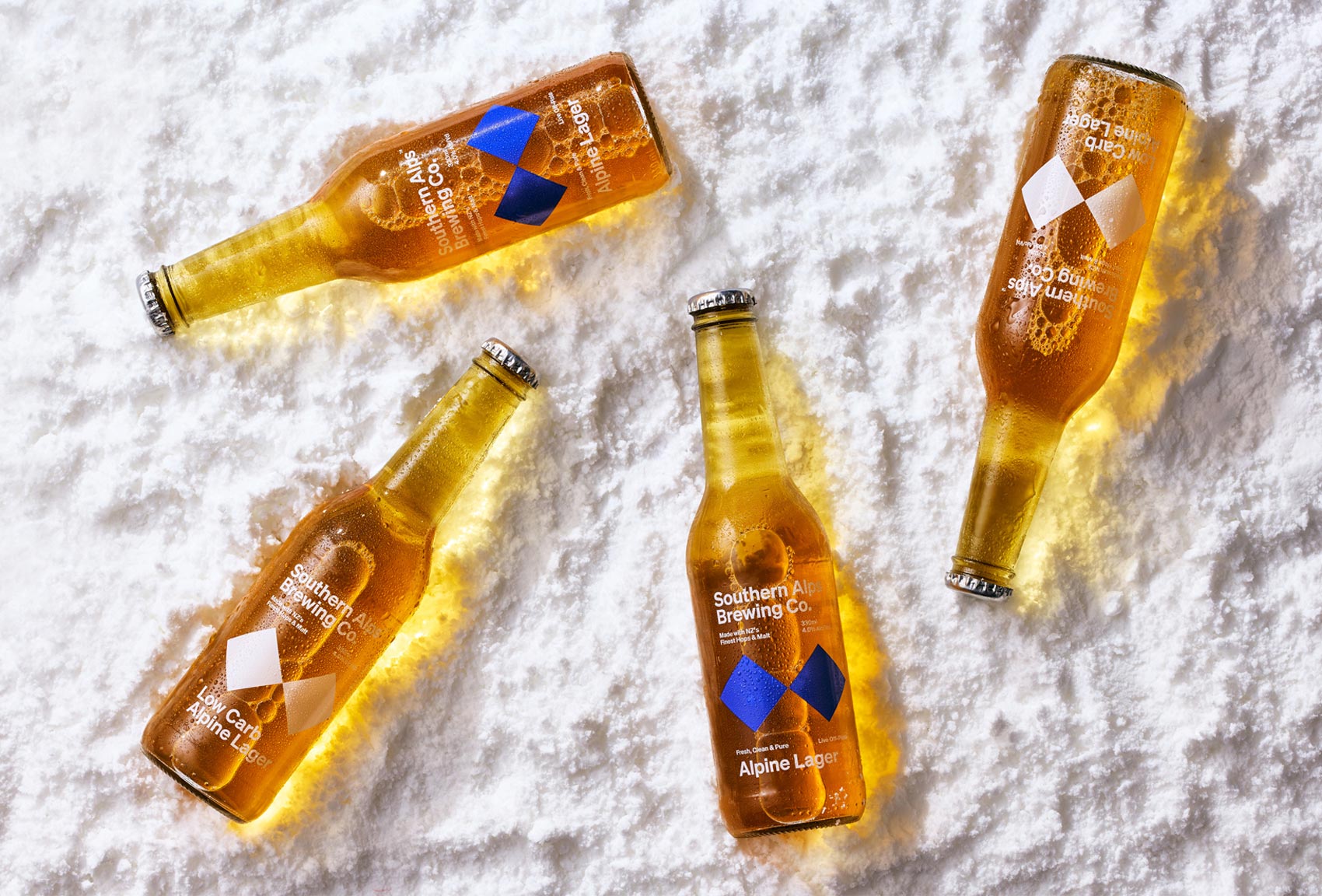
    In September 2026, Southern Alps Brewing launched New Zealand’s first premium low-gluten lager, priced between $27 and $30 for a 12-pack.

    The 4.8 per cent ABV beverage comes in 330ml packs and uses an enzymatic process that reduces gluten content to below 10 parts per million while maintaining a standard beer profile.

    Enzymatic reduction and local sourcing

    Southern Alps Brewing, a portfolio brand of Marlborough-based Moa Brewing Company, brews the product with New Zealand malt and southernmost-grown hops, with independent testing by Assure Quality verifying the gluten threshold.

    Traditional gluten-free beers rely on sorghum, rice, or millet, which often changes the body and flavor profile of the brew. By keeping barley malt and deploying enzymes to degrade the problem proteins, the brewer keeps the standard lager profile intact.

    Shelf space pressure in liquor aisles

    Supermarket operators and specialty liquor chains across Australasia face mounting competition in the better-for-you drinks category. Low-carbohydrate, zero-alcohol, and functional drinks have occupied an expanding share of refrigerated retail space over the past three years. For bottle shop owners, stocking low-gluten lines allows them to capture drinkers who might otherwise migrate entirely toward seltzers, cider, or spirits.

    Retail margins in the craft segment remain tight due to elevated excise rates and rising packaging inputs. A 12-pack priced up to NZ$30 places the product directly against mainstream craft four-packs and imported premium labels. Retailers will test whether mainstream shoppers pay a premium strictly for verified gluten reduction.

    Premium pricing in functional brewing

    Breweries across the region spent the last five years rationalizing standard stock keeping units while testing dietary variants. Moa Brewing Company has adjusted its brand portfolio to defend domestic market share against both international conglomerates and neighborhood microbreweries.

    Distribution now expands across New Zealand liquor merchants and retail grocers ahead of peak southern hemisphere summer beverage demand.

  • 127-Year-Old Italian Brand Mutti Enlists Sam Kerr for ANZ Campaign

    127-Year-Old Italian Brand Mutti Enlists Sam Kerr for ANZ Campaign

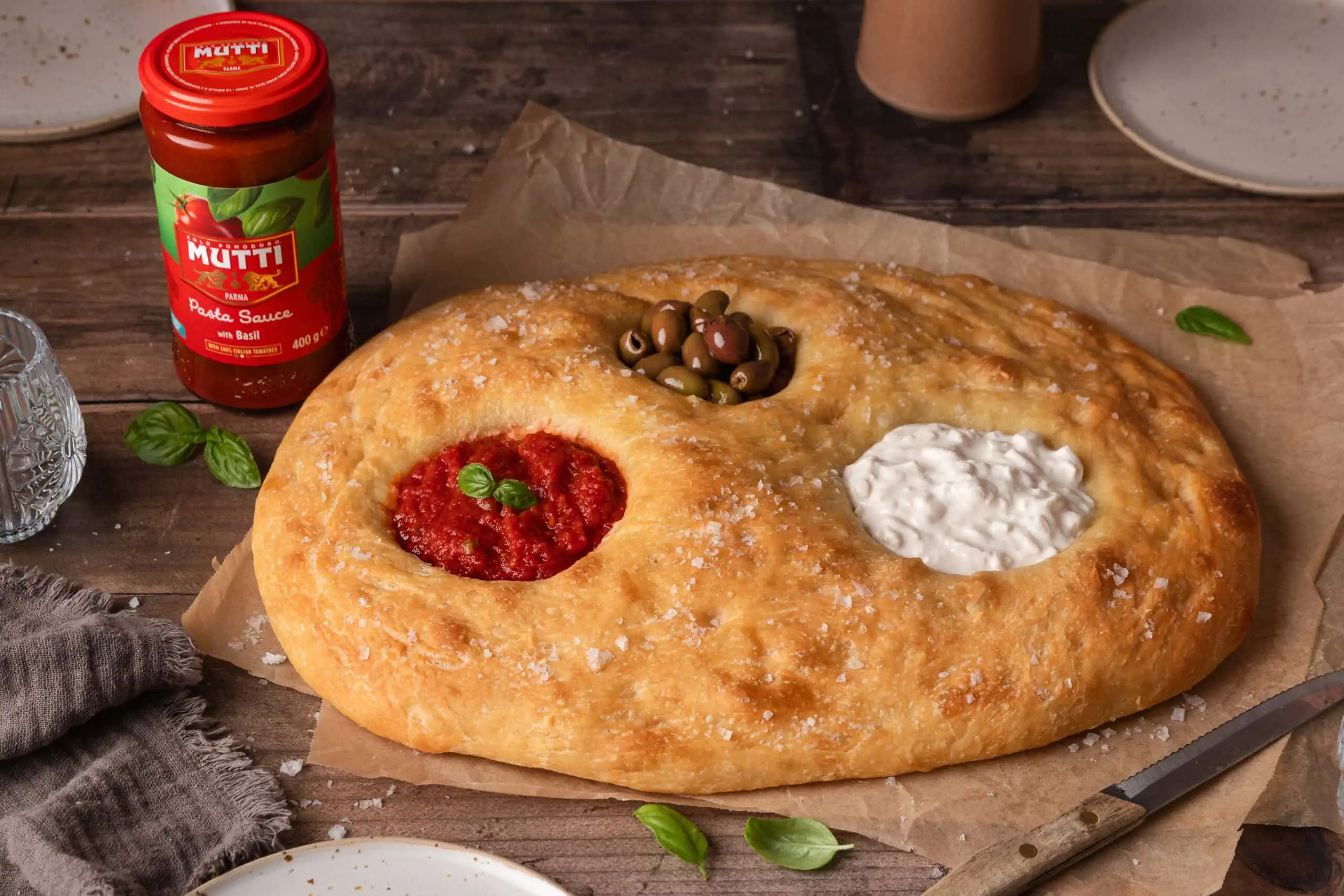
    Italian packaged tomato producer Mutti launched a marketing campaign across Australia and New Zealand in September 2026. Football star Sam Kerr, Paralympic champion Dylan Alcott and television presenter Chris Brown front the push.

    The 127-year-old Italian company targets pantry staple shoppers across Australian supermarkets. It relies on character-driven storytelling rather than standard recipe demonstrations.

    Celebrity Roster and Storytelling Pivot

    Creative spots take the form of scripted vignettes framed as confessions from dedicated brand buyers. In the lead spot, Kerr carries Mutti Passata in her luggage at a hotel and interacts with a chef named Matteo. The scene sets an intentionally humorous tone for the packaged grocery category.

    Samantha Filocamo, marketing director for Australia and New Zealand at Mutti, designed the platform to inject personality into the heritage canned tomato business. She aims to expand brand recall across competitive retail aisles.

    Supermarket Shelf Competition

    Packaged food brands in Australia face sharp margin pressure from private-label supermarket lines. Premium European suppliers must defend higher price points through distinct branding. Mutti has historically relied on provenance and quality credentials to justify its shelf premium over standard tinned tomato competitors.

    Enlisting national sporting figures shifts the brand from niche culinary positioning into mainstream consumer recognition. For grocery retailers, strong branded campaigns in staple ambient categories help protect category value against lower-priced store brands.

    Category Dynamics Across ANZ

    Mutti built its presence in Australasian retail through major supermarket distribution, focusing on whole peeled tomatoes, chopped tomatoes and passata. The promotional push pivots away from traditional food service and home-cooking messaging toward mass-market entertainment.

    Supermarket operators across Sydney and Melbourne will track shelf velocity across the ambient tomato range as the campaign rolls out across broadcast and digital channels.

  • Accely Appoints Michael Lim as Director for Singapore and Southeast Asia

    Accely Appoints Michael Lim as Director for Singapore and Southeast Asia

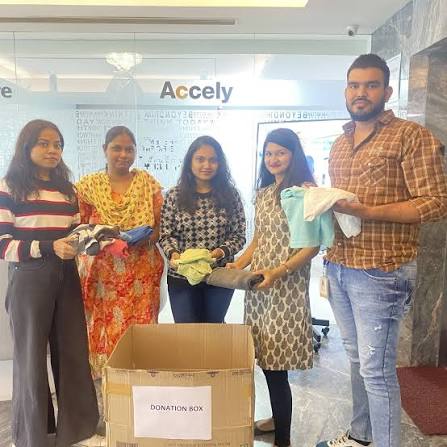
    Global SAP Gold Partner Accely appointed Michael Lim as Director, Strategy & Growth for Singapore and Southeast Asia in September 2026, placing him in charge of commercial strategy from market entry through account growth across 17 countries.

    Lim steps into the post with a career in SAP cloud enterprise resource planning sales and partner leadership across Asia Pacific, targeting accounts in retail, fast-moving consumer goods, and manufacturing.

    Targeting regional cloud migration

    Accely operates as an SAP Gold Partner with more than 20 offices worldwide, delivering systems integration, analytics, artificial intelligence, and managed services. In his new role, Lim oversees go-to-market planning, regional partnerships, and client acquisition, spanning platforms such as SAP S/4HANA, SuccessFactors, Customer Experience, and the SAP Business Technology Platform.

    The appointment comes as consumer-facing businesses throughout Southeast Asia accelerate the shift of their core back-office infrastructure to the cloud. Retailers and FMCG distributors are combining ERP upgrades with automated inventory tracking and predictive ordering, which shortens implementation windows and increases demands on system integrators.

    “Companies here have stopped debating whether to move to cloud ERP. The harder question is how to get there without stalling the business,” said Michael Lim, Director, Strategy & Growth, Singapore and Southeast Asia, Accely Pte. Ltd.

    Execution pressure on retail IT

    For mid-sized retail operators and consumer brands across Singapore, Malaysia, and Indonesia, switching legacy on-premises databases to cloud architectures carries operational risk. System disruptions during store replenishment or e-commerce fulfillment directly hit bottom-line revenue, leaving little margin for error during migrations.

    Consultancies competing across the region face tighter corporate budgets and sharper client scrutiny over deployment schedules. Pure software licensing no longer wins contracts on its own; service providers must demonstrate that data migrations will not disrupt supply chain visibility or store-level point-of-sale uptime.

    Building out regional presence

    Accely has spent 26 years building out its enterprise practice, securing CMMI Level 5 certification and broadening its portfolio beyond standard ERP into artificial intelligence consulting and application management.

    Lim will report through regional leadership led by Sameer Satpute, chief executive for Singapore and Southeast Asia, alongside Accely Group chief executive Nilesh Shah, as the firm pitches unified digital workflows to consumer enterprises across the region.

  • Dove Expands Advanced Care Deodorant Range to Six Scents in Australia

    Dove Expands Advanced Care Deodorant Range to Six Scents in Australia

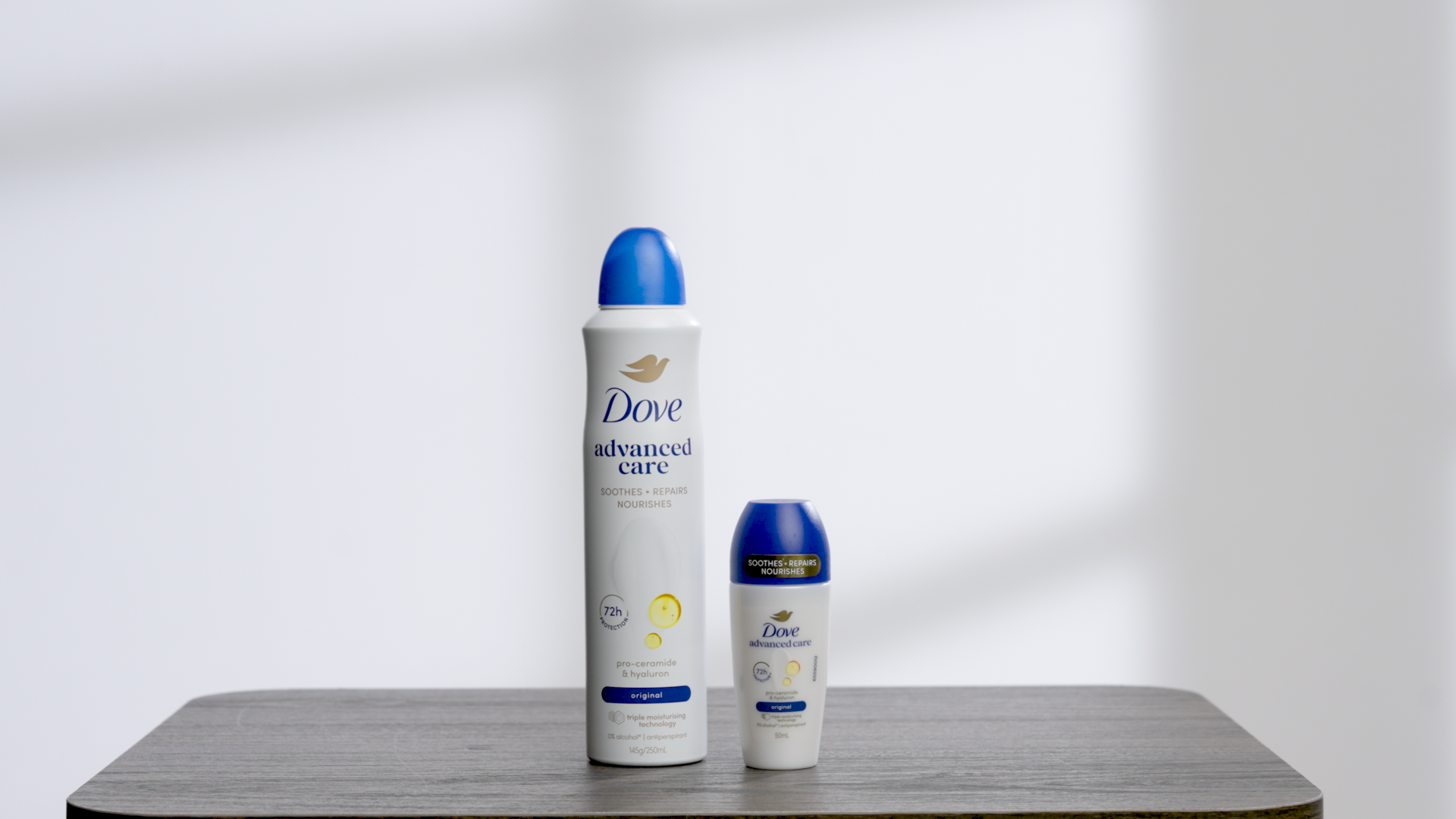
    Dove upgraded its Advanced Care deodorant lineup in Australia in September 2026, adding active skincare ingredients across six distinct fragrance varieties.

    The revamp introduces pro-ceramide serum and hyaluronic acid directly into the brand’s mass-market underarm portfolio, featuring an exclusive scent for independent retailer IGA.

    Skincare Ingredients Enter Daily Deodorants

    Formulations across the refreshed line now blend barrier-repair ingredients typically reserved for facial serums. Pro-ceramide serum works alongside hyaluronic acid to hydrate skin, targeting irritation caused by daily shaving and friction.

    The range spans six fragrances: Original, Pomegranate & Lemon Verbena, Acai Berry & Waterlily, Coconut & Jasmine Flower, Passionfruit & Lemongrass, and Apple & White Tea.

    Retail Distribution and Exclusive Variants

    Supermarket distribution splits the lineup across major national grocers and independent operators. The Apple & White Tea variant sells exclusively through independent IGA stores across the country.

    Channel-exclusive scents give independent operators a defensive shield against major supermarket chains. Tier-one grocers take the core five variants, while IGA uses the exclusive fragrance to drive foot traffic into its personal care aisles.

    Shifting Formulations on Supermarket Shelves

    Personal care manufacturers across the region continue migrating premium skincare ingredients down into high-volume grocery categories. Adding active hydrators allows everyday consumer brands to protect shelf space against specialty pharmacy competitors.

    Retail buyers are watching whether functional skincare claims can lift basket values in basic grocery aisles as shoppers manage everyday household budgets.

  • Hong Kong Bakery Brand Builds 30,000 Members Without Retailer POS Data

    Hong Kong Bakery Brand Builds 30,000 Members Without Retailer POS Data

    A century-old Hong Kong bakery and confectionery manufacturer signed up more than 30,000 loyalty members within six months by asking shoppers to scan supermarket receipts instead of relying on retailer point-of-sale data.

    Powered by the KlikNGo loyalty and CRM platform, the initiative took Gold for Best CRM Campaign at the DigiZ Awards 2026 in September after doubling repeat purchases and generating 47 per cent of the brand’s sales uplift.

    How receipt scanning bypasses the till

    Suppliers selling through Hong Kong supermarket chains, convenience stores and neighbourhood grocers have long operated with limited visibility of their end consumers. Trade promotions produce temporary sales lifts without delivering customer intelligence, while retailers typically treat transaction records as confidential. At the same time, younger shoppers have drifted toward artisanal and lifestyle food brands, weakening the impact of legacy brand familiarity alone.

    To capture shopper records directly, the manufacturer rolled out a mobile application built on the KlikNGo loyalty platform. Consumers register, buy goods at third-party retailers, and photograph paper or digital receipts. The software extracts the merchant name, branch location, purchase timestamp, payment method, and transaction number. It verifies purchases against approved retail partners while blocking duplicate claims.

    More than 10 major retail chains in Hong Kong are covered by the system. Members redeem accumulated points for tier perks, vouchers, gifts, and lucky draws. Outlet staff validate reward vouchers in real time using a separate merchant app, eliminating any need to integrate with supermarket registers.

    Customer profiling and media returns

    App downloads crossed 23,000 within three months of rollout. Shoppers uploaded more than 30,000 receipts over five months. Member mission completion rates hit 85 per cent, supplying profile details, purchase occasions, and product preferences to turn raw receipt data into targeted first-party segments.

    Direct data reshaped advertising spend. Targeted promotions to verified buyers improved media efficiency by 49 per cent. That allowed the brand to direct ad budgets against known consumption habits rather than buying broad demographics across Hong Kong media channels.

    The shift in supplier use

    Packaged goods makers across Asia face an altered balance of power with physical grocery giants like Dairy Farm and AS Watson. When brands collect store-level purchasing intelligence independently, trade marketing budgets move away from retailer listing fees and end-cap slots. Funds shift directly into proprietary engagement channels.

    Customer friction remains the primary operational risk. Asking shoppers to photograph physical receipts demands higher rewards than swiping a loyalty card at checkout. Redemption costs rise if mission completion drops or rewards fail to compensate for the manual step.

    Industry recognition followed the rollout. The initiative won Gold for Best CRM Campaign at the DigiZ Awards 2026, while platform provider KlikNGo took Bronze for Best MarTech for CRM. KlikNGo presents the Hong Kong case study at the Digital Marketing Asia conference in Singapore on September 22.

  • Barambah Organics Founder Ian Campbell and Daughter Die in Plane Crash

    Barambah Organics Founder Ian Campbell and Daughter Die in Plane Crash

    Barambah Organics founder Ian Campbell, 56, and his daughter Hannah, 23, died in a light plane crash south of Brisbane on Monday.

    Campbell founded the dairy business alongside his wife Jane in 2002.

    The Tamara Capital Buyout and Brand Growth

    Private equity firm Tamara Capital bought a majority stake in the business in 2020 in a deal valuing it at $50 million, while the Campbell family kept a minority stake and continued to influence operations.

    Following the buyout, the business expanded distribution across Australian retail channels to supply independent grocers, organic specialists and national supermarket shelves. It established a dedicated processing network and direct farm supply model across regional Queensland and northern New South Wales.

    Dairy Sector Pressures and Market Position

    Australian premium dairy producers face cost inflation across cold chain freight, feed and energy. Premium organic labels rely on tight supply agreements and consistent volume to protect margins against conventional private-label milk pricing.

    Customer retention was built on single-source farm provenance and organic certification standards. Preserving brand equity and operational continuity now falls to the institutional investors and executive management installed following the 2020 acquisition.

    Operational History and Next Steps

    The Campbell family ran the business as an independent operation for 18 years. Outside capital was brought in to fund factory upgrades and broader national distribution.

    Aviation safety authorities continue to examine the site south of Brisbane to determine the mechanical factors and flight conditions surrounding the crash.

  • Ice Cream and Food Drive 45 Percent Surge in Philippine Convenience Store Sales

    Ice Cream and Food Drive 45 Percent Surge in Philippine Convenience Store Sales

    Philippine convenience store sales jumped 45 percent year on year in January, propelled by heavy consumer spending on food and packaged goods, according to Kantar Worldpanel data.

    Food purchases accounted for 59.3 percent of all fast-moving consumer goods transactions across the format, up from 58.8 percent in the previous year.

    Ice cream retained the top spot among individual product categories, followed by milk, packaged snacks, and alcoholic beverages. Beverages accounted for 23.8 percent of overall basket value, dipping from 25.6 percent in 2014. Personal care items captured 13.5 percent of sales, marking the largest category share expansion with a 2.2 percentage point gain. Household care products took a 4.3 percent share, up from 3.5 percent.

    Shifting Baskets and Fast Growth

    Consumer baskets also showed new priorities during the tracking period. Diapers, bottled water, and fabric cleaners entered the top ten bestselling categories by sales value, while coffee and hair care products dropped out of the list. Diapers climbed straight into fifth place, sitting just behind alcoholic beverages and ahead of biscuits, soft drinks, bottled water, fabric cleaners, and fruit juice.

    The convenience channel outpaced every competing modern trade format in the country over the 12-month period. Convenience store sales growth reached 45 percent, compared with 31 percent for direct sales and 11 percent for drugstores.

    Regional Shopper Divergence

    Household penetration widened alongside value growth. Kantar tracked 3,000 urban and rural households and found that 18.5 percent bought goods from convenience stores, up from 16.1 percent a year earlier. That shift brought an estimated 566,991 new families into 24-hour retail chains such as 7-Eleven, Ministop, and FamilyMart.

    Shopper behaviour varies sharply by geography. The National Capital Region accounts for the highest shopper volume, with 34 percent of homes using convenience stores, but residents there visit only five times a year on average. Mindanao holds fewer total convenience shoppers, yet those households visit nine times annually, making them the most frequent spenders in the country.

    Format Expansion Pressures

    Operators face higher inventory management demands as convenience stores shift from late-night snack stops into daily grocery replenishment hubs. Stocking bulky items like diapers and laundry detergents requires tighter shelf space allocation in stores that average only one to two checkout counters. Chains that fail to optimize their stock mix risk losing margin to traditional sari-sari neighbourhood stores that hold lower overheads.

    Philippine operators are matching this shift by accelerating store expansion beyond Metro Manila into secondary cities in South Luzon and Mindanao. Kantar new business development head Lourdes Deocareza attributed the channel expansion to faster consumer lifestyle routines across urban centers.

    Store counts across the major three chains continue to rise toward regional footprint targets, with full-year channel penetration and repeat trip frequency serving as the key benchmarks to watch.

  • Beauty Sector Vegetable Oils Market to Reach $7.72 Billion by 2031

    Beauty Sector Vegetable Oils Market to Reach $7.72 Billion by 2031

    Personal care formulators will push global spending on cosmetic vegetable oils from US$5.84 billion this year to $7.72 billion by 2031, research from MarketsandMarkets shows.

    Asia-Pacific demand for plant-based ingredients is driving the bulk of that expansion as regional beauty brands overhaul skincare and haircare recipes.

    Coconut oil leads ingredient demand

    Coconut oil will retain the largest individual volume share throughout the forecast period, supported by heavy use in commercial haircare and barrier creams across Asian markets. Conventional oils remain dominant despite the push for specialized extracts, capturing 76.4 percent of total market value this year.

    Clean-label reformulations are forcing raw material buyers to secure traceable supply chains. Consumer goods manufacturers across Japan, South Korea, and Southeast Asia are replacing synthetic emollients with plant derivatives to meet export standards in Western markets and satisfy domestic consumer scrutiny.

    Supply pressures shift procurement

    For regional manufacturers, the shift changes cost profiles in core product lines. Palm, coconut, and seed oil derivatives carry agricultural price volatility that chemical feedstocks avoid, squeezing operating margins when harvest yields drop in major producing hubs like Indonesia and the Philippines.

    Retail buyers in Asia are tightening shelf requirements, penalizing brands that cannot substantiate sustainable sourcing claims on product packaging. Mass-market brands that rely on low-cost conventional oils must balance ingredient certification costs against price-sensitive consumer baskets in developing markets.

    Category targets through 2031

    Formulation trends over the past five years laid the groundwork for this transition, as major beauty conglomerates divested petroleum-heavy bases in favor of botanical alternatives. That initial switch in prestige skincare has now moved down into mass personal care and supermarket private labels.

    Procurement teams now look toward the 2031 horizon, when cosmetic vegetable oil purchases will absorb nearly $1.9 billion in additional annual spending.

  • Tetra Pak Names Michael Wu Managing Director for Oceania Operations

    Tetra Pak Names Michael Wu Managing Director for Oceania Operations

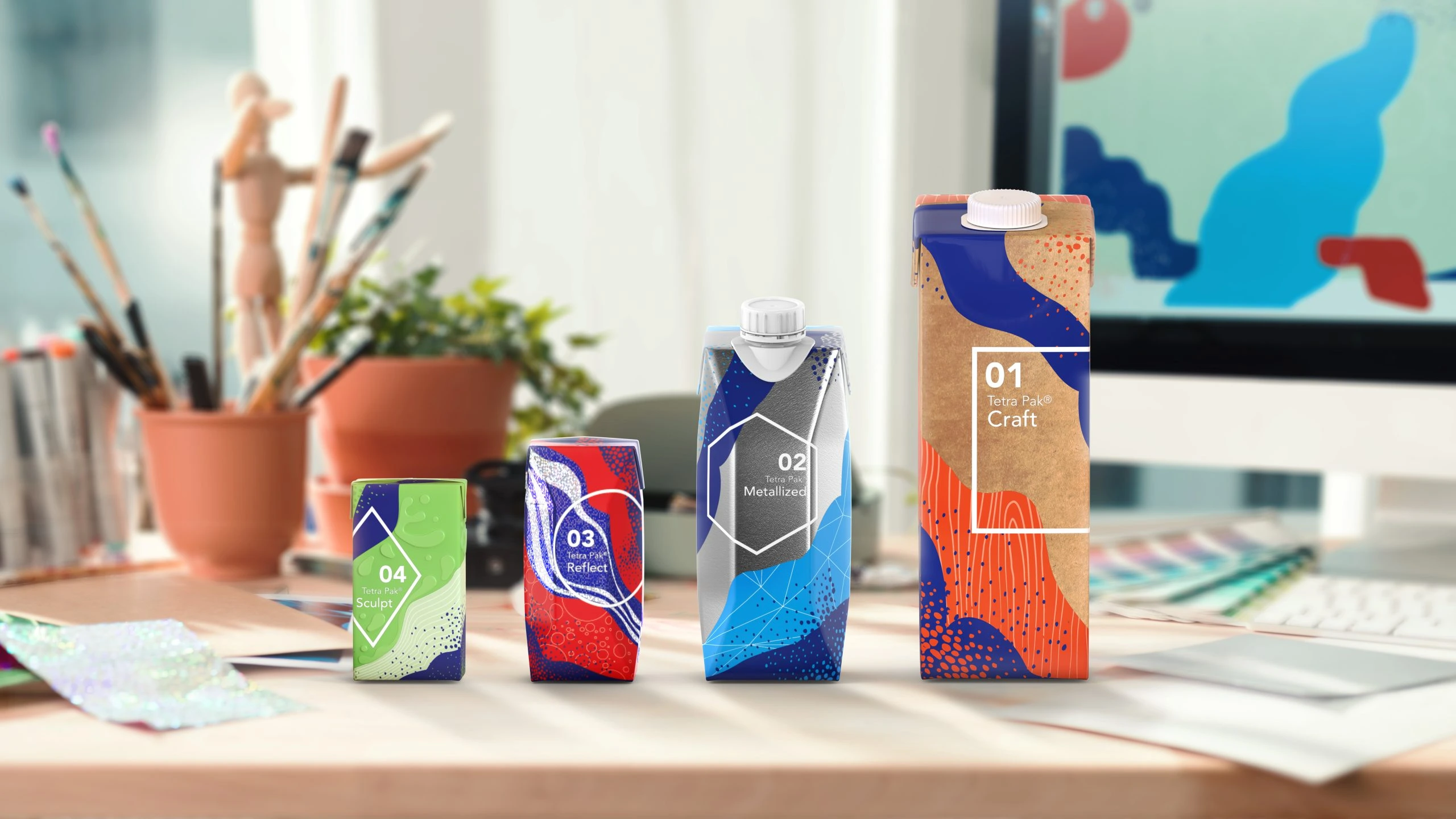
    Tetra Pak appointed Michael Wu as managing director of its Oceania business, taking charge of operations across Australia and New Zealand effective September 1.

    Wu brings 18 years of executive experience across the Swiss-Swedish packaging giant, stepping into the role after serving as market operations quality and sustainability director.

    Leadership Track Across Southeast Asian Markets

    Before his latest global role, Wu led Tetra Pak businesses across Malaysia, Singapore, the Philippines and Indonesia. His appointment shifts an executive with deep Southeast Asian operating experience into the mature Oceania dairy, beverage and liquid food packaging market.

    Food manufacturers across Australia and New Zealand face tight regulatory mandates on packaging circularity and emissions reductions. Placing a former quality and sustainability lead in charge of Oceania reflects packaging producers aligning commercial leadership directly with compliance demands from major supermarket chains and brand owners.

    Shifting Packaging Demands in Oceania

    For beverage processors and dairy co-operatives in the region, processing and packaging machinery upgrades require heavy capital expenditure. Wu inherits client relationships across Australia and New Zealand where processors are balancing automation investments against shifting retail carton consumption.

    Competition from alternative barrier packaging and local carton converters adds pressure on supply agreements. Tetra Pak has relied on integrated equipment and service contracts across Australasia to protect its volume footprint against cheaper imported carton blanks and plastic formats.

    Regional Supply Chain Realities

    Wu oversaw rapid packaging volume growth across Southeast Asian beverage markets before his transition into global sustainability and operations quality management. That background gives him direct insight into regional raw material flows and converting plant efficiency.

    His immediate focus turns to commercial execution across key Oceania accounts as dairy and beverage brand owners finalise processing equipment budgets for the coming operating cycle.

  • Destination Italy Adds Two Frozen Pizza Lines Across Australia and New Zealand

    Destination Italy Adds Two Frozen Pizza Lines Across Australia and New Zealand

    Destination Italy expanded its frozen pizza lineup across Australia and New Zealand on September 7, 2026, launching two Italian-made varieties into regional supermarket freezers.

    Made in Italy, Woodfired Puttanesca and Woodfired Salame ship directly to Australian and New Zealand retailers catering to demand for imported convenience meals.

    Ingredients and Recipe Formats

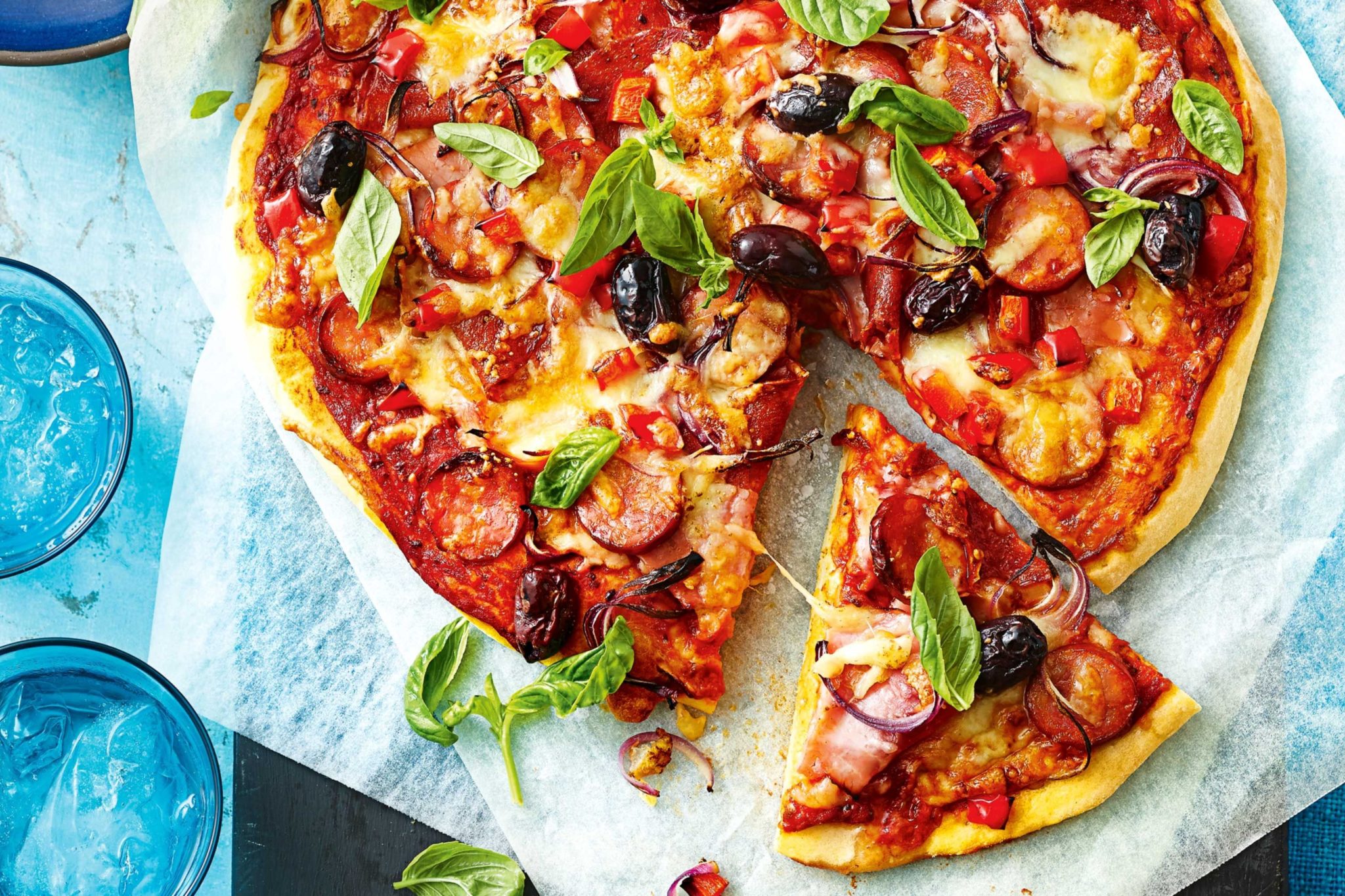
    The Woodfired Puttanesca pizza uses a traditional tomato and mozzarella base topped with black olives, capers, and oregano. Woodfired Salame pairs that same base with sliced salami, produced in Italy before frozen transport.

    Both products rely on Italian-baked woodfired crusts to stand out from local alternatives. The format targets shoppers who want regional recipes without paying foodservice prices.

    Premium Competition in the Freezer Aisle

    Major grocers across Australia and New Zealand have steadily reallocated freezer space to imported and specialty private-label items over the past three years. Mainstream frozen pizzas face ongoing margin compression. That pressure has prompted distributors to push higher-value imported SKUs onto shelves.

    For retailers, imported lines offer higher basket values in a category historically dominated by discount domestic labels. Cold-chain freight costs and exchange-rate swings between the euro and the Australian dollar remain key operational hurdles, squeezing margins when shipping volumes fluctuate.

    Retail Distribution Timelines

    Destination Italy built its initial ANZ footprint around core woodfired SKUs before widening the range with specialized regional flavor profiles. Across the supermarket frozen sector, brands are taking similar premium routes, using origin-certified manufacturing to defend shelf share.

    Supermarkets will roll out the two new varieties across national freezer networks through the remainder of the month.

  • F&N Magnolia Launches Sanrio Ice Confection Line Across Singapore

    F&N Magnolia Launches Sanrio Ice Confection Line Across Singapore

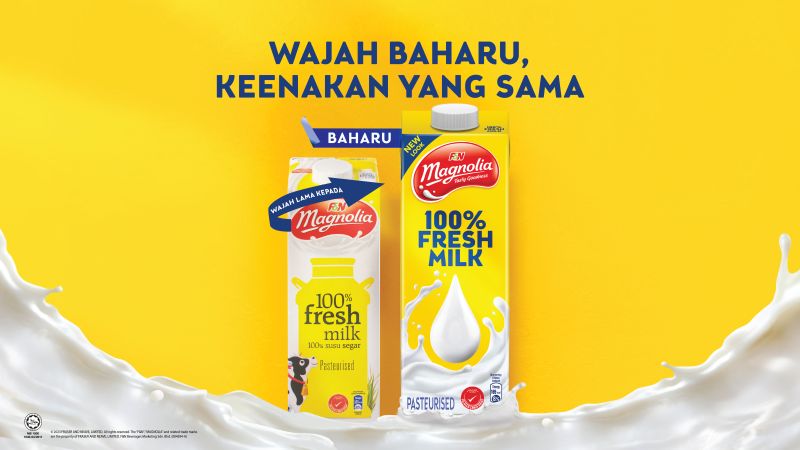
    F&N Magnolia rolled out a limited-edition strawberry and yoghurt ice confection across Singapore retail channels on September 3, priced at S$2.20 for single sticks and S$8.40 for four-packs.

    The launch pairs the heritage dairy brand with Sanrio characters My Melody and Kuromi across impulse and take-home formats. Alongside the stick multipacks, the company introduced a repackaged My Melody and Kuromi raspberry ripple ice cream tub priced at S$6.42.

    Channel Distribution and Pricing

    F&N split the product formats by channel to target distinct shopping occasions. Convenience stores carry the single-serve stick line at S$2.20, while leading supermarket operators stock the four-stick multipacks at S$8.40 and the redesigned tubs at S$6.42. All items carry halal certification to serve the broader domestic market.

    To drive basket size in grocery aisles, the brand attached a gift-with-purchase promotion running through the end of October 2026. Shoppers who buy two multipacks receive a branded travel organiser set valued at S$19.90, subject to stock availability.

    Character Licensing in Dairy Retailing

    Packaged food manufacturers across Southeast Asia rely heavily on co-branded character tie-ups to drive short-term volume in crowded freezer cabinets. Licensing recognizable IP allows legacy dairy labels to capture younger demographics and impulse buyers without reformulating entire permanent portfolios.

    The promotion runs across participating supermarket chains until October 31, 2026, or until premium gift stocks are exhausted.

  • Aldi Loses Appeal in Little Bellies Copycat Packaging Case

    Aldi Loses Appeal in Little Bellies Copycat Packaging Case

    Aldi has lost an appeal against Australian baby food maker Little Bellies over copyright infringement in its private-label snack packaging. An appellate court upheld the 2024 Federal Court ruling against the discounter. It also extended the infringement finding to cover additional products.

    At issue is the grocer’s Mamia toddler snack line, which copied packaging created by Little Bellies. Brothers Clive and Steven Sher founded the Australian snack business before expanding it across supermarket shelves.

    Expansion of the 2024 ruling

    Federal Court judges in 2024 found that three products in the Mamia range infringed Little Bellies’ design copyright. That verdict was a rare legal defeat for the retailer’s Australian packaging strategy.

    Judges dismissed the appeal and widened the scope of that finding. The extended ruling confirms Mamia’s visual similarities went beyond allowable category cues to breach copyright protections.

    Private-label scrutiny across the region

    Aldi built its global discount model on private-label goods that mimic market-leading national brands. Across the Asia-Pacific region, grocers often test the line between standard category cues and intellectual property infringement to win value-focused shoppers.

    The decision narrows legal leeway for store-brand lookalikes across grocery aisles. The court will now determine final orders and damages for the affected product lines.