Tag: Foodpanda

  • Former PropertyGuru Exec Kenneth Soh Spearheads Foodpanda Malaysia as New MD, Aims for Everyday Value Amid Rising Costs

    Former PropertyGuru Exec Kenneth Soh Spearheads Foodpanda Malaysia as New MD, Aims for Everyday Value Amid Rising Costs

    Malaysian food delivery titan, Foodpanda, has recently unveiled Kenneth Soh as its new Managing Director (MD). Prior to assuming his new role at Foodpanda, Soh was the Country Manager for Propertyguru. He is taking over from Tan Ming Luk, who held the role of MD for Foodpanda Malaysia starting from October 2024.

    Mission Statement

    Upon his appointment, Soh expressed his enthusiasm and gratitude for the opportunity. He noted the impressive growth and presence Foodpanda has established in the on-demand food and grocery segments. As he leads the team, his primary aim is to make Foodpanda the most popular application in Malaysia.

    Soh highlighted the company’s commitment to focusing on the aspects most important to Malaysians. This includes providing reliability, diverse selection, and consistent value on food and essential items. He acknowledged the increasing living costs and global uncertainties, reinforcing the company’s commitment to addressing these challenges.

    Previously, Soh also served as the Country Manager at Shopee, a well-known e-commerce platform that was launched in 2015.

    Looking Ahead

    In a statement, Soh emphasized the importance of a thriving ecosystem to the company’s long-term success. He pledged that the company will contribute to this ecosystem to the best of its abilities. Expressing his anticipation for the company’s future growth, he voiced his confidence in the Foodpanda team. He stated that with dedication, humility, and heart, there’s much they can achieve together.

    Questions & Answers

    Who is the new Managing Director of Foodpanda Malaysia?
    Kenneth Soh is the newly appointed Managing Director of Foodpanda Malaysia.

    What is Kenneth Soh’s primary aim for Foodpanda Malaysia?
    His primary aim is to make Foodpanda the most popular application in Malaysia by focusing on providing reliability, diverse selection, and consistent value on food and essential items.

    What previous role did Kenneth Soh hold before joining Foodpanda?
    Before joining Foodpanda, Kenneth Soh was the country manager at Propertyguru and Shopee.
  • Grab Acquires Foodpanda Taiwan in $600M Deal: A Bold Leap in Global Expansion Strategy

    Grab Acquires Foodpanda Taiwan in $600M Deal: A Bold Leap in Global Expansion Strategy

    In an ambitious move towards global expansion, Grab, Southeast Asia’s leading ride-hailing and delivery company, has announced its first venture beyond its home territory. The Singapore-based firm will acquire the Taiwan branch of Delivery Hero’s Foodpanda service in a cash transaction amounting to $600 million.

    Acquiring a Strong Foothold in Taiwan

    By acquiring Foodpanda Taiwan, Grab gains a significant operational presence outside of Southeast Asia. This acquisition is seen as a strategic part of Grab’s broader expansion plan, which is primarily focused on artificial intelligence, introducing new services, and making selective overseas deals.

    Grab’s group CEO and co-founder, Anthony Tan, believes that the company’s vast experience in the Southeast Asian market will be a perfect match for the Taiwanese market. “This is a natural next step for Grab,” he said.

    Deal Details and Future Prospects

    The expected completion of the deal, which is subject to regulatory approval and other closing conditions, is slated for the latter half of 2026. The venture is anticipated to contribute at least $60 million in incremental adjusted core earnings (EBITDA) by 2028.

    In Taiwan, Foodpanda generated around $1.8 billion in gross merchandise value in 2025 and was profitable before Delivery Hero group cost allocations.

    Earlier this year, it was reported that Grab has set targets for its revenue growth, aiming for more than 20% annually over the next three years. The company also plans to triple its EBITDA to $1.5 billion by 2028.

    Grab also reaffirmed its 2026 adjusted EBITDA guidance of $700 million to $720 million. The acquisition is projected to enhance its 2026 group revenue forecast, which currently stands between $4.04 billion and $4.10 billion.

    The company plans to complete the migration of users, merchants, and drivers to the Grab application by early 2027.

    Delivery Hero’s Strategic Move

    The CEO of Delivery Hero, Niklas Oestberg, stated that the sale of the Taiwan branch is a crucial first step in reviewing the group’s activities strategically. The proceeds from the deal will be used to pay off the company’s debts.

    Despite facing criticism from shareholders, most notably Aspex Management, for the company’s perceived slow progress in strategic review and a near one-third decrease in share value, Delivery Hero’s shares rose nearly 11% following the announcement of the deal.

    Aspex Management released a statement saying that while divesting assets is a positive step, more needs to be done for Delivery Hero to regain trust from capital markets, particularly as it continues to accumulate regulatory fines and inefficiently manage capital.

    Questions & Answers

    What will be the value of the acquisition deal between Grab and Foodpanda Taiwan?
    Grab will pay $600 million in cash to acquire Foodpanda Taiwan.

    When is Grab expected to complete the migration of users, merchants, and drivers to its app?
    The migration process is expected to be completed by early 2027.

    What will be the use of the proceeds from the sale of Foodpanda Taiwan?
    Delivery Hero plans to use the proceeds from the sale to repay its debts.

  • Grab Seals $600M Deal for Foodpanda Taiwan, Marks Historic Expansion Beyond Southeast Asia

    Grab Seals $600M Deal for Foodpanda Taiwan, Marks Historic Expansion Beyond Southeast Asia

    The Singapore-founded super app, Grab, has declared its venture beyond Southeast Asia with a proposed acquisition of Foodpanda’s Taiwan operation, owned by Delivery Hero, for a cash sum of US$600 million. This acquisition is anticipated to conclude in the second half of the current year, pending regulatory approvals, and will be conducted on a cash-free, debt-free basis.

    Integrating Foodpanda

    Following the acquisition, Grab intends to incorporate Foodpanda Taiwan into its extensive delivery ecosystem. The company has plans to introduce its AI-driven logistics, mapping, and personalisation tools to improve service quality for consumers, merchants, and delivery associates. The aim is to deliver these improvements by leveraging its advanced technology and extensive experience in managing complex delivery logistics for densely populated and high-traffic cities.

    An Exciting Expansion

    The acquisition signifies Grab’s initial expansion outside Southeast Asia, making Taiwan the company’s ninth market. Anthony Tan, Group CEO and co-founder of Grab, expressed his enthusiasm for the expansion, stating that their experience in Southeast Asia makes Taiwan a logical next step. He also commented on how their expertise in dealing with complex delivery logistics in bustling cities is perfectly tailored for Taiwan’s thriving urban centres.

    Upon completion of the acquisition, Grab will be operational in 21 cities across Taiwan. It’s worth noting that Foodpanda Taiwan reported approximately US$1.8 billion in Gross Merchandise Value (GMV) last year, and was profitable on an adjusted EBITDA basis, excluding group costs from Delivery Hero.

    Continuity and Transition

    Until the deal is finalised, Delivery Hero will proceed with the regular operation of Foodpanda Taiwan. Grab has outlined plans to shift users, merchant partners, and driver partners over to the Grab app by the start of next year. The strategy aims to ensure a smooth transition while consolidating its position in the Taiwanese delivery market.

    Questions & Answers

    What is Grab’s plan following the acquisition of Foodpanda Taiwan?
    Grab intends to incorporate Foodpanda Taiwan into its delivery ecosystem and introduce its AI-powered logistics, mapping, and personalisation tools to enhance service quality for consumers, merchants, and delivery associates.

    How does Grab view its expansion into Taiwan?
    Anthony Tan, Group CEO and co-founder of Grab, considers the expansion into Taiwan as a logical next step, given their experience in Southeast Asia. He also mentioned that their expertise in managing complex delivery logistics is well-suited for Taiwan’s bustling urban centres.

    What are the plans for Foodpanda Taiwan users and partners after the acquisition?
    Grab plans to migrate users, merchant partners, and driver partners over to the Grab app by the start of next year. The aim is to ensure a smooth transition and strengthen its position in the Taiwanese delivery market.

  • Foodpanda Expands Footprint in Singapore with New Pandamart XL Stores: Bigger Selection, Better Value!

    Foodpanda Expands Footprint in Singapore with New Pandamart XL Stores: Bigger Selection, Better Value!

    Foodpanda, a popular food delivery service, has recently expanded its presence in Singapore with the opening of two additional Pandamart XL stores. These new locations, situated in Kallang and Yio Chu Kang, have been established to meet the increasing consumer demand and will provide a wider variety of products.

    Understanding the Change in Consumer Behaviour

    Bhavani Mishra, the Managing Director of Foodpanda Singapore, shared that they have noticed a shift in how their customers in Singapore are shopping. Shoppers are becoming more intentional, planning their purchases meticulously, spending wisely, and doing bulk shopping in one go. The new Pandamart XL stores have been specifically designed to cater to these changing needs.

    Expanded Product Range

    Pandamart XL stores are characterized by a larger product range, around 30 per cent more than their regular stores. This increased product assortment includes not just everyday items, but also specialty imported goods and locally popular items. This is designed to offer customers more options and better value while retaining the convenience they have come to expect from Foodpanda.

    Quick-commerce and Its Evolution

    Axelle Guibert, the Director of Quick-commerce at Foodpanda Singapore, elaborates that quick-commerce has moved beyond just being about convenience. It has become a part of the daily shopping rhythm in Singapore. With their new Pandamart XL stores, Foodpanda aims to deliver both scale and speed, offering customers a wider selection and better value, all in proximity to their homes.

    Foodpanda currently operates three Pandamart XL stores. The company utilizes hyperlocal demand trends for effective stock planning. This ensures that each store’s inventory is tailored to meet the specific needs of its surrounding neighbourhood.

    Questions & Answers

    What is Foodpanda’s recent development in Singapore?
    Foodpanda has recently opened two more Pandamart XL stores in Kallang and Yio Chu Kang, Singapore.

    What distinguishes Pandamart XL stores from regular stores?
    Pandamart XL stores offer 30 per cent more products than regular stores, including specialty imported goods and locally popular items, providing customers with more choices and better value.

    How does Foodpanda plan its inventory for the Pandamart XL stores?
    Foodpanda utilizes hyperlocal demand trends for stock planning, ensuring that each store is tailored to meet the specific needs of its surrounding neighbourhood.

  • Taiwan blocks Uber’s $950M Foodpanda deal over competition concerns

    Taiwan blocks Uber’s $950M Foodpanda deal over competition concerns

    Taiwan has blocked Uber Technologies’ $950 million purchase of Delivery Hero’s Foodpanda business on the island because of concerns it would be anti-competitive, the Fair Trade Commission (FTC) said on Wednesday.

    Uber and Foodpanda did not immediately respond to requests for comment outside regular business hours.

    Delivery Hero said in a statement Uber may either appeal the commission’s decision or terminate the acquisition.

    In a media briefing, the commission said the merger’s negative impact would outweigh the overall economic benefits, and corrective measures would not be able to address the competition concerns.

    “In the food delivery platform market, UberEats’ main competitive pressure comes from Foodpanda. The merger would eliminate this competitive pressure,” Chen Chih-min, vice chairman of Taiwan’s FTC, said.

    “Post-merger, UberEats would be less constrained by competition, giving it more incentive to raise prices for consumers and even increase commissions for restaurant operators.”

    Chen added that post-merger, the combined market share of both companies in Taiwan would exceed 90%.

    Uber and Delivery Hero announced in May the Taiwan deal that included a separate agreement for Uber to purchase $300 million worth of newly issued shares of the German food delivery firm.

    The U.S. company expected the acquisition to contribute at least $150 million annually to the adjusted core profit of its delivery business within a year of the deal’s closing, which was seen likely in the first half of 2025.

    Online food delivery platforms represent a small fraction of Taiwan’s competitive food delivery market. Foodpanda’s operations on the island were break-even in terms of adjusted core earnings for the 12 months ended March 31, 2024, the companies said.

  • Airasia Superapp extends partnership with foodpanda to Thailand

    Airasia Superapp extends partnership with foodpanda to Thailand

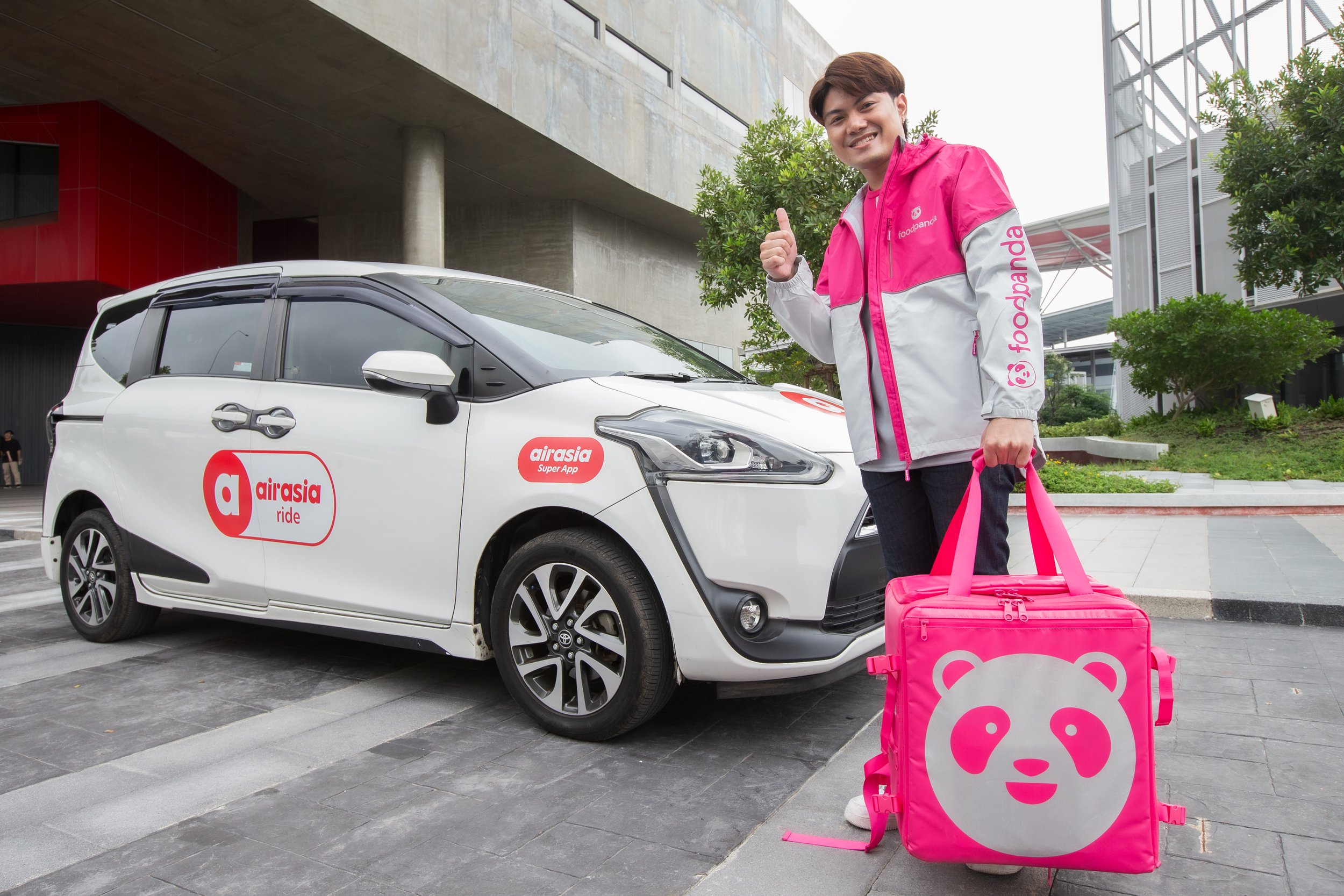
    AirAsia Superapp is extending its partnership with Foodpanda, the region’s food and grocery delivery platform to Thailand, following its initial announcement regarding this collaboration back in May.

    As airasia Superapp focuses on its vision as a one-stop travel platform, providing the market with all things travel, from flights, hotels, ride-hailing, duty-free shopping and even dining experiences, this collaboration with foodpanda Thailand continues to emphasize on the strengths of both platforms.

    Through this collaboration, airasia Superapp users can access foodpanda’s  food delivery services, showcasing a diverse array of delightful menus from restaurant partners nationwide. Irrespective of your location, you can effortlessly order delicious cuisine to savor anytime, anywhere. Concurrently, foodpanda customers will venture beyond food delivery, enjoying access to airasia ride’s budget-friendly and reliable ride-hailing service.

    Whether you’re near or far, traveling becomes hassle-free, further complemented by the option for advance car reservations, streamlining travel planning for Thai customers and foreign tourists. Notably, both services empower users to accumulate airasia points, which can be utilized instead of cash for various purposes, including airfare on airasia and other airlines, hotel accommodations, and other exclusive deals via airasia Superapp.

    Ben-Jie Lim, Head of Partnerships & Global Markets, airasia Superapp, expressed his enthusiasm, stating, “We’re excited to collaborate with a distinguished food delivery service provider in Thailand like foodpanda. This partnership bolsters both applications, introducing users to innovative services catering to diverse needs, and enhancing overall convenience. foodpanda users can seamlessly access ride-hailing services directly through the app, facilitating more convenient and efficient travel within Bangkok, all at an appealing price point. Moreover, for every 15 baht spent on the airasia ride service in foodpanda app, users will earn 1 airasia point, which can be redeemed for a variety of products and services across airasia Superapp.

    Siripa Jungsawat, CEO of foodpanda Thailand, emphasized, “Leveraging over 11 years of expertise in food and grocery delivery services, foodpanda is delighted to join forces with airasia Superapp, an one-stop travel platform in the region. This partnership will strengthen foodpanda to offer a more comprehensive experience to customers. We have 2 main objectives for this partnership. The first is to deliver a complete and seamless service experience to our existing customers of both airasia Superapp and foodpanda. The second is to expand to a new customer base. This partnership will, of course, result in a more comprehensive and sustainable business ecosystem. Apart from foodpanda Thailand, airasia Superapp also collaborated with foodpanda Malaysia earlier in May this year.”

    To celebrate the collaboration, customers of both airasia Superapp and foodpanda can now avail of special promotional offers for ride-hailing and food delivery from both the foodpanda and airasia Superapp platforms starting today.

  • Food delivery platforms see gross merchandise value rise 37.5%

    Food delivery platforms see gross merchandise value rise 37.5%

    The total gross merchandise value (GMV) of food delivery platforms in Vietnam hit $1.1 billion in 2022, up from $800 million in 2021, said Singapore-based venture outfit Momentum Works.

    Of the total GMV, Grab accounted for the biggest share with 45%, followed by ShopeeFood 41%, Baemin 12% and Gojek 2%, the firm said in its latest report “Food delivery platforms in Southeast Asia,” which was issued in January.

    Last year total GMV in Southeast Asia grew at a modest 5% to $16.3 billion, mainly driven by the relatively smaller markets of Malaysia, the Philippines and Vietnam, while larger markets – Indonesia, Thailand and Singapore – recorded declines, Momentum Works stated.

    The three largest markets all recorded a GMV decline in 2022, due to various factors. For example, thepost Covid reopening of the ecoomy reopening in Singapore shifted food services demand offline, while in Thailand the withdrawal of government subsidies after October 2022 as well the floods in the second half of the year played significant roles.

    Malaysia, the Philippines and Vietnam, the three smaller markets, have recorded significant growth, as players including Grab and ShopeeFood expanded their market penetration, according to the firm.

    Grab has taken market share leadership in Malaysia and Vietnam from Foodpanda and ShopeeFood respectively, and now contributes 54% of the region’s total platform GMV.

    ShopeeFood has reduced market-share-grabbing incentives, while Foodpanda/DeliveryHero is rumored to be in the process of exiting a few markets in the region, according to Momentum Works.

  • Airasia halts food delivery service in Singapore

    Airasia halts food delivery service in Singapore

    Airasia’s food delivery ambitions seem to have halted in Singapore. The brand’s web-based platform informed users that addresses within Singapore were outside its coverage area. This was the case for 12 consecutive days from 20 December 2022 to 31 December 2022.

    Airasia’s food app was launched in Singapore in February 2021. As part of the launch in the Singapore market, airasia food was on the hunt for F&B operators to sign up as merchants, offering a special sign-on rate as low as 8% for the month of March.

    Compared to other food delivery platforms, such as FoodPanda, Deliveroo and GrabFood, airasia’s food delivery service initially charged eateries a lower commission rate of 15% without any hidden fees or charges to the F&B operators. This allows for eateries to keep their profits favorable.

    When the app initially launched in Singapore, an airasia spokesperson said, “Our strength in technology and logistics infrastructure, plus deep insights to our customers’ preferences will allow us to remain the preferred choice for Singapore customers. We are not distracted by competitive forces and will continue to stay focused on bettering our delivery speed to under 30 minutes, product and service offerings.”

    The food delivery service was part of airasia foray into digital services and superapp ambitions. In November 2022, airasia’s parent company, Capital A enhanced the brand’s Super App by introducing airasia chat, games and the newly launched airasia gifts – allowing the community of airasia members to connect, play and share.

  • Line Man Wongnai in talks to buy Foodpanda’s Thai unit

    Line Man Wongnai in talks to buy Foodpanda’s Thai unit

    Thailand-based food delivery platform and unicorn Line Man Wongnai is negotiating to acquire the local unit of Foodpanda.

    German online food-delivery service provider Delivery Hero owns Foodpanda Thailand.

    Citing people familiar with the matter, the news agency reported that the food delivery platform was earlier valued at $100m, but due to market headwinds, the deal amount could be reduced.

    A source familiar with the development added that the deal is yet to be finalized and talks could still fail.

    Line Man Wongnai was established in 2020 following the merger of delivery service firm Line Man and Thai restaurant review platform Wongnai.

    The food delivery platform achieved unicorn status after securing $265m in a Series B round led by GIC, a Singapore sovereign wealth fund; and Line Corporation, the operator of a Japanese messaging app, in September.

    In August, food delivery companies Foodpanda, Grab and Deliveroo agreed to launch an association in Singapore to shape guidelines to support merchants and delivery staff.

    Called Digital Platforms Industry Association (DPIA), the organisation is intended to help identify improvement areas and facilitate collaboration with the government and industry stakeholders.

    Meanwhile, Central Restaurants Group, a Thail restaurant chain operator, plans to open 30 new KFC restaurant units in 2023.

    As part of this initiative, the franchisee plans to make an investment of THB400m ($11.5m).

    The group plans to open 15 restaurants in Bangkok, while the remaining units are planned in the upcountry region.

  • Electric motorbike startup raises another $8 mln

    Electric motorbike startup raises another $8 mln

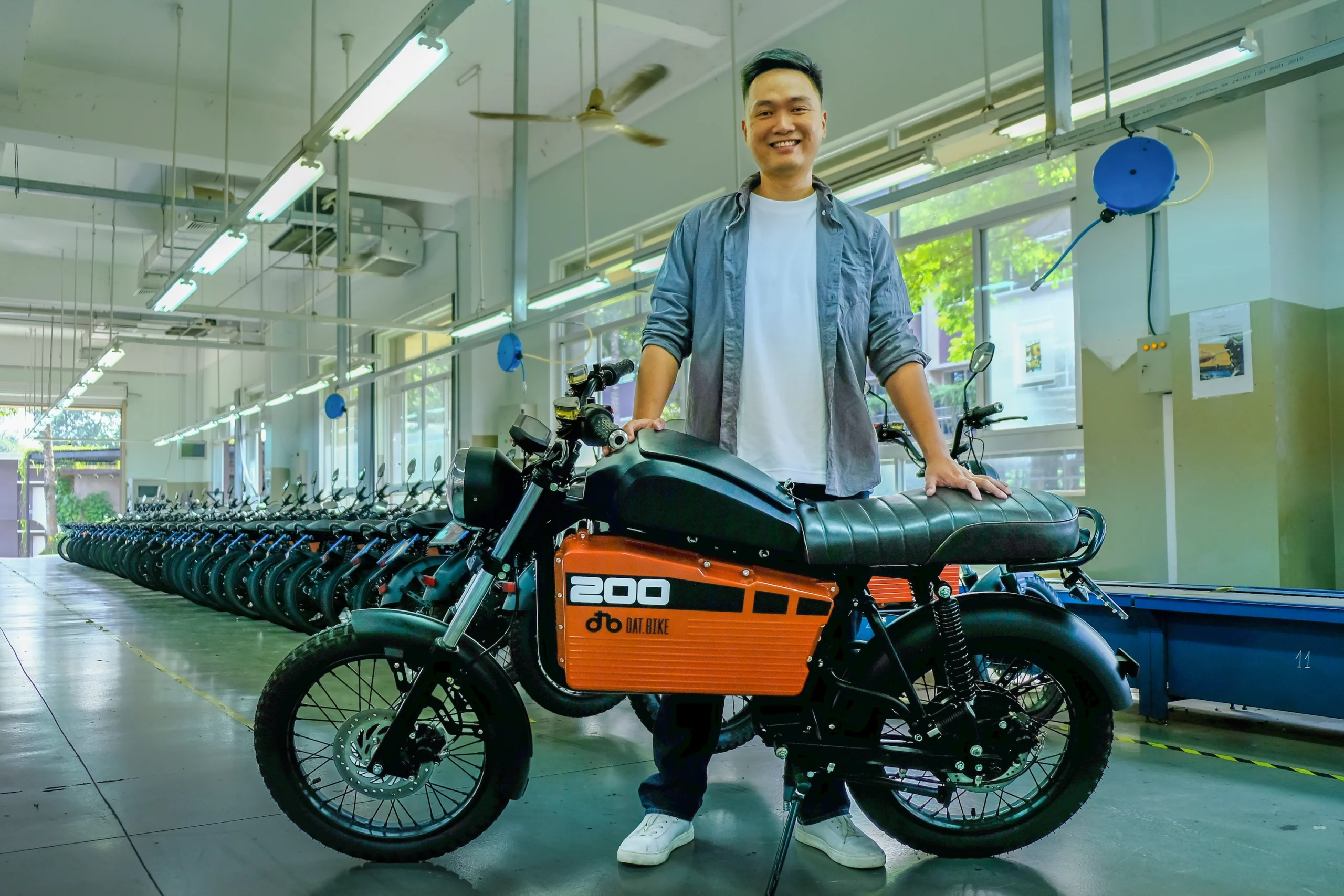
    Vietnamese electric motorbike startup Dat Bike has secured $8 million in a funding round, bringing the total since its establishment to $16.5 million.

    The round was led by returning investor, Singapore-based Jungle Ventures, with participation from GSR Ventures, Innoven Capital, Wavemaker Partners, and Delivery Hero Ventures – the investment arm of Foodpanda’s parent firm.

    The startup will use the new round of funding to invest in technology, scale production, product development and hiring talent, said Nguyen Ba Son, founder and CEO of Dat Bike.

    Founded in 2019, Dat Bike says its revenue grew 10 times over the past 12 months.

    The launch of its latest model, Weaver 200, has solved the problems of performance and range as it has a maximum capacity of 6,000W, covering 200 km with a 3-hour charge, Son said.

    The startup has also launched Dat Charge – an ultra-fast charging station for its electric bikes, which allows charge for a 100km trip in 20 minutes and 150km in 30 minutes. This is the highest electric bike charging speed in the country at present, according to the company.

    After four years of operations, Dat Bike has three stores in Ho Chi Minh City, Hanoi and Danang. It plans to enter other Tier 1 cities, including Quang Ninh, Hai Phong, Nha Trang, Binh Duong and Can Tho, soon.

  • Foodpanda starts delivering Lego kitsets in Asia in quickcommerce move

    Foodpanda starts delivering Lego kitsets in Asia in quickcommerce move

    Singapore-based e-commerce platform Foodpanda has partnered with the toy giant Lego to expand the region’s q-commerce marketplace.

    Lego says the partnership signifies the company’s entry into the q-commerce sector, which enables users to purchase Lego sets and have them delivered to their doorstep within 30 minutes.

    Customers in Malaysia and Singapore can buy Lego products through Foodpanda in the initial phase, with other markets likely to follow.

    “Entering the quick commerce market will make it more convenient for our customers to get Lego products and bring new opportunities for people to build and play together whenever and wherever they feel like,” said U-Fong Chua, SEA e-commerce head at Lego.

    With its own custom in-app storefront in Singapore, the Lego store will be highlighted on Foodpanda shops. At the same time, buyers in Malaysia can purchase Lego sets at a few Pandamart Cloud locations in Klang Valley and Seremban.

    Foodpanda stated that it had reached the milestone of digitalising 50,000 merchants around Asia, including supermarket chains, quick-service restaurants, drug stores, and fashion retailers. Through this agreement, Foodpand has opportunities for non-grocery categories to better meet the needs of customers for their everyday needs.

  • Sa Sa starts selling 700 products on Foodpanda Hong Kong

    Sa Sa starts selling 700 products on Foodpanda Hong Kong

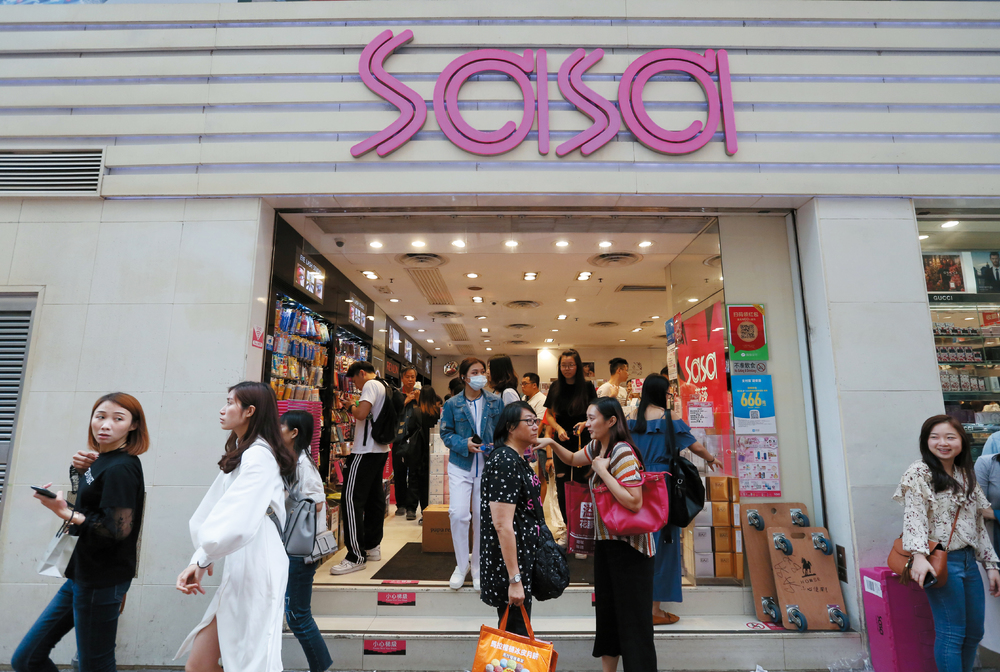
    Sa Sa is pleased to announce today its official entry onto foodpanda mall in Hong Kong, an online grocery and goods shopping mall under foodpanda. Through foodpanda mall’s round-the-clock delivery service, Sa Sa will open up for local customers a more convenient way of shopping to enhance customer experience. The move also marks Sa Sa’s advancement in the development of online-merge-offline (“OMO”) functions.

    Sa Sa is offering about 700 selected products on foodpanda mall, including anti-epidemic products for which Hong Kong citizens have an urgent need, and popular products such as cosmetics, skincare, fragrance, hair care, and body care products as well as health supplements. After customers have placed orders at the online supermarket, foodpanda’s couriers will collect the goods at Sa Sa’s physical stores and deliver them to the customers in as fast as 10 minutes. Customers can thus quickly obtain the products without going out, especially meeting their urgent needs for anti-epidemic products and their favorite items within the cosmetic and personal care categories. This service will initially be piloted at 20 of Sa Sa’s stores and will be rolled out at more stores in the future.

    Following the launch of the “click-and-collect” service, Sa Sa’s partnership with foodpanda mall will further enhance the OMO development of the Group’s physical stores and its online business in Hong Kong. It also provides customers with one more customer-centric and convenient channel for online shopping, complementing Sa Sa’s shopping website.

    Sa Sa and foodpanda mall will be able to manifest their respective advantages in the partnership and generate synergy. As a leading “one-stop beauty product specialty store”, Sa Sa will enrich foodpanda mall’s product assortment with its richly diverse, hot-selling cosmetics, health supplements and anti-epidemic products. Both foodpanda and Sa Sa have large customer bases, which can enable mutual conversion and thus enlarge their respective target customer bases. Sa Sa can also strengthen and expand its own base of young customers by serving foodpanda members who are used to “Quick Commerce”.

    Dr Simon Kwok, SBS, JP, Chairman and Chief Executive Officer of the Group, said, “Sa Sa is honoured to have entered foodpanda’s online platform which is widely popular with consumers in Hong Kong. Online shopping is gaining traction. The trend is especially more pronounced amid the raging pandemic as more consumers would rather stay at home than go out to protect themselves against the disease. We believe that foodpanda’s quick delivery meets our customers’ increasing demand for convenient, fast online shopping service. In the light of the urgent demand for anti-epidemic products, we are offering them at foodpanda mall in the hope of providing citizens one more convenient shopping channel to help fight the pandemic. We also hope to enhance the OMO function at Sa Sa’s operation through the partnership with foodpanda mall so as to provide customers with a more seamless and convenient shopping experience.”

    Ryan Lai, Managing Director of foodpanda Hong Kong, said, “Via our mature logistics infrastructure, our dedicated delivery fleet and ongoing data analysis, we hope to continue to pioneer ‘Q-Commerce’, providing quick and convenient delivery service to meet the needs of Hong Kong people. We are extremely pleased to have Sa Sa as a foodpanda mall retail partner, benefiting from complementary strengths in advancing each other’s OMO business strategy, and elevating customers’ shopping experience for personal care, health and beauty products etc. This partnership also expands and diversifies foodpanda mall’s product offerings, to better satisfy the wants and needs of our customers.”

    To celebrate its partnership with Sa Sa, foodpanda mall launches promotional offers from 15 March to 30 April . Customers will enjoy a HK$50 discount upon spending of HK$400 or above with their first purchase at Sa Sa on foodpanda mall by entering the promotional offer code “SASA” while the offers last.

  • Foodpanda Hong Kong donates HKD3m to Covid-19 community support

    Foodpanda Hong Kong donates HKD3m to Covid-19 community support

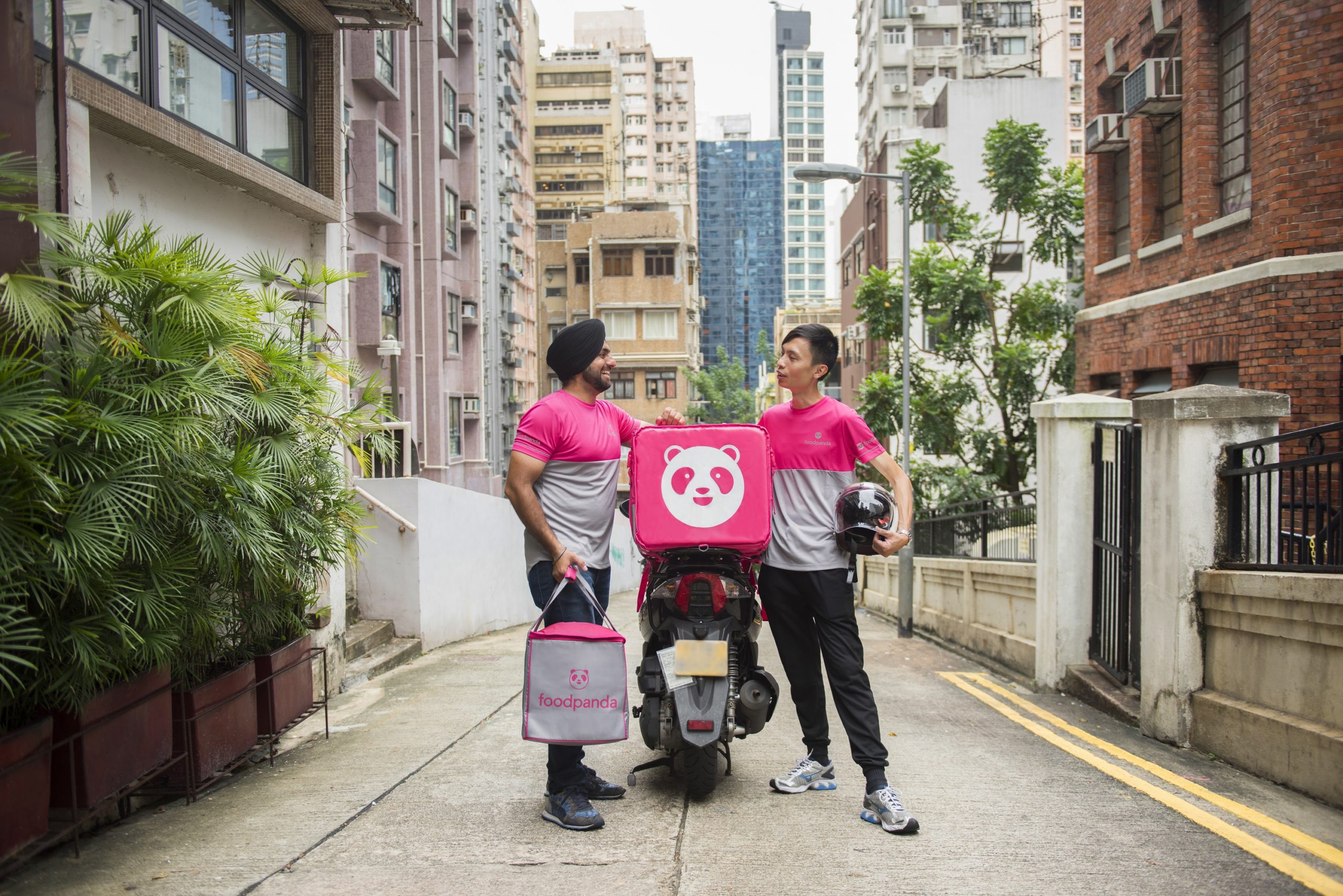
    While we all wait for the rollout of the city’s anti-pandemic fund to support residents and businesses affected by the ongoing public health crisis, some of Hong Kong’s biggest companies have also stepped up to help. In a recent announcement, foodpanda, the largest food and grocery delivery platform in Asia, is also rising up to assist those that have been affected by the pandemic.

    Foodpanda is launching a series of support measures, amounting to a total of $3 million, including a donation of 12 thousand food vouchers ($1 million worth) for people in need and investment on initiatives for their restaurant partners, shop vendors, and foodpanda fleet.

    By mid-March, foodpanda food vouchers will be donated to 15 local charities, including Food Angel, Foodlink Foundation, ImpactHK, Hong Chi Association, Concern for Grassroots Livelihood Alliance, Tuen Mun District Women’s Association, Hong Kong Single Parents Association, Hong Kong Women Worker’s Association, Hong Kong Community Network, Chain of Charity Movement, Social Development Practice and Research Centre – Family Mutual Hub, among others. These vouchers may be redeemed on the foodpanda platform for food delivery or pick-up.

    Foodpanda restaurant partners will get a waived monthly listing fee until March 31 and 50 percent discount off paper bags and foodpanda sustainable packaging. Meanwhile, their shop partners will get up to 28 percent reduced commission rate for new small-medium sized local vendors that sell locally produced fresh produce and food ingredients. New vendors to foodpanda mall will get an expedited onboarding process of seven to ten days. The company’s delivery fleet will get free access to 7,000 rapid COVID-19 rapid antigen test kits, an extension of Covid-19 insurance plan coverage, as well as free face masks, hand sanitisers, and durable medical-grade self-sanitising photocatalyst coating for couriers’ thermal bags. The platform is also setting up a dedicated express registration link for F&B staff hard hit by the pandemic who want to apply and join the foodpanda fleet as couriers to gain extra income.

    “As members of the Hong Kong community ourselves, our entire team is dedicated to rallying together to find ways to give back to the local public and support our stakeholders, providing temporary relief measures for some,” shares foodpanda Hong Kong’s managing director Ryan Lai. “Apart from providing additional support through various initiatives, we hope that we can also encourage others within the industry to roll out support measures too, as we all fight to overcome the pandemic together,” he adds.

  • Delivery Hero to sell Foodpanda Foodpanda Japan

    Delivery Hero to sell Foodpanda Foodpanda Japan

    German food delivery group Delivery Hero said on Wednesday it would scale down its Foodpanda operations in Germany and sell the subsidiary’s Japan unit, citing increased competition and labor shortages.

    Delivery Hero said Foodpanda would exit Cologne, Duesseldorf, Frankfurt, Hamburg, Munich, and Stuttgart, though it had only introduced the brand in Cologne, Duesseldorf, and Stuttgart a month earlier as part of a broader expansion program in Germany.

    “Facing a very different reality now than we did entering these markets, it is with a heavy heart that we need to pursue other growth opportunities with larger potential,” Chief Executive Niklas Oestberg said in a statement.

    The meal delivery market, with players including Uber Eats, Just Eat Takeaway, and Deliveroo, is expected to consolidate as the pandemic-related boom starts to wear off and companies look to adjust operations.

    At the same time, the European Commission announced draft rules in early December to give employee benefits to riders and drivers for online delivery firms, a move some companies argue will lead to job losses.

    Delivery Hero, whose operations span more than 50 countries, only started in June with the soft launch of its Foodpanda brand in Berlin and then rolled it out to other cities in August.

    That return home brought an abrupt end to a truce struck in late 2018, when Oestberg sold Delivery Hero’s German operations to Takeaway.com – its Dutch competitor is now known as Just Eat Takeaway (JET) – for $1.1 billion.

    The group also said on Wednesday it would exit the market in Japan, which it entered in September 2020, in the first quarter of 2022 to focus on growth in other markets and niches, especially in the area of quick commerce.

  • Uber Eats leaving Hong Kong at the end of 2021

    Uber Eats leaving Hong Kong at the end of 2021

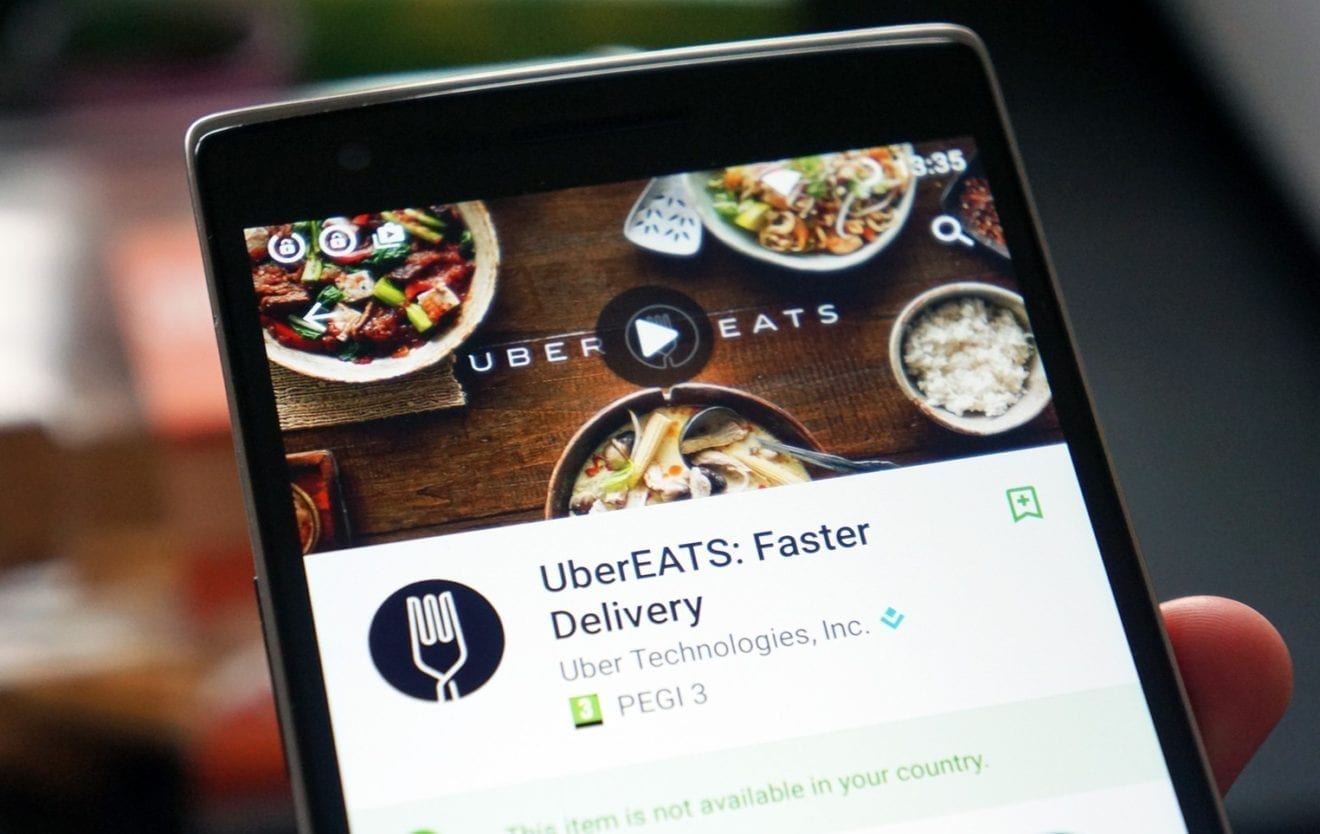
    Food delivery giant Uber Eats revealed on Tuesday it would wind down its Hong Kong operations by year’s end after seeing slower-than-expected growth.

    “Uber Eats has unfortunately not grown as expected in Hong Kong,” the company said in response to a Post inquiry. “This decision has been made independent of the global pandemic, and is in line with our broader strategy on Uber Eats.”

    One of the city’s three main food delivery platforms – along with Deliveroo and Foodpanda – Uber Eats launched in Hong Kong in October 2016 and has seen a sharp rise in orders throughout the coronavirus pandemic over the past two years.

    “After five years of partnering with restaurants and delivery people in Hong Kong, we have made the difficult decision to discontinue Uber Eats in Hong Kong on December 31, 2021,” the company said earlier in the day.

    Uber Eats said its priority was now to support its employees, restaurant partners, delivery people, and customers as it moved towards shutting down, but added it was “more committed than ever” to growing its ride-hailing services in the city.

    “We will keep investing and serve more riders and drivers in coming years by bringing the very best technology to Hong Kong,” the company, which operates in a legal grey area in the city, said.

    The spokesman said the company would continue providing support to customers and partners until the end of January.

    Uber Eats employs 5,000 delivery workers, some of whom signed up after losing their jobs amid the pandemic, and its service covers 16 of the city’s 18 districts.

    In July, Uber Eats launched a campaign in support of the small and medium-sized restaurants that use its platform, snagging celebrity endorsements from singers Alfred Hui and Joyce Cheng.

    In recent months, with almost no local transmission of the coronavirus, Hong Kong’s restaurant industry, along with other businesses such as hotels, have seen signs of recovery, and bookings are healthy for the year-end holiday season.

    Although social-distancing restrictions limiting the number of people permitted at venues such as bars and restaurants remain in place, about a third of the city’s 16,000 restaurants can now seat up to six per table, as long as diners have received at least one dose of a vaccine and use the government’s “Leave Home Safe” risk-exposure app.

    The latest data from SevenRooms, a booking platform used at more than 350 of Hong Kong’s high-end restaurants, showed people were dining out and spending more this year when compared with two years ago, before the pandemic hit.

    Earlier this month, Foodpanda couriers, upset with a cut to their delivery fees and other issues, went on strike for two days.

    The strike ended after the company agreed to make changes to its mobile app and fee calculation system as well as look into other demands