Retail News CRM

Tag: Foodpanda

  • Foodpanda acquires Mumbai-based Holachef

    Foodpanda acquires Mumbai-based Holachef

    Online food ordering and delivery platform foodpanda said Tuesday it has acquired Mumbai-based food-tech venture Holachef. According to report: Through this collaboration, foodpanda marks its entry into cloud kitchens and plans to launch its own brand of food products in different categories, it said. The company, however, did not disclose any financial details of the acquisition.

    Commenting on the development, Pranay Jivrajka, CEO, foodpanda India said: “We aim to build India’s largest cloud kitchen network that will be a major step in further elevating the food experience for our customers.”

    The company is committed to providing unique local tastes and palate choices to the Indian consumer, he added.

    As part of the acquisition, foodpanda will take over Holachef’s business including its kitchens, equipment, as well as bring onboard the company’s employees. Holachef’s founders are set to join foodpanda’s leadership team, the statement said.

    “Our mission with Holachef is to serve incredible food experiences to customers through kitchens with the highest quality and hygiene standards. We are delighted to join hands with Foodpanda, to accelerate our mission,” Saurabh Saxena, Co-founder, Holachef said.

  • QSR starts selling in Foodpanda Malaysia platform

    QSR starts selling in Foodpanda Malaysia platform

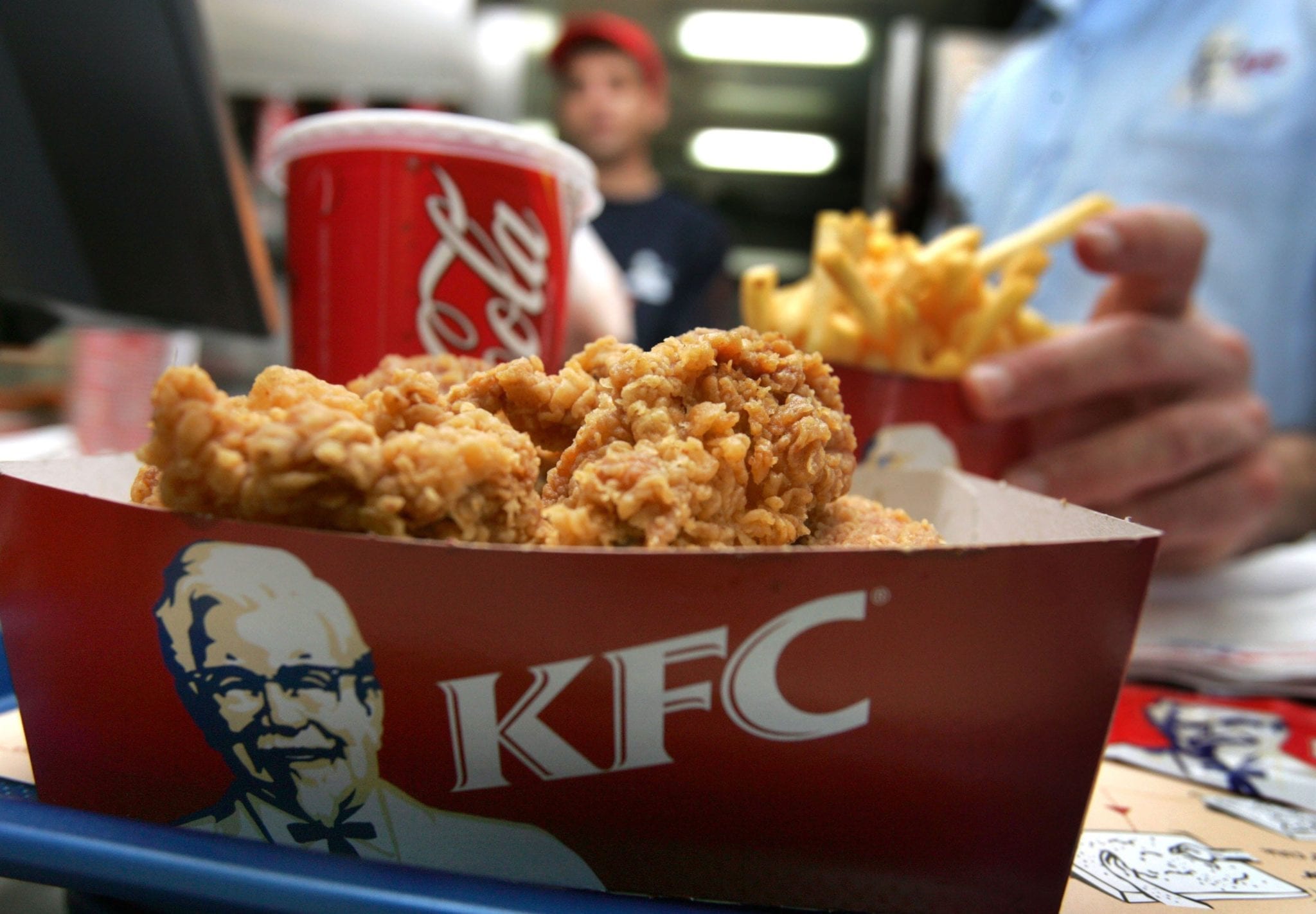
    Malaysia’s largest fast-food operator QSR Brands is partnering with Foodpanda Malaysia to deliver its Pizza Hut and KFC orders, according to a Deal Street Asia report.

    The move is expected to increase food revenue for the firm by 15–20 per cent, and allow delivery outlets for both brands to increase to 480 by the end of this year, and 730 before 2020.

    QSR MD Mohamed Azahari Mohamed Kamil said: “This will provide a new revenue stream by serving not only our non-delivery outlets but also complement existing delivery outlets.”

    QSR is expected to list on Bursa Malaysia this November, seeking to raise around RM2 billion (US$500 million), raising its market capitalisation to an estimated RM6 billion ($1.5 billion).

  • Foodpanda opens dine-in restaurant in Singapore

    Foodpanda opens dine-in restaurant in Singapore

    Food-delivery company Foodpanda Singapore has launched a 30-seater restaurant, Favourites by Foodpanda.

    In Woodlands Avenue, the 3100sqft (288sqm) restaurant allows customers to pick and match dishes from nine restaurants such as Ichiban Bento, Crystal Jade Kitchen and Wingzone.

    At the same time, the restaurant acts as a collective kitchen where customers in the nearby districts of Sembawang and Yishun can place delivery orders for the nine restaurants with a single delivery fee.

    Foodpanda Singapore MD Luc Andreani says there was a demand in the northern part of Singapore for more delivery options, but many restaurants were unable oblige because of their more central locations.

    “Favourites by Foodpanda offers brands an opportunity to expand output and reach a new customer base.”

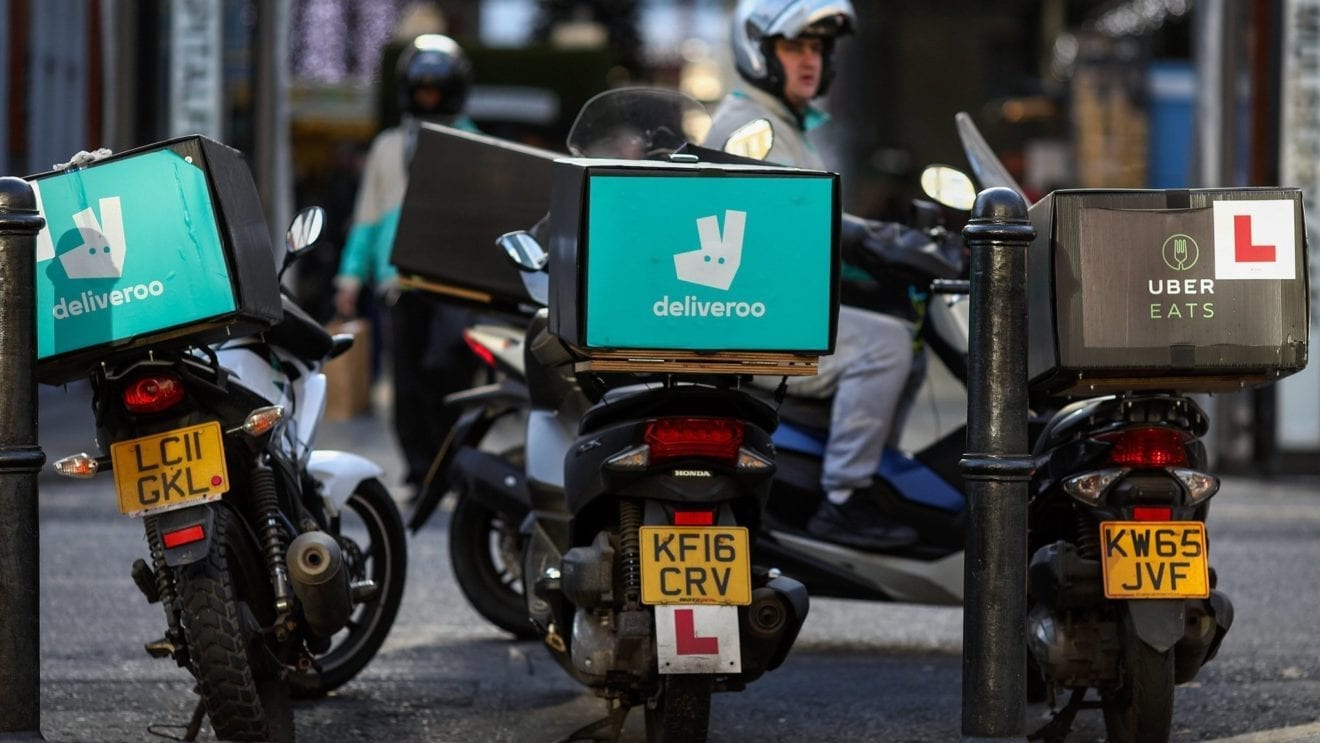
    This move follows Foodpanda competitor Deliveroo opening its first central kitchen last year. While not available to the public for dine-in, Deliveroo Edition gathers chefs from six different restaurants at a 2110sqft kitchen space in Katong to prepare delivery orders.

    After setting up at Deliveroo Edition, New Ubin Seafood had a 600 per cent jump in delivery sales, says a Deliveroo spokesman.

    Beyond R&B, furniture retailer HipVan is another online business that has opened its first permanent 11,000sqft flagship store at The Cathay in Dhoby Ghaut. Luxury e-commerce retailer Reebonz also opened an eight-storey, 200,000sqft outlet in Tampines last year.

    Meanwhile, Foodpanda says it is looking to open another two outlets in Singapore by the end of the year.

  • Deliveroo heads to India

    Deliveroo heads to India

    UK food-delivery startup Deliveroo is preparing to launch in India.

    Valued at US$2 billion, the company is hiring a country head along with a full team, insiders say, according to The Times of India. It will go head to head with local players like Swiggy and Zomato as well as comparatively new entrant UberEats. Ola has also re-entered the category by acquiring Foodpanda from Delivery Hero.

    Founded in 2013 by former investment banker Will Shu, Deliveroo works in 140 cities across 13 countries, including Hong Kong and Singapore.

  • Ola Cabs merges with Foodpanda in India

    Ola Cabs merges with Foodpanda in India

    Uber rival Ola Cabs has merged with food-delivery platform Foodpanda India, taking control from Delivery Hero Group of Germany.

    Under the terms of the deal, as well as a handover of shares, Ola has committed to investing US$200 million into Foodpanda’s India business.

    With Foodpanda India CEO Saurabh Kochhar having moved on, Ola founding partner Pranay Jivrajka will be interim CEO.

    Rocket Internet-backed Delivery Hero last year pulled out of Indonesia after tough competition, while Foodpanda wound up its Vietnam business in 2015 and scaled back in India.

    “The partnership with Ola will allow us to further consolidate markets where it strategically makes sense to collaborate with local players,” says Delivery Hero CEO/co-founder Niklas Östberg.

    The acquisition comes shortly after Ola raised $1.1 billion in funding from Japanese telco SoftBank Group and Chinese internet giant Tencent.

    Uber Eats launched in India a few months ago.

  • Foodpanda brand overhaul follows acquisition

    Foodpanda brand overhaul follows acquisition

    A Foodpanda brand overhaul has been launched following its acquisition by tech giant Delivery Hero last December.

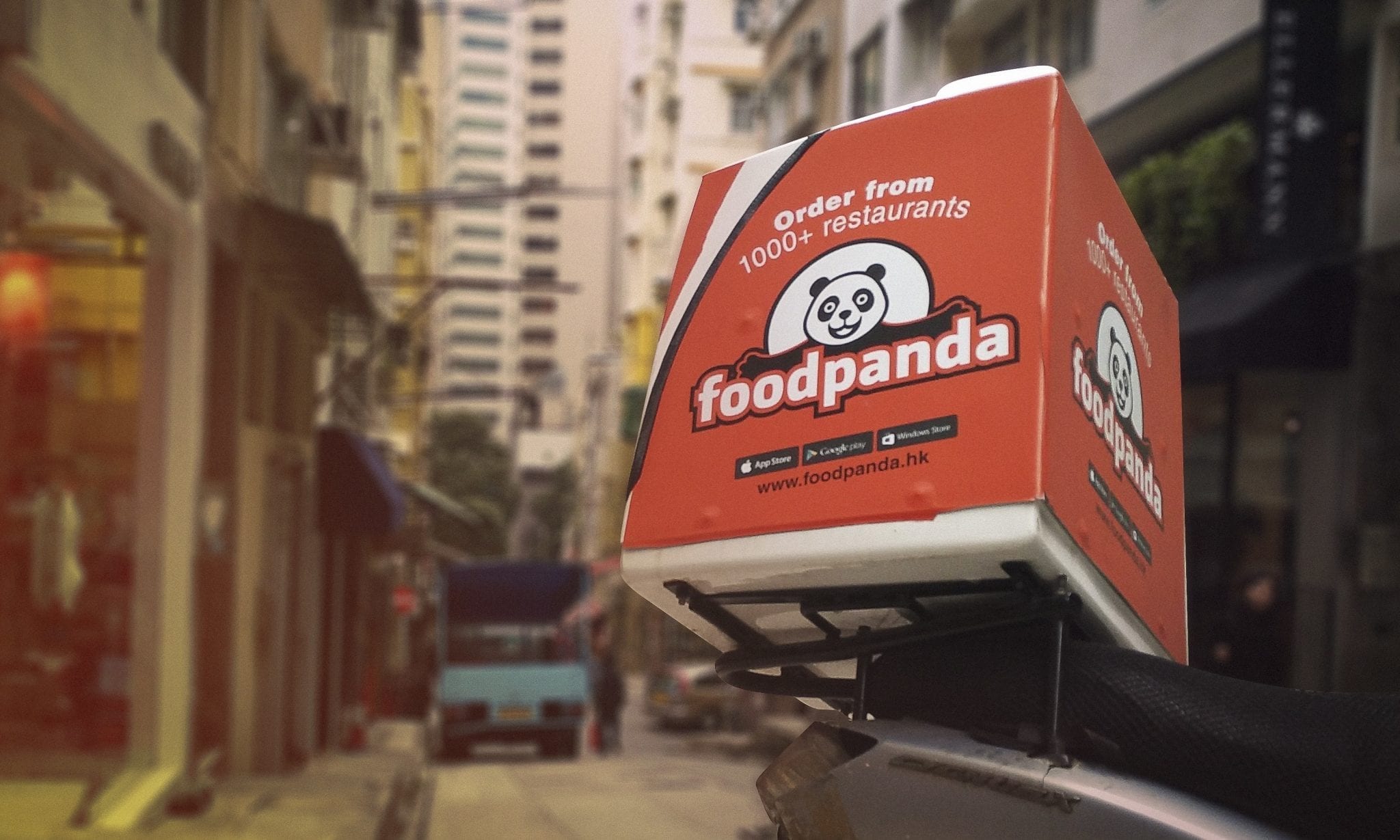
    While the iconic panda is still part of the food delivery company’s logo, it has been tweaked to have a round face, while the brand colour has been changed from orange to pink with a slimmer more contemporary font.

    According to the company, the new logo aims to be more memorable.

    “Pink will be a strong differentiator for Foodpanda to stand out in markets in which orange is used extensively throughout the city,” says head of marketing Laura Kantor. Also, pink is the signature colour of its sister company Foodora.

    The rebranding will roll out in 190 cities across 12 countries, including Hong Kong, Malaysia, Singapore, Taiwan, Thailand and the Philippines.

    Along with the change in brand identity, Foodpanda has introduced an upgraded app and front end that introduces live tracking for orders.

    While declining to reveal the cost of the rebrand, Kantor says it has been a “mammoth task” to convert all its brand assets. It had to work on its app, website and other digital platforms, before moving on to more than 1500 restaurant partners in Singapore alone to replace all its collateral.

    Foodpanda also had to change out uniforms and delivery bags for its 3000-strong rider fleet, and also changed everything from orange to pink, including the walls, at its Singapore headquarters.

    Meanwhile, the company is working with restaurants to create celebratory dishes that will be available exclusively on Foodpanda for two weeks.

  • Burger King, Foodpanda launch April Fool’s Day campaigns

    Burger King, Foodpanda launch April Fool’s Day campaigns

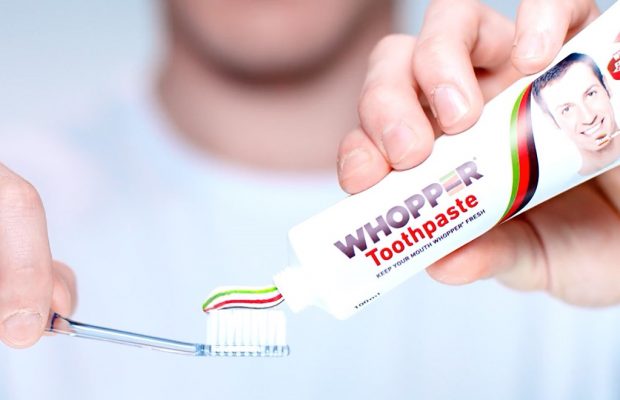
    A Whopper-flavoured toothpaste and a weekend staycation where you can chill in a panda costume… those were the first two April Fool’s Day pranks orchestrated by marketers this silly season.

    Putting aside for a moment the question of whether launching such promotions several days in advance really qualifies as an April 1 stunt, the issue is whether the marketing programs are designed to make the news media look foolish in an era of growing chatter about “fake news”, or are just an entertainment for consumers.

    Foodpanda Singapore issued a media release on Wednesday promoting a “wellness retreat” dubbed The Pandanctuary.  The food delivery service cited “UK research” (not referenced) as finding that more than 10,000 people “enjoy dressing up as animals to escape the pressure of modern living”.

    In the release, MD Aspa Lekka (her name checks out on Google) says: “With studies showing that dressing up like an animal is scientifically proven to reduce stress levels, we wanted to give our busy customers the opportunity to see what it’s like to live like our ‘chilled out’ mascot for the weekend – the beloved panda.”

    The release was distributed by Leon Tan, an account executive with W, whose signature file references an award for “Best new PR consultancy in Asia Pacific”. We sent Tan an email asking him to confirm it was an April Fool’s Day stunt. He didn’t reply.

    But the sheer detail of the promotion was impressive enough to fool the likes of mainstream media including the South China Morning Post, which appeared to treat it seriously in an online article.

    According to the release, Foodpanda has partnered with Studio M Hotel on Nanson Road to create “the ultimate panda experience, decking out bespoke ‘panda rooms’ with bamboo plants, play ropes and large water bowls”. Catering will be provided by Jamie’s Italian.

    The biggest hint of mischief in the campaign was at the bottom of the application form where those interested in participating in the “pandamonium” had until “23.59 on March 31” to apply.

    Here’s a video of The Pandanctuary:

    A whopper

    Meanwhile in Europe, Burger King France and its ad agency Buzzman claim to have teamed up with “experts” to create a signature toothpaste with extracts that recreate the distinctive barbecued beef flavour of its Whopper burger (also note that in western slang, “whopper” means a massive lie).

    They even created a realistic 60-second commercial to promote it, in movie-trailer style with the memorable tagline “the Whopper’s taste is so good, some people will do anything to keep it in their mouths”:

    As Marketing Interactive reported online, considering April Fool’s Day is this week “we can safely assume this is a joke – but we will report back if we get our hands on a sample”.

  • UberEats Asia expands to Bangkok

    UberEats Asia expands to Bangkok

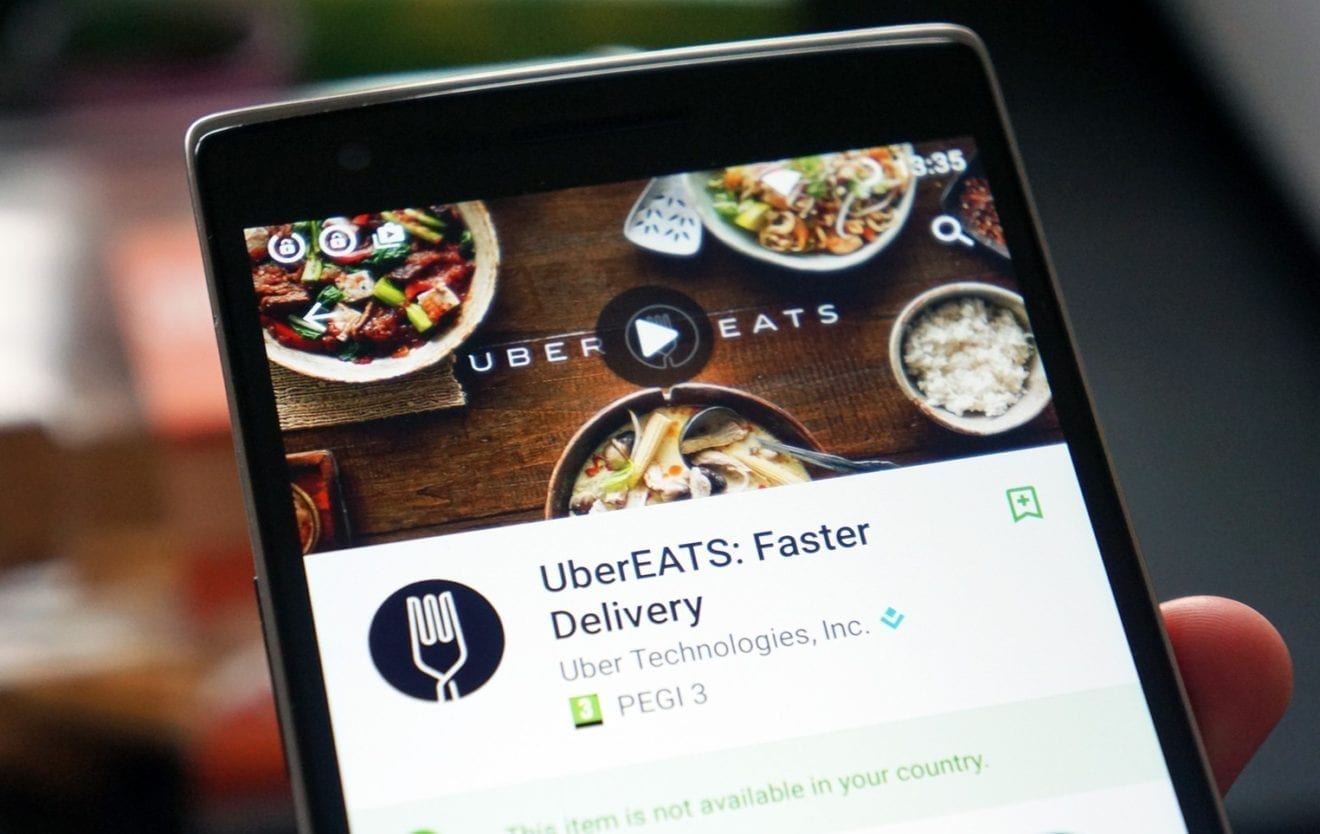
    UberEats Asia has introduced its stand-alone food-delivery app UberEats to Bangkok.

    It initially covers 100 restaurants and 24 cuisines, and users can track their orders from the moment they are placed until they arrive at their doors.

    “This app offers a window into what the future competition in the food-delivery industry could look like,” says UberEats Asia-Pacific GM Allen Penn. UberEats Asia is a business unit of US-based Uber Technologies.

    Already delivering food in Thailand are Berlin-based Foodpanda, Singapore-based GrabEat and Tokyo-based Line Man.

    After downloading the app, UberEats customers can order a meal and have it delivered in 30 to 45 minutes. The limited initial service areas include Asok, Chinatown, Ekamai, Nana, Pathumwan, Ploenchit, Phrom Phong, Sathorn, Silom and Thong Lor.

    The service will be available 10am to 10pm daily with no minimum price per order.

    “Bangkok has fantastic cuisine and the city has a large population with a strong base of smartphone users,” says Penn. “Most importantly, Thai people love to eat.”

    Bangkok is one of 57 cities in 20 countries where UberEats is available. It is the fifth city in Asia where Uber has launched its food delivery service, following Singapore, Tokyo, Hong Kong and Taipei.

    In other countries, UberEats restaurant partners have increased revenue by up to 50 per cent, says Penn.

  • Delivery Hero takes control of Foodpanda

    Delivery Hero takes control of Foodpanda

    Control of the Foodpanda business has been sold by parent Rocket Internet, including the remaining Asian operations.

    German-based online food-ordering service Delivery Hero Holding, which is active in 33 countries, has acquired Rocket Internet-backed Emerging Markets Online Food Delivery Holding, parent of the shrinking Foodpanda business.

    Foodpanda, 49 per cent owned by Rocket Internet, has a presence in 22 countries, but shut its Indonesia business in October in the face of growing competition from app-based ride-hailing services that also offer food delivery, such as Go-Jek and Grab Bike. It has also exited Vietnam but remains operational in Singapore, Hong Kong, Thailand, Malaysia, the Philippines and Taiwan.

    In a partial share swap, the deal will see Rocket Internet’s stake in Delivery Hero increase from 30 per cent to 37.7 per cent. The sale will strengthen Delivery Hero’s global leadership position in online food ordering and delivery, with the combined group processing more than 20 million orders a month across 47 countries, says Rocket Internet.

    Bloomberg data shows that both companies together have raised more than $1.5 billion across several funding rounds with investors including Goldman Sachs and Insight Venture Partners.

    “The combination of Foodpanda and Delivery Hero, one of our most important companies, further consolidates key markets,” says Rocket Internet CEO Oliver Samwer. “Delivery Hero is also acquiring new markets.”

  • Rocket Internet sells Foodpanda business

    Rocket Internet sells Foodpanda business

    Rocket Internet has sold its mobile and online food ordering portal foodpanda to rival Delivery Hero for an undisclosed sum.

    Berlin-based Delivery Hero was founded in 2011 by Niklas Östberg. The company said in its announcement that the purchase would increase its stake in the global online food ordering and delivery business. With the acquisition, the combined group will now be processing over 20 million orders per month across 47 countries.

    Delivery Hero will also be able consolidate its market leadership position in the Middle East and will be adding 20 new countries in Eastern Europe, MENA, and Asia to its platform. Before the acquisition, foodpanda operated in 22 countries with market leading positions in 17 of them, according to Rocket.

    In exchange for all its shares in foodpanda, Rocket Internet received newly issued shares in Delivery Hero, which effectively increases its stake in the company to 37.7% (on a fully diluted basis).

    “The combination of foodpanda and Delivery Hero, one of our most important companies, further consolidates key markets resulting in significantly improved market positions. Delivery Hero is also acquiring new markets with leading market positions further broadening its geographic footprint,” said Oliver Samwer, Rocket Internet’s CEO, in a media statement.

    The transaction is subject to customary closing conditions and is expected to close prior to December 31.

    “We look forward to working with the team to continue creating unparalleled take away experiences for our customers around the world,” Östberg said.

    In the first half of the year, Delivery Hero reported more than 83 million processed orders globally, which is up 45% compared to the same period the previous year. It said revenues during the first half of 2016 also grew by 53%.

  • Some eateries charging more for meal deliveries

    Some eateries charging more for meal deliveries

    Ordering in for dinner? You could be paying more than you bargained for. Some restaurants are charging higher prices for menu items on delivery service platforms such as Deliveroo and Foodpanda, with increases varying from 20 cents to several dollars.

    A check of 50 restaurants found nine that had higher menu prices on these platforms compared to in-house menus.

    Among them are major chains Crystal Jade Kitchen, Crystal Jade La Mian Xiao Long Bao, Nando’s and NamNam Noodle Bar.

    Rochor Thai, NamNam Noodle Bar and Verve Pizza said the mark-ups were necessary to cover packaging and commissions paid to the delivery services, which are as high as 37 per cent per order.

    Rochor Thai, which is partnered with Deliveroo, Foodpanda and UberEats, charges an extra 20 cents for deliveries.

    NamNam’s four outlets on Deliveroo include mark-ups ranging from an average of $1.50 to $10.90 for one of its pho items.

    Verve Pizza, which has three outlets – in Clarke Quay, Bukit Merah and Marina Bay – switched from doing its own delivery to partnering with Deliveroo a month ago, said Ms Karen Coldman, director and owner of parent company Verve Holdings.

    While some of its thin-crust pizzas are costlier by up to $2 to cover extra costs, “entry-level pizzas” are kept low to attract new customers.

    “We are competitively priced, and one of the cheaper ones out there,” said Ms Coldman, 39.

    Crystal Jade and Nando’s declined to comment when queried on the price discrepancies.

    PS Cafe, which was one of the earliest to sign on with Deliveroo when it launched here last year, does not mark up prices for deliveries.

    Said the group’s director of operations, Mr Michael Di Palma: “Overheads are a lot less for deliveries compared with dine-in guests, and we’ve always done takeaway so that cost has been built in for a long time.”

    Its eight cafes and Chop Suey outlets fulfil about 1,000 orders a week through Deliveroo.

    Delivery service providers said that menu prices are not under their purview, and that the commissions they charge restaurants are necessary to cover costs.

    UberEats said restaurants retain the bulk of what they charge customers for their menu items.

    Said a spokesman for Deliveroo, which has over 2,000 restaurant partners in Singapore: “The overwhelming majority of our restaurant partners offer the same prices on Deliveroo as they do in their restaurants, and we strongly encourage them to do so.

    “In a few exceptional cases, some restaurants decide to marginally increase prices to make up for the customary service charge that is added to the bill for on-site consumption.”

    To avoid confusion for customers, Foodpanda said it is updating all prices on its platform to include GST and will absorb the GST for its deliveries.

    This will bring it in line with competitors Deliveroo and UberEats, which include GST charges in menu items and exclude the $3 delivery fee from GST.

    Singapore Polytechnic marketing and retail lecturer Amos Tan said that with the increasing popularity and accessibility of food delivery services, restaurants must be careful not to damage their brands with inconsistent pricing.

    “From a consumer’s point of view, whatever deal a restaurant has with a service provider is not relevant to me. If they are going to charge more, they’d better give me back in value, such as with vouchers.”

    While the issue does not appear to be widespread, “if it escalates, not only will brands suffer, but service providers may lose the trust of customers”, said Mr Tan.

    Art therapist Caitlyn Sarkar, who orders from Deliveroo and Foodpanda at least once a week, said she was surprised to learn of the price difference.

    “I don’t mind paying the delivery fee, but if restaurants want to pass on costs to customers, they should be upfront because consumers assume they’re paying the same price as in the restaurant,” said Ms Sarkar, 33.

    She said: “If it’s hidden, it’s kind of tricking customers.”
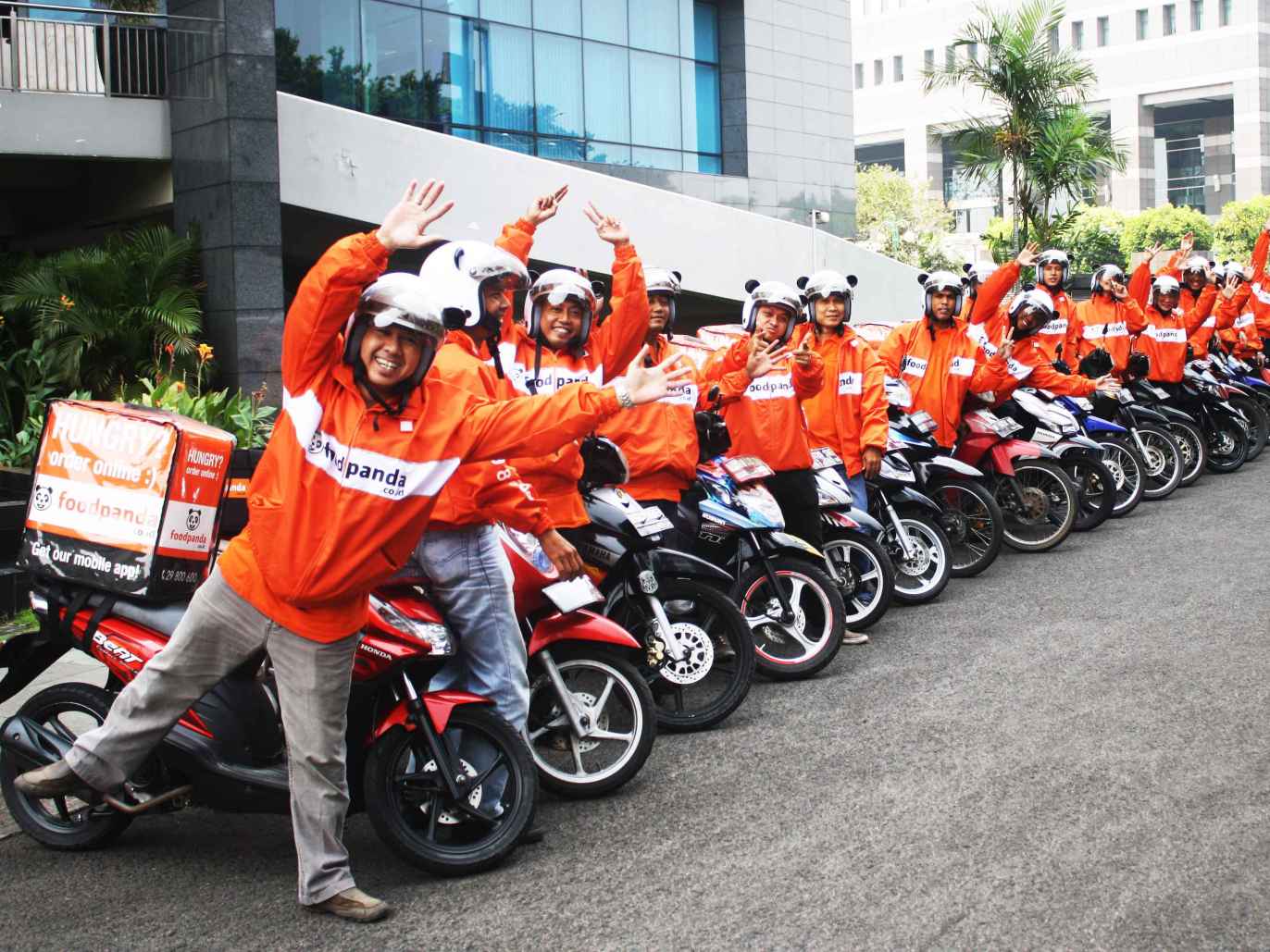
  • Dah Makan hoping venture capitalists delive

    Dah Makan hoping venture capitalists delive

    Seeking to upgrade technology and improve the user experience, Malaysian food-delivery startup Dah Makan is working on a larger funding round with global venture-capital firms.

    Dah Makan raised $320,000 from two angel investors in a seed round more than a year ago and has since grown to cover about 80 per cent of the Klang Valley region and has also crossed its 100,000th delivery.

    “We are now finalising a larger round with several global VCs with extensive experience in eCommerce and consumer brands,” says founder/CEO Jonathan Weins. “It’s very important to have the right investors on board as they can have significant influence on the future of a company.”

    He says an announcement on the funding may come in a few months, but meanwhile the company is investing into its team and technology. It released a new version of its apps last months and implemented a new backend system to manage the delivery fleet.

    Before Dah Makan, which is Malay for “Have you eaten?”, Weins had helped launch Foodpanda in Hong Kong.

    For Dah Makan, he and his co-founders did most everything from sourcing and cooking to delivering with the goal of understanding the customer experience as well as the business model.

    From less than half a dozen orders a day, a few months later the rate was 100 orders a day. Since then, the group has had to move kitchens three times to expand capacity and has grown its team with culinary and tech talent.

  • Foodpanda Indonesia shut down

    Foodpanda Indonesia shut down

    No one wants Foodpanda Indonesia.

    Not enough consumers ordered its delivery service and after as long as a year trying to sell the business as a going concern, Foodpanda’s parent Rocket simply shut it down.

    The last order was taken  at 10pm on Monday October 3, after which the business disappeared from online.

    It’s the latest chapter in a tale of woe for the delivery company in Southeast Asia. It sold its Vietnam business last year and is currently trying to raise $50 million to keep its Indian operations running, as it struggles to gain market share off more successful local rivals. In Hong Kong it closed down an upmarket Foodpanda spin-off last year just weeks after its launch, disguising it as a merger.

    In a statement sent to staff obtained by DealStreet Asia, Foodpanda Indonesia management said the company had ceased all food ordering activities on a permanent basis. “In particular, the company will close its website and mobile application in Indonesia, and terminate cooperation with all restaurant partners.”

    The closure of the business comes as no surprise, despite misleading statements on its future by Foodpanda management earlier this year..

    In August, Techcrunch correspondent said multiple sources had confirmed the business was for sale – for less than US$1 million. Yet a Foodpanda spokesperson said somewhat enigmatically: “Foodpanda has grown very fast in Southeast Asia over the last couple of months and strengthened its market leading position in the region. Driven by our increased dominance in the region we have experienced interest from a variety of different parties to partner or to invest which we are evaluating now.”

    But no one wanted the business, despite Indonesia being the world’s fourth most populous nation.

    Foodpanda Indonesia debuted in 2012 and had built a virtual menu from thousands of local restaurants. Consumers, however, appeared to prefer app-based ride-hailing services offering delivery, such as Grab Bike and Go-Jek.

    Foodpanda CEO Ralf Wenzel says the company will continue to focus on “core markets” such as Singapore, Hong Kong, Thailand, Malaysia and Taiwan.

  • Vietnam, Indonesia to lead Southeast Asian eCommerce

    Vietnam, Indonesia to lead Southeast Asian eCommerce

    Vietnam and Indonesia are tipped to become the largest Southeast Asian eCommerce markets within the next five years.

    Stunning growth in both markets is predicted in a report by global research company Frost & Sullivan which expects the broader region’s eCommerce market to double within five years.

    By 2020, the total revenue from B2C eCommerce in the six largest Southeast Asian countries, including Viet Nam is expected to grow at nearly 18 per cent, from US$11.2 billion in 2015 to $25.2 billion.

    Growth will be driven by an astounding rate of digital adoption, young and tech-savvy consumers, and increasing disposable incomes.

    Vietnam already has

    There are 127 million SIMs in circulation in Vietnam and nearly 40 million active internet users.

    “eCommerce players are beginning to compete beyond price points and logistics and moving into new areas such as Online-to-Offline (O2O) e-commerce and loyalty programmes,” says Cris Duy Tran, lead consultant in eCommerce and digital transformation at Frost & Sullivan Asia-Pacific.

    But he says eCommerce companies face significant challenges across the markets with many existing players struggling to achieve profitability. He singled out the failure of Foodpanda in VIetnam and Groupon in Thailand and the Philippines. Low levels of credit card ownership and distribution challenges also made it difficult to run online businesses profitably.

  • Foodpanda is selling its Indonesia business and rethinking the rest of Southeast Asia

    Foodpanda is selling its Indonesia business and rethinking the rest of Southeast Asia

    Foodpanda, the food delivery startup backed by Rocket Internet, is selling its operations in Indonesia and evaluating its presence in the rest of Southeast Asia as part of a push towards profitability.

    Multiple sources close to the company told that its business in Indonesia, the world’s fourth-most populous country, is available to potential acquirers for less than $1 million — and an all-cash deal isn’t even a requirement. Foodpanda, which is active in 500 cities across five continents worldwide, has slashed the asking price for its Indonesia operations to basically zero after more than a year of unsuccessfully trying to offload it, one source added.

    The intention mirrors the sale of its business in Vietnam last year. The company reportedly tried to offload its India business earlier this year without success.

    Foodpanda provided the following statement which, if you strip out the grandiose terms, does hint at transactional activity up ahead:

    Foodpanda has grown very fast in Southeast Asia over the last couple of months and strengthened its market leading position in the region. Driven by our increased dominance in the region we have experienced interest from a variety of different parties to partner or to invest which we are evaluating now.

    Indonesia may be Southeast Asia’s largest economy but it has proven to be a challenge due to factors including competition and local market conditions. Go-Jek, a motorbike taxi-on demand company that this month raised $550 million, is the primary thorn in Foodpanda’s side. The company offers food delivery as one of its many services, and it is able to price that business competitively thanks to its massive fleet of 200,000 drivers and revenue from other services. Grab also offers services like food delivery, while Uber is tipped to follow suit.

    One source close to Foodpanda added that Jakarta’s challenging traffic congestion and a lack of infrastructure have added complexities.

    Reviewing regional presence

    Foodpanda is actively seeking to cash out of Indonesia, but that may not be its only exit from Southeast Asia.  We understand from a source that the company is reevaluating its entire business across the region, and it has already made tentative efforts to sell in some countries. The company expanded in Asia via a series of acquisitions, which, in many cases, ironically leaves it without obvious suitors.

    News of its reassessment of Southeast Asia comes just weeks after Foodpanda co-founder and CEO Ralf Wenzel claimed that the company is profitable in two of its markets — Europe and the Middle East — but not Asia.

    Wenzel told Reuters his company is “focused on improving market share” in Asia, which has included asset exchanges with competitors, in order to turn its finances positive there.

     “Over the next couple of months we will turn break-even and then profitable in the first Southeast Asian countries,” Wenzel added.

    While the Foodpanda CEO claimed profitability in Asia is “just a matter of scale,” our sources said that discarding under-performing units — which Wenzel did not mention — is a very key part of the plan.

    Challenging investment climate

    Foodpanda raised $210 million last year — including a $100 million injection from Goldman Sachs and a separate $110 million round — but the climate for investment is tougher now. One source close to Rocket Internet told us that the venture builder is not optimistic about landing capital for many of its older, more capital-intensive businesses, including Foodpanda.

    That’s evidenced by a recent round of capital for Global Fashion Group (GFG), a collection of Rocket Internet-backed fashion marketplaces worldwide. GFG raised $330 million but the capital came from a collection of trusted Rocket Internet entities and at a huge mark down. The group’s valuation plummeted from $3.4 billion at its last raise to $1.1 billion.

    Sources speaking at the time told us that GFG CEO Romain Voog met with more than 90 investors, but came home empty-handed.

    GFG had already preempted that challenge by discarding some of its unprofitable business units in Southeast Asia — does that sound familiar?! — which included the sale of Zalora Thailand and Lazada Vietnam for low prices and triggered high-level execs to leave. Rocket Internet isn’t alone to struggle in Southeast Asia, though. Groupon sold its Indonesia business to fitness membership startup KFit, a fairly unorthodox acquirer, after it had already exited other Asian markets.

    Now it looks like Foodpanda is following a similar approach. While Southeast Asia is often noted for its 600 million cumulative population and growth potential, today its nascent digital economy is challenging for many online retail companies.

    This year has marked a different approach for Rocket Internet in Asia. This summer, it finally offloaded Jabong, its fashion marketplace in India, to rival Myntra in a $70 million deal this summer, while Alibaba bought a majority stake in Amazon-like Lazada for $1 billion in April. Despite a seemingly decent outcome on the face of it, many Lazada investors were left disappointed, and the company itself ran out of money thanks to spiraling loses.