Retail News CRM

Tag: freight

  • Bolloré Logistics appoints new Asia Pacific chief

    Bolloré Logistics appoints new Asia Pacific chief

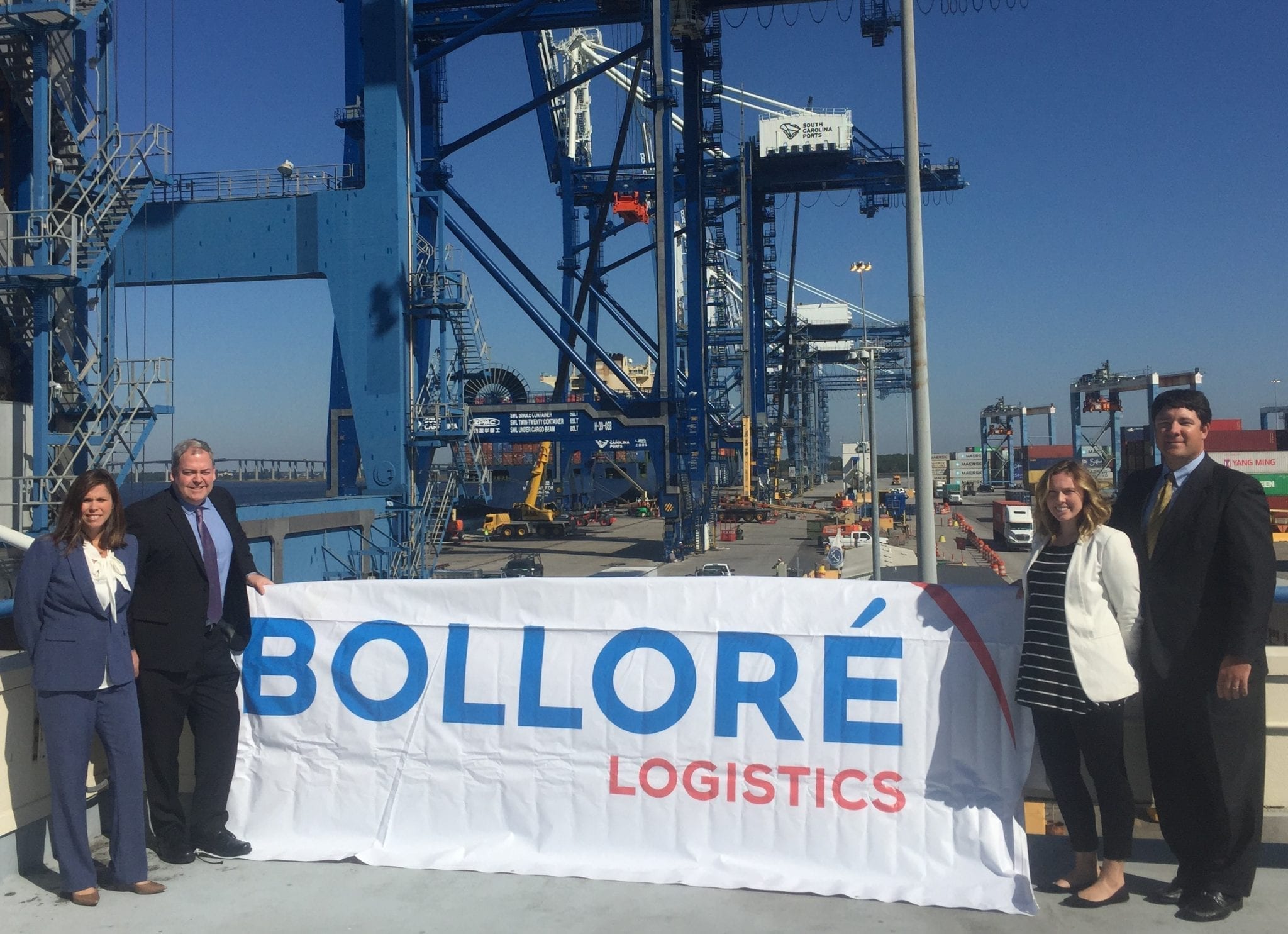
    Bolloré Logistics has named Olivier Boccara as its next chief executive officer for Asia Pacific, taking over the duties of Cyril Dumon.

    Prior to taking on the new role, Boccara, who joined the Bolloré Group in 1994, was the company’s chief commercial officer. He held various positions at SAGA and became its CEO in 2007.He was promoted to managing director of Bolloré Logistics France in 2016.

    He was notably involved in a number of major structuring projects, including the merger of the SAGA and SDV subsidiaries in 2015 and the acquisition in 2021 of a majority stake in Ovrsea, a startup specialising in digital freight forwarding.

    Olivier will be based in Singapore, where he will pursue the development strategy implemented by Dumon. He also aims to launch new projects in several key sectors, including aeronautics, healthcare, luxury goods and cosmetics.

  • Air cargo transport plunges

    Air cargo transport plunges

    Aviation cargo transport passing through Vietnam’s airports dropped 28.2% year-on-year in the first two months of 2023 to 168,000 tons, according to the Civil Aviation Authority of Vietnam (CAAV).

    Industry insiders say that the spreading global economic recession has led to a decline in consumption. Although China has reopened its economy, the delivery of Chinese materials and goods to other countries has not fully resumed yet.

    Do Xuan Quang, deputy CEO of Vietjet Air, said that the ongoing Russia-Ukraine war is also limiting global deliveries even though shipping costs have dropped.

    Vietjet Air has seen its cargo transport fall from nearly 100,000 tons in previous years to around 65,000 tons last year, Quang told VnExpress.

    Vietnam Airlines Group transport in the first two months also declined from the same period in recent years. The company did not reveal by how much.

    A representative of an air cargo transportation company, who asked not be identified, said that in the first two months of the year delivery from Vietnam to Japan plunged 20% year-on-year.

    Other routes that the company operates still have not recovered from Covid-19.

    Data from the CAAV shows that domestic cargo in the first two months rose slightly year-on-year to 51,000 tons, while international cargo fell 37.3% to 117,000 tons.

    Domestic airlines delivered only 42,500 tons in the period, down 14.2 % year-on-year.

    The Vietnam Logistics Association (VLA) expects air cargo transport in Vietnam to recover later this year, but slowly as there are many uncertainties in the global market.

    This is shown by transportation data from local logistics companies. The industry is capable of delivering 1.5-2 million tons a year but currently they are shipping only nearly 1 million tons.

    The busiest route in the country, HCMC to Hanoi, is operating at only one-third of cargo capacity.

    Dang Anh Tuan, a media representative of Vietnam Airlines, said that there is still a niche market for aviation transport, such as delivering high-end tech equipment.

    Vietnam’s cargo transport market is dominated by foreign airlines. There are 29 international carriers which are specialized in delivering cargo and they account for over 80% of market share.

    Vietnamese companies, however, are seeking to change that.

    Vietravel Airlines last year launched its own cargo carrier Vietravel Airlines Cargo in partnership with HCMC-based Asean Cargo Gateway.

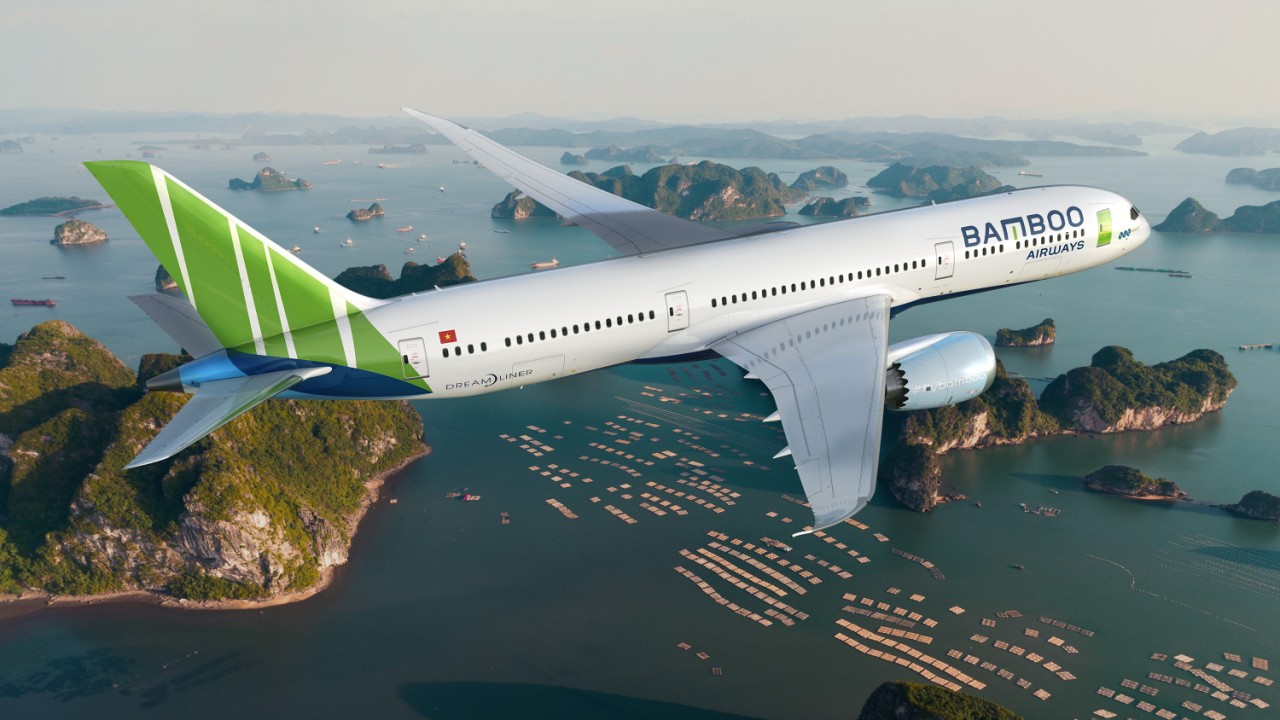
    Earlier this year Bamboo Airways established Bamboo Airways Cargo.

  • Vietnam posts trade surplus of $3.6B in January

    Vietnam posts trade surplus of $3.6B in January

    Despite decreases in both imports and exports, the country still enjoyed a trade surplus of $3.6 billion in the first month of 2023, according to the General Statistics Office (GSO).

    The office reported that in the month, total import-export turnover reached $46.56 billion, with exports dropping 21.3% to $25.08 billion, and imports falling 28.9% to $21.48 billion.

    While the domestic sector saw a trade deficit of $1.04 billion, the foreign-invested sector (including crude oil) posted a surplus of $4.64 billion.

    Experts attributed the result to the long New Year and Lunar New Year (Tet) holidays, which were all in January, reducing the number of working days. Last year, the Tet holiday fell in February.

    The GSO reported that the manufacturing-processing sector earned the highest export revenue with 22.32 billion USD, accounting for 89% of the country’s total.

    Meanwhile, there were three goods groups with imports of over $1 billion.

    In January, the U.S. remained the biggest importer of Vietnamese goods with a revenue of about $7.6 billion, while China was the biggest exporter to Vietnam with $8.1 billion.

    The GSO held that many countries are facing the threat of inflation and economic recession, leading to reduction in global consumption, thus affecting Vietnam’s import-export activities.

    Export activities showed signs of slowing down from the fourth quarter of 2022 with fewer orders, it said, adding that 2023 is likely to be a tough year for Vietnam’s import-export.

    In 2023, the MoIT sets a target of a 6% rise in goods export revenue, with trade surplus maintained.

  • Bamboo Airways establishes cargo carrier

    Bamboo Airways establishes cargo carrier

    Bamboo Airways has announced the founding of Bamboo Airways Cargo in an effort to develop a larger network of affiliates in Vietnam’s sparse aviation ecosystem.

    Hanoi-based Bamboo Airways Joint Stock Company (BAC) is launching with a charter capital of VND20 billion ($833,000), 75% of which has been contributed by Bamboo Airways, the carrier said Wednesday.

    The remainder belongs to three other individual shareholders.

    Bamboo Airways named its vice chairman Doan Huu Doan as chairman of the new BAC, while Bamboo Airways deputy general director Nguyen Khac Hai will be BAC’s new CEO.

    Bamboo Airways is present at 21 out of 22 airports in Vietnam, and at other major airports in the Asia-Pacific region and Europe.

    In September 2022, Vietravel Airlines said it would cooperate with HCMC-based Asean Cargo Gateway Joint Stock Company to launch an air cargo service, contributing 51% and 49% of the capital, respectively.

    Vietravel Airlines CEO Vu Duc Bien has noted that the region’s air cargo market lacks carriers and therefore carries immense untapped potential.

  • Vietnam firm reluctant to launch cargo flights, foreign carrier eager

    Vietnam firm reluctant to launch cargo flights, foreign carrier eager

    Local IPP Air Cargo has axed plans to become Vietnam’s first cargo airline, but Germany’s Lufthansa Cargo has expanded operations.

    In late October, IPP Air Cargo canceled its application to launch what would have been the nation’s first cargo airline. However, the company had already completed the procedures to lease four Boeing Converted Freighters 737 800BCF.

    Jonathan Hanh Nguyen, chairman of the airline’s parent company Imex Pan Pacific Group (IPPG), said that global air cargo demand was declining due to current turmoil.

    “We have decided to end our plan to avoid causing more damage to carriers that are already incurring losses,” he said, adding that the company aimed to reinstate the plan when the market stabilizes.

    Last month, Lufthansa launched its first direct flight from Frankfurt to Hanoi.

    The carrier had previously run two weekly flights from Germany to HCMC before diverting operations to Thailand.

    CCO Ashwin Bhat said his airline could not ignore the Vietnamese market, where 30% of exported items are electronics and high-tech goods.

    Vietnam’s plentiful bilateral trade agreements with major markets, especially Europe, were attractive to Luftnasa, said Bhat.

    He added that the country’s rapid economic recovery from the Covid-19 pandemic had also interested the dominant European airline.

    According to government statistics, the total volume of goods transported by air in Vietnam has increased 2.5 times over the last ten years. The number is forecasted to surge to 4.1 million tons by 2030.

    According to the Vietnam Logistics Business Association (VLA), Vietnamese airlines hold an international freight forwarding market share of only 12%, while nearly 30 foreign carriers hold the rest.

    VLA president Le Duy Hiep said the withdrawal of IPP Air Cargo from the market was a pity because domestic logistics enterprises are in dire need of Vietnamese cargo airlines.

    According to Hiep, Vietnam’s massive amount of total imports and exports were worth over $700 billion in 2022, with over half being exports. Over two million tons of goods are exported by air from Vietnam each year.

    Analysts have said that these factors have made the potential of the Vietnamese cargo market plain to see for Lufthansa Cargo.

    Hiep said Vietnam should be home to cargo airlines with larger market shares, but noted that this would require much more investment and a wider network of agents and customers.

  • Malaysia to test air cargo community system at KUL

    Malaysia to test air cargo community system at KUL

    Efforts are coming in all forms to support Malaysia’s competitiveness in its transport and logistics sectors as plans to introduce a platform that will connect stakeholders of Kuala Lumpur International Airport are underway.

    Air cargo software provider Kale Logistics Solutions and tech company Dagang NeXchange (DNeX), through its subsidiary Dagang Net, have signed a partnership agreement to introduce the Airport Cargo Community System (ACS) platform in Malaysia.

    The ACS is a neutral and open platform, enabling intelligent and secure information exchange between public and private stakeholders and is planned to be integrated with other community systems such as the National Single Window (NSW) and Port Community Systems (PCS) for trade facilitation.

    Vineet Malhotra, co-founder and director at Kale Logistics Solutions, said the latest development presents a powerful case that cargo community platforms need to integrate to bring greater value. And the plan is to create a global network of smart logistics hubs, starting in Malaysia.

    “Our role is to support businesses, especially SMEs, by providing an efficient and comprehensive global logistics network that can serve a larger international customer base and reduce trade barriers.”

    DNeX says the partnership with Kale complements Dagang Net’s capability to grow trade facilitation e-services for air mode through the ACS platform.

    “The ACS enables seamless electronic transactions, equipped with intelligent and secure information exchange among stakeholders to enhance the airport community competitiveness,” commented Tan Sri Syed Zainal Abidin Syed Mohamed Tahir, Group Managing Director.

    “This, in turn, can contribute to efforts in improving Malaysia’s competitiveness in its transport and logistics sectors as well as overall operational efficiency, connectivity, and productivity across the country’s supply chain,” he noted.

    Dagang Net has been using electronic Customs-related services to ease trade facilitation and streamline international trading processes for imports and exports, trade and logistics industries, and this initiative is aligned with the company’s direction, he added.

    Both Kale and Dagang Net are part of the Pan Asia e-Commerce Alliance (PAA), a 16-member regional e-commerce alliance in Asia that aims to promote and provide secure, trusted, reliable and value-adding IT infrastructure and facilities for efficient global trade and logistics.

  • DB Schenker to deploy robots for Prague facility

    DB Schenker to deploy robots for Prague facility

    DB Schenker is set to open a new automated fulfillment warehouse in the Prague region next year.

    Along with retail operations, the new 55,000-sqm distribution center will manage B2C e-commerce activities, including an extensive value-added services area addressing the demand for personalized products requested by consumers.

    The fulfilment center, which will be located near Prague Airport and a major highway that runs to Germany, is schedule to begin operating in the summer of 2023 to serve Central and Eastern Europe.

    DB Schenker said the current distribution center, also located in the Prague region, cannot accommodate the future demands of the customer. The current site will not be closed but used for reverse logistics services.

    The new distribution center will feature a highly scalable, modular G-T-P (goods-to-person) system combined with an extensive conveyor system and a high-performance cross-belt sorter provided by partner Körber.

    The facility will also feature one of the largest deployments of autonomous mobile robots in Eastern Europe. Körber’s software solution will control more than 100 AMRs that will be part of the highly automated logistics ecosystem.

    Despite the high automation level, the distribution center will require more than 1,000 operators at peak times, DB Schenker noted.

  • Cathay Pacific resumes freight service from WTB

    Cathay Pacific resumes freight service from WTB

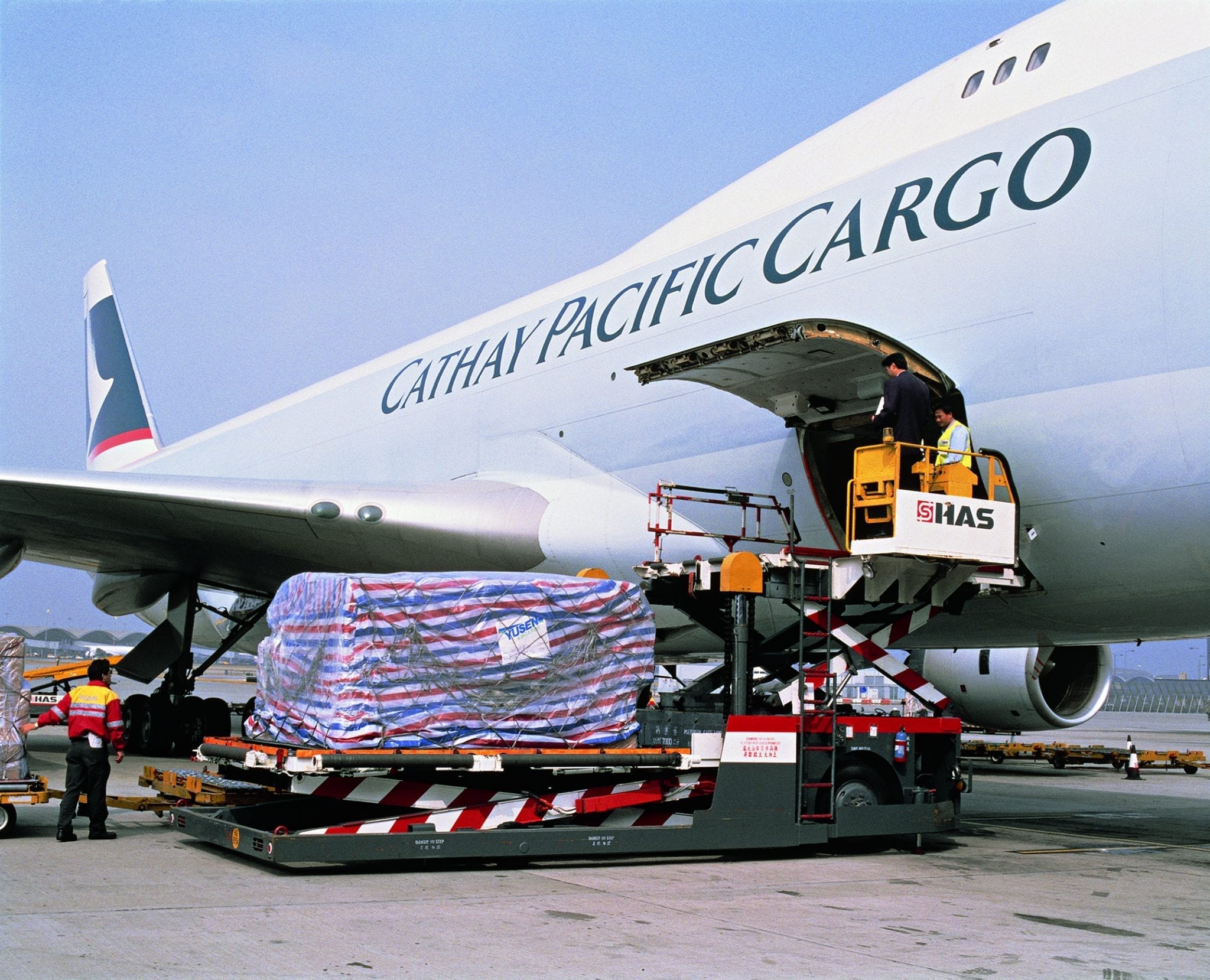
    Cathay Pacific Cargo has resumed its weekly Boeing 747 freighter service from Toowoomba Wellcamp Airport (WTB) in Queensland, Australia to Hong Kong (HKG).

    The carrier said in a LinkedIn post on 4 August the new service will support local producers and exporters of chilled meats, vegetables and more to reach the Hong Kong market and beyond.

    Toowoomba Wellcamp Airport said the freighter service will serve as a gateway for oversize cargo, chilled meat, horticulture-fruit/vegetables, seafood, oil and gas, mining equipment and artwork.

    The airport operates its international air cargo terminal in conjunction with Menzies Aviation.

  • Innovative logistics models in great demand

    Innovative logistics models in great demand

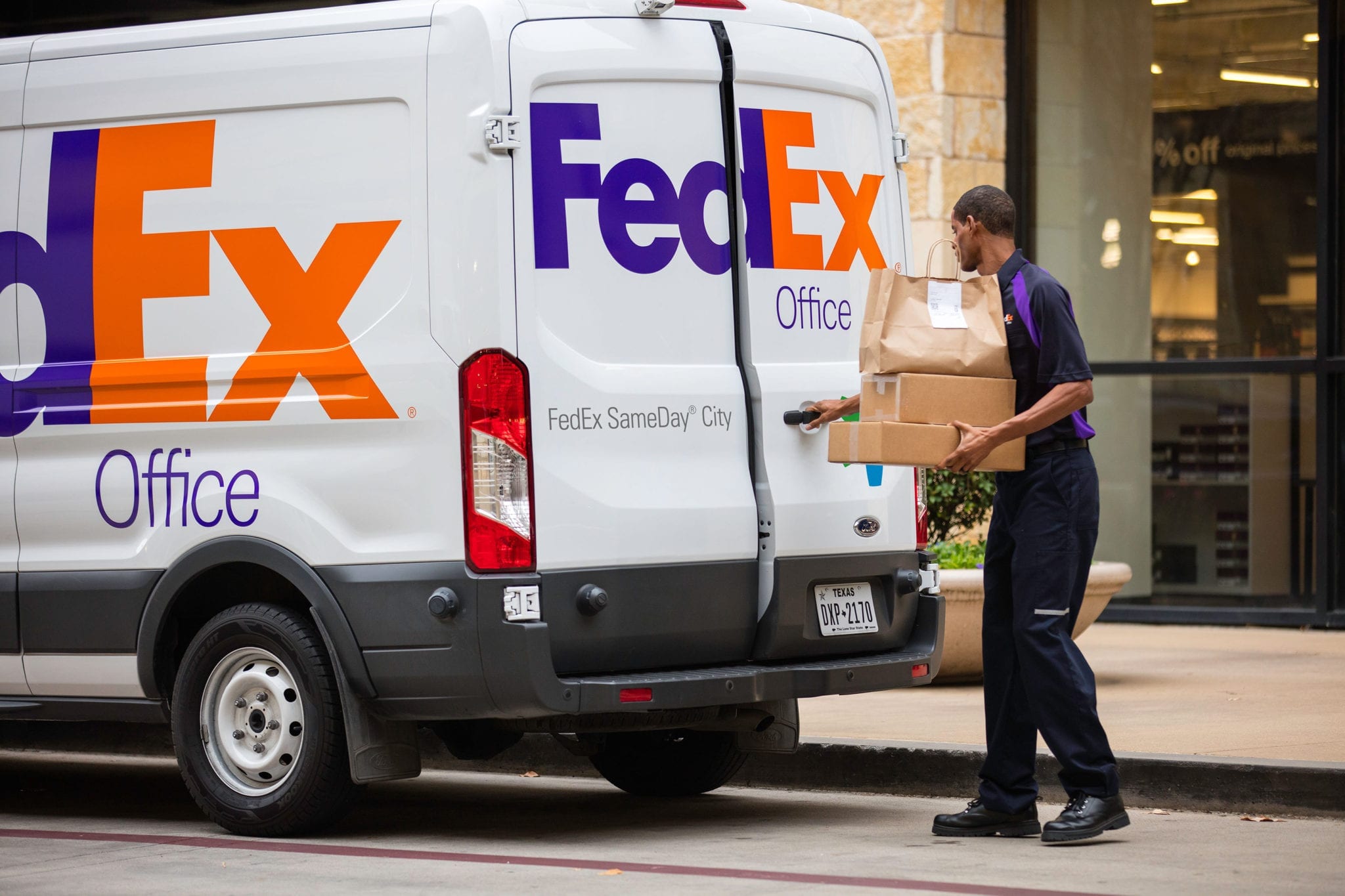
    Hardy Diec, Managing Director of FedEx Express Indochina, predicts greater demand for innovative logistics models to enhance online to offline customer experience and support swift pivot businesses.

    What’s the status quo with the logistics industry?

    Supply chains have never been more important. More than that, reliability and accuracy in these supply chains have now become even more paramount. During this pandemic, the logistics industry has proven to be vital, whether in delivering critical healthcare shipments including vaccines and medicine, or delivering huge volumes of e-commerce shipments to end consumers.

    The pandemic has shifted consumer behavior greatly. The boom in e-commerce will continue to be a powerful engine of the global economy. We’re witnessing how essential supply chains are to business survival, success and growth – they are not just an opportunity to reduce cost.

    Businesses are rethinking their supply chains, moving to a “just in case” approach for inventory management to counter unplanned scenarios. Being able to receive products and critical components either by 10:30 a.m. or noon from overseas suppliers means businesses can now improve their competitiveness in the marketplace. In turn, it is driving demand for early-in-the-day delivery of time-sensitive shipments services like FedEx International Priority Express (IPE).

    Demand for cross-border e-commerce is expected to grow even post-pandemic in Vietnam and the region. Vietnam’s e-commerce market is forecast to grow by a staggering 300 percent, from $13 billion in 2021 to $39 billion in 2025, with more consumers shopping online. There will be greater demand for innovative logistics models for a seamless online to offline customer experience and to support the swift pivots businesses are taking to sell online, in step with customer demand.

    What solutions does FedEx provide, given the above insights?

    Firstly, investing in our air network enables us to move quickly to changes in supply chains. When we saw high demand for express air cargo, we were able to add six new flights, starting in August 2021, to enhance connectivity to Europe and the U.S. for customers in Asia Pacific -including Vietnam businesses – adding nearly 2,700 tons in capacity every week.

    To cater to different e-commerce shipping needs, we’re offering businesses in Vietnam more options using different modes of transport through our air, sea and road networks. This includes connecting regional and domestic cities through our FedEx Asia Road Network (ARN) – spanning more than 7,000 km – delivering to eight major locations: Hanoi, Guangzhou, Bangkok, Da Nang, Ho Chi Minh City, Penang, Kuala Lumpur and Singapore.

    We continue to enhance our regional and global network to enhance connectivity with other competitive markets for our customers to access and we are building solutions that will empower Vietnamese businesses to participate in cross-border trade particularly in the dynamic e-commerce marketplace.

    What advice do you have for business owners in Vietnam? What are the opportunities at the moment?

    Firstly, take advantage of free-trade agreements such as the Comprehensive and Progressive Agreement for Trans-Pacific Partnership (CPTPP), the Vietnam – EU (EVFTA), and the Regional Comprehensive Economic Partnership (RCEP), the world’s largest free trade agreement, which can boost investment access and freer trade with these trading partners. These FTAs enable Vietnam businesses to take advantage of reduced tariffs and at the same time attract companies to relocate or expand manufacturing in Vietnam and export to partners. Improved trading access will offer greater opportunities to grow cross-border trade for Vietnam.

    E-commerce and digitalization are key opportunities for Vietnam businesses particularly for small and medium-sized enterprises (SMEs) to spur growth. Vietnam has more than 870,000 enterprises, with SMEs accounting for more than 98 percent. While SMEs have been some of the hardest hit during the pandemic, by shifting to online business models and digitalization they have also been the community who stand to benefit the most and stay ahead and boost competitiveness.

    A key factor to winning in e-commerce, identified in our FedEx whitepaper “E-commerce Megatrends to watch” is making online shopping a more “connected” experience across platforms. This requires a smooth end-to-end shopping experience from the moment they enter the website or social channels all the way to fulfillment and finally delivery.

    To help Vietnam’s businesses, including SMEs, deliver a seamless e-commerce experience from online to offline, we’ve teamed up with more than 20 e-commerce platforms and marketplaces. Enabling customers and e-tailers to select our range of shipping capabilities and easily generate FedEx shipping labels or use additional specialized FedEx features without leaving those e-commerce platforms has become our priority.

    Moreover, we’re using digital solutions to make shipping smarter and easier. Our goal in digitization is to give greater control and visibility for businesses to manage e-commerce shipments. For instance, FedEx Delivery Manager International allows e-tailers to offer their customers the freedom to customize their delivery preferences. In addition, we improving easy-to-use online tools like FedEx ship manager, manager, online billing (FedEx Billing Online); FedEx electronic trade documents, helping both e-tailers and consumers save time when preparing shipments and stay competitive.

    What is the FedEx vision for the future?

    Trade, while being an important driver of Vietnam’s remarkable economic growth over the past two decades, is carbon-intensive – accounting for one-third of the country’s total greenhouse gas emissions. Addressing climate challenge is a very real need today, and an important and collective effort which will impact the future of the country and the health of our communities.

    That’s why we’re using our expertise in logistics to build more sustainable transportation solutions. In fact, we’re working our way toward delivering a more sustainable future including our goal of carbon neutral operations by 2040, which will outpace the targets set by the Paris Climate Agreement by a decade. To achieve this ambitious goal, we’re investing US$2 billion into three key areas that matter the most – vehicle electrification, sustainable energy, and carbon sequestration.

    At the same time, we’re looking to innovative technologies and Artificial Intelligence, including robotics and unmanned vehicles – to reduce road transportation costs and help tackle traffic congestion in cities. For instance, we’re testing zero-emissions autonomous delivery vehicle in China through collaboration with Neolix and battery powered robotics Roxo™, the SameDay Bot® to explore new ways of delivering to our customers’ door-step more sustainably. We will continue to look at ways to connect the world responsibly and resourcefully.

    As one of the world’s largest transportation providers, what role does FedEx play in terms of social responsibility?

    Using our network to deliver for good is what we do and who we are. Not only are we connecting trade and moving the world forward every day, but one of our most important roles is delivering critical aid. Since the start of the pandemic, we have transported more than 14,000 Covid-19 humanitarian aid shipments throughout the world including moving vaccines and test kits to support Vietnam’s fight against Covid-19. Most recently, we delivered 76 tons of critical medical aid for Ukrainian refugees to Poland via a FedEx humanitarian relief flight in March.

    Fostering future entrepreneurs in Vietnam is important to us because we see small business as a driver to creating new jobs, support their families and contribute to thriving communities. For more than a decade, we’ve been inspiring the next generation of leaders in Vietnam through the FedEx/Junior Achievement International Trade Challenge (FedEx/JA ITC) program. FedEx was founded by an entrepreneur with an innovative business idea, which is why we believe in giving resources to people with great ideas that have the potential to change the world for the better.

    Moreover, we support improving healthcare access for remote areas in Vietnam. Through the FedEx delivery heartbeats outreach clinic program, in collaboration with VinaCapital Foundation (VCF), we are bringing free specialty healthcare and medical treatment for congenital heart disease to children in rural areas of the country. We’re proud that our efforts are improving the lives of more than 200,000 children. To add, in May, we’re teaming up with Orbis to train eye care professionals across Vietnam on ways to prevent the worsening of vision loss due to glaucoma in our new virtual Flying Eye Hospital project. By combining online and practical training, we will enable more skilled eye care professionals to offer access to quality eye care for patients particularly in rural areas.

    Through collective efforts we will continue to deliver positive changes to help local communities, businesses and economies prosper.
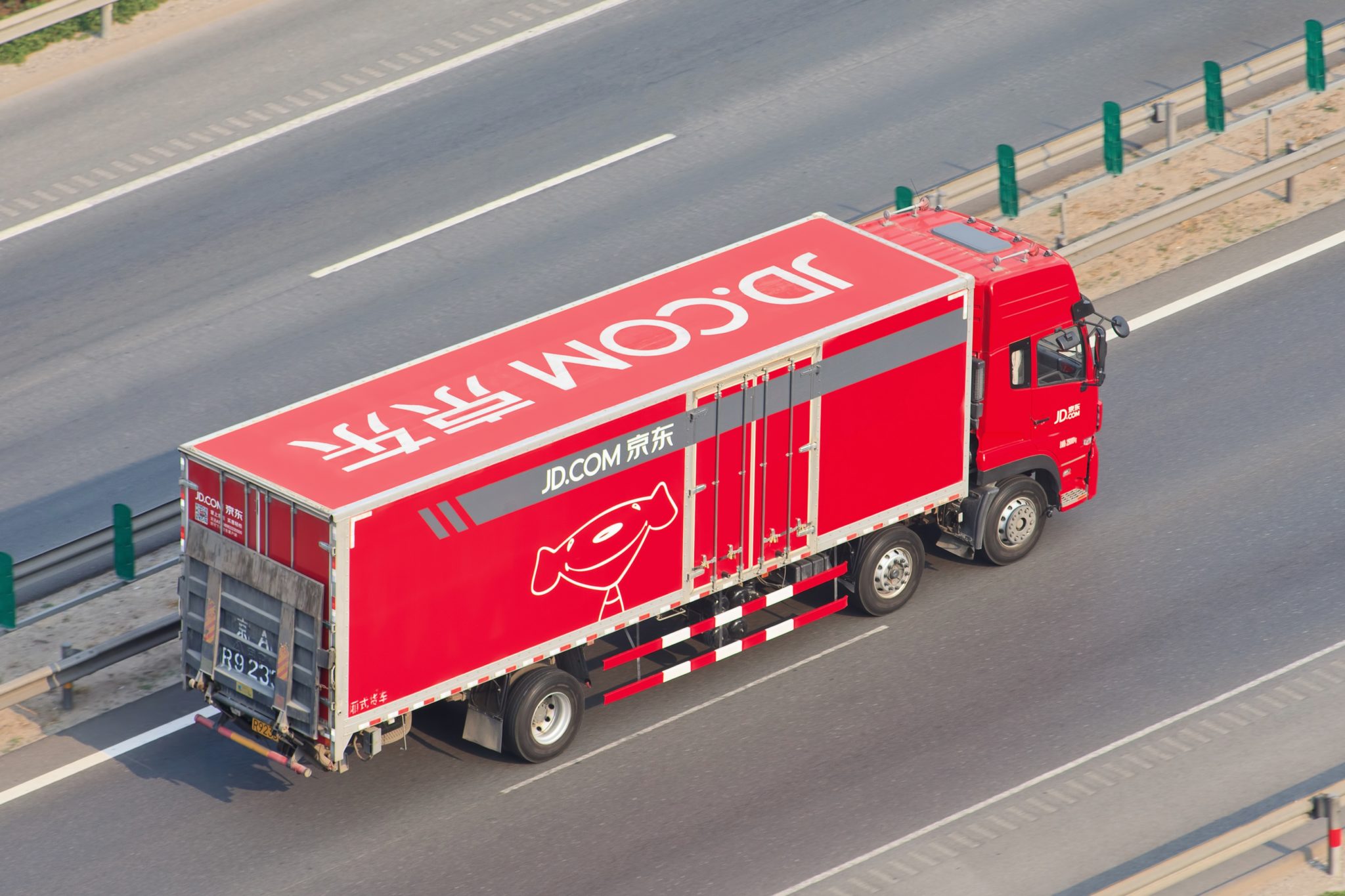
  • China’s JD Logistics seals US$1.1bn capital increase, stock drops

    China’s JD Logistics seals US$1.1bn capital increase, stock drops

    China’s JD Logistics priced new shares issued on Friday (Mar 25) in a US$1.1 billion capital increase at a steep discount to their previous close, triggering a slump in its stock early in the Kong Kong trading session.

    According to a Hong Kong Stock Exchange filing, JD Logistics priced the shares at HK$20.71 each, a discount of about 10 percent to Thursday’s closing price, to raise HK$8.53 billion (US$1.09 billion) on Friday. The stock fell by up to 11 percent on Friday in early trade to HK$20.35.

    The deal consisted of a placement of about US$700 million worth of shares to its parent company JD.com, and about US$400 million in a primary share sale, according to filings on Thursday.

    It was the first follow-on share sale in Hong Kong since Feb. 21, and the biggest since Sunac China carried out a US$580 milllion top-up placement in early January.

    It was also the third-largest follow-on deal in Asia and fifth globally this year, according to Refinitiv data.

    The share sale came despite ongoing volatility in regional equities markets, with Hong Kong’s Hang Seng Index down 6.5 percent this year.

    The top 15 investors who bid during the bookbuild were allocated 80 per cent of the stock that was on offer, according to a source with direct knowledge of the matter, who declined to be identified because he was not authorised to discuss the deal.

    JD.com did not immediately respond to a request for comment on the deal’s composition.

    JD Logistics said it would use the money raised to help fund potential acquisitions and build up its cash reserves.

  • Importance of On-Demand Spare Parts Logistics (SPL)

    Importance of On-Demand Spare Parts Logistics (SPL)

    Armstrong & Associates estimates that the global spare parts logistics (SPL) market rakes in over $52 billion every year, representing about 7% of total 3rd party logistics (3PL) revenue. Since its last case study on this logistic sector, the global spare parts logistics market between 2008 and 2016 saw a compound annual growth rate (CAGR) of over 5%.

    The report outlines the global spare parts logistics estimates, which are further magnified to the region/country level and for many crucial market segments. The SPL market is driven by high-value manufactured goods and their servicing, specifically in the technological, industrial, and automotive verticals.

    The automotive segment accounts for more than $18 billion, or around 34% of total spare parts logistics revenue. This is followed by the tech sector at $17.7 billion, or around 33.5%. The industrial segment accounts for about $11 billion, or around 21% of total spare parts logistics revenue. Healthcare and elements constitute smaller portions of the total revenue: $2.1 billion—4.0 percent and $3.9 billion, or 7.4 percent.

    Shippers depend on 3rd party logistics company to fulfill short turn-around inventory supply order while reducing costs. To aid shippers’ spare parts management needs, 3PL companies provide services like warehouse management, transportation, parts and network planning, reverse logistics, inventory management, order fulfillment, and parts distribution. On top of this, some companies provide value-added services like field technician training, call center staffing as well as refurbishment and repair services. 3PLs meet shippers’ needs with their standardized processes, scalability, flexibility, analytics and reporting, value-added services, integrated IT solutions, and strategically positioned global networks.

    For each of the 8 leading companies mentioned in the report – CEVA, SEKO, Ryder, Dachser, DB Schenker, DHL, FedEx, and UPS – the report describes cases studies, customers, technology supporting SPL activities, as well as industries and markets serviced. Network scope is also highlighted, with forward stocking locations and control towers.

    UPS, for instance, has more than over 23,000 global UPS Access Points (with over 7,500 of these locations in the US), 5 global control towers, and over 1,000 forward stocking locations. Forward stocking locations are usually located within 2 hours from around 80% of the population. In Europe, about 99% of businesses are located within 4 hours of a UPS forward stocking location. Courier services can be used for next-flight out and same-day deliveries as needed.

  • China’s JD Logistics agrees to buy courier company Deppon

    China’s JD Logistics agrees to buy courier company Deppon

    Chinese e-commerce giant JD.com on Sunday said that its subsidiary JD Logistics has agreed to buy domestic courier Deppon Logistics.

    Under the deal, JD Logistics will acquire 99.99% equity stake in Deppon Holdco for a total consideration of about 9 billion yuan ($1.42 billion). Deppon Holdco owns a total of about 66.50% of Deppon Logistics.

    JD Logistics will then make an offer for all the issued shares of Deppon Logistics not held by Deppon Holdco, for 13.15 yuan per share.

  • J&T Express Expands Global Network Coverage to Include Mexico

    J&T Express Expands Global Network Coverage to Include Mexico

    J&T Express, an international express logistics company, announced last week that it has officially entered the Latin American market and successfully launched its network in Mexico.

    This latest expansion brings J&T Express’ global network coverage to a total of eleven countries, enabling the logistics leader to support its customers to further tap into the e-commerce boom by reaching global markets beyond Asia.

    With 12 sorting centers and 26 distribution centers in Mexico, the network covers key regions in all 32 Mexican states. As an important aspect of its courier service, the Mexican version of the J&T Express mobile application will also be launched soon.

    “As part of a new generation of express logistics companies with increased focus on internationalization, J&T Express attaches significant importance to the Latin American market,” said Charles Hou, Group Vice President of J&T Express. “The launch in Mexico is an integral step in the expansion of our global network, which further demonstrates the benefits of the regional sponsorship model in our global expansion. In the future, we hope to continue building our competitive advantage through refined local operations, our unique management model and technological improvements, to provide customers with quality logistics experience.”

    Ryan Zhang, Head of J&T Express Mexico, said, “Mexico is a logistics hub in Latin America, and home to the headquarters of many Latin American companies. It serves as an important strategic channel for J&T Express to continue its expansion in the market. This network launch is another milestone in J&T Express’ international strategy, and we hope to create a pleasant courier and shipping experience for our Mexican customers through efficient and high-quality services.”

    Previously, J&T Express’ delivery network covered ten countries and regions including China, Indonesia, Malaysia, Thailand, the Philippines, Cambodia, Singapore, the UAE and Saudi Arabia. Following the successful launch of the network in Mexico, J&T Express’ first stop in Latin America, the company aims to further cultivate emerging markets and expand its global footprint in the future to connect the world with greater efficiency and bring the benefits of logistic services to all.

    Andrew Sim, CEO of J&T Express Singapore, said, “With e-commerce becoming more cross-border, the expansion of J&T Express’ global network coverage to include Mexico will bring greater opportunities for J&T Express customers in Singapore. Alongside strengthening our international delivery capabilities here, our expanding network will enable our customers to ride a growing wave of e-commerce internationally by opening new doors to reach wider markets beyond Asia.”

    This milestone is one of several strategic initiatives undertaken by J&T Express recently as it aggressively expands its global coverage to offer customers extensive e-commerce reach. In Singapore, as the one-stop e-commerce solutions expert, J&T Express has built its current suite of offerings including last-mile delivery, fulfilment, sales channel management, and international shipping which has been enhanced to cover over 220 countries and regions worldwide. The newly launched warehouse at Changi Airfreight Center will ensure greater efficiency and security of quality international delivery services offered to both local and regional customers.

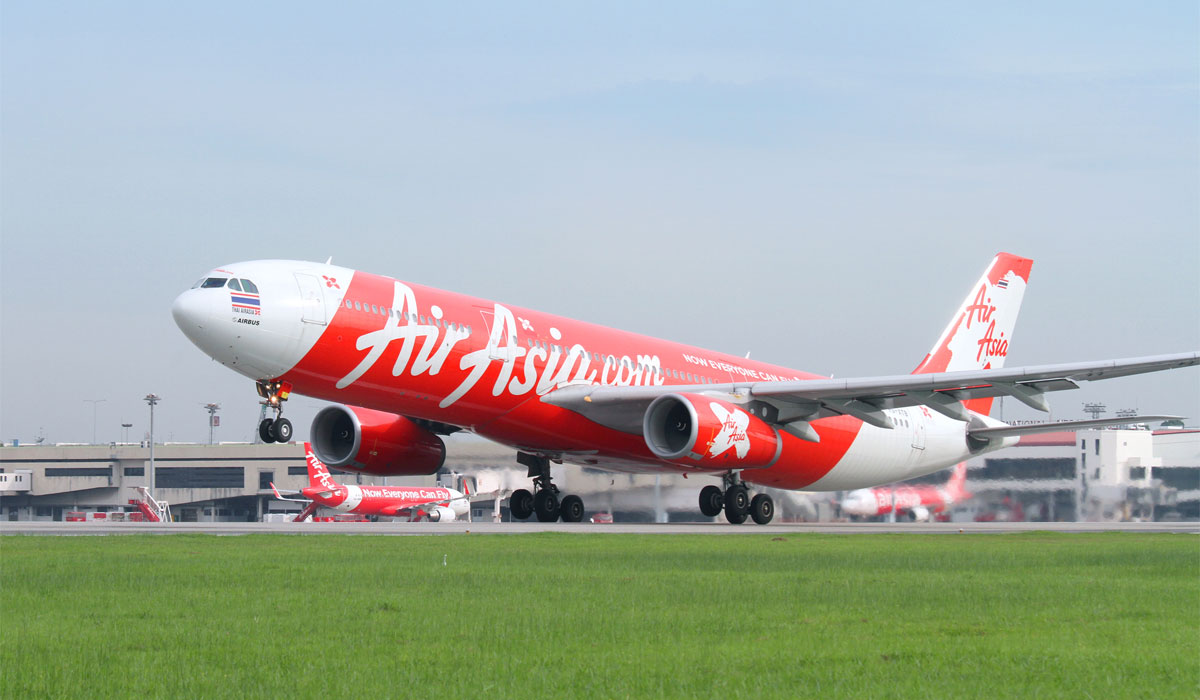
  • AirAsia X signs cargo deal with Teleport in bid to boost freight

    AirAsia X signs cargo deal with Teleport in bid to boost freight

    The announcement came just days after Capital A revealed plans to reorganize the airline division and diversify in an online press conference. During the conference, Capital A’s chief executive Tony Fernandes said that for the foreseeable short-term future, the focus of AirAsia Aviation Group will be on short-term travel within the Southeast Asian region.

    The Teleport deal comes as AirAsia X tries to boost its cargo revenue to make up for the lack of revenue on the passenger side as a result of the COVID-19 pandemic.

    On January 26, 2022, AirAsia X announced that it had partnered with French transport, logistics, and supply chain GEODIS to increase cargo capacity in Asia Pacific.

    AirAsia X CEO Benyamin Ismail said that the company is in talks with other “major global clients that have air cargo requirements”.

    “We are also in discussions with several other major global clients that have air cargo requirements, particularly to where we have established bases and flying rights. It’s just two months post our restructuring and the appetite for expansion of our cargo operations is significant. This dovetails neatly into one of the core pillars of our combination carrier strategy. For the foreseeable future, cargo revenue will underpin our route strategy and passenger revenue for the first time, will be ancillary,” Ismail said in a statement.

    COO Captain Suresh Kumar Bangah said that the airline will only fly when it’s profitable and that AirAsia X hopes to bring back more aircraft over the course of the year.

    “We will only fly if it’s profitable to fly. With our restructured low-cost base, we can fly profitably where other airlines may not be able to and this is a significant advantage to us.  We intend to add a further one plane a month to full service from now and we hope to have our full fleet operational by the end of the third quarter. As more aircraft are brought back into service, we are able to recall back pilots and crew who have been through a tough period during this pandemic,” Bangah said.

  • J&T Express celebrates two years of strategic growth and expansion in Singapore

    J&T Express celebrates two years of strategic growth and expansion in Singapore

    International express logistics company J&T Express celebrated its second anniversary in Singapore on 9th January 2022, recording two years of exponential growth and progress, including a year-on-year double digit growth for parcel volumes, and an approximately three-fold increase in the total size of all its warehouses.

    Tapping into Singapore’s potential as a regional logistics hub, J&T Express established its operations in the country in January 2020, and has since accelerated its growth plans and invested significantly into its infrastructure. Starting off with just one sorting hub, the company now operates two sorting hubs across Singapore, a fulfilment centre at Penjuru and a warehouse at the Changi Airfreight Centre, and has also expanded its fleet four-fold.

    In addition to its infrastructure development, J&T Express has been actively growing its talent pool across the various departments in Singapore to continue driving success, including building new roles and upskilling employees through regular training programmes. Since 2020, J&T Express’ Singapore team has grown six-fold across a diverse range of roles such as software development, data analytics and automation.

    Andrew Sim, CEO of J&T Express Singapore, said, “J&T Express is in a unique position of not only playing the role of a logistics provider, but also serving as a one-stop e-commerce specialist across each and every touchpoint in the supply chain. Our tremendous growth and fast-paced expansion in Singapore reflects the shift we have seen in the market with an increasing number of Singaporeans embracing e-commerce.”

    With technology and innovation as its strategic priorities, J&T Express continues to strengthen its capabilities to improve operational efficiency and service quality. This includes upgrading its system of operations management, enhancing the technology support for seamless e-commerce experiences, and further optimising its fulfilment and warehousing solutions. In May 2021, the J&T Express mobile app was also launched to enable consumers and small business owners to arrange for door-to-door delivery in just a few clicks.

    J&T Express is also committed to supporting the growth of its e-commerce partners and Singapore’s e-commerce industry as a whole. As part of its efforts, the company launched its inaugural virtual J&T Fashion Week in August 2021 to provide a public platform for local e-commerce businesses to reach a wider audience, successfully helping them reach 3 million Singaporean consumers through online platforms.

    Looking ahead, as e-commerce becomes more cross-border, J&T Express aims to invest further in growing its network to help its customers reach wider markets, building on its current suite of offerings which includes international shipping to over 220 countries and regions worldwide.

    Mr Sim noted that as customers increasingly expect businesses to adapt to their needs and challenges, it is crucial that J&T Express continues to introduce new services and solutions that can meet the latest market demands.

    He added, “We are proud to be one of the key partners of Pick Network and the Locker Alliance, which will help us further enhance our last mile delivery services. We are also excited to have launched J&T Points, an island-wide network of service points that provides sellers greater flexibility by enabling them to drop off parcels at their own convenience and receive real-time tracking. Moving ahead, we look forward to expanding this network to provide even greater access to all Singaporeans.”

    Reflecting on J&T’s achievements over the last two years in Singapore, Mr Sim said, “J&T Express prides itself in being at the forefront of the industry, enabled by our focus on leveraging technology to advance our offerings, as well as our customer-first approach to be the partner of choice. We look forward to further driving our efforts in the market, strengthening our position as a one-stop e-commerce solutions specialist and constantly evolving and improving our services with a focus on agility and innovation.”