Retail News CRM

Tag: freight

  • DB Schenker and Lufthansa Cargo welcome Lenovo on their CO2-neutral flights

    DB Schenker and Lufthansa Cargo welcome Lenovo on their CO2-neutral flights

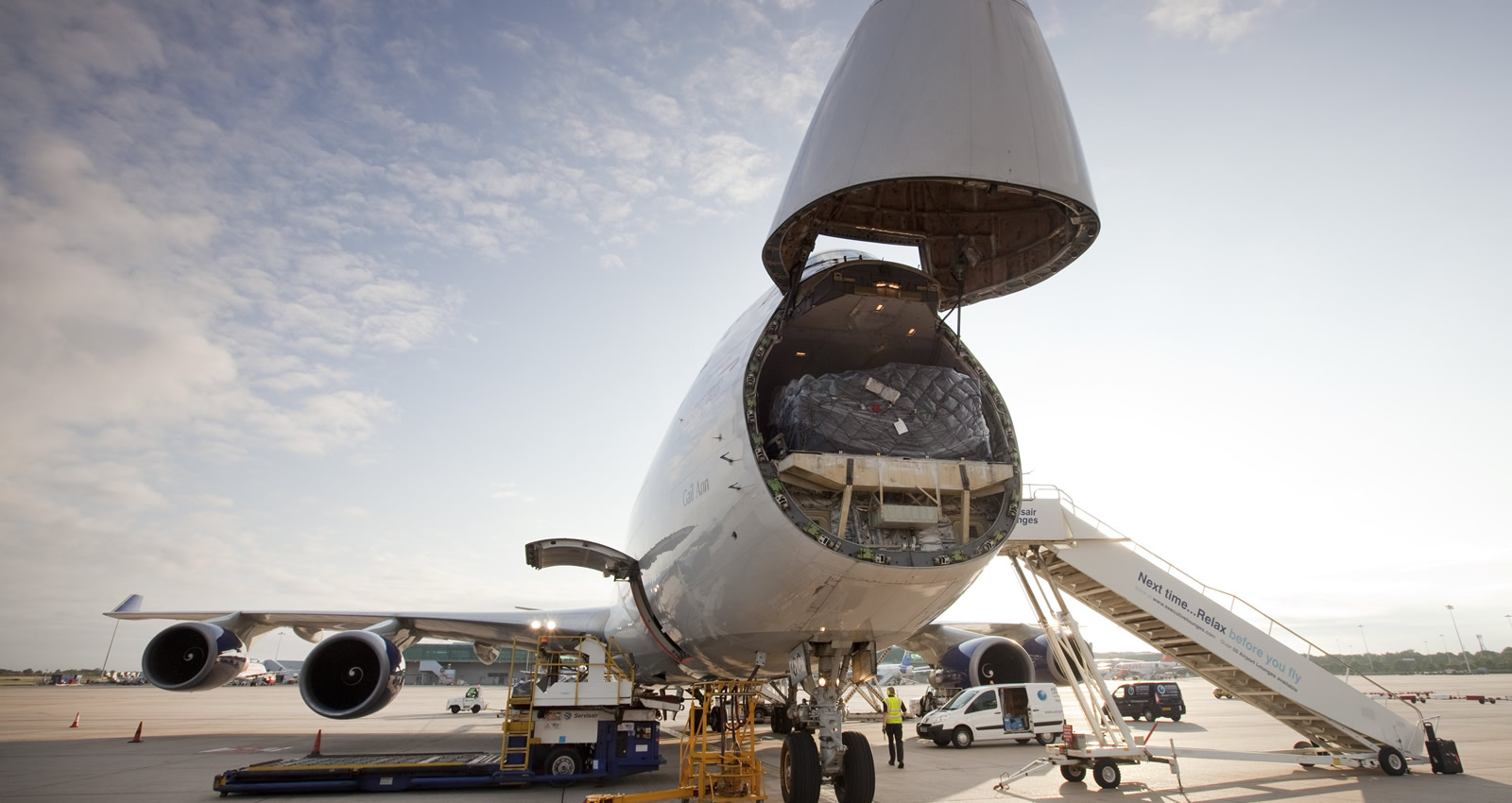
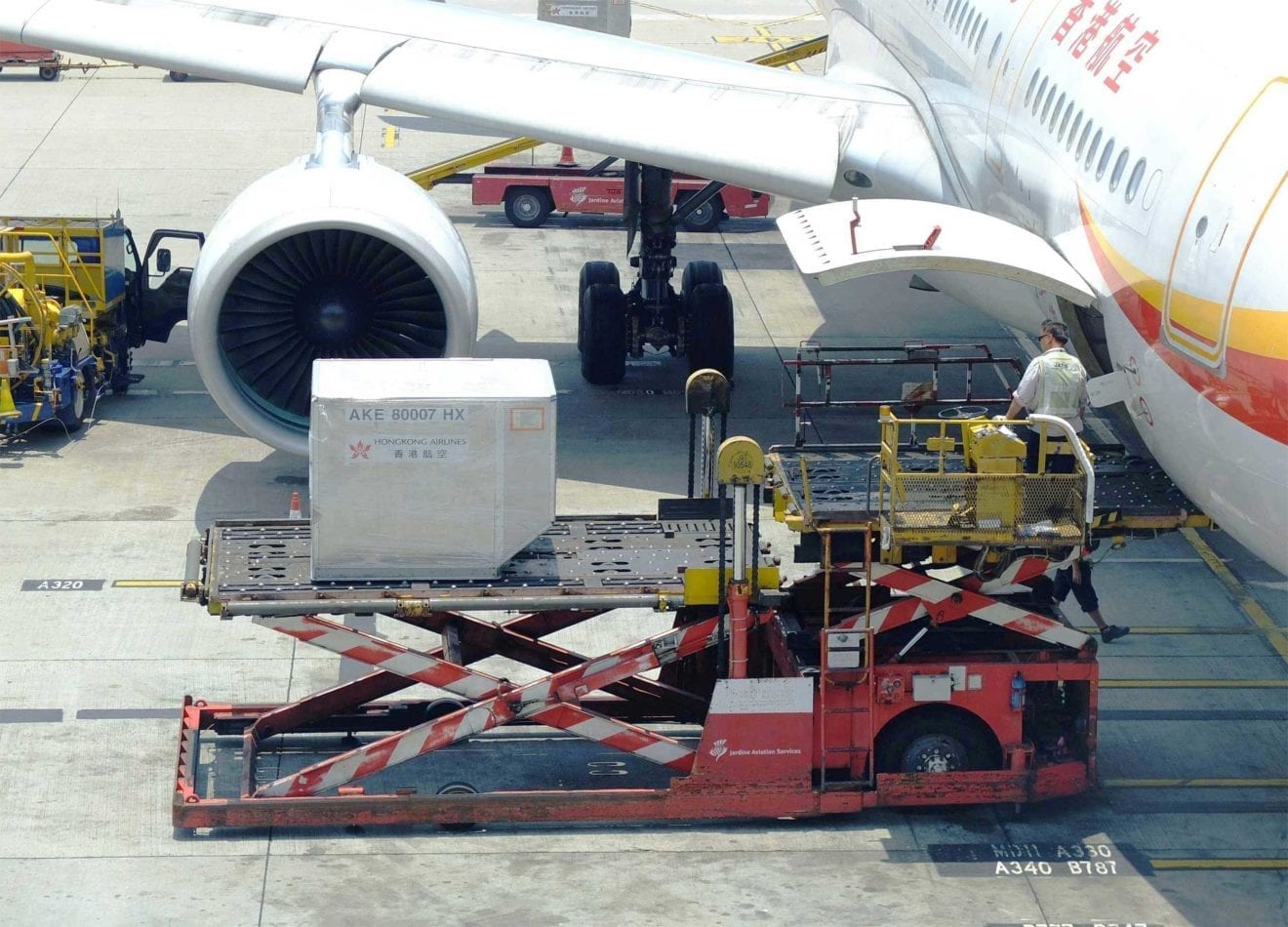
    Another major global player joins DB Schenker and Lufthansa Cargo on their way towards greener supply chains: Global hardware technology provider Lenovo decided to let fly 20 tons of chargeable weight per week from Shanghai (PVG) to Frankfurt (FRA). The carbon-neutral freighter flight is the only regular full charter connection worldwide which is 100 percent covered by sustainable aviation fuel (SAF). SAF is produced out of renewable waste and residue raw materials such as used cooking oils. The transported Lenovo products include laptops, notebooks, and PCs for both private and corporate clients. 

    Thorsten Meincke, Global Board Member for Air & Ocean Freight at DB Schenker: “Our unique SAF full charter flights help corporates to make their shipments more sustainable. Lenovo is a major customer for this game-changing initiative and an example how shippers are keen for real change towards greener transports. We look forward to seeing further companies who would like to prioritize decarbonizing their supply chains together with us.”

    Gareth Davies, Head of Global Logistics at Lenovo: “Sustainability is critical to our business and mission of delivering smarter technology for all. We are proud that we are further enhancing our solutions through this collaboration with DB Schenker and Lufthansa Cargo. For all businesses and individuals, adopting programs that improve sustainability is incredibly important and we are delighted about this new partnership.”

     Ashwin Bhat, Chief Commercial Officer at Lufthansa Cargo: “Our joint effort with DB Schenker to avoid CO2 emissions is continuously growing stronger. An increasing number of customers realizes that we need to work together across industries to achieve our shared goal. Only together, we can make a real difference. With our SAF-covered flights, we are doing pioneer’s work.”

    DB Schenker and Lufthansa Cargo started the world’s first regular SAF-covered full charter air cargo connection between Frankfurt and Shanghai in April 2021 and extended the joint mission throughout the entire winter flight schedule. The CO2 released during combustion in the engine is only the CO2 removed from the atmosphere during the photosynthesis phase of the plants that were utilized to produce the oils SAF is refined from.

    By opting for the SAF based way of transportation offered by DB Schenker in cooperation with Lufthansa Cargo, Lenovo saves around 20 tons of conventional kerosene per flight and, thus, 62 tons of greenhouse gases (CO2e Well-to-Wheel) weekly. In addition, the around 16 tons CO2e resulting from the production and transport of the SAF (upstream emissions) are offset by compensatory measures. Overall, full carbon neutrality is achieved.
     

  • Supply chain issues to worsen as virus impacts transport sector

    Supply chain issues to worsen as virus impacts transport sector

    Thanks to the rollout of coronavirus vaccines, the global economy is slowly starting to emerge from the pandemic.

    But Covid-19 has left one very destructive economic issue in its wake: disruption to global supply chains.

    The rapid spread of the virus in 2020 prompted shutdowns of industries around the world and, while most of us were in lockdown, there was lower consumer demand and reduced industrial activity.

    As lockdowns have lifted, demand has rocketed. And supply chains that were disrupted during the global health crisis are still facing huge challenges and are struggling to bounce back.

    This has led to chaos for the manufacturers and distributors of goods who cannot produce or supply as much as they did pre-pandemic for a variety of reasons, including worker shortages and a lack of key components and raw materials.

    Different parts of the world have experienced supply chain issues that have been exacerbated for different reasons, too. For instance, power shortages in China have affected production in recent months, while in the U.K., Brexit has been a big factor around a shortage of truck drivers. The U.S. is also battling a shortage of truckers, as is Germany, with the former also experiencing large backlogs at its ports.

    Unfortunately, experts like Tim Uy of Moody’s Analytics say that supply chain problems “will get worse before they get better.”

    “As the global economic recovery continues to gather steam, what is increasingly apparent is how it will be stymied by supply-chain disruptions that are now showing up at every corner,” Uy said in a report last Monday.

    “Border controls and mobility restrictions, unavailability of a global vaccine pass, and pent-up demand from being stuck at home have combined for a perfect storm where global production will be hampered because deliveries are not made in time, costs and prices will rise, and GDP growth worldwide will not be as robust as a result,” he said.

    “Supply will likely play catch up for some time, particularly as there are bottlenecks in every link of the supply chain—labor certainly, as mentioned above, but also containers, shipping, ports, trucks, railroads, air and warehouses.”

    Supply chain bottlenecks — congestion and blockages in the production system — have affected a variety of sectors, services and goods ranging from shortages of electronics and autos (with problems exacerbated by the well-known semiconductor chip shortage) to difficulties in the supplies of meat, medicines and household products.

    Amid higher consumer demand for goods that have been in short supply, freight rates for merchandise coming from China to the U.S. and Europe have soared, while a shortage of truck drivers across both the latter regions has exacerbated the problem of getting goods to their final destinations, and has led to high prices once those products hit store shelves.

    The pandemic has only served to highlight how interconnected, and how easily destabilized, global supply chains can be.

    At their best, global supply chains lower costs for businesses, often due to reduced labor and operating costs linked to the manufacturer of the products they want, and can spur innovation and competition.

    But the pandemic has highlighted deep fragilities in these networks, with disruption in one part of the chain having a ripple-down effect on all parts of the chain, from manufacturers to suppliers and distributors with disruptions ultimately affecting consumers and economic growth.

  • Cold storage rent soars as supply dwindles

    Cold storage rent soars as supply dwindles

    Rent for cold storage in the south stands at $87 per ton in Q4, up 1.67 times against Q1 last year due to limited availability.

    Vietnam’s e-commerce boom amid the Covid-19 outbreak has fueled demand for cold storage facilities, according to the latest report on the cold supply chain released by real estate consultancy Savills Vietnam.

    According to the cold storage warehouse report by real estate services provider JLL, more consumers have opted for online shopping during Covid-19, leading to bigger demand for cold storage warehouses mainly located in the south and managed by medium- and small-sized suppliers. Foreign investors currently hold a share of some 60 percent in the local cold storage market.

    Trang Bui, JLL senior director in charge of the Vietnamese market, predicted demand for cold storage warehouses would increase sharply in the next five years, opening opportunities for investors.

    The country currently has a meager 48 cold storage warehouses with some 600,000 shelves, and over 700 refrigerated trucks.

    The local cold storage warehouse market is projected to annually grow 12 percent to reach $295 million in 2025, stated Savills Vietnam.

  • European business sentiment inches up

    European business sentiment inches up

    The Business Climate Index of European companies rose 3 percentage points to 18.3 in Q3, showing improving perceptions on Vietnam’s economic outlook.

    The rise from the historic low of 15 points in September came as business leaders were more optimistic about Vietnam’s business environment as the country relaxed social distancing measures and aimed toward a new normal, according to a survey of European businesses by EuroCham.

    Forty-nine percent of business leaders and investors predicted a stabilizing and improving economic outlook next quarter, compared to less than 19 percent in the second quarter.

    “With the pandemic now back under control in Vietnam, the confidence and optimism of European business leaders should continue to climb as companies get back to normal and consumer confidence rises,” said EuroCham chairman Alain Cany.

    However, despite this positive progress, business leaders are still encountering challenges in their commercial operations, he added.

    Sixty-six percent of businesses were affected by staff leaving work after the fourth wave lockdown.

    Thirty-nine percent of respondents said they saw a reduction in operations after reopening.

    Prolonged international travel restrictions affected almost two-thirds of European businesses in Vietnam.

    The online survey polled 154 executives of European companies in Vietnam.

  • ZIM buys 7 ships in move from charters to owning vessels

    ZIM buys 7 ships in move from charters to owning vessels

    In a clear move away from chartering to owning ships, Israeli carrier ZIM Integrated Shipping Services announced the acquisition of seven secondhand vessels – five 4,250 TEU vessels and two 1,100 TEU vessels – for a consideration of approximately $320 million.

    “Since going public our focus has been to allocate capital to strengthen our commercial prospects and create long-term shareholder value,” Eli Glickman, ZIM President & CEO, said. “With the opportunistic acquisition of these much-needed vessels, we have drawn on our strong cash position and our agile approach to maintain and expand our operating fleet to meet growing customer demand, while remaining committed to delivering industry superior profitability.”

    Glickman said ZIM will continue to complement the primary strategy of chartering in the vast majority of vessels by selectively acquiring second-hand tonnage.

    ZIM had earlier this month announced the launch of Ship4wd, a digital freight forwarding platform to offer end-to-end shipping solutions.

    NYSE-listed ZIM had reported a revenue of $4.1 billion for the first half of 2021, an increase of over 150 percent from $1.6 billion in the corresponding period of 2020. Net income had zoomed to $1.5 billion from $13 million.

    For the second quarter, ZIM had reported a revenue of $2.4 billion and net income of $888 million. ZIM carried 921,000 TEUs in the second quarter of 2021, a year-over-year increase of 44 percent. Average freight rate ($/TEU) more than doubled in Q2 to $2,341 from $1,071. For the first half of the year, the average freight rate ($/TEU) nearly doubled to $2,145 from 1,081.

    “Our outlook for the remainder of 2021 and into 2022 is very positive and we are excited about our strategy to further enhance our position as an innovative digital leader of seaborne transportation and logistics services,” Glickman had said while announcing the results.

    ZIM is expecting second-half 2021 results to exceed first-half results.

  • Amazon, Ikea commit to using zero-carbon shipping fuels by 2040

    Amazon, Ikea commit to using zero-carbon shipping fuels by 2040

    Nine big companies including Amazon, Ikea and Unilever have signed up to a pledge to only move cargo on ships using zero-carbon fuel by 2040.

    They hope the “aggressive” target will push the heavily polluting shipping industry to decarbonize faster.

    Cargo shipping produces one billion tonnes of climate pollution each year – as much as the country of Germany.

    But critics say shipping firms are not doing enough to meet Paris Agreement goals on emissions.

    The Aspen Institute – the non-governmental Organization coordinating the campaign – expects other retailers and manufacturers that rely on maritime shipping to sign up.

    “Maritime shipping, like all sectors of the global economy, needs to decarbonize rapidly if we are to solve the climate crisis, and multinational companies will be key actors in catalyzing a clean energy transition,” said president Dan Porterfield.

    “We urge other cargo owners, value chain actors, and governments to join forces with us.”

    The companies pledging zero-carbon shipping by 2040 are:

    • Amazon
    • Brooks Running
    • Frog Bikes
    • Ikea
    • Inditex (owner of Zara)
    • Michelin
    • Patagonia
    • Tchibo
    • Unilever

    With about 90% of world trade moving by sea, maritime shipping accounts for 3% of all global emissions. That could rise to 10% by 2050 if the industry continues to rely on carbon-intensive fuels, experts say.

    The shipping industry also produces 10-to-15% of the world’s manufactured sulfur oxide and nitrous oxide emissions, which can cause respiratory illness.

  • German companies in Vietnam look to diversify supply chain due to Covid

    German companies in Vietnam look to diversify supply chain due to Covid

    Ninety percent of German companies in Vietnam are seeking new or additional suppliers in Asia Pacific due to mobility restrictions in the country.

    The majority of respondents, 83 percent, reported supply bottlenecks and price increases caused by transport problems, according to a survey by the Association of German Chambers of Industry and Commerce (DIHK).

    What has led to the current transport problems is a lack of freight capacity and containers.

    Other issues that caused supply bottlenecks are increased demand or insufficient production capacity (67 percent) and halted supplier production (58 percent).

    The impacts of supply bottlenecks on German companies are longer waiting times, higher purchase prices, and production halts or downsizing, according to 58 percent of respondents.

    Half of the respondents have no choice but to either increase or plan to increase the manufacturing prices of their products.

    Two-thirds of German companies are also considering relocating their production to the E.U.

    The Vietnam survey is part of the global inquiry by DIHK, which polled 3,000 business leaders from Jul. 22 to Aug. 9.

  • AusPost secures record revenue

    AusPost secures record revenue

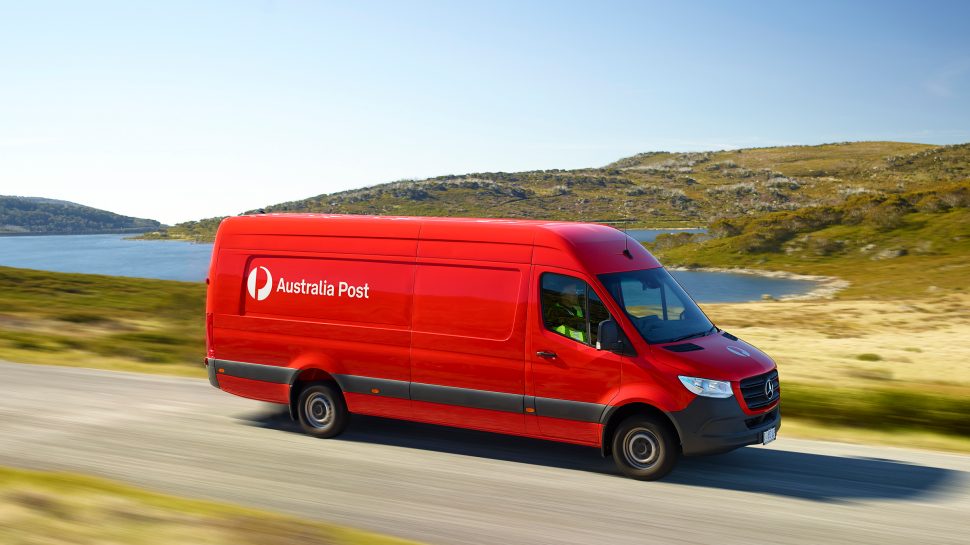
    Australia Post has announced its group revenue of $7.499 million, a new record up seven percent, and a profit before tax of $53.6 million. The Group credits its revenue was boosted by further eCommerce growth during COVID-19.

    Growth in e-commerce has been a strong driver behind Australia’s Post 2020 financial result that was released on Thursday, August 27.

    While total revenue grew by more than $500 million during the period, boosted by a boom in e-commerce, growing losses in the letters business and increased network costs resulted in a profit before tax result up only $13 million compared to FY19.

    Australia Post’s parcel and services revenue at $5.503 million was up 15 percent, adding $729 million to the full-year result, highlighting that 73 percent of total revenue is now generated from highly competitive markets.

    Domestic Australia Post branded parcels rose 25 percent to $2,456 million. In the second half of the year parcel revenues were boosted by the continued growth of eCommerce as consumer demand grew as families adapted to lockdown restrictions and more businesses went online as their physical stores hibernated.

    Costs increased over the period by $477 million including higher operational network costs to support growth in parcels and AP Global, additional processing facilities and chartered air freight to meet customer demands, as well as personal protective equipment for workers.

    Australia Post Group Chief Executive Officer and Managing Director Christine Holgate said the result highlighted the critical need for temporary regulatory relief announced by the Federal Government in April this year, as the business quickly adapts to changes in consumer behavior accelerated by COVID-19.

    “We understand the important role our Posties and Post Offices play in serving Australia.  Protecting their roles, whilst meeting new community and business expectations, is critical as our business adapts to significant market changes,” Christine stated.

    “And while the growth in eCommerce has been a strong driver behind this year’s financial result, we have had to make changes to ensure our workforce and network can operate as efficiently and safely as possible.”

    Christine said the pandemic has also severely impacted the Group’s ability to deliver across the country on time.

    “We had to make temporary changes, including new parcel pop-up facilities and chartering planes for air freight, to continue to serve the country during what has been a very uncertain year,” she said.

    Letter revenues were $2.0 billion for the period, down $220 million or 10 percent for the full year.

    “Although traditional services such as letters, passports and Billpay fell in the period, due to travel restrictions and as businesses switched to digital communications, parcel revenues grew and have become their most important income source.  Over-the-counter parcel transactions have increased as people looked to send care packages and parcels to stay connected with loved ones through the COVID-19 crisis.”

    Christine said international business has been impacted by global conditions, due to a significant fall in air freight capacity to and from Australia, as well as many countries closing their borders in the second half of the financial year.

    “Although international letters and packets volumes were down 16 percent year on year, the strong performance of AP Global, our cross-border eCommerce business, saw revenue grow by $146 million to $225 million, ensuring our total international portfolio remained strong,” she said.

    Christine highlighted that domestically, the Group’s focus on investment in growing capacity in the parcels network has “served us well”.

    Australia Post opened the largest parcel processing facility in the Southern Hemisphere opening last October in Brisbane.

    “This facility, along with 16 temporary smaller sites, has ensured we were able to support small and large businesses in connecting them with their customers, proudly contributing $2.4 billion in eCommerce economic activity in the fourth quarter,” she said.

    “Of course, this result would not have been possible without the continued hard work and dedication of our people – particularly our posties, delivery drivers, parcel and mail processors, contact center and both corporate and licensed Post Offices teams. They continued to show up for work each and every day through uncertain times and worked hard to ensure the community had sustained access to essential goods and services.”

    The 2020 Annual Report will be tabled in Federal Parliament in October 2020.

  • Seaport, maritime transport firms more profitable

    Seaport, maritime transport firms more profitable

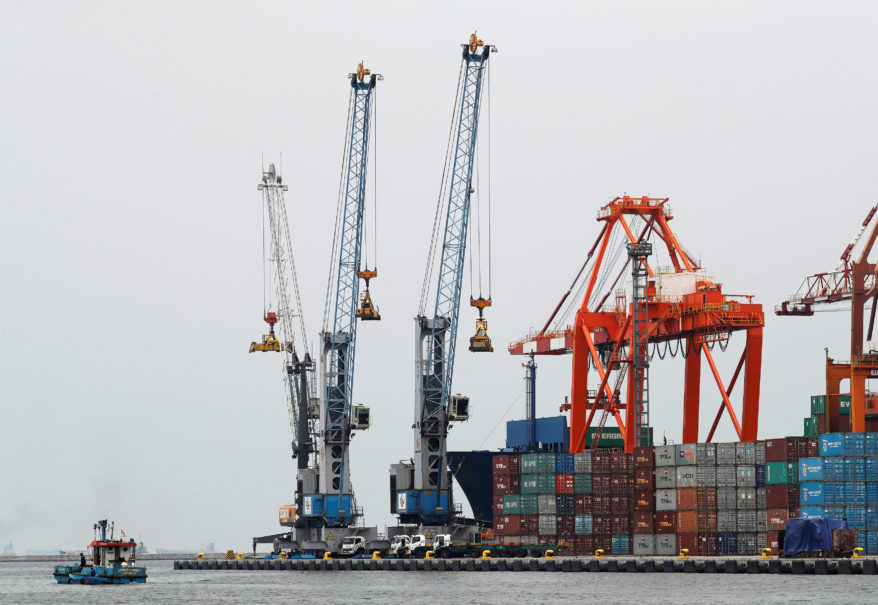
    Market recovery and larger freights helped Vietnamese seaport and maritime transport enterprises, both state-owned and private, gain bigger profits in the first half of this year.

    Vietnam National Shipping Lines (VIMC) made consolidated revenues of more than VND6.2 trillion (nearly $269.6 million), a 20 percent increase, and consolidated profits of over VND1.1 trillion, doubling against the same period last year.

    Meanwhile, net profits of HCMC-based Saigon Port JSC surged 155 percent year-on-year. The company currently runs many ports in the city, including Tan Thuan, Tan Thuan 2, Nha Rong, Khanh Hoi and Sai Gon-Hiep Phuoc.

    Dong Nai Port JSC in the southern province of Dong Nai saw revenues and profits increase 38 percent and 35 percent, respectively between January and June.

    Profits of Cam Ranh Port JSC in the central province of Khanh Hoa, and of Quy Nhon Port JSC in the central province of Binh Dinh surged 118 percent and 93 percent, respectively.

    Gemadept Corporation’s management board estimated its first-half revenues at over VND1.4 trillion, up 19 percent, and pre-tax profits of some VND390 billion, up 38 percent. The firm owns four ports in the northern region, one port in the central area and three ports in the south. It plans to increase its share in the Vietnamese port market from 11 percent in 2020 to 19 percent in 2021, and 23 percent in 2025.

    Like seaport operators, maritime transport service providers turned profits in the first half of this year, mainly thanks to market recovery and larger freights.

    Maritime transport units of VIMC started making profits after a long period of losses. Vietnam Ocean Shipping JSC (Vosco), which suffered losses of nearly VND120 billion in the first half of last year, recorded after-tax profits of more than VND220 billion in the first half of this year, the highest since 2009.

    Meanwhile, Hai An Transport and Stevedoring JSC, has been estimated to see pre-tax profits in the first half of this year more than double.

    According to VIMC, the quick recovery of Chinese, U.S. and European economies amid Covid-19 outbreaks led to bigger demand for goods and materials, positively affecting the international sea transport market.

    Data from the General Statistics Office showed Vietnam’s import-export turnover stood at nearly $320 billion in the first half of this year, increasing over 32 percent against the same period last year. The volume of goods through seaports surged, with container outputs rising 24 percent.

    In early July, Drewry World Container Index (for container freight) stood at $8,399, surging 346 percent against the same period last year.

    According to the Vietnam Association of Seafood Exporters and Processors, at some ports, freight in mid-2021 doubled that of late 2020 and rose nearly six times against early 2020.

  • Cargo could be as powerful as our passenger services says Airasia chief

    Cargo could be as powerful as our passenger services says Airasia chief

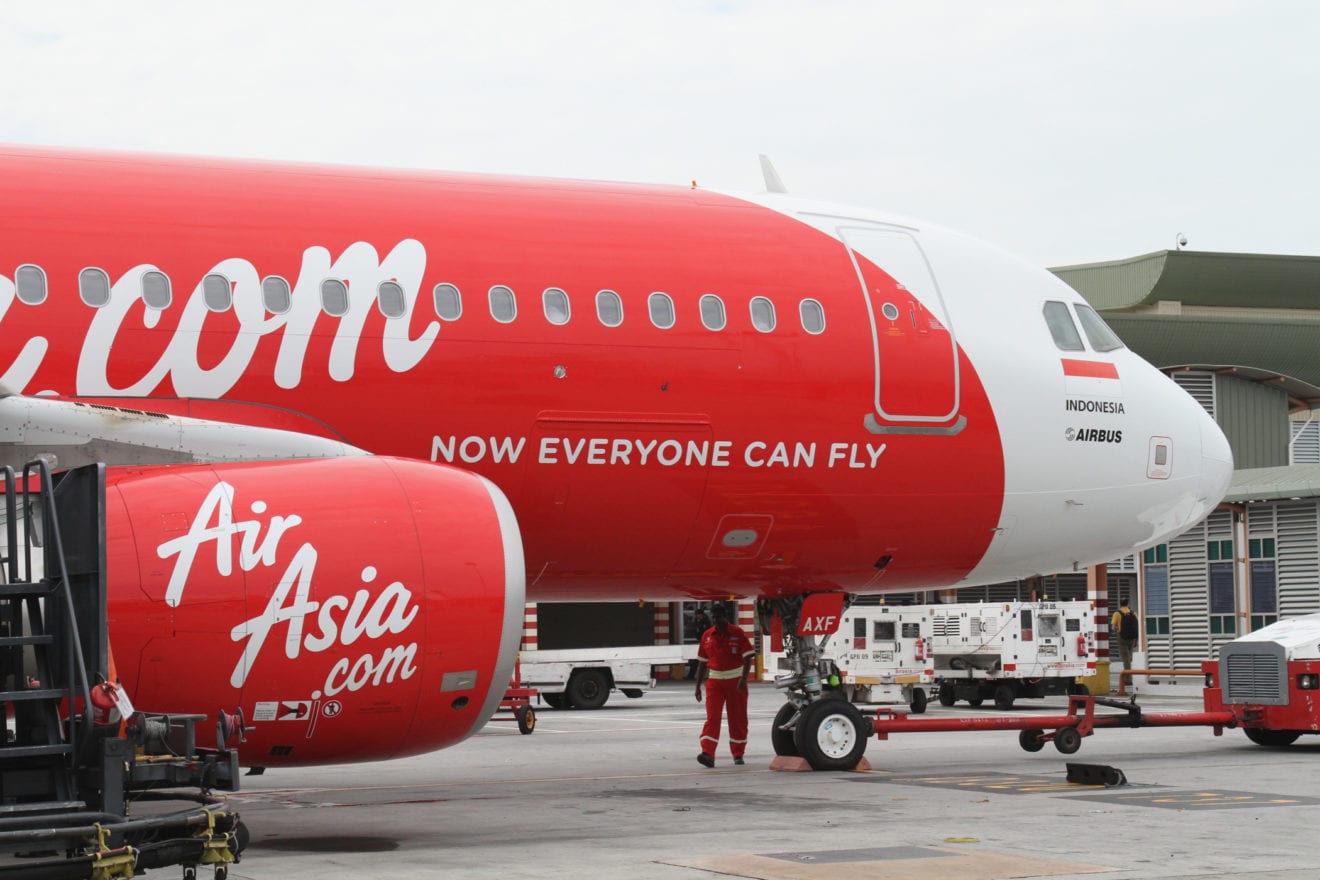
    Air cargo has been a “diamond in the rough” for AirAsia during the Covid-19 pandemic and is likely to retain a high importance to the business in the longer term, according to group chief executive Tony Fernandes.

    “What was a ‘nice to have’ has become something that could be as powerful as our passenger services,” Fernandes said during a CAPA Live event on 14 July. “Covid has driven e-commerce to another level, and hence air cargo has become much more valuable.”

    Amid that change, AirAsia is expecting to receive its first dedicated freighter in the third quarter of this year and is currently removing the seats from two of its Airbus A320s before deploying them as temporary freight-only aircraft.

    Air cargo is “no more a stepchild” in AirAsia’s business, Fernandes says. “I never thought we’d have freighters, I never thought we’d be taking seats off the planes to do cargo.

    The move towards cargo has been made easier by AirAsia already having air freight expansion plans in place as the pandemic hit, he explains.

    “Prior to Covid, I began to see the eCommerce revolution and I started building a separate company called Teleport,” Fernandes says of AirAsia’s logistics arm.

    His aim is to do to cargo operations “what we did to passengers… and eliminate the middlemen”. As part of that process, AirAsia began to deal more with freight forwarders, then direct customers. At the same time, Fernandes says AirAsia “consolidated all our space across all the airlines”.

    “We built a blockchain to deal with that, so there was one airline, as opposed to five different airlines,” he says in reference to the freight capacity across AirAsia Group’s carriers.

    “Five our six other airlines have joined us now in selling space together,” he adds.

    Amid that growth, Fernandes is also cautious about the longevity of current market dynamics.

    “There is a false market out there, so we shouldn’t all get carried away, because [the return of] belly space is going to change the economics again,” he states.

    Regardless, air freight is now front and centre of the carrier’s planning.

    ”When a budget plan is put in front of me, it’s now ‘where are the cargo routes, where are the cargo-only routes?’,” Fernandes says. “Models have to be redone, [but] it’s easier at AirAsia because we are a very nimble even though we are big. I’ve always been a change agent so the staff are used to that.”

    And his ambitions stretch to the “whole logistics chain”, he says: “I also want to be in the warehouse game. We are going to cover everything.”

    AirAsia Group has focused on diversifying away from its core passenger-airline business during the pandemic, and in September last year launched AirAsia Digital, of which Teleport is one of three key focus areas.

    The others are an ecommerce-focused ”AirAsia Super App” and a Fintech company that provides payment, remittance and lending solutions.

  • DB Schenker, Volocopter develop heavy lift cargo drone

    DB Schenker, Volocopter develop heavy lift cargo drone

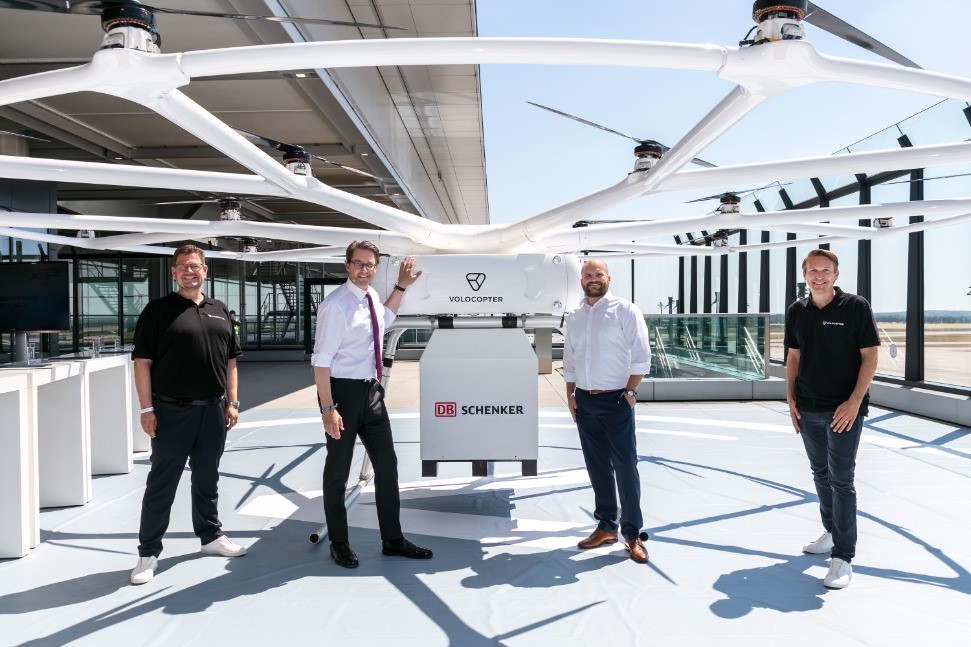
    DB Schenker and urban mobility air firm, Volocopter, have teamed up to develop solutions for the fast and emission-free transport of goods using heavylift drones.

    Volocopter exhibited its test VoloDrone aircraft, along with a sample transport container from DB Schenker, at Germany’s National Aviation Conference last week.

    In a statement, DB Schenker said the heavylift drone, which can take off and land vertically, is autonomously and electrically operated and can transport up to 200 kilograms (kg) of cargo with a range of up to 40 kilometers.

    The VoloDrone weighs 600 kg, it is 9.15 meters in diameter, 2.15 meters tall.

    Jochen Thewes, CEO of DB Schenker said the possibilities of utilizing the drone in logistics is “limitless.”

    “When the infrastructure for conventional means of transport is overburdened or non-existent, cargo drones offer an opportunity to rethink logistics routes. The possible applications in logistics are limitless. Through our partnership with Volocopter, this vision is gradually becoming reality. Drone transport is becoming increasingly tangible,” he said.

    DB Schenker noted that the first flight took place in 2019. Since then, regular flight tests have been conducted in southern Germany.

    Florian Reuter, chief executive of Volocopter, said: “Our VoloDrone will be put to use, where classical ground transportation meets its limits in logistics, construction, or agriculture.”

    The logistics company said the future logistical applications for the heavy-lift drone include places that are difficult or slower to reach by other means, such as islands, land-to-ship deliveries, transport to mountainous regions, or places isolated from road networks following natural disasters.

    Intra-city deliveries are also possible targets for such drone operations.

  • Airlines carry freight, charter flights to survive Covid hit

    Airlines carry freight, charter flights to survive Covid hit

    Airlines have strengthened freight services and offer charter services and discounts on passenger fares as they seek to recover from the slump caused by Covid-19.

    Vietnam Airlines recently converted one of its Boeing 787-9 aircraft to transport 40 tonnes of lychee from Hanoi to Ho Chi Minh City.

    Before the pandemic its Dreamliners had a busy schedule, flying to Europe, Australia and the ultra-busy Hanoi-HCMC sector, and few thought lychees will replace passengers on the modern airplane with a capacity up to 270.

    The carrier has also deployed other planes to transport lychee.

    Budget airline Vietjet has also been offering freight services to compete with leading logistic providers as demand balloons by the day. It has set up an online freight service, Swift247, in which it owns a 67 percent stake.

    In the first three months of 2021, Vietjet transported over 18,000 tonnes of cargo, with its cargo subsidiary contributing nearly 50 percent of total revenues.

    Since May, Bamboo Airways has been offer charter flights.

    To compete in the summer, the high season for air travel, carriers have offered big discounts on fares and promotions like free check-in baggage to attract customers back.

    Bamboo Airways reduced fares by 35 percent when booking five seats or more.

    Vietjet offered free insurance to all domestic passengers, including VND1 million compensation per day for loss of income in case of forced quarantine or Covid-19 infection as a result of traveling with it.

    Newcomer Vietravel Airlines, which has a fleet of three airplanes, is pricing tickets at below breakeven level, according to Nguyen Quoc Ky, its chairman.

    Vietnam Airlines and Vietjet have joined the effort to trial a vaccine passport.

    Next month, Vietnam Airlines will implement the International Air Transport Association’s Travel Pass initiative that allows people to store verified Covid-19 test and vaccination certificates on a smartphone app.

    This is seen as one of the keys to convincing countries to reopen borders to international travelers.

    According to Planespotters, an online database on commercial aviation based in Berlin, Germany, over half of all aircraft in Vietnam are idling in near-empty airports.

    Vietnam Airlines is currently operating only 47 of its over 100 planes, including 15 of its 29 wide-body airplanes (A350 and B787).

    In the case of Vietjet Air, over 50 out of its 74 airplanes are not flying.

    In the first quarter, Vietnam Airlines suffered losses of nearly VND5 trillion ($218,4 million). To generate sufficient cash flows, it is now selling 11 of its A321 CEO planes.

    Bamboo Airways has the least number of idle aircraft, nine out of 27.

  • New cargo airline to advance Vietnam logistics

    New cargo airline to advance Vietnam logistics

    A fully-fledged cargo airline in Vietnam would boost logistics development and stir up competition in the aviation sector amid an e-commerce boom, experts say.

    “Vietnam needs a cargo airline to boost the transport of goods domestically and internationally. It will bring about many economic benefits,” said aviation expert Nguyen Thien Thong.

    He was commenting on a proposal by retail company Imex Pan Pacific Group (IPPG) to establish a cargo airline by next year, the first fully-fledged such company in Vietnam.

    With an initial investment of VND2.4 trillion ($103.6 million), IPP Air Cargo will start with five freighters. It estimates revenues of $71 million in the first year of operation.

    It would be the only cargo-dedicated airline in Vietnam, where all six carriers prioritize passenger transport.

    Vietnam ranks eighth among the top 10 emerging logistics markets globally, but 80 percent of the market is in the hands of foreign companies, according to the Vietnam Logistics Association.

    Logistics costs in Vietnam account for over 20 percent of its GDP, while the global average is 11 percent.

    This shows that there is a need for domestic companies to step up and take over the industry from foreign companies and reduce costs, experts say.

    Former Prime Minister Nguyen Xuan Phuc had in September last year ordered the Ministry of Transport to research the possibility of establishing a cargo airline to help distribute agriculture and electronic goods.

    In 2008, Trai Thien Air Cargo had received a permit for domestic and international transport, but it was not active for three years and the permit was canceled in 2011.

    IPP Air Cargo seeks to be the cargo airline the country needs. IPPG chairman Johnathan Hanh Nguyen said that the company will focus exclusively on cargo and not branch into passenger transport, avoiding competition with other airlines.

    Nguyen, a professional with experience in logistics and aviation, said he targets claiming 38 percent of Vietnam’s logistics market.

    The company will negotiate with foreign airlines to establish linked routes to 16 airports in Vietnam which will help transport goods directly from localities of origin instead of through big airports, he said.

    He also told the Thanh Nien newspaper that he had been developing a logistics network over the past year to prepare for the airline.

    However, his airline will not be the only cargo carrier in the sky. Vietnam Airlines has long been eyeing the establishment of its own cargo fleet, and during the pandemic, it removed seats from 12 wide-bodied aircraft and converted them into cargo carriers.

    Both Bamboo Airways and Vietjet have also mentioned plans to develop their own cargo fleet, but neither has made any concrete move towards this.

    Tong said that there could be competition in the industry, but eventually, it will benefit the development of e-commerce when a network of air cargo transport is established.

    “Coffee from the central highlands, lychee from the northern province of Bac Giang and seafood from the Mekong Delta region can be transported within a day to any locality if cargo air routes existed,” he said.

    Having a cargo airline is a necessity as most countries have at least one, and the recent boom in e-commerce means there is high demand for such transportation. This is the right time, therefore, for Vietnam to establish its own cargo airline, he added.

  • Vietnamese exporters squeezed by Suez blockage

    Vietnamese exporters squeezed by Suez blockage

    The congestion caused by the Suez Canal blockage is delaying the shipment of Vietnamese goods to Europe and the Americas, and the exporters are fretting.

    The owner of a seafood exporting company in the southern province of An Giang is waiting for a five-container ship to pass through the canal on its way to France.

    However, the ongoing congestion will not allow the ship to exit the canal until Friday or Saturday, delaying the shipment by two weeks, exposing the company to fines of 0.3-0.5 percent of the order value.

    This is the first major delivery of the company this year and the owner fears major damage, given the high value of the shipment. He is hoping that the buyer will acknowledge the force majeure circumstance and not impose any fine.

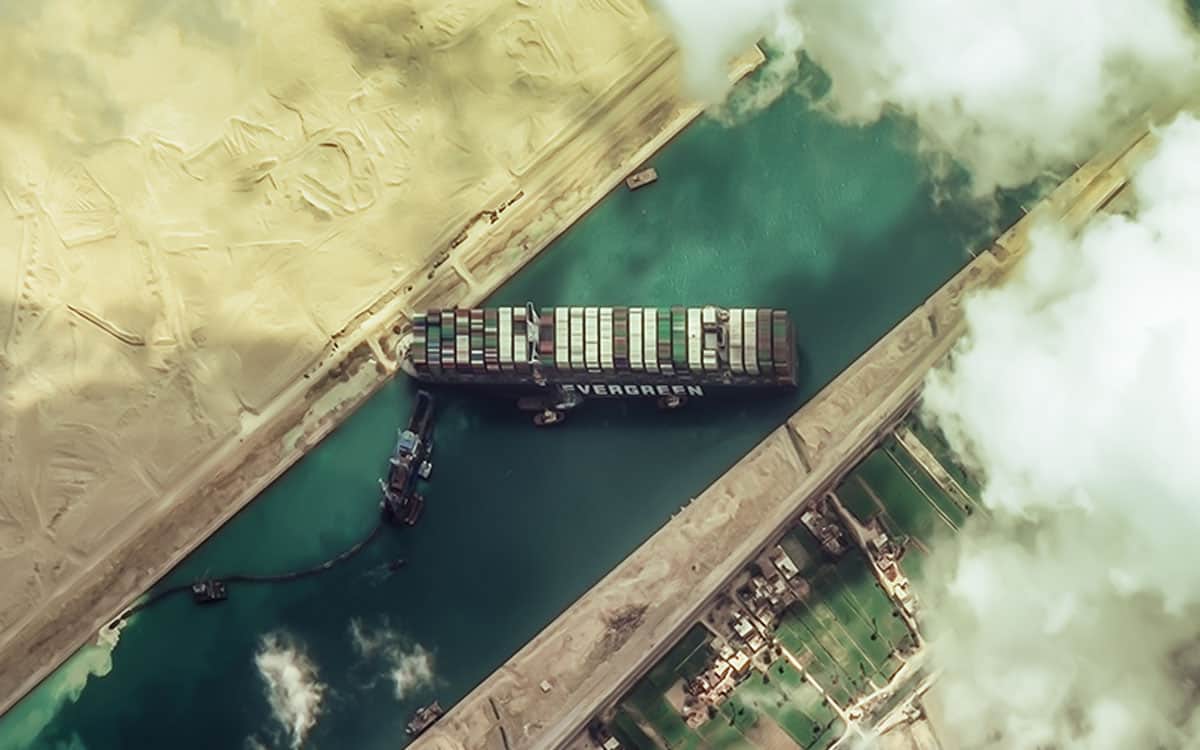
    Many Vietnamese logistics companies are in the same boat after the six-day blockage caused by the mega-ship Ever Given disrupted the global supply chain by jamming the shortest shipping route between Europe and Asia.

    Even though the ship was moved on Monday, Le Duy Hiep, chairman of the Vietnam Logistics Business Association, said most companies were still seeing their shipments delayed.

    Imports from Europe and the Americas to Vietnam are also being put off, he said.

    “Nearly 400 ships, including those from Vietnam, are queued up at the canal. It will take days to clear all the ships, causing damage to both logistics companies and exporters,” he said.

    Europe is one of Vietnam’s biggest seafood export markets with a value of more than $1 billion last year. The resurgence of Covid-19 in some countries there and the Suez blockage is causing major difficulties for Vietnamese exporters.

    Truong Dinh Hoe, general secretary of the Vietnam Association of Seafood Exporters and Producers (VASEP), said that Vietnam and many other countries are short of containers for exports and face surging freight rates, and the Suez blockage could make this go even higher.

    Tran Thanh Hai, deputy head of the export-import department under the Ministry of Industry and Trade, said that the blockage is a wake-up call for Vietnamese businesses. He urged them to be more careful and prepare for worst-case scenarios.

    For example, transporting goods by train from Vietnam to Germany costs slightly higher than ships, but takes 15-20 days less, and businesses should consider this an alternative option, he said.

    Businesses should also buy the insurance and think of it as part of their regular expenses instead of taking chances, he added.

  • Rhenus Logistics opens free zone warehouse in Bangkok

    Rhenus Logistics opens free zone warehouse in Bangkok

    Global logistics service provider Rhenus Logistics has opened a new free zone warehouse in Bangkok, Thailand, as it aims to serve a wider range of industries.

    The warehouse is strategically located within a 10-kilometre radius of three existing warehouses that house general cargo and dangerous goods.

    Rhenus says the facility, located within Bangkok’s free trade zone, will offer a wider range of services to key industries like manufacturing, medical devices and healthcare, whilst offering better value for customers, including duty exemptions.

    “The warehouse provides added convenience to customers who conduct business in the nearby Bangkok metropolitan city, with its close proximity to key freight hubs at Suvarnabhumi Airport and Thailand’s major sea ports,” the company said.

    Rhenus noted that the facility features its latest in-house technology and an ecofriendly design. Customers in electronics and medical devices with specific storage requirements can safely and securely tap on its 450-sqm temperature and dust-free controlled room, ambient storage facilities and the anti-static testing room.

    The warehouse supports pallet storage for standard cargo and block space for oversized cargo up to 3 tonnes, offers flexible in-transit capacity for large shipments, with comprehensive 24-hour security measures within and around the facility.

    “With its strategic proximity to the Bangkok Free Trade Zone, we hope to better support evolving warehousing needs by providing more space options, improving quality and all while reducing operational costs for our customers,” said Tim Burger, director warehousing and transport, Rhenus Logistics Thailand.