Tag: fruit

  • Durian Glut Crisis: Malaysias Fruit Boom Backfires Amidst Price Plunge and Oversupply

    Durian Glut Crisis: Malaysias Fruit Boom Backfires Amidst Price Plunge and Oversupply

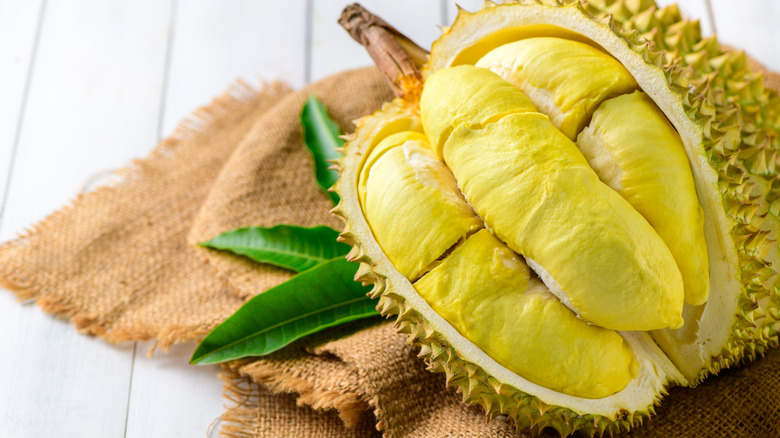
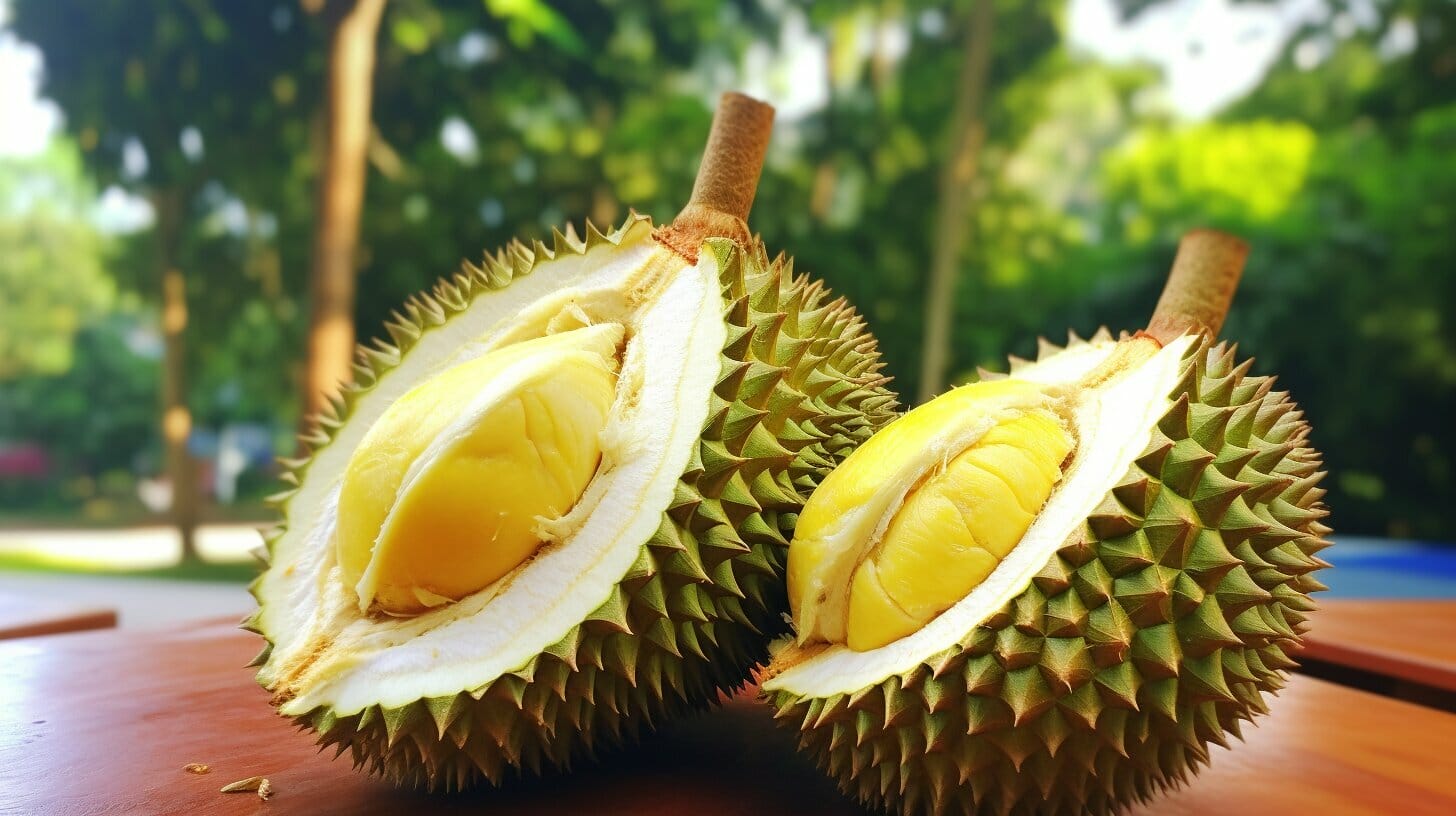
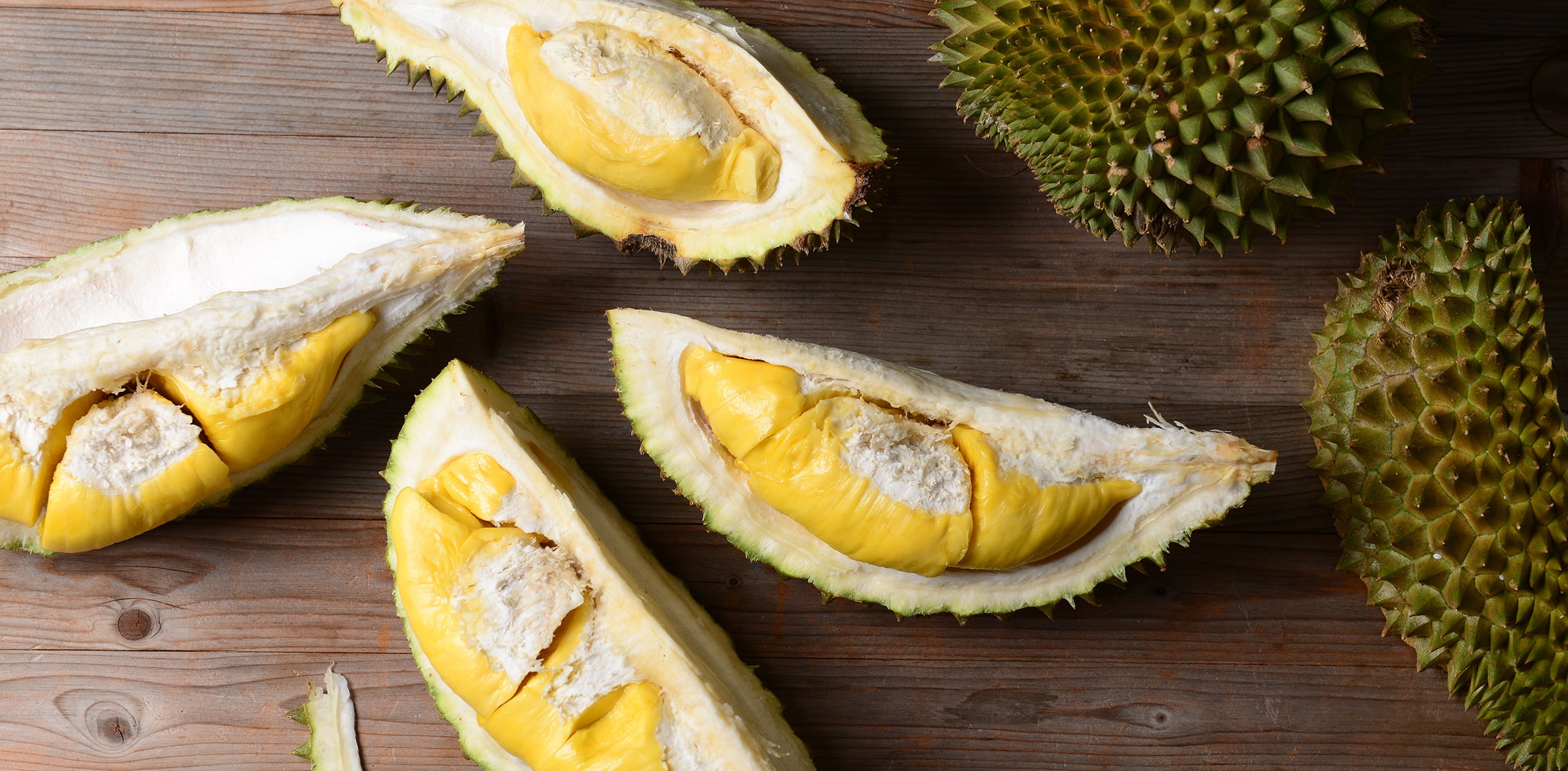
    Over the years, durian growers in Malaysia have been increasing production levels to meet the rising demand from China. This surge in demand has resulted in an abundance of the fruit, causing a significant drop in prices.

    Malaysia, renowned for its prized Musang King durian — often referred to as the “Hermès of durians” — has seen a rapid increase in its export of the fruit over the past decade, particularly to China. This growing demand prompted numerous farmers to join the industry. Consequently, durian plantation areas in the Southeast Asian nation increased from just over 163,000 acres in 2016 to more than 227,000 acres by 2024. Simultaneously, the annual yield nearly doubled, reaching over 568,000 tons.

    According to Lu Yuee Thing, owner of several durian farms near Raub, also known as Malaysia’s durian capital, many people had replaced their rubber trees or oil palms with durian trees in the past. These trees are now starting to bear fruit, leading to an oversupply in the market, especially during the harvest seasons in producing states like Kedah, Penang, Perak, Selangor, Johor, and Pahang. This oversupply has caused prices to plummet, with Musang King retailing for as low as RM9 (US$2.2) per kilogram — a 90% decrease from the usual RM90-100.

    This situation has been exacerbated by fruit that doesn’t meet export standards and is therefore redirected to the local market. The oversupply of durians has proven advantageous for deal-seekers across Malaysia and its neighboring country, Singapore, but it is a major setback for growers.

    Impact on Durian Growers

    Durian farmers and sellers are feeling the strain due to the price drop. Han Sing Keng, a durian farmer and seller in Johor, has had to rely on other crops, such as bananas, to compensate for the lost profits from durian. Han expresses that the pressure from the market is overwhelming for him and believes that the inexpensive, widely available fruit may be substandard in quality.

    The Federal Agricultural Marketing Authority (FAMA) in Malaysia has stepped in to aid growers by buying durians directly from them. FAMA plans to purchase 1,000 tons worth RM7 million through 42 operational centers. Additionally, businesses and entrepreneurs supported by the agency have bought another 1,199 tons valued at RM3.28 million.

    Planning for the Future

    The challenge now is to ensure that demand keeps up with the rising production. This requires both expansion into new export markets and growing new businesses within the domestic market. FAMA has begun processing excess fruit into pulp, which is supplied to manufacturers of cakes, ice cream, and other food products.

    Additionally, Malaysia, as one of the world’s largest durian exporters, is collaborating with Thailand and Chinese customs authorities to develop a land transport route for durian shipments to China, expected to reduce logistics costs.

    Lastly, Malaysia’s trade promotion agency, Matrade, announced plans to increase durian exports to China to $229 million by 2030.

    Questions & Answers

    What has caused the oversupply of durians in Malaysia?
    The oversupply is due to increased production levels, with a significant number of trees planted in previous years now beginning to bear fruit.

    How has the oversupply affected the price of durians?
    The oversupply has led to a significant drop in the price of durians. The Musang King, for example, is now retailing for as low as RM9 (US$2.2) per kilogram.

    What measures are being taken to manage the oversupply situation?
    The Federal Agricultural Marketing Authority (FAMA) is buying durians directly from farmers. In addition, efforts are being made to increase demand by expanding into new export markets and creating new businesses within the domestic market.

  • Vietnam’s Fruit and Vegetable Exports Skyrocket 17.8% in First Half of 2026: A Boom in Durian Trade

    Vietnam’s Fruit and Vegetable Exports Skyrocket 17.8% in First Half of 2026: A Boom in Durian Trade

    In the first half of 2026, Vietnam saw a significant increase of 17.8% in its fruit and vegetable exports, reaching a total of US$3.65 billion. This upward trend was notably reflected in the second quarter, where exports alone generated a revenue of $2.18 billion, as reported by the Ministry of Agriculture and Environment.

    Strong Export Performance and Market Expansion

    The Ministry predicts that the continued growth of fruit and vegetable exports throughout 2026 will have minimal impact on domestic prices, facilitated by a steady demand from international markets and abundant local supply. Durian, one of Vietnam’s leading fruit exports, is currently shipped to 28 global markets and has yielded nearly $562 million within the first five months of 2026. This represents a notable increase of 46% compared to the previous year.

    Vietnam currently possesses approximately 192,000 hectares dedicated to durian farming. The Crop Production and Plant Protection Department anticipates that durian output will surge from 1.8 million tonnes in 2025 to around 2-2.1 million tonnes this year. Additional exports, including lychees and coconuts, have also experienced double-digit growth due to robust demand from major markets such as China, the U.S., and South Korea.

    Nguyen Quoc Manh, the deputy director of the department, highlighted China as Vietnam’s primary market for fruit and vegetable exports. The country has witnessed an annual growth of approximately 65-70% in shipments to China over recent years. To reduce reliance on one market, the Ministry is working to secure access to more fruits within high-value markets like the U.S., Japan, South Korea, and Australia.

    The Future of Vietnam’s Fruit and Vegetable Industry

    Manh emphasized that Vietnam’s fruit and vegetable industry has been transitioning towards a different growth model. The focus is now on enhancing the quality of produce, increasing its value, and driving sustainable development, as the capacity for further cultivation expansion is restricted. Strict quality and food safety standards imposed by high-value markets such as the European Union and China present significant challenges for the industry.

    In addition, producers face mounting pressure from increasing input costs brought about by global economic and geopolitical uncertainties. Manh shared that over the coming five years, the ministry intends to amplify research and breeding of fruit and vegetable varieties that align with domestic production capabilities and market demand. This will include promoting deep processing, expanding export markets, and implementing a low-emission crop production strategy for 2025-2035. The aim is to foster a greener, more competitive, and sustainable fruit and vegetable industry that can boost farmers’ incomes.

    Questions & Answers

    What led to the significant increase in Vietnam’s fruit and vegetable exports in 2026?
    The increase was driven by an abundant supply of produce, stable market demand, a notable surge in durian exports, and double-digit growth in lychees and coconuts exports.

    What challenges does Vietnam’s fruit and vegetable industry face?
    The industry faces challenges imposed by strict quality and food safety standards in high-value markets, and increasing input costs due to global economic and geopolitical uncertainties.

    What measures is the Ministry taking to sustain the growth of Vietnam’s fruit and vegetable industry?
    The Ministry plans to increase research and breeding of suitable fruit and vegetable varieties, promote deep processing, expand export markets, and implement a low-emission crop production strategy to drive a greener and more sustainable industry.

  • Dragon Fruit Dilemma: Surplus Supply and Falling Demand Trigger Price Crash in Vietnam

    Dragon Fruit Dilemma: Surplus Supply and Falling Demand Trigger Price Crash in Vietnam

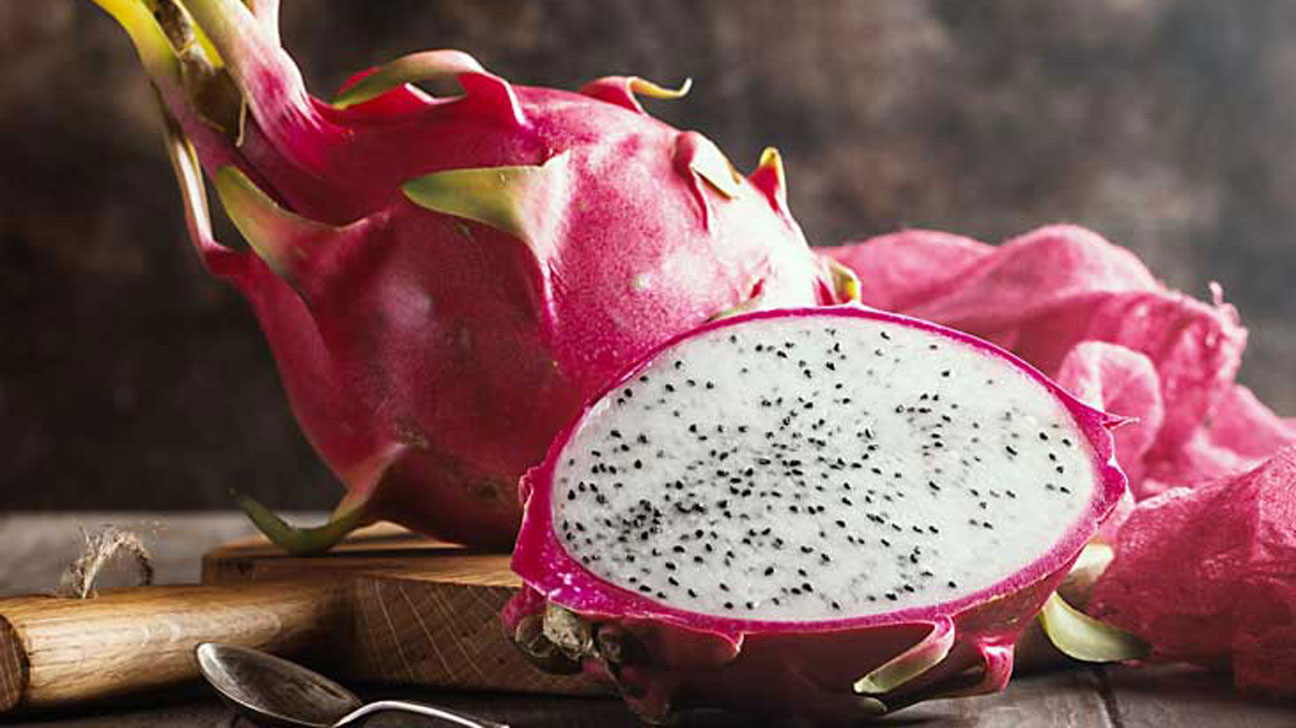
    Dragon fruit farmers in central and southern Vietnam are faced with declining prices due to an oversupply and reduced demand for their produce. Farmers are being forced to sell their crops at prices far below their cost of production, resulting in significant losses.

    Plummeting Dragon Fruit Prices

    In the Central Highlands’ Lam Dong Province, a farmer named Luong finds her offer of VND3,000–8,000 per kilogram for her harvested dragon fruits met with little interest from traders. “I need to sell at VND10,000 or more to be profitable,” Luong said, noting that prices have plummeted by 50–70% since the start of the year.

    Meanwhile, in the southern province of Dong Thap, farmer Hanh is struggling to cover costs as she sells her dragon fruits between VND8,000–12,000 per kilogram. This is insufficient considering the 25-40% rise in fertilizer and pesticide expenses this year. Hanh states that prices must remain above VND13,000–15,000 per kilogram for her to breakeven. “If prices remain lower than this range, we might have to reduce our cultivation area for the next harvest,” she warns.

    The Causes of the Price Crash

    Dinh Van Hien, a dragon fruit trader, attributes the price plummet to the sharp increase in supply, as it is currently the peak harvest season in most growing areas. This, coupled with the harvest of other fruits such as durian, mangosteen, lychee, and plum, has led to a decrease in demand for dragon fruit.

    Huynh Canh, chairperson of the Binh Thuan Dragon Fruit Association, agrees that the drastic drop in dragon fruit prices is primarily due to oversupply. Additionally, he states that China’s imports have sharply decreased after the country expanded its dragon fruit cultivation area in recent years. Furthermore, with the dragon fruit season in China running from May to November, there is heightened competition with Vietnam’s produce.

    There are also challenges with Vietnam’s exports to the European Union due to tightened rules, including an inspection frequency of 30% at the border. According to Canh, only the highest quality fruits meeting the import standards of the receiving countries will command high prices.

    Currently, Vietnam has around 55,000-60,000 hectares dedicated to dragon fruit cultivation, primarily in the central and southern regions, with an annual output of approximately 1.4 million tonnes.

    Questions & Answers

    What is the main cause of the drop in dragon fruit prices in Vietnam?
    The primary cause of the price drop is an oversupply of dragon fruits due to the peak harvest season and a decrease in demand.

    How has the increase of cultivation in other countries affected Vietnam’s dragon fruit market?
    Increased cultivation in other countries, particularly China, has led to a decrease in imports of Vietnam’s dragon fruits, contributing to the oversupply and drop in prices.

    What challenges is Vietnam facing with its fruit exports to the European Union?
    Vietnam is facing challenges with its fruit exports due to tightened regulations, including a higher frequency of inspections at the border. Only the highest quality fruits that meet the import standards of the receiving countries can secure high prices.

  • Skyrocketing Lychee Prices: A Sweet Yet Sour Tale Amid Plummeting Yields

    Skyrocketing Lychee Prices: A Sweet Yet Sour Tale Amid Plummeting Yields

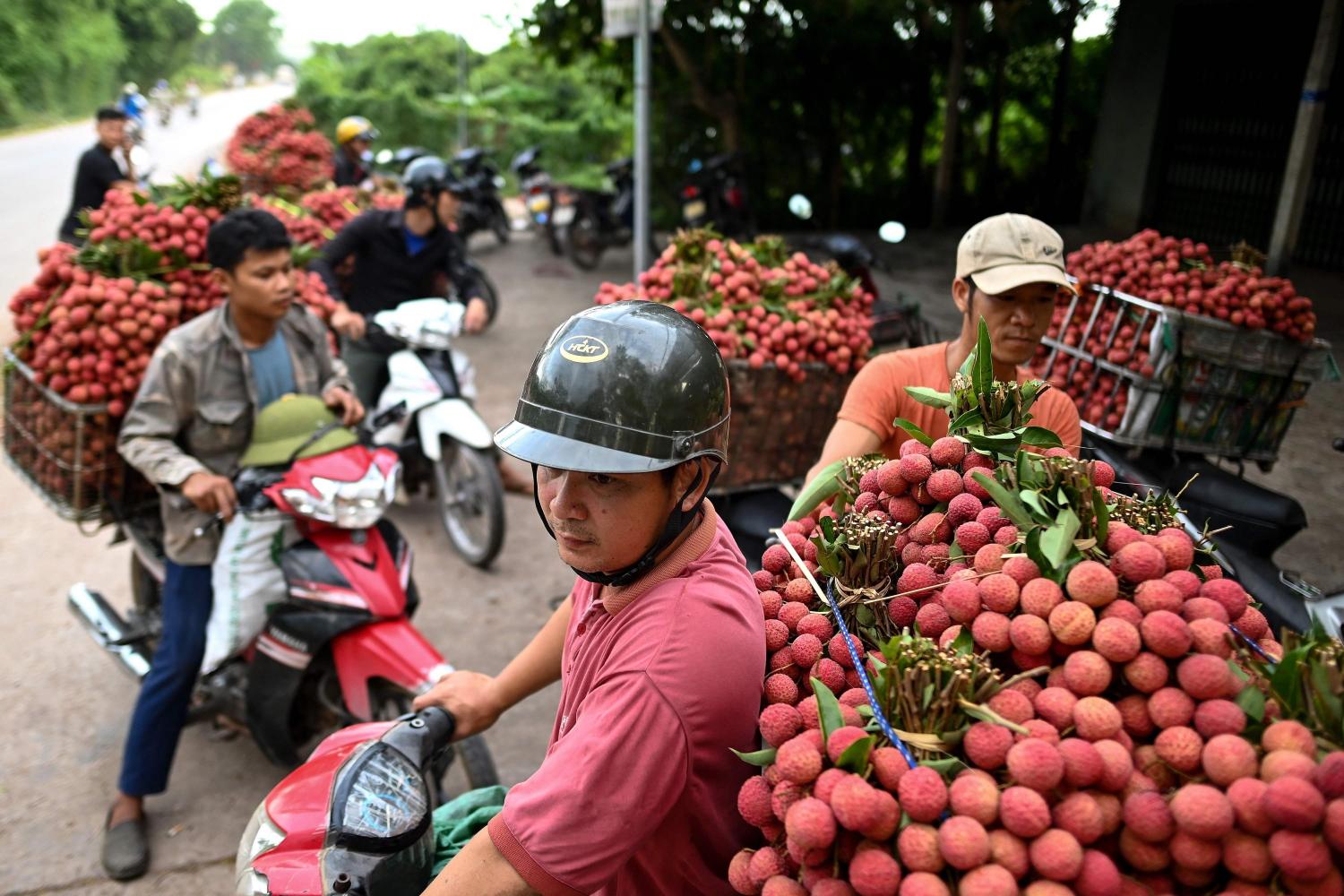
    The cost of lychees has increased by 20% compared to last year due to a decline in production brought about by unfavorable weather conditions. This information comes from Manh, a lychee orchard owner in the Thanh Ha Commune, Hai Phong City, who has seen his yield decrease by 30%, even though he recently sold a ton of the fruit for VND95,000 (US$3.61) per kilogram.

    Harvest Decline

    Pham Thi Van, a fellow farmer in the region, has reported a similar experience. She has only been able to harvest a ton of fruit so far this season, which is only half of last year’s yield.

    Although prices have dropped slightly since mid-April before the harvest, they remain at their highest in years, according to Van.

    Rising Profits

    In the Central Highlands province of Dak Lak, lychees are selling between VND60,000-80,000 per kilogram at the farm gate, which is considerably higher than in previous years. An orchard owner in the province confirmed that profits have increased as traders are proactively sourcing supply and placing advance orders.

    In Ho Chi Minh City, lychees from Dak Lak are selling for VND140,000-150,000 per kilogram, while specialty egg-shaped lychees from Thanh Ha are selling for VND150,000-180,000 per kilogram. Some stores that transport lychees by air to preserve freshness are charging as much as VND210,000.

    Weather Impact

    The Hai Phong Department of Crop Production and Plant Protection has said that the city has approximately 9,350 hectares of lychee trees, with 35% currently bearing fruit. According to them, a milder winter combined with a lack of cold weather has affected the flowering and fruit set rates of the lychee trees.

    Local authorities have advised farmers to improve crop care procedures and are urging businesses to collaborate with farmers to ensure a stable supply.

    Questions & Answers

    What has caused the increase in lychee prices?
    Poor weather conditions have resulted in a decrease in lychee production, leading to a 20% increase in the cost of the fruit.

    What measures are being taken to ensure a stable supply of lychees?
    Local authorities are encouraging better crop care techniques and pushing for partnerships between farmers and businesses to maintain a steady supply.

    How has the weather impacted the yield of lychee trees?
    A milder winter and a lack of cold weather have negatively impacted the flowering and fruit set rates of the lychee trees, leading to lower yields.

  • Mangosteen Dethrones Durian: The Fruit Price Shift in Malaysia

    Mangosteen Dethrones Durian: The Fruit Price Shift in Malaysia

    In Malaysia, the locally adored fruit known as Mangosteen, often referred to as the “queen of fruits,” is becoming more costly than durians due to a shift in agricultural trends causing a decrease in supply. Prices for the locally cultivated Mesta variety of mangosteen, also known as the Japanese mangosteen, have risen to approximately RM20 per kilogram. In contrast, the price for the highly popular Musang King durian has fallen to around RM16.80 per kilogram.

    Availability and Promotions

    Numerous durian varieties, such as D13 and Red Prawn, are presently readily available, with prices as low as RM5 per fruit. One fruit seller, Walter Chew, says that they even have “buy one, get one free” promotions going on. According to Chew, the reason behind the decrease in durian prices is due to an increase in supply caused by a “mini season” which started approximately two weeks ago. This season introduces durians from several areas in Johor, Malaysia’s southernmost state.

    In contrast, the local supply of mangosteens has been inconsistent and limited, Chew points out. Another fruit seller, Yong Boon Sing, added that most mangosteens available on the market are now imported from Thailand and Indonesia.

    Changes in Supply due to Farming Shift

    Over the years, the supply of durians in Malaysia has increased as the fruit’s production and economic contribution have grown. In 2025, durian exports to China, the world’s largest durian market, reached a staggering $37.2 million. Malaysian durians are seen as premium produce, commanding much higher prices than those of regional competitors, averaging $12,138 per tonne as compared to $4,239 for Thai and $3,739 for Vietnamese fruits.

    The popularity of durian has also sparked a boost in tourism as more and more travelers plan their trips around harvest seasons, visiting orchards to taste different varieties and partake in experience-driven packages.

    Data has shown that durian plantations in Malaysia expanded from over 163,000 acres in 2016 to more than 227,000 acres by 2024. During this period, yields almost doubled to over 568,000 tonnes. The exponential increase in supply has consequently driven prices down. The Musang King durian, which was once sold for as much as RM100 per kilogram, has seen prices drop by about 80%.

    Mangosteen trees are often grown alongside durians as an additional source of revenue and for creating a more balanced farm ecosystem. As a result, mangosteen has traditionally been available during the durian season, with the two fruits commonly enjoyed together. However, Yong notes that many new durian farm owners have recently cut down mangosteen trees as their foliage can block sunlight and limit rain reaching the durian roots. This has led to a decline in mangosteen production and, subsequently, an increase in prices.

    Nor Sam Alwi, director-general of the Department of Agriculture, stated that mangosteen production declined from 23,297 tonnes in 2020 to 22,073 tonnes in 2023. She attributed this to the crop’s lengthy juvenile phase, which lasts over six years until it reaches full production. This has made it less attractive for investment, especially when compared to more profitable crops like durian.

    Alwi, however, also noted that yields have been impacted by several factors, including weather changes and increased vulnerability to certain physiological disorders. Preliminary data for 2024 indicates a potential recovery in output.

    Chin Nyuk Moy, the president of the Kuala Lumpur Fruit Wholesalers’ Association, stated that the days when mangosteen was readily available during durian season are mostly over. “Some orchards in Raub still grow the Japan variety, but those days are mostly over.”

    Questions & Answers

    Why has there been a decrease in the supply of mangosteens?
    This is mainly due to new durian farm owners cutting down mangosteen trees as their foliage can block sunlight and limit rain from reaching durian roots. Also, the crop’s long juvenile phase discourages investment.

    What is the current situation for durian exports?
    Durian exports, especially to China, are flourishing. In 2025, durian exports to China reached $37.2 million. Malaysian durians are seen as premium produce and command much higher prices than those of regional competitors.

    How has the shift in farming trends affected the prices of durians and mangosteens?
    The increase in durian supply has led to a decrease in prices. In contrast, the decrease in mangosteen production has led to an increase in prices due to its limited availability.

  • Vietnam’s Dragon Fruit Exports Soar: Thailand and Middle East Demand Spikes in 2026

    Vietnam’s Dragon Fruit Exports Soar: Thailand and Middle East Demand Spikes in 2026

    The initial two months of 2026 witnessed a 14% annual increase in Vietnam’s dragon fruit exports, amounting to US$108.5 million. This surge was primarily driven by a significant hike in deliveries to Thailand and the Middle East.

    Vietnam’s Dragon Fruit Export Market

    Cargo to Thailand experienced an over 2.7-fold increase, amounting to $9.2 million, while shipments to the United Arab Emirates grew by 57% to reach a value of $3.3 million.

    China, however, retained its position as the largest buyer, accounting for $66.5 million of all exports, marking a 5% increase in comparison to previous years. On the other hand, demand from the U.S. saw a considerable decrease, falling by 39% to a value of $4 million.

    These figures from the initial two months of the year could indicate a resurgence of shipments, pointing towards a potential recovery following a period of sustained decline.

    Historical Trends in Dragon Fruit Exports

    Between 2014 and 2018, the annual worth of dragon fruit exports consistently exceeded $1 billion. However, shifts in consumption patterns and increased competition led to a steady decline in the succeeding years.

    The total worth of exports in the first 11 months of the previous year stood at $485.2 million, corresponding to the lowest recorded value since 2014.

    Production and Supply Factors

    Dragon fruit in Vietnam is predominantly harvested between May and September, although some off-season cultivation occurs in January and February. However, supply has been falling in recent years as farmers have transitioned towards more profitable crops.

    Adverse weather conditions have also negatively impacted yield. Widespread flooding towards the end of last year resulted in fungal diseases in plants, significantly affecting dragon fruit production, particularly in Binh Thuan Province, a key cultivation region.

    As a consequence of dwindling supply, farm-gate prices have seen a rise. During the first two months of this year, white-fleshed dragon fruit was sold for VND10,000-15,000 (US$0.38-0.57) per kilogram, and the red-fleshed variety was priced at VND15,000-25,000.

    Questions & Answers

    What led to the surge in Vietnam’s dragon fruit exports in early 2026?
    A significant hike in deliveries to Thailand and the Middle East primarily drove the increase in exports.

    Which is the largest market for Vietnam’s dragon fruit exports?
    China is the largest market, accounting for $66.5 million of all exports.

    What are the factors impacting the supply of dragon fruit in Vietnam?
    A shift by farmers towards more profitable crops and adverse weather conditions causing fungal diseases in plants have led to a decline in dragon fruit supply.

  • New Zealand’s RubyRed Kiwifruit Takes Vietnam by Storm: Limited Edition, Natural Sweetness at a Premium Price

    New Zealand’s RubyRed Kiwifruit Takes Vietnam by Storm: Limited Edition, Natural Sweetness at a Premium Price

    New Zealand’s ruby-red kiwifruit has made its debut in Vietnam through formal imports, attracting high demand despite its price tag of approximately VND350,000 (US$13.29) per kilogram, which is 20% higher than the cost of gold kiwifruit. Retailers have been selling this vibrant fruit for the past fortnight, with its bold color, unique taste, and edible skin contributing to its popularity.

    Consumer Response

    Local consumers, accustomed to green or yellow kiwifruit, have expressed pleasant surprise at the fruit’s red flesh. A Ho Chi Minh City (HCMC) resident, Hoa, spent VND700,000 on two boxes of the fruit, citing its sweeter and more intense taste compared to other varieties.

    Formal imports involve the shipment of goods in large quantities, subject to strict customs regulations and inspections. Another HCMC inhabitant, Lan Anh, noted that in previous years, some vendors would sporadically hand-carry the fruit into the country, selling it for approximately VND500,000. However, with the initiation of formal, large-scale imports, the fruit’s price has dropped by around 30%.

    The RubyRed Kiwifruit

    The RubyRed kiwifruit, developed by Zespri, the world’s leading kiwifruit producer, through a natural breeding program in New Zealand, is described as boasting a rich sweetness and a striking red hue, a result of anthocyanins. These antioxidant compounds are frequently found in berries. However, the supply of this variety is limited, due to a short growing season spanning only 6-8 weeks, and it yields less fruit than the gold and green variants.

    Vo Thanh Loc, the co-founder of the retail chain Farmers’ Market, revealed that Zespri’s first RubyRed kiwifruit shipment arrived in Vietnam earlier this month. The fruit has quickly become the chain’s top-selling kiwifruit variety.

    Lu Minh Quang, import director of fruit distributor Biovegi Vietnam, disclosed that the company has ordered its first shipment of approximately 80 tons for distribution in Hanoi and HCMC. Quang added that sellers are still gauging the market’s response to the fruit.

    Questions & Answers

    What sets the RubyRed kiwifruit apart from other varieties?
    The distinct red flesh, sweeter taste, and rich antioxidants make the RubyRed kiwifruit stand out from other green or yellow variants.

    What challenges are associated with the supply of the RubyRed kiwifruit?
    The fruit’s short growing season and lower yield compared to other kiwifruit varieties limit its supply.

    What impact has the formal importation of the RubyRed kiwifruit had on its pricing?
    With the initiation of large-scale, formal imports, the price of the RubyRed kiwifruit has decreased by approximately 30% compared to when it was sporadically hand-carried into the country.

  • Vietnamese Fruit Market Takes a Hit: Prices Plummet Amid Weak Demand and Strict Chinese Import Controls

    Vietnamese Fruit Market Takes a Hit: Prices Plummet Amid Weak Demand and Strict Chinese Import Controls

    Fruit prices in Vietnam, including watermelon and orange, have drastically dropped to VND1,000–5,000 (3.8-19 U.S. cents) per kilogram. This decrease is attributed to a slump in domestic demand coupled with strict quality control enforced by China, a major importer.

    Farming Woes in Gia Lai

    In Gia Lai, a province located in the central region of Vietnam, watermelons are currently fetching VND1,000-VND5,000 per kilogram. Only high-quality fruits are attracting significant prices as traders are exercising selectivity in their purchases. This situation has led to considerable financial losses for local farmers. One farmer noted a seasonal loss exceeding VND50 million, while another reported losses of VND500 million from her eight-hectare watermelon farm.

    Farmers have pointed to a significant decrease in domestic demand this year, alongside slow exports to China, unlike in previous years where sales often surged post-Lunar New Year holidays. If prices continue to dip, the situation in Gia Lai could worsen, given that over 90% of watermelon farms spanning 2,733 hectares are due for harvesting in the coming months.

    Plight of Other Fruits

    Similarly, the price of oranges in the southern province of Vinh Long has slumped to VND1,000-3,000 per kilogram. This has resulted in farmers experiencing losses of VND100-200 million per hectare. One farmer, who cultivates nearly a hectare of oranges, is considering switching crops after incurring severe losses this year.

    This price drop has pushed traders to sell their goods at heavily discounted rates on the streets of Ho Chi Minh City. Here, piles of oranges and watermelons are stacked up for sale at VND5,000 per kilogram and VND10,000 respectively. Prices of other produce such as tomatoes, green beans, and okra have also halved within a month, with tomatoes trading between VND10,000-25,000.

    Export Challenges

    Dang Phuc Nguyen, the general secretary of the Vietnam Fruit and Vegetable Association, attributes the drastic price drop to China imposing stricter quarantine controls and quality standards. As Vietnam’s largest agriculture produce buyer, these new measures have a significant impact on the local market.

    Furthermore, local testing laboratories in Vietnam are overwhelmed, leading to longer inspection times and an increase in risks for traders. The ongoing conflict in the Middle East has also led to a 50-66% surge in logistics costs. Consequently, exporters who cannot bear these costs are opting to sell their products domestically, causing a supply glut.

    The Binh Thuan Province Dragon Fruit Association reported a significant increase in air freight costs to Europe, which has jumped from $1.5 per kilogram to $7-8. This price surge has forced many traders to sell domestically at discounted prices. Exporters are looking into new Asian markets such as Japan and South Korea, but they acknowledge that these markets cannot immediately compensate for the loss of traditional markets.

    Questions & Answers

    What has led to the drastic drop in fruit prices in Vietnam?
    The fall in prices can be attributed to decreased domestic demand and China’s stricter quality control measures, which have slowed exports.

    What is the impact of the falling fruit prices on local farmers and traders?
    Falling prices have led to significant financial losses for farmers and forced traders to sell their goods at heavily discounted prices.

    What steps are Vietnamese exporters taking in response to the current situation?
    Exporters are seeking new markets in Asia, such as Japan and South Korea, and selling their produce domestically due to increased logistics costs and extended inspection times.

  • Mekong Delta Mango Prices Soar by 33% as Tet Celebrations Approach Amid Low Supply

    Mekong Delta Mango Prices Soar by 33% as Tet Celebrations Approach Amid Low Supply

    The Mekong Delta’s renowned Hoa Loc mangoes are currently being sold at a retail price of VND200,000 (US$7.70) per kilogram, reflecting a surge of 33% compared to the previous year, primarily due to a supply shortage.

    Market Dynamics

    Several retail stores in Ho Chi Minh City (HCMC) have reported difficulties in procuring sufficient quantities of this fruit, which is a traditional component of the Tet (Lunar New Year) fruit tray. As the New Year approaches, larger and more attractive fruits are being sold out rapidly, despite their steep prices.

    Nguyen Thi Loan, a fruit store owner located in the An Hoi Dong Ward of the city, revealed that her daily sales have dropped to approximately 150 kilograms compared to last year’s 200 kilograms during the same period. The availability of other mango varieties has also decreased, subsequently pushing their prices upwards.

    Weather Impact and Export Priorities

    Unfavorable weather conditions have hampered timely fruit-bearing in many large orchards, contributing to the supply-demand imbalance. Nguyen Thi Hong, a mango grower with over a hectare of land in the Mekong Delta province of Dong Thap, claimed that Hoa Loc yields have declined by 20-30% compared to the previous year.

    This reduction in output has inflated both farm-gate and wholesale prices. For instance, at the Thu Duc agricultural wholesale market in HCMC, mango prices have skyrocketed by over 60% since the last Tet, reaching VND130,000 per kilogram.

    A manager at the market also indicated that certain businesses are prioritizing their export orders, thereby intensifying the local supply crunch.

    Questions & Answers

    Why have the retail prices of Hoa Loc mangoes increased significantly?
    The prices have escalated due to a supply shortage, which has resulted from unfavorable weather conditions and lower yields.

    What other factors are contributing to the rise in the prices of these mangoes?
    In addition to the supply-demand imbalance, some businesses are prioritizing their export orders over local supply, leading to a further increase in prices.

    How has this affected the traditional Tet fruit tray?
    The scarcity of Hoa Loc mangoes and their high prices have led to a reduction in sales, impacting the traditional Tet fruit tray which typically includes these mangoes.

  • Tet Holiday Sees Durian Prices Skyrocket Amid Mekong Delta Supply Crisis

    Tet Holiday Sees Durian Prices Skyrocket Amid Mekong Delta Supply Crisis

    As the Lunar New Year, or Tet, approaches, the cost of durians has seen a significant spike due to the dwindling supply in the Mekong Delta region. Traders are currently buying the highest quality, or grade A, Monthong durians for a rate of VND140,000 (US$5.4) per kilogram, marking the highest price point in two years.

    Price Increases Across Durian Varieties

    The Grade A Ri6 durian is also witnessing a price surge, selling at VND80,000, which is an increase of 30 to 50 percent from prices recorded in November, marking the end of the main harvest period.

    Nguyen Thanh, a trader based in the Dong Thap Province of the Mekong Delta region, has reported challenges in obtaining a sizable quantity of durians, despite repeated offers of higher prices.

    Lower Harvests Impacting Supply

    The country’s primary durian supply comes from the off-season crop harvested in the Mekong Delta from November to March. However, farmers have reported lower harvests this year, which is impacting supply.

    A farmer by the name of Cuong, who owns a durian orchard in Can Tho City, decided to forego the harvest this year after experiencing a drastic dip in prices during last year’s Tet preparation. He is instead nurturing his trees for the main harvest season in April.

    Dien, a farmer from Dong Thap Province, expressed that many growers have opted out of the off-season crop this year due to unpredictable weather patterns, which have increased costs while simultaneously reducing yields. Despite a 30% decrease in output compared to last year, Dien managed to sell around 200 kilograms of fruit at VND130,000 per kilogram.

    Floods and Export Demands Affect Durian Supply

    According to the Vietnam Fruit and Vegetable Association, several delta orchards were severely affected by floods a few months ago and are still in recovery. High export demand is also contributing to the strain on supply.

    Last year, durian exports were valued at $3.86 billion, marking a 20% increase from the previous year, as per customs data.

    Questions & Answers

    Why have durian prices increased?
    Durian prices have increased due to a reduced supply caused by lower harvests, the damaging effects of recent floods, and high export demand.

    How are farmers responding to the increase in durian prices?
    Some farmers, despite the high prices, have decided to skip the off-season harvest this year due to reduced yields and increased costs caused by unpredictable weather.

    What factors affected the durian supply?
    The durian supply was negatively affected by disruptive weather patterns, floods that damaged several orchards, and high export demand, which strained the already limited supply.

  • Vietnam’s Durian Domination: Record-Breaking $3.8B Exports Propel Fruit to Top of Global Market

    Vietnam’s Durian Domination: Record-Breaking $3.8B Exports Propel Fruit to Top of Global Market

    Vietnam’s durian exports reached a new high last year, with the total value reaching US$3.86 billion. This figure is more than 20% higher than the previous year’s record, making durian the most significant export among all fruits and vegetables from Vietnam. The country’s customs data reveal that durian exports contributed over 45% to the total value of $8.56 billion.

    Other Top Fruit and Vegetable Exports

    Durian was not the only fruit of note in Vietnam’s export list. Fresh coconuts registered an impressive growth rate of 36.6%, although the total export value of $534 million placed it far behind durian. Dragon fruit, another significant export, earned $526 million, despite a slight decrease in its export value.

    Adaptation to Market Requirements Spurs Growth

    According to Dang Phuc Nguyen, General Secretary of the Vietnam Fruits & Vegetables Association, the increase in durian exports is due to Vietnamese businesses’ ability to meet stricter quality standards and other conditions set by some markets. However, he emphasized the importance of consistent quality control and market expansion for sustained growth.

    China – The Largest Market for Vietnam’s Durian Exports

    China continues to be the most significant market for Vietnam’s durian exports, a position strengthened by agreements signed last year permitting the export of frozen durians and fresh coconuts from Vietnam. In addition to China, shipments to the United States, Japan, South Korea, and Europe also experienced substantial growth. Looking ahead, the association anticipates fruit and vegetable exports to reach between $9 and $10 billion this year.

    Questions & Answers

    What was the total value of Vietnam’s durian exports last year?

    The total value of Vietnam’s durian exports last year was US$3.86 billion.

    What contributed to the growth of durian exports from Vietnam?

    The growth in durian exports from Vietnam is attributed to businesses’ ability to adapt to stricter quality standards and other conditions imposed by some markets.

    Which countries are the largest markets for Vietnam’s durian exports?

    China is the largest market for Vietnam’s durian exports, followed by the United States, Japan, South Korea, and Europe.

  • Vietnam’s Fruit and Vegetable Exports Soar: $10B Target in Sight for 2026 Amid Global Trade Growth

    Vietnam’s Fruit and Vegetable Exports Soar: $10B Target in Sight for 2026 Amid Global Trade Growth

    According to industry experts, Vietnam’s fruit and vegetable exports could hit the $10 billion mark as early as 2026, provided the current pace is sustained and structural issues are resolved. The total exports are projected to be in the range of $8-8.4 billion in 2025, marking a growth of 18% from the previous year, as reported by the Vietnam Fruit and Vegetable Association.

    Growth Amid Global Trade Volatility

    The resilience and growth of Vietnam’s fruit and vegetable export sector in spite of ongoing global trade instability underscore the enhanced competitiveness of the nation’s agricultural products in global markets. This remarkable performance can be attributed to an array of beneficial conditions, including substantial recovery of demand in major markets such as China, the U.S., South Korea, Japan and the European Union. Furthermore, an increase in official export approvals for Vietnamese fruits to high-demand markets has created new avenues for growth.

    Nguyen Thanh Binh, chairman of the association, indicated that the growth in exports in recent years has evolved from seasonal peaks into a consistent upward trend. An increased emphasis on quality, traceability, and compliance with market standards has aided Vietnamese produce in establishing a more stable presence within global supply chains.

    Despite being the largest market and accounting for a significant proportion of shipments, China also poses the greatest challenges to the industry, as Binh noted.

    Persistent Vulnerabilities

    While there has been a robust increase in export value, market volatility and policy changes continue to cause disruptions in shipments to China. Dr. Nguyen Dinh Bich, an expert in agricultural economics, pointed out that the sector’s greatest vulnerability is seen in production organization. Despite the speedy growth, it lacks a firm grounding and without stronger connections from raw material sources to processing and distribution, the industry could be susceptible to changes such as tightened standards or altered regulations by major markets.

    Learning from past instances of congestion at border gates remains crucial, particularly as importing countries continue to elevate their requirements regarding quarantine, food safety, and sustainability.

    Striving for the $10 Billion Goal

    Despite these challenges, the long-term prospects remain favorable. Riding on the wave of consistent double-digit growth in recent years and Vietnam’s position among the world’s top 25 trading nations, the association is confident that exports could reach $10 billion by 2026.

    Many businesses deem this target achievable if existing roadblocks are overcome. A representative from the Tien Giang Vegetables and Fruits Joint Stock Company said that there remains potential for processed goods and premium fresh fruit. However, businesses require stable policies regarding raw material zones, logistics, and market access.

    Logistics costs, particularly those related to cold-chain logistics, constitute a substantial portion of expenses, compromising competitiveness with regional counterparts.

    Experts emphasize the necessity for comprehensive, long-term solutions, including focused farming zones, standardized production unit codes, and packing facilities certified in line with market demand. Diversifying export markets and increasing the share of processed goods are also seen as essential.

    Binh further underscored that continued government support in areas such as market access, standardization, and credit and logistics infrastructure will be crucial to ensuring sustainable growth.

    Questions & Answers

    What are the main challenges to Vietnam’s fruit and vegetable export industry?
    The main challenges include market volatility, policy changes, high logistics costs, and the need for stronger connections from raw material sources to processing and distribution.

    What are the proposed solutions to these challenges?
    Proposed solutions include the creation of concentrated farming zones, standardization of production unit codes, certified packing facilities, diversification of export markets, and increased government support in various areas.

    What is the projected value of Vietnam’s fruit and vegetable exports in the near future?
    Industry experts believe that Vietnam’s fruit and vegetable exports could reach $10 billion as early as 2026, given the current pace of growth and provided structural issues are properly addressed.

  • Vietnamese Dragon Fruit Exports Hit 11-Year Low Amidst Rising Global Competition

    Vietnamese Dragon Fruit Exports Hit 11-Year Low Amidst Rising Global Competition

    Dragon fruit exports from Vietnam, which historically garnered more than $1 billion annually, have plummeted to their lowest levels in over a decade. The first eleven months of last year saw exports decrease by 0.8% to $485.2 million, a low not seen since 2014, according to the Vietnam Customs.

    Dwindling Dragon Fruit Exports

    Annual exports between 2014 and 2018 regularly exceeded $1 billion, peaking at $1.3 billion in 2018. However, shifts in international competition and consumption markets led to a stagnation and eventual decline in dragon fruit exports.

    China remains the primary recipient of Vietnamese dragon fruit, with more than $301.7 million worth of exports recorded in the first 11 months, a figure that represents around 62% of total exports. Nevertheless, a decrease of 4.5% year on year revealed a slowing demand as China’s domestic supply becomes increasingly abundant.

    The Rise of New Markets

    While the key market dwindles, several new markets are demonstrating growth. Exports to India neared $41.8 million, marking a 6.4% increase, and exports to Thailand rocketed by 71.1% year on year. Despite this growth, the scale of these emerging markets is not yet sufficient to balance the decline in the main market.

    Exporters attribute the fall in exports to rapidly increasing global supply and intensifying competition. China has dramatically expanded its dragon fruit cultivation area, with an output of around 1.6 million tonnes annually, hundreds of thousands of tonnes more than Vietnam. This expansion has substantially reduced China’s import demand.

    Global Competition

    India is also emerging as a dragon fruit producer, with an estimated 3,000–4,000 hectares dedicated to its cultivation, according to the Indian Council of Agricultural Research and industry reports. While India’s current output is a modest 12,000 tonnes annually, it displays a clear upward trend.

    Mexico has successfully entered the dragon fruit market, directly contesting Vietnam’s dominance in the U.S. and Canadian markets. During the early 2010s, Vietnamese dragon fruit was smoothly exported to the U.S. However, Mexico’s geographic proximity to the North American market and expanded production from 2019 have significantly impacted Vietnam’s export of white-fleshed dragon fruit to these regions.

    Industry representatives predict that dragon fruit output and export revenues are unlikely to rebound quickly, especially if China and India continue to expand production. Dang Phuc Nguyen, secretary-general of the Vietnam Fruit and Vegetable Association, highlighted the need for farmers and businesses to reevaluate markets and competitive advantages. He recommended improvements in product quality and presentation and adjustments in cultivation timing to boost off-season production.

    Questions & Answers

    Why have dragon fruit exports from Vietnam decreased?
    Exports have fallen due to shifts in international competition and consumption markets, along with an increase in global supply, particularly from China and India.

    Which countries are emerging as new markets for Vietnamese dragon fruit?
    India and Thailand have demonstrated significant growth as new markets for Vietnamese dragon fruit.

    What strategies are being suggested to improve the dragon fruit sector in Vietnam?
    Industry experts advocate for improvements in product quality and presentation, reevaluating markets and competitive advantages, and adjusting cultivation timing to augment off-season production.

  • Indonesia Breaks Ice with First Direct Durian Shipment to China: A Frosty Triumph for the Tropical Fruit Market

    Indonesia Breaks Ice with First Direct Durian Shipment to China: A Frosty Triumph for the Tropical Fruit Market

    Indonesia has recently achieved a significant milestone in its agricultural export sector with the first direct shipment of frozen durians to China. This 48-tonne shipment, valued at Rp5.1 billion (US$305,000), was processed in West Java and shipped from Tanjung Priok Port in North Jakarta to Qingdao Port, China.

    Long Road to Export Success

    The successful export marks the conclusion of an extensive process that spanned nearly two years, according to Sahat M. Panggabean, the head of the Agricultural Quarantine Agency. Before this breakthrough, Indonesia’s frozen durians used to reach China via intermediaries like Thailand and Malaysia. The fruit was processed in these countries and then re-exported to China.

    This practice underwent a change after an export protocol, which would allow for direct shipments, was finalized and signed by China and Indonesia in May. As a result, eight frozen durian packing facilities in Indonesia have met the standards required to serve as export hubs for China. Industry experts also highlight how direct shipments have drastically cut logistics costs, from approximately $18,000 down to $10,000-11,000.

    China’s Durian Market

    China is deemed the world’s largest durian market. In the previous year, China imported a staggering 15.6 million tonnes of durian valued at US$6.99 billion. The majority of these imports came from Thailand and Vietnam, which made up 57% and 41.5% of the shipments, respectively. The remaining shipments came from the Philippines and Malaysia.

    Despite a slight decrease in demand in the first half of this year, which saw a 15% drop in imports to 708,190 tonnes, the market remains robust. Aditya Pradewo, the secretary general of the Indonesian Durian Plantation Association, mentions that durian prices in China are still five to seven times higher than those in Indonesia.

    Pradewo believes that, with premium varieties such as Bawor, Super Tembaga, and Namlung, Indonesia could secure 5-10% of the Chinese market. This percentage equates to potential annual foreign exchange earnings of Rp6.4-12.8 trillion.

    Indonesia’s Durian Production

    Quarantine agency data shows that in the first 11 months of this year, Indonesia exported 10,162 tonnes of durians, primarily to Thailand, China, and Malaysia. The country’s durian production reached 2 million tonnes in 2024, marking a four-year high. Java, Sumatra, Kalimantan, and Sulawesi emerged as the top durian-growing regions.

    According to Zulkifli Hasan, Indonesia’s Coordinating Minister for Food Affairs, “Durian Nusantara is Indonesia’s strength in Asia”, boasting 21 of the 27 durian species recognized globally. As of 2024, Indonesia has registered 114 new superior varieties.

    Questions & Answers

    What was the significance of the recent durian shipment from Indonesia to China?
    This marked the first instance of a direct export of frozen durians from Indonesia to China, a process that took nearly two years to accomplish.

    How has the new export protocol impacted the logistics cost of durian exports to China?
    Direct shipments have significantly reduced logistics costs from around $18,000 to $10,000-$11,000.

    What potential does Indonesia have in China’s durian market?
    With premium durian varieties, Indonesia could potentially capture 5-10% of the Chinese market, yielding annual foreign exchange earnings of Rp6.4-12.8 trillion.

  • Billion-Dollar Boom: Vietnam’s Banana Exports Set to Topple Records

    Billion-Dollar Boom: Vietnam’s Banana Exports Set to Topple Records

    Vietnam’s banana exports could potentially surpass the US$1 billion threshold in the near future due to increased investment, value-chain-driven production, and expanded export markets, a number of experts and industry insiders have highlighted. They shared this optimistic outlook during a recent forum held in Ho Chi Minh City that focused on strategies for preventing and controlling Panama disease in bananas.

    Current Production and Future Prospects

    Assoc. Prof. Dr. Le Quoc Doanh, a previous deputy minister of Agriculture and Rural Development and current chairman of the Vietnam Gardening Association, shed light on the current state of banana production in Vietnam. He indicated that the country produces approximately 2.8 million tonnes of bananas annually.

    Doanh pointed out that both the acreage dedicated to banana cultivation and the resultant yields have been on an upward trend. This growth reflects an increasing market demand and the sector’s expanding production capacity.

    In 2024, bananas accounted for about $372-378 million of Vietnam’s total fruit exports, trailing behind durian, dragon fruit, and coconut. Nonetheless, Doanh believes the current contribution of bananas to the export economy is still quite modest relative to the sector’s production scale and overall potential.

    Pham Quoc Liem, chairman of U&I Agriculture Corporation, shared his insights from a business point of view. He mentioned that the global banana market was worth approximately $15.3 billion in 2024, and is projected to balloon to $21 billion by 2030. Vietnam, despite being the ninth largest banana producer globally, has a relatively low share in banana exports.

    Liem also highlighted that Vietnamese bananas command less than 40% market share in China, around 3% in Japan, and below 17% in South Korea. These figures suggest that there is a significant potential for growth in these markets.

    Challenges Ahead

    The banana industry in Vietnam, while having strong prospects, faces several challenges. Nguyen Quoc Manh, deputy director of the Department of Crop Production and Plant Protection, stated that producers have limited access to market information. This problem is compounded by sharp fluctuations in prices, especially for shipments that fail to meet official export standards.

    Furthermore, stricter technical barriers in some markets, particularly those related to plant quarantine and chemical residue limits, are intensifying pressure on both farmers and exporters.

    Doanh identified plant disease as the greatest threat facing the sector, with Panama disease being the most dangerous. He called for a comprehensive strategy that encompasses plant varieties, cultivation techniques, production organization, and market development.

    Tackling Panama Disease

    Panama disease has been a major global issue since the mid-20th century, inflicting an estimated $1 billion in losses each year. Vietnam has experienced the effects of this disease since 2016-2017, leading to significant reductions in Cavendish banana production and forcing farmers to switch to alternative crops.

    To mitigate the disease’s spread, Vietnam has participated in international cooperation programs such as the Asia-Pacific Banana Network. The country has also boosted its own research and training efforts.

    Dr. Tran Ngoc Hung from the Fruit and Vegetable Research Institute emphasized that the most sustainable solution is developing banana varieties that are resistant to Panama disease.

    Future Developments

    Experts have concurred that with effective disease control, sustainable production restructuring, and stronger value chains, Vietnam’s banana industry can potentially become a billion-dollar export in the near future.

    Manh projected that the total area dedicated to banana cultivation in Vietnam this year would be around 163,000-163,500 hectares, with an estimated annual output of 2.75 million tonnes.

    Questions & Answers

    What is the current value of Vietnam’s banana exports?
    In 2024, Vietnam’s banana exports were worth approximately $372-378 million.

    What challenges does the banana sector in Vietnam face?
    The key challenges include limited access to market information for producers, price fluctuations, increasingly strict technical barriers in export markets, and threats from plant diseases, particularly Panama disease.

    What is the projected annual output of bananas in Vietnam?
    Vietnam is projected to produce an estimated 2.75 million tonnes of bananas annually.