Tag: fruit

  • Indonesia en route to popularize tropical fruit

    Indonesia en route to popularize tropical fruit

    Thousands of farmers under East Kalimantan farmers group Gapoktan find it unfortunate that people outside Indonesia are missing out on their home-grown fresh and juicy mini papayas, bananas and dragon fruits.

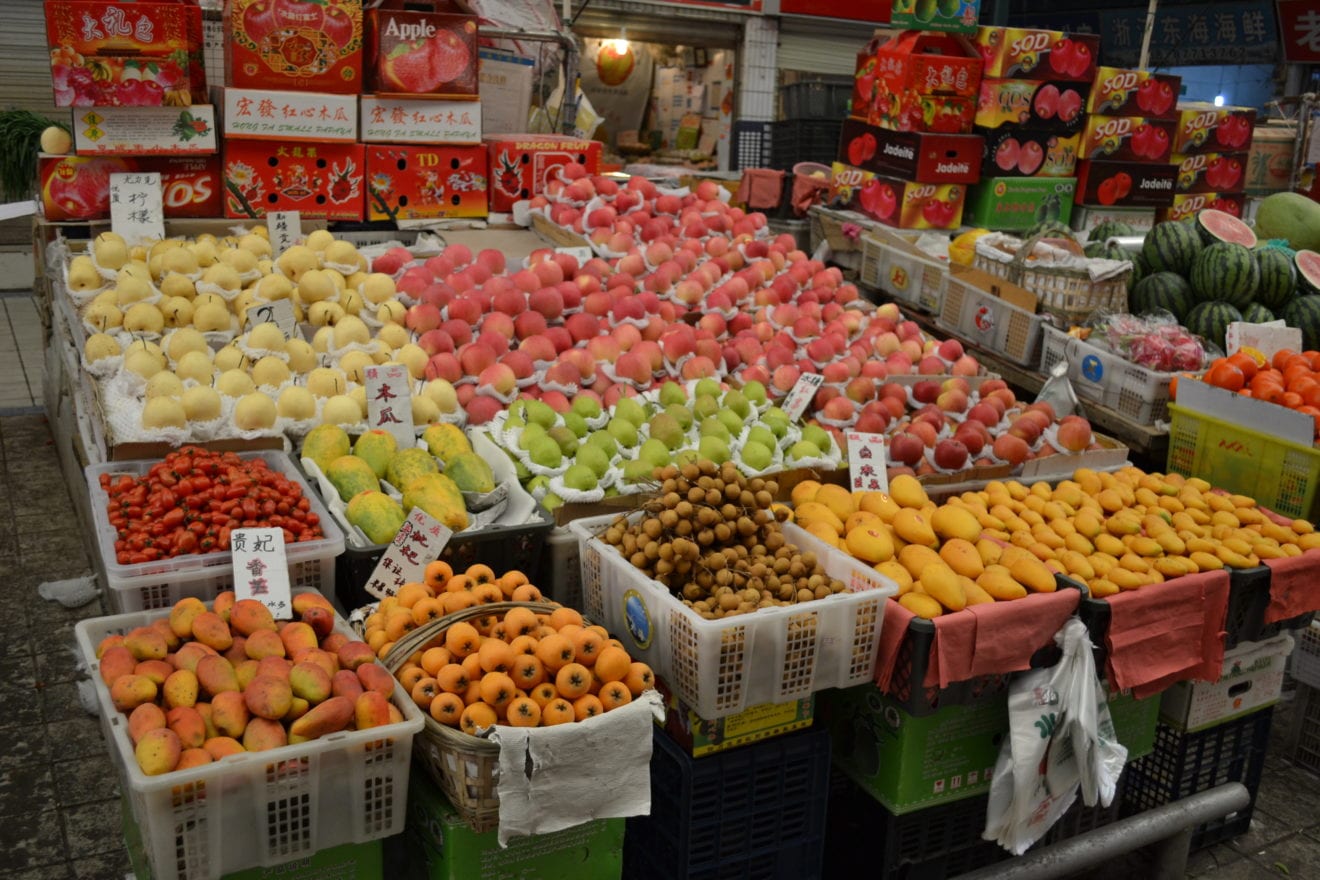
    So far, most of their fresh fruit products are only consumed by locals buying from nearby markets due to a lack of infrastructure, making it expensive to deliver fruit across the country, let alone export them.

    Indonesian fruit exporter EK Prima Ekspor Indonesia, a subsidiary of the United Arab Emirates’ retail giant LuLu Group International, knows firsthand how selling prices at the consumer level end up depending more on transportation costs than on production costs.

    “Transportation — from farmers to warehouses to airports and finally to the destination country — is very expensive. If our unique fruit doesn’t appeal to consumers, we could lose out to other countries, especially if they can produce similar fruit for cheaper prices,” said Irawan Santoso, head of the fruit and vegetable division of EK Prima.

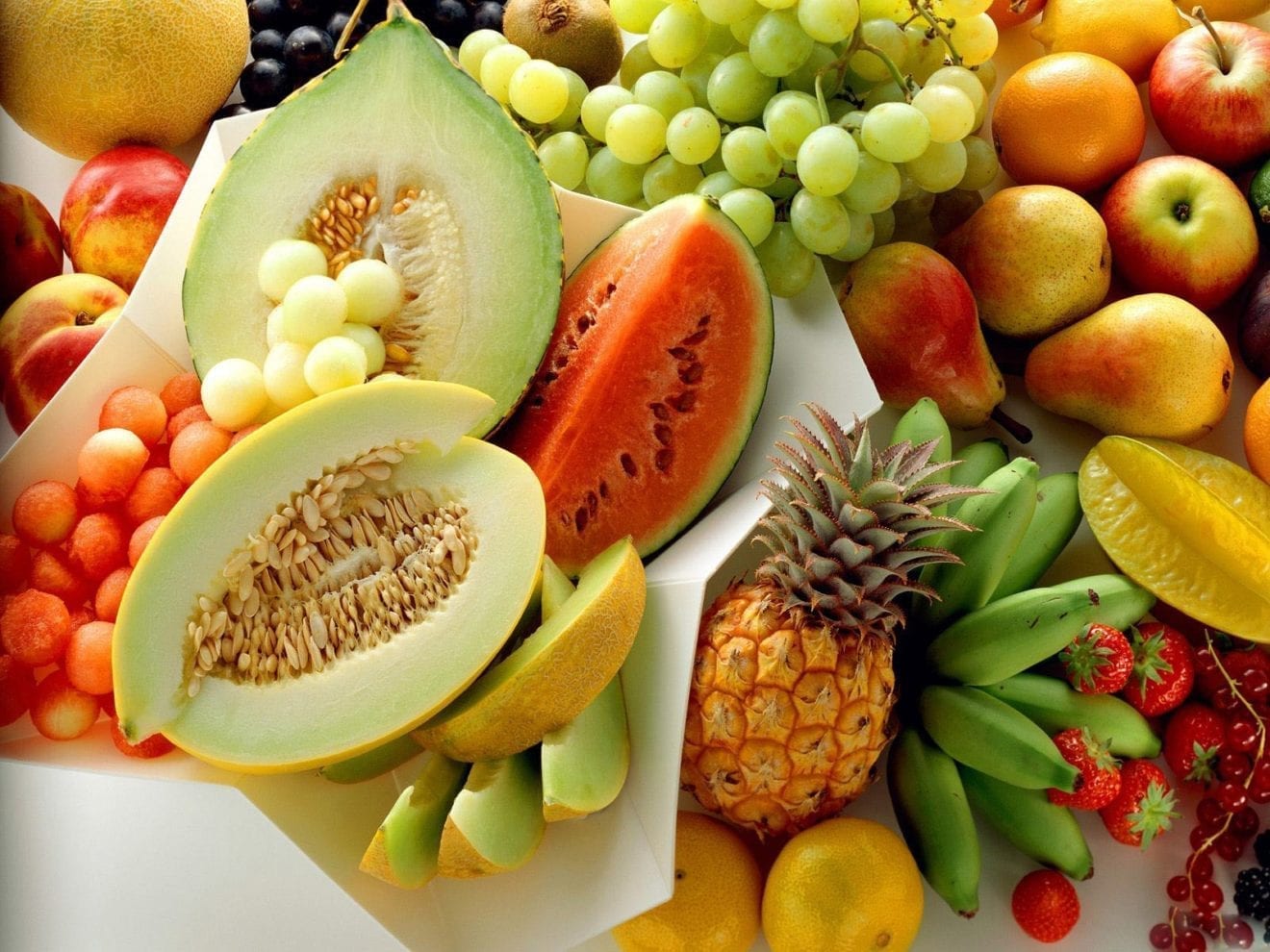
    Indonesia also has mangosteens, rambutans, snake fruits, jackfruits, soursops, breadfruits, guavas and starfruits that grow in the tropical country, but they are not frequently consumed globally or even domestically.

    The government aims to boost tropical fruit production by expanding land for fruit plantations while also improving infrastructure and transportation systems to decrease high distribution costs, as part of efforts to be the biggest tropical fruit producer in Southeast Asia by 2025 and in the world by 2045.

    President Joko “Jokowi” Widodo acknowledges that this is no easy task, especially with farmers’ preferences to use land for high-yielding commodities, such as palm oil, rather than fruit, which takes time to return on investment. Poor infrastructure has also driven up logistics costs for years.

    “If we can have 14 million hectares of oil palm plantations, we should also be able to have that much land for fruit,” Jokowi said during the opening ceremony of the four-day Fruit Indonesia Festival 2016 in the Jakarta Convention Center parking lot on Thursday. The President handed out various tropical fruits to children to remind people of the “love local fruit” movement.

    “If you see a lack of supporting infrastructure that could hamper distribution, please let us know,” he told the audience consisting of scientists, fruit planters as well as local and international trade delegates.

    To expand plantations, provincial administrations have been instructed to provide local farmers with 5 to 50 ha of land for fruit planting per business unit, as part of the bigger goal to provide 400,000 ha of land in Java, Kalimantan, Sulawesi and Sumatra.

    The program started with 100,000 ha in cooperation with state-owned companies. State plantation firms under PTPN also asked to start cultivating their under-utilized land for fruit production.

    “The state firms have been very enthusiastic to give sections of land for fruit plantations. They are used to producing palm oil, rubber, tea and other commodities but not fruit. So, a new management specializing in horticulture needs to be formed,” Bogor Agriculture Institute (IPB) rector Herry Suhardiyanto said.

    IPB is now studying a possibility to form another state company to develop horticulture based on the State-Owned Enterprises Ministry’s request.

    The business community is hopeful that the vision of becoming the world’s largest tropical fruit producer will be honored over time.

    “Let us not change the policy and vision every time we change presidents,” said Karen Tambayong, head of horticulture development with the Indonesian Chamber of Commerce and Industry.

  • Jamba Juice Opens First Location in Indonesia

    Jamba Juice Opens First Location in Indonesia

    Jamba Juice Company, a leading lifestyle brand with a passion for making healthful living fun, announced today that the Panen Lestari Internusa (“PLI”) group has opened the first Jamba Juice location in Indonesia. The store is located in the popular Central Park Mall, in Jakarta. PLI is a subsidiary of Mitra Adiperkasa (“MAP”), the largest retailer in Indonesia, with more than 1,800 retail outlets, a portfolio of 150 brands, and over 22,000 employees.

    The Jakarta store brings the total number of Jamba locations to 886 stores globally.

    “We are excited to introduce the Jamba Juice brand in Indonesia,” said Agus Gozali, Managing Director of PT, PLI. “Their menu of local fruit-based products are aligned with our consumers’ needs. Central Park Mall is one of the largest premium lifestyle malls in Indonesia and by adding a lifestyle brand like Jamba Juice to the mall we will ensure consumers have access to menu offerings that are both fit and fun. The Jamba store will be located at one of the mall’s major entrances, making it highly convenient for mall guests.”

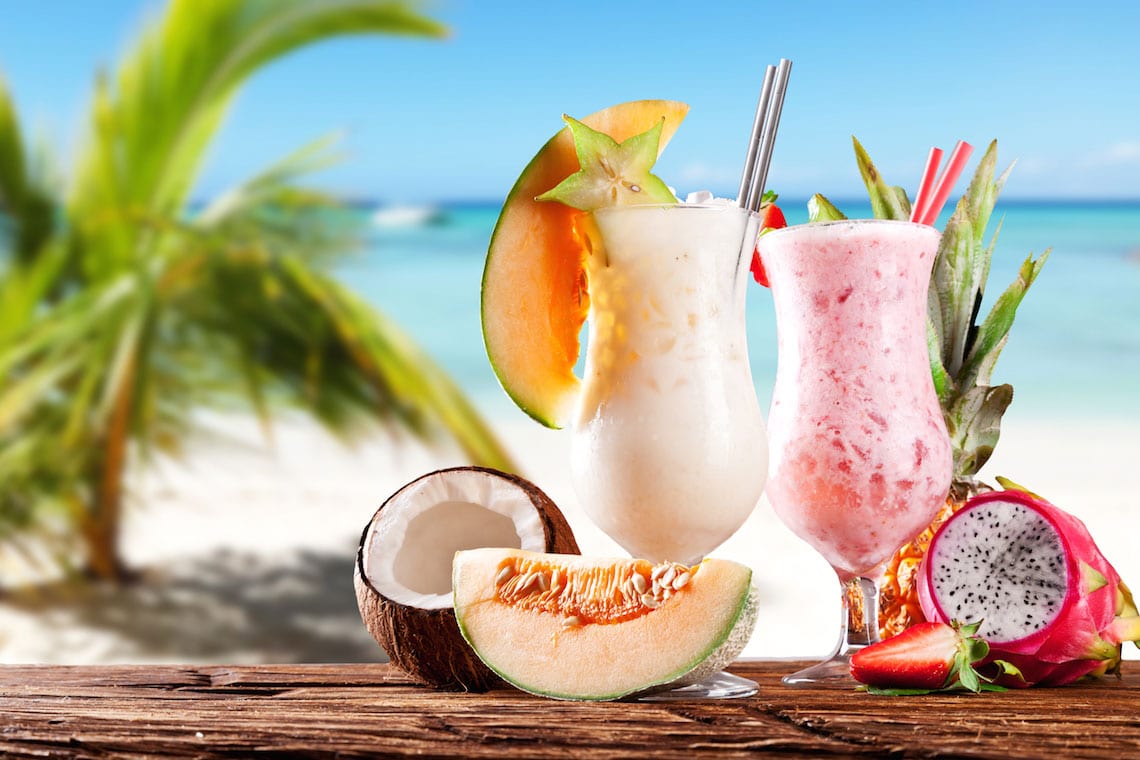
    In addition to Jamba’s top selling products like Strawberries Wild® and Banana Berry™, the Indonesian menu will include several local products featuring popular Indonesian fruits, including guava and dragon fruit.

    “The launch of our first Indonesian location is significant for the Jamba brand and business. We continue to see demand for our hand-made, premium products across the globe,” noted Arnaud Joliff, Senior Vice President, Chief Systems Officer and GM International at Jamba Juice. “We are very fortunate to be represented in Indonesia by such a knowledgeable, passionate and well-established partner as PLI. We look forward to many years of partnership as we build the Jamba Juice brand in Indonesia.”

    Jamba Juice is currently awarding franchise opportunities in other select markets around the globe. For more information, please visit www.jambafranchise.com.

  • Indonesia eyes US$9 billion in fruit, flower business

    Indonesia eyes US$9 billion in fruit, flower business

    The Agriculture Ministry is aiming to increase the value of Indonesian flower and fruit farming by Rp 120 trillion ( US$9 billion ) by pushing promotion, revitalizing plantations and boosting local fruit consumption.

    Indonesian fruit exports reached $37 million in 2015, a 30 percent increase from $28.9 million in 2014, said Agriculture Minister Amran Sulaiman.

    Indonesia’s main export crops are bananas, oranges, mangoes, papaya and pineapples, with the US, the United Arab Emirates, Singapore, China, Hong Kong, Spain and the Netherlands as the main destination countries.

    “Our fruit exports continue to increase on top of meeting our local demand,” Amran said at his office in South Jakarta, during the soft launch of the ‘Fruits and Flowers International Festival’ scheduled to run from November 17 to November 20 in Bogor, West Java.

    Meanwhile, Indonesia’s main export flower varieties are orchids, roses, jasmines, chrysanthemum and tuberoses.

    To increase fruit production, the government will provide 400,000 hectares of land in Sumatra, Java, Kalimantan and Sulawesi. The program has started with 100,000 hectares in cooperation with state-owned companies.

    Rector of Bogor Agriculture Institute ( IPB ) Herry Suhardiyanto said Indonesia must step up its fruit production to the plantation scale, focusing on 12 fruit commodities, including durian, orange, papaya and pineapple.

    “Fruits can be an instrument for food diversification that will make Indonesia the largest tropical fruits producer in the world by 2045,” he said, adding that the upcoming international festival could help achieve this objective.

    The four-day festival will feature 500 international trade visitors including importers, distributors and wholesalers from Asia, the United Arab Emirates, Australia, New Zealand, Europe and the US.

    It will also display seeds, fruits, flowers, flower and fruit products, agriculture equipment. It is expected to attract 10,000 visitors.

    In addition, there will be activities such as business matching, conference, export business coaching, a carnival and fruit and floriculture contests.

  • Malaysia brings tropical touch to Scandinavia

    Malaysia brings tropical touch to Scandinavia

    Malaysian-grown tropical fruits are taking centre stage at retail stores across Scandinavia for the second straight year. The Asian nation’s Agriculture Representative Office in The Hague (PPP The Hague), Netherlands, has extended it marketing activity in the Northern European region, which will see products such as mangoes, durian and jackfruit promoted across stores owned by Swedish retail group ICA AB.

    The campaign kicked off last week, following on from the success of similar promotional activity last year, which helped propel the value of Malaysian agricultural exports to Sweden to RM9,899,050 (US$2.4m), up from RM7,067,625 (US$1.7m) in 2014.

    “This proves that the Swedes have become more inclined towards Malaysian agriculture products, which has a certain uniqueness and quality to it when compared to similar offerings from neighbouring countries,” Mohammad Wafiuddin Esa, Malaysia’s second secretary of Agriculture.

    The promotion is being coordinated by PPP The Hague, ICA AB, DRS Trading and EMA’S International AS.

  • China Fruits boosts retail network

    China Fruits boosts retail network

    Chinese fruit wholesaler and exporter China Fruits Corporation expanded its store network to 64 shops in 2014.

    The franchised network, built and operated by its subsidiary Taina International Fruits, stood at just 13 at the end of 2013. Now the company is set to expand the branded store network nationwide.

    CFC specialises in tangerines, which it grows, as well as wholesaling and exporting produce. But it is find retailing a lucrative arm of the business, catering to the increasing number of Chinese seeking fresh produce from reliable sources in the wake of a growing number of food safety scares in recent years.

    Besides its physical store network, China Fruits is selling on more than 10 well-known e-commerce platforms, including Tmall, JingDong mall, Taobao, yhd.com, Gome.com.cn – and has built its own official online store.

    In 2014, the Taina Fruits eCommerce generated approximately $1 million in revenue, representing a growth rate of 100 per cent every month. It has been rated number one in online sales of fresh fruit in Beijing area since its launch in August 2014.

    China Fruits says it achieved a Chinese eCommerce record last year, selling 218 tons of winter jujube fruit within just 39 days.

    “We plan to devote into developing e-commerce in 2015, which is going to be a significant component of our business expanding strategies,” said Quanlong Chen, chairman and CEO of the US-listed China Fruits Corporation.

    “Being a leading company of fruit e-commerce in China is always our goal and direction.” The company has raised capital internationally to strengthen its branded franchise fruit retail stores and plans to “dig deeply in this niche”.