Tag: fruit

  • Taoyuanming Shanghai tests automated stores

    Taoyuanming Shanghai tests automated stores

    Swedish-Chinese firm MobyMart is expanding its automated store format in China in collaboration with Shanghai fruit retailer Taoyuanming. Two stores are operating, one in Hefei and one outside Shanghai. While expansion in the region is the firm’s priority this year, its long-term sights are set on Europe and North America. According to brand co-founder Per Cromwell, MobyMart initially opened a corner-store-format mobile vending platform for coffee, which evolved into MobyMart, a mobile platform for “vending everything”.

    “We found a very visionary fruit retailer in the suburbs of Shanghai, Taoyuanming, and basically they had physical stores but they wanted to have unmanned stores,” said Cromwell.

    “We saw that we didn’t actually need to make too many adjustments to our existing system because basically what we had to do was pre-pack all the fruit — we needed to have fixed units and not have people buying by weight … and when we opened it up to the public it was an instant success.”

    The store carries around 50 SKUs at a time.

    Taoyuanming is reportedly so pleased with the results that two more automated stores are scheduled to open early this year, which may be followed by staffless stores if successful.

    The firm’s strategy is to provide a platform to small retailers.

    “If you are for instance a fruit store outside Shanghai and you want to expand from a few stores to 10 stores in your neighbourhood, then you can’t really start buying BingoBoxes because it’s quite complicated and expensive technology,” says Cromwell.

    The MobyMart model relies on customers scanning their product, while cameras and sensors serve as a back-up. This  “very simple technology” allows for opening “a lot of stores at a very low cost,” Cromwell says.

    “It won’t be 100-per-cent staffless because you still need someone circulating the store and making sure everything’s fine and restocked, but one person in one day can operate eight to 10 stores depending on how spread out they are. So you have much more efficiency with the staff you do have.”

    He added that AI and big data will help store operators know what products will be needed at what locations and at what time.

    “If we have a request of some sort, that is something that will also solve the last mile problem,” he said.
    The whole store and system is expected to retail for around US$15,000. MobyMart also has a prototype mobile store with automated driverless vehicle capacity – although its rollout is restricted by legislation around the technology.

  • Vietnam fruits, vegetables struggle to enter overseas market

    Vietnam fruits, vegetables struggle to enter overseas market

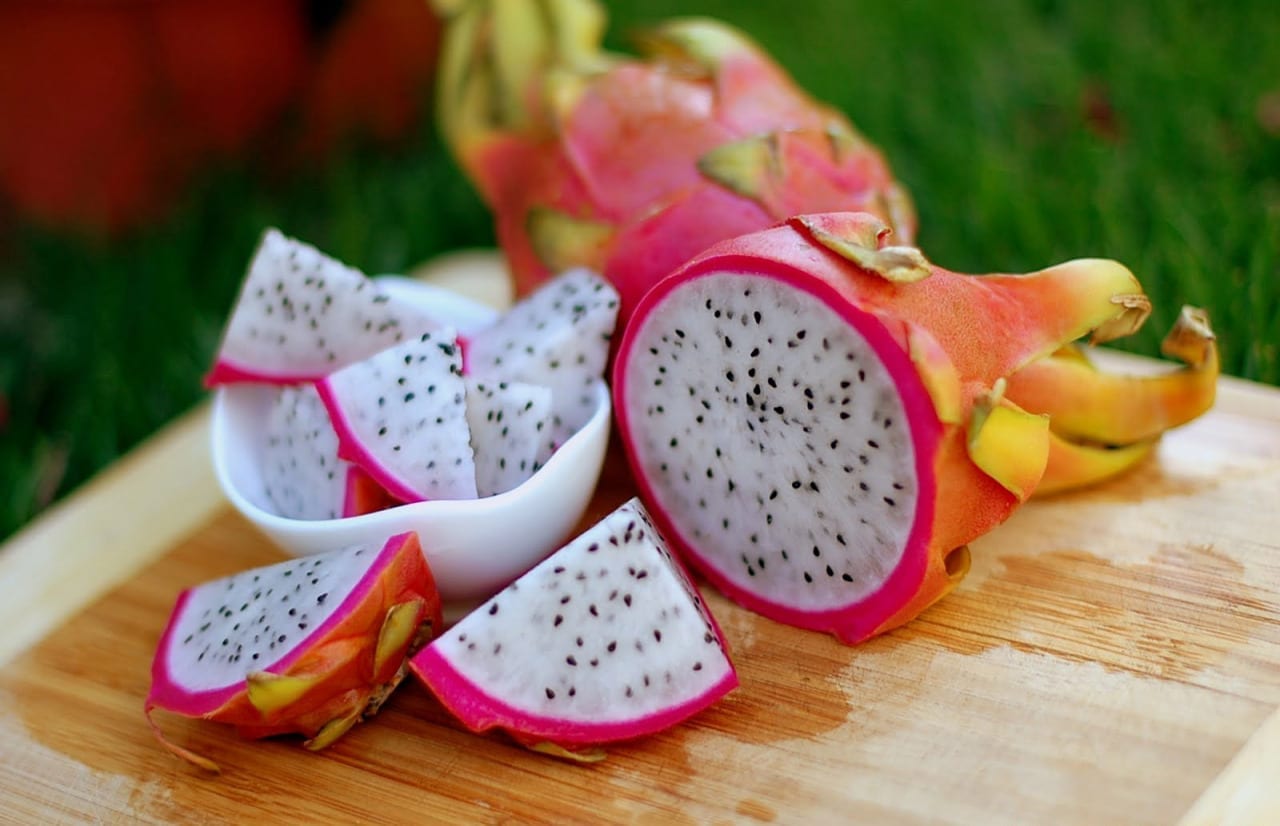
    Dragon fruit, which accounts for 40 percent of Vietnam’s fruit and vegetable exports in value, is facing the biggest challenge as China, which used to buy 80-90 percent of Vietnam’s dragon fruit mainly through border gates, has tightened the import through the channel. The importer has also improved standards on quarantine and food safety and origin tracking to Vietnamese fruits, including dragon fruits.

    Facing the difficulties, many traders have recently stopped buying the fruit in some major growing regions.

    As a result, prices of the fruit have plummeted. Recently farmers in Binh Thuan Province told VnExpress that prices are down 90 percent to VND1,500-2,000 ($0.06-0.08) per kilogram.

    Vietnam’s dragon fruit exports might see more pain since China may reduce purchases after expanding its own cultivation, warned by industry insiders. Saigon Giai Phong Online quoted Vietnam’s Plant Protection Department as saying China has planted dragon fruit on 20,000 hectares in places such as Guangxi and Hainan. The department said this area would increase to 30,000 hectares next year. Chili, which accounts for a third of Vietnam’s total vegetable export value, is struggling in the Malaysian market. Malaysia is among the three largest buyers of chili from Vietnam along with South Korea and China.

    But it announced to cease licensing the import of chili from Vietnam from September 14 after detecting excessive residues of plant protection products in chili shipments.

    Together with dragon fruits and chilli, papaya has struggled to enter overseas market.

    The South Korean Ministry of Food and Drug Safety has informed Vietnam’s Plant Protection Department that it discovered genetically modified papaya in shipments from Vietnam.

    South Korea does not allow entry of genetically modified organism (GMO) products.

    A spokesperson for a large papaya exporter in southern Long An Province said that farmers knew about this policy, and some GMO fruits went into the consignments despite their efforts to prevent it.

    It is working with farmers to grow non-GMO fruits, the spokesperson added.

    Nguyen Quoc Vong, a researcher in the GMO fruit industry, said the trend in developed countries is to consume non-GMO products.

    He warned that Vietnam would be shut out of high-end markets if it exports GMO products since food safety standards around the world are rising.

    “Our competitors like Thailand do not grow GMO produce, so they will have an advantage in high-end markets where we cannot compete,” local newspaper Thanh Nien reported him as saying.

    Vietnam earned $3 billion from fruit and vegetable exports in the first nine months of this year, up 15.2 percent over the same period last year, according to the General Statistics Office.

  • High air freight costs for Vietnamese fruit exporters

    High air freight costs for Vietnamese fruit exporters

    The shipping fee per kilogram of fruit can be three times higher than the price at farmer’s garden. Vietnamese fruit exporters are struggling to stay competitive due to high air freight costs compared to other countries.

    Fruit exports from Vietnam to European countries are subject to a $3.2 per kilogram shipping fee, 44 percent higher than Thailand’s at $1.8, Dam Quang Thang, CEO of Agrice VN, told. Thang’s company is exporting mango, longan, dragon fruit and lychee at a cost up to three times higher than their price at farmer’s garden.

    Exports to Shanghai, China are also facing high air freight fee of $1.8 per kilogram, while the cost is $2.6 from Vietnam to Australia, Thang said.

    As fruits are preferred to be consumed fresh, shipping by sea is not appropriate as the long duration can rotten the produce. However, high air freight costs are pushing up prices of Vietnamese agricultural products overseas, said Ta Duc Minh, Vietnam’s commercial counsellor in Japan at an agriculture conference in February.

    In Japan, Vietnamese mango is priced higher than that of Ecuador and Thailand, even though the distance from Vietnam to Japan is shorter compared to those countries, Minh said.

    Additionally, promotion of agricultural trade is also facing many difficulties due to the increase of protectionism in countries such as the U.S., China, Japan and the European Union, said Tran Van Cong, deputy director of the Department of Agricultural Product Processing and Marketing under the Ministry of Agriculture and Rural Development.

    Negotiations to open foreign markets to Vietnamese agricultural products are difficult and usually take five to seven years to complete. Competition is increasingly fierce in terms of price, quality, design and food safety, Cong said.

    Vietnam’s agriculture products export turnover reached $36.3 billion last year. This year, the country plans to reach $40.5 billion.

  • Vietnam’s fruits getting popular in Japan

    Vietnam’s fruits getting popular in Japan

    Vietnamese fruit is making its presence felt in the Japanese market, with the country registering a turnover of US$170 million in 2017 through the export of fruits and vegetables, a year-on-year increase of 70 per cent.

    This was revealed by Tạ Đức Minh, Vietnamese trade counsellor to Japan, during Japan’s largest international food and beverage exhibition, Foodex Japan 2018, which opened on Tuesday in Chiba city.

    Up to 20 Vietnamese enterprises from various cities and provinces, such as HCM City, Hà Nội, Nghệ An, Bắc Giang, Ninh Bình, Đồng Tháp, Bến Tre, Cần Thơ, Kiên Giang, Lâm Đồng and Cà Mau, which are active in the field of agro-fisheries and food export, took part in the event.

    The event offers Vietnamese businesses opportunities to promote their exports in the Japanese and other Asian markets. Besides this, it is an opportunity for Việt Nam’s firms to develop new export items, sign valuable export contracts, and promote a wide range of Vietnamese food and agricultural products.

    At the expo, Vietnamese firms displayed products such as fruits and vegetables, seafood, cod-liver oil, organic pepper, seedless lemons, rice products, Phú Quốc sauce, various biscuits and juices.

    Earlier, Vietnamese products were exported to Japan in the form of semi-finished products; however, recently, Vietnamese enterprises have focused on investment and technology cooperation with Japanese enterprises, helping Vietnamese products meet the quality standards of the Japanese market, Minh added.

    The four-day exhibition attracts 3,350 firms from 80 countries and territories worldwide, and is expected to welcome some 85,000 visitors.


  • Vietnamese fruits struggle to gain foothold in international markets

    Vietnamese fruits struggle to gain foothold in international markets

    Vietnam is struggling to find international buyers for its tropical fruit, despite having been licensed to export by demanding markets such as the U.S, Australia, Canada and Japan.

    Starting December 29, the U.S. Department of Agriculture will allow imports of fresh mangoes from Vietnam, following in the footsteps of dragon fruit, rambutan, lychees, longan and star apple.

    Earlier this year, Australia also opened its doors to fresh dragon fruit imports from Vietnam after nine years of negotiations. Vietnam delivered its first dragon fruit shipment to the market in September, becoming the sole country allowed to ship the fruit to Australia to date.

    But despite these breakthroughs, strict requirements still make it difficult for fresh fruit to enter these markets.

    Mango exports to the U.S. are a prime example. Fresh mangoes from Vietnam will be subject to regulations that include orchard requirements, irradiation treatment and port of entry inspections.

    The fruit must also be imported in commercial consignments accompanied by a phytosanitary certificate issued by Vietnam’s Plant Protection Department.

    Even if these requirements are met, sales of Vietnamese mangoes are not guaranteed as they depend on consumer tastes and distribution, said Dam Quang Thang, CEO of fruit exporter Agricare Vietnam.

    In addition, local mangoes may find it hard to compete with those from Mexico, which has the biggest mango output in the Americas at over 1.5 million tons each year. Mexican mangoes are good quality and meet U.S. import requirements, he added.

    It’s too early to say if Vietnam will be able to export 3,000 tons of fresh mangoes to the U.S. each year as planned, equivalent to one percent of U.S. import volume and its total domestic output, Thang said.

    Another obstacle to fruit exports is high transport fees that raise retail costs in overseas markets.

    For example, Vietnamese dragon fruit is sold for $8 per kilogram in the U.S., 10 times higher than prices in the local market, while Vietnamese lychees are sold for $16 per kilogram in Australia, 16 times higher than at home, according to some fruit exporters.

    Vuong Dinh Khoat, director of local fruit exporter Hugo, said aviation fees often account for more than half of Vietnamese fruit export prices.

    A representative from a fruit exporter in the southern province of Binh Duong said her firm had to temporarily halt shipments of mangoes to Japan because of high transport fees that made the product uncompetitive.

    She said her firm had to pay an aviation transport fee of $1.8 per kilogram of mangoes shipped to Japan, 50 percent higher than that paid by Thai exporters despite the shorter distance.

    Explaining the issue, she said many countries like Australia and Thailand offer transport subsidies to domestic traders to boost exports.

    Together with high aviation fees, poor trade promotions have limited Vietnam’s fruit export expansion. Despite infiltrating the U.S., local fruits are only sold in a limited number of places, such as California and New York, due to inefficient promotional activities, according to the Vietnam Fruit and Vegetable Association.

    To boost exports, the Vietnamese government should subsidize transport fees for local fruit exporters without violating its international commitments, according to industry insiders.

    Meanwhile, producers should try to apply new cultivation models and set global food safety standards as their top priority, they added.

    Major foreign currency earner

    Vietnam’s total fruit and vegetable exports hit $3.2 billion in the first 11 months of this year, marking a jump of 43.1 percent on-year and leaving other key agricultural exports far behind.

    A growing appetite among foreign consumers for Vietnamese fruit is expected to reduce the country’s reliance on China, which accounted for 70 percent of Vietnam’s fruit and vegetable exports in 2016. Local fruits are now exported to 60 countries and territories.

    At a recent session of the legislative National Assembly, Nguyen Thien Nhan, the chief of Ho Chi Minh City’s Communist Party, called for the government to focus on helping farmers grow fruit and vegetables for export to combat rural poverty.

    Last year, total export revenue from fruit and vegetables surpassed that of crude oil, Vietnam’s key export, for the first time, he said, citing that Vietnam earned $2.4 billion from shipping crude oil and $2.45 billion from fruit and vegetable exports.

    The growth of crude oil exports has slowed over the past five years, while fruit and vegetable export revenue has increased 30 percent each year, he added.

    “Fruit and vegetable export value will reach an estimated $9-10 billion by 2020, higher than crude oil even at its peak,” Nhan told legislators.

    Minister of Agriculture and Rural Development Nguyen Xuan Cuong said his ministry is reviewing farming production to help rural areas make the most of their local conditions.

    Each commune should focus on certain products for export, he said.

    “We have nearly 9,000 communes nationwide with different climate conditions and the potential to grow specialty fruit and vegetables that would create huge export earnings,” he added.
  • Record numbers for Asia Fruit Logistica

    Record numbers for Asia Fruit Logistica

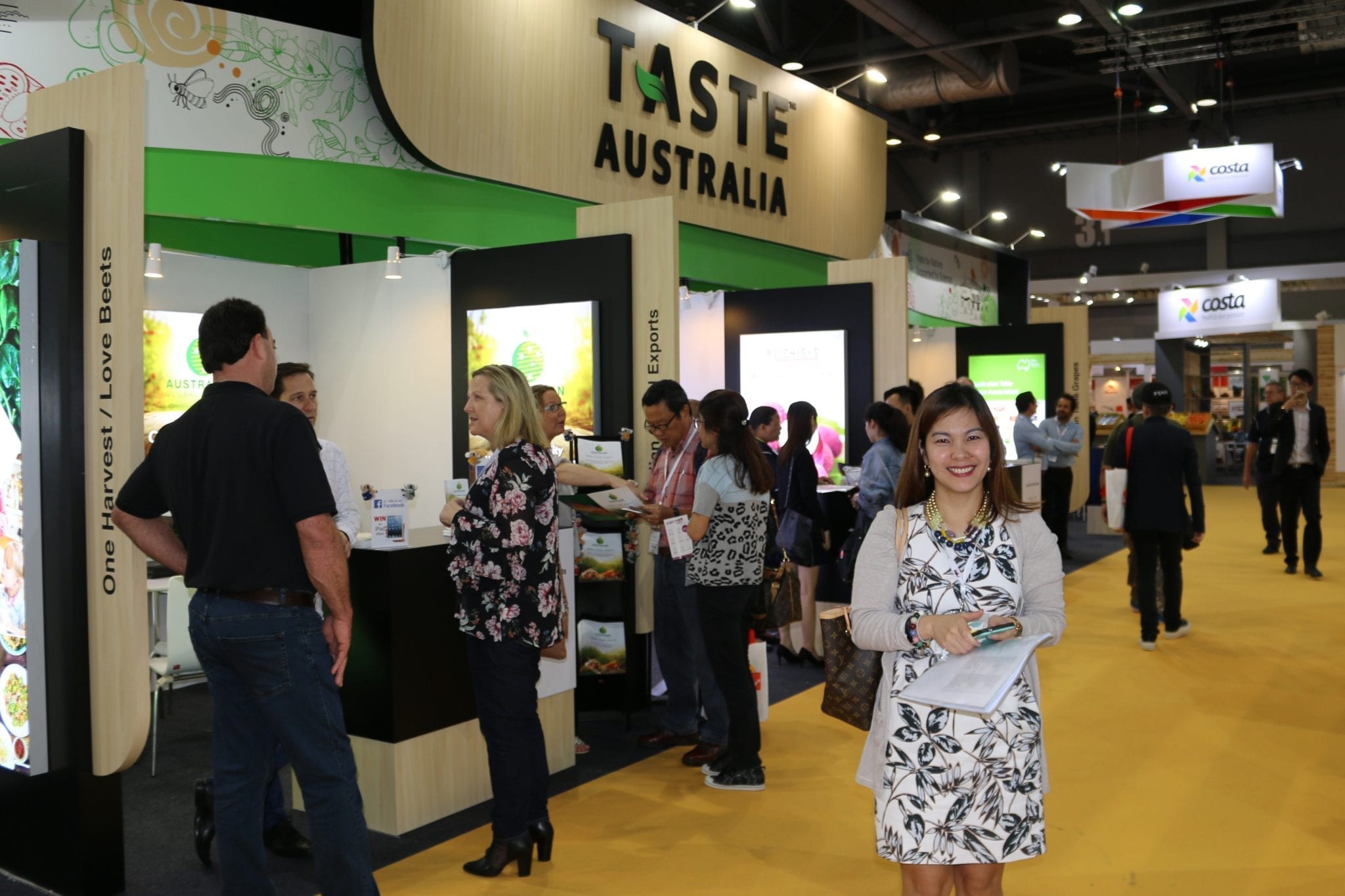
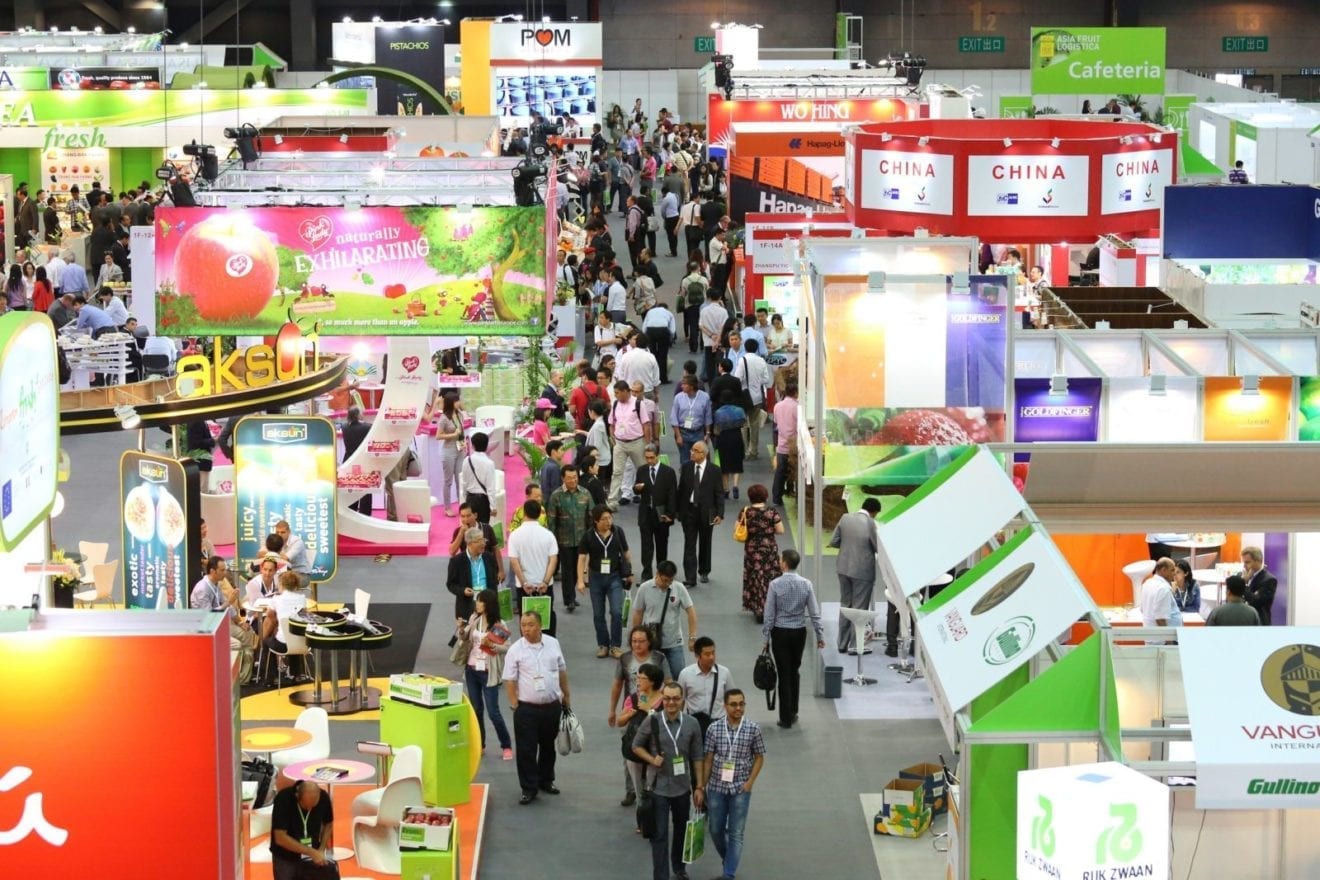
    Asia Fruit Logistica was a hive of business activity recently, with more than 13,000 trade visitors from 76 different countries pouring through the doors of AsiaWorld-Expo in Hong Kong on 6-8 September 2017. Visitor numbers were up by 16 per cent on last year’s event, setting a new attendance record.

    Opening Press Conference: (L-R) Wilfried Wollbold, commercial director Asia Fruit Logistica; John Hey, editor Asiafruit Magazine; Chris White, managing director of Asiafruit’s publisher Fruitnet Media International.

    Some 70 per cent of visitors came from Asia, with 20 different markets across the Asia-Pacific region represented. The main origins in terms of visitors were China, Hong Kong, India, Taiwan, Korea, Malaysia, Indonesia, Singapore, New Zealand, Japan and Australia.

    “We’re delighted with the dynamic business activity on the show-floor during Asia Fruit Logistica this year,” said Wilfried Wollbold, commercial director of organiser Global Produce Events. “The results underline Asia Fruit Logistica’s role as the leading continental trade exhibition for the fresh produce business in Asia.”

    Visitors to Asia Fruit Logistica found a show that had expanded by almost a third compared with last year’s event in terms of exhibition space. Exhibitor numbers increased by more than 150 on the 2016 edition. A total of 813 exhibitors from 43 different countries took part, while 24 national pavilions featured at the event.

    China remained the single-largest exhibiting country at Asia Fruit Logistica, with bookings and company participation expanding by more than 50 per cent compared with last year’s event. The other leading exhibiting countries were Italy, Egypt and Australia, which ranked second, third and fourth respectively in terms of exhibitor bookings.

    Spain leapt into the top five exhibiting countries for the first time with more than 40 Spanish companies showcasing their products and services. South Africa surged into sixth place, with exhibitor numbers tripling to 33 companies.

    Close to half of all exhibitors at Asia Fruit Logistica came from the Asia and Oceania regions. Europe made up almost a quarter of all exhibitors, followed by the Americas (15 per cent), Africa (12 per cent) and the Middle East (four per cent). Five countries also made their debut appearance as exhibitors at the show, including Costa Rica, Finland, Jordan, the Ukraine and Uzbekistan.

    AsiaFruit Congress offers expert insights

    Asia Fruit Logistica offered visitors an unrivalled combination of business, networking and information opportunities. It all got under way with the AsiaFruit Congress, Asia’s premier fresh produce conference event, which took place on Tuesday 5 September, the day before Asia Fruit Logistica opened its doors. More than 400 high-level industry professionals from around 40 different countries attended the conference, which was addressed by expert speakers covering a range of hot topics.

    AsiaFruit Congress opened with a session exploring the rapidly changing food retail landscape in Asia. Shirley Zhu, who leads the South East Asia research programme for global food and grocery analyst IGD, provided a macro-view of the key trends in Asia’s food retail market. The session then zoomed in on the merging of online and offline (O2O) retail channels. AsiaFruit Congress moderator Chris White interviewed Paul Sheh of Alibaba-backed O2O retailer Hema Supermarket, followed by Walmart China’s Winstone Chee and Sam’s Club China’s Yoep Man, about their respective strategies.

    In the other general sessions at AsiaFruit Congress, Zespri’s global marketing manager Jiunn Shih delivered a dynamic insight into consumer-centric fresh produce marketing, while Rabobank’s chief Asia-Pacific strategist Michael Every offered a thought-provoking perspective on the changing global trade landscape.

    Asia Fruit Awards: celebrating excellence

    AsiaFruit Congress also hosted the presentation of the Asia Fruit Awards. Presented by Asiafruit Magazine and Asia Fruit Logistica to celebrate excellence in Asia’s fresh produce business, the Asia Fruit Awards recognise Asia’s best companies in the fields of marketing, importing and produce retailing.

    Major apple and pear cooperative Belgian Fruit Valley won the Marketing Campaign of the Year for ‘Truval Pears’, a long-running campaign to develop new markets for a new product across Asia. Freshmart Singapore took out the Importer of the Year Award, while the Produce Retailer of the Year Award went to Alibaba-invested O2O retailer Hema Supermarket.

    More information opportunities on the show-floor

    Visitors to Asia Fruit Logistica found plenty of information opportunities on the show-floor with two Hall Forums this year. Hall Forum One – the AsiaFruit Business Forum – offered practical workshops covering topical subjects in the fields of packaging, marketing, and production and trade

    Hall Forum Two turned the spotlight on the worlds of hi-tech and logistics. Each morning, Smart Horticulture Asia explored data management and disruptive technologies at different stages of the supply chain. Each afternoon, Cool Logistics Asia offered practical workshops on cold-chain management covering a range of issues, from the future of container shipping to exporting to Asia by air.

    The next edition of Asia Fruit Logistica takes place on 5-7 September 2018 at AsiaWorld-Expo Center in Hong Kong. AsiaFruit Congress takes place on 4 September at the same venue.

  • Sunkist Growers seeks to bear fruit in Thai market

    Sunkist Growers seeks to bear fruit in Thai market

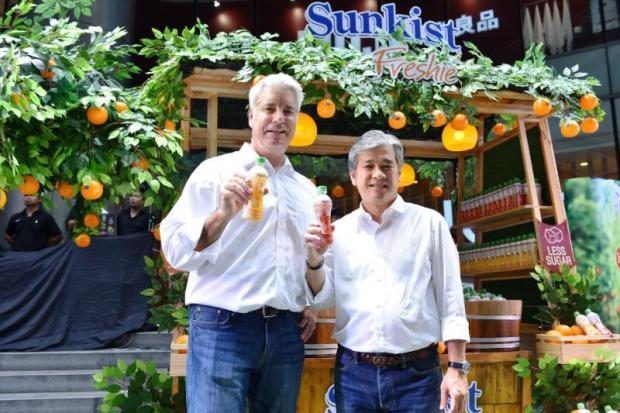
    David Bolton Director – Global Licensing, Sunkist Growers Inc (left) and Apirak Kosayodhin Chairman & CEO, V Foods Corporation Co

    Sunkist Growers Incorporated, a US-based citrus growers’ non-stock membership cooperative, has expanded its Sunkist Freshie brand to the Thai market.

    Thailand is now the 49th licensee country to make and market the products being produced by the 120-year-old cooperative, which brings together 6,000 members from California and Arizona.

    Sunkist has signed a contract with Thai firm V Foods Corporation to produce and market its drinks in Thailand for 10 years, with an option for another five-year renewal.

    V Foods Corp is owned by former Bangkok governor Apirak Kosayodhin.

    Sunkist brand product, including orange fruit juice and snacks, have been available in Thailand for over a decade, said David Bolton, director of global licensing at Sunkist Growers Inc, during a visit to Thailand yesterday.

    But this is the first time the company is launching two new orange juice flavours — Blood Orange Juice and Navel Orange Juice — in the Thai market. The drinks, with reduced sugar content, are aimed at more health-conscious consumers.

    Sunkist Freshie has been co-developed by Sunkist Growers Inc and V Foods Corporation exclusively for Thailand.

    Starting this month, the company began selling two Sunkist Freshie drinks at 7-Eleven convenience stores in Greater Bangkok, as well as in the East, said Mr Apirak.

    The beverage is expected to be available via all modern retail channels next year, he said.

    V Foods hired General Beverage Co to manufacture the beverage, while DKSH is handling the distribution.

    Mr Apirak said that the company added Sunkist to its product portfolio as a part of efforts to enhance V Foods as one of the country’s leading food and drink companies.

    “With over 20 years of experience in Thailand’s drink market, we believe there is still room for growth, due to the increasing number of health-conscious people, he said.

    Thailand’s beverage industry was valued at 13 billion baht last year, of which 2 billion baht belongs to the refreshment drink market. The segment boasts annual growth of 3-5%.

    Mr Apirak set up V Foods Corporation Co three years ago to distribute its own products, including “V Corn” brand sweetcorn, “V Farm” dried fruit and “V Kitchen soup”.

    The company also markets the popular Laotian ready-to-drink coffee, “Dao”, in Thailand.

    Sales of all products under V Foods was 200 million baht last year and is forecast to reach 250 million this year.


  • Vegetable and fruit exports face tough competition from imports

    Vegetable and fruit exports face tough competition from imports

    With turnover of $375 million in May, fruit and vegetables were among the biggest export items for Vietnam, while imports of the same equalled $183 million.  The high export turnover of $375 million represented a sharp increase of 75 percent in comparison with the same period last year.

    The increase of $161 million in vegetable and fruit export turnover made up 26 percent of the total exports increase of 13 key farm produce and agriculture material items.  Analysts said the target of $3 billion in vegetable and fruit export turnover this year is within reach.

    However, Vietnam, which takes pride as a big vegetable and fruit exporter, also had to import $183 million worth of products in May, a sharp rise of 79 percent compared with the same period last year, raising the import turnover to nearly half a billion of dollars in the first five months of the year.

    Nguyen Dinh Bich, a trade expert, pointed out big problems in the market structure. The exports to the Chinese market have been increasing rapidly from less than 30 percent in 2014 to 65 percent in 2015.  The growth rate exceeded 70 percent in 2016, while it reached 75.5 percent in the first five months of 2017. In 2014, Vietnam exported $435 million worth of products to China, but exported $1.054 billion to other markets.

    The trend reversed in 2015: while exports to China increased sharply by $760 million in turnover to $1.195 billion, exports to other markets decreased by $410 million to $644 million. The same situation was seen in 2016 and the first five months of 2017.

    “Do Vietnam’s fruit flow to China’s Guangxi province to be sorted and labeled as ‘made in China’ for re-export to the world market?” Bich asked, emphasizing that Guangxi is China’s ‘fruit granary’ with output of 359 kilos per head per annum,1.8 times higher than the average level of the country.

    Imported fruits are displayed in advantageous positions at supermarkets for the upper and middle class, and sold at high prices.

    Thai exporters enjoy big benefits from the Vietnamese market. In May 2015, Vietnam imported $13 million worth of fruit from Thailand, which accounted for one-third of total fruit import turnover.

    Meanwhile, the figure soared to $38 million in May 2016 and to $129 million in May 2017.

  • Big growth for Asia Fruit Logistica

    Big growth for Asia Fruit Logistica

    Asia’s premier fresh fruit and vegetable trade show is set for another record-breaking year on 6-8 September 2017 in Hong Kong. With more than two months to go before Asia Fruit Logistica opens its doors at AsiaWorld-Expo, sales of exhibition space are up by 25% on last year’s total.

    Exhibitor participation from China – traditionally the largest single exhibiting nation atAsia Fruit Logistica – has increased sharply, with the Chinese pavilion expanding by 90% compared with last year’s event.

    Well over 11,000 top-level buyers and trade professionals from more than 70 countries are expected to attendAsia Fruit Logistica.

    Visitors can purchase their tickets online and make up to a 40% saving on their entrance fee compared with buying tickets on the door.

    Asia Fruit Logistica’s business week kicks off with the Asia Fruit Congress, Asia’s premier fresh produce conference event, which takes place the day before the exhibition on Tuesday 5 September.

    Asia Fruit Congress returns with a high-powered programme covering a range of hot topics. Fresh trends in Asia’s food retail market, delivering global brands to local consumers, and the changing global trade landscape are the headline themes on the agenda.

    On the show-floor at Asia Fruit Logistica, visitors can take part in two Hall Forums this year. Asia Business Forum offers daily workshops with practical ideas and solutions for better fresh produce marketing.

    Day one focuses on packaging, looking at its role in terms of both product preservation and merchandising.

    Day two is all about marketing, while day three looks at production and trade issues.

    Meanwhile, the second Hall Forum turns the spotlight on the worlds of hi-tech and logistics. Each morning, SMART HORTICULTURE ASIA, the forum for information management, standards and technology, will explore data management at different stages of the supply chain.

    Each afternoon, COOL LOGISTICS ASIA offers a new series of practical workshops on cold chain management. The wide-ranging programme looks at the future of container shipping, perishable logistics for beginners and exporting to Asia by air.

  • Vietnam’s fruit, vegetable exports growing

    Vietnam’s fruit, vegetable exports growing

    Minister of Agriculture and Rural Development, Nguyen Xuan Cuong said the export potential of fruits and vegetables is huge, with the products key to restructuring the sector.

    Cuong said the ministry has focused on promoting the use of modern technologies in agriculture, aiming to create quality products, thus improving the sector’s competitiveness and expanding export markets.

    “Exports of fruits and vegetables will grow in the upcoming time. The sector should develop association models for investing in hi-tech agriculture. Businesses should work with farmer collectives to establish concentrated raw material areas,” he added.

    The minister said growing the agricultural sector, and fruits and vegetables in particular, would largely depend on export value and changes in the market.

    However, if businesses and farmers build production chains of safe fruits and vegetables together with hi-tech agriculture development, the export target of US$3 billion this year will be reached, he said.

    Exports of fruits and vegetables hit $1.38 biliion in the first five months of this year, a year-on-year increase of 38 per cent.

    China, the US, Japan and South Korea markets accounted for nearly 84 per cent of total vegetable and fruit export value. Vietnamese fruits and vegetables have been exported to about 60 markets globally.

    Many farmers have applied the safe agricultural production processes of VietGap and GlobalGap, giving Vietnamese fruits and vegetables a foothold in foreign markets.

    According to the ministry of agriculture, restructuring of the sector is going well, with export structure focused on commodities such as coffee, rubber and fruit.

    Dinh Cao Khue, general director of Dong Giao Food Export Company said their products have been exported to 50 countries thanks to a closed supply chain of materials, collection, processing and trading.

    “We have invested in specialised and concentrated material areas. Product quality should be priorities for both local consumption and exports,” Khue said.

    Experts said export markets such as the US and Europe have potential but also high risk as they have strict requirements on product quality, so domestic producers should strictly follow health and safety requirements.

    Vu Kim Hanh, chairwoman of the Vietnam High-quality Product Association said local agricultural producers should change their mindset in production and organising supply chains. Each segment should have standards to satisfy export markets’ requirements.

  • Indonesia`s fresh pineapples enter Italian market

    Indonesia`s fresh pineapples enter Italian market

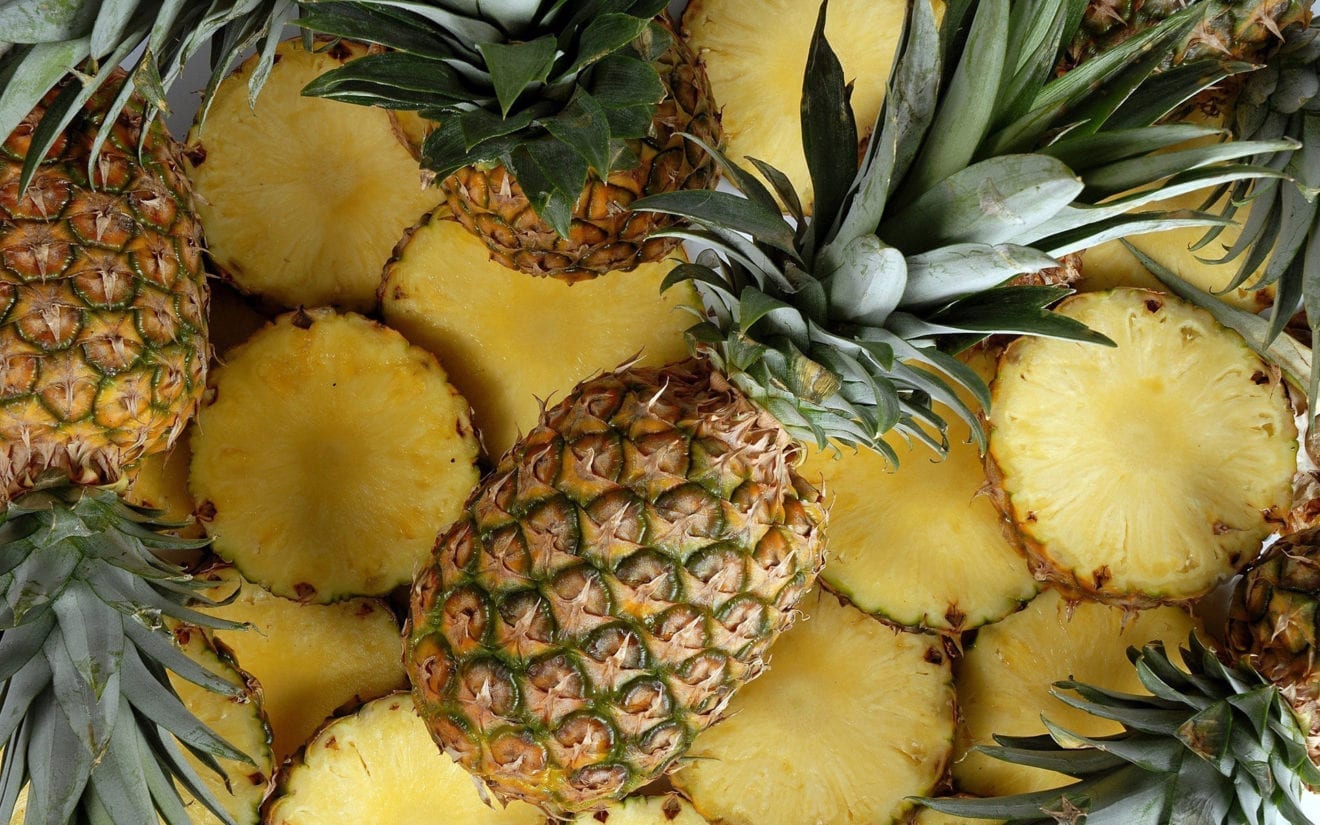
    Indonesian fresh pineapples can now be consumed by Italian consumers after a container holding 18 tons of the commodity arrived in Italys city port of Venezia over the weekend.

    The 18 tons of fresh pineapples were exported in a maiden shipment by PT Great Giant Food in cooperation with Italian importer SAMA SpA.

    SAMA is planning to import up to 20 containers of the commodity until the end of the year, Counselor Charles F. Hutapea of the Indonesian Embassy in Rome, told us in Jakarta on Saturday.

    Previously, the Italian consumers could only enjoy Indonesian pineapples in the form of canned product. The unloading of the maiden export of fresh pineapple was witnessed by Indonesian Ambassador to Italy Esti Andayani together with general manager of SAMA, Giorgio Masiero.

    Ambassador Andayani expressed happiness over the fact that Italian consumers are increasingly fond of Indonesian fresh pineapples which could compete with fruit from other countries.

    “So far, many kinds of Indonesian fruits are imported by countries in Europe and now Indonesian pineapples could also penetrate the Italian market,” she said.

    The Italian company previously imported pineapples from Caribbean and African countries with a length of delivery time of about three weeks.

    The length of time for the importation of pineapples from Indonesia is about four weeks.

    However, the longer period does not affect the quality of and shape of Indonesian pineapples. According to the agriculture attache, Yusral Tahir, in Rome, pineapple is one of the Indonesian mainstay types of fruit.

    Pineapple production is ranked third in the volume of Indonesias fruit outputs after bananas and mango. Almost all regions in Indonesia produce pineapples.

    Pineapple production centers in Indonesia included the provinces of Lampung, West Java, North Sumatra, East Java and Jambi.

    Indonesias pineapples production reaches 1.84 million tons with productivity of 117.5 tons per hectare.

  • Vietnamese fruits conquer Japanese market

    Vietnamese fruits conquer Japanese market

    Before bananas, white-flesh dragon fruits and mangos were constantly shipped to the Japanese market. Meanwhile, red-flesh dragon fruits reached Japanese consumers in March shortly after they were licensed for export to the East Asian country.

    Hidekatsu Ishikawa, President of Vient Co. Ltd, a Japanese importer, said Vietnamese bananas suit Japanese people’s taste and they are sold at competitive prices.

    To date, besides such key exports as garments, footwear and aquatic products, Vietnamese dragon fruits, mangos, frozen litchis and bananas have been present in Japan. Fresh litchis and star apples also see great potential in this fastidious market.

    According to Tran Thanh Hai, Deputy Director of the​ Agency for Foreign Trade under the Ministry of Industry and Trade, the Vietnam-Japan Economic Partnership Agreement (VJEPA) is entering a new phase, opening opportunities for Vietnamese exports.

    Vietnamese products, especially farm produce and aquatic products, will enjoy preferential tax rates in the Japanese market. Regarding aquaculture, tax will be cut down to 1.31 percent in 2019 from 5.4 percent in 2008. Thus, domestic enterprises should take full advantage to gain benefits, Hai stressed.

    He also recommended that exporters must ensure utmost quality for their products as Japan has put in place numerous technical barriers on agricultural imports.

    Meanwhile, a representative from the Japan External Trade Organisation (JETRO) also noted that packing and transportation should be paid special attention, ensuring that origin of agricultural products can be traced easily.

  • ‘Durian & Fruit Fest’ scheduled for Bangkok, Chiang Mai, Phuket

    ‘Durian & Fruit Fest’ scheduled for Bangkok, Chiang Mai, Phuket

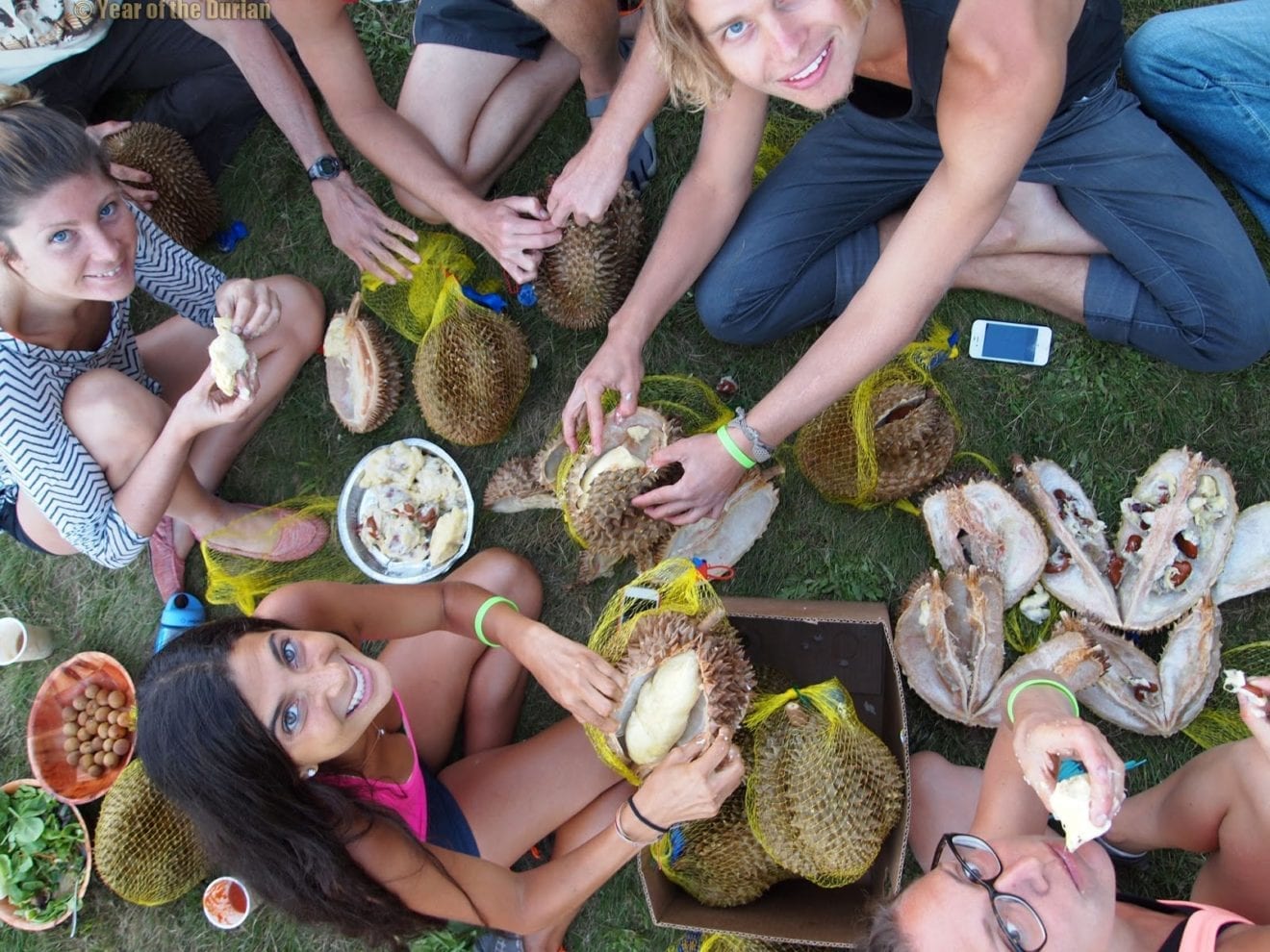
    By focusing on the “King of Fruits”, the durian, the company says it hopes to encourage fruit consumption on an international level.  Together with the Tourism Authority of Thailand, the Commerce Ministry and Central Pattana, Central Food Retail is organising the “Thailand Amazing Durian & Fruit Fest”. More than 300 Thai fruits and fruit-based processed foods will be served in buffet lines taking place in three popular tourist destinations, Bangkok, Chiang Mai and Phuket.

    Phattaraporn Phenpraphat, executive vice president for marketing and public relations at Central Food Retail, said Thailand’s excellent geographic location and pleasant climate created its potential to cultivate tasty fruits of fine quality, which are much appreciated by both Thais and foreigners.

    Fruit exports generate major income for the country. In March last year, the Office of Agricultural Economics forecasts that production of durian, rambutan, mangosteen, longan, langsat and lychee would total more than 2.3 million tonnes.

    As the operator of a supermarket business, Central Food Retail is an expert in selecting fresh, delicious and quality fruits from all over the country to provide to consumers. Last year, about 7,000 tonnes of 66 domestic fruits from 62 provinces were sold, the top 10 being banana, watermelon, other melons, durian, orange, mango, pineapple, papaya, longan and rambutan.

    This year, the company targets overall sales of 10,000 tonnes in 232 branches (as of May).

    The company hopes durian will be a selling point to promote this year’s Fruit Fest, boost Thai fruit consumption and attract more tourists.

    Last August, a durian buffet was held for the first time in Thailand – that month was in the late season for durian in the Eastern region and the harvest season in the South. Feedback from the event was excellent, the company says.

    Of the participants, 70 per cent were Thais and 30 per cent foreign tourists, mostly Chinese. According to a survey, the tourists were very pleased with the durian buffet. They said the price was reasonable and they wanted to come back if the buffet were to be organised again.

    “The company was really satisfied with the event last year,” Phattaraporn said. “It created a signature and an image of Thailand as the world’s destination for tropical fruit. Therefore, we are making the durian buffet one of our main events this year.

    “With the intention of encouraging fruit consumption and attracting tourists, we are cooperating with the Tourism Authority of Thailand, the Ministry of Commerce and Central Pattana to promote the event and create awareness among target markets, using two main strengths: the 17 types of durians and the locations of the buffets, namely Bangkok, Chiang Mai and Phuket.”

    At the event, there will be two zones, a buffet zone and a farmer’s market. In the buffet zone, there will be various kinds of Thai fruits, led by Monthong durian, the “Queen of Fruits” or mangosteen, rambutan, lychee, watermelon, banana, and papaya, along with more than 11 fruit products such as coconut water, Thai sticky rice with mango, and coconut-milk ice cream.

    In the farmer’s market, the highlights of the event will be gathered, for example, E-nak durian from Rayong province, which is quite rare, Koh Chang Chanee durian, durian Tteokbokki, durian Bingsu, crispy mangosteen, durian macaron, and durian Chinese pastry. Overall, there will be about 300 products in both zones.

    The Thailand Amazing Durian & Fruit Fest will be held in as follows:

    • Bangkok from May 24-31 at the Square A area in front of CentralWorld;

    • Chiang Mai from June 7-13 at the courtyard in front of CentralFestival Chiang Mai

    • Phuket from June 28 to July 4 at the courtyard in front of CentralFestival Phuket.

  • Vietnam fruit exports have to meet high standards in foreign markets

    Vietnam fruit exports have to meet high standards in foreign markets

    Vietnam is well known for its tropical fruits, but it has to meet many strict requirements by importing countries in order to export its fruit. GDC said Vietnam’s fruit export turnover in 2016 reached $2.46 billion, a sharp increase of 33.6 percent compared to 2015. Turnover has been increasing in the last three years: by 28.4 percent in 2014 and 23.7 percent in 2015.

    China remains the biggest market for Vietnam with exports increasing by 45.8 percent to $1.74 billion.

    China bought 70.4 percent of Vietnam’s fruit exports, while the US only consumed 3.4 percent, Japan 3.1 percent and South Korea 3.6 percent.

    However, in order to obtain the modest figure of 3 percent, Vietnam had to go through some hardships because the markets are all choosy.

    As for the Japanese market, for example, only some kinds of fruits, such as bananas, mango and dragon fruit, can be exported to the country as they have met the requirements set in Japan’s plant quarantine law.

    Vietnam’s Ministries of Industry & Trade (MOIT) and Agriculture & Rural Development (MARD) had to spend many years to persuade the Japanese side to remove the technical barriers against certain kinds of fruits.

    The company owned by Vo Quan Huy became the first Vietnamese enterprise selling Fohla brand bananas to Japan. About 2-3 containers of bananas are exported to the Japanese market each week.

    Huy said that before signing the contract on buying bananas, the Japanese side sent staff to his banana farms to take soil, water and air samples to bring to Japan for testing 230 physiological and biochemical indicators.

    The aim was to make bananas safe, clean and delicious, with no heavy metal residue, no bacteria, no pesticide residue and no growth stimulus.

    Australia is another fastidious market. It sets high requirements on farm produce imports, especially requirements on radiation that not many Vietnamese companies can satisfy.

    To date, only two kinds of fresh fruits have licenses to enter the Australian market – litchis (received in 2015) and mango (2016).

    A senior executive of a fruit export company said there is always an American expert from FDA in charge of checking fruit samples before putting fruit into radiation.

    If the expert discovers soil or insects on fruits, the whole consignment will be refused. The company once had one consignment of rambutan rejected.

  • Improved quality boosts export of fruits, vegetables

    Improved quality boosts export of fruits, vegetables

    Việt Nam’s fruit and vegetable export in 2016 hit US$2.4 billion, a 30 per cent increase over 2015, and exceeding the Ministry of Industry and Trade’s yearly target of $2.2 billion.

    According to the Vietnam Fruit and Vegetables Association, the result was attributed to efforts to seek new markets and keep traditional markets.

    In 2016, five types of fruits gained entry to four new markets — mangoes to Australia, dragon fruits to Taiwan (China), longans and lychees to Thailand and cashew to Peru — thus expanding the market for Việt Nam’s fruit and vegetable to more than 60 countries and territories.

    China continues to be the largest market for Việt Nam’s fruits and vegetables, accounting for some 70 per cent, followed by the Republic of Korea, the United States and Japan.

    Bùi Sỹ Doanh, from the Department of Plant Protection under the Ministry of Agriculture and Rural Development, said the department would continue negotiations on technical barriers to help more Vietnamese fruits and vegetables enter selective markets like the United States, Japan and Australia.

    In 2017, Việt Nam hopes to win import approval from Australia for its dragon fruits, approval from Japan for red-flesh dragon fruits and from the United States for star apples.

    Nguyễn Hữu Đạt from the Vietnam Fruit and Vegetables Association emphasised the need to further improve post-harvest preservation and processing technologies to meet demands for quality and diverse products in foreign markets.