Tag: fruit

  • Vietnam targets $10 bln worth of fruit, vegetable exports

    Vietnam targets $10 bln worth of fruit, vegetable exports

    A fruit and vegetable sector development plan approved by the government seeks to increase exports to $8-10 billion by 2030.

    Processed fruits and vegetables are expected to account for at least 30 percent of this, with two million tons expected to be shipped abroad, double the volume in 2020.
    The plan also seeks to attract investment to establish 50-60 medium and large-scale fruit and vegetable processing facilities with modern technologies that can compete in the international market.

    The government will offer incentives for such investment

    Existing fruit and vegetable warehouses and processing facilities will be upgraded, and farms, processing plants and distribution channels will be linked.

    Exports of fruits and vegetables fell by 13 porcent last year to $3.26 billion due to the impact of Covid-19, according to the Ministry of Agriculture and Rural Development.

    But exports to some countries with stringent quality standards, such as the U.S, South Korea and Japan, increased by 5-11 percent.

  • Vietnam, New Zealand to expand fruit trade this year

    Vietnam, New Zealand to expand fruit trade this year

    Vietnamese limes and pomelos could be exported to New Zealand soon, following a commitment made Wednesday during the first agricultural dialogue between the two countries.

    The virtual dialogue was co-chaired by Ray Smith, Chief Executive of the New Zealand Ministry for Primary Industries, and Dr Le Quoc Doanh, Vice Minister of Vietnam’s Ministry of Agriculture and Rural Development (MARD).

    A New Zealand embassy press release said the two leaders had confirmed their shared commitment to finalizing new fruit access for each other this year, so consumers can enjoy New Zealand strawberries and squash in Vietnam and Vietnam’s limes and pomelos in New Zealand.

    The two sides signed an Agriculture Cooperation Arrangement (ACA) after the dialogue.

    The ACA will enable both sides to advance their key agricultural interests in enhancing bilateral trade, reducing agricultural greenhouse gas emissions, promoting food safety, utilizing agriculture research and technology, and fostering rural development, the release said.

    The New Zealand Ministry for Primary Industries is already supporting agriculture cooperation with MARD through activities in plant health, veterinary epidemiology and electronic certification.

    These activities complement New Zealand’s ongoing development program in the country, which has a number of agriculture projects including one on premium fruit development in the southern province of Tien Giang, another on rural dam safety project in central Vietnam, and yet another on safe vegetables in central Binh Dinh Province.

    Smith and Doanh affirmed that the strategic partnership between the two countries has created a solid foundation for increasing bilateral agricultural cooperation and connections.

    Vietnam is New Zealand’s 14th largest trading partner, with two-way trade valued at over $1.4 billion as of September 2020.

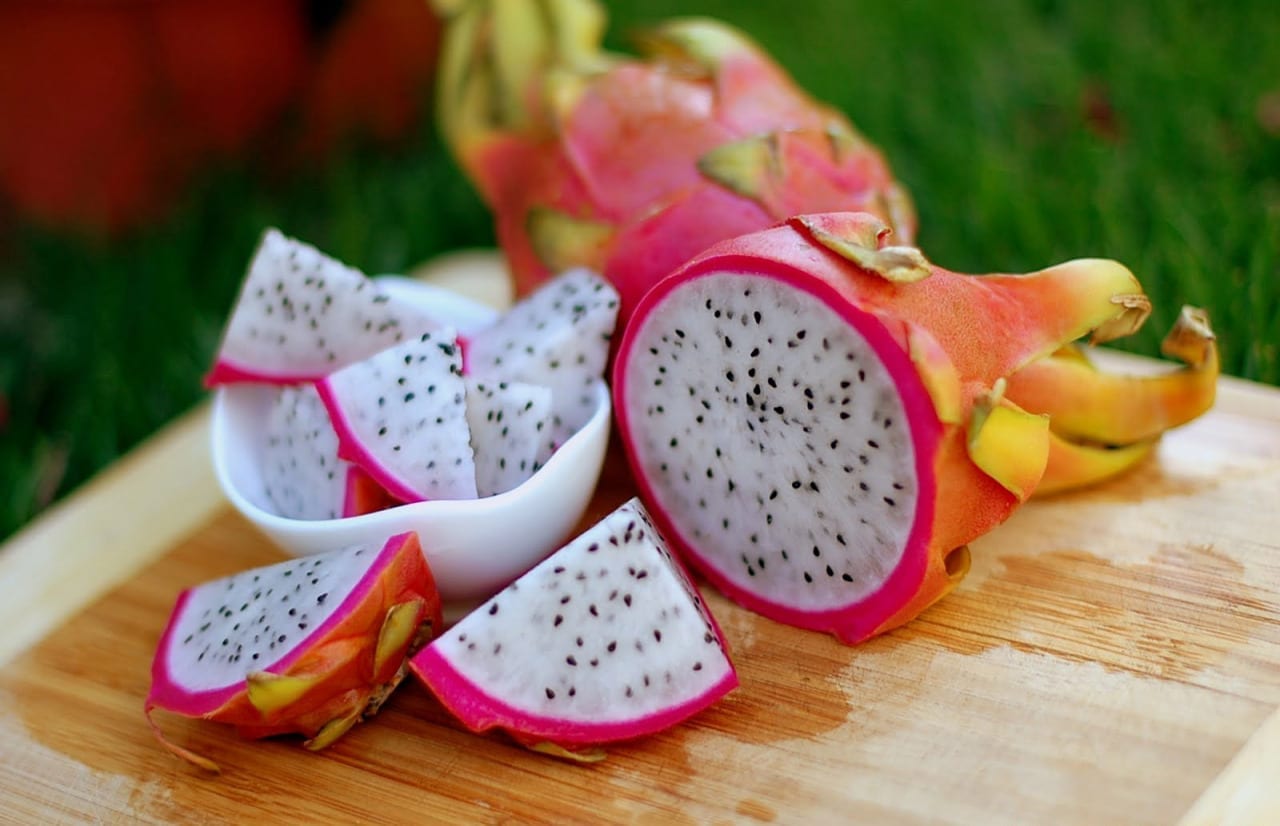
    Vietnam has received licenses to export fresh mango, dragon fruit and rambutan to New Zealand so far. It imports apple, kiwi fruit, kiwi berry, blue berry, cherry and persimmons.

  • US doubles purchase of Vietnamese mangoes

    US doubles purchase of Vietnamese mangoes

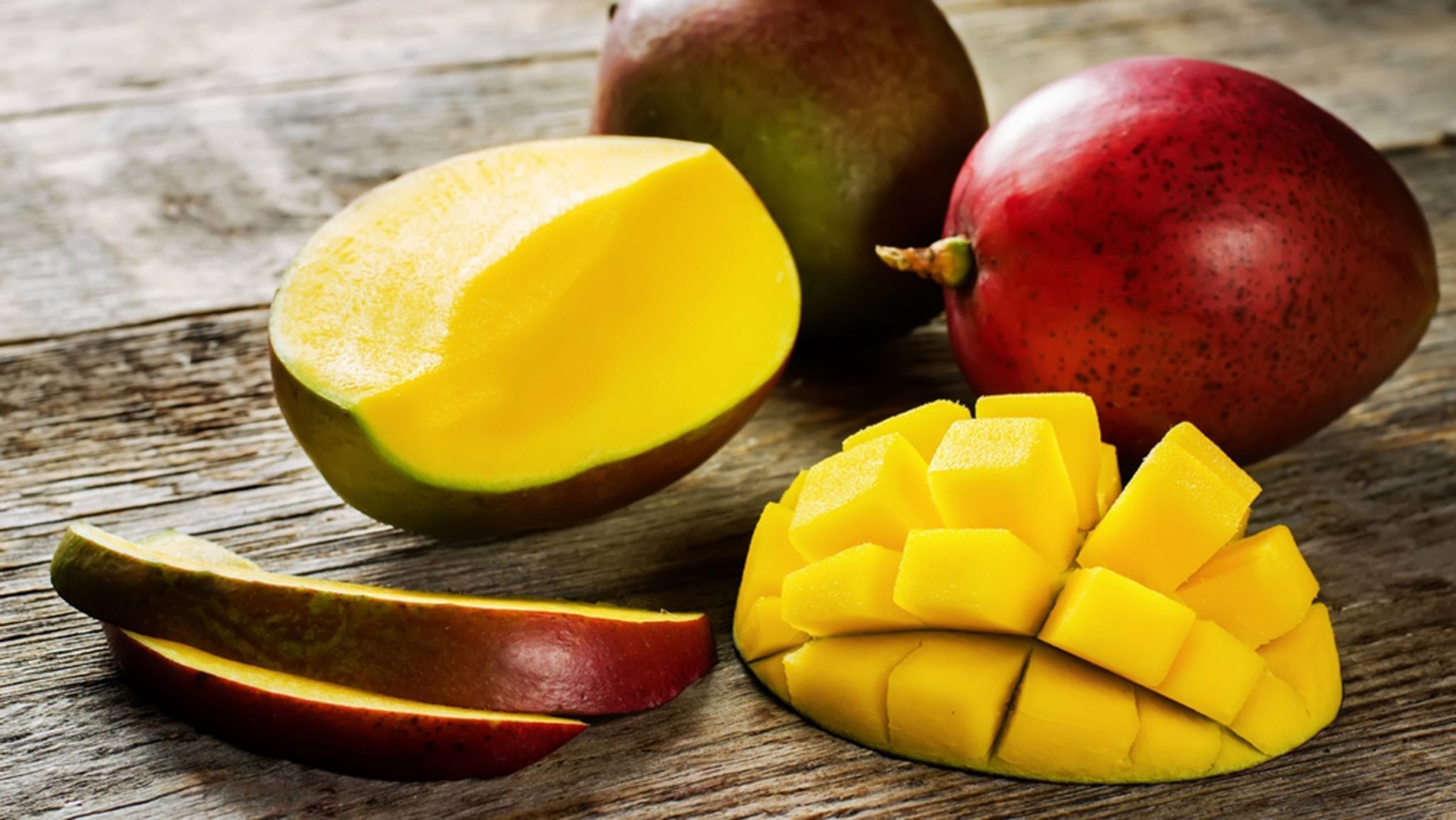
    The U.S. has imported double the quantity of Vietnamese mangoes in Jan-August 2020, showing potential for further growth in this market.

    The value of mango imports rose 99.9 percent year-on-year to $2.79 million, according to a report by the Agency of Foreign Trade under the Ministry of Industry and Trade, citing U.S. official figures.

    The average import price was $2,064.8 per tonne, up 6.7 percent year-on-year. Most of the imports were of fresh and frozen fruit.

    In terms of volume, Vietnam was the 12th largest mango import market for the U.S. in the said period, accounting for 0.3 percent of the total.

    The Agency of Foreign Trade said the large demand for mango, especially fresh fruit, in the U.S. is an opportunity for Vietnamese companies to expand.

    However, they need to ensure all strict standards on farming, packaging, and origin tracing are met, it added.

    Vietnam exported its first batch of mango to the U.S. in April last year.

    The surge in Vietnam’s mango exports to the U.S. is a rare bright spot in the nation’s plunging fruits exports scenario, primarily as a result of the Covid-19 pandemic.

    In the first nine months, fruit export value fell 19.1 percent year-on-year to $1.7 billion, with shipment figures of lychees, durians, and bananas plummeting, the agency said.

  • Yi Fang Fruit Tea increasing its global expansion pace

    Yi Fang Fruit Tea increasing its global expansion pace

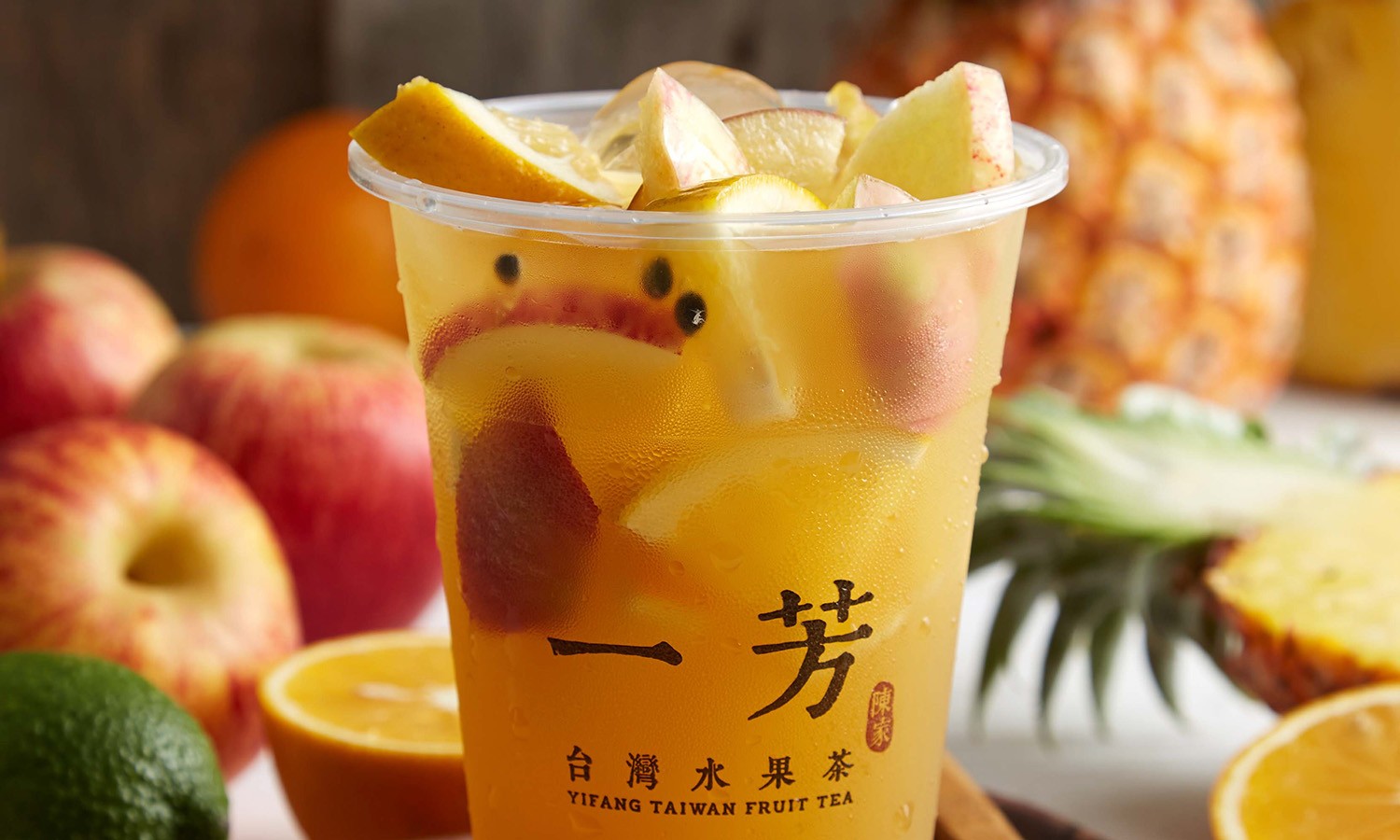
    Taiwanese tea brand Yi Fang Fruit Tea is expanding its retail network globally despite the Covid-19 pandemic.

    The founder of Yi Fang, Ko Tzu-kai, said the brand will open more stores in northern California where consumers are seeking healthier beverage options. More stores will follow later this year in Dubai along with European countries, including Paris and Sweden.

    Yi Fang operates more than 170 branches outside Taiwan, including Japan, China, the UK, Australia, and New Zealand. The brand aims to reach 200 stores by the end of this year.

    According to UDN, since July, Yi Fang has opened more than 12 outlets across regions including Thailand, the Philippines, Cambodia, and Canada. Yi Fang’s offshore sales account for about 40 percent of the brand’s revenue.

    Last year, the brand was forced to close more than 30 outlets in Taiwan after its announcement to support China’s “one country, two systems” policy triggered a boycott in the country.

  • Organic food trends during Covid virus outbreak

    Organic food trends during Covid virus outbreak

    Australia has the world’s largest organic-certified area of land, so it comes as no surprise that 70 percent of Australians buy some form of organic food, contributing to the nation’s organic industry worth A$2.6 billion (US$1.67 billion).

    Half of Australians claim this motivation is based on personal health, being free from pesticides and OGM. The organic trend touches numerous categories from fresh fruit and vegetables as well as meat/poultry all the way to snacking and wine.

    Organic accounts for just over 5 percent of total packaged food and beverages in the grocery channel. Even though there is a lot of discussion around organic, it only accounts for a small portion of the market despite being widely spread.  The substantial price differential in most categories might be to blame.

    Even though 75 percent of the IRI shopper panellists state that they purchase locally grown over imported goods and over half are trying to purchase environmentally friendly products. Only 21 percent are actually willing to pay more for organic food.

    As we find ourselves currently in a period of heightened price sensitivity due to many Australians’ temporary unemployment as a result of Covid-19, it is interesting to turn towards trends, such as organic, that fulfill a need beyond the basics.

    Covid-19 heightened our focus on meeting our basic Maslow’s needs. Even though many shoppers claim to buy organic foods for health reasons, we also know that buying organic can be a status-seeking behavior and hence comply with individualistic needs. Due to the current financial uncertainty, many consumers report a stronger focus on finding the best deal at a time when over one-third of households report experiencing grocery affordability challenges and only 36 percent of households report maintaining regular spending.

    The poultry category has a substantial price differential with organic costing twice as much as non-organic. Knowing that only two in 10 shoppers are willing to spend more money for organic could explain the downward trend of organic poultry in the past year. Organic picked up some positive growth momentum since Covid-19 but is far behind overall poultry. This recent shift could be driven by out of stocks in the fresh poultry department as we know that 43 percent of shoppers experienced out of stocks for fresh meat since the beginning of March.

    Organic pasta sauces have been in decline prior to Covid-19 but have seen double-digit growth since. The price differential is only 30 cents per liter, which is more manageable than poultry, and despite the price gap has widened since February vs the prior MAT (from 20 cents per unit to 40), organic might have picked up some of the sales due to the widespread out of stocks in the category. Will shoppers continue buying organic sauces post Covid-19 as increased flavor, one of the claims of organic, might have won them over long-term?

    Covid-19 impacted retail liquor sales positively due to the temporary closure of pubs and restaurants. Despite only a few organic wine brands available, these have seen a slight increase in sales, however, the major growth came from the remaining category as an additional $4 on average per bottle doesn’t seem to be in line with the increased financial strain some Australians or possible the organic health credentials may not translate into a taste for Australian wine drinkers. It also highlights that organic is a choice that is made when a higher disposable income is available.

    Even though everyday routines have been impacted for more than 95 percent of Australian households, as the home has become the epicenter of life, and the catalyst for heightened self-care, organic food does not seem to fall into the consideration set for increased self-care. However, could there be an opportunity for the organic products purchased out of necessity to become included in the ongoing purchase repertoire?
  • Fruit containers stuck as China border gate closes

    Fruit containers stuck as China border gate closes

    Over 200 container trucks full of fruit stand idle near a northern border gate as the new coronavirus outbreak halts cross-border trade.

  • Chinese fruit-vending machines driven by AI

    Chinese fruit-vending machines driven by AI

    AI-run fruit-vending machines are offering Chinese consumers a new way of buying fruit and vegetables.

    The machines, developed two years ago by Beijing Kuo’an Science and Technology, are providing an alternative channel for residents of China’s tier-one and tier-two cities, who traditionally rely on relatively distant large-scale supermarkets and community stores for fruit purchases.

    “Every unit of AI fruit vending machines has 24 smaller sections with different types of fruit or vegetables,” said Beijing Kuo’an Science and Technology chairman Guan Luanjun. “Every section has a built-in set of scales. When customers select their fruit, they can use WeChat or AliPay to scan the QR-code on the Chinese fruit-vending machines to open the relevant section. The section automatically slides out to present the customer with its content. The customer can select and take their fruit or vegetables, and then the section automatically calculates the weight that was removed. The customer can then pay for their fruit or vegetables with WeChat or Alipay.”

    The vending machines feature cameras on both sides, allowing them to monitor customers who operate them, minimising abuse of the service. In addition, WeChat and Alipay provide payment methods that both vendor and customer trust.

    “The main advantage of Convenient E-Fresh machines over traditional, large-scale supermarkets and community stores is the low cost,” said Guan, who adds that the model allows vendors to source fruit at low cost from wholesale markets. “In addition, our automated vending machines only occupy a small area, which means that we save on rent and labour cost in comparison with large-scale supermarkets and community stores that occupy large terrains and employ large numbers of people.”

    The firm currently operates 50 AI Chinese fruit-vending machines in Suzhou, and intends to expand operations across the entire Yangzi River Delta area within two years.

    “We hope to improve consumer knowledge and consumer recognition of the Convenient E-Fresh brand,” adds Guan. “And we plan to scale our operations within two years with AI vending machine units in 500–1000 districts. Furthermore, we are in negotiations with a number of domestic and overseas suppliers to make sure consumers have a broad choice of beautiful and delicious fruits for low prices. We sincerely hope that our efforts help to improve the entire supply chain.”

  • Fruits exports to China plunge

    Fruits exports to China plunge

    Vietnam’s fruits exports to China in the first 11 months fell 13.7 percent year-on-year on the latter imposing more stringent conditions.

    Among total fruit exports to China worth $2.08 billion, coconut export value fell 34.9 percent year-on-year, while that of watermelon dropped 24.6 percent, according to the Agricultural Products Processing and Development Department (Agrotrade).

    The export value of other fruits like durian, dragon fruit and mangosteen also fell, the department said.

    Tighter import restrictions by China, the largest buyer of Vietnamese fruits, took effect on May 1, and this has led to a drop in prices, Agrotrade said.

    But thanks to rising exports to the U.S., South Korea and Japan, fruits exports in the first 11 months fell only 0.6 percent year-on-year to $3.5 billion, it added.

    The Ministry of Agriculture and Rural Development estimates Vietnam’s exports of agriculture, forestry and seafood products this year at $41.3 billion this year, short of the $43 billion target.

  • Filipino kiosk chain Fruitas opened more than stores after IPO

    Filipino kiosk chain Fruitas opened more than stores after IPO

    Manila-based food-and-beverage kiosk operator Fruitas has grown its store network to 1036.

    The company, with a portfolio of banners, including Buko ni Fruitas, Juice Avenue, Black Pearl, and Johnn Lemon, has added 106 new stores this year to the 930 it ended last year with.

    Fruitas recently raised 896.55 million Philippine pesos (US$17.6 million) through an IPO, which it says will be used to further expand its network, upgrade existing outlets, develop new concepts, acquire new brands and repay debts.

    “We are happy with the results of the offering of Fruitas. The broker tranche was more than 2.5 times oversubscribed, while the local small investor tranche was a record amount for a Philippine IPO,” says Daniel Camacho, EVP of First Metro Investment Corporation (FMIC), the lead underwriter for the Fruitas listing.

    “The exceptional performance and positive response from the market prove that the public believes in Fruitas’ strong fundamentals and aggressive expansion plans in the country,” added Camacho.

    The company’s expansion plan includes opening 150 to 250 new stores per year through to 2022, as well as two new food parks by 2021.

    Founded in 2002 by Lester Yu, Fruitas now has 24 brands, making it a top player in fruit shakes, lemonade, buco and meat kiosk categories.

    Last year it acquired the Sabroso Lechon business.

  • Noisy retailer Bonnie Vegetables fined again for noise violations

    Noisy retailer Bonnie Vegetables fined again for noise violations

    Local retailer Bonnie Vegetables and Fruit has been prosecuted once again for repeated violations of Hong Kong’s Noise Control Ordinance (NCO).

    The firm’s conviction that a booming, irritating promotional soundtrack was its best chance of luring customers to check out its produce has spectacularly backfired over the past year with snowballing fines now in excess of HK$110,000 (US$14,070).

    The business was hit yesterday with an $27,000 ($3450) fine from the Fanling Magistrates’ Courts for profoundly annoying local residents, as well as an additional $12,000 ($1535) fine against the company’s director, who was found criminally liable of contravening the NCO.

    The ruling follows a similar decision two months ago to slap an $8000 ($1025) fine on the firm – and another $5000 ($640) against the director – for exactly the same offense. That decision by the court was notable even then as the second prosecution of the business within a year for its exasperatingly persistent promotional racket.

    A spokesman for the Environmental Protection Department (EPD) said that during the inspections in December last year, the department discovered that three branches of Bonnie Vegetables and Fruit on Kwong Fuk Road and Heung Sze Wui Street in Tai Po, as well as Hop Choi Street in Yuen Long, were proudly broadcasting the promotional recordings through high-volume loudspeakers, causing considerable aggravation amongst nearby residents.

    After the series of law enforcement actions taken by the EPD, the number of noise complaints against the shops in Tai Po and Yuen Long has largely reduced. Considering Bonnie Vegetables and Fruit’s particular confidence in the effectiveness of its strategy despite previous reprimands, however, the chances of further appearances in court for the firm are not insignificant.

    More responsible retailers are reminded that promotional recordings should be contained within their shop area and should not cause a disturbance to people outside – otherwise, it constitutes an offence. Offenders are liable to a maximum fine of $10,000 for each offence. For repeat offenders, the relevant operators will also be criminally liable for the offences once convicted.

  • Vietnamese supermarkets go back to leave packaging

    Vietnamese supermarkets go back to leave packaging

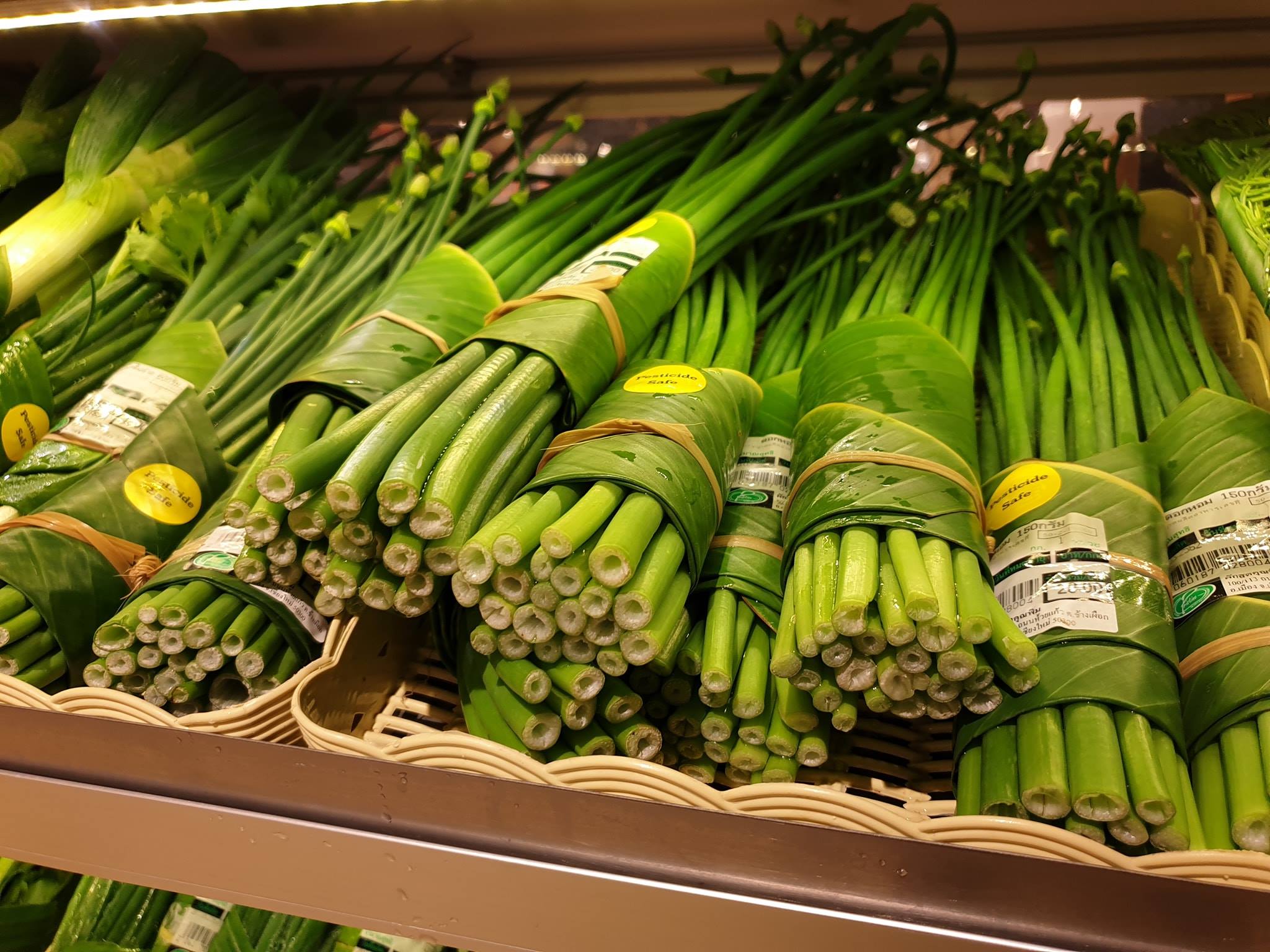
    Shoppers at Lotte Mart in Ho Chi Minh City’s District 7 were recently surprised to see scallions, okra and other vegetables produce wrapped in banana leaves.

    A representative of the supermarket chain said that the company is experimenting with using leaves to wrap veggies in one outlet, and plans to expand this later to the entire chain in the country.

    This is part of a plan to increase the use of environment-friendly products, not just for vegetables but also for fresh meat, the representative added.

    Local shoppers expressed support for the move. “When I see vegetables wrapped in these beautiful banana leaves I’m more willing to buy in larger quantities. I think this initiative will help locals be more aware of protecting the environment,” said Hoa, a District 7 resident.

    The Big C supermarket chain in Hanoi has also started using banana leaves to wrap veggies since Monday, and plans to do so in its central and southern supermarkets in the next few days. The trial is set to last a month.Saigon Co.op is also using banana leaves to wrap vegetables to replace their biodegradable wraps in some of its outlets in HCMC and other southern localities of Phan Thiet, Tay Ninh, Quy Nhon and Tam Ky.

    The supermarket chains are also providing customers with other environmental-friendly products. Lotte Mart said it is selling paper straws and food boxes made with sugarcane waste. Eggs are wrapped in paper packages instead of plastic boxes.

    Big C is offering shoppers bags made with corn powder which is completely biodegradable.

    These moves come after report highlights the large amount of plastic waste generated by Vietnamese people. The country disposes about 2,500 tons of plastic waste a day, according to official figures.

    Vietnam ranks fourth globally in the amount of plastic waste dumped into the ocean, according to the United Nations Environment Programme (UNEP).

    Some local cafes and restaurants have also been encouraging the reduction of plastic use by offering straws made with recyclable or biodegradable materials.

  • Vietnamese agriculture giant enjoys fruitful year

    Vietnamese agriculture giant enjoys fruitful year

    The fruit sales of VND2.9 trillion ($125.05 million) accounted for 54 percent of the corporation’s revenue, according to Hoang Anh Gia Lai JSC’s (stock code: HAG) consolidated financial statements for 2018.

    Other agricultural products like chilli and pepper also contributed VND550 billion ($23.71 million) in revenues.

    Meanwhile, revenues from cattle raising fell 83 percent to VND126 billion ($5.43 million); and that from rubber plantations fell 24 percent to VND345 billion ($14.87 million).

    The corporation recorded VND5.4 trillion ($232.83 million) in total sales last year, an increase of 11 percent over the previous year.

    Last year, HAG’s subsidiary Hoang Anh Gia Lai Agriculture JSC (HAGL Agrico) invested VND976 billion ($42 million) in 5,300 hectares of land in Cambodia to grow bananas for export to China in response to rapidly rising demand.

    HAGL used to be a leading property developer in Vietnam, but restructured itself in 2010 to focus on agriculture, rubber and livestock farming.

  • Hong Kong dessert shop Hui Lau Shan Launched in Philippines

    Hong Kong dessert shop Hui Lau Shan Launched in Philippines

    Hong Kong dessert shop Hui Lau Shan has opened in the Philippines.

    It is the first time for the franchise to open in the very region from which its special variety of mango is sourced. Its soft launch on March 17 at SM Megamall in Mandaluyong city was well-attended by local fans of the brand’s mango-based food products.

    Hui Lau Shan Megamall PH store

    Hui Lau Shan originated as a Chinese herbal tea vendor in the 1960s before blending carabao mangoes in with its other ingredients in the 90s to create a unique dessert.

    The fresh fruit drinks were well-received and the brand now has more than 260 locations globally.

    The firm’s local partner is Fat Daddy’s Group, well-known for its Smokehouse restaurants.

    “The sweet taste of our own fruit has helped propel the brand’s growth in and outside Asia,” said Fat Daddy’s president Freshnaida Versoza. “It’s about time that we bring it here to the Philippines. It’s also our way of supporting the country’s agribusiness since Hui Lau Shan is estimated to consume one ton of premium carabao mangoes per week for 10 to 15 stores.”

    More Hui Lau Shan branches are planned for other malls in the territory, including SM North Edsa, SM Fairview and SM Mall of Asia.

  • Hong Kong’s Hui Lau Shan launching in Philippines

    Hong Kong’s Hui Lau Shan launching in Philippines

    Hong Kong dessert chain Hui Lau Shan will launch in the Philippines in February. The franchise, best known for its mango-based treats,will open at SM Megamall in Mandaluyong City with a range of desserts that are expected to draw on local fruits.

    Mango desserts have proven popular in the region recently, with prominent social media coverage of long queues for mango floats.

    Hui Lau Shan is a heritage brand originating from a herbal tea & tea trolley that traded in Hong Kong’s Yuen Long back in the 1960s.

  • India’s January retail inflation more than halved to 2.05 pc

    India’s January retail inflation more than halved to 2.05 pc

    India’s annual rate of retail inflation more than halved to 2.05 percent in January from a high of 5.07 percent during the corresponding period last year, official data showed on Tuesday. The downward trend in CPI, is due to food inflation which has further widened its negative trend. Fruits, vegetables and eggs continued to witness deflationary trend during January this year, with their prices declining 4.18 percent, 13.32 percent and 2.44 percent, respectively, according to the data.

    Industrial production jumped to 2.4 percent in December, 2018 from 0.5 percent in November, 2018 driven mainly by a sharp spike in manufacturing index which rose to 2.7 percent vs -0.4 percent month-on-month.