Tag: fruit

  • Vietnam-grown Musang King durian prices plunge by half

    Vietnam-grown Musang King durian prices plunge by half

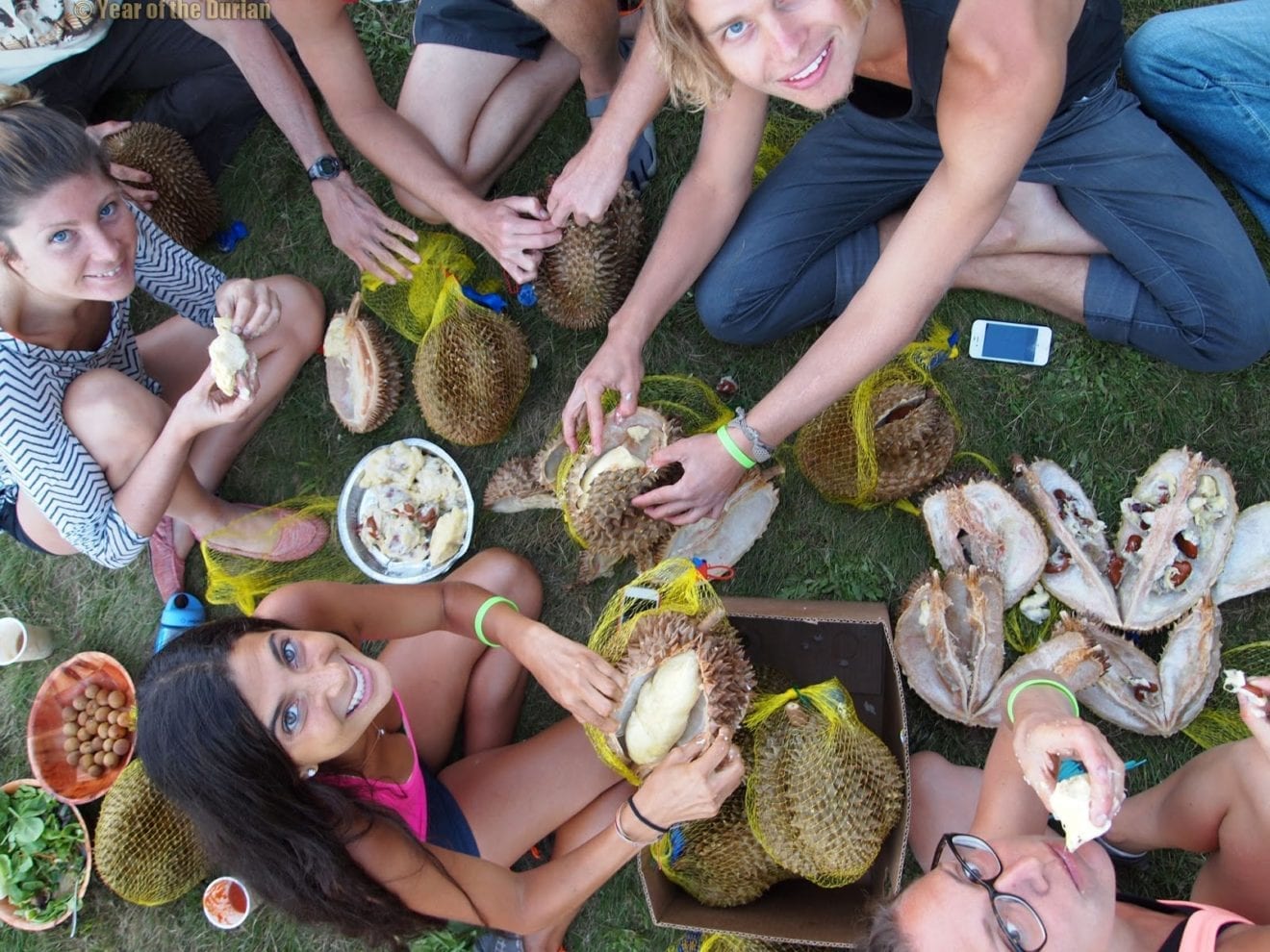
    Vietnam-grown Musang King durian has seen prices plunging by half in Vietnam in over two months due to abundant supply.

    Loan in Ho Chi Minh City’s District 8 is selling a kilogram of Musang King durian flesh at VND650,000 ($27.68), down by half from early March.

    This is the lowest price of the variety she has seen in five years selling the fruit.

    “There is an abundant supply from southern localities. Two years ago I had to order a week in advance, but now I can source them daily.”

    A vendor in District 1 has been sourcing two or three kilograms of each shipment amid falling prices.

    “I have been buying four times as much as in March,” the vendor said.

    On social media sellers are offering “unprecedentedly low prices” at VND700,000 per kilogram of flesh.

    In the south, farmers are selling their Musang King durian at around VND130,000-150,000 per kilogram for the whole fruit.

    Oanh in Can Tho said she recently sold a ton at VND150,000, down 40% in price from a month ago.

    Dang Manh Khuong, a trader in the same city, said that the abundant supply has caused durian prices to fall by 50-70% in recent months, depending on the variety.

    Although durian is now in harvest season in Mekong Delta provinces, Chinese buyers have been cutting their purchases, causing a price drop.

    Malaysia’s Musang King is considered the “best durian in the world” and grown by Vietnamese farmers in the Central Highlands and the Mekong Delta.

    Industry insiders estimate that the Musang King production in Vietnam has surged by up to fivefold in the last few years.
  • Vietnam seeks to expand overseas markets for lychees

    Vietnam seeks to expand overseas markets for lychees

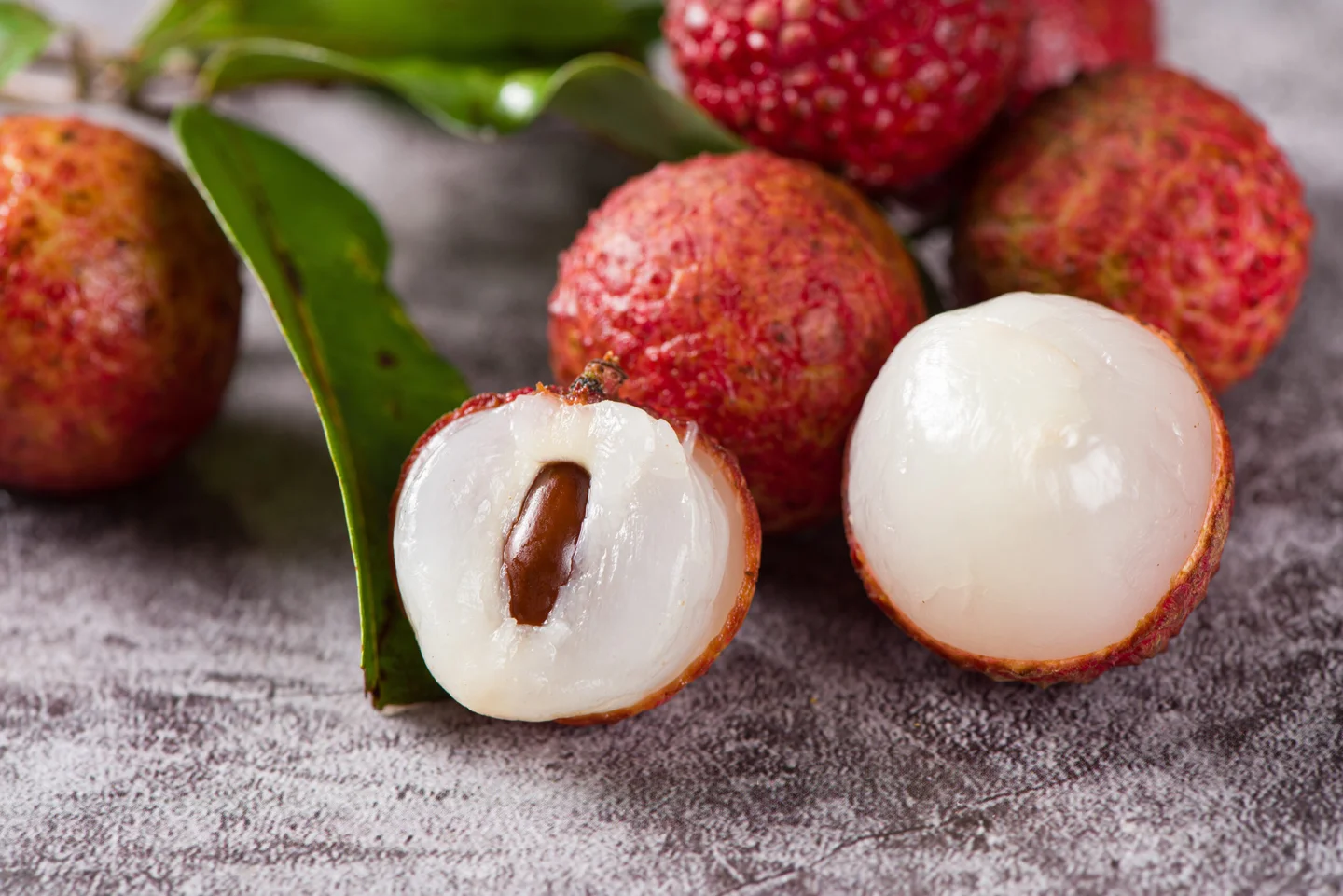
    The Ministry of Industry and Trade held a meeting with Vietnam Trade Offices abroad on May 31 to discuss ways to boost the exports of lychees and longans as many northern localities are harvesting the fruits.

    Speaking at the event, Director of the Bac Giang provincial Department of Industry and Trade Tran Quang Tan said the province’s total lychee production is estimated at a record of over 180,000 tonnes this year. The harvesting period is scheduled from May 25 to July 30.

    Apart from the traditional market of China, its promising markets include the US, the European Union, Japan, the Republic of Korea, Australia, Malaysia, the United Arab Emirates, Singapore, the Middle East, Thailand and Hong Kong (China).

    Director of the Hai Duong provincial Department of Industry and Trade Tran Van Hao said the province now has nearly 9,000ha of lychees and expects to harvest around 61,000 tonnes this year, about 31,000 tonnes of them are early-ripening lychees.

    Deputy Minister of Industry and Trade Do Thang Hai asked relevant units to regularly update the situation of farm produce and overseas demand for these products, including lychees and longans.

    The Vietnam Trade Offices abroad were assigned to closely follow the market situation, trade policies and export requirements for key commodities, thus providing timely advices for the ministry’s leaders to support localities, associations, and businesses.

    The Vietnam Trade Promotion Agency (Vietrade) must step up policy research and forecasting to offer all possible support to enterprises in trade promotion and export-import activities, he said.

  • China to accept durian grown in 293 more areas in Vietnam

    China to accept durian grown in 293 more areas in Vietnam

    China has approved another 293 farming areas and 115 packaging facilities in Vietnam for export of fresh durian to it, eight months after the two countries signed a protocol.

    Vietnam’s Ministry of Agriculture and Rural Development is working with China’s General Administration of Customs for the approval of another 400 farming areas and 60 packaging facilities.

    Vietnam first exported the fruit to China in September last year, and ended up shipping 46,000 tons for the year, or 78% of total exports.

    Dang Phuc Nguyen, general secretary of the Vietnam Fruit Association, said the approval of more durian farming areas would encourage more farmers and traders to export to China.

    Durian could be harvested through the year, its output is large and Vietnam could transport the fruit faster to China than could Thailand, where it has been grown for dozens of years, he said.

    But Vietnam needs to improve quality and build brands to compete in the large Chinese market, he added.

  • Vietnam’s vegetable, fruit exports likely to hit $4B this year

    Vietnam’s vegetable, fruit exports likely to hit $4B this year

    As one of the few sectors reporting export turnover increase in the first quarter of 2023, Vietnam’s vegetable and fruit sector has a bright outlook to earn $4 billion in export revenue this year.

    Vietnam exported nearly $1 billion worth of fruits and vegetables in Q1, up 8% from a year earlier, with the Chinese market recording an impressive growth of 23%.

    Dang Phuc Nguyen, Secretary General of the Vietnam Fruit Association (Vinafruit), attributed the result to the signing of protocols on exports of durian, sweet potato and banana to China through official channels.

    The export of pomelo to the U.S., and passion fruit to New Zealand was also a driver for the overall growth of the sector.

    Durian was a big contributor to the impressive export results in the first months of this year. The export turnover of this fruit is expected to hit $1 billion, helping the sector’s total figure to $4 billion this year, up 20% year-on-year, said Nguyen.

    The implementation of free trade agreements is also an important driving force helping fruit and vegetable exports to increase sharply in the first months and make an important contribution to boosting the sector’s exports throughout the year.

    Good demand for fruit imports in China can help raise total fruit and vegetable exports in Q2 by 10% or higher, Nguyen noted, predicting that the revenue can reach about $2 billion in the first half of 2023.

    Vinafruit has proposed the Ministry of Industry and Trade (MoIT) and other ministries and agencies, especially the Vietnam Trade Office in China, study and negotiate for the signing of more protocols for several officially-exported products such as dragon fruit, mango, watermelon, jackfruit and rambutan, together with the opening of markets for other fruits such as green-skinned pomelo, fresh coconut, avocado, lemon, pineapple and star apple.

    Besides China, it is also necessary to step up trade promotion activities in other markets such as the U.S., China, the Republic of Korea and Australia, said Nguyen.

    According to the Vinafruit Secretary General, the greatest difficulty at present is that there are not many planting area and packing facility codes to meet the requirements of the Chinese market. Currently, there are only 246 planting area and nearly 100 packing facility codes granted, much lower than the respective 20,000 and 2,000 of Thailand.

    With an area of nearly 110,000 hectares, and an output of around 1 million tonnes per year, there will be a bottleneck in durian exports to China, if no more planting area code is granted this year.

    He also suggested the MoIT and other ministries and sectors to call on investment and advanced technologies for processors to improve the export value, and gain a firmer foothold in such choosy markets as the U.S. and the EU.

    Vietnam Trade Offices abroad were advised to regularly organize Vietnamese fruit festivals to introduce the fruits to people in their host countries and international visitors.

    Vietnam earned nearly $3.4 billion from vegetable and fruit exports last year.

  • Vietnamese fruit exports to China and Laos surge

    Vietnamese fruit exports to China and Laos surge

    The export of bananas, durians, and jackfruit from Vietnam to China and Laos surged in the year’s first four months.

    The export value of vegetables and fruits reached $1.39 billion, up 19.4% over the same period last year, according to the Ministry of Agriculture and Rural Development.

    China led the consumption of Vietnamese fruits and vegetables with 58.7% market share, valued at $576.4 million in the first quarter of the year, up 27.4% over the same period in 2022.

    Laos, South Korea and Japan also increased imports of Vietnamese fruits. Exports of Vietnamese vegetables and fruits to Laos increased the most, by 2.8 times.

    Durian, jackfruit and banana had a significant increase in exports. In the first quarter, Vietnam’s durian export turnover reached $153.5 million, up more than 8.3 times over the same period last year. China accounted for 87% of the market share with a turnover of $133.6 million.

    Thousands of tons of durian have been exported to China every month. Vietnamese durians are ordered in large quantities because of their good quality, suitability for local tastes and prices that are more attractive than produce from Malaysia and Thailand.

  • Durian prices plunge 40% in a month

    Durian prices plunge 40% in a month

    Ri6 durian prices grown in the Mekong Delta have plunged by 30-40% to VND50,000-55,000 ($2.13-2.34) per kilogram from early April.

    Prices in the localities of Tien Giang, Ben Tre and Can Tho, where most of the fruit is grown, have plummeted 70% since early February.

    Vendors say that prices have fallen because Chinese buyers have reduced purchases.

    “There is a large supply of Ri6 durian. Some farmers harvest hundreds of tons daily,” said vendor Linh in Tien Giang.

    She added that the Chinese buyers she knew were not rushing to buy more as durian in Thailand and the Philippines were also starting to ripen for harvest.

    Thailand has long been exporting large quantities of durian to China, while the Philippines obtained permits to export to this country earlier this year.

    China is also growing its own durian to meet domestic needs. The country has over 93 hectares of the fruit on Hainan Island.

    Laos has agreed to set aside 30,000 hectares of agricultural land to grow durian specifically for the Chinese market, equivalent to around 27% of Vietnam’s durian farming area.

    Vietnamese durian was the fastest-growing export to China among fruits in the first two months of this year, rising by 291% year-on-year to $56.9 million.

    The country’s farming area reached 110,000 hectares by the end of last year after the country was allowed to export the fruit to China officially. This exceeded the government’s plan by nearly 47%.

    Two main types of durian grow in the region, Ri6 and Monthong.

  • Chinese growers put Vietnamese durian, dragon fruit in risky oversupply

    Chinese growers put Vietnamese durian, dragon fruit in risky oversupply

    Vietnamese dragon fruit is at risk of oversupply, while durian prices will likely plummet as China, the local fruits’ largest importer, continues growing an increasing amount of the two trees.

    Late last month, China announced its dragon fruit output reached 1.6 million tons a year, 200,000 tons higher than Vietnam’s output.

    According to Chinese customs’ statistics, Chinese demand for dragon fruit is two million tons a year.

    Regarding durian, China imported over 800,000 tons of fruit worth some US$4 billion last year.

    But the giant economy it is likely to import less this year because after years of failed experiments, the country’s farmers are finally growing the fruit successfully in China’s southern regions, according to experts.

    The Chinese Academy of Tropical Agricultural Sciences in Hainan Province reported that China’s southern provinces are growing over 2,000 hectares of durian, amounting to 45,000-75,000 tons of the fruit expected to be sold in 2024.

    Durian cultivation will also be expanded to the North, according to the academy.

    About 90% of Vietnam’s major agricultural products are exported to China.

    So the northern neighbor’s plan to ensure its own local supply of agricultural products puts key Vietnamese farm items exported to the Chinese market at risk of oversupply.

    According to statistics from the General Department of Vietnam Customs, 90% of Vietnamese dragon fruit is exported to China.

    Tran Ngoc Hiep, director of Hoang Hau Dragon Fruit Company in Binh Thuan Province said that Vietnam’s dragon fruit exports to China in the first months of this year have are already slowing under the weight of increasing supply to the north.

    In previous years, China imported more than 300 containers of Vietnamese dragon fruit every day through Vietnam’s northern border gates, Hiep said.

    But he added that the figure is now already less than 100 containers.

    Currently, Vietnamese dragon fruit prices remain high because local farmers can grow off-season fruit.

    But when Chinese dragon fruit in season, from March to September, Vietnamese dragon fruit will face the risk of oversupply and dropping prices.

    Ngo Tuong Vy, vice director of Chanh Thu Export and Import Fruit Company in Ben Tre Province, said if the quality of Vietnamese fruits could improve, they will retain the Chinese market to Chinese rivals.

    Vietnamese durian must also compete with Thai and Malaysian fruit in the Chinese market.

    Phan Thi Tra My, president of the Provisional Vietnamese Business Association in China, said Chinese demand for durian is still high, but if Vietnamese exporters continuing paying more attention to quantity than quality, they will soon find it hard to compete with Thai, Malaysian and Chinese durian.

    Vietnam currently has 246 durian growing regions that export China totaling 12,000 hectares. And 97 Vietnamese durian packing establishments are certified for official export to China.

    According to the Department of Crop Production at the Ministry of Agriculture and Rural Development, by the end of last year, Vietnam’s total durian-growing area had reached 110,000 hectares, some 35,000 hectares higher than the initial plan.

    In the first two months of this year, ass durian prices surged dramatically, many farmers in the Mekong Delta and the Central Highlands region replaced their coffee, pepper, and rice fields with durian trees.

    The department warned that the uncontrolled increase in durian acreage would lead to oversupply.

    To overcome the challenges, Dang Phuc Nguyen, general secretary of the Vietnam Fruit and Vegetable Association, asked the State to help with better planning of growing areas. He also asked the State for help in building a brand for Vietnamese durian.

    According to Nguyen, farmers should strengthen their off-season fruit production because Thailand and China cannot.

    In China, prolonged cold winters make it difficult for durian trees to bear fruit.

    “The Chinese acreage of banana, mango and dragon fruit is increasing sharply, but China still has to import large quantities of fruits when they are not in season,” he said.

    Fruit farms and traders should also further tap the domestic market, he added.

    Vietnam’s total fruit and vegetable exports in the first two months of this year increased by 17.8% year-on-year to $592 million.

    China accounted for 57.5% of all Vietnamese fruit exports, according to the Ministry of Agriculture and Rural Development’s department of agricultural products processing and market development.

  • Fruit, vegetable exports rise 17.8%

    Fruit, vegetable exports rise 17.8%

    Vietnam’s fruit and vegetable exports in the first two months of this year increased by 17.8% year-on-year to US$592 million.

    China accounted for 57.5% of the exports, according to the Ministry of Agriculture and Rural Development’s department of agricultural products processing and market development.

    Since early February when it reopened after Covid, China has been importing large volumes of Vietnamese agricultural products like durian, jackfruit, watermelon, and sweet potato.

    Exports to Laos have tripled.

    The U.S. and Europe have also imported large volumes of Vietnamese fruits and vegetables.

    A Tien Giang Province-based company told VnExpress that its exports of durian and pomelo to the U.S. and China have been increasing steadily this year. Freight rates have decreased to pre-Covid levels, creating favorable conditions for exporters.

    Surveys in the Mekong Delta show that the prices of durian, dragon fruit, jackfruit, and sweet potato have all doubled or tripled from 12 months ago, with the durian price surging to a record high of VND190,000 ($8) per kilogram at the farm gate.

    Last year exports were worth $3.34 billion, down 5.9% from 2021, according to the agriculture ministry.

    Vietnam imported fruits and vegetables for $289 million in the first two months of this year, a 12% increase, the department said.

  • Fruit, vegetable exports see high potential, tough requirements

    Fruit, vegetable exports see high potential, tough requirements

    Vietnamese vegetables and fruits are eyeing potential overseas markets, in which quality requirements and standards are high, said experts at a forum in Ho Chi Minh City on March 1.

    Nguyen Minh Phuong, Director of the Asia-Africa Market Department under the Ministry of Industry and Trade, said that due to low supply and high demand, the Middle East and North Africa are also promising markets for Vietnamese farm produce.

    However, experts underscored that the major challenge for Vietnamese fruits and vegetables is the increasing requirements in international market, especially those in origin traceability and food safety.

    Pham Minh Thang from the Agrotrade said that Vietnamese firms have faced a lack of information on market demands and access to distribution channels in imported countries.

    Meanwhile, the export of fresh vegetables to other markets is encountering obstacles due to transportation difficulties, while the rate of processed products remains modest.

    In order to promote fruit and vegetable exports, Thang advised producers and exporters to actively renovate their farming techniques to increase their product quality, while strengthening processing and trade promotion activities, diversifying trading activities in digital platforms, and applying information technology in the sale of farm produce.

    Le Thanh Hoa, Vice Director of the Agro Processing and Market Development Authority (Agrotrade), said that over the recent years, fruits and vegetable have been among the groups with export revenue of over $3 billion each year. The figure reached $3.37 billion in 2022.

    Last year, many kinds of fruits such as passion fruit, durian and banana were allowed to be exported to China through official channels, while Vietnamese pomelo was excepted to the U.S., limes and pomelos to New Zealand, and fresh longan to Japan.

    In the first two months of this year, the export of fruits and vegetables hit $592 million, up 17.8% compared to the same period in 2022. China remained the major market of Vietnam, consuming 57.5% of the country’s total fruit and vegetable exports.

  • International Fruit prices drop by half

    International Fruit prices drop by half

    Oranges, coconuts, and wax apples are sold at VND1,000-7,000 (4-29 U.S. cents) per kilogram at farm, half the prices compared to a month ago.

    In Ho Chi Minh City these days, vendors are selling king oranges at VND7,000-20,000 per kilo, depending on the size and quality of the fruit, along the sidewalk, on mobile trolleys or in wet markets. The prices have decreased 50%.

    Coconut is being sold at VND5,000-8,000 per fruit, pomelo VND8,000-15,000 per kilo, wax apple VND10,000-15,000 per kilo, down 30-50% compared to two months ago.

    Dat, who owns a one-hectare king orange farm in Tra On District of the Mekong Delta’s Vinh Long Province, said traders have bought his family’s oranges at VND4,000-5,000 per kilo and for this crop, he has lost almost VND100 million (US$4,228).

    The loss mainly comes from the cost of fertilizers and drugs, and yet to include the efforts.But he said “for those that have to rent land to grow oranges, the loss would even double.”

    Wax apples farmers in An Phuoc Commune, Long Thanh District of Dong Nai Province which borders HCMC said they are suffering “heavy losses” as the fruit’s prices sold at farm fall sharply to VND6,000-7,000 per kilo.

    In Ben Tre Province, Vietnam’s coconut kingdom, prices of dry coconut have also halved compared to the same period last year and farmers have reported to lose VND20-50 million for every hectare of coconut with prices dropping by half.

    Huynh Quang Duc, deputy director of Ben Tre’s Agriculture Department, said the reason for prices of dry coconut prices to fall sharply is because, after Covid-19, many countries with large coconut areas such as India, Indonesia, and the Philippines have lots of dried coconut inventories, resulting in a supply surge on the market, pushing the prices down.

    As for king orange, the Vinh Long Province’s Agriculture Department said consumers in northern and central Vietnam have lost appetite for the fruit during the past month under impacts of prolonged cold waves.

    Meanwhile, the supply source has remained abundant as farmers prepared a lot for Tet sales in January and then the crop in February resulted in high yield.

    Tra On District now has as many as 50,000 tons of oranges in stock and from now until early March, an extra of 60,000 tons will be harvested, according to the department.

    As per an approved plan, Vinh Long only have 12,000 hectares for king orange farming but in the past two years, with prices of the fruit on the rise and farmers earning profits, they have rushed to grow the fruit, expanding the farming area to 17,000 hectares.

    The Ministry of Agriculture and Rural Development has asked localities to support farmers by strengthening the connection between farms and supermarkets as well as fruit shops and online markets to help farmers sell all of their ripe oranges, despite the low prices.

    Several supermarket chains in HCMC are buying in oranges at VND10,000-14,000 per kilo.

  • Vietnam needs to build national brands for fruits

    Vietnam needs to build national brands for fruits

    Experts said that Vietnam must develop national fruit product brands to increase added value and competitiveness in international markets.

    Although fruits bring in billions of U.S. dollars in export revenue annually, Vietnam has no well-established fruit brands.

    “When talking about apples, we think about the US,” said Nguyen Dinh Tung, Director of Vina T&T Import-Export Company. “Talking about kiwis, we think about New Zealand. Talking about melons, we think about Japan. Talking about Monthong durians, we think about Thailand. Talking about Musang King durians, we think about Malaysia… Meanwhile, where many types of fruits are grown, Vietnam has no famous fruit brands.”

    Tung said Vietnam has Ri6 durian, which could compete with durian from Thailand and Malaysia in terms of quality and is chosen by many companies as an export product.

    However, it is still falling behind in terms of brand identity and value.

    “Because there is no brand, the price of Ri6 is always about 20% lower than Monthong and much lower than Musang King,” he said.

    Le Thi Kieu Oanh, Director of Apple LLC, which exports Vietnam’s agricultural products to Japan, said Japan imported dragon fruit from Vietnam, but only 10% were sold at supermarkets under Vietnamese brand names.

    According to Ta Duc Minh, Vietnamese Trade Counselor in Japan, Vietnamese lychees are exported to many countries and have become popular with the Japanese market.

    However, Vietnamese lychees remain inferior to their Japanese counterparts in terms of economic value, even though Japan does not have a production advantage in lychees.

    Japanese lychees are grown in Miyazaki over an area of around 10,000 hectares, and Japan has built a brand for its lychees as a precious fruit. There was a time when each Japanese lychee was sold for as much as $10 each, and people still waited in line to buy them, Minh said.

    According to Tung, Vietnam must develop national fruit brands to increase their value and competitiveness in the international market.

    “We should select several types of fruits to build national brands for,” Tung said. “Like New Zealand, this country successfully built brands for kiwis, which have markets around the world with the export value of over $3 billion per year, equal to the whole fruit and vegetable export of Vietnam.”

    To build fruit brands of national pride, Tung said it was necessary to pay attention to factors including varieties associated with soil, Vietnamese culture, quality, food hygiene and safety, planting area, high yield and preservation technology.

    Tung said that grapefruit, coconut and durian were fruits with large potential for export.

    He said that to build national fruit brands, it was vital to control the granting of geographical indication certificates strictly.

    Each type of fruit is only suitable for the climate and soil of certain localities. However, many kinds of fruit, such as pomelo, dragon fruit and lychee, are grown all over the country, which can affect branding, according to Tung.

    Therefore, it is important to select products associated with local culture and history to grant and manage geographical indication certificates.

    For example, the best quality coconuts are from Ben Tre province, lychees from Bac Giang and Hai Duong, white-flesh dragon fruit from Binh Thuan and red-flesh dragon fruit from Long An. Vietnam could choose typical products of each locality and upgrade them to national brands.

    Ngo Tuong Vy, General Director of Chanh Thu Company, said that among dozens of fruits exported, Vietnam could choose from three to five fruits to focus the resource on to build brands of Vietnam’s pride.

    “It’s time for Vietnamese fruits to focus on improving quality and adding cultural and creative elements to farming methods so that products contain stories that appeal to consumers,” Minh said.

    Minh pointed out that Japan focused on the quality of some world-famous fruits of the country. Even output was controlled to maintain selling prices. For some, special farming techniques were incorporated into the story to ensure the best quality.

    Building national brands and quality management databases and traceability systems would be the focus of the Ministry of Agriculture to increase the export value, Deputy Minister Tran Thanh Nam said, adding that growth should not be based on output any longer.

    He said that the agriculture ministry must work with the Ministry of Industry and Trade to propose to the Government a program to build national brands for agricultural products.

    The branding should also be integrated with a digitalization process in traceability, field diary, fruit chain management, and registration and protection of fruit brands in foreign markets.

    Vietnam’s export of fruit and vegetables reached nearly $3.34 billion in 2022, 80% of which were fruit exports.

  • Vietnam reaps new fruit export benefits

    Vietnam reaps new fruit export benefits

    Several Vietnamese fruits have found their way to major markets in China and the U.S. in 2022, opening up the door for Vietnam to send more high-quality produce overseas.

    After four years of negotiation, Vietnam finally exported its first batch of fresh durian to China for the first time in September The fruit came from the central highlands province of Dak Lak.

    In October alone, durian exports to China surged 4,000% year-on-year to $50 million, according to Vietnam Customs. It exceeded dragon fruit as the top fruit exported to China.

    China has so far approved 113 codes for durian farming and packaging areas in Vietnam, up from 76 in September. The figure is set to increase as there are still 300 codes awaiting approval.

    “If China approves all of these codes, Vietnam will have an abundant durian supply to China,” said statement by the Plant Protection Department at the Ministry of Agriculture and Rural Development.

    Durian prices in Vietnam have nearly doubled year-on-year to VND70,000-90,000 per pound in southern provinces.

    “Durian has become a new rising star replacing dragon fruit exports to China,” said Dang Phuc Nguyen, General Secretary of the Vietnam Fruit & Vegetables Association (VinaFruit).

    He added that thanks to Vietnamese trade agreements and protocols with China and the latter’s relaxing of Covid-19 policies, durian and other Vietnamese fruits are easily exported to China.

    This all stands in stark contrast to last year when hundreds of fruit containers were stuck at Vietnam’s northern border gates due to Covid-19.

    Agriculture, forestry and seafood exports surged 11.8% year-on-year to $49.04 billion in the first 11 months. Agriculture alone accounts for more than 42% of that figure, according to the Ministry of Agriculture and Rural Development.

    Vegetables and fruits are among Vietnam’s top eight biggest agriculture export items, along with coffee, rubber and rice.

    Grapefruit in November became the seventh fruit officially exported by Vietnam to the U.S., one of the most difficult markets globally.

    Industry insiders say that Americans consume about 12 million tons of fruit a year, but domestic supply accounts for only 70% of demand.

    Vietnamese exporters have been trying to take advantage of this opportunity. Exports to the U.S. surged 18% year-on-year in the to $240 million in the first 11 months. This is a quadruple from the total figure of $59 million in 2015.

    Other fruits that have also found the way to the global market include lime and pomelo shipments to New Zealand starting from November 15, 2022. This country has already been buying mango, dragon fruit and rambutan from Vietnam.

    Nguyen said that now that more Vietnamese fruits have found their way to overseas, it is even more important that buyers’ demands are met in terms of farming and delivery.

    “Whether these markets and opportunities last is up to the farmers and the exporters.”

    Ngo Tuong Vy, CEO of exporter Chanh Thu, warned that China is not yet a sustainable market for Vietnam as some regions are still struggling with Covid-19 and their safety measure policies are unpredictable.

    The agriculture ministry has set a surging $5 billion target for fruit exports by 2025, up from last year’s $3.1 billion forecast.

  • Mango export to South Korea rises

    Mango export to South Korea rises

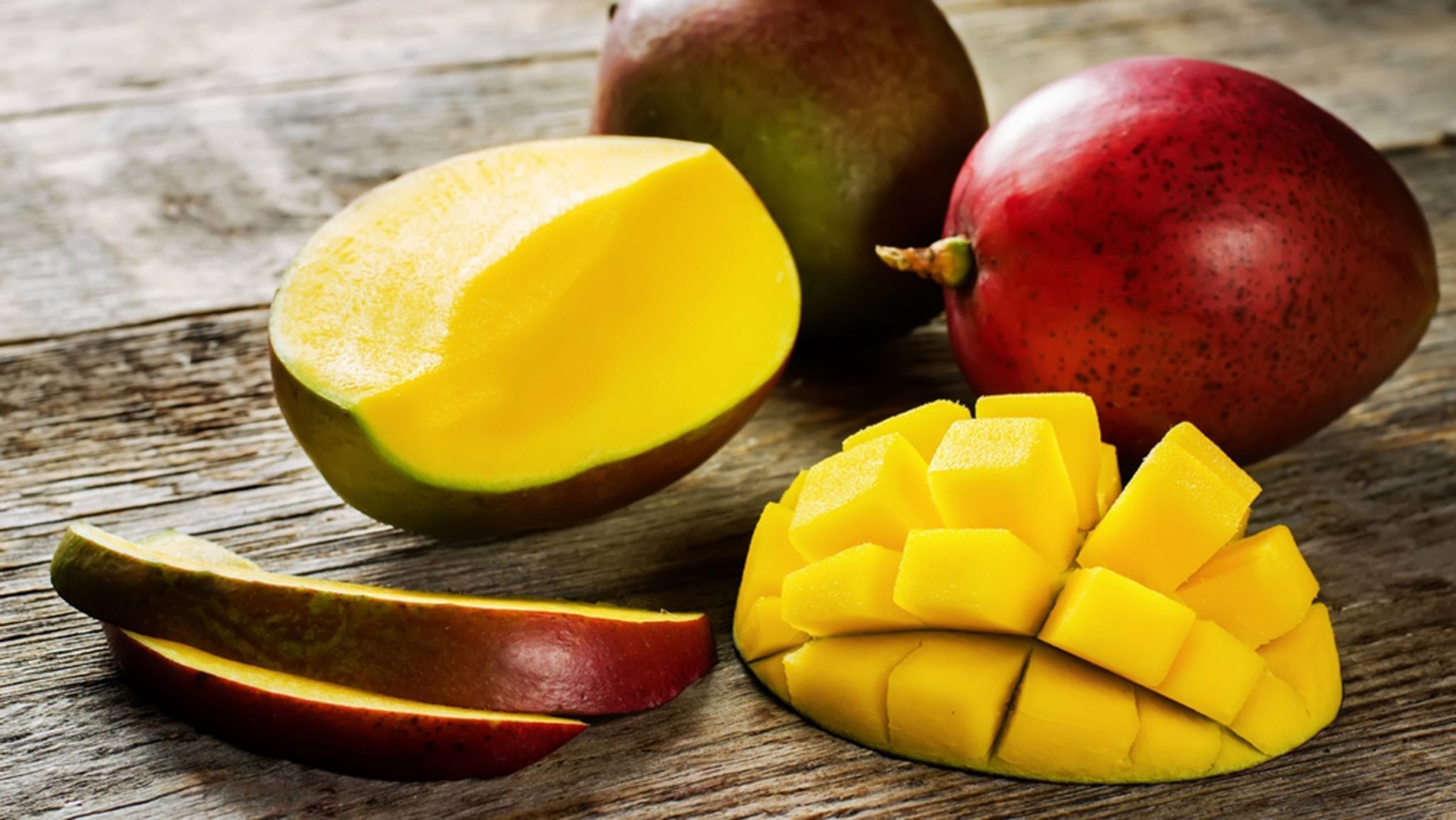
    Vietnam exported 1,700 tonnes of mango to South Korea for $7.4 million over the past 11 months of 2022, up 19% in volume and 25% in value year-on-year, according to the Agency for Foreign Trade under the Ministry of Industry and Trade.

    These figures helped Vietnam become the third largest mango supplier for the South Korea in the period, the agency said, adding that the average export price of Vietnamese mangoes hit over $4,230 per tonne, 5% higher than that of the same period in 2021.

    The agency also cited statistics from the Korea International Trade Association (KITA) as saying that this country’s mango import in the 11-month period reached 22,000 tonnes, worth $95.3 million, marking yearly rises of 4% in volume and 8% in value.

    Thailand and Peru were the two largest mango suppliers for the South Korea in the period, accounting for 81.2% of this country’s total mango imports.

    According to the department, Korea has a high demand for fresh fruit. Each year, the market imports over $1.6 billion worth of fresh fruit and this number has been growing significantly.

    However, Vietnam’s fresh fruit now makes up a very modest market share in the South Korea. Therefore, there remains room for Vietnamese firms to foster their exports of fresh fruits, typically mangoes to this market.

    In order to promote exports to this market, trade experts recommend that businesses needed to improve their competitiveness and product quality. This was the core element to meet the increasingly strict requirements of the Korean market.

    In addition, enterprises were advised to develop appropriate production and business plans, actively operate according to the market mechanism and have solutions to participate in the production chain and distribution network of Korean enterprises. That would help businesses take advantage of their strengths, their brand, as well as their development experience in the market.

  • First Vietnamese pomelo exported to US

    First Vietnamese pomelo exported to US

    Pomelo became the seventh Vietnamese fruit to be officially exported to the U.S. Monday with the first 100 tons being transported from the southern province of Ben Tre.

    The batch is split into six containers. Four of them will be exported by air and two by sea.

    Deputy Minister of Agriculture and Rural Development Tran Thanh Nam said at the announcement ceremony Monday that the U.S. is one of the most difficult markets in the world but has large demand for fresh fruits.

    He added that Americans consume about 12 million tons of fruits annually, with 30% of them imported.

    The exported pomelo must come from the 36 growing areas in Vietnam that have been registered with U.S. authorities.

    They span 752 hectares, or 0.71% of Vietnam’s total pomelo growing area.

    Many measures must be strictly taken to ensure the fruits are clean and healthy.

    Ben Tre Province Chairman Tran Ngoc Tam said that of the seven Vietnamese fruits that are exported to the U.S., the province has three: pomelo, longan and rambutan.

    Other fruits that have been approved for official U.S. exports are mango, dragon fruit, star apple and lychee.

  • Thai durian farmers feel threatened as Vietnam makes China debut

    Thai durian farmers feel threatened as Vietnam makes China debut

    Thai farmers who’ve enjoyed a virtual monopoly in exporting fresh durian to China are worried about Vietnam entering the fray because the latter’s proximity to the importer generates several advantages.

    When Vietnam’s first batch of fresh durian was exported to China under official quota in September, Thai farmer Busaba Nakpipat said she was concerned about heightened competition in a market that Thailand has dominated for decades.

    “Thailand used to be the only country allowed to export fresh durians to China, while Vietnam used to export processed durian,” she said. “But now Vietnam is our competitor and it worries me.”

    During a trip to Vietnam in September, Busaba saw an increasing number of durian orchards and found there was large potential in the country to further expand cultivation of the special fruit.

    Vietnam has been exporting processed durian to China for years, but now that the export of fresh durian to the world’s largest consumer market has been approved, local farmers see a great opportunity to make bigger profits.

    China has approved exports of fresh durian from nearly 3,000 hectares in Vietnam. It took Vietnam four years to negotiate the approval as China has become a difficult market with high quality standards.

    “Our exports need to meet Chinese consumers’ standards and we need to respect their desires and regulations. That is how we can ensure a sustainable export channel to this market,” said To Ngoc Son, deputy head of the Asia and Africa division under the Ministry of Industry and Trade.

    Industry insiders in Thailand view this development with some trepidation because its market dominance is threatened now.

    Thailand was the first country to export fresh durian to China. In 2021, Thai durian exports to China grew at a record 68% year-on-year to more than 875,000 tons.

    However, Vietnamese farmers have an advantage over their Thai counterparts because they can afford to pick durians for export later than in Thailand. Shipments from Vietnam take less time to reach China, said Thai academic and agriculture specialist Sakda Sinives.

    “Even without any clear difference in terms of taste … the riper fruit from Vietnam will slowly attain higher prices from buyers, while the price of durians from Thailand will fall. This quality control issue is why Thai [durian production] will fall as farmers can no longer shoulder the costs,” Sakda said.

    Sakda said that many traders operating in Thailand – more than a few acting on behalf of buyers from mainland China – have moved to Vietnam, lured by higher profit margins though very few Vietnamese farms have received export approval from China, he added.

    Long way to go

    However, Vietnamese officials say farmers in the country have a long way to go in improving their standards and practices to ensure export of high quality fruit.

    The nearly 3,000 hectares of durian orchards approved for exports to China only account for 3.5% of total area dedicated to cultivating the fruit.

    In the Central Highlands province of Dak Lak, where many durian orchards are located, only 16 out of 25 applications were approved by Chinese officials.

    “Some farmers are not aware of the benefits of being approved. Of those who have been approved, some do not keep a careful record of their farming activities,” said Vo Thanh Toan, an agriculture expert in Krong Pak District.

    Other officials have said that Chinese buyers have warned Vietnamese farmers about the failure to follow their standards by growing durian in the same area with other fruits, which increases the risks of pests and diseases. Some farmers have been warned about low hygiene and weak anti-Covid-19 measures.

    Nguyen Thi Thu Huong, deputy head of the Plant Protection Department, expressed concern at a recent forum that some Vietnamese durian farmers who have not been approved by Chinese officials are looking for ways to export to the neighboring country illegally.

    Farmers have registered to export 1.3 million tons of durian to China a year, which is double the approved amount by Chinese officials, suggesting that unapproved farmers are trying to add their fruit to the inventory of approved ones, she said.

    “If Chinese officials find out, all our negotiations and efforts of the last four years will be thrown away.”