Tag: fruit

  • Imported fruit prices plummet on burgeoning supply

    Imported fruit prices plummet on burgeoning supply

    Imported kiwis, apples, pomegranates, and pears only cost a few tens of thousands of dong (VND24,000=US$1) per kilogram, or a fifth of the prices two years ago.

    Hanh, a seller of imported fruits on Bach Dang Street in HCMC’s Binh Thanh District, said golden kiwi imported from New Zealand is selling at VND200,000 ($8.21) per box of 3.5 kilograms, or VND57,000 per kilogram.

    For those buying more than 10 boxes, the price comes down to VND160,000. “This price is down 15% from a year ago,” she said.

    Imported pomegranate and pear are also becoming cheaper, she said.

    Chinese and Tunisian pomegranates currently sell for VND60,000-70,000 and VND35,000-50,000 per kilogram.

    In 2021, imports from the North African country had cost up to VND250,000.

    First-grade pears imported from South Korea are sold for VND60,000-80,000 per kilogram, and second-grade varieties for VND30,000-40,000, the lowest prices ever.

    The prices of apples imported from New Zealand have also dropped sharply to VND40,000-60,000 per kilogram.

    Envy apples, the most expensive imports along with Japanese apples, cost VND200,000-350,000 two or three years ago, but only VND70,000-110,000 now.

    Thanh, who sells imported fruits at the Thu Duc wholesale market in HCMC, said prices have declined because supply is abundant while demand has not gone up much.

    India and New Zealand have recently sought to export more fruits to Vietnam, and so their prices are attractive, he said.

    Recent deals between Vietnam and China have helped Chinese fruits enter the Vietnamese market easier and at lower prices than before.

    Dang Phuc Nguyen, general secretary of the Vietnam Fruit and Vegetable Association, said the country’s accession to free trade agreements has brought down import taxes on fruits and vegetables virtually to zero.

    According to statistics from the General Department of Vietnam Customs, the country imported fruits and vegetables worth $1.6 billion in the first 10 months of this year.

    Imports of fruits at low prices from countries such as India, New Zealand and South Korea were up 4-62% year-on-year.
  • Durian export rises 14 time

    Durian export rises 14 time

    Vietnam’s durian export reached $1.63 billion in the first nine months, 14 times higher than the figure of same period last year, according to statistic of the General Department of Customs.

    In the reviewed period, fruit and vegetable exports totaled $4.21 billion, a surge of 72.5% equivalent to $1.77 billion year on year.

    Durian has surpassed jackfruit, dragon fruit, watermelon, banana and lychee to become the biggest foreign currency earner in Vietnam’s fruit and vegetable industry, accounting for 38.7% of the industry’s total export value.

    China is the largest importer of Vietnam’s fruit and vegetables with a turnover hitting $2.75 billion, skyrocketing 160% compared to the same period last year.

    Currently, Vietnamese durian is exported mainly to China. Vietnam has 422 growing areas and 153 packaging facilities eligible to export the fruit to China.

    Sixty four other growing areas and 15 packaging facilities are completing procedures to have Chinese authorities to grant codes for the export. In addition, more than 600 growing area codes and 50 packaging facilities will apply for codes for the export of durian to China.

  • Vietnamese fruit faces tougher competition in China

    Vietnamese fruit faces tougher competition in China

    Vietnam exported less fruit to China as the northern neighbor increased dragon fruit cultivation and allowed official import of passion fruit from Laos and longan from Cambodia.

    Data from Vietnam Customs showed dragon fruit exports to China totaled US$442 million, posting a year-on-year decrease of 4.4%. Specifically, red-fleshed dragon fruit exports fell by 38%.

    Currently, China’s dragon fruit output exceeds Vietnam’s, and its selling price is lower than that of the Vietnamese fruit.

    Passion fruit exports from Vietnam to China dropped 36.5% to $29.5 million.

    Vietnamese fresh passion fruit used to have the leading market share. Recently China has reduced import of the Vietnamese passion fruit because it has grown the fruit, and allowed Laos to export the fruit to the market on official quota since 2022.

    The Chinese agricultural product export news site Produce Report cited data from China Customs showing the country annually supplies 600,000 tons of passion fruit to the market.

    With longan, Vietnam’s annual output of over half a million tons is oversupplied and continuously sold at cheap prices as China has new suppliers from Cambodia.

    Cambodia has exported longan to China on official quota since late 2022. Data from the Cambodian Ministry of Agriculture showed their fresh longan exports to China in the first eight months of the year surpassed 8,100 tons, including 3,250 tons in August alone.

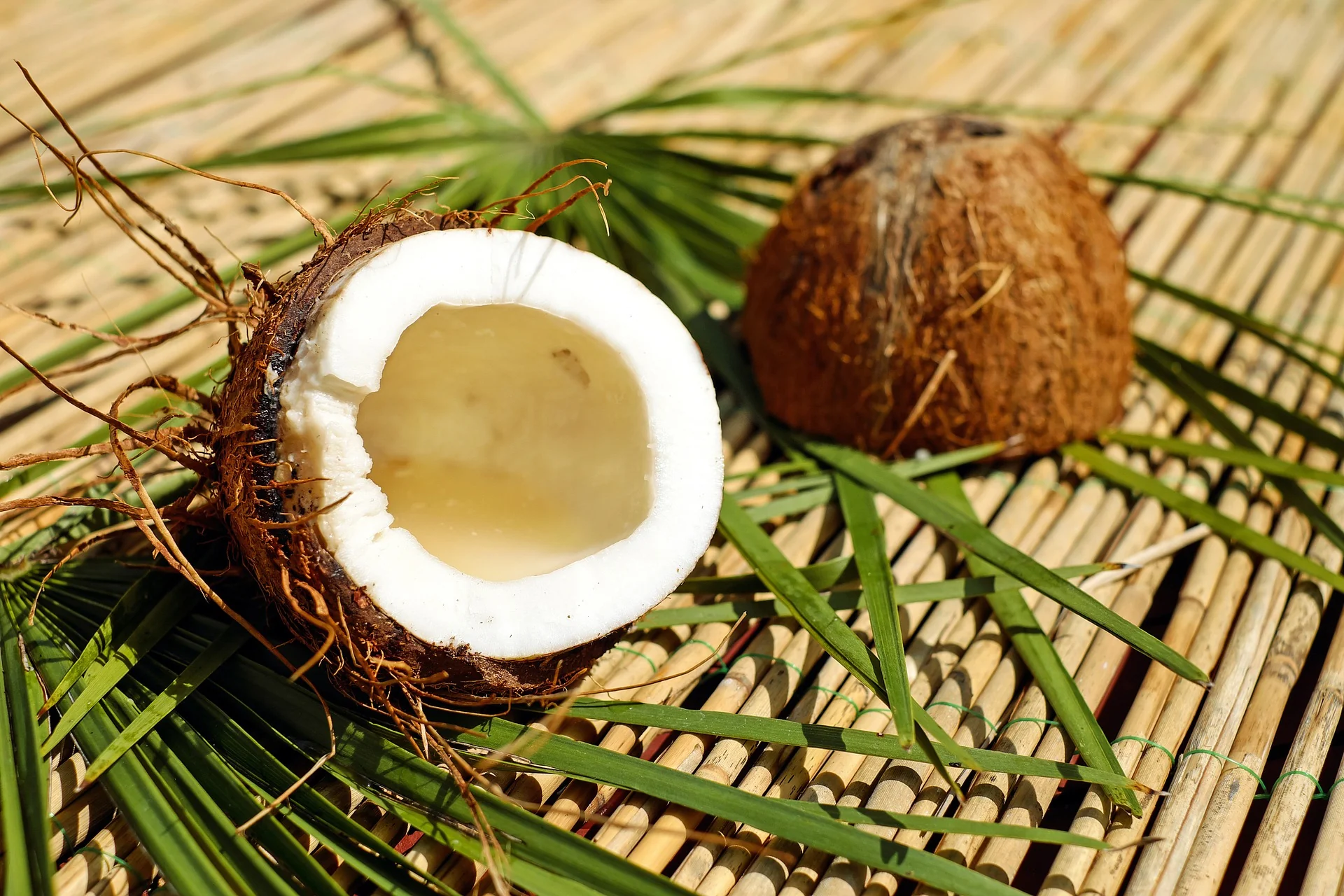
    Vietnam is the 7th largest coconut-producing country in the world, but it has not been allowed to export the fruit to China on official quota.

    Cambodia, a country outside the top 10 with only 17,000 hectares of coconut, and an output of 248,000 tons in 2022, has exported fresh coconuts to China on official quota since September.

    Vietnam’s avocado, mango, and jackfruit are also at risk of competing with other countries for the Chinese market.

    Recently, Venezuela, the 15th biggest avocado producer in the world, was allowed to export the fruit to China on official quota. Meanwhile, Vietnam still has to export avocado to China on unofficial quota at low output values via under the table border trade.

    Malaysia has recently been approved jackfruit exports on official quota to China, just like Thailand and Vietnam.

    The director of a fruit export business in the Mekong Delta province of Long An predicted that the market share and selling prices of Vietnamese dragon fruit, passion fruit, and longan in China will continue to decrease sharply.

    Dang Phuc Nguyen, general secretary of the Vietnam Fruit and Vegetable Association, said Vietnam should re-plan dragon fruit and passion fruit growing areas to control quality and output of the two fruits.

    The country should facilitate negotiations with China to have avocado exported on official quota, and export the fruit to other markets such as Japan, South Korea, and the U.S., he said.

  • Fruit, vegetable exports historical high

    Fruit, vegetable exports historical high

    Fruit and vegetable exports in the first three quarters are worth an estimated US$4.1 billion, 24% more than in full-year 2022, Vinafruit said, citing customs data.

    Vinafruit, or the Vietnam Fruits and Vegetable Association, said durian, banana and dragon fruit were the main contributors to the increase, with durian in the lead after climbing into the billion-dollar export club.

    China has been by far the biggest importer, buying $2.3 billion worth of fruits and vegetables from Vietnam in the first eight months of the year, a 134% increase year-on-year and accounting for a 64% share.

    The next three biggest importers have been the U.S. ($168 million, 6% down in the same period), South Korea ($148 million, up 18%), and Japan ($123 million, up 6%).

    Durian exports increased 20-fold this year. Unlike the Thai and Philippine varieties, Vietnamese durian can be harvested even in the so-called off-season, and their exports fetch higher prices as a result.

    China also bought bananas and jackfruit from Vietnam at higher prices and is considering buying fresh coconuts through official quotas.

    The U.S. recently allowed imports husked coconut from Vietnam.

    According to the Ministry of Agriculture and Rural Development, Vietnam plans to both export more items and to more markets, including passion fruit to the U.S. and Australia; grapefruit to Japan, Korea, Australia, and India; durian to India; and citrus fruits, coconut and durian to China.

  • Vegetable, fruit exports hit new high

    Vegetable, fruit exports hit new high

    Vegetable and fruit exports increased by nearly 56% year-on-year in the first eight months to a record US$3.5 billion worth, according to Vietnam Customs.

    Increase in Chinese demand from was a major reason for the jump.

    Several other countries in the region, hit by droughts and floods, also increased their imports, Dang Phuc Nguyen, general secretary of the Vietnam Fruits and Vegetable Association, said.

    Durian accounted for 30% of the export value.

    Durian prices are expected to rise in September as supply has declined in other Southeast Asian countries. Vinafruit expects exports of the fruit to be worth $1.5 billion this year.

    Coconut also has potential for higher exports to China and the U.S., with the latter recently allowing imports of husked nuts from Vietnam.

  • Low prices make Thai persimmons popular

    Low prices make Thai persimmons popular

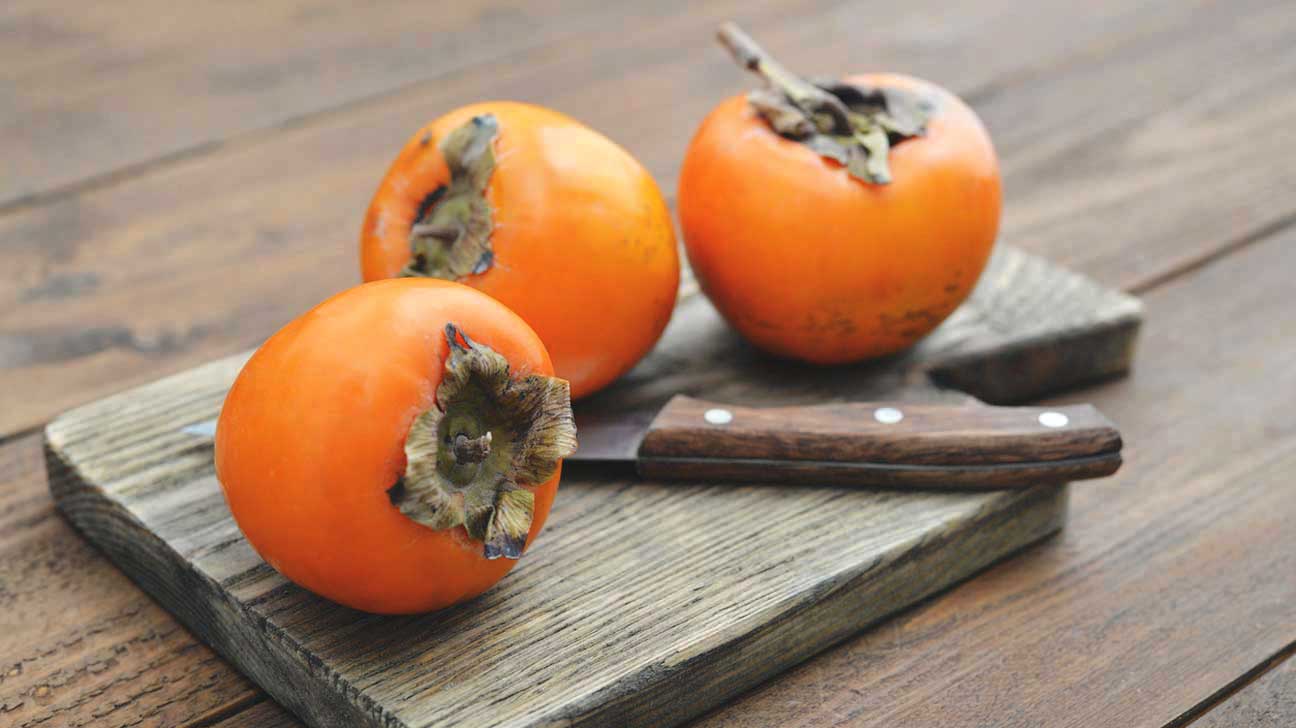
    Crunchy persimmons imported from Thailand sell for VND35,000 (US$1.5) per kilogram at wholesale markets in HCMC, VND5,000-10,000 lower than the Vietnamese variety.

    My Linh, the owner of a fruit stall in Go Vap District, said she had sold out 100 kilograms of Thai persimmons in two days.”It was very cheap, so I switched to selling Thai persimmons instead of the Vietnamese variety.”

    According to Thanh, the owner of a fruit stall at Ba Chieu market in Binh Thanh District, Thai persimmons are eye-catchingly yellow and sweet, and so attracts customers.

    “Every day, I sell three to five boxes (of 10 kg). Its retail price is VND55,000-60,000 per kilogram, while that of Da Lat persimmon is VND70,000-80,000.”

    A shop owner named Mai in Tan Binh District, who sells several tons of Thai persimmons a day, said due to higher harvests this year the fruit was exported to Vietnam at low prices.

    “I am selling three varieties of persimmons to markets: from Thailand, China and Da Lat. Currently the Thai fruit has the lowest price, with color and uniformity (in terms of size and quality) better than the other two.”

    A manager of the Thu Duc Agricultural Product Wholesale Market said Thai persimmons are being sold in the market for the first time, and are popular thanks to their low price.

  • Durian exports exploides

    Durian exports exploides

    According to Vietnam Customs, Durian exports increased 19-fold year-on-year in the first half of this year to US$876 million.

    Of this, China alone accounted for $835 million.

    Dang Phuc Nguyen, general secretary of the Vietnam Fruits and Vegetables Association, said durian is harvested in May-June in the southern provinces and August-December in the Central Highlands.

    The Government has signed many protocols and free trade agreements that foster the development of local fruit and vegetable market, he said.

    Recently durian has been recently bought at high prices by Chinese firms and small traders. Since transportation from Vietnam to China does not take long short, the fruits remain fresh, giving them a competitive advantage over Thai exports.

    First-grade durian is now sold at the farm gate at VND85,000-100,000 ($3.59-4.22) per kilogram.

    Exporters said the quality is higher this year than in previous years. Domestic demand was up 10-15% in the first half.

    According to the Department of Crop Production, durian is grown on 110,300 hectares now compared to just 37,000 ha as recently as in 2017.

    This year’s output is estimated at 1 million tons, 15.9% higher than last year, and 400,000-500,000 tons are expected to be exported for some $1.5 billion.

    Last year Thailand exported more than 800,000 tons, earning $3.5 billion.

  • Export of fruits, vegetables spike in H1

    Export of fruits, vegetables spike in H1

    The export of rice, fruit and vegetables to China and other markets posted surges of 34.7% and 64.2%, respectively in the first half, according to the Ministry of Agriculture and Rural Development.

    Director of the ministry’s Agro-Forestry-Fisheries Quality Assurance Department Nguyen Nhu Tiep predicted export growth of fruit and vegetables to be maintained in the second half if exporters pay attention to quality, design, packaging and origin tracing to meet market demand.

    He said the ministry will sign a Memorandum of Understanding on cooperation in agriculture development and trade in agro-forestry-fisheries China’s Guangxi and Yunnan provinces in September, on the occasion of the 20th China-ASEAN Expo in Guangxi.

    It will also consider working with the Vietnam Trade Office in China’s Nanning to increase farm produce consumption at the expo.

    Efforts will be made to establish the Vietnam-Guangxi association of agro-forestry-fisheries enterprises and the Vietnam-Yunnan association of agro-forestry-fisheries businesses. The ministry will also expedite technical measures to conclude soon a Protocol with the General Administration of Customs of China on food safety requirements, quarantine and inspection for aquatic products imported and exported between Vietnam and China.

    Deputy Minister of Agriculture and Rural Development Tran Thanh Nam said the ministry will focus on trade promotion and market development to boost the export of key agro-forestry and aquatic products to three major markets of China, the US and Japan.

  • Vietnam eyes sustainable development for coconut industry

    Vietnam eyes sustainable development for coconut industry

    The coconut industry is playing a very important role in the socio-economic development of Vietnam and should be considered an indispensable part of the country’s development strategies, said officials.

    Vietnam has more than 188,000 hectares of coconut, accounting for 1.67% of that of the world, according to the Institute of Agricultural Planning and Economics.

    Coconut trees are a source of income for about 389,530 farmer households and the export value of coconut and coconut products has reached over $900 million. Vietnam is in fourth place in the world in terms of coconut value.

    Currently, there are about 854 enterprises that specialize in producing and processing coconut products, along with over 90 companies exporting coconut products. They create jobs for more than 15,000 employees.

    Huynh Quang Duc, Deputy Director of the Department of Agriculture and Rural Development of Ben Tre province, which has the largest coconut area in the country, said that coconut trees play an important role in the socio-economic life of the province. More than 70% of its population relies on coconut growing for their livelihood and the province has more than 163,000 households engaged in coconut farming.

    The production value of coconut products accounts for 20.69% of the province’s total industrial production value; making up 42.51% of its total export turnover and creating jobs for tens of thousands of workers.

    Ben Tre now has 78,000ha under coconut cultivation. Its coconut products have present in nearly 100 countries and territories and access choosy markets such as Europe, U.S. and the Middle East.

    However, there remain shortcomings in the industry, according to Nguyen Quang Dung, Director of the Institute of Agricultural Planning and Projection (NIAPP). They include a loose linkage in the value chain and low processing capacity, he went on.

  • Processed fruit, vegetable exports expected to rise by 20%

    Processed fruit, vegetable exports expected to rise by 20%

    Processed fruit and vegetable exports are likely to be worth US$1.2 billion from exporting processed this year, up from $1 billion last year, according to the Vietnam Fruit Association.

    Their exports rose by 23% year-on-year to $356 million in the first four months of the year, Dang Phuc Nguyen, the association’s general secretary, said.

    While exact figures are not available yet for May and June exports grew strongly in the second quarter, he added.

    But data is available for the combined exports of fresh and processed fruits and vegetables, and they surged by 63% to $2.8 billion in the first half, according to the association. They had been worth $3.4 billion last year, with 30% coming from processed items.

    For years Vietnam’s fresh vegetable and fruit exports have largely been to China, which accounts for a 60% share. But exports to the U.S., EU and Japan have grown rapidly.

    Nguyen called it “a good sign” as fruit and vegetable processors diversify into global markets and reduce their dependence on China.

    A large volume of Vietnamese canned fruit products and bottled juices with a shelf life of up to two years has gone to the U.S., Japan and Europe this year.

    According to the U.S. International Trade Commission, imports of Vietnamese processed fruits and vegetables have grown by 30-45% annually in the past three years.

    Exports to the EU have increased by 10-20% a year. Leading exporter Westfood shipped large volumes of processed fruits and vegetables to the world market in the first five months of this year, with exports to Europe growing by 22%, its chairwoman, Nguyen Thi Minh Nguyet, said.

    She said exports to China would increase dramatically this year, while South Korea, Japan, the Netherlands, and the EU (eh?) are increasing purchases.

    According to the Ministry of Agriculture and Rural Development, the country’s annual output of fruits and vegetables is more than 31 million tons, but only 4.5 million tons, or 14%, are processed.

    Most processing and preservation establishments are very small and run by households, and so their products often fail to meet export quality requirements.

  • Fresh lychee conquering US market

    Fresh lychee conquering US market

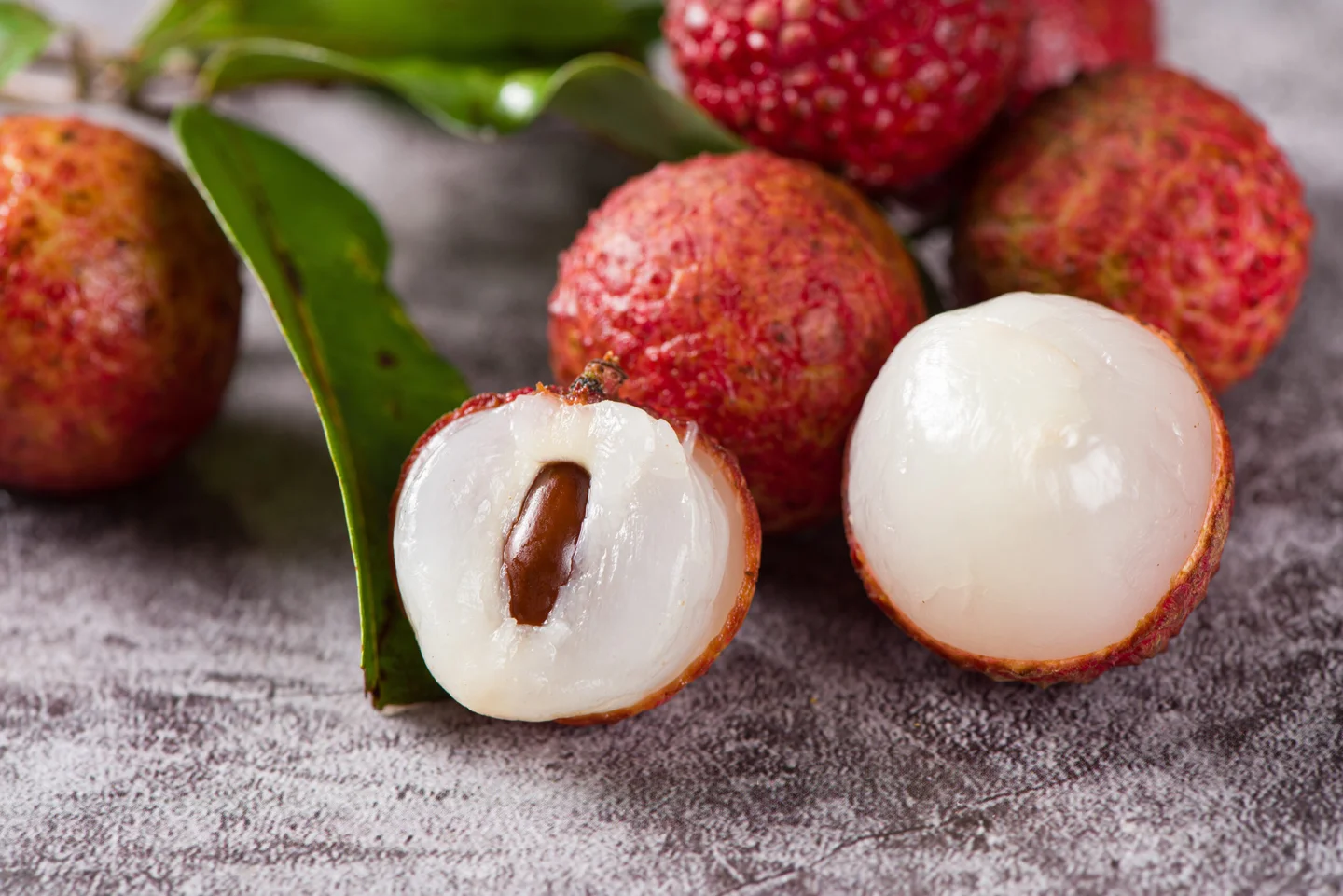
    The first batch of fresh lychee has arrived in the U.S., opening up big opportunities for the specialty and other Vietnamese fruits to conquer the demanding market.

    Thanks to coordination between importer LNS International Corporation and the distributor L&V Food Supply Company in Houston, Texas, fresh lychee grown in the northern province of Bac Giang – dubbed Vietnam’s kingdom of the fruit, has been available on the shelves of many supermarkets and the largest Asian market in Houston.

    Chinh Nguyen, CEO of L&V Food Supply, said her group and LNS International Corporation are working on a plan to import big shipments of Vietnamese food and fruits to the U.S. this year.

    “After three shipments of fresh lychees (approximately 9 tonnes) to the U.S. in June, we plan to import frozen lychee (about 2 containers per month, equivalent to about 30 tonnes),” she said.

    “If Vietnamese suppliers can ensure enough standard products, we will import an additional three shipments (80-90 tonnes) this year.”

    The success demonstrates the efforts by Vietnamese ministries and agencies, including the Ministry of Industry and Trade, in trade promotion to deliver Vietnamese agricultural products to demanding markets such as the U.S. and the European Union.

    According to the Ministry of Agriculture and Rural Development, among Vietnamese agro-forestry-fishery products, the U.S. has purchased cashew nuts, aquatic products, wood and fruits most.

    The U.S. Department of Agriculture forecast that the US will import up to $199 billion worth of agricultural products this year, $5 billion higher than last year’s figure, which offers an opportunity for Vietnamese agro-forestry-fishery exports.

    Last year, the U.S.’s fruit-vegetable import reached a record high of over $31 billion, including $19.3 billion= of fresh and frozen fruits, an increase of 10% compared to 2021. The majority of these imports came from Canada, Mexico, and some countries in Central and South America.

    Apart from Vietnam, the U.S. also imported lychee from China, India and Thailand. Vietnam’s Bac Giang lychee has been favoured by local consumers for its quality.

    Vietnamese Trade Counsellor in the U.S. Do Ngoc Hung pointed out that there is ample room for Vietnamese fruits in the U.S. market.

    However, Vietnamese agricultural products and lychee still encounter obstacles in accessing the market due to the far geographical distance, and high irradiation and transportation costs.

    The Vietnamese trade office in Houston suggested relevant associations and businesses of Vietnam and the US exchange information and work together to support export-import activities.

    In particular, businesses should make long-term commitments to ensuring good coordination among exporters, importers, and distributors for large shipments, exchange market information and share responsibility and risks with partners, thus creating a healthy competitive environment, Hung said.

    He also suggested intensifying product promotion to introduce Vietnamese fruits to other communities in the US apart from Asian consumers.

  • Thailand expedites durian exports to compete with Vietnam

    Thailand expedites durian exports to compete with Vietnam

    Thai exporters are halving the time it takes to deliver durian to China, from 8 days to four days, in order to better compete with Vietnam over the pungent fruit.

    Thailand shipped 477,700 tons of fresh durian to China in the first five months, valued at a record high of $1.75 billion and the highest in 30 years, according to official data.

    This is because the country has been utilizing a new railway connecting it with Laos and China which help reduce transportation time.

    TerapongTechasathian, Assistant Chief Operation Officer at Pan-Asia Silk Road Ltd, which operates the railway, said that in April the company set the record by transporting 25 containers of durians from Thailand to China in one day.

    The train arrived at the destination in 4.5 days, quicker than the original estimate of six days, he added.

    In March, Thailand raised its durian export quality to retain Chinese customers.

    CEO of Vietnam’s fruit exporters Vina T&T, Nguyen Dinh Tung, said that Thailand is making moves to consolidate its durian market share in China amid rising competition from Vietnam.

    Vietnamese fresh durian exports to China in the first five months surged 18 times to $477 million. China accounted for 95% of all durian exports from Vietnam.

    Vietnamese durian can be harvested all year round, which is an advantage compared to Thai durian, Tung said. But Thailand has more advantage in shipment time, he added.

    Dang Phuc Nguyen, general secretary of Vietnam Fruits & Vegetables Association, said that Vietnam’s border with China means it is easier to export to there by road.

    Exporting by train from Thailand to China is fast but costly, he added.

    Vietnamese exporters need to be prepared to compete with rising competition not only from Thailand but also Malaysia and the Philippines for the Chinese market, with demand forecast to reach 2 million tons a year in the future, Nguyen said.

    Increasing exports quality, building brands and investing in technology to enhance preservation are key tasks, he added.

  • Australian tangerine prices halve due to Chinese competition

    Australian tangerine prices halve due to Chinese competition

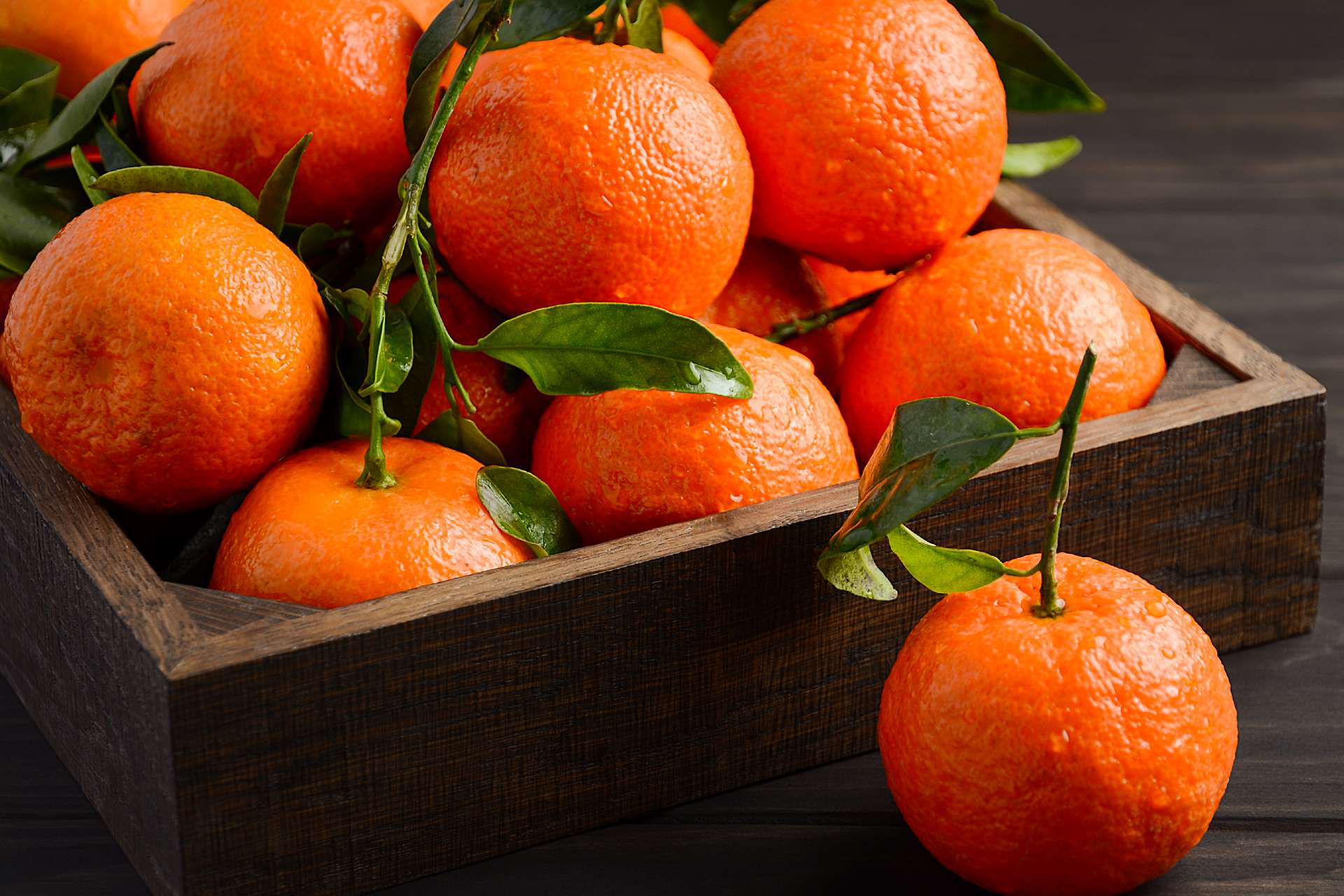
    The retail price of Australian tangerines sold in Vietnam in late June halved over the same period last year because the fruit is in season and competing with China-grown tangerines.

    In traditional markets and fruit shops in Ho Chi Minh City, Australian tangerines are sold for VND90,000-120,000 (US$3.83-5) per kilogram.

    The prices downed from VND250,000 when they were first imported to Vietnam in 2017.

    Oanh, the owner of an imported fruit shop in the city, said: “The Australian tangerine season lasts from June to October or November.

    Every year, this fruit has been exclusive to the local market, but this year there is competition for the Australian variety due to tangerines grown in China and packaged similarly to the Australian imports.”

    According to the manager of Thu Duc agricultural product wholesale market in HCMC, most tangerines at the market are from China, and their wholesale prices stand at VND25,000-30,000 per kilogram.

    Compared with Vietnamese tangerines, tangerines grown in Australia or China are more succulent, and have less fiber, thinner skin and stronger aroma.

  • Indonesia sharply increases agricultural imports from Vietnam

    Indonesia sharply increases agricultural imports from Vietnam

    So far this year Indonesia has imported 15 times the rice it did from Vietnam last year and nearly triple the coffee due to unfavorable weather.

    According to Vietnam Customs, it has bought US$181 million worth of rice, accounting for 9.5% of Vietnam’s exports this year and jumping from eight to third place in the list of its biggest rice buyers, behind the Philippines and China.

    Indonesia’s coffee imports from Vietnam have been worth over $76 million, up 185%.

    Its vegetables imports rose by 20% at $2.44 million, and seafood imports by 70% to $7.83 million.

    Indonesia’s Ministry of Agriculture said agricultural imports have shot up due to El Nino, which is causing drought between May and July.

    The government has decided to import two million tons of rice this year.

    The U.S. Department of Agriculture said global coffee, rice and seafood outputs are going flat due to El Nino and there is a risk of further decline, which would cause countries to increase stockpiles.

    The El Nino-Southern Oscillation is a recurring climate pattern caused by changes in water temperature in the central and eastern tropical Pacific Ocean.

  • Health Guru launches cauliflower snack

    Health Guru launches cauliflower snack

    Health Guru Cauliflower Puffs are a plant-based, savoury, baked snack, not fried.

    Founders Sarah and Don wanted to incorporate more vegetables into the average diet. Their research suggested an increasing number of consumers replacing meals with healthy snacks.

    “In 2020, puff-based products increased by 17.06% in the natural segment and 8.33% in the conventional [Spins Data, 2020],” they said. “Moreover, cauliflower reported the highest market growth per SKU in the crackers category for the natural channel and the third highest growth in salty snacks.”

    Described as “functional, delicious, and nutritious”, Health Guru Cauliflower Puffs contain no “nasties”, a serving of veggies with an “uncompromising” taste. Pure, freeze-dried cauliflower is the “hero ingredient”, retaining the natural sweetness and nutrients.

    Health Guru Cauliflower Puffs are available in the five flavours of Sea Salt, Salt & Vinegar with Apple Cider, Just BBQ, Bangkok Sriracha, and Vegan Cheddar.