Tag: fruit

  • Vietnamese lychees aim to expand global footprint

    Vietnamese lychees aim to expand global footprint

    The “Vietnamese lychees go global” forum was held on June 16 to promote lychee exports and take the brand name of the Vietnamese fruit to the next level.

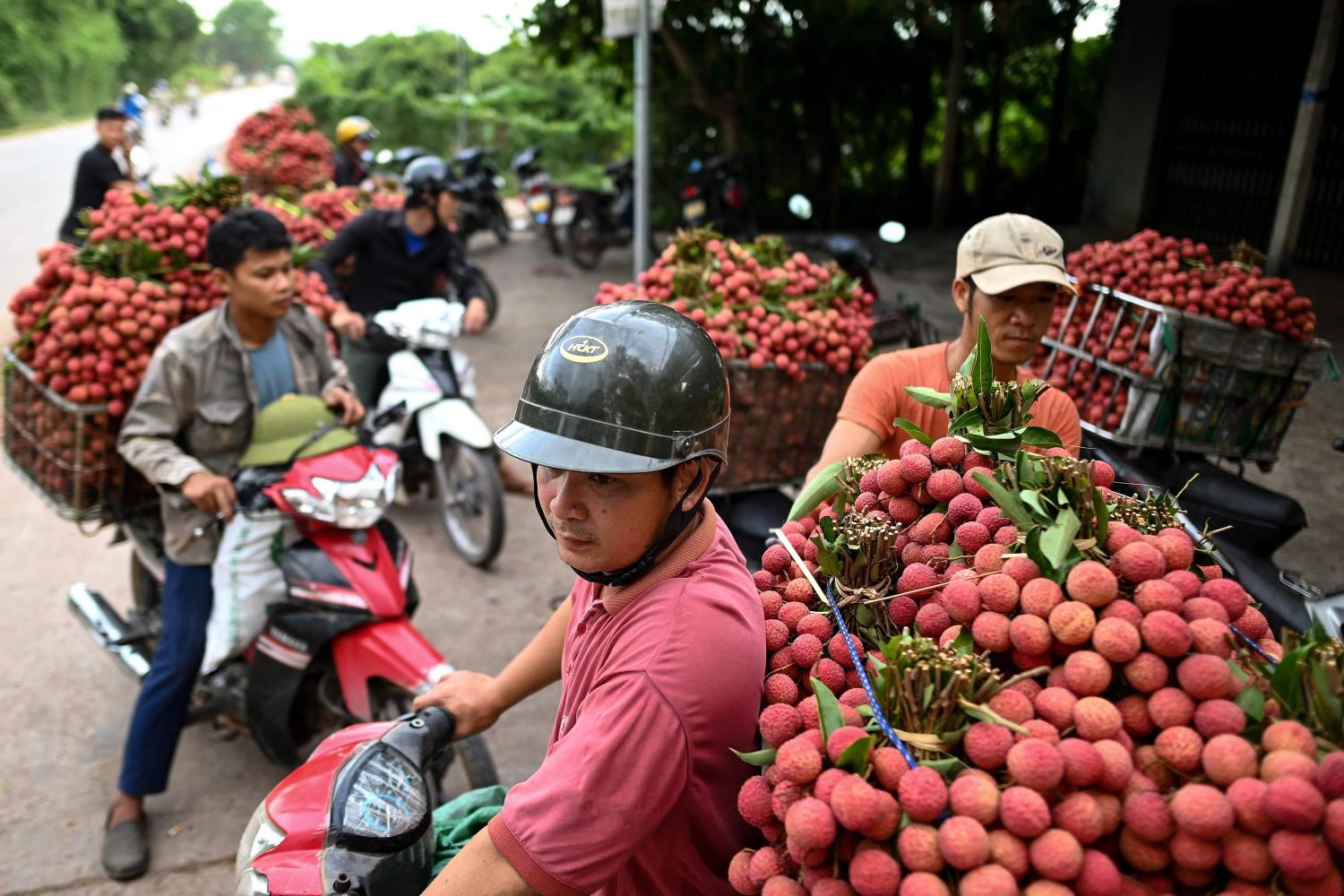
    Vietnamese lychees have made a name for itself in many international markets. According to Le Hoang Tai, deputy director of the Trade Promotion Department, Ministry of Industry and Trade, China accounts for 91 percent of Vietnam’s total lychee export volume. Other markets include Japan, Korea, Australia and the United Arab Emirates.

    Hai Duong, home to Thanh Ha lychees, currently has over 9,000 hectares under cultivation, producing 60,000 tons of lychees every year, of which 50 percent is consumed domestically, 40 percent is exported to traditional markets, and 10 percent to high-end markets including the U.S., Japan, and EU.

    “We aim to build a global brand of high-quality lychees,” Tran Van Quan, vice chairman of Hai Duong Province People’s Committee, said.

    Bac Giang, another leading area for lychee production, has 28,000 hectares of lychee-growing land, providing 25,000 tons of lychees exported to 30 countries. Most meet VietGAP and Global GAP standards.

    “The province will continue to boost lychee exports to high-end markets, and new markets including Canada and Thailand,” Phan The Tuan, vice chairman of Bac Giang, said.

    Palestinian Ambassador to Vietnam, Saadi Salama, said: “Lychees have gradually become the pride of Vietnam.”

    George Burchett, a journalist from Australia, said: “Lychees are both eye-catching and delicious, suitable for everyone’s taste, not only contributing to Vietnamese exports but also enhancing Vietnam’s image to the world.”

    Pham Van Dung, director of Hong Xuan Cooperative, Bac Giang, admitted that the preservation process is one of the challenges for Vietnamese lychees. “Ripe lychees that have not been consumed yet need more intensive solutions like freeze-drying or high-tech drying, so that there are still products for the market even when the harvest ends,” said Dung.

    Director of Toan Cau Company, Nguyen Duc Hung, admitted that Vietnamese enterprises focus on exporting fresh lychees, but fresh lychees can be preserved for 40 days at most, “so it is difficult for lychees to reach far-flung markets.”

    He suggested new products like frozen lychee, with long-term preservation capacity, should be offered so that the fruit could reach global customers with diverse tastes.

    The Palestinian ambassador noted Vietnamese lychees are facing difficulties in reaching far-flung markets because of logistics. “In a short time of two months, to export lychees to global markets in fresh conditions is a challenge.”

    He suggested agencies prepare in advance to facilitate lychee transportation.

    Tai of the Trade Promotion Department recommended that while aviation costs are high, lychees should be transported via railways to cut costs and avoid delays in shipment, which takes about only 15-21 days.

    Salama said that products on sale in the Middle East normally have Halal marks on their packages as a sign of a trustworthy or superior product. He hoped that more Vietnamese lychee products are Halal-labelled to reach consumers here.
  • Fruit exports to China slump on tightened Covid-19 restrictions

    Fruit exports to China slump on tightened Covid-19 restrictions

    Vietnam’s vegetable and fruit exports to China fell 28 percent year-on-year to $625 million in the first four months as the major importer extended its zero Covid strategy.

    The plunge resulted in a 14 percent drop in total fruit and vegetable export value, as China accounts for over 50 percent of Vietnam’s $1.17 billion worth of fruits and vegetables export.

    China has been tightening control over imported agro products through stricter monitoring of farm and packing facilities, said Le Thanh Tung, deputy head of the Department of Crop Production under the agriculture ministry.

    Its stringent lockdowns have also lengthened the export negotiation process, with Chinese experts unable to inspect farming areas in person.

    Chinese authorities have also strengthened quarantine regulations and clearance procedures, causing congestion of fruit trucks at border gates.

    On May 23, some 815 and 287 trucks were stuck in the northern provinces of Lang Son and Quang Ninh, respectively, with 35 percent of them carrying fresh fruits.

    Tung also pointed out that Vietnamese farmers were suffering skyrocketing input costs, driven by higher fertilizer and pesticide prices.

    Vietnam mainly exports fresh fruits and other agricultural produce due to limited domestic capacity in processing, so the sector has been severely impacted by adverse conditions.

    Tung called on the agriculture ministry to restructure the production chain of agro produce, including issuing guidelines on building chain-based logistical supply systems.

    It is also necessary to boost cooperation with global partners to open up new markets, he said.

  • Dragon fruit sold for $1 per 6 kilograms as China remains inaccessible to exporters

    Dragon fruit sold for $1 per 6 kilograms as China remains inaccessible to exporters

    Watermelon, dragon fruit, and other agricultural produce are being sold for VND 3,000-8000 ($0.13-0.35) per kilogram in HCMC and Hanoi since the China export situation remains grim. In HCMC’s Districts 12, Binh Thanh, Go Vap, and others, vendors can be seen on sidewalks selling large piles of fruits at extremely low prices.

    “This type of watermelon was typically sold at VND25,000 ($1.09) per kilogram in recent years, but this year we are selling it at half price because farmers cannot export it,” Cuong, a vendor in Tan Binh District, said.

    Cuong and his wife buy the fruit from farmers in Long An Province at VND8,000 and sell them at VND12,000.

    A vendor in Go Vap District, Hoang, said he was selling at almost no profit because of the high transportation costs.

    The container pileup at the Chinese border has persisted for three months now, forcing drivers to return to cities and sell them at half or a third of the export price.

    In the northern province of Lang Son, which has some key border gates, 1,378 trucks were stuck as of Monday, with more than three-fourths of them carrying fruits, according to the customs agency.

    Local customs officers said the number of trucks turning around has increased in the last few days and could continue to rise.

    They typically go to Hanoi and try to sell them there.

    Thanh, a vendor in Long Bien District, said he recently sold 200 cases of banana at “super low” prices, and would sell jackfruit and watermelon in the coming days.

    “Export prices of fruit have been dropping in the last three months, and so we sell them at low profits mostly to support the drivers and export companies”.

    The fruits are also sold online at around VND5,000 per kilogram of watermelon, VND6,000 per kilogram of banana and VND4,000 per kilogram of dragon fruit.

    Some exporters are considering abandoning China altogether and focusing on other markets.

    “After this batch, we will stop buying from farmers for a while to find new markets. Exports will continue to be difficult if China keeps its Covid-19 regulations tight for the rest of the year,” the head of a banana export company, who asked not be named, said.

    China is one of the biggest importers of Vietnamese fruits. Exports of agriculture, forestry and fishery to this country in the first two months surged 20.9 percent year-on-year to $8 billion, according to the Ministry of Agriculture and Rural Development.

  • Filipino retailer plans IPO debut next month to expand footprint

    Filipino retailer plans IPO debut next month to expand footprint

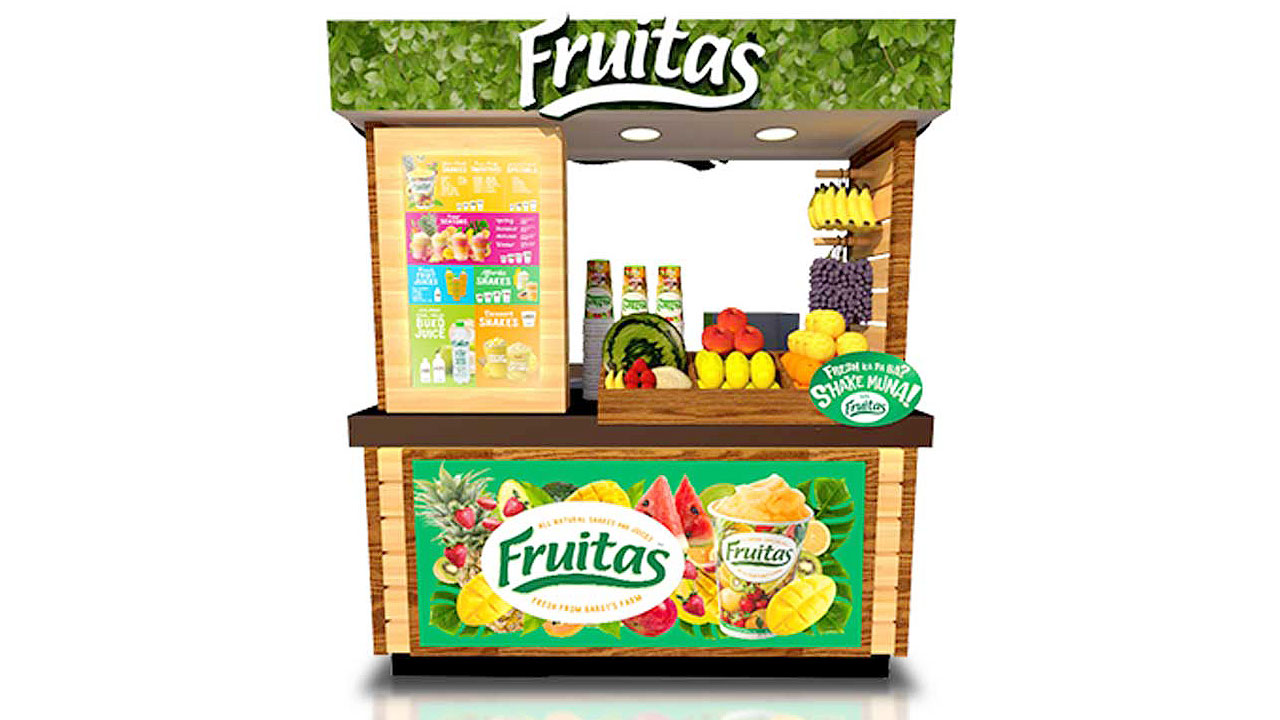
    Balai Ni Fruitas, which operates a chain of bakeries and juice shops, is planning a P309.38-million initial public offering (IPO) next month to fund its expansion plans and for potential acquisitions.

    According to the Securities and Exchange Commission (SEC), the subsidiary of Fruitas Holdings, Inc. filed its registration statement on Feb. 17.

    Balai will be offering as much as 325 million primary common shares. Meanwhile, its parent firm, Fruitas Holdings, will be selling 50 million secondary common shares, along with an overallotment option of up to 37.5 million common shares.

    IPO shares will be priced up to 75 centavos apiece. According to its prospectus dated Dec. 27, 2021, the final price will be set on March 7.

    “The Company will not receive any proceeds from the offer of the secondary shares and option shares,” Balai said.

    Balai may raise up to P243.8 million in gross proceeds from the sale of 325 million primary common shares. The company may net up to P220.4 million from its IPO.

    “The Company intends to use the net proceeds from the Offer for the store network expansion, commissary set-up and potential acquisition opportunities of the Company,” Balai said.

    Majority or 81.8% of its proceeds worth P180.4 million will be used for its store network expansion. The company aims to open 120 new owned stores in Metro Manila and “selected urban areas” across the country until the end of next year.

    The company owns bakery chain Balai Pandesal, Buko ni Fruitas, and Fruitas House of Desserts. Buko ni Fruitas offers fresh coconut drinks, while Fruitas House of Dessert serves fruit shakes and desserts.

    “Vast majority of the stores to be opened from 2022-2023 are anticipated to carry the Balai Pandesal brand. Moreover, the Company also expects to expand the footprint of its other existing brands and future acquisitions which will depend on, among others, market opportunities and commercial considerations,” Balai said.

    Balai plans to allocate P20 million for its plans to set up commissaries in 2022, while another P20 million will be used to acquire other baked goods brands.

    “The Company’s potential target acquisitions will be geared towards broadening its baked goods product offering and/or adding sales channels. The Company is still in the early stages of evaluating these options and there are no definitive agreements signed,” Balai said.

    In a statement in December, Fruitas Holdings President and Chief Executive Officer Lester C. Yu said it decided to take Balai public due to the “significant growth prospects of the bakery sector.”

    Balai plans to conduct its offer period from March 16 to 22, while its tentative listing date at the small, medium, and emerging board of the Philippine Stock Exchange is set on March 30. The company has yet to decide on its stock symbol.

    The company tapped First Metro Investment Corp. as the transaction’s issue manager, bookrunner, and underwriter.

  • Northern province blocks fruit trucks headed for China border

    Northern province blocks fruit trucks headed for China border

    Lang Son has decided to stop receiving fruit trucks headed for the China border for ten days starting February 16 as over 1,000 trucks are still stuck in the province.

    The provincial Department of Industry and Trade said that as of Friday morning, the total number of trucks waiting at the three border gates of Huu Nghi, Tan Thanh and Chi Ma was 1,640, of which 1,390 were carrying fresh fruit, accounting for nearly 85 percent.

    Due to China’s strict Covid-19 measures, customs clearance efficiency has been very low, with just 70-90 trucks able to cross the borders a day.

    Meanwhile, around 160 to 180 trucks reach the border gate every day, most of them carrying fresh fruits like dragonfruit, watermelon, jackfruit and mango. This will further worsen congestion at the border and damage businesses as well as farmers, officials said.

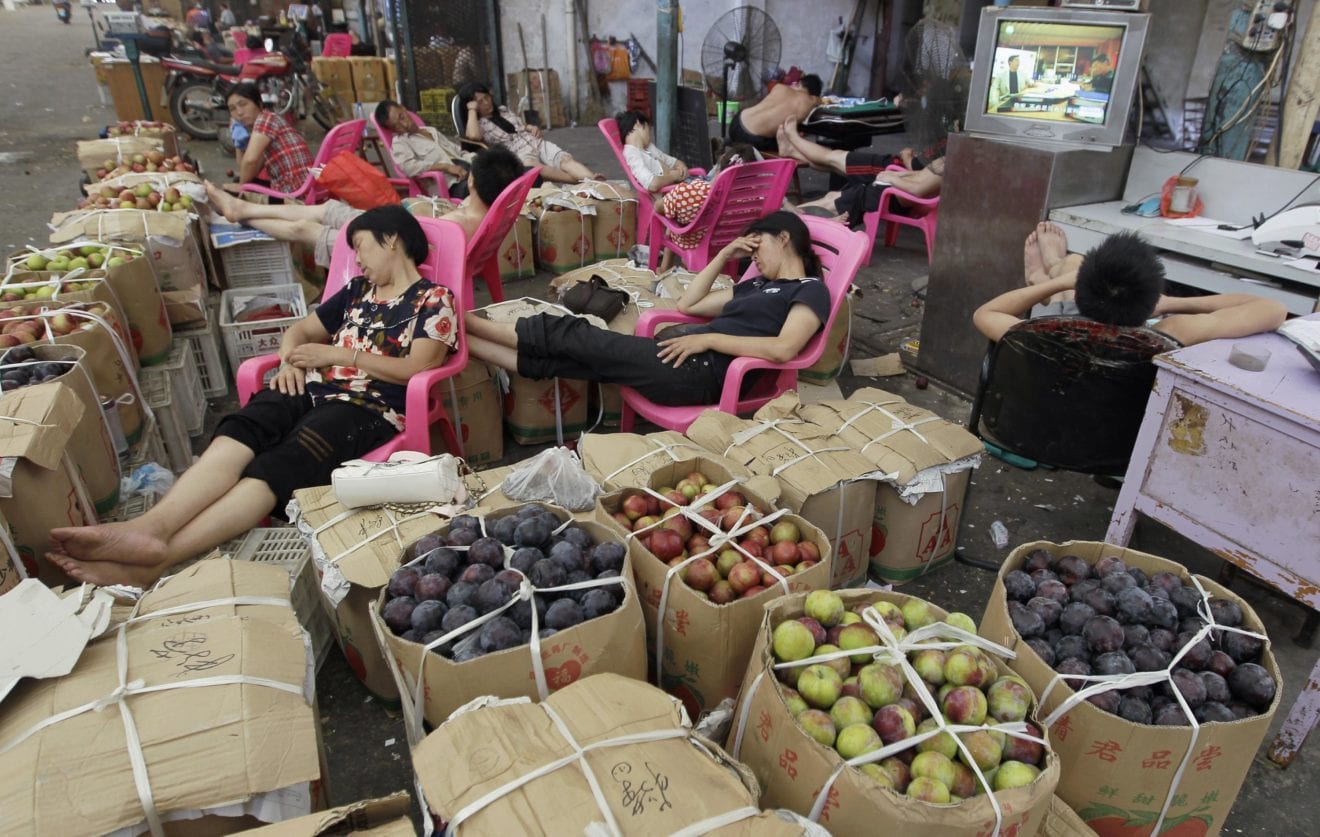
    The congestion at the northern border gates started in December 2021 after China strengthened its anti-Covid prevention measures. By mid-January 2022, afraid that their fruits would rot, many business owners had returned to the domestic market and sold them at very cheap prices.

    The government, ministries, branches and localities have had held many meetings on the issue but an effective solution to the problem has remained elusive.

    According to the General Department of Vietnam Customs, Vietnam earned $1.75 billion from exporting fruits and vegetables to China in the first 11 months of 2021, up 3.6 percent year-on-year despite Covid-19 impacts.

    China remained Vietnam’s top fruits and vegetables export market with a market share of 54 percent in the 11-month period

  • Vietnam steps up dragon fruit exports to Australia

    Vietnam steps up dragon fruit exports to Australia

    Large volumes of dragon fruit are being exported to Australia though it is currently the harvest season there for the fruit.

    Twenty-eight tons were shipped to Western Australia and South Australia last week by 4 Ways Fresh and Australia Flower, according to the Vietnam Trade Office in Australia.

    Australia Flower is set to export another 14 tons this week.

    Several retailers like Dai Phat and MCQ are selling the fruit at the equivalent of VND200,000 ($8.84) per kilogram.

    The exporters said they are targeting young consumers in Australia. The Vietnam Trade Office is offering promotions to retail buyers that include air tickets, toys and other gifts.

    Last year Vietnamese dragon fruit exports to Australia grew by 14 percent despite the Covid-19 pandemic.

    Vietnamese farmers grow nearly 1.4 million tons of the fruit every year, and most of it ends up exported to China.

    However, industry insiders said China has been increasing its area under the fruit in the last three years and would become self-sufficient in another five years, meaning Vietnamese exporters need to look for other markets.

  • 300,000 tonnes of dragon fruit have no buyers

    300,000 tonnes of dragon fruit have no buyers

    Around 300,000 tonnes of dragon fruit will soon be ripe for harvest but without buyers, as China clamps down on border trade, industry insiders said. With the northern provinces of Quang Ninh and Lang Son having both restricted trade at the border with China due to containers pilling up, many Chinese buyers have stopped purchasing Vietnamese dragon fruit, Phan Van Tan, deputy director of Binh Thuan’s Department of Agriculture and Rural Development, told a forum Thursday.

    Dragon fruit prices have dropped in the last few weeks as China tightened its Covid-19 measures that caused thousands of container trucks to get stuck at the border.

    Some exporters said they have tried to transport goods via sea but this is not a sustainable solution as shipping fees have surged three times from before.

    China has been the biggest buyer of Vietnamese agricultural produce and dragon fruit for years. Dragon fruit exports to China exceed that of 50 other markets, said Nguyen Khac Huy, CEO of Hoang Phat Fruit in Long An Province.

    China’s proximity to Vietnam explains why exporters prefer to send their fruit there over other destinations like Europe, which could take up to 42 days. Vietnam produces around 1.4 million tonnes of dragon fruit every year. Eighty percent comes from the three provinces of Binh Thuan, Long An, and Tien Giang.

    Deputy Minister of Industry and Trade Tran Thanh Nam suggested supermarkets nationwide buy the fruit to support farmers.

    The ministry will also hold a forum with trade offices in Europe to diversify output, he added.

  • Mekong Delta fruit prices surge as travel restrictions ease

    Mekong Delta fruit prices surge as travel restrictions ease

    Jackfruit, longan, and lemon cultivated in the Mekong Delta are fetching two to four times the prices that prevailed when Covid-19 related transport restrictions were in force before Oct. 1.

    Lemons bought directly at gardens are priced VND7,000-8,000 ($0.31-0.35) per kilogram these days, while they were selling for just VND2,000 per kilogram earlier.

    Prices of Thai jackfruit have also surged to VND19,000-30,000 per kilogram. These prices are four times more than the previous four months when travel was restricted.

    Similarly, longan prices have doubled to VND12,000-14,000 per kilogram.

    “Farmers hope to a lot of longan and make a profit when Chau Thanh District (Dong Thap Province) harvests the fruit in about a month,” said Nguyen Van Thuan, a farmer from the district.

    In July, fruit from the Mekong Delta, Vietnam’s agriculture hub, was sold poorly at lower prices as wholesales markets across HCMC close due to Covid-19.

    Mekong Delta contributes 90 percent of the country’s rice exports, 65 percent of seafood exports, and 70 percent of fruit exports.

  • Cult British water brand Dash heads Down Under

    Cult British water brand Dash heads Down Under

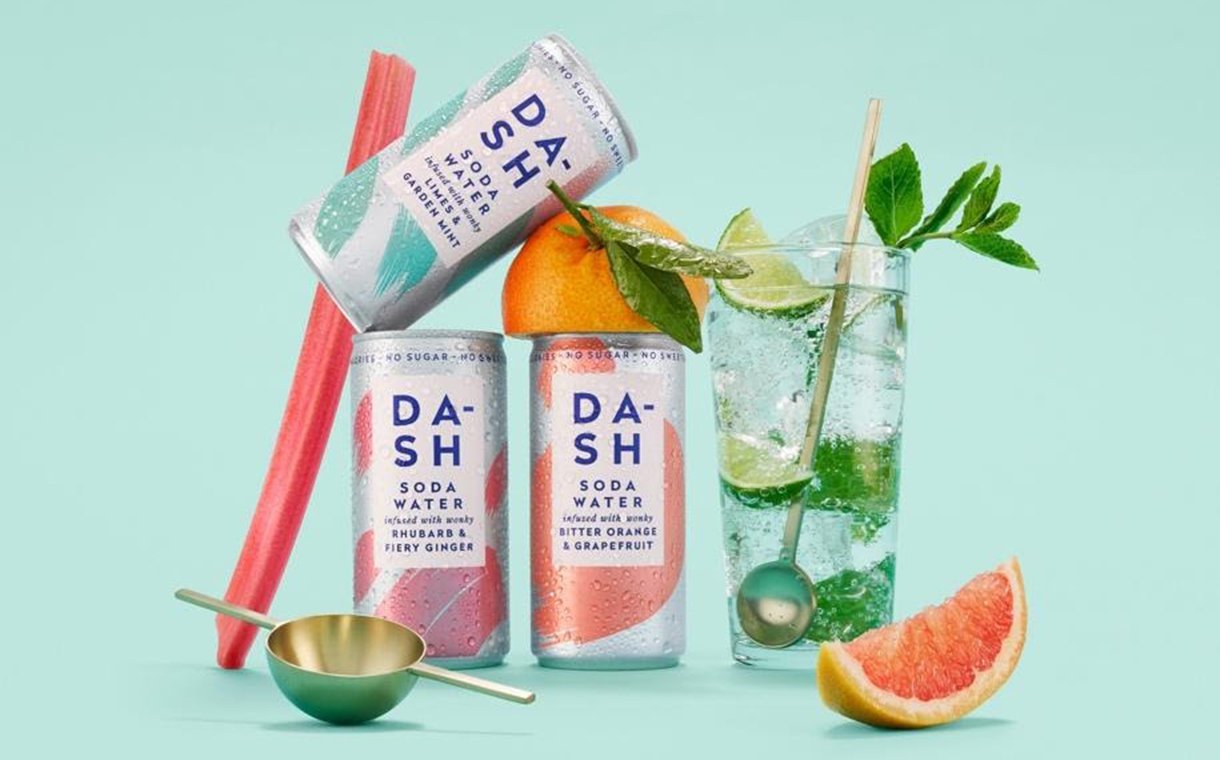
    Dash, the UK drink brand, is making a foray into the Australian soft-drink market with the launch of its renowned ‘wonky fruit’ infused sparkling water.

    Featuring just three ingredients – water, bubbles and wonky fruit – the drinks are sugar-free, zero-calorie and no sweetening is added. As part of the plan to reduce food waste, Dash uses fruits and vegetables that are wonky, bent, curved, knobbly, misshapen, and imperfect – but still delicious.

    Created by Jack Scott and Alex Wright in 2017, the idea came from when the two founders – who have farming backgrounds – saw produce that didn’t meet “beauty standards” going to waste. Dash also says it is on a mission to create a ready-to-use and sustainable drink to encourage people to have a greener lifestyle.

    This expansion of Dash marks the first time the company has produced locally outside the UK. The sparkling water is available at 700 Woolworths stores, and at 800 independent retailers across the country.

    “We noticed that the Australian market is backing the seltzer category in a similar way to the US and UK,” said Jack Scott, co-founder of Dash Water. “Many independent retailers, and Australian supermarkets, are focused on sustainable practices that align with our values as a B-Corporation. We wanted to bring a fresh perspective to the market by continuing to infuse local spring water with delicious wonky fruit, just as we do in the UK. Expanding Dash in Australia gives us the opportunity to expand the business and enter into new and exciting markets.”

    With the slogan “Dash judges on taste, not looks”, the water range can be found in different flavors – raspberry, lemon and cucumber – with an RRP of $8 for a box of four 300ml cans.

  • Dragon fruit suffers pandemic troubles

    Dragon fruit suffers pandemic troubles

    The Covid-19 pandemic has made it difficult for Vietnamese dragon fruits, in season now, to be exported.

    China, which accounts for some 80 percent of Vietnam’s total dragon fruit exports, has restricted the flow of goods at some border gates as part of its pandemic safety precautions.

    Meanwhile, for markets like the European Union, the U.S. and some Asian countries, the pandemic has caused an increase in logistics cost, and traders are facing fiercer competition from Taiwan, Thailand and Malaysia.

    To expand markets for its dragon fruit, Vietnam is seeking ways to penetrate new markets, including Australia and Japan.

    Ta Duc Minh, the commercial counselor at the Vietnamese embassy in Japan, said Vietnamese farmers and firms should ensure synchronous cycles from cultivation, harvest and preservation to transport and export to maintain the freshness and taste of dragon fruits.

    They should also intensify the application of advanced post-harvest technology to ensure product quality, he said.

    Phu proposed the central province of Binh Thuan and the southern province of Long An, the two country’s largest dragon fruit producers, should speed up processing and export of dried fruit as well as other products made from dragon fruits like wine and syrup.

    Binh Thuan has 33,750 hectares of dragon fruits with an average annual output of 650,000 tons. It currently has 240 dragon fruit collecting, semi-processing and packaging facilities, and six processing facilities that make different products with the fruit.

    According to the Long An Department of Industry and Trade, the province produces some 330,000 tons of dragon fruit each year.

  • Vietnam biggest buyer of Cambodia’s mangoes

    Vietnam biggest buyer of Cambodia’s mangoes

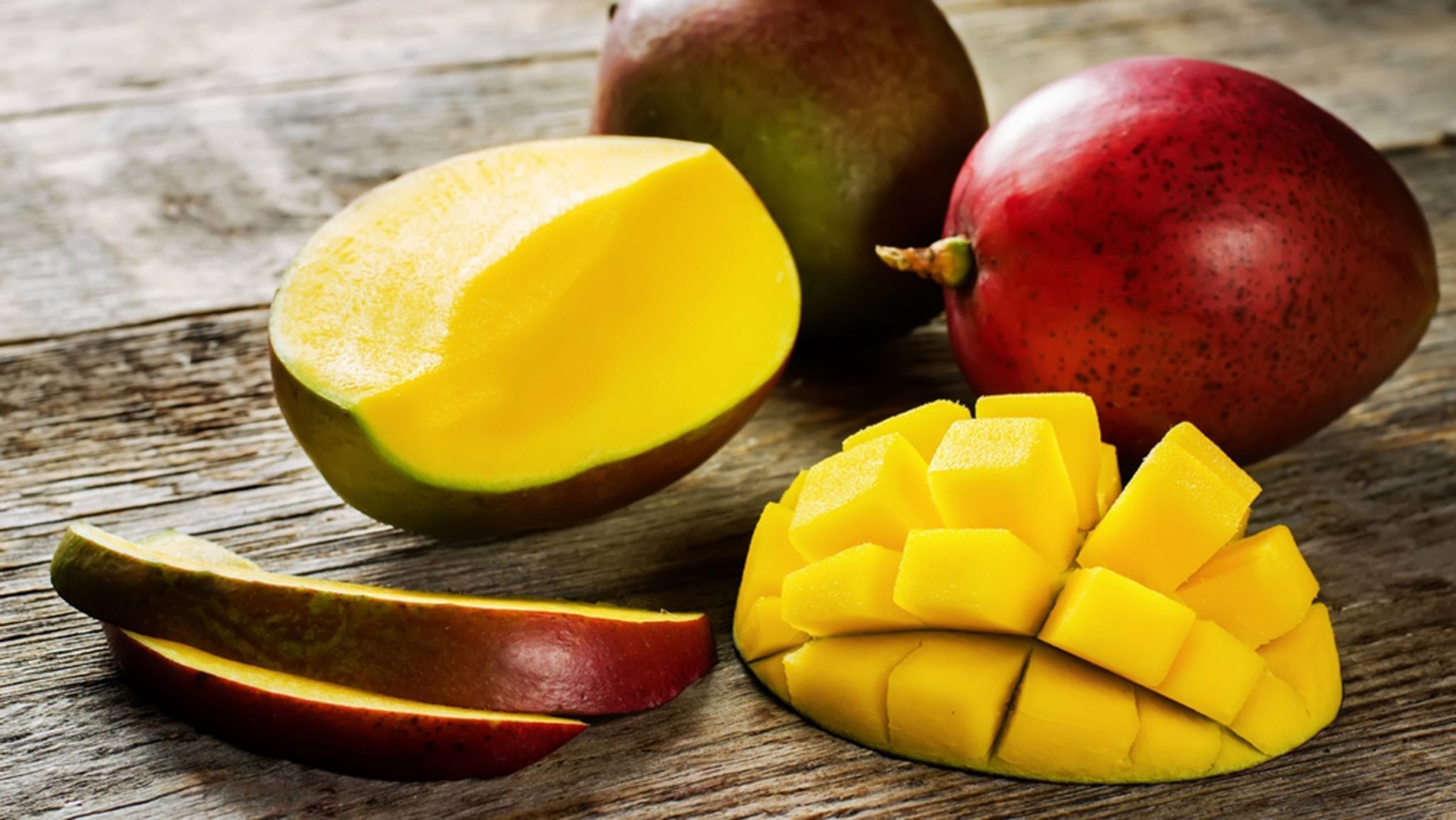
    Cambodia exported 140,000 tons of fresh mangos, or 86.8 percent of its total exports of the fruit, to Vietnam in the first seven months of this year.

    Citing data from the Cambodian Ministry of Agriculture, Forestry and Fisheries, the Vietnam Trade Office said the nation exported 161,228 tons of mangos between January and July, a year-on-year surge of 248 percent.

    Besides fresh mangos, Cambodia exported nearly 13,525 tons of mango jam, including 77 tons to Vietnam, 1,000 tons to Thailand and 11,000 tons to China in the seven-month period.

    Cambodia, which cultivates mangoes on 126,668 hectares at present, exported 845,274 tons of mangos worth over $473.2 million last year, mostly to Vietnam, Thailand, China, South Korea, Singapore, Russia and France.

  • Aqua Pura adds sparkle to its Fruit Splash range

    Aqua Pura adds sparkle to its Fruit Splash range

    Mineral water brand Aqua Pura has added two new flavors, Citrus and Melon, to its Fruit Splash range, which contain natural fruit flavoring and have less than fifty calories per serve.

    Fruit Splash Brand manager Amelia Wright says the new flavors are based on the already-established Fruit Splash Range.

    “When brainstorming range extensions for Fruit Splash, we came back to what has served us well, being our original Fruit Splash products, Tropical and Wildberry,” said Wright.

    “These are the flavours our consumers know and love from Fruit Splash, so building upon that, we knew we had to maintain this offering in different flavors whilst catering to those who prefer sparkling water.”

    With non-alcoholic drinks on the rise, consumers are increasingly looking for a healthier alternative from carbonated soft drinks.

    “From the popularity and growth we see on the Wildberry and Tropical products, we know this is what Aussies like”, Wright added.

    All Fruit Splash Sparkling flavors are available nationwide for RRP $2.50 per bottle.

  • Costa Group seals $231 million citrus business acquisition

    Costa Group seals $231 million citrus business acquisition

    Listed Australian vegetable grower and marketer Costa Group is to spend $231 million acquiring Queensland citrus-fruit growing business 2PH Farms.

    Costa has distributed and marketed 2PH citrus fruit for a decade on the domestic market and this year expanded into exports.

    “2PH has a long and successful history, having been started by my parents John and Pam Pressler, uncle Geoffrey Pressler and Darryl Hess some 51 years ago,” said Craig Pressler, owner of 2PH Farms. “I know and trust Costa, and I am happy that the business will be owned and run by an Australian company which is not only an industry leader, but also has a genuine commitment to continuing to build on 2PH’s reputation for the growing and export of high-quality citrus.”

    Costa says it is buying the venture to take advantage of 2PH’s established brand presence in Asia, higher citrus category revenue, exclusive rights to proprietary brands, and larger production scale, together with expanded geographical diversity for crops.

    The acquisition will be funded by a $190 million rights issue and existing debt facilities, with a $200 million initial payment to be made upon settlement and a further $31 million in July 2023 relating to the purchase of a property where a new citrus crop is currently being planted by 2PH.

    Costa Group CEO, Sean Hallahan said Costa has been actively engaged in the acquisition of high-quality citrus assets, including its recent acquisition of KW Orchards (Sunraysia) in March.

    “2PH is not only a high-quality asset, but it will also complement and enhance our production footprint, our variety offering and market opportunities, both export and domestic.”

  • Vietnamese lychee to be sold online for first time

    Vietnamese lychee to be sold online for first time

    Lychees grown in Hai Duong Province will be sold on e-commerce platforms Voso, Sendo, Lazada, and China’s Alibaba on Saturday, according to the Vietnam Trade Promotion Agency.

    It would be the first time that the fruits are sold online, and the agency said the biggest hurdle to this is farmers’ lack of knowledge of e-commerce, online marketing, selling and customer support, and quality control.

    It has collaborated with the northern province’s Departments of Agriculture and Rural Development and Industry and Trade to provide training to lychee farmers and traders in setting up and operating stores on the four e-commerce platforms.

    Hai Duong harvested 43,000 tons of lychee last year and exported half of it, including 1,600 tons to Japan, Australia, and the U.S. It expects to harvest 55,000 tons this year, and export half to China.

    In nearby Bac Giang Province, the director of the Department of Industry and Trade, Tran Quang Tan, estimated 180,000 tons of lychees would be harvested this year, with half of it exported to China, 10 percent to Japan, and another 10 percent to the U.S., the EU, and Australia.

    The harvest will take two months starting May end.

    Around 300 Chinese merchants have registered to visit Vietnam to buy lychees in Bac Giang.

    Local authorities will arrange transportation for them at the border, test them for Covid-19 and quarantine them for 14 days.

    The northern provinces of Bac Giang and Hai Duong are Vietnam’s lychee growing hubs, with the former having the largest area for lychee cultivation, which was 28,000 hectares last year, according to Bac Giang Portal. Hai Duong province came in second with 10,000 hectares.

  • Youfoodz begins selling groceries online

    Youfoodz begins selling groceries online

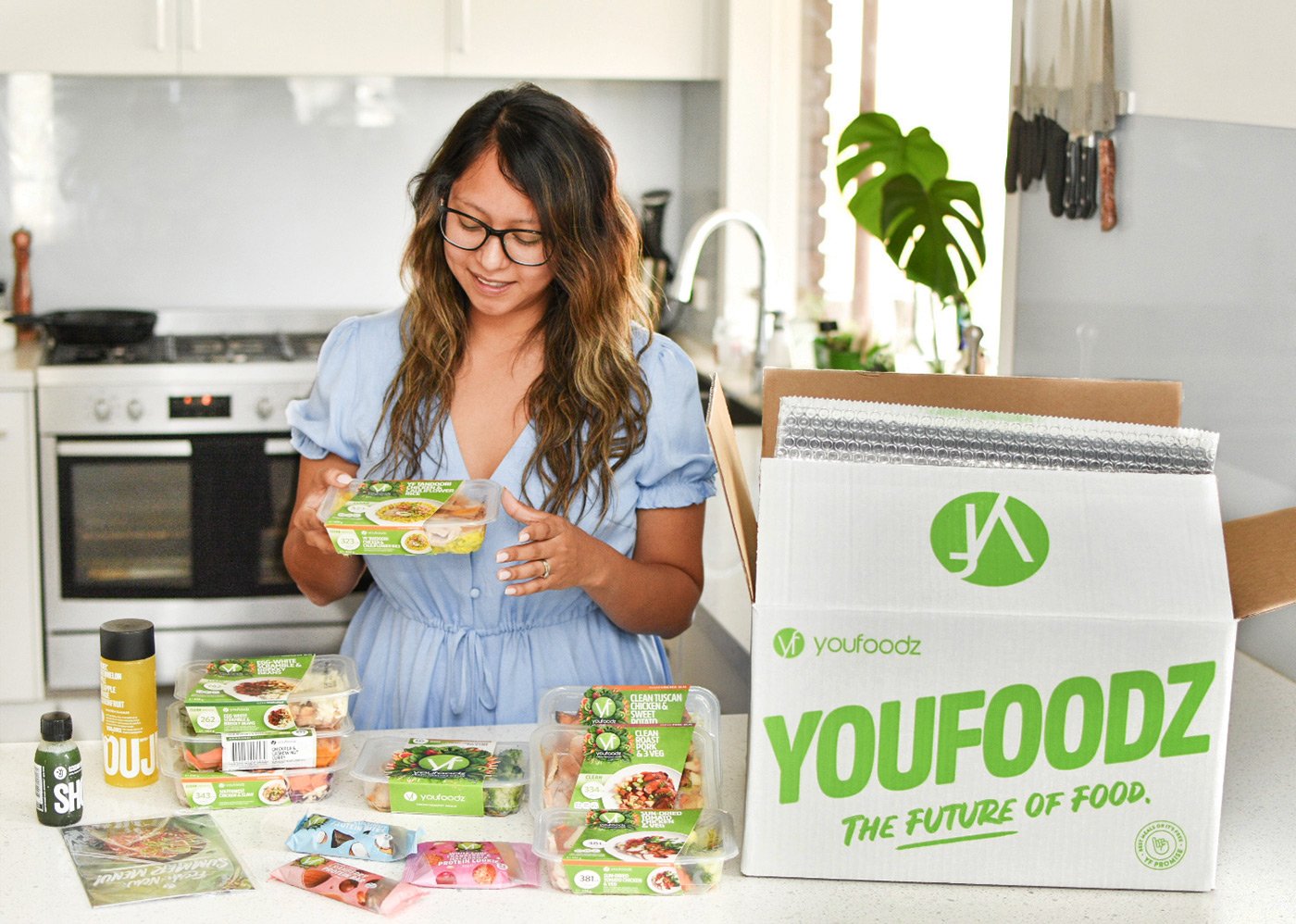
    Ready meals business Youfoodz has begun selling groceries essentials for home delivery, alongside Seasonal Fruit & Veg Boxes, amid high demand for online groceries during COVID-19.

    Youfoodz’s Grocery Essentials, includes a selection of grocery items, from proteins such as chicken breast, mince, Porterhouse steak, and Tasmanian salmon, all of which are under $12, to eggs, milk, and vegetables.

    The convenience meals business said the range is “premium yet affordable” and will allow customers “to purchase all their fresh food from one place”.

    “In this time of unprecedented uncertainty and disruption many Aussies are doing it tough and as a business Youfoodz have a duty of care to play a small part in supporting the local community, customers, partners, and suppliers to ensure they come out the other end ok – if not better,” the convenience meals business said in a statement.

    “That’s why Youfoodz have boosted production capability, are continuing to develop and introduce new products, as well as taking an active role in supporting great initiatives.”

    The decision to pivot into online groceries is likely in response to changing shopping behavior prompted by COVID-19.

    Last week at Coles Q3 results, CEO Steven Cain noted that consumers are doing more home cooking and baking during the lockdown, and convenience meals are taking a hit.

    Cain said that Coles, which is a stockist of Youfoodz ready meals, has seen people shopping fewer times per week, and buying more when they shop.

    “With fewer trips, you get fewer impulse items being purchased,” Cain said.

    “Home cooking is a more economic way to feed the family than buying convenience meals or impulse items.”

    Cain noted that consumers are eating more fresh food, with veg sales at the highest penetration they have ever been.

    Youfoodz is also taking advantage of increased demand for fresh produce, with a selection of Fruit & Veg boxes available, ranging in price from $44.95 to $69.95.

    Chief executive Lance Giles said the concept for Fruit & Veg Boxes came about when a local supplier felt the hit when restaurants and cafes slowed trading due to Coronavirus.

    “I received a call from Michael, one of our key suppliers, and the director of V One. He explained how his business had been significantly affected by COVID-19 and that he was days away from having to lay off the majority of his workforce,” Giles said.

    “After helping each other grow our businesses for many years, I felt there must be a way to help. That’s how fruit and veg boxes was created.”

    Youfoodz grocery items and fresh produce are sold online alongside the ready meals range, as individual items are as part of The Ultimate Grocery Box, but are packed separately for delivery. Discounts are offered if ready meals are bought alongside the grocery box.