Tag: fruit

  • 1,000 Durian Trees Cut Down in Malaysia: Explore the Controversy Behind It

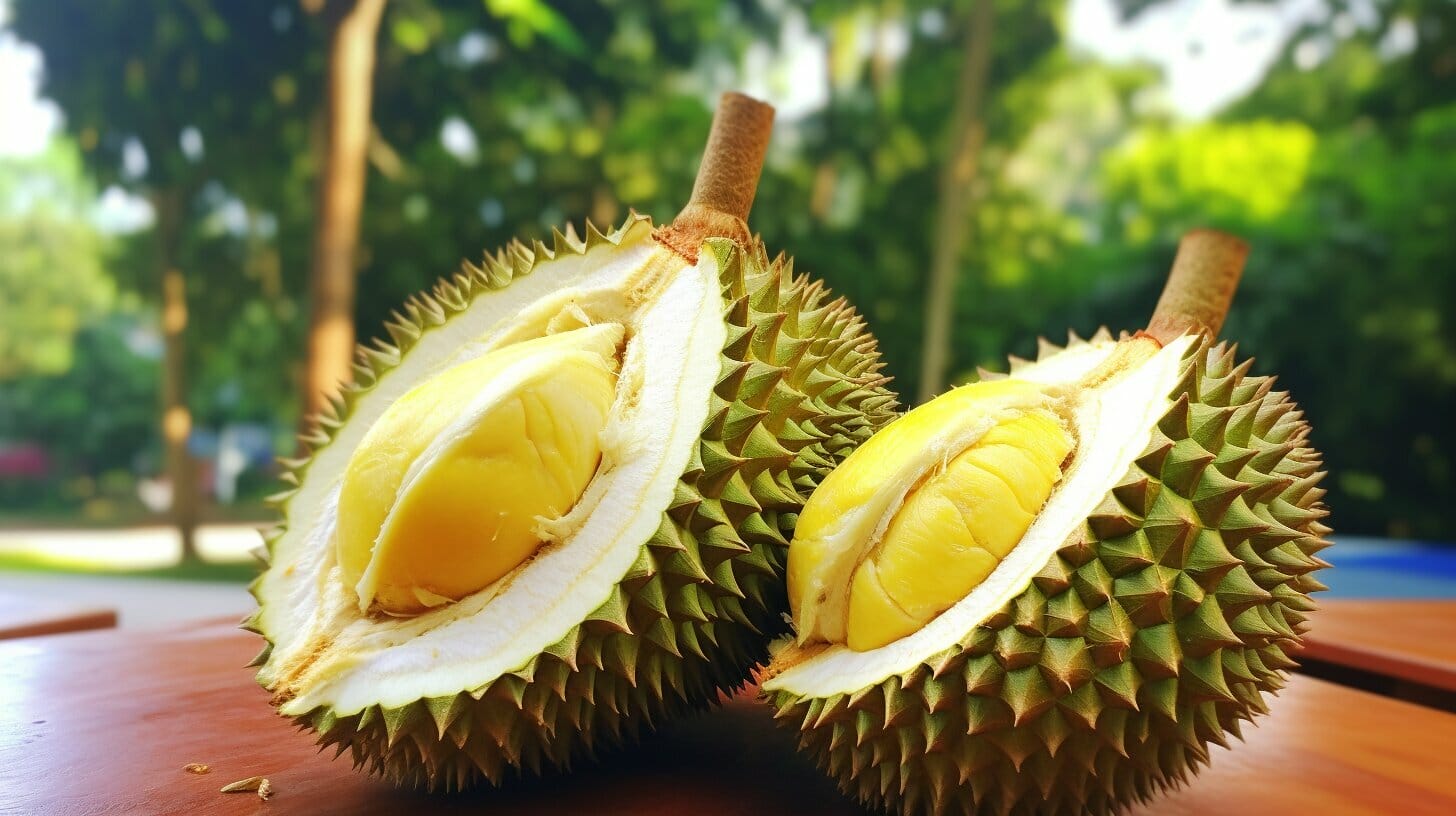
    1,000 Durian Trees Cut Down in Malaysia: Explore the Controversy Behind It

    Protests Erupt Among Durian Farmers in Malaysia Over Tree Destruction

    Farmers Rally Against Government Actions in Pahang State

    In a significant clash between agriculture and policy, durian farmers in Pahang State, Malaysia, are voicing their frustrations after the government initiated the cutting down of over 1,000 durian trees. This controversial decision has mobilized farmers to block roads and display protest banners, marking a pivotal moment in local agricultural resistance.

    Farmers Demand Accountability for Tree Removal

    The destruction of these durian trees, some of which have taken decades to mature, has sparked outrage among local farmers who rely on the fruit as a primary source of income. Many farmers are questioning the government’s motives, arguing that the long-term investment in these trees is being disregarded without consideration for their livelihoods.

    The Economic Impact of Durian Trees

    Durian, often referred to as the “king of fruits,” holds significant cultural and economic value in Malaysia. As consumer demand for durians continues to surge both domestically and internationally, the removal of these trees could have lasting effects on the local economy. Farmers are urging officials to reconsider the decision, emphasizing the need for sustainable agricultural policies that support farmer interests.

    Consumer Trends and Agricultural Policy

    As consumer trends increasingly lean towards sustainability and local sourcing, the current situation presents an opportunity for the government to reevaluate its policies regarding agriculture. Consumers are more aware than ever of the origins of their food, and ensuring the longevity of durian farming could align with rising consumer demand for ethically sourced products.

    Potential Consequences for the Retail Sector

    The farmers’ protest highlights a crucial intersection between agricultural practices and retail dynamics in Malaysia. Should the government persist with the tree removals, the resulting decline in durian production could not only impact local farmers but also reverberate through the retail sector, affecting pricing and availability of this sought-after fruit. As discussions unfold, the outcome of this situation will likely serve as a benchmark for future agricultural policies and consumer engagement within Malaysia’s vibrant retail market.

    The unfolding protests serve as a reminder of the delicate balance between economic development and agricultural sustainability, emphasizing the importance of community involvement in policy-making to ensure a prosperous future for both farmers and consumers alike.
  • Avocado Prices Soar to Five-Year High Amid Rising Consumer Demand

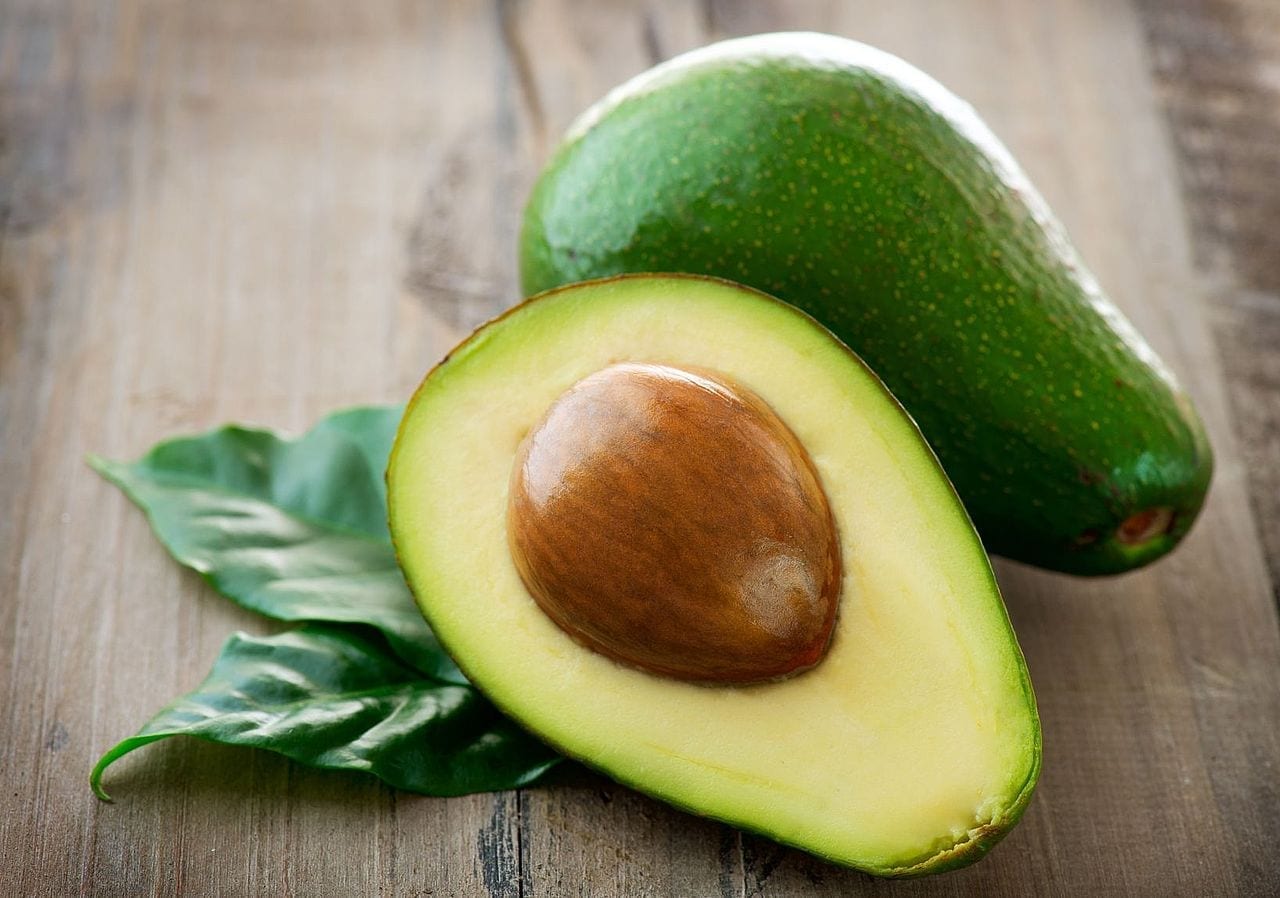
    Avocado Prices Soar to Five-Year High Amid Rising Consumer Demand

    In a striking turn of events in the agribusiness sector, avocado prices have surged to VND 40,000 (approximately US$1.54) per kilogram—marking a remarkable 100% increase compared to last year and reaching the highest price point in five years. This significant hike is attributed to a notable supply shortage.

    Farmers Profit Amid Rising Costs

    Hien, a farmer from the Central Highlands province of Lam Dong, is poised to earn VND 100 million from her avocado dealings this year, reflecting a robust 60% profit margin. This profit comes amid challenges; Hoang Anh, a retailer in Ho Chi Minh City, reports a 50% drop in supply from the previous year due to low yields.

    Weather Challenges and Crop Shifts

    The avocado market has been severely impacted by adverse weather conditions that have limited production. Traders like Dang Minh Tien are noting that many farmers have opted to replace avocado trees with more profitable fruits such as durian and coffee, further exacerbating supply issues.

    Quality Assurance in Retail

    In response to the rising prices, retail chains like MM Mega Market are taking steps to assure consumers of quality. The chain now offers avocados with a green sticker to indicate that the fruits are of high quality and free from chemical residues, catering to the increasing consumer demand for premium produce.

    Area Under Avocado Cultivation Declines

    According to agricultural authorities in Lam Dong Province, the area dedicated to avocado cultivation is diminishing, with approximately 8,000 hectares currently in production, yielding around 80,000 tons annually. As farmers pivot towards crops with better profitability, the future of the avocado market remains uncertain.

    Potential Impact on the Retail Sector

    As avocado prices climb, the ripple effects on retail dynamics and consumer behavior are becoming apparent. This trend could drive consumers towards alternative fruits or encourage the cultivation of avocados in other regions, reshaping consumer trends in the fruit market. Retailers will need to adapt to these shifts to meet evolving consumer demands effectively.

  • Thailand proposes China facilitate durian export

    Thailand proposes China facilitate durian export

    The Commerce Ministry of Thailand has recently requested the China Customs to extend the working hours at the Mohan checkpoint on the border with Laos to facilitate durian inspections.

    Specifically, the closing time will be changed from 5.30pm to 8.30pm, according to Deputy Minister Napintorn Srisunpang.

    Chinese authorities will also increase the number of inspection laboratories from three to five, adding more officials to streamline the process at this checkpoint, Napintorn said.

    He revealed that discussions with customs officials at multiple checkpoints indicated that Thai durian is free from contamination by Basic Yellow 2 (BY2) dye or cadmium.

    Previously, only 30% of durian imports underwent testing, but since January all containers must be checked for BY2 and cadmium contamination by certified laboratories in Thailand, plus face complete inspection upon arrival at Chinese borders.

    Napintorn said this heightened scrutiny has resulted in delays, with transport times stretching up to eight days. Concerns have been raised that during peak seasons, the inspection process could extend to as long as 10 days, potentially resulting in delivery times of up to 20 days, which may compromise quality and negatively impact sales of Thai durian.

    Due to expanded cultivation and improved yields, durian production is anticipated to rise by 37% year-on-year in 2025, reaching over 1.7 million tonnes, up from 1.2 million tonnes in 2024.

    Last year, domestic consumption was at 280,000 tonnes with 800,000 tonnes exported, 97% of which went to China. This year, exports are projected to increase to 1.3 million tonnes, while domestic consumption is expected to grow to 400,000 tonnes.

  • Fruit, vegetable exports decline for 3rd straight month

    Fruit, vegetable exports decline for 3rd straight month

    Exports of fruit and vegetables fell by 10.5% year-on-year in March to an estimated US$421 million, marking the third consecutive month of decline.

    They had decreased by 5.2% to $416 million in January and 6.5% to $303 million in February.

    The main reason was the decline in durian shipments, a major export item, the Vietnam Fruit and Vegetable Association said.

    Dang Phuc Nguyen, the association’s general secretary, said since the start of the year China, Vietnam’s largest export market, has been amending import regulations and now requires all durian shipments to undergo testing for cadmium and auramine O residues at accredited laboratories.

    Cadmium is a toxic heavy metal and auramine O is an industrial dye, and both are strictly controlled due to their potential cancer risks.

    The new requirement is resulting in longer and more complicated customs clearance procedures and difficulties for exporters, Nguyen said.

    Some of them have halted shipments to China just to complete the procedures, he said. If the situation persists, this year’s exports could be less than last year’s, he added.

    Exports were worth $7.15 billion last year, with durian accounting for $3.4 billion, or nearly 50%.

    The target for this year is $8 billion, which is achievable if the inspection issues are soon resolved.

  • Chilean cherry prices plunge to less than $6 per kilogram

    Chilean cherry prices plunge to less than $6 per kilogram

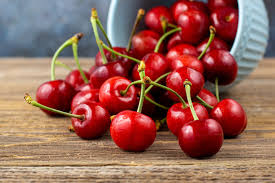
    Cherries imported from Chile are at their lowest prices in years, with small-sized fruits selling for VND149,000 (US$5.9) per kilogram at markets and online retailers.

    Bigger ones cost VND180,000-220,000 per kilogram. These prices are 20-25% lower than a year ago and down from VND350,000 last month.

    Lan, a vendor at Ba Chieu Market in HCMC’s Binh Thanh District, said she has never seen Chilean cherries as cheap as this.

    Nguyen Van Thanh, a fruit importer in HCMC, said China, the main market for Chilean cherries, recently tightened quality regulations. As a result, exports to the market have been reduced, creating a supply overhang, causing exporters to offload the fruits to other markets, including Vietnam, at competitive prices.

    Saltoro, a ship that was delivering 1,300 containers of Chilean cherries to China, encountered a technical issue near Micronesia on Jan. 13, which delayed its journey until after the Lunar New Year.

    Demand for the fruit in China usually peaks during the holidays. This incident also contributed to the decline in prices.

    This year Chile’s cherry production was 60% higher than in 2024. According to customs data, Vietnamese im

  • Fruit, vegetable exports decline as China raises quality bar

    Fruit, vegetable exports decline as China raises quality bar

    Vietnam exported US$417 million worth of fruits and vegetables in January, down 5.2% year-on-year and 11.3% from the previous month as China tightened safety requirements.

    It now requires testing for a potentially carcinogenic chemical called auramine O, or basic yellow 2, causing many shipments of durian, a key item, to be held up at customs, according to the Vietnam Fruit and Vegetable Association.

    This requirement was introduced after the chemical was found in several Thai durian shipments in late 2024.

    Some Vietnamese exporters have had to redirect their durian shipments to the domestic market and sell them at distress prices, with many temporarily halting exports to China.

    Businesses are now completing the required tests at the nine centers in Vietnam recognized by China.

    An executive at an export company in the Mekong Delta province of Tien Giang said: “Nine is a rather small number. Vietnam needs to push for more [centers] to avoid bottlenecks during peak times.”

    Dang Phuc Nguyen, the association’s general secretary, warned that fruit and vegetable exports may fail to reach this year’s target of $8 billion if these inspection hurdles are not promptly overcome.

    Several other markets have also raised their import standards, including the U.S., which now requires plantation and packaging codes issued by its Department of Agriculture, and the EU, which has doubled the rate of Vietnamese fruits screened for pesticides to 20%.

    Ongoing geopolitical instability, such as the Russia-Ukraine conflict and tensions in the Red Sea, continues to impact maritime transport, also potentially hampering exports this year.

    Vietnam’s fruit and vegetable exports hit a record $7.15 billion in 2024, up 27.6% from the previous year, with shipments to most key markets growing by 10-80%.

    The Ministry of Industry and Trade’s import-export department recommends that farmers, cooperatives and businesses should collaborate to improve product quality and enhance the presence of Vietnamese brands on the global market.

  • Growing demand for durian ignites culinary boom in China

    Growing demand for durian ignites culinary boom in China

    Durian-themed restaurants, ranging from buffets and hotpots to drinks and desserts, have been mushrooming in Chinese cities as the durian craze extends beyond just fresh fruit.

    The catering industry in China is jumping on the durian bandwagon, offering “everything + durian” promotions to cash in on the fruit’s growing popularity among young consumers.

    A restaurant in Shenzhen, China’s Guangdong Province, has gone viral with a buffet offering over 200 durian-inspired dishes, from porridge to pancakes and cakes, for 199 yuan (US$27.26) per person

    Su Yuru, a white-collar worker in Shenzhen, said durians are sweet and filling, making it difficult to eat 199 yuan’s worth. “But my friends and I are eager to try.”

    “I often buy a durian to share with my family on weekends, usually priced at about 150 yuan, and durian is also a regular at local companies’ afternoon teas and annual parties for their employees.”

    Topics related to durian-themed food, like “durian barbecue” and “durian buffet,” have racked up over 1.24 billion views on Douyin, as TikTok is known in China.

    Despite the middle class tightening their belts, their craving for durian has increased, extending beyond fresh fruit to include durian-infused food and beverages.

    Sales of durian-flavored cakes by Guangxi Xuan Ma Food, a producer of packaged snacks and baked goods, surged from 800,000 yuan in 2019, when they were launched, to over 10 million yuan in 2023.

    The fruit has even become a trendy addition to milk tea, a popular beverage in China.

    “Milk tea with durian pulp is our hottest-selling product,” Jariya Unthong, the Thai owner of a street stall selling Thai milk tea in Nanning, the capital of the Guangxi region.

    Hotpots and chicken soups featuring durian introduced by upscale restaurants in the region have also gained widespread popularity.

    To satisfy its growing appetite for the fruit, China, the world’s largest durian consumer, has been ramping up imports, mostly from a host of Southeast Asian suppliers.

    The market purchased 1.38 million tons of durians for $6.2 billion in the first nine months of 2024, up 11% in volume and a 5.6% rise in value from a year ago, which cited Chinese customs data.

    Of these, Thailand accounted for nearly 755,000 tons, or 54.7%, of the fruit worth $3.73 billion while Vietnam shipped 618,000 tons worth $2.45 billion.

    While Thailand pulled ahead, its figures marked year-on-year declines of 14.1% in volume and 13.3% in value, while Vietnam’s rose 72.2% in volume and 57.3% in value.

    To boost its competitiveness, Thailand’s Digital Economy Promotion Agency launched project One Tambon, One Digital in November that aims to enhance durian farmers’ productivity, strengthen consumer trust in Thai durians, and promote high-value products on a global scale, particularly amid competition from China and nearby nations.

    China also imports fresh durians from Malaysia and the Philippines, though in relatively small volumes. The Philippines supplied 6,260 tons in the first three quarters, while Malaysia shipped 215 tons valued at $3.65 million between June, when it received approval for fresh durian exports, and September.

    But even as current suppliers make efforts to boost durian shipments, the Chinese market still has plenty of room for growth as, according to a report by Beijing-based consultancy Guanyan Tianxia, less than one in 100 Chinese people has tasted durian.

    The untapped potential is drawing new players into the market, including Indonesia, which has been traditionally exporting the fruit as paste to China.

    The country is ramping up efforts to ship fresh durians to China, its coordinating minister for food affairs, Zulkifli Hasan, said last month.

    Laos, whose durian industry has only been gaining traction recently, is also vying for a share of the Chinese durian market, Nikkei Asia reported in late October.

    Bounchanh Kombounyasith, director general of the country’s Department of Agriculture, said market access documents were being prepared and Lao durians will soon be exported to China.

  • Chinese kiwi prices in Vietnam start at $0.8/kg

    Chinese kiwi prices in Vietnam start at $0.8/kg

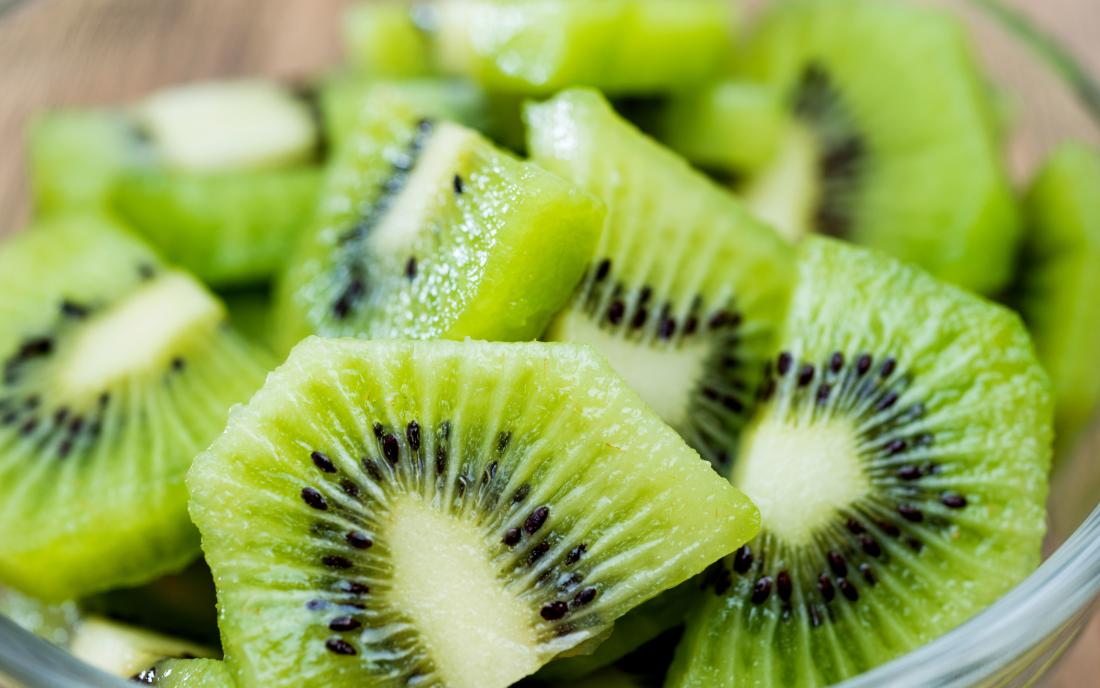
    Chinese green kiwi is being sold at VND20,000 (US$0.79) per kilogram onwards by wholesalers in Vietnam, a third of the prices of imports from Australia and New Zealand.

    Australian and New Zealand wholesale prices start at VND60,000 and go up to VND120,000. But the VND20,000 price is unusually low for a fruit considered an upmarket item in Vietnam.

    Thanh Hoa, a fruit wholesaler in HCMC, said these are the lowest prices in years. “I import thousands of boxes at a time to get the best prices.”

    Retailers are selling the fruit at VND50,000-80,000 per kilogram. In China, green kiwi is primarily grown in provinces with a temperate climate such as Sichuan, Shaanxi and Henan.

    Thanks to advanced breeding technologies and large scale of production, China is able to produce large quantities of the fruit and maintain low prices.

    Vietnamese importers say Chinese kiwi is able to enter Vietnam at current rates because logistic costs have been optimized.

    Dang Phuc Nguyen, general secretary of the Vietnam Fruits & Vegetables Association, said China has acquired kiwi varieties from other countries and breeds them with low labor costs.

    Vietnam’s imports of Chinese agriculture produce in the first 10 months were worth $800 million, a 24% increase year-on-year, according to the customs department. The main fruits it imported were apple, grape, persimmon, and kiwi.

  • Fruit, vegetable exports soar 27%

    Fruit, vegetable exports soar 27%

    Exports of fruits and vegetables were worth an estimated US$6.6 billion in the first 11 months of 2024, a 27% increase from a year earlier.

    The Vietnam Fruit and Vegetable Association came up with the estimate based on customs data, which shows exports to major markets growing at double-digit rates.

    In the first 10 months, for which official data is available, shipments to China rose by 30% year-on-year to $4.1 billion, while exports to the U.S., South Korea and Thailand jumped by 35%, 41% and 70%.

    Durian was the best-selling item, making up more than $3 billion worth of fruit and vegetable exports in the period, with China accounting for $3 billion.

    Vietnam has been the second largest supplier with a 39% market share, trailing Thailand’s 60.2%.

    Dang Phuc Nguyen, general secretary of the association, said China has very high demand for fruits and vegetables, especially Vietnamese durian.

    If exports to the country continue to grow at current rates, Vietnam could surpass Thailand as China’s top durian supplier in the next year or two, he said.

    He expected fruit and vegetable exports to touch a record $7 billion this year.

    Vietnam gained approval to export frozen durian and fresh coconut to China in August,and many exporters have since reported signing large contracts to supply them. One company said it has a deal to ship up to 1,500 containers of coconut.

    Coconut, passion fruit and some other agricultural products are growing in popularity in the U.S, while Thailand has increased imports of fruits from Vietnam this year as its own production has been hit by unfavorable weather.

  • Vietnam durian exports to China surpass Thailand’s

    Vietnam durian exports to China surpass Thailand’s

    Vietnam exported 177,000 tons of durians worth US$640.72 million to China in September, surpassing Thailand as the top supplier of the fruit to that market.

    China spent $894.58 million in all to import 228,000 tons of durian in September, with Vietnam accounting for 77.6% of it, Thanh Nien newspaper reported last Thursday, citing data from China’s General Administration of Customs.

    But Thailand remained the leader in the first nine months, exporting nearly 755,000 tons of the fruit worth $3.73 billion, accounting for 54.7%, according to Dan tri online newspaper. But the figures represented year-on-year declines of 14.1% in volume and 13.3% in value.

    During the period Vietnam shipped 618,000 tons worth $2.45 billion, up 72.2% in volume and 57.3% in value.

    According to Dang Phuc Nguyen, general secretary of the Vietnam Fruit and Vegetable Association, Vietnam typically has an edge over Thailand around year-end when it has off-season durian to export to China unlike Thailand, whose harvest ends well before that.

    He said Chinese demand also rises at that time as consumers ramp up purchases for the year-end holidays and the Lunar New Year.

    Vietnam enjoys transport advantages such as road and rail links with China, which helps its exporters save time and costs, he added.

    In a bid to boost its competitiveness, Thailand’s Digital Economy Promotion Agency recently rolled out a project called One Tambon, One Digital that aims enhance durian farmers’ productivity, strengthen consumer trust in Thai durians, and promote high-value products on a global scale, particularly amid competition from China and nearby nations, the Bangkok Post reported.

    The initiative will help over 6,100 farming households adopt digital platforms to record cultivation data and train 12,200 farmers in 23 provinces in e-commerce and Good Agricultural Practices, which is required to export durian.

    The country has 163,200 hectares under durian, and grows 1.53 million tons of the fruit annually.

    Durian accounted for 69% of its fruit exports in 2023, with China being the primary export market.

    Vietnam shipped 500,000 tons of durian worth $2.3 billion that year, with 90% going to China. It has 154,000 ha under the fruit and an output of 1.2 million tons.

    It previously surpassed Thailand in durian exports to China earlier this year, shipping 32,750 tons in the first two months of 2024. Thailand’s exports in the same period plunged by half to 19,000 tons.

  • Thailand launches digital durian initiative to boost farmers’ income

    Thailand launches digital durian initiative to boost farmers’ income

    Thailand has kicked off the One Tambon, One Digital (OTOD) “Digital Durian” project to help 8.8 million durian farmers improve their productivity.

    Thailand’s Digital Economy Promotion Agency President Nuttapon Nimmanphatcharin said the OTOD Digital Durian initiative aims to engage over 6,100 durian farming households in adopting digital platforms for recording cultivation data within a two-year timeframe.

    The collection of this data will contribute to creating “big data” for Thailand’s agricultural sector, especially the durian sector. Pantanu Wannagangsai, advisor to the Ministry of Digital Economy and Society (DES), said the above-mentioned project aligns with the government’s policies which aim to solve issues of debt, income, cost of living and social stability. It is expected to contribute to building consumer confidence both domestically and internationally, promoting high-value Thai products globally amid fierce competition, especially from China and countries in the Southeast Asian region, he added.

    Thailand has 1.02 million rai of durian plantation areas and produce 1.53 million tonnes. Durian accounts for 69% of all exported fruits, or 991,557 tonnes last year, and the major durian export market is China.

    In addition, 12,200 farmers in 23 provinces are expected to be trained on e-commerce applications and certification for Good Agricultural Practice, supporting the development of a national agriculture platform.

  • Laos’ sprouting durian industry strives for exports to China

    Laos’ sprouting durian industry strives for exports to China

    Durian production in Laos has come to fruition and the industry is seeking opportunities to export to China – the world’s largest consumer of the stinky fruit. Tao Jian, a 54-year-old Chinese entrepreneur and the owner of Jinguo, a company with 50,000 durian trees planted on the Bolaven Plateau in southern Laos, recently celebrated the first harvest from his.

    Though the region is primarily known as Laos’ coffee hub, it could soon gain recognition for durians.

    Tao said the country’s fertile soil is ideal for farming the fruit and a hybrid durian variety, a mix between Malaysian and local cultivars, has been successfully developed there, leading to high-quality produce.

    “I believe Laos will soon become the world’s fourth-largest durian producer, after Thailand, Vietnam and Malaysia,” he told Nikkei Asia.

    While the durian industry has been expanding rapidly in several Southeast Asian countries, large-scale durian farming has only been sprouting recently in Laos, where the fruit used to be grown mostly in the backyards of local families.

    At a meeting between the Lao Agricultural Business Association, representatives of Lao durian growers, and Chinese agricultural importers in August, Bounthieng Latthanavong, president of the association, stated that durian production methods in Laos have become more professional and robust, positioning the industry for success in global markets, as reported by the official Lao News Agency.

    Elavanh Latpakdee, a representative of durian farmers in Laos, said the association has 170 farms spanning 20,000 hectares and many trees have started producing fruits, yielding around 900 tons of durian per year. It expects production to rise to 24,300 tons worth more than US$155.5 million.

    Durian farming in Laos has come a long way, but the country has not yet been allowed to export the fruit to China.

    However, that goal might not be too far off. Bounchanh Kombounyasith, Laos’ director general of the Department of Agriculture, said market access documents were being prepared and Lao durians will soon be exported to China, a state-owned Chinese newspaper reported late last month.

    As the top importer of the fruit, China procured 1.4 million tons of durians worth $6.7 billion in 2023, with Thailand and Vietnam being the top suppliers.

    In the second quarter of this year, Thailand shipped about $2.67 billion worth of durian to China, accounting for 75% of imports. Vietnam supplied most of the remaining shipments during the period, the South China Morning Post reported, citing Chinese customs data.

    China’s burgeoning demand has been transforming the durian industry in Southeast Asia.

    Many farmers in Thailand and Vietnam have become wealthy from the fruit.

    And it might also turn the sprouting durian industry in Laos into an economic boon for the country.

    China is Laos’ second largest trading partner and its top investor, China Daily reported, citing Chinese customs data.

    Bilateral trade between the two nations hit a record $7.1 billion in 2023. It amounted to $4.9 billion in the first seven months of this year, a 30.3% increase from a year ago.

    Besides the natural advantages noted by Tao, Laos’ durian industry has been attracting investment from Chinese businessmen who possess the resources to develop the sector. Many of these investors are turning to Laos to establish durian farms with the aim of shipping the fruit back to China.

    The Laos-China railway, launched in December 2021, might add to this momentum by reducing the travel time from Vientiane, the capital of Laos, to Kunming, a key trade center in southwestern China, to under 10 hours.

    The industry also receives the support of foreign professionals like Duangdavone Sulayavongsa, a durian cultivation expert with nearly 20 years of experience in Thailand.

    He believes that Lao durians hold the potential to become a major export commodity, greatly benefiting the country’s economy.

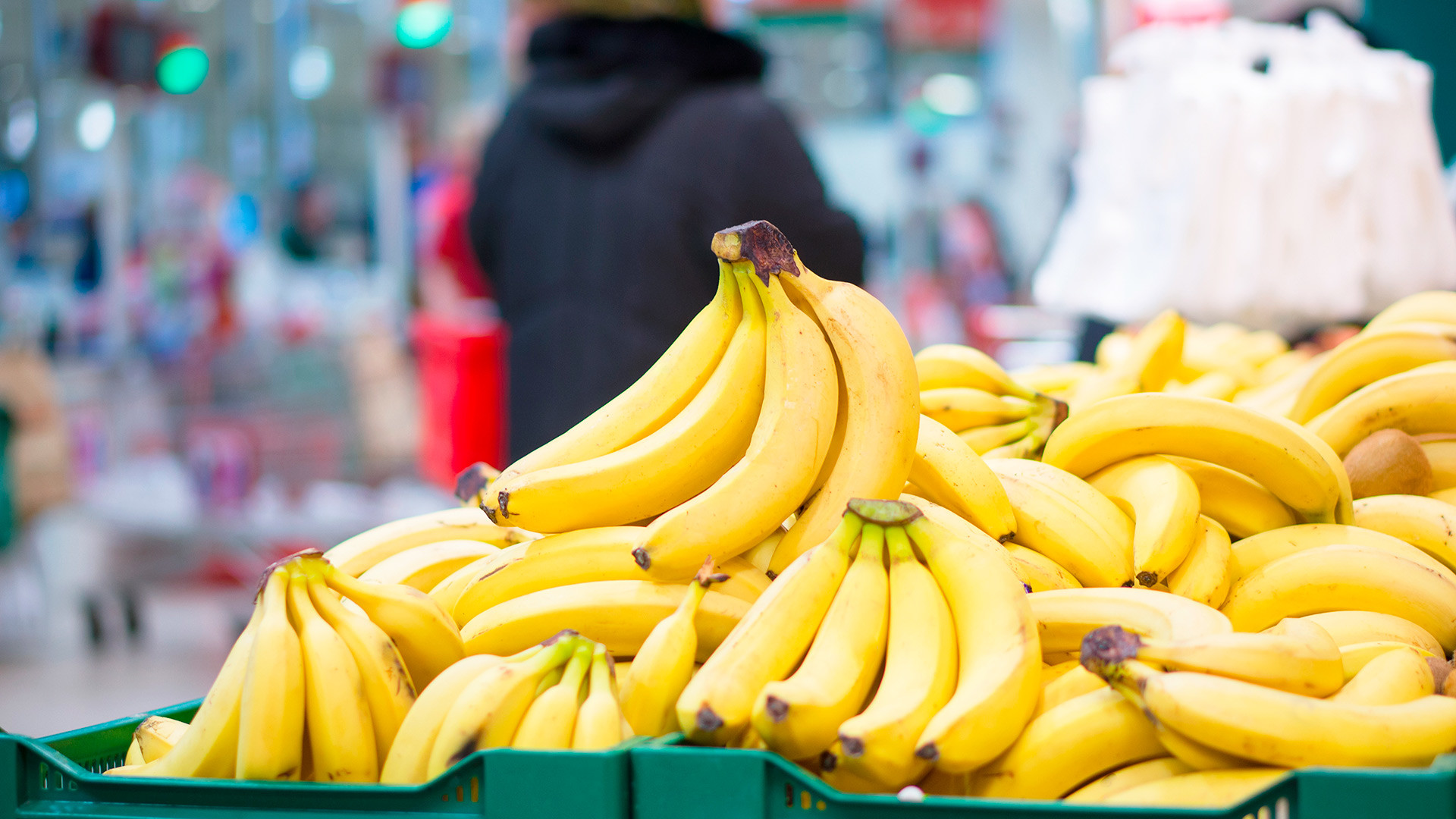
  • Banana prices double in Thailand

    Banana prices double in Thailand

    The price of kluay hom thong banana or “golden bananas” in Thailand has doubled to 30 baht (US$0.89) amid growing demand.

    Somchai Nunual, leader of the golden banana and fruit safety group in Bang Kaew district in Thailand’s Phatthalung province, said the price hike was due to the growing popularity of the fruit, while the lack of rain since the second half of last year has curtailed the supply of bananas to the market.

    Bang Kaew district has been the center of the bananas in the province since farmers discovered the soil in the district is more suited to growing bananas than rubber, rice or oil palm.

    Thailand’s Ministry of Agriculture and Cooperatives predicted that the kluay hom thong banana harvest this year will amount to just 32,000 tons, a massive drop from last year’s 120,000 tons.

    Farmers made an average of 278 baht per 100 bananas last year, up from 243 baht in 2022, according to the ministry. It forecast that banana farmers will pocket 292 baht per 100 fruits this year.

    The kluay hom thong banana is one of Thailand’s main fruit exports, with 80% going to Japan and the rest largely to China and Cambodia.

    Japan allows Thailand a quota of 8,000 tons of the fruit annually, but the actual export volume is only half that because farmers cannot produce enough of the fruit that meets Japanese standards, according to the Internal Trade Department.

  • Some markets ramp up imports of Vietnamese durian

    Some markets ramp up imports of Vietnamese durian

    Vietnam’s durian exports to several markets like Thailand, Hong Kong and South Korea rose by double digits year-on-year in the first seven months.

    China remained the biggest buyer as exports rose by nearly 53% to US$1.47 billion, accounting for 92% of all shipments.

    Thailand was second with $65 million, up 51%, followed by Hong Kong, $19 million, up 24%.

    Exports to South Korea, Papua New Guinea, Japan, and Cambodia increased by at least 50%.

    Total exports were also up 50% to $1.6 billion.

    Ngo Tuong Vy, CEO of fruit exporter company Chanh Thu, said Vietnamese durian is more competitively priced than those from Thailand, Malaysia and the Philippines.

    Her company saw exports rise by 30% this year because of a decline in Thai output due to unfavorable weather.

    Dang Phuc Nguyen, general secretary of the Vietnam Fruits & Vegetables Association, said many countries are craving Vietnamese durian because of its high quality and availability all year round.

    Vietnam and China’s recent protocol on frozen durian exports would also help boost exports, he added.

    Vietnam exported $2.3 billion worth of durian last year, 90% of it to China.

  • Belgian brewery Rodenbach launches cherry-flavoured beer

    Belgian brewery Rodenbach launches cherry-flavoured beer

    Belgian craft brewery Rodenbach has made its cherry-flavoured craft beer, Fruitage, available in Australia.

    The beer is made from a blend of ripened and aged ale, young ale, and 7 per cent cherries, processed through “meticulous” fermentation.

    “The main fermentation and warm maturation occur with top-fermenting yeasts at ambient temperatures between 15 to 25 Celsius,” explained the brewery.

    “Secondary fermentation takes place over a two-year maturation period in oak casks, facilitated by bacterial flora and wild yeasts present in the oak.”

    These microorganisms initially produce organic acids, which are then transformed into fruity esters, giving Fruitage its distinct, vibrant taste.

    Rodenbach Fruitage is available in Dan Murphy’s and BWS stores nationwide at an RRP of $17 for a four-pack and $84.99 for a case.