Retail News CRM

Tag: fruit

  • Billion-Dollar Boom: Vietnam’s Banana Exports Set to Topple Records

    Billion-Dollar Boom: Vietnam’s Banana Exports Set to Topple Records

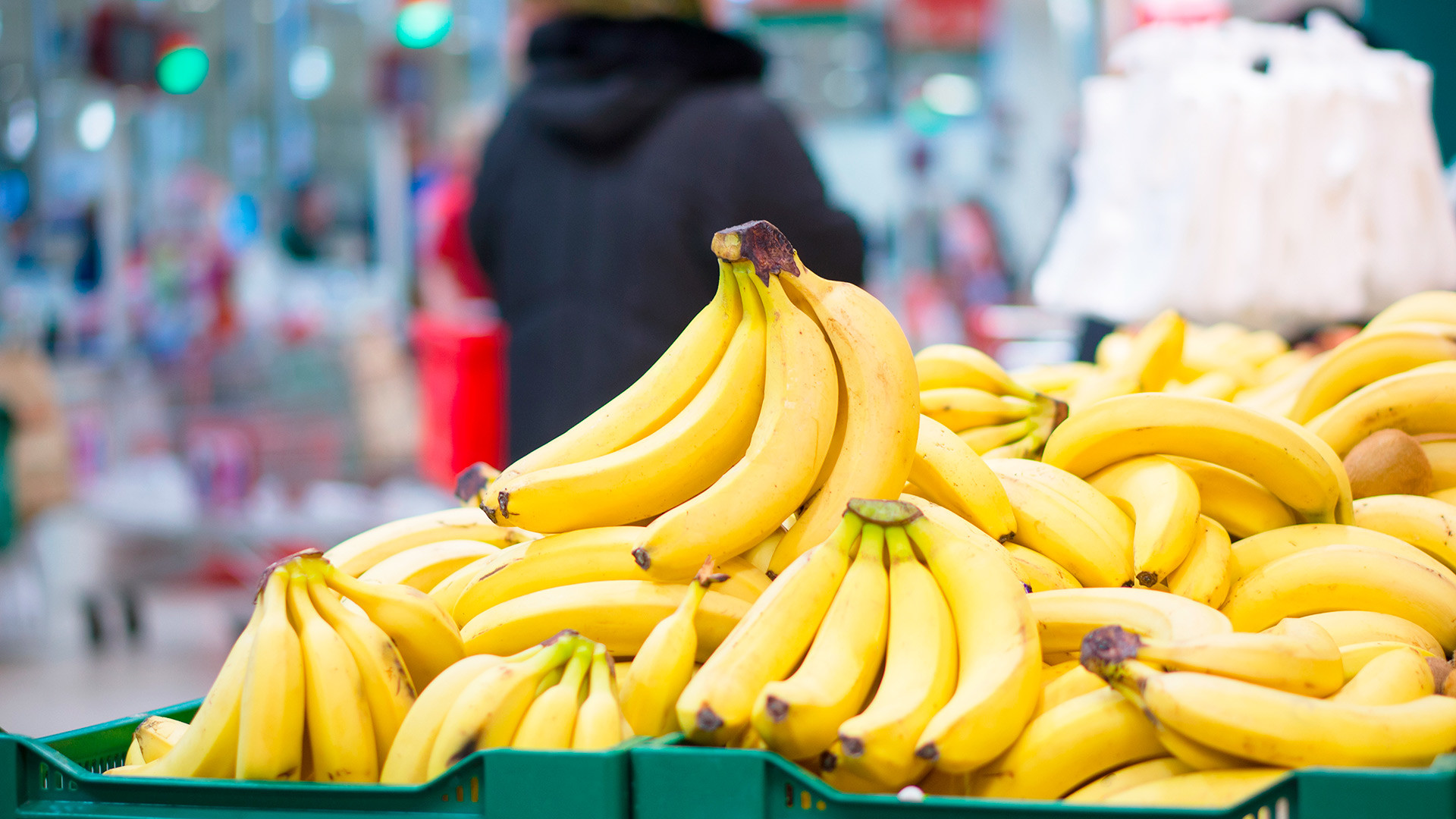
    Vietnam’s banana exports could potentially surpass the US$1 billion threshold in the near future due to increased investment, value-chain-driven production, and expanded export markets, a number of experts and industry insiders have highlighted. They shared this optimistic outlook during a recent forum held in Ho Chi Minh City that focused on strategies for preventing and controlling Panama disease in bananas.

    Current Production and Future Prospects

    Assoc. Prof. Dr. Le Quoc Doanh, a previous deputy minister of Agriculture and Rural Development and current chairman of the Vietnam Gardening Association, shed light on the current state of banana production in Vietnam. He indicated that the country produces approximately 2.8 million tonnes of bananas annually.

    Doanh pointed out that both the acreage dedicated to banana cultivation and the resultant yields have been on an upward trend. This growth reflects an increasing market demand and the sector’s expanding production capacity.

    In 2024, bananas accounted for about $372-378 million of Vietnam’s total fruit exports, trailing behind durian, dragon fruit, and coconut. Nonetheless, Doanh believes the current contribution of bananas to the export economy is still quite modest relative to the sector’s production scale and overall potential.

    Pham Quoc Liem, chairman of U&I Agriculture Corporation, shared his insights from a business point of view. He mentioned that the global banana market was worth approximately $15.3 billion in 2024, and is projected to balloon to $21 billion by 2030. Vietnam, despite being the ninth largest banana producer globally, has a relatively low share in banana exports.

    Liem also highlighted that Vietnamese bananas command less than 40% market share in China, around 3% in Japan, and below 17% in South Korea. These figures suggest that there is a significant potential for growth in these markets.

    Challenges Ahead

    The banana industry in Vietnam, while having strong prospects, faces several challenges. Nguyen Quoc Manh, deputy director of the Department of Crop Production and Plant Protection, stated that producers have limited access to market information. This problem is compounded by sharp fluctuations in prices, especially for shipments that fail to meet official export standards.

    Furthermore, stricter technical barriers in some markets, particularly those related to plant quarantine and chemical residue limits, are intensifying pressure on both farmers and exporters.

    Doanh identified plant disease as the greatest threat facing the sector, with Panama disease being the most dangerous. He called for a comprehensive strategy that encompasses plant varieties, cultivation techniques, production organization, and market development.

    Tackling Panama Disease

    Panama disease has been a major global issue since the mid-20th century, inflicting an estimated $1 billion in losses each year. Vietnam has experienced the effects of this disease since 2016-2017, leading to significant reductions in Cavendish banana production and forcing farmers to switch to alternative crops.

    To mitigate the disease’s spread, Vietnam has participated in international cooperation programs such as the Asia-Pacific Banana Network. The country has also boosted its own research and training efforts.

    Dr. Tran Ngoc Hung from the Fruit and Vegetable Research Institute emphasized that the most sustainable solution is developing banana varieties that are resistant to Panama disease.

    Future Developments

    Experts have concurred that with effective disease control, sustainable production restructuring, and stronger value chains, Vietnam’s banana industry can potentially become a billion-dollar export in the near future.

    Manh projected that the total area dedicated to banana cultivation in Vietnam this year would be around 163,000-163,500 hectares, with an estimated annual output of 2.75 million tonnes.

    Questions & Answers

    What is the current value of Vietnam’s banana exports?
    In 2024, Vietnam’s banana exports were worth approximately $372-378 million.

    What challenges does the banana sector in Vietnam face?
    The key challenges include limited access to market information for producers, price fluctuations, increasingly strict technical barriers in export markets, and threats from plant diseases, particularly Panama disease.

    What is the projected annual output of bananas in Vietnam?
    Vietnam is projected to produce an estimated 2.75 million tonnes of bananas annually.
  • Aussie Kaimana Lychees: A Winter Delight in Vietnam at $30 per Kilo

    Aussie Kaimana Lychees: A Winter Delight in Vietnam at $30 per Kilo

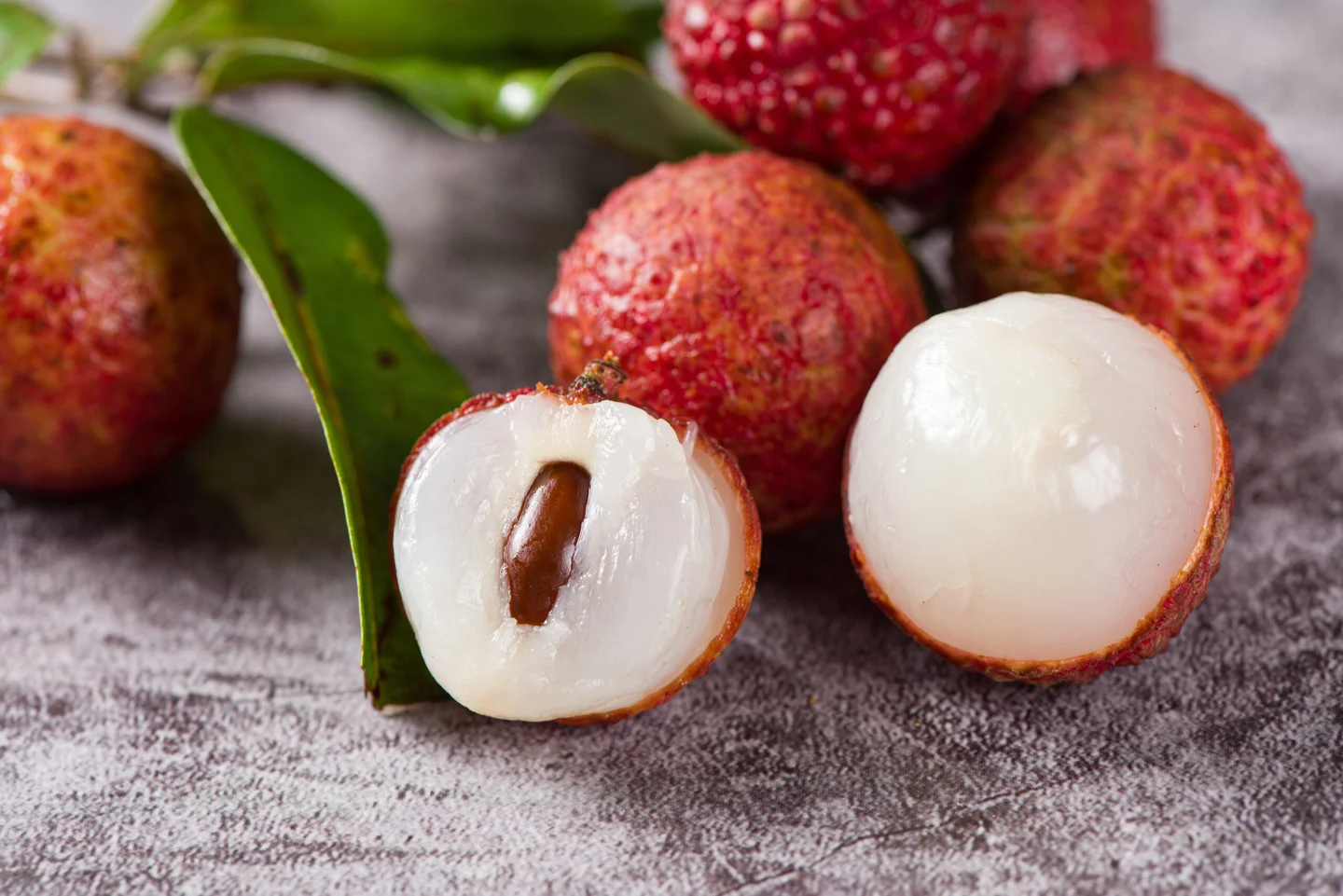
    Australian-imported Kaimana lychees are fast becoming a hot commodity in Vietnam, fetching as much as VND800,000 (US$30.35) per kilogram despite a scarcity of local varieties during the off-season.

    High Demand Despite High Prices

    Phuong, a fruit vendor in the Nha Be Commune of Ho Chi Minh City, reveals that she had recently imported 30 boxes of this coveted fruit. Each box, with a total weight of five kilograms, is going for a whopping VND4 million per box.

    Significantly, these prices are 20% lower than the previous year due to an increase in overall supply. However, they remain seven times higher than premium local varieties such as the Luc Ngan lychees from the Bac Giang Province.

    The Allure of Kaimana Lychees

    As Phuong explains, Kaimana lychees hold a premium status in Australia. They are known for their vibrant dark red skin, thick and crisp flesh, petite seeds, and a refreshing, sweet flavor.

    The fruit is harvested with stems intact and air-transported for maximum freshness upon arrival. This method of transportation ensures the fruit remains fresh and crisp upon reaching consumers.

    Selling Like Hotcakes

    Another fruit seller, Lan Anh of Binh Thanh Ward, shares that her store has sold approximately 100 five-kilogram boxes of this fruit since mid-November. She plans to further import before the supply begins to wane in January.

    Despite the high demand for Kaimana lychees, sellers like Lan Anh only import a few dozen boxes at a time due to the fruit’s short shelf life.

    Australian Lychees in Vietnam

    In the Australian market, premium lychee varieties are typically sold in five-kilogram boxes for US$80 each. Among the country’s 40 lychee varieties, Kaimana is the most common one exported to Vietnam.

    The popularity of Australian lychees in Vietnam can be attributed to their arrival a few months after the local supply has been exhausted post the main season which runs from April to July.

    Questions & Answers

    Why are Kaimana lychees from Australia popular in Vietnam?

    These lychees are popular due to their premium status, unique flavor, and their arrival in Vietnam at a time when local lychee supply is low.

    How are Kaimana lychees transported from Australia to Vietnam?

    These lychees are harvested with stems intact and air-freighted to Vietnam to maintain their freshness.

    Why do sellers import only a few dozen boxes of Kaimana lychees at a time?

    Due to the fruit’s short shelf life, sellers import only a limited quantity at a time to avoid wastage.

  • Unlocking New Trade Horizons: Vietnam’s Fresh Jackfruit Wins Approval for Export to China

    Unlocking New Trade Horizons: Vietnam’s Fresh Jackfruit Wins Approval for Export to China

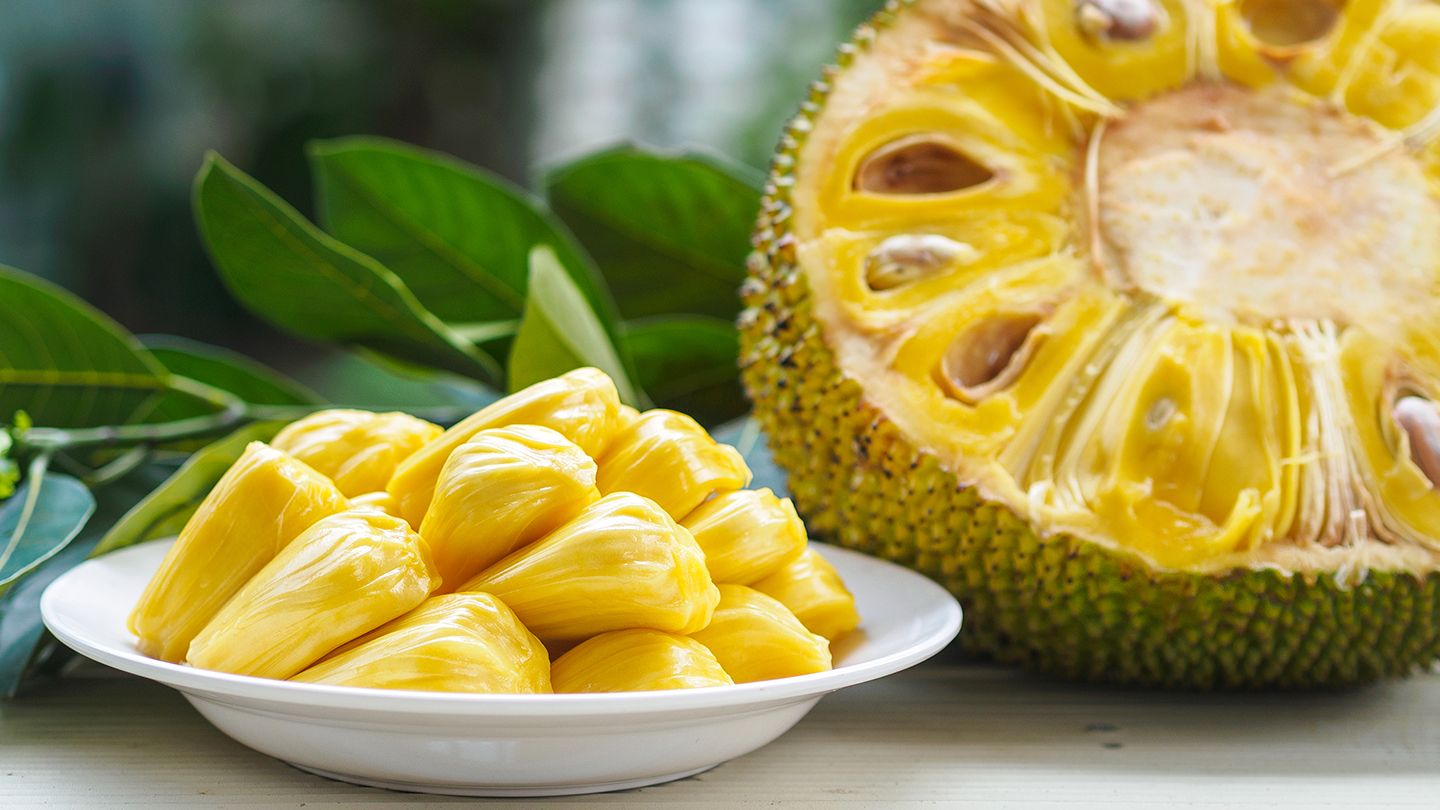
    Vietnam has received approval to export their fresh jackfruits directly to China, following a protocol agreement between the two nations’ respective agricultural authorities.

    Significant Trade Agreement

    The protocol was established during a business meeting involving Tran Duc Thang, Vietnam’s Minister of Agriculture and Environment, and Zhao Zenglian, the Deputy Director of the General Administration of Customs of China. This accord signifies a noteworthy advancement in the bilateral agricultural commerce, adding to this year’s series of protocols encompassing chili, passion fruit, rice bran, and raw swiftlet nests.

    China’s General Administration of Customs (GACC) has underlined its commitment to opening its markets to premium Vietnamese agricultural products. Simultaneously, Vietnam reiterated its focus on augmenting collaboration in the agriculture and environment sector.

    Fresh Jackfruit Trade

    With this protocol, fresh jackfruit will be standardized, minimizing trade risks and aligning with stringent quality standards. This regulation supports the proliferation of jackfruit cultivation under Good Agricultural Practices (GAP). This progression is anticipated to amplify value-added production and improve farmers’ earnings.

    As per the Vietnamese Ministry of Agriculture, the nation’s fruit and vegetable exports reached an impressive nearly $7.1 billion during the initial 10 months of 2025. This denotes a growth of 15.1% compared to the previous year, with China absorbing 62.9% of these shipments.

    The fresh jackfruit export protocol looks set to bolster this growth further. It is hoped that this new agreement will help the sector achieve its export goal of $8.5 billion for the entire year.

    Questions & Answers

    What is the significance of this fresh jackfruit protocol between Vietnam and China?
    This protocol signifies a noteworthy advancement in the bilateral agricultural commerce between the two nations, potentially leading to an increase in the value-added production and earnings of Vietnamese farmers.

    What does the standardization of fresh jackfruit entail?
    The standardization of fresh jackfruit will minimize trade risks, align with stringent quality standards, and support the proliferation of jackfruit cultivation under Good Agricultural Practices (GAP).

    How much did Vietnam’s fruit and vegetable exports reach in the first 10 months of 2025?
    Vietnam’s fruit and vegetable exports reached nearly $7.1 billion during the initial 10 months of 2025, marking a growth of 15.1% compared to the previous year.

  • Myanmar Set to Burst onto Global Durian Scene: A New Frontier in Fruit Exporting

    Myanmar Set to Burst onto Global Durian Scene: A New Frontier in Fruit Exporting

    Myanmar is gearing up to venture into the global durian export market, aiming to launch exports by 2023 or at the latest by 2027. This move is part of a strategic plan to generate additional foreign income and bolster the nation’s local durian industry.

    Initiatives Underway

    According to Kyaw Min, the chairman of the Myanmar Durian Producers and Exporters Association, the registration process with the General Administration of Customs of China has already commenced. The focus is not only on the export of fresh durians but also processed durian products.

    Min revealed that the association is actively seeking foreign investors, industry experts, and business partners to foster the development of value-added durian processing within the country. The belief is that this initiative will catalyze swift growth in Myanmar’s durian industry and generate new streams of foreign income once exports commence.

    The Global Durian Market

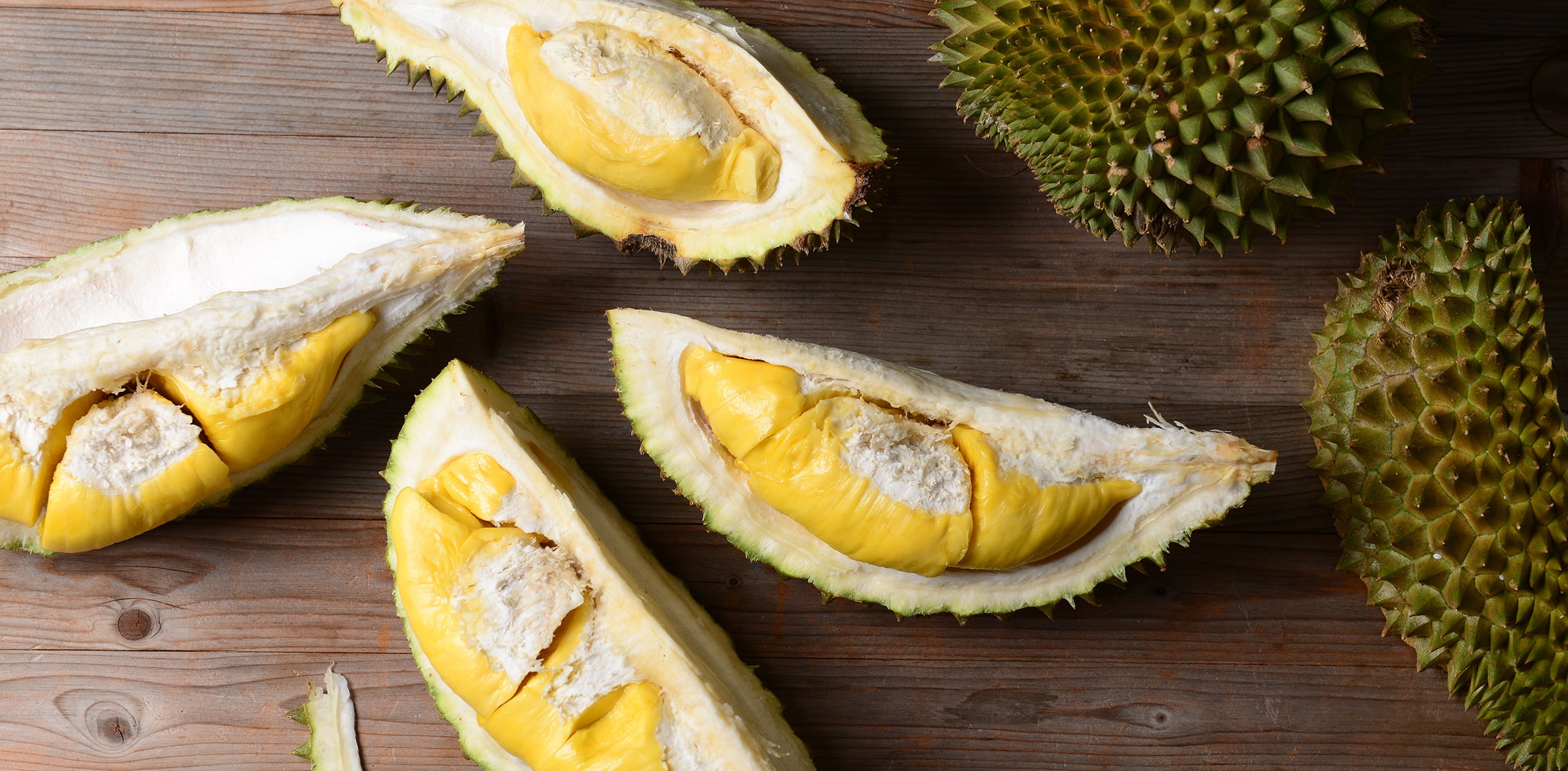
    China stands as the globe’s leading consumer of this strong-smelling fruit. In the previous year, China imported a record-breaking 15.6 million tonnes of durian, valued at a staggering US$6.99 billion. The majority of these imports originated from Thailand and Vietnam, with contributions of 57% and 41.5% respectively. The remaining percentage of imports came from the Philippines and Malaysia.

    However, this year has recorded a dip in demand, with a 15% decrease in imports during the first half of the year. This equates to a total of 708,190 tonnes. The market has also become more competitive, with new players like Cambodia, which shipped its initial durian batch in July.

    Laos has expressed interest in joining the competitive market, and Indonesia has publicized plans to ship durians directly to China, bypassing their previous route through Thailand.

    Myanmar Durian Industry

    Currently, Myanmar cultivates durians on approximately 60,000 acres (24,281 hectares) of land. More than 4,000 of these acres are located in Yangon, a central durian producing region. Other significant production hubs include the Kayin and Mon states and the Tanintharyi, Bago, and Ayeyarwady regions.

    According to Myint Sein, a trustee of the Ayeyarwady Durian Producers and Exporters Cluster, Myanmar’s durian season traditionally falls in May, June, and July. Sein emphasizes that the development of the durian industry in Myanmar will significantly benefit local farmers and contribute substantially to national economic growth.

    Questions & Answers

    What is Myanmar’s plan for its durian industry?
    Myanmar plans to begin exporting durians to the global market by 2023 or 2027 to increase foreign income and grow its local industry.

    Who are the major players in the global durian market?
    China is the largest buyer, and the main suppliers are Thailand, Vietnam, the Philippines, and Malaysia. New entries Cambodia, Laos, and Indonesia are also establishing their presence.

    What impact could the development of the durian industry have on Myanmar?
    The development of the durian industry is expected to significantly uplift local farmers and contribute to the country’s economic growth.

  • Australian Kensington Pride Mangoes Skyrocket in Vietnam: 7.5 Times Costlier than Local Produce

    Australian Kensington Pride Mangoes Skyrocket in Vietnam: 7.5 Times Costlier than Local Produce

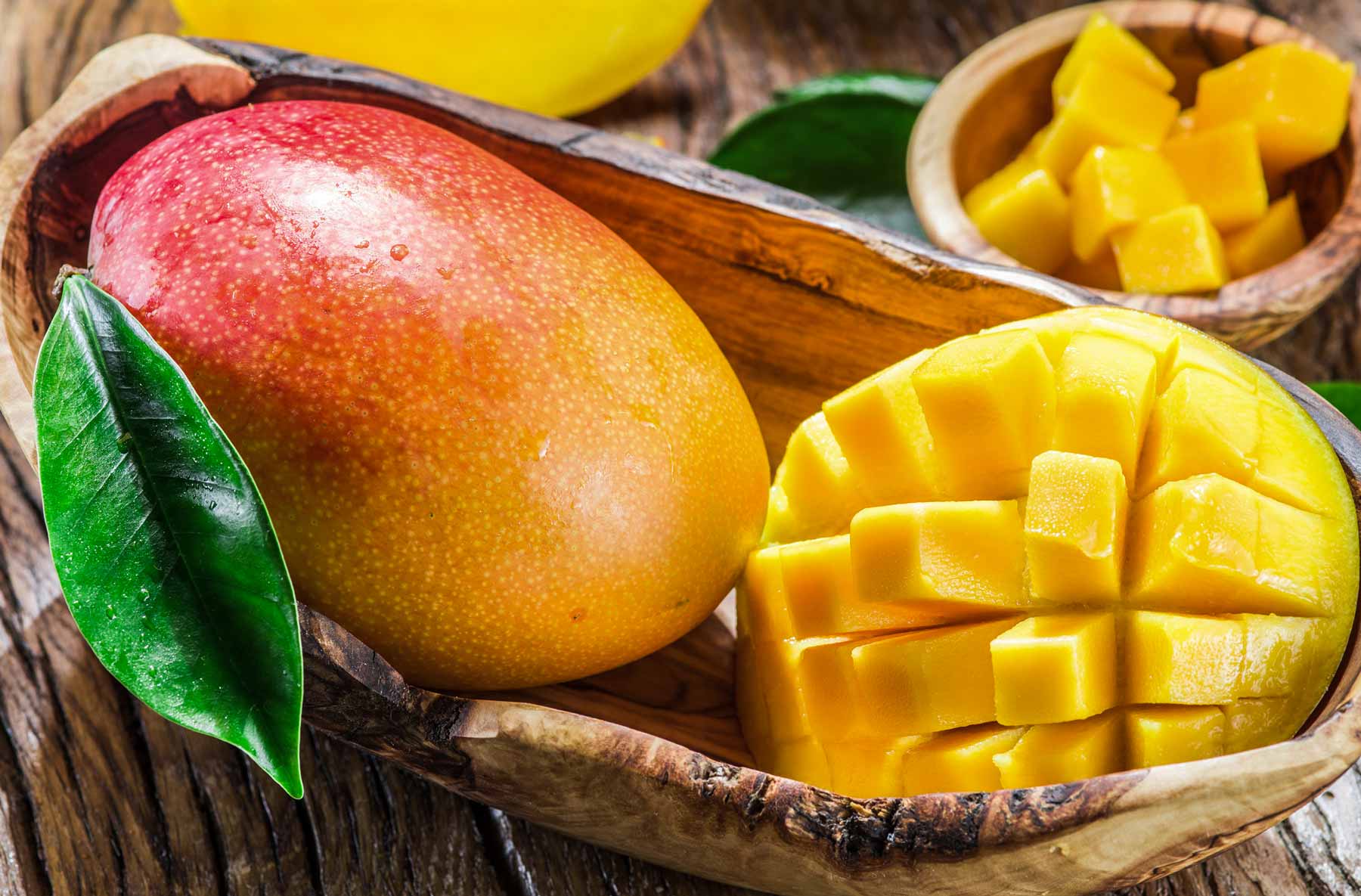
    Kensington Pride mangoes, originally from Australia, have been on sale in Vietnam at an astounding price — VND600,000 (US$22.8) per kilogram, which is 7.5 times more than the price of the local variety. A store owner in Dinh Bo Linh Street, located within the Binh Thanh Ward of Ho Chi Minh City (HCMC), revealed that a seven-kilogram box of these mangoes could bring in a whopping VND 3.7 million.

    Importing Exotic Fruits

    The store owner started importing these mangoes just recently, in late October, and has been conservatively buying only five boxes at a time due to the steep costs of transportation and storage. The Kensington Pride mangoes are characterized by their weight, approximately 500-600 grams per fruit, and their firm flesh and high sugar content that accounts for their exceptional sweetness.

    Similarly, an employee from a store in Hanoi’s West Lake region, which also sells the fruit at the same high price, mentioned that these mangoes need to be kept chilled at all times, which further adds to their cost.

    The Allure of Australian Mangoes

    The Australian mango variety, known for its brilliant golden flesh and gentle aroma, is primarily imported to Vietnam via air. It is also widely cultivated in the Mekong Delta region, specifically in the Tien Giang and Dong Thap provinces along with the Can Tho city. The locally grown variety is sold for VND20,000-25,000 per kilogram at the farm gate and VND80,000 at retail stores.

    In Australia, these mangoes flourish in dry climate regions like certain parts of Queensland and the Northern Territory. The harvest typically happens between October and December. Major Australian supermarkets such as Woolworths, Coles, and Harris Farm usually sell these mangoes for $6.7-8 per kilogram.

    Surge in Fruit and Vegetable Imports

    According to statistics from the customs department, the import of fruits and vegetables from Australia to Vietnam surpassed $100 million in the first nine months of this year, marking a 27% increase from the previous year. Mangoes, followed by cherries, grapes, mandarins, and oranges were the most imported items, each carrying a hefty price tag in Vietnam.

    Questions & Answers

    Why are Kensington Pride mangoes so expensive in Vietnam?
    The high cost is due to the import and cold storage charges, which makes the fruit more expensive than the local variety.

    What makes Kensington Pride mangoes different from other varieties?
    These mangoes are known for their bright golden flesh, mild aroma, and a distinct sweetness. They are also larger in size, weighing approximately 500-600 grams per fruit.

    Which fruits are the most imported from Australia to Vietnam?
    Mangoes top the list, followed by cherries, grapes, mandarins, and oranges. They all carry a high price tag in Vietnam due to import costs.

  • Vietnam’s Fruit Exports Skyrocket to $4.06B in China: Durian and Banana Leading the Charge

    Vietnam’s Fruit Exports Skyrocket to $4.06B in China: Durian and Banana Leading the Charge

    In the first three quarters of 2025, Vietnam set a new export record, shipping out fruits and vegetables worth US$4.06 billion to China, marking a 19% increase in comparison to the previous year. This growth was largely driven by the export of durian and banana.

    Vietnam’s Market Share in China

    According to the data from Chinese customs, these exports accounted for 20% of China’s total fruit and vegetable imports, marking an increase from 17.9% a year earlier. Durian was the leading export product, with shipments valued at $2.3 billion. The average export price per ton was $3,696, which is 14-15% less than that of Thai durian. This fact has positioned Vietnam as the second-largest exporter of this fruit to China, preceded only by Thailand.

    The Popularity of Vietnamese Bananas

    Bananas were another significant export product, with shipments totaling $232 million, a 16% annual increase. With an average price of $409 per ton, Vietnamese bananas were considerably less expensive than those from the Philippines and Ecuador, which cost $589 and $757 respectively. This has made Vietnamese bananas a favorite among Chinese importers, particularly in border provinces such as Guangxi and Guangdong, where consumers value fresh, affordable, and high-quality products.

    China’s Fruit and Vegetable Imports

    Chinese imports of fruits and vegetables amounted to nearly $20.3 billion in the first nine months of 2025. Thailand was the leading supplier, with its exports to China accounting for $6.7 billion, representing a yearly increase of 10% and a 33% share of the market.

    Vietnam’s Export Strategy

    Dang Phuc Nguyen, the general secretary of the Vietnam Fruits & Vegetables Association, noted that Vietnamese exporters benefit from the close geographical proximity to China, resulting in lower transportation durations and costs. A representative from an exporter in Can Tho, a major durian producer, confirmed this, stating that this advantage enables them to maintain the freshness and quality of the fruit while cutting shipping costs by half compared to their Thai competitors.

    Free trade agreements, like ASEAN-China and RCEP, as well as bilateral quarantine protocols, have also facilitated exports. In response to China’s stricter import requirements, many Vietnamese businesses have improved their orchards and packaging lines and invested in cold storage facilities this year.

    Despite durians accounting for over half of Vietnam’s fruit and vegetable exports to China, export specialists have advised against over-reliance on a single product. To enhance its market share in China, they recommend that Vietnam diversify its products, improve storage technology, and adhere to quality standards.

    Questions & Answers

    What is the main fruit exported from Vietnam to China?
    Durian is the main fruit that Vietnam exports to China.

    How have Vietnamese businesses upgraded in response to China’s stricter import requirements?
    Vietnamese businesses have upgraded their orchards and packaging lines and invested in cold storage to meet China’s stricter import requirements.

    What are the recommendations for Vietnam to increase its market share in China?
    To increase its market share in China, Vietnam should diversify its products, improve its storage technology, and adhere to quality standards.

  • Mekong Delta Mango Prices Surge 50%, Exciting Retail Opportunities Await!

    Mekong Delta Mango Prices Surge 50%, Exciting Retail Opportunities Await!

    In Hon Dat Commune of An Giang Province, mango prices are taking a significant leap, with traders now paying between VND40,000 and VND60,000 (US$1.5-2.2) per kilogram at the farm gate. This marks an increase of VND15,000 to VND20,000 since the beginning of the year, offering farmers a profit margin of VND10,000 to VND20,000 ($0.4-0.8) per kilogram.

    However, the sweet fruit is becoming scarcer. Nguyen Thanh Do, director of the Hon Dat Hoa Loc Mango Cooperative, indicates that off-season mango harvests have dropped by 20%. Heavy rains have not only diminished the fruiting rate but also impacted the overall quality. “Many households have no mangoes left to sell, as they are preparing to induce flowering for the Lunar New Year crop. This has led to a short supply and rising prices,” he explained.

    Costs for maintaining mango trees have also surged, reaching VND35,000 to VND40,000 ($1.3-1.7) per kilogram between August and October. Meanwhile, some farmers are pivoting away from mangoes altogether, opting for more lucrative crops like jackfruit and durian.

    A Taste of Luxury in HCMC

    In Ho Chi Minh City, the prices for Hoa Loc mangoes have climbed even higher, retailing for VND80,000 to VND140,000 ($3-5.3) per kilogram, the highest recorded this year. Hanh, a fruit shop owner in An Hoi Dong Ward, notes that first-grade mangoes cost around VND100,000 to VND110,000 ($3.9-4.1) at wholesale markets, and she sells them for VND120,000. At Ba Chieu Market, shop owner Hoang Anh claims mangoes have now claimed the title of the most expensive local fruit.

    Weaving through the market, you might find organic mangoes pre-ordered at an eye-popping VND180,000 to VND200,000 ($6.8-7.6) per kilogram—a price that could make even die-hard mango lovers pause for a moment. Nevertheless, the low supply at the Thu Duc wholesale market coincides with a spike in demand, particularly as customers scrambled to buy fruits for ancestral offerings during the Ghost Festival on September 6.

    Export Predictions Shine Bright

    Premium retail chains showcase Chu Chin-branded Hoa Loc mangoes priced at VND189,000 ($7) per kilogram. Nguyen Dinh Tung, CEO of Vina T&T Group, noted that while Vietnamese mango exports to the U.S. remain steady, the current scarcity of high-quality fruits has pushed prices even higher. “Hoa Loc mangoes are particularly challenging to preserve and are mostly sent by air to maintain their quality, which significantly raises costs,” he added. However, he anticipates a rebound in supply and exports as the main mango season arrives next month.

    In the first seven months of the year, Vietnam netted USD265.9 million from mango exports, with fresh mangoes contributing USD189.7 million—a rise of 12.2% compared to the previous year, as reported by the Vietnam Fruit and Vegetable Association. The nation cultivates over 114,000 hectares of this beloved fruit, predominantly located in the Mekong Delta, with An Giang accounting for more than 12,000 hectares, half of which is in Cho Moi District.

    Questions & Answers

    How have mango prices changed recently in Vietnam?
    Mango prices have increased significantly, with traders in An Giang Province now paying VND40,000-60,000 (US$1.5-2.2) per kilogram at the farm gate, up from earlier this year.

    What factors are contributing to the rising mango prices?
    The decline in output due to heavy rains affecting the fruiting rate and quality, alongside a shift by some farmers towards more profitable crops, has led to a decrease in supply and consequently higher prices.

    What is the current status of Vietnamese mango exports?
    Vietnamese mango exports to the U.S. are steady, but high-quality mangoes are currently scarce, driving prices up. The country earned USD265.9 million from mango exports in the first seven months, marking a year-on-year increase of 12.2%.

  • September Sees Fruit and Vegetable Exports Soar to Record $1.3 Billion!

    September Sees Fruit and Vegetable Exports Soar to Record $1.3 Billion!

    In a vibrant turn of events, the Vietnam Fruit and Vegetable Association revealed that total exports for the first nine months of 2023 reached an impressive $6.1 billion, reflecting an 8.3% increase year-on-year. September was notably significant, as it was the first month this year to witness a resurgence in growth after a series of declines—a welcome development for the industry.

    Chinese Demand Fuels Growth

    The driving force behind this rebound is predominantly China, which absorbs about 60% of Vietnam’s fruit and vegetable exports. In September alone, shipments to this lucrative market soared to nearly $800 million. Dang Phuc Nguyen, the association’s general secretary, attributed part of this surge to the increased purchasing power spurred by Vietnam’s National Day and the Mid-Autumn Festival, when durian, a favored mooncake filling, sees a spike in demand. “Compared to other exporting countries, Vietnam’s durian prices are currently the lowest and most competitive, matching Chinese consumers’ preference for value,” Nguyen noted with optimism.

    The Durian Boom

    Looking ahead, Nguyen indicated that October is likely to be the pinnacle of the durian boom, as the season’s peak begins to taper off, while off-season supplies could continue into November and December. “Most competitors will be nearly out of stock during this time, giving Vietnamese produce a distinct competitive advantage,” he explained. Beyond durian, various other fruits are expected to thrive as winter sets in, a period when harvests become challenging in many other regions. Thanks to Vietnam’s favorable climate and its efficient transport links—road, rail, and seaport—shipping costs and transit times remain manageable.

    Record Exports on the Horizon

    With growing demand from China and a steady recovery in markets like the U.S., South Korea, and Japan, Vietnam’s fruit and vegetable sector seems poised for continued success. Experts predict that full-year export turnover could reach an astounding $8 billion, marking yet another year of record-setting performance.

    Questions & Answers

    What factors contributed to the growth in Vietnam’s fruit and vegetable exports in 2023?
    The growth was primarily driven by strong demand from China, which accounts for a significant portion of exports, alongside a resurgence of purchasing power due to significant local holidays.

    How did the Mid-Autumn Festival impact durian sales in Vietnam?
    The festival saw a notable increase in demand for durian, traditionally used in mooncake fillings, contributing to a surge in exports during September.

    What competitive advantages does Vietnam have in the fruit and vegetable export market?
    Vietnam benefits from lower durian prices compared to other exporting countries and has a favorable climate along with efficient transport links to China, which reduces costs and transit times.

  • Coconut Imports Surge as Domestic Shortage Strikes Due to Export Boom

    Coconut Imports Surge as Domestic Shortage Strikes Due to Export Boom

    Vietnam’s coconut imports skyrocketed nearly 19-fold to US$31.2 million in the first seven months of this year, as the nation grapples with a domestic supply shortage, according to the Vietnam Fruits & Vegetables Association.

    Exports Drive Domestic Shortages

    Dang Phuc Nguyen, general secretary of the Vietnam Fruits & Vegetables Association (Vinafruit), attributes this surge in imports to an increase in fresh coconut exports, which have tightened supply for local processors. “Markets such as China, the U.S., and the Middle East are ramping up orders from Vietnam, leaving us with less fruit for domestic uses,” he noted.

    Explosive Export Growth

    The U.S. officially opened its market to fresh coconuts from Vietnam in 2023, followed closely by China in August 2024. In the first seven months of this year, coconut exports reached $306.2 million, fueled by a 57% increase in processed coconut and a 15% rise in fresh coconut shipments.

    Importing From Neighbors

    To meet the increasing demand, many processing companies have turned to imports from Indonesia and Papua New Guinea. However, an official trade agreement with Papua New Guinea is still pending, limiting the scope of these imports.

    Rising Prices and Expanding Cultivation

    This shortage has driven farm gate coconut prices to a staggering VND19,000 per fruit in the first half of the year, as reported by the Vietnam Coconut Association. Retail prices for premium coconuts have now reached around VND25,000, marking a six-fold increase from just four years ago—a head-turning leap in the agricultural sector.

    The soaring prices have simultaneously sparked an expansion in coconut cultivation. Vietnam now boasts over 200,000 hectares dedicated to coconut farming, yielding around two million tons of the fruit each year. Interestingly, it seems that the coconut is not just a fruit; it’s becoming the golden child of Vietnamese agriculture!

    Questions & Answers

    What factors have contributed to the surge in coconut imports in Vietnam?
    The dramatic increase in coconut imports can be attributed to a significant rise in exports, particularly to markets like China, the U.S., and the Middle East, which has reduced the supply available for domestic processing.

    How have coconut prices changed in Vietnam?
    Coconut prices at the farm gate have surged to VND19,000 per fruit, and retail prices for premium coconuts have climbed to around VND25,000—six times higher than four years ago.

    What is the current state of coconut cultivation in Vietnam?
    Vietnam has over 200,000 hectares dedicated to coconut cultivation, yielding approximately two million tons of coconuts annually, driven by the high market prices that have encouraged further expansion.

  • Vietnam’s 2025 Fruit and Vegetable Exports to China Plummet by 15% – What’s Driving the Decline?

    Vietnam’s 2025 Fruit and Vegetable Exports to China Plummet by 15% – What’s Driving the Decline?

    In a notable rebound, Vietnam’s fruit and vegetable exports are starting to recover after an alarming decline earlier this year. Following stricter scrutiny by Chinese authorities regarding residues of banned substances, exports had plummeted by as much as 80%. However, recent figures show that for the year to date, Vietnamese exports in this sector have reached an impressive $4 billion. The U.S. has emerged as a significant player, importing $316 million worth of goods—a 66% increase that underscores the growing appetite for Vietnamese produce.

    Growth Across Markets

    Other international markets, including Japan, the Netherlands, Taiwan, and Australia, have also shown robust growth, with increases ranging from 13% to 40%. This surge in demand reflects a newfound appreciation for Vietnam’s fresh fruits and vegetables. Dang Phuc Nguyen, general secretary of the Vietnam Fruit and Vegetable Association, attributes this recovery to enhanced safety measures. The Ministry of Agriculture and Rural Development has introduced a comprehensive food safety control process specifically for fresh durian exports, ensuring quality from farm to table.

    A Golden Opportunity for Durian Exports

    If these new measures are effectively implemented, there could be a significant breakthrough for durian and other tropical fruit exports to China, a market loomed over by more than 1.4 billion consumers. However, it’s worth noting that Chinese consumers are shifting their preferences toward processed fruits and vegetables, seeking convenience in their busy lives. Nguyen emphasized this trend as a golden opportunity for Vietnamese businesses, highlighting the need to act swiftly to capture greater market share and stabilize production.

    The Push for Sustainable Supply Chains

    Given Vietnam’s substantial trade deficit with China, a strategy is key. Nguyen Thi Thu Thuy, deputy director of the Trade and Investment Promotion Center, suggested that aside from tropical fruits, Vietnamese businesses should also focus on diversifying their produce offerings. Passion fruit, coconut, bird’s nest, and citrus fruits could become vital components of Vietnam’s export strategy, especially with the establishment of more sustainable supply chains in the coming years.

    Questions & Answers

    How significant is the rise in Vietnamese fruit and vegetable exports?
    Vietnam’s total exports have soared to $4 billion this year, marking a substantial recovery from earlier declines.

    What measures are being taken to enhance export safety?
    The Ministry of Agriculture and Rural Development has implemented a food safety control process for fresh durian, ensuring quality from production to market.

    What other products should Vietnamese businesses focus on for future exports?
    In addition to tropical fruits, there is potential in exporting passion fruit, coconut, bird’s nest, and citrus fruits, as businesses are encouraged to establish sustainable supply chains.

  • Heinz And Smoothie King Launch Groundbreaking Tomato Ketchup-based Smoothie In Select Us Markets

    Heinz And Smoothie King Launch Groundbreaking Tomato Ketchup-based Smoothie In Select Us Markets

    In an unexpected partnership, famed condiment producer Heinz and beverage giant Smoothie King have come together to introduce a pioneering concept in the beverage industry – a smoothie that is based on ketchup. Drawing inspiration from the viral internet conundrum, ‘If tomatoes are a fruit, can ketchup be seen as a smoothie?’, this unique, limited-edition creation has been christened the Heinz Tomato Ketchup Smoothie.

    A Savoury-Sweet Blend

    This one-of-a-kind smoothie is a blend of Heinz Simply Tomato Ketchup and typical fruit smoothie components like acai sorbet, apple juice, strawberries, and raspberries. The collaboration has resulted in an intriguingly tangy yet sweet beverage that has been described by both companies as an ideal “refreshing summer sip.”

    The Vice President of R&D and product marketing at Smoothie King, Lori Primavera, spoke about the process of creating this innovative smoothie. She said, “After several months of thorough R&D, testing and tasting, we have successfully developed a savoury-sweet blend that honours the versatility of the tomato. Our constant commitment to nutritious ingredients and our Clean Blends promise is evident in every recipe we create, and this daring new blend is no exception!”

    Availability

    The groundbreaking Heinz Tomato Ketchup Smoothie will be available at selected Smoothie King outlets in five US markets. These include Atlanta, Chicago, Denver, Miami, and the Greater New York/New Jersey area. Priced at US$5.70, this unique beverage will be on sale as long as stocks last.

    Earlier this year, Heinz had also collaborated with the Philippine milk tea chain Macao Imperial Tea to create ReMix, an innovative blend of tea and condiments.

    Questions & Answers

    What is the Heinz Tomato Ketchup Smoothie?
    The Heinz Tomato Ketchup Smoothie is a unique, limited-edition beverage developed in collaboration between Heinz and Smoothie King. It blends Heinz Simply Tomato Ketchup with classic fruit smoothie ingredients.

    Where can I purchase the Heinz Tomato Ketchup Smoothie?
    The smoothie will be available at select Smoothie King locations across five US markets: Atlanta, Chicago, Denver, Miami, and the Greater New York/New Jersey area.

    What is the price of the Heinz Tomato Ketchup Smoothie?
    The Heinz Tomato Ketchup Smoothie is priced at US$5.70 and will be available while supplies last.

  • Vietnamese Bananas Surge in Japan, Diminishing Philippine Market Share with Fresh Competition

    Vietnamese Bananas Surge in Japan, Diminishing Philippine Market Share with Fresh Competition

    Vietnamese bananas are carving out a notable presence in Japanese grocery stores as the supply from the Philippines declines. Japanese trade data reveals that imports of Vietnamese bananas skyrocketed to 33,000 tons in 2024, a staggering increase from just 2,400 tons in 2019. This surge has allowed Vietnam’s share of Japan’s banana market to grow from a mere 0.2% to 3.2%, according to Nikkei Asia.

    Particularly striking was July 2025, when exports of Vietnamese bananas to the Tokyo region more than doubled compared to the same month the previous year. Though Vietnamese bananas still hold a small slice of Japan’s overall banana imports, this growth is encroaching on the established dominance of Philippine bananas, which saw their market share dip from 90% in the early 2010s to about 75% last year. As it stands, Vietnam now ranks third in shipment volumes to Japan, trailing only the Philippines and Ecuador.

    Experts attribute Vietnam’s rapid ascent to a combination of competitive pricing and superior quality. One chain store has Vietnamese bananas priced about 10% lower than their Philippine counterparts. According to a representative from a produce wholesaler, “Vietnam started cultivating bananas relatively recently, so disease has yet to infiltrate the groves, ensuring high quality.”

    Additionally, favorable trade terms under the Comprehensive and Progressive Agreement for Trans-Pacific Partnership (CPTPP) have further strengthened Vietnam’s position. The deal has lowered Japan’s tariffs on Vietnamese bananas to 5.4%, with a complete removal anticipated by 2028. Meanwhile, the tariffs on Philippine bananas are expected to hover between 8% and 18%, maintaining Vietnam’s pricing edge moving forward — a delightful twist for consumers seeking more affordable fruit!

    Questions & Answers

    How significant is the rise of Vietnamese bananas in Japan?
    The rise is quite significant; imports climbed from 2,400 tons in 2019 to 33,000 tons in 2024, increasing Vietnam’s market share from 0.2% to 3.2%.

    What factors are contributing to the success of Vietnamese bananas against Philippine varieties?
    Key factors include competitive pricing, superior quality due to the young banana production industry, and favorable trade agreements that reduce tariffs.

    What impact does the CPTPP have on Vietnamese banana exports?
    The CPTPP has lowered Japan’s tariffs on Vietnamese bananas to 5.4%, with complete removal by 2028, enhancing Vietnam’s competitiveness in the Japanese market.

  • Lychee Exports Surge to $35M in June, Tripling Previous Figures!

    Lychee Exports Surge to $35M in June, Tripling Previous Figures!

    Vietnam’s lychee exports are soaring, with figures revealing a remarkable $27 million in sales to China alone—an astonishing 3.63 times increase compared to June of the previous year, according to customs data. Even in premium markets like France, Australia, the U.S., Canada, and the U.K., purchases of this luscious fruit surged by two to five times, showcasing the growing international appetite for Vietnamese lychees.

    Record-Breaking Exports Propel Local Farmers

    In the first half of 2025, total lychee exports reached an impressive $45.4 million, reflecting a remarkable 92% increase year-on-year. Shipments to the top ten markets saw staggering growth rates, ranging from 10% to a jaw-dropping 2,000%. These figures paint a vibrant picture of the fruit’s rising prominence on the global stage, capturing the taste buds—and wallets—of consumers around the world.

    Quality Meets Affordability in a Sweet Package

    One exporter highlighted that Vietnamese lychee’s appeal lies in its combination of affordability and high quality, making it a hit among international buyers. As Vietnamese and global quality standards like VietGAP and GlobalGAP are increasingly met, the credibility of these exports has skyrocketed, especially in demanding markets such as the U.S., Japan, and the U.K. Modern harvesting and preservation techniques, according to Dang Phuc Nguyen, general secretary of the Vietnam Fruit and Vegetable Association, have drastically enhanced the fruit’s quality and shelf life. Businesses are now collaborating directly with farmers to boost productivity and quality at every phase—from planting to harvesting.

    Price Trends and Export Markets

    Lychee is currently in season, with farm gate prices ranging from VND 8,000 to VND 20,000 (31-76 U.S. cents) per kilogram. Notably, lychees from orchards certified for export command higher prices, fetching between VND 25,000 and VND 30,000. At the beginning of the season in May, prices were higher, sitting at VND 35,000 to VND 40,000, while the fruit sells abroad for an impressive VND 200,000 to VND 300,000 per kilogram. Lychee, a staple summer delight in Vietnam, thrives predominantly in the northern regions, especially in the provinces of Bac Giang and Hai Duong.

    The Fruit’s Origin and Growing Regions

    This year’s harvest is expected to hit 250,000 tons, a 25% rise from 2024, with Bac Giang contributing a significant 165,000 tons. Luc Ngan, renowned as the “lychee capital” of the country, has approximately 18,000 hectares of lychee cultivation and yields over 100,000 tons annually. The Luc Ngan variety is particularly renowned for its size and sweetness, making it a favorite among discerning markets like Japan, Australia, the EU, and China. Meanwhile, Hai Duong, which made history as the first province to export lychees to Japan in 2020, boasts nearly 10,000 hectares of orchards producing the highly sought-after Thanh Ha lychees, recognized for their thin skin, thick flesh, aroma, and sweetness. Other areas like Hanoi, Quang Ninh, and Hung Yen also cultivate lychees, although on a smaller scale. The Central Highlands and some southern provinces have attempted to cultivate the fruit, but climate challenges have proven to be a significant hurdle.

    Questions & Answers

    What factors have contributed to the increase in Vietnam’s lychee exports?
    A combination of affordable pricing, high quality, and compliance with international standards has made Vietnamese lychees increasingly appealing in global markets.

    How has the production and quality of lychees evolved in Vietnam?
    Modern harvesting and preservation techniques, along with partnerships between businesses and farmers, have significantly improved the lychee’s quality and shelf life.

    Which provinces are the main producers of lychee in Vietnam?
    Bac Giang and Hai Duong are the primary provinces for lychee production, with Bac Giang accounting for a large portion of the national harvest.

  • Online Grocery Sales Bounce Back in June, Reigniting Momentum After May Dip

    Online Grocery Sales Bounce Back in June, Reigniting Momentum After May Dip

    As the retail landscape in Asia continues to evolve, the concept of omnichannel shopping is rapidly gaining traction, reshaping how consumers engage with brands. A recent study highlights the innovative strategies retailers are employing to create a seamless shopping experience that spans both online and physical storefronts.

    Transforming the Shopping Journey

    The survey, which surveyed over 5,000 consumers across major Asian markets, revealed that more than 70% of respondents prefer an omnichannel shopping approach. This affinity indicates a deep-rooted desire for flexibility, allowing shoppers to browse products online while still enjoying the tactile experience of in-store purchases. Retailers are transforming the shopping journey by integrating digital and physical channels, ensuring products are available wherever and whenever consumers wish to engage.

    Retailers like Japan’s Uniqlo and South Korea’s Shinsegae are setting the standard by leveraging technology to bridge the gap between online and offline experiences. Imagine walking into a store and finding items that have been filtered through your online wish list—an experience made possible through advanced inventory management systems that sync in real time.

    The Role of Technology

    Technology plays a pivotal role in this evolution. Retailers are increasingly adopting mobile apps and interactive kiosks to enhance shoppers’ decision-making processes. In addition, augmented reality is becoming a fun and compelling feature; consumers can now virtually try on clothing or visualize how furniture may look in their homes before making a purchase.

    This intersection of convenience and innovation also fosters a sense of community, encouraging brand loyalty in an age where consumer choices are plentiful. The ability to connect with brands through social media platforms, customer reviews, and personalized marketing further solidifies the relationship between retailers and consumers.

    Challenges Ahead

    However, the omnichannel strategy is not without its hurdles. Companies must navigate supply chain complexities and ensure an equitable distribution of resources to keep pace with consumer demand. Moreover, maintaining a consistent brand experience across channels is critical. Retailers who fail to deliver seamless integration risk alienating a savvy customer base that values cohesion and clarity.

    As brands venture deeper into the omnichannel realm, the industry’s dynamics are sure to transform further. A little sprinkle of creativity could turn even the most mundane shopping task into an unforgettable experience—and isn’t that what we’re all after?

    Questions & Answers

    What is the main finding of the recent study regarding omnichannel shopping in Asia?
    The study found that over 70% of consumers in major Asian markets prefer an omnichannel shopping approach, highlighting their desire for flexibility in how they engage with brands.

    How are retailers like Uniqlo and Shinsegae enhancing the omnichannel experience?
    These retailers are leveraging technology such as advanced inventory management systems and mobile apps, enabling a seamless experience where online wish lists translate directly to in-store offerings.

    What challenges do retailers face while implementing omnichannel strategies?
    Retailers must tackle supply chain complexities and ensure consistent brand experiences across channels to retain customer loyalty in an increasingly competitive market.

  • Vietnam’s Durian Exports to China Surge Thanks to Enhanced Quality Control Efforts

    Vietnam’s Durian Exports to China Surge Thanks to Enhanced Quality Control Efforts

    In a remarkable turnaround, durian exports from Vietnam surged by 70% last month compared to May, reaching an impressive US$360 million, as reported by Vietnam customs. This revival follows a challenging period for the much-loved fruit, and industry experts are optimistic about the future.

    The Frozen Frontier of Durian Exports

    Dang Phuc Nguyen, general secretary of the Vietnam Fruit and Vegetable Association, noted that shipments of durian have stabilized recently, showing promising signs for the months ahead. Central to this rebound is the booming market for frozen durian, as highlighted by Nguyen Dinh Tung, chairman of Vina T&T Group, one of the major exporters.

    His company is currently dispatching around 20 containers of frozen durians to China each month. “If businesses invest properly in the freezing process, Vietnamese durians will have a significant advantage in the Chinese market,” Tung stated. He added that this method not only mitigates risks associated with unpredictable weather but also enhances quality control—a crucial factor for consumers.

    Rising Demand from the North

    Traders are reporting a notable increase in demand for Vietnamese durians among Chinese buyers. “Starting in June, the volume of durians purchased for export has escalated two to three times compared to previous months,” shared Hoang, a durian trader operating in southern Vietnam. This surge can also be attributed to improved compliance with Chinese quality standards, which have historically been a hurdle for exporters.

    Many companies are now requiring farms and traders to conduct quality tests before procurement, significantly enhancing the acceptance rates of Vietnamese durians in China. As the harvest season peaks in both the Mekong Delta and Central Highlands, Nguyen anticipates that exports during September and October could soar to between $500-550 million per month if current trends continue.

    Future Prospects in a Competitive Market

    However, Nguyen tempered excitement with a cautionary note, predicting that prices are unlikely to return to the record highs of 2023-2024, primarily due to a surge in global supply. Alongside competitors like Thailand, Malaysia, Indonesia, Cambodia, and Laos are also increasing their exports to China through official channels, intensifying the rivalry.

    Looking ahead, the Vietnam Fruit and Vegetable Association remains hopeful about the future of fruit and vegetable exports, particularly in the realms of frozen durians and coconuts. If trends hold, this year’s exports could reach a staggering US$6.5-7 billion, inching closer to last year’s record figures.

    Questions & Answers

    What contributed to the resurgence of Vietnamese durian exports?
    The sharp increase in exports can be attributed to the rising demand from China, particularly for frozen durians, which allow for better quality control and mitigate risks from fluctuating weather.

    How are Vietnamese exporters addressing quality concerns?
    Exporters are implementing quality testing protocols at farms and for traders to prevent issues like cadmium residues, which previously led to product rejections in the market.

    What are the export forecasts for Vietnamese durian?
    Currently, export expectations are optimistic, with predictions of monthly revenues reaching between $500-550 million during the peak harvest season in September and October.