Retail News CRM

Tag: fruit

  • Celonis And Peech Unveil Innovative Solution To Curb Perishable Goods Loss In Retail Industry

    Celonis And Peech Unveil Innovative Solution To Curb Perishable Goods Loss In Retail Industry

    A new inventory management solution developed by Celonis and Peech has been launched to help retailers and consumer packaged goods companies reduce waste and revenue loss from perishable goods.

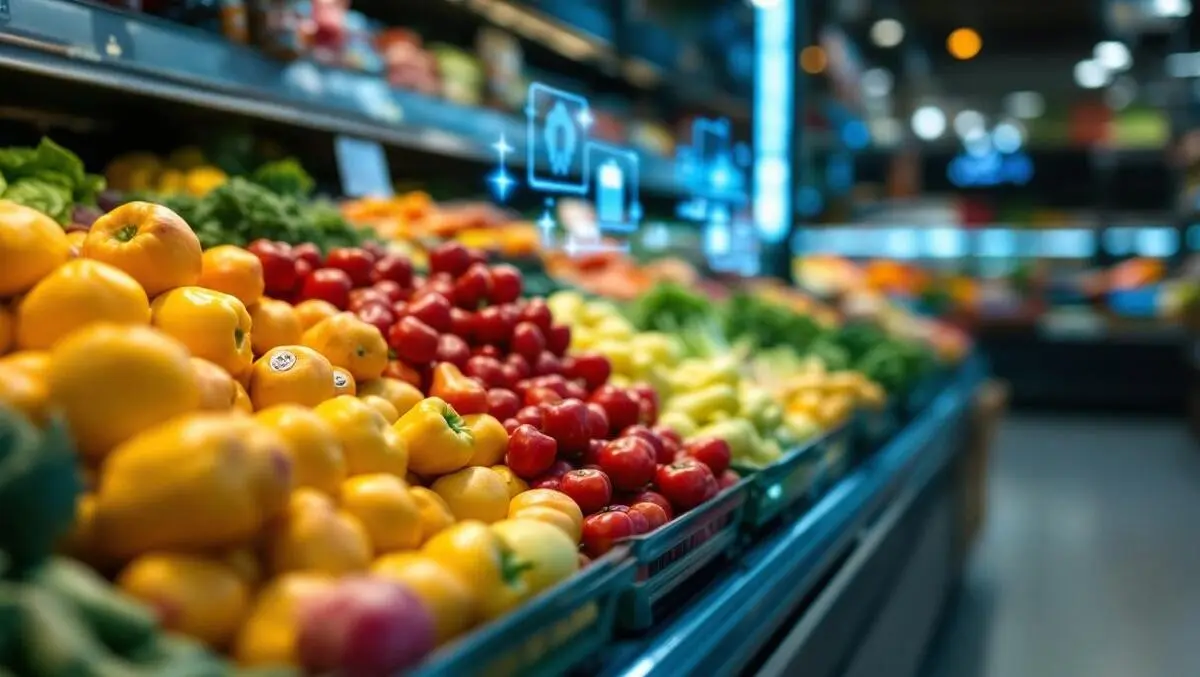
    The product, called the Celonis Inventory Lifecycle Optimisation app, is designed to enhance how businesses manage perishable items, including fresh produce and baked goods, by improving the effectiveness of price markdowns before products reach the end of their shelf life.

    Price adjustments for perishable goods are a key part of inventory management and have a direct impact on reducing unnecessary food waste. However, existing inventory management systems often lack mechanisms to track whether established markdown procedures are being correctly followed. This gap can lead to missed markdown opportunities, resulting in product disposal that diminishes stock and affects revenue.

    New inventory solution from Celonis and Peech enables retailers to reduce perishable goods losses

    Retailers and consumer packaged goods companies will be able to reduce product waste and lost revenue with the launch of a new solution co-developed by Process Mining leader Celonis and tech company Peech.

    The Celonis Inventory Lifestyle Optimisation app optimises the process of managing perishable inventory.

    Adjusting, or marking down, the price of products with a limited shelf life, such as fresh produce and baked goods, is a critical aspect of inventory management. It’s also critical for reducing food waste.

    Traditional inventory management systems can identify perishable products that are at risk of expiring, but they lack the ability to track adherence to standard markdown processes. Missed markdown opportunities can result in needless product disposal, which leads to inventory loss (or shrinkage) and negatively affects revenue.

    Dean Tarpley, Industry Principal for Retail & CPG at Celonis, said retail and CPG’s incredibly tight margins leave no room for operational inefficiencies.

    “The Inventory Lifecycle Optimisation app enables organisations to identify process improvement opportunities, take action to increase markdown adherence, and monitor the effectiveness of those efforts.”

    Anmol Gupta, Founder and CEO of Peech, said: “By bringing Celonis Process Intelligence to the inventory lifecycle process, we were able to create a solution that lets retailers and CPG companies answer the question, ‘Did we do everything possible to sell the inventory before it goes bad?’ whether it’s a loaf of bread on the grocery store shelf or cosmetics waiting for delivery in the warehouse.”

    A leading global retailer that is using the solution to minimise shrink in perishable inventory, has improved its sell-through rate by 2% leading to a projected $35 million in recaptured revenue.

    The company, which has more than $200 billion in annual revenue, found that its stores were not properly executing against defined processes for discounting limited shelf-life goods within bakery, meat, prepared foods, and other departments. Non-adherence was leading to lost sales opportunities, increased wastage, and compliance risks.

    Using the Inventory Lifecycle Optimisation app, regional managers are now able to identify products, stores, and departments falling behind regional benchmarks in program compliance. They can also get insights on a weekly basis to guide staff conversations for markdown process adherence improvement. The solution is being scaled across 4,000 stores and the company expects meaningful gains in process compliance.

    The app identifies and quantifies missed revenue opportunities by tracking markdown adherence and highlighting areas for improvement. It provides:

    • Increased visibility for data-driven improvements: Monitoring shrink prevention processes across all levels of the business, companies get in-depth insights to better identify and understand adherence improvement opportunities. Main View that tracks compliance and performance at the region, market, store, department, and even associate levels, enabling targeted process interventions.
    • Better tracking of intervention effectiveness: Companies can observe the impact of process changes over time, with a user-customised targeted view on the specific areas they care about most. Once interventions are made, a Monitoring View lets companies track the impact of their process improvements over time, in both relative rate and recaptured revenue contexts.
    • Customised reporting: Companies can use insights from the app to drive impactful process improvement conversations through built-in user-specific notifications. Customers can elect to have scheduled notifications that highlight the improvement of the stores, departments, etc. sent to managers and decision makers (via Celonis Action Flows).

    The app is the latest addition to the Celonis Platform Apps Program, enabling companies to quickly realise value with solutions built by ecosystem partners on the Celonis Process Intelligence Platform.


  • Penang Takes Bold Stand Against Counterfeit Balik Pulau Durians to Safeguard Authenticity

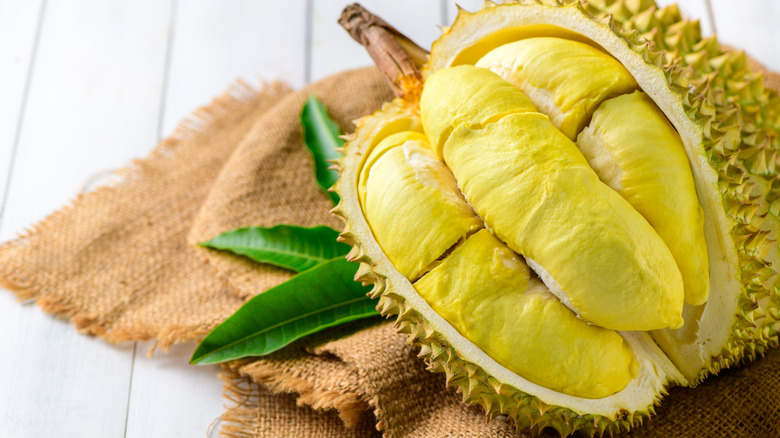
    Penang Takes Bold Stand Against Counterfeit Balik Pulau Durians to Safeguard Authenticity

    Fahmi Zainol, chairman of Penang’s Agrotechnology, Food Security, and Cooperative Development Committee, announced on Tuesday that a collaborative operation is underway, involving the police, the Agriculture Department, and the Federal Agricultural Marketing Authority, as reported by the national news agency Bernama.

    Cracking Down on Durian Deceit

    “We’ve pinpointed two or three hotspots where trucks are bringing in durians from Thailand but selling them off as local produce,” Fahmi said, emphasizing that authorities are now gearing up for the perfect moment to initiate raids. This crackdown is a direct response to public complaints and ongoing inspections. As part of their enforcement measures, agencies have ramped up efforts by setting up roadblocks aimed at intercepting non-compliant agricultural products—especially durians.

    Fahmi made it clear that while durians from other regions aren’t outright banned, they mustn’t be misrepresented as Balik Pulau’s prized variety. To protect the unique identity of its durians, Penang launched the “Track and Trace” system at the beginning of June. This innovative program labels each durian with a QR code that links it back to its farm of origin, according to Bloomberg.

    “This way, consumers can trace every durian from farm to table,” Fahmi explained, with a hint of pride in his voice. So far, 60 farmers have joined the system, while 20 larger producers have already signed up, as reported earlier this month by The Star.

    Balik Pulau, well-known for its mouthwatering durians, is also a favored tourist destination in Penang, a major hub for durian production. The Balik Pulau variety ranks among the most sought-after in Malaysia, alongside other local favorites like Musang King, Red Prawn, and Black Thorn.

    With the recent onset of durian season coinciding with Malaysia’s school holidays, local media reported a surge in tourist arrivals in Penang. Hotels are nearly at full capacity, and busy traffic is evident, especially around popular durian-selling spots.

    Beyond domestic consumption, Malaysia is making its mark in international markets by exporting durians to places like China, boasting projections that outbound shipments could reach 1.8 billion ringgit (US$425 million) by 2030. Last year alone, Penang exported an impressive 67,203 kilograms of durians, which is enough to make any durian lover’s head spin.

    Questions & Answers

    What steps is Penang taking to ensure durian authenticity?
    Penang has implemented a “Track and Trace” system tagged with QR codes that allows consumers to trace each durian back to its farm, thereby safeguarding authenticity.

    Why is there a crackdown on durian sales?
    Authorities aim to crack down on fraudulent sales where Thai durians are misrepresented as local Balik Pulau varieties, responding to public complaints and ongoing inspections.

    How do durians contribute to Penang’s tourism?
    With the durian season aligning with school holidays, tourist arrivals have surged, leading to nearly full hotels and bustling traffic around durian hotspots, solidifying the fruit’s role in the local economy.

  • Hanoi Authorities Seize Over 4 Tons of Smuggled Red Dates in Major Bust

    Hanoi Authorities Seize Over 4 Tons of Smuggled Red Dates in Major Bust

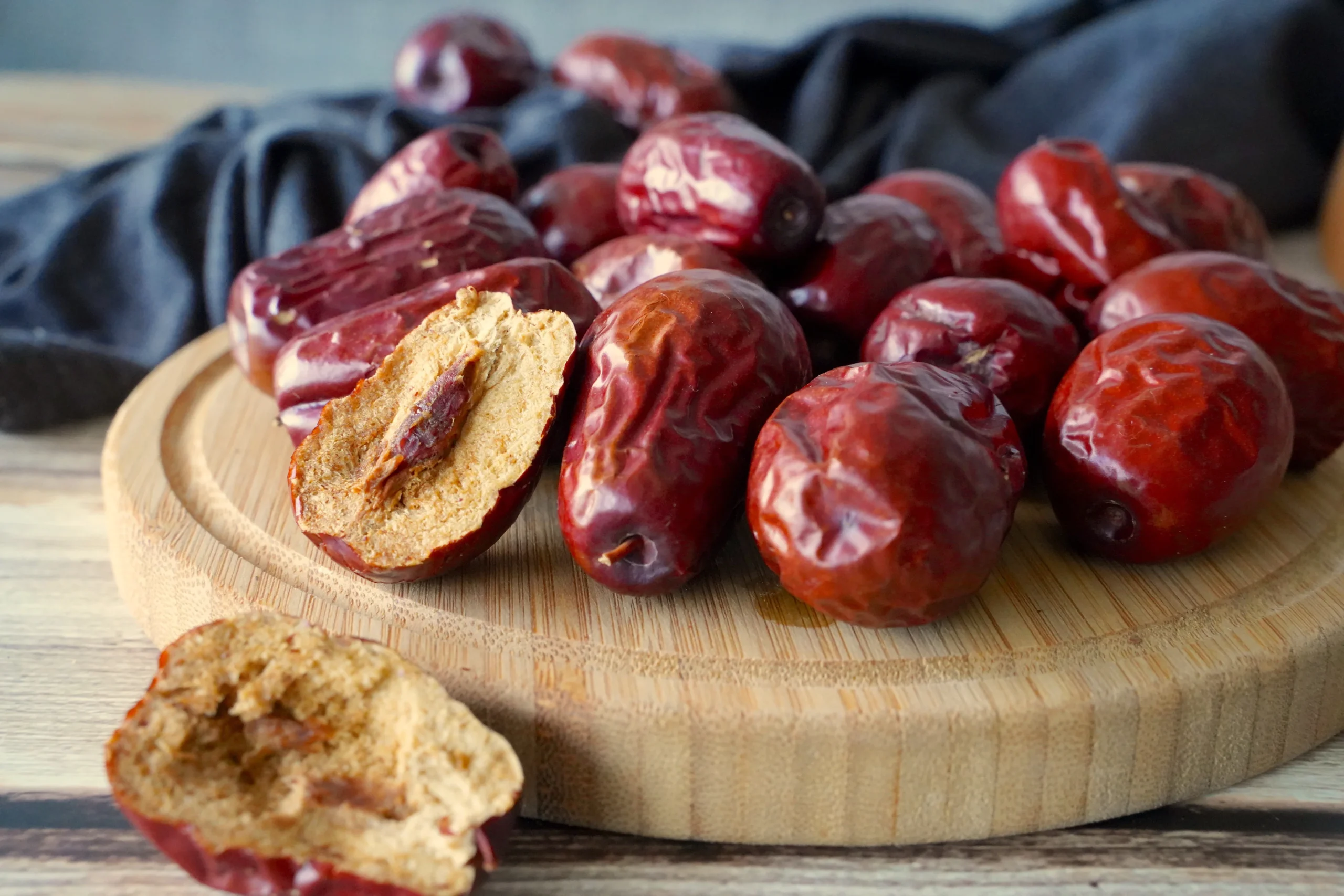
    Inspectors from the city’s Market Management Department recently made a significant discovery in Ha Dong District when they uncovered smuggled red dates at a facility owned by Bui Thi Thuy. Valued at VND69 million (approximately US$2,650), these jujubes are set to be destroyed, and Thuy will face a hefty fine of VND50 million.

    Health Risks in Sweet Treats

    Red dates, cherished across Asia for their sweetness and nutritional benefits, are believed to promote liver function, enhance calmness, and improve sleep quality. However, the authorities are sounding the alarm about the dangers of unregulated red dates. Without strict oversight on raw materials, chemical residues, and pesticide levels, these fruits can pose serious health risks, including food poisoning and potential long-term damage to the liver, kidneys, and digestive system.

    The popularity of Xinjiang red dates surged on major e-commerce platforms in Vietnam, raking in an impressive US$322 million in sales last year, according to Metric. Additionally, Vietnam imports red dates from South Korea, which are sold at prices ranging from VND80,000 to VND200,000 per kilogram.

    A Glimpse into Market Regulations

    The Ministry of Industry and Trade has revealed that most red dates available in the market today lack clear origins and are not brought in through official channels. Only a select few businesses are authorized to distribute legitimate imports from South Korea and China, and they are mandated to include auxiliary labels with crucial details such as production location, importer information, expiration dates, and usage guidelines.

    Since early May, Hanoi market management officials have been proactive, conducting raids that have netted numerous counterfeit, substandard, and undocumented goods worth hundreds of millions of dong. In an effort to ensure consumer safety, officials continue to keep a vigilant eye on the red date trade.

    Isn’t it ironic that a fruit associated with health and tranquility is now causing such a stir in the market?

    Questions & Answers

    What prompted the inspection by the Market Management Department?
    The inspection was part of ongoing efforts to regulate and monitor the trade of red dates, which have seen a spike in popularity but also in unregulated sales.

    What are the potential health risks associated with unregulated red dates?
    Without proper oversight, unregulated red dates can lead to food poisoning and serious health issues affecting the liver, kidneys, and digestive system.

    Why are most red dates on the market considered problematic?
    The majority of red dates lack clear origins, are not imported through official channels, and don’t meet safety regulations, putting consumers at risk.

  • Durian Lovers Unite: Penang Hotels Entice Tourists with All-You-Can-Eat Offers!

    Durian Lovers Unite: Penang Hotels Entice Tourists with All-You-Can-Eat Offers!

    Hotels across Malaysia’s Penang Island experienced exceptional occupancy rates over the recent long weekend, with at least 85% filled, and some establishments reaching full capacity. Travelers flocked to the island lured by enticing tour packages that paired accommodations with unlimited durian feasts—an indulgent combination that has captured the hearts of food enthusiasts.

    Tony Goh, chairman of the Malaysian Association of Hotels’ Penang chapter, remarked on the vibrant hotel scene, stating, “The hotels were bustling and performed strongly during the long weekend. Beachfront and town-area hotels were nearly at full capacity.” This year’s durian harvest season, which coincided with school holidays, has spurred hotels to craft unique tourism experiences around the beloved “king of fruits.”

    “Penang is renowned for its orchards, yielding durians that are distinctive to our region,” Goh explained. He highlighted the popularity of local varieties, especially the celebrated Musang King and Black Thorn, each offering a unique flavor profile that excites die-hard durian aficionados. “For durian enthusiasts, these are intricate tastes to savor and explore,” he added, underscoring the culinary adventure awaiting visitors.

    Wong Hon Wai, chairman of Penang’s tourism committee, also emphasized durian’s undeniable allure, confirming that its reputation as a crowd-puller is well-deserved. Remarkably, this surge in tourism has translated into significant increases in ridership on the Penang Hill funicular train, with a striking 38% uptick noted between May 30 and June 2. “The ridership reached 33,521 over the past four days, compared to about 4,000 on typical non-peak days,” Wong pointed out.

    Beyond its culinary appeal, durian contributes significantly to Malaysia’s economy, serving as one of the country’s top fruit exports. In the previous year, exports to China reached a whopping US$212 million, following the establishment of a special protocol for durian imports. This year, Malaysia aims to escalate its durian exports to China by over 20%, all while ensuring the authenticity and revered brand of the Musang King variety remain intact.

    As the durian craze intensifies, one wonders—could this beloved fruit be the ticket to revitalizing Malaysia’s tourism industry?

    Questions & Answers

    What has driven the high hotel occupancy rates in Penang?
    This spike is largely attributed to innovative tour packages that pair hotel stays with limitless durian feasts, satisfying the cravings of many durian lovers.

    How did durian-related tourism impact local attractions?
    The influx of visitors led to a significant increase in ridership of the Penang Hill funicular train, with a remarkable 38% jump in attendance during the recent long weekend.

    What are Malaysia’s goals for durian exports?
    Malaysia is targeting a more than 20% increase in durian exports to China this year, focusing on maintaining the authenticity and brand strength of its premium Musang King variety.

  • Vietnam Delivers First Frozen Durian Shipment to China, Opening New Trade Frontiers

    Vietnam Delivers First Frozen Durian Shipment to China, Opening New Trade Frontiers

    The recent shipment of frozen durian, arriving through the Bac Luan II border gate as part of the bustling Mong Cai (Vietnam) and Dongxing (China) border collaboration, has certainly stirred excitement. Thoroughly examined and cleared by officials, this exquisite cargo hails from Vietnam’s Lam Dong province and is now set to make its way to various food processing companies across China.

    Frozen durian isn’t just a sweet tropical treat; its long shelf life and versatility make it a darling of both consumers and food processing firms alike in China, where culinary creativity knows no bounds. With the popularity of durian on the rise, the importation of this delicacy marks a significant shift in agricultural trade between China and Vietnam, expanding the range of exotic fruits available at this vital border.

    In a move that underscores the commitment to fostering trade relations, Dongxing Customs has deployed a team of experts focused on providing thorough support and guidance to businesses navigating the import-export landscape. This means smoother sailings for enterprises keen on tapping into the growing demand.

    During his recent diplomatic mission to China, Minister of Agriculture and Environment Do Duc Duy engaged in discussions with Sun Meijun, Minister of the General Administration of Customs. Their talks, held on May 28, emphasized the need to streamline challenges associated with exporting Vietnam’s agricultural treasures, particularly the king of fruits, durian.

    The statistics paint a promising picture: in the first four months of 2025, trade turnover of agricultural, forestry, and aquatic products between Vietnam and China soared to an impressive US$5.07 billion, reflecting a 3.7% increase from last year. However, Vietnam’s exports experienced a slight dip of 1.1% year-on-year to approximately $3.62 billion, while imports saw a notable rise of 17.6%, totaling $1.45 billion.

    As part of their ongoing commitment to enhancing trade, the two nations have inked 28 agreements and protocols focused on facilitating the exchange of agricultural products. Delightfully, a bouquet of Vietnamese offerings, from watermelon and mangosteen to crocodile and farmed monkeys, have found their way to China’s eager market.

    In what could be considered a delicious twist to the agricultural trade narrative, who knew that durian could be a diplomat’s secret weapon?

    Questions & Answers

    What are the benefits of frozen durian for consumers?
    Frozen durian boasts a long shelf life and is easy to incorporate into various dishes, making it a favored choice amongst both consumers and food processors.

    How has trade between Vietnam and China in agricultural products evolved?
    The trade turnover in the first four months of 2025 reached US$5.07 billion, a 3.7% increase compared to the previous year, showing a robust demand for agricultural products across borders.

    What agreements have Vietnam and China made regarding agricultural exports?
    The two countries have signed 28 agreements aimed at facilitating the import and export of a wide variety of agricultural products, ensuring a flourishing exchange of goods.

  • Vietnam Surpasses Thailand and Australia, Claiming Leading Role in China’s Mango Market

    Vietnam Surpasses Thailand and Australia, Claiming Leading Role in China’s Mango Market

    China has dramatically increased its mango imports, with a staggering year-on-year rise that brought the total to US$29 million, as reported by China customs. This surge is primarily due to the country’s insatiable appetite for tropical fruits, coupled with a domestic supply shortage.

    Mango Import Landscape

    Among the six countries supplying mangoes, Vietnam emerged as the standout performer, enjoying a remarkable growth rate. While Cambodia, Peru, Australia, Thailand, and the Philippines experienced stagnation or decline, Vietnam’s mango exports skyrocketed to around US$28 million—a whopping 145-fold increase from the previous year. The average price per ton also saw a substantial rise of nearly 73%.

    Thailand’s position as a major mango exporter to China has dwindled significantly, dropping to fifth place with a drastic 70% decline in shipments, valued at just US$65,000. This shift highlights Vietnam’s competitive advantage in accessibility, thanks to low logistics costs and its geographical proximity to China.

    Quality and Affordability

    The Vietnam Fruit and Vegetable Association emphasizes that Vietnamese mangoes are distinguished by their quality and affordability, appealing to the modern Chinese consumer. Local varieties like Hoa Loc and Cat Chu are particularly favored for their rich flavors. A spokesperson for the association noted, “These varieties resonate deeply with Chinese tastes.”

    Experts attribute Vietnam’s vibrant market presence to its pricing strategy. Vietnamese mangoes average around $700 per ton, in stark contrast to competitors that charge between $6,000 and $11,000 per ton, such as Thailand, Peru, Australia, and the Philippines.

    Demand and Seasonal Dynamics

    China’s soaring demand for mangoes—both for fresh consumption and processing—has created an essential need for imports, especially during off-seasons. Vietnam, producing about one million tons of mangoes annually, meets not only the needs of China but also markets in the U.S., South Korea, Japan, and the Netherlands.

    The Mekong Delta’s nearly 2,000 hectares of mango orchards certified under global standards are pivotal in fulfilling China’s stringent requirements. Notably, Vietnam’s off-season production from September to March fits perfectly with China’s deficiency during these months, allowing top-grade mangoes to fetch impressive prices, reaching up to VND100,000 per kilogram.

    Yet, as this month marks the onset of China’s domestic mango season, the demand for Vietnamese mangoes has sharply declined, resulting in steep price drops to just a few thousand Vietnamese dong per kilogram (a mere few U.S. cents). One could say, “The mango may be king, but even royalty can face a fall from grace!”

    Questions & Answers

    **Which country significantly increased its mango exports to China?**
    Vietnam has seen its mango exports soar, with a 145-fold increase year-on-year.

    What factors contribute to the popularity of Vietnamese mangoes in China?
    Their high quality, favorable pricing, and the appealing flavors of local varieties make them particularly attractive to Chinese consumers.

    How does the domestic mango season in China affect Vietnamese mango prices?
    As China’s mango season begins, the demand for Vietnamese imports plummets, leading to significant drops in prices.

  • Vietnam Weighs ‘Red Alert’ Label to Tackle Toxicity Risks in Durian Farming

    Vietnam Weighs ‘Red Alert’ Label to Tackle Toxicity Risks in Durian Farming

    A comprehensive examination of durian cultivation areas and packaging facilities is essential to pinpoint those using prohibited substances, asserted Vu Duc Con, chairman of the Dak Lak Durian Association, in a letter to the Ministry of Agriculture and Environment. He emphasized the necessity of assigning a “red alert” label to facilities found in violation, urging the government to establish a recovery plan that encourages the adoption of safe and sustainable farming practices.

    This proposal comes on the heels of multiple warnings from Chinese customs, which have heightened scrutiny since late 2024 regarding cadmium levels in Vietnamese durians—a toxic heavy metal. Moreover, some samples were reported to contain auramine O, a banned additive with potential cancer risks.

    The impact on Vietnam’s agricultural sector is stark, with durian exports to China plummeting by 74% year-on-year during the first four months of 2025, totaling just $130 million, according to the agriculture ministry. In response, China has begun testing all shipments for cadmium and auramine O, enforcing strict penalties such as the suspension of codes for related growing areas and packing facilities.

    To combat these challenges, the Dak Lak Durian Association is collaborating with official agencies to conduct extensive sampling to detect chemical residues and trace their origins. In a bid to secure its standing in the Chinese market, this prominent durian-growing region in the Central Highlands aims to establish its own quality control standards for the fruit.

    Furthermore, the association has called on the government to develop technical standards and adopt rapid on-site testing technologies to ensure food safety prior to exports. In cases of serious safety violations, they advocated for the destruction of contaminated shipments rather than rerouting them to domestic markets, protecting public health and the industry’s reputation in the process.

    Currently, Vietnam boasts over 150,000 hectares dedicated to durian cultivation; however, only 20% are certified for export. Many of these farms fall short of regulatory standards regarding pesticides and quality, which hampers their global competitiveness. With China being the largest market for Vietnamese durians—contributing to $3.2 billion in exports last year—maintaining high standards is crucial for the industry’s future success.

    As the saying goes, “If you can’t stand the heat, get out of the durian kitchen!”

    Questions & Answers

    **What prompted the review of durian farming practices in Vietnam?** The review was prompted by repeated warnings from Chinese customs regarding the presence of cadmium in Vietnamese durians and other unsafe additives.

    How much have Vietnamese durian exports to China decreased recently? Exports plunged by 74% year-on-year in the first four months of 2025, totaling just $130 million.

    What measures is the Dak Lak Durian Association advocating for? The association is urging for the establishment of technical standards, rapid testing technologies, and strict penalties for safety violations to enhance the safety and quality of durian exports.

  • Malaysian Exporters Set Sights on Chinese Durian Lovers at Exciting Beijing Fruit Festival

    Malaysian Exporters Set Sights on Chinese Durian Lovers at Exciting Beijing Fruit Festival

    A vibrant Malaysian fruit festival in Beijing showcased the beloved durian, generating estimated revenues between CNY3 million and CNY5 million (approximately US$416,000 to US$693,000) for 50 participating exporters. This exciting three-day event, which wrapped up on Sunday, marked the third consecutive year of Malaysian traders presenting their agricultural offerings to Chinese consumers, as reported by the state-owned newspaper Bernama.

    This year’s event put a special emphasis on durian varieties, notably the coveted Musang King and Black Thorn. Attendees were treated to a visual feast with over 150 kilograms of Musang King and 60 kilograms of Black Thorn durians on display, alongside delightful selections of 120 kilograms of pineapples and 80 kilograms of mangosteens.

    Malaysian Ambassador to China, Datuk Norman Muhamad, expressed his pride in seeing durian, hailed as the country’s “national treasure,” take center stage. He noted that last year, Malaysia’s durian exports to China totaled CNY40.17 million (around US$5.5 million) and emphasized China’s status as Malaysia’s largest trading partner for 16 consecutive years. “This time, we are not selling. We are here to promote, educate, and raise awareness about the uniqueness of Malaysian tropical fruits,” he stated.

    Loh Wee Keng, the chairman of the Malaysia Chamber of Commerce and Industry in China, shared optimistic projections that durian exports to China could rise by 15% to 20% this year. This growth comes despite facing weather-related challenges, fueled by robust consumer demand.

    As the world’s largest durian market, China primarily sources this cherished fruit from Thailand and Vietnam, but countries like Malaysia, the Philippines, and Cambodia are increasingly stepping up their export efforts. It seems like everyone wants a slice of the lucrative durian pie!

    Questions & Answers

    What was the revenue expected from the Malaysian fruit festival in Beijing?
    The festival was estimated to generate between CNY3 million and CNY5 million (around US$416,000 to US$693,000).

    Which durian varieties were showcased at the event?
    The spotlight was on Malaysia’s renowned Musang King and Black Thorn durians.

    How significant is China for Malaysian durian exports?
    China has been Malaysia’s largest trading partner for 16 years, with total exports reaching CNY40.17 million (approximately US$5.5 million) last year.

  • Thai Farmers Rally for PM to Enlist Blackpink’s Lisa in Boosting Fruit Exports

    Thai Farmers Rally for PM to Enlist Blackpink’s Lisa in Boosting Fruit Exports

    Thai fruit growers have turned to Prime Minister Paetongtarn Shinawatra with an innovative proposal: enlist K-pop sensation Lisa (Lalisa Manoban) of Blackpink to champion the global promotion of Thai fruits. This request came during the Prime Minister’s recent visit to Chanthaburi province, where farmers highlighted Lisa’s star power as a key to accessing new markets beyond China.

    The farmers passionately argued that Lisa’s endorsement could significantly boost Thailand’s fruit exports, potentially generating over THB 500 billion (approximately US$15 billion) annually. Currently, the nation’s fruit export revenue stands at a considerably lower THB 200–300 billion. With Lisa’s impressive global presence—she boasts over 105 million Instagram followers and holds ambassadorial roles with luxury brands like Celine and Bulgari—the farmers believe her involvement could elevate Thai products on the international stage.

    During the meeting, farmers addressed several pressing challenges, including the critical need for faster customs clearance at border checkpoints, where shipments can face delays of up to 12 days. They urged for clearer regulations to combat premature harvesting of durians, which negatively affects both weight and quality. In addition, they advocated for better policies to address labor shortages, suggesting the extension of work permits for migrant laborers and enabling them to move between provinces for job opportunities. A proposed THB 100 million compensation fund for durian farmers and locals affected by wild elephant incursions also featured prominently in their discussions.

    In response, Prime Minister Paetongtarn assured the farmers that the government is working with companies to purchase surplus produce, thereby minimizing waste. She pledged to streamline export processes and confirmed that the Ministry of Labour will tackle agricultural workforce shortages. As part of her visit, the Prime Minister explored an exhibition by the Young Smart Farmer group, where innovative durian sales through livestreaming were showcased. She also took part in a durian-cutting event, highlighting her commitment to the fruit sector.

    Who knew a K-pop star could be the missing ingredient in boosting Thailand’s fruit exports?

    Questions & Answers

    What was the main request from Thai fruit growers to the Prime Minister?
    They urged Prime Minister Paetongtarn Shinawatra to invite K-pop star Lisa to promote Thai fruits globally, believing her popularity could enhance exports.

    What challenges did the farmers discuss during their meeting?
    They highlighted customs delays, premature harvesting regulations, labor shortages, and proposed a compensation fund for those affected by wild elephants.

    How did the Prime Minister respond to their concerns?
    She committed to improving export processes, addressing labor shortages, and collaborating with companies to purchase surplus produce to reduce waste.

  • Jackfruit Prices Plummet to Just 15 Cents Per Kilogram in Vietnam’s Market

    Jackfruit Prices Plummet to Just 15 Cents Per Kilogram in Vietnam’s Market

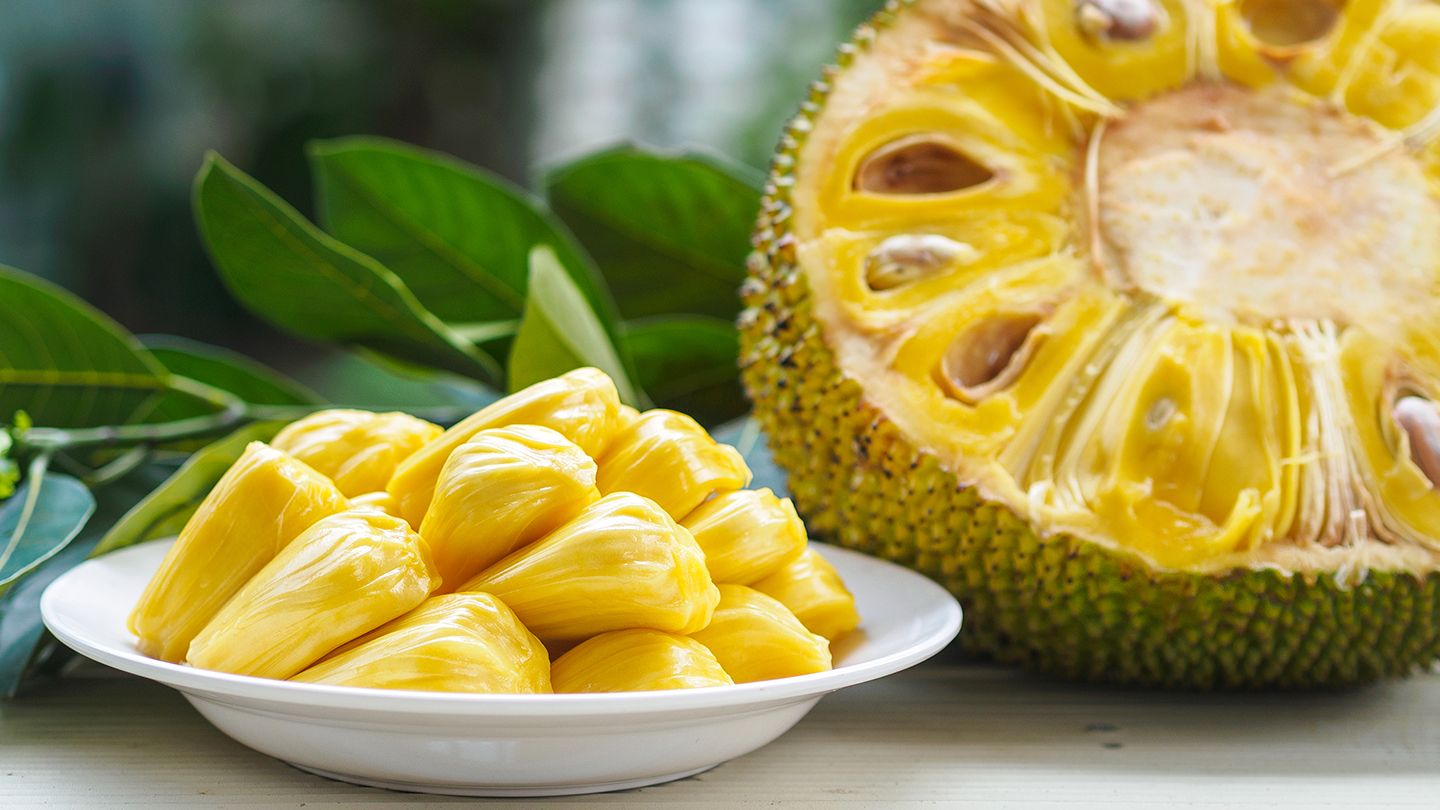
    The price of Thai jackfruit, a staple in Vietnam’s bustling agricultural markets, has taken a steep dive, slashing in half to VND4,000–10,000 (15–39 U.S. cents) per kilogram over just a month. This drastic decline has alarmed local farmers, particularly in the Mekong Delta, where the fruit is predominantly cultivated.

    Challenges from Trade Regulations

    The primary reason behind this tumble lies in tightening import protocols from China, a vital market for Vietnamese jackfruit. Stricter regulations surrounding banned substances and pesticide residues have left farmers grappling with a sharp decline in demand. Recent months have seen orchards in the key jackfruit-growing provinces of Ben Tre and Tien Giang trimming prices for top-quality produce—once the pride of their harvests.

    One local farmer, Hung, who tends to 40 jackfruit trees, expressed his growing concern. He recently sold three tons of his haul for VND5,000–8,000 per kilogram, far below his production costs of VND9,000–12,000. “If prices remain low, my family will suffer heavy losses this year,” he lamented, underscoring the grim reality facing many farmers.

    Rising Costs and Stiff Competition

    Adding to the farmers’ woes are rising expenses for fertilizer and labor. Traders are also skittish due to the sudden elevation of quality standards imposed by Chinese authorities. Compounding these challenges is competition from an array of other seasonal fruits, including watermelon, lychee, mango, and mangosteen, which further dilutes the market for jackfruit.

    The entire export landscape seems bleak, with the first quarter of 2025 witnessing a 13% drop in jackfruit exports compared to the previous year, totaling $70 million. As farmers face an uncertain future, one can only wonder: can this beloved fruit stage a comeback, or will it continue to face challenges in the changing market landscape?

    Questions & Answers

    What factors have contributed to the fall in jackfruit prices in Vietnam?
    The prices have dropped due to stricter import regulations from China regarding pesticide residues and banned substances, along with rising production costs and competition from other fruits.

    How have local farmers reacted to the price drops?
    Many farmers, like Hung, are experiencing significant financial strain, selling their produce at prices well below their production costs and fearing heavy losses.

    What are the prospects for jackfruit exports moving forward?
    With exports already down 13% in early 2025 compared to last year, the future looks uncertain unless farmers can adapt to market demands and pricing challenges.

  • Thai Government Enlists Influencer to Boost Durian Sales in China Market

    Thai Government Enlists Influencer to Boost Durian Sales in China Market

    Thailand’s Commerce Ministry is harnessing social media’s power to supercharge its durian and fruit exports, particularly targeting the lucrative Chinese market. By collaborating with renowned influencer Taiyuan Lao Ge, who boasts over 93 million followers on Kuaishou, the ministry hopes to shatter previous export records in both volume and value through an upcoming live-selling event.

    Scheduled for May 11 and 12, the broadcast aims to showcase not only the celebrated golden pillow durian but also an array of Thai fruits, including mangoes, longans, mangosteens, and various seasonal delights. Last year, Taiyuan achieved remarkable success, selling over a billion baht’s worth of Thai durian—approximately US$30.25 million—in just a single day.

    This initiative is a vital part of the ministry’s broader strategy to promote Thai agricultural products, especially during the booming harvest season that has brought forth exceptional quality produce. Commerce Minister Pichai Naripthaphan emphasized the significance of leveraging Chinese influencers for live online sales, a tactic poised to elevate Thai fruit’s global standing.

    To enhance the export process, the ministry is actively engaging with private sector partners and Chinese online platforms. Pichai revealed ongoing discussions with Wu Zhiwu, Minister Counsellor at the Chinese Embassy in Thailand, to refine and improve durian trade mechanisms. In his discussions, Pichai urged Chinese authorities to ease inspection protocols and expedite clearance processes at border crossings, particularly by augmenting inspection capabilities and personnel to ensure smooth operations during this peak production period.

    In a promising development, China’s customs have committed to operating around the clock to facilitate imports of Thai durians amidst the harvest season frenzy.

    With China accounting for a staggering 98% of Thailand’s durian exports last year—valued at around $4 billion—there’s a lot at stake in this flavorful campaign. Thai durians are not just fruits; they are becoming a sensation that’s ripe for the picking.

    Questions & Answers

    **What is the main goal of Thailand’s Commerce Ministry in launching the live-selling event?**
    The main goal is to enhance the volume and value of fruit exports, particularly targeting the Chinese market through an engaging online sales event led by influencer Taiyuan Lao Ge.

    Why is Taiyuan Lao Ge significant for this campaign?
    Taiyuan Lao Ge is noteworthy because he has a massive following of over 93 million on Kuaishou and previously achieved impressive sales for Thai durian in a single day, making him an influential figure in driving consumer interest.

    How does the Thai government plan to improve durian exports to China?
    The Thai government plans to streamline inspection protocols, improve border clearance processes, and engage Chinese customs for smoother operations during peak harvest times, all while promoting their products through influencer-driven campaigns.

  • Durian Exports to China Experience Dramatic 74% Decline

    Durian Exports to China Experience Dramatic 74% Decline

    Vietnam’s durian exports to China have taken a dramatic nosedive, plummeting 74% year-on-year to just $130 million in the first four months of 2025. In light of this steep decline, the Vietnamese government is scrambling to find solutions to remove the technical barriers that are hampering cross-border shipments.

    Technical Hurdles and Government Action

    Minister of Agriculture and Environment Do Duc Duy is spearheading efforts to align with Chinese customs to tackle the issues that are obstructing Vietnam’s durian exports. He highlighted that the sharp decrease can be traced to a maze of unclear legal frameworks, inefficient quarantine procedures, and insufficient quality management systems. Moreover, the certification of codes for farms, packing facilities, and laboratory systems has failed to meet China’s increasingly rigorous standards.

    To address these pressing concerns, Duy emphasized the need for improved cooperation with Chinese authorities to eliminate these technical roadblocks. The issuance of codes for farms and packing facilities must accelerate, and quarantine processes should be revamped urgently to boost exports and adjust plans in response to market demands.

    Looking ahead, Duy advocated for a comprehensive overhaul of the legal structures governing agricultural exports alongside a rigorous enhancement of technical standards throughout the entire supply chain—from cultivation and harvesting to processing and export. He underscored the urgency of restructuring the durian industry towards a more sustainable future.

    Additionally, Duy encouraged the development of value-added durian products, such as frozen variations, to increase overall value and decrease dependency on fresh fruit exports.

    Amidst these challenges, Vietnam’s total exports of fruits and vegetables reached $1.62 billion during the same period, reflecting a 14% decrease from the previous year. In the domestic market, durian prices have also taken a hit, falling to around VND35,000–40,000 (approximately $1.35–$1.54) per kilogram at the farm level—only one-third of what they were during the same time last year.

    Turns out that despite being dubbed the “king of fruits,” durians are having a hard time reigning in the export market!

    Questions & Answers

    What caused the 74% drop in Vietnam’s durian exports to China?
    The significant drop is attributed to unclear legal frameworks, inadequate quarantine procedures, and insufficient quality management, coupled with the failure to meet China’s stringent requirements for certification and codes.

    What actions is the Vietnamese government taking to improve exports?
    The government is enhancing cooperation with Chinese customs, expediting the issuance of codes for growing areas and packing facilities, and improving quarantine processes to boost export potential.

    What is being suggested to enhance the value of durians moving forward?
    There are recommendations to develop value-added products such as frozen durians, allowing for a higher value addition and less reliance on fresh durian exports.

  • 1,000 Durian Trees Cut Down in Malaysia: Explore the Controversy Behind It

    1,000 Durian Trees Cut Down in Malaysia: Explore the Controversy Behind It

    Protests Erupt Among Durian Farmers in Malaysia Over Tree Destruction

    Farmers Rally Against Government Actions in Pahang State

    In a significant clash between agriculture and policy, durian farmers in Pahang State, Malaysia, are voicing their frustrations after the government initiated the cutting down of over 1,000 durian trees. This controversial decision has mobilized farmers to block roads and display protest banners, marking a pivotal moment in local agricultural resistance.

    Farmers Demand Accountability for Tree Removal

    The destruction of these durian trees, some of which have taken decades to mature, has sparked outrage among local farmers who rely on the fruit as a primary source of income. Many farmers are questioning the government’s motives, arguing that the long-term investment in these trees is being disregarded without consideration for their livelihoods.

    The Economic Impact of Durian Trees

    Durian, often referred to as the “king of fruits,” holds significant cultural and economic value in Malaysia. As consumer demand for durians continues to surge both domestically and internationally, the removal of these trees could have lasting effects on the local economy. Farmers are urging officials to reconsider the decision, emphasizing the need for sustainable agricultural policies that support farmer interests.

    Consumer Trends and Agricultural Policy

    As consumer trends increasingly lean towards sustainability and local sourcing, the current situation presents an opportunity for the government to reevaluate its policies regarding agriculture. Consumers are more aware than ever of the origins of their food, and ensuring the longevity of durian farming could align with rising consumer demand for ethically sourced products.

    Potential Consequences for the Retail Sector

    The farmers’ protest highlights a crucial intersection between agricultural practices and retail dynamics in Malaysia. Should the government persist with the tree removals, the resulting decline in durian production could not only impact local farmers but also reverberate through the retail sector, affecting pricing and availability of this sought-after fruit. As discussions unfold, the outcome of this situation will likely serve as a benchmark for future agricultural policies and consumer engagement within Malaysia’s vibrant retail market.

    The unfolding protests serve as a reminder of the delicate balance between economic development and agricultural sustainability, emphasizing the importance of community involvement in policy-making to ensure a prosperous future for both farmers and consumers alike.

  • Avocado Prices Soar to Five-Year High Amid Rising Consumer Demand

    Avocado Prices Soar to Five-Year High Amid Rising Consumer Demand

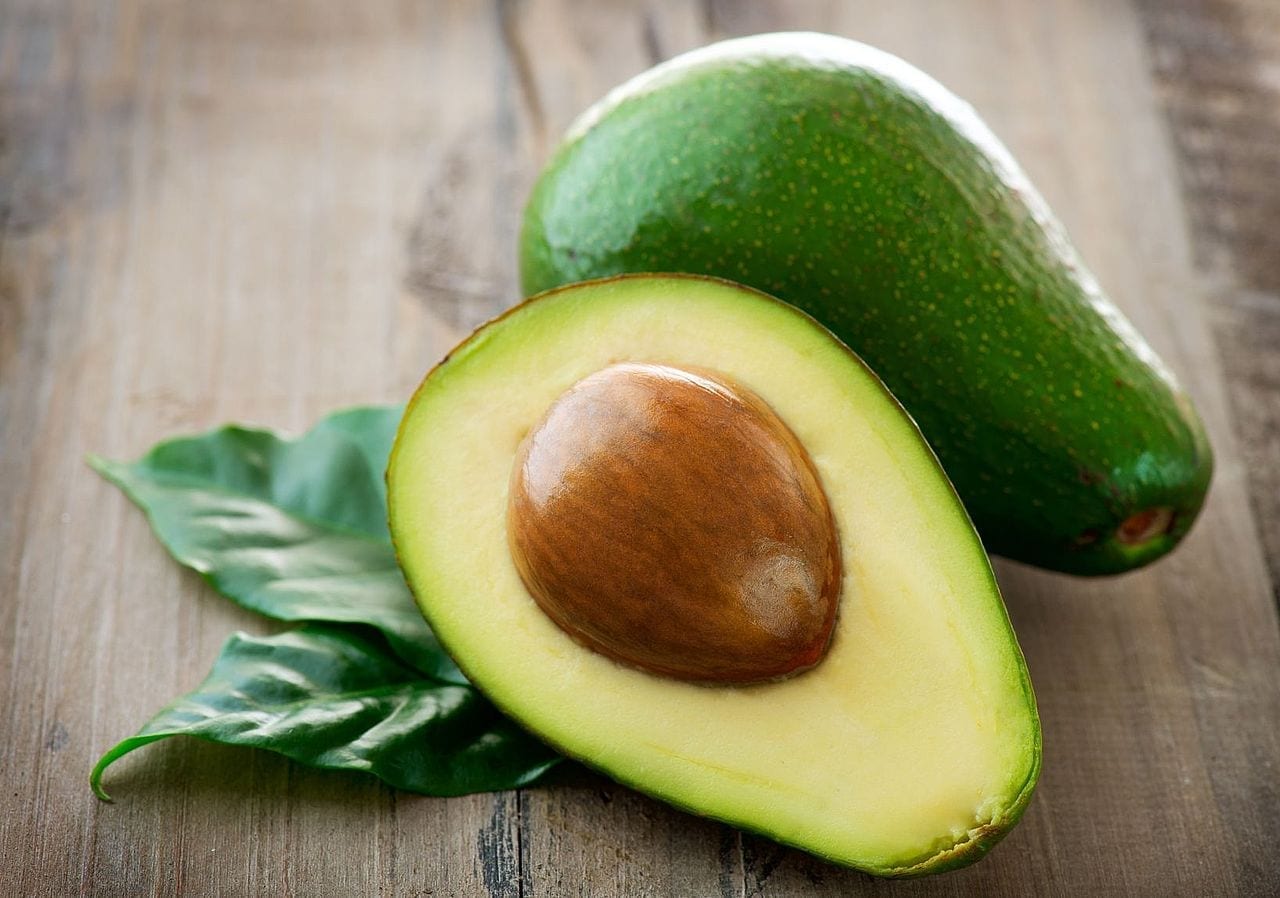
    In a striking turn of events in the agribusiness sector, avocado prices have surged to VND 40,000 (approximately US$1.54) per kilogram—marking a remarkable 100% increase compared to last year and reaching the highest price point in five years. This significant hike is attributed to a notable supply shortage.

    Farmers Profit Amid Rising Costs

    Hien, a farmer from the Central Highlands province of Lam Dong, is poised to earn VND 100 million from her avocado dealings this year, reflecting a robust 60% profit margin. This profit comes amid challenges; Hoang Anh, a retailer in Ho Chi Minh City, reports a 50% drop in supply from the previous year due to low yields.

    Weather Challenges and Crop Shifts

    The avocado market has been severely impacted by adverse weather conditions that have limited production. Traders like Dang Minh Tien are noting that many farmers have opted to replace avocado trees with more profitable fruits such as durian and coffee, further exacerbating supply issues.

    Quality Assurance in Retail

    In response to the rising prices, retail chains like MM Mega Market are taking steps to assure consumers of quality. The chain now offers avocados with a green sticker to indicate that the fruits are of high quality and free from chemical residues, catering to the increasing consumer demand for premium produce.

    Area Under Avocado Cultivation Declines

    According to agricultural authorities in Lam Dong Province, the area dedicated to avocado cultivation is diminishing, with approximately 8,000 hectares currently in production, yielding around 80,000 tons annually. As farmers pivot towards crops with better profitability, the future of the avocado market remains uncertain.

    Potential Impact on the Retail Sector

    As avocado prices climb, the ripple effects on retail dynamics and consumer behavior are becoming apparent. This trend could drive consumers towards alternative fruits or encourage the cultivation of avocados in other regions, reshaping consumer trends in the fruit market. Retailers will need to adapt to these shifts to meet evolving consumer demands effectively.

  • Thailand proposes China facilitate durian export

    Thailand proposes China facilitate durian export

    The Commerce Ministry of Thailand has recently requested the China Customs to extend the working hours at the Mohan checkpoint on the border with Laos to facilitate durian inspections.

    Specifically, the closing time will be changed from 5.30pm to 8.30pm, according to Deputy Minister Napintorn Srisunpang.

    Chinese authorities will also increase the number of inspection laboratories from three to five, adding more officials to streamline the process at this checkpoint, Napintorn said.

    He revealed that discussions with customs officials at multiple checkpoints indicated that Thai durian is free from contamination by Basic Yellow 2 (BY2) dye or cadmium.

    Previously, only 30% of durian imports underwent testing, but since January all containers must be checked for BY2 and cadmium contamination by certified laboratories in Thailand, plus face complete inspection upon arrival at Chinese borders.

    Napintorn said this heightened scrutiny has resulted in delays, with transport times stretching up to eight days. Concerns have been raised that during peak seasons, the inspection process could extend to as long as 10 days, potentially resulting in delivery times of up to 20 days, which may compromise quality and negatively impact sales of Thai durian.

    Due to expanded cultivation and improved yields, durian production is anticipated to rise by 37% year-on-year in 2025, reaching over 1.7 million tonnes, up from 1.2 million tonnes in 2024.

    Last year, domestic consumption was at 280,000 tonnes with 800,000 tonnes exported, 97% of which went to China. This year, exports are projected to increase to 1.3 million tonnes, while domestic consumption is expected to grow to 400,000 tonnes.