Tag: Furniture

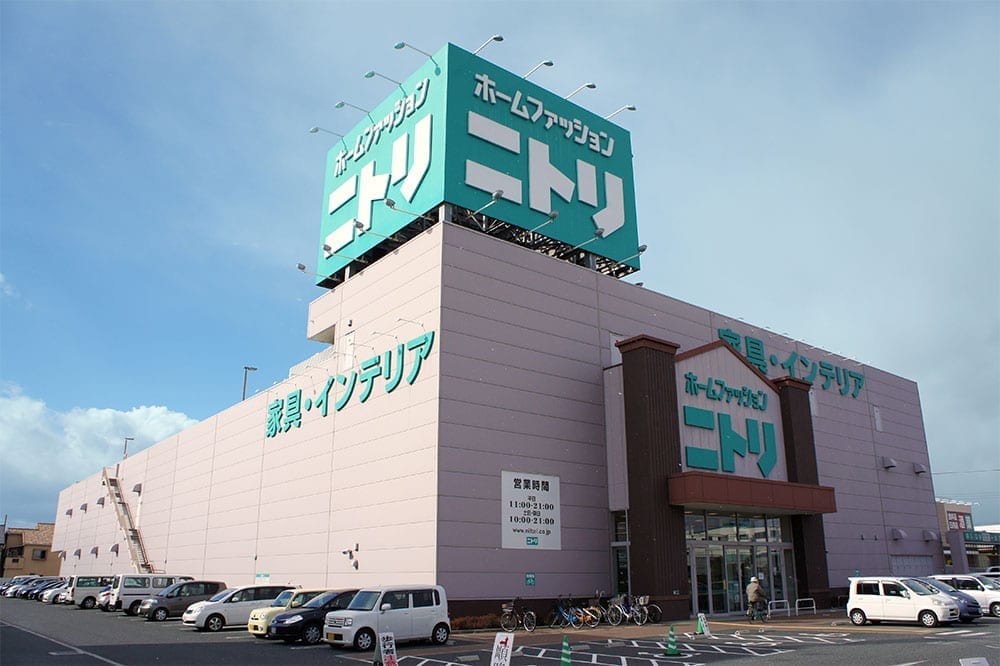
  • Japan’s Nitori to open flagship store in Shanghai

    Japan’s Nitori to open flagship store in Shanghai

    Japanese furniture and home decoration brand Nitori will open a flagship store in Xujiahui, Shanghai.

    With an area of 8,000 square meters, this store is the old location of Best Buy. It is reportedly Nitori’s first flagship store in China after its brand re-design.

    Founded in 1967, Nitori is one of the largest home supplies chains in Japan. The company was listed on Tokyo Stock Exchange in 2002 and started fast expansion in the domestic Japanese market after that.

    In 2003, its number of stores was over 100 for the first time. At present, its main businesses include home decoration, house renovation and online shopping.

    Nitori entered China in 2004 by launching a logistics center in Shanghai and the company launched its online shopping business Nitori Net in September 2004. The company’s first Chinese physical store was opened in Wuhan, Hubei province in 2014, marking Nitori’s formal beginning of its Chinese business. So far, Nitori has over ten stores in cities like Shanghai, Hangzhou, and Ningbo.

    In regards to future expansion, Nitori plans to have 100 stores in China by 2020.

  • Tom Dixon opens first flagship store in Hong Kong

    Tom Dixon opens first flagship store in Hong Kong

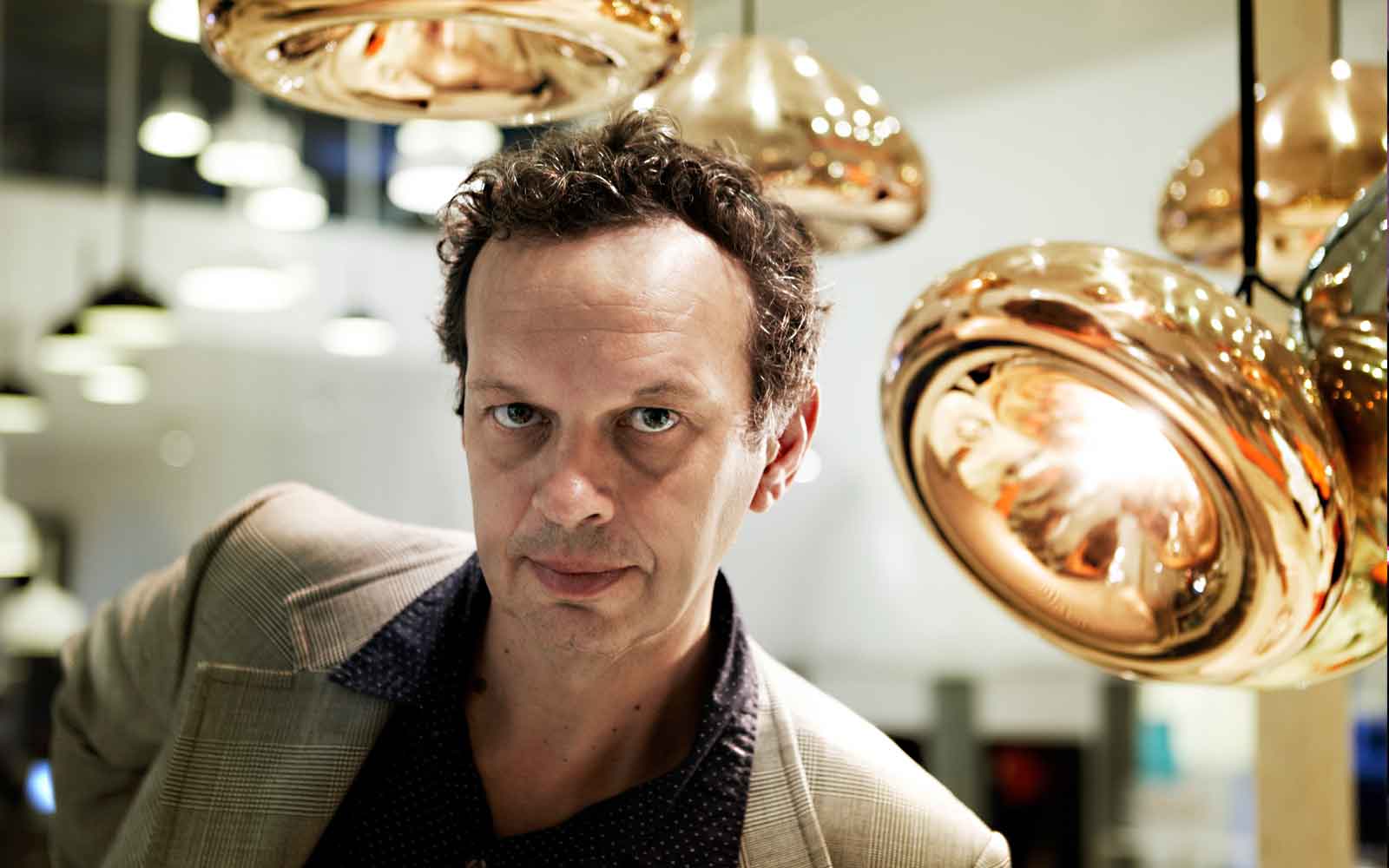
    British designer, Tom Dixon arrived in Hong Kong this week to officially open his first store in South East Asia. The duplex store takes a prime location on Hollywood Road, Central Hong Kong and comprises of Tom Dixon’s latest furniture, lighting and home accessories.

    Commenting on the new Hong Kong shop, Tom Dixon said: “With an acceleration of interest for our work in this region, 52 Hollywood Road emerges as the new epicentre of our latest expansion in Asia. The two-storey showroom showcases a curated collection of our core products where charred timber cladding and grey marble fixtures complement the concrete floor and walls, and serve as a fitting backdrop to our metallic tones of copper, brass and chrome.”

    The ground floor, on one of Hong Kong’s busiest retail stretches, offers a veritable Aladdin’s cave of home accessories. From bold table-top architecture to the scent of London itself, the copper cave houses a cabinet of Tom Dixon curiosities. Designed to engage and encourage interaction, shoppers are also invited to explore the versatility of the collections through a plug and play lighting track, and the designers tool box engineered to demonstrate finishes, colour and fabric options.

    Dexigner
    Dexigner

    The café, operated by Nodi, offers a selection of artisanal coffee, small snacks and the perfect place to slow down and soak in the latest ideas in furniture, accessories and lighting whether you are an architect or just a design enthusiast.

    Dexigner
    Dexigner

    Tom concluded: “As our second monobrand in the eastern hemisphere, 52 Hollywood Road represents the launch pad for many extraordinary adventures in Asia.”

    Yesterday evening, design enthusiasts and industry principles gathered to celebrate the grand opening of the new TOM DIXON Hong Kong store.

  • Indonesia’s Furniture Industry Needs Innovation to Maintain Pace with Competitors

    Indonesia’s Furniture Industry Needs Innovation to Maintain Pace with Competitors

    President Joko Widodo has revealed that global competition in the furniture and handicraft industry is increasingly rapidly. Moreover, changes in mode of creative industries are on the rise, as well as providing an alternative for its own market.

    The President also claimed to have become more satisfied with the changes that occur in the furniture and handicraft industry in Indonesia to move the industry forward. However, he added that this time, the toughest competitors in the international furniture industry for Indonesia are Vietnam and Malaysia.

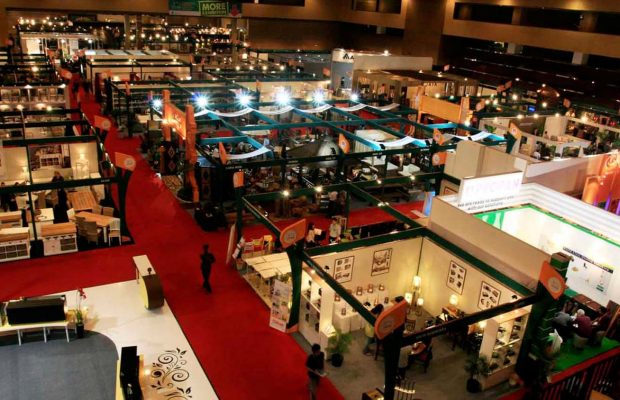
    “If we do not follow, then we will be left behind. The furniture and handicraft products’ design are good enough. What needs to be done now is on how to market the products so we can compete internationally,” he said at the Jakarta International Expo (JIExpo) in Kemayoran, Jakarta, on Saturday (3/11).

    He stressed that if the domestic furniture industry is not able to adjust to global challenges that exist today, then Indonesia’s furniture industry will be undermined by other countries’ furniture products.

    “The designs of existing products from rattan, wood, bamboo, and metal have been changed. These are the changes that need to be done, because the world changes rapidly,” President Joko Widodo added.

    “Our toughest competitors are now Vietnam and Malaysia. I think with good designs like these we can improve,” he continued.

  • Vietnamese furniture makers hit by dwindling timber supplies

    Vietnamese furniture makers hit by dwindling timber supplies

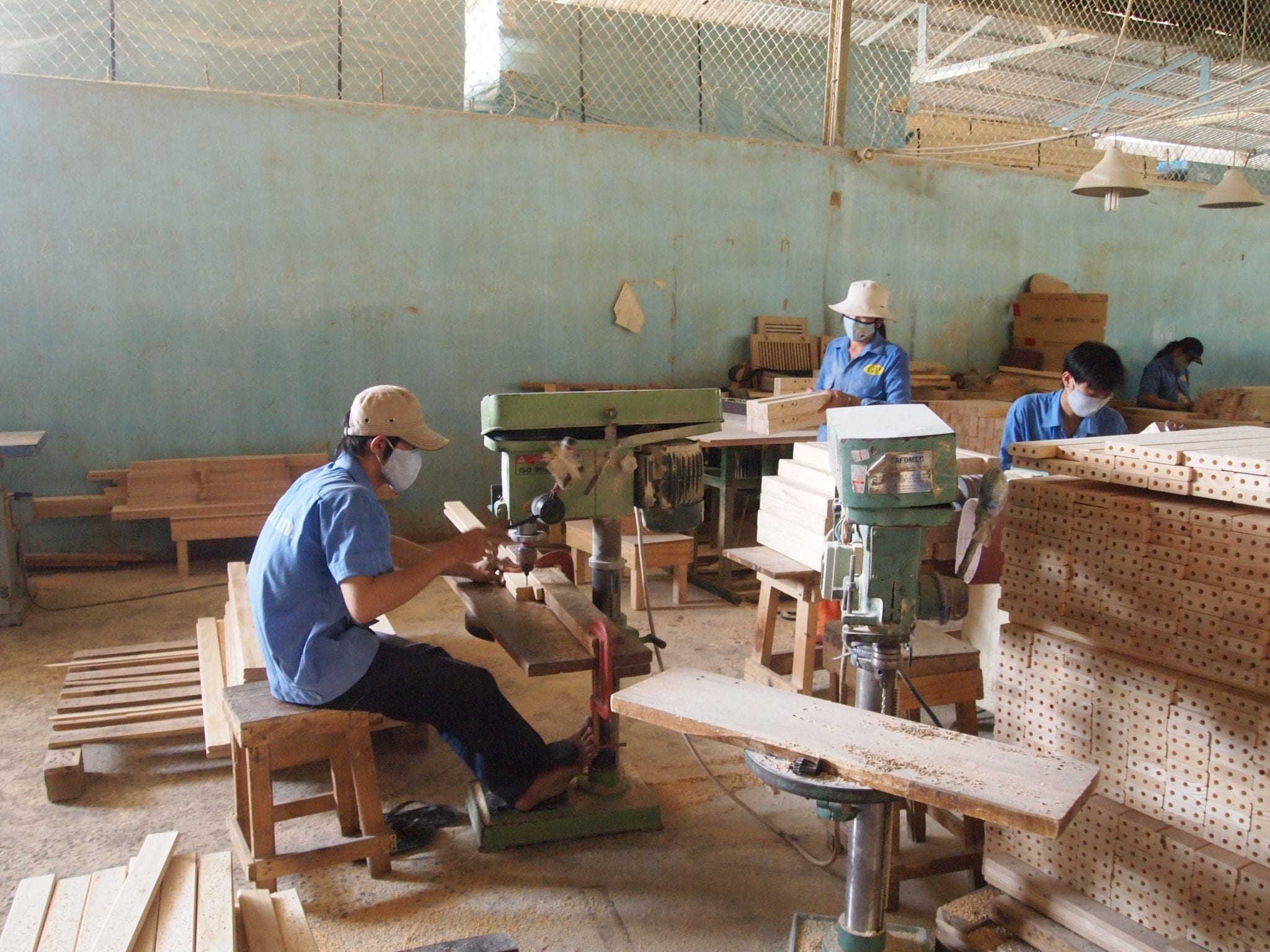
    Valuable wood that could be used by local carpenters is being shipped overseas. Many Vietnamese furniture makers are struggling to win large orders from global retailers due to a significant shortage of wood.

    It is estimated that local furniture firms use about 30 million cubic meters of solid wood and wood-based board materials each year, which translates as about 2.2 percent of all wood used commercially around the world.

    About 67 percent of wood used in Vietnamese products is domestically sourced, mainly from defunct rubber plantations, while the remaining 33 percent, translating into around 10 million cubic meters, must be sourced from overseas.

    In the meantime, data released by the Agriculture Ministry showed that last year Vietnam exported 8 million cubic meters of solid wood to neighboring China.

    This clearly presents a supply problem.

    Vietnam’s furniture exports have been growing steadily by 10-15 percent in recent years, said To Xuan Phuc, an industry expert from non-profit organization Forest Trends.

    “Last year, Vietnam exported more than $7 billion worth of wood products, while global demand was estimated at $400 billion. There is potential for more growth,” said Duong Phuong Thao, a senior official from the trade ministry.

    However, given the continuing high demand for timber, local furniture companies are faced with a significant shortage of materials.

    Vietnam currently has 4,000 furniture makers and exporters and 93 percent of them are small-and medium-sized companies. These companies have struggled to fulfill large orders from retailers in the United States, the European Union and Japan,” said Huynh Van Hanh, vice chairman of Ho Chi Minh City’s Association of Handicraft and Wood Businesses.

    Only 7 percent of Vietnamese furniture makers have managed to win large orders from global retailers, Hanh added.

    Local companies believe that the government should throw its considerable weight behind a plan to develop a sustainable forestry system that can be expanded as demand for wood continues to grow.

    Vietnam may hike tariffs on solid wood exports to 30–35 percent, the same level Cambodia and Thailand apply, to promote better forest management, end deforestation and help with timber supplies, said Huynh Kim Bau, assistant to the general manager of Saigon Furniture.

    The Agriculture Ministry plans to develop 200,000 hectares of certified sustainable forests this year, and it is forecast that Vietnam will have 500,000 hectares of certified forests by 2020.

    Dominance of Chinese furniture makers

    A shortage of solid wood and wood-based materials is not the only problem facing Vietnamese furniture exporters.

    Local firms mainly do outsourcing works for foreign furniture suppliers, most of which are Chinese, Hanh said.

    Official statistics show that a third of foreign-invested companies in Vietnam’s furniture industry are Chinese.

    In an attempt to dodge anti-dumping tariffs imposed by the U.S., Chinese furniture companies are flooding into Vietnam, relocating their manufacturing facilities and exporting to the U.S. from here.

    Since 2015 the U.S. has imposed import tariffs on Chinese-made furniture including beds, nightstands and other wooden wares in an attempt to protect its domestic manufacturers from Chinese “dumping”, or the export of goods at unfairly low prices.

    Ngo Sy Hoai, vice chairman of the Professional Association of Timber and Wood Products (Vifores), said the U.S. is currently imposing a tariff of between 55 and 120 percent on Chinese furniture, but there is no tariff on furniture imports from Vietnam.

    Local woodwork factories in Vietnam are concerned that their businesses will suffer if they act as a shield for Chinese furniture companies from U.S. anti-dumping actions.

    The fact that Vietnamese manufacturers may come under the radar of American anti-dumping investigators is obviously unwelcome as the U.S. has become Vietnam’s largest buyer. Vietnam’s furniture exports to the U.S. have reached more than $2 billion per year, equivalent to 30 percent of all exports.

  • ‘Design Korea 2016’ presents latest industrial design trends

    ‘Design Korea 2016’ presents latest industrial design trends

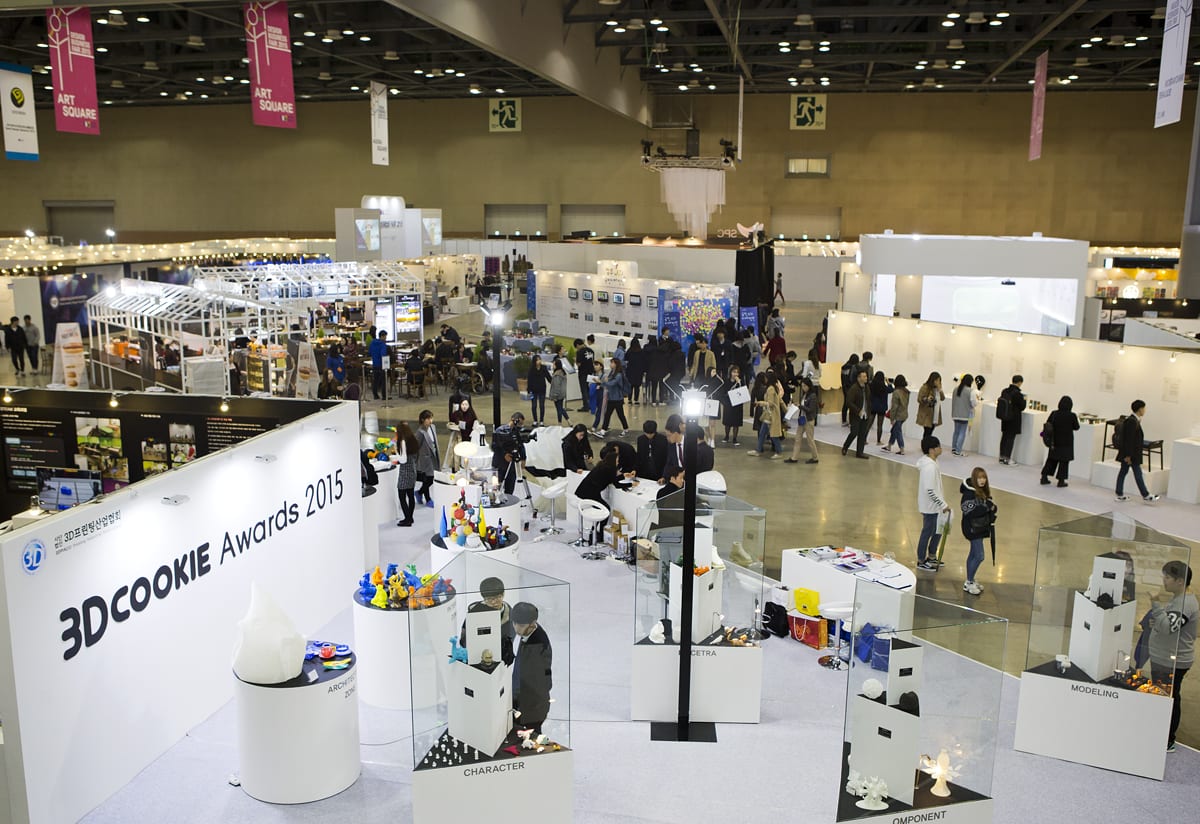
    More than 2,000 products ranging from kitchen hardware to stationary with innovative designs from across the globe were showcased at South Korea’s major trade show on Thursday, presenting the latest design trend.

    Design Korea 2016, under the theme of “Beyond Asia,” kicked off on Wednesday for a five-day run at KINTEX in Goyang, north of Seoul. The annual event is hosted by the Ministry of Trade, Industry and Energy and organized by the Korea Institute of Design Promotion.

    At an exhibition hall, more than 300 design companies from both at home and abroad set up booths to promote their latest design products, hoping to grab the attention of more than 200 international buyers.

    The South Korean government mapped out a plan earlier this year to foster the design industry, designating creative design as the centerpiece of the country’s soft power.

    “The event is the international design business festival that offers everything related to design and its business, from exhibiting world design trends to serving as a venue for participants to capture business opportunities,” the institute said in a press release.

    Various products such as furniture, kitchen hardware, stationary and clocks were showcased at an exhibition hall under five themes — convenience, dignity, beauty, healthy and happiness.

    Visitors look at innovative design products at the Design Korea 2016 at KINTEX in Goyang, north of Seoul, on Nov. 10, 2016. (Photo courtesy of the Korea Institute of Design Promotion)

    South Korea’ design house Nep Plus presented their latest electric gadgets with creative industrial design.

    Israel-based OTOTO presented innovative kitchen hardware products which are developed and manufactured in small scale each one by hand

    At a business lounge located at the corner of the hall, buyers from both home and abroad met with innovative desingers.

    Indonesia’s TV retail company Jabalu Media International, Britain’s retail shop Do Shop, and Japan’s AEON were at the lounge to close deals with local designers.

    More than 40 overseas and 200 local firms participated in last year’s exhibition to close deals worth 58.9 billion won (US$51 million), ministry officials said, adding than deals worth 80 billion won are expected to be signed this year.

    “The event will serve as an opportunity to promote the country’s excellent design industry and to expand design hallyu (the Korean pop culture craze worldwide,” said a ministry official.

    Alberto Alessi, CEO of Italian houseware giant Alessi, held a public lecture at a forum held on the sidelines of the exhibition on Wednesday.

  • Kingsdown Adds Three Branded Mattress Stores in China

    Kingsdown Adds Three Branded Mattress Stores in China

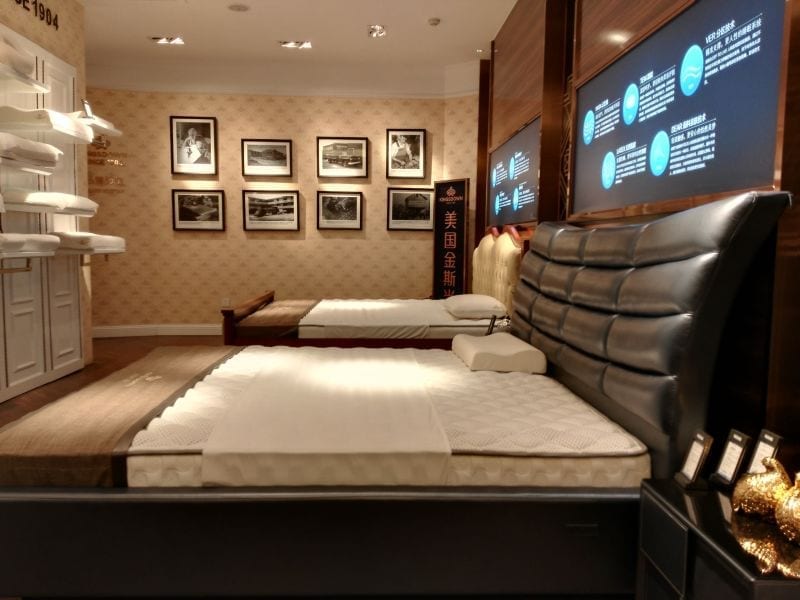
    Mattress supplier Kingsdown, Inc. has opened three additional stores in China, boosting its footprint in the country to 39 stores in 31 cities.

    The latest openings include two additional stores in Beijing, taking the city’s total to three, and its first location in Shanghai.

    The company said it expects to have 75 stores in 65 cities by the end of the year through its licensing agreement with Chinese bedding producer and retailer Roth Bedding Technology International Ltd.

    The two companies joined forces last year, and since then, the partnership has continued to flourish. The latest move solidifies the companies’ growth strategy to have 500 branded stores open throughout China by 2020, Kingsdown officials said.

    Building on its partnership with Roth, Kingsdown is growing its branded store network to strengthen its presence in China, taking advantage of the demand for an American brand with a history of luxurious style and hand craftsmanship. The Kingsdown branded stores sell the company’s popular collections along with products designed and developed specifically for the Chinese marketplace, a growing market for mattresses with an annual growth rate of more than 25% in the last five years.

    “The reception to the Kingsdown brand in Asia has been incredible with the region’s consumers,” said Frank Hood, President and CEO of Kingsdown. “Our partnership with Roth has been incredible in allowing us to capture China’s luxury mattress consumer. The strategic plan we have in place will solidify Kingsdown as the leading luxury brand in this growing consumer market.

    “The future is bright for Kingsdown in China,” added Jie Du, Roth bedding general manager. “Kingsdown’s focus on styling, quality and industry leading sleep research are key characteristics for the discriminating consumer here in China who shows a strong penchant for American-made, high-end products.”

    In addition to its growing presence in China, Kingsdown has branded retail showrooms in Vietnam.

    Roth Bedding Technology International Ltd. is based in Hong Kong. The company is a leader in distribution platforms and retail, providing both their partners and Chinese consumers a full-service company that offers quality products.

  • Bali`s exports of furniture up 41%

    Bali`s exports of furniture up 41%

    Balis exports of furniture rose 41 percent in value to US$4.88 million in June from US$3.47 million in May.

    Year-on-year, the furniture export earning also rose sharply in June up 36.17 percent from US$3.59 million,” the Bali office of the Central Bureau of Statistics (BPS) said.

    Head of the BPS office Adi Nugroho said furniture contributed 10.18 percent to the total export earning of US$48 million recorded by Bali in June.

    “Bali export earning rose 15.34 percent from US$41.66 million in the previous month,” Adi said here.

    The furniture including chairs, beds, cupboards, tables, and room partitions are generally made up of bamboo with rattan decorations, he said.

    The sets of furniture were exported to the United States, France, Germany, the Netherlands , Japan and Australia.

    Statues made of bamboo roots from the regencies of Bangli and Gianyar are also gaining market abroad, Adi said.

  • IKEA to Recall Unsafe Furniture in China

    IKEA to Recall Unsafe Furniture in China

    Swedish furniture giant IKEA will recall their unstable Malm furniture line of chests and drawers in China.

    The decision came after many vocal Chinese consumers complained that IKEA was discriminating them. The Malm line was still in Chinese stores amidst recalling over 29 million pieces of chests and drawers in Canada and the United States.

    The product recall in North America transpired two weeks ago, after being linked to the death of six children.

    When IKEA refused to recall their product from their Chinese outlets, consumers complained online and through government controlled media. Government controlled newspaper Xinhua accused IKEA of committing “blatant bullying.”

    The government-run General Administration of Quality Supervision, Inspection and Quarantine claimed that after meeting IKEA, the company decided to change their minds.

    Last Tuesday, the furniture company decided to recall about 1.7 million pieces from their stores. IKEA offered free home installation and an optional refund.

    IKEA’s spokeswoman, Xian Jiaxin, said, “IKEA is a very responsible company. Consumer protection is very important to us, which is how we came to this decision.”

    Many Chinese shoppers go to IKEA for their furniture needs. As a result, the Swedish company incurred a large amount of sales. By September 2015, total revenue totaled to $1.55 billion.

    The furniture company is determined to firm its hold in the vast Chinese retail market. Total retail sales annually is worth $4.5 trillion in China, which will soon exceed sales from the United States.

    Jeff Walters, managing director of the Boston Consulting Group said, “If you look across the world and you look where there is still significant growth in consumer spending, the answer is very much China. Of course any company is going to make sure it’s standing on the right side of regulation to have access to a market that size.”

    Many Chinese consumers are becoming more discriminating due to violation of rights in the past. Since then, government inspectors have been more stringent in regulation and inspection of goods and products.


  • HomeSquare’s 7th Annual Smart Buy Weeks Kicked Off last week

    HomeSquare’s 7th Annual Smart Buy Weeks Kicked Off last week

    HomeSquare, Hong Kong’s largest one-stop shopping mall for home furnishing is proud to bring back its Smart Buy Weeks event for the seventh year in a row. Taking place from July 17 to August 17, 2016, more than 58,000 pieces of furniture will go on sale for as little as $1, $100, or with discounts of up to 90%, making for a perfect opportunity for new homeowners to furnish their living space without breaking the bank. In all, Smart Buy Weeks will save consumers a total of up to HK$18 million!

    A press conference/opening ceremony for HomeSquare 7th annual Smart Buy Weeks was held today, officiated by Mr. Henry Lam, Sun Hung Kai Real Estate Agency General Manager (Leasing) and Ms. Yoki Hui, Sun Hung Kai Real Estate Agency Senior Leasing Manager.  They were joined by representatives from GoGoVan and YATA Department Store, Hong Kong Design Institute as well as international designer JLee Ho Lam to kick off the annual mega sales event.

    Mr. Henry Lam estimates that the 32-day Smart Buy Weeks this year would attract more than HK$1.23 million shoppers, a 10% increase from last year.  He also expects to see stronger footfall this year, with around 184,800 visitors on opening day alone and approximately 37,768 visitors on an average weekday, representing a 10% and 9% increase from last year respecively.  Mr Lam believes HomeSquare’s annual Smart Buy Weeks will attract around 101,959 daily visitors during public holidays and weekend, which would record 10% growth from last year.  The expected retail consumption per capita would be between HK$500 to HK$5,500, with those interested in interior design likely to spend up to HK$230,000 on average.   It is expected to generate  HK$224 million business turnover to tenants, representing a year-on-year increase of 12%.

    Mr Lam adds, “HomeSquare’s annual Smart Buy Weeks always endeavors to excel beyond customers’ expectations.  We strive to surprise shoppers with innovative themes and offers every year.   With Smart Buy Weeks going into its seventh year, we believe that just offering low prices is no longer enough for today’s sophisticated shoppers who pursue quality lifestyle in home design.  Therefore, HomeSquare, being a visionary leader in home furnishing industry, has invested HK$4 million on this annual campaign this year to bring a 360-degree all-encompassing lifestyle design experience to shoppers.  With support from different business parties, HomeSquare’s 7th Annual Smart Buy Weeks will present a recorded number of sales rebates to shoppers ever.  We have set an entirely new standard on all aspects of home life, from diversified shopping offers, home design ideas, shopping process, to post-sales service.

    In recent years, consumers have developed higher standards for home decor product design and quality.  They are no longer looking for “the best deal”, but the “best valued product”, meaning product price and quality are of equal importance to shoppers.  Sophisticated shoppers will do online research, compare brands and products, learn about the product’s design philosophies and product durability, among others.  Two areas that consumers have become increasingly interested in are brand heritage and the quality of material used. These concepts are more important to consumers, even ahead of price. Consumers are more willing to buy items from an established, respected brand because they know the item could last them well from 5 years to over a decade, in addition to vintage furniture gaining value in price as time goes on, hence the continual increasing interest in high-end furniture. HomeSquare’s Smart Buys Week focuses on the aforementioned trends, and have collaborated with renowned international brands that are known for their quality and craftsmanship, these include: Denmark’s BoConcept, French mattress brand Treca, Italy’s Cattelan Italia, and Decor Collection, which exclusively handles a myriad of European brands.

     Special offers by international brands at HomeSquare’s 7th Annual Smart Buy Weeks include: 

    Brand    Item    Discount Price Quantity
    BoConcept Groove Tray 90% HK$85 9 Pieces
    TRECA Treca French Bed 90% HK$2,540 1 Pieces
    Cattlelan Italia Baum Clothing Rack HK$1 HK$1 1 Pieces
    Décor Collection Thalya Chair HK$1 HK$1 1 Pieces

    HomeSquare 7th Annual Smart Buy Weeks has interpreted “360-degree all-encompassing lifestyle design experience ” via five aspects of special offers: 

     1: Nearly 60,000 products available to fit various tastes, different home decor needs and diversified shopping behaviors: 

    This year’s Smart Buy Weeks have garnered full support from Hong Kong’s home furnishing businesses, seeing 100% home tenants’ participation, including new join to Smart Buy Weeks and most sought-after brands, offering a total of more than 58,000 items available for both online and offline purchase.  Every item is sold at a major discount, from popular brand name goods to award-winning designer pieces, to meet the needs of shoppers with different tastes and needs.  To cater to the surging demand for online shopping, HomeSquare has launched a smartphone app exclusively for Smart Buy Weeks offering a quality, easy-to-use and secure online shopping experience.  Shoppers can select and pay for furniture all on their smartphones, making online shopping at HomeSquare as easy as a snap of the fingers.

    2: Hong Kong’s first 360-degree cinematheque offering valuable insights for building one’s home: 

    For this year’s Smart Buy Weeks, HomeSquare has invited LAAB Architect, the makers behind the amazing 309-sq-ft “transformer” apartment that was covered by CNN, as well as international creative artist Ms. JLee Ho Lam to share their respective insights on building a “Smart Home” and an “Art Home”. The immersive experience includes a virtual exploration of interiors and products that are part of Smart Buy Weeks.

    3: HomeSquare partners with GoGoVan for all-inclusive door-to-door delivery service: 

    During Smart Buy Weeks, GoGoVan’s team of professional drivers will be on hand to provide door-to-door delivery service. To ensure customers don’t have to wait long for service, HomeSquare has launched a “GoGoHome 30 Second Challenge” initiative — if a GoGoVan driver takes longer than 30 seconds to pick up the shopper, coffee is on us!

    4: HomeSquare teams up with partners to present the biggest surprises and most sales rebates for shoppers ever: 

    This year, HomeSquare has partnered with GoGoVan, HSBC Credit Card and YATA Department Store to launch the most number of promotions and surprising rebates for shoppers, including some new exclusive offers to shoppers.

     5: Hong Kong Design Institute stars show off the blueprint to build a happy home: 

    This year, HomeSquare will join hands with Hong Kong Design Institute to present “Think and Do” scholarship program.   The three students awarded the scholarship will share their insights on creating unity within the home via symmetrical layout and proportional settings in the Home 360 exhibition. In addition, JLee will share the secrets to crafting an “art home” with the use of special offered products of Smart Buy Weeks.

     Be The First To Experience Immersive 360-Degree Tour Of Two Distinctive Units 

    Following the opening ceremony, Mr. Henry Lam and Ms. Yoki Hui led a press tour of the 360-degree cinematheque, which screened films on the amazing 309-sq-ft “transformer” apartment designed by LAAB Architect, which was covered by CNN; as well as the “Home. Art. Home” presented by Ms. JLee Ho Lam.  Media were offered an exclusive preview of the 360-degree virtual exploration of interiors and products that are part of Smart Buy Weeks, letting media venture into, and explore the virtual space via VR goggles.  LAAB Architect introduced to the audience the “Small Home Smart Home” while JLee explained the eight tips on how to merge art and home decor in “Home. Art. Home”. With this VR experience, Smart Buy Weeks hopes to help visitors unlock the potential to building their homes.

  • The moment to tap the Philippine furniture market is now

    The moment to tap the Philippine furniture market is now

    The Philippine economy is a thundering train and it is about time for the Nordic design and furniture companies to get on board, Joni Koro, project manager at Nordic Business Council Philippines and founder of GRØN Design Solutions, says.

    “The sheer amount of new office, retail and residential developments is staggering. Although I have lived in Malaysia, Mainland China and Taiwan in the past, this is something I haven’t seen anywhere before”, the Finnish Manila-resident says.

    With an annual growth of around 6 percent, the island state is one of the world’s fastest growing economies.

    The construction boom is huge and in 2015 Metro Manila recorded the highest premium office space take-up in history on 459,000 square meters. Similar take-up of premium office space is expected also for 2016.

    Naturally this creates a great demand for furniture and design companies to furnish the office spaces.

    A lot of multinational offices are opening in Manila, and they are looking for sustainable quality furniture and are ready to pay the price for it, so the time to tap into the market is now, Joni Koro tells.

    But why just now?

    “Well if you ask me, actually we’re already late. It’s like when talking about China, the best time to get into the market was 5 years ago, but the second best is now and this also goes for the Philippines”, the Finnish entrepreneur says.

    “Unfortunately Philippines has really been flying under the radar in the Nordic region. There’s a huge potential here, especially since the last six years have been the best in the Philippine history.”

    Battling the US and European design

    When Joni Koro says, that the Scandinavian engagement on the furniture market is already late, it’s partly because more American and some European furniture companies have already jumped the gun and invested heavily in the Philippine market.

    As the market is now American contract furniture companies like Steelcase, are the biggest competitors on the market for quality Scandinavian offering, but more European companies has penetrated or are to penetrate the furniture market as well.

    Another reason why it is a good idea for the Scandinavians to tap into the market, is that the name of the cold north is already hot in the Philippines.

    “The concept of Scandinavian design and quality is fairly well known in the Philippines, but the offering is mostly limited to local mockups which rarely live up to the Nordic standards”, Joni Koro says.

    Why is Scandinavia and the Philippines a match

    If you ask Joni Koro there are several reasons why Scandinavian furniture and the Filipino market should be a successful match.

    The most significant reason is a rising interest for green awareness and thereby a demand for sustainable and environmentally friendly furniture, especially at the multinational offices, which represents the most likely buyers for Scandinavian furniture. This demand fits like a glove with what Scandinavian furniture is famous for.

    “The green movement is definitely getting stronger in the Philippines. Looking at the new office building developers, more and more of them are applying for the US Green Building Council’s LEED certification for their new buildings, he says.

    “The certificate works like a seal of approval that your office is environmentally friendly and of course gives the company a good name and a chance to price the square meters higher in a country where electricity price is one of the highest in Asia”. Joni Koro tells.

    The certifications have become highly popular. “I think out of the 80 upcoming high-end office buildings, roughly 30 have already applied for the certificate. These are the buildings the multinationals also want to be located in”.

    One way to achieve higher level in certification is choosing a green furniture supplier, as this will grant the company points when the application is rated and most Scandinavian furniture manufacturers have the green profile, that grants these points.
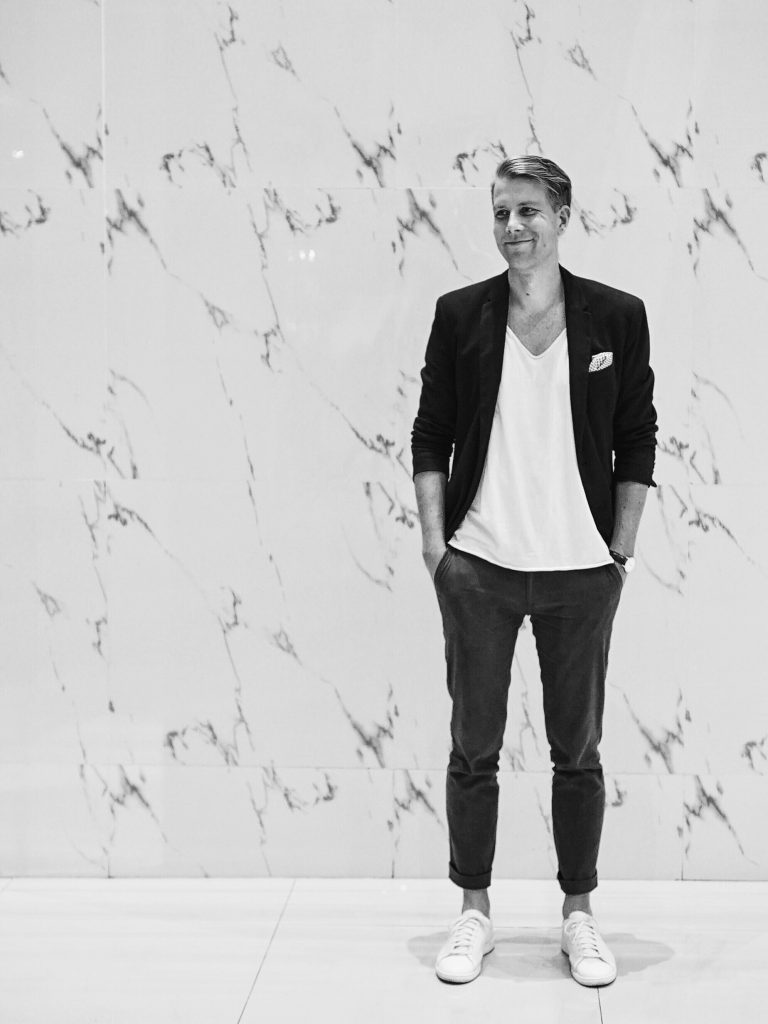
    Processed with VSCO with b1 preset

    According to Joni Koro, Scandinavian design has advantages in the Philippines.

    Another reason why Scandinavian furnitures fits the Philippine market are the traditions of Scandinavian furniture.

    Joni Koro’s own enterprise, GRØN Design Solutions, is the local partner for Denmark’s largest office furniture manufacturer, Duba-B8 as well as for Finland-based silent space manufacturer Framery acoustics. For Joni Koro these brands are good examples on what Nordic furniture has to offer in the Philippines.

    “Duba-B8 products are highly ergonomic which starts to be a hot topic also in Asia. In this regard Scandinavians are the world leaders”, Joni Koro explains.

    “At the moment, the demand for ergonomic, sustainable high-end furniture, that Nordic brands often represent still comes mostly from the multinational companies. But this is to change”.

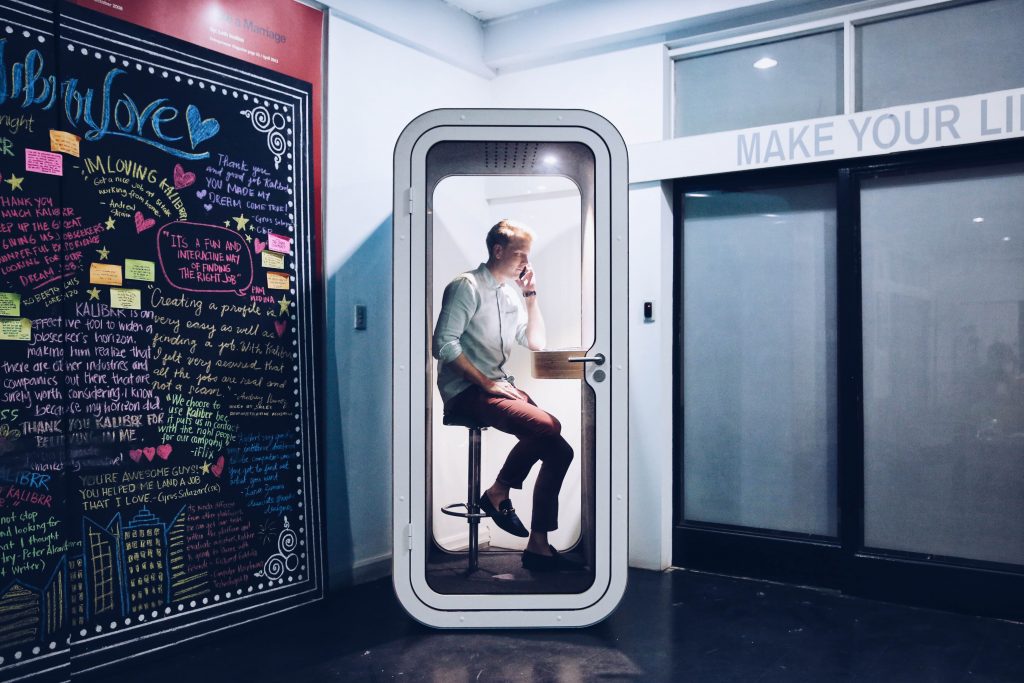
    “Another very interesting product is a movable silent space from Finland. Framery silent spaces address the noise issues at open plan and activity based offices. This company is growing four fold this year – the demand around the globe for their solutions is huge and we also see the potential and need here in the Philippines”.

    Any challenges?

    As there might be many reasons and conditions to tap into the market now, there are on the counterpoint challenges to be aware of.

    “Unfortunately the local demand for high-end sustainable office furniture is still fairly limited and we can talk about niche market here. The price matters”, Joni Koro admits.

    “Even though the Philippines is closer to the western cultures compared to many, or any, other Asian country, most of the local companies still rely on cheap Chinese furniture and on layout design support individual work in cubicles instead of collaboration and activity based working”, he says.

    The Philippines elected a new president the 9th of May 2016. The new man in charge turned out to be Rodrigo Duterte, who is seen as a highly controversial figure in Western media, mainly because of his outspoken quotes on justice policy. But the new political situation shouldn’t be a challenges for the market, Joni Koro says:

    “Despite we a new President in the country the fundamentals are there. The growth of the consumption driven economy is further fed by expanding Business Process Outsourcing sector as well as Overseas Filipino Workers’ remittances, which last year were the third largest in the world, USD 26 billion. The Gross Domestic Product (GDP) is set to grow by 5 to 7 percent in the coming years. If Duterte does well with building the confidence towards foreign investors and can accelerate the infrastructure project the country could grow up to 8 to 10 percent, so the economical situation is still fertile”.

    The Scandinavian situation

    When overviewing the state of Scandinavian design in the Philippines in general, one senses that there’s a taste for it. Some well-known brands are responding to that and have already entered scene.

    Popular companies like BoConcept and Hay have opened retail stores with a help of local partners. Republic of Fritz Hansen and some other household names can also be found in multi-brand design stores.

    Joni Koro does his to open the market for Scandinavian furniture through NBCP and GRØN Solutions.

    “I want to bring authentic Nordic design and especially quality to the Philippines – first to the office market and soon after to the consumer market as well. I want to build a gateway for Nordic furniture and decor companies to enter the Philippine market”.

    Even though the Scandinavian design and furniture mark in the Philippines is still fairly unseen, things are developing, Joni Koro says and hopes.

    A big leap would be to get IKEA to the market, he says. “That would really create awareness of Scandinavia”.

    Do you have any advices to give if one were to get into the Philippine market with Scandinavian design?

    “The demand for high-end products in the consumer market is strong, but if you want to play it safe and build the awareness of your brand slowly you should start with fast-moving items like decorations. If I should give any recommendations you should of course do you research as always, be committed to the market, and find a trustworthy local partner to work with to deal with retail restrictions”.
    Processed with VSCO with a5 preset

    Joni Koro in the Framery’s O booth – a single person phone booth, he distributes in the Philippines as a demo unit.
  • Why Gautier brought French furniture to PH

    Why Gautier brought French furniture to PH

    French furniture maker Gautier has recently opened its first store in the Philippines, the second in Asia after South Korea, bringing in modern pieces for the upscale Filipino market.

    Blims Lifestyle Group, a leading furniture distributor in the country, tapped the French company to provide the local market modern and contemporary trends in the furniture industry.

    Gautier Philippines general manager Katrina Samantha Lim says it took BLG a year to get the French furniture maker to decide on Philippine expansion.

    “This is our first time to venture into the high-end market. BLG has a defined customer base and we are very confident that this new concept will have its own following soon,” she says.

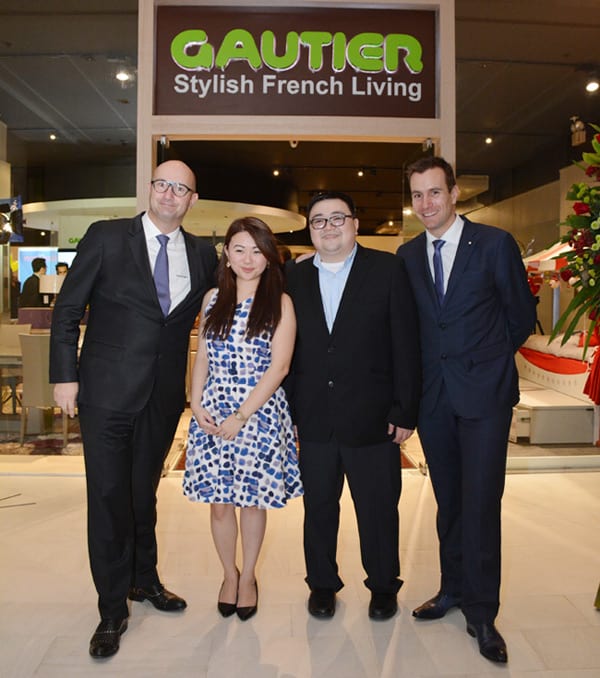
    Gautier Philippines opens its first store at Shangri-La Hotel in Bonifacio Global City.  Shown during the store opening are (from left) Gautier France chief executive David Soulard, Gautier Philippines general manager Katrina Lim, Blims Lifestyle Group president Sam Frederick Lim and Gautier France export manager Hervé Soulard.
    The youngest in a brood of six and the only female, Lim was entrusted the responsibility to look after the high-end venture of BLG.  She is a daughter of BLG chairman Samie Lim.

    The talented young entrepreneur, who exudes feminine flair and artistic sensibility, felt that Gautier’s fine pieces would fit well into the lifestyle of Filipinos.

    She noticed that more Filipino families now start to move up to the upper segment of the market, given their rising income and better opportunities in an economy that is constantly expanding.

    Housed inside the newly-opened Shangri-La Hotel at Bonifacio Global City in Taguig, the Gautier showroom boasts of a wide selection of finely-crafted furniture suited for modern Filipino homes.

    From very stylish yet utilitarian living room ensemble to sophisticated dining sets and even down to office staples, Gautier has the perfect piece for every corner in every room, she says.

    What is remarkable, Lim says, is that Gautier comes up with the perfect combination of simplicity and elegance.

    All Gautier furniture are guaranteed for 10 years except sofas, soft materials and bedding.  All products also comply with European standards.

    Gautier started as a manufacturer of children’s furniture—a sector where safety and quality are paramount and compromise is unthinkable.

    It was the first French furniture manufacturer to have obtained triple QSE (quality safety and environment) certification. The company limits the future products environmental impact with eco-design approach wherein 98 percent of waste is recycled.

    Gautier is the fifth of Blims’ concept store. Other concepts are the ready-to-use and ready-to-deliver furniture, now industry standards in convenience and practicality.

    Gautier export manager Herve Soulard says the Philippines is a rising market—one with the promise of people moving up and families affording the finest products.

    “The Philippines is also the first country in Southeast Asia where we have presence. We believe that the Philippines will be a big market for us soon,” he says.

    After the Philippines, Gautier is set to expand to Singapore and Indonesia, according to Soulard. Guatier France chief executive David Soulard also attended the opening of the Fort Bonifacio branch.

    In 2015, the French firm spent 10 million euros to acquire new machineries for wood processing. It uses 100 percent Pine wood harvested from Pine tree forest for all its furniture.

    Gautier manufactures its furniture in three production sites in France— La Boupere, Chantonnay and Saint Prouant- all  using cutting edge machineries and equipment.

    With support from local small and medium enterprises, Gautier has become the European leader in contemporary furniture. It employs more than 950 employees across all manufacturing sites.

    It trains its own in-house designers and constantly joins trade shows to keep updated. It has also teamed up with trend watchers in 30 countries.

    With the partnership, Blims is looking at P60 million in annual sales from the Gautier concept in the first year of operations in the Philippines.

    The company is currently looking for more sites in the country, especially upscale retail places and hotels.

    Over 95 percent of the furniture sold in Gautier stores are manufactured in their French factories while the rest are produced in neighboring European countries.

    Lim says the partnership with Gautier is a part of Blims’ raison d’etre or goal to upgrade the living standards of Filipinos.

    Lim says Gautier is not just for chic and classy shoppers.  “It is for today’s socially minded consumers who value the intangibles,” she says.


  • A British textile designer’s eclectic Hong Kong home

    A British textile designer’s eclectic Hong Kong home

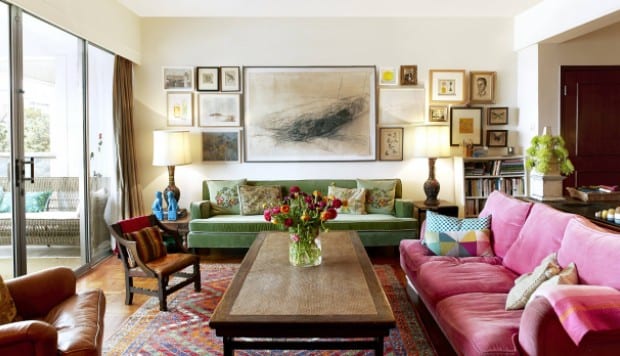
    “I basically live textiles,” says British designer Sarah Coates, who moved to Hong Kong four years ago with her husband, Peter, a journalist with Reuters, and daughter, Stella, now 11 years old. The family home, a light-filled 2,000 sq ft apartment in Mid-Levels, is evidence of her passion for all things woven, crocheted or otherwise crafted.

    “I looked at loads of apartments when we were searching for our new home in Hong Kong, many of which had lots of shiny gold taps, so when our estate agent warned us that this one was ‘a bit basic’ I just thought, ‘Yessss!’” says Coates.

    The location, near Bowen Road, with panoramic views over the city towards Kowloon, was another plus.

    “I like the idea of being slightly removed from the city but still part of it,” Coates says.

    The apartment has an open-plan living and dining room, with a balcony spacious enough to accommodate a large dining table and outdoor sofa.

    “I also enjoy the convenience of living on one level, which is very different to our London home,” she says.

    The couple lived in New York, Beijing and, more recently, the British capital before moving to Hong Kong.

    “I learned my lesson after three international moves,” Coates says. “I ship absolutely everything. It is really important to commit to where you are and to make it your real home.”

    Among the couple’s belongings are a bright pink corduroy three-seater that was Coates’ first ever furniture purchase and a vintage oak church pew they bought while living in New York.

    “The pink sofa is propped up on one side with books but it is so comfortable and reminds me of my first home, so why not?” Coates says.

    Once settled, Coates started designing a range of cushions for Hong Kong design store Deem (recently closed) and developed a retail brand of hand-knitting wool, called KPC Yarns, for Novetex Textiles. “That is the beauty of being a textile designer – it is the ultimate transferable skill,” Coates says.

    More recently, she happened upon a family-owned warehouse with a stock of fabrics from the 1960s that she and her business partner, Tarlan Amigh, have since transformed into the Smith & Coates range of distinctive cushions, lampshades and clothing.

    “The fabric is quite special with a modern sensibility. I know what I like to live with and how a beautifully woven textile, like a bold geometric print or a vibrant motif, can transform a space,” Coates says, pointing to her daughter’s bedroom, a cornucopia of crocheted cushions, bright prints by local artist and family friend Tania Willis and intricately embroidered fabrics.

    “I especially like the Hong Kong-ness of this apartment,” Coates says. “It is also very light, the windows open properly and the parquet floor isn’t shiny, which is often the case in homes here. It was built in 1966 so it has that lovely old Hong Kong feel.

    All I had to do was install fabric Roman window blinds and we were set.”

    One of the four spacious bedrooms has been transformed, magpie-like, into a studio packed with inspiration. Everything from Delft tiles to Lunar New Year decorations is displayed alongside a rail of Smith & Coates coats featuring a crafted aesthetic, and an exotic assortment of prototype lampshades covered in rich silk brocades with metallic threads.

    As an expatriate living what some see as a temporary life in Hong Kong, it is especially important to make an effort to create this sort of sensory “real world” or sense of home with things that are part of your life, says Coates.

    “It’s very easy to think your real life is happening somewhere else but … you have to be present wherever you are living and invest in it.”

    Living Room Sarah Coates sourced the green Edward Wormley velvet 1960s sofa from local boutique Deem (now closed) while the salmon pink sofa was bought years ago in Britain. The embroidered cushions were handmade by Peter’s Dutch grandmother; Coates crocheted the colourful cushion. The green spotted silk cushion (HK$1,300) was from Smith & Coates (tel: 6245 3500;www.smithandcoates.net). The Scholten & Baijings pink cashmere throw (HK$3,000) was from Droog (www.droog.com), in Amsterdam, in the Netherlands. The opium-bed coffee table was bought years ago in Beijing and the side tables were gifts. The rug was sourced from a shop in Ap Lei Chau that has since closed and the lamps cost about HK$1,000 each from a New York flea market. The pair of aqua Foo dogs cost HK$200 each from the Cat Street market, in Sheung Wan. The small leather and wood chair and the leather armchair were gifts from Peter’s grandmother. The artworks on the wall were collected over the years; the main piece is by British artist Karn Holly (www.mallgalleries.org.uk). The Danish outdoor sofa (HK$9,000), with Smith & Coates cushions, came from Manks (14/F, Cheung Tak Building, 30 Wong Chuk Hang Road, Wong Chuk Hang, tel: 2522 2115).

    Dining room The dining table (HK$1,000) was from Ikea and the chairs (about HK$2,000 each) were sourced from Deem. The tablecloth (HK$200) came from Anokhi (www.anokhi.com), in India. Coates made the ceramic tulipiere based on a Delft piece as a gift for her husband. The orange stool (HK$2,600) was from Smith & Coates. The rug (HK$1,200) was found at Mister Zimi (www.misterzimi.com), in Australia. The Tom Dixon lamp (HK$2,000) was from Homeless (various locations;www.homeless.hk). The pair of artworks on the wall are by Sophie Smallhorn (www.sophiesmallhorn.co.uk) and were bought directly from the British artist. Beneath the artworks are a lamp (from Wah Tung China, 7/F, Lee Roy Commercial Building, 57 Hollywood Road, Central, tel: 2543 2823), candlesticks and fabric that were all bought years ago. The window blind (HK$500) was made by New Bedford Interiors (67 Queen’s Road East, Wan Chai, tel: 2520 0330). The Chinese medicine cabinet and umbrella stand were bought in Beijing. The lacquer lantern (HK$30) was found in a local street market. The artwork above the chest is by British artist and journalist John Piper.

    Entrance The sofa was bought years ago from The Conran Shop (www.conranshop.co.uk), in Britain. Coates crocheted the pair of cushions while the lamp came from Peter’s grandmother. The pen drawing is by artist David Teather (davidteather@hotmail.com). On the left is a Chinese embroidered silk sleeve band, one of a pair brought back from Shanghai in the 60s by Peter’s grandmother.

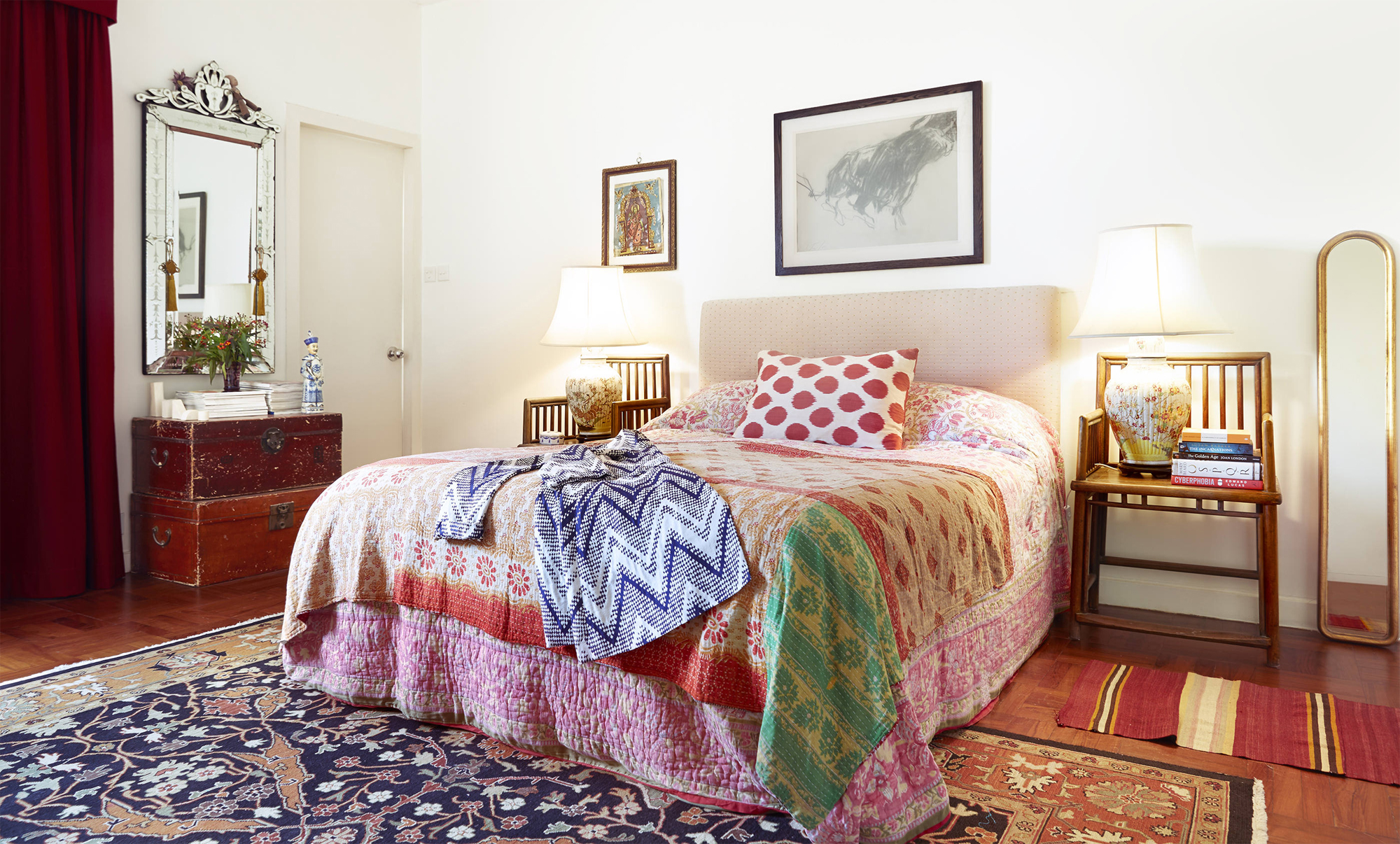
    Master bedroom The bed and headboard came from a previous home. The Venetian ornate mirror was a wedding present. The vintage leather trunks and small figurine were found in a Beijing market. The large floor rug was bought in New York; the smaller striped rug came from Afghanistan. The tall mirror came from Peter’s grandmother. The artwork above the bed is by British artist Jo Taylor (represented by The School House Gallery, in Wighton, Wells-next-the-Sea, Norfolk, tel: 44 1328 820 457) and was bought years ago directly from the artist. On the bed are a Smith & Coates woven silk coat and spotted cushion (HK$1,300). The curtains were made by New Bedford Interiors and cost about HK$1,500.

    Studio An oak dining table, bought years ago in New York, provides ample work space. The chair, from Deem, is part of the dining room set. The brightly coloured work hanging on the chair is a crocheted striped scarf (HK$2,500), which was handmade by Sarah for Smith & Coates. On the clothes rail is a collection of Smith & Coates coats made using vintage silk brocade that comes from a Kowloon silk mill that closed in the 60s. The woven palm mat came from the Philippines and was a present.

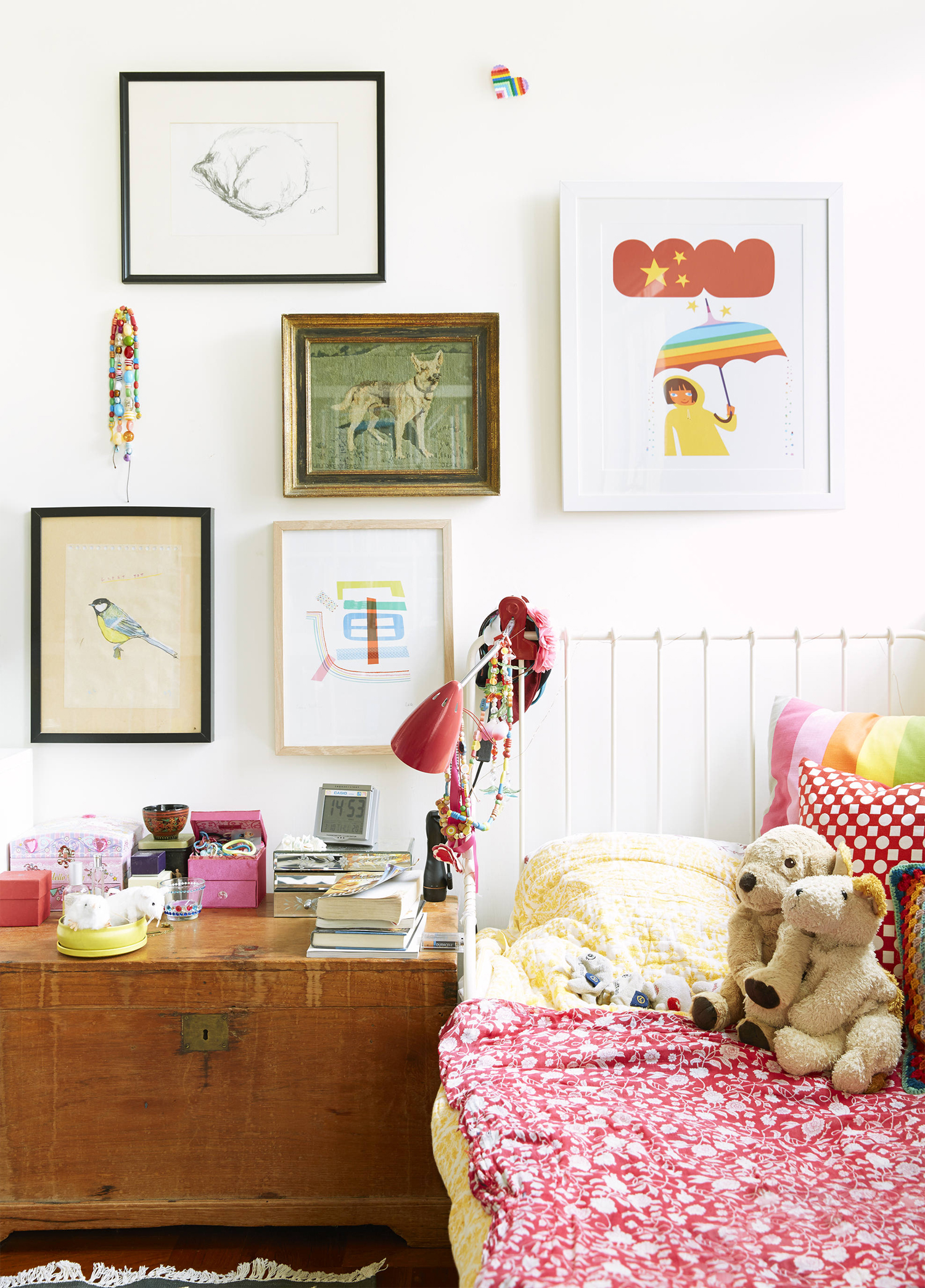
    Child’s bedroom Beside the Ikea iron bed (about HK$800) and Ikea lamp (HK$200) is an Indian storage chest bought years ago from a shop that has since closed. The bed covers came from Anokhi. The striped cushion was also from Ikea. The remaining cushions (about HK$1,300 each) were from Smith & Coates. The colourful prints, above and to the left of the bed, are by local artist Tania Willis (www.taniawillis.com). The rest of the artworks are junk-shop finds and gifts.

    Corridor detail A Smith & Coates hand-crocheted bag rests on an oak church pew bought years ago in New York. It doubles as extra book storage. On the wall are artworks by Willis (left) and Georgia Manifold (www.gmc-art.com).


    TRIED + TESTED

    Double duty A classic Chinese chair bought on Hollywood Road in the 1990s does double duty as a quirky bedside table. The lamp is a vase that was sourced from Wah Tung China and cost HK$2,000. The small box also came from Wah Tung China. Above the lamp is a picture of an Indian deity bought while on holiday in Cochin. The vintage throws on the bed cost HK$1,800 each from Inside (various locations;www.inside.com.hk).

  • Cathay Capital Invests In Chinese Furnishing Retailer ABS

    Cathay Capital Invests In Chinese Furnishing Retailer ABS

    Sino-Europe private equity firm Cathay Capital has made an undisclosed investment in Chinese home furnishing product retailer ABS through its Sino French SME Fund, says a company announcement.

    “ABS stands out among the numerous other domestic home furnishing companies in China because it has established an innovative data-based development model and an omni-channel retail system,” says Cai Mingpo, president of Cathay Capital.

    The private equity firm says it plans to leverage its home furnishing industry resources in China and France to assist ABS’ cross-border development.

    Founded in 2009, ABS has developed from a tele and catalogue selling model to an omni-channel and direct sale model with the integration of an online retailing mall, offline brand stores and mobile apps.

  • CB2 to close outlet in Singapore

    CB2 to close outlet in Singapore

    Three years after its Singapore debut, CB2 – the sister store of American furniture and homeware brand Crate & Barrel – is closing shop for now.

    Its management is looking for a new shop space in a mall, which is likely to be in Orchard Road, says Mr Yung Ong, 36, executive director for the Singapore branches of Crate & Barrel and CB2.

    He says it is time to move as the current store is “not in the right location”.

    CB2 is housed in a 557 sq m space on the second level of Peranakan Place, a row of shophouses next to The Centrepoint mall in Somerset.

    Its entrance on the first level is sandwiched between bak kwa shop Bee Cheng Hiang and coffee joint TCC. Around the corner, there are bars such as Alley Bar, Acid Bar and Odd One Out.

    Crate & Barrel has two outlets here – a five-storey flagship store in Orchard Gateway and a smaller store in Ion Orchard. There are no plans to open new Crate & Barrel outlets here.

    Mr Ong, whose family owns Peranakan Place, says CB2’s owners had picked the building because they loved its architecture and the space’s expansive, loft-like feel also matched the style of furniture the brand carries.

    CB2 targets young adults and its furniture is designed for small spaces and those on a limited budget. Prices range from $1.95 for a beaker glass to $2,999 for a dining table.

    When CB2 opened here in 2013, it was its first store outside North America and the vibe at Peranakan Place is similar to the neighbourhoods in which the American stores are located.

    Mr Ong says: “CB2 stores have always been in different, hipster- type neighbourhoods and not traditional retail locations.

    “However, we aren’t getting the right (customers) at Peranakan Place. The mindset of people who walk by here is a little different – they are not stopping to look at furniture.

    “It’s strange because Crate & Barrel is just a few doors down at Orchard Gateway and you would think that we would attract buyers from there, but we don’t. But that’s just the market – the consumer behaviour is different.”

    While the other businesses in Peranakan Place are doing well, he says CB2 is not making money. Sales figures grew from the first to second year – although it was not making money yet – but declined in the third year.

    CB2’s hiatus – it will shut next month after holding its closing-down sale – comes after home-grown furniture and home accessories retailer iwannagohome announced in February that it was closing its two stores in Tanglin Mall and Great World City, amid a retail slowdown.

    Other homefurnishing stores have pulled out of Singapore in recent years – Japanese brand Francfranc left in 2014 after two years, while Goods of Desire, a cult Hong Kong lifestyle retailer, exited last year after three years.

    But Mr Ong is optimistic about CB2’s future in Singapore.

    A new store will likely be ready by next year.

    He says: “We’re just in the wrong spot, but that’s part of business. While this type of location might have worked for CB2 in the past, we’re now changing our impression of what’s the right real estate for the brand.”

    CB2 will conduct a sale from April 15 to May 14, with discounts of up to 75 per cent.

  • Teak & Mahogany Accelerates Business Growth And Efficiency With NetSuite

    Teak & Mahogany Accelerates Business Growth And Efficiency With NetSuite

    NetSuite Inc. (NYSE: N), the industry’s leading provider of cloud-based financials / ERP and omnichannel commerce software suites, today announced that Teak & Mahogany, a Singapore-based B2C and B2B merchant of fine outdoor and indoor furniture and accessories, has deployed NetSuite to streamline its business operations and gain operational efficiency to support rapid international growth. Teak & Mahogany replaced two separate instances of MYOB and a number of Excel sheets with one single instance of NetSuite. Teak & Mahogany is now using NetSuite to manage its core business processes, including financials, warehouse and inventory management, order management, CRM and multicurrency management for the Euro and the dollars of Australia, the US and Singapore. Since deploying NetSuite, Teak & Mahogany has experienced end-to-end business efficiency and strong growth in sales to hotels, restaurants, bars, condominiums and other commercial buyers, as well as growth in its retail business, resulting in a 300 percent gain in net profitability between 2014 and 2015.

    Prior to NetSuite, Teak & Mahogany struggled with two separate instances of MYOB, for accounting and retail, while relying on Excel to manually manage inventory and order fulfillments. The siloed applications resulted in regular miscommunication, manual data errors and poor productivity, while a lack of real-time visibility into key business metrics made it difficult to make informed business decisions. After evaluating a number of alternative solutions, including Microsoft Dynamics NAV (Navision) and SAP, Teak & Mahogany selected NetSuite for its rich functionality and flexibility in a single, integrated and scalable solution, based on a cloud architecture that delivers anywhere, anytime access and minimizes IT resource requirements. PGE Solutions, a 5-Star NetSuite Solution Provider partner headquartered in Manila with a regional hub in Singapore, has helped Teak & Mahogany with implementation and ongoing optimizations, aligning NetSuite to the company’s unique business needs and strategic growth objectives.

    Founded in 1996 with a flagship retail store in Singapore, Teak & Mahogany is better positioned with NetSuite to grow its multi-channel business across Southeast Asia and the USA. NetSuite helped to support Teak & Mahogany’s recent introduction of a broader lineup of indoor furniture and accessories, expanding on its traditional outdoor focus to bring its total SKU count above 3,000, including seating ensembles, barbecues, bars, dining sets, lighting and more. NetSuite can help Teak & Mahogany drive sales across its B2B distributor channel, which sells its products in Singapore, Australia and Hawaii through CRM functionality that provides a complete real-time view of customers and prospects, from clubs to condominiums, and automated invoicing that streamlines transactions. Multi-currency conversions in NetSuite also helps the company to seamlessly transact in the Euro with their Danish supplier and in the dollars of Singapore, Australia and the U.S. with their three distributors, with more currencies available as it grows commercial sales across the APAC region. Teak & Mahogany also relies on NetSuite for purchase orders, billing and fulfillment with four retailers in Australia and one in Hawaii that sell Teak & Mahogany merchandise.

    “Our goal with NetSuite from the start was to expand the business and there’s no doubt NetSuite has played a big role as we have increased our profitability,” said Philip Jensen, Teak & Mahogany Co-owner and Marketing and Export Manager. “NetSuite gives us outstanding flexibility and fantastic real-time data that shows us how the company is doing at any time. With NetSuite, we have a greater focus on growing the business with efficiency and real-time KPIs. We’re relying more on NetSuite to drive the future of the company rather than people using spreadsheets.”

    Other key benefits that Teak & Mahogany has realized since deploying NetSuite are:

    Better order fulfillment. Teak & Mahogany has improved order fulfillment accuracy to 100 percent since deploying NetSuite, compared to error rates in the range of 350 a year with previous Excel-based processes, improving customer satisfaction.

    Improved inventory management. NetSuite has helped Teak & Mahogany better manage and replenish inventory, dramatically reducing costly overstock at its 23,000 square feet of multi-floor warehousing space in Singapore.

    Continued inventory enhancements. Expanding usage of bin management will improve inventory efficiency and precision across distributed warehousing space, supported by the OzLINK solution from NetSuite partner Oz Development.

    Greater productivity with a lean workforce. NetSuite automation has helped Teak & Mahogany to consolidate multiple job roles, and since deploying NetSuite, Teak & Mahogany has trimmed the workforce by five full-time personnel, realizing substantial savings.

    According to Zakir Ahmed, Vice President and General Manager, NetSuite Asia: “Teak & Mahogany is one of the growing number of businesses in Asia Pacific turning to NetSuite to help realize efficiencies and support rapid growth. Teak & Mahogany’s impressive gains in profitability are a strong testament to the potential benefits of running a business on a unified cloud-based system.”