Tag: gaming

  • Sony Lifts Gaming Sales Forecast to 4.83 Trillion Yen

    Sony Lifts Gaming Sales Forecast to 4.83 Trillion Yen

    Sony increased its full-year sales forecast for its Game & Network Services division to 4.83 trillion yen, up 6 per cent from an earlier estimate of 4.54 trillion yen.

    In financial results released on 5 November for the second quarter of the 2026 financial year, the company also lifted its annual operating profit target for the segment from 660 billion yen to 700 billion yen.

    Higher sales of non-first-party titles, tighter cost management, and expanding revenue from PlayStation Plus network services drove the revision. During the July-to-September period, segment sales rose 9 per cent year on year to 1.21 trillion yen, while operating income jumped 83 per cent to 220.1 billion yen despite a decline in hardware sales.

    Network Software Offsets Console Volume

    Hardware demand moderated across the July-to-September quarter, yet Sony lifted margins by shifting its earnings base deeper into software purchases and recurring subscriptions. The corporate upgrade relies directly on royalties collected from outside publishers rather than its own proprietary game rollouts. Digital purchases eliminate standard distribution fees and physical disc pressing costs, keeping gross margins wider even when unit counts level off.

    Hardware remains the hook that locks consumers into Sony’s ecosystem, but the commercial weight has shifted to digital network access. Rival hardware makers face identical pressures as console lifecycles mature.

    Wolverine Sells 2.4 Million Units

    Sony disclosed opening sales figures for Marvel’s Wolverine, confirming the PlayStation 5 exclusive title sold 2.4 million copies globally across its first 50 days. The title was developed by subsidiary studio Insomniac Games and debuted on 15 September 2026. This release represents a separate superhero project following its Spider-Man series.

    That volume tracks below earlier studio debuts. Marvel’s Spider-Man 2 sold 2.5 million units in its opening 24 hours in October 2023, surpassing 5 million units within 11 days. The gap reflects both a standalone character rollout without established gaming sequel momentum and changing seasonal consumer demand patterns in early autumn.

    The Third-Party Pipeline

    The updated full-year forecast includes anticipated commercial tailwinds from outside studio titles, headlined by Rockstar Games’ Grand Theft Auto 6. Sony secured promotional alignment for the title, using PlayStation 5 marketing slots to pitch hardware features including haptic trigger resistance and spatial audio processing. Rockstar’s public distribution channels list both the PlayStation 5 and Xbox Series X and Series S as launch platforms.

    Consolidated digital storefronts capture a percentage cut of all third-party digital purchases, in-game spending, and add-on content without carrying development overhead. This cut cushions Sony’s balance sheet against volatile development schedules from its wholly-owned creative teams. The publisher carries none of the financial write-down liability if third-party production timelines stretch.

    Earlier Platform Performance

    The quarterly report follows a period where platform hardware volumes peaked earlier in the console cycle.

    The group’s operational attention now shifts to retail store channels and digital fulfillment when Grand Theft Auto 6 launches globally on 19 November 2026.

  • Nintendo Quarterly Profit Falls 29Pc to 73.5 Billion Yen as Switch 2 Cools

    Nintendo Quarterly Profit Falls 29Pc to 73.5 Billion Yen as Switch 2 Cools

    Nintendo posted a 29 per cent drop in second-quarter net profit to 73.5 billion yen, missing market forecasts as unit sales for its Switch 2 console slowed.

    The Japanese gaming company fell short of the 82.2 billion yen average estimate compiled by Bloomberg for the July-September period.

    First-half net profit still climbed 11 per cent year-on-year, supported by earlier momentum and software purchases. Operating profit jumped nearly 50 per cent across the six months, aided by steady software transactions and a windfall from US tariff refunds.

    Hardware Volume Drops After Launch Year

    Consumer demand for hardware pulled back sharply across global channels. Nintendo sold nearly 6.5 million Switch 2 consoles during the six months, down from almost 10.4 million units in the comparative period a year earlier when the hardware debuted.

    Component costs hit margins across electronics supply chains this year. Higher prices for memory chips, driven by enterprise demand for artificial intelligence hardware, forced Nintendo to raise the retail price of the Switch 2 console.

    Retail buyers now face a more cautious consumer base. Without an immediate pipeline of top-tier first-party games through the summer, store shelves saw console inventory move at a noticeably slower pace than during the record-breaking 2025 launch cycle.

    Divergence Across Tokyo Tech Giants

    The consumer electronics divide widened between Japan’s two premier entertainment hardware makers this quarter. Sony upgraded its full-year earnings outlook to 1.33 trillion yen, powered by games, theatrical releases and music distribution.

    Sony recorded a 44 per cent jump in second-quarter net profit to 449.6 billion yen. While Sony benefited from favourable foreign exchange rates and box office contributions from titles like Spider-Man: Brand New Day, Nintendo remained exposed to single-platform hardware dependency.

    For consumer tech merchants across Asia, Nintendo’s numbers indicate that price increases on maturing hardware require immediate software drivers to sustain floor traffic. Sony gains additional momentum heading into November with third-party software releases, whereas Nintendo must rely heavily on its internal intellectual property catalog to protect device sell-through.

    Holiday Software Push

    Nintendo is turning to legacy catalog revivals to rebuild retail engagement ahead of the critical shopping season. The company rolled out a remake of The Legend of Zelda: Ocarina of Time to coincide with the franchise’s 40th anniversary.

    The title registered a Metacritic score of 96 out of 100 on the eve of release. Management intends to tap the existing hardware base to generate recurring digital revenue while software sales recover.

    Full-year net profit guidance remains unchanged at 310 billion yen. Retailers and suppliers will measure holiday checkout volumes against that target as shopping campaigns open across regional markets.

  • Bukalapak Posts IDR 821 Billion Half-Year Loss on Investment Decline

    Bukalapak Posts IDR 821 Billion Half-Year Loss on Investment Decline

    PT Bukalapak.com Tbk reported a net loss of IDR 821 billion for the first half of 2026 in Jakarta, dragged down by an IDR 1.74 trillion investment loss.

    The result followed a loss of IDR 426 billion in the first quarter and a further shortfall of IDR 395 billion in the second quarter. Top-line performance moved in the opposite direction, with revenue rising nearly 30 percent year on year to IDR 3.99 trillion across the six-month period.

    Gaming Carries Top-Line Growth

    Gaming generated IDR 3.48 trillion during the half, making up 87.31 percent of total revenue. The division delivered an operating profit of IDR 76.3 billion, anchoring the company’s core earnings.

    Online-to-offline operations brought in IDR 326 billion in revenue and generated an operating profit of IDR 10.45 billion. Retail revenue contributed IDR 139 billion, while investment income added IDR 44.4 billion and corporate revenue stood at IDR 1.83 billion.

    Investment Portfolio Weighs on Corporate Segment

    Losses in non-core units offset the gains made by gaming and merchant networks. The corporate division posted the steepest deficit at IDR 885 billion, primarily reflecting the IDR 1.74 trillion drop in the value of its investment holdings.

    Financial statements showed a net cash outflow of IDR 2.32 trillion from investing activities during the half. Bukalapak directed IDR 3.07 trillion toward additional investments and allocated IDR 70 billion in capital injections to associated entities.

    Shift Away From Marketplace Operations

    Bukalapak exited its traditional e-commerce marketplace in early 2025. That decision eliminated the heavy merchant subsidies and logistics spending that weighed on cash flow for years, reorienting the business toward digital item distribution and treasury management.

    The pivot leaves the Emtek Group-backed company operating more like an asset allocator with a digital entertainment distribution engine than a conventional shopping platform. While gaming provides cash generation, corporate earnings remain exposed to public equity valuations and mark-to-market adjustments.

    Digital Banking Exposure and Market Pressure

    Much of that valuation pressure stems from listed holdings acquired during the tech boom. Bukalapak has held an 11.49 percent equity stake in PT Allo Bank Indonesia Tbk since January 2022, when the digital lender traded above IDR 5,000 per share.

    Shares in the digital bank have fallen to IDR 900 each, dropping almost 40 percent since the start of 2026. Investors will watch whether the board adjusts its marketable securities portfolio before third-quarter financial results are filed later this year.

  • Bukalapak Will Not Rely on Gaming Revenue for Long-Term Growth

    Bukalapak Will Not Rely on Gaming Revenue for Long-Term Growth

    Bukalapak confirmed in Jakarta this week that digital gaming transactions will not define the group’s corporate future despite generating the largest share of current revenue.

    The stance signals a structural boundary for the Indonesian commerce platform as it balances high-volume digital entertainment sales against broader merchant ecosystems ahead of upcoming quarterly filings.

    Where the Revenue Concentrates

    Gaming services and digital top-ups have become the platform’s primary sales engine following shifts across its core marketplace operations. User demand for in-game currencies and virtual goods created immediate transaction volume across urban and tier-two Indonesian markets.

    Management maintains that relying on digital entertainment leaves the wider enterprise exposed to developer fee changes and regulatory pressure on microtransactions. The platform is keeping its core retail infrastructure focused on physical merchants and supply chain integration.

    The Merchant Ecosystem Balance

    Mitra Bukalapak, the group’s offline-to-online network serving neighbourhood kiosks, remains central to its merchant distribution network across Indonesian provinces. Diverting investment entirely into virtual gaming goods would detach the company from the physical supply chains that separate regional commerce platforms from purely digital app stores.

    Rival platforms across Southeast Asia have confronted the same dilemma. Gaming transactions deliver swift cash flow, yet physical retail distribution builds defensive customer loyalty across small business networks.

    Shifting Away From Pure Marketplace Competition

    Bukalapak retreated from head-to-head capital burn against regional marketplace giants several years ago to concentrate on specialized commerce categories and offline kiosks. That pivot helped stem operating losses and created room for digital gaming services to expand quickly inside the platform.

    The resulting revenue concentration now presents its own operational hazard. Rebalancing the revenue mix requires expanding higher-margin merchant financial services and wholesale supplies to traditional store owners.

    What to Watch Next

    Investors tracking the company on the Indonesia Stock Exchange will monitor segment contribution figures in upcoming quarterly filings. The immediate test is whether physical retail distribution and small merchant services can expand fast enough to match gaming transaction growth.

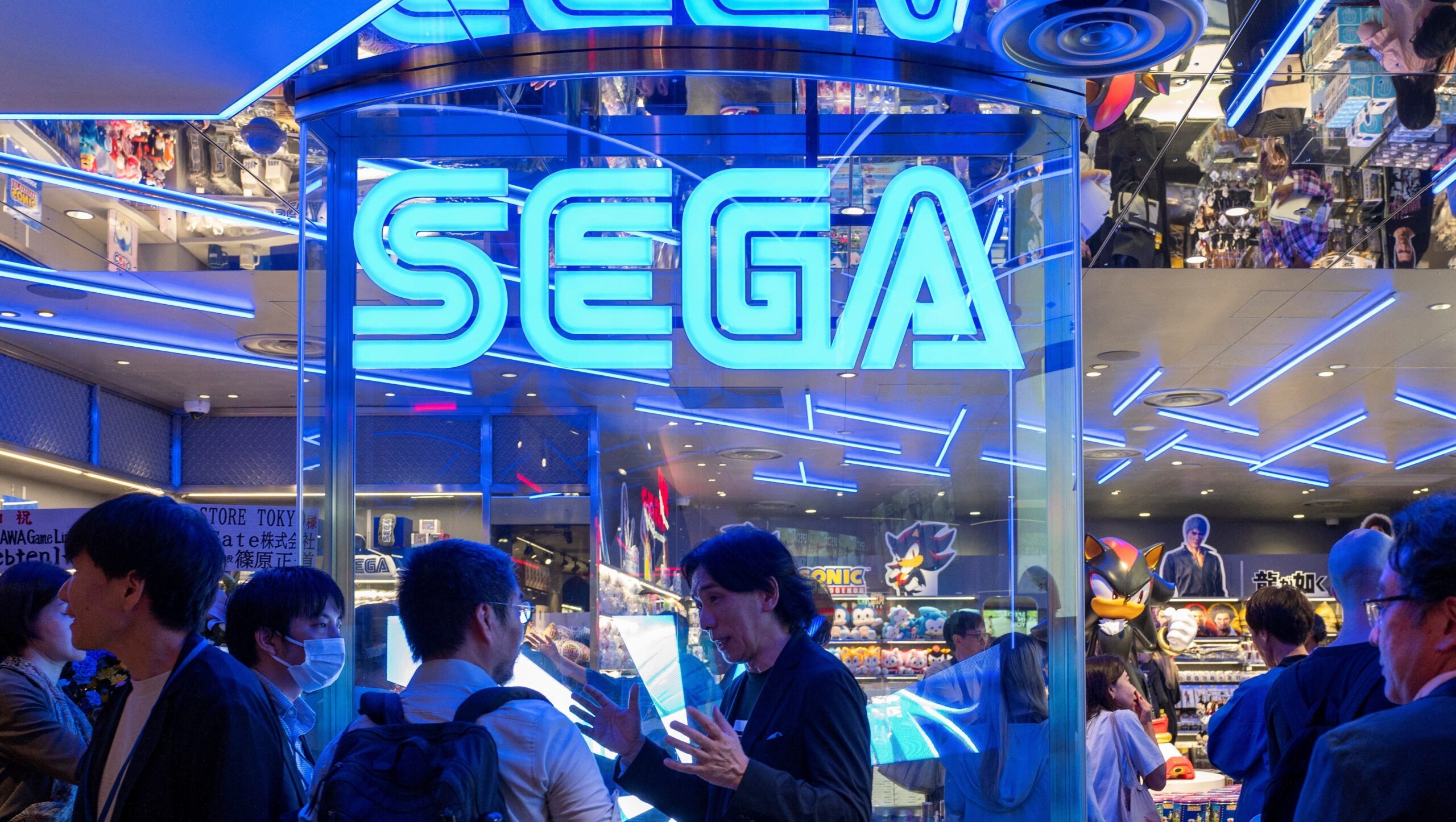
  • Sega Shifts Strategy from Selling Games to Building Transmedia Ecosystems

    Sega Shifts Strategy from Selling Games to Building Transmedia Ecosystems

    In October 2026, Sega outlined a shift in its commercial strategy toward multi-channel intellectual property ecosystems, moving away from a traditional reliance on packaged video game releases to drive core revenue across consumer markets.

    President Shuji Utsumi confirmed the Tokyo-based entertainment company is deploying films, retail licensing agreements, and direct fandom engagement to anchor franchise values across physical and digital storefronts.

    Building beyond standalone software

    The transmedia push prioritises cross-platform character exposure over single-title release schedules. Film adaptations and character merchandise now serve as primary customer acquisition channels rather than secondary promotional spin-offs, feeding consumer demand directly into software catalogues, physical retail merchandise, and digital brand platforms.

    Executive leadership under Utsumi is aligning internal development studios with external film distributors and consumer product licensees. The operational framework treats each intellectual property portfolio as an enduring franchise ecosystem designed to retain audience spend across multiple entertainment touchpoints.

    The read across for Asian licensing and retail

    For toy manufacturers, apparel licensees, and retail buyers across the Asia-Pacific region, Sega’s multi-channel pivot establishes continuous consumer engagement throughout product life cycles. Traditional video game merchandising relied on volatile spikes during hardware generation launches or standalone sequel debuts, leaving shelf space vulnerable during development lulls.

    A coordinated release calendar spanning theatrical distribution, streaming content, and physical consumer goods reduces operational inventory risks for commercial partners. The challenge for Sega lies in maintaining franchise quality across external licensing partners while protecting brand equity from overexposure in competitive consumer categories.

    Competitive pressure across regional peers

    Japanese entertainment conglomerates are systematically consolidating character portfolios to defend consumer wallet share against Western entertainment groups. Regional rivals such as Bandai Namco have accelerated cross-border licensing expansions across Southeast Asia to insulate balance sheets from domestic demographic contraction.

    Sega’s transmedia rollout establishes the operational benchmark for its upcoming pipeline of legacy properties, with management tracking audience engagement and cross-category licensing conversions as the next multi-platform releases enter international markets.

  • Brands Step up Fandom Marketing as Gaming and BookTok Spur Billions in Retail Sales

    Brands Step up Fandom Marketing as Gaming and BookTok Spur Billions in Retail Sales

    Non-endemic consumer brands now account for 60 per cent of esports partnerships worldwide as corporate marketers redirect budgets toward gaming and social media subcultures across Asia and the West. Research conducted by Amazon Ads and Twitch Ads across 12 countries, including Japan and South Korea, found that 70 per cent of fans view these communities as part of daily life.

    The shift comes as consumer spending linked to online interest groups expands beyond traditional merchandise. In the gaming sector, a 2025 global study of more than 24,000 active players across 21 markets, including China, India, Japan and South Korea, established that the average player is 41 years old. The demographic splits evenly at 51 per cent male and 48 per cent female, dismantling long-held media assumptions about youth-only audiences.

    Brands outside the technology sector are buying into this scale. McDonald’s integrated Pokemon Trading Card Game products into Happy Meals, Lacoste launched a physical and digital line with Minecraft, and Elf Cosmetics constructed an interactive world inside Roblox. McKinsey research confirms that non-gaming companies now drive six in ten competitive gaming sponsorships.

    Publishing and Travel Ride Social Momentum

    A parallel surge is lifting physical book sales and related hospitality services. Analysis from NielsenIQ BookData and Media Control recorded more than 50 million book purchases across European retail markets in 2025 linked to TikTok’s #BookTok community, generating 800 million euros in revenue. In the United States, research group Circana tracked a 20 per cent annual rise in BookTok-driven book sales during 2024 to approximately 60 million units.

    The literary trend has bled directly into tourism and apparel. Travel platform Skyscanner reported that global hotel bookings using its library filter rose 70 per cent year-on-year in 2026. In late 2025, American leathergoods label Coach partnered with Reese Witherspoon’s Sunnie Reads club to operate reading pop-ups and sell book charms co-developed with Penguin Random House.

    Authenticity Determines Campaign Returns

    For retailers across the Asia-Pacific region, commercial tie-ins to niche communities offer far higher conversion rates than general broadcast advertising. While mainstream digital ad placements suffer from rising ad-fatigue, Amazon’s data shows 61 per cent of dedicated fans actively welcome brand-sponsored content. Another 64 per cent rely on digital platforms to source and purchase interest-specific products.

    Execution remains delicate. The Amazon study revealed that 54 per cent of respondents immediately detect insincere corporate messaging within their spaces. Marketers now track whether beauty and apparel brands can scale influencer partnerships among Asian creators before community engagement metrics normalize across major video platforms later this year.

  • Alibaba and ByteDance Divest from Gaming and Retail to Fuel AI Ambitions

    Alibaba and ByteDance Divest from Gaming and Retail to Fuel AI Ambitions

    Alibaba Group Holding and ByteDance are restructuring their business portfolios, selling off non-core assets in gaming and retail to private equity firms. This strategic shift aims to re-focus substantial resources and investment into the burgeoning field of artificial intelligence, as competition in the AI sector intensifies across Asia.

    Strategic Divestment For AI Focus

    The move sees Alibaba Group Holding in the process of selling Lingxi Games, its video game unit, to a private equity fund. This divestment reflects a broader trend among leading Chinese technology firms to streamline operations and concentrate capital on high-growth, strategic areas like AI. The decision comes as these companies face mounting pressure to innovate and secure a leading position in the global AI race.

    For retailers and consumer brands in Asia, this reorientation by tech giants like Alibaba has significant implications. Alibaba’s strong presence in e-commerce means that resources diverted to AI are likely to enhance capabilities in areas such as personalised recommendations, supply chain optimisation, and customer service automation. Similarly, ByteDance’s TikTok, a major platform for consumer engagement, could see advanced AI integration impacting everything from content delivery to advertising effectiveness.

    Implications For Asia’s Retail And Tech Sectors

    The decision by Alibaba and ByteDance signals a clear prioritisation of AI development over other business segments, including those with direct ties to consumer spending like gaming and certain retail operations. While the full scope of ByteDance’s retail divestments is not detailed, Alibaba’s move with Lingxi Games indicates a willingness to shed assets to fund core strategic initiatives. This aligns with broader market trends where technology companies are doubling down on AI infrastructure and research, viewing it as the next frontier for competitive advantage.

    This redirection of investment could lead to more sophisticated AI tools and platforms becoming available for businesses, potentially driving efficiency and innovation within the retail and consumer sectors. RetailNews Asia has observed similar strategic realignments across the region, where companies are either investing heavily in AI or partnering with AI specialists to stay competitive in an increasingly tech-driven market.

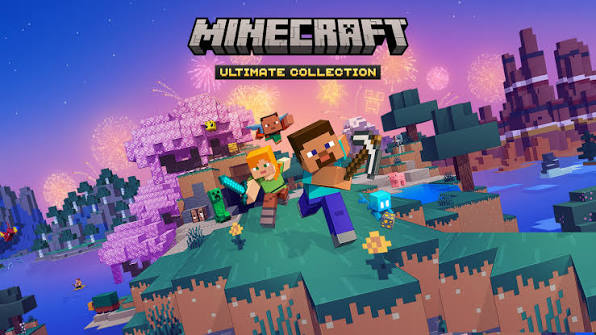
  • Minecraft Workshops Reconstruct Pre-Atomic Bombing Cities in Japan

    Minecraft Workshops Reconstruct Pre-Atomic Bombing Cities in Japan

    University students in Japan are using the popular video game Minecraft to educate children about the appearance of Hiroshima and Nagasaki before the atomic bombings of August 1945. These workshops aim to help participants grasp the scale of loss and destruction caused by the nuclear attacks.

    Misaki Katayama, a 27-year-old graduate student at the University of Tokyo specializing in peace education, initiated these two-day workshops in Hiroshima and Nagasaki in 2023. The program targets elementary school students from fourth to sixth grade, tasking them with digitally rebuilding the pre-bombing cityscapes.

    Rebuilding History Through Gaming

    Participants utilize historical maps, photographs, and video footage to reconstruct significant areas within Minecraft, a game renowned for its block-building virtual environment. For instance, a workshop held in Hiroshima on August 4 and 5, 2023, saw students meticulously recreate the district where Hiroshima Peace Memorial Park now stands, including a temple and a kindergarten that were once part of the bustling neighborhood.

    Katayama’s inspiration for the project arose six years ago after an atomic bomb survivor (hibakusha) recounted an elementary student’s comment, “It was lucky that the atomic bomb was dropped on a park.” This statement highlighted a critical gap in understanding, as the student was unaware that the park site was once a vibrant, densely populated area. Katayama noted that as time passes, it becomes increasingly challenging for people to visualize the pre-bombing cities.

    Understanding Loss and Reality

    The workshops are structured to offer a comprehensive learning experience. On the first day, students gather historical information, plan their reconstructions, and build the cityscapes in Minecraft. This activity allows them to experience how long it takes to build a city and how quickly it can be destroyed. The second day transitions to a more somber reflection, where participants view images of hibakusha immediately after the bombing and listen to survivor testimonies. This segment helps them understand the stark reality of the attacks and their transformative impact.

    While digital technology can significantly broaden understanding of historical urban environments, Katayama acknowledges the challenge of ensuring participants remain focused on the educational objective rather than merely the game’s building aspect. She mitigates this by beginning workshops with a moment of silence for atomic bomb victims, emphasizing the gravity and respect required for the subject matter. Katayama believes these digital tools can stimulate imagination and encourage deeper reflection on the atomic bombings and the lives affected.

  • Samsung Revamps Gaming Experience: Unveils Personalized Discovery and YouTube Integration in New Update

    Samsung Revamps Gaming Experience: Unveils Personalized Discovery and YouTube Integration in New Update

    Samsung Galaxy devices are set to experience a major enhancement to their Mobile Gaming Hub. The company is introducing a significant upgrade, which includes a more streamlined interface, personalised game suggestions, and integrated YouTube functionalities to help you uncover your next gaming addiction.

    A New Approach to Game Discovery

    Mobile game discovery, according to Samsung, has been a challenge. To address this, the company has initiated a major revamp of its Mobile Gaming Hub. The update, which will be rolled out globally to all Galaxy phones and tablets, aims to offer a more organised and personalised user experience.

    The revised interface will feature all games from the Galaxy Store in a single, consolidated library. The main highlight of the upgrade, however, lies in its personalised approach. The application will analyse your gaming habits to suggest games that align with your interests.

    An Integrated YouTube Experience

    The most noteworthy addition to the Mobile Gaming Hub is the direct integration of YouTube. Users can now view gameplays, walkthroughs, and creator content tailored to their gaming preferences directly within the hub, eliminating the need to switch between apps.

    This update is particularly significant for mobile gamers who often struggle to find quality games amidst a sea of “pay-to-win” clones. By curating content based on actual playing habits, Samsung aims to provide a more engaging user experience than Google Play or the App Store.

    Benefitting Gamers

    The updated Mobile Gaming Hub is designed for all Galaxy device owners who enjoy games, from casual puzzle players to competitive shooter enthusiasts. If the personalised recommendations function as expected, it could save gamers substantial time. The addition of video content is an attempt to keep users immersed in the platform, providing game guides and tips alongside the “Play” button.

    A Useful Gaming Launcher

    Pre-installed game launchers can often feel more like advertising billboards than useful tools. However, this update could shift that perception. The ability to view relevant YouTube guides next to the games they’re playing is a feature that could be appreciated by gamers of all levels.

    Questions & Answers

    What is the major update to the Mobile Gaming Hub on Samsung Galaxy devices?
    The update includes a streamlined interface, personalized game recommendations based on user’s play patterns, and integrated YouTube functionalities.

    Who is the updated Mobile Gaming Hub designed for?
    The update is designed for all Galaxy device owners who play games, ranging from casual puzzle players to competitive shooter fans.

    What makes the updated Mobile Gaming Hub unique?
    Its unique features include the direct integration of YouTube, allowing users to view gameplays and walkthroughs without switching apps. Additionally, the app personalizes game recommendations based on the user’s gaming habits.

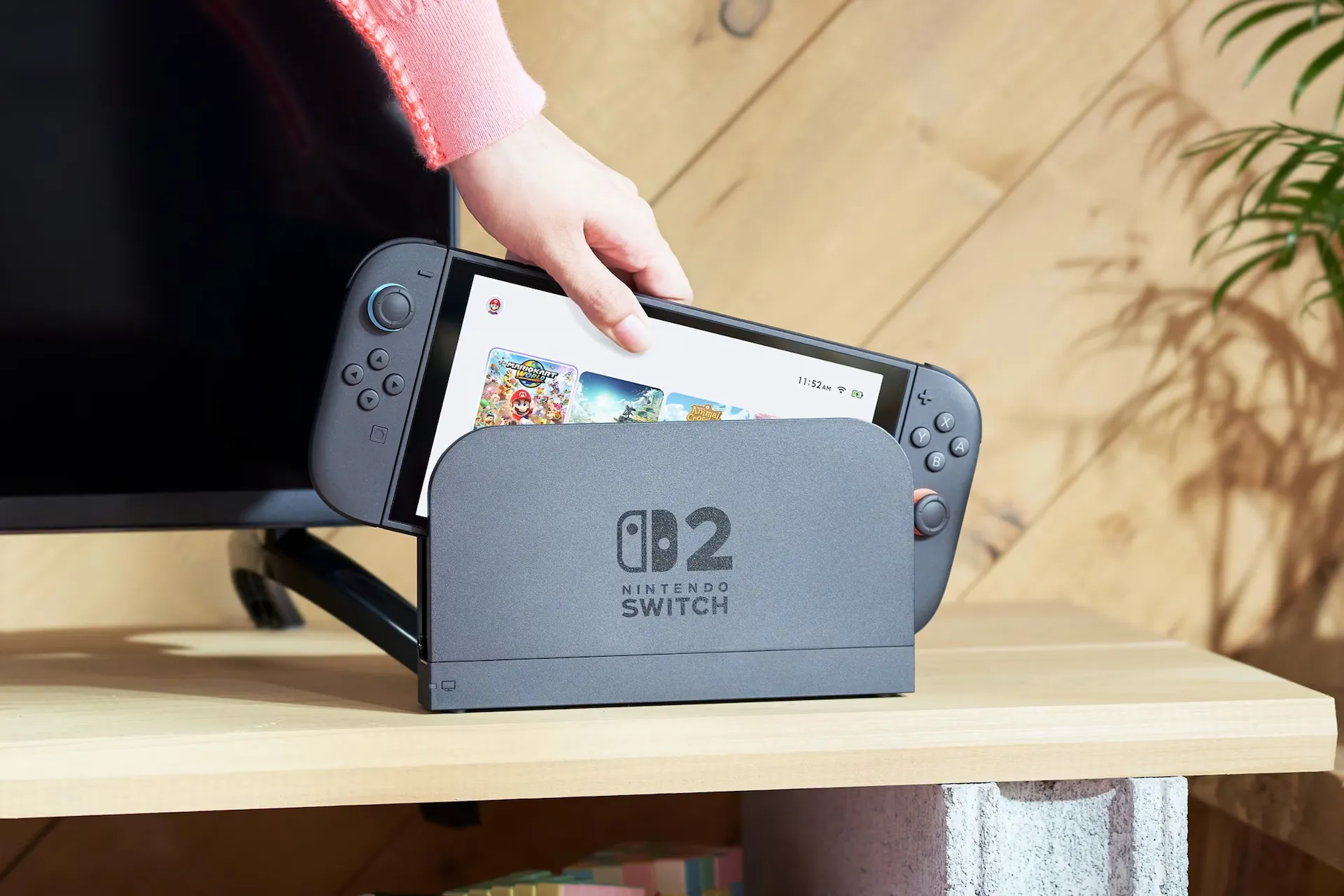
  • Switch 2 Debuts as Nintendo Takes Strong Stance Against Scalpers to Protect Fans

    Switch 2 Debuts as Nintendo Takes Strong Stance Against Scalpers to Protect Fans

    The long-awaited Switch 2 made its debut on Thursday, capturing the attention of gamers and tech enthusiasts alike. Unable to keep up with the surge in demand, Nintendo has devised clever strategies to ensure that only genuine players can snag this coveted console.

    In the weeks leading up to the launch, Nintendo, alongside retailers throughout Japan, implemented measures to fend off scalpers who typically flood the market, snatching up units only to resell them at inflated prices. By securing a fair distribution, they’re ensuring the joy of gaming remains in the hands of true fans rather than opportunistic resellers.

    With this proactive approach, Nintendo aims not just to protect its customers, but also to maintain the excitement surrounding the Switch 2. It’s a bold move in an era where gaming gear has become the new gold standard for scalping. Who would have thought gaming consoles could be treated like rare collectibles?

    As the Switch 2 makes its way into the hands of avid players, the anticipation is palpable. Will this innovative gaming system meet the hype? Only time will tell, but one thing is certain: the battle against unscrupulous resellers has sparked a new level of excitement in the gaming community.

    Questions & Answers

    What measures did Nintendo take to prevent scalping?
    Nintendo implemented strategies alongside retail partners in Japan to ensure that only genuine gamers could purchase the Switch 2, aiming to curb scalping practices.

    Is the Switch 2 expected to be in high demand?
    Yes, demand is extremely high, and given the limited supply, it is likely that the Switch 2 will be sought after for quite some time.

    How has the gaming community reacted to the launch?
    The excitement is palpable, with many gamers eager to experience the new features of the Switch 2 while expressing appreciation for Nintendo’s efforts to limit scalper activity.

  • Microsoft brings its Xbox Cloud Gaming service to Amazon Fire TV

    Microsoft brings its Xbox Cloud Gaming service to Amazon Fire TV

    he best deals in the gaming industry, Xbox Game Pass, will soon be available on Amazon Fire TV. Microsoft has just announced it has teamed up with Amazon to bring its Xbox Cloud Gaming service to over 25 countries where Xbox Game Pass Ultimate is available.

    This will allow Xbox Game Pass Ultimate subscribers to play games directly from the Xbox app on select Fire TV devices via cloud gaming. Obviously, you’ll need an exceptional internet connection, but you won’t have to pay for a console or download anything on your Fire TV device.

    Basically, you’ll only need a Fire TV Stick, a Bluetooth-enabled wireless controller, and an Xbox Game Pass Ultimate subscription to gain access to hundreds of high-quality games, including Forza Horizon 5, Starfield, and Senua’s Saga: Hellblade II.

    Microsoft announced that the Xbox app will be released on the Fire TV Stick 4K Max (2023) and Fire TV Stick 4K very soon. Here is what you’ll have to do to start playing games:

    • Install and launch the Xbox app from your Fire TV device.
    • Sign in with your Microsoft account to play.
    • If you haven’t already, you can join Xbox Game Pass Ultimate for one low monthly price.
    • Connect a Bluetooth-enabled wireless controller (i.e Xbox Wireless Controller, Xbox Adaptive Controller, PlayStation DualSense, DualShock 4)
    • Start playing!

    It’s worth mentioning that even if you don’t have an Xbox Game Pass Ultimate membership, you’ll still be able to play some games that are free such as Fortnite.

    For those who just want to see how smooth the cloud gaming experience is and if it’s worth paying for it, can pay $1 for 14 days. Subscription continues automatically if not canceled during the 14-day trial. The cost of Xbox Game Pass Ultimate is $16.99 per month, but it covers all platforms (PC, console, and cloud gaming).

  • Another Pokémon game for Android, iOS coming in 2024

    Another Pokémon game for Android, iOS coming in 2024

    Remember the Pokémon GO craze that got people all over the planet to go haywire? Well, another Pokémon game is coming to your mobile phone this year: the Pokémon Trading Game Card.

    Shares in Japan’s developer DeNA jumped 24% in Tokyo trading after the gaming company said it will launch a mobile version of the PTGC (Pokémon Trading Game Card). This 24% jump shows investors think the game will become a hit.

    Coming in 2024 to iOS and Android devices!

    There’s an official announcement on the Pokémon Trading Game Card Pocket site that reads:

    Experience the fun of collecting Pokémon Trading Card Game (TCG) cards with Pokémon Trading Card Game Pocket, an upcoming game for iOS and Android devices from Creatures Inc., the original developers of the Pokémon TCG, and DeNA Co., Ltd.In this game, you will be able to open two booster packs every day at no cost. You can collect digital cards featuring nostalgic artwork from the past and brand-new cards exclusive to Pokémon Trading Card Game Pocket.

    The Pokémon trading card game, itself based on the popular Nintendo video game franchise, launched in 1996 in Japan and later gained popularity in the United States, with more than 50 billion cards printed.

    The business model, pioneered by American designer Richard Garfield in the 1990s, sees players battle head-to-head with decks of character cards aided by buying sealed booster packs containing various designs and with degrees of rarity.

    In recent years, trading cards have gained greater attention, with rare cards in pristine condition attaining frothy valuations in the volatile market for alternative assets, the report reads and adds that digital collectible card games have also become well-established with popular titles including versions of “Magic”, “Yu-Gi-Oh!” and “Hearthstone”, which is based on the “Warcraft” franchise.

  • YouTube could host mobile and desktop video games

    YouTube could host mobile and desktop video games

    YouTube is testing a product for playing online video games. YouTube’s plan to stretch beyond hosting video content and into sharing video games was the subject of an email sent to Google employees. The product already has a name, Playables, which will allow users to access games on mobile devices or desktop computers. The email invited Google employees to test the new gaming platform and the Journal did get a chance to view the email.

    One of the games mentioned is called Stack Bounce which is described as an arcade game that has players throwing a bouncing ball to smash layers of bricks. Users will be able to play the games instantly using the YouTube website, or via the YouTube mobile app for iOS and Android. Gamers already visit YouTube to watch live streams of video gaming competitions. YouTube competes with Amazon’s Twitch for viewers interested in watching others compete.

    By hosting games, YouTube would be getting into another aspect of the online gaming industry as the platform seeks to put a charge back into its lagging advertising revenue. Although the online gaming sector also has been struggling lately, a company spokesman said, “Gaming has long been a focus at YouTube. We’re always experimenting with new features, but have nothing to announce right now.”
    The Google Play Store does include mobile games available for Android users and developers who earn over $1 million a year must give Google up to a 30% cut of in-app transactions. It isn’t known how Google expects to profit from the new YouTube product. But even game developers are having a hard time making money in the post-pandemic world. And once-popular titles, such as Angry Birds, no longer generate the revenue stream that they once did.
    Last year Google announced that it was shutting down Stadia, a service that allowed users to stream games directly from the cloud to multiple devices. But the number of subscribers never took off and Stadia chief Phil Harrison saw the opportunity for YouTube to use Stadia’s technology to help the video streamer create a new revenue source.
    Some of the games being tested for YouTube are simple games that were popular a while back on services such as WeChat and Facebook. In other words, the games that YouTube might offer might not be the latest and greatest titles as Google leaves those for the Play Store and its 30% cut of in-app purchases. But these games might have a track record of being popular at one time making them interesting enough for online game players to still have an interest in playing them.
  • BetConstruct Wins One-Stop Platform Solution and Online Sports Betting Solution at Asia Gaming Awards

    BetConstruct Wins One-Stop Platform Solution and Online Sports Betting Solution at Asia Gaming Awards

    Since its inception in 2003, BetConstruct has taken the iGaming industry by storm, maintaining a top position as one of the world’s foremost gaming service providers. The London-based firm has grown from a purely Asian-focused company to an industry powerhouse with international outlook.

    Over the past 20 years, BetConstruct has expanded its innovative technology to US and European markets. This scaling up has been largely due to the development of an integrated full-service casino solution and a similarly styled sports betting solution.

    BetConstruct, through its sports betting solution, provides major operators across the world with an all-in-one sportsbook software featuring more than 70,000 live matches monthly. Players at sportsbooks can participate in online sports betting on up to 120 sports. There are also jackpots, access to racing events and omni-channel functionality.

    One of the core strengths of these products from BetConstruct is their terrific customization and highly dedicated customer support. So, it was no surprise when BetConstruct took home awards for One-Stop Platform Solution of the Year and Online Sports Betting Solution of the Year at the 2023 Asia Gaming Awards.

    The event took place on March 21 at the heart of Manila to honor some of the greatest contributions to the development of iGaming and betting worldwide. Attended by industry critics, regulators and casino suppliers and sportsbook operators like DraftKings, the Asia Gaming Awards put BetConstruct’s groundbreaking solutions in global focus.

    In a press release acknowledging the Asian Gaming Awards, BetConstruct had this to say about their products:

    “BetConstruct’s One-Stop Platform Solution is an all-in-one and worry-free platform that offers a complete suite of products for partners to easily manage all aspects of their iGaming business from a single platform.”

    In similar fashion, the statement described the BetConstruct Online Sports Betting Solution as “a fully customizable product that provides a wide range of features and functionalities tailored to every partner’s specific needs. It includes a variety of sports, a bunch of live and pre-match events and multiple betting options for partners to easily launch their own sportsbook business.”

    The Asia Gaming Awards is one of the largest conventions of gaming suppliers, service providers and operators in the Asia-Pacific region. It typically holds as part of the ASEAN Gaming Summit each year. In addition to the Asia Gaming Awards, the Summit features a conference and an exhibition of the leading online gambling products of the year.

    However, the Asia Gaming Awards was not the only event where BetConstruct’s products stole the show. In March, BetConstruct was awarded Esports Product of the Year at the 2023 SiGMA  Eurasia Awards in Dubai. Vigen Badalyan, Co-Founder and CEO at BetConstruct also received an Outstanding Contribution to Gaming Award at the same event.

    At the International Gaming Awards 2023, BetConstruct was announced the iGaming Software Supplier of the Year for its platform solution. The product also won Technology Provider of the Year and Platform Provider award at SPiCE India 2023 and the Global Gaming Awards 2023, respectively.

    Sports betting is growing at an unprecedented rate in Asia and players now have access to multiple markets thanks to suppliers like BetConstruct. With this in view, it is only right that the company is getting accolades for its innovative work.

  • Vietnam to block payment for unlicensed games

    Vietnam to block payment for unlicensed games

    The Ministry of Information and Communications said it will deploy solutions to block the payment for unauthorized games in the country.

    There are hundreds of thousands of unauthorized games, card games, and gambling games which cause insecurity and disorder as well as bad consequences for the society, the ministry’s Authority of Broadcasting and Electronic Information said at a meeting on Thursday.

    The unauthorized games, mainly released on the App Store, Google Play, and online gaming platform Valse Stream, are estimated to generate an annual revenue of nearly VND5 trillion ($211.86 million), accounting for 30% of the total revenue of the game industry in Vietnam.

    The ministry is requiring organizations and businesses that provide intermediary payment services not to allow payment for unauthorized games through their systems.

    In the case of payments via IAP (in-app purchases), they should ask Apple and Google to provide sufficient information about the transaction to block the payment.

    Every month, the Authority of Broadcasting and Electronic Information will update the list of licensed and unlicensed games for payment intermediaries.

    The ministry also said it will require Google and Apple not to cooperate with intermediaries to pay for unauthorized games on their app stores.

    According to Le Quang Tu Do, the authority’s director, many games are being released across borders through the App Store and Play Store, while a number of Vietnamese e-wallets have been deployed on the two stores, making it easy for users to pay through intermediaries.

    The Ministry of Information and Communications has so far licensed some 200 game companies, but the number of licensed businesses that are actually providing games to the market is less than 30.