Retail News CRM

Tag: GDP

  • HCMC Aims to Double Vietnam’s Average with $9,800 Per Capita Income in Ambitious 2026 Growth Plan

    HCMC Aims to Double Vietnam’s Average with $9,800 Per Capita Income in Ambitious 2026 Growth Plan

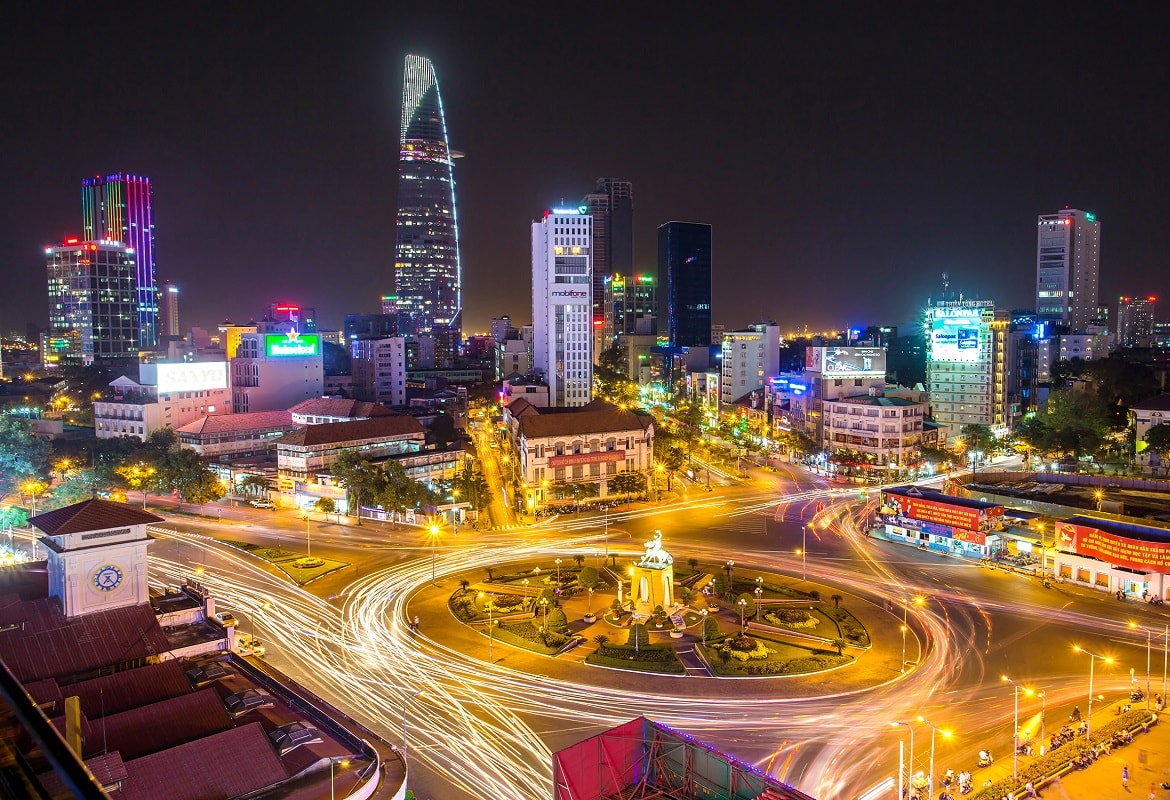
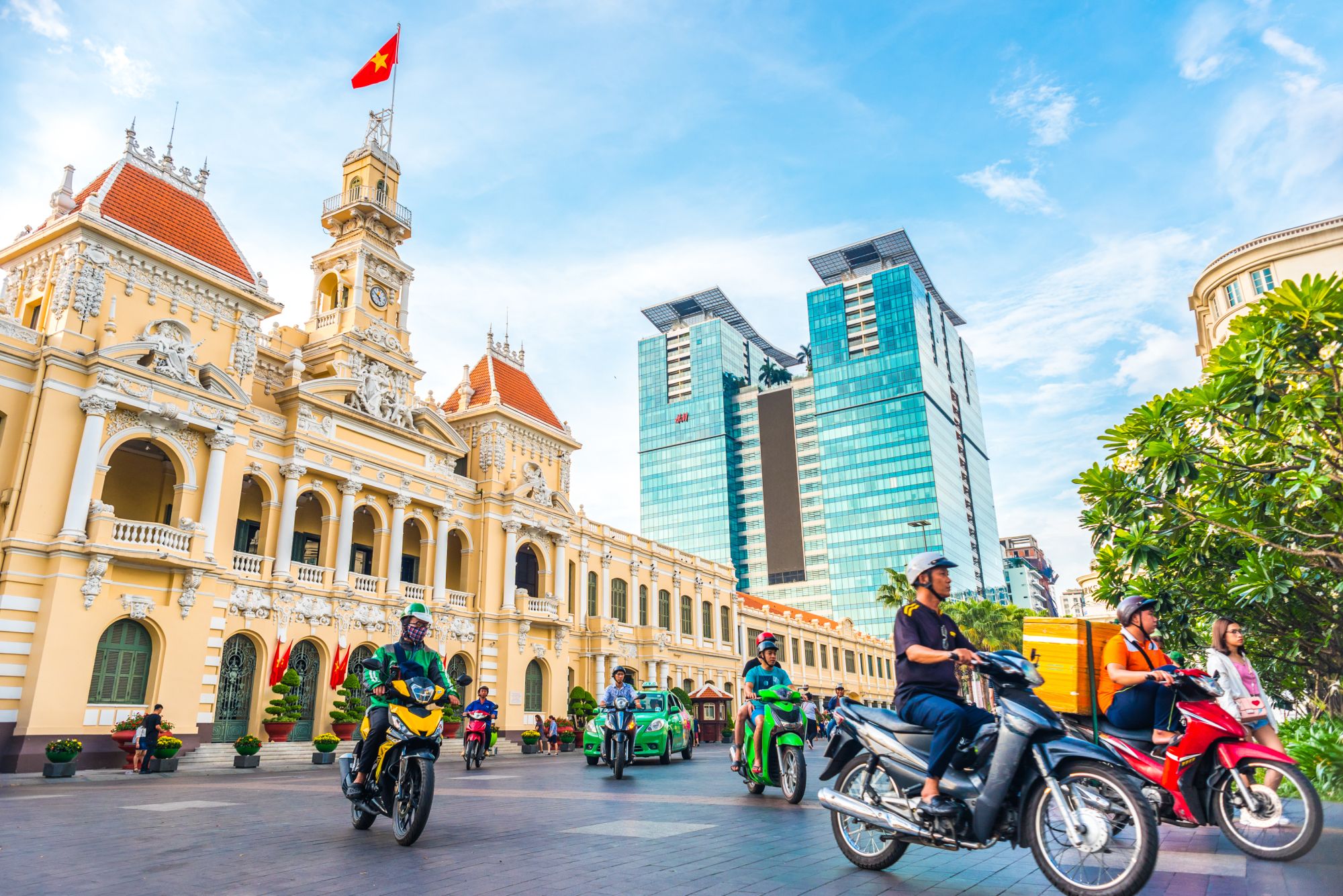
    Ho Chi Minh City (HCMC), Vietnam’s largest city, has outlined ambitious economic goals for the year ahead. The city plans to increase its per capita income by 12%, bringing it to $9,800, a figure that is twice the national average. This is a significant increase from last year’s per capita income in the city, which stood at $8,755, in comparison to the country’s overall average of $5,026.

    Economic Projections and Future Plans

    In terms of economic growth, HCMC is targeting a 10% increase in 2026, a substantial rise from the 8% growth reported last year. The chairman of the city, Nguyen Van Duoc, outlined the main drivers of this growth: manufacturing, consumption and exports. However, the city’s growth plans do not stop here.

    It is also looking to develop three additional areas. An international financial center is being planned, along with a seaport logistics system. Furthermore, the city aims to combine innovation with green and digital transformation for sustainable development.

    Addressing Infrastructure and Environmental Challenges

    Challenges that could potentially hinder the city’s economic growth have also been recognized. The issues identified include flooding, traffic congestion, and environmental pollution. These are referred to as the three “bottlenecks”, and the city has proposed several measures to overcome these problems.

    The city plans to upgrade its infrastructure, with projects such as the widening of National Highways 22 and 13 and Ring Road 4. There are also plans to construct the Can Gio and Thu Thiem bridges, as well as new metro lines. Chairman Duoc believes that if these projects are successfully implemented, they will significantly contribute to the city’s economic growth by surpassing public spending disbursement targets.

    However, this is not without its challenges. Last year, the disbursement was only 74% of the target, amounting to VND89 trillion ($3.39 billion). Despite this, the city remains optimistic about its ambitious economic targets and plans for development.

    Questions & Answers

    What does HCMC plan to increase its per capita income to?
    HCMC is planning to increase its per capita income by 12%, which will bring it to $9,800.

    What are the main drivers of economic growth for HCMC?
    The main drivers are manufacturing, consumption, and exports. However, the city also has plans to develop an international financial center, a seaport logistics system, and combine innovation with green and digital transformation.

    What challenges is HCMC planning to address to ensure its economic growth?
    HCMC plans to address the three “bottlenecks” that are currently holding back its growth. These are flooding, traffic congestion, and environmental pollution. The city plans to address these through various infrastructure projects.

  • Vietnam’s Economy Soars: Standard Chartered Forecasts 7.5% GDP Growth in 2025 Amid Robust Trade and FDI Inflow

    Vietnam’s Economy Soars: Standard Chartered Forecasts 7.5% GDP Growth in 2025 Amid Robust Trade and FDI Inflow

    Standard Chartered Bank has revised its economic growth forecast for Vietnam this year from an initial prediction of 6.1% to a more promising 7.5%. In its most recent macroeconomic report, Standard Chartered also adjusted its growth prospect for the country for 2026, from 6.2% to a promising 7.2%.

    Increasing Role in the Global Supply Chain

    A key factor highlighted by Standard Chartered Bank was Vietnam’s expanding role in the global supply chain. This elevation is largely fueled by the country’s robust trading performance and deepening integration into international commerce through various free trade agreements. In September, Vietnam’s exports reached a staggering US$42.7 billion, a 24.7% increase compared to the previous year. This impressive growth was spearheaded by key sectors such as electronics and computers (up 66.2%), telephones (17.5%), and machinery (11.6%).

    Simultaneously, imports saw a 24.9% increase to $39.8 billion, with electronics and computer supplies (up 43.6%) and machinery (up 33.6%) leading the charge. These numbers indicate a consistent expansion in production and industrial capacity in Vietnam.

    Resilient External Position and Economic Recovery

    Standard Chartered Bank highlighted Vietnam’s resilient external position, bolstered by solid trade and a stable foreign exchange outlook. After previously being depleted due to the strengthening of the U.S. dollar, it is anticipated that the country’s FX reserves will be rebuilt. This reflects an improved macroeconomic stability and a healthy trade performance.

    As another positive economic indicator, the growth of domestic credit has also sped up, suggesting a continued economic recovery without requiring policy rate cuts. Current credit growth surpasses 15% year on year, which indicates growing business confidence and a higher demand for finance. The bank also pointed out that lending growth continues to be robust, supported by favourable liquidity conditions and government initiatives to stimulate growth.

    Foreign Direct Investment as Key Growth Driver

    Foreign direct investment (FDI) remains a significant contributor to growth. In the first nine months of 2025, the amount of disbursed FDI increased by 8.5% year on year, amounting to $18.8 billion, while registered FDI surged by 15.2% to $28.5 billion.

    Looking ahead, Standard Chartered economists predict the refinancing rate to remain at 4.5% for the remainder of this year and 2026, with favourable conditions encouraging investment and expansion. Tim Leelahaphan, senior economist for Vietnam and Thailand at Standard Chartered, praised Vietnam’s resilience and adaptability, which have been demonstrated through its strong FDI inflows and robust export growth. These factors have reinforced its strategic role in the diversification of the global supply chain and suggest an optimistic outlook for continued economic expansion.

    The bank also maintained its forecast for the USD/VND exchange rate at VND26,300 for this year and VND26,750 for 2026, while lowering inflation projections to 3.4% for 2025 and 3.7% for next year. These updated figures were based on stronger-than-expected growth momentum and easing price pressures.

    Questions & Answers

    What is the revised economic growth forecast for Vietnam in 2026?
    Standard Chartered Bank has revised the economic growth forecast for Vietnam in 2026 from 6.2% to 7.2%.

    What factors have led to the growth of Vietnam’s role in the global supply chain?
    The growth of Vietnam’s role in the global supply chain is primarily due to its strong trading performance and its deepening integration into international commerce through several free trade agreements.

    How is the Foreign Direct Investment (FDI) contributing to Vietnam’s economy?
    FDI is a significant contributor to Vietnam’s economy. In the first nine months of 2025, discharged FDI increased by 8.5% year on year, reaching $18.8 billion whereas registered FDI surged by 15.2% to $28.5 billion. This robust FDI inflow is a testament to Vietnam’s resilience and adaptability, indicating a positive outlook for continued economic expansion.

  • UOB Upgrades Vietnam’s 2025 GDP Growth Forecast to an Optimistic 7.5%

    UOB Upgrades Vietnam’s 2025 GDP Growth Forecast to an Optimistic 7.5%

    Vietnam’s economy is on a remarkable upswing, with the latest data from UOB’s Global Economics & Markets Research unit indicating a booming GDP expansion of 7.52% in the first half of the year—the fastest growth for this period since 2011. This vibrant increase is largely driven by a notable 14% surge in exports, fueled further by a boost in market sentiment following U.S. President Donald Trump’s temporary reduction of reciprocal tariffs to a baseline rate of 10% for 90 days.

    Tariff Landscape and Future Projections

    The elimination of tariff uncertainties in the second half of the year has set the stage for Vietnamese exports, with specific rates now locked in ahead of the August deadline. Vietnam faces a 20% levy but remains hopeful; UOB forecasts a solid 10% growth in exports for 2025, building on last year’s impressive 14% growth.

    Manufacturing and Foreign Investments Flourish

    Additional indicators reflect Vietnam’s economic resilience. The Manufacturing Purchasing Managers’ Index (PMI) rebounded to 52.4 in July, emerging from three months of contraction. Meanwhile, industrial output surged by 9% year-on-year, indicating robust manufacturing activity amidst fluctuating global conditions.

    Foreign direct investment (FDI) has also shown signs of vitality, reaching $13.6 billion as of July, a rise from $12.6 billion the previous year. Analysts suggest that full-year inflows could exceed $20 billion, although this would still trail last year’s total of $25.4 billion.

    A Bold Infrastructure Investment Plan

    In a bid to solidify growth, Vietnam’s government announced an ambitious $48 billion infrastructure investment plan in mid-August, encompassing 250 projects. This plan prioritizes urban development and transport, with 129 projects financed at a cost of $18 billion, while the remaining 121 projects—valued at $30.5 billion—will attract financing from foreign entities.

    Glimmers of Optimism in Monetary Policy

    UOB maintains its outlook for 2026 at a consistent 7% growth rate, with the Vietnamese government aiming for a target GDP growth of 8.3-8.5% for the current year. UOB analysts suggest that the strong second-half outlook, coupled with ongoing pressures on the Vietnamese dong, will likely keep the central bank’s refinancing rate steady at 4.5%. If drastic weakening of business conditions occurs, a reduction to a pandemic-era low of 4% could be considered—though this scenario remains unlikely.

    On the currency front, the dong may find itself struggling to capitalize on a potential weakening of the U.S. dollar, likely to occur once the Federal Reserve begins to cut rates. Nevertheless, UOB forecasts that dollar exchange rates will ease gradually, projecting VND26,300 in the last quarter of this year, VND26,200 in the following quarter, and VND26,000 by the third quarter of 2026.

    Questions & Answers

    How is Vietnam’s GDP growth in the first half of this year compared to past years?
    Vietnam’s GDP grew by 7.52% in the first half of the year, marking the fastest expansion for that period since 2011.

    What are the key drivers behind this growth?
    The robust growth is primarily attributed to a significant 14% increase in exports, supported by positive market sentiment following tariff reductions announced by the U.S. government.

    What steps is the Vietnamese government taking to sustain economic growth?
    Vietnam unveiled a $48 billion infrastructure investment plan covering 250 projects, with a focus on urban development and transport, showing a strong commitment to enhancing economic foundations.

  • UOB Boosts Vietnam’s GDP Growth Outlook to an Impressive 6.9%

    UOB Boosts Vietnam’s GDP Growth Outlook to an Impressive 6.9%

    Vietnam’s economy is doing a celebratory dance. A report from UOB’s Global Economics & Market Research Unit reveals that in the second quarter of 2025, Vietnam’s real GDP soared by an impressive 7.96% year-on-year, well surpassing Bloomberg’s forecast of 6.85% and UOB’s own prediction of 6.1%. This uptick follows a revised growth figure of 7.05% from the first quarter, highlighting a vibrant and resilient economy.

    Throughout the first half of this year, Vietnam’s GDP achieved an astonishing growth of 7.52% year-on-year, marking the highest rate recorded since data collection began in 2011. This remarkable performance can largely be attributed to businesses ramping up export orders during a 90-day window when the U.S. temporarily suspended reciprocal tariffs, replacing them with a standard 10% tariff rate.

    In the first six months of 2025, Vietnam’s export turnover surged by 14.4% compared to the same period last year, reaching $219 billion, while imports rose by 17.9% to $212 billion. These figures are nearly equivalent to the full-year growth rate witnessed in 2024, creating a picture of a robust trading environment.

    However, it’s not all sunshine and rainbows. Vietnam’s Purchasing Managers’ Index (PMI) suggests that the manufacturing sector still faces hurdles, having recorded six readings below the crucial 50-point threshold over the last seven months. This indicates ongoing challenges, particularly stemming from a dip in new orders. Alarmingly, the most recent data from S&P Global shows that export orders in June dropped at the steepest rate since September 2021, mirroring the declines observed in May 2023.

    With recent positive shifts in trade talks with the U.S., experts at UOB are cautiously optimistic, suggesting that the worst may be behind Vietnam, although tariffs continue to pose a significant challenge. In response to the adjusted U.S. tariffs on Vietnamese goods, UOB has revised its export forecast. Rather than the previously anticipated 20% decline, they now expect exports to the U.S. to grow modestly by 5%. Meanwhile, exports to other markets are projected to rise by 10%, closely aligning with the 11.3% increase recorded last year.

    Overall, Vietnam’s exports are anticipated to climb by 8.5% in 2025 — a notable deceleration from the 14% growth recorded in 2024. Taking all of this into account, UOB’s Global Economics & Market Research Unit has adjusted its GDP growth forecast for 2025, now predicting a rise of 0.9 percentage points, projecting a growth of 6.9% compared to the earlier estimate of 6.0%.

    On the monetary policy front, UOB indicates that the strong economic performance may reduce the urgency for further policy easing. As such, the bank expects the State Bank of Vietnam to keep its current policy rates steady, maintaining the refinancing rate at 4.5%.

    Questions & Answers

    How does Vietnam’s GDP growth in the second quarter compare to past performance?
    Vietnam’s GDP growth of 7.96% in Q2 2025 is the highest growth since data collection began in 2011, significantly exceeding forecasts by both UOB and Bloomberg.

    What are the main factors driving Vietnam’s economic growth in 2025?
    The acceleration in export orders during a temporary suspension of reciprocal tariffs by the U.S. plays a critical role, alongside a robust increase in both exports and imports.

    What challenges does Vietnam’s manufacturing sector currently face?
    The manufacturing sector struggles with a declining Purchasing Managers’ Index (PMI) and a significant drop in new export orders, reflecting ongoing vulnerabilities in the industry.

  • World Bank Projects 5.8% GDP Growth for Vietnam by 2025

    World Bank Projects 5.8% GDP Growth for Vietnam by 2025

    Vietnam’s Economic Landscape: Navigating Global Trade Shifts and Strengthening Growth Prospects

    As a trade-dependent economy, Vietnam is significantly influenced by evolving global trade policies. Currently, the U.S. is Vietnam’s largest export market, constituting 30% of its total exports, while China accounts for 38% of its imports. However, uncertainties in the global landscape may pose challenges to consumer confidence and spending, as highlighted by the World Bank (WB).

    Trade Policy Uncertainty and Consumer Confidence

    The World Bank reported that the ongoing shifts in global trade could adversely impact Vietnam’s exports and overall economic growth. Given the country’s high exposure to the international market, any unexpected changes in trade policy could diminish demand, slowing private investments and foreign direct investment (FDI).

    Despite these challenges, consumer spending has not kept pace with GDP growth in recent years. The financial sector shows signs of heightened vulnerability, with the average loan-loss coverage ratio among 26 banks dropping to 83% from 150% in 2022. Although the government has room to bolster demand through fiscal measures, effective execution may be hindered by ongoing issues with public investment disbursement.

    Poverty Trends: A Mixed Bag of Progress

    On a more positive note, Vietnam’s poverty rate is experiencing a decline. The proportion of the population living on less than $3.65 per day is projected to fall from 3.8% in 2024 to 3.6% this year. Nonetheless, sluggish growth in the agriculture sector suggests that the poorest segments may see limited gains.

    Call for Strategic Policy Measures

    Experts advocate for focused policy measures that prioritize public investment, mitigate financial sector risks, and implement structural reforms. While monetary policy interventions are restricted, fiscal strategies can still drive growth, especially through investments aimed at addressing critical infrastructure gaps. Recent reforms, including updates to the Law on Credit Institutions, lay the groundwork for enhancing financial sector stability and resilience.

    Future Growth Outlook: Optimism Amidst Challenges

    Accelerating structural reforms is essential for improving regulatory environments in vital sectors like information technology, electricity, and transportation. Such initiatives will not only green the economy but also build human capital and enhance the business climate, ultimately sustaining long-term economic growth.

    The World Bank forecasts a positive medium-term growth outlook for Vietnam, projecting GDP growth to rebound to 6.1% in 2026 and climb to 6.4% in 2027. To unlock this potential, Vietnam must navigate a more stable international economic landscape while reinforcing domestic reforms aimed at boosting productivity, investing in human capital, and advancing environmental sustainability.

    In conclusion, as Vietnam looks ahead, the interplay of global economic conditions and domestic reform efforts will be critical in shaping the retail sector and consumer experiences in the coming years. The path forward is ripe with opportunities for brand expansion and adaptation to emerging consumer trends.

  • Retail sales up 3.5% in first two months, thanks to government’s pro-growth measures

    Retail sales up 3.5% in first two months, thanks to government’s pro-growth measures

    China is gradually shrugging off the negative impact of the pandemic, as official data showed that retail sales in the first two months of 2023 expanded, following China’s optimization of its COVID-19 response.

    Chinese experts predicted that retail sales will continue to increase, given concrete government measures to boost consumption.

    Retail sales totaled 7.71 trillion yuan ($1.12 trillion) in January and February, a year-on-year increase of 3.5 percent, data from the National Bureau of Statistics (NBS) showed on Wednesday. Retail sales fell 1.8 percent in December.

    The catering industry experienced a rapid recovery, with annualized growth of 9.2 percent in the first two months, compared with a decrease of 14.1 percent in December.

    “The rebound of consumption was a major bright spot of China’s economic operations in the first two months of this year,” Fu Linghui, a spokesperson of the NBS, told a press conference in Beijing.

    The fast recovery came amid the rebuilding of consumers’ confidence, and on-site consumption has rebounded since China revamped its COVID-19 management in light of the evolving situation, Zhou Maohua, an economist at Everbright Bank, said told the Global Times on Wednesday.

    The retail, catering and travel sectors have seen a surge in demand, and the boost from China’s Spring Festival holidays also helped lift consumption, Zhou said.

    The NBS also released other statistics on Wednesday, such as the total value added of industrial enterprises above the designated size, fixed-asset investment and employment, which Fu said showed that “China’s overall economic performance is showing a trend toward stabilization and recovery.”

    China has set a GDP growth target of about 5 percent in 2023, with a CPI target of about 3 percent, according to this year’s Government Work Report, which was delivered at the first session of the 14th National People’s Congress.

    China will seek to expand domestic demand in 2023, prioritizing the recovery and expansion of consumption, according to the report.

    The key to economic growth is lifting domestic demand, as the external environment remains uncertain and volatile, Fu said. Support measures have been rolled out nationwide, such as consumption promotions and vouchers for vehicle purchases.

    Vehicles occupy an important position in China’s consumption, accounting for approximately 10 percent of retail sales, according to a report released by Fitch Bohua on Wednesday.

    Some carmakers have launched subsidies this month to improve sales, and Fitch Bohua believes that automobiles will remain the primary big-ticket spending item this year, with more preferential policies to come. Promoting consumption is high on the government’s agenda this year, as the annual Central Economic Work Conference held in mid-December noted that the country would prioritize the recovery and expansion of consumption.

    A State Council executive meeting held in late January also urged prompt measures to promote an early recovery of domestic consumption to revive the economy. Boosted by this positive outlook, local governments have been moving to unveil an array of pro-consumption measures designed to fuel the growth of specific spheres.

    Cities such as Beijing, Shanghai and Zhengzhou, Central China’s Henan Province, have announced detailed plans to offer consumption coupons, which will nurture sales of vehicles and home appliances, experts said.

  • World Bank lowers Vietnam growth forecast to 5.3 pct

    World Bank lowers Vietnam growth forecast to 5.3 pct

    The World Bank has cut its growth forecast for Vietnam this year to 5.3 percent, due to surging Covid-19 infection in Q1 and economic slowdown in its major export markets.

    This has been the second time the bank lowers its 2022 projection for the country. Last October it had expected a growth rate of 6.5 percent, lowered to 5.5 percent in January.

    Vietnam’s GDP is expected to grow by 5.3 percent this year and stabilize at around 6.5 percent in a scenario with eased mobility restrictions domestically and internationally, it added to a report released Tuesday.

    It forecasts the service sector to gradually recover during the year as consumer confidence is restored and tourism resumes from mid-2022 onward.

    But manufacturing will grow at a slower pace mirroring moderating growth in Vietnam’s main export markets of the U.S., the European Union and China.

    But it warned of the outlook of heightened risks from external economic shock, including the Russia-Ukraine conflict and new Covid-19 variants, slowing recovery of domestic demand, and labor shortage due to a surge in infections.

    “Additional shocks could lead to a low case scenario where GDP grows 4 percent in 2022, recovering to 6 percent and 6.5 percent in 2023 and 2024, respectively”.

    The World Bank recommended the Vietnamese government to deploy a strong fiscal policy support, and accommodative and prudent monetary policy.

    It was also cautious about economic and human capital consequences of inequality, which was driven up by the pandemic and lockdowns between last May and September.

    Vietnam’s economy grew by 2.6 percent last year, well below its pre-pandemic trend of 7 percent.

  • Malaysia’s economy likely to slow in April to June 2019

    Malaysia’s economy likely to slow in April to June 2019

    Malaysia’s economy is likely to grow at a slow rate in April to June 2019 in view of the decline in the Leading Index (LI) in December 2018, according to the Statistics Department. Chief statistician Datuk Seri Dr Mohd Uzir Mahidin said the monthly change of LI decreased 1.4% to 117.3 points in December 2018 from 119.0 points in the previous month.

    “The declined in six out of seven components have weighed down the performance of the LI with the significant decreased by two components namely real imports of other basic precious & other non-ferrous metals and number of housing units approved, which posted negative 0.5% respectively,” he said in a statement.

    The annual change of LI also registered a negative growth of 1.7% in December 2018.

    The LI is designed to monitor the economic performance for an average of four to six months ahead.

    Meanwhile, the Coincident Index (CI), a measure of current economic activity, was unchanged in December 2018.

    The increased in real salaries & wages in manufacturing sector (0.2%) and real contributions to EPF (0.1%) were offset by the decreased in capacity utilisation in manufacturing sector (-0.2%) and Industrial Production Index (-0.1%).

    The annual change of CI grew at 3.6% as in the previous month.

  • Malaysia’s economy expands 4.7% in Q4 2018

    Malaysia’s economy expands 4.7% in Q4 2018

    The Malaysian economy grew at a faster pace of 4.7% in the fourth quarter (Q4) of 2018 driven by private sector activity. This compares with a 4.4% growth in Q3 2018. For 2018 as a whole, the local economy also expanded 4.7%. According to Bank Negara Malaysia (BNM), a rebound in exports of goods and services contributed towards the positive growth of net exports.

    Headline inflation declined to 0.3% from 0.5% in Q3, mainly due to transport inflation turning negative.

    The zerorisation of the Goods and Services Tax and the implementation of the Sales and Services Tax continued to exert an overall downward impact to headline inflation during the quarter.

    BNM governor Datuk Nor Shamsiah Mohd Yunus said the Malaysian economy is expected to remain on a steady growth path with private sector demand being the main driver of growth.

    She said headline inflation is expected to average moderately higher.

  • Malaysia to post 4.4% GDP growth for Q4 2018: StanChart

    Malaysia to post 4.4% GDP growth for Q4 2018: StanChart

    Standard Chartered has projected Malaysia’s gross domestic product (GDP) to remain at 4.4% in the fourth quarter (Q4) of 2018. However, full-year GDP is expected to come in lower at 4.6% compared with 5.9% in 2017. Bank Negara Malaysia will release Q4 GDP data on Thursday.

    “We estimate GDP growth of 4.4% y/y, similar to Q3. Private consumption may have eased from the 9% y/y growth in Q3 as the boost from the tax holiday in June-August 2018 likely faded. Nevertheless, a rebound in mining and agriculture activity may have supported growth,“ Standard Chartered said in a research note.

    It added that private consumption was the main growth driver in 2018, accounting for 92% of GDP growth in the nine months (9M) of 2018 versus 64% for the same period of 2017, benefiting from the “tax-holiday” boost and strong labour market conditions.

    Meanwhile, private investment eased (primarily on lower investment in residential and commercial properties in the first quarter) and public investment extended its decline in 9M 2018.

    “Our GDP growth tracker suggests downside risk to our Q4 GDP growth forecast, with our tracker being reliant on more readily available externally driven activity data, such as IP, and less reflective of strong domestic consumption,” it said.

    Standard Chartered forecast 4.9% GDP growth for 2019, saying that private consumption is likely to remain the main growth pillar.

    “Beyond the consumer sector, we are slightly cautious on growth, especially given weak external demand. However, we see two one-off supportive factors. First, goods and services tax (GST) and income tax refunds amounting to RM37 billion (2.5% of GDP) may support spending (but these refunds have not been disbursed yet, posing downside risk to our growth forecast). Second, resumption of production capacity in the mining sector may also help.”

    On monetary policy, Standard Chartered said the latest meeting of Bank Negara Malaysia’s Monetary Policy Committee in January suggested that it is more dovish on the global outlook but still comfortable on domestic growth, underpinned by private consumption and private investment.

    “We maintain our call for Bank Negara Malaysia to keep rates on hold in 2019, with risks skewed towards a cut, especially if external demand worsens further and affects domestic activity.”

  • US retail sales expected to grow at slower rate in 2019

    US retail sales expected to grow at slower rate in 2019

    US retail sales are expected to climb between 3.8 per cent and 4.4 per cent to more than US$3.6 trillion ($4.97 trillion) in 2019, according to data from the National Retail Federation (NRF). The predicted rise in retail sales, which is excluding automobile dealers, gasoline stations and restaurants, however, would be less than the 4.6 per cent growth in 2018, citing threats from an ongoing trade war, the volatile stock market and the effects of the government shutdown.

    NRF said in August of last year it expected 2018 retail sales to be up at least 4.5 per cent.

    The retail industry group says the 2018 figure is its preliminary estimate for retail sales last year, pending the release of December data from the Commerce Department that was stalled from being announced during the government shutdown.

    Matthew Shay, NRF president and CEO, said the biggest priority is to ensure that the economy continues to grow and to avoid self-inflicted wounds.

    “It’s time for artificial problems like trade wars and shutdowns to end, and to focus on prosperity not politics,” Shay said.

    Shay said despite fears in the industry that a trade war in China or an economic slowdown might impact consumer spending, they believe the underlying state of the economy is sound.

    “More people are working, they’re making more money, their taxes are lower and their confidence remains high,” he said.

    Preliminary estimates, according to the NRF, show that retail sales during 2018 grew 4.6 per cent over 2017 to US$3.68 trillion ($5.08 trillion), exceeding NRF’s forecast of at least 4.5 per cent growth.

    The figures include online and other non-store sales, which were up 10.4 per cent to US$682.8 billion ($942.6 billion). That met NRF’s forecast of 10-12 per cent online growth, and online is expected to grow in the same 10-12 per cent range again this year. The numbers exclude automobile dealers, gasoline stations and restaurants.

    Growth of between 3.8 per cent and 4.4 percent would result in total 2019 retail sales of between US$3.82 trillion and $US3.84 trillion ($5.27 trillion to $5.3 trillion). Based on growth of 10-12 per cent, online sales would total between US$751.1 billion and US$764.8 billion ($1.03 trillion and $1.05 trillion), which are included in the total.

    The 2018 results are based on Commerce Department data up through November but include NRF estimates for December because the agency was closed during the recent government shutdown and has not yet released December figures.

    The NRF said the results are subject to revision once December numbers become available, and government numbers are revised again each spring regardless of the shutdown.

    “We are not seeing any deterioration in the financial health of the consumer,” said Jack Kleinhenz, NRF chief economist.

    “Consumers are in better shape than any time in the last few years,” Kleinhenz said. “Most important for the year ahead will be the ongoing strength in the job market, which will support the consumer income and spending that are both key drivers of the economy.”

    Kleinhenz said the bottom line is the economy is in a good place despite the ups and downs of the stock market and other uncertainties.

    “Growth remains solid,” he said.

    NRF said it expects the overall economy to gain an average of 170,000 jobs per month, down from 220,000 in 2018, and that unemployment – currently at 4 per cent – will drop to 3.5 per cent by the end of the year. Gross domestic product is likely to grow about 2.5 per cent over 2018.

    Kleinhenz said inflation and interest rates are expected to remain low this year and that retail sales have been helped by recent reductions in gasoline prices.

  • Vietnam per capita income matches Malaysia’s 20 years ago

    Vietnam per capita income matches Malaysia’s 20 years ago

    Vietnam’s recent economic achievements notwithstanding, much effort is needed for it to close the gap with other countries, a minister has said. Minister of Planning and Investment Nguyen Chi Dung said at a conference Wednesday that while Vietnam’s GDP per capita had surged by 27.4 times in the last 30 years to almost $2,590 last year, Malaysia had achieved this figure 20 years ago.

    Thailand had done so 15 years ago and Indonesia 10 years ago.

    The main limitations of its economy were low labor productivity, economic efficiency and competitiveness, and the country also faced the risk of being stuck in the middle-income trap.

    According to the 2018 Vietnam Annual Economic Report, average productivity per worker was VND60.73 million ($2,600) in 2017, lower than that of China, Japan, the Philippines, Thailand, and Cambodia.

    Currently the country also faced challenges like the U.S.-China trade war, the minister said.

    For these reasons, institutional reforms were necessary to achieve a more sustainable economy, he noted.

    Macroeconomic stability and high economic growth with innovation in science and technology were imperative.

    The private sector had to remain one of the pillars of the economy in future, Dung said. “If Vietnam doesn’t catch the 4.0 train, the gap between it with other countries will become wider. Vietnam needs to narrow that gap.”

    Vietnam’s GDP has grown at 6.8 percent a year on average for the last 20 years, and the economy has grown 39 fold in the period to $245 billion last year.

    Growth last year was 7.08 percent, the highest in a decade.

  • Malaysia may feel bite of China economic slowdown

    Malaysia may feel bite of China economic slowdown

    The slowdown in China may impact Malaysia more given the strong trade linkage with China, according to PublicInvest Research. “China is not only our biggest trade partner in 2018 (YTD 2018: 16.7%) but also our largest export market (YTD 2018: 13.9%) and our second biggest import source after Singapore (YTD 2018:19.8%). This could bring negative ramifications not only to Malaysia but also to other peers like Singapore, Thailand, Indonesia and the Philippines and hence, the growth prospects of Asean-5,“ the research house said in a report.

    In fact, it said, the simmering trade stress has caused noticeable dent to export momentum in November with Singapore, Thailand and Indonesia suffering a contraction in exports. This could be repeated in December.

    PublicInvest Research said unfavourable outcomes to the trade negotiation may see longer times taken for growth to normalise due to demand deficiencies which are always more damaging than supply shocks.

    “Other than this, the pullback in global financial and commodity markets arising from pockets of stress mentioned above can hurt Malaysia as well due to contagion effects. This can bring down the ringgit in addition to putting a cap in the prices of our key commodity exports like crude oil, crude palm oil and rubber,“ it explained.

    The slowdown in China is particularly alarming and shows signs of worsening following the release of its 2018 growth of 6.6% (2017: 6.8%), the slowest since 1990.

    “We don’t see negative surprises in this as it is within the People’s Bank of China’s estimates,“ it said, adding that the International Monetary Fund (IMF) expects China’s slowdown to continue, forecast to ease to 6.2% in 2019 amid firmed commitment to reforms and rebalancing on the back of the trade collision with the US.

    PublicInvest Research said the slew of IMF downgrades could result in negative ramifications not only to global financial markets but also commodities. Risk aversion could heighten, pushing investors to take less risks which may be precursor to elevating demand for safe haven assets particularly bonds.

    “Among all the growth risks mentioned by IMF, we are particularly concerned over China given its extensive trade network and huge economy.”

    PublicInvest Research said unfavourable trade negotiations could be harmful not only to China’s outlook but also emerging economies, particularly Asean, given their strong interdependence on trade. This could lead to inexorable downturns to Asean economies, particularly those that depend on China’s exports (intermediate goods).

    “Over and above all, we think that China still has sufficient tools to support growth should trade negotiations turn unfavourable although the impact could still be there.”

  • Malaysia’s GDP growth likely to return to 4.6-5.0% range in 2020: UBS economist

    Malaysia’s GDP growth likely to return to 4.6-5.0% range in 2020: UBS economist

    Malaysia’s real gross domestic product (GDP) growth is likely to return to the 4.6-5% trend range in 2020 as economic drag diminishes, said UBS Investment Bank economist Edward Teather. He said the impact of the trade war and the government’s institutional reforms should go from drags on growth to net positive contributions to the country’s economy this year.

    “Pakatan Harapan’s institutional reforms and the Comprehensive and Progressive Agreement for Trans-Pacific Partnership (CPTPP) membership would improve prospects in 2020.

    “Malaysia is also a key potential beneficiary of the CPTPP trade deal,” he said during a conference call on global and Asian 2019 outlook.

    However, he said, Malaysia might lose some potential gains if it decided to pull out of the trade deal and this would impact GDP growth next year.

    “Without CPTPP, there will be less potential to be tapped; but it’s possible without the deal, the government would consider liberalisation, introducing more transparency and level playing field between private companies,” he said.

    Teather said trade war, slower China growth and institutional reform and fiscal consolidation policy initiatives would continue to drive the weakness in growth in the near term.

    Hence, he said, UBS expected Malaysia’s growth to be at 4% this year from the estimated 4.7% in 2018.

    “2019 will likely be a case of pain before gain. First, we expect Malaysia to be impacted by trade war-related disruption, but also to be well placed to subsequently take market share from China in the United States,” he said.

    Meanwhile, Teather expects the ringgit to fall to the RM4.40 level to the US dollar this year before improving in 2020. Malaysia being an open economy, the ringgit was pressured by the lower trade growth, he said.

    “Exports, in dollar terms, rose 10% in 2018 and would only grow 1% in 2019. So it’s quite a strong slowdown and that is partly because of lower oil prices and less demand for products and components,” he added.

    On the Overnight Policy Rate (OPR), he said Bank Negara Malaysia (BNM) may leave interest rates on hold throughout 2019.

    “Soft growth should allow BNM to look at acceleration in inflation driven by the change from the goods and services tax to the sales and service tax in 2018 and fuel subsidy reforms.

    “In early 2020, better growth momentum, confidence in CPTPP and trade war-linked supply-chain adjustments in Malaysia’s favour could lead to a 25-basis point rate hike by BNM,” he said.

    He forecast the US Federal Reserve would raise its benchmark interest rate once this year, in September, and that the Brent crude to hover at US$65 per barrel this year and US$73 per barrel in 2020.

  • ​Vietnam to remain a fast growing Asian economy

    ​Vietnam to remain a fast growing Asian economy

    With a 2019 GDP growth of 6.9 percent, Vietnam will remain one of the fastest growing economies in Asia. “We remain positive on Vietnam’s medium-term growth on strong manufacturing activity as FDI inflows to electronics manufacturing remain strong,” says economist Chidu Narayanan of Standard Chartered Bank. According to a report recently issued by the bank, the country is likely to reach GDP growth of 6.9 percent this year.

    The manufacturing sector has expanded by double digits for most of the past four years and this pace is likely to continue in 2019, says the report.

    The bank expects manufacturing growth to remain strong this year, though mildly lower than in 2018. Strong FDI inflows to manufacturing will likely support robust manufacturing output, it says.

    Standard Chartered economists also forecast FDI disbursement to stay at $15 billion this year and FDI inflows to the manufacturing sector, particularly electronics manufacturing, to remain high in the medium term.

    FDI disbursement in Vietnam reached a record $19.1 billion in 2018, a year-on-year increase of 9.1 percent,  according to the Ministry of Planning and Investment.

    “Most macro-economic indicators improved in 2018, interest and foreign exchange rates were kept stable despite the Fed’s hike in interest rates and U.S.-China tension, and non-performing loans were well-managed below three percent,” says Nirukt Sapru, CEO Vietnam and ASEAN and South Asia Cluster Markets.

    “We believe that the Vietnamese economy will remain one of the fastest growing in Asia and likely the fastest-growing ASEAN economy in 2019.”

    The World Bank forecast that Vietnam’s GDP is likely to drop to 6.6 percent in 2019 and 6.5 percent in 2020. Meanwhile, the Asian Development Bank (ADB) estimates the country’s GDP for 2019 at 6.8 percent.

    Vietnam’s GDP growth of 7.08 percent in 2018 was the highest in a decade, according to the General Statistics Office.