Tag: Giant

  • Guoquans Global Debut: Chinese Home-Dining Giant Ventures into Hong Kong Market

    Guoquans Global Debut: Chinese Home-Dining Giant Ventures into Hong Kong Market

    The Chinese home-dining retailer, Guoquan, is planning to extend its business to Hong Kong. This move signifies the company’s first initiative outside Mainland China, aligning with their international expansion plans.

    The retailer anticipates the launch of its inaugural store in Wan Chai, Hong Kong, later this year. During this launch, local consumers will be introduced to the Guoquan’s “community central kitchen” concept.

    Expansion and Innovation

    This planned expansion to Hong Kong is concurrent with Guoquan’s continued growth within Mainland China. As of the first quarter of 2026, Guoquan boasts a network of 11,758 stores across the nation, including more than 3100 outlets in township level markets.

    From the latter half of 2025, Guoquan has been enhancing its store network by transforming smaller outlets into larger “community central kitchen” formats. The floor area of these renovated stores typically ranges from 80 to 100 square meters. These larger stores offer a wider array of products, a departure from the company’s traditional hotpot and barbecue ingredients.

    Guoquan’s product range has evolved to include breakfast items, ready-to-eat meals, light fare, alcoholic beverages, and other options tailored for various consumption times of the day. With 24-hour unmanned stores, customers can access these products and services at any time.

    Guoquan’s Journey

    Established in 2017, Guoquan has flourished into one of the leading home-dining brands in China. The company was publicly listed on the Hong Kong Stock Exchange in November 2023.

    Guoquan is renowned for specializing in household meal ingredients. Its product offerings range from hotpot and barbecue items to self-heating meals and prepared Chinese dishes.

    Questions & Answers

    What is Guoquan’s “community central kitchen” concept?
    The “community central kitchen” model is an innovative retail concept where stores are expanded from their traditional format to offer a wider range of products. This not only includes Guoquan’s traditional hotpot and barbecue ingredients, but has evolved to include breakfast items, ready-to-eat meals, light fare, alcoholic beverages, and more.

    When was Guoquan founded and when did it list on the stock exchange?
    Guoquan was founded in 2017 and listed on the Hong Kong Stock Exchange in November 2023.

    What is Guoquan’s current store count in Mainland China?
    As of the first quarter of 2026, Guoquan operates 11,758 stores nationwide in Mainland China, including over 3,100 outlets in township-level markets.

  • Chinese Beauty Giant JudyDoll Debuts First Physical Store in Trendy Hong Kong

    Chinese Beauty Giant JudyDoll Debuts First Physical Store in Trendy Hong Kong

    JudyDoll, a popular beauty brand from mainland China, has recently ventured into the physical retail space, having inaugurated its first store in Hong Kong. This move signifies the brand’s ongoing efforts to expand its horizons beyond e-commerce, marking a significant stride in its international growth strategy.

    JudyDoll’s Expansion Strategy

    JudyDoll was established in 2017 by Juyi Cosmetics in Shanghai. It became a part of the Joy Group and quickly made a name for itself due to its youthful aesthetics and budget-friendly product selection. The brand boasts more than 800 stock-keeping units (SKUs) in its product portfolio, spanning across categories such as eye, lip, and face cosmetics. Some of the brand’s top-selling products include the 3D Curling Iron Mascara, Iced Watery Lip Gloss, and the Highlight & Contour Palette.

    JudyDoll’s senior sales and marketing manager in Hong Kong, Clair Chau, highlighted that Hong Kong, with its deep-rooted makeup culture and trendy spirit, is a fitting location for JudyDoll’s first physical venture. Chau expressed confidence in the brand’s potential to appeal to a broader consumer base in Hong Kong’s thriving and reliable retail market, which is highly regarded for its energetic and youthful brand personality.

    InvestHK’s Deputy Head of Consumer and Hospitality, Angelica Leung, expressed hope that JudyDoll will utilize Hong Kong as a springboard for its broader expansion initiatives. Leung anticipates that JudyDoll’s physical store will bring a fresh makeup experience to consumers in the city, complimenting the brand’s already creative online presence, and further solidifying Hong Kong’s position as an international trendsetter.

    Since its inception, JudyDoll has made a significant impact in numerous international markets including Japan, Southeast Asia, Australia, Canada, the Middle East, and North America.

    Questions & Answers

    What is JudyDoll known for in the cosmetics industry?
    JudyDoll is renowned for its youthful aesthetic and affordable range of beauty products, which includes over 800 SKUs spanning eye, lip, and face cosmetics.

    Why did JudyDoll choose Hong Kong for its first physical store?
    Hong Kong was chosen for its vibrant makeup culture and fashionable spirit. The city’s thriving retail market offers JudyDoll the potential to showcase its brand to a broader range of consumers.

    What are JudyDoll’s future expansion plans?
    While specific plans have not been disclosed, it is anticipated that JudyDoll will use Hong Kong as a stepping stone for future international expansion.

  • Stephen Curry Scores Slam Dunk Deal with Chinese Sportswear Giant Li-Ning

    Stephen Curry Scores Slam Dunk Deal with Chinese Sportswear Giant Li-Ning

    Li-Ning, a prominent sportswear company in China, has recently announced a multi-faceted partnership with NBA Star, Stephen Curry. This exciting collaboration will initially emphasize on the sport of basketball and golf, with future plans to expand into lifestyle and other sportswear areas.

    A Crucial Partnership

    In this newly forged union, Li-Ning and Curry will work closely to devise new products, foster exclusive content, and devise consumer experiences that appeal to the interests of young athletes and sports consumers. Stephen Curry expressed enthusiasm about the partnership, attributing his decision to the company’s innovative product line and capabilities. Curry was particularly impressed by the quality, comfort, and performance of Li-Ning’s footwear, which he believes will align perfectly with the image he wants to establish for his own brand.

    The sportswear company, Li-Ning, which was founded in 1990 by the former Olympic Gymnast Li Ning, has flourished into one of the largest brands in China’s sportswear industry. Li Ning views this partnership as a reflection of their mutual emphasis on performance and the future of sports.

    Shared Vision

    The company’s founder expressed a shared focus on performance and the potential of sport, believing in the power of sport to ignite passion and inspire each generation to push beyond its limits. Both Li-Ning and Curry are eager about this partnership and look forward to building upon it to continually push boundaries and open new horizons for global sport.

    Questions & Answers

    What is the nature of the partnership between Li-Ning and Stephen Curry?
    The partnership involves multi-category development focusing initially on basketball and golf, with plans to expand into other sportswear and lifestyle sectors.

    What was the critical factor that influenced Stephen Curry’s decision to collaborate with Li-Ning?
    Stephen Curry was primarily impressed by the quality, comfort, and performance of Li-Ning’s shoes, which gave him confidence in the company’s capability to align with his brand’s vision.

    What does this partnership signify for Li-Ning and Curry?
    Both parties view this collaboration as a reflection of their shared focus on performance and the future of sports. They look forward to pushing boundaries and creating new possibilities for global sport.

  • BHC Chicken: Korean Fried Chicken Giant Sets Sights on Vietnam for Southeast Asian Growth

    BHC Chicken: Korean Fried Chicken Giant Sets Sights on Vietnam for Southeast Asian Growth

    BHC Chicken, a renowned fried chicken brand originating from South Korea, is setting its sights on broadening its reach within Southeast Asia, with plans to launch in Vietnam. This move is part of an ongoing expansion strategy that is rapidly growing the brand’s presence across the region.

    The brand’s parent entity, Dining Brands Group, recently formalized its plans to venture into Vietnam, sealing a master franchise agreement with Singaporean company Hao Open Foods. This strategic partnership is set to facilitate the brand’s launch and consequent operations in Vietnam.

    In terms of expansion, the company has set its sights on major cities within Vietnam, such as Ho Chi Minh City, Hanoi, and Da Nang. The brand’s ambitious growth plan anticipates the establishment of 50 locations within these cities over the course of the next decade.

    Founded in 2004, BHC Chicken holds a position of prominence among South Korea’s top fried chicken chains. With a robust network of over 2,000 stores, its reach extends beyond the domestic market. The brand has significantly leveraged franchise partnerships to successfully penetrate international markets, with a presence in countries like Singapore, Malaysia, and Thailand.

    In addition to its planned expansion into Vietnam, BHC Chicken is also preparing to make its debut in the Philippines later this year, further solidifying its foothold in Southeast Asia.

    Questions & Answers

    What is the expansion plan of BHC Chicken in Vietnam?
    BHC Chicken plans to establish a presence in key Vietnamese cities, with an aim to open 50 locations over the next 10 years.

    Who is BHC Chicken’s franchise partner for its Vietnam launch?
    BHC Chicken is partnering with Singaporean company Hao Open Foods for its expansion into Vietnam.

    Is BHC Chicken planning expansions to other countries?
    Yes, apart from Vietnam, BHC Chicken is reportedly preparing to launch in the Philippines later this year.

  • Milk Tea Giant Mixue Trims Overseas Presence, Closes 428 Stores – Pursues Optimized Operations in Indonesia and Vietnam

    Milk Tea Giant Mixue Trims Overseas Presence, Closes 428 Stores – Pursues Optimized Operations in Indonesia and Vietnam

    The world’s largest food and beverage chain, China’s Mixue, experienced a decrease in its international outlets in 2021. A significant number of these closures occurred in Indonesia and Vietnam, as the company strived to enhance its operations and efficiency.

    Strategic Store Closures

    While the exact number of closed outlets in Indonesia and Vietnam were not made public by Mixue, the company emphasised in its most recent financial statement a strategy to enhance the performance of their existing stores, to facilitate long-term, sustainable, and stable operations.

    Expansion in Other Territories

    Concurrently, Mixue expanded its reach in other countries including the United States and Kazakhstan, and launched its maiden stores in Malaysia and Thailand under a different brand, Lucky Cup.

    As of the end of last year, Mixue had a global presence with 59,823 outlets, the majority of which, 55,356, were located in mainland China. Indonesia and Vietnam are its two largest overseas markets. As of September 2024, Mixue had 1,304 outlets in Vietnam according to documents filed for its Hong Kong Initial Public Offering (IPO) in early 2025.

    Shifting Retail Strategy

    Mixue is in the process of transitioning from a traditional small-store format to larger outlets in Vietnam. The new locations will feature expanded preparation counters, street-facing storefronts, and more expansive floor areas than their predecessors. The company is also giving preference to prime locations for its outlets.

    The company made its debut in Vietnam in 2018, with an initial focus on Hanoi and the northern provinces. Since then, it has expanded its footprint nationwide. Some of its core offerings include lemonade, ice cream, milk tea, and fruit tea, all priced within an affordable range of VND10,000–30,000.

    Mixue credits its ability to maintain low prices to its control over the supply chain, which extends from raw material production and logistics to research and development and quality control.

    In a 2024 report, it was noted that Mixue has been instrumental in reshaping Vietnam’s milk tea market. The company has played a significant role in growing the affordable beverage segment and pursues an aggressive franchising strategy.

    Future Plans and Financial Performance

    Mixue has expressed plans to continue expanding its presence in Southeast Asia by further enhancing its franchisee network in the region.

    In terms of financial performance, Mixue saw a significant increase in its revenues and net profits last year. Revenues shot up by 35% to RMB33.56 billion (US$4.9 billion), and net profits rose by 33% to RMB5.93 billion.

    Questions & Answers

    What is Mixue’s current strategy in Vietnam?
    Mixue is transitioning from a traditional small-store format to larger outlets, with prime locations, expanded preparation counters, and larger floor areas.

    What are some of Mixue’s key products in Vietnam?
    Mixue’s core offerings in Vietnam include lemonade, ice cream, milk tea, and fruit tea.

    How has Mixue’s financial performance been in recent years?
    In the previous year, Mixue’s revenues increased by 35% to RMB33.56 billion (US$4.9 billion), and net profits rose by 33% to RMB5.93 billion.

  • From MyMilk Founder to Fonterra CEO: Richard Allen to Guide Dairy Giant Towards Strategic Transition

    From MyMilk Founder to Fonterra CEO: Richard Allen to Guide Dairy Giant Towards Strategic Transition

    Fonterra, the world’s foremost dairy exporter, has concluded its internal hunt for a new Chief Executive Officer (CEO) by naming the veteran employee, Richard Allen, as successor.

    Richard Allen: The New CEO of Fonterra

    Richard Allen, who started his career path at Fonterra as a graduate in 2008, has recently held the position of president of global ingredients. His promotion comes in the aftermath of Miles Hurrell’s resignation in December of the previous year.

    Peter McBride, the Chairman of Fonterra, expressed the board’s satisfaction with the appointment. He emphasised that Allen is primed to steer Fonterra into the next stage of its strategic execution.

    During his tenure at Fonterra, Allen has accumulated a diverse portfolio of experiences. He managed Farm Source, the company’s farmer-oriented business, for five years and operated in China as the vice president of the food service sector. Further, Allen was the initial CEO of MyMilk, and more recently, he functioned as the president of Atlantic, located in Chicago. In this role, Allen was responsible for managing relationships with several of Fonterra’s crucial global clients.

    Transition and Future Plans

    On May 1, Allen will assume his new role as CEO. Hurrell will remain with Fonterra as an advisor until September, ensuring a smooth transition.

    Allen expressed his anticipation for his new appointment, acknowledging the significant impact Fonterra has not only on farmers in New Zealand but also on its international customer base. He pledged his commitment to maintaining the positive trajectory in company performance, the focused execution of strategy, and the financial discipline fostered over recent years.

    Questions & Answers

    When did Richard Allen start his career at Fonterra?
    Richard Allen joined Fonterra in 2008 as a graduate.

    What are some of the roles Richard Allen has held at Fonterra?
    Allen has held various positions during his tenure at Fonterra, including leading the farmer-facing business Farm Source, serving as vice president of the foodservice business in China, being the founding CEO of MyMilk, and most recently, acting as president of Atlantic in Chicago.

    When will Richard Allen officially assume his new role as CEO of Fonterra?
    Richard Allen will commence his role as the CEO of Fonterra on May 1.
  • Burger King’s Vietnam Retreat: High-End Competition Forces Fast-Food Giant to Scale Back Operations

    Burger King’s Vietnam Retreat: High-End Competition Forces Fast-Food Giant to Scale Back Operations

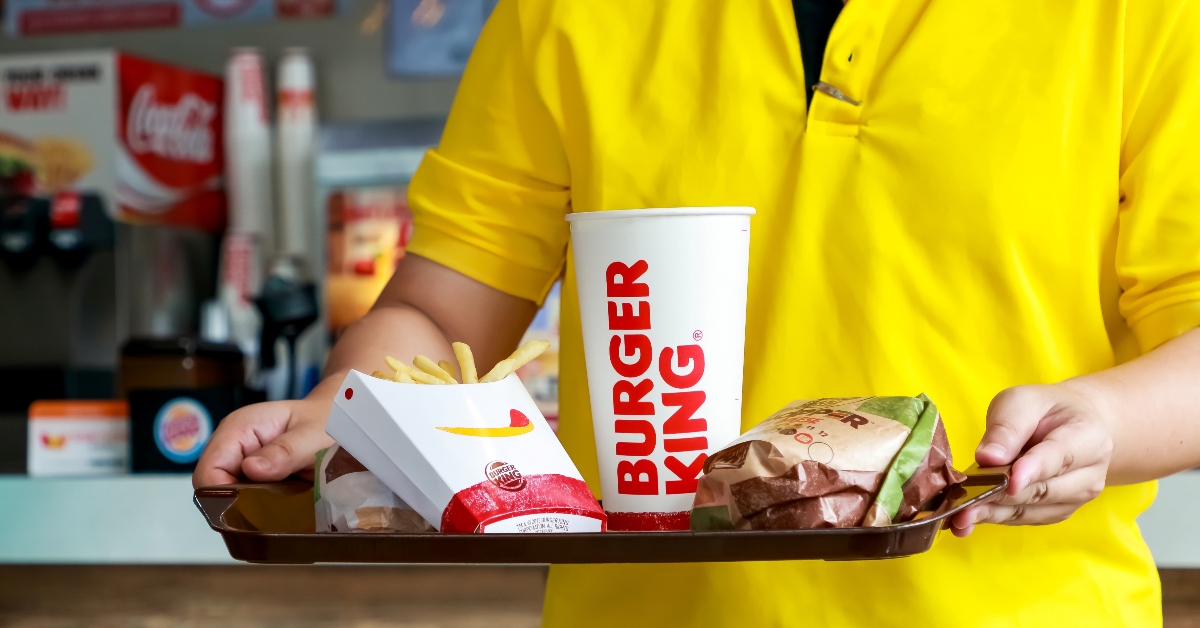
    Burger King, the renowned American fast food titan, has shuttered all its outlets in Hanoi, marking the end of over a decade-long presence in the city and simultaneously narrowing its footprint in Ho Chi Minh City.

    Shutting Down Operations

    Imex Pan Pacific Group (IPPG), the operating partner of Burger King and a local conglomerate that owns a multitude of rival retail brands, acknowledged the cessation of the brand’s operations in all Hanoi outlets roughly two months ago. The process of shutting down varied between one to two months, contingent on the particular outlet. Previously, the city had three Burger King outlets in operation.

    Presently, in Hanoi, the brand’s offerings are solely accessible through an outlet located within the city’s airport. Concurrently, operations in Ho Chi Minh City have been restrained, leaving only three outlets beyond the airport, one of which is conveniently situated in the backpacker haven of Phạm Ngũ Lão.

    The Burger King Journey

    Burger King, established in the United States in 1954, entered the Vietnamese market in 2012 via a franchise contract with IPPG. The grand opening was met with ambitious projections, with plans to establish 60 outlets within a span of five years. However, by 2016, the fast-food chain could only boast of 16 operating outlets, inclusive of one at Ho Chi Minh City’s airport.

    The expansion of Burger King in Vietnam has noticeably contracted over time, an issue some market analysts attribute to cost structures and business performance. The franchise model, based on universally accepted standards encompassing inputs, processes, and quality control, often incurs substantial operating costs. Consequently, when revenue and customer numbers fail to meet expectations, sustaining operations poses a formidable challenge.

    IPPG’s Franchise Strategy

    IPPG, from a franchise standpoint, lays emphasis on diversifying its portfolio, concentrating on the luxury retail sector, apparel, and businesses related to travel. The company, which operates over 1000 stores and collaborates with 138 brands, is progressively expanding its presence in airports, border checkpoints, and shopping centers.

    Johnathan Hanh Nguyen, the founder and chairman of IPPG, in 2019, emphasized the role of site selection in franchise operations. He identified store location, design, and service standards as key factors influencing brand visibility and overall business performance.

    Alternative Business Models

    While certain distributors prioritize scale and coverage, emerging operators such as The Kho Group (TKG) focus on lifestyle positioning, carefully curating brand selection and customer experience. Instead of a broad launch, projects are selectively implemented in cities like Ho Chi Minh City, Hanoi, Da Nang, and Phu Quoc.

    Innovative projects like Malbon are designed as lifestyle spaces with dual-level layouts and integrated community functions. This points to TKG’s strategy of scrutinizing consumption patterns and behavior prior to project launch and gauging success based on brand engagement and repeat visits rather than pure revenue.

    This varied approach highlights the different strategies towards licensing and franchising in Vietnam’s retail sector. While some prioritize network scale and foot traffic, others invest in a curated and unique offering, focusing on store design and brand experience.

    Questions & Answers

    Why did Burger King close its outlets in Hanoi?
    The closure of Burger King’s outlets in Hanoi was attributed to numerous factors including cost structures, business performance, and revenue falling short of expectations.

    What is the current state of Burger King’s operations in Vietnam?
    Burger King has scaled down its operations in Vietnam. As of now, there is only one outlet in Hanoi, located at the city’s airport. In Ho Chi Minh City, only three outlets remain.

    How do new distributors like The Kho Group (TKG) differ in their approach?
    New distributors like TKG emphasize lifestyle positioning. They focus on a careful selection of brand and customer experience, launching projects selectively in certain cities, and gauging success through brand engagement and repeat visits as opposed to pure revenue.

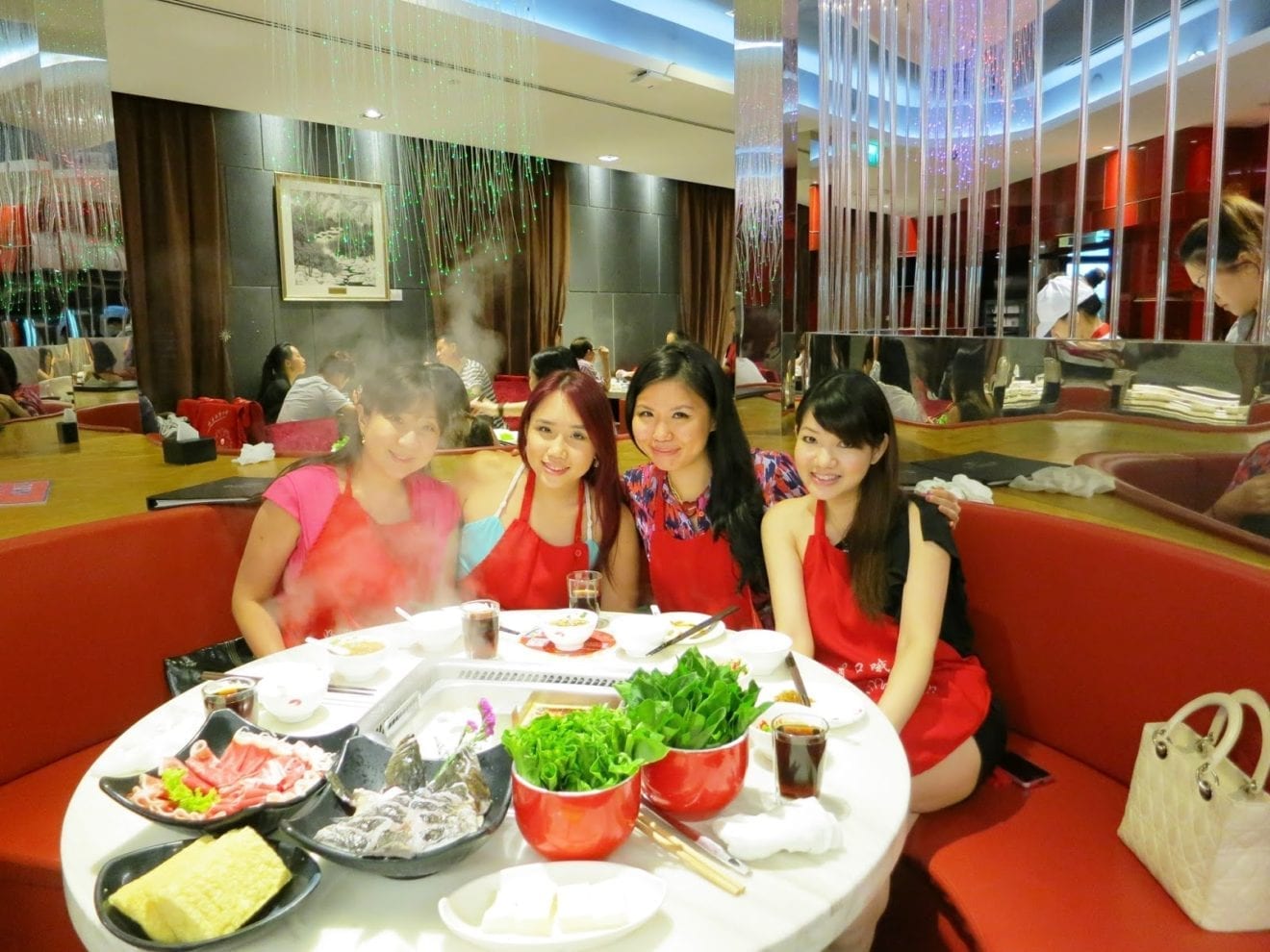
  • Chinese Hotpot Giant Haidilao Sees Sizzling $93.9M Revenues in Vietnam, Solidifying Asian Market Dominance

    Chinese Hotpot Giant Haidilao Sees Sizzling $93.9M Revenues in Vietnam, Solidifying Asian Market Dominance

    The renowned Chinese hotpot restaurant chain, Haidilao, announced that it generated over US$93.9 million in revenue from its operations in Vietnam in 2025, marking a 7% increase from the previous year. This solid performance propelled Vietnam to become Haidilao’s fourth-largest international market in terms of sales, following Singapore, the U.S., and Malaysia.

    Global Performance

    In 2025, Haidilao’s total revenue from all its overseas markets was reported at $840 million, representing an 8% boost compared to the year before. Additionally, the restaurant chain’s pre-tax profits experienced a significant surge, nearly 50%, amounting to $49.5 million.

    Presence in Vietnam

    Haidilao made its debut in Vietnam in 2019, with its inaugural restaurant located in the Bitexco Tower in Ho Chi Minh City (HCMC). To date, Haidilao’s presence in Vietnam has grown to 17 outlets scattered across the country. Ten of these can be found in HCMC, six in Hanoi, and one in the central coastal city of Nha Trang.

    Company Background

    The story of Haidilao began in 1994 when Zhang Yong and his partners established the brand. Emerging from humble beginnings with only a four-table restaurant in a small town in China’s Sichuan province, the chain has transformed into a globally recognized brand within the Chinese restaurant industry. This success has also catapulted the co-founders into the league of billionaires.

    Questions & Answers

    What are Haidilao’s top overseas markets?
    Vietnam is Haidilao’s fourth-largest overseas market in terms of sales, following Singapore, the U.S., and Malaysia.

    How many outlets does Haidilao have in Vietnam?
    As of 2025, Haidilao has 17 outlets in Vietnam, with 10 in Ho Chi Minh City, six in Hanoi, and one in the central coastal city of Nha Trang.

    When did Haidilao first establish a presence in Vietnam?
    Haidilao entered the Vietnamese market in 2019 with its first restaurant located in the Bitexco Tower in Ho Chi Minh City.

  • TikTok’s $125M Digital Expansion: Chinese Giant to Bolster HCMC’s Tech Sector

    TikTok’s $125M Digital Expansion: Chinese Giant to Bolster HCMC’s Tech Sector

    TikTok, the renowned Chinese social media platform, has pledged an investment of $125 million in Ho Chi Minh City. The funds are intended to boost logistics services, digital commerce, and digital payment systems in the bustling Vietnamese metropolis.

    Pledged Investment

    According to an announcement published by the Ho Chi Minh City Department of Finance last Thursday, the commitment was made by TikTok’s investment arm based in Singapore. The department, however, did not provide any details regarding the expected timeline of the project.

    The decision followed several meetings between city officials and TikTok’s executive team, which took place at the end of last year. TikTok’s intention is to set up three business entities within the Ho Chi Minh City International Financial Center.

    Q1 Foreign Direct Investment Round-Up

    The Department of Finance stated that the city has attracted almost $2.9 billion in foreign direct investment (FDI) during the first quarter of this year, a significant increase of 220% compared to the same period last year.

    Among the prominent projects contributing to this FDI surge include a new manufacturing facility by Techtronic Industries Company based in Singapore, which will require an investment of $81 million. Other contributors include the Dutch firm MSD Animal Health ($80 million), Singapore’s SP Vietnam ($67 million), and Indonesia’s Momogi Group ($55 million).

    The Department credited this substantial uptick in investment to the confidence of foreign investors in the city’s business environment, despite the currently volatile global economy.

    Ho Chi Minh City’s strategic goal for this year is to attract $11 billion in FDI. The city’s primary focuses are high-tech, innovation-driven projects, data centers, logistics, and green growth initiatives.

    Questions & Answers

    What is the purpose of TikTok’s $125 million investment in Ho Chi Minh City?
    The social media giant aims to enhance logistics services, digital commerce, and digital payment systems in the city.

    What are some of the key projects contributing to Ho Chi Minh City’s Q1 foreign direct investment?
    Noteworthy projects include a new manufacturing facility by Techtronic Industries Company, expansions by MSD Animal Health, SP Vietnam, and Momogi Group.

    What are Ho Chi Minh City’s investment priorities for this year?
    The city plans to attract $11 billion in FDI, focusing on high-tech, innovation-driven projects, data centers, logistics, and green growth initiatives.

  • Haidilao Heats Up: Chinese Hotpot Giant Crowned World’s Strongest Restaurant Brand Two Years Running

    Haidilao Heats Up: Chinese Hotpot Giant Crowned World’s Strongest Restaurant Brand Two Years Running

    For the second consecutive year, Chinese hotpot chain Haidilao has earned the title of “the world’s strongest restaurant brand” after experiencing a robust double-digit increase in value. The brand’s worth rose by 16% to reach $3.6 billion, propelling its strength index score to an impressive 94.1 out of 100.

    Factors Behind the Success

    Haidilao’s resounding success can be attributed to a variety of elements, including an expanded restaurant network, elevated brand influence and customer experience, as well as a more diverse product range. Despite the market’s competitive nature, the company was able to maintain its premium AAA+ brand strength rating.

    Other Emerging Brands

    Luckin Coffee, another brand originating from China, has also seen substantial growth. Its value has surged by 17% to reach $1.7 billion, which has allowed it to climb two places and achieve 19th place in the global rankings. Its score increased to 89.7 out of 100, making evident the growing allure of competing brands within China’s coffee market. Despite the escalating competition, Luckin Coffee achieved an AAA+ brand strength rating for the first time.

    Scott Chen, Managing Director of Brand Finance China, commented on the performance of these brands. He suggested that Haidilao’s sustained dominance as the world’s strongest restaurant brand, along with Luckin Coffee’s resilience amidst stiff competition, underline the dynamic character of the Chinese market. Chen also pointed to the innovation driving these brands to new heights.

    Brand Strength

    Brand strength refers to the effectiveness of a brand’s performance when compared to its competitors. Brand Finance, for instance, assesses the strength of a brand on the basis of several factors. These include marketing investment, stakeholder equity, and the effects of these on overall business performance.

    American Brands Domination

    Despite the success of Chinese brands, American brands remain dominant in terms of value. The five most valuable brands globally all hail from the United States. McDonald’s, in particular, has emerged as the world’s most valuable restaurant brand, with its value growing 7% to $40.5 billion. However, Starbucks, which used to hold the second spot, saw its brand value plummet by 36% to $38.8 billion.

    Chick-fil-A recorded the fastest growth in value within the sector, with its brand value soaring by 43% to $5.7 billion. This surge has resulted in the company now holding the eighth spot among the world’s leading restaurant brands.

    Questions & Answers

    What factors contributed to Haidilao’s success as the world’s strongest restaurant brand?
    Haidilao’s success was largely due to its expanded restaurant network, increased brand influence and customer experience, and a more diversified product range.

    How is brand strength measured?
    Brand strength is assessed based on the effectiveness of a brand’s performance in comparison to its competitors. Factors such as marketing investment, stakeholder equity, and their impact on business performance are taken into consideration.

    Which is the world’s most valuable restaurant brand?
    As of the latest rankings, McDonald’s is the world’s most valuable restaurant brand, with its value increasing 7% to $40.5 billion.

  • Swiss Sportswear Giant On Unveils First Standalone Store in Seoul, Invigorating South Korea’s Retail Scene

    Swiss Sportswear Giant On Unveils First Standalone Store in Seoul, Invigorating South Korea’s Retail Scene

    Swiss sportswear label, On, has unveiled its inaugural standalone shop in South Korea, furthering its direct-to-consumer reach within the nation.

    Strategically Located in Seoul

    The store, nestled within Seoul’s Hannam district, signifies On’s maiden standalone brand space in the Korean market. This launch builds upon the brand’s initial direct retail outposts in Yeouido and Jamsil, which were established in the previous November.

    The shop encompasses three floors, with the lower level spotlighting On’s running collection. The higher levels are dedicated to lifestyle, tennis, outdoors, and children’s merchandise.

    The basement has been repurposed as a hub for running, functioning as a space for community gatherings, such as running club meets and in-store events tied to the local running community.

    Inspired by Seoul’s Night Running Routes

    The store’s aesthetic borrows elements from Seoul’s evening running paths. The use of lighting and reflective surfaces aims to replicate the dynamic movement and visual ambiance of the city post-sunset. The storefront’s design elements also nod towards the nearby Han River.

    According to Rebecca Cai, On’s APAC GM, the brand anticipates the store to serve as a central spot for their running community. This is especially relevant with the looming Seoul Marathon. The brand also hopes the space will allow customers to fully immerse themselves in On’s universe, and personally interact with their latest performance and design innovations.

    This inauguration aligns with the company’s ongoing efforts to widen its retail footprint across Asia. Just this week, On launched its most expansive store in China, situated at Shenzhen MixC World. This two-story outlet covers approximately 802 square meters.

    Questions & Answers

    What does the new On store in Seoul offer?
    The store provides a wide array of sportswear, including running, lifestyle, tennis, outdoor, and kids’ products. Additionally, it will serve as a hub for community activities related to running.

    What is unique about the design of the new store?
    The design of the store is inspired by Seoul’s night running routes, with lighting and reflective surfaces that mimic the city’s atmosphere after dark. The facade also pays homage to the nearby Han River.

    What recent expansion efforts has On undertaken in Asia?
    On has been actively expanding its retail network in Asia. Along with the new standalone store in South Korea, it recently opened its largest store in China, located in Shenzhen MixC World.

  • Chagee Brews Up Asia-Pacific Expansion: Chinese Milk Tea Giant to Debut in Seoul

    Chagee Brews Up Asia-Pacific Expansion: Chinese Milk Tea Giant to Debut in Seoul

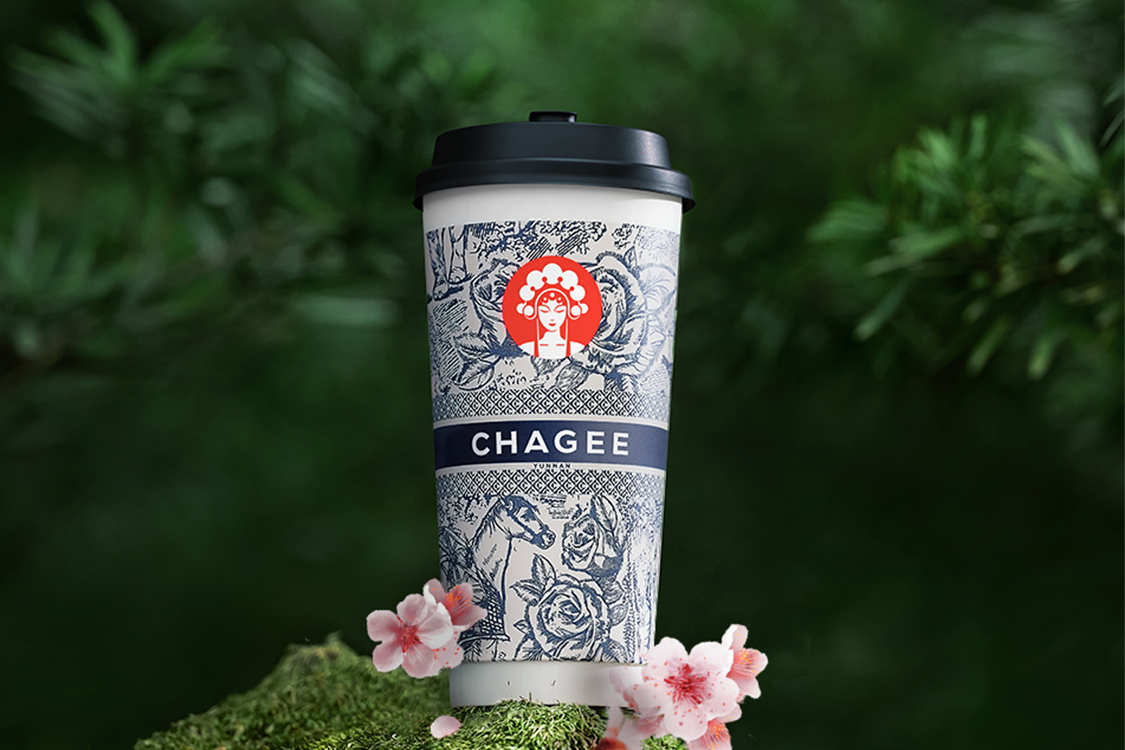
    The popular Chinese milk tea franchise, Chagee, will be making its first appearance in South Korea during this quarter. Three branches of the chain will be opened concurrently in the districts of Gangnam, Yongsan, and Sinchon in Seoul. This move is part of Chagee’s overarching strategy to increase its presence in the Asia-Pacific market.

    Chagee has reported a surge in interest from South Korean consumers ahead of the opening. The company is confident that it will introduce a unique, premium tea experience that is fresh and exciting.

    The Gangnam location will serve as the flagship store for Chagee. The store’s exterior is planned to feature arched greenery against a semi-transparent glass façade. In the center of this design, there will be an oversized, signature cup. Chagee’s design aims to create an illusion of walking into an urban forest, embodying its ‘Modern Tea House’ concept.

    The Yongsan and Sinchon branches will also leave their mark with graphic displays that are customized to their specific locations.

    As a way to engage customers before the official opening, Chagee is launching a QR code-based campaign. Customers who visit the store, scan the QR code displayed on the exterior, and successfully complete a short quiz will be rewarded with a 50% discount coupon.

    Questions & Answers

    What is the overall expansion strategy of Chagee?
    Chagee is looking to increase its presence in the Asia-Pacific market, starting with the opening of three stores in Seoul, South Korea.

    What unique feature will the Gangnam store have?
    The Gangnam store, serving as the flagship location, will have an exterior design featuring arch-shaped greenery against a semi-transparent glass façade, with a giant signature cup in the center. This design is meant to represent the company’s ‘Modern Tea House’ concept.

    How is Chagee engaging customers ahead of its store openings in South Korea?
    Chagee is encouraging customer engagement through a QR code-based campaign. Visitors who scan the QR code on the store’s exterior display and complete a short quiz will receive a 50% discount coupon.

  • Swiss Sportswear Giant On Opens its Largest Flagship Store in Shenzhen, Accelerating Retail Growth in China

    Swiss Sportswear Giant On Opens its Largest Flagship Store in Shenzhen, Accelerating Retail Growth in China

    Swiss sportswear brand On has recently unveiled its grandest flagship store to date. This store is located at Shenzhen MixC World, China. This move is part of the brand’s ongoing effort to expand its retail footprint in one of its most rapidly expanding markets.

    Store Design and Features

    Spanning a generous 802 square meters over two floors, the store’s design draws inspiration from the area’s coastal and mountainous topography. The open-concept interiors are harmoniously complemented with the use of natural materials and unique installations.

    To further enhance the customer’s shopping experience, an interactive visual display is present within the store, which showcases the brand’s signature CloudTec cushioning technology and its wide range of apparel.

    At the store’s entrance, visitors are greeted by two majestic, hundred-year-old banyan trees. This area, redesigned as a park, serves as a communal space for group runs and various events.

    Rebecca Cai, GM Apac at On, expressed her hopes for the new store. “Shenzhen is a city full of youthful vigour, and we hope that the flagship store at Shenzhen MixC World will not only function as a retail space, but will also serve as a hub for the city’s running community,” she said.

    A Strategic Expansion

    The unveiling of this store is in line with On’s strategy to expand its direct-to-consumer footprint in China, which has now become its second-largest market internationally. This comes after a period of robust regional growth, with On recording a substantial 96.4 per cent year-on-year increase in net sales in Asia-Pacific in 2025.

    On’s chief commercial officer, Britt Olsen, highlighted the brand’s growth potential. “Following footwear, apparel has emerged as the second major growth engine. In China, the category displays immense potential. We will continue to expand our retail reach and further enhance the brand experience,” she stated.

    On initially entered the Chinese market in 2018 and has since extended its reach to over 30 cities, launching more than 80 stores. The company has ambitious plans to hit the 100-store mark by the end of this year.

    Questions & Answers

    What inspiration did On draw from for its flagship store at Shenzhen MixC World?
    The flagship store’s design was inspired by Shenzhen’s coastal and mountainous geography, and it combines open interiors with natural materials and installations.

    What is On’s strategy for expanding its footprint in China?
    On is focusing on growing its direct-to-consumer footprint in China, which is its second-largest market. This is following a marked increase in regional net sales.

    When did On enter the Chinese market and what are its expansion plans?
    On first entered China in 2018 and has since expanded to over 30 cities with more than 80 stores. The company aims to reach 100 locations by the end of the year.

  • Japanese Retail Giant Beams Set to Launch US Flagship Store in Los Angeles, Amplifying Fashion Footprint

    Japanese Retail Giant Beams Set to Launch US Flagship Store in Los Angeles, Amplifying Fashion Footprint

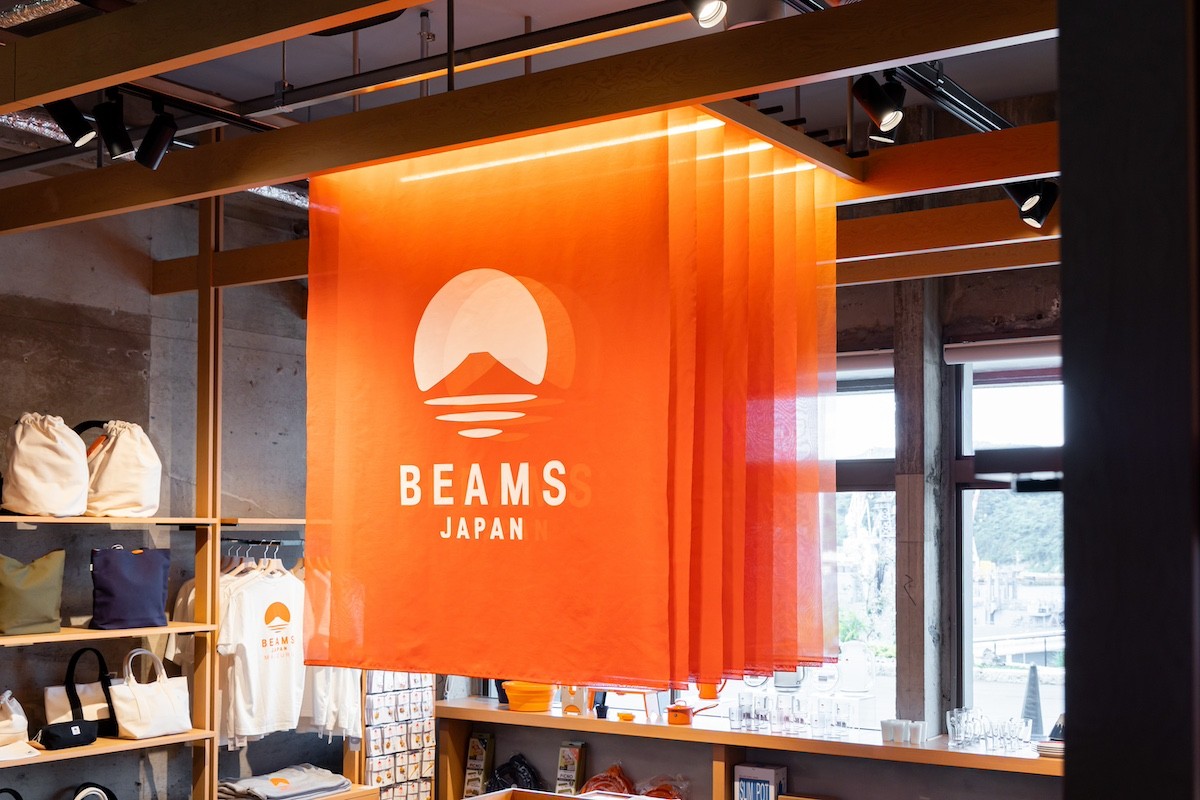
    Beams, a prominent fashion and lifestyle retailer originating from Japan, is gearing up to establish a flagship store in Los Angeles, significantly expanding its influence in the US market.

    Expanding Retail Space

    This new retail location will cover approximately 1250 square meters over a single level. It is designed to serve as a pivotal hub for the company’s North American operations, while simultaneously broadening its reach to a wider American clientele.

    Curated Selection

    The store will feature an extensive range of products, including clothing, accessories, and lifestyle goods. This selection embodies the retailer’s ‘select shop’ approach, which merges their own brand with a collection of items from an array of other brands.

    Beams America

    In line with its expansion strategy, Beams has also formed Beams America. This venture will manage regional operations and facilitate retail growth and other brand initiatives in the US.

    Digital Presence

    Prior to this physical expansion, Beams launched an e-commerce platform for the US market last year. The company has also been assessing consumer demand through the operation of three pop-up stores in Los Angeles.

    The Company’s History

    Established in 1976 in Tokyo, Beams currently manages approximately 175 stores across Japan and other regions in Asia.

    Questions & Answers

    What is the purpose of the new Beams store in Los Angeles?
    The new store is set to serve as a key base for Beams’ operations in North America and aims to introduce its fashion and lifestyle concept to a broader US audience.

    What is Beams’ ‘select shop’ format?
    The ‘select shop’ format is a retail approach where the store combines its own labels with items sourced from a variety of brands, offering customers a curated selection of products.

    What is Beams America?
    Beams America is a venture established by Beams to oversee its regional operations and support retail growth and wider brand initiatives in the US.

  • Thai Retail Giant CP Axtra Snaps Up The Food Purveyor in $421.6 Million Deal, Expanding Premium Grocery Footprint in Malaysia

    Thai Retail Giant CP Axtra Snaps Up The Food Purveyor in $421.6 Million Deal, Expanding Premium Grocery Footprint in Malaysia

    Thai retail powerhouse CP Axtra has secured a deal to acquire the Malaysian supermarket operator, The Food Purveyor, for a sum of US$421.6 million.

    The Food Purveyor’s Market Presence

    The Food Purveyor boasts a wide range of premium grocery brands under its umbrella, including Village Grocer, Ben’s Independent Grocer, BSC Fine Foods, OTK, and The Food Merchant. The company currently operates a broad network of 50 stores spread throughout Malaysia.

    CP Axtra’s Growth Trajectory

    CP Axtra, established in 1988, is one of the leading wholesale and grocery conglomerates in Thailand. It expanded into Malaysia by acquiring Tesco in 2020 and subsequently operating it under the brand name Lotus Malaysia. With a sprawling network of more than 2600 outlets spread across countries like Thailand, Malaysia, Cambodia, Vietnam, Singapore, Hong Kong, Oman, and the UAE, the company has established a significant presence worldwide.

    Strategic Acquisition

    This new acquisition forms part of CP Axtra’s comprehensive strategy to penetrate high-potential international markets, such as Malaysia. It also bolsters the company’s foothold in the premium grocery segment. Upon the deal’s completion, CP Axtra will operate in excess of 120 grocery chains nationwide. This figure combines 50 stores from The Food Purveyor and 70 stores from Lotus.

    The transaction is slated for completion in the fourth quarter, dependent on receiving the necessary regulatory approvals.

    Questions & Answers

    What major brands does The Food Purveyor operate under?
    The Food Purveyor operates major premium grocery brands such as Village Grocer, Ben’s Independent Grocer, BSC Fine Foods, OTK, and The Food Merchant.

    How has CP Axtra grown over the years?
    CP Axtra has grown significantly since its establishment in 1988. It now operates more than 2600 outlets across Thailand, Malaysia, Cambodia, Vietnam, Singapore, Hong Kong, Oman, and the UAE.

    What is the significance of this acquisition for CP Axtra?
    The acquisition of The Food Purveyor enables CP Axtra to expand into high-potential overseas markets such as Malaysia and strengthen its position in the premium grocery segment.