Retail News CRM

Tag: Giant

  • Korean Lifestyle Giant, Iicombined, Expands Retail Footprint with Haus Nowhere in Bangkok: Introduces Tamburins and Gentle Monster Flagships

    Korean Lifestyle Giant, Iicombined, Expands Retail Footprint with Haus Nowhere in Bangkok: Introduces Tamburins and Gentle Monster Flagships

    Iicombined, a Korean lifestyle conglomerate, has broadened its retail footprint by launching its multi-brand initiative, Haus Nowhere, in Bangkok, Thailand.

    Situated on IconSiam’s M floor, the store introduces two major brand flagships. One is the inaugural Tamburins store in Southeast Asia, while the other is the most expansive Gentle Monster store in Thailand.

    The novel retail destination forms part of the conglomerate’s ‘Future Retail’ idea, which is being rolled out in crucial cities worldwide. With this addition, Bangkok now houses the fifth Haus Nowhere location, following Seoul, Shanghai, Shenzhen, and Dosan.

    Tamburins, a fragrance and beauty label founded in Seoul in 2017, has now made its foray into Southeast Asia. The store maintains a complete range of products, along with unique store-only items. These exclusive offerings include a Blue Hinoki version of its Egg Perfume and a 2ml fragrance enclosed in a Puppy Case.

    Gentle Monster, an eyewear brand, has opened its third and largest store in Bangkok. This expansion solidifies Thailand’s position as one of the brand’s most dynamic markets in Southeast Asia.

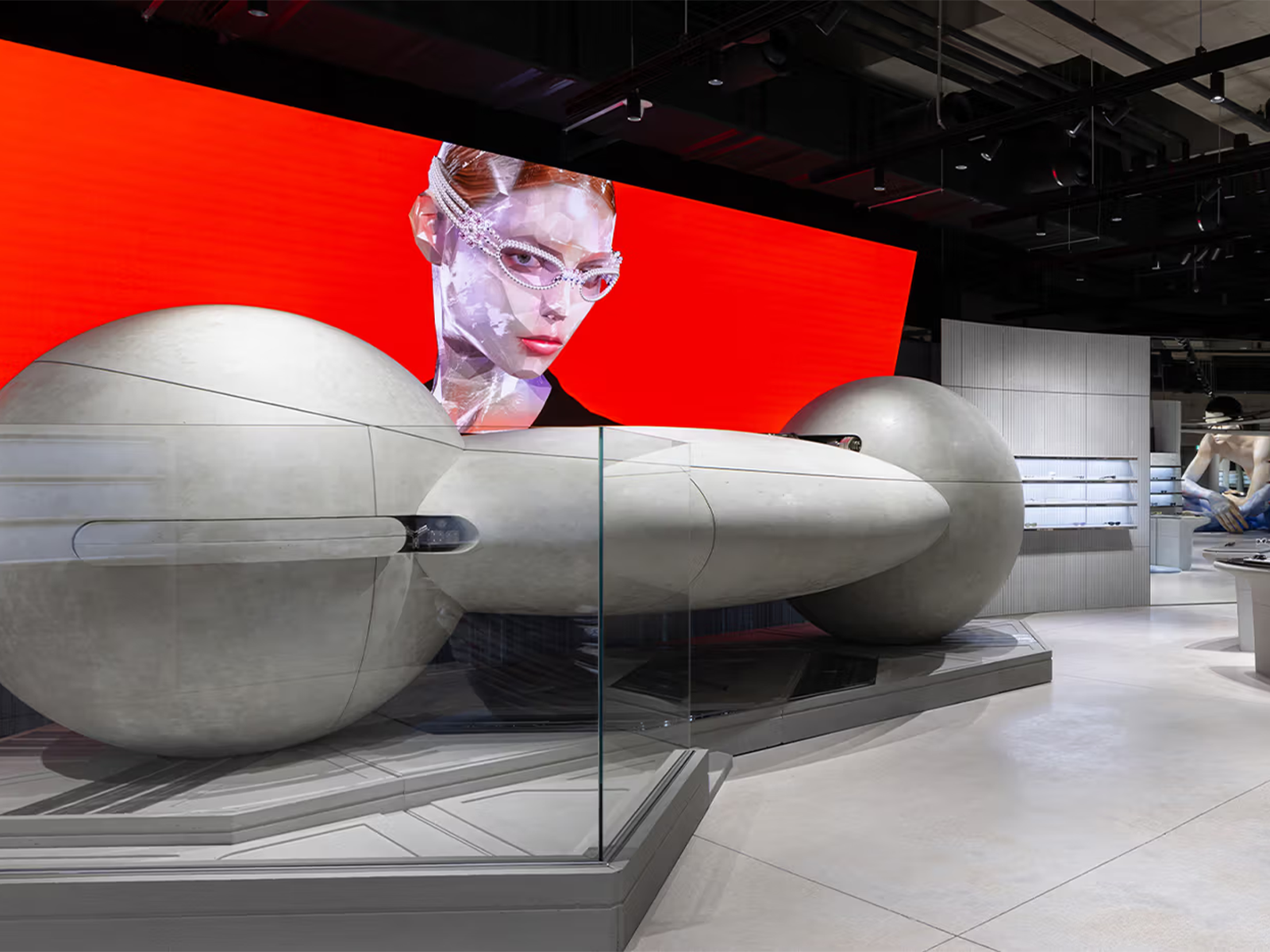
    The new flagship store is designed based on Gentle Monster’s signature installation-led theme. This positioning further solidifies Bangkok as a critical market for the label, drawing support from both local customers and regional visitors.

    The store also showcases the ‘Sunshine Giant Dog’ art installation.

    Questions & Answers

    What is the significance of Iicombined’s new store in Bangkok?
    The new store in Bangkok introduces two significant brand flagships in Southeast Asia – Tamburins store and the largest Gentle Monster store. It represents Iicombined’s ‘Future Retail’ concept expansion into global cities.

    What are some of the exclusive products available at the new Tamburins store?
    The Tamburins store offers exclusive store-only items including a Blue Hinoki version of its Egg Perfume and a 2ml fragrance presented in a Puppy Case.

    How does the new Gentle Monster store contribute to the brand’s presence in Thailand?
    The new Gentle Monster store, being the brand’s third and largest in Bangkok, reinforces Thailand as one of its most active markets in Southeast Asia.

  • Chinese Giant Anta Sports Eyes Takeover Bid for Struggling German Brand Puma

    Chinese Giant Anta Sports Eyes Takeover Bid for Struggling German Brand Puma

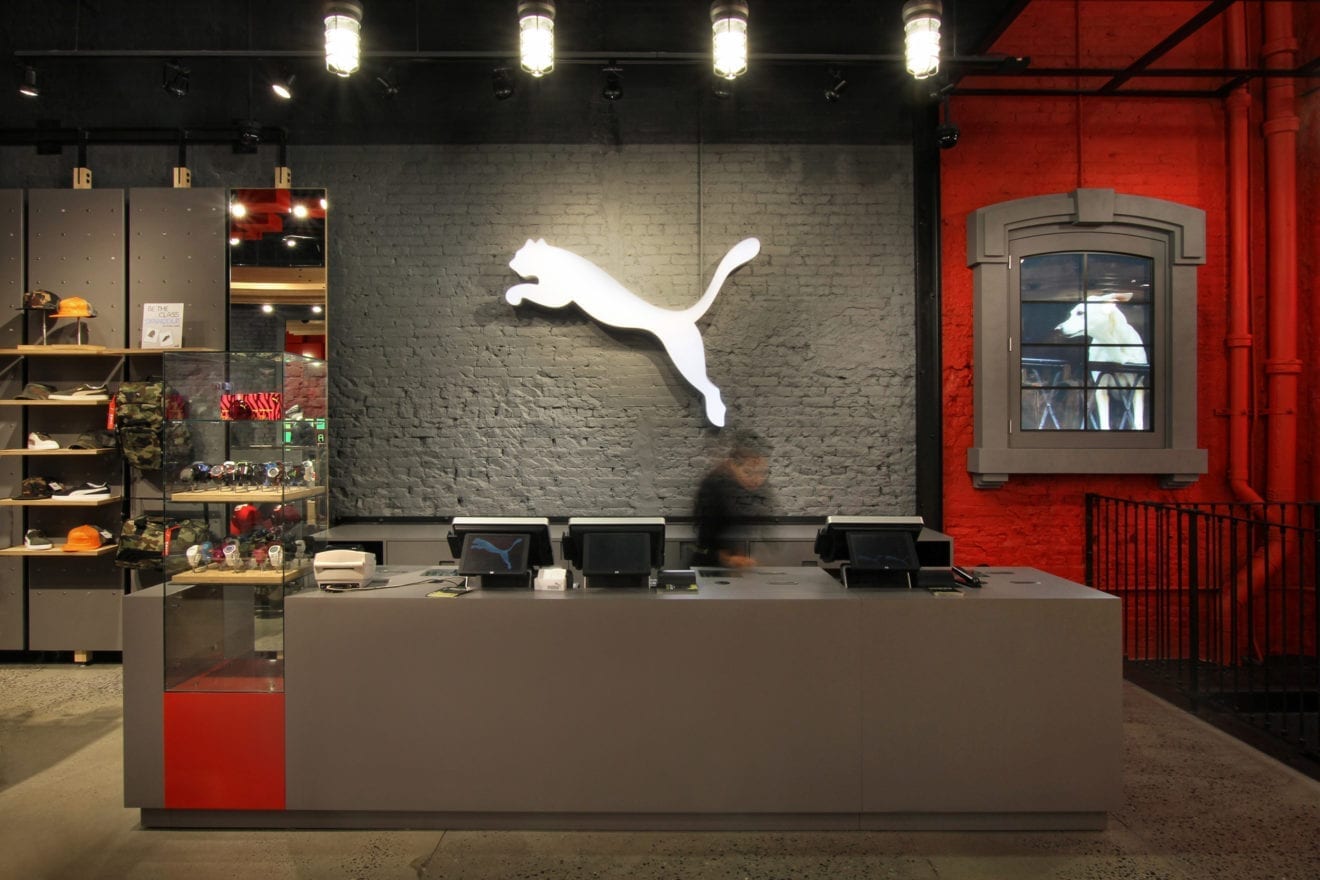
    Anta Sports Products, a prominent Chinese sportswear manufacturer, is reportedly considering the acquisition of German sportswear brand, Puma. It’s understood that Anta, listed on the Hong Kong stock exchange, is currently working with an adviser to examine the feasibility of a bid for Puma. If the proposition proves profitable, Anta may collaborate with a private equity firm to proceed with an offer.

    Potential Competitors in the Bid

    Alongside Anta, other possible contenders for the acquisition include the Chinese sportswear group Li Ning and the Japanese sportswear company Asics. Li Ning has reportedly been engaging with banks to discuss financing for a potential bid, giving an early indication of the company’s interest in Puma. As for Asics, there’s speculation that it could also show interest in the German sportswear brand.

    When approached for comments on the acquisition, Anta Sports, Puma, and Asics didn’t offer immediate responses. On the other hand, Li-Ning provided a statement indicating that the company had not yet participated in any significant discussions or assessments relating to the transaction mentioned. The company further stated that its main focus remains on the expansion and evolution of its brand.

    Shareholder’s Stand

    Artemis, the private holding firm that has the biggest share in Puma and also controls Kering, the owner of Gucci, has stated that it’s exploring all options for its 29% stake. Information from a source previously revealed that Artemis had no intentions of selling their shares at the market value as of September.

    Puma’s current market valuation stands at 2.52 billion euros, equivalent to $2.92 billion. The Pinault family that manages Artemis obtained its stake in Puma in 2018 from Kering when the luxury conglomerate transitioned into a pure luxury player focusing on brands like Gucci and Saint Laurent.

    Strategy Shift

    In October, Puma’s new CEO, Arthur Hoeld, announced that the brand would decrease discounts, enhance marketing, and trim its product range. This strategy change was part of Puma’s turnaround plan following a dip in demand for its products and the impact of US tariffs on imports. The plan also included cutting 900 corporate jobs.

    The competitive sportswear market has seen Puma’s share price fall by half since the beginning of this year, losing ground to its competitors.

    Questions & Answers

    Who are the potential bidders for the acquisition of Puma?
    Anta Sports Products, Li Ning, and Asics are the potential contenders for the acquisition of Puma.

    What is Puma’s current market valuation?
    Puma’s current market valuation is approximately 2.52 billion euros or $2.92 billion.

    What is Puma’s new strategy under CEO Arthur Hoeld?
    Puma’s new strategy involves decreasing discounts, enhancing marketing, reducing its product range, and eliminating 900 corporate jobs as part of its turnaround plan.

  • Japanese Beauty Giant @Cosme Unveils First Overseas Flagship Store in Hong Kong: A Fusion of Luxury Labels and Innovative Retail Experience

    Japanese Beauty Giant @Cosme Unveils First Overseas Flagship Store in Hong Kong: A Fusion of Luxury Labels and Innovative Retail Experience

    @Cosme, a renowned Japanese beauty retailer, is making its debut in Hong Kong with its inaugural overseas flagship store. The grand opening is planned for next month in the bustling district of Tsim Sha Tsui.

    Covering an area of 1,298 square meters, this three-level, street-front store will be home to approximately 500 brands. Shoppers can expect to find a wide variety of cosmetic and skincare products from premium brands such as Estee Lauder, Tom Ford Beauty, Aveda, YSL, Shiseido, Nars, and Decorte. In addition, more affordable options will be available from brands like Canmake, Wonjungyo, and Orbis.

    Notably, the store will also introduce several brands from Korea to its product line-up, including popular names such as D’Alba and Beauty of Joseon.

    The new flagship store will feature an advanced integration of online and offline shopping experiences via the local @Cosme app. The app provides multilingual product reviews and audio guides, enabling customers to make informed decisions while in the store.

    The company has chosen Hong Kong as the location for its first overseas store due to the city’s status as a major economic hub. Hong Kong’s low tax rates, status as a free trade port, and significant potential for growth in customer demand from mainland China and other Asian countries, were all deciding factors in this strategic move.

    This marks a significant step in @Cosme’s ongoing international expansion. The company already operates successful flagship stores in some of Japan’s largest cities, including Tokyo, Osaka, and Nagoya.

    Questions & Answers

    What is special about the new @Cosme flagship store in Hong Kong?
    The new @Cosme store in Hong Kong is the first overseas flagship store for the brand. It features an impressive integration of online and offline shopping experiences via the local @Cosme app.

    What kind of brands will be available at the @Cosme store in Hong Kong?
    The store will offer products from around 500 brands, including both luxury and affordable options. It will also introduce several Korean brands to its line-up.

    Why has @Cosme chosen Hong Kong as the location for its first overseas store?
    Hong Kong was chosen due to its status as a major economic hub with low tax rates and a free trade port. The city also presents significant growth potential due to inbound demand from mainland China and various Asian countries.

  • South Korean Footwear Giant, Sappun, Makes Strides in Southeast Asia with Exclusive Indonesian Expansion

    South Korean Footwear Giant, Sappun, Makes Strides in Southeast Asia with Exclusive Indonesian Expansion

    South Korean female-oriented shoe brand, Sappun, has drawn out plans to broaden its global presence, beginning with Southeast Asia, Indonesia specifically.

    Expanding Footprints in Indonesia

    The footwear brand, which operates under the management of FNS Retail Co, has embarked on an exclusive alliance with Surya Bumi Retailindo. This Indonesian retail firm oversees over 20 international brands spread across sports, fashion, and lifestyle verticals, Salomon and Dickies included.

    The collaboration gives Surya Bumi Retailindo the exclusive distribution rights for Sappun within Indonesia while also setting a sturdy framework for sustained retail growth.

    Establishing Retail Presence

    Sappun, in accordance with this new partnership, has launched standalone outlets in three of Jakarta’s prime shopping precincts, such as Lippo Mall Puri, Plaza Senayan, and Grand Indonesia. Initial sales at these outlets have been reportedly on par with its flagship stores in South Korea, an indication of the strong demand from Indonesian shoppers.

    FNS Retail has plans to inaugurate five additional Sappun stores inside Indonesia by the conclusion of this year, with a future goal of reaching a total of 30 stores within the next five years.

    The entrance into the Indonesian market marks a noteworthy milestone as the first international expansion of a K-fashion women’s shoe brand. FNS Retail expressed their ambition to extend their presence further across Southeast Asia and Japan.

    The Growth of Sappun

    Sappun was founded in 2014 initially as an online-only brand which later expanded its operations to offline outlets across prominent Korean cities, including Seoul and Busan. To further extend its global reach, the brand continues to exploit e-commerce platforms like Shopee and Lazada.

    Sappun also has plans in the pipeline to launch operations in Vietnam in the near future.

    Questions & Answers

    What is Sappun’s expansion strategy?
    Sappun plans to broaden its global presence starting with Southeast Asia, specifically Indonesia. They aim to establish a robust retail presence through local partnerships and open standalone stores in prime shopping areas.

    How is the brand performing in Indonesia?
    Sappun has launched standalone outlets in three of Jakarta’s prime shopping precincts. The sales at these outlets have been reportedly on par with its flagship stores in South Korea, indicating strong demand from Indonesian shoppers.

    What are Sappun’s future plans?
    Sappun aims to extend its presence further across Southeast Asia and Japan. The brand also has plans to launch operations in Vietnam in the near future.

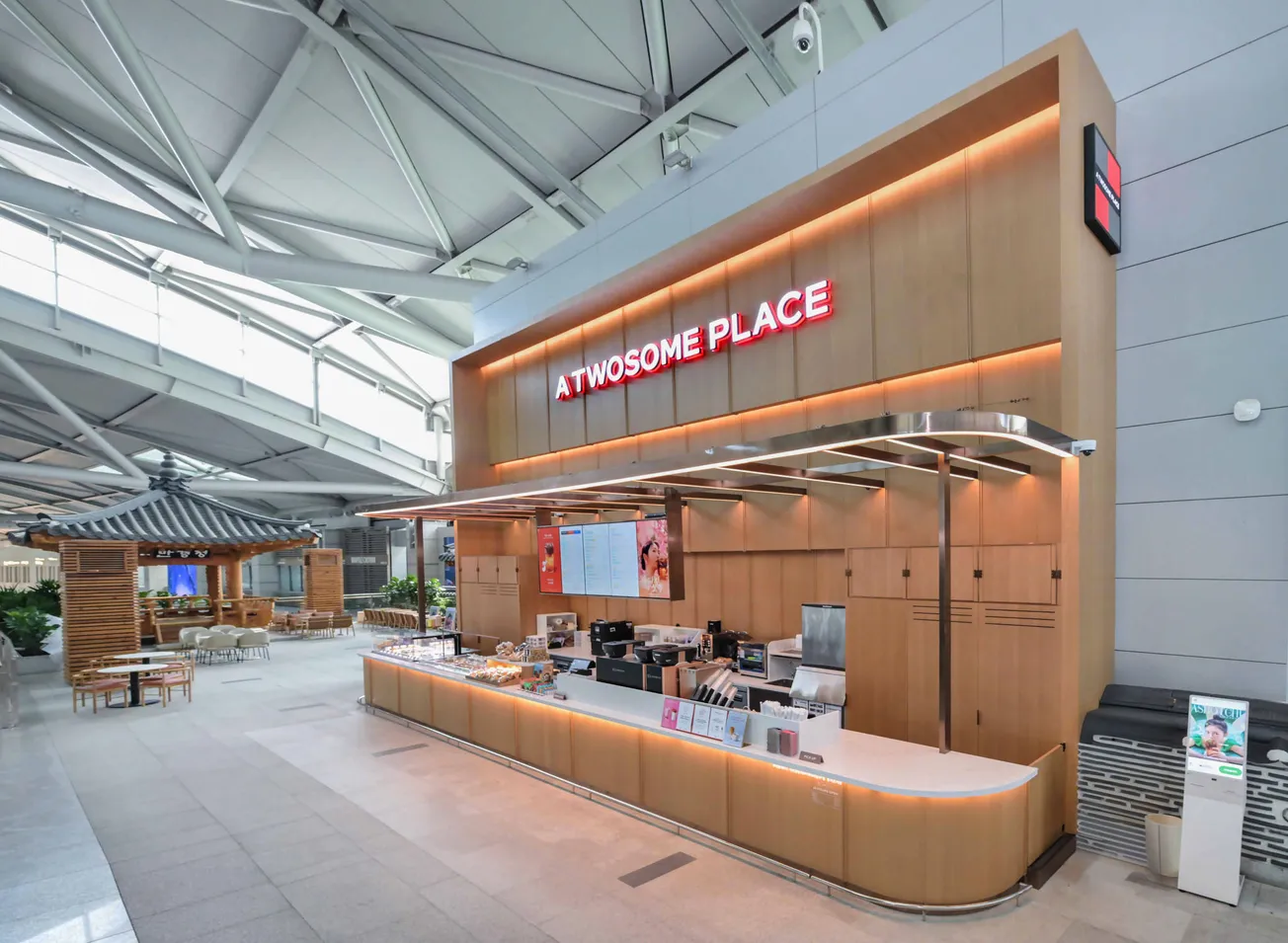
  • South Korean Cafe Giant ‘A Twosome Place’ Readies for Sweet US Debut

    South Korean Cafe Giant ‘A Twosome Place’ Readies for Sweet US Debut

    Renowned South Korean café chain, A Twosome Place, is gearing up to launch its first company-owned branch in the United States in the coming year. This move signifies a re-energized push for international expansion, following the café’s exit from the Chinese market three years prior.

    Global Expansion Strategy

    While the exact location and timeline for the U.S. launch have not yet been disclosed, it is clear that this move is part of A Twosome Place’s comprehensive strategy to disseminate Korean-style café culture worldwide.

    A Twosome Place, established in 2002, currently operates over 1700 outlets across South Korea, and is recognized for its exceptional dessert offerings. The chain embarked on franchising in 2008 and was later purchased by The Carlyle Group in 2021.

    Domestic Developments

    On the domestic front, A Twosome Place is introducing the ‘Twosome 2.0’ concept: a high-end store design that is being implemented in key districts of Seoul. There are plans already underway to propagate this concept nationally, while infusing new elements into pre-existing stores.

    The café chain retreated from the Chinese market after shuttering over 40 outlets in 2022, which came as a result of a sustained period of lackluster sales in the region.

    Questions & Answers

    What is the significance of A Twosome Place’s expansion into the U.S.?
    The planned move to open a branch in the U.S. is part of A Twosome Place’s wider strategy to introduce Korean-style café culture to international markets.

    What is ‘Twosome 2.0’, the concept A Twosome Place is implementing domestically?
    ‘Twosome 2.0’ is a new store design concept that provides a premium aesthetic. The company plans to implement this design across their stores in South Korea.

    Why did A Twosome Place withdraw from the Chinese market?
    A Twosome Place withdrew from China after experiencing several years of slow sales, leading to the closure of more than 40 stores in 2022.

  • Swiss Sportswear Giant On Debuts First Stores in Seoul, Amplifying Brand Presence in APAC Region

    Swiss Sportswear Giant On Debuts First Stores in Seoul, Amplifying Brand Presence in APAC Region

    Swiss activewear label, On, has established its inaugural retail outlets in Seoul, signifying the brand’s growth in the Asia-Pacific region. These outlets are conveniently located in the Hyundai Seoul department store and Lotte World Mall Jamsil, offering shoppers easy access to On’s comprehensive selection of footwear, clothing, and accessories.

    The unique aesthetic of the stores draws upon the spirit of Korean runners and the picturesque running routes of the city. From vibrant Seoul streets to rough-hewn gravel trails, the store’s design truly captures the essence of the local running community. Complementing this are the store’s modern aluminium and glass-like fixtures and counters, channelling a sleek and sporty vibe.

    On’s new retail spaces are more than just shops – they are community-centred hubs offering in-store programs and hosting community-driven events. In addition, they will be launching exclusive collaboration products with the Seoul-based ready-to-wear brand, Post Archive Faction (PAF), and the Zendaya collection.

    Rebecca Cai, On’s Asia-Pacific General Manager, expressed her excitement about the launch. She said, “Bringing the complete On experience to Seoul, our first direct-to-consumer stores in South Korea, aligns with our passion for design, innovation, and active lifestyles. The city of Seoul resonates perfectly with these values.”

    She added, “Our esteemed wholesale partners have laid a strong foundation in this market. These new flagship stores mark the next phase in our strategic, multi-channel evolution. They provide a unique environment to display our brand in its entirety, particularly our expanding apparel collection. Additionally, they serve as dynamic hubs where our community can meet, connect and find inspiration.”

    Questions & Answers

    What can customers expect from On’s new stores in Seoul?
    Customers can look forward to a full range of On’s footwear, apparel and accessories. The stores will also serve as community hubs offering in-store programs and hosting community-driven events.

    What inspired the interior design of the stores?
    The interiors of the stores draw inspiration from Korean runners and the city’s scenic running paths. The stores feature modern aluminium and glass-like fixtures and counters to channel a sleek and sporty vibe.

    What is the significance of On’s expansion into Seoul?
    This expansion marks On’s first direct-to-consumer stores in South Korea, representing a significant step in the brand’s growth in the Asia-Pacific region. It also symbolizes On’s ongoing commitment to fostering active lifestyles and community connection.

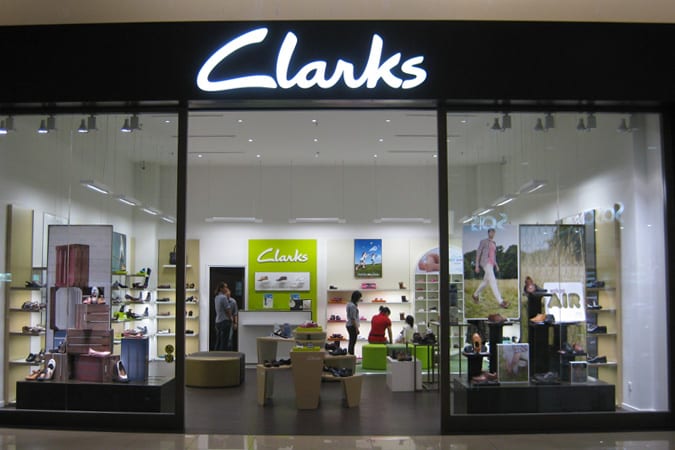
  • Clarks Takes a Giant Step: Launches First Cloudsteppers Concept Store in Malaysia

    Clarks Takes a Giant Step: Launches First Cloudsteppers Concept Store in Malaysia

    British-based shoe company, Clarks, is set on opening its first-ever Cloudsteppers concept stores in Malaysia, marking a key element in its ongoing worldwide expansion strategy. This decision aligns with Clarks’ efforts to emphasize their new comfort-focused Cloudsteppers collection, which includes a comprehensive range of sneakers, sandals, and casual boots slated for launch next year.

    The company is initiating its move by launching three standalone concept stores within this month. The first of these opened its doors in Shah Alam yesterday, while the second is lined up for a grand opening in Kuala Lumpur later this week. The opening of a third store, scheduled to be located in the United States, will follow.

    Clarks is projected to establish at least ten new outlets across Southeast Asia and the U.S. within the following year. The company sees this landmark as an indication of its robust global business momentum. Over the past year, Clarks has been actively growing its footprint in retail and digital markets worldwide, with multiple store inaugurations and fruitful collaborations with various marketplace partners.

    In addition, Clarks revealed their new stores will carry a wider array of lifestyle essentials such as t-shirts, hoodies, socks, caps, and bags. This move comes as a result of the Cloudsteppers collection’s forthcoming transition into lifestyle offerings and expansion beyond footwear, thus making room for popular athleisure items.

    Clarks’ General Manager for Southeast Asia, Raymond Chew, expressed his belief that Southeast Asia is the ideal market for the Cloudsteppers lifestyle venture. He explained, “With Southeast Asia’s warmer climate and love for comfort-led footwear and apparel, it’s a perfect match.” He further added that the new store offers a unique and fresh experience to the market, describing it as modern, relaxed, and truly lifestyle-oriented. The company describes the store ambiance as “calm.”

    Questions & Answers

    What is Clarks’ new expansion initiative?
    Clarks is opening its first-ever Cloudsteppers concept stores in Malaysia as part of its global expansion strategy. The new stores will carry a comprehensive range of sneakers, sandals, and casual boots alongside lifestyle essentials like t-shirts, hoodies, socks, caps, and bags.

    Where are these new stores going to be located?
    The first three concept stores are being launched in Shah Alam, Kuala Lumpur, and the United States. Subsequently, Clarks plans to open at least ten more locations across Southeast Asia and the U.S.

    Why does Clarks see Southeast Asia as an ideal market for its expansion?
    The company believes that Southeast Asia’s warmer climate and the locale’s preference for comfort-led footwear and apparel make it a perfect match for the new Cloudsteppers concept stores.

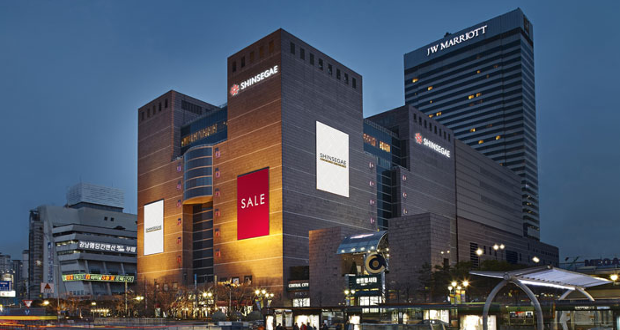
  • Shinsegae And Metro Unveil Unique Korean Fashion Collaboration In Singapore

    Shinsegae And Metro Unveil Unique Korean Fashion Collaboration In Singapore

    South Korean fashion giant, Shinsegae, is set to make its entrance into the Singaporean market through a unique collaboration with Metro. This partnership will entail the launch of a pop-up store at Paragon, scheduled to run from September 25 until October 5.

    Introducing Six Korean Brands

    The pop-up shop aims to unveil six Korean lifestyle and fashion brands to Singapore’s fashion-forward audience. The brands include Studio Tomboy, Man on the Boon, Jaju, Voice of Voices, Rawrow, and Vidivici. Following the pop-up, these collections will continue to be available at Metro Paragon until the end of October. In this way, shoppers will have ample time to explore and shop from Shinsegae’s expertly curated portfolio.

    Collaborative Design Partnership

    The collaboration will also bring forth a unique amalgamation of design elements from both Singapore and Korea. This will be achieved through a design partnership between Singapore’s Phunk Studio and Korea’s Studio Tomboy. The design inspiration will borrow heavily from Peranakan florals, Korea’s hibiscus, the durian fruit, and the yin-yang symbol.

    Transition to a Fashion-centric Retail Model

    According to Erwin Wuysang-Oei, the CEO of Metro Singapore, this partnership signifies Metro’s strategic transformation from a traditional department store to a more fashion-focused retail model. He expressed that this collaboration with Shinsegae International marks a critical milestone in Metro’s evolution and brings a new model for international retail collaboration. The partnership not only brings Korean fashion to Singapore but also celebrates both cultures while setting new benchmarks for fashion retail in Southeast Asia.

    Questions & Answers

    What is the timeline of Shinsegae’s pop-up in Singapore?
    The pop-up is scheduled to run from September 25 until October 5.

    Which Korean brands will be introduced by Shinsegae in Singapore?
    The brands include Studio Tomboy, Man on the Boon, Jaju, Voice of Voices, Rawrow, and Vidivici.

    What does this partnership signify for Metro?
    According to the CEO of Metro Singapore, this partnership signifies a shift from being a traditional department store to adopting a more fashion-focused retail model.

  • Giant Singapore cuts prices long term after store revamps

    Giant Singapore cuts prices long term after store revamps

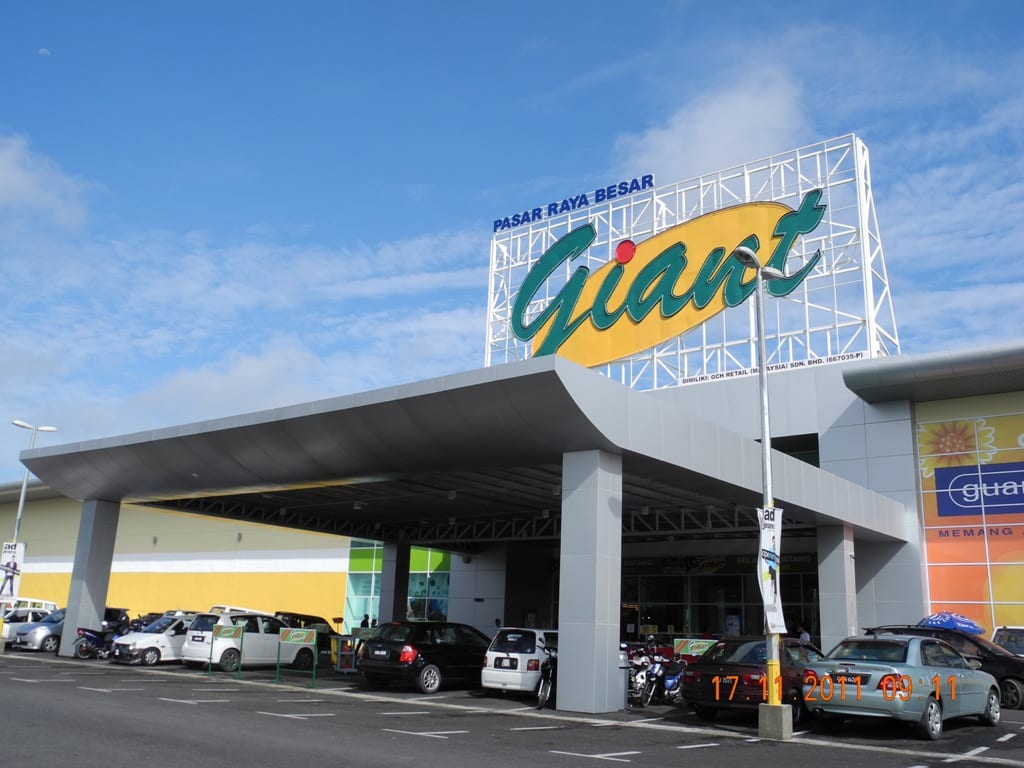
    From today, supermarket chain Giant will lower the prices of 650 daily essentials for six months by 20 percent, on average. It will also refresh its brand, with its 53 Singapore stores incorporating new features including in-store bakeries and Guardian pharmacies.

    The price reduction is costing Giant around $17 million and is prompted by its consumer research found that cost of living concerns are top on people’s minds during the ongoing pandemic, said Dairy Farm’s chief executive officer for its South-east Asia food business Chris Bush yesterday.

    “The one thing that they told us loud and clear is they would like cheaper prices, they’d like greater value and they’d also like more stable prices, particularly on those essential products that they buy most often,” he told reporters during a media conference.

    The price reductions will apply to products across Giant’s own brands, fresh products as well as national brands like Dove. Vannamei prawns, for example, will be sold for $1 per 100g, down from $1.89 previously. A box of 50 green tea bags by OSK will retail for $5, down from $6.95. About 2,000 new products have also been added to Giant’s stores, along with such features as $1 zones and stalls selling fried chicken.

    Only its hypermarkets in Tampines and IMM will have the full range of new offerings, owing to space constraints. Giant’s move to make essentials more affordable follows FairPrice’s price freeze of 100 house brand items, which began in March last year and will run until the end of this year.

    Asked if it was influenced by FairPrice’s price freeze and foray into the hypermarket format, Mr Bush said Giant’s plans are based on customer feedback and not a response to any particular competitor.

    The closure of several of Giant’s bigger stores in recent years – including those at VivoCity and Parkway Parade – are part of the group’s normal business review and leasing arrangements, he added.

    “Every now and again, unfortunately, we need to close some stores, but at the same time, we open a lot of stores. So I wouldn’t read anything more into that.”

    Beyond the physical revamp, Giant is also working on improving store operations, hygiene standards, product availability and service levels, he said.

    The $17 million it will forgo in cutting prices is largely funded from the savings amassed from higher productivity and supply chain efficiencies, he added, declining to disclose the total cost of its rebranding exercise.

    Mr Lee Yik Hun, marketing director of South-East Asia Food at Dairy Farm Group, said Giant hopes to maintain the price reductions beyond the six-month commitment.

    “The only way we can do it is to get the volume and support from our customers and supplier partners,” he added.

  • Price Kaki to launched by Customers Association of Singapore

    Price Kaki to launched by Customers Association of Singapore

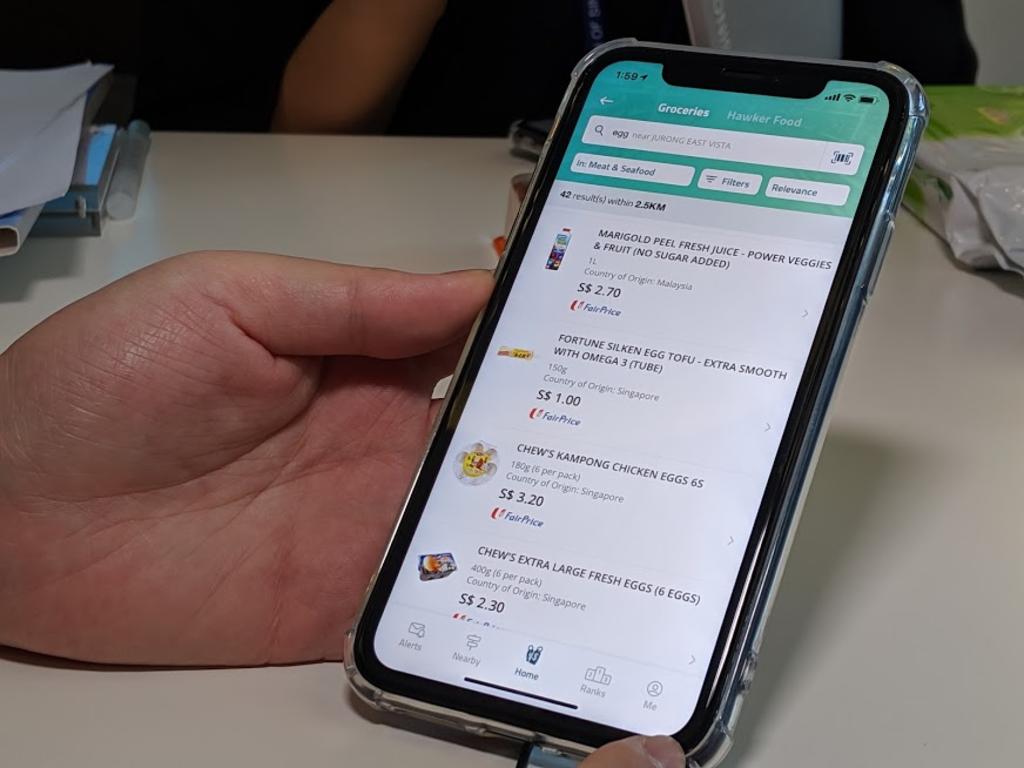
    The Consumers Association of Singapore (Case) has released an app rewarding users for sharing pricing information to allow comparisons while shopping.

    Users of the Price Kaki app, which is expected to launch at the end of this month, can submit photos of any prices they come across while shopping for hawker food or groceries, allowing other users to save costs. Contributors to the pricing information platform are eligible to claim rewards such as film vouchers.

    Price Kaki’s base pricing information will be updated daily by FairPrice, Giant, Sheng Siong and Prime Supermarket.

    Future updates to the app are expected to be broad-ranging and include other businesses such as cafes.

  • Mahindra Sales Grow By 11% Last Year

    Mahindra Sales Grow By 11% Last Year

    Indian auto giant Mahindra & Mahindra (M&M) registered a growth of 11 per cent in auto sales for the financial year 2018-19. The automaker sold 608,596 units in the previous fiscal, as opposed to 549,153 units sold in FY2017-18. The company’s steady growth was visible in the March 2019 sales results as well with Mahindra selling 62,952 units, as against 62,076 units in March 2018. The automaker saw a hike of one per cent in its sales for the previous month.

    Commenting on the performance, Rajan Wadhera, President, Automotive Sector, Mahindra said, “We have closed FY-19 with robust double digit growth of 11 per cent at an overall level, despite strong headwinds faced by the Indian automotive industry this year. This growth has been supported by our three new product launches, which have been well received in the market. The commercial vehicles segment and exports have also posted strong growth rates of 15 per cent and 37 per cent respectively.”

    Mahindra’s domestic sales stood at 59,012 units for March 2019, growing by one per cent over 58,652 units sold in March last year. The Passenger Vehicle segment that includes UVs, cars and vans contributed 27,646 units to last month’s sales, registering a growth of four per cent over 26,555 units sold in March 2018. The commercial vehicle segment meanwhile saw sales decline by four per cent with 24,423 units sold in March this year, as against 25,495 units sold in March last year.

    The Medium and Heavy Commercial Vehicles segment saw Mahindra sell sold 917 units, which also saw sluggish volumes with a decline of 33 per cent in year-on-year sales. Nevertheless, exports dor March 2019 stood at 3940 vehicles, growing by 15 per cent, while three wheeler sales for the previous month grew by five per cent at 6943 units.

  • SEA gives struggle to Dairy Farm International

    SEA gives struggle to Dairy Farm International

    “Significant challenges” across the Southeast Asian supermarket business are continuing to test Hong Kong-listed multi-format retailer Dairy Farm International. In a management statement discussing the company’s third-quarter performance – which did not include any figures – Dairy Farm said its businesses produced “mixed results” with a strong performance in health and beauty and good results from home furnishings and restaurants divisions. However, the performance of the Hong Kong supermarkets business has softened.

    The company said the Southeast Asian grocery store business – Cold Storage and Giant stores in Singapore and Malaysia – is expected to continue for the remainder of the year with the group’s full year results expected to be impacted by increasing costs from ongoing investment in technology, supply chain infrastructure, stores and people in order to improve the long-term performance of the business. Sales and profits fell in its supermarkets in both countries. Falling sales in Indonesia were mitigated by management action which resulted in reduced losses there.

    In North Asia, sales from the food businesses were slightly ahead of the same period last year, but profits were lower as a result of weakening margins and continued cost pressures, particularly from increased rents.

    However, the health and beauty businesses in Hong Kong and Macau (Guardian stores) delivered “strong sales and profit growth”.

    The Philippines food business showed good sales growth, benefitting from the opening of several new stores, but profit was slightly behind the prior year due to increased operating costs. There was continuing good sales and profit improvement in the group’s health and beauty businesses, notably in Malaysia and Indonesia.

    Ikea’s sales and profits were ahead of last year in Taiwan and Indonesia. In Hong Kong, sales were higher, supported by the new store which opened last year; however profits were lower as a result of higher operating costs.

    In Hong Kong, Maxim’s delivered another record-breaking mooncake sales performance during Mid-Autumn Festival, which was earlier than last year, and helped drive sales and profit higher during the period. Supermarket Yonghui reported strong sales growth in the quarter but profit was lower than the prior year due to investment in new formats and the additional costs of the new employee incentive scheme.

    Approval was received from the Philippines Competition Commission in August for the combination of Dairy Farm’s Food business in the Philippines with Robinsons Retail Holdings, with completion expected to take place within weeks.

    In early October Dairy Farm agreed to acquire the remaining 51 per cent interest in Rose Pharmacy in the Philippines, which is now subject to regulatory approvals.

    Dairy Farm, together with its associates and joint ventures, operate more than 7400 outlets, including supermarkets, hypermarkets, convenience stores, health and beauty stores, home furnishings stores and restaurants – employing more than 200,000 people. Total sales last year exceeded US$21 billion.

  • Dairy Farm sales stagnate

    Dairy Farm sales stagnate

    Dairy Farm sales were described as “flat” in the third quarter to September 30.

    The Hong Kong-headquartered company said improved performances in health and beauty, Ikea, restaurants and Yonghui were offset by lower sales in the food and grocery division.

    “The lower food division sales, together with new store pre-opening costs in home furnishings, (Ikea) led to underlying profits being marginally below the same period in the prior year,” the company said in a statement issued in London, where it has a secondary listing. “Similar trading conditions are expected to continue for the remainder of the year.”

    Dairy Farm said the weakness seen in food and grocery sales was principally driven by difficult trading for the hypermarket and supermarket operations in Southeast Asia, where it operates Giant hypermarkets and Cold Storage supermarkets. It says reviews of “a number of the businesses” are being undertaken.

    The results from greater China (including its Hong Kong Wellcome supermarkets) showed improvement over the same period last year. Convenience store operations (including 7-Eleven stores in Hong Kong and Singapore) produced improved sales and profitability.

    Yonghui reported a strong 20 per cent  growth in revenue and 131 per cent increase in profit in the quarter.

    Improved sales in the health and beauty division (Manning’s, Guardian and Rose Pharmacy) were driven principally by a strong performance in Hong Kong and Macau. Home Furnishings (Dairy Farm has the Ikea franchises in Hong Kong and Taiwan) traded well, although profitability was reduced due to pre-opening expenses for the new store in Hong Kong.

    Maxim’s (which also includes Starbucks operations in Hong Kong, Vietnam and Cambodia) had a seasonally strong quarter in both sales and profit, benefiting from record mooncake sales during the Mid-Autumn Festival period. In September, Maxim’s acquired the existing business and exclusive rights to operate and develop Starbucks franchise stores in Singapore.

    In August, the group completed the acquisition of the remaining 34 per cent interest in Rustan’s in the Philippines from its joint venture partner.

  • Japanese Retail Giant Accepts Bitcoin Nationwide after Successful Trial

    Japanese Retail Giant Accepts Bitcoin Nationwide after Successful Trial

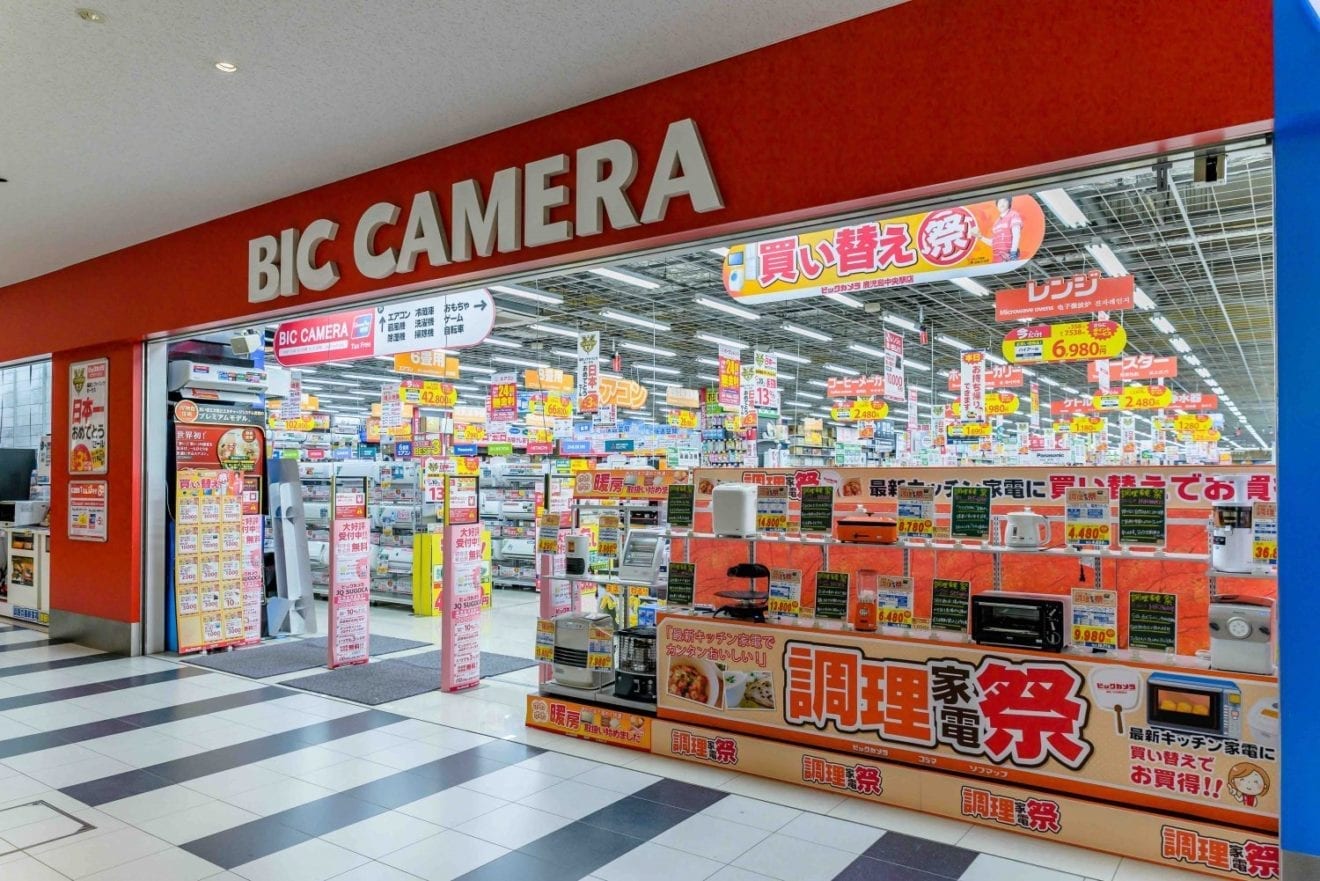
    Japanese electronics retailer Bic Camera will enable bitcoin payments across all stores in the country this month. Tokyo-based consumer electronics retail chain Bic Camera becomes the latest major retailer to accept bitcoin throughout Japan, a report confirmed today.

    The trial proved to be beyond successful.

    According to today’s report, the ‘more-than-expected’ popularity of bitcoin payments has led to Bic Camera expanding bitcoin payments at more than 40 stores domestically.

    Bic Camera first announced a trial run of accepting bitcoin payments from shoppers at the retail group’s flagship store in Tokyo and another store in the city. Customers could pay up to ¥100,000 (approx. $900) for purchases of consumer electronics such as cameras, laptops, audio equipment and more.

    The retailer partnered Tokyo-based bitFlyer, an industry startup and Japan’s largest bitcoin exchange, to install the point-of-sale (PoS) payments infrastructure. As a payments processor, bitFlyer’s gateway converts the bitcoin into fiat immediately upon payment. These fiat funds are then transferred to the retailer the following day. bitFlyer charges a 1% service fee on transactions.

    Bitcoin’s growing popularity in Japan, following recent legislation that acknowledged bitcoin as a legal method of payment, will also see Bic Camera accept bitcoin at 139 subsidiary Kojima stores in suburbs across Japan.

    Last month, bitFlyer’s chief financial officer Midori Kanemitsu revealed that the number of retail storefronts accepting bitcoin is “expected to rise to 300,000” this year. Japanese bitcoin startup BITPoint was revealed to be in discussions with a payments terminal operator that could see digital currencies accepted at hundreds of thousands of Japanese retailers.

    Japan also ended the 8% consumption tax on bitcoin purchases in July, making adoption attractive for new investors and consumers preferring cashless payments.

    All of this, at a time when the Japanese government is making marked moves toward embracing cashless payments by mandating a growth strategy to double digital payments over the next decade.