Tag: Google

  • Ex-Google Indonesia Director Employed as Vice Chairman of MatahariMall.com

    Ex-Google Indonesia Director Employed as Vice Chairman of MatahariMall.com

    Lippo Group, one among Indonesia’s largest enterprise conglomerates, has appointed Rudy Ramawy, former nation director for Google Indonesia, as vice chairman of its e-commerce unit MatahariMall.com.

    Rudy served as director of Google Indonesia from January 2012 to March 2015, main the opening of Google’s operations within the nation, Lippo stated in a press release on Monday. At Google, he additionally helped launch YouTube Indonesia and Google Road View.

    Rudy — who studied on the College of California, Berkeley — beforehand served as a programming and manufacturing director at Indonesia’s oldest personal tv operation RCTI.

    Lippo additionally appointed know-how entrepreneur Hadi Wenas as MatahariMall.com’s chairman and Emirsyah Satar, former president director of nationwide flag service Garuda Indonesia, as a commissioner.

    “I really feel very honored to be working with a tremendous staff consisting of Emirsyah Satar and Hadi Wenas. I consider with our group, MatahariMall could possibly be the most important e-commerce [company] in Indonesia,” Rudy stated within the assertion.

    Rudy is optimistic of the rising potential of e-commerce in Indonesia, saying that that in lots of nations, e-commerce has confirmed to be the simplest financial increase that provides equal alternative to small, center and big-sized corporations.

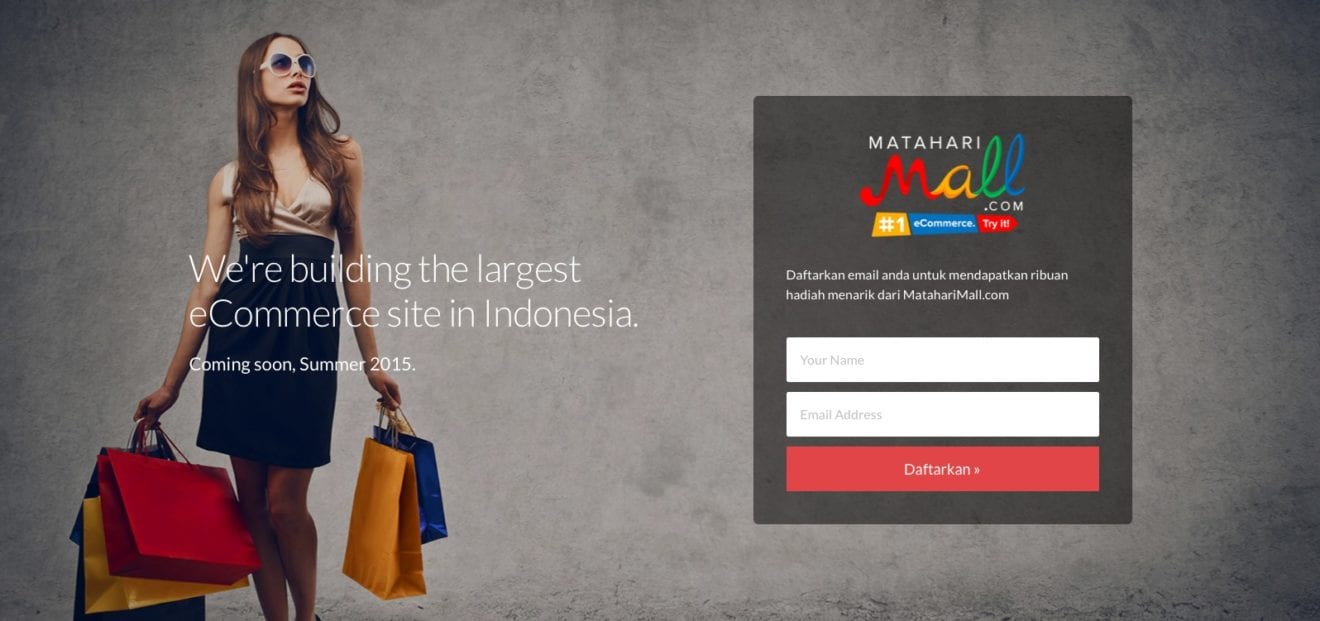
    MatahariMall.com says on its web site that it expects to start out operations in the summertime of 2015.

  • Google unveils world first store

    Google unveils world first store

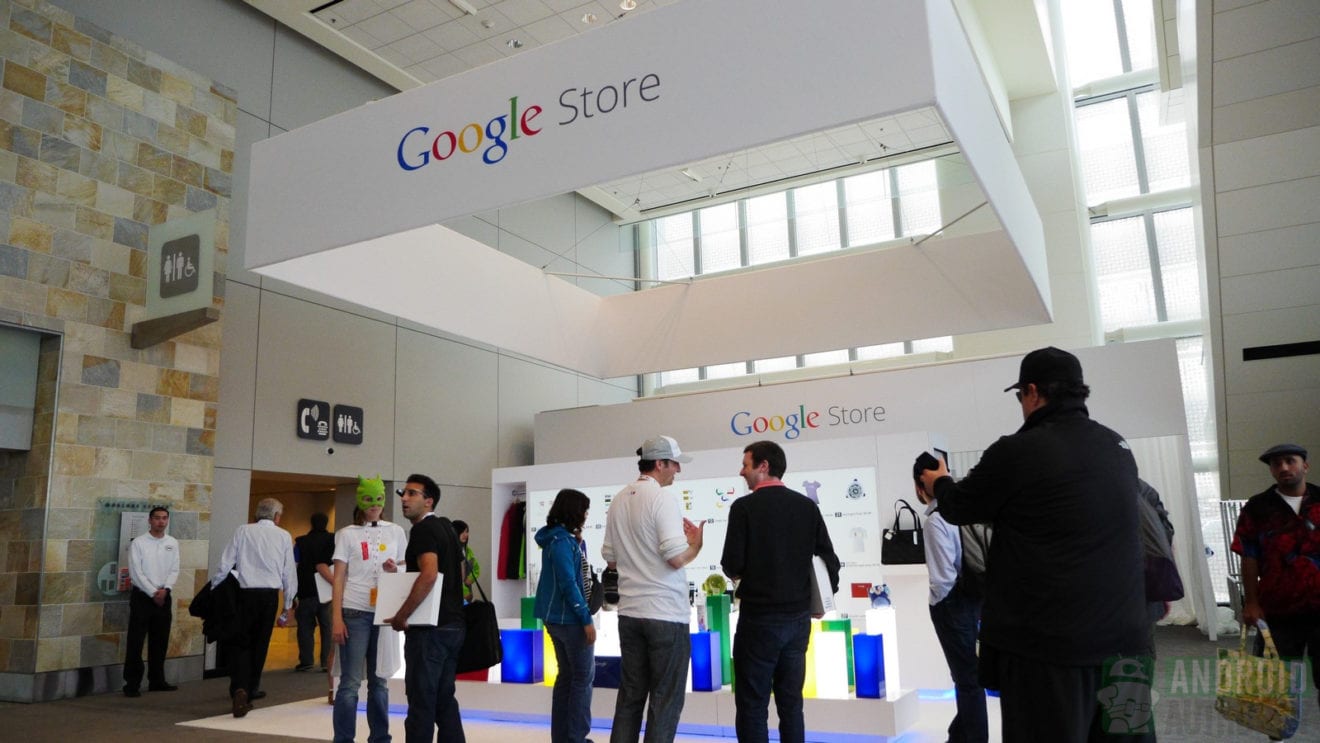
    Google has unveiled its first ever shop in shop concept at Currys PC World, in the technology hub of London’s Tottenham Court Rd.

    This is the first Google Shop experience anywhere in the world. There will be two more later on in the year in Currys PC World’s Fulham and Thurrock Megastores, in the UK.

    The Google Shop offers customers the chance to sample Google’s range of android phones and tablets, Chromebook laptops and Chromecasts and learn about how they work together.

    Visitors can also sample Google’s software tools and apps on a surround screen installation called The Portal, which enables users to search through Google Earth on the big screen.

    The store features a doodle wall where budding graffiti artists can use digital spray cans to paint their own take on Google’s logo, which they are then encouraged to share on social media.

    Customers can use a Chromecast pod to watch Google Play movies, YouTube and more, through a Chromecast dongle that converts any TV into a smart TV.

    The Google Shop will host regular classes and events for the public.

    Classes will range from online security to simply learning how devices work, and understanding how different devices work together to enable a more connected lifestyle.

    Virtual Space Camps will be offered to teach children the basics of coding and teachers will be invited to Open House events, to keep up to speed on the free educational tools on offer from Google.

    Google’s James Elias said the new store concept is a genuinely unique try before you buy experience.

    “The pace of innovation of the devices we all use is incredible, yet the way we buy them has remained the same for years. With the Google shop, we want to offer people a place where they can play, experiment and learn about all of what Google has to offer; from an incredible range of devices to a totally connected, seamless online life.”

  • Google Wallet partners up to battle Apple Pay

    Google Wallet partners up to battle Apple Pay

    Google said on Monday it was teaming up with the mobile phone payment firm Softcard to ramp up its efforts to counter Apple Pay in the emerging sector.

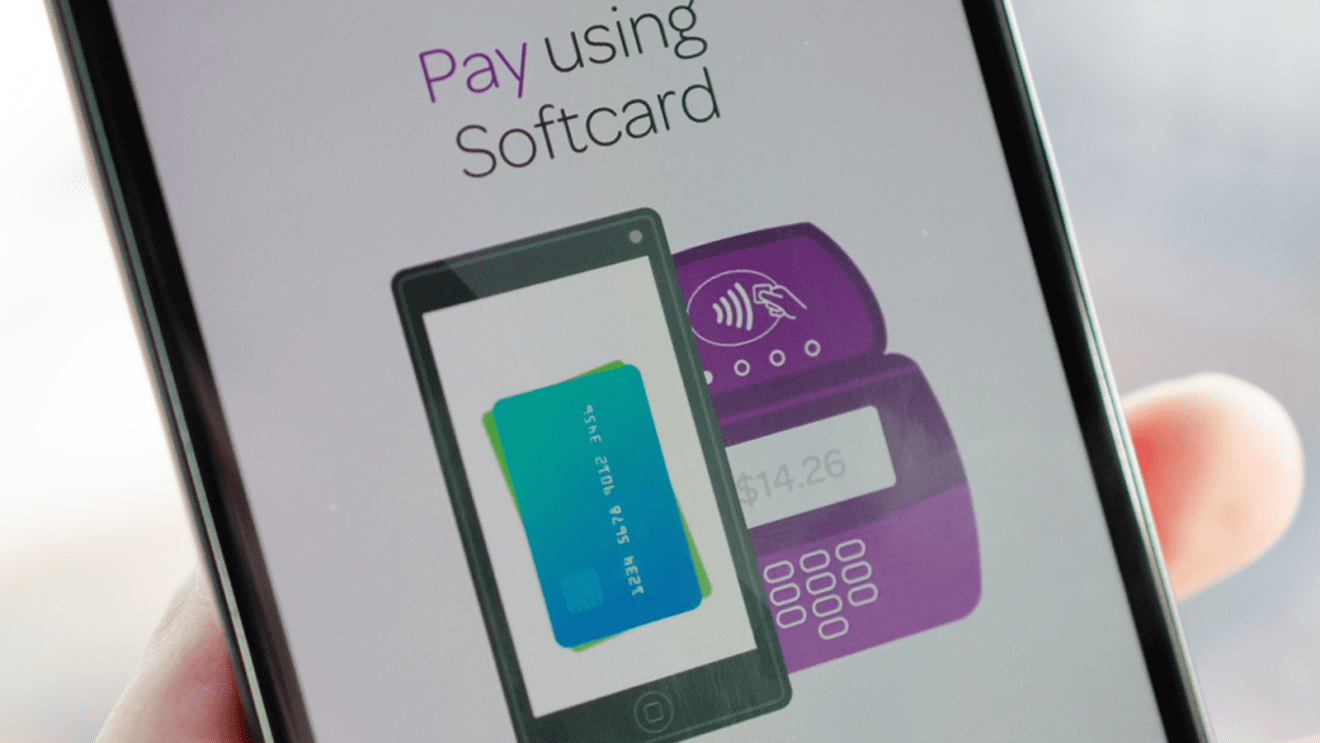
    The California tech giant announced Google Wallet would become a pre-installed “tap to pay” app on Android smartphones sold in the US market by AT&T, T-Mobile and Verizon, as part of the deal with the carriers’ mobile payments company Softcard.

    The aim is “to help more Android users get the benefits of tap and pay,” said Google Payments vice president Ariel Bardin.

    “We’re also acquiring some exciting technology and intellectual property from Softcard to make Google Wallet better.”

    The move gives Google and its large base of Android smartphones a stronger position to challenge Apple Pay, the mobile payments system introduced on the latest iPhones last year.

    A statement from Softcard — which was founded by the three carriers last year in a push for mobile payments — said the deal with Google would “bring together leading technologies to advance mobile wallets.”

    “For now, Softcard customers can continue to tap and pay with the app,” the statement said.

    “Today’s announcement is a positive step forward for the mobile payments industry and wireless consumers.”

    Bryan Yeager, analyst at the research firm eMarketer, said the deal “will help get Google Wallet in front of more potential users, but the mobile payments space in the US will continue to be competitive and fragmented for at least the next few years.”

    Yeager noted that Samsung’s announcement last week that it was buying digital wallet firm LoopPay “shows that deal activity doesn’t necessarily equate to market consolidation.”

    LoopPay technology is compatible with approximately 90 percent of retail terminals to let customers tap their phones for payment with registered credit cards, according to Samsung.

    LoopPay has been built into smartphone cases as well as into fobs, or dongles, and transmits credit card data using magnetic fields to point-of-sale terminals to effectuate transactions.

  • Google unveils 2 affordable smartphones in Philippines

    Google unveils 2 affordable smartphones in Philippines

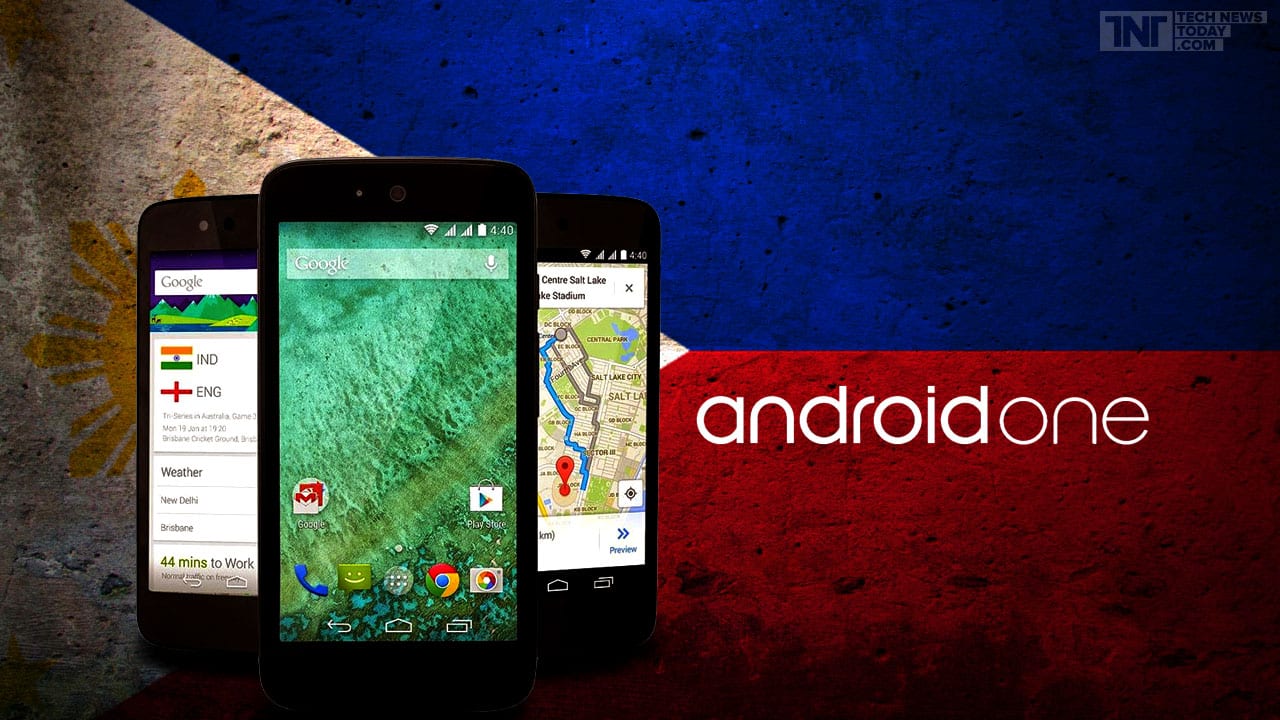
    Google unveiled two affordable smartphones in the Philippines built from the Android One program, a global initiative to bring high-quality smartphones to emerging markets.

    The two phones, developed by local manufacturers Cherry Mobile and MyPhone, will retail for PHP5,000 (USD113.4) in the coming weeks.

    Caesar Sengupta, Vice President, Product Management, Google, said the Philippines is the sixth country in Asia where the Android One program was rolled out, after India, Bangladesh, Nepal, Sri Lanka and Indonesia.

    Android One phones come with the latest version of Android Lollipop and the two phones that will sell in the Philippines will both have 4.5” FWVGA display, Cortex A7 1.3 GHz Quad-Core processor, 1GB RAM, 2 SIM card slots, and front and rear facing cameras and 4GB and 8GB storage (expandable to 32GB).

    Sengupta said Google is also working to reduce data costs for Android One users in the Philippines. For one, the data compression feature on the Android One Chrome browser helps compress the amount of data flowing between the phone and the Internet.

    The Philippines is one of the few countries where YouTube users can take videos offline to watch later during periods of low or no Internet connectivity.

    Telecommunications companies Smart Communications Inc, and Sun Celluar are pitching in effort to make the mobile experience better for users through free over-the-air (OTA) updates to the Android operating system and certain amounts of app downloads from Google Play for the first six months.

    Globe Telecom, on the other hand will be working with Android One users to better access the Internet through its network.

    Ken Lingan, Google’s Country Manager for the Philippines, said during the launch that the country now has over 44 million Internet users. The projection is that by 2016 there would be 66 million Filipinos online.

    “Currently, the Philippines is already the second largest Internet market in Southeast Asia, the 6th largest in Asia. The numbers are growing. There is a massive potential that we see for e-commerce and growing content online because as we see more Filipinos going to the Internet primarily through a mobile device,” he said.

    Sengupta said that it is part of Google’s mission to help connect the four billion or so people around the world who still do not have access to smartphones and are not yet online, mostly in emerging markets like the Philippines.

    “There are lots of first smartphone users do not really get a very nice experience with their gadgets, the software are pretty old and connectivity is expensive and the bandwidth limited,” Sengupta added. “We put together this programming called Android One as an integrated approach to try to solve these problems.”

    Mobile Internet in the Philippines is growing 112 percent year-on-year. By the end of this year, Google expects 50 percent of the population with smartphones. This growth is largely being powered by Android.