Retail News CRM

Tag: grab

  • Singapore Exchange Broadens Horizons with SpaceX and Grab Depository Receipts Launch

    Singapore Exchange Broadens Horizons with SpaceX and Grab Depository Receipts Launch

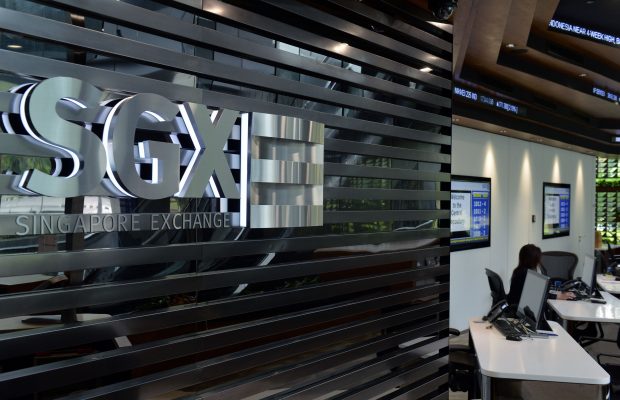
    Singapore Exchange (SGX), the country’s stock exchange, has announced that it will introduce depository receipts for three major tech companies: SpaceX, Grab, and Sea. This announcement was made on Tuesday, with the trading of the depository receipts set to commence the following day. The addition of these companies allows investors to trade in Singapore Dollars during local trading hours.

    The introduction of these three businesses expands the SGX’s offering to a total of 38 depository receipts, adding to those already available from companies across Thailand, Indonesia, Hong Kong, and the United States. This expansion serves to further diversify and enhance the offerings available to investors in the local market.

    The Impact on Retail Investors

    The SGX highlights that the inclusion of these companies, especially the launch of SpaceX’s depository receipts following its historic IPO last month, provides retail investors with unprecedented access to these equities. The depository receipts offer a simplified and convenient method for investors to gain exposure to these equities, using local currency.

    Grab and Sea, while both listed in the U.S., are headquartered in Singapore, further solidifying the SGX’s position as a global hub for investment. Bernice Tan, a representative from the Securities Market & Depository with SGX, expressed that the new addition mitigates traditional challenges such as foreign exchange friction and the complexities of overseas markets. She added that this allows investors to build a globally diversified portfolio in the Singapore Dollar, within a familiar trading environment.

    Questions & Answers

    What is the significance of introducing depository receipts for SpaceX, Grab, and Sea to the Singapore Exchange?
    Introducing depository receipts for these companies provides investors with more diversification options. It allows them to invest in these companies using local currency and during local trading hours.

    How does the introduction of these companies impact the SGX’s portfolio?
    The addition of SpaceX, Grab, and Sea expands the SGX’s portfolio to a total of 38 depository receipts, alongside those from Thailand, Indonesia, Hong Kong, and the U.S., enhancing its offerings.

    What advantages do these new additions offer to retail investors?
    The new additions provide a simplified and convenient way for retail investors to gain exposure to these equities, mitigating challenges such as foreign exchange friction and overseas market complexities.
  • Grab and GoTo Yield to Pressure: Slash Driver Commissions in Indonesia

    Grab and GoTo Yield to Pressure: Slash Driver Commissions in Indonesia

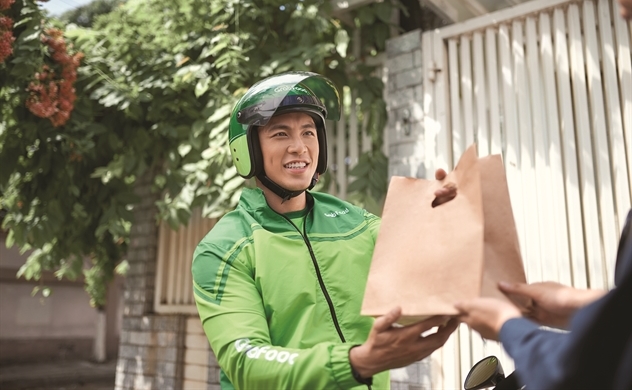
    Indonesia’s GoTo, a ride-hailing and food delivery company, alongside Singapore-based Grab, announced they will reduce the per-trip commissions for their two-wheeled driver partners in Indonesia. Beginning July 1, the commission rate will be slashed from 20% to 8%.

    Implementation of Reduced Commissions

    Indonesia’s President, Prabowo Subianto, first brought up the idea of an 8% cap on commissions in his speech on May 1. However, he did not provide details regarding when this initiative would be implemented.

    GoTo’s VP Director, Catherine Hindra Sutjahyo, expressed the company’s support for the initiative at a press conference. “We support the efforts to continue increasing the prosperity of the drivers,” she stated.

    Neneng Goenadi, Grab Indonesia’s CEO, echoed Sutjahyo’s sentiments. Both leaders confirmed that their respective companies will start applying the new 8% commission rate from July 1.

    Impact on Ride-Hailing Platforms

    This development was first reported in January, with concerns raised about its potential effect on the profitability of ride-hailing platforms, particularly in Southeast Asia, which serves as their largest market.

    Cucun Ahmad Syamsurijal, the Deputy Parliament Speaker, lauded the reduced commissions as a testament to President Prabowo’s administration’s commitment to supporting all ride-hailing drivers in the country.

    Questions & Answers

    **What is the new commission rate for two-wheeled drivers for GoTo and Grab in Indonesia?**
    The new commission rate is 8%, reduced from the previous rate of 20%.

    **When will the new commission rate take effect?**
    The new commission rate will be implemented starting July 1.

    **What potential impact could this reduction have on ride-hailing platforms?**
    The reduction could potentially affect the profitability of ride-hailing platforms, particularly in Southeast Asia, their largest market.

  • Grab Powers Through 2026 with Record Q1 Results and Bold Expansion Beyond Southeast Asia

    Grab Powers Through 2026 with Record Q1 Results and Bold Expansion Beyond Southeast Asia

    Southeast Asian superapp, Grab, has reported its strongest first quarter to date, with plans to expand beyond its home market for the first time. It plans to do so with an investment of $600 million.

    Grab’s CEO and co-founder, Anthony Tan, expressed his satisfaction with the results, stating that the company achieved its objective of starting 2026 robustly. Grab recorded a revenue of US$955 million for the first quarter, which ended on March 31, representing a year-on-year increase of 24%. Its adjusted EBITDA reached US$154 million, up by 46% from the same period in the previous year, marking the company’s seventeenth consecutive quarter of EBITDA growth.

    Despite the period being typically quiet due to the Ramadan fasting month and Lunar New Year celebrations, the company managed to increase its number of monthly transacting users by 16% to 51.6 million.

    Growth Across Segments

    The overall gross merchandise value of Grab’s deliveries and mobility segments rose to US$6.1 billion in the quarter, with the delivery sector growing by 25% and mobility by 23%, year-on-year. The company’s financial services also observed a 43% leap in revenue to US$107 million.

    However, the company faces operational challenges due to the regional surge in fuel prices—an issue with no straightforward solution for a business model that depends on daily refuelling by millions of driver-partners. To navigate this issue, Grab launched various initiatives in March, including multi-partner fuel discount programs and restructuring incentive models to maximize driver earnings. Grab also collaborated with governments to ensure driver-partners could access available transport-worker fuel subsidies.

    Recently, Grab became the first platform to offer point-to-point cross-border taxi services between Singapore and Malaysia, one of the world’s busiest international land border crossings.

    Expansion Plans

    During the quarter, Grab agreed to acquire Delivery Hero’s foodpanda delivery business in Taiwan for US$600 million in cash. This represents Grab’s first expansion beyond Southeast Asia in its 14-year history. The acquisition is expected to be finalised in the second half of the year, expanding Grab’s presence across 21 cities. Upon completion, Grab would hold a market share of just over 50%, positioning it as a formidable competitor to Uber Eats.

    Moving forward, Grab’s full-year guidance remains unchanged, with predictions of 20% to 22% growth in revenue and 40% to 44% growth in adjusted EBITDA. The company expects in-demand GMV growth in each remaining quarter of this year.

    Questions & Answers

    What is Grab’s first quarter revenue for 2026?
    Grab reported a revenue of US$955 million for the first quarter of 2026.

    What operational challenges is Grab facing?
    Grab is facing operational challenges due to the regional surge in fuel prices affecting millions of its driver-partners.

    What is Grab’s expansion plan?
    Grab plans to acquire Delivery Hero’s foodpanda delivery business in Taiwan, marking its first expansion beyond Southeast Asia.

  • Grab Defies Fuel Crisis with Double-Digit Growth: Record Earnings and Soaring Demand in Q1

    Grab Defies Fuel Crisis with Double-Digit Growth: Record Earnings and Soaring Demand in Q1

    Singapore-based Grab Holdings kicked off the new financial year on a high note, reporting double-digit growth in its first-quarter revenue and earnings, reflecting the company’s robust resilience in the face of market fluctuations.

    Impressive First-Quarter Results

    Grab’s revenue for the first quarter, ending March 31, climbed by 24%, amounting to US$955 million. This represents a 19% increase when considered on a constant currency basis.

    The gross value of the company’s on-demand merchandise, a key indicator of transactions from Grab’s mobility and delivery branches, also witnessed a significant jump. It surged by 24% according to reported figures and 21% on a constant currency basis.

    The firm recorded a striking 46% increase in its Adjusted EBITDA, reaching a record-setting figure of $154 million. Profits also displayed an upward trend, going from $10 million in the previous year to $120 million.

    Grab’s Group CEO and Co-founder, Anthony Tan, attributed these strong outcomes to the resilience of the company’s platform, particularly in the face of Southeast Asia’s unpredictable macroeconomic climate, which is currently grappling with a fuel crisis.

    Supporting Driver-Partners Amid Rising Fuel Prices

    Grab acknowledged an increase in its on-demand incentives during the quarter. This move was taken to bolster the earnings of driver-partners as fuel costs across the region spiral upwards. It also aimed to cater to the increased demand during the festive season.

    Segment-Wise Performance

    Looking at the performance of different sectors, the delivery revenue witnessed a 23% surge, totaling $510 million. The mobility revenue increased by 19%, amounting to $337 million. The financial services sector also saw a boost in revenue, with a 43% rise that led to $107 million.

    Outlook for the Full Year

    For the upcoming year, Grab maintains its revenue forecast, predicting a figure between $4.04 billion and $4.10 billion, indicating a 20-22% rise. The Adjusted EBITDA is also expected to grow by 40-44%.

    As the company moves forward, it reaffirms its commitment to ensuring durable, profitable growth while standing in solidarity with its communities. According to Tan, the company plans to leverage AI to deliver hyper-personalized experiences for users while creating more sustainable earning opportunities for ecosystem partners.

    Expansion Beyond Southeast Asia

    Earlier this year, Grab made its debut outside Southeast Asia by acquiring Delivery Hero’s Foodpanda business in Taiwan for $600 million.

    Questions & Answers

    What was Grab’s first-quarter revenue?
    Grab’s revenue for the first quarter was US$955 million, representing a 24% increase.

    What steps has Grab taken to support its driver-partners amid the fuel crisis?
    Grab has increased its on-demand incentives to bolster the earnings of driver-partners affected by rising fuel costs.

    What are Grab’s revenue predictions for the upcoming year?
    Grab estimates its revenue to be between $4.04 billion and $4.10 billion, indicating a 20-22% rise.

  • Grab Acquires Foodpanda Taiwan in $600M Deal: A Bold Leap in Global Expansion Strategy

    Grab Acquires Foodpanda Taiwan in $600M Deal: A Bold Leap in Global Expansion Strategy

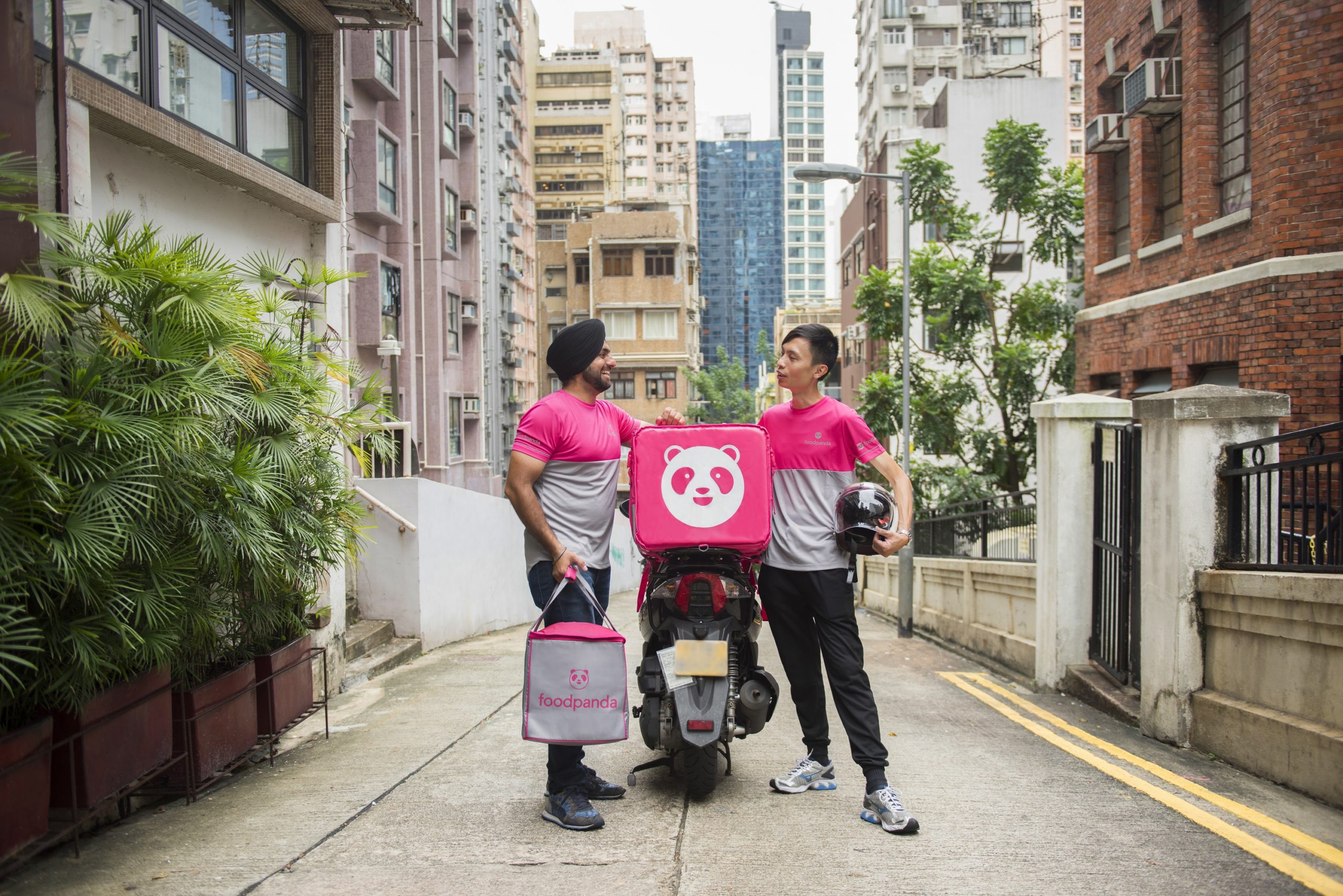
    In an ambitious move towards global expansion, Grab, Southeast Asia’s leading ride-hailing and delivery company, has announced its first venture beyond its home territory. The Singapore-based firm will acquire the Taiwan branch of Delivery Hero’s Foodpanda service in a cash transaction amounting to $600 million.

    Acquiring a Strong Foothold in Taiwan

    By acquiring Foodpanda Taiwan, Grab gains a significant operational presence outside of Southeast Asia. This acquisition is seen as a strategic part of Grab’s broader expansion plan, which is primarily focused on artificial intelligence, introducing new services, and making selective overseas deals.

    Grab’s group CEO and co-founder, Anthony Tan, believes that the company’s vast experience in the Southeast Asian market will be a perfect match for the Taiwanese market. “This is a natural next step for Grab,” he said.

    Deal Details and Future Prospects

    The expected completion of the deal, which is subject to regulatory approval and other closing conditions, is slated for the latter half of 2026. The venture is anticipated to contribute at least $60 million in incremental adjusted core earnings (EBITDA) by 2028.

    In Taiwan, Foodpanda generated around $1.8 billion in gross merchandise value in 2025 and was profitable before Delivery Hero group cost allocations.

    Earlier this year, it was reported that Grab has set targets for its revenue growth, aiming for more than 20% annually over the next three years. The company also plans to triple its EBITDA to $1.5 billion by 2028.

    Grab also reaffirmed its 2026 adjusted EBITDA guidance of $700 million to $720 million. The acquisition is projected to enhance its 2026 group revenue forecast, which currently stands between $4.04 billion and $4.10 billion.

    The company plans to complete the migration of users, merchants, and drivers to the Grab application by early 2027.

    Delivery Hero’s Strategic Move

    The CEO of Delivery Hero, Niklas Oestberg, stated that the sale of the Taiwan branch is a crucial first step in reviewing the group’s activities strategically. The proceeds from the deal will be used to pay off the company’s debts.

    Despite facing criticism from shareholders, most notably Aspex Management, for the company’s perceived slow progress in strategic review and a near one-third decrease in share value, Delivery Hero’s shares rose nearly 11% following the announcement of the deal.

    Aspex Management released a statement saying that while divesting assets is a positive step, more needs to be done for Delivery Hero to regain trust from capital markets, particularly as it continues to accumulate regulatory fines and inefficiently manage capital.

    Questions & Answers

    What will be the value of the acquisition deal between Grab and Foodpanda Taiwan?
    Grab will pay $600 million in cash to acquire Foodpanda Taiwan.

    When is Grab expected to complete the migration of users, merchants, and drivers to its app?
    The migration process is expected to be completed by early 2027.

    What will be the use of the proceeds from the sale of Foodpanda Taiwan?
    Delivery Hero plans to use the proceeds from the sale to repay its debts.

  • Grab Seals $600M Deal for Foodpanda Taiwan, Marks Historic Expansion Beyond Southeast Asia

    Grab Seals $600M Deal for Foodpanda Taiwan, Marks Historic Expansion Beyond Southeast Asia

    The Singapore-founded super app, Grab, has declared its venture beyond Southeast Asia with a proposed acquisition of Foodpanda’s Taiwan operation, owned by Delivery Hero, for a cash sum of US$600 million. This acquisition is anticipated to conclude in the second half of the current year, pending regulatory approvals, and will be conducted on a cash-free, debt-free basis.

    Integrating Foodpanda

    Following the acquisition, Grab intends to incorporate Foodpanda Taiwan into its extensive delivery ecosystem. The company has plans to introduce its AI-driven logistics, mapping, and personalisation tools to improve service quality for consumers, merchants, and delivery associates. The aim is to deliver these improvements by leveraging its advanced technology and extensive experience in managing complex delivery logistics for densely populated and high-traffic cities.

    An Exciting Expansion

    The acquisition signifies Grab’s initial expansion outside Southeast Asia, making Taiwan the company’s ninth market. Anthony Tan, Group CEO and co-founder of Grab, expressed his enthusiasm for the expansion, stating that their experience in Southeast Asia makes Taiwan a logical next step. He also commented on how their expertise in dealing with complex delivery logistics in bustling cities is perfectly tailored for Taiwan’s thriving urban centres.

    Upon completion of the acquisition, Grab will be operational in 21 cities across Taiwan. It’s worth noting that Foodpanda Taiwan reported approximately US$1.8 billion in Gross Merchandise Value (GMV) last year, and was profitable on an adjusted EBITDA basis, excluding group costs from Delivery Hero.

    Continuity and Transition

    Until the deal is finalised, Delivery Hero will proceed with the regular operation of Foodpanda Taiwan. Grab has outlined plans to shift users, merchant partners, and driver partners over to the Grab app by the start of next year. The strategy aims to ensure a smooth transition while consolidating its position in the Taiwanese delivery market.

    Questions & Answers

    What is Grab’s plan following the acquisition of Foodpanda Taiwan?
    Grab intends to incorporate Foodpanda Taiwan into its delivery ecosystem and introduce its AI-powered logistics, mapping, and personalisation tools to enhance service quality for consumers, merchants, and delivery associates.

    How does Grab view its expansion into Taiwan?
    Anthony Tan, Group CEO and co-founder of Grab, considers the expansion into Taiwan as a logical next step, given their experience in Southeast Asia. He also mentioned that their expertise in managing complex delivery logistics is well-suited for Taiwan’s bustling urban centres.

    What are the plans for Foodpanda Taiwan users and partners after the acquisition?
    Grab plans to migrate users, merchant partners, and driver partners over to the Grab app by the start of next year. The aim is to ensure a smooth transition and strengthen its position in the Taiwanese delivery market.

  • Grab Sees Stellar Rebound with First Full-Year Profit, Propelled by Record Q4 Earnings

    Grab Sees Stellar Rebound with First Full-Year Profit, Propelled by Record Q4 Earnings

    Grab Holdings, a Singapore-based technology firm specializing in transportation, food, and e-commerce solutions, has reported a prosperous full-year profit. This marks a significant recovery from the financial deficit experienced in the previous year.

    Strong Financial Performance in 2025

    In the fiscal year of 2025, Grab Holdings generated revenues to the tune of US$3.3 billion and secured profits amounting to $200 million. This powerful comeback effectively eclipsed the previous year’s losses, which stood at $158 million.

    In particular, the fourth quarter of 2025 proved to be a strong period for the company, with earnings totaling $906 million. This figure represents a 19% year-on-year increase.

    Group CEO and co-founder, Anthony Tan, expressed pride in the company’s performance. “We concluded 2025 on a high note, posting our first full year of net profit and surpassing 50 million monthly transacting users,” he said.

    Looking ahead, Tan affirmed plans to maintain this positive trajectory. “Our strategy for the coming years revolves around expanding our market reach through increased affordability and reliability. We also intend to leverage product-led innovations to enhance ecosystem engagement and boost user lifetime values.”

    Growth Across Various Segments

    The company’s robust financial performance was driven by growth across several business segments. Revenues from deliveries increased by 18% year-on-year, while mobility revenues witnessed a 15% growth.

    Peter Oey, CFO of Grab, voiced optimism about the company’s long-term financial prospects, citing the strong foundation built thus far. “We forecast generating $1.5 billion in Adjusted EBITDA with an Adjusted Free Cash Flow conversion of 80% by 2028. This positions us well to accelerate our platform ambitions while maximizing shareholder value,” he stated.

    $500 Million Share Buyback Program

    Reaffirming its commitment to shareholders, Grab Holdings has unveiled a $500 million share buyback program.

    Questions & Answers

    What was Grab Holdings’ financial performance in 2025?
    Grab Holdings reported revenues of US$3.3 billion and a profit of $200 million in 2025.

    What strategies does Grab Holdings plan to implement moving forward?
    Grab intends to expand its market reach through increased affordability and reliability and plans to leverage product-led innovations to enhance ecosystem engagement and boost user lifetime values.

    What does Grab Holdings’ share buyback program entail?
    Grab Holdings has announced a $500 million share buyback program as part of its commitment to providing shareholder value.

  • Indonesian Power Players Grab and GoTo Under Government Review for Potential Market-Shaking Merger

    Indonesian Power Players Grab and GoTo Under Government Review for Potential Market-Shaking Merger

    Possible discussions are currently underway in Indonesia regarding a potential merger or acquisition involving Grab, a ride-hailing and food delivery company, and its competitor GoTo, according to a statement made by the presidential spokesperson on Friday.

    The Indonesian government sees the ride-hailing sector as a strategic factor in generating jobs and boosting the economy. Gojek, a subsidiary of GoTo, alone employs more than 3.1 million online riders. Both Grab and GoTo have long been major players in the Indonesian market.

    If a merger or acquisition does take place, the resulting entity would command a staggering market share of over 91 per cent in Indonesia, based on information provided by data analytics firm Euromonitor International.

    An official announcement regarding the possible merger or acquisition will be made shortly, according to Prasetyo Hadi, an Indonesian government spokesperson.

    “Online riders are the heroes of our economy, propelling it forward,” Hadi declared.

    There has been no immediate comment from Grab or GoTo in response to request for statements.

    Previous reports suggested that Grab, which is listed on Nasdaq, was planning to negotiate a deal to acquire GoTo, a smaller rival, in the second quarter of this year and had engaged advisers to assist with the proposed acquisition. According to a source close to the matter, such a deal could value GoTo at approximately US$7 billion.

    As per its 2024 annual report, GoTo is 73.90 per cent owned by foreign investors, including SoftBank Group and Taobao China Holding, a subsidiary of China’s Alibaba Group. The remaining stakes are held by Indonesian investors.

    Questions & Answers

    What is the potential impact of Grab and GoTo’s merger or acquisition on the Indonesian market?
    If Grab and GoTo merge or if one acquires the other, the resulting entity would control over 91% of the Indonesian market, according to data from Euromonitor International.

    Who are the main investors in GoTo?
    Foreign investors, including SoftBank Group and Taobao China Holding, own 73.90% of GoTo. The remainder is owned by Indonesian investors.

    What was GoTo’s potential value earlier this year?
    Earlier this year, a source close to the matter mentioned that a potential deal could value GoTo at around US$7 billion.

  • Grab Soars Past Quarterly Revenue Projections, Fueled by Consumer Adoption of ‘Superapp’ Services

    Grab Soars Past Quarterly Revenue Projections, Fueled by Consumer Adoption of ‘Superapp’ Services

    Grab Holdings Inc. surpassed projected revenues for the third quarter, thanks to strong consumer spending on its ride-hailing and food delivery services. The increase in user numbers can be linked to the company’s efforts in expanding its platform.

    Grab’s Superapp Transformation

    Grab’s initiative to transform into a “superapp” by integrating food and grocery delivery, ride-hailing, and financial services has proven successful. These integrated services offer consumers a comprehensive solution for their daily mobility and lifestyle requirements amidst an unpredictable economic climate. The concept’s popularity has surged, especially in regions where tariffs have reshaped the economy.

    In addition to offering standard services, Grab has been emphasizing more cost-effective options in ride-hailing and food delivery. This strategy aims to appeal to budget-minded consumers and provide a safety net against potential declines in consumer spending.

    According to CFO Peter Oey, approximately one-third of new monthly users in the deliveries segment are drawn from these affordable channels. Furthermore, about 40% of these users have subsequently upgraded to standard products. Oey noted, “We’re observing increased engagement from these saver platforms or these affordable products, and simultaneously, users are spending more frequently as we successfully upsell them.”

    Expansion into Autonomous Vehicles

    As the service sector in Southeast Asia becomes increasingly competitive, Grab is exploring new avenues for growth. One such venture involves leveraging its ride-hailing platform to penetrate the autonomous robotaxis market. Industry analysts predict that this sector will witness considerable growth in the near future.

    The company has also raised the lower limit of its annual revenue forecast from $3.33 billion to $3.38 billion, while the upper limit remains at $3.40 billion. Grab’s revenue for the period stood at $873 million, marginally beating analysts’ average estimate of $872.9 million.

    Additionally, the company has updated its yearly adjusted earnings before interest, taxes, depreciation, and amortisation (EBITDA) forecast. The new range is set between $490 million and $500 million, up from the previous projection of $460 million to $480 million.

    The third-quarter revenue for Grab’s deliveries segment stood at $465 million, slightly under the estimated $470 million.

    Questions & Answers

    What is Grab’s strategy for attracting cost-conscious consumers?
    Answer: Grab has introduced more affordable options in its ride-hailing and food delivery services to attract budget-minded consumers.

    How is Grab planning to expand amidst increasing competition in Southeast Asia’s service sector?
    Answer: Grab is planning to leverage its ride-hailing platform to expand into the autonomous robotaxis market.

    What has been the impact of Grab’s transformation into a “superapp”?
    Answer: The transformation has been successful, as it provides consumers with a one-stop solution for their daily mobility and lifestyle needs in the midst of an unpredictable economic landscape.

  • Ho Chi Minh City’s Ambitious Plan: Complete Transition To Electric Motorcycles By 2029 Amidst Infrastructure Challenges

    Ho Chi Minh City’s Ambitious Plan: Complete Transition To Electric Motorcycles By 2029 Amidst Infrastructure Challenges

    In Ho Chi Minh City (HCMC), approximately 14,000 ride-hailing motorbike drivers have transitioned from gasoline-powered vehicles to electric versions. This represents about 3.5% of the total fleet. Ngo Hai Duong, Head of the Road Transport Management Department of the city’s Department of Construction, revealed at a recent forum that HCMC aims to completely transition its 400,000-strong ride-hailing motorbike fleet to electric vehicles (EVs) by 2029.

    Reducing Registrations for Gasoline-Powered Bikes

    The city has plans to decrease the number of registered gasoline-powered motorbikes for ride-hailing platforms starting next year. Duong revealed that out of the city’s 21,300 taxis, over 68% are now electric. He clarified that this transition was primarily driven by the businesses themselves rather than any city ordinances.

    Challenges in the Transition to Electric Vehicles

    However, one of the main obstacles to the successful transition to EVs is the limited availability of charging stations. The growing demand from electric motorbikes, cars, and buses is starkly in contrast to the city’s fewer than 1,000 charging stations with 15,000 ports. Duong acknowledged that the growth of charging infrastructure has not kept up with the rise in electric vehicle numbers.

    Hoang Anh Tuan, Director of the Transport and Traffic Safety Department of the Ministry of Construction, suggested that priority should be given to a city-wide plan for charging stations, akin to the existing network of gasoline stations. This would require setting criteria for locations and technical standards, along with a commitment to universal charging for all vehicles.

    The Vietnam Automobile, Motorcycle and Bicycle Association echoed this sentiment and urged the government to implement “non-monopoly” regulations for charging infrastructure. This means that charging stations should be open to all electric vehicles.

    Recycling Electric Vehicles and Batteries

    Analysts have proposed the establishment of a system for recycling electric vehicles and their batteries. There is also a proposal being considered by the city to give households up to VND20 million (approximately US$800) to trade their gasoline motorbikes for electric ones. This move is part of the city’s concerted efforts to reduce pollution and create low-emission zones.

    Questions & Answers

    What is the percentage of the total fleet that has transitioned to electric vehicles in HCMC?
    Approximately 3.5% of the total fleet in HCMC has transitioned to electric vehicles.

    What obstacles are being faced in the transition to electric vehicles?
    One of the main challenges is the lack of sufficient charging stations to meet the growing demand from electric motorbikes, cars, and buses.

    What initiatives are being considered to encourage the transition to electric vehicles?
    The city is considering a proposal to provide households with up to VND20 million (approximately US$800) to swap their gasoline motorbikes for electric ones. This initiative is part of the city’s broader efforts to reduce pollution and create low-emission zones.

  • Grab Introduces Electric Car Service In Hanoi, Challenging Xanh Sm’s Market Dominance

    Grab Introduces Electric Car Service In Hanoi, Challenging Xanh Sm’s Market Dominance

    Grab, the renowned ride-hailing company, has launched its electric car service in Hanoi, marking a significant entry into the predominantly electric taxi market, primarily controlled by Xanh SM. This move is a strategic approach by Grab to expand their customer base and champion sustainable transportation options.

    Strategies and Goals

    Nguyen Hanh Linh, the director of Grab Vietnam’s mobility division, revealed that the newly introduced service aims to diversify income opportunities for their driver-partners. This strategy is expected to boost their confidence to make a shift toward electric vehicles. After its launch in Hanoi, Grab has ambitious plans to roll out the service in HCMC.

    The current ride-hailing market in Vietnam is mainly controlled by three major players: Grab, Be, and Xanh SM. Xanh SM stands out by exclusively using electric cars constructed by its sister company, VinFast.

    Customer Choices

    It is noteworthy that Grab users do not have the option to specifically request electric cars. Whether the customer gets a VinFast or BYD electric car is a matter of chance. Grab’s decision to launch the electric vehicle service was influenced by the rising number of electric vehicles on its platform, a trend which has been encouraged by driver incentives in recent years.

    Market Trends and Predictions

    A 2024 report estimated Vietnam’s ride-hailing and food delivery market to be valued at US$4 billion, with the potential to reach up to $9 billion by 2030. A survey conducted in May indicated that 55% of users in major cities chose Grab for ride-hailing services, compared to 32% for Xanh SM and 9% for Be.

    A report by Mordor Intelligence stated that Xanh SM took the lead in the ride-hailing market in the last quarter of 2024, holding a 44.68% share in the second quarter of this year. Grab Vietnam, however, disputed these figures, claiming that the research methods used and data sources were unverifiable and misleading.

    Questions & Answers

    What was the strategic aim behind Grab launching its electric car service in Hanoi?
    The launch aimed to expand Grab’s user base and promote environmentally friendly transportation.

    What is the next city where Grab plans to roll out its electric car service?
    After Hanoi, Grab plans to introduce the service in HCMC.

    How did Grab respond to Mordor Intelligence’s report about Xanh SM’s market lead?
    Grab disputed the findings, claiming that the data sources were unverifiable and the research methods were inadequate, leading to misleading conclusions.

  • Two Chinese Companies Debut Cutting-Edge Autonomous Shuttle Services in Singapore

    Two Chinese Companies Debut Cutting-Edge Autonomous Shuttle Services in Singapore

    In a significant move toward the embrace of autonomous mobility, two Chinese robotaxi companies are set to collaborate with local providers to launch shuttle services in Singapore, marking a new chapter in the city-state’s transportation landscape.

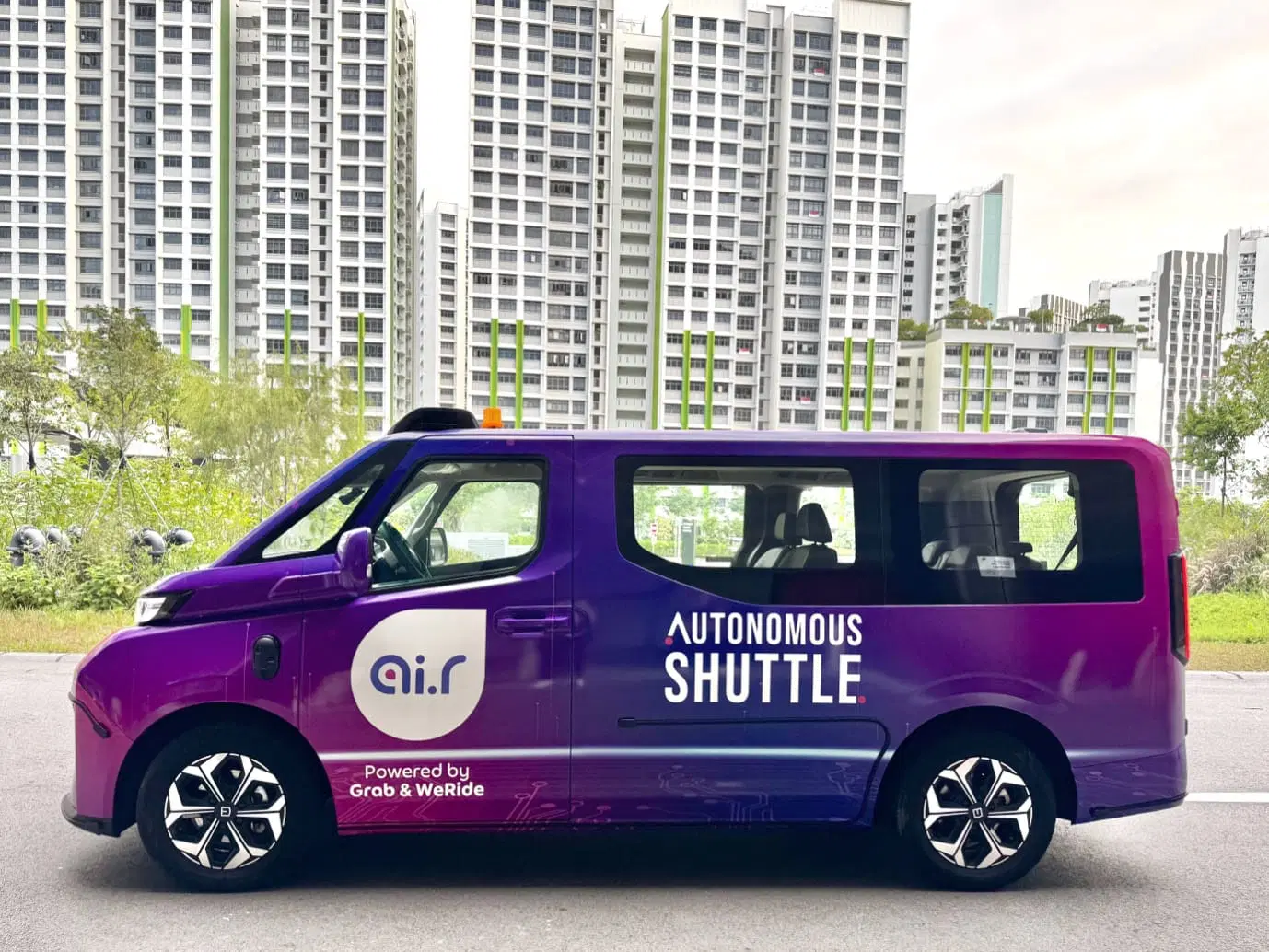
    Ride-hailing giant Grab has partnered with China’s WeRide, aiming to roll out services by early 2026. Meanwhile, Pony.ai is joining forces with Singapore’s ComfortDelGro, planning similar initiatives. The rapid developments signify Singapore’s ambition to become a focal point for autonomous driving technologies.

    Grab confirmed that it has received approval from local authorities to run two autonomous shuttle routes in the Punggol area. Passengers can expect to board WeRide’s five- and eight-seater vehicles following a thorough testing phase designed to fine-tune the service routes.

    WeRide recently secured a permit from the Shanghai municipal government, enhancing its credentials as it prepares to offer autonomous robotaxi services.

    On the other hand, Pony.ai announced its intention to offer services in Punggol with ComfortDelGro, with an ambitious plan to expand to nearby communities as soon as they clear regulatory hurdles. Singapore’s Land Transport Authority has outlined that Pony.ai and ComfortDelGro will service a 12-km (7.5-mile) route in Punggol, capturing the community’s attention with their innovative approach to transport.

    The Land Transport Authority has also recognized the robust capabilities of both WeRide and Pony.ai, noting their successful deployment of automated vehicles in various global markets.

    Currently, Pony.ai operates commercial robotaxis in four of China’s leading cities: Beijing, Shanghai, Guangzhou, and Shenzhen. The company, which has secured backing from Toyota Motor, is also looking to extend its driverless operations to South Korea and parts of Europe, fueled by a $260 million rise in funding following its Nasdaq listing last November. By year-end, Pony.ai aims to elevate its robotaxi fleet to 1,000 vehicles—talk about a drive for growth!

    The Singapore government, actively exploring autonomous technologies, is taking decisive steps in this direction, with Transport Minister Jeffrey Siow visiting Chinese autonomous driving firms in June to gather insights and bolster collaboration.

    Questions & Answers

    What companies are launching autonomous shuttle services in Singapore?
    Grab has partnered with WeRide, while Pony.ai is collaborating with ComfortDelGro to offer similar autonomous shuttle services.

    When will these services begin operations?
    Grab and WeRide plan to start their shuttle services in early 2026, whereas Pony.ai and ComfortDelGro are looking to commence within the coming months, subject to regulatory approval.

    What is the scope of Pony.ai’s operations?
    Pony.ai currently operates commercial robotaxis in major cities across China and is expanding its services globally, highlighting its ambition to grow its fleet significantly by the end of this year.

  • Grab Holdings Surpasses Wall Street Expectations With Multi-service Superapp Strategy Amid Global Economic Uncertainties

    Grab Holdings Surpasses Wall Street Expectations With Multi-service Superapp Strategy Amid Global Economic Uncertainties

    Grab Holdings, a Singapore-based tech company, surpassed Wall Street’s revenue expectations in Q2, with a surge in consumption across its ride-hailing and food delivery services, seemingly unaffected by global economic uncertainties.

    Superapp Drive Pays Off

    The company’s robust growth can be attributed to its strategic efforts to transform its platform into a multi-functional, superapp. This expansive integration of various digital services, including ride-hailing, food, and grocery delivery, continues to entice a growing number of users, who are increasingly investing in the offered subscription plans.

    Despite the unease in global economic stability induced by ongoing US trade negotiations, resulting in worries over tariffs and heightened costs, particularly in Southeast Asia, the Singaporean economy remains robust. In Q2, it witnessed a growth rate of 4.3%, successfully averting a technical recession.

    According to Peter Oey, Grab’s CFO, the company’s growth strategy focuses on affordability, which not only encourages growth but also serves as a protective shield against global macroeconomic factors. In a bid to attract price-conscious consumers, the company has been simultaneously working on expanding its driver base to keep up with the rising user demand.

    Financial Performance

    Grab reported an impressive revenue of US$819 million for Q2, surpassing analyst predictions of $811.3 million. The company attributed a significant portion of this success to its robust performance in Indonesia. Previously identified as a market with potential for deeper penetration, the company is now striving to capitalize on the country’s vast population and expand its market share.

    According to Oey, Indonesia has proved to be a profitable market for the company, prompting increased investment efforts in the region.

    Market Consolidation

    The online service market in Southeast Asia is witnessing a phase of consolidation, with larger entities acquiring smaller firms to diversify their service offerings. Though rumors of Grab’s potential acquisition of smaller Indonesian competitor GoTo were circulating earlier this year, Oey confirmed that no such discussions are underway.

    The company’s Q2 financials indicate a remarkable turnaround, with a profit of $20 million, in stark contrast to a $68 million loss in the same period the previous year.

    Questions & Answers

    How has Grab Holdings managed to exceed Wall Street’s revenue expectations in Q2?
    Grab Holdings has successfully surpassed revenue projections by transforming its platform into a superapp, integrating various digital services and appealing to a growing number of users.

    How is the company responding to global economic uncertainties?
    Grab Holdings is focusing on affordability as a protective shield against global macroeconomic factors. It is also endeavoring to keep up with increasing user demand by expanding its driver base.

    What is Grab Holdings’ strategy for the Indonesian market?
    Considering the robust performance and profitability in Indonesia, Grab Holdings is aiming to capitalize on the country’s vast population and increase its market share by investing more in the region.

  • Grab, Vinasun to negotiate $1.8 million compensation dispute

    Grab, Vinasun to negotiate $1.8 million compensation dispute

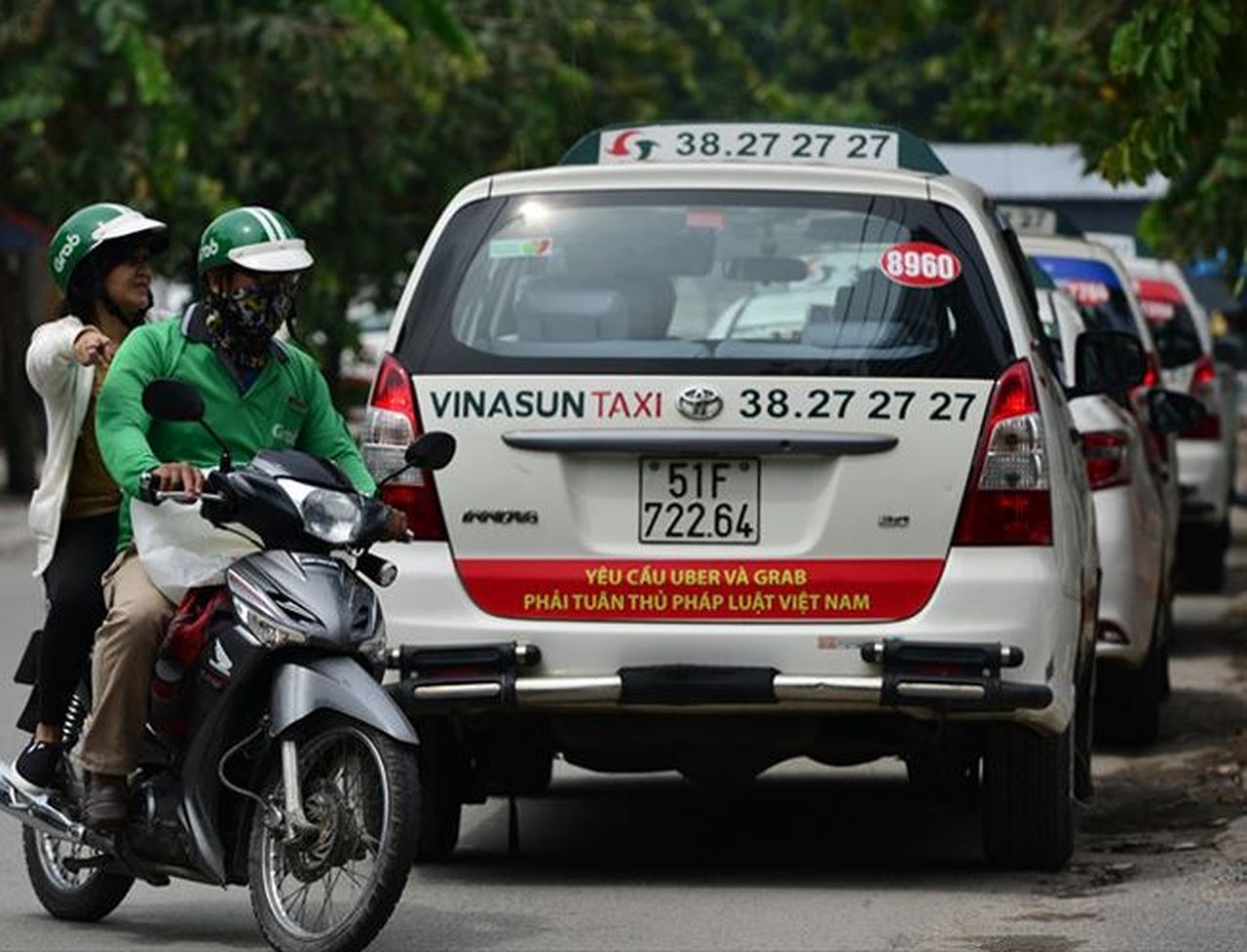
    Top taxi firm Vinasun and ride hailing firm Grab have told the court that they’ll negotiate a compensation dispute. The People’s Court of Ho Chi Minh City on Friday approved the litigants’ wish to ‘sit together,’ and temporarily suspended the trial. The suspension of trial is for no longer than a month, and the reopening date will be announced later, the court said.

    “The lawsuit has dragged on for over a year, but the claimant was not able to prove the damage, as well as the causal relationship with Grab’s influence. The defendant is also very worn out wasting time defending a wrong it did not commit,” said Luu Tien Dung, Grab’s lawyer.

    “This is one of the reasons why both sides have decided to negotiate,” he added.

    Vinasun filed the suit against Grab in June last year, accusing the Malaysia-based firm of abusing the Ministry of Transport’s pilot scheme and committing violations.

    It said Grab’s illegal activities were responsible for nearly VND42 billion (nearly $1.8 million) of the VND76 billion ($3.25 million) in losses that it suffered in 2016 and the first half of 2017.

    The trial began last February, but was adjourned a month later to allow for more evidence to be gathered. Grab protested the valuation of Vinasun’s losses.

    Last October, prosecutors asked the court to accept Vinasun’s petition for compensation of nearly VND42 billion (nearly $1.8 million) in one payment, dismissing Grab’s claim that it was a tech firm and not a taxi company.

    Grab responded by sending a letter to Prime Minister Nguyen Xuan Phuc, saying that identifying Grab as a taxi firm would be “a step backwards from Industry 4.0.”

    Under the latest draft of a decree prepared by the Transport Ministry, transport firms offering services with under 9-seater cars should be registered as taxi firms before they can apply ride-hailing technologies.

    This means that Grab and other ride-hailing firms would have to register their services again as taxi businesses and comply with corresponding legal responsibilities regarding their operating licenses, drivers’ profiles and tax duties.

  • Grab Set to Roll Out Exciting New Taxi Service, GrabCab, in Singapore Next Month

    Grab Set to Roll Out Exciting New Taxi Service, GrabCab, in Singapore Next Month

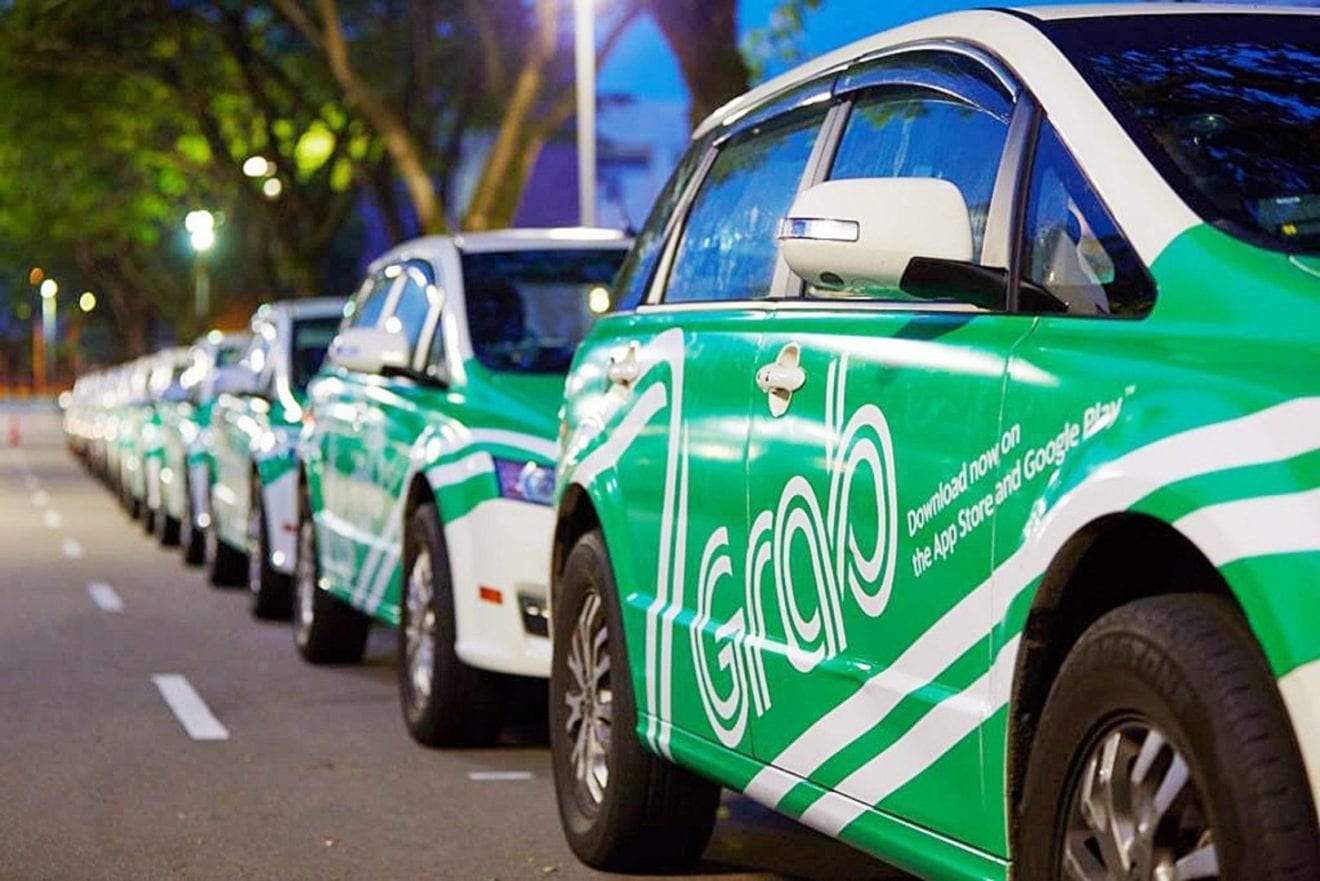
    GrabCab, a new player in Singapore’s taxi market, is gearing up to launch next month, becoming the sixth taxi operator in the bustling city-state with an initial fleet of 40 electric hybrid vehicles. The move comes from Grab’s subsidiary, GrabRentals, which is poised to challenge existing operators with a focus on sustainability.

    Driving Into a Green Future

    According to reports from The Straits Times, GrabCab’s debut will feature the eco-friendly Toyota Prius, with plans to roll out additional hybrid models, including the Hyundai Kona, starting in August. The company is on a mission to transition to a fully electric fleet within the year, aligning with a growing trend towards greener transportation solutions.

    GrabCab is setting its sights high: it aims to meet the minimum fleet requirement of 800 taxis needed to obtain a street-hail operator license before reaching its third anniversary. Victor Sim, director of GrabRentals, shared exciting news, stating that, as of June 4, the company has received between 700 to 800 registration applications from potential drivers eager to join the GrabCab team. From this pool, around 400 to 500 qualified applicants have been selected for the inaugural fleet.

    Competitive Rates with a Tech Twist

    When it comes to financials, rental rates for GrabCab vehicles can soar up to SGD117 (US$91) per day. However, the first 100 drivers who come aboard will enjoy a slightly reduced rate of SGD112 per day—a welcome incentive. To put that into perspective, other operators like ComfortDelGro offer their Toyota Prius rentals at approximately SGD110 per day, while Prime Taxi sets their rate at SGD109.80.

    Sim has assured that GrabCab’s passenger fare structure will be on par with competitors, and the integration of the taxi meter with the Grab platform allows drivers to conveniently switch between ride-hail and street-hail jobs by simply scanning a QR code via the Grab driver app.

    GrabCab’s edge? Sim highlighted the company’s cutting-edge technology and robust partnerships in the industry, including collaborations with charging point operators and fuel stations. These alliances promise discounts of up to 25% at select charging and fuel providers, making it financially appealing alongside its eco-friendly aspirations.

    While GrabCab is racing onto the scene, one can’t help but think: How many electric cars can a fleet hold before they start competing with online car rentals for the grand title of Asia’s ultimate ride-sharing service?

    Questions & Answers

    What vehicles will GrabCab initially use?
    GrabCab will start with the electric hybrid Toyota Prius and plans to add more hybrid options like the Hyundai Kona later this summer.

    How many applicants have shown interest in becoming GrabCab drivers?
    As of June 4, GrabCab received approximately 700 to 800 applications, with around 400 to 500 chosen for initial onboarding.

    What is the rental rate for GrabCab vehicles compared to other operators?
    Refunding to the competition, GrabCab’s rates can reach SGD117 daily, while ComfortDelGro and Prime Taxi offer similar vehicles at around SGD110 and SGD109.80, respectively.