Retail News CRM

Tag: grab

  • Grab appoints new managing director for Vietnam

    Grab appoints new managing director for Vietnam

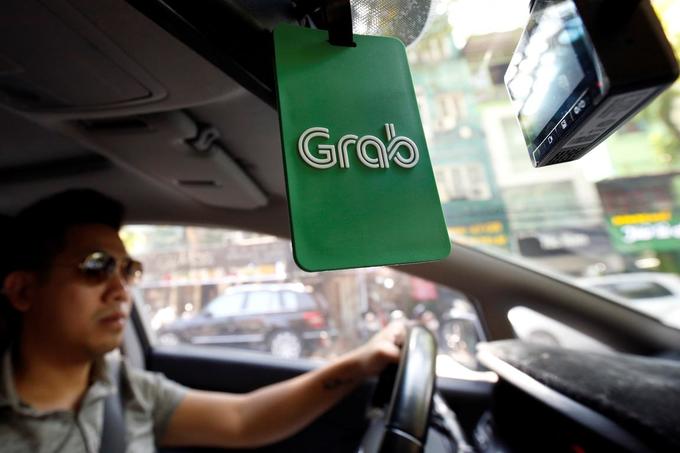
    Grab Vietnam has appointed Alejandro Osorio as its new managing director as part of its drive to achieve “robust sustainable growth” in its local operation.

    Osorio, an American who has worked for Grab for five years, previously served as director for regional strategy and planning, operations, and most recently was managing director of Grab Thailand.

    “Alejandro’s experience in building up business strategy on a regional scale and developing high-performing local teams makes him the right leader for the next phase of growth for Grab in Vietnam,” Russell Cohen, group managing director, operations of Grab, said in a statement.

    Under Osorio’s leadership, Grab Vietnam aims to leverage the power of the superapp ecosystem to strengthen its leadership in the country. The company plans to advance technology to help improve the efficiency of its partners, offering more relevant everyday services and ecosystem-wide benefits for consumers.

    Osorio’s predecessor Nguyen Thai Hai Van left the Grab Vietnam managing director chair in April after two years of service.

  • JustKitchen enters Thailand via GrabKitchen deal

    JustKitchen enters Thailand via GrabKitchen deal

    Just Kitchen, an operator of ghost kitchens specializing in the development of delivery-only food brands, announces the expansion of JustKitchen’s in-house brands to Thailand (the ” Thailand Location “) via GrabKitchen. For the Thailand Location in the Phayathai area of Bangkok GrabKitchen provides the physical kitchen on a Kitchen-as-a-Service (” KaaS “) basis. The Thailand Location is situated near a busy commuter rail hub that is supplemented by a steady flow of other traffic. As previously announced in April, the Company hasa partnership with GrabExpress Inc. (” Grab “) in the Philippines that enables it to access GrabKitchen and GrabFood resources.

    Immediately upon opening, the Thailand Location will serve JustKtichen’s Master Don food brand, followed shortly after that by the K.Bao brand, featuring a customized menu with a local twist, as well as the Bodyfit brand. The Southeast Asian on-demand food delivery market is experiencing a high annual growth rate of 14%, which implies that the market will eventually reach a total value of $49.7 billion by 2030.

    Grab is Southeast Asia’s leading ‘super app’ based on gross merchandise value in 2021 in each of food delivers, mobility, and the e-wallets segment of financial services, according to Euromonitor.

    Management Commentary

    “International expansion is critical to our company’s growth plan, but it is also an opportunity to learn from the locals in each new market. In Thailand , the food delivery market is mainstream and growing, which is something we plan to study very carefully and hopefully master as well,” said Jason Chen , Co-Founder and Chief Executive Officer of JustKitchen. “People in Thailand want access to new and exciting foods that are affordable and convenient. We aim to provide exactly that to them,” added Mr. Chen.

  • Grab sees no big layoffs despite weak market

    Grab sees no big layoffs despite weak market

    Grab , Southeast Asia’s biggest ride-hailing and food delivery firm, does not envisage having to undertake mass layoffs as some rivals have done, and is selectively hiring, while reining in its financial service ambitions.

    Chief Operating Officer Alex Hungate said that earlier in the year, Grab had been worried about a global recession and was “very careful and judicious about any hiring”, and as a result, it had not got to the “desperate” point of a hiring freeze or mass layoffs.

    “Around mid-year, we did some kind of specific reorganisations, but I know other companies have been doing mass layoffs, so we don’t see ourselves in that category,” Hungate, 56, told Reuters in his first interview since joining Singapore-based Grab Holdings Ltd in January.

    The company was hiring for roles in data science, mapping technology and other specialised areas though every hire was a much bigger decision than it used to be, he said.

    “You want to make sure that we’re conserving capital. The hurdle for making a hire has definitely been raised.”

    Decade-old Grab, a household name in Southeast Asia, had about 8,800 staff at the end of 2021. Like its rivals, it has benefited from a boom in food services during the COVID-19 pandemic, while ride-hailing suffered.

    As economies open up, food delivery demand is softening while ride-hailing has yet to recover fully. Tech valuations have also fallen dramatically and inflation, slower growth and rising interest rates have emerged as risks.

    In recent weeks, Southeast Asia’s largest e-commerce firm Shopee cut jobs in various countries and shut some overseas operations after parent Sea reported widening losses and scrapped its annual e-commerce forecast.

    Hungate, a veteran of the financial services, logistics and food sectors, has spearheaded a push away from low-margin business lines as Grab races to turn profitable.

    Second-quarter loss narrowed to $572 million from $801 million a year earlier. But last month, it cut its gross merchandise volume outlook for the year, blaming a strong dollar and ebbing food delivery demand.

    Last month, Grab said it was shutting dozens of so-called dark stores – distribution hubs for on-demand groceries and slowing the roll-out of its “cloud kitchen” centralised facilities for deliveries.

    “The other area where we’ve really tightened our strategic intent is in financial services where we were growing payments, wallets and non-bank financial lending quite significantly off-platform and on our platform,” said Hungate.

    Grab reorganised its fintech unit this year to focus on more lucrative areas and Reuters reported on the exit of some senior executives.

    Grab is now mainly focussing on selling its lending products and insurance on its platform to merchants and drivers who often repay from their income streams on the platform.

    “As we make this shift, the business mix will move towards higher margins,” said Hungate.

    Grab, which operates in 480 cities in eight countries, has more than five million registered drivers and more than two million merchants on its platform.

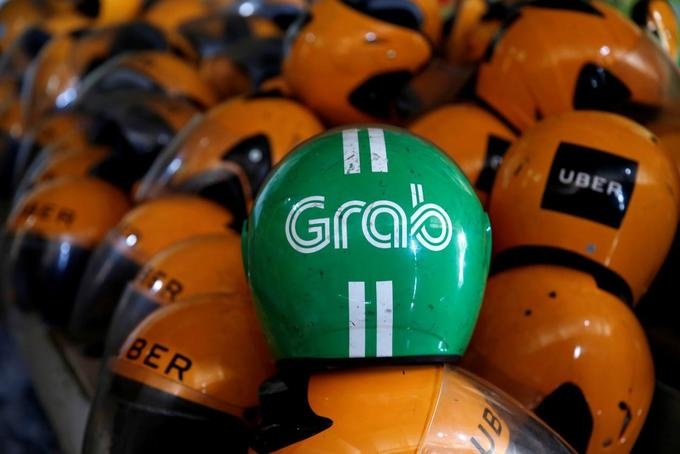
    It caught global attention in 2018 when it acquired Uber’s Southeast Asian business after a costly five-year battle.

    Grab is betting on growing financial services by offering banking and other products with partner Singapore Telecommunications in key markets.

    It listed on the Nasdaq in December after a record $40 billion merger with a blank-check company.

    Hungate said it was “good timing” for the company to look again at how it spends money, given the increased scrutiny of finances and the need to respond to shareholders.

    “Maybe we were lucky in a sense that the discipline of being a public company came at just the right time,” he said, adding that Grab’s $7.7 billion cash liquidity meant it was one of the best capitalised industry players in Southeast Asia.

    Grab’s shares have tumbled about 60% this year to give it a market value of $10.6 billion.

    Reuters reported last month that Grab’s Indonesian rival GoTo was seeking to raise about $1 billion through a convertible bond issue.

    Hungate said Grab would provide details of its progress towards profitability and other metrics at its first investor day on Tuesday.
  • Grab says delivery business softening, still ‘laser-focused’ on profitability

    Grab says delivery business softening, still ‘laser-focused’ on profitability

    Singapore’s Grab Holdings Ltd on Thursday slashed its gross merchandise volume (GMV) outlook for the year, blaming a strong dollar and cooling demand for food delivery services as consumers return to dining outdoors.

    U.S.-listed shares of Grab fell 16% in early trading.

    Grab and its peers recorded surging revenues during the pandemic as consumers stuck at home relied on ordering food. But as restrictions ease in most parts of Southeast Asia, consumers are heading out to grab their meals.

    “What we are seeing with some of the growth trends and consumer behavior is dining out has taken place,” Chief Executive Officer Anthony Tan told analysts.

    “Customers want to save money… they may actually show a preference to order groceries to cook for themselves.” Tan added, indicating Grab may stand to benefit from its grocery delivery business.

    The company, which operates in 480 cities in eight countries in Southeast Asia, lifted the lower end of its revenue forecast for the year and said it was “laser-focused” on profitability as demand for rideshare across Southeast Asia peaks.

    Tan said the company now plans to focus on launching new products that will help Grab focus on “profitable loyal customers” and lower the cost of serving users.

    He also expects the rideshare business to rebound as economies reopen.

    To cut costs, Grab said it would roll back incentives and promotions to lure drivers and users, exit unprofitable businesses such as its “dark stores” in some countries, and slow hiring.

    The company forecast revenue between $1.25 billion and $1.3 billion for the year, compared with its prior range of $1.2 billion and $1.3 billion.

    Grab forecast GMV growth between 21% and 25% for the year. On a constant currency basis, GMV is expected to grow between 25% and 29%, compared with its prior range of 30% and 35%.

  • Grab says it canceled heatwave surcharge

    Grab says it canceled heatwave surcharge

    Grab canceled its new heatwave surcharge on motorbike rides on July 7 just one day after imposing it, Vietnam Competition and Consumer Authority announced Monday.

    It had announced a surcharge of VND3,000-5,000 ($0.13-0.21) meant for drivers.

    The consumer watchdog told the Singaporean ride-hailing company that all fees and surcharges Grab payable by customers must be clearly explained before implementation.

    It called on other ride-hailing companies to be transparent about them.

    Grab was the first to slap such a surcharge after many localities recorded unusually high temperatures but had said merely it would apply it during “extremely hot weather” without describing what it meant by the term.

    Grab Vietnam had an accumulated loss of VND4.36 trillion as of last year.

  • Grab adds heatwave surcharge on motorbike services

    Grab adds heatwave surcharge on motorbike services

    Grab has become the first ride-hailing firm in Vietnam to announce a new surcharge on its motorbike services starting Thursday.

    The surcharges are VND5,000 (20 U.S. cents) for each GrabBike trip and GrabFood order in some localities including HCMC, Hanoi, Hai Phong, Da Nang and Can Tho.

    GrabExpress services in HCMC and Hanoi will attract a surcharge of VND3,000 for each delivery.

    The surcharge will be applied “during extremely hot weather”, Grab said on its website without disclosing further details.

    The Singapore-based ride hailing firm is the first to roll out surcharges for hot weather conditions. Earlier, a surcharge of VND10,000-15,000 has been applied for late nights and the Lunar New Year holiday.

    In early March this year, Grab had raised all fares by VND500-2,500 to aid drivers coping with surging gasoline prices.

  • Ex Grab exec launches Philippine grocery-delivery startup Supah

    Ex Grab exec launches Philippine grocery-delivery startup Supah

    Social commerce startup SariSuki has introduced a new rapid grocery delivery service called Supah that delivers groceries across select parts of Metro Manila.

    During a media round table in Pasig City on Wednesday, SariSuki Co-Founder and Chief Executive Officer Brian P. Cu said that Supah offers a delivery service for grocery items such as snacks, condiments, beverages, fresh produce, and dry and frozen goods within 15 minutes.

    Supah’s delivery services are currently available in Makati City, Bonifacio Global City in Taguig, Pasig City, Mandaluyong City, San Juan City, Binondo district in City of Manila, and both New Manila and Timog areas of Quezon City.

    “Our business puts tremendous value on our customers’ time and needs. We see doing the grocery as effortless, time-saving and economical, while still making it possible to attend to other things. Thanks to our efficient ecosystem of suppliers, vendors and riders, we are able to fulfill this commitment without a delivery fee,” Mr. Cu said.

    Supah currently has eight “dark stores” where the goods are stored, and over 100 riders that cater close to 5 million people, and categorizes under quick commerce.

    Mr. Cu, a former president of Grab Philippines, said that Supah has been “quietly tested” since March over certain areas and has garnered a positive response, adding that the company raised around $11 million last year to fund the new venture.

    “When we first started it, no one thinks they need 15 groceries until they get groceries in 15 minutes, sometimes even a little bit less. The goal of Supah is [to] help reduce the time used up by today’s busy consumers in going to the supermarket, and in spending time away from the other activities that they can use with the time that they have,” Mr. Cu said.

    Lance Y. Gokongwei, JG Summit Holdings, Inc. president and chief executive, said that the company can help Supah by making products from its Universal Robina Corp. (URC) more accessible.

    JG Summit’s corporate venture capital, JG Digital Equity Ventures (JGDEV), is an investor in SariSuki. Mr. Gokongwei is also a board director of SariSuki.

    “I think my role really is to advise and provide some experience that I can share. As far as the JG Summit resource, of course, our ecosystem, we want to help as much as possible in terms of making products, for instance, from URC as accessible as possible to the company,” Mr. Gokongwei said.

    “Supah offers great potential as it tries to address the consumers’ evolving needs in grocery shopping by finding the optimal balance among several critical factors like speed, assortment, value, and convenience. This innovative technology will help shape the future of grocery shopping in the country,” he added.

    Moving forward, Mr. Cu said that the company seeks to expand, saying that 40 dark stores is enough to cover the entirety of Metro Manila.

    “We’re looking at expansion. But we want to prove (there’s) enough demand in the existing stores that we have now before we start investing in expansion,” Mr. Cu said.

    “To cover the entire Metro Manila in 15 minutes, we need to have 40 dark stores. But we’re not saying that we’re going to go to 40 next year,” he added.

  • Grab customer attention across channels with a diversified strategy

    Grab customer attention across channels with a diversified strategy

    E-commerce businesses are fighting for consumers’ attention at an extraordinary rate. In an industry that’s already heavily saturated, hundreds of emerging digital channels have made it increasingly difficult to stand out, writes Simon Kelly, solutions manager, Apac at ChannelAdvisor.

    Yet, connecting to a diverse pool of customers across multiple platforms is not impossible. Those with the right multichannel strategy will win in this volatile e-commerce climate.

    Still, it’s not a one-size-fits-all approach. It’s about knowing who your customers are and which channels they use, thoroughly understanding each channel’s requirements and streamlining consumers’ pathway to purchase.

    Let’s take a look at some of the best practices of winning brands in the multichannel e-commerce space.

    Best practices for multichannel e-commerce

    Whether you’re just starting out or optimising your existing multichannel strategy, diversifying your e-commerce presence is most successful when you:

    1. Connect to the right channels. Who do you want to reach? Which KPIs do you want to influence? Which channels will help you get there?
    2. Market at the right time. Increase visibility and put your products front and centre in the eyes of consumers. Invest in digital marketing and retail media to maximise your presence in each channel.
    3. Sell where consumers shop. Prepare your channels for sales. Whether through digital campaigns, marketplaces or social media, clarify the path to purchase so it’s easy for consumers to find you and complete their purchase.
    4. Fulfil customer expectations. Achieve automation and scale with the right fulfilment options. Many marketplaces now offer fulfilment capabilities for added compliance, increased conversion and greater expansion.
    5. Optimise with data and analytics. Test everything from assortments to ads to product descriptions. Continue what works and eliminate what doesn’t to maximise the use of your budget and fuel long-term success.

    Diversify your channel presence

    There are numerous options for diversifying your online offerings, from direct-to-consumer (D2C) sales to third-party marketplaces to social commerce. The key is deciding which option(s) make the most sense for your brand.

    Direct-to-consumer (DTC)

    Many long-time B2B companies are starting to directly engage with consumers for numerous financial, logistical and brand-related benefits. In the face of economic downtimes, D2C offers resiliency, as well as:

    • Increased revenue from new customers.
    • Consumer trust from direct brand relationships.
    • Higher quality data from first-party interactions.

    Third-party marketplace

    Marketplaces like Amazon, Ebay and Walmart now make up more than 67 per cent of global web sales. They help you reach larger audiences, test demand in new markets and try out new products. But to achieve marketplace success, you need:

    • Seamless integrations with the right marketplace(s) for your brand.
    • Product data that meets marketplace requirements.
    • Consistency across all sales channels.
    • Fulfilment and delivery plans.
    • Advertising to drive traffic and visibility.

    Even after a successful launch into a new marketplace and meeting its specific requirements, succeeding in the space means defending your position. One of the best ways to do this is by monitoring performance and conducting benchmarking.

    Wholesale channels

    Most brands use wholesale channels like retailers to sell their products online. To fulfil orders, they can either ship inventory to retailers or dropship through suppliers. Regardless of the method, it’s not something to simply “set and forget,” as changing consumer behaviours and supply can impact your brand reputation. It’s important to regularly monitor your retail partners for share of digital shelf, product availability, pricing, content quality and product reviews. If products aren’t visible on the shelf, consumers can’t purchase. If the price is incorrect or content quality is poor, conversions will go down and reviews will be negative.

    Social commerce

    Social media sites are now a very important part of the consumer journey. From Facebook and Instagram to TikTok and Snapchat, these sites are key research and discovery channels for younger audiences. In fact, 60 per cent of 18-to-25-year-olds have discovered products they’ve purchased on social media. That means brands must be there to meet them. The key to helping them convert is creating clear paths to purchase with buy now options and links to your site or preferred retailers.

    Shoppable media

    Digital marketing campaigns put your products directly in consumers’ line of sight. But if your ads send traffic to pages where shoppers can’t buy (e.g. a showcase website or out-of-stock page), you’re missing out on sales. Shoppable media makes digital campaigns shoppable, ensuring clicks go to pages with in-stock products for purchase. That way, you can increase conversions, create better consumer experiences and strengthen retailer relationships from any digital campaign on any channel.

    The fight for visibility in an increasingly crowded landscape doesn’t have to be overwhelming. ChannelAdvisor helps brands and retailers streamline the consumer path to purchase and improve digital campaigns across retail media sites from Amazon to Ebay. With ChannelAdvisor, you can streamline your e-commerce operations, expand to new channels and grow sales – all from a centralised platform.

  • Starbucks forges regional partnership with Grab

    Starbucks forges regional partnership with Grab

    Starbucks today announced an integrated partnership with Grab, Southeast Asia’s leading superapp, across six markets, including the Philippines, Thailand, Singapore, Malaysia, Indonesia, and Vietnam. The partnership will provide customers across Southeast Asia with a seamless Starbucks Experience, allowing them to earn Starbucks Rewards benefits on purchases through Grab, have more ways to order and pay in stores, and enjoy their Starbucks orders sooner with last-mile delivery fulfillment through Grab’s delivery network.

    Customers will be able to enjoy more personalized and convenient experiences that deepen their connection to Starbucks through a range of Grab services including GrabPay, GrabRewards, GrabFood, GrabExpress and GrabGifts. Building on Starbucks and Grab’s shared commitment to creating a positive impact, the partnership will also help provide food assistance to communities in need across Southeast Asia, while reducing food waste, through the expansion of Starbucks FoodShare food donation program, starting in the Philippines this March.

    “As one of the most digitally connected regions in the world, Southeast Asia continues to inspire us to elevate the Starbucks Experience,” said Erin Silvoy, vice president, product and marketing, Starbucks Asia Pacific. “Our partnership with Grab allows us to provide more options for customers to create a Starbucks Experience that is right for them, while also helping to deliver positive impact in the communities we serve through FoodShare program.”

    “Consumers like the convenience of food delivery but they also enjoy meeting up with friends in Starbucks over a cup of coffee. We believe the online ordering and in-store dining experience will become more connected, as brands in Southeast Asia look for ways to bridge these channels. We are excited to be working with Starbucks, one of the most iconic and loved coffee retailers, on this wide-ranging partnership to deliver a more personalized, rewarding, and seamless experience to our customers,” added Saad Ahmed, Managing Director, Commercial at Grab.

    A first for Starbucks in Southeast Asia, Starbucks will integrate Starbucks Rewards with the Grab platform so that customers can enjoy more ways to earn rewards on their Starbucks orders. Starbucks Rewards members will be able to link their accounts with GrabRewards to earn both Stars and GrabRewards points for every order made through GrabFood.

    In the future, customers will also have the option to sign up for a Starbucks Rewards membership via the Grab app and redeem free beverages, birthday treats, and exclusive offers* . The company will introduce this new feature in the Philippines in the second half of 2022, with plans to expand to additional Southeast Asia markets by 2024.

    Customers will be able to enjoy the Starbucks experience through expanded options and solutions through Grab including:

    •  Pay with the same e-wallet online and in-store: Customers will have the option to pay for their orders via their GrabPay e-wallets in-store and in-app, giving them more ways to earn GrabRewards as well as Starbucks Rewards Stars.
    • Order online for in-store pick-up via GrabFood: Customers can skip the line and order their favorite food and beverage items directly from GrabFood’s self-pick up feature, which will inform them when their orders are ready for pick up.
    • Instant delivery via GrabExpress: Customers can get their favorite Starbucks food and beverages delivered to their doorsteps faster than before by GrabExpress, when they order via Starbucks owned channels .
    • Social gifting through GrabGifts: Customers can now purchase and send pre-loaded Starbucks gift cards to friends and family via the Grab app in the Philippines, Thailand, Singapore, Malaysia, Indonesia, and Vietnam.

    Creating positive impact through Starbucks FoodShare program

    As part of Starbucks People Positive aspirations, focused on enhancing the well-being of all who connect with Starbucks, the company will launch its FoodShare food donation program this March in the Philippines, starting with 40 stores in the Metro Manila area. Starbucks regional partnership with Grab will enable participating stores to connect with Grab drivers to pick up food donations from stores daily and deliver them to local non-profit organizations such as the Philippine Food Bank Foundation. Starbucks aims to expand the reach of the program to more communities in the Philippines, as well as additional markets throughout Southeast Asia.

    FoodShare started in 2016 after Starbucks partners (employees) advocated for a program that would allow stores to donate unsold food and distribute it to people facing hunger in communities across the U.S. FoodShare is now available at 100% of US and Canada company-owned stores.

    Since entering the Southeast Asia region over 25 years ago, Starbucks has expanded to more than 1,882 stores across the Philippines, Thailand, Singapore, Malaysia, Indonesia, and Vietnam, with more than 19,853 partners proudly wearing the green apron. The company is committed to driving continued sustainable growth by investing in digital innovations that deliver meaningful value and convenience
    and social impact initiatives that create positive impact in the communities we serve.

  • Grab to increase all service fares

    Grab to increase all service fares

    Ride-hailing giant Grab will raise all fares from March 10, the first tech-based transport firm to do so amid record-high gasoline prices.

    GrabCar’s first two-kilometer fare will be raised by VND2,000 ($0.09) to VND29,000 for four-seater and VND34,000 for seven-seater vehicles in Hanoi and Ho Chi Minh City.

    That of each subsequent kilometer will be VND10,000, up VND500.

    GrabCar fares in other cities and provinces will also be increased by VND2,000-2,500 for the first two kilometers, and VND600 for each subsequent kilometer.

    For its bike ride-hailing and delivery services, the giant’s fares will go up to VND12,500-13,500 for the first two kilometers and VND4,300 for each subsequent kilometer.

    The tech-based transport firm cited surging gasoline prices as a reason for the adjustment.

    Gasoline prices in Vietnam hit the all time high of VND26,830 per liter for popular RON 95 and VND26,070 per liter for biofuel E5 RON 92 last Tuesday, after authorities adjusted them upward for the sixth time in less than three months.

    The last time Grab increased its fares was at the end of 2020, after authorities raised value-added tax for tech-based transport services from 3 percent to 10 percent.

    Taxi firms expect to increase their fares if gasoline prices stay at the current all-time high.

  • Grab to buy Malaysia’s Jaya Grocer grocery chain

    Grab to buy Malaysia’s Jaya Grocer grocery chain

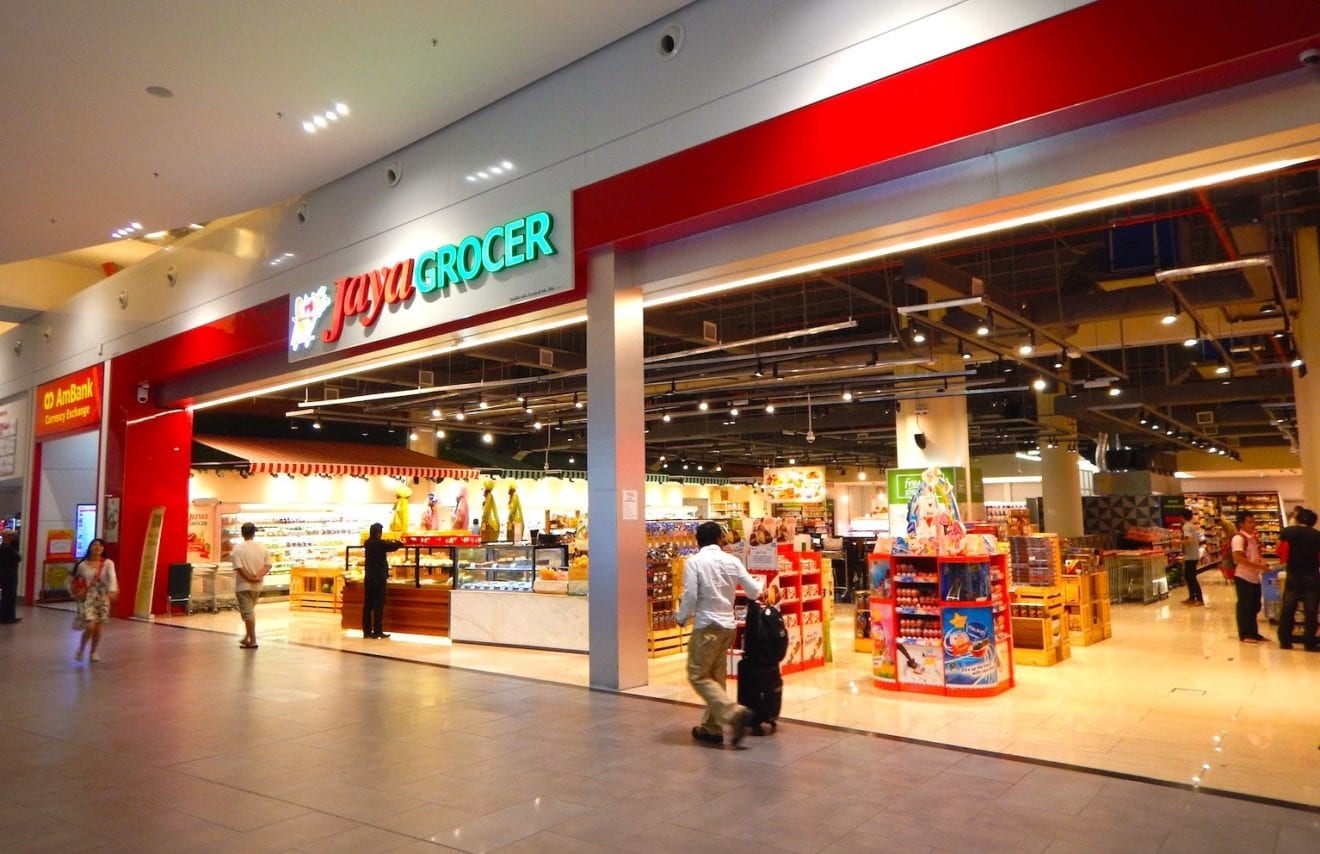
    Southeast Asian ride-hailing and food-delivery giant Grab is to acquire Malaysian grocery chain Jaya Grocer, according to a filing with the US Securities and Exchange Commission.

    Under the agreement, Grab will acquire Jaya Grocer’s ordinary shares and 75 per cent of preference shares. The company also has the option to buy the remaining 25 per cent of the preferred shares of Jaya Grocer after the closing of the transaction.

    In addition, Grab plans to partner with a local investor which will own 50 per cent of the voting shares in Jaya Grocer. The deal, the value of which has not been disclosed, is expected to close in the first quarter of next year.

    “Following closing, Jaya Grocer is expected to become a subsidiary of GHL (Grab Holdings Limited) and its financial results will be consolidated by GHL,” the company said in the filing.

    The acquisition follows Grab’s IPO debut on the Nasdaq earlier this month.

    Jaya Grocer was founded in 2007 by the Teng family with its first outlet opened in Petaling Jaya. It was acquired by the Asean Industrial Growth Fund in 2016. Last month, the private-equity firm sold its stake back to the Teng family.

    Jaya Grocer currently operates 40 stores across Peninsular Malaysia, with the majority being located in the Klang Valley near Kuala Lumpur.

  • Grab’s Ride-Hailing Services Disrupted In Southeast Asian Countries

    Grab’s Ride-Hailing Services Disrupted In Southeast Asian Countries

    Southeast Asia’s Grab on Tuesday said it was experiencing disruption to its services, with customers and drivers in Singapore, Indonesia, and Malaysia complaining that they were having trouble using the app’s ride-hailing functions.

    “Some of our services are not accessible at the moment,” Grab posted on its Facebook page.

    “We are looking into this and we will update when the app is back up and running.”

    Grab operates Southeast Asia’s most popular “super app”, which provides ride-hailing, food, and grocery delivery, and payments in over 400 locations in eight countries.

    “We are experiencing some technical difficulties with the app and our engineers are working to recover the issue,” Grab said.

  • Let shippers deliver food, says Grab

    Let shippers deliver food, says Grab

    Delivery app Grab wants food delivery services resumed in Hanoi since they help reduce the number of people gathering to fulfill various needs.

    “Since Hanoi authorities have been limiting the number of people at supermarkets and retail locations to lower the risk of contagion, services like GrabFood, GrabMart and GrabExpress have provided valuable assistance,” it said in a proposal, referring to its food, retail and parcel delivery services.

    They could help meet the city’s desire to ensure adequate supply of essential goods, it said.

    It assured its delivery people would meet social distancing requirements and it would limit delivery to essential items.

    Hanoi on Saturday ordered five ride-hailing and delivery platforms, Grab, Gojek, Be, MyGo and FastGo, to suspend their services, but still let other delivery platforms operate.

    Grab said the decision was inconsistent with the city’s policies and feared could cause unfair competition.

    Hanoi began a 15-day social distancing order starting 6 a.m. Saturday amid rising coronavirus concerns in both the capital and nationwide.

    It has recorded over 900 cases in the latest wave.

  • Ride-hailing firm Grab to launch electric cars in Vietnam

    Ride-hailing firm Grab to launch electric cars in Vietnam

    Ride-hailing firm Grab plans to launch electric car services in Vietnam and Indonesia after piloting a program in Singapore at the end of this year.

    Grab is partnering with South Korea’s automotive manufacturer Hyundai Motor to encourage the adoption of electric vehicles in Southeast Asia.

    Both parties will test new business models including battery and electric vehicles leasing, thus lowering the entry barrier for its driver as the cost to own an electric car is high.

    Grab had said in an earlier report that some of the concerns that make drivers reluctant to use electric vehicles are their price, lack of charging stations and long waiting time for the battery to be fully charged.

    Russell Cohen, Grab’s managing director of operations, said that the company hopes governments will have incentive policies and essential infrastructure like charging stations so that electric vehicles will have many opportunities to develop.

    Grab and Hyundai have been partners since 2018. In 2019, the ride-hailing firm purchased 200 Hyundai Kona electric cars for its car-hiring service GrabRentals in Singapore.

  • Indonesia Tech Giants Complete Merger

    Indonesia Tech Giants Complete Merger

    Indonesia headquartered on-demand multi-service platform and digital payment technology group Gojek and e-commerce platform Tokopedia have completed Indonesia’s largest-ever deal to create GoTo, Southeast Asia’s largest privately held technology firm.

    Amid growing competition among e-commerce platforms and super-apps, Gojek and Tokopedia giants have merged to form a multi-billion dollar company that will span e-commerce, e-payments, courier services, ride-hailing, food delivery, and other services.

    The merger will increase financial inclusion in an emerging region with untapped growth potential, Gojek co-CEO Andre Soelistyo, who will become CEO of GoTo, said in an announcement on Monday.

    The deal was backed by investors including Alibaba, SoftBank, Singapore sovereign wealth fund GIC, Alphabet’s Google, and Tencent. Gojek’s shareholders will own 58 percent of the holding company with the balance held by Tokopedia’s investors, Reuters reported, citing sources.

    Gojek and Tokopedia plan to remain separate but work together on payments, logistics, and food deliveries, they said in the announcement. Tokopedia president Patrick Cao will become GoTo’s president, while Kevin Aluwi will continue as CEO of Gojek, and William Tanuwijaya will remain CEO of Tokopedia.

    The two sides have considered a potential merger since 2018, but talks accelerated after plans for Gojek to merge with regional rival Grab fell through. The group, which is estimated to have a combined worth of $40 billion, plans to list in Indonesia and the United States later this year.

    The group’s payments arm currently owns 22 percent of Indonesia’s Bank Jago, and acquired mobile payments startup Moka in 2020. The group also has partnership deals with more than 20 banks and financial institutions.

    Indonesia’s digital economy expected to grow to $124 billion by 2025, according to a study by Google, Bain, and Temasek. About half its population of 270 million are currently unbanked.

    However, competition remains the form of Grab, which has also set its sights on the digital economy of the world’s fourth most populous nation.