Tag: grab

  • Grab in Hiring Spree to Support Financial Services

    Grab in Hiring Spree to Support Financial Services

    The super app is looking to create around 350 new jobs in Singapore this year to support its growth plans.

    The new hires will support Grab’s plans to help micro SMEs digitalize, deliver digital financial services across Southeast Asia, and develop the Grab-Singtel digibank, according to an announcement on its website.

    The hiring drive was announced at a signing of a memorandum of intent with the Infocomm Media Development Authority and Digital Industry Singapore to support the development of Singapore’s tech ecosystem, through the development of its tech talent and R&D capabilities here.

    The vacancies are from fields including artificial intelligence, cybersecurity, data science, software engineering, product management and design. There will also be employment opportunities in areas such as finance, operations, legal, public affairs and business development, Grab said.

    We are building products that positively impact millions across Southeast Asia, and we want to continue deepening our R&D capabilities and push the boundaries of innovation, right here at our strategic base, Tan Hooi-Ling, Grab co-founder, said in the statement.

    Grab previously said it would be pushing into retail wealth by focusing on accessible, convenient, and transparent investment products and solutions while broadening its wealth management offerings that feed into its goal of strengthening its open fintech ecosystem.

    The company has grown its suite of financial products in the past year, rolling out e-money, lending and insurance distribution on its platform, and moved into wealth management with the acquisition of Singapore-based robo-advisor Bento, which was relaunched as GrabInvest.

    It also led a $100 million Series B fundraising round for LinkAja, an e-wallet in Indonesia, where the ride hailer has been vying with competitor Gojek for the top spot in digital payments.

  • AS Watson and Grab launch regional health & beauty partnership

    AS Watson and Grab launch regional health & beauty partnership

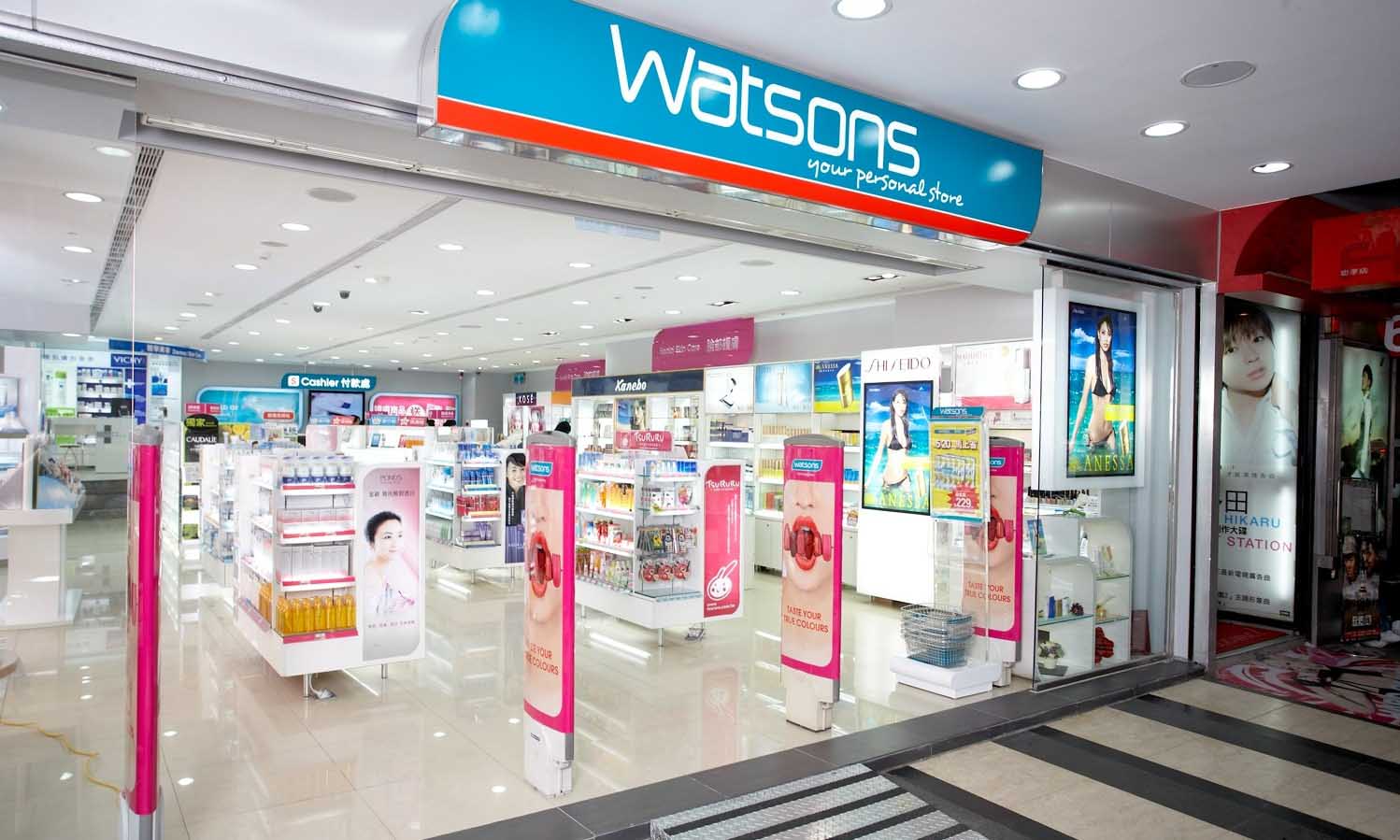
    Hong Kong-based health and beauty retailer AS Watson has partnered with Grab to launch an online and offline collaboration across Southeast Asia.

    The partnership will allow customers to access more than 62,000 health and beauty products at Watsons stores via Grab services, expanding Watsons’ online reach in Southeast Asia. The service is available in six markets: Singapore, Indonesia, Malaysia, Thailand, Vietnam and the Philippines.

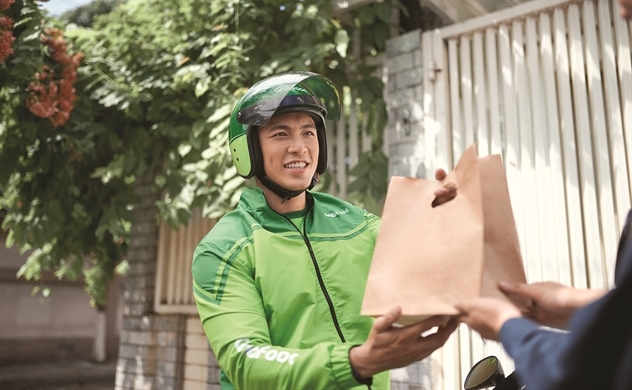
    Through GrabExpress, Grab will serve as Watsons’ last-mile delivery partner in the markets, offering fast deliveries for purchases made through the Watsons website and mobile app. More than 2000 Watsons stores will be listed on GrabMart, making Watsons the largest health and beauty retailer to be on the platform.

    Meanwhile, Watsons will accept GrabPay cashless payment option in its Southeast Asia stores and integrate the digital wallet into its Watsons mobile app.

    “Covid-19 accelerated the growth of e-commerce and our customers expect their purchases to be delivered fast,” said Freda Ng, chief digital officer at Watsons International. “With our network of 2200 stores in Southeast Asia … Grab is the ideal partner to complete the purchase journey.”

    “Grab’s open platform enables companies to scale by easily plugging into our ecosystem and leveraging our unique online and offline capabilities to grow together with us in this region,” added Shawn Heng, MD, regional business development at Grab.

  • Asia’s Grab considering US IPO this year according to sources

    Asia’s Grab considering US IPO this year according to sources

    Southeast Asian ride-hailing and food delivery giant Grab is exploring a listing in the United States this year, encouraged by robust investor appetite for IPOs, three sources familiar with the matter told Reuters.

    The IPO could raise at least $2 billion, one of the sources said, which would likely make it the largest overseas share offering by a Southeast Asian company.

    “The market is good and the business is doing better than before. This should work well for public markets,” he said.

    The plans, including the size of the issue and timing, have not been finalized and are subject to market conditions, said the sources, who declined to be identified as they were not authorized to speak about the matter.

    Singapore-based Grab declined to comment on the potential IPO.

    Grab, whose backers include SoftBank Group Corp and Mitsubishi UFJ Financial Group, has expanded rapidly from its beginnings as a ride-hailing venture in Malaysia in 2012 to become the region’s most valuable startup worth more than $16 billion.

    The company, which also offers financial services and recently gained a digital bank license in Singapore, said this month that group revenue had recovered to be comfortably above pre-pandemic levels. It has also said its ride-hailing business is breaking even in all its operating markets, including Indonesia, the biggest. It expects its food delivery business to break even by the end of the year.

    The IPO plans would come after merger discussions with Indonesian rival Gojek were dropped.

    Gojek and Indonesian e-commerce leader Tokopedia are in advanced talks for a $18 billion merger ahead of a pote

  • Grab seeks $750 million term loan

    Grab seeks $750 million term loan

    Southeast Asian ride-hailing and food delivery firm Grab is seeking a $750 million term loan, a term sheet showed on Monday after it announced that total group net revenue jumped by about 70% year-on-year in 2020 and had recovered to comfortably above pre-pandemic levels.

    “In addition, we’ve hit our growth and profitability targets, and reached several new milestones,” Ming Maa, Grab’s president, said in an emailed newsletter update on the business.

    Hours after the update, Grab and one of its subsidiaries were seeking a five-year loan of $750 million for general corporate purposes, according to a term sheet seen by Reuters.

    Grab declined comment on the term sheet.

    Backed by global investors including Softbank Group Corp, Grab has evolved from a ride-hailing app operator to a one-stop shop for services such as food delivery, payments and insurance, helping the company to become Southeast Asia’s most valuable start-up with a valuation of more than $15 billion.

    “We’ve continued to be disciplined with spending and prudent in stewarding our shareholder capital, with monthly EBITDA spend being reduced by approximately 80% over the last 12 months,” Maa said.

    Grab said in October that third-quarter group revenue had risen to more than 95% of pre-coronavirus levels and its food business accounted for more than 50% of revenue.

    The company’s food delivery business, in which net revenue nearly tripled year on year in the third quarter, is expected to achieve breakeven by the end of 2021, it said on Monday.

    Sources have said that investors in Grab and Indonesian rival Gojek are backing a merger of the two, but a deal is far from finalised. Both companies have talked up their strengths.

  • Gojek Plans Merger With E-Commerce Giant

    Gojek Plans Merger With E-Commerce Giant

    The Indonesia-headquartered super-app is reportedly in advanced merger talks with local e-commerce marketplace Tokopedia, ahead of a planned initial public offering of the combined entity.

    Indonesia’s two most valuable start-ups have signed a detailed term sheet to conduct due diligence of each others’ business, a «Bloomberg» report on Tuesday said.

    The deal would create an internet powerhouse valued at $18 billion, with businesses that include ride-hailing and payments to online shopping and delivery.

    According to the report, which cited people familiar with the matter, the two sides have considered a potential merger since 2018, but talks recently accelerated after plans for Gojek to merge with regional rival Grab fell through. Masayoshi Son, founder of Softbank, an investor in Tokopedia, is reportedly backing the merger as he is losing patience with Grab chief Anthony Tan’s reluctance to cede some control in the combined entity with Gojek.

    Two weeks ago, Gojek said its payments and financial services arm GoPay would be increasing its stake in Bank Jago from 4.1 percent to 22.2 percent, as part of its bid to accelerate financial inclusion in Asia.

    The partnership will allow Gojek users to access digital banking services through its platform, as well as to instantly open a bank account with Jago and manage their finances via the super-app.

    Earlier this year, Gojek acquired Jakarta-based mobile point-of-sale (POS) market leader Moka for $130 million. It is the second POS SaaS platform that Gojek has acquired after Nadipos (now rebranded as Spots) in late 2018.

  • GrabBike riders strike over increased commission rate

    GrabBike riders strike over increased commission rate

    Hundreds of GrabBike riders on Monday turned off their app and gathered at the company’s office to protest its increased commission rate after the government raised tax.

    The office of ride-hailing firm Grab in Hanoi’s Cau Giay District was swamped by large, green-clad-rider crowds demanding the company reimpose its previous rate of commission.

    The gathering came after Grab increased its commission on each GrabBike trip from 20 percent to 27.27 percent starting December 5 following the government’s newly-imposed 10 percent value-added tax per general ride-hailing trip, a move seeking to create a level playing field for traditional tax firms.

    The Grab riders said they had called for a strike via Facebook over the weekend and on Monday morning shut down their apps, traveling around Hanoi in groups to protest the increased commission rate.

    Hung, a rider who asked to be identified by his first name only to avoid company retribution, called the new commission rate “cruel” since after fuel costs are taken into account, he only retains around 50-60 percent of the fare for each trip compared to the previous 70 percent.

    Son, who partnered with Grab last year, works 15-16 hours a day in Hanoi to be able to transfer VND6-7 million a month to his family in central Thanh Hoa Province.

    “I’m worried the increased commission rate will make it impossible to take care of my family. I support paying taxes but I want Grab to share the tax burden with drivers.”

    Before the new tax policy took effect, Grab drivers got to keep around 80 percent of the fare, while the company only paid 10 percent tax on its 20 percent income. The driver paid 3 percent VAT on his 80 percent.

    Although the new tax policy no longer requires drivers to pay their 3 percent VAT, they said their actual income per trip has dropped because Grab has raised its commission to make up for the higher VAT.

    Grab’s calculations show drivers’ income would have been reduced by around 7.3 percent with the new tax policy.

    However, a Grab spokesperson said the company on Dec. 5 had hiked its fares by 5-6 percent to reduce drivers’ loss of income to around 1 percent.

    “The new fares still ensure Grab’s competitiveness on the market. Grab already bears a part of VAT to share the burden with customers and driver partners during this difficult time,” the spokesperson stated.

    Vietnamese officials have long been pondering whether ride-hailing companies are technology service providers or transport companies, but the new decree makes it clear they are the latter.But this hike in rates does not satisfy drivers, who said the increase might see customers opt for competing services and make their income fall even more.

    Ta Thi Phuong Lan, deputy head of the department of tax administration for small and medium enterprises and individuals, said VAT rates for companies like Grab and Gojek have hitherto been too low and tax authorities need to raise it to the correct level.

    Although Lan said the new tax rate is not aimed at drivers, the latter say they are victimized now Grab raised the commission rate.

    “We just want Grab to go back to the 20 percent commission rate, maybe an increase of 2 percent or 3 percent would be fine, but over 7 percent is too much,” Hung said.

    The rider said he and his colleagues would continue to boycott the app and drive around Hanoi in the next couple of days, hoping to “put a dent” in the company’s revenues and urge it to lower the commission.

  • Grab and GoJek get closer to merger deal

    Grab and GoJek get closer to merger deal

    Grab Holdings. and Gojek have made substantial progress in working out a deal to combine their businesses in what would be the biggest internet merger in Southeast Asia, according to people with knowledge of the talks.

    The region’s two most valuable startups have narrowed their differences of opinion, though some parts of the agreement still need to be negotiated, said the people, asking not to be named because the talks are private. The final details are being worked out among the most senior leaders of each company with the participation of SoftBank Group Corp.’s Masayoshi Son, a major Grab investor, one of the people said.

    Under one structure with substantial support, Grab co-founder Anthony Tan would become the chief executive officer of the combined entity, while Gojek executives would run the new combined business in Indonesia under the Gojek brand, the people said. The two brands may be run separately for an extended period of time, one of the people said. The combination is ultimately aimed at becoming a publicly listed company.

    Representatives of Grab, Gojek and SoftBank declined to comment. The talks are still fluid and may not result in a transaction, the people said. The deal would need regulatory approval and governments may have antitrust concerns about the unification of the region’s two leading ride-hailing companies.

    Grab and Gojek have been locked in a fierce, expensive battle for dominance in that business along with food delivery and mobile payments over the last several years. Investors have been pushing for them to combine forces across Southeast Asia in order to reduce cash burn and create one of the most powerful internet companies in the region. Grab, which is present in eight countries, was last valued at more than $14 billion, while Gojek, valued at $10 billion, has a presence in Indonesia, Singapore, the Philippines, Thailand and Vietnam.

    SoftBank has been pushing for a deal since Son visited Indonesia in January, but he’s grown increasingly frustrated with the lack of progress. The old rivalry and personality clashes between the two companies’ leaders have led to deadlocked negotiations in the past, according to one of the people familiar with the talks.

    Sea Ltd.’s rise as a formidable force in e-commerce and digital payments has injected fresh impetus to the Grab-Gojek conversation, the people said. The Singapore-based company’s e-wallet, ShopeePay, has been gaining market share at a rapid clip, aided by the growing popularity of Sea’s e-commerce platform Shopee. That, in turn, is challenging market leaders GoPay and Grab-backed Ovo in Indonesia.

    Sea’s surprise journey from a scrappy startup to Southeast Asia’s most valuable company in the past 10 years has been the “biggest inspiration” for local internet companies lately, Rohit Sipahimalani, chief investment strategist at Temasek Holdings Pte, said in an interview at the launch of the e-Conomy report in November. Sea went public in 2017 after raising more than $720 million from investors and now has a market value approaching $88 billion.

    “People are now seeing that the public markets are a viable alternative for internet companies in Southeast Asia,” said Sipahimalani, whose firm is an investor in Gojek. “But they also recognize that they need to get to a certain scale, which is why the IPO route is becoming more attractive. I think that’s leading to some dialogue around combinations and consolidations in the region.”

    He declined to comment on the Grab-Gojek deal, adding that Singapore’s state-owned investment firm isn’t taking part in the negotiations.

  • Grab’s reign over Vietnam ride-hailing market continues

    Grab’s reign over Vietnam ride-hailing market continues

    Grab remains the dominant player in the Vietnamese ride-hailing market with close to a 75 percent share, and is widening the gap with competitors. Global market advisory firm ABI Research said Grab completed 62.5 million rides in the first six months of 2020, or 74.6 percent of the market, an increase from last year’s 73 percent.

    The market share of FastGo, a Vietnamese competitor, dropped to 0.7 percent from 1 percent.

    But, the Covid-19 pandemic came as a huge blow to the market as Grab’s figures showed. Its 62.5 million rides were a mere 20 percent of the 313 million it completed in the first half of last year.

    The overall market shrunk to 19.5 percent of last year’s 429.5 million rides.

    Two new Vietnamese apps, HCMC-based Viservice’s viApp, and GV Asia’s GV Taxi, made their debuts during the year. But analysts are skeptical about their prospects.

    With the ride-hailing field being extremely competitive, even strong players like Grab, Be and Gojek have turned to the food delivery market for profits.

    Vietnam was the fourth largest ride-hailing market in Southeast Asia last year behind Indonesia, Singapore and Thailand, according to a report by Google, Singaporean sovereign fund Temasek and U.S. management consultancy Bain.

    ABI Research estimated the market at US$1.1 billion last year and said it could rise to $4 billion by 2025.

  • Taxi associations complain to NA about Grab

    Taxi associations complain to NA about Grab

    Taxi associations in the country’s three biggest cities have taken their grievances against Grab to the National Assembly. According to the associations representing operators in Hanoi, Da Nang and Ho Chi Minh City, Grab’s current operating model allows it control over fares. It is only registered as a technology company in Vietnam, they said.

    Based on a decree on the transportation business, ride-hailing firm Grab should be designated as an auto transport business and only allowed to operate once licensed by the Department of Transport, they said.

    So it is now operating illegally since it does not have a license and is violating the decree, they added.

    They also pointed to Grab’s inadequate display of electronic contract information, lack of logo on its app interface and other shortcomings.

    While it operates in a similar manner to traditional taxis, it does not have to declare its fares, and could inflate them by 200-300 percent at certain times in the day, whereas they have to declare whenever their new fares whenever they adjust them following changes in fuel prices, they complained.

    Grab drivers only pay 3 percent value-added tax and 1.5 percent income tax as against 10 percent VAT and 20 percent income tax paid by other transport businesses, they said.

    They wanted the National Assembly chairman to inspect Grab’s entire operations to detect violations and inadequacies to ensure objectivity, fairness and transparency in the transport industry.

    This is not the first time that taxi associations are complaining to authorities about ride-hailing services.

    Grab said the decree has helped ride-hailing businesses like Grab offer better services to Vietnamese customers and optimize social resources. “Grab has been licensed in accordance with its registered form of service.”

    It always works closely with the Ministry of Transport and the Department of Transport in cities and provinces to ensure strict compliance with the decree’s provisions, it claimed.

  • Alibaba Weighs Investment in Grab

    Alibaba Weighs Investment in Grab

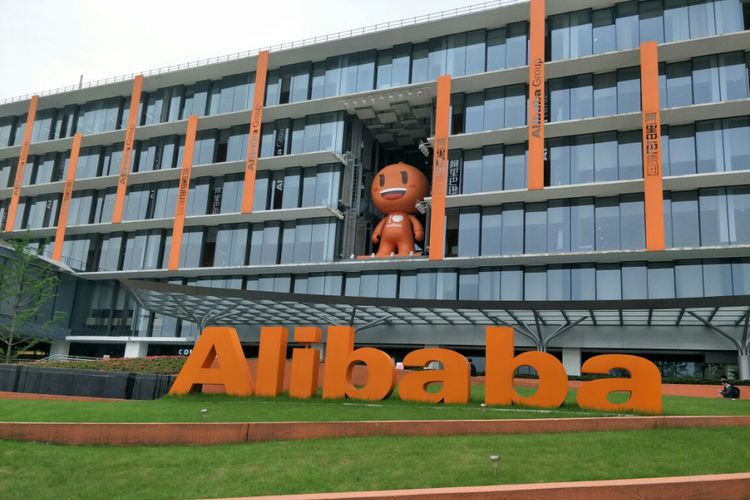
    The Chinese e-commerce giant is in talks with Singapore-based ride-hailing and payments firm Grab over a potential $3 billion investment into the company.

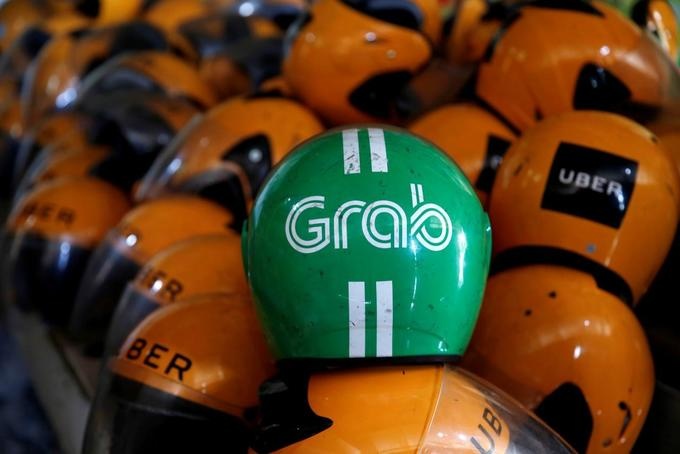
    Part of the funds will be used to purchase Grab stock held by Uber, which acquired 23.2 percent of the company when it exited Southeast Asia in 2018, as reported on Monday, citing people related to the matter.

    Alibaba’s potential tie-up with Grab gives it access to data on millions of users in eight countries, a growing delivery fleet as well as a stake in a digital wallet and financial services noted.

    The news comes just a day after Grab had resumed merger talks with Jakarta-headquartered rival Gojek, at the urging of shareholders including SoftBank. The two companies are facing large losses due to Covid-19 related restrictions – Grab already laid off 5 percent of its workforce in June, which founder and CEO Anthony Tan said would help it better face the challenges of a post-Covid economy.

    Grab was valued at $14 billion in its last funding round in 2019, when it raised $1.5 billion from SoftBank’s Vision Fund. However, «FT» noted, citing secondary market brokers, that Grab shares have been trading at a 25-percent discount, while shares in Gojek, valued at close to $10 billion last year, have also been selling at steep discounts, particularly from early shareholders wanting to exit.

    Grab rolled out a new strategy in August to expand its consumer services ecosystem, with new products including a micro-investment solution, a third-party loan platform, and a buy-now-pay-later service.

    The firm has partnered Singtel in its application for a digital bank license in Singapore. It also moved into wealth management with the acquisition of Singapore-based robo-advisor Bento, which was relaunched as GrabInvest.

  • Alibaba eyeing cornerstone stake in Grab

    Alibaba eyeing cornerstone stake in Grab

    Attracted by a massive database of customer behavior spanning eight countries, Chinese tech giant Alibaba is said to be on the brink of investing US$3 billion into Grab Holdings.

    With its origins as a ride-hailing company Grab has expanded into an app-anchored ecosystem covering food delivery, payments, courier services, and wealth management. It also operates cloud kitchens in several markets.

    In Southeast Asia, where the vast majority of Grab’s business is conducted, there would be potential synergies with Alibaba’s Lazada online marketplace, not just through marketing alliances and cross-promotions, but in last-mile delivery solutions.

    Citing “people familiar with the matter,” Bloomberg has reported that Alibaba will deploy some of the funds to acquiring part of Uber’s stake in Grab, the result of a merger deal in March 2018 which saw Uber’s regional operations and brand name disappear leaving Grab in a market-dominating position.

    Grab currently has a market valuation of $14 billion which means Alibaba’s investment would equate to about 20 percent of its value.

    The negotiations come at a time when Grab and its archrival GoJek are under increasing pressure to explore merger opportunities which would reduce intense competition between the two companies, most likely raising fares and fees and thus creating a more viable long-term business model.

    As Bloomberg put it, existing investors in Grab have been frustrated by what they see as value-destroying competition with GoJek. But negotiations of a merger “are hampered by a hostile relationship between the two companies and the complexity of coordinating between so many investors,” Bloomberg reported, citing sources.

    Any attempt at a merger between Grab and GoJek would spark a tortuous path of negotiations with regulatory bodies in the region given in most of the countries in which the two operate, they are the dominant players leading to market dominance concerns.

  • Grab and Unilever establish wide-ranging partnership to support lives and livelihoods in Southeast Asia through COVID-19

    Grab and Unilever establish wide-ranging partnership to support lives and livelihoods in Southeast Asia through COVID-19

    Grab and Unilever today announced an extensive partnership in Southeast Asia to protect Grab drivers and riders as well as support the livelihoods of small business owners as they weather the impact of the COVID-19 pandemic.

    The partnership covers Grab’s Transport, GrabFood, GrabMart, and GrabExpress services. Unilever’s personal and home hygiene brands such as Lifebuoy and Cif will support Grab drivers to deliver safer and more hygienic rides under GrabProtect. By leveraging Grab’s platform and technology, Unilever products will be available for consumers to purchase directly from Unilever’s vast network of retailers in Southeast Asia through GrabFood and GrabMart, thereby also helping small retailers and mom-and-pop shops around the region.

    “Unilever is committed to helping protect the lives and the livelihoods of those impacted by the COVID-19 pandemic. By providing Unilever’s hygiene products such as Lifebuoy and Cif to Grab’s driver-partners, Unilever is helping people get back on the move safely. The partnership will also assist small retailers, many of whom are still without a digital presence, move to an online platform, whilst also giving people more ways to purchase their favorite Unilever products. As a purpose-led organization, we will continue playing our part to support our communities through this crisis,” said Umesh Shah, Chief Executive Officer, Unilever International.

    “The pandemic has hit communities hard, particularly small and offline businesses. By partnering with Unilever, we hope to help Southeast Asians adapt and thrive in this new normal – whether by providing cleaner, safer modes of transportation or by connecting them to the growing digital economy. We’re particularly excited about the breadth and depth of the partnership with Unilever, which is a testament to the value of the open ecosystem that we’ve built. We offer an unparalleled combination of consumer reach, data insights, and logistics fleets that partners like Unilever can tap on to grow their footprint in the region,” said Russell Cohen, Group Managing Director – Operations, Grab.

    The Grab x Unilever partnership includes:

    • Boosting confidence in a new normal with GrabProtect

    Grab and Unilever is bringing greater peace of mind to driver-partners and passengers by equipping vehicles in Indonesia, Malaysia, and the Philippines with Lifebuoy hand sanitizers and Cif disinfectant sprays, at no cost to driver-partners or passengers.

    • Growing income for small and offline business owners through Unilever Ice Cream virtual stores on GrabFood and GrabMart

    Grab and Unilever is setting up Unilever Ice Cream virtual stores on the Grab platform which will offer Grab users instant access to their favorite Unilever ice cream brands such as Wall’s, Ben & Jerry’s and Breyers.

    Orders will be fulfilled by Unilever retailers located closest to the consumer – the majority of which are offline businesses such as neighborhood mom-and-pop shops and ice-cream carts. The partnership will generate more sales for these businesses, supporting their livelihoods and families. Grab aims to help these businesses further digitalize, by giving them the option to create individual storefronts on the Grab platform in the future.

    Over 250 Unilever Ice Cream virtual stores have been established across Malaysia, the Philippines, and Thailand, with the goal of reaching over 550 stores by end-2020 through upcoming expansion into other Southeast Asian countries like Indonesia.

    • Addressing the increasing demand for home deliveries and driving visibility and traffic to small retailers via GrabMart

    As social distancing measures continue, Unilever will expand its range of food, household and personal hygiene products available to Grab users and help retailers list their products online through GrabMart – Grab’s on-demand delivery service for daily essentials available across 8 countries in Southeast Asia. The partnership has kicked off in the Philippines and will expand to Indonesia, Singapore, and other Southeast Asian markets by the end of the year.

    This will be complemented by GrabAds to help grow demand for Unilever products. Orders will be fulfilled by Unilever retailers, helping them to grow and ensure resilient future-fit income streams. The rich audience data based on real-life behaviors derived from different touchpoints across the Grab platform will offer valuable consumer and category insights to further support their business.

    • Creating additional income opportunities for thousands of GrabExpress driver-partners in Indonesia

    Unilever and Grab will run pilots in Medan and Makassar in Indonesia to leverage the GrabExpress delivery fleet to ship inventory from Unilever’s warehouses to retailers, such as grocery stores and mom-and-pop shops, in response to real-time demand. Grab’s wide and readily available pool of delivery-partners will allow consumers to receive Unilever’s food and hygiene products quickly even during peak periods. At the same time, this creates additional and diversified income opportunities for Grab’s delivery partners.

    Launch dates of the partnership vary by market and by Grab service.
     

  • Grab Grows Suite of Financial Products

    Grab Grows Suite of Financial Products

    The platform is launching new products, which include a micro-investment solution, a third-party loan platform and a buy-now-pay-later service for purchases with e-commerce partners.

    The finance arm of Singapore-based ride-hailing and payments firm Grab has rolled out a new strategy to expand its consumer services ecosystem and «empower individuals to grow their personal wealth, manage their finances and protect what they value,» the firm announced on Tuesday.

    Thrive With Grab brings an expanded range of new lending, wealth, and insurance products, with which it hopes to tap into Southeast Asia’s vast mass market financial services opportunity.

    By offering innovative micro-transaction-based financial services, convenient financial management tools and access to products from leading global financial institutions, we hope to unlock the tremendous potential in financial services in the region in ways that serve all Southeast Asians,» Reuben Lai, senior managing director, Grab Financial Group (GFG), said.

    Grab will be pushing into retail wealth by focusing on accessible, convenient, and transparent investment products and solutions while broadening its wealth management offerings that feed into its goal of strengthening its open fintech ecosystem, Lai said at a media briefing ahead of the launch on Tuesday.

    The company will also provide customers with opportunities to invest in products and solutions traditionally limited to affluent individuals and institutional investors, Lai said, adding that Grab will also launch a series of financial education programs to help users make more informed in financial decisions.

    Following its acquisition of wealth management platform Bento earlier this year, Grab will roll out micro-investment solution AutoInvest in September, which allows users to invest as they spend with their everyday Grab transactions from S$1 ($0.73), and invest from their wallet balance to earn returns of about 1.8 percent per year, which can then be cashed out directly to their GrabPay wallets.

    Lai also noted the growing demand for online consumer lending, citing research from Boston Consulting Group that shows that more than one-third of Southeast Asian consumers are willing to shift some banking activities, such as loans, too non-banking platforms.

    To meet this demand, it is launching a third-party consumer loan platform, starting in Singapore, before expanding to Malaysia and other countries. Consumers will be able to apply for personal loans offered by bank partners directly within the Grab app.

    GFG will also expand its buy-now-pay-later line of offerings by launching PayLater Instalments and «PayLater Postpaid» on select e-commerce sites in Singapore and Malaysia in October, and launch its first hospitalization insurance plan for consumers in Indonesia.

    The company laid off 5 percent of its workforce in June, which founder and CEO Anthony Tan said would help it better face the challenges of a post-Covid economy. He also said the strategic roadmap for Grab Financial, which is a «long-term bet for the future,» remains unchanged.

    Grab is also part of a consortium with Singtel that has applied for a digital banking license in Singapore.

  • ShopBack users can now enjoy extra savings on all GrabFood orders

    ShopBack users can now enjoy extra savings on all GrabFood orders

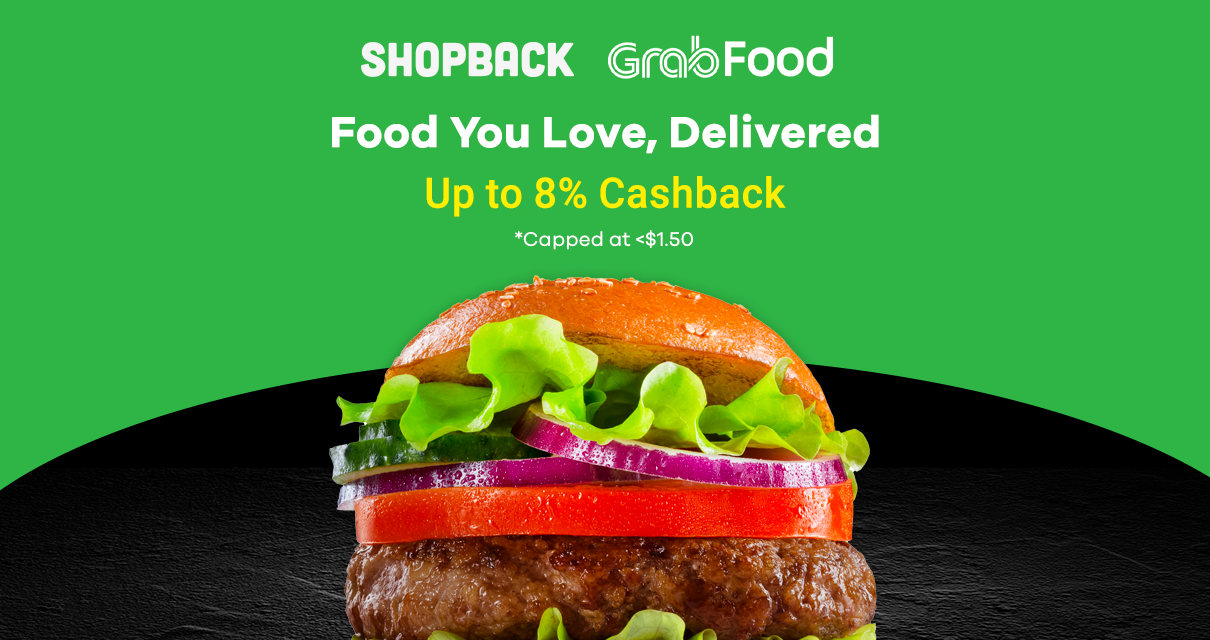
    GrabFood has officially launched on ShopBack, enabling 1.5 million ShopBack users in Singapore to enjoy cashback on their GrabFood orders. Users can now save a little extra when they are placing a food delivery order from their favorite F&B outlets, including McDonalds, Playmade, and Din Tai Fung.

    • New GrabFood customers will get 8% cashback (capped at $1.50)

    • Existing GrabFood customers will get 2% cashback (capped at $0.40)

    To access these rewards, users have to first launch the ShopBack app, then type in “GrabFood” in the search bar or click on “GrabFood” under the New Stores on ShopBack section. This will redirect the user from the ShopBack app to the GrabFood app, allowing for the cashback to be tracked. The user should have the latest version of Grab installed.

    “We are thrilled to add GrabFood to our growing line-up of merchants. The pandemic has resulted in many preferring to consume their meals from the safety of home, and this partnership will help to facilitate the shift in consumer behavior from restaurant dine-in to pick up, takeaway, and delivery. We have also received many requests from our users to on-board GrabFood, and today, we are happy to be able to make this a reality and bring even more cashback options for our users,” said Joel Leong, Co-founder of ShopBack.

    A recent report by Facebook and Bain & Company found that there has been a shift to value-for-money purchasing across Southeast Asia as conservatism sets in, as 57% of survey respondents cited ‘value’ among their top-three purchasing considerations. This is more pronounced in Singapore, where around 70% cite ‘value’ as a top consideration.

    “Singaporeans are passionate about food and appreciate the convenience. Also, true to our kiasu nature, we never want to miss out on a good deal and we are constantly seeking out value. As such, this partnership with GrabFood has all the right ingredients for success,” added Leong.

    “As one of the leading digital lifestyle apps in Singapore, we are always finding new ways to create more value for our customers with every dollar they spend on our products and services. We are therefore pleased to be able to launch GrabFood on ShopBack. At a time when consumers increasingly seek out apps and platforms that empower their digital lifestyles, we are confident that this partnership can serve their evolving needs,” said Gillian Ang, Head of Marketing for Grab Singapore.

    ShopBack is available for download on the App Store and Google Play for free.

  • Grab Malaysia sees ‘instant retail’ reducing need for physical stores

    Grab Malaysia sees ‘instant retail’ reducing need for physical stores

    Grab Malaysia is expanding its instant retail service after studying customer demand for goods during the nation’s Covid-19-related social-distancing initiative.

    According to Grab Malaysia MD Sean Goh, many convenience stores and grocery retailers were able to treble their sales using the GrabMart delivery service during the lockdown restrictions. Now, as the country’s retailers are allowed to open their doors again and normal trading resumes, Grab believes more consumers are seeking safe, reliable ways to shop for daily needs without visiting stores.

    “While we saw a clear uplift to safe, instant deliveries for food, drinks, snacks, and other essential goods via GrabFood, GrabMart, and especially ‘Pasar’ on GrabMart, we see a new challenge for retailers,” explained Goh.

    “The ‘new normal’ will potentially affect retailers who traditionally rely on high foot traffic and walk-ins – from health and beauty retailers, toys, gifts, and stationery shops to florists. This is a gap where we believe GrabMart is able to step in and address while helping to make the government’s upcoming Shop Malaysia Online initiative a success.”

    GrabMart was launched last November, before anyone foresaw the emergence of Covid-19.

    Goh said that after the government’s movement controls were put in place, many retail chains signed up to GrabMart, not just in the grocery and food categories, but pharmacies, health & beauty, eyewear, books, stationery and gift retailers.

    He believes this has caused consumers to evolve into ‘on-demand shoppers’ who are already accustomed to using mobile technology for their daily needs, and increasingly expect faster speed and safety for their retail purchases. Grab is delivering most goods from retailers in less than 30 minutes for a charge as low as US$1.20 (MYR5).

    Goh believes the convenience of services like GrabMart and the rapidly increasing adoption of apps by consumers to order online will substantially reshape retailing.

    “It is no longer sustainable for businesses to keep expanding their retail presence to get closer to their customers’ homes. Together, we can realise our nation’s vision for a more robust digital economy as businesses adjust seamlessly to the new norm,” he said.

    “We are excited to expand and help more businesses transition seamlessly to adopt instant retail.”

    Grab Malaysia operates GrabMart in Kuala Lumpur’s Klang Valley, Johor Bahru, Kota Kinabalu, Kuching, Ipoh, Melaka and Penang.