Tag: grab

  • Grab tests new bus booking service in Vietnam

    Grab tests new bus booking service in Vietnam

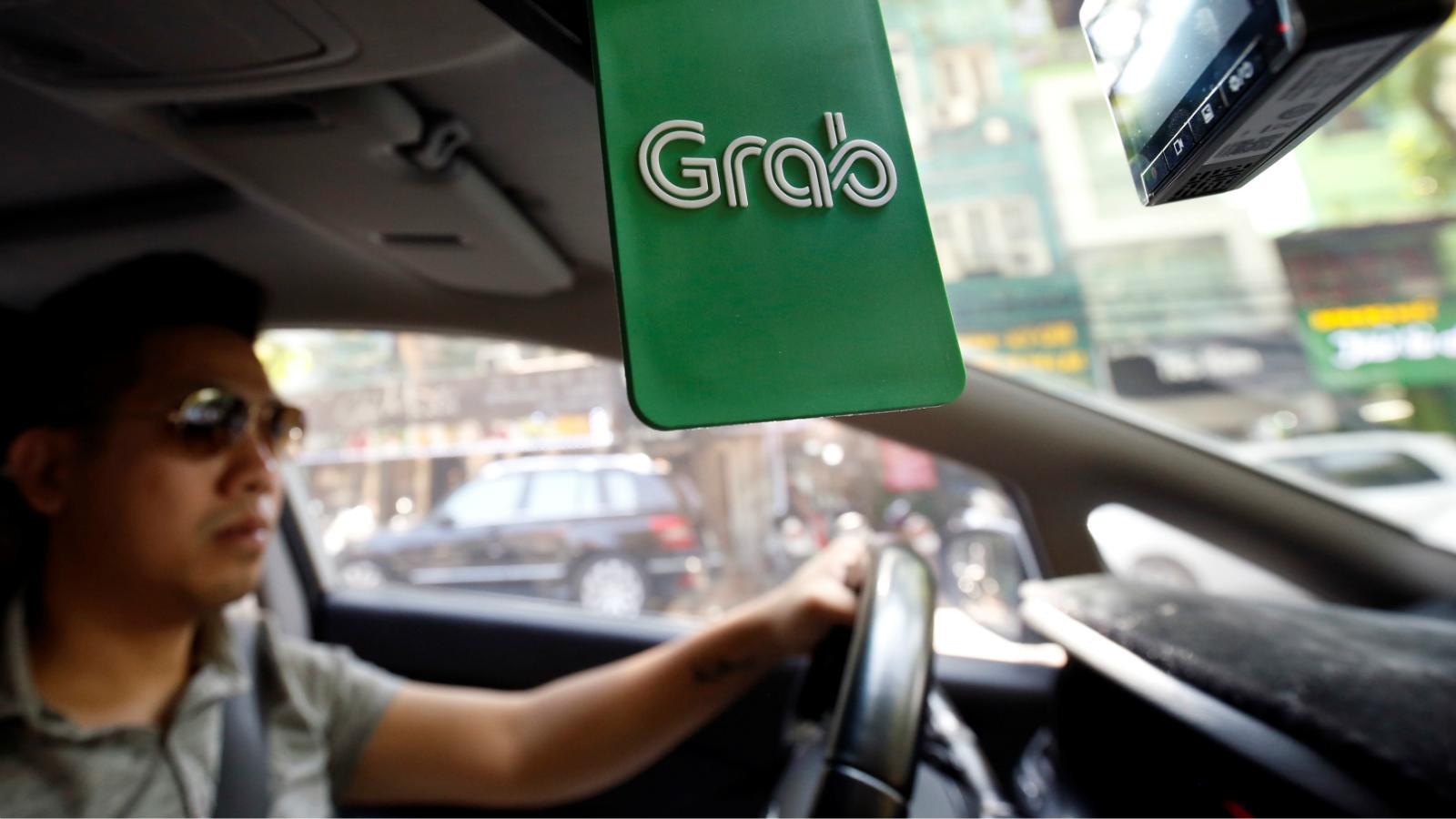
    A new service, now available on Grab’s app, allows customers to look at schedules and book tickets from the ride-hailing giant’s partner bus operators.

    Grab has begun testing the bus-booking feature for customers traveling between Ho Chi Minh City’s Tan Son Nhat airport and Vung Tau Town in southern Ba Ria – Vung Tau Province starting Monday, the company said in a release.

    The route is currently operated by local firm Avigo, Grab’s partner bus operator, which runs 24 trips a day. By the end of this year, Grab will test out one more route between District 7 and District 1 in HCMC, operated by local partner City View Bus at a frequency of 44 trips per day.

    Grab’s Bus feature will help customers find buses and routes that best suit their schedule, book tickets in advance, track the bus in real-time and know when it is arriving. Customers will be able to make cashless payments through the Moca e-wallet function on the Grab app, with an international debit card, or by QR code, Grab said.

    The Bus feature will allow Grab’s transportation partners to access Grab’s vast user base, boost operational efficiency and business growth through the use of the company’s technological platform, the company said.

    Grab began testing the Bus feature in the Philippines two weeks ago, allowing customers to book tickets for two routes from Makati City, the country’s financial hub, to a nearby city.

    Grab, with its app on more than 160 million mobile devices across eight countries, entered Vietnam in 2014 and now offers a wide range of services from taxi and motorbike hailing to food delivery, online payment, express delivery, and hotel booking.

    In late August, the Singapore-based tech firm announced in a statement it will invest some $500 million in Vietnam in the next five years to expand its transport, food and payment networks.

    The money would also be used to develop fintech, mobility solutions and logistics to spur the country’s digital economy, Grab said.

    Vietnam’s ride-hailing and food delivery market is expected to top $1 billion this year and $4 billion in 2025, according to a recent report by Google, Singaporean investment firm Temasek and U.S. consultancy Bain.

  • Grab launches first shared kitchen in Vietnam

    Grab launches first shared kitchen in Vietnam

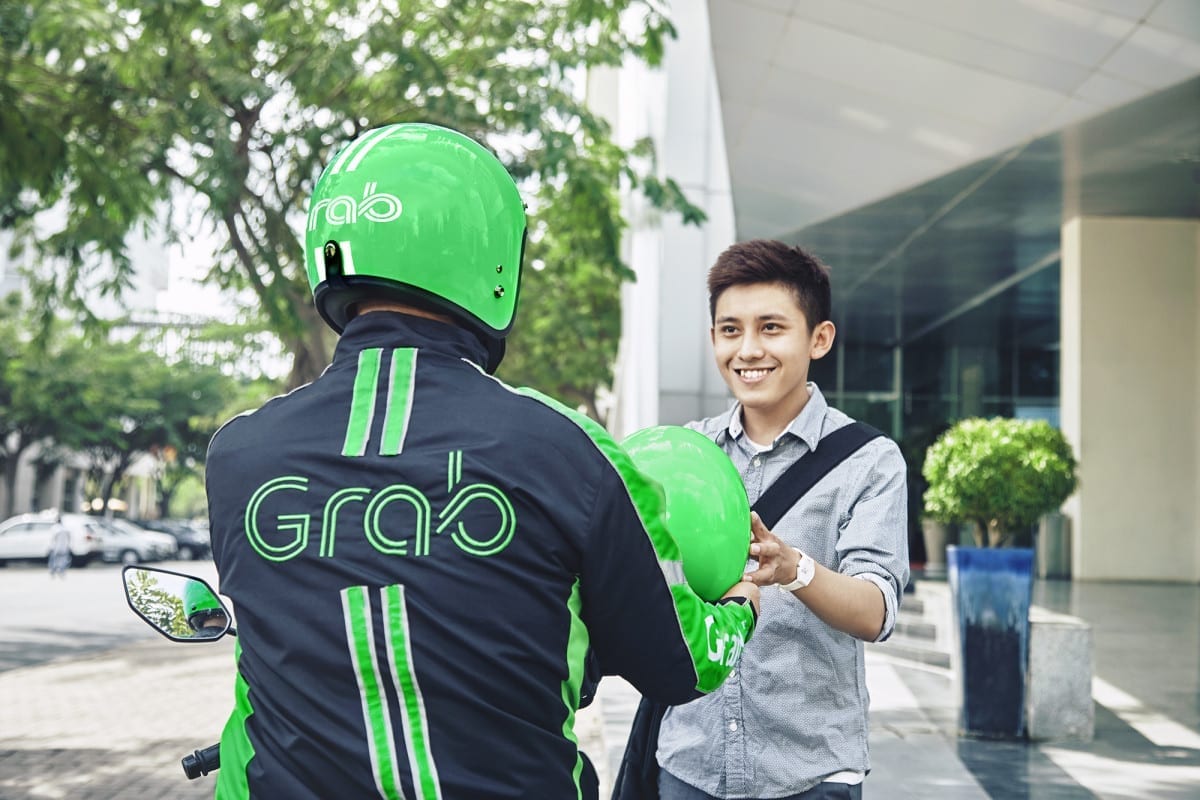
    Grab launched a shared kitchen in Vietnam on Tuesday to cater to the growing demand for food delivery.

    It is in Thu Duc District, Saigon, and 12 restaurants make food exclusively for GrabFood drivers to pick up and deliver to customers.

    Grab has given each of them space to cook for free though they have to pay utility bills, and get a commission on the orders.

    Vietnam is the second place where it has launched GrabKitchen after Indonesia, and there is great potential for this model in the country, Jerry Lim, CEO of Grab Vietnam, said in a statement.

    Thu Duc was chosen because of its young demographic comprising students and workers who want to order from their favorite restaurants which are located too far away, he said.

    More such kitchens would be opened in the city this year and the model would be expanded to Hanoi and Da Nang next year, Lim added.

    Shared kitchens have become popular in Asian countries such as China, Japan and India in recent years as restaurants can focus completely on the food and do not need to find, rent and manage a shop.

    Between January and June this year the number of GrabFood transactions quadrupled to an average of 300,000 orders a day.

    Competitors for GrabFood in Vietnam now are Foody’s Now, Go-Viet’s GoFood and South Korean-owned Baemin.

    Vietnam’s ride-hailing and food delivery market is expected to top $1 billion this year and $4 billion in 2025, according to a recent report by Google, Singaporean investment firm Temasek and U.S. consultancy Bain.

  • Grab Seeks to Merge Digital Payment Firms in Indonesia

    Grab Seeks to Merge Digital Payment Firms in Indonesia

    Grab is looking to gain pole position in Indonesia’s budding digital payment market, reportedly exploring a merger between two major players – a local entity it owns and another one backed by China’s Ant Financial.

    A merger between Grab-backed ONO and Ant-backed DANA would give the ride hailer app an edge over its major Indonesia competitor Gojek, which has been vying for the top spot in digital payments with ONO since 2018.

    The deal would also result in Grab acquiring a majority interest in DANA from Indonesian media conglomerate Elang Mahkota Teknologi (Emtek).

    It’s part of the Grab-Gojek battle, one of the sources said.

    According to the report, SoftBank, Grab’s largest shareholder, supports the proposal with the plan having already been discussed in July during a meeting in Jakarta between SoftBank CEO Masayoshi Son and top Indonesian officials.

    Son is in favor, another source said, adding that negotiation on deal structure with the Indonesian central bank will also be required due to foreign ownership restrictions.

  • Ride-Hailing Firm Grab Plans Major Investment In Vietnam

    Ride-Hailing Firm Grab Plans Major Investment In Vietnam

    Singapore-based ride-hailing firm Grab is set to invest “several hundred million dollars” in Vietnam where the company sees its next major growth market, just weeks after it unveiled a $2 billion plan in Indonesia.

    The proposed investment is the latest example of a top-notch regional brand deepening its commitment to Vietnam, one of Asia’s fastest growing economies. It also shows the eagerness of Grab, which has raised billions of dollars from investors, to put its cash to work.

    “We’re very excited about Vietnam. We see very similar characteristics to Indonesia,” Grab President Ming Maa told Reuters in an interview.

    Grab and rival Indonesia-based Go-Jek are evolving from ride-hailing app operators to become one-stop shops for services as varied as payments, food delivery, logistics and hotel bookings in Southeast Asia.

    Grab, with its app on more than 160 million mobile devices across eight countries, has said its Indonesia investment aims to build a next-generation transport network and transform how critical services such as healthcare are delivered.

    Like Indonesia, many middle class and young consumers in Vietnam are using apps and websites to access services, Maa said.

    “I would expect us to invest over several hundred million dollars into growing our Vietnam business,” he said without giving specific details on the investment.

    Vietnam ranks third or fourth among Grab’s top markets, said Maa, who joined the company three years ago from its major investor, Japan’s Softbank Group Corp, and a previous decade-long stint at investment bank Goldman Sachs.

  • Grab Partners NTUC Income to Launch Micro-Insurance Plan

    Grab Partners NTUC Income to Launch Micro-Insurance Plan

    Grab’s insurance arm and NTUC Income jointly unveiled its first micro-insurance plan designed to help drivers better protect themselves against critical illnesses.GrabInsure has launched a flexible pay-per-trip micro premium and accumulative coverage proposition together with local insurer NTUC Income on Thursday. Known as Critical Illness: Pay Per Trip (CIPPT), the microinsurance plan can be subscribed via Grab’s driver-partner app and allows premiums to be deducted from their in-app cash wallet.

    We know many of them (the driver-partners) worry about falling ill, and the corresponding medical costs. They see the value of insurance protection but are hindered by a lack of affordable options that give them the flexibility in premium payment and coverage. Some of them are also discouraged by the application processes of insurance plans, said Yee Wee Tang, Country Head of Grab Singapore in a media statement.

    CIPPT is a critical illness insurance plan that provides Grab driver-partners the option to pay for premiums on a per-trip basis. Unlike typical insurance plans that call for a commitment to a fixed premium amount over a set period, CIPPT offers greater flexibility on cash flows to maintain the plan.

    For as low as S$0.10 per trip completed, Grab driver-partners can accumulate insurance coverage of a Sum Assured of up to S$200,000 for 360 days, in the event that the insured is diagnosed with a critical illness covered under the plan. There is no minimum trip requirement per day and they can work anytime.

    This micro-insurance proposition for critical illness protection is ground-breaking in the way in which it is purchased and where protection is rendered. The option to stack insurance coverage by paying premiums at micro-quantum is an innovative way to offer Grab driver-partners critical illness protection without incurring a substantial outlay from their monthly income. This approach resonates with people who prefer to have flexible cash flows to see to other financial commitments but yet at the same time, want to benefit from insurance protection,» said Peter Tay, NTUC Income’s Chief Digital Officer, who heads the company’s Digital Transformation Office.

    CIPPT is also the latest digital insurance product offered by GrabInsure, after the launch of Personal Accident Plus (PA+) and Prolonged Medical Leave Plus (PML+) insurance plans in April 2019.

    According to the Life Insurance Association Singapore’s Protection Gap Study, only 20 percent of economically active individuals in Singapore are covered for their critical Illnesses.

  • Thai bank invests in Go-Jek to take on Grab

    Thai bank invests in Go-Jek to take on Grab

    Siam Commercial Bank has made a “significant investment” in Indonesian ride-hailing app Go-Jek.

    Go-Jek, which has an estimated valuation of around US$10 billion, will be offering financial services in partnership with the bank as well as expand its food delivery services in Thailand following the funding. It is expected to add SCB’s products in payments, digital lending and insurance to the available offerings on its app within the coming months.

    “Our products will be connected, SCB will oversee finance while Go-Jek and Get will look at digital and logistics,” said SCB president Arak Sutivong.

    Go-Jek has operated in Thailand under the brand name Get since earlier this year, where it is in competition with Singaporean ride-hailing app Grab.

    “We have more then 20 services, in Indonesia,” said Go-Jek’s head of international, Andrew Lee. “We will pick and choose the best playbook for Thailand and carefully curate that.”

  • Grab explores digital-only banking licence in Singapore

    Grab explores digital-only banking licence in Singapore

    Grab, Southeast Asia’s most valuable start-up, is exploring a move into Singapore banking as regulators in the Southeast Asian city-state consider allowing online-only banks, four people with knowledge of the process said.

    Grab is close to hiring a consultancy to advise it on its banking potential and is gearing up to apply for a digital-only bank licence in Singapore if the banking regulator decides to open up the sector, said the people, who declined to be identified as they were not authorised to speak to the media.

    Singapore-headquartered Grab’s interest in what would be its first foray into banking has not been reported before.

    When asked for a response, the Monetary Authority of Singapore (MAS) referred Reuters to its comments issued last month when it said it was studying the potential for allowing “digital-only banks with non-bank parentage” into its market.

    Hong Kong, Singapore’s fierce financial centre rival, began issuing licences earlier this year.

    A potential entry by Grab – backed by Japan’s SoftBank Group Corp – and others would mark the biggest shake-up in years for a market dominated by DBS Group Holdings Ltd, Oversea-Chinese Banking Corp and United Overseas Bank Ltd.

    The MAS could make a decision in the next couple of months on whether to admit digital-only banks with non-bank parentage, as well as the eligibility applicants, the people said.

    The city-state’s banking regulator is likely to issue only two to three licences in the first phase, two of the people said.

    The interest from Grab underscores how Asia’s non-banking firms are keen to challenge traditional banks by leveraging their technology and their user databases to offer banking services to retail customers and small businesses.

    Securing a digital banking licence in Singapore could help seven-year-old Grab to benefit from its existing data on transport movements, payment transactions and consumer behaviour, the people said.

    Last year, Grab teamed up with Japan’s Credit Saison Co Ltd to provide loans in Southeast Asia.

    Global fintech players are among other groups expected to seek licences in Singapore, with some of them looking to form joint ventures, said two of the people.

    Consultants said a digital banking licence could also appeal to Singapore Telecommunications Ltd (Singtel), which is expanding beyond its traditional carrier services into areas such as mobile payments and cybersecurity.

    “It is too premature to comment but having ventured into mobile financial services, we are open to exploring the feasibility of such an opportunity should it arise,” a Singtel spokeswoman said in an emailed response.

    In Hong Kong, affiliates of Alibaba Group Holding Ltd and Xiaomi Corp, and consortia led by Standard Chartered PLC and BOC Hong Kong Holdings Ltd were among those who won the digital-only banking licences.

    “In Hong Kong, the guidelines were quite precise in terms of what applicants had to prove in order to get a virtual banking licence, more so than in Europe,” said Dan Jones, APAC partner at consultancy Capco Digital.

    “It will be interesting to see whether MAS goes down a similar route to Hong Kong … so that the only people who can apply are established companies, rather than literal start ups.”

    As in Hong Kong, online-only banks in Singapore are also expected to launch by offering services such as savings accounts, personal loans and travel insurance, two of the people said.

  • Grab may be categorized as e-charter transport operator

    Grab may be categorized as e-charter transport operator

    The Ministry of Transport organized the meeting with other ministries, transport operators and associations to collect feedback for the eighth version of the draft decree before presenting it to the prime minister prior to April 15 as scheduled. Many participants at the meeting proposed Grab be listed as an e-charter transport operator.

    A representative from the Ministry of Public Security (MPS) noted that Grab was a new transport service provider that applies technology to its operations. Its services are widely used by the local people thanks to its convenient features.

    The MPS representative suggested the relevant agencies clarify Grab’s business structure and categorize it in accordance with prevailing regulations while imposing stringent management policies on the firm in terms of safety requirements for vehicles and drivers, service costs and tax and financial obligations to the State.

    Representing Grab Vietnam, Nguyen Ngoc Trang asserted that Grab functions as an e-commerce trading floor as it was previously registered with the Ministry of Industry and Trade. He also pointed out that some terms stipulated on the draft decree were redundant and illogical.

    Meanwhile, some participants at the meeting voiced their opposition to the suggestion to list Grab as an e-charter transport service provider.

    Nguyen Cong Hung, chairman of the Hanoi Taxi Association, was quoted by Nguoi Lao Dong Online as saying that the application of electronic features to operations is merely a transport connection method. It is illogical to name a new transport service type based on the connection method, Hung said.

    Also, Khuat Viet Hung, vice chairman of the National Traffic Safety Committee, stated that the five types of transport services regulated in the Law on Road Traffic were enough and creating a new service type was not needed.

    Wrapping up the meeting, Deputy Minister of Transport Le Dinh Tho remarked that the unit compiling the draft decree will take the feedback into consideration. He suggested the relevant parties continue to work on the draft decree before sending it to the prime minister.

  • FPT, Grab team up to develop 4.0 tech solutions

    FPT, Grab team up to develop 4.0 tech solutions

    Vietnamese tech giant FPT and Singaporean ride-hailing firm Grab will work together on smart city solutions, AI and smart payments. The two companies signed a strategic partnership agreement to this effect Friday. Specifically, they will cooperate on piloting a traffic signal monitoring system in Ho Chi Minh City. FPT will provide the traffic light monitoring software, while Grab will provide data and traffic analysis from its ecosystem. Based on data transferred from GrabCar and GrabBike vehicles, the two sides will jointly develop a real-time traffic monitoring portal to be used in several major cities.

    Grab and FPT also plan to develop electric vehicle charging stations in Vietnam and explore multimodal transport solutions that can integrate FPT’s digital public transport schedule with Grab’s network.

    “We hope the application of 4.0 technology by the partnership will bring new experiences and conveniences to the Vietnamese people. The two sides will share data and solutions to solve traffic challenges in big cities,” said Le Hong Viet, technology director of FPT.

    Jerry Lim, Grab Vietnam director, said that with available traffic data, analysis capacity and experience of public transport in Vietnam and Southeast Asian countries, Grab will work closely with FPT to develop smart city solutions, thereby making commuting easier, more convenient and safer for Vietnamese people.

    FPT has also committed to integrate the GrabPay by Moca e-wallet platform into its e-payment ecosystem in 2019, while Grab will cooperate with its international financial partners to provide suitable financial services to Vietnamese users.

    Grab’s loyalty programme, called GrabRewards, will also be available across FPT’s network. Users will be able to accumulate points by purchasing FPT products.

    Grab and FPT will also develop AI technologies in areas such as facial recognition, authentication and real-time communication in order to increase safety and security for drivers, passengers and business partners.

    FPT is currently the first and only enterprise in Vietnam to own a comprehensive artificial intelligence platform – FPT.AI.

    This platform allows programmers to create interactive language interfaces, such as chatbots, which help with customer engagement; voice recognition used in automatic switchboards; and image recognition used for processing ID documents along with face recognition.

    FPT is the largest information technology service group in Vietnam with its core business focusing on the provision of IT-related services.

    Grab, a Singaporean transport network company, provides ride-hailing services in Singapore, Malaysia, Indonesia, the Philippines, Vietnam, Thailand, Myanmar, and Cambodia. It is Southeast Asia’s first “decacorn”, a startup with a valuation of over $10 billion.

  • Singaporean firm’s taxi joint venture in Vietnam suffers losses

    Singaporean firm’s taxi joint venture in Vietnam suffers losses

    ComfortDelgro Savico Taxi, a joint venture between a Singaporean transport corporation and Vietnamese motor vehicle dealer, lost $103,000 last year. This figure is mentioned in the latest financial statement published this month by local retail, motor vehicle and parts dealer Savico, the Vietnamese joint venture partner. ComfortDelgro Savico Taxi has been in constant trouble in the last few years. After nearly ten years of operation, the joint venture had to restructure and upgrade its fleet to maintain an exploitation rate of 90 percent, which meant heavy investments.

    However, just when it was becoming profitable enough to offset cumulative losses of the previous years, the joint venture met fierce competition from ride-hailing start-ups Grab and Uber.

    Savico decided to close the taxi firm’s operations last March to preserve its capital. At closure time it had 352 cars but only 140 drivers.

    Following the joint venture’s closure, ComfortDelGro’s revenue in Vietnam fell to $3.3 million in 2018 compared to $6.8 million the previous year, down by more than half.

    ComfortDelGro’s Vietnam earnings now account for less than 1 percent of its total revenue. The firm also has business in Singapore, the U.K., Australia, China and Malaysia.

    According to financial statements, ComforDelGro’s non-current asset value in Vietnam has also fallen from $12.8 million in January 2017 to only $4.8 million in 2018.

    Although the Singaporean transport firm’s management did not give a reason for the fall, experts have not ruled out the possibility that it has already liquidated all its long-term assets in the joint venture and is waiting to complete dissolution procedures.

    ComfortDelgro Savico Taxi, formerly known as Tourism Taxi Savico Enterprise, was established in March 2005 as a joint venture between Savico (40 percent) and ComfortDelGro (60 percent) – a leading public passenger transport operator in Singapore.

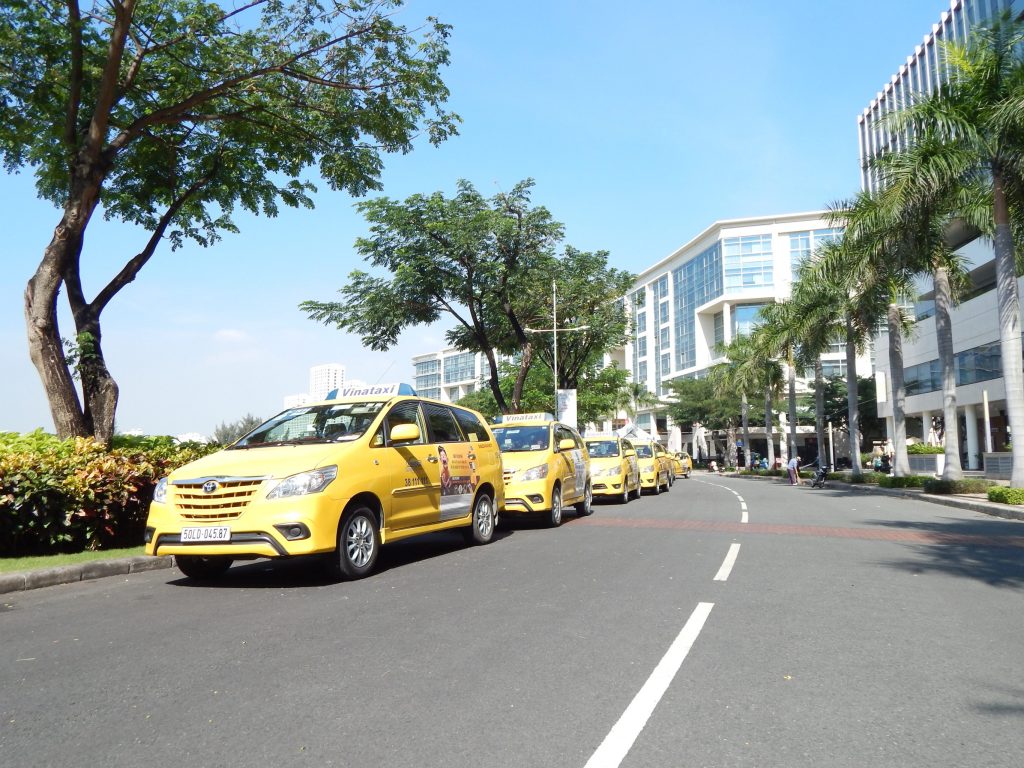
    ComfortDelGro still owns a 70 percent stake in another local taxi firm called VinaTaxi, which takes up the third largest market share in the HCMC taxi market.

    However, last November, its Vietnamese partner, the Transport and Industry Development Investment Corporation (Tracodi), withdrew its 30 percent stake from the joint venture, citing poor business performance.

  • Vietnam ride-hailing app FastGo to hit Singapore streets

    Vietnam ride-hailing app FastGo to hit Singapore streets

    Vietnamese ride-hailing firm FastGo is set to launch Singapore operations in April as part of its regional expansion plans. The nine-month old Vietnamese start-up has announced that drivers will be able to register on its ride hailing application from April 1, and customers can use the service from April 30. Diep Nguyen, country manager for FastGo Singapore, said the company’s fleet size will be at least 3,000 cars.

    Singapore is the third country in which FastGo will operate, after Vietnam and Myanmar. The firm is expected to face fierce competition from market incumbents including  Singapore’s Grab, Indonesia’s Go-Jek, as well as local startups Ryde and TADA.

    FastGo, which is part of Vietnamese technology startup NextTech Group, has plans to launch in five other countries in the region, including Indonesia and the Philippines, by the end of 2019.

    While FastGo has not yet publicised fares, but the ride-hailing app will not charge peak period surcharges, and customers can tip drivers. FastGo aims to undercut competitors like Grab and Go-Jek, who collect 20 percent of ride fares from drivers, by charging them a fixed daily subscription fee of $5 if a driver’s income exceeds $30 a day.

    However, an associate professor at the Singapore University of Social Sciences, as saying “another small entrant” will not make a difference to the local ride-hailing market, unless the new player is financially backed by a strong sponsor or a well-known Singaporean firm.

    “Other than GoJek and Grab, the other (existing) players have very small market share and have difficulty making much impact locally. The market is easy to enter but it’s very hard to get a substantial market share,” he said.

    Founded in April 2018, FastGo Vietnam JSC launched its service after Uber’s exit from Southeast Asia last June. With almost 60,000 drivers onboard, the company claims to be the second most popular ride-hailing firm in Vietnam, following Grab. After receiving an undisclosed sum in a Series A investment from venture capital platform VinaCapital Ventures in August last year, FastGo is aiming to raise another $50 million in its Series B investment round over the next few months.

    According to the company’s statements, FastGo will diversify its services to include food delivery and financial services.

  • Grab now has more rivals than ever before in Vietnam

    Grab now has more rivals than ever before in Vietnam

    From an e-hailing app, Grab has made great steps forward, providing many different services. Most recently, it started the payment service GrabPay and lending service Grab Financial. The consumer lending market in South East Asia is very large. As estimated by the World Bank, about 2 billion people in the world cannot access bank services, and most of them are in Asia Pacific.

    The non-cash payment market, according to Grab, is worth $500 billion in South East Asia. An analyst commented that Grab is wise taking a ‘roundabout’ approach to consumer lending (it conquered the transport market first before aiming for the consumer credit market).

    Consumer lending is a fertile business field for Chinese e-commerce firms. The firms offer online payment apps to users to ‘learn’ about their financial capability.

    Grab, as an app, quickly attracted users, especially investors. Just within six years, Grab became an unicorn company, i.e. an unlisted technology firm with valuation of $1 billion and higher, in South East Asia. Analysts estimate that Grab is valued at $6 billion.

    The challenges

    The total number of Grab downloads has reached 95 million all over South East Asia. This could serve as the launch pad for it to conquer the consumer lending market.

    “GrabPay e-wallet will be used for both transport and food delivery services, two of the most used services in South East Asia,” said Jerry Lim, director of Grab Vietnam.

    However, the analyst said, by expanding its business, Grab would have to compete with more rivals who are ‘powers’ in their fields. In online payment, for example, it will have to compete not only with AirPay (Sea) and Alipay (Alibaba Group), but also with local firms such as ZaloPay (VNG) and MoMo.

    In Indonesia, Grab bought an e-commerce platform, Kudo, in April 2017. Grab believes that this is the factor which can help expand GrabPay. However, in Vietnam, Grab’s two big rivals – Sea and Alibaba — both have strong support from two popular e-commerce floors – Shopee Vietnam and Lazada Vietnam.

    Similarly, GrabFood has rivals in the food delivery sector, where Sea’s Now, which inherited the large custom from Foody, is the leader.

  • Grab launches ‘Buy Now, Pay Later’ option

    Grab launches ‘Buy Now, Pay Later’ option

    Grab has expanded its fintech offer with “Buy Now Pay Later” facility and an online store check-out plugin.

    Through its joint venture with Credit Saison, the ride-hailing platform offers a post-paid payment facility which allows customers to pay for Grab services at the end of the month, without additional fees.

    This is geared towards consumers who face exceptional expenses, but are keen to avoid being hit with high credit card or personal loan interest payments.

    The platform will also launch another pay-later product, which will allow consumers to shop online immediately, but pay for their purchases in installments.

    Only Grab’s most creditworthy customers can use these two products. Credit risk is based on their tenure on the Grab platform, frequency of use and spending patterns.

    Grab has been boosting its financial services in Southeast Asia in recent years. Its GrabPay service has teamed with e-commerce platforms such as Qoo10 and 11Street.

    It has recently signed with Adyen, Boku, iPay88, Dragonpay, Cathay Cineplexes, and SM Cinema in the Philippines.

  • Grab now has more rivals than ever before in Vietnam

    Grab now has more rivals than ever before in Vietnam

    From an e-hailing app, Grab has made great steps forward, providing many different services. Most recently, it started the payment service GrabPay and lending service Grab Financial.

    The consumer lending market in South East Asia is very large. As estimated by the World Bank, about 2 billion people in the world cannot access bank services, and most of them are in Asia Pacific.

    The non-cash payment market, according to Grab, is worth $500 billion in South East Asia.

    An analyst commented that Grab is wise taking a ‘roundabout’ approach to consumer lending (it conquered the transport market first before aiming for the consumer credit market).

    Consumer lending is a fertile business field for Chinese e-commerce firms. The firms offer online payment apps to users to ‘learn’ about their financial capability.

    Grab, as an app, quickly attracted users, especially investors. Just within six years, Grab became an unicorn company, i.e. an unlisted technology firm with valuation of $1 billion and higher, in South East Asia. Analysts estimate that Grab is valued at $6 billion.

    The total number of Grab downloads has reached 95 million all over South East Asia. This could serve as the launch pad for it to conquer the consumer lending market.

    The challenges 

    “GrabPay e-wallet will be used for both transport and food delivery services, two of the most used services in South East Asia,” said Jerry Lim, director of Grab Vietnam.

    However, the analyst said, by expanding its business, Grab would have to compete with more rivals who are ‘powers’ in their fields. In online payment, for example, it will have to compete not only with AirPay (Sea) and Alipay (Alibaba Group), but also with local firms such as ZaloPay (VNG) and MoMo.

    In Indonesia, Grab bought an e-commerce platform, Kudo, in April 2017. Grab believes that this is the factor which can help expand GrabPay. However, in Vietnam, Grab’s two big rivals – Sea and Alibaba — both have strong support from two popular e-commerce floors – Shopee Vietnam and Lazada Vietnam.

    Similarly, GrabFood has rivals in the food delivery sector, where Sea’s Now, which inherited the large custom from Foody, is the leader.

  • GrabFood grabs pole position in Vietnam food delivery market

    GrabFood grabs pole position in Vietnam food delivery market

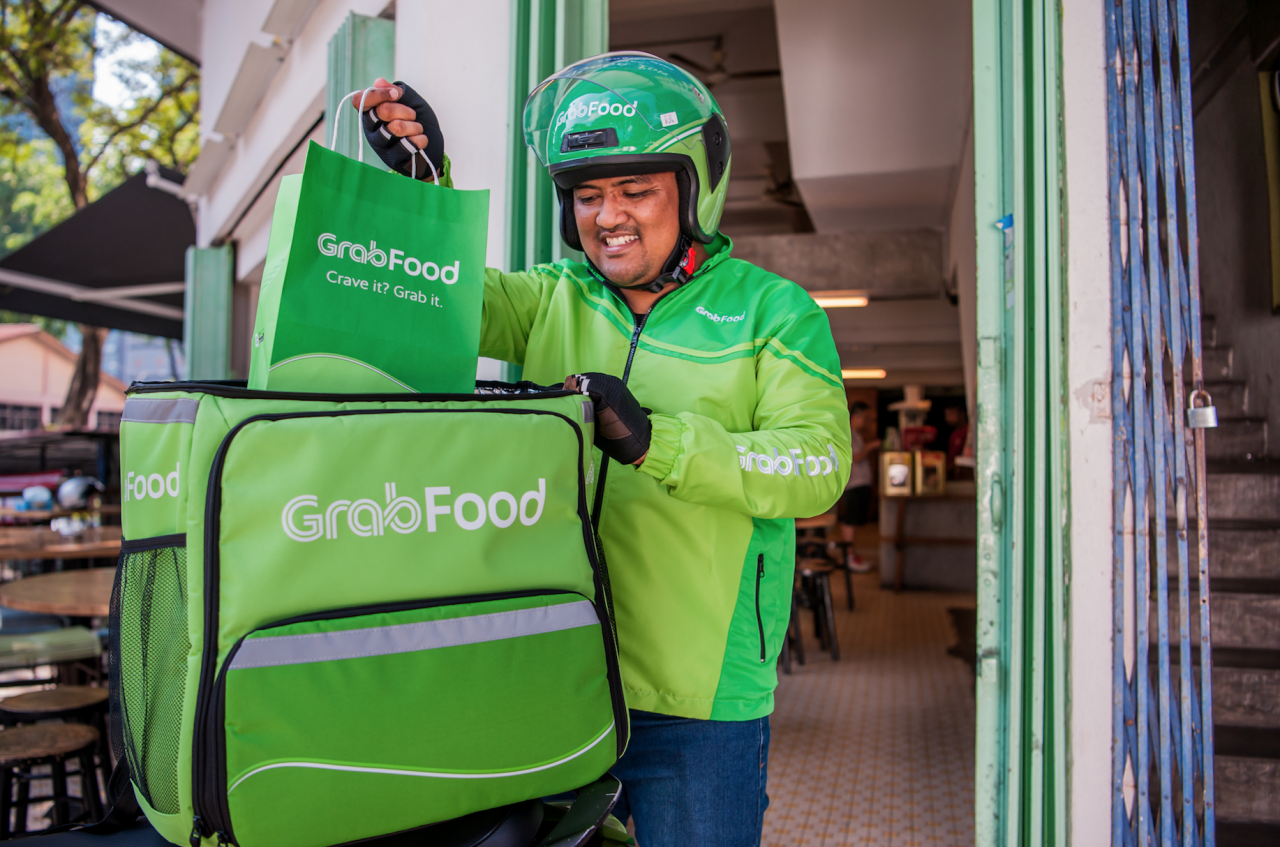
    Despite being a new entrant, GrabFood has experienced rapid growth in the online food delivery market. GrabFood recently announced that it has grown 25 times since June 2018, in terms of orders received. A survey by Kantar TNS in January 2019 found that GrabFood was the most often used food delivery service in Hanoi and Ho Chi Minh City, as cited by 68 percent of respondents.

    The GCOMM market research company, which polled 600 people in Hanoi and Ho Chi Minh City, said in a recent report that 98 percent were satisfied with GrabFood’s service.

    This was a surprising outcome, given that GrabFood is a new entrant in Vietnam’s food delivery market, which is witnessing fierce competition with the likes of Foody.vn, Now and Vietnammm all in the fray.

    Grab’s ecosystem with a large network of driver-partners has greatly contributed to this success. More than 175,000 driver-partners in 15 cities and provinces have joined GrabFood’s network within seven months. The problem of recruiting a huge number of partners, which demands a large recruitment team and financial resources and yet takes many years, has been overcome.

    Driver-partners also saw a 20 percent increase in income from delivering food and parcels, according to latest statistics from Grab.

    Instead of offering a slew of discounts and other promotional programs to attract customers, GrabFood competes based on creative strategies, adapting to the diverse demands and tastes of customers in the various regions. GrabFood has also focused on building a network of merchant-partners. According to a Grab representative, an expansion in the number of merchant-partners was imperative for further growth. GrabFood cares about its partners’ growth and wants to build a win-win relationship so that they can grow together, the representative said.

    For example, GrabFood has many exclusive menus of well-known restaurants with “GrabFood Signatures”. These co-created dishes and drinks are constantly in the top three of most ordered items at big partners like Gong Cha and MeetFresh.

    In addition, GrabFood has reduced the average delivery time to just 20 minutes, which means customers can enjoy their favorite food delivered fresh and delicious. This, in turn, means that merchant-partners can retain customer loyalty. At the same time, marketing campaigns undertaken in cooperation with GrabFood help them increase their customer base.

    The Grab representative also said that on average, merchant-partners earn up to 300 percent in incremental revenue within two to three months of being on the platform.

    GrabFood has the advantage of being a technology mobile platform to which smart functions have been integrated, including locating the nearest restaurants, updating status of orders and chatting with drivers via GrabChat.

    Cashless payment for food delivery via GrabPay by Moca has been beta tested in Hanoi, and will soon be expanded to all three cities GrabFood currently operates in.”Our goal is to become the number one on-demand food delivery service in Southeast Asia and Vietnam in 2019,” the representative said.At the beginning of 2019, GrabFood announced that it was expanding its network to 15 cities and provinces.

    “On the whole, Grab’s management has made good moves. Expanding into payments and food delivery are smart, synergistic moves,” said Nitin Pangarkar, Associate Professor, Department of Strategy and Policy at the National University of Singapore (NUS) Business School.