Retail News CRM

Tag: grab

  • Southeast Asian ride-hailing firm Grab hires former Indonesian police chief

    Southeast Asian ride-hailing firm Grab hires former Indonesian police chief

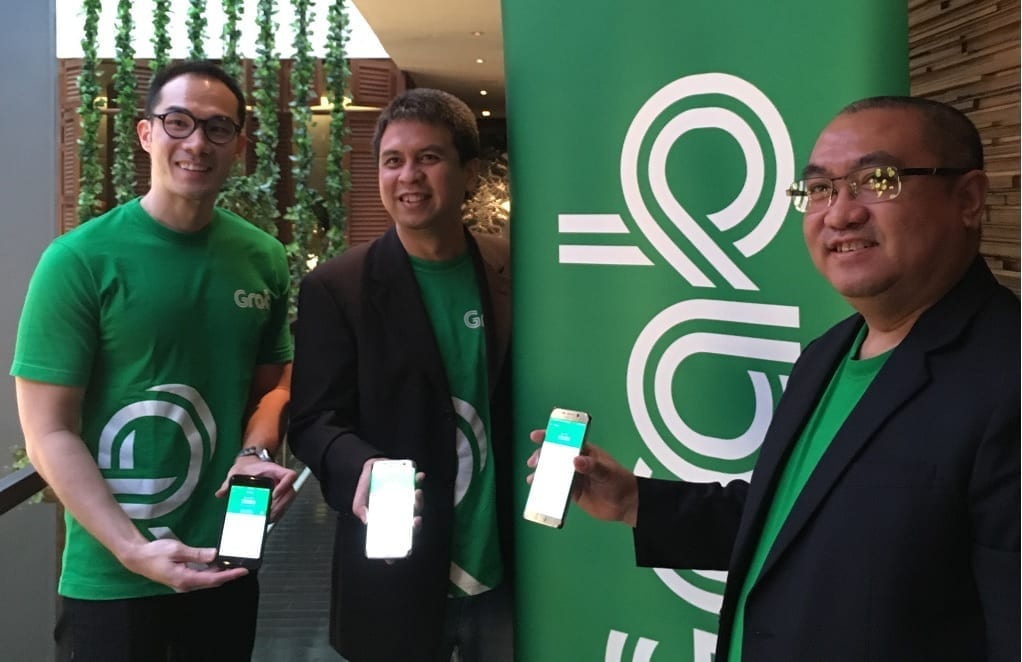
    Southeast Asian ride-hailing firm Grab said on Monday (Jan 30) it has appointed Indonesia’s former national police chief to oversee corporate governance and long-term plans for its biggest market.

    Grab said it plans to expand to more cities in Indonesia, grow its transport services and invest in a mobile payments platform.

    Badrodin Haiti, who was Indonesia’s chief of the National Police from April 2015 to July 2016, “brings extensive experience working with government stakeholders and ensuring aligned interests among different stakeholders,” the company said in a statement.

    Grab and its competitors, Uber of the United States and homegrown company Go-Jek, have faced regulatory obstacles in Indonesia.

    The government has ordered ride-hailing service providers to pass vehicle safety tests and get local partners, among other conditions.

    “As the technology and ride-hailing sectors evolve in Indonesia, Mr. Haiti will play a guiding role to ensure Grab contributes constructively to the implementation of new transport regulations and safety guidelines,” Grab said.

  • Lunar New Year surge pricing enrages GrabBike users

    Lunar New Year surge pricing enrages GrabBike users

    Treble fares and heavy traffic add up to the Tet holiday stress in Vietnam. The week before Vietnamese people ring in the Year of the Rooster has been the busiest time of the year for ride-sharing services.

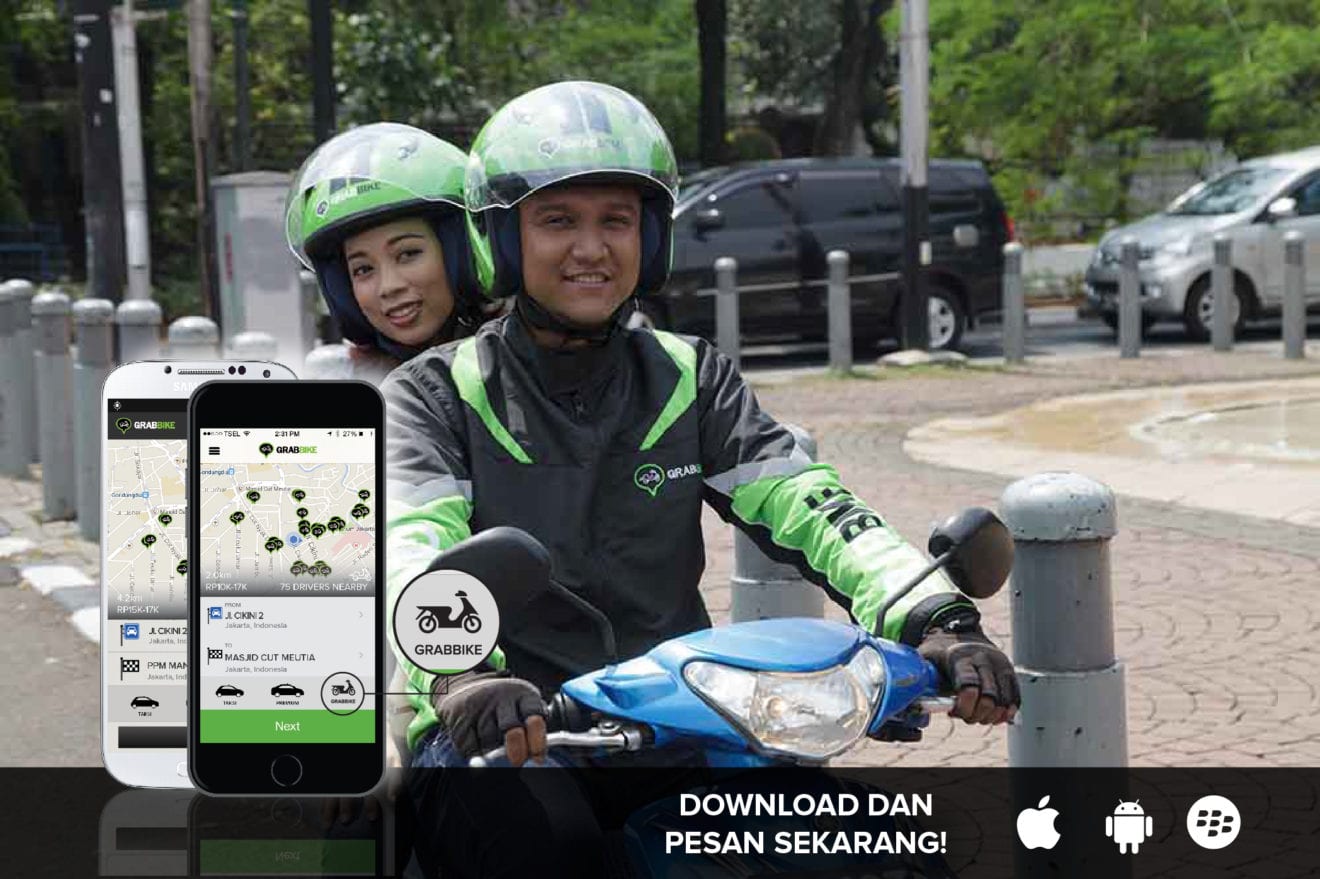
    Due to the rising demand, GrabBike, a mobile hailing app for motorcycle taxi services, has applied what is known as “surge pricing”, meaning that fares have more than tripled over the past week. The company says the move is aimed at ensuring there are enough drivers on the road, but customers are not impressed.

    Long, an office worker in Ho Chi Minh City’s financial district, headed home for the Lunar New Year holidays on a late night coach trip, leaving the city at 9 p.m. It usually costs him only $2.6 to travel the 7 kilometers by motorbike taxi from his apartment to the coach station. However, this time he was shocked to find that GrabBike had nearly tripled the fare to $7.1.

    The inflated cost annoyed Long who felt like he was getting fleeced by the service when he needed it the most.

    He decided to return to traditional motorcycle taxi drivers who pick up passengers on every corner in the city.

    “After negotiating, the driver agreed to take me for $3.5,” said Long, who had ditched old-fashioned motorcycle taxis for GrabBike thanks to its convenient booking service and lower fares offered by the app.

    The arrival of hailing mobile apps like Uber and Grab to Vietnam in recent years has put traditional motorcycle taxi drivers under great pressure with a rapidly shrinking market share.

    Many traditional motorcycle taxi drivers who are usually unable to compete with Grab have suddenly made a strong comeback over the past week as Grab’s surge pricing scares away customers.

    It usually costs Phuong, a resident in District 7, only $3 to get to Tan Son Nhat Airport. The price surged to $8 last Saturday despite her effort to avoid the rush hour by booking the trip at noon. Phuong agreed to the inflated fare, but after more than 30 minutes, there were still no GrabBike drivers in sight. She had no choice but take a cab to the airport.

    Higher prices are supposed to keep more drivers on the road during the busiest times. However, Long, a GrabBike driver, said the higher fares had made little difference to his income due mainly to heavy traffic that slows journey times.

    “A pick-up point was just 1.5 kilometers away but it took me more than 25 minutes to get there the other day,” said Long, adding that when he arrived at the pick-up point the passenger had already cancelled the trip.

    Ngo Nguyen Hoang, chief executive of Grab, said despite the higher fares leading up to Tet, the company has been unable to meet the demand.

    “We simply can’t reach our customers,” he said. “Before passengers book their trips, they will see the total cost of the rides in advance with upfront fares.”

    He confirmed that there will be no more unwelcome surprises heading into the holidays.

    “We are still offering discount coupons. There is no way we are fleecing our customers in the week leading up to Tet,” Hoang continued.

  • Grab launches e-money service GrabPay Credits

    Grab launches e-money service GrabPay Credits

    Ride-hailing app operator Grab has expanded into the e-money business in Southeast Asia.

    Singapore-based Grab this week unveiled a cashless mobile payment service called GrabPay Credits, which lets consumers store cash credits on its smartphone app.

    Singapore and Indonesia will be the initial test markets before the concept is rolled out in Malaysia, Thailand, Vietnam and the Philippines where Grabn operates its ride hailing app.

    Users will be able to top up their accounts at convenience stores or using ATMs by partner banks.

    “Working with local banks, payment providers and merchants, Grab is building one of the region’s largest cashless payment solutions for people with limited access to the banking system,” said Tan Hooi Ling, co-founder of the startup.

    GrabPay considers the move into finance as a natural extension of its ride-hailing service, making it easier and safer for customers to pay for rides and eliminating cash.

  • Uber rival Grab raises $750M led by SoftBank at a $3B valuation

    Uber rival Grab raises $750M led by SoftBank at a $3B valuation

    Grab, the largest company rivaling Uber in Southeast Asia, has confirmed that it has raised $750 million in fresh capital.

    This is the company’s Series F round, and it was led by existing investor SoftBank with participation from undisclosed existing and new backers, Grab said. One of those is almost certain to be China’s Didi Kuaidi, which reportedly made a commitment to this round, but neither side is confirming that right now.

    A source close to the company confirmed that the round gives Grab a $3 billion post-money valuation. That’s consistent with our previous reporting, which pegged Grab’s pre-money valuation at $2.3 billion.

    Grab operates in six countries in Southeast Asia and its previous raise was $350 million in August 2015. This new financing has been sometime coming, and it was reported that Grab was raising upwards of $600 million in August, with some media suggesting the total could reach $1 billion. That hasn’t happened but Singapore-headquartered Grab did claim that it has over $1 billion on its balance sheet courtesy of this new raise.

    Grab said it 400,000 drivers on its platforms and it has seen over 21 million app downloads to date. In an announcement, the company added that it sees “up to 1.5 million daily bookings,” which a Grab spokesperson confirmed means ride requests not completed rides. Uber doesn’t provide business data for Southeast Asia so it is hard to compare them, but we previously reported that Uber is operationally profitable in parts of Southeast Asia and there seems to be little to choose between the two.

    An arsenal of capital is clearly necessary when you are taking on Uber, but Grab did sketch out some areas of priority that it will focus on.

    Indonesia, the world’s fourth most populous country and the largest economy in Southeast Asia, is top of its list. Grab CEO Anthony Tan said in a statement that he believes that Indonesia’s ride-hailing industry is worth $15 billion annually — that goes beyond taxi and cars and into motorbike taxis — which Grab offers there — and services such as food delivery, logistics, and more. Indonesia is no easy market and, alongside Uber, Grab is rivaled by GoJek, a motorbike taxi on-demand service that recently raised $550 million at a valuation of $1.3 billion.

    Beyond a push into services, Grab is also looking to expand its ecosystem into payments. This summer it announced plans to make its in-app payment system — GrabPay — available to third-party services, and this new funding will go towards making that happen. The GrabPay push will initially focus on Indonesia, where Grab has partnered with national bank Mandiri, but it will also be extended into the company’s other focus markets, too.

    Another more obvious area of focus is technology. Grab has R&D centers in Singapore, Beijing and Seattle and its priorities include refining its algorithm to help drivers become more efficient, building out its mapping data and technology, working on demand prediction and user targeting. Grab is also looking to add pooling to its existing vehicle categories, having launched its first pool option in Singapore nearly one year ago.

    There’s no word on autonomous vehicles, however, which Uber is testing in Pittsburgh with a view to rolling out more fully. Self-driving cars aren’t just for the U.S. market though. Nutonomy is running testing in Singapore so you could argue Grab is already playing catchup or might need to get its checkbook out if it wants to enter the race.

    “Grab has grown tremendously over the past year. This round of funding shows the confidence and optimism investors have in Grab’s market leadership and long-term potential in Southeast Asia,” Tan, Grab’s CEO, said in a statement.

    “We are blessed to have great partners like SoftBank, many of whom have unparalleled track records of investing in leading internet businesses in emerging markets, and seeing those companies through to become the core of internet ecosystems in each market,” he added.

    Despite much to be bullish about, Grab is up against a tough rival in Uber and in a market that shows little sign of profitability right now. We previously reported that the company was burning as much as $30 million per month in 2015. While Grab has consistently claimed that it has not touched its Series E round yet, it is looking at a long path to profitability in Southeast Asia. Likewise, Didi’s move to acquire Uber China — and, in doing so, take equity in Uber Global — throws questions on its global alliance with Uber’s other rival companies.

    Nonetheless, this new funding is a major milestone for Grab, and the largest raise for a tech startup in Southeast Asia to date.

  • Grab adopts Adyen for payment platform

    Grab adopts Adyen for payment platform

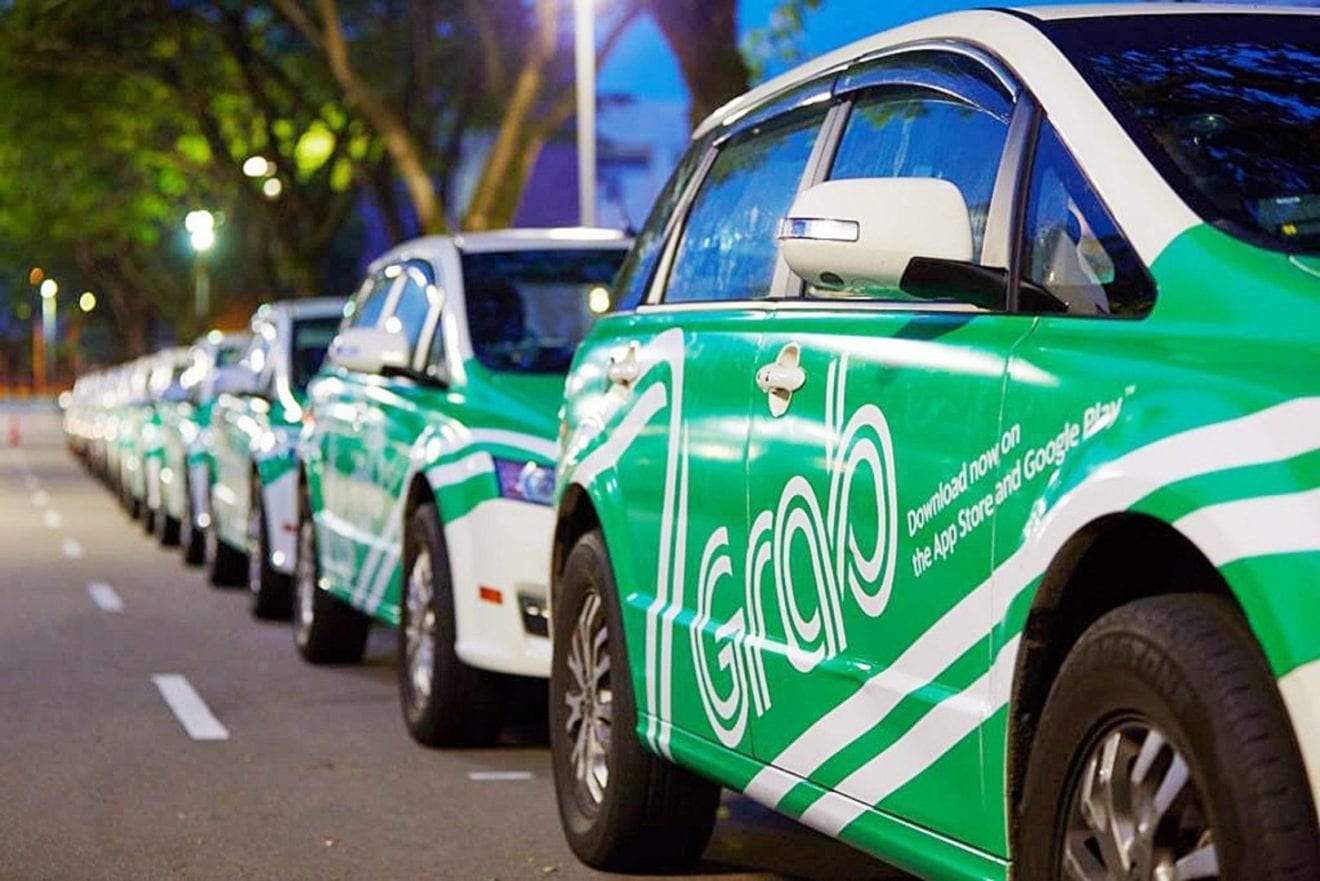
    Ride hailing platform Grab has adopted Adyen to extend the capabilities of its payment platform in Indonesia, Philippines, Thailand and Vietnam.

    The two companies aim to deliver a consistent, frictionless payment experience for customers traveling across markets regardless of device or payment method.

    Grab customers will be offered both traditional cards and, over time, country-specific payment methods, using Adyen’s expertise and data to expand payment options. Adyen supports around 250 payment methods globally.

    “As part of Grab’s drive to make ride-hailing even safer, easier and more accessible to everyone in Southeast Asia, providing trusted, seamless mobile payments is crucial for the overall customer experience. Grab wanted a partner who could support a variety of traditional and alternative payment methods to support our growth across the region,” Grab head of payments and commerce Joel Yarbrough said.

    Business travelers who work within the region can also easily tabulate their business ride spending with Grab through the Grab for Work portal, and companies can automatically pay for their employees’ rides through the use of corporate cards.

    “Southeast Asia is a diverse and highly fragmented region and there is no one preferred method of payment. However, mobile penetration in the region remains high and drives several key trends including the rise of mobile payments and platforms as a service,” Adyen president Warren Hayashi said.

    “Partnering with a fellow innovator and disruptor such as Grab, we are eager to empower commuters in Southeast Asia with the same convenience of hailing a ride seamlessly as paying for their Grab ride with equal ease.”

  • Grab Selects Adyen as Payment Solution Partner in Southeast Asia

    Grab Selects Adyen as Payment Solution Partner in Southeast Asia

    Adyen, the global payments technology company, today announced that Grab, Southeast Asia’s leading ride-hailing platform, has selected Adyen to extend the capabilities of its GrabPay platform in Indonesia, Philippines, Thailand and Vietnam. Grab will partner with Adyen to deliver a consistent, frictionless payment experience for customers traveling across markets regardless of their device or payment method.

    “As part of Grab’s drive to make ride-hailing even safer, easier and more accessible to everyone in Southeast Asia, providing trusted, seamless mobile payments is crucial for the overall customer experience. Grab wanted a partner who could support a variety of traditional and alternative payment methods to support our growth across the region. Adyen fits the bill and we are excited at now being able to offer our passengers even more payment options when they pay through GrabPay,” said Joel Yarbrough, Head of Payments & Commerce Product, Grab.

    With Adyen supporting 250 payments methods around the world, Grab customers will be offered both traditional cards and, over time, country-specific payment methods, using Adyen’s expertise and data to expand payment options.

    Business travelers who work within the region can also easily tabulate their business ride spending with Grab through the Grab for Work portal, and companies can automatically pay for their employees’ rides through the use of corporate cards.

    “Southeast Asia is a diverse and highly fragmented region and there is no one preferred method of payment. However, mobile penetration in the region remains high and drives several key trends including the rise of mobile payments and platforms as a service. Partnering with a fellow innovator and disruptor such as Grab, we are eager to empower commuters in Southeast Asia with the same convenience of hailing a ride seamlessly as paying for their Grab ride with equal ease,” said Warren Hayashi, President, APAC, Adyen.

    This partnership announcement is in conjunction with Adyen’s growth momentum in the region as it expands its presence in Singapore with a new, bigger office. Adyen began operations from its new office in August 2016.

  • Grab partners Lippo Group for e-payment platform

    Grab partners Lippo Group for e-payment platform

    The partnership is an extension of a strategic deal signed between the two companies in March this year.

    According to the agreement, Lippo Group will develop a universal payments platform that enables Indonesians to top-up an e-money account and use it to pay digitally at Lippo companies.

    Grab will then integrate the payments platform into the Grab app as a mobile wallet option within GrabPay, enabling any mobile user to use the Grab app to pay for not only their daily transport needs, but also other lifestyle services.

    “We commend the government’s efforts to push Indonesia towards a cashless society and look forward to contributing towards this goal. Grab’s partnership with the Lippo Group to develop a universal payments platform will be a leap forward for e-money in Indonesia,” said Grab Group CEO and co-founder Anthony Tan.

    “With a rapidly growing middle class, people will want to have a mobile wallet option in the Grab app, which they can use every day, whether for transport, or payments for basic transactions,” he added.

    Tan believed that the potential of developing a mobile payments platform in Southeast Asia is “limitless”. The majority in Southeast Asia are unbanked but are armed with mobile phones. Thus, the only way forward is to find a cashless solution that will help customers manage their money and mobile wallets.

    “We will work with local partners to make cashless transactions a reality for the majority in Southeast Asia,” he concluded.

    The universal platform will be rolled out in the fourth quarter this year.

    With that, over 50 million existing customers from the Lippo and Grab will be able to pay via their mobile phones or use their Grab App to pay for a full suite of services from Lippo’s retail companies, including department stores, hypermarts, cinemas, coffee shops and e-commerce.

    Lippo Group director Adrian Suherman said his company will introduce more partner merchants in unrelenting efforts to push cashless transactions.

    “Lippo Group is committed to transforming lives in Indonesia, and we want to work with partners like Grab that have this common vision,” Suherman said in a statement.

    “Indonesians can enjoy the convenience of using their mobile phones and the Grab app to top-up and pay, as well as better manage their cash flow,” he added.

    Grab is determined to expand new services specifically for Indonesian preferences, as the country is Grab’s largest market. Nearly 95 per cent of Indonesians do not use credit cards. Grab said it will continue to partner with leading companies to launch innovative services to cope with these challenges.

    Began as a taxi-hailing app in 2012, Grab has expanded its core product platform to include private cars and motorbikes. The region’s largest transport network is now testing new services such as social carpooling, as well as last mile and food deliveries.

    Grab currently offers services in Singapore, Indonesia, Philippines, Malaysia, Thailand and Vietnam.

    Meanwhile its partner Lippo Group is a pan-Asian investment holding company with investments in real estate, department stores, retailing, financial services, telecommunications, hospitality, healthcare, news media, and IT services.

    With Riady family’s second generation at the helm, Lippo Group has been increasing its presence in the digital scope through aggressive investments in technology, media and online platforms.

    Its latest and largest investment is through Mataharimall.com, an online marketplace, which has pledged $500 million of funds for the platform.

  • Alipay to offer cross-border Grab payment

    Alipay to offer cross-border Grab payment

    Ant Financial’s Alipay and ride-hailing company Grab have partnered to allow Chinese travelers to take advantage of cross-border payment when using Grab’s services in Singapore and Thailand.

    Starting today, Alipay users in Singapore and Thailand can pay for their taxi and private-hire car rides booked through the Grab mobile app with their Alipay accounts.

    Previously, Chinese travellers had to pay for their rides either by cash or their dual currency credit card. The Alipay option allows Chinese travelers to pay for their fares in Renminbi, without having to worry about exchange rate fluctuations.

    The deployment will soon be extended to other Southeast Asian markets that Grab currently operates in, such as Malaysia and Indonesia.

    “By collaborating with partners like Grab, we provide Chinese travelers the kind of convenience they are used to in China – no matter where they are in the world,” Ant Financial VP of international business Sabrina Peng said.

    Alipay last month partnered with Uber, Grab’s rival in Southeast Asia, in a similar deal which allows the latter’s passengers worldwide to pay for rides in Renminbi.

    Alipay has been working with local merchants in 69 overseas markets. As of May 2016, Alipay is accepted in more than 70,000 retail stores outside of China, and tax reimbursement via Alipay is supported in 24 countries and regions, including South Korea, Germany and France.

  • Indonesian ride-hailing firm Go-Jek needs more funds in market fight-CEO

    Indonesian ride-hailing firm Go-Jek needs more funds in market fight-CEO

    Indonesian online ride-hailing service Go-Jek is in talks with potential investors to raise fresh funds to expand the business, as the heavy subsidies it gives to drivers to keep rates competitive are unsustainable in the long run, its chief executive said on Friday.

    Go-Jek, a play on the local word for motorbike taxis, has become popular among commuters on the traffic-clogged streets of Jakarta as its phone app removes much of the hassle of finding a driver and negotiating fares.

    Go-Jek, which has a network of more than 200,000 motorbike taxi drivers, is battling aggressively with other ride-hailing apps such as Grab and Uber [UBER.UL], driving rates lower to gain market share in the country of 250 million people.

    But Go-Jek cannot afford to continue relying on subsidies as “you end up where you run out of money”, Go-Jek founder Nadiem Makarim told on the sidelines of an e-commerce industry conference in Jakarta.

    Raising funds from investors to expand the business is part of the solution, the Harvard Business School graduate said, adding that several venture capital and private equity firms have expressed an interest in Go-Jek because of its size and potential.

    Founded in 2010, Go-Jek has since increased its services to food deliveries, cleaning and even massages. The company, which already operates in big Indonesian cities like Bandung and Surabaya, also plans to broaden its reach and add more drivers.

    Its ambition, however, has been met with regulatory obstacles and strong resistance from established taxi operators such as PT Blue Bird Tbk and PT Express Transindo Utama Tbk.

    Taxi drivers’ protests turned violent in the Indonesian capital last month, when they called for ride-hailing apps to be banned. Government ministers had also said the tech firms should be subject to the same regulatory and tax requirements as conventional public transportation companies.

    Yet Go-Jek’s Makarim told a packed conference that regulations and demonstrations were not his “biggest headaches”.

    “For me, the number-one challenge is building something to scale,” he said. “It’s the technology part that I think is the hardest, it’s what keeps me up at night.”

  • Grab to deliver for MatahariMall

    Grab to deliver for MatahariMall

    Taxi and ride app service Grab has formed a strategic partnership with one of the Indonesia’s largest conglomerates to provide logistic services for online shopping.

    It has signed up with Lippo Group’s MatahariMall, launched last year at a cost of $500 million
    – the largest eCommerce investment in Indonesia. A competitor to Sequoia-backed Tokopedia, MatahariMall is aiming for $1 billion in sales within its first few years.

    Formerly under the Singapore brand GrabTaxi, the company rebranded in January to reflect its extra services, including deliveries, beyond its original licensed taxi service.

    “Technology can be a key driver of economic growth, and we are both invested in opening the digital economy to all Indonesians,” says Grab co-founder/CEO Anthony Tan of its deal with Lippo.

    Backed by investors like Didi Kuaidi (China’s largest ride app), GGV Capital and SoftBank, Grab is reportedly valued at more than $1 billion. Its rivals include Uber and Indonesia-based Go-Jek, both of which are also entering the delivery/logistics space.

  • Lippo Partners With GrabTaxi to Expand E-Commerce in Indonesia

    Lippo Partners With GrabTaxi to Expand E-Commerce in Indonesia

    Lippo Group, the Indonesian conglomerate founded by billionaire tycoon Mochtar Riady, will partner with GrabTaxi Holdings Pte for e-commerce deliveries in Southeast Asia’s largest economy.

    The founder’s grandson, John Riady, is spearheading Lippo Group’s foray into e-commerce with a $500 million investment in MatahariMall, an online version of its Matahari department store chain. Grab, a regional ride-hailing company, will help transport and deliver goods to bolster MahatariMall’s services, the companies said in a statement Monday.

    The partnership shows how local companies, familiar with consumer preferences, regulations and infrastructure challenges, are trying to tailor services to stay ahead of foreign rivals as competition heats up. Japanese e-commerce company Rakuten Inc. closed down its Indonesian unit as of March 1, while China’s JD.com Inc. has recently set up shop in Indonesia.

    “Speed is really important in this business,” said Ridzki Kramadibrata, managing director of Grab Indonesia. “You need to be able to do multiple things at the same time because if you can’t do that, the market will outgrow you and you will lose your opportunity.”

    Rising Incomes

    MatahariMall’s site allows customers to buy on the Web and pick up items from Lippo’s stores. Its rival Tokopedia, which is backed by Japan’s SoftBank Group Corp. and Sequoia Capital, has already formed a similar alliance with Go-Jek, a motorcycle taxi booking company, to deliver purchased items to customers.

    “Our combined knowledge of the Indonesian market will help us build the most effective online-to-offline experience — to ensure that online shoppers anywhere in Indonesia can receive or collect their purchases easily,” John Riady, a Lippo Group director, said in the statement.

    Grab’s alliance with Lippo also underscores its aggressive market-share acquisition strategy in Indonesia, where it competes with Uber Technologies Inc. and Go-Jek. Grab’s private car-hailing service grew 30 percent in Indonesia in February, according to the statement. It has more than 50 percent of the country’s motorcycle taxi market in March, it said.

    Technology startups are trying to capitalize on rising incomes and growing mobile-phone use in Southeast Asia, where 250 million consumers are now connected via smartphone and 100 million engage in online transactions, according to a report by Bain & Co. and Google Inc. released last week. The report predicts online sales across Southeast Asia to surge to $70 billion by 2020 from $6 billion now.