Tag: grocery retail

  • Malaysia Health Ministry Probes Gardenia Bakeries over Illness Reports

    Malaysia Health Ministry Probes Gardenia Bakeries over Illness Reports

    Malaysia’s Ministry of Health launched an investigation into Gardenia Bakeries (KL) Sdn Bhd this week following consumer complaints linking two core packaged products to food poisoning. Regulators are running laboratory tests on collected samples and preparing follow-up inspections at the company’s production plant to verify compliance with the Food Act 1983.

    The inquiry focuses on Gardenia Original Classic White Bread and Twiggies Choc-A-Lot snack rolls, two staple packaged bakery lines distributed nationwide. Health officials sought a formal explanation from the commercial baker after digital media reports and social postings documented consumers suffering vomiting and diarrhoea.

    In response, Gardenia submitted an internal review indicating zero process deviations or standard operating breaches across its facilities.

    Factory Controls Under Scrutiny

    Gardenia’s internal review concluded that production lines maintained full compliance with food safety controls. The company reported finding no recipe modifications, process deviations or procedural breaches at its plants.

    Ministry investigators noted that product traceability remains constrained because batch numbers and expiry dates submitted by complainants were incomplete. Health officials nevertheless gathered remaining products along with original packaging directly from consumers to conduct microbiological and chemical assays.

    Supply Chain and Retail Exposure

    Packaged bakery goods rely on rapid inventory turns and short shelf-life distribution networks across convenience stores, hypermarkets and petrol stations. Any confirmed contamination or mandatory recall disrupts retailer shelf allocations and exposes FMCG distributors to immediate inventory write-offs.

    Gardenia operates as the dominant industrial baker in the Malaysian retail landscape, commanding substantial market share. For commercial retailers, bread represents high-frequency basket traffic, meaning supplier compliance checks and fast inventory tracking are critical to ringfencing store liability.

    Enforcement Under the Food Act

    Health officials clarified that the manufacturer’s internal review does not constitute a definitive finding. The ministry reiterated that regulatory enforcement steps will follow if laboratory outcomes identify contamination or legal non-compliance.

    Regulators instructed affected consumers to report incidents through the SiSPAA public complaints management system and seek clinical treatment at local health centres. The outcome of the ministry’s laboratory analysis will determine whether health authorities order a formal product recall or issue factory-level sanctions under the Food Act 1983.

  • Animals Like Us Rolls into 750 Coles Stores

    Animals Like Us Rolls into 750 Coles Stores

    New Zealand pet nutrition company Animals Like Us rolled its RawMix33 range into more than 750 Coles supermarkets across Australia on October 29. The deal puts the brand directly onto mainstream grocery shelves nationwide alongside an online launch on the grocer’s digital storefront.

    The national rollout covers one-kilogram packs across two formulations: Grain-Fed Beef and Ocean Fish. The shelf-stable line blends 67 per cent high-protein kibble with 33 per cent freeze-dried meat and organ pieces sourced from New Zealand farms and fisheries to meet AAFCO standards.

    Supermarkets squeeze specialty pet chains

    Coles secured the stock after the manufacturer tracked over 100 per cent year-on-year sales growth in Australia through its prior network. The brand previously limited Australian distribution to rival grocer Woolworths and pure-play platform Pet Circle.

    Supermarket operators across the region are taking margin back from independent pet shops and veterinary clinics. Freeze-dried and raw-blend pet feeds once required dedicated trips to specialty retail outlets or temperature-controlled logistics networks. Dry shelf-stable formats let grocers stock high-ticket items in ordinary ambient aisles without investing in floor chillers.

    Traditional pet chains face direct pressure from the shift. When major grocery networks stock high-protein formulations, specialty pet shops lose the frequent basket visits that generate repeat footfall. Coles gains a high-value SKU that lifts register totals, while Animals Like Us secures physical shelf space across hundreds of suburban locations simultaneously.

    Sourcing pressure and execution risks

    The operational risk sits on the supply chain. RawMix33 relies entirely on animal proteins sourced in New Zealand, exposing production schedules to regional livestock slaughter rates, marine catches, and processing plant capacity. Freeze-drying meat requires heavy capital expenditure and precise moisture removal, leaving little slack when retail volume jumps overnight across 750 stores.

    Cost inflation poses another hazard. High-protein dog foods carry retail prices well above legacy cereal-based feeds. Supermarkets are taking on premium inventory at a time when household budgets face persistent inflation, testing shopper willingness to trade up for pet provisions.

    Scaling beyond domestic shores

    Animals Like Us founded its business in New Zealand in 2020. The firm built its base locally before pushing outwards into Australia, the United States, and Canada, using cross-border retail partnerships to test appetite before committing to wide store footprints.

    The immediate test for the manufacturer is maintaining shelf inventory across both Coles and Woolworths as reorder cycles trigger over the coming quarter.

  • Bangladesh Fruit Import Duties Reached Nearly Tk 6,000 Crore in FY26

    Bangladesh Fruit Import Duties Reached Nearly Tk 6,000 Crore in FY26

    Bangladesh collected nearly Tk 6,000 crore in import duties on fresh fruits in fiscal year 2025-26, doubling customs revenue over five years even as private shipments fell 29 per cent.

    Importers brought in 5.7 lakh tonnes of produce such as apples, oranges, grapes, and mandarins during FY26, down from 8 lakh tonnes in FY21, according to an assessment by the Bangladesh Trade and Tariff Commission.

    Tax rates explain the divergence. Total import taxes on fresh fruit climbed from 89.32 per cent in FY21 to 121.78 per cent in the current fiscal year 2026-27. Customs duties, regulatory levies, and supplementary taxes pushed retail prices beyond the reach of low-income shoppers. In Dhaka, apples that sold between Tk 250 and Tk 340 a kilogram two years ago now fetch between Tk 300 and Tk 400. Several years ago, shoppers paid less than Tk 300 per kilogram.

    Currency Slump and Cash Margins Hit Grocers

    Currency depreciation compounded the tax shock. The Bangladeshi taka weakened 43 per cent against the greenback, sliding from an average of Tk 84.80 per US dollar in FY21 to Tk 121.50 in FY26. Importers had to absorb that exchange rate hit alongside a 100 per cent cash margin requirement on letters of credit introduced during the 2023 foreign exchange crunch. Bangladesh Bank recently withdrew that cash margin rule as foreign exchange reserves stabilized, yet retail prices have not retreated.

    Food retailers in urban markets added their own buffers. The commission found that retail grocers widened their percentage markups faster than wholesale distributors, passing all foreign exchange risk directly to consumer baskets. Higher prices have crimped dietary options during peak dengue treatment periods, when hospital demand for vitamin C-rich citrus spikes.

    A Tax on Crops Farmers Do Not Grow

    Horticultural protection does not justify the import levy. Bangladesh maintains zero commercial domestic production of apples, oranges, mandarins, grapes, pears, or pomegranates. Every piece of these fruits consumed in the country arrives through ports.

    By treating baseline table fruits as luxury merchandise, tax policy creates severe consumer distortions without shielding a single local orchard. The tariff commission confirmed that Bangladesh now imposes the highest fresh fruit import duties in South Asia, while Nepal levies the lowest.

    The Tariff Rollback Model

    The commission formally recommended that the commerce ministry drop both supplementary duties and regulatory duties on non-native fruit imports. Lowering the overall tax incidence back to 89 per cent would reverse volume declines without sacrificing public coffers, according to agency projections. The commission estimated the National Board of Revenue could harvest more than Tk 6,500 crore if import volumes rebounded to 8.20 lakh tonnes under lower tariff rates.

    Consumers Association of Bangladesh President AHM Shafiquzzaman backed the reduction, arguing that public health demands affordable produce.

    “Across the world, prices of the fruits appear to be the highest in Bangladesh. But as fruit is part of public health, people should have options to decide whether they would consume locally produced fruits or imported ones. The authority should consider collecting other options to collect revenue,” he added.

    What Lies Ahead for Importers

    The earlier step that started this squeeze was the National Board of Revenue’s tariff hike in fiscal year 2021-22, designed to brake foreign exchange outflows. That emergency barrier outlived its immediate purpose, leaving fruit importers with stranded balance sheets and suppressed order books.

    The commerce ministry now faces a formal decision on whether to accept the commission’s tariff cut proposal and submit a revised rate sheet to the National Board of Revenue ahead of the mid-year budget adjustments.

  • ShopX Launches Global Retail Media Group Across 27 Markets

    ShopX Launches Global Retail Media Group Across 27 Markets

    ShopX has launched as a global retail media group combining Shopfully, Flipp and MEDIA CENTRAL into a unified parent organisation reaching 400 million shoppers across 27 markets, including Australia.

    The combined business employs more than 1,000 people and works with thousands of retailers and consumer packaged goods brands. While the parent entity centralises technology and scale, each of the three regional businesses continues operating under its established commercial brand.

    Led by Group Chief Executive Officer Michael Silverman and Group President and Chief Operating Officer Stefano Portu, the platform targets a USD $200 billion global retail media sector where spending remains heavily tilted toward e-commerce rather than physical checkouts.

    Consolidating Store-Led Ad Spend

    Each of the three regional businesses retains its standalone operating brand and existing commercial accounts. The parent entity pools backend engineering, measurement tools and cross-border audience data.

    Physical shops account for roughly 80 per cent of all retail transactions globally, climbing to nearly 90 per cent for fast-moving consumer goods. In Australia, Shopfully research tracks 83 per cent of shoppers researching products online before completing transactions inside brick-and-mortar stores. Connecting those digital search signals to checkouts remains a central operational hurdle for consumer goods suppliers.

    Global retail media ad spending has reached USD 200 billion, though brands spend most of that capital across e-commerce marketplaces rather than physical storefronts. ShopX aims to capture those budgets by aggregating multi-retailer inventory instead of forcing advertisers to negotiate separate data-sharing agreements with individual supermarket operators.

    Management and Platform Integration

    Group Chief Executive Officer Michael Silverman leads the executive board alongside Group President and Chief Operating Officer Stefano Portu. Jaclyn Welsh serves as Group Chief Financial Officer, while Ingo Wienand retains his position as Chief Executive Officer of MEDIA CENTRAL alongside a board seat at the parent group.

    Aggregators provide consumer brands with scale across catalogue apps, publisher networks and digital circulars that single supermarket operators struggle to replicate independently. The risk sits in data verification, because closed-loop attribution for physical checkouts requires point-of-sale integration that supermarket chains guard closely.

    The Race for Off-Platform Budgets

    Major grocery operators run proprietary retail media units to monetize their first-party loyalty card records. Intermediaries like ShopX offer an alternative channel for mid-tier retailers that lack the software budgets required to build bespoke ad networks.

    Consolidation has driven the company’s expansion to date, with the constituent businesses completing 10 acquisitions prior to unifying under the ShopX umbrella.

    Stefano Portu, Group President & Chief Operating Officer, ShopX, said: “What we have built so far is the starting point. Most shopping still happens in stores, and most of it is invisible to the brands that pay to influence it. At ShopX, we are here to change that by connecting shoppers, retailers, brands, and publishers around physical retail.”

    Expansion Targets

    The operating units previously built independent footprints, including in Australia, through digital catalogue syndication. Unifying them allows global brand manufacturers to run single international advertising campaigns across shared retail networks.

    Management plans to deploy fresh capital into attribution software, enter additional geographic markets and target further acquisitions to absorb fragmented local promotional platforms.

  • RedMart Now Orders Grow Sixfold in Singapore

    RedMart Now Orders Grow Sixfold in Singapore

    RedMart expanded its express grocery delivery network across Singapore after daily orders for RedMart Now jumped sixfold following its February launch.

    The supermarket arm of Lazada Group S.A. Quadrupled its delivery fleet and launched three fulfilment centres to handle the surge in quick-commerce volume.

    Service expanded into northern and north-eastern Singapore in August and the east in October, while same-day capacity for scheduled deliveries tripled this year under RedMart head Martin Daney.

    Express Logistics and Fresh Food Demand

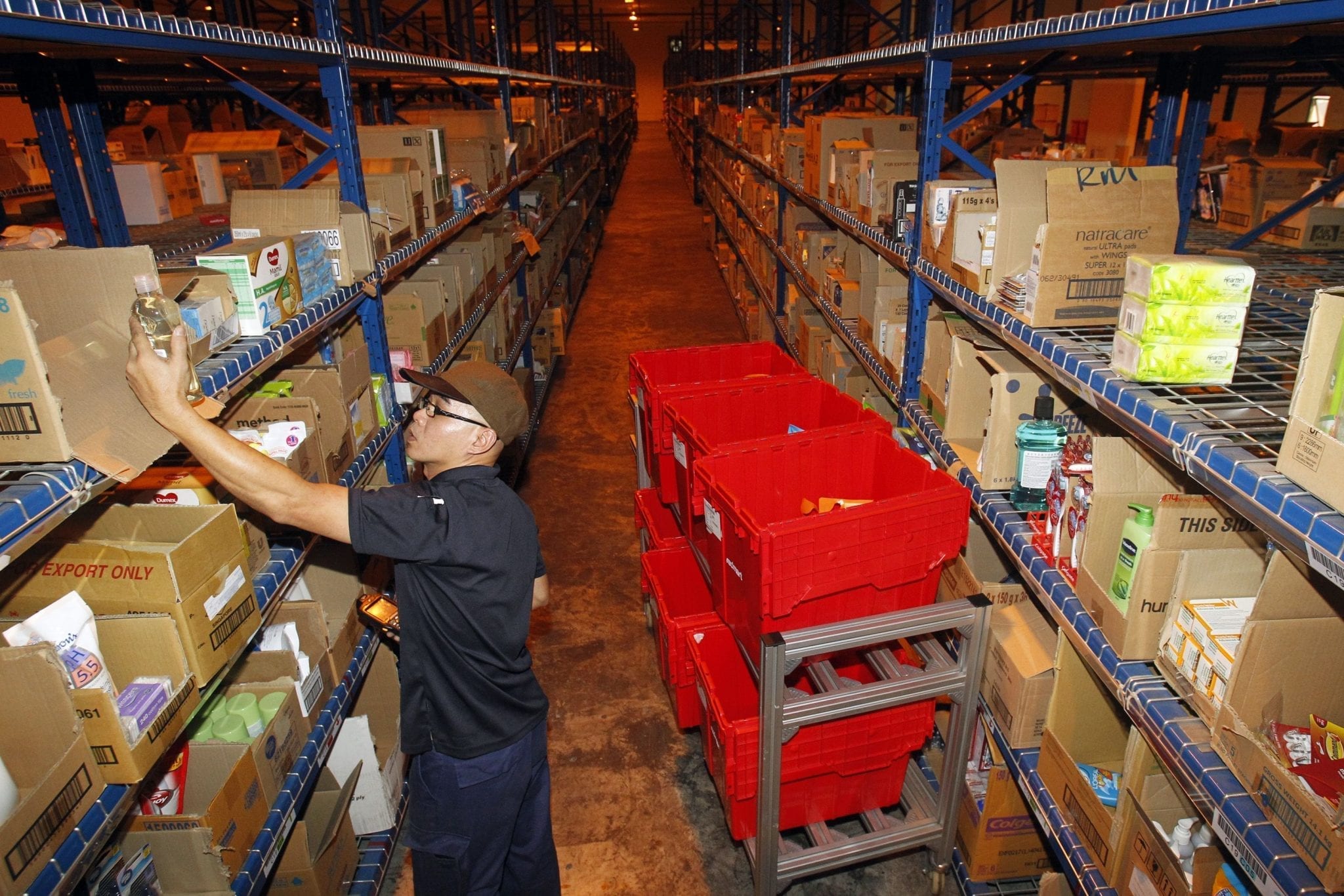
    RedMart Now operates on delivery windows starting from 30 minutes, relying on localized inventory nodes rather than single centralized warehouses. The express catalogue holds a fraction of the broader platform inventory, which stocks more than 120,000 items.

    Chilled food, meat, dairy, fresh vegetables and seafood represent a larger proportion of express purchases than scheduled runs. Morning shopping begins at 7 a.m. Each day, driven by shoppers seeking recipe ingredients and daily replenishment rather than bulk pantry restocking.

    Delivering groceries in as fast as 30 minutes requires having inventory positioned closer to customers, efficient picking and packing, and having sufficient delivery capacity, including at peak times.

    The Unit Economics of Fast Fulfilment

    Quick commerce models across Southeast Asia routinely struggle with delivery density and high labour overheads. By using existing Lazada warehouse infrastructure and logistics software built over a decade, RedMart limits the steep capital outlays that broke earlier standalone grocery startups in the city-state.

    For brick-and-mortar supermarket chains, faster online fulfilment puts pressure on local store margins. Physical grocers must balance counter service with picking staff in aisles or build costly mini dark stores of their own.

    Capitalizing on Singapore’s Quick Commerce Base

    Singapore’s quick commerce sector reached a valuation of $368.03m in 2025 and projections place it at $502.86m by 2031, according to data from Mordor Intelligence. The expansion follows months of testing routing software to sustain order accuracy as route volumes grew.

    RedMart has not disclosed the precise share of revenue that express drops contribute against its planned grocery run. The scheduled delivery service continues to handle the bulk of overall sales volume.

    The Final Pockets of Island Coverage

    Coverage remains uneven across Singapore, with multiple central and western postal codes still outside the 30-minute delivery zone. The company is directing fleet capacity toward those remaining gaps to complete nationwide reach.

  • Australia Ships First Ecoganic Bananas to Japan After 28 Years

    Australia Ships First Ecoganic Bananas to Japan After 28 Years

    Australian grower Pacific Coast Eco Bananas has begun shipping its red-wax-tipped bananas to Japan, marking the country’s first “ecoganic” export after 28 years of development.

    Founder Frank Sciacca established the certified cultivation method in 1998 to rebuild depleted soil and counter pest outbreaks without heavy synthetic chemical treatments.

    The proprietary farming system yields bananas that are sweeter and last longer on store shelves than standard varieties, helping the operation break into a competitive Asian grocery sector.

    Chemical cuts

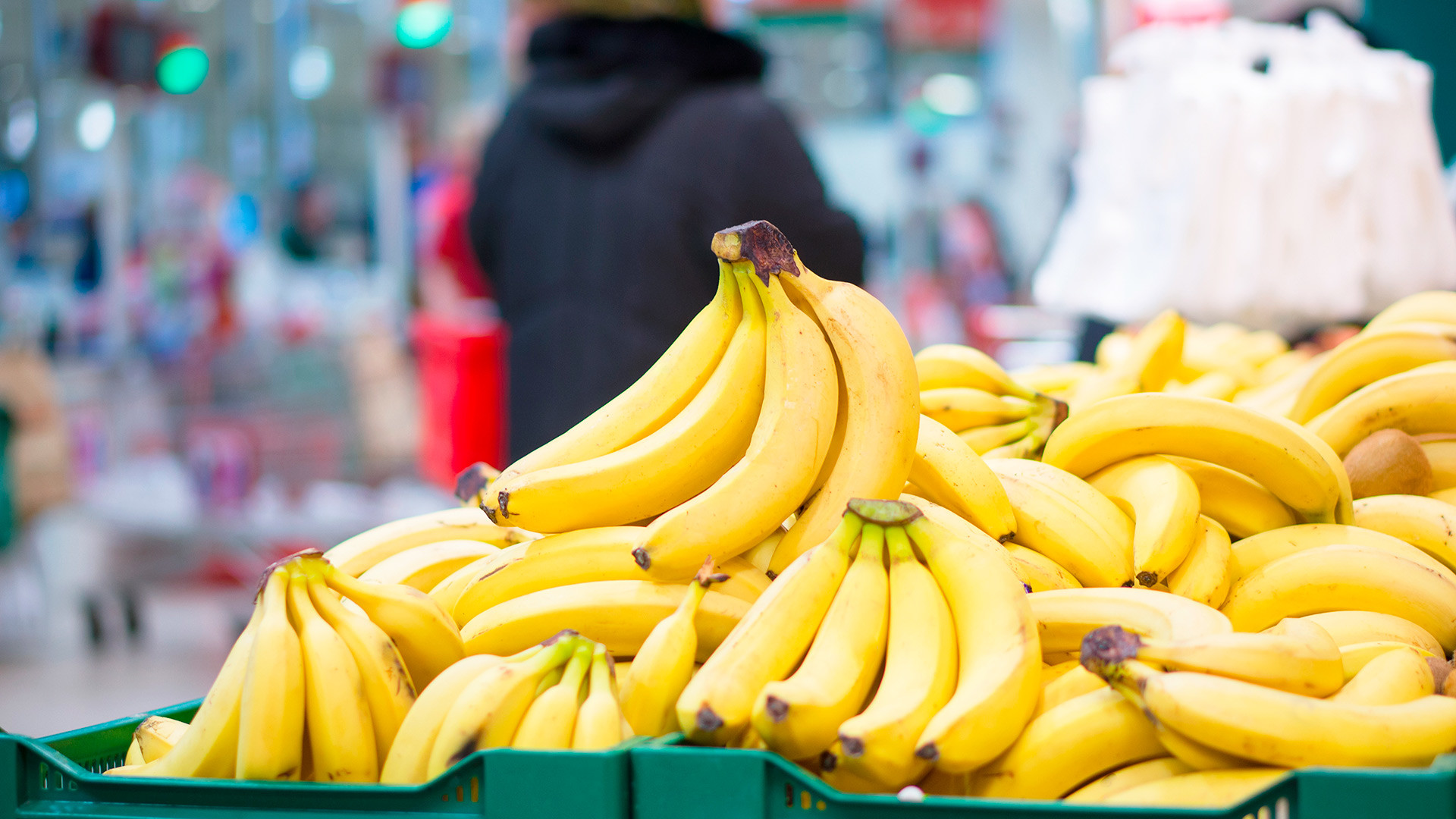
    Grower Frank Sciacca started the farming system in 1998 in Australia. Heavy chemical applications had drained farm soil health and multiplied pest infestations across his acreage. Sciacca stripped out standard commercial sprays in favour of ecological management, creating fruit that lasts longer on supermarket shelves and delivers higher sugar readings.

    Workers dip the fruit tips in bright red wax prior to packing. The visual marker separates the produce from conventional Cavendish stock inside wholesale terminals and retail display cases.

    Targeting premium produce aisles

    Japanese grocery buyers pay steep markups for imported fruit with verified clean-agriculture credentials.

    Premium grocers across Japan manage tight display footprints and penalise stock that spoils fast under store lighting. The longer shelf durability of the ecoganic product gives distribution partners wider stocking windows across metropolitan distribution hubs.

    Expansion across Pacific trade lanes

    Pacific Coast Eco Bananas worked for nearly three decades refining yields before clearing regional export standards for East Asia. Australian horticultural exporters face strict biosecurity protocols when clearing shipments into Japanese import terminals.

    Retailers in Japan will track clearance volumes through major ports as the brand tests broader supply lines across the Asia-Pacific network.

  • Coles Selects Coveo for AI Search Across Online Grocery Platform

    Coles Selects Coveo for AI Search Across Online Grocery Platform

    Coles Group Limited selected Montreal-based enterprise software provider Coveo Solutions Inc. On Oct. 22, 2026, to deploy AI search and product discovery tools across coles.com.au.

    The partnership aims to help digital shoppers navigate Coles’ extensive grocery catalog with greater speed and accuracy. Coveo’s AI-Relevance system evaluates customer intent, context, browsing behavior, and product data to deliver personalized search results and recommendations.

    The deployment serves Coles’ nationwide network of over 1,800 retail outlets, backed by more than 115,000 team members and 8,000 suppliers serving millions of shoppers every week.

    Algorithmic discovery for digital supermarket aisles

    Coveo’s AI-Relevance technology brings together shopper intent, context, behavioral signals and product data to present each customer with the results and recommendations most relevant to them. For a large, constantly changing grocery range, that means a more intuitive experience for shoppers.

    “We’re always looking for ways to make shopping with Coles easier for our customers, and search is an important part of the online experience,” said Ben Levinson, general manager of digital product at Coles. “Coveo demonstrated that its technology will make it easier for customers to find the products they are looking for, and we look forward to continuing to improve the Coles online shopping experience.”

    The competitive battle for digital basket building

    “Helping Australians find their everyday grocery products faster and easier is a great opportunity for Coveo” said Alexander Mahr, managing director, APAC, at Coveo. “We’re proud to support Coles as it creates a smarter, more intuitive online grocery experience for customers across Australia.”

    Coles is one of Australia’s leading retailers, with an extensive footprint of over 1,800 retail outlets nationally. The company employs more than 115,000 team members, engages with more than 8,000 suppliers, and serves millions of customers through its store network and digital platforms every week.

    Integrating tech into omnichannel distribution

    Coveo brings superior AI-Relevance to every point-of-experience, transforming how enterprises connect with their customers and employees to maximize business outcomes.

    Relevance is about moving from persona to person, the degree to which the enterprise-wide content, products, recommendations, and advice presented to a person online aligns easily with their context, needs, preferences, behavior and intent, setting the competitive experience gold standard. Every person’s journey is unique, and only AI can solve the complexity of tailoring experiences across massive, diverse audiences and large volumes and variety of content and products.

  • Japan Prize-Game Market Hits 417.7 Billion Yen as Groceries Fill Arcades

    Japan Prize-Game Market Hits 417.7 Billion Yen as Groceries Fill Arcades

    Japanese arcade operators are stripping out video games and filling claw machines with rice, toilet paper, and other necessities to capture inflation-pinched household spending across Greater Tokyo.

    The shift follows an expansion that pushed Japan’s prize-game market to 417.7 billion yen ($2.7 billion) in 2024, accounting for nearly 70 percent of total arcade industry revenue.

    Venues charging 100 yen ($0.64) per attempt now pitch everyday grocery staples alongside licensed character toys. At the Benex arcade chain in Kawasaki, south of Tokyo, operator Tisco stripped out its conventional video games and coin-op token machines last year. Hundreds of prize cranes across its floor now hold laundry detergent, soft drinks, and pantry goods.

    Household Goods Drive Footfall

    Tisco runs five large-format venues across Greater Tokyo drawing more than one million visitors each year. Revenue generated through household products across its estate jumped 2.6-fold over the past two years.

    Its locations operate on large suburban footprints where cheaper real estate mirrors the warehouse retail models of Costco or Ikea. Families arrive by car, loading bulk household winnings straight into trunks rather than carrying single plush toys home on commuter trains.

    Retail conglomerate Aeon Group is deploying identical mechanics inside shopping malls. Its entertainment arm, Aeon Fantasy, opened a dedicated food and household prize section aimed at mothers in October 2025.

    The company expanded that trial to seven operational zones and plans to operate roughly 60 dedicated grocery-crane locations by 2030. Shoppers use the prize games to secure center-plate basics like vegetables or eggs, before walking into the supermarket next door to complete their evening dinner basket.

    The Margin Play for Suburban Landlords

    For shopping center owners and retail park landlords across suburban Japan, trading floor space to prize-game operators resolves an urgent occupancy headache. Core consumer spending on everyday goods has dropped for five consecutive years as domestic wage growth trailed inflation, pulling shoppers away from discretionary apparel and mall specialty stores.

    Arcade crane setups deliver immediate rent coverage and predictable footfall without requiring the fresh-produce refrigeration lines or stock-replenishment staff of a full supermarket tenant. Suppliers gain an unconventional bulk liquidation channel that sells commodity goods without disrupting their existing wholesale price contracts with national supermarket chains.

    The model carries margin risk if domestic food inflation cools. Claw machine economics rely on players perceiving a 100-yen coin drop as a viable discount mechanism against supermarket shelf prices. If wholesale grocery costs normalize while game payout odds remain mechanically tuned, consumer interest can evaporate faster than it arrived.

    Arcade Payouts Outpace Video Games

    Prize-machine dominance inside Japanese amusement centers has built up steadily over the past decade. The sector doubled in total value between 2014 and 2024, squeezing classic arcade fighting games and rhythm stations out of prime floor space.

    Japan’s headline inflation rate has hovered near the Bank of Japan’s two percent target in recent months, cementing higher shelf pricing across everyday fast-moving consumer goods. That continuous price pressure has entrenched consumer discount-hunting across suburban commuter belts, driving foot traffic into suburban prize halls rather than traditional convenience stores.

    Aeon Fantasy’s rollout schedule marks the commercial metric to track through the rest of the decade. The operator needs 53 additional grocery-crane venues across its mall network to hit its 60-store target by 2030.

  • 58% Of Shoppers Will Let AI Buy Groceries to Save 30 Minutes, EY Finds

    58% Of Shoppers Will Let AI Buy Groceries to Save 30 Minutes, EY Finds

    More than half of consumers will delegate online grocery orders to artificial intelligence if the technology saves up to 30 minutes on a large shop, according to research published by professional services firm EY.

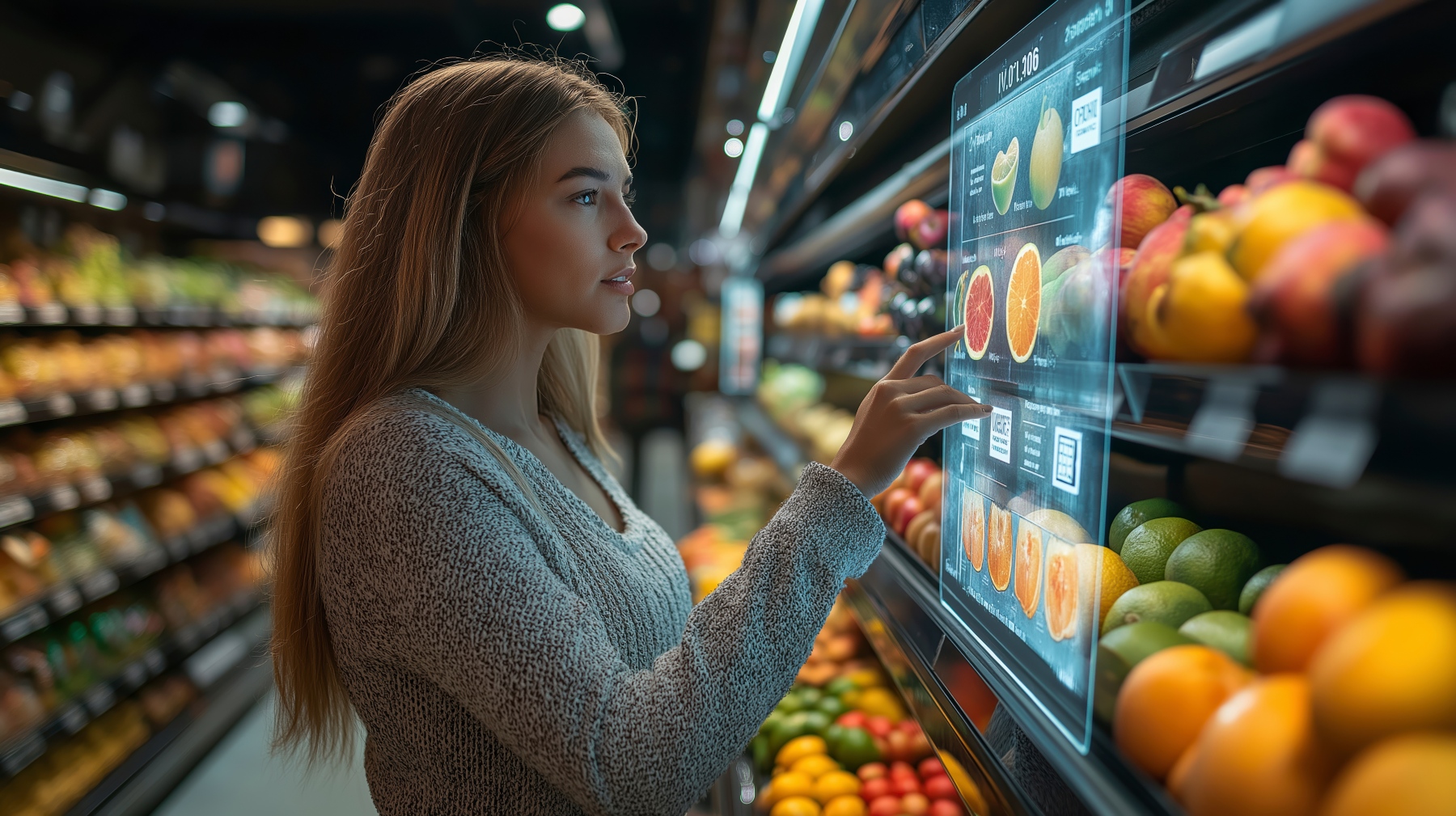
    The study found 58 per cent of shoppers back algorithmic buying to remove decision fatigue from routine pantry replenishment, while 61 per cent will provide personal data to tools that reliably trim their weekly planning time.

    The shift alters how consumer packaged goods brands win shelf space across digital platforms. Richard Rome, associate partner for consumer industry at EY, pointed out that grocery shopping forces dozens of micro-decisions over nutrition, cupboard stock, household taste, and waste reduction that leave buyers mentally drained.

    Automating transactions offers basic speed, yet consumers expect systems to interpret broader health and dietary parameters. About 26 per cent of surveyed buyers want automated systems to grasp personal preferences, and the same share wants direct help selecting healthier alternatives.

    Data Demands on FMCG Suppliers

    Another 23 per cent want digital agents to audit ingredients and packaging claims. Support for dietary restrictions registered at 16 per cent, while 14 per cent sought verification of ethical and environmental claims.

    Those demands mean standard catalog assets will fail to convert autonomous agents. Pack photographs and net weights no longer suffice when machine buyers parse nutritional breakdowns, farm provenance, manufacturing processes, and verified supply chain footprints.

    Understanding how consumers frame requests, and why AI recommends one product over another, will become an important commercial capability.

    Product visibility will depend on whether back-end technical data satisfies automated filters rather than standard digital advertising banners. Suppliers lacking structured, verified certification data risk falling out of automated consideration loops entirely.

    From Eyeballs to Automated Replenishment

    Supermarkets spent a decade designing mobile apps to maximise session length and screen engagement. Delegated automated purchasing reverses that entire operational model.

    Shoppers wanting fewer interactions will reward merchants that remove manual screen time completely. For grocers, retail media networks built around paid banner clicks and eye-level digital placements face rapid obsolescence if agentic software compiles baskets autonomously in the background.

    The operational danger for consumer brands lies in price erosion. When software selects meals under fixed budget thresholds, such as a meal for the family under $20, automated agents bypass brand loyalty to hit nutritional and financial parameters.

    Australian shoppers spend an average of one hour each week buying groceries. Automated tools that strip that friction will shift brand discovery from visual marketing to software search parameters, testing whether legacy food brands can protect their margins against white-label alternatives.

  • Metcash Buys Queensland IGA Operator Peries Group for up to $85 Million

    Metcash Buys Queensland IGA Operator Peries Group for up to $85 Million

    Metcash agreed to acquire Queensland grocery operator Peries Group for an estimated $80 million to $85 million.

    The deal secures 15 medium- and large-format IGA supermarkets across regional Queensland. Those stores generated approximately $264 million in retail sales in the 2026 financial year.

    Terms and structure of the transaction

    Exercising a contractual right of first refusal, Metcash stepped in after Peries Group put the business up for sale. A fixed multiple of earnings before interest, tax, depreciation and amortisation under pre-AASB16 accounting rules will determine the final price. That calculation excludes stock, employee entitlements and stamp duty.

    Existing debt facilities will fund the purchase. Marginal earnings per share accretion is expected once the transaction closes.

    Around 1,000 workers are employed across South-East, Central, Far North and Wide Bay-Burnett districts. Metcash already supplied the network. It booked approximately $150 million in wholesale sales to Peries stores during the 12 months ended 30 June 2026.

    Regional grocery consolidation

    Buying Peries prevents rival supermarket operators from peeling away a major independent wholesale customer in Queensland. Regional store networks provide steady wholesale volumes that Metcash cannot afford to lose to corporate chains.

    Direct ownership gives the wholesaler options to restructure store holdings down the track. It plans to review the long-term model for the 15 sites, including potential joint ventures or re-sales to independent grocers.

    Expanding Queensland footprint

    Equity exposure in Queensland retail operations expands alongside Metcash’s existing 45 per cent interest in Cornetts Group, which runs 35 supermarkets across the state. Queensland grocery sales have outpaced most other Australian states over the past three years at retail and wholesale levels.

    Regional independent operators frequently serve as the sole full-line grocery destination in their towns. Keeping those locations under the IGA banner protects distribution routes running from Metcash distribution centres to remote retail corridors.

    “The Peries Group is a high-quality independent business, and its acquisition is consistent with our strategy of protecting, growing and strengthening the independent IGA grocery network. We believe this transaction will enhance our Queensland presence and create additional opportunities for Metcash and the wider IGA network. The decision to exercise this First Right was taken with regard to the longer-term strength of the independent network, as well as delivering returns for shareholders.”

    Clearance timeline and financial disclosures

    Settlement is scheduled for late April or early May 2027. Completion requires lease assignments across the 15 locations and clearance from the Australian Competition and Consumer Commission.

    Briefing on the transaction is scheduled for 7 December 2026, when Metcash releases its first-half financial results.

  • PopBox Introduces Caramel Crunch Microwave Popcorn in Coles

    PopBox Introduces Caramel Crunch Microwave Popcorn in Coles

    PopBox secured nationwide distribution for its Caramel Crunch microwave popcorn in Coles supermarkets across Australia in October 2026.

    The rollout broadens the brand’s retail presence, adding to its existing availability at Woolworths.

    Ranging and Formulation Details

    Caramel Crunch comes in a pop-and-serve box designed to cook in the microwave without separate tableware. PopBox sources its corn domestically from Australian growers. The formulation contains no palm oil, dairy, or gluten.

    Production specifications also exclude genetically modified ingredients, making the SKU vegan-friendly. Both the outer carton and inner pack elements use recyclable materials.

    Supermarket Snacking Competition

    Dual distribution across Coles and Woolworths gives emerging snack brands the footprint needed to challenge legacy competitors. In the microwave popcorn aisle, volume has traditionally centered on butter and salt profiles. Sweet and specialty flavors have largely remained in pre-popped ready-to-eat bags.

    PopBox is targeting impulse snackers looking for warm options without artificial additives. Retaining shelf space will depend on stock turn rates against multinational confectionery and snack suppliers that dominate supermarket end-caps.

    Dual-Chain Distribution Footprint

    This Coles rollout follows the brand’s initial traction within Woolworths outlets nationwide. Independent snack manufacturers often launch in one major banner to prove commercial viability before pitching ranging reviews at competing grocers.

    With nationwide distribution now live in Coles aisles, the next test is whether PopBox can maintain full-price sell-through or will rely heavily on promotional discounting cycles during upcoming quarterly category reviews.

  • BuyBuyCart Launches BuyBuyWholesale to Digitise Franchise Ordering

    BuyBuyCart Launches BuyBuyWholesale to Digitise Franchise Ordering

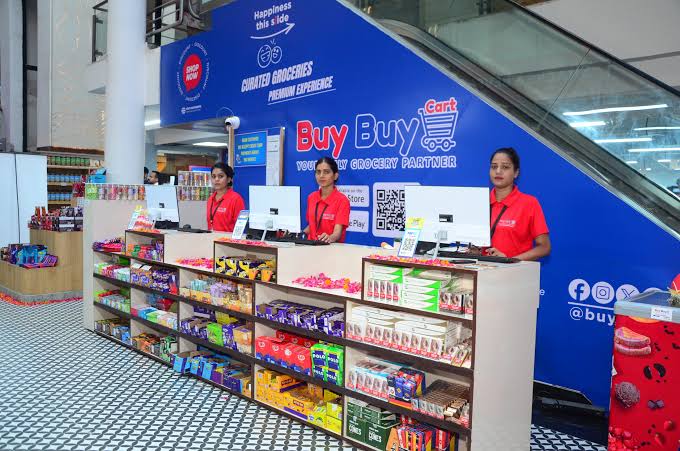
    New Delhi supermarket chain BuyBuyCart launched BuyBuyWholesale.com this week to streamline wholesale distribution and franchise operations across its retail network.

    The dedicated B2B portal operates as 1 centralised system for franchise partners to place regular and replenishment orders directly, while tracking SKU-level sales data.

    Centralising store inventory orders

    Led by Director and Co-founder Ashish Pandey, BuyBuyCart uses the platform to monitor wholesale demand, value- and quantity-based analysis, and ground sales performance alongside its physical store and Amazon channels.

    Analytical tracking built into the software breaks down orders by quantity, total transaction value, and specific franchise location. Sales teams continue to handle account support in local territories. Meanwhile, the backend system logs transactional flow.

    Tracking field sales and store demand

    Digital franchise procurement allows supermarket networks in India to cut order turnaround times and reduce inventory stockouts across regional clusters. Centralised visibility on SKU movement helps retail operators identify fast-moving daily essentials early. Teams then route stock to franchise shelves before local inventory runs dry.

    “The launch of BuyBuyWholesale.com is an important step in building a more connected and data-driven B2B ecosystem for BuyBuyCart. We are already seeing orders come through the platform, while our sales team continues to support partners on the ground. Our next focus is to make the platform increasingly useful for our franchise partners by enabling them to manage their regular and refill orders directly. Over time, we see BuyBuyWholesale.com becoming a central platform connecting our wholesale, sales, and franchise operations.”

    Shifting franchise logistics online

    For independent franchise owners, automated replenishment removes friction from weekly distributor negotiations and standardises pricing across territories. Field adoption presents the main operational risk. Regional store managers accustomed to manual phone orders and informal credit terms must adapt to disciplined digital checkout cycles.

    Rival supermarket chains across South Asia increasingly deploy proprietary wholesale portals to bind franchise partners to exclusive supply chains. Locking store procurement into an in-house platform protects private-label volume from third-party wholesale cash-and-carry distributors.

    Expanding private-label distribution

    BuyBuyCart built its core retail operation around a multi-region franchise supermarket footprint, selling packaged groceries, household essentials, and proprietary private-label lines. Alongside physical brick-and-mortar stores, the company distributes goods directly to consumers through its official website and third-party marketplaces including Amazon.

    Next, the rollout will focus on opening direct recurring refill features for all active franchise stores and integrating additional wholesale tracking tools into the live portal.

  • Hundreds of Woolworths NZ Managers Plan First Strike over Five-Year Pay Freeze

    Hundreds of Woolworths NZ Managers Plan First Strike over Five-Year Pay Freeze

    Hundreds of in-store managers across Woolworths New Zealand are staging their first strike in October 2026 to protest a contract proposal that would freeze wages for up to five years.

    Staff represented by First Union will walk out between 10:30am and 11:30am on Tuesday across store locations nationwide to speak directly with shoppers about the pay dispute.

    Terms of the Proposed Contract

    First Union representative Ross Lampert and union officials state the current remuneration package offered by supermarket management locks store leadership into flat base pay rates. During the one-hour stoppage, participating managers plan to distribute information outside storefronts to explain why they rejected the company offer.

    First Union representative Ross Lampert condemned the proposal during negotiations with the retailer. “The pay offer is a slap in the face for people who run Woolworths’ stores,” Lampert said.

    Operating Pressures in Australasian Grocery

    Supermarket operators across the region face tighter margin scrutiny as store-level overheads climb alongside elevated supply costs. For retail chains, holding management compensation flat is a direct lever to contain operational expenditure, but doing so risks damaging retention across frontline supervisory roles.

    Store managers handle daily stock replenishment, team rostering, shrink control and checkout flows. Industrial friction at this tier creates immediate operational bottlenecks for grocery retailers, particularly during high-traffic morning trading windows.

    Shifting Frontline Labour Dynamics

    Supermarket labour disputes in New Zealand historically centred on hourly floor staff, distribution centre workers and checkout operators rather than salaried or supervisory tier staff. Mid-level retail managers taking collective industrial action reflects growing pressure on supervisory wages as living costs outpace historical salary adjustments.

    Woolworths has been updating its store networks and brand identity across New Zealand while managing cost inflation in freight, sourcing and store operations. The dispute shows that frontline cost controls are meeting organized resistance from the staff running store floors daily.

    Next Steps for Store Negotiations

    Union organizers intend to use the Tuesday morning walkout to gauge customer sentiment and escalate collective bargaining terms with grocery executives. Management and union representatives will monitor participation levels across branches ahead of the next round of contract talks.

  • FairPrice Adapts on Xiaohongshu to Target 3.1 Million Chinese Tourists

    FairPrice Adapts on Xiaohongshu to Target 3.1 Million Chinese Tourists

    FairPrice Group has partnered with agency Prizm Group to overhaul its marketing on Xiaohongshu, shifting resources away from broadcast advertisements toward search-indexed consumer guides.

    The push targets a domestic audience where Chinese residents make up 73.9 per cent of Singapore’s resident population, alongside mainland Chinese visitors who generated S$3.68 billion in tourism receipts during the first nine months of 2025.

    Shifting from Social Feeds to Search Queries

    Xiaohongshu, operated internationally as RedNote, functions across Southeast Asia primarily as a product search engine rather than a passive social feed. Users search the platform for purchasing advice, store guides and product comparisons before transacting in physical outlets or on digital storefronts.

    For retailers, the operational change requires building content around high-frequency search keywords rather than conventional brand campaigns. Agency data from Prizm Group shows that organic saves serve as the primary performance benchmark on the platform, indicating intent to retrieve product information inside a supermarket aisle.

    Localising Terminology for Regional Shoppers

    Campaign assets developed for FairPrice include bilingual grocery guides designed to resolve naming disparities between Southeast Asian and mainland Chinese retail packaging. A visual reference guide for fresh pork cuts mapped regional Singaporean retail labels against terms used by shoppers from mainland China.

    A related campaign targeting office workers with breakfast recipes generated 1,453 organic saves against 1,591 likes, demonstrating higher retention than standard social engagement formats. FairPrice also introduced closed user group chats on the platform to distribute promotional vouchers without diluting standard search feeds.

    Regional Reach Across Southeast Asian Markets

    The platform’s user base extends across neighbouring Malaysia, where the Chinese community accounts for 22.2 per cent of citizens, representing nearly seven million consumers. Xiaohongshu recorded more than 2.5 million active Malaysian users in 2023, establishing the country as the platform’s second-largest user base outside mainland China after Taiwan.

    Retail operators running regional supply chains across the Singapore-Malaysia corridor face three distinct consumer tiers on a single application: local citizens, resident expatriates and incoming tourists. Marketing assets created for domestic Singaporean shoppers frequently fail with mainland tourists due to differences in product nomenclature and payment preferences.

    Search Indexing Over Brand Broadcasts

    Mainland China delivered 3.1 million visitor arrivals to Singapore in 2025, regaining its position as the city-state’s top international travel source. Department of Statistics data indicates that inbound spending from these travellers concentrates heavily in grocery, personal care and specialty food categories.

    Retailers operating physical store networks in the region are now tracking keyword volumes on lifestyle platforms alongside traditional Google search rankings to protect footfall against cross-border e-commerce alternatives.

  • Nissin Recalls 82G Aburasoba Noodles over Undeclared Milk Allergen

    Nissin Recalls 82G Aburasoba Noodles over Undeclared Milk Allergen

    In October 2026, Nissin issued a recall for its Salt and Sesame Oil Noodles Aburasoba 82g due to the presence of an undeclared milk allergen.

    The products were sold in Asian grocery stores across Victoria and distributed by Sweets & Beverages Australia Pty Ltd.

    Allergen Risk Triggers Distribution Halt

    The affected batches carry a Best Before marking of December 8, 2026, prompting warnings that consumers with a milk allergy or intolerance may experience a reaction and should seek medical advice if concerned.

    Retailers across Melbourne and regional Victoria must remove the product from shelves and clear warehouse stock immediately. Consumers who purchased the 82-gram packs can return them to the original place of purchase for a full refund.

    Compliance Pressures on Imported Asian Groceries

    Specialty importers face strict scrutiny from Australian regulators over mandatory food allergen declarations on packaged imports. Major Asian packaged food brands frequently manufacture localized packaging variants, but parallel import routes and third-party distribution often introduce compliance gaps when domestic labeling stickers fail to list common allergens correctly.

    For independent grocers, product withdrawals disrupt inventory and create immediate administrative burdens at the checkout. Importers absorb the direct cost of reverse logistics, stock write-downs, and customer refunds across distributed networks.

    Cross-Border Supply Chain Oversight

    Japanese food manufacturers like Nissin operate extensive regional supply chains, producing items across facilities in Japan, Hong Kong, and Southeast Asia for export. While core production adheres to strict quality controls, destination-market compliance relies heavily on local distributors translating and adhering to standard food codes.

    Similar allergen-related recalls across Australia over the past year have forced FMCG distributors to tighten third-party verification processes before cleared shipments leave bonded warehouses.

    Next Steps for Retail Networks

    Victorian Asian grocery stores are currently completing stock sweeps to verify that all inventory bearing the December 8, 2026 expiry date has been cleared from sale floors. Sweets & Beverages Australia is managing retailer reimbursements and coordinating with regional food authorities on inventory disposal numbers.