Tag: grocery retail

  • Greenstorm Foods Recalls 4 Peppermint Leaf Pack Sizes over Metal Risk

    Greenstorm Foods Recalls 4 Peppermint Leaf Pack Sizes over Metal Risk

    Greenstorm Foods recalled four pack sizes of organic peppermint leaf across six Australian states in September 2026 after discovering metal contamination in the supply chain.

    The action pulls bulk and retail units of Certified Organic Premium Peppermint Leaf sold through independent grocers and online platforms in New South Wales, Queensland, Victoria, Tasmania, South Australia and Western Australia.

    Pack sizes and affected batch codes

    Greenstorm Foods, which trades as Austral Herbs, issued the recall for 250-gram, 1-kilogram, 5-kilogram and 10-kilogram packages. Every affected unit carries a best-before date of 2 April 2029.

    Food regulators warned that physical metal contaminants in dried botanical products create an immediate risk of illness or physical injury if consumed. Retailers holding the stock must remove units from shelves immediately and quarantine inventory for return or destruction.

    Supply chain exposure for independent grocers

    Austral Herbs operates primarily as a wholesale supplier of bulk botanicals, teas and culinary ingredients to independent specialty grocers, herbalists and commercial food processors. The spread across package sizes from 250 grams to 10 kilograms indicates that the contaminated stock entered both retail consumer channels and commercial preparation pipelines.

    For independent grocers, physical contamination recalls carry direct reverse-logistics costs and shelf-space disruption. Unlike supermarket chains with automated point-of-sale product locks, independent retailers rely on manual stock identification across distributed inventory to isolate affected batch runs.

    Processing controls under scrutiny

    Physical contamination in dried agricultural products usually traces back to harvesting equipment failure or milling machinery wear during bulk processing. When metal fragments pass through screening stages undetected, processing facilities face mandatory audits of their magnetic separation and metal-detection hardware.

    Regulators track secondary distribution routes to ensure bulk bags sold to secondary re-packagers or commercial tea blenders do not surface under different brand labels. The multi-state footprint requires coordinated compliance filings with food safety authorities in each state jurisdiction.

    Health authorities advise consumers who purchased the recalled peppermint leaf to return the product to the place of purchase for a full refund while batch tracking continues across state retail networks.

  • Coles Drops Palantir AI Software Across 840 Australian Supermarkets

    Coles Drops Palantir AI Software Across 840 Australian Supermarkets

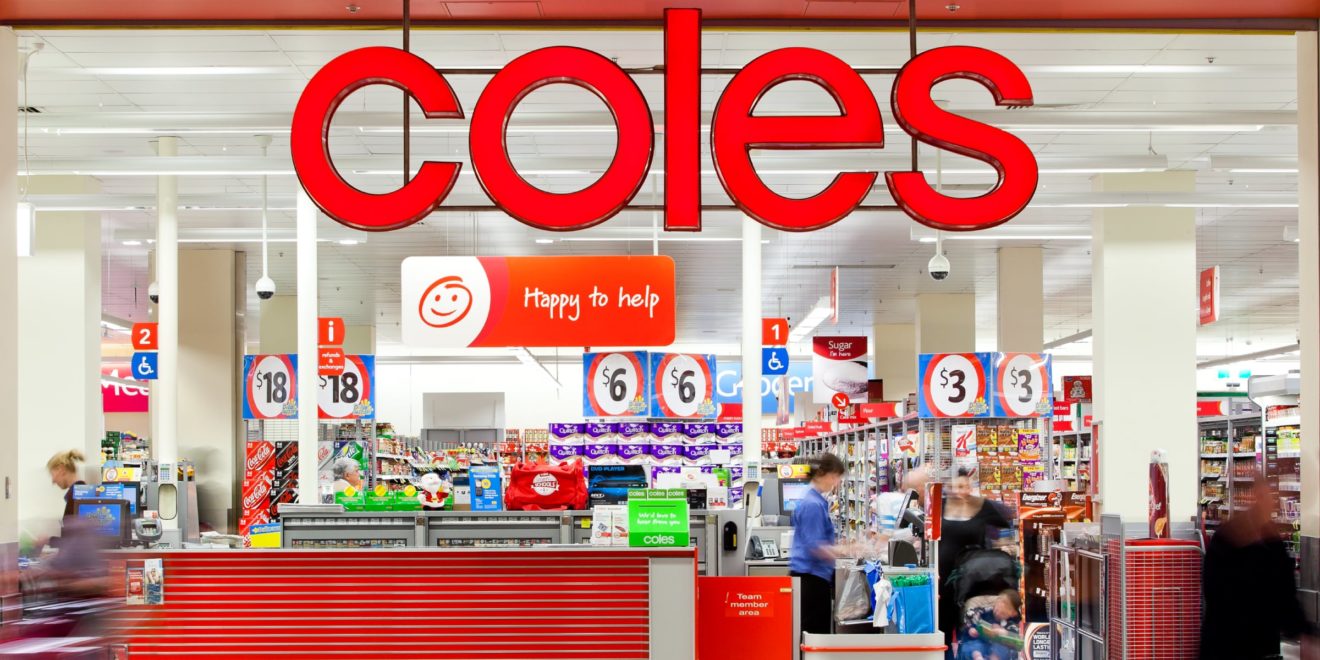
    Coles will terminate its software partnership with US technology firm Palantir. The platform will leave more than 840 Australian supermarkets when the three-year contract expires.

    The system processed more than 10 billion rows of operational data. That load covered employee shifts, bakery production schedules and store-level inventory allocations.

    Operational Data and Customer Backlash

    Signed in February 2024, the agreement deployed Palantir’s Foundry operating system and artificial intelligence tools for workforce planning and supply-chain logistics. The supermarket chain confirmed the platform will exit its stores beyond 2027. Public pushback over Palantir’s government surveillance and defence contracts drove the decision.

    Advocacy group GetUp mounted a billboard campaign near hundreds of stores in July, mimicking Coles branding to challenge its privacy practices. Coles rejected claims that shopper data was exposed to external access.

    “The software is deployed within Coles’ own environment and is operated and isolated under Coles controls,” a Coles spokesperson said.

    Supplier Scrutiny and Reputational Risk

    Retailers across the Asia-Pacific region face swift commercial fallout when back-end software vendors carry political or military profiles. Enterprise procurement once rested on technical capability and cost alone. That calculation has changed. Boards must now weigh vendor reputation alongside data isolation protocols.

    Ripping out an enterprise planning platform creates operational friction and heavy switching costs. Replacing tools that coordinate thousands of store rosters and perishable stock orders takes months of procurement, technical integration and staff retraining.

    The Shift in Retail Procurement

    Work began as a standard productivity initiative while grocery chains accelerated automation to curb operating costs. Palantir’s historical ties to intelligence agencies, US immigration enforcement and foreign defence contracts turned routine back-office optimization into an active brand problem.

    A replacement tender and full system migration across the 840 supermarkets must now wrap up before the contract concludes at the end of 2027.

  • Solum Expands Electronic Shelf Labels Across Australian Retailers

    Solum Expands Electronic Shelf Labels Across Australian Retailers

    Retail technology provider SOLUM has expanded its electronic shelf label network across Australia. The deployment covers rollouts with appliance chain Bing Lee and The Natural Grocery Company.

    Bing Lee is extending digital price tags across multiple consumer electronics stores. The chain aims to eliminate paper ticketing and curb pricing discrepancies on shop floors.

    Centralised Pricing at Scale

    The system connects in-store tags directly to a central management platform. Store managers can push real-time price updates and promotions instantly. Staff no longer need to replace physical shelf tags manually.

    Across its grocery aisles, The Natural Grocery Company has deployed the same digital setup. Freeing employees from manual repricing shifts floor labor toward customer service. It also cuts paper waste from recurring promotional cycles.

    “For The Natural Grocery Company, our ESL solution supports real-time pricing, rapid promotional updates, and greater pricing accuracy,” said Paul Kyriakos, General Manager at SOLUM Australia.

    Automation on Shop Floors

    Australian retailers face elevated labor costs and high operational overheads. Automated shelf-edge tools have become an operational priority across electronics and food retail. Supermarket operators and specialty chains across the Asia-Pacific region have accelerated similar rollouts to compete with dynamic pricing used online.

    SOLUM plans to roll out additional digital store infrastructure across retail partners in Australia and the wider Oceania region.

  • Yeo’s Launches Teriyaki Canned Tuna in Malaysia Protein Push

    Yeo’s Launches Teriyaki Canned Tuna in Malaysia Protein Push

    Yeo’s added Teriyaki and Chilli Spicy canned tuna to its Malaysian packaged food lineup, claiming the country’s first teriyaki-flavoured shelf-stable tuna variant.

    The product expansion targets consumers seeking convenient high-protein meals across supermarket and hypermarket channels.

    Protein Counts on Front-of-Pack Formats

    Both seafood products arrive in standard metal cans tailored for direct consumption or quick meal preparation. Yeo’s is positioning the line alongside its recent ready-to-eat ambient poultry launches, which use retort packaging to deliver traditional Malaysian recipes without refrigeration.

    Those retort pouch releases, Boneless Chicken Curry and Boneless Chicken Rendang, package 33 grams and 24 grams of protein per pouch respectively. Yeo’s engineered the poultry line for microwave heating, printing protein counts directly on the outer packaging to court shoppers monitoring macronutrient intake.

    Shifting Away From Commodity Canning

    Packaged seafood brands across Southeast Asia traditionally sell canned fish on basic functional attributes like omega-3 content and budget affordability. That strategy leaves margins exposed to rising raw fish costs and competition from supermarket private labels.

    Flavour-forward seasonings allow ambient seafood processors to command higher unit prices. Western brands successfully recast canned seafood into premium lifestyle items through specialty sauces and design-led branding, creating a playbook Asian food manufacturers now adapt for local retail shelves.

    Category Push Across Packaged Foods

    The tuna rollout follows a broader cycle of recipe and packaging adjustments at Yeo’s. The company pushed into modern convenient cooking earlier in the year with ambient cooking pastes and unsweetened heritage teas, testing whether legacy Asian food brands can capture younger urban households.

    Retail buyers are tracking initial off-take figures for both seasoned tuna variants across Malaysian grocers as Yeo’s prepares distribution for regional convenience chains.

  • Global Food Price Index Hits Nearly Four-Year High on Sugar Surge

    Global Food Price Index Hits Nearly Four-Year High on Sugar Surge

    Global food commodity prices rose 1.9 per cent in August as the United Nations Food and Agriculture Organization price index reached 133.3 points, its highest level since November 2022.

    The increase leaves the benchmark 2.5 per cent higher than a year earlier, driven by broad gains across sugar, cereals, dairy, meat and vegetable oils.

    Sugar registered the steepest climb across the index, jumping 11.9 per cent month on month to 106.4 points. Lower expected sugarbeet yields in the European Union, production declines in Brazil, and weather concerns tied to El Niño in major Asian producers squeezed supply outlooks. India compounded the pressure by announcing duty-free raw sugar imports to shore up domestic availability.

    “August’s increase in global food prices is a warning that the risk premium is returning to food markets,” said Maximo Torero, chief economist at the FAO. Torero pointed to climate shocks, geopolitical tensions and trade logistics bottlenecks as factors tightening supply expectations.

    Grains and Oils Add Cost Pressure

    Cereal prices averaged 116.3 points in August, up 2.2 per cent from July to reach their highest reading since May 2024. Quotations rose for wheat, maize and rice, driven by strong buying interest, adverse weather across several production belts, and shipping disruptions from Black Sea ports in Ukraine.

    Vegetable oils rose 0.6 per cent to 196.9 points. Firm global import demand lifted palm and soy oil values, while dry conditions linked to El Niño threatened plantation yields in Southeast Asia. Rapeseed and sunflower oils softened slightly on expectations of steady harvest volumes.

    Dairy prices advanced 2.3 per cent to 119.2 points because of lower raw milk collections in Europe. Meat edged up 1 per cent to 127.9 points as hot weather slowed pig growth across European farms, though bovine meat prices dipped after Chinese import quotas intensified price competition between Brazilian and Australian cattle exporters.

    Margin Squeeze for Asian Food Retailers

    For packaged goods manufacturers and supermarket operators across Asia, the August index reading signals renewed margin pressure on pantry staples. Food retailers in import-dependent hubs had spent much of the past year managing lower inventory carrying costs, but rising raw input prices for sugar, wheat and cooking oils will force pricing reviews before the fourth-quarter holiday buying cycle.

    Passing higher wholesale costs directly to consumers remains difficult in markets where household budgets are already stretched by utility and transport expenses. Retailers face a choice between absorbing lower gross margins on staple categories or relying on smaller pack sizes and promotional discounts to preserve transaction volumes.

    Supply Outlook for Regional Sourcing

    The August figure sits 16.8 per cent below the all-time high recorded in March 2022, when the outbreak of war in Ukraine disrupted agricultural trade. The latest rally shows that structural supply risks remain sensitive to localized weather and trade restrictions.

    Procurement teams are now monitoring regional harvest numbers closely after the agency cut its 2026 global cereal production forecast by 2 per cent to 2.98 billion tonnes, a harvest that would still rank as the second-largest on record.

  • Philippine Seven Corp to Open 5,000Th 7-Eleven Store in Cebu

    Philippine Seven Corp to Open 5,000Th 7-Eleven Store in Cebu

    Philippine Seven Corp will open its 5,000th 7-Eleven store in Lapu-Lapu City, Cebu on Dec. 3, completing an expansion of 1,000 outlets in two years.

    The convenience chain closed June with 4,650 branches nationwide after net profit climbed 3.8 per cent to 1.84 billion pesos in the first half. System-wide sales rose 15.1 per cent over the same six months, with locations opened within the period generating more than 6 per cent of total turnover.

    Franchise Split and Store Economics

    Half of the 350 outlets needed to hit the year-end target will be company-owned, with franchisees taking the remainder. The rapid buildout follows the opening of store number 4,000 in 2024, four decades after 7-Eleven entered the Philippine market.

    PSC chair Victor Paterno told reporters that unit economics improved despite rising electricity, fuel and labor expenses. Cashless checkout terminals installed across tourist destinations and higher-income districts lifted average spend by enabling credit card transactions.

    The operator is also adjusting its merchandise mix to attract younger shoppers while brushing off competition from fast-spreading hard discounters. Paterno noted that discount grocers stock minimal immediate-consumption items, leaving local convenience formats largely insulated from their price pressure.

    Next Targets in Mindanao

    Across Southeast Asia, convenience store chains are racing to build dense logistics networks outside capital cities to capture rising provincial purchasing power before regional competitors establish dominance. PSC is mirroring strategies used by convenience operators in Thailand and Indonesia, where rural expansion delivers higher sales gains than saturated tier-one metros.

    PSC plans to open approximately 600 additional stores in 2027, subject to broader macroeconomic conditions. Distribution routes will push deeper into Western Mindanao, with Zamboanga City designated as a key focal point for logistics development.

  • Japan Startup Muse Deploys Retail Robots to New York Grocery Stores

    Japan Startup Muse Deploys Retail Robots to New York Grocery Stores

    Japanese robotics startup Muse rolled out its automated retail helper robots in a New York grocery store to capture US supermarket demand for labor-saving physical artificial intelligence.

    The deployment puts automated shelf-stocking hardware directly into commercial grocery aisles alongside store clerks. Rising operational expenses and stubborn retail worker shortages across North America have accelerated the commercial rollout of Asian service robotics beyond domestic test markets.

    Automating shelf replenishment

    Muse built its physical AI machines to assist staff with the physical strain of routine grocery restocking. The robots navigate sales floors to handle merchandise replenishment tasks, reducing the repetitive lifting required of store associates during standard operating shifts.

    Store operators in the United States face persistent labor turnover in entry-level inventory roles. Deploying autonomous replenishment units allows grocers to maintain shelf availability without increasing headcount during peak restocking hours.

    Exporting Asian physical AI

    Japanese robotics developers are increasingly targeting overseas retail markets where wage pressures create faster paths to commercial adoption than domestic pilot schemes. While Japanese supermarkets have tested automated replenishment in limited urban formats, the scale of floor space in American grocery chains offers substantially larger hardware deployment volumes per client.

    Muse plans to use the New York supermarket deployment as an operational reference site to secure multi-unit rollouts across broader US retail chains.

  • Swiggy Instamart Enlists 400 Partner Brands for Exclusive Assortment

    Swiggy Instamart Enlists 400 Partner Brands for Exclusive Assortment

    Swiggy Instamart partnered with more than 400 alternative brands to offer platform-exclusive pack sizes and cleaner product formulations across its Indian dark-store network.

    Datum Intelligence estimates Instamart held a 22 percent share of India’s quick-commerce sector in 2025, trailing market leader Blinkit at 47 percent and Zepto at 24 percent.

    Targeting Clean Formulations and Custom Packs

    Instamart launched the push under its ‘Switch to Better’ program, which started in June. The campaign guides online shoppers toward partner labels that manufacture preservative-free items or use cleaner ingredient lists.

    Suppliers are also developing custom pack sizes and distinct product variations built exclusively for Instamart. Those unique stock-keeping units make the platform’s catalog harder for competing rapid-delivery apps to replicate directly.

    Rivals Squeeze Delivery Differentiation

    India’s quick-commerce platforms previously competed almost entirely on delivery speed and basic grocery availability. With 10-minute drop-offs now standard across major metro areas, operators need product exclusivity to keep customers from toggling between rival apps for identical items.

    Established e-commerce operators are intensifying that pressure. Both Amazon India and Flipkart have expanded their own rapid-delivery setups, adding capital and warehouse density to an already crowded field.

    The next metric to monitor is whether dedicated SKU partnerships can help Instamart close the market-share gap with Zepto and Blinkit as new dark stores open across secondary cities.

  • Indonesia Consumer Inflation Climbs to 3.19% in August

    Indonesia Consumer Inflation Climbs to 3.19% in August

    Indonesia’s headline inflation jumped to 3.19 per cent year on year in August 2026, driven by rising grocery bills, gold jewelry costs and higher transport fares.

    The increase from 2.28 per cent in July lifted the national consumer price index to 111.97 from 108.51 a year earlier, according to the Central Statistics Agency (BPS). The headline print remains inside Bank Indonesia’s target corridor of 2.5 per cent plus or minus one percentage point.

    Food and Personal Care Drive Basket Costs

    Food, beverages and tobacco delivered the heaviest punch to household budgets, climbing 3.86 per cent and adding 1.13 percentage points to the headline number. Broiler chicken, fresh fish, cooking oil and rice led the increases alongside bird’s eye chili, beef and cigarettes. Volatile food prices alone advanced 4.06 per cent over the twelve months.

    Personal care and other services recorded the steepest category increase at 9.25 per cent, contributing 0.63 percentage points. High retail demand and elevated prices for gold jewelry accounted for most of that category gain.

    Transportation expenses climbed 4.79 per cent from August 2025, adding 0.58 percentage points to headline inflation. BPS Deputy for Distribution and Services Statistics Ateng Hartono said higher gasoline prices, costlier airfares, vehicle lubricants, and rising prices for cars and motorcycles drove the transport index up.

    Core Price Pressures Across Provinces

    Core inflation, which strips out volatile food and government-regulated tariffs, stood at 2.92 per cent year on year. It contributed 1.87 percentage points to the overall index, buoyed by gold jewelry, prepared rice meals, cooking oil, mobile phones and laptops. Government-administered prices rose 3.32 per cent on higher household fuel and air travel costs.

    All 38 Indonesian provinces recorded annual price increases during the month. North Maluku logged the country’s highest regional inflation at 5.28 per cent, while North Kalimantan posted the lowest reading at 2.17 per cent.

    For consumer brands and supermarket operators, the sharp uptick in poultry and staple grain prices tests grocery basket sizes after a period of quiet monthly deflation in July. Packaged food manufacturers face immediate margin pressure across basic cooking ingredients, while discretionary retailers must contend with higher transport outlays eating into urban household disposable income.

    Bank Indonesia next reviews its benchmark policy rate later this month, with policymakers balancing rupiah stability against the latest pickup in core consumer prices.

  • Australian Grocers Expand Private Labels as Coles Posts $1.09B Profit

    Australian Grocers Expand Private Labels as Coles Posts $1.09B Profit

    Coles Group posted a 1.09 billion Australian dollar net profit for the financial year ending June 28, as the country’s supermarket giants add thousands of private-label lines to store shelves.

    The expansion of store brands directly targets margin defence and customer retention across Australian grocery aisles.

    Private label pressure from Aldi

    Aldi entered the Australian market through Sydney in 2001, building its network on an inventory model where 90 per cent of products were private labels sold at lower price points. At that stage, Coles and Woolworths together controlled about 71 per cent of the national grocery market.

    The German discounter captured substantial market share by 2015. That persistent push forced both incumbent chains to rethink their merchandise mix and build out multi-tier house brands to compete across basic grocery categories.

    Margin defence and shelf allocation

    Supermarket operators use own-brand ranges to secure higher gross margins and gain greater use over suppliers. For grocery retailers across the Asia-Pacific region, allocating more shelf space to proprietary labels offers direct protection against wholesale price inflation.

    Both Coles and Woolworths face continued consumer demand for cheaper basket alternatives as shoppers swap branded packaged goods for supermarket-owned items.

  • Alfamart Pushes Quick Commerce and Targets 100 Stores in Bangladesh

    Alfamart Pushes Quick Commerce and Targets 100 Stores in Bangladesh

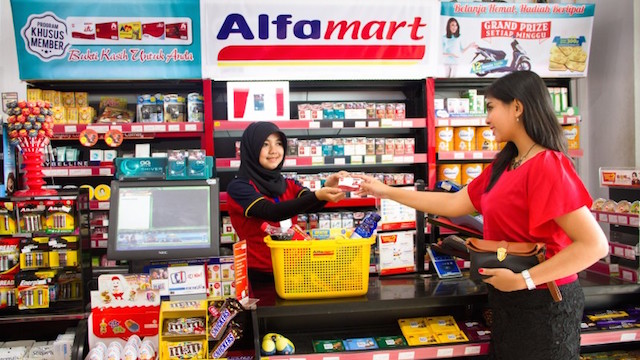
    Indonesian minimart chain Alfamart is expanding its Alfagift delivery network and preparing a 100-store entry into Bangladesh to counter slowing domestic convenience store expansion.

    The Jakarta-based operator, PT Sumber Alfaria Trijaya, is turning to digital ordering and dedicated fulfillment hubs as traditional store density approaches saturation across its home market.

    Dark stores and digital ordering

    President Director Anggara Hans Prawira confirmed that the Alfagift mobile application and loyalty platform have become central to maintaining transaction volumes. Urban shoppers increasingly order household staples and groceries through the digital channel instead of visiting neighborhood brick-and-mortar checkouts.

    To support faster fulfillment, the company is integrating dark stores into its distribution setup. These dedicated micro-warehouses shorten delivery windows and relieve pressure on standard retail outlets in crowded metropolitan areas where finding viable new retail real estate has become harder.

    South Asian expansion

    Slowing domestic retail growth has also pushed Sumber Alfaria Trijaya to seek greenfield opportunities abroad, led by a planned 100-store rollout in Bangladesh. The move marks an aggressive geographic push outside Southeast Asia as domestic store growth tapers.

    Convenience operators across the Asia-Pacific region are confronting the same ceiling. Rapid physical rollouts that drove earnings for two decades across Indonesia, Thailand, and the Philippines now deliver tighter margins, forcing traditional grocers to fight app-based delivery services on speed while exporting their store models into emerging consumer markets.

    The retailer now faces the rollout of its initial 100 Bangladesh sites while testing how deeply quick commerce can defend its domestic basket sizes against dedicated delivery platforms.

  • Taiwan Convenience Chains Expand Southeast Asian Goods as Migrant Numbers Double

    Taiwan Convenience Chains Expand Southeast Asian Goods as Migrant Numbers Double

    Taiwan convenience operators FamilyMart and 7-Eleven are rewiring hundreds of store layouts to target more than 870,000 Southeast Asian migrant workers now living on the island. FamilyMart has installed dedicated import sections across 1,200 outlets, roughly 30 percent of its total network, after sales in the category jumped 70 percent last year.

    Government labour data shows the island’s migrant workforce expanded from 390,000 in 2011 to over 870,000 this year. When including international students, spouses, and undocumented workers, the consumer cohort reaches an estimated 1.2 million people. A study by non-profit group One-Forty found these residents visit convenience stores every two days on average, relying on them for food, parcel pick-ups, and cross-border remittances.

    Halal hot food and bilingual shelves

    FamilyMart began testing dedicated shelves in residential and manufacturing districts in 2020. Those sections stock roughly 100 packaged items from Indonesia, Vietnam, Thailand, and the Philippines, supported by dual-language Chinese and English labelling alongside halal marks. The chain introduced pork-free hot food stations across 220 locations near transport hubs, hospitals, and industrial zones in 2024, and now distributes halal-certified ready-to-eat meals to 700 stores.

    Rival operator 7-Eleven has rolled out Southeast Asian merchandise fixtures to 400 branches. Its inventory focuses on high-turnover staples such as Indonesian instant noodles and sambal, Philippine dried mangoes, Thai roasted peanuts, canned coconut water, and energy drinks placed near universities and factory zones.

    Supermarkets tailor fresh produce

    Supermarket chain PX Mart is adjusting its own assortments in response to heavy footfall around manufacturing clusters. At its branches near the Hukou Industrial Park in Hsinchu County, one quarter of migrant worker shoppers visit more than once a week. PX Mart has divided its foreign range into four core groups: packaged groceries, instant meals, household goods, and fresh produce tailored by nationality, adding specific herbs for Vietnamese cooks and personal care lines imported from Indonesia.

    Convenience retailers across East Asia frequently tweak shelf space to protect store yields as domestic populations age and shrink. In Taiwan, where convenience store density is among the highest in the world, shifting floor space toward Southeast Asian staples allows operators to extract higher basket sizes from a daily captive audience without adding physical square footage.

    Store planners are now watching whether 7-Eleven expands its 400 dedicated sections deeper into residential neighbourhoods, while FamilyMart continues rollouts of halal-certified hot food counters across remaining transit-hub locations.

  • New Zealand Children Food Brand Odi Launches Direct Sales in Australia

    New Zealand Children Food Brand Odi Launches Direct Sales in Australia

    New Zealand children’s food maker Odi entered Australia on August 28, 2026. The launch brings direct-to-consumer sales in the brand’s first international expansion outside its home market.

    Domestic retail distribution across New Zealand came first. Now, the company is targeting Australian shoppers through an online-first model.

    Direct Sales Before Supermarket Shelves

    Odi sells directly to households through its website during this initial launch. Later, it plans to secure distribution agreements with nationwide Australian grocery and food retailers.

    This export push tests whether New Zealand brand momentum translates across the Tasman without immediate supermarket placement. Direct shipping builds customer demand data first. That gives the brand use before it negotiates wholesale terms with major supermarket chains.

    Scrutiny on Infant Food Formulations

    Regulators in Australia are paying closer attention to packaged children’s food formulations. Government research found commercial infant and toddler products are major sources of dietary sugar. That finding puts pressure on established FMCG manufacturers to reformulate ranges.

    Retail buyers have responded by reviewing children’s food ranges, opening shelf space for newer independent labels. Direct sales offer New Zealand brands a fast entry point while buyers evaluate these category shifts.

    Odi will run direct fulfillment in Australia while it finalizes retail supply partnerships for a planned nationwide physical store rollout.

  • China and India Lead Global Quick Commerce with Adoption Past 80 per Cent

    China and India Lead Global Quick Commerce with Adoption Past 80 per Cent

    Quick commerce adoption in China reached 83 per cent and 82 per cent in India, creating a multi-trillion-yuan grocery delivery market that outpaces Western peers. The channel is on track to surpass 1 trillion yuan in China this year, backed by a logistics network that handled 199 billion parcels in 2025.

    Data compiled by consumer intelligence firm NIQ shows ultra-fast delivery has become standard consumer behavior across major Asian economies. The global average adoption rate sits at 48 per cent, dragged down by Western markets where 34 per cent of European shoppers and only 3 per cent of North American consumers use quick commerce platforms.

    India Builds Dark Store Networks

    India represents the fastest-accelerating market for ultra-fast delivery. The sector grew 68 per cent year over year in the fourth quarter of 2025, powered by operators expanding an urban dark-store network projected to exceed 5,000 facilities. Individual micro-fulfillment hubs in the country now process up to 1,800 transactions per day.

    Shoppers in India are also changing how they use the apps. Instead of relying on 10-minute delivery purely for emergency top-ups and late-night snacks, consumers are migrating toward full grocery baskets, driving higher repeat purchase frequencies and larger ticket sizes.

    The structural divergence between Asia and the West comes down to city density, cheap local couriers, and deeply entrenched super-app ecosystems. In China and India, retail platforms solved local delivery economics early by pairing dark stores with dense residential zoning, whereas Western operators struggled with high labor overheads and sprawling suburban delivery routes that broke unit economics after 2022.

    Profitability Lags Channel Expansion

    Surging transaction volumes do not guarantee profitable sales for consumer brands selling through rapid channels. While brand manufacturers allocate an average of 27.4 per cent of their marketing spend to social commerce and related rapid channels, 58 per cent still report a return on investment of less than $1 per dollar spent.

    Growth is accelerating, but sustainable value will come from understanding which consumer missions truly benefit from immediacy.

    Suppliers are now overhauling their inventory allocations to defend margins. The key metric to watch across Asian platforms this year is whether operators can push average order values high enough to offset rising fulfillment costs as dark store networks reach saturation in tier-one cities.

  • Australian Certified Organic Sales Hit AU$1.02 Billion

    Australian Certified Organic Sales Hit AU$1.02 Billion

    Australia certified organic sector generated AU$1.02 billion in annual sales during the 2024-25 financial year. The total represents the first time the market cleared the billion-dollar threshold, driven largely by supermarket shelves and household pantry purchases.

    Retail sales for take-home consumption reached AU$657.6 million, climbing 11.9 per cent year on year, according to the Australian Organic Market Report 2026 released by Australian Organic Limited. The growth in household buying outpaced broader packaged grocery volume across major Australian supermarket chains.

    Supermarket Aisles Drive Revenue Gains

    Packaged food and fresh produce accounted for the bulk of retail spend, with shoppers prioritizing chemical-free certifications despite broader inflationary pressures on household food budgets. Certified supply chains kept up with the volume demand, helping standardise shelf placements across national grocery operators.

    The AU$1.02 billion total spans domestic agriculture, food manufacturing and retail channels across the country. Commercial operations continued converting conventional acreage to certified standards to capture premium wholesale margins.

    Wholesale Margins and Export Volumes

    Across the Asia-Pacific region, premium food producers face tight price sensitivity, yet certified organic goods continue to hold distinct price premiums in tier-one retail channels. Australian producers are positioning their certified output against competing high-end food exports from New Zealand and Europe.

    Industry bodies will monitor whether retail volume growth holds through the 2025-26 period as supply contracts renew and private-label organic ranges expand in major supermarket chains.