Tag: grocery retail

  • Ayala Land Signs Makro Wholesale for Four Mixed-Use Luzon Estates

    Ayala Land Signs Makro Wholesale for Four Mixed-Use Luzon Estates

    Ayala Land Inc. Signed long-term lease agreements with Makro Philippines to open four large-format wholesale stores across its master-planned estates in Luzon.

    The rollout puts the wholesale brand into Cloverleaf in Quezon City, Arca South in Taguig, Broadfield in Laguna, and Evo City in Cavite.

    Lease Terms and Property Footprint

    Under the agreement, Ayala Land retains land ownership across the standalone sites in Broadfield, Evo City, and Cloverleaf. Makro will finance, construct, and operate those three locations. At the 74-hectare Arca South development in Taguig, the retailer will take space directly inside the local Ayala Mall.

    Makro Philippines operates as a joint venture between conglomerate Ayala Corp. And Thailand-based CP Axtra Public Co. Ltd., the wholesale and retail arm of Charoen Pokphand Group. The stores will sell fresh produce, dry groceries, imported lines, and nonfood merchandise to commercial buyers and retail households through physical warehouses and an integrated digital ordering platform.

    Wholesale Expansion Across Growth Corridors

    Wholesale clubs and membership formats across Southeast Asia have accelerated their push beyond central business districts to capture rising suburban grocery spend. CP Axtra has pursued international growth outside Thailand to scale its cash-and-carry model, while Ayala Land gains steady rental yields and anchor foot traffic across its mixed-use land bank.

    Development schedules now shift to site preparations at Broadfield and Evo City as Makro begins construction across the three standalone suburban plots.
  • Shrinkflation Pushes Half of Australian Grocery Shoppers to Switch Brands

    Shrinkflation Pushes Half of Australian Grocery Shoppers to Switch Brands

    Eighty-five per cent of Australian grocery shoppers have noticed shrinkflation on supermarket shelves, driving half of them to seek out competitor brands when pack sizes shrink.

    The findings from the 2026 Australian Grocery Shopper Report show that reducing pack volumes rather than raising shelf prices carries immediate commercial risks for FMCG manufacturers. Overall price remains a decisive factor for six in 10 shoppers, but consumers now weigh cost directly against product volume, quality, and ingredient integrity.

    The cost of breaking consumer habits

    Consumer tolerance for stealth volume cuts has eroded sharply across grocery aisles. Focus Insights found that 60 per cent of shoppers do not believe packaged goods companies are transparent about size adjustments. When presented with the choice between a price increase or fewer biscuits in a pack, 59 per cent preferred the product to stay at its original size.

    Downsizing familiar products breaks repeat purchasing cycles. One in two consumers surveyed said they actively seek alternatives if a favourite item shrinks. One in three said they purchase the downsized product less often, and one in five said they stop buying the product altogether.

    The promotional trap for FMCG brands

    Price discounting adds another layer of margin pressure across the category. Nine in 10 shoppers said price promotions influence what they place in their baskets, with 57 per cent stating discounts almost always dictate their purchases. Frequent discounting cycles have conditioned 67 per cent of shoppers to defer purchases until products go on sale rather than pay full shelf price.

    For retailers and consumer packaged goods brands across Asia-Pacific markets, managing rising input costs requires explicit communication on shelf. Quietly trimming product weights threatens core volume share in high-frequency categories where private label substitutes are readily accessible.

    Focus Insights chief executive Deane Hubball and Believe You Me founder Blair Triplett will present the detailed category breakdowns and shopper sentiment data at industry briefings in Melbourne and Sydney next month.

  • Coles Lifts Underlying Profit to $1.26 Billion as Supermarket Sales Surge

    Coles Lifts Underlying Profit to $1.26 Billion as Supermarket Sales Surge

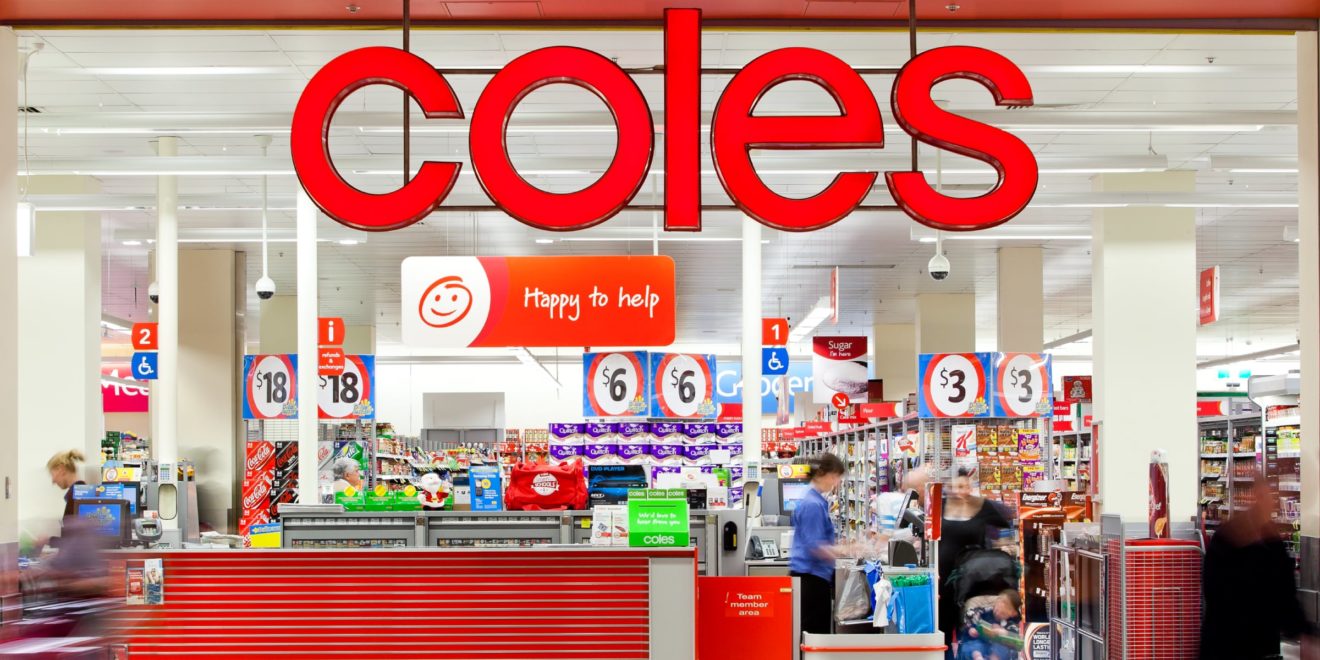
    Coles Group lifted underlying annual profit 13.7 per cent to A$1.26 billion in Melbourne, powered by grocery volume and fast-expanding digital channels.

    Group sales revenue advanced 2.8 per cent to A$45.58 billion across the 2026 financial year. Reported net profit came in lower at A$1.09 billion after the grocer set aside A$235 million to cover remediation costs and penalties from a Federal Court staff underpayment judgment.

    Supermarkets drove the operating momentum. Core grocery revenue rose 3.7 per cent to A$41.47 billion, while division earnings before interest and tax increased 12.2 per cent to A$2.37 billion as the retailer took market share. Supermarket e-commerce sales jumped 26.4 per cent to A$5.6 billion, pushing the group’s automated customer fulfilment centres into positive earnings in their second full year of operation.

    Shoppers pinched by living costs continued to trade down to private labels and loyalty discounts while eating more meals at home. That grocery strength insulated Coles from regional retail headwinds, contrasting with discretionary Asian department store and hypermarket chains that continue to struggle against softer household demand.

    Liquor Slump and In-Store Shrink

    The liquor arm proved the main drag on the group balance sheet. Liquor sales slipped 3.3 per cent to A$3.55 billion, and division operating earnings plunged 47.8 per cent to A$59 million. Management responded with a multi-year restructuring plan that includes shutting standalone shops, co-locating bottle shops alongside supermarkets, and bundling food and beverage offerings.

    Security issues also weighed on store operations. Victoria recorded an 85 per cent surge in threatening incidents against staff over two years, pushing Coles to trial facial recognition systems, though management has not committed to a full network rollout.

    Restructuring Corporate Roles Under Accenture Deal

    Coles will cut hundreds of corporate jobs in the 2027 financial year as part of an expanded technology partnership with Accenture. The retailer plans to spend about A$190 million during the year on restructuring and redundancy costs to establish a dedicated capability centre.

    Store and customer-facing teams will remain exempt from the staff reductions, with the company offering reskilling pathways for affected corporate workers. Capital expenditure will increase in parallel, with Coles allocating an extra A$300 million across FY27 and FY28 to fund technology upgrades, store refurbishments, and 45 new supermarket openings.

  • BioCheese Launches Protein-Fortified Vegan Cheddar at Coles for $9

    BioCheese Launches Protein-Fortified Vegan Cheddar at Coles for $9

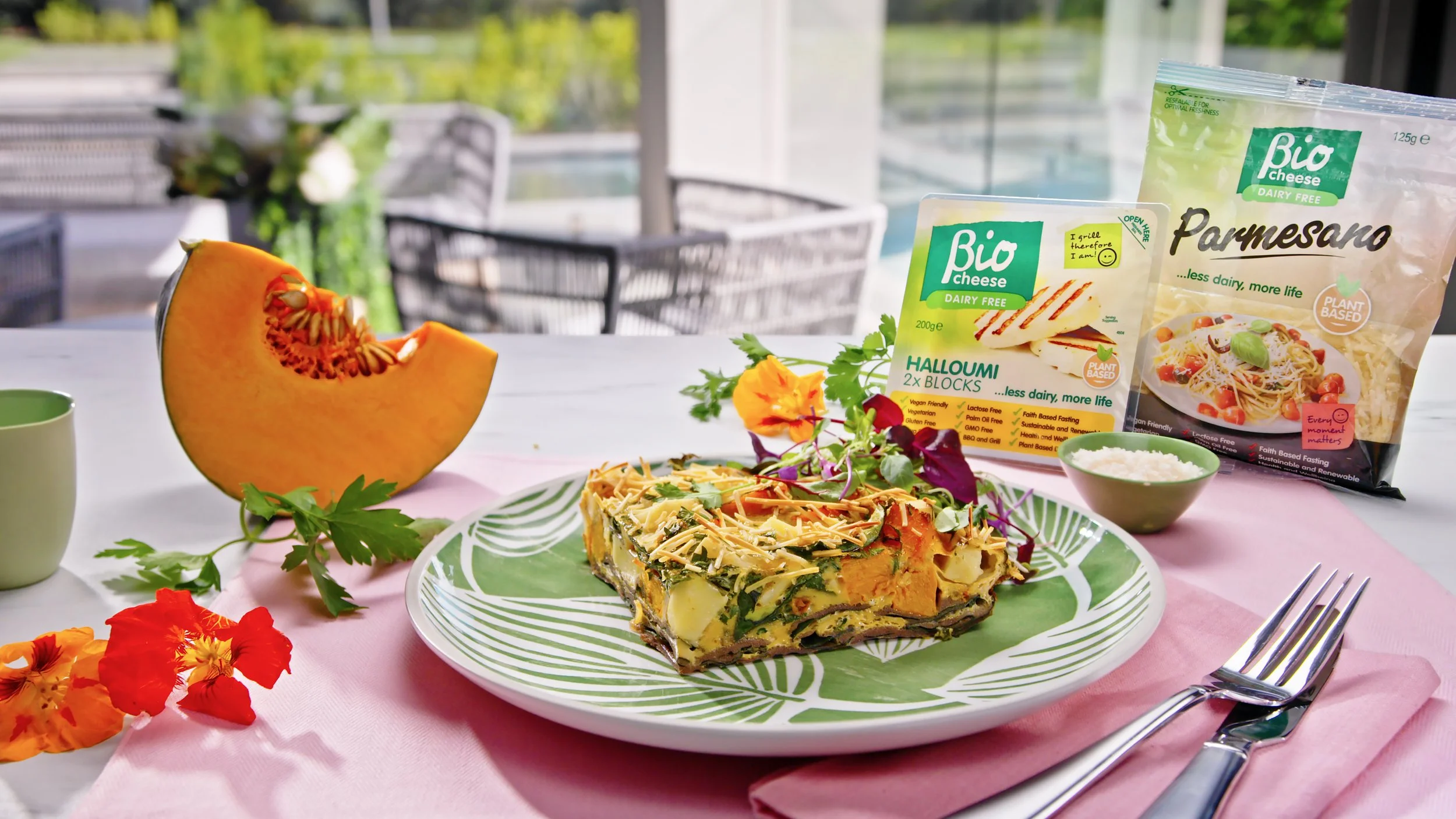
    BioCheese has launched a protein-fortified plant-based cheddar shred across Australian supermarket chain Coles, priced at $9 for a 200-gram pack.

    The product delivers 10 grams of protein per 100 grams, making it the first added-protein dairy-free cheese stocked in Australian grocery aisles.

    Pea Protein and Melting Performance

    Formulated with pea protein, the shredded cheese is built specifically for hot and cold culinary applications. The brand designed the shred to melt in toasties and baked dishes while holding texture in tacos and salads.

    Each unit ships in a resealable 200-gram pouch intended for standard refrigerated dairy and plant-based sections across Coles supermarkets nationally.

    Protein Claims in Plant Dairy

    Plant-based cheese alternatives have historically faced pushback from shoppers over low nutritional value compared to traditional dairy cheddar. While standard dairy cheese provides around 25 grams of protein per 100 grams, standard coconut oil and starch-based alternatives often register near zero.

    By adding 10 grams of functional plant protein, BioCheese is testing whether enhanced nutritional metrics can defend premium shelf space as price-conscious shoppers scrutinise grocery spending across the Asia-Pacific region.

    Distribution is now live across Coles stores, with retail buyers watching whether the $9 price point can sustain regular basket repeat rates against traditional dairy blocks.