Tag: grocery retail

  • Seven & I Exits India as Reliance Retail Closes 7-Eleven Network

    Seven & I Exits India as Reliance Retail Closes 7-Eleven Network

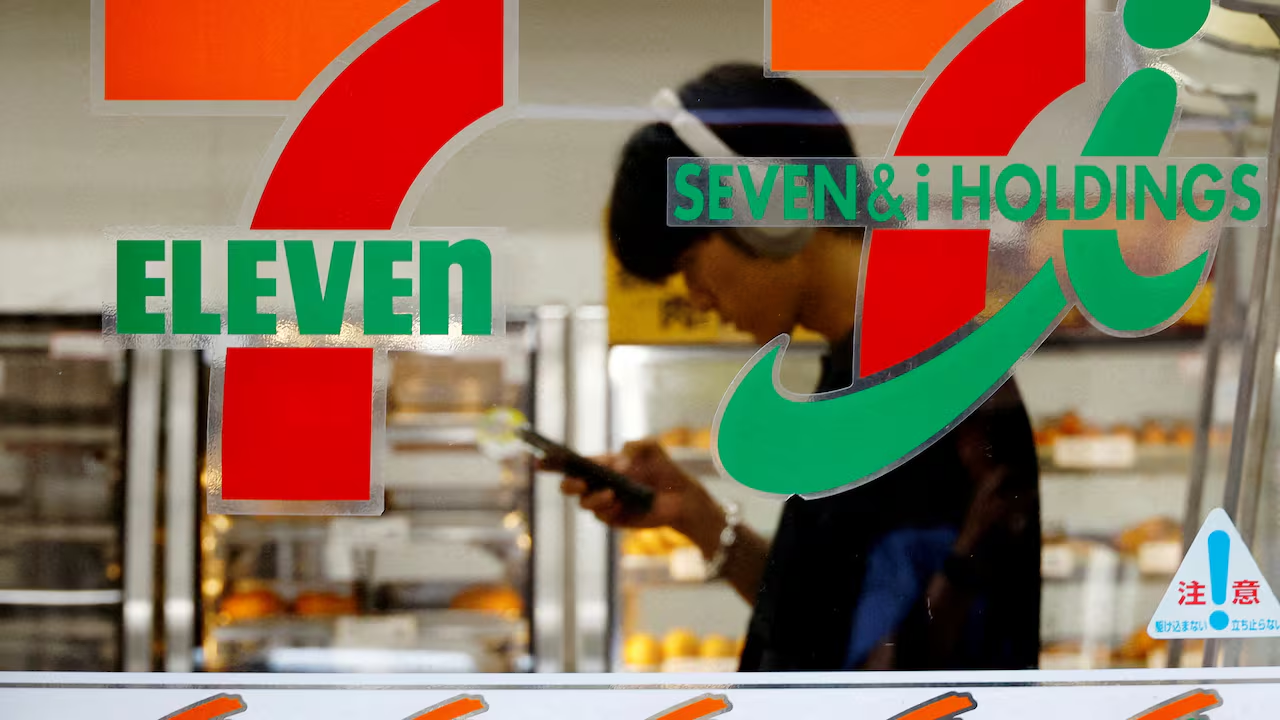
    Seven & i Holdings confirmed the closure of its entire 7-Eleven network in India. Master franchisee Reliance Retail shuttered all operating stores, ending a five-year push into the market.

    The first Indian location opened in late 2021. Reliance Retail targeted rapid expansion across Greater Mumbai before the partnership ceased operations this month.

    A Five-Year Run in Mumbai

    Operations began with a two-storey, 1,700-square-foot outlet on the first floor of an Andheri East apartment complex. That debut site featured round-the-clock trading, an in-store cafe counter, and local fresh food and packaged snacks. Reliance Retail positioned the concept as a modern convenience model for dense metropolitan neighborhoods.

    Expansion remained concentrated in Mumbai rather than scaling nationwide. The operator gradually reduced store commitments before Seven & i verified the complete shutdown of the franchise network.

    Format Pressures in Indian Retail

    Japanese convenience formats face operational hurdles across South Asia. While 7-Eleven dominates dense urban corridors in Thailand, Taiwan and Japan, Indian convenience chains compete directly against millions of neighborhood mom-and-pop grocers offering instant credit and home drop-offs. Quick-commerce operators also deliver packaged food and daily essentials in 10 minutes, cutting into foot traffic.

    For retail landlords and commercial operators, the exit leaves prime ground-floor space vacant across Mumbai suburbs. Suppliers of fresh ready-to-eat meals and cold-chain logistics providers also lose a dedicated 24-hour distribution channel.

    Regional Shifts for Seven & i

    Tokyo-based Seven & i has restructured international assets to protect operating margins. It is focusing capital on high-yield territories. The Japanese retail group has faced investor scrutiny over capital allocation outside its core domestic and North American convenience store businesses.

    In 2021, Reliance Retail took over the 7-Eleven franchise rights after Future Group ended its own master franchise agreement without opening a single outlet. Reliance integrated the brand alongside its existing grocery store formats before unwinding the portfolio.

    Next Steps for Master Franchise Partnerships

    Across the region, Seven & i is reviewing franchisee arrangements in emerging Asian markets to assess long-term store profitability. Reliance Retail continues to operate its proprietary convenience and supermarket networks.

  • Mars Study Projects AI-Driven Retail to Reach 788 Billion Dollars by 2035

    Mars Study Projects AI-Driven Retail to Reach 788 Billion Dollars by 2035

    Automated AI agents will handle everyday consumer purchases over the next decade. At the same time, global retail will shift toward experiential spaces, according to research from Mars, Kantar and Synthesis.

    Researchers analysed more than 180,000 data signals across four continents. The goal was to evaluate how consumer purchasing habits and retail platforms will operate through 2035.

    The report identifies three primary shifts: algorithmic purchasing automation, granular personal curation, and experiential physical and digital storefronts. Intelligent software assistants will handle recurring household restocking. As a result, physical shops must transform from functional transaction points into entertainment and community destinations.

    Automated repeat purchases and agentic commerce

    Software agents now manage routine consumer replenishment without manual order placement. They process purchase histories, individual preferences and live inventory levels in real time. Artificial intelligence referrals to e-commerce brands jumped 752 per cent year on year during the 2025 holiday shopping season, according to data from BrightEdge. The firm projects that AI-driven commerce transactions will expand to $788 billion globally by 2035.

    This dynamic splits retail into two separate tracks. Basic household necessities and staple groceries move into frictionless background fulfilment. Meanwhile, discretionary shopping becomes an intentional activity centred on product discovery.

    Balancing personal curation with data governance

    Consumer expectations for customised digital interactions continue to climb across retail categories. Research from TransUnion shows that 39 per cent of consumers now expect personalised online shopping experiences.

    Tailored product recommendations require retail platforms to process deeper customer data streams. That requirement raises compliance demands around customer consent, data storage and cross-border consumer protection standards across international operating territories.

    Physical stores pivot to entertainment

    Physical stores and digital platforms are responding to automated replenishment by turning shopping trips into sensory destinations. Experiential brand venues recorded 15.3 per cent year on year growth, according to tracking data from Emarketer.

    Online channels follow a similar path toward active engagement. Emarketer figures show that 22 per cent of United States digital buyers already purchase products directly through livestream broadcasts.

    Snacking brands confront disappearing impulse buys

    Background replenishment threatens traditional impulse-driven consumer packaged goods categories. Packaged food manufacturers built their distribution models around checkout aisles, end-cap displays and point-of-sale visibility in convenience stores and supermarkets. When automated algorithms reorder groceries based on historical basket data, unprompted impulse sales drop sharply.

    Brand owners now need direct interactive touchpoints to introduce new items before algorithms lock shoppers into rigid consumption loops. Regional supermarket operators must redesign floor layouts away from dense shelving and toward dedicated sampling zones and interactive kiosks.

    Retail chains started testing automated inventory reordering and cashierless checkout networks in late 2025. Consumer packaged goods manufacturers now face the 2026 holiday retail cycle as the next test of whether interactive digital activations can defend impulse purchase volumes against automated buying agents.

  • Mini-Supermarkets Challenge Southeast Asia’s Large Food Formats

    Mini-Supermarkets Challenge Southeast Asia’s Large Food Formats

    In October 2026, neighbourhood convenience chains are driving deeper into provincial Southeast Asia, pulling daily food spending away from large-format hypermarkets as small-box networks expand across rural farming communities.

    The push into lower-tier population centres shows how compact grocery footprints now compete directly with destination retail hubs across markets such as Thailand.

    Rural Demand Shifts to Local Doors

    In farming hubs like Duan Yai in southern Sisaket province, where roughly 5,000 residents anchor the surrounding agricultural trade, consumer demand for modern retail is outstripping local physical supply. Shoppers in the district currently travel 10 kilometres west to Bu Sung, a town of 10,000 people, to access the nearest 7-Eleven branch.

    That distance illustrates the remaining runway for convenience operators. The appetite for modern trade in smaller towns creates immediate footfall whenever corporate operators consider new postcodes.

    Format Pressure on Destination Stores

    Large grocery formats built their business models on weekly car trips and high average basket sizes. Mini-supermarkets and convenience operators upend that calculation by positioning fresh staples and daily packaged goods within minutes of residential clusters.

    For regional operators, smaller floor plans lower upfront capital expenditure, shorten opening timelines and reduce exposure to mall lease cycles. The operational challenge shifts entirely to logistics density and cold-chain route efficiency across secondary highways.

    Supply Chains Adapt to Fragmented Stops

    Servicing fragmented rural stores requires automated replenishment schedules and higher delivery frequencies per route. Distributors that fail to match the delivery cadence of corporate convenience networks lose shelf space to direct operator contracts.

    Suppliers must also tailor packaging formats to smaller baskets, swapping bulk family packs for single-serve items and everyday portion sizes suitable for local farm workers and rural households.

    Network Density Decides Format Winners

    Convenience networks in Thailand have steadily filled urban corridors and are now systematically mapping tier-three administrative subdistricts. Each new branch in a secondary town cuts into the trade radius of the nearest regional commercial centre.

    Network expansion now hinges on whether store operators can maintain gross margins on rural logistics routes as store density spreads into districts with fewer than 10,000 residents.

  • Thailand Rejects 5 to 10 per Cent Consumer Goods Price Hikes for October

    Thailand Rejects 5 to 10 per Cent Consumer Goods Price Hikes for October

    Thailand’s Department of Internal Trade has rejected manufacturer requests for 5 to 10 per cent price increases on essential consumer goods scheduled for October 1. Director-general Wittayakorn Maneenetr confirmed on September 24 that the agency refused to authorise the proposed increases across packaged groceries and household staples.

    Field inspections and supplier audits across major consumer goods manufacturers showed no formal approvals for pending price increases, according to the regulator. The department maintains active surveillance over 16 core consumer products, while the Central Committee on Prices of Goods and Services enforces statutory price caps across 59 controlled categories. These categories include meat, eggs, milk powder, tinned fish, seasonings, soap, shampoo, and washing powder.

    Promotions Rolled Back and Ceilings Tested

    Price increases felt by consumers in recent weeks stem from retailers pulling back promotional discounts rather than statutory ceiling adjustments. Brands have withdrawn multibuy promotions, including buy-one-get-one-free and buy-three-get-one-free deals, which returns shelf prices to their standard retail baseline without altering registered price caps.

    Manufacturers have also adjusted wholesale rates within previously approved statutory bands. A product with a 60 baht ceiling previously selling at 50 baht can shift to 52 or 55 baht without requiring fresh regulatory approval, though suppliers must still notify the department. Department officials stated that competitive pressures continue to discipline store shelves, as brands cutting promotions too aggressively risk ceding volume to discounting rivals.

    Input Pressures on FMCG Brands and Foodservice

    For fast-moving consumer goods suppliers, the refusal locks margins against persistent transport, packaging, and raw material cost inflation. Suppliers unable to lift base prices must either absorb higher overheads or rely on packaging redesigns to defend unit economics across modern trade channels. Retailers face thinner promotional support from suppliers, forcing grocers to balance footfall targets against lower co-marketing allowances.

    The margin squeeze extends directly into the foodservice sector. Sorathep Rojpotjanaruch, president of the Restaurant Business Club, projected selective 5 to 10 per cent menu price increases during the fourth quarter of 2026. Restaurants face steep seafood procurement costs driven by high fuel expenses alongside seasonal vegetable price spikes during the October and November rainy period.

    A Pattern of Incremental Surcharges

    Upward pricing pressure on Thai grocery shelves began building in April 2026 as manufacturers flagged higher energy, transport, and raw material outlays. Secondary price adjustments followed at mid-year, culminating in another round of supplier requests in mid-September.

    Field surveys recorded shelf price shifts across seasonings and staples, with monosodium glutamate rising by 5 to 10 baht per pack and 500-gram grain packets adding 10 baht. Wholesale chicken tenderloin moved from 100 to 105 baht per kilogram, while pork belly traded at 182.50 baht per kilogram and standard table eggs sold between 4.35 and 5.19 baht each.

    The Department of Internal Trade is now preparing joint retail discount programmes under the government’s Thais Help Thais scheme to curb fourth-quarter household living costs.

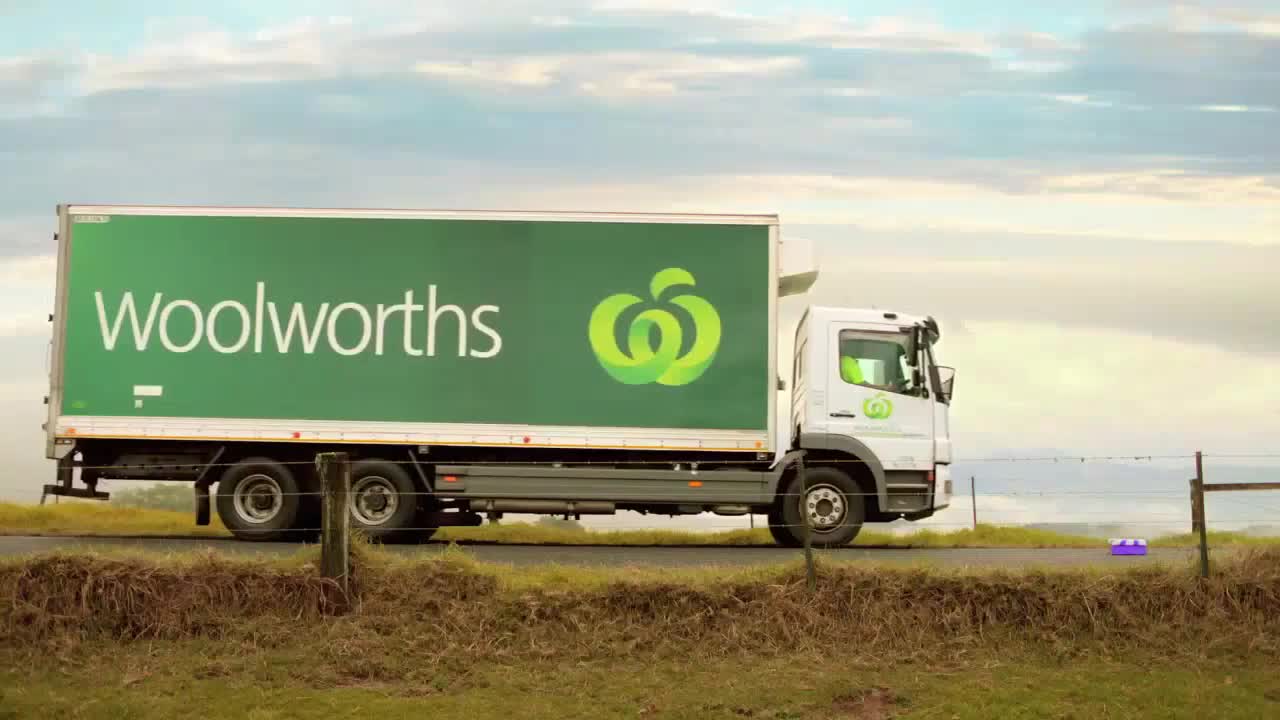
  • Sanitarium Launches 2 So Good High Fibre Milks at Woolworths

    Sanitarium Launches 2 So Good High Fibre Milks at Woolworths

    Sanitarium Health Food Company expanded its plant-based beverage portfolio on September 23, 2026, launching 2 new milks under its So Good brand.

    The So Good High Fibre + Prebiotics almond and oat milks rolled out nationwide across Woolworths stores and online.

    Sanitarium formulated the cholesterol-free range to help consumers increase daily dietary fibre intake and support digestive health across everyday uses like breakfast cereals, smoothies, and hot beverages.

    Gut health on the shelf

    Consumer interest in digestive wellness continues to alter product development schedules across Asia-Pacific grocery aisles. Dairy alternatives previously competed almost entirely on taste and base ingredients like soy, almond or oat. Adding prebiotic fibre pushes the category toward fortified nutrition. That helps capture health-conscious shoppers who want gut support without buying separate supplements.

    For retailers, functional plant milks offer higher shelf-margin potential than standard base alternatives. Woolworths secured early distribution for a high-awareness domestic brand, giving its beverage aisles a dedicated plant-based health proposition.

    Functional shifts across the category

    Plant-based beverage producers face stiffer competition as supermarket shelf space tightens. Brands across the region have shifted formulation strategies away from dairy mimicry and toward measurable nutritional additions like protein, vitamins and digestive aids. Sanitarium aims this launch straight at competitors using baseline formulas.

    Execution risks centre on taste and texture. Fortified fibre can alter the viscosity and mouthfeel of plant-based milks. That change often deters repeat buyers if the formulation interferes with morning coffee or breakfast cereal.

    Distribution and retail execution

    Sanitarium created the functional lineup after tracking sustained consumer demand for simpler daily nutrition. Putting functional benefits directly into pantry staples lowers adoption barriers for households seeking more dietary fibre without changing their daily routines.

    “We know many Australians are looking for simple ways to support their wellbeing, and fibre is an essential part of that,” said So Good Senior Brand Manager Nicole Toby.

    Tracking supermarket scan rates

    Category scan data and basket sizes over the coming retail quarter will guide Sanitarium’s next steps. Those supermarket figures will determine whether the company expands the line into independent grocers and export channels across the broader Asia-Pacific region.

  • Thailand Extends 43 Billion Baht Consumer Subsidy Scheme for Two Months

    Thailand Extends 43 Billion Baht Consumer Subsidy Scheme for Two Months

    Thailand’s cabinet approved a 43 billion baht ($1.29 billion) consumer subsidy extension on Tuesday. The funding supports household spending through late November.

    Each registered recipient receives 1,000 baht ($30). That injects direct liquidity into local retail checkouts and neighbourhood merchants.

    Under the extension, the state covers 60 percent of eligible purchases. Daily government co-payments are capped at 200 baht per person. Finance Minister Ekniti Nitithanprapas confirmed the decision after a Bangkok briefing. He noted the scheme cushions shoppers against high fuel and living costs linked to Middle East instability.

    How the spending programme works

    Money for the extension comes from unused allocations in the state’s 400 billion baht borrowing programme, originally created for oil-price shocks. Shoppers must pay the remaining 40 percent of each transaction out of pocket. This requirement drives cash through checkout registers rather than letting recipients stash funds in savings.

    Daily caps spread spending across weeks rather than triggering a single-day rush. The 200-baht limit channels steady foot traffic into grocery stores, wet markets and small retailers. Demand centers on packaged food, personal care and household consumables.

    What it means for retail operators

    Suppliers of fast-moving consumer goods and national convenience chains gain a clear sales bridge into the fourth quarter. The co-payment model lifts sales for registered small merchants. In turn, it pulls business away from modern trade formats excluded from government vendor lists.

    Brand owners face promotional risks. Retailers stocking up on subsidised staples could see margins shrink if wholesale input costs stay high after state support ends.

    Earlier phases and growth projections

    An initial phase ran from June through September, giving 1,000 baht a month to roughly 40 million registered citizens. That rollout built the digital systems and merchant network now handling the November extension.

    Ekniti stood by projections that Southeast Asia’s second-largest economy will grow 2.5 percent this year. That matches the ministry’s July forecast. Growth depends on private spending holding up against external trade headwinds.

    The timeline through year-end

    Consumers must spend their allocated funds before the November 30 deadline, when unused balances lapse. Retailers and analysts will track October consumption data next to see if daily checkout volumes match the June-September run.

  • Philippine DOJ Calls for Review of Suggested Retail Price in 23-Page Study

    Philippine DOJ Calls for Review of Suggested Retail Price in 23-Page Study

    The Department of Justice has called on government agencies to review the policy of imposing a Suggested Retail Price, warning that the practice restricts competition and amounts to undue market interference.

    In a 23-page report issued on July 12, the DOJ-Office for Competition found that the government lacks adequate rules or guidelines to govern the imposition of retail price recommendations.

    Justice Assistant Secretary Gerenomi Sy, who heads the office, noted that price controls should be enforced only during emergency situations rather than applied broadly across everyday consumer goods.

    Regulatory Pressure on Small Stores

    Enforcement practices by trade and agriculture departments turn advisory figures into de facto rules. The Department of Trade and Industry requires retailers to provide 30 days of advance notice before raising prices. It also issues formal notices to explain to businesses exceeding recommended levels.

    Agriculture officials have threatened producers, distributors, and neighborhood sari-sari store owners with profiteering charges if they sell above suggested thresholds. The report found that these threats prevent micro-retailers from setting realistic margins. As a result, small store owners cannot cover their actual procurement and transport costs.

    Inefficiencies and Supply Shortages

    Mandatory price ceilings suppress natural supply-demand adjustments for supermarket chains, distributors, and consumer goods suppliers. When government caps keep prices below market clearing rates, suppliers cut production. Store owners face margin compression, while incentives to hoard inventory increase.

    Barriers for prospective market entrants also rise under the policy. New consumer brands and retail operators avoid entering segments where margin limits are dictated by administrative decree rather than operational efficiency. That dynamic cements the dominance of entrenched players.

    Pending Competition Legislation

    Price controls have also failed to break existing distribution cartels in staple agricultural markets. Justice Secretary Leila de Lima stated that the department maintains active legal cases against entrenched cartels in rice, garlic, and onions. Standard price ceilings never deterred those groups.

    President Benigno Aquino III will soon act on the issue when he receives the Philippine Competition Act. The legislation will establish a dedicated regulatory framework to penalise market cartels and pricing abuses.

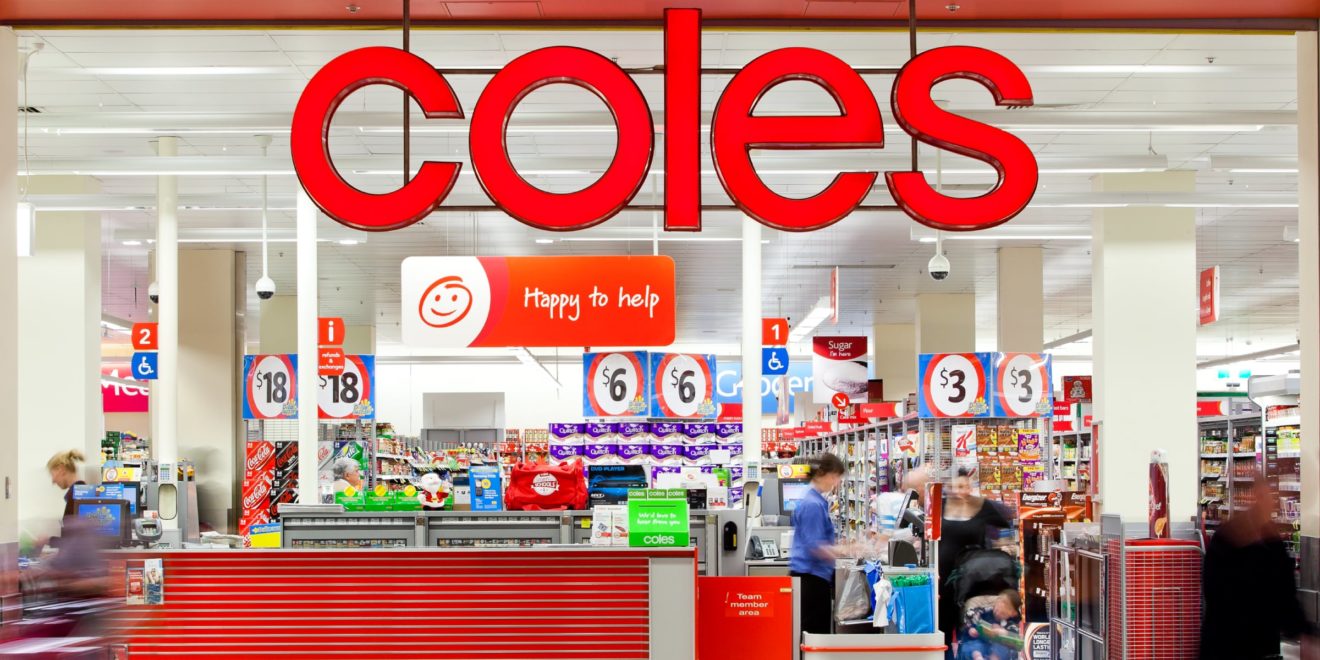
  • Coles Opens Its First Fully Electric Supermarket in Melbourne

    Coles Opens Its First Fully Electric Supermarket in Melbourne

    In September 2026, Coles opened its first fully electric supermarket at Orana Village in Clyde, Melbourne. The site eliminates on-site fossil fuels through a 270-kilowatt rooftop solar array and battery storage.

    Its rooftop holds 487 solar panels. These connect to a 110-kilowatt, 225-kilowatt-hour battery energy storage system that powers daily operations and backs up essential services during outages.

    How the Store Runs Without Gas

    Natural gas is gone from the site. Electric heat pumps link directly to a natural carbon dioxide refrigeration system. This setup captures waste heat from chilled cabinets and feeds it into climate control, delivering 171 kilowatts of heating capacity alongside full LED lighting fixtures.

    Drivers have access to four on-site fast-charging bays delivering up to 200 kilowatts direct current via Evie Networks. These chargers connect straight to the battery storage system. That buffer smooths power spikes when multiple electric vehicles draw high current during peak shopping hours.

    Origin Energy developed the on-site battery as an on-market backup unit. When checkouts and lighting do not require reserve power, the battery feeds capacity into Origin’s virtual power plant. That allows power trading on the wholesale electricity market.

    The Operational Read-Across for Retail Landlords

    Pressure is mounting on supermarket operators across Australia and Southeast Asia to remove direct gas connections from standalone shopping centres and strip developments. Coles expects the Clyde installation to reduce electricity drawn from the grid by up to 25 per cent. That drop eases baseline utility overheads in high-tariff energy markets.

    Property owners face distinct physical and capital hurdles if they copy this layout. Rooftop structures must support heavy panel arrays. Battery containment also demands dedicated exterior real estate and specialised fire suppression infrastructure. Landlords negotiating new leases with national grocers will need to absorb shared electrification costs during base-building stages.

    The Rollout Plan Through 2029

    Following the Clyde commissioning, Coles and Origin Energy extended their renewable energy partnership for another three years to 2029. Under the expanded agreement, Origin will install an additional 15 megawatts of rooftop solar capacity across up to 75 stores. It will also add 15 megawatt-hours of battery storage across up to 20 locations.

    Orana Village gives us a blueprint for what a lower emissions and more resilient store network could look like.

    Work on the initial phase began in 2023, delivering 16.45 megawatts of solar capacity across 73 stores and distribution centres, alongside 1.35 megawatt-hours of battery storage across five sites. Across participating locations, the combined systems cut grid electricity demand by an average of almost 20 per cent.

    Grid Exposure and Capital Allocation

    This project ties into the retailer’s plan to reach net-zero operational emissions by 2050. At the close of financial year 2026, Coles reported an 82.6 per cent reduction in combined Scope 1 and Scope 2 greenhouse gas emissions compared with its 2020 baseline. That progress rests on national power purchase contracts covering its network of more than 1,800 outlets and logistics facilities.

    Rivals Woolworths and Aldi have similarly contracted renewable power for their store fleets while introducing electric freight trucks. Attention now turns to whether savings from heat recovery and peak-demand management justify the upfront capital cost of retrofitting older, leasehold supermarkets before the 2029 rollout deadline.

  • Italian Trade Agency Targets Australia in 18-Month Retail and Foodservice Push

    Italian Trade Agency Targets Australia in 18-Month Retail and Foodservice Push

    The Italian Trade Agency is running an 18-month commercial push across Australian grocery and foodservice channels to widen distribution beyond core staples.

    Sydney-based Trade Commissioner Alessandro Lamura, who began his role on August 31, leads the effort targeting hotel catering, institutional dining and major supermarket shelves with specialty bakery goods, sauces, confectionery and frozen foods.

    Targeting Professional Kitchens and Supermarket Shelves

    Italian exporters have long relied on steady demand for pasta, extra virgin olive oil, wine, cheese and cured meats. The agency now wants to place preserved goods, specialty ingredients and ready-to-use food solutions into mainstream supermarkets and independent delicatessens.

    Foodservice sits at the center of the push. Lamura wants Italian ingredients in commercial restaurant groups, hotel kitchens and institutional catering operations, moving past traditional Italian dining rooms. As an institutional matchmaker, the agency gathers market intelligence and connects Italian producers directly to Australian importers, distributors and retail buyers.

    Shifting from Re-Export Hubs to Final-Destination Retail

    Lamura took charge of the Sydney office on August 31. He previously served as deputy trade commissioner across the United Arab Emirates, Pakistan and Oman. Unlike Middle Eastern trade hubs built on logistics zones and re-export volumes, Australia is a high-value domestic market with strict biosecurity protocols and long distributor vetting cycles.

    Australia offers reliable margins for European suppliers eyeing Asia-Pacific. Still, it demands local compliance and shelf consistency. European producers frequently struggle with national biosecurity rules and high transport costs across the continent. Direct work with domestic distributors aims to cut inventory delays and secure permanent shelf space against domestic and regional Asian food brands.

    Strengthening Commercial Presence After Melbourne Trade Event

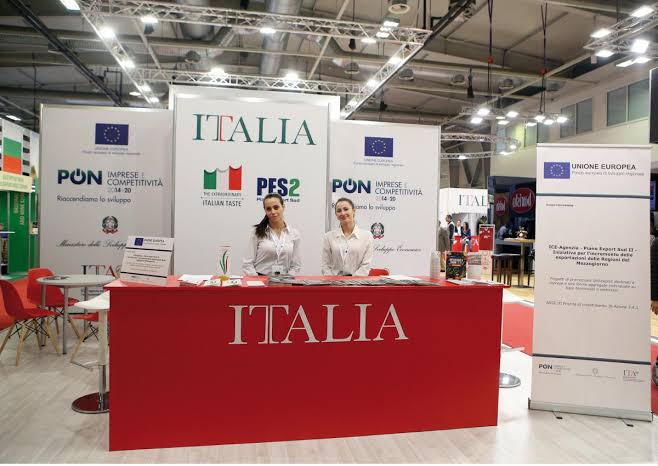
    This campaign follows the Italian National Pavilion at Fine Food Australia 2026 in Melbourne, which included an August visit by Italian Trade Agency president Matteo Zoppas. Zoppas directed the Sydney office to secure deeper ties with Australian grocery chains and digital marketplaces while expanding attendance at regional industry exhibitions.

    Preparations are underway for Italy’s pavilion at next year’s trade exhibition. The agency will add a live demonstration kitchen and product workshops for commercial buyers.

  • Japan Targets Food Consumption Tax Cut to 1 per Cent Under Reshuffled Cabinet

    Japan Targets Food Consumption Tax Cut to 1 per Cent Under Reshuffled Cabinet

    Japan plans to cut its consumption tax on food from 8 per cent to 1 per cent for two years starting April 2027 under a retained economic team.

    The tax cut anchors Prime Minister Sanae Takaichi’s legislative agenda. She plans to submit the bill to parliament before the end of 2026. Finance Minister Satsuki Katayama will defend the policy and outline how the government will plug the resulting revenue shortfall.

    Tax relief timeline and Cabinet posts

    Takaichi maintained stability across key portfolios while broadening her governing alliance. Foreign Minister Toshimitsu Motegi and Defense Minister Shinjiro Koizumi keep their posts. Chief Cabinet Secretary Minoru Kihara stays on as top government spokesperson. Hiroshi Nakatsuka from the Japan Innovation Party joins as state minister for special missions. The appointment gives the junior coalition partner its first Cabinet seat since the two parties allied in October 2025.

    Keeping Katayama at the Ministry of Finance secures an experienced administrator for the coming tax debates. Officials must draft statutory text and win parliamentary approval in the upcoming session. That schedule gives cash-register vendors and food distributors time to update billing software before the April 2027 start date.

    Implications for grocers and state coffers

    For supermarket chains, convenience store operators, and food manufacturers, the seven-percentage-point cut offers direct margin relief. Grocers have absorbed higher wholesale costs for imported staples and energy for years, passing higher shelf prices to cautious shoppers. A drop to a 1 per cent rate reduces register prices immediately. That discount should support sales volumes across physical stores and food delivery apps.

    Operational challenges center on IT systems. Japanese retailers spent heavily to install dual-rate cash register infrastructure during the October 2019 tax revision. Adjusting cash desks to a temporary 1 per cent bracket will require fresh software updates and staff training across thousands of stores nationwide.

    Parliamentary battles ahead

    Coalition ties date back to October 2025, when the Liberal Democratic Party partnered with the Japan Innovation Party without allocating ministerial seats. Takaichi defeated Koizumi in a party leadership runoff last year. Keeping rivals inside the Cabinet binds potential challengers to her fiscal plans ahead of the September 2027 party presidential election.

    Lawmakers will debate the food tax legislation and its funding mechanisms before the end of December 2026. That vote will set the baseline for consumer prices across Japan’s food retail sector through 2029.

  • Woolworths and Coles Control 67% of Supermarket Sales, ACCC Finds

    Woolworths and Coles Control 67% of Supermarket Sales, ACCC Finds

    Independent grocery operators across Australia are capturing cross-shopping trade from Woolworths and Coles as the two dominant chains control around 67 per cent of national supermarket retail sales.

    Findings from the Australian Competition and Consumer Commission (ACCC) 2024-25 Supermarkets Inquiry reveal that nearly 70 per cent of consumers visit two or three grocery stores in a typical week to save money or seek out different products. The watchdog concluded that the two major supermarket groups offer largely undifferentiated ranges, pricing and promotions across their store networks.

    Scale Across Independent Networks

    Alternative grocery models in Australia are expanding by differentiating their assortments rather than competing purely on nationwide standardisation. The IGA banner now spans more than 1,200 independently owned supermarkets, operating under family ownership structures such as the three-generation Xyrakis family store in Canberra and the D’Anna family’s Boccaccio IGA in Balwyn.

    Regional fresh food specialist Harris Farm has expanded to 33 stores across New South Wales and Queensland since starting in Villawood in 1971. The family-owned grocer rolled out a delivery partnership with Amazon this year, distributing fresh produce on same-day and next-day delivery schedules across Sydney, Brisbane, the Gold Coast, Canberra and Newcastle.

    Operational Focus Over Duopoly Formats

    For suppliers and property owners across Asia-Pacific retail corridors, the Australian grocery structure demonstrates that high market concentration creates clear openings for agile specialty chains. Large grocers operating rigid supply contracts struggle to curate hyper-local merchandise, leaving regional producers to build volume through independent distribution channels.

    Landlords face shifted leasing economics as shoppers intentionally bypass generic anchor supermarkets in favour of destination fresh-market operators. The financial risk shifts toward mid-tier commercial centres that rely exclusively on duopoly supermarket foot traffic without distinctive secondary food anchors to keep dwell times up.

    Earlier Contractions and Format Shifts

    Format discipline has driven turnarounds elsewhere in the Australian consumer sector after earlier overexpansion. Starbucks entered the Australian market in 2000 and shuttered 61 stores in 2008 to leave 23 sites, before rebuilding its footprint around drive-through convenience and mobile ordering to post its first Australian annual profit in financial year 2023.

    Wholesale distributors and independent banners are now tracking whether multi-store grocery shopping rates will hold above the 70 per cent threshold as cost pressures continue across Australian metro centres.

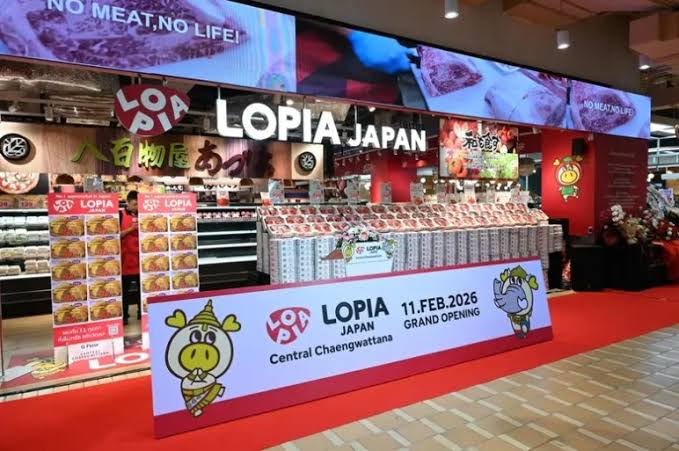
  • Lopia Expands into Chugoku with Hiroshima Store Opening

    Lopia Expands into Chugoku with Hiroshima Store Opening

    Discount supermarket chain Lopia has entered Japan’s Chugoku region with store openings across Hiroshima and Yamaguchi prefectures. The expansion intensifies pricing pressure on established regional grocery operators.

    The Kawasaki-based chain opened its first outlet in the Chugoku-Shikoku district in April at the Hiroshima Pacela shopping complex in Hiroshima’s Naka Ward. Shopper traffic at the location remained heavy through September. Steep discounts on everyday food staples drove the crowds.

    Expansion across western Japan

    Lopia built its reputation on meat-led merchandising and aggressive discount pricing. The operating model relies on high turnover to offset thin margins. Bringing that footprint into Hiroshima and Yamaguchi takes the company directly into territory long defended by regional supermarket chains.

    Regional grocers in western Japan are responding by overhauling fresh-food assortments and restructuring operational costs. Several operators have deployed leaner store formats. That allows them to defend sales volumes without matching Lopia dollar-for-dollar on commodity pricing.

    Incumbent grocers rework store formats

    Mall landlords see high-volume food discounters like Lopia as dependable traffic drivers while discretionary retail spending faces pressure. At Pacela, the anchor tenant shows how commercial real estate operators are replacing traditional department-store tenancies with daily-necessity grocers.

    Local supermarket operators face direct margin compression. Incumbents cannot easily match Lopia’s buying scale across packaged goods. That leaves them reliant on local sourcing relationships, prepared meals, and perishables to protect basket size.

    Fresh food versus deep discounting

    This Chugoku push follows Lopia’s multi-year geographic rollout across Japan. The chain previously expanded from its base in the Kanto region around Tokyo into Kansai and Kyushu. Each regional move followed the same playbook: enter a central urban retail complex, then spread into surrounding suburbs.

    Competitors across Hiroshima and Yamaguchi are tracking how quickly Lopia adds follow-up sites in the region. The critical test comes with year-end trading, when regional grocers will see whether footfall at the Pacela flagship stabilizes or keeps pulling shoppers away from neighborhood stores.

  • Chinese Shoppers Ditch Supermarkets for Small Community Stores

    Chinese Shoppers Ditch Supermarkets for Small Community Stores

    Chinese consumers are ditching traditional supermarkets in favour of small neighbourhood community stores that offer low prices and instant delivery services.

    In Guangzhou, 20-something shopper Cindy Wang now stops by a local community store after work, finding it cheaper than a standard supermarket and better stocked than convenience chains like 7-Eleven.

    Discount Pricing at the Doorstep

    On an early September evening, Wang bought a bottle of milk for 7 yuan (US$1), a beer for 2.5 yuan, and mangoes priced at 10 yuan per kilogram at the newly opened outlet near her home.

    These residential outposts carry a wider assortment of fresh produce and pantry goods than traditional convenience chains like 7-Eleven. They also eliminate the commute and layout friction associated with sprawling edge-of-town hypermarkets.

    Pressure Mounts on Hypermarket Operators

    Traditional big-box chains across mainland China face structural headwinds from this shift. Large hypermarkets built on multi-tier lease models and high supplier listing fees cannot easily match the ultra-lean operating costs of ground-floor residential shops. For commercial real estate landlords, shrinking footfall at anchor supermarket tenants weakens foot traffic across entire suburban retail developments.

    Instant-delivery networks also shift bargaining use toward smaller operators. Neighbourhood storefronts function simultaneously as walk-in retail units and micro-fulfilment hubs, cutting last-mile delivery times down to minutes without the capital expense of dedicated dark stores.

    The Next Front in Grocery Competition

    The transition follows years of aggressive online penetration by instant grocery apps and group-buying platforms across major metropolitan areas. As consumer spending turns more value-conscious, physical proximity and clear price transparency carry greater weight than brand loyalty.

    Retail operators now race to secure high-density residential leases across southern China to protect market share before legacy grocery chains can reconfigure their floor space.

  • Sheng Siong Wins Singapore Affluent Shoppers as Consideration Jumps to 52 per Cent

    Sheng Siong Wins Singapore Affluent Shoppers as Consideration Jumps to 52 per Cent

    Singapore grocer Sheng Siong lifted customer consideration among higher-income households to 52 per cent in August 2026, up from 33 per cent a year earlier. That 19-point surge put wealthy shoppers ahead of middle-income consumers for the first time in brand tracking records.

    Across the island, the supermarket chain’s overall consideration score rose 9.1 points to 50.0 between September 1, 2025 and August 31, 2026. Current customer reach climbed 11.2 points to 50.7 per cent, tracking adults who shopped there within the past three months. Total customer satisfaction increased from 39.3 to 49.9 over the same 12-month period.

    Shifting the Customer Base

    YouGov data shows the sharpest demographic realignment occurred among households earning more than 200 per cent of the national median income. That affluent cohort started September 2025 as Sheng Siong’s least frequent customer group at 33 per cent. By August 2026, it became its most frequent at 56 per cent. Middle-income shoppers rose from 41 per cent to 51 per cent, while lower-income patronage reached 51 per cent.

    Higher-income satisfaction showed an even steeper climb. Net satisfaction in that bracket reached 55.7 in August 2026, up from 28.0 a year earlier. That topped the 52.4 score recorded by lower-income households.

    Pricing Staples and Town Locations

    Sheng Siong engineered this shift through steep discounts on core household baskets and real estate expansion outside suburban strongholds. Targeted price cuts included doubling Community Health Assist Scheme discounts in June. The grocer also discounted pantry staples such as eggs and rice by up to 50 per cent through Community Development Council voucher promotions.

    Store location backed the pricing strategy. The company pushed beyond public housing heartlands by opening a town-centre branch at The Cathay in August 2025. The outlet caught central office workers and professional commuters who previously defaulted to premium grocers.

    Margin Pressures on Mid-Tier Rivals

    Competitors in the mid-tier space face immediate pressure, including FairPrice and DFI Retail Group’s Cold Storage network. When budget operators secure affluent volume on everyday staples, mid-tier chains risk margin erosion as they defend market share with matching promotions.

    Operating costs present risks for the value grocer. Serving shoppers in high-rent central commercial spaces lifts baseline overheads, requiring higher spend per ticket to offset narrow margins on discounted staple goods.

    Logistics upgrades and footprint modernization drove these retail gains over the past two financial years. BrandIndex metrics will show whether the numbers hold when government voucher programs taper off ahead of the 2027 fiscal year.

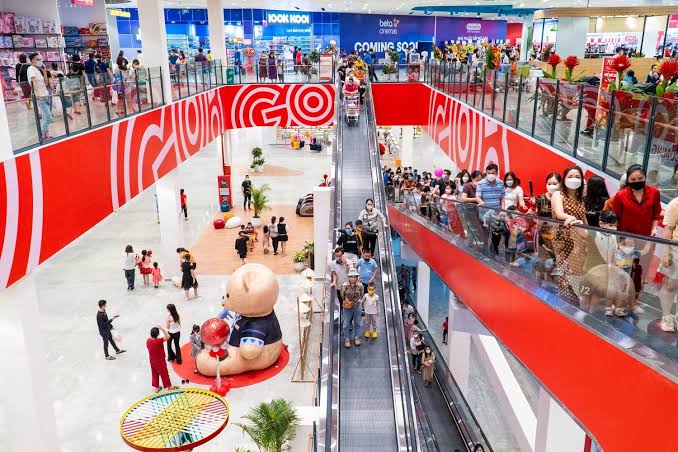
  • Central Retail to Add 37 Food Stores Across Vietnam by 2028

    Central Retail to Add 37 Food Stores Across Vietnam by 2028

    Central Retail will open up to 37 food stores in Vietnam by 2028. The plan adds large-format hypermarkets and neighborhood supermarkets across primary and secondary cities.

    Targets include 10 to 12 Go! Hypermarkets and 23 to 25 Mini Go! Stores over the next two years. The group already operates more than 300 locations covering 1.3 million square metres of floor space.

    Splitting formats between city hubs and provinces

    Capital will split between large retail hubs and smaller grocery boxes. Central Retail Food Group is restructuring flagship Go! Hypermarkets around fresh produce, in-store bakeries and prepared dining counters. Smaller Mini Go! Branches will push into provincial markets. There, modern retail still competes against traditional wet markets.

    Food accounts for the bulk of local revenue. Beyond Go!, the portfolio includes Tops Market, Mini Go! And Lan Chi Mart. Sourcing leans heavily local. More than 90 per cent of inventory comes from roughly 2,000 Vietnamese suppliers.

    “Our strength lies in having a diverse range of store formats, from hypermarkets to supermarkets, allowing us to expand in ways that best suit the potential of each location and consumer segment across both major and secondary cities,” said Stephane Coum, CEO of Central Retail Food Group.

    Pressure on domestic grocers and floor space

    Rival operators like WinCommerce and Saigon Co.op face higher stakes in secondary provinces. Domestic chains spent the past three years closing unprofitable small stores and trimming distribution margins. Central Retail is taking the opposite route, committing fresh capital to physical stores as consumer spending climbs.

    Productivity outside Hanoi and Ho Chi Minh City remains the main operational hurdle. Secondary cities provide cheaper leases and less modern competition, but basket sizes are smaller and shoppers watch prices closely. The company bets fresh food counters and ready-to-eat meals will pull shoppers from wet markets faster than packaged goods.

    Building out the network

    Central Retail entered Vietnam nearly 15 years ago and has invested THB49 billion (US$1.5 billion) to date. It converted the Big C assets acquired in 2016 into the Go! Brand. Older hypermarket layouts were dropped for food-led centers that mix dining tenants with specialty retail.

    Loyalty data will feed directly into the physical roll-out. The 1 Vietnam loyalty programme reached 7.4 million members in its first year. The chain will use that database to drive shoppers into the 37 new locations as construction finishes through 2028.