Tag: #growth

  • Vietnam’s Economic Surge: Standard Chartered Uplifts 2026 GDP Growth Forecast to 9.5%

    Vietnam’s Economic Surge: Standard Chartered Uplifts 2026 GDP Growth Forecast to 9.5%

    Standard Chartered has increased its projection for Vietnam’s economic growth in 2026 to 9.5%, a considerable increase from its previous estimate of 7.2%. This revision comes on the heels of Vietnam’s robust economic performance in the first half of the year, with key growth sectors showing continuing momentum. Moreover, the bank expects this positive trend to extend into 2027, anticipating a GDP growth of 11%. This revision signifies one of the most substantial forecast upgrades the bank has made for Vietnam in recent times.

    Forecast Adjustments and Economic Stability

    In tandem with this increased growth projection, Standard Chartered has decreased its inflation forecast for 2026 and 2027 to 4.4% and 3.3% respectively. This reduction comes as the bank predicts a further easing of price pressures. Consequently, the State Bank of Vietnam is expected to keep its policy rates unchanged, maintaining a balance between supporting economic growth and ensuring macroeconomic stability.

    According to Tim Leelahaphan, Senior Economist for Vietnam and Thailand at Standard Chartered, Vietnam has shown significant resilience and adaptability during the first half of 2026. Growth has exceeded expectations, largely due to the robust recovery of the manufacturing-processing industry, services, and investment sectors, as well as the beneficial impact of pro-growth policy measures.

    Outlook for the Future

    Despite existing global economic uncertainties and inflationary risks, Vietnam is stepping into the second half of the year with a solid foundation. Continuous domestic demand, persistent investment in infrastructure, enhanced production capacity, and ongoing economic restructuring are expected to cultivate a balanced and sustainable growth model. These factors are predicted to support the nation’s long-term development goals.

    With its revised 9.5% growth projection for 2026, Standard Chartered stands as one of the most optimistic international institutions regarding Vietnam’s economic future. Other international financial institutions have also echoed this upbeat outlook. This growing confidence in the resilience and prospects of the Vietnamese economy emphasizes the positive direction the country is headed in, despite varying forecasts. The principal factors supporting this economic expansion include recovering domestic demand, sustained investment inflows, pro-growth policies, and accelerated infrastructure development. However, external uncertainties still necessitate careful monitoring to ensure sustainable growth.

    Questions & Answers

    What is Standard Chartered’s revised economic growth projection for Vietnam in 2026?
    The bank has revised its growth projection to 9.5%, up from its previous forecast of 7.2%.

    What factors have contributed to Vietnam’s positive economic performance in the first half of 2026?
    The robust recovery of the manufacturing-processing industry, services, and investment sectors, along with the positive impact of pro-growth policy measures, have contributed to this positive performance.

    What are the main drivers expected to support the Vietnamese economy’s expansion in the coming years?
    Factors such as recovering domestic demand, sustained investment inflows, pro-growth policies, and accelerated infrastructure development are expected to remain the principal drivers supporting the country’s economic expansion.

  • Unlocking Retail Growth: How Payment Data Transforms Customer Engagement Strategy

    Unlocking Retail Growth: How Payment Data Transforms Customer Engagement Strategy

    In the evolving retail environment, merchants are faced with an abundance of platforms and technologies to engage with customers. This, according to Mastercard’s SVP of consumer acquisition and engagement, Johann Suchon, has given rise to a new challenge: discerning where to allocate resources for tangible growth.

    The Changing Retail Ecosystem

    With an increasingly fragmented and competitive retail landscape, brands have numerous opportunities to connect with customers through both digital and physical channels. Navigating the optimal combination of platforms, technologies, and marketing tools, however, has become a complex task. The modern retail ecosystem is far more intricate than in the past, and retailers now face the challenge of identifying the most effective tools, along with those that best facilitate the management of their offers.

    Suchon asserts that retailers must begin influencing customer purchasing decisions early in the buying journey. Payments are evolving beyond a simple transactional function, morphing into a strategic engagement channel. Through payment data, brands can significantly influence customer behavior – a capacity that far exceeds what could be achieved by leveraging solely their first-party data.

    The Transformation of Loyalty Programs

    According to Suchon, loyalty programs are currently undergoing one of their most significant transformations. The key competitive edge lies not just in acquiring customers, but also in reaching the appropriate consumers with meaningful offers. Traditional loyalty programs, which typically offer uniform benefits to members, are becoming less effective as customers increasingly demand personalized experiences.

    By enriching their data with payment information, retailers can target offers much more accurately. Retailers who have previously invested in loyalty programs are in a strong position to transition, as their first-party data can be used to tailor communications and offers more effectively than brands without loyalty programs.

    The use of payment data also presents a broader view of customer behavior, allowing retailers to gain insights into spending patterns across various industries, thus identifying opportunities that may have otherwise been missed.

    Emerging retail trends also suggest a significant shift in cross-border spending in Asia-Pacific, with approximately 70% of transactions originating from local consumers. For retailers targeting inbound tourism, this offers a substantial opportunity to connect travelers with relevant offers before and during their visit.

    Questions & Answers

    What is the current challenge for retailers in term of customer engagement?
    The current challenge for retailers is discerning where to allocate resources for tangible growth amidst an abundance of platforms and technologies.

    How can payment data be utilized in the retail sector?
    Payment data can significantly influence customer behavior and offers a broader view of customer behavior, allowing retailers to gain insights into spending patterns across various industries, thus identifying opportunities that may have otherwise been missed.

    What is the future trend in loyalty programs in the retail sector?
    Loyalty programs are currently undergoing significant transformations, with a shift towards personalized experiences. By enriching their data with payment information, retailers can target offers much more accurately. This trend is likely to continue and evolve in the future.

  • Vietnam’s Economy Skyrockets: UOB Predicts Record-Breaking 8.5% Growth Amidst AI Boom

    Vietnam’s Economy Skyrockets: UOB Predicts Record-Breaking 8.5% Growth Amidst AI Boom

    United Overseas Bank (UOB), a leading financial institution based in Singapore, has increased its prediction concerning Vietnam’s GDP growth for the current year. Previously, the bank estimated a 7% increase; however, based on the country’s stronger-than-anticipated economic performance in the first six months, moderating energy costs, and the influence of artificial intelligence, UOB has revised its forecast to an 8.5% growth rate.

    Encouraging Economic Performance

    This revised prediction follows the announcement that Vietnam’s economy expanded by 8.18% in the first half of the year. This growth rate, which surpassed UOB’s initial projections, is the highest in Southeast Asia. The robust economic performance is attributed to widespread growth across various sectors, including industrial, construction, services, and agriculture.

    Manufacturing emerged as a key driver of this growth, bolstered by a global surge in demand for artificial intelligence, as stated by UOB. The bank also noted an impressive 61% upswing in foreign direct investment (FDI) during the first six months, reaching a total of US$34.7 billion. This significant increase strengthens the prediction that 2026 could set a record for Vietnam in terms of attracting FDI.

    Demonstrating Economic Resilience

    Despite the impacts of political tensions in the Middle East, Vietnam’s economy has displayed remarkable resilience which is expected to provide a solid foundation for economic growth in the second half of the year. UOB’s GDP growth prediction is currently one of the most optimistic among international organizations.

    In fact, the Asian Development Bank recently released a report forecasting Vietnam as the fastest-growing economy in Southeast Asia this year with a projected growth rate of 7.2%. Vietnam itself is aiming for a minimum growth rate of 10% this year and has outlined a plan that necessitates an 11.9% growth rate in the second half of the year.

    UOB will continue to observe global economic developments, particularly the impending U.S. tariffs expected to be implemented in late July. These tariffs could potentially add more strain on global trade and impact Vietnam’s economic growth trajectory.

    Despite general weakness among Asian currencies in June, the Vietnamese dong demonstrated notable resilience. UOB maintains its outlook that the dong will remain relatively stable, potentially strengthening against the dollar to 26,500 in the third quarter and 26,400 in the fourth.

    Questions & Answers

    What factors led UOB to increase its GDP growth prediction for Vietnam?
    This decision was influenced by Vietnam’s stronger-than-expected economic performance in the first half of the year, moderating energy prices, and the impact of artificial intelligence.

    Which sector was identified as a primary driver of Vietnam’s economic growth?
    Manufacturing has emerged as a key contributor to Vietnam’s economic growth, supported by surging global demand for artificial intelligence.

    What is the projected stability of the Vietnamese dong in the near future?
    UOB maintains that the Vietnamese dong will remain relatively stable, potentially strengthening against the dollar to 26,500 in the third quarter and 26,400 in the fourth.

  • Saxo Bolsters APAC Growth Strategy with New Institutional Business Head

    Saxo Bolsters APAC Growth Strategy with New Institutional Business Head

    Saxo, a leading digital broker, has named Gift Muthita Anankaphannan as their new Regional Head of Institutional Business for Asia-Pacific, in a move to strengthen their foothold in a prime market. Anankaphannan will be based in Singapore, and her role will involve leading the institutional business throughout the Asia-Pacific region while partnering with clients to enhance the offerings of Saxo.

    Anankaphannan’s Wealth of Experience

    Anankaphannan has an impressive career history, having previously served as a Senior Relationship Manager at Saxo. She brings over 16 years of experience spanning both the technology and institutional financial services sectors.

    Before her tenure at Saxo, she spent over a decade at Google, holding senior positions in sales, product strategy, and go-to-market execution, with her work encompassing AI-powered solutions. Anankaphannan kick-started her career in financial services at Bloomberg, where she specialized in equities and equity derivatives. Here, she provided data-driven insights to traders, analysts, and portfolio managers.

    Mahesh Sethuraman, the CEO of Saxo Singapore, praised Anankaphannan’s extensive experience with institutional partners and her deep understanding of Saxo’s FinTech DNA. He cited her excellent ability to foster long-term client relationships and lead high-performance teams.

    Saxo’s Institutional Business Growth

    Institutional clients make up a significant portion of Saxo’s international business, contributing to nearly one-third of the group’s overall income. Over the past year, the number of global institutional end-clients witnessed a 23 percent growth.

    Saxo recently collaborated with Singapore’s Trust Bank to roll out TrustInvest, a unique in-app investment tool that enables users to directly trade US stocks and exchange-traded funds (ETFs) via the Trust Bank app, with investments starting from a minimum of $10.

    Anankaphannan’s main role will be to steer the next stage of Saxo’s institutional growth in the Asia-Pacific. She stated that the region remains a crucial growth market for Saxo, and the company is dedicated to further scaling their institutional offering in the region.

    Questions & Answers

    What is Gift Muthita Anankaphannan’s new role in Saxo?
    She is the new Regional Head of Institutional Business for Asia-Pacific at Saxo.

    What is Anankaphannan’s professional background?
    She has over 16 years of experience in the technology and institutional financial services sectors, having previously worked at companies like Google and Bloomberg.

    What efforts is Saxo making to grow their institutional business?
    Saxo is focusing on enhancing their offerings and has recently launched an in-app investment tool called TrustInvest in collaboration with Trust Bank.

  • Vietnam’s Textile Exports Soar to $22.2B in H1: Embracing Sustainability and Tech for Future Growth

    Vietnam’s Textile Exports Soar to $22.2B in H1: Embracing Sustainability and Tech for Future Growth

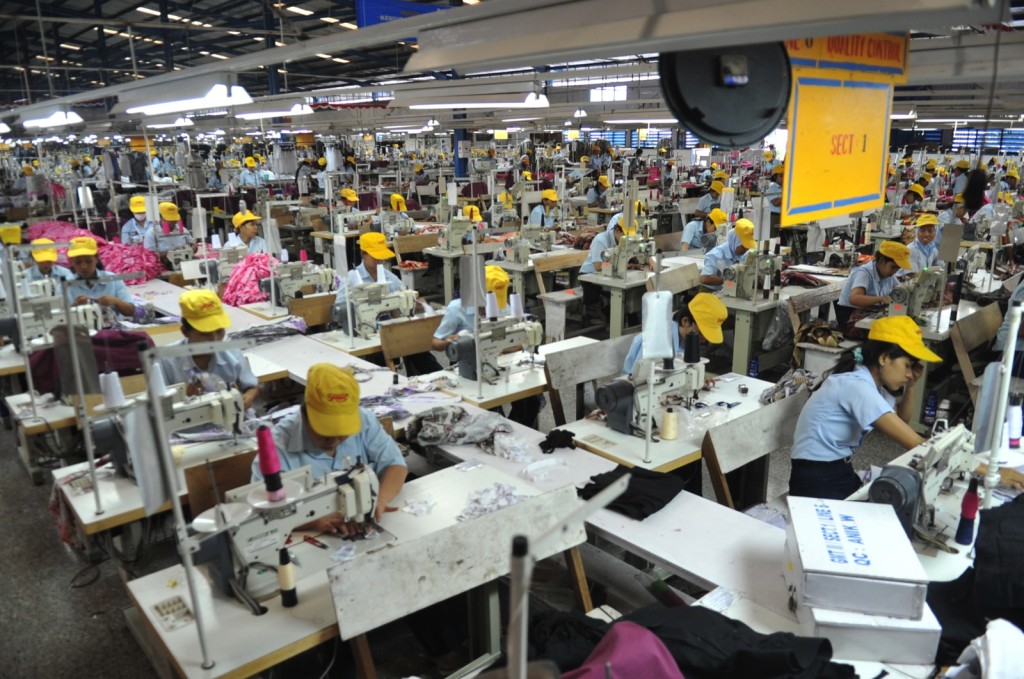
    Vietnam’s textile and garment industry saw a slight increase in exports for the first half of the year, reaching an estimated $22.2 billion, marking a 1.7% rise compared to the same period in the previous year. This information was released by the Vietnam Textile and Apparel Association (VITAS), which also noted that certain areas of the industry, including fibre, fabric, accessory, and nonwoven material exports, experienced a more substantial growth, with rates between 5.6% and 10.6%. However, the garment sector experienced a slight downturn, with exports decreasing by 0.4% due to weakened consumer demand in key markets.

    Export Markets and Trade Surplus

    In the first five months of the year, the U.S. continued to be the largest export market for Vietnam, with shipments amounting to $6.81 billion. This was a 1.3% increase, and represented approximately 45% of total exports. The E.U. market showed the strongest growth, with an increase of 8.8%, equating to $1.94 billion, whereas exports to Japan and the Republic of Korea dropped by 6.2% and 8.9% respectively. The industry was able to maintain a trade surplus of nearly $10 billion in the first half of the year.

    Challenges remain for the industry, despite the overall positive performance. VITAS outlined these obstacles, which include weak demand in key markets, high price competition, a heavy reliance on imported raw materials, increasing costs related to environmental, social and governance (ESG) standards and product traceability, and a growing uncertainty surrounding global trade policies.

    Future Focus and Strategy

    VITAS Chairman Vu Duc Giang spoke about the industry’s limited scope for expansion through solely increasing production volume. He expressed that the future growth of the industry hinges on enhancing productivity and creating higher-value products. This will be achieved by developing domestic sources of raw materials, diversifying export markets, and speeding up the digital and green transformations.

    To facilitate this shift, VITAS has given the green light for the establishment of four specialised committees during the 2025–2030 term. These committees will focus on fashion and domestic market development, international business and supply chains, sustainable development, and technology, innovation, and digital transformation. The committees are expected to commence their pilot operations in the third quarter of 2026.

    As the industry’s exports reached $22.2 billion in the first half of the year, the goal is to sustain an average monthly export revenue exceeding $4 billion in the remaining months. This will help to achieve the full-year target of roughly $48 billion. The industry’s key priorities in this endeavor include adapting to new purchasing strategies of global brands, expanding domestic supplies of raw materials, diversifying markets and products, preparing for potential legal and trade risks, and increasing investment in technology, automation, and digital transformation.

    Questions & Answers

    What growth did Vietnam’s textile and garment exports experience in the first half of the year?
    They experienced a slight increase of 1.7%, reaching an estimated $22.2 billion.

    What are the major challenges faced by Vietnam’s textile and garment industry?
    Major challenges include weakened demand in key markets, high price competition, reliance on imported raw materials, rising costs related to ESG standards and product traceability, and growing uncertainty regarding global trade policies.

    What strategies does the industry plan to implement for future growth?
    Strategies include enhancing productivity, creating high-value products, developing domestic raw material sources, diversifying export markets, and accelerating the digital and green transformations.

  • Shinsegae Chairman Elevates to CEO Role, Spearheading Growth for E-Mart & Property Division

    Shinsegae Chairman Elevates to CEO Role, Spearheading Growth for E-Mart & Property Division

    Shinsegae Group’s chairman, Chung Yong-jin, is set to expand his role within the organization, assuming CEO positions at both E-mart and Shinsegae Property. This move by the South Korean retail heavyweight signals an aggressive push for growth in its primary sectors.

    Shifting Responsibility and Strategy

    Chung’s dual appointment marks a significant shift within the group, with the chairman now directly overseeing the operations of the nation’s largest retailer and its property development subsidiary. This decision comes at a crucial time when the company, faced with a challenging retail environment, is actively seeking new avenues for expansion. The decision underscores Chung’s resolve to shoulder a larger part of the company’s overall direction and performance.

    Chung appreciates the market’s expectations for clear accountability in the company’s management. As the newly appointed CEO, he is prepared to submit to the evaluation of the board of directors and shareholders.

    In his capacity at E-Mart, Chung will directly oversee the retailer’s operations and future growth strategies. The company believes this change mirrors his dedication to tackling current business hurdles and boosting shareholder value.

    Leadership Changes and Future Plans

    In his role at Shinsegae Property, Chung will supervise the group’s major development projects and support plans to secure locations for a proposed AI data centre that was announced earlier this year.

    This management shakeup follows a recent controversy at Starbucks Korea, where E-Mart is the majority shareholder. Since this incident, the retailer has committed to organizational reforms to bolster governance and operational supervision.

    Shinsegae Property executive Lee Hyung-cheon has been named as co-CEO and will continue to oversee the company’s regular operations and development activities. Shin Dong-woo has been nominated as the new CEO for Starbucks Korea. Shinsegae has stated that he will focus on reinforcing internal controls, enhancing operational systems, and restoring trust among clients and partners.

    Questions & Answers

    What new roles is Chung Yong-jin assuming at Shinsegae Group?
    Chung Yong-jin is taking on the dual roles of CEO at both E-mart and Shinsegae Property.

    What implications does this dual appointment have for the company?
    This move signals a significant shift in Shinsegae Group’s strategy, with Chung Yong-jin assuming more responsibility for the company’s overall performance and direction. It also demonstrates a commitment to tackling current business challenges and enhancing shareholder value.

    How will the roles be distributed among the leadership after these changes?
    Chung Yong-jin will oversee operations and future growth strategies at E-Mart and major development projects at Shinsegae Property. Lee Hyung-cheon will continue to oversee day-to-day operations and development activities at Shinsegae Property as co-CEO. Shin Dong-woo will focus on internal controls, operational systems and regaining trust as the CEO of Starbucks Korea.

  • Singapore’s Retail Boom: Surging Petrol Prices Fuel Accelerated Growth in April

    Singapore’s Retail Boom: Surging Petrol Prices Fuel Accelerated Growth in April

    In April, Singapore’s retail sales growth accelerated, with most sectors, especially petrol service stations, experiencing significant advancements.

    The Department of Statistics reported a 4.5% rise in retail sales, excluding motor vehicles, parts, and accessories. This increase builds upon the revised 3% growth seen in March. The estimated total value of retail sales touched SG$3.6 billion (US$2.8 billion), with online sales accounting for 18.2% of this figure. On a seasonally adjusted basis, retail sales in April increased by 0.4% compared to the previous month.

    Strong Sector Performances Drive Growth

    The surge in April’s retail sales was fueled by robust performances across most sectors. Petrol service stations observed a substantial year-on-year growth of 14.4%, primarily attributable to increased fuel prices resulting from the Middle East conflict. The recreational goods sector followed closely, registering a sales growth of 12.3%.

    Several other sectors, including apparel and footwear, cosmetics and toiletries, supermarkets and hypermarkets, and optical goods and books, also posted robust improvements, with growth figures ranging between 5% and 8%.

    Conversely, department stores and food and alcohol retailers experienced a slight dip in sales, recording declines of 1.1% and 0.1% respectively.

    Moderate Increase in Food and Beverage Services

    In the food and beverage services sector, sales marginally increased by 0.4% in April, showing a slowdown from the 2.3% growth observed in March. The total sales value of food and beverage services was estimated at SG$1.5 billion, with nearly one-fifth of this amount generated from online sales.

    Questions & Answers

    Which sector experienced the most significant growth in retail sales in Singapore in April?
    The petrol service stations sector saw the most substantial growth, with a year-on-year increase of 14.4%.

    What were the total estimated retail sales in Singapore in April?
    The total estimated retail sales value in Singapore in April was SG$3.6 billion (US$2.8 billion).

    How did the food and beverage services sector perform in Singapore in April?
    The food and beverage services sector saw a moderate increase in sales of 0.4% in April.

  • Cambodia Adjusts 2026 Growth Forecast Down to 4.2% Amid Global Crises and Climate Change Impacts

    Cambodia Adjusts 2026 Growth Forecast Down to 4.2% Amid Global Crises and Climate Change Impacts

    The Cambodian Government has revised its economic growth expectation for 2026, dropping it from an earlier prediction of 5% to a more conservative 4.2%. Prime Minister Hun Manet, in the recently published medium-term fiscal framework for 2027-2029, cited a number of global crises as the reasons for this adjustment.

    Challenging Global Crises

    The Prime Minister indicated that Cambodia is undergoing a transition in the midst of prolonged global difficulties. This includes the rise in protectionism, trade conflicts, geopolitical and geoeconomic strife, and escalating impacts from climate change and natural disasters.

    The report also highlighted three consecutive storms that struck Cambodia in the past two years, causing significant damage. Additional challenges noted include the reciprocal tariff policies rolled out during former US President Donald Trump’s tenure, the ongoing border dispute between Cambodia and Thailand, and the turmoil in the Middle East which has led to an energy crisis.

    Future Economic Forecast

    Amid these struggles, the growth forecast for 2027 has also been decreased from 5.5% to 5%, as the economic drag from 2026 is anticipated to carry over into the following year. However, the government remains optimistic that growth will bounce back to an average of approximately 5.5% between 2028 and 2029. This projection is based on the expectation that socio-economic activities will gradually recover to pre-crisis levels.

    Questions & Answers

    **What is Cambodia’s revised economic growth forecast for 2026?**
    The Cambodian Government has reduced its economic growth forecast for 2026 to 4.2%, down from an initial projection of 5%.

    **What are some of the global crises affecting Cambodia’s economy?**
    Cambodia’s economy is being impacted by a series of global crises, including escalating protectionism, trade wars, geopolitical and geoeconomic tensions, and the increasing effects of climate change and natural disasters.

    **What is the anticipated economic growth for Cambodia beyond 2026?**
    Despite lower forecasts for 2026 and 2027, the Cambodian Government expects that economic growth will rebound to an average of around 5.5% from 2028 to 2029 as socio-economic activities gradually return to pre-crisis conditions.

  • Shopee Propels Sea Limited to Sky-High Profits: Record Quarter Marks Staggering Growth

    Shopee Propels Sea Limited to Sky-High Profits: Record Quarter Marks Staggering Growth

    Sea Limited, a Singapore-based tech conglomerate, has reported substantial growth in both sales and profit for the fiscal quarter ending March 31. This surge in growth has been attributed to the ongoing success of its e-commerce arm, Shopee.

    Impressive Financial Performance

    Sea Limited’s financial performance soared as revenue for the first fiscal quarter increased by 46.6% to reach US$7.1 billion. Gross profit followed suit with a 40% increase amounting to $3.1 billion. The company’s net income and adjusted EBITDA also saw growth, with the former rising by 6.7% to $438.2 million and the latter increasing by 9.3% to $1 billion.

    Forrest Li, Sea Limited’s Chairman and CEO stated that the company has started the year strong and is keen on deepening its competitive advantage while maintaining financial discipline. He added that the impressive growth in revenue is a testament to the effectiveness of the company’s investments, and they are already seeing improvements in unit economics for some of their initiatives. Li believes that this strategy is instrumental in maximizing long-term value, considering the significant potential for growth in their markets.

    Shopee’s Record-Setting Quarter

    Shopee, the company’s e-commerce platform, had a stellar performance for the quarter, with its Gross Merchandise Volume (GMV) seeing a 30% increase to $37.3 billion and gross orders rising by 29% to 4 billion. Core marketplace revenue, primarily driven by transaction-based fees and advertising, also surged by 61%. However, revenue from value-added services, including logistics services, witnessed a dip of 8.1%. Despite this minor setback, Li expressed confidence in Shopee’s ecosystem and their ability to execute strategies. He confirmed that the company is on target to meet its 2026 guidance of growing Shopee’s annual GMV by approximately 25% year-on-year, with full-year adjusted EBITDA not falling below 2025 in absolute dollar terms.

    Sea Limited’s other business divisions also experienced significant growth. The financial services sector Monee saw revenue improve by 57.8%, while the online gaming segment Garena witnessed a 40.6% growth. The previous year also saw a considerable increase in Sea’s revenue, which rose by 36.4% to $22.9 billion, while net income escalated to $1.6 billion from $447.8 million the prior year.

    Questions & Answers

    What were the main drivers behind Sea Limited’s impressive financial performance?
    The company’s robust financial performance was primarily driven by the continued success of its e-commerce platform, Shopee.

    How has Shopee contributed to Sea Limited’s growth?
    Shopee recorded a record-setting quarter with a 30% increase in Gross Merchandise Volume and a 29% surge in gross orders, significantly contributing to Sea Limited’s growth.

    How have Sea Limited’s other businesses performed?
    Sea Limited’s other businesses, including Monee and Garena, also achieved strong growth, with revenues improving by 57.8% and 40.6% respectively.

  • Unprecedented GDP Growth Spurs HSBC to Boost Hong Kong Economic Forecast

    Unprecedented GDP Growth Spurs HSBC to Boost Hong Kong Economic Forecast

    Hong Kong’s robust economic performance earlier this year has culminated in an improved financial forecast from HSBC, despite minimal influence from the Middle East conflict.

    Bright Economic Outlook and Impacts of Conflict

    HSBC’s Global Investment Research revised its GDP growth predictions for 2026 and 2027 from 2.7% and 2.8% to 3.8% and 3% respectively. This adjustment comes on the heels of Hong Kong recording a first-quarter GDP growth rate of 5.9%, a figure near a five-year high. Essential factors contributing to this positive outlook include the minimal direct effects of the Middle East conflict and evidence of domestic economic stability.

    Hong Kong’s economy is primarily service-based. Although most energy is imported, a significant amount originates from mainland China, while only a minor portion is sourced from the Middle East. To offset the potential impacts, the government has introduced direct support measures such as fuel subsidies and tunnel toll concessions. In the midst of increased uncertainty, Hong Kong’s reputation as a safe haven may draw in capital inflows seeking stability.

    Moreover, the surge in demand stimulated by advancements in AI and an uptick in trade with mainland China are expected to provide a safety net for trade activities this year. However, if the Middle East conflict continues and suppresses global demand, this could lead to potential economic risks.

    Recovery and Growth within Domestic Markets

    As for the domestic landscape, the residential property market’s recovery is creating positive wealth effects, and improvements in the labor market indicate signs of amplified consumption.

    HSBC predicts this year’s consumption to gravitate more towards discretionary goods and services. The swift enactment of major government projects such as the Northern Metropolis, in addition to AI-driven demand, will bolster investment activity. Fiscal support through infrastructure bonds and a relatively favorable monetary setting should also aid in maintaining investment momentum.

    Questions & Answers

    What factors contributed to the increased GDP growth predictions for Hong Kong?
    The first-quarter GDP growth reaching almost a five-year peak and the limited direct impact from the Middle East conflict contributed to the revised GDP growth predictions.

    How has the government aided in mitigating the impact of the Middle East conflict on the Hong Kong economy?
    The government has introduced direct support measures such as fuel subsidies and tunnel toll concessions.

    What is expected to drive consumption in Hong Kong this year?
    The consumption shift is predicted to lean towards discretionary goods and services, driven by the positive wealth effects from the recovering residential property market and improvements in the labor market.

  • Amazon India Drops Referral Fees to Accelerate Seller Growth Amidst Fierce E-commerce Competition

    Amazon India Drops Referral Fees to Accelerate Seller Growth Amidst Fierce E-commerce Competition

    Amazon has announced that it will abolish the referral fee for sellers in India on items priced under 1000 rupees (approximately US$10.98). This decision aims to encourage more retailers to use their platform and gain a stronger hold on India’s competitive e-commerce market.

    Expanding ‘Zero-Referral Fee’ Policy

    Amazon’s initiative builds upon its ‘zero-referral fee’ policy, introduced last year, which encompassed about 12 million items priced below 300 rupees. This program played a significant role in a 50% increase in new sellers joining Amazon’s Indian platform. The referral fee is a commission that sellers pay Amazon for each item sold.

    Starting March 16, this new policy now covers more than 125 million items. In addition to scrapping the referral fee, Amazon has decided to reduce some shipping costs.

    Targeting Small Businesses and Entrepreneurs

    “This step is intended to make selling on Amazon more profitable and simpler, particularly for small businesses and entrepreneurs in tier-2 and tier-3 cities,” said Amit Nanda, Director of Selling Partner Services for Amazon India.

    India is a vital market for Amazon, given the rapid growth of the internet user base in the world’s second-most populous country, driving e-commerce growth.

    However, Amazon is up against stiff competition from Walmart-backed Flipkart and Reliance Industries’ retail arm, owned by billionaire Mukesh Ambani. Quick-commerce entities such as Eternal’s Blinkit and Swiggy’s Instamart are also making significant inroads into market share.

    In December, Amazon announced plans to invest over $35 billion in India by 2030. While this investment will help expand its AI infrastructure, the focus will primarily be on growing retail logistics and stimulating small-business growth.

    Questions & Answers

    What is Amazon’s new initiative regarding referral fees in India?

    Amazon has decided to eliminate the referral fee for products under 1000 rupees, aiming to attract more retailers to their platform.

    How will this affect small businesses and entrepreneurs in India?

    By removing the referral fee and reducing some shipping costs, Amazon is making selling on its platform more lucrative and easier, particularly for small businesses and entrepreneurs in smaller cities in India.

    What are Amazon’s future investment plans for India?

    Amazon plans to invest over $35 billion in India by 2030, with a focus on expanding its AI infrastructure, enhancing retail logistics, and promoting small-business growth.

  • Revolutionizing Finance: Singapore and UK Launch Innovative AI Partnership for Cross-Border Growth

    Revolutionizing Finance: Singapore and UK Launch Innovative AI Partnership for Cross-Border Growth

    Singapore and the United Kingdom’s financial regulators have initiated a novel partnership that focuses on artificial intelligence (AI). The aim of this collaboration is to enhance cross-border opportunities between the two markets.

    The Monetary Authority of Singapore (MAS) and the UK’s Financial Conduct Authority (FCA) recently revealed their latest venture – an AI-focused partnership – during the Singapore FinTech Festival 2025. The primary goal of this UK-Singapore AI and Finance Partnership is to encourage the sharing of best practices and foster cross-border opportunities within the two markets.

    Enhancing AI Solutions

    MAS’s fintech chief, Kenneth Gay, emphasized the potential benefits of this partnership. He believes that these collaborations will significantly improve the AI services provided by both parties, leading to increased adoption in their respective financial sectors. Furthermore, he predicts that the collaboration will result in a more efficient, safe, and robust financial sector powered by AI.

    A Corridor for Growth

    Jessica Rusu, the FCA’s chief data, information & intelligence officer, echoed Gay’s sentiments. She stated that firms are increasingly seeking out cross-border opportunities and collaboration. Through this partnership, firms can learn from one another and collectively shape the future of responsible AI. Rusu sees this partnership as more than just a collaboration; she views it as a corridor for growth within London, Singapore, and the industry as a whole.

    Questions & Answers

    What is the primary aim of the UK-Singapore AI and Finance Partnership?
    The main objective of the partnership is to encourage the sharing of best practices and foster cross-border opportunities within the two markets.

    How will the partnership enhance AI solutions?
    The collaborative efforts between the two parties are expected to greatly improve the AI services provided, leading to increased adoption in their respective financial sectors.

    What does the partnership represent for the industry, according to Jessica Rusu?
    Jessica Rusu, the FCA’s chief data, information & intelligence officer, views the partnership as a corridor for growth within London, Singapore, and the industry as a whole.

  • Pandora Jewelry’s Strategic Expansion: New Regional HQ and Factory to Accelerate Asian Market Growth

    Pandora Jewelry’s Strategic Expansion: New Regional HQ and Factory to Accelerate Asian Market Growth

    Pandora, recognized as the world’s leading jewelry brand in terms of sales volume, has announced its plan to establish a fresh regional headquarters in Singapore. The move forms part of a broader growth strategy designed to strengthen the company’s footprint across Asia.

    Why Singapore?

    Massimo Basei, Pandora’s Chief Commercial Officer, highlighted several reasons for choosing Singapore for this strategic move. He pointed out that the city-state’s robust business environment, dynamic economy, and strategic positioning within Asia were crucial in making this decision.

    Basei explained, “Singapore’s location, right at the heart of Asia, allows us to extend the right levels of support to markets ranging from Japan and South Korea to India and Southeast Asia.”

    A New Home for Pandora

    The Danish jewelry giant has inked a lease agreement for its new 8,600-square-foot office situated at Asia Square Tower 1 in Marina Bay. The new office is expected to become operational in the near future.

    Pandora has plans to expand its team by recruiting approximately 50 employees across various fields such as branding, marketing, and operations. The hiring process is anticipated to commence soon.

    Basei acknowledged that while Asia is home to some of the world’s largest jewelry markets, it remains relatively under-represented within Pandora’s global business landscape. He stated, “While we have had a presence in Asia, we now aim to intensify our focus on this region.”

    Current Market Position

    At present, the United States stands as Pandora’s most significant market, contributing to 32% of its revenue in the initial nine months of 2025. Other crucial markets are the U.K. (11%), Italy (7%), and Germany (7%).

    However, Pandora has been steadily reducing its operations in China due to flagging sales. Over the course of this year, the company has shut down 59 concept stores in China.

    Production Expansion

    In order to meet the expected increase in demand resulting from its Asian expansion, Pandora has launched a new production facility in Vietnam. The company commenced the construction of a US$150 million manufacturing site in Binh Duong, now a part of Ho Chi Minh City, in May last year. Production at this site is slated to start next year.

    Until now, all of Pandora’s jewelry has been produced at its three facilities in Bangkok and Lamphun, Thailand. The new Vietnam facility is projected to augment Pandora’s production capacity by approximately 50%, enabling the company to manufacture up to 60 million pieces annually. For context, Pandora produced a total of 113 million pieces in 2024.

    Questions & Answers

    Why did Pandora choose Singapore for its new regional headquarters?
    Singapore was selected due to its vibrant business environment, dynamic economy and strategic location in the heart of Asia.

    What is the main aim of Pandora’s expansion in Asia?
    While Pandora has had a presence in Asia, it aims to intensify its focus on the region, which is home to some of the world’s largest jewelry markets.

    How is Pandora planning to meet the increased production demand due to its Asian expansion?
    Pandora has set up a new factory in Vietnam, which will aid in increasing the production capacity by about 50%, enabling the manufacture of up to 60 million pieces annually.

  • UOB Bumps Up Vietnam’s Economic Growth Projection to 7.7%, Beating Previous Estimates Despite US Tariff Challenges

    UOB Bumps Up Vietnam’s Economic Growth Projection to 7.7%, Beating Previous Estimates Despite US Tariff Challenges

    United Overseas Bank (UOB) of Singapore has revised its predicted GDP growth rate for Vietnam upward, from 7.5% to 7.7%. This adjustment comes in response to Vietnam’s stronger-than-anticipated economic performance in the third quarter.

    Impressive Economic Performance Despite U.S. Tariff Threats

    Despite looming threats of U.S. tariffs, Vietnam showcased a robust economic performance by achieving a growth rate of 8.23% in the third quarter. This growth was primarily fueled by a surge in exports and manufacturing, according to UOB.

    In the year’s first nine months, exports soared by 16% year-on-year, while manufacturing rose by 10.8%. The Purchasing Managers’ Index also showed signs of recovery, expanding for three consecutive months following a three-month phase of contraction.

    Stabilized Outlook and Foreign Direct Investment

    The economic indicators suggest a stabilized economic outlook for Vietnam. This notion is further supported by the accelerated pace of foreign direct investment (FDI) into the country. FDI grew by 8.5% to reach $18.8 billion. If this trend continues, the year-end figures could potentially match 2024’s record-breaking total of $25.4 billion.

    However, UOB cautions that Vietnam’s open economy makes it susceptible to trade frictions. Exports of goods and services make up a significant 83% of Vietnam’s GDP, the second highest among ASEAN nations.

    Concerns Over the Impact of Tariffs and Exchange Rates

    Despite the robustness of Vietnam’s trade activities in the face of U.S. tariffs, there are concerns that export orders might dwindle as order frontloading eases and higher prices affect U.S. consumer demand in 2026.

    Another area requiring attention is the foreign exchange market. The Vietnamese dong was the second worst-performing Asian currency in the first nine months of 2025, depreciating 3.55% against the U.S. dollar. The currency that fared worse was the Indian rupee, which fell by 3.58%.

    Other Predictions of Vietnam’s Economic Growth

    Aside from UOB, other financial institutions have also revised their growth forecasts for Vietnam this year. HSBC, a British bank, predicts a growth figure of 7.9%, while the Asian Development Bank anticipates a growth rate of 6.7%.

    Vietnam’s Prime Minister, Pham Minh Chinh, expressed optimism last month, stating that with the current growth momentum, Vietnam could surpass its GDP growth target of 8% for this year, barring any major disruptions.

    Questions & Answers

    What is the revised GDP growth forecast for Vietnam by UOB?
    UOB has revised the GDP growth forecast for Vietnam from 7.5% to 7.7%.

    What factors are contributing to Vietnam’s economic growth?
    Strong exports, manufacturing, and foreign direct investment have been significant contributors to Vietnam’s economic growth.

    What concerns does UOB express regarding Vietnam’s economy?
    UOB has expressed concerns about possible trade friction due to Vietnam’s open economy. There are also concerns about the performance of the Vietnamese dong in the foreign exchange market.

  • Singapore’s Retail Sector Sustains Growth in September, Led by Watch and Jewellery Sales Surge

    Singapore’s Retail Sector Sustains Growth in September, Led by Watch and Jewellery Sales Surge

    In September, retail sales in Singapore continued their upward trajectory, albeit at a slower pace than in August.

    Overview of Retail Sales

    Singapore’s retail sales, excluding motor vehicles, witnessed a 2% growth in September. This figure is slightly lower than the revised 4.7% increase recorded in August. The total retail sales value for the month was estimated at SG$3.5 billion (US$2.67 billion), with online sales accounting for 17.6% of this value.

    However, when adjusted for seasonal factors, there was a 2.3% decrease in retail sales in September compared to August.

    Sector-wise Breakdown

    The growth in retail sales was majorly driven by the watches and jewellery sector, which saw a year-on-year increase of 16.6%, largely due to increased jewellery sales.

    Next in line was the recreational goods sector, which exhibited an 11% rise in sales, followed by supermarkets and hypermarkets with a 5.1% increment.

    In stark contrast, both petrol service stations and retailers of apparel and footwear experienced a decline in sales by 8% and 3.6% respectively.

    Food and Beverage Services Sales

    Sales in the food and beverage services sector also declined, registering a 1.6% drop, a more significant decrease compared to the 0.2% drop in the previous month. This downturn was primarily attributed to the underperformance of the restaurant sector. The total sales value for the F&B services sector was estimated at SG$966 million, with online sales constituting 26.3% of this value.

    Questions & Answers

    What was the percentage increase in Singapore’s retail sales for September?
    The retail sales in Singapore saw a 2% increase in September.

    Which sector led the sales growth in September?
    The watches and jewellery sector led the sales growth in September with a 16.6% increase year-on-year.

    Did all sectors see an increase in sales?
    No, the sales of petrol service stations and retailers of apparel and footwear saw a decline, as did the food and beverage services sector.