Tag: #growth

  • Smashburger Promotes Jim Sullivan To Ceo, Aims To Accelerate Franchise-driven Expansion

    Smashburger Promotes Jim Sullivan To Ceo, Aims To Accelerate Franchise-driven Expansion

    Fast-casual dining chain Smashburger has elevated Jim Sullivan to the position of CEO as part of its strategy to bolster its market standing and speed up its franchise-driven expansion.

    A Wealth of Experience

    The newly appointed CEO brings with him over two and a half decades of executive expertise in the restaurant development and franchising sector. Prior to his tenure at Smashburger, Sullivan held the position of Chief Development Officer at QDoba and executed senior roles at establishments such as CKE Restaurant Holdings, Friendly’s Ice Cream, Modern Restaurant Concepts, and American Hospitality Concepts.

    Starting his journey with Smashburger as president in February, Sullivan will now helm the brand’s strategy and operations. His focus will be on rebranding, introducing non-traditional formats, and enhancing the customer experience within the restaurant.

    Richard CW Shin, CEO of Jollibee Group International and global chief finance and risk officer of Jollibee Group, the parent company of Smashburger, commented on Sullivan’s appointment. He stated that Sullivan brings dynamic leadership and a well-defined vision, along with a profound understanding of Smashburger’s market position. Shin added that Sullivan has already set the groundwork for a leaner brand that offers superior food, an improved customer experience, and revitalised momentum throughout the system.

    Previous Achievements and Future Plans

    Sullivan’s promotion follows several initiatives he spearheaded, including the launch of the company’s biggest-ever marketing campaign, ‘Summer of Smash.’ He also introduced a new value tier and menu items like the Bacon Brisket Smash, and oversaw the recent opening of a new location at Detroit Metro Airport, marking a return to unit growth.

    Speaking on his new role, Sullivan expressed his vision for the brand. “Leveraging the strategic backing of JFC, we are focusing on scaling and operational flexibility to stimulate focused, capital-efficient growth,” he said. He added that Smashburger is a brand centered on craveable taste customized for the modern consumer. He affirmed his commitment to developing it for prolonged performance for their customers, teams, and franchisees.

    Questions & Answers

    Who is the new CEO of Smashburger?
    Jim Sullivan has been appointed as the new CEO of Smashburger.

    What are some of the initiatives led by Jim Sullivan at Smashburger?
    Some initiatives led by Jim Sullivan include the largest-ever marketing campaign ‘Summer of Smash,’ the introduction of a new value tier and menu items like the Bacon Brisket Smash, and the opening of a new unit at Detroit Metro Airport.

    What is Jim Sullivan’s vision for Smashburger?
    Sullivan’s vision for Smashburger is to leverage scale and operational flexibility, backed by strategic support from JFC, to drive a focused, capital-efficient growth. The brand will be built on craveable taste tailored for today’s consumer, aiming for long-term performance for its customers, teams, and franchisees.

  • Coupang Surpasses $8 Billion Mark: Record Revenue And Profit Turnaround Amid Taiwan Expansion

    Coupang Surpasses $8 Billion Mark: Record Revenue And Profit Turnaround Amid Taiwan Expansion

    South Korean retail behemoth Coupang has experienced substantial growth this year, boasting a record revenue of $8.52 billion in Q2, a rise of 19% year-over-year with an FX-neutral basis. This marks the first time the company has surpassed the $8 billion mark.

    Additionally, Coupang achieved a net profit of $31 million, a significant turnaround from last year’s Q2 deficit of $105 million. The company’s adjusted EBITDA hit $428 million.

    Core Strengths

    Coupang’s primary source of income comes from its Product Commerce sector, which encompasses Rocket Delivery, Rocket Fresh, Rocket Growth, and the marketplace. The adjusted EBITDA for this segment climbed to $663 million, and margins reached an unprecedented 9%.

    Most of the revenue growth in Q2 came from existing customers. According to Bom Kim, Coupang’s founder and CEO, even the oldest customer cohorts demonstrated robust spending increases in the double digits.

    Kim stated, “As we expand our selection to match customer preferences, they’re also purchasing across a broader number of categories.”

    The Rocket Delivery model, previously criticized for its extravagant spending and capital intensity, is now viewed as a competitive advantage. Same-day and dawn delivery volumes soared over 40% year-over-year, primarily due to the addition of over half a million new Rocket SKUs in Q2.

    Taiwan’s Progress

    Coupang’s Developing Offerings segment, which encompasses Taiwan Rocket Delivery, Coupang Eats, Coupang Play, and Farfetch, posted a revenue of $1.19 billion, an increase of 33% year-over-year. Although this unit is still not profitable, with an adjusted EBITDA loss of $235 million, a majority of this loss can be attributed to increased investment in Taiwan.

    Coupang’s CFO, Gaurav Anand, noted that Taiwan is the main reason behind a revised full-year EBITDA loss prediction for the segment, estimated to be between $900 million and $950 million.

    Coupang launched its Wow membership program in Taiwan in March, targeting a population of 23 million and a retail sector valued at $152.7 billion. Since entering the market in 2022, the company has invested approximately $355 million in expanding its logistics infrastructure and product selection.

    This investment appears to be producing early results, with Taiwan’s revenue surging 54% quarter-over-quarter and recording triple-digit growth year-over-year. These improvements are not only due to customer acquisition but also improved customer retention and spending.

    Kim commented, “Our Taiwan offering is growing faster and stronger than even the most optimistic forecasts we set at the beginning of the year.” He added that they see a similar growth trajectory in Taiwan as they did in the early years of scaling their retail offering in Korea.

    Despite initial concerns, Coupang’s aggressive investment indicates growing belief that Taiwan could become a second profitable market in the long term.

    While Taiwan’s progress overshadows other areas, Coupang’s other businesses continue to develop. Food delivery service Coupang Eats showed continuous double-digit growth, benefiting from the company’s established logistics infrastructure.

    Additionally, Coupang Play, its streaming platform, has added new features like a Sports Pass, providing access to premium sports leagues ranging from the Premier League to Nascar.

    Although these businesses are not yet profitable, they help to retain users within the Coupang ecosystem.

    Looking forward, Coupang faces significant challenges. The South Korean retail sector has been declining for 13 consecutive quarters – the longest recorded downturn. With limited room for further growth at home, the company’s future hinges on maximizing each customer’s value or finding new customers abroad. Taiwan is off to a strong start, but expanding it into a second growth engine may prove challenging, and the level of investment required could test investor patience if results don’t keep up the pace.

    Questions & Answers

    What contributed to the growth of Coupang’s Q2 revenue?
    Existing customers contributed to most of the growth, with spending increases across all cohorts. Additionally, the company expanded its product selection, leading to customers buying across a wider range of categories.

    What is the role of Taiwan in Coupang’s financial strategy?
    Taiwan is a significant focus for Coupang’s investment, aimed at expanding its market beyond South Korea. The company’s aggressive investment in Taiwan indicates a growing belief that it could become a second profitable market in the long term.

    What challenges does Coupang face moving forward?
    Coupang is challenged by the continuous decline in the South Korean retail sector. With limited potential for domestic growth, the company’s future success increasingly relies on maximizing value from each customer and expanding its customer base abroad. Additionally, the level of investment required in markets like Taiwan could test investor patience if results don’t match the pace of investment.

  • Jollibee Group Unveils Global Expansion Plan With Comprehensive Rebranding Strategy

    Jollibee Group Unveils Global Expansion Plan With Comprehensive Rebranding Strategy

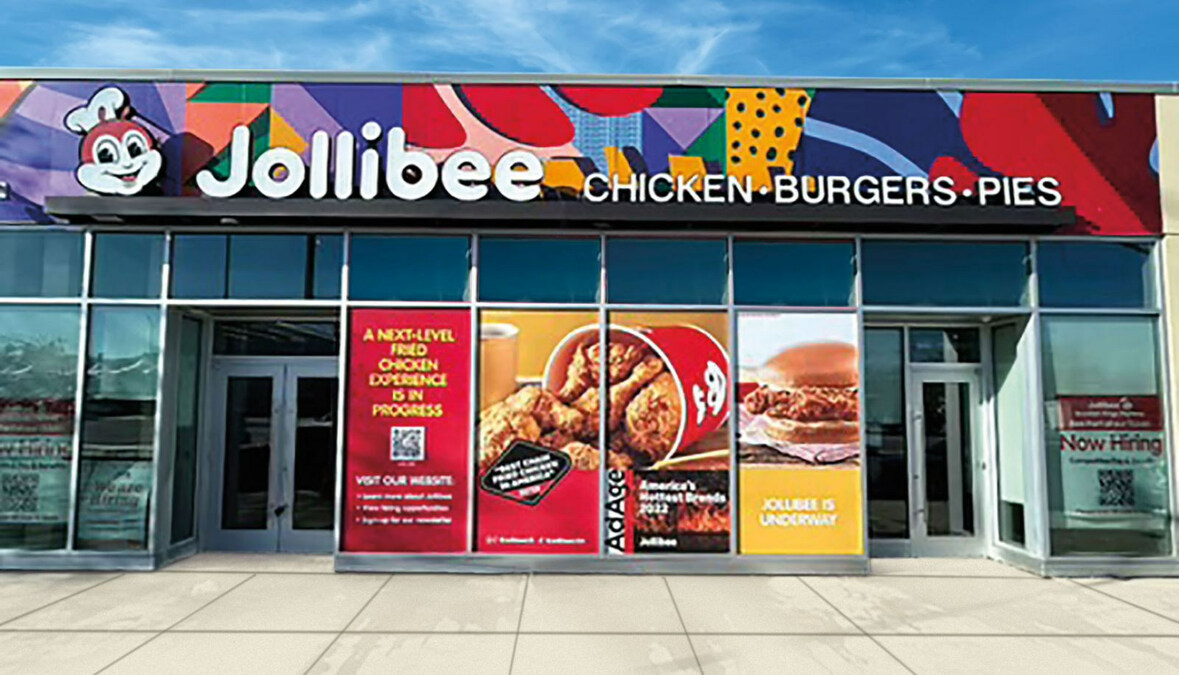
    Jollibee Foods Corporation (JFC) has recently undergone a rebranding effort, now going by Jollibee Group, with an eye on further global expansion.

    Rebranding for Global Growth

    Despite retaining its legal entity as JFC, the firm has announced that this comprehensive rebranding will encompass a new visual identity, a simplified brand hierarchy, and harmonized naming across all business divisions. The objective is to further fortify the company’s global footprint and enhance its brand value.

    Jollibee Group’s global president and CEO, Ernesto Tanmantiong, explained the reasoning behind this significant move: “Our fundamental aim is to bring joy through superior flavor. This purpose is the driving force behind our innovation, it shapes our customer promise, and it propels our momentum forward.”

    Unveiling the New Identity

    The introduction of the fresh identity took place during internal events, such as the supplier summit and the annual stockholders’ meeting, which were attended by employees and partners. The company is currently deploying this new identity through global media channels and corporate communications.

    Tanmantiong further added, “As we expand globally, we’re not only extending our reach, but also establishing a company that is not only known for business success but also for the joy and quality we bring to people’s lives.”

    Jollibee Group currently has a strong presence in 33 countries, with over 9000 outlets, including locations in the US, the Middle East, and Southeast Asia. Its diversified portfolio includes well-known brands such as Tim Ho Wan, The Coffee Bean and Tea Leaf, Jollibee, Chowking, Greenwich, Red Ribbon, and Mang Inasal.

    Questions & Answers

    What is the main reason for Jollibee Group’s rebranding?
    The main reason for the rebranding is to position the company for further global expansion and enhance its brand value.

    How was the new identity introduced?
    The new identity was introduced during internal events including a supplier summit and the annual stockholder’s meeting. It is now being introduced through global media and corporate communications.

    How many stores does Jollibee Group operate and in how many countries?
    Jollibee Group currently operates more than 9000 stores across 33 countries, including the US, the Middle East, and Southeast Asia.

  • DFI Retail Group Surmounts Static Sales With Strong Profit Growth: Health And Beauty Sectors Lead The Way

    DFI Retail Group Surmounts Static Sales With Strong Profit Growth: Health And Beauty Sectors Lead The Way

    Despite relatively stationary sales figures, Hong Kong’s DFI Retail Group has reported robust profit growth in the first half of the fiscal year. Sharing profits with shareholders saw an impressive rise of 39 per cent to US$105 million in the six months concluding on June 30. Additionally, subsidiary profits also marked an increase by 3 per cent, reaching $75 million.

    Growth Drivers

    The management cites several reasons for this significant growth. Enhanced profitability in health and beauty sectors, increased contributions from associates, and steady revenue growth trends are the primary contributors to this success. For the first half of the year, subsidiary revenue totalled $4.4 billion, a marginal increase of 0.3 per cent on a comparable basis. This figure excludes the impact of the increased cigarette tax in Hong Kong and the sale of the Hero Supermarket business in Indonesia the previous year.

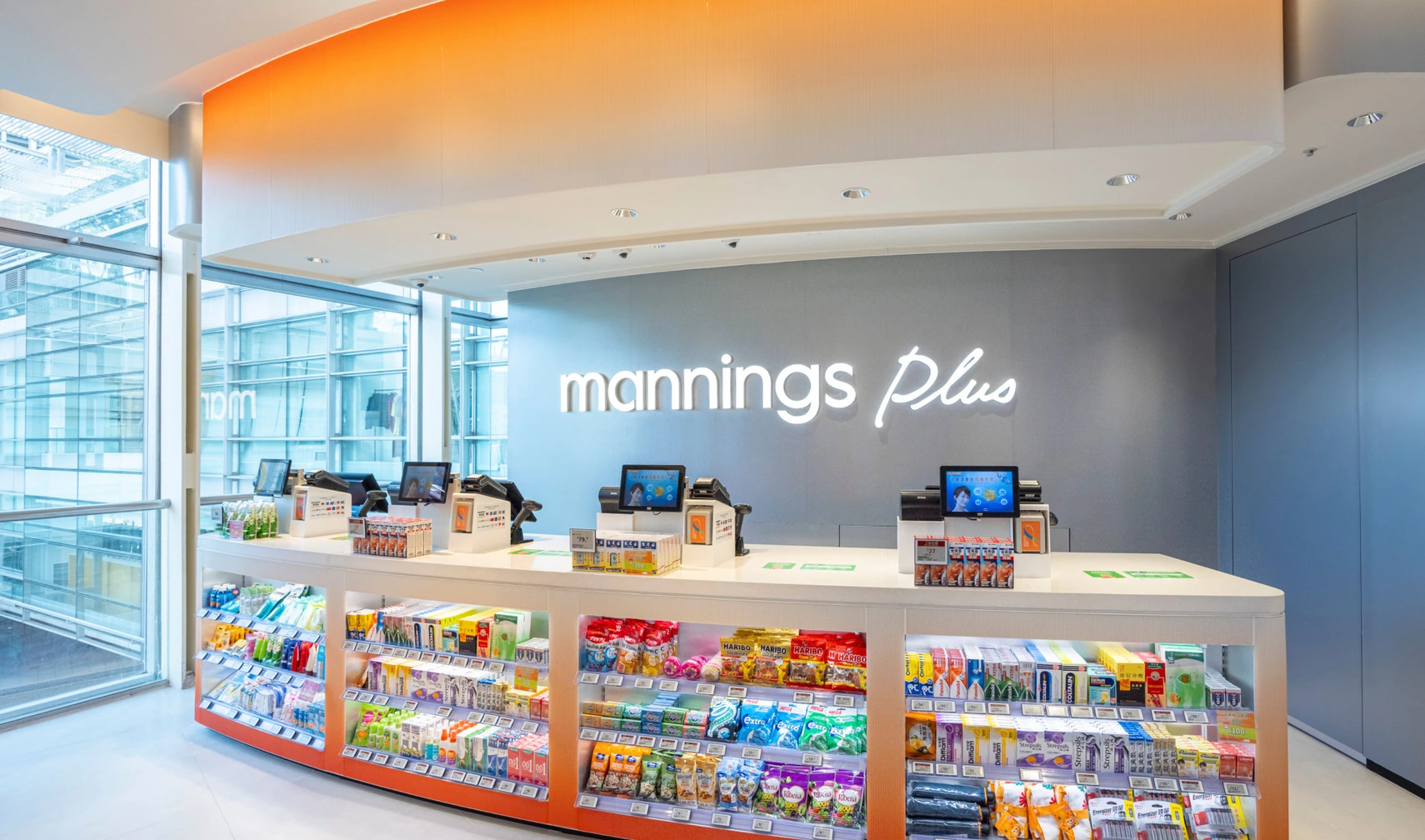
    Total revenue, accounting for 100 per cent of associates and joint ventures, noted a 1 per cent rise to $8.2 billion. The health and beauty division experienced a 4 per cent rise in sales, highlighting the growing brand value of Mannings and Guardian.

    Revenue Fluctuations

    On the other hand, the convenience segment, operating 7-Eleven stores in Hong Kong, Macau, Guangdong province, and Singapore, saw a 4 per cent revenue decline. The food division registered a slight dip in sales, not considering the sale of the Hero Supermarket.

    The home furnishings division, which runs Ikea in Hong Kong, Macau, Taiwan, and Indonesia, continues to face challenges due to fierce competition and changes in consumer purchasing patterns.

    CEO’s Remarks

    “Our ongoing portfolio evolution allows us to focus resources on high-profit businesses and growth initiatives. It also provides strategic flexibility for non-organic opportunities,” remarked Group CEO Scott Price.

    Despite lowering its revenue outlook for the full year, DFI has upgraded its profit guidance. Revenue growth is now anticipated to rise between 0.5-1 per cent, as opposed to the previously estimated 2 per cent. In contrast, an underlying attributable profit is expected to be within the range of $250-270 million, compared to the previously estimated $230-270 million.

    The group asserts its confidence in navigating the evolving market landscape, backed by strategic initiatives designed to increase market share and profit growth across all businesses.

    Questions & Answers

    What was the reason for the significant profit growth?
    Enhanced profitability in health and beauty sectors, higher contributions from associates, and steady revenue growth trends were the primary contributors to the growth.

    How did the convenience segment perform?
    The convenience segment, which operates 7-Eleven stores in various locations, reported a 4 per cent revenue decline.

    What are the expectations for the full-year revenue growth and profit?
    Revenue growth is now anticipated to rise between 0.5-1 per cent, while an underlying attributable profit is expected to be within the range of $250-270 million.

  • Popeyes Expands In The Philippines: New Franchising Program Launched Amid Record-breaking Performance

    Popeyes Expands In The Philippines: New Franchising Program Launched Amid Record-breaking Performance

    Popeyes, the renowned American fast food brand, has initiated its franchise program in the Philippines. This move comes in the wake of the country’s stellar performance, making it the leading global market for Popeyes in terms of transactions, as reported by the company’s parent organization, Restaurant Brands International (RBI).

    Franchising: The Logical Next Step

    Dustin Ngo, the Managing Director for Popeyes Philippines, expressed his views on the new franchising initiative. According to Ngo, franchising was the logical next phase in the company’s growth trajectory. He lauded it as a lucrative investment opportunity that aligns perfectly with Popeyes’ expansion plans over the next three years.

    Franchise investment for a 1000sqm drive-thru store varies between PHP$45 million and $50 million, equivalent to US$793,000 to $800,000. The investment package encompasses construction, equipment, training, and a 10-year franchise fee. The continued costs include an 8 per cent royalty and a 5 per cent advertisement fee, calculated based on sales.

    Comprehensive Support for Franchise Partners

    RBI, along with the local team, will offer comprehensive support to ensure a smooth and efficient setup and operation for the franchise partners. The objective is to make the operation of Popeyes franchises as hassle-free as possible.

    Dan Hayton, the Chief Operating Officer of Popeyes Philippines, further elucidated this point. He expressed the company’s desire for franchise partners to run their Popeyes franchise effortlessly, with the operation starting up as easily as turning a key.

    Questions & Answers

    What is the investment range for opening a Popeyes franchise in the Philippines?
    The investment for a 1000sqm drive-thru store ranges from PHP$45 million to $50 million (US$793,000 to $800,000), which includes costs for construction, equipment, training, and a 10-year franchise fee.

    What are the ongoing costs for a Popeyes franchise?
    The ongoing costs include an 8 per cent royalty and a 5 per cent advertisement fee, calculated based on sales.

    What kind of support does Popeyes provide to its franchise partners?
    Popeyes, in collaboration with RBI and the local team, provides comprehensive end-to-end support. The focus lies on ensuring a fast setup and operational efficiency for the franchise partners.

  • Malaysia’s Banks Report 5.3% Loan Growth in May, Driven by Construction Sector Surge

    Malaysia’s Banks Report 5.3% Loan Growth in May, Driven by Construction Sector Surge

    The retail landscape in Asia is witnessing a striking transformation as digital shopping experiences increasingly complement traditional brick-and-mortar stores. Consumers are embracing a fusion of online convenience and in-store engagement, creating a unique shopping atmosphere that retailers must navigate. The latest insights reveal a dynamic shift toward omnichannel strategies, illustrating how brands are innovating to meet evolving consumer needs.

    A Surge in Omnichannel Shopping

    In recent months, surveys indicate that 70% of consumers across major Asian markets prefer a blend of online and in-store shopping. This trend reflects a desire for the tactile experience of physical stores along with the efficiency of digital transactions. While retailers once focused on building standalone online platforms, the game has shifted. Brands are now racing to create seamless shopping experiences that engage consumers at multiple touchpoints — whether through mobile apps, social media, or classic storefronts.

    Consumer Preferences are Shifting

    Surprisingly, a recent study found that 58% of millennials are likely to make impulse purchases driven by social media ads. Brands like Shopee and Lazada are capitalizing on this trend by integrating social commerce features into their platforms, transforming how products are showcased and sold. The playfulness of an Instagram story can lead to a purchase just as easily as a walk through a retail aisle.

    Retailers Embrace AI and Personalization

    Amid this transformative environment, artificial intelligence is emerging as a vital tool for personalization. Retailers are harnessing AI algorithms to analyze consumer behavior and tailor shopping experiences that resonate with individual preferences. The results are impressive, with brands reporting up to 30% increases in conversion rates when leveraging AI-driven personalization strategies. As one industry insider noted, “When your shopping experience feels like it was designed just for you, how can you resist?”

    The Role of Sustainability in Consumer Choices

    Moreover, sustainability is becoming a pivotal factor in consumer purchasing decisions. A staggering 65% of shoppers in Asia now prioritize buying from brands that demonstrate strong environmental commitments. Eco-conscious initiatives, such as sustainable packaging and ethical sourcing, are more than just buzzwords; they are becoming essential components of a brand’s identity in today’s market. Retail giants are not just selling products; they’re selling values, and consumers are taking note.

    Looking Ahead: Challenges and Opportunities

    As the retail sector continues to evolve, challenges persist. Supply chain disruptions and shifting regulatory landscapes test the resilience of even the most established brands. Yet, with every challenge comes an opportunity. Retailers that adapt to these changing dynamics—through enhanced technology integration, innovative customer engagement strategies, and a commitment to sustainability—are poised to thrive in the new era of retail.

    Questions & Answers

    What percentage of consumers in Asia prefers a combination of online and in-store shopping?
    Seventy percent of consumers across major Asian markets prefer a blend of both online and in-store shopping, reflecting the increasing demand for omnichannel experiences.

    How is social media influencing shopping habits in Asia?
    A study showed that 58% of millennials are likely to make impulse purchases due to social media ads, driving retailers to integrate social commerce features into their platforms.

    What role does sustainability play in consumer purchasing decisions?
    Approximately 65% of shoppers in Asia prioritize buying from environmentally conscious brands, making sustainability a critical factor in brand loyalty and purchasing behavior.

  • Kuala Lumpur’s Prime Residential Market Set for Exciting Growth Ahead

    Kuala Lumpur’s Prime Residential Market Set for Exciting Growth Ahead

    Two projects were completed and another two were launched in Q1.

    Prime Residential Sector on the Rise

    Kuala Lumpur’s prime residential sector is gearing up for significant expansion, buoyed by a post-pandemic recovery, supportive government initiatives aimed at bolstering homeownership, and innovative financing options like green home programmes. These factors are not just catching the eye of locals—they’re also enticing foreign investors eager to tap into a market poised for growth.

    A recent report by JLL underscores this promising outlook. “Ongoing infrastructure developments are expected to enhance the appeal of suburban areas and transit-oriented developments, while the city’s affordability compared to other Asian markets should continue to drive investment, despite global economic challenges,” the report revealed. It paints a picture of a landscape ripe with opportunity.

    Dynamic Growth Despite Market Concerns

    As Kuala Lumpur shakes off the remnants of the pandemic, its prime residential sector is seeing a remarkable resurgence, characterized by rising sales and property values. However, experts urge a tempered enthusiasm, noting that concerns about potential market overheating necessitate cautious optimism for the medium term.

    Newly launched and ongoing projects are witnessing robust interest, with take-up rates fluctuating between 30% to 50%. Soft-launch schemes have also experienced promising booking levels, highlighting a healthy appetite in the market that just might surprise those who thought buyers had soured on the idea of investing.

    New Developments Take Center Stage

    This quarter saw the completion of two substantial residential developments, Allevia and Sunway Belfield, which together contributed 1,624 units to the market. Simultaneously, two new projects, CloutHaus Residence and Hanaz Suites, have been introduced, adding 955 units to the mix. The infusion of these developments speaks volumes about the resilience and sustained interest in Kuala Lumpur’s real estate.

    Favorable Conditions for Investors

    The attractiveness of the prime residential market continues to hold firm, with stable rates and competitive pricing serving as a magnet for investors even amid global economic uncertainties. Bank Negara Malaysia has kept the Overnight Policy Rate steady at 3.00% since May 2023, fostering a conducive atmosphere for borrowing. This policy has made mortgages more accessible and affordable, further stimulating demand for property investment.

    Despite pervasive global inflationary pressures, Kuala Lumpur’s prime residential market remains appealing, characterized by property prices that are among the most affordable in Asia. This affordability continues to attract both local and foreign investors looking to navigate the choppy waters of today’s economic landscape.

    Questions & Answers

    What factors are driving growth in Kuala Lumpur’s residential sector?
    Post-pandemic recovery, government initiatives supporting homeownership, and innovative financing options, such as green home programmes, are key motivators behind the growth.

    How have the recent projects performed in the market?
    Newly launched and ongoing projects boast solid take-up rates ranging from 30% to 50%, indicating a healthy appetite among buyers.

    What makes Kuala Lumpur’s prime residential market appealing to investors?
    Stable pricing and competitive rates, in conjunction with accessibility to affordable mortgages thanks to a maintained Overnight Policy Rate, make Kuala Lumpur an attractive proposition for investors in comparison to other Asian markets.

  • Singtel CEO Earns $6.4M as Company’s Performance Soars, Highlighting Strong Growth in Telecom Sector

    Singtel CEO Earns $6.4M as Company’s Performance Soars, Highlighting Strong Growth in Telecom Sector


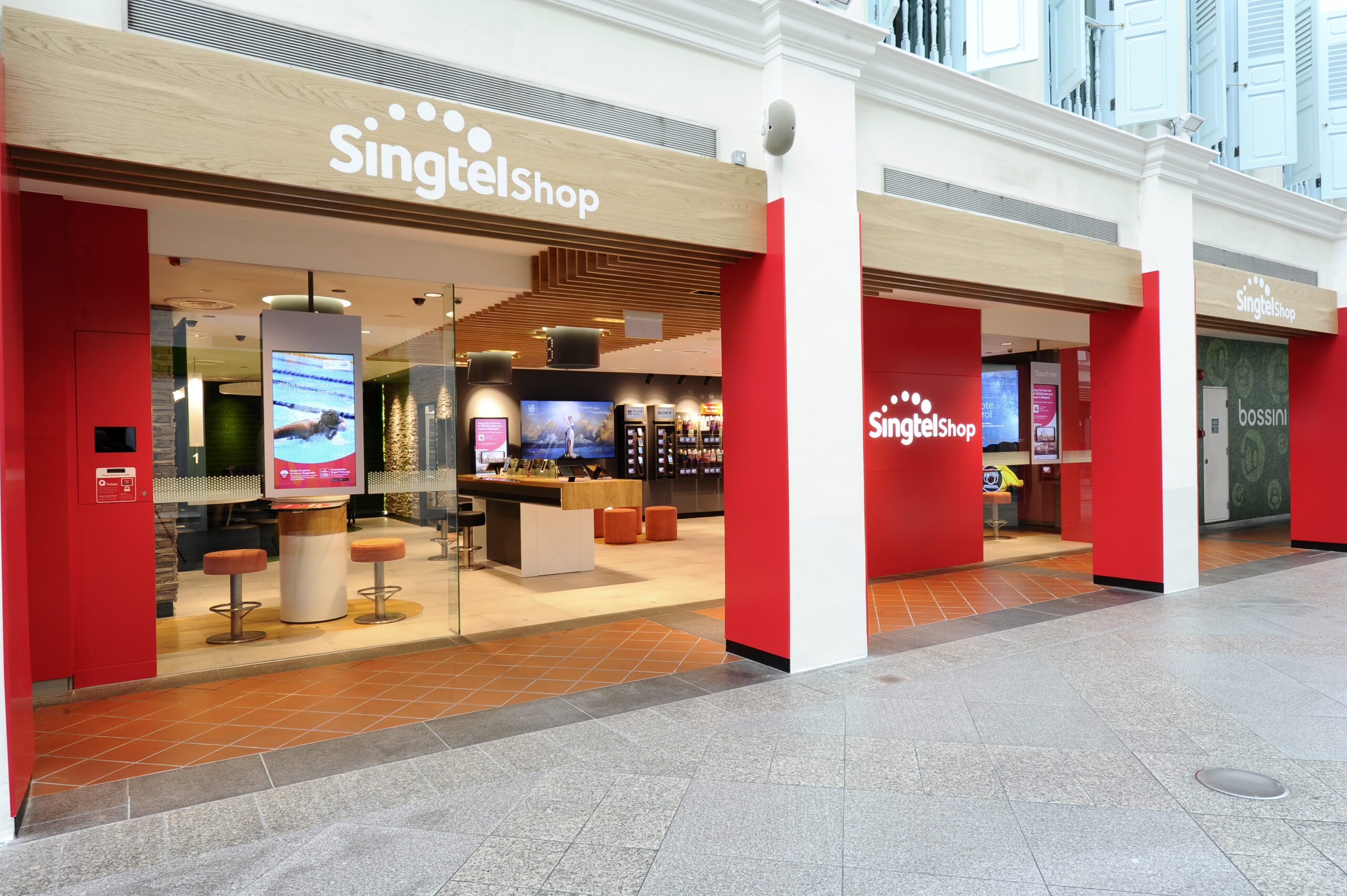
    In the latest financial report, telecommunications titan Singtel announced that its CEO, Yuen Kuan Moon, received a total compensation of SGD 8.2 million (approximately US$6.4 million) for the fiscal year ending March 31, 2025, marking a notable 16% increase from the previous year.

    The surge in Yuen’s remuneration reflects a remarkable corporate performance, with Singtel’s net profit skyrocketing by over 400% to SGD 4.02 billion. This impressive growth owes much to a one-time windfall of SGD 1.3 billion from the partial sale of its Comcentre headquarters, as reported by *The Straits Times*.

    Thriving Under Pressure

    Such stellar results are in line with the Singtel28 plan, a strategic initiative introduced by Yuen in 2024, designed to enhance operational efficiency while capitalizing on burgeoning growth trends. The plan focuses on delivering long-term value to shareholders, transforming Singtel into a leaner, more dynamic entity amidst the fast-changing telecommunications landscape.

    Breaking Down the Earnings

    Yuen’s sizable remuneration package comprised a salary of SGD 1.3 million, benefits totaling SGD 77,808, a cash bonus of SGD 2.2 million, along with an impressive SGD 4.6 million in share awards, as detailed by *Singapore Business Review*.

    A Transformative Leader

    Singtel commended Yuen for spearheading one of the organization’s most strategic transformations, repositioning it for growth amid a backdrop of rapid digitalization and industry disruption. His strategic reset, initiated at the start of his leadership, has fundamentally reshaped the group’s focus toward connectivity, digital services, and infrastructure.

    Paving the Way for the Future

    Yuen, who stepped into the role of group CEO in 2021 after overseeing Singtel’s Singapore consumer business since 2012, has played a pivotal role in the integration of consumer and enterprise sectors across Singapore and Australia. Under his stewardship, the company has expanded its digital services portfolio with NCS and launched Nxera, a regional data center venture poised to enhance its capabilities in a digital-first world.

    Questions & Answers

    How has Yuen Kuan Moon’s leadership affected Singtel’s performance?
    Yuen has driven significant changes in Singtel’s operations, leading to a net profit increase of over 400% and the successful implementation of the Singtel28 plan, aimed at long-term shareholder value.

    What does the compensation package for Yuen Kuan Moon reflect?
    The SGD 8.2 million compensation package reflects not just an increase in salary, but also a recognition of the company’s robust financial performance and Yuen’s strategic initiatives during a transformative period for Singtel.

    What key initiatives has Yuen implemented since becoming CEO?
    Since his appointment, Yuen has integrated consumer and enterprise services across markets, strengthened digital offerings through NCS, and launched Nxera to expand data center operations, positioning Singtel at the forefront of a rapidly evolving telecommunications sector.

  • Bitcoin Suisse Reports Record Revenue Surge, Multi-Million Profit, and Bold International Growth Plans

    Bitcoin Suisse Reports Record Revenue Surge, Multi-Million Profit, and Bold International Growth Plans

    Bitcoin Suisse Turns Profit and Eyes Global Markets

    Bitcoin Suisse is on the rebound, marking a significant turnaround in its financial fortunes and gearing up for international expansion. At its recent Annual General Meeting held in late June, the Zug-based crypto broker proudly announced a remarkable net profit of 16 million francs for the fiscal year 2024. This recovery comes on the heels of a 13 million franc loss in 2023, with revenues soaring by 56 percent compared to the previous year.

    Over the last year, Bitcoin Suisse has intensified its efforts to solidify its status as a leader in the global crypto financial services sector. The firm has embraced technological advancements, accelerating automation and optimizing workflows to enhance operational efficiency. Additionally, they have integrated advanced data analytics tools to elevate the client experience. Notably, Bitcoin Suisse became the first Swiss crypto service provider to support the Babylon Bitcoin Staking protocol, expanding Bitcoin’s staking capabilities further. Who knew staking could be hip?

    Global Aspirations: Middle East Entry

    2024 has been a pivotal year for Bitcoin Suisse as it embarks on international expansion. The company established a new subsidiary, BTCS (Middle East) Ltd., which received in-principle approval from the Financial Services Regulatory Authority (FSRA) of the Abu Dhabi Global Market (ADGM) this May. This crucial step sets the stage for obtaining full licensing, allowing Bitcoin Suisse to diversify its offerings and provide regulated crypto financial services in the Middle East. These services will include trading virtual assets, dealing in crypto securities and derivatives, along with local custody solutions.

    “Our strategic focus on international growth and client-centric innovation is stronger than ever,” asserted CEO and co-founder Andrej Majcen during the AGM, displaying a renewed confidence in the company’s direction.

    Boardroom Shake-Up Introduces Fresh Perspectives

    In addition to its financial successes, Bitcoin Suisse also announced a shift in its board of directors. Giles Keating has stepped down, making way for Guenther Dobrauz-Saldapenna, who brings a wealth of experience from his leadership role in PwC’s global Crypto Practice. Dobrauz-Saldapenna is also a co-founder and partner at Exelixis Capital, a Swiss investment firm specializing in venture capital, and leads the Dobrauz-Saldapenna family office.

    The current board now consists of:

    Marco Menotti, Chairman of the Board; Luzius Meisser; Gabriela Hauser-Spühler; Philipp Rösler; Ani Banerjee; and newly appointed Guenther Dobrauz-Saldapenna.

    Questions & Answers

    What financial recovery did Bitcoin Suisse achieve in 2024?
    Bitcoin Suisse reported a net profit of 16 million francs for the year 2024, rebounding from a loss of 13 million francs in 2023.

    What steps has Bitcoin Suisse taken to expand internationally?
    The company established a subsidiary in the Middle East, BTCS (Middle East) Ltd., which has received in-principle approval from the FSRA of the Abu Dhabi Global Market, paving the way for offering regulated crypto financial services.

    Who joined Bitcoin Suisse’s board of directors recently?
    Guenther Dobrauz-Saldapenna joined the board following the departure of Giles Keating, bringing extensive expertise in crypto and venture capital to the organization.

  • Raiffeisen Reports: Immigration Key to Sustaining GDP Growth Momentum

    Raiffeisen Reports: Immigration Key to Sustaining GDP Growth Momentum

    Swiss Economy’s Growth Weighed Down by Global Concerns

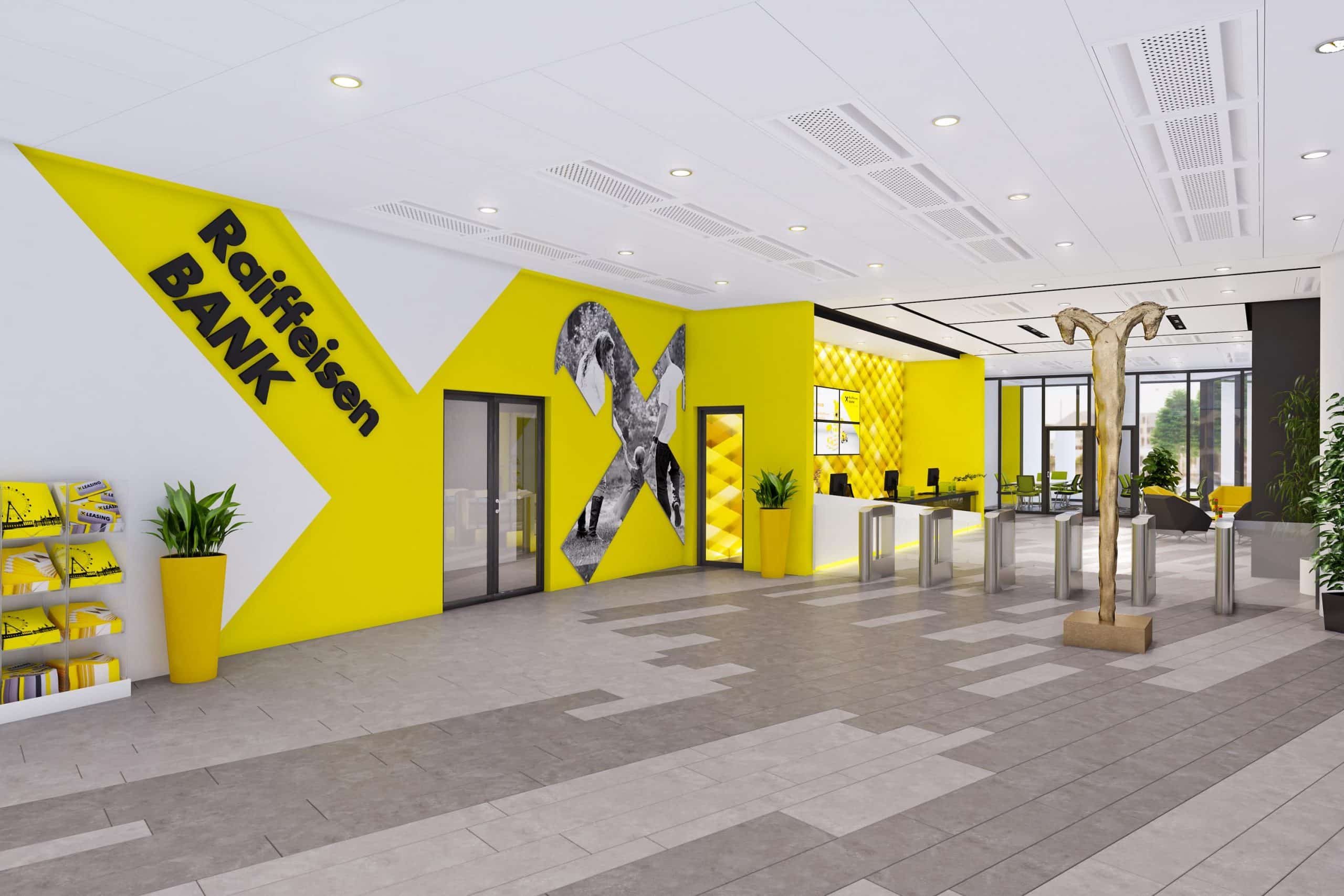
    The Swiss economy’s growth appears to be buoyed more by immigration trends than by domestic productivity, according to Raiffeisen’s latest semi-annual economic forecast. The report highlights that challenges in the global economy, particularly from the U.S. and EU, are casting a shadow over Switzerland’s economic outlook.

    As trade relations with the U.S.—Switzerland’s second-largest trading partner—remain precarious, Raiffeisen’s economists caution that the impact of potential tariffs looms large. Negotiations have been sluggish, with possible tariffs on the Swiss pharmaceutical industry still on the table. “The market underestimates that Trump is focused on increasing tariff revenues, not on reciprocal tariffs,” warned Chief Economist Fredy Hasenmaile, during a web call.

    Hasenmaile projected that regardless of the severity of any final tariff measures, the pervasive uncertainty is stifling the industry, predicting a loss of momentum in the latter half of the year.

    Economic Activity Dips Following Early Surge

    Switzerland experienced a paradoxical first half of the year, driven initially by pre-emptive purchases but ultimately leading to a significant downturn. After a robust boost in the first quarter, economic activity fell to its lowest level in over 15 months.

    Raiffeisen now forecasts GDP growth of 1.1 percent for the current year and 1.0 percent for the next, a considerable drop from earlier projections made in December 2024, which had assessed a 1.3 percent growth for 2025. “The return to potential growth of around 1.5 percent is further delayed,” Hasenmaile noted, positioning Raiffeisen on the conservative end of economic forecasts.

    Mixed Signals in Industrial Performance

    The outlook for Swiss industry is bleak, with purchasing manager indices indicating poor business conditions. Domestically focused small and medium enterprises (SMEs) are faring better, continuing on a growth trajectory. Conversely, export-driven firms are witnessing dwindling demand, particularly from Germany, with only 20 percent anticipating any improvement.

    The service sector, which had seen sustained positive momentum for nearly a year, has now dipped below the growth threshold in the purchasing managers’ index, indicating rising concerns.

    Real Wage Growth Fuels Consumer Spending

    Despite the uncertain industrial backdrop, Swiss consumer spending remains robust, bolstered by wage increases and low inflation contributing to real wage growth. Yet, signs of a cooling labor market are increasingly evident.

    Employment Landscape Slows

    The labor market mirrors the economy’s mixed expectations, with the KOF employment indicator showing signs of weakness. Surveys reflect a dip in hiring intentions, hinting at slower employment growth and a seasonally adjusted uptick in unemployment. “So far, the industrial downturn has hardly affected the service sector,” Hasenmaile pointed out, “but even the previously resilient domestic market could encounter challenges as the year progresses.”

    Negative Interest Rates Unlikely in Switzerland

    As uncertainties around tariffs persist, they have become a significant hindrance to Switzerland’s return to potential growth, raising the proverbial elephant in the room. Hasenmaile commented on the Swiss National Bank’s (SNB) interest rates, stating, “Zero is not negative,” and he does not foresee the SNB pushing rates back into negative territory soon.

    Global Influence on Interest Rate Policy

    The robust Swiss franc plays a critical role in shaping interest rate policy conditions. The current strength of the dollar has also lent a hand to the eurozone. While further rate cuts are anticipated in the eurozone and the U.S., where more flexibility exists, Hasenmaile believes the European Central Bank is likely to keep rates steady in July.

    Population Growth Fuels Economic Activity

    Two consecutive years of moderate economic growth could potentially lead to a decline in per capita economic output in Switzerland. With the economy largely expanding due to population growth rather than productivity, maintaining pace with demographic changes remains a crucial factor. Hasenmaile predicts a population growth rate of 0.9 percent for 2025, falling slightly to 0.8 percent the following year. “Net immigration depends heavily on the domestic labor market and developments in the EU,” he concluded.

    Regional Disparities in Growth

    Raiffeisen’s analysis reveals significant regional disparities within Switzerland. While sectors driven by population growth—such as retail, education, and healthcare—are thriving, autonomous sectors like industry and IT services are either stagnating or contracting in many regions. Zurich stands out, accounting for over 40 percent of autonomous growth, particularly in IT and consulting services. Central Switzerland and parts of western Switzerland, like Nyon and Rolle–Saint-Prex, are resisting the tide of deindustrialization and showing dynamic growth, although the overall contribution to growth from autonomous sectors has diminished.

    Questions & Answers

    What factors are currently impacting Swiss economic growth?
    Key factors include global economic uncertainties, particularly concerning trade relations with the U.S., and substantial net immigration which has bolstered growth.

    How is the industrial sector performing in Switzerland?
    The industrial sector faces challenges, with many companies reporting poor business conditions and declining demand, especially from export markets like Germany.

    What is the outlook for interest rates in Switzerland?
    The Swiss National Bank is not expected to move interest rates into negative territory, as existing economic conditions do not warrant such a drastic measure.

  • Vietnamese Online Shopping Soars: Consumers Shell Out $16B, Leading Southeast Asia’s Retail Surge!

    Vietnamese Online Shopping Soars: Consumers Shell Out $16B, Leading Southeast Asia’s Retail Surge!

    Vietnamese consumers spent an estimated US$16 billion on online purchases via platforms such as Shopee, Lazada, and TikTok Shop in 2024, placing the country among the top three e-commerce markets in Southeast Asia.

    The recently unveiled Southeast Asia E-commerce 3.0 report from Momentum Works highlights a booming digital shopping landscape in the region, which saw a total gross merchandise value (GMV) of $128.4 billion in 2024—marking a 12% year-on-year increase. Remarkably, Southeast Asia processed an average of 43.6 million online orders daily, nearing the scale of the U.S. market, a fact that could make any retailer’s heart race.

    Shopee, Lazada, and TikTok Shop dominate the market, accounting for over 90% of all orders, while Vietnam joins the ranks of top five e-commerce powerhouses, alongside Thailand, which leads with $23.5 billion, Malaysia at $11.5 billion, the Philippines matching Vietnam at $16 billion, and Singapore standing at $4.9 billion. Thailand and Malaysia stand out for their impressive growth figures, with increases of 22% and 20%, respectively.

    Indonesia remains the titan of the region, boasting a staggering $56.5 billion in GMV and a commanding 44% market share. However, its growth has tempered to just 5%, a reflection of ongoing platform mergers that have caused a few hiccups.

    In Vietnam, e-commerce is predominantly led by three major platforms. Shopee significantly leads the charge with a 65% market share, translating to about $10.4 billion in GMV. TikTok Shop follows with a growing presence at 28% ($4.5 billion), while Lazada holds 6% ($1 billion) and Tiki trails with 1% ($200 million). This online tussle illustrates a dynamic market, indicative of a region that is rapidly evolving.

    Beyond these major players, other digital channels like brand websites, multi-brand retailers, and social media platforms, including WhatsApp, have contributed an impressive $16.8 billion to the region’s total e-commerce value.

    The report also indicates a noteworthy comeback for Chinese consumer brands in Southeast Asia. These businesses are returning with revitalized products and localized strategies aimed at seizing essential market segments, proving that what goes around comes around—especially in retail.

    Looking ahead, Momentum Works projects that Southeast Asia’s e-commerce sector could generate an additional $131 billion in transaction value by 2030 if companies effectively leverage artificial intelligence across sales, operations, logistics, and customer service.

    Questions & Answers

    How much did Vietnamese consumers spend on online shopping in 2024?
    Vietnamese consumers spent approximately US$16 billion on online purchases in 2024.

    Which platforms dominated e-commerce in Vietnam?
    Shopee, TikTok Shop, and Lazada were the dominant platforms, accounting for over 90% of the total order volume.

    What future growth is anticipated for Southeast Asia’s e-commerce sector?
    Momentum Works forecasts that the sector could generate an additional $131 billion in transaction value by 2030, driven by the adoption of artificial intelligence.

  • Manila Set to Unveil 2,680 New Hotel Rooms by 2025: Exciting Growth in Hospitality Awaits!

    Manila Set to Unveil 2,680 New Hotel Rooms by 2025: Exciting Growth in Hospitality Awaits!

    According to a recent report by Colliers, the Philippine hospitality sector is on the upswing, bolstered by significant infrastructure improvements and an influx of international visitors. In 2024, the country welcomed nearly 5.95 million tourists, a figure ensuring it’s still catching up to pre-pandemic expectations. Despite not hitting the ambitious tourist arrival targets, spending reached a record-breaking PHP 760 billion, making the Philippines a leader in Southeast Asia regarding per-visitor expenditures.

    Emerging Opportunities for Developers

    With an optimistic outlook for the future, Colliers advises developers to keep an eye on emerging destinations, particularly with the newly approved 99-year land lease law making strides through the legislative process. This development is poised to attract foreign brands and facilitate the creation of integrated leisure hubs, providing a fertile ground for investment.

    Foreign Brands Join Forces with Local Developers

    In a striking trend, foreign hotel brands are aggressively expanding by forming partnerships with local developers in both established and up-and-coming markets. Major players such as Dusit, Wyndham, Accor, Marriott, and The Ascott Group are leading the charge. The ongoing integration of land lease extensions and Real Estate Investment Trusts (REITs) is anticipated to further drive investment, especially in tourism-centric townships and convention facilities.

    Rising Occupancy Rates Amid Construction Delays

    Metro Manila has seen its hotel occupancy rates rise to 64% in the latter half of 2024, with Average Daily Rates (ADRs) climbing by 2.7% year-on-year. As we moved into the first quarter of 2025, demand for Meetings, Incentives, Conferences, and Exhibitions (MICE) facilities remained robust, particularly in the Makati Central Business District, Fort Bonifacio, and the Bay Area. Four- and five-star hotels particularly benefitted from this increased demand, reflecting the resurgence in business travel. Though room supply struggled due to construction delays, the market anticipates the addition of 2,680 new rooms in 2025, primarily located in Makati and the Bay Area. Interestingly, outside the capital, occupancy rates soared to between 70% and 80% in areas like Clark and Cebu.

    A Bright Outlook for the Future

    Colliers anticipates consistent occupancy levels and a modest ADR increase of 3% in 2025, driven by rising foreign arrivals and thriving MICE activity. Developers are encouraged to collaborate closely with airport infrastructure projects to pinpoint future growth corridors and capitalize on the evolving travel landscape.

    Questions & Answers

    How has tourist spending changed in the Philippines recently?
    In 2024, tourist spending in the Philippines hit a record PHP 760 billion, making the country a leader in Southeast Asia for per-visitor expenditure.

    What major trends are influencing hotel development in the Philippines?
    Foreign hotel brands are actively partnering with local developers in both established and emerging markets, with new land lease laws set to stimulate investment in integrated leisure hubs.

    What are the expected occupancy rates for Philippine hotels in 2025?
    Colliers is forecasting stable occupancy levels and a 3% increase in Average Daily Rates in 2025, fueled by increasing international arrivals and strong MICE demand.

  • Malaysia’s Digital Banks Struggle with Slower Loan Growth Amid Rising Costs

    Malaysia’s Digital Banks Struggle with Slower Loan Growth Amid Rising Costs

    Malaysia’s digital banking landscape is shifting, as the nation’s new players in the sector are reassessing their approaches to deposit gathering amidst challenges in lending growth, which has turned out to be more costly and sluggish than initially projected, according to a recent report from UOB Kay Hian (UOBKH).

    Digital Banks Adjust Strategies Amid Slower Growth

    As of now, three of the five licensed digital banks in the country—GXBank, Boost Bank, and AEON Bank—are operational, while Ryt Bank and KAF Digital Bank are still in the pilot phase. The slow scaling of lending activities has been a significant hurdle for these digital lenders. Their target market consists largely of underserved and unbanked Malaysians, who present unique operational and credit risks.

    UOBKH analyst Keith Wee Teck Keong highlighted the complications: “Many in this segment may lack the digital literacy to engage fully with app-based platforms, while their credit profiles may raise asset quality concerns,” he stated in a report dated June 24, 2025.

    The Ripple Effect on Deposits

    In light of these lending challenges, digital banks are likely to pull back on their deposit-gathering efforts. Wee pointed out that taking an overly aggressive stance in collecting deposits without a corresponding growth in lending could lead to negative carry. This scenario would see expensive deposits funneled into low-yielding money market instruments, squeezing profit margins.

    For conventional banks, this situation may present a silver lining, as the reduction in deposit competition could ease pressure within the broader banking ecosystem. Currently, none of the digital banks have reached profitability, and Wee notes that those that have begun operations estimate it could take over three years on average to reach breakeven.

    The Leaders of the New Wave

    Among the newcomers, GXBank Bhd stands out, boasting both the highest assets and customer deposits. As of September 2024, the bank reported total assets of MYR2.4 billion and deposits totaling MYR2.2 billion. EAON Bank trails with MYR711 million in assets and MYR339 million in deposits reported in November 2024, while Boost Bank has MYR819 million in assets and MYR573 million in deposits as of March 2025.

    Although these figures are promising, Wee cautions that the combined asset base of these three operational digital banks remains modest, representing less than 1% of Malaysia’s total banking sector assets, which were pegged at RM3.7 trillion as of late April 2025.

    Even under the regulatory cap of MYR3 billion per digital bank for their first 3-5 years, the cumulative MYR15 billion ceiling reflects just 0.4% of the industry’s total assets, leaving plenty of room for growth and opportunity for these nascent financial institutions.

    Questions & Answers

    What challenges are Malaysian digital banks facing?
    Digital banks in Malaysia are encountering significant hurdles in scaling their lending activities due to targeting underserved segments that often lack digital literacy and have questionable credit profiles.

    How have digital banks responded to lending growth challenges?
    In response to the costlier and slower growth in lending, digital banks are expected to temper their deposit-gathering strategies to avoid negative carry and maintain healthier profit margins.

    Which digital bank currently leads the market in assets and deposits?
    GXBank Bhd leads among operational digital banks in Malaysia, with total assets of MYR2.4 billion and deposits of MYR2.2 billion as of September 2024, showcasing a considerable market presence.

  • Indonesia’s Fixed Communication Services Market Projected to Reach $3.7 Billion by 2029

    Indonesia’s Fixed Communication Services Market Projected to Reach $3.7 Billion by 2029

    Indonesia’s fixed communication services market is poised for steady growth over the next five years, with projections indicating a rise to USD 3.7 billion by 2029, up from USD 3 billion in 2024, according to recent analysis by GlobalData. This anticipated surge signifies a significant leap in the sector, reflecting the country’s ambitious digital aspirations.

    Broadband Boom: The Driving Force Behind Growth

    The primary catalyst for this growth is the expanding fixed broadband segment, expected to grow at a compound annual growth rate (CAGR) of 4.3%. The Indonesian government’s commitment to enhancing high-speed internet access plays a crucial role, aiming for affordable speeds of up to 100 Mbps to support digital inclusivity and national transformation initiatives.

    The Twilight of Fixed Voice Services

    Conversely, fixed voice services are on a downward trend, projected to decline at a CAGR of 1.3%. This drop can be attributed to a shrinking base of circuit-switched subscriptions and a decrease in average revenue per user (ARPU), as more consumers pivot to over-the-top (OTT) and app-based communication channels. It seems we are saying goodbye to the days of home phone lines, one fiber optic cable at a time!

    Fiber Optics: Connecting the Future

    Fiber lines currently hold an impressive 83.1% market share of total fixed broadband lines in 2024 and are expected to maintain their dominance through 2029, noted Neha Mishra, Telecom Analyst at GlobalData. This trend is fueled by a surging demand for reliable, high-speed broadband services and the government’s ongoing push for a nationwide fiber rollout.

    Rising Competition and the Quest for Connectivity

    As service providers work diligently to extend high-speed connectivity to underserved regions, a competitive landscape is emerging. Competition will likely center around service differentiation through bundled offerings, network reliability, and customer experience. Operators that invest strategically in infrastructure and innovate in pricing strategies are set to capture long-term value in what is becoming an increasingly digitally empowered Indonesia.

    Questions & Answers

    What is the projected growth of Indonesia’s fixed communication services market?
    The market is expected to grow to USD 3.7 billion by 2029, up from USD 3 billion in 2024.

    What segment is driving this growth?
    The expanding fixed broadband segment is the main driver, projected to grow at a compound annual growth rate of 4.3%.

    How are fixed voice services performing in Indonesia?
    Fixed voice services are expected to decline at a CAGR of 1.3% due to a decrease in circuit-switched subscriptions and a shift towards OTT communication methods.

  • Global Eyewear Market Set for Remarkable Growth, Projected to Reach $323.76 Billion by 2030!

    Global Eyewear Market Set for Remarkable Growth, Projected to Reach $323.76 Billion by 2030!

    The global eyewear market is on a meteoric rise, poised to expand from $200.46 billion in 2024 to an astonishing $323.76 billion by 2030, according to The Research Insights. This impressive growth translates to a compound annual growth rate (CAGR) of 8.3%, a trend largely fueled by an increase in vision problems, heightened screen time, and a surge in demand for both corrective and stylish eyewear.

    Vision Problems Fuel Eyewear Demand

    An uptick in vision-related issues such as myopia, hyperopia, and presbyopia is driving consumers toward prescription glasses. Adding to this demand is the rising popularity of blue-light blocking lenses, a must-have for anyone grappling with digital eye strain—an all-too-common affliction among both students and professionals as they spend longer hours glued to their screens.

    Fashion Meets Function

    Eyewear is no longer just a necessary accessory; it has firmly established itself as a fashion statement, particularly among younger demographics. Brands like Ray-Ban, Oakley, Gucci, and Warby Parker are seizing this opportunity, launching limited-edition collections and customizable designs crafted from sustainable materials. Who knew that protecting your eyes could also serve as a runway moment?

    Technology Reshapes Eyewear Retail

    Innovative technology is revolutionizing the eyewear market. Augmented reality try-on features and lightweight materials are enhancing user experience, while direct-to-consumer sales models are making eyewear more accessible and desirable than ever. Pioneering brands like Lenskart and Warby Parker are at the forefront of this transformation, embracing online-first strategies that offer home try-on services to consumers.

    Asia-Pacific’s Economic Surge

    The Asia-Pacific region is expected to see growth surpassing 7% annually through 2030. This surge is attributed to rising disposable incomes and an increasing appetite for premium eyewear. As more consumers look to align aesthetics with functionality, the region is becoming a hotbed for innovative eyewear solutions.

    Questions & Answers

    How significant is the growth projection for the global eyewear market?
    The eyewear market is set to grow from $200.46 billion in 2024 to $323.76 billion by 2030, reflecting a substantial CAGR of 8.3%.

    What factors are driving the demand for prescription glasses?
    An increase in common eye conditions such as myopia and presbyopia, coupled with the prevalence of digital eye strain, is significantly boosting the demand for prescription eyewear.

    How is technology impacting the eyewear shopping experience?
    Augmented reality try-on features, lightweight materials, and online-first sales strategies are making eyewear shopping more engaging and convenient, as brands like Lenskart and Warby Parker lead the charge in innovation.