Retail News CRM

Tag: #growth

  • Global Toy Market Set to Soar to $446 Billion by 2032: What’s Driving the Boom?

    Global Toy Market Set to Soar to $446 Billion by 2032: What’s Driving the Boom?

    STEM Demand and Technological Integration Drive Global Toy Market Growth

    The global toy market is on a remarkable trajectory, with projections showing growth from $316.14 billion in 2024 to a whopping $445.97 billion by 2032. This surge represents a compound annual growth rate (CAGR) of 4.33%, according to a recent report from Credence Research Inc. What’s the secret sauce behind this momentum? It’s a delightful mix of rising demand for educational toys, the allure of digital features, and the increasing accessibility of online retail.

    Modern parents are gravitating towards STEM-compliant toys that enhance learning and foster development, providing children not just with playthings, but pathways to knowledge. As if toys weren’t delightful enough, the integration of cutting-edge technology—think artificial intelligence, augmented reality, and app-connected devices—is redefining playtime. Children are no longer just engaging with their toys; they’re embarking on interactive journeys that blend education with entertainment.

    E-commerce is proving to be a powerful engine for growth, broadening the market’s reach and offering a seamless shopping experience. Meanwhile, licensing agreements with beloved entertainment franchises continue to create a boom in demand for character-based products, because let’s face it, who could say no to toys that come with a sprinkle of nostalgia?

    With the world becoming increasingly eco-conscious, sustainability is also taking a front seat. Parents and consumers are opting for recyclable and eco-friendly choices, leading manufacturers to rethink their approaches. However, it’s not all smooth sailing; the industry faces headwinds. The lure of screen-based entertainment is diverting children’s attention from traditional toys, while more stringent safety regulations are driving up production costs.

    Furthermore, economic uncertainty, rising tariffs, and evolving age preferences are exerting additional pressure on manufacturers. As the toy industry anticipates the future, navigating these challenges will be crucial to sustaining growth in a rapidly shifting landscape.

    Questions & Answers

    What are the primary drivers of growth in the global toy market?
    The growth is largely fueled by the increasing demand for educational toys, tech integration, online retail access, and sustainability trends among consumers.

    How is technology influencing children’s interaction with toys?
    Technology, through AI, augmented reality, and app-connected devices, is transforming the way children play, enhancing their engagement with toys by adding layers of interactivity.

    What challenges does the toy industry currently face?
    The industry is grappling with competition from screen-based entertainment, rising production costs due to stricter safety regulations, economic uncertainty, and changing consumer preferences.


  • Indonesia’s Fixed Communication Services Market Projected to Reach $3.7 Billion by 2029—A Growing Opportunity!

    Indonesia’s Fixed Communication Services Market Projected to Reach $3.7 Billion by 2029—A Growing Opportunity!

    Indonesia’s fixed communication services market is poised for significant growth, projected to reach USD 3.7 billion by 2029, up from USD 3 billion in 2024, according to insights from GlobalData, a leading data and analytics firm. This upward trajectory is set against the backdrop of the Indonesian government’s concerted efforts to expand high-speed internet access across the archipelago.

    Broadband Boom in the Archipelago

    The nation’s expansion of fixed broadband services is expected to be the primary engine for this growth, with an anticipated compound annual growth rate (CAGR) of 4.3%. With aspirations for internet speeds reaching up to 100 Mbps at affordable prices, the government is not just aiming for wider connectivity but also striving for digital inclusivity and transformative national goals.

    Voice Services Face Challenges

    Conversely, fixed voice services are on a downward trend, forecasted to decline at a CAGR of 1.3%. This is mainly due to a diminishing number of circuit-switched subscriptions and decreasing average revenue per user (ARPU) as consumers increasingly turn to over-the-top (OTT) and app-based communication platforms. Even the most robust services can’t escape the irresistible lure of free messaging apps — it seems love is indeed digital.

    Fiber Takes the Lead

    In 2024, fiber lines were responsible for an impressive 83.1% of all fixed broadband connections and are projected to maintain their dominance through 2029. Neha Mishra, a Telecom Analyst at GlobalData, attributes this trend to the surging demand for dependable and high-speed broadband, further amplified by government initiatives for a nationwide fiber rollout.

    Competition Fuels Innovation

    As service providers venture deeper into underserved territories, competition is expected to escalate, characterized by service differentiation through bundled offerings, network reliability, and enhanced customer experience. Operators that make astute investments in infrastructure and innovate their pricing strategies will be most effectively positioned to reap long-term benefits in this evolving digital landscape. With everyone vying for a slice of the digital pie, the stakes have never been higher.

    Questions & Answers

    What is driving the growth of Indonesia’s fixed communication services market?
    The growth is primarily fueled by the expanding fixed broadband segment, which is expected to grow at a CAGR of 4.3% as the government pushes for high-speed internet access.

    How are fixed voice services performing in Indonesia?
    Fixed voice services are predicted to decline at a CAGR of 1.3%, largely due to a decrease in circuit-switched subscriptions as users shift to OTT and app-based communication.

    What technology is dominant in Indonesia’s fixed broadband sector?
    Fiber lines dominated the market in 2024, accounting for about 83.1% of all fixed broadband connections, and are expected to remain the top technology through 2029.

  • Indonesia’s GoTo narrows losses and on track

    Indonesia’s GoTo narrows losses and on track

    Indonesia’s biggest tech firm GoTo on Tuesday said it had slashed underlying losses in the second quarter to US$78.25 million, down from $280 billion a year earlier, helped by intense cost-cutting measures.

    GoTo, backed by Japan’s SoftBank Group and Singapore’s sovereign wealth fund GIC, has implemented various cost-cutting measures including layoffs this year, as it lost three-quarters of its market valuation since it went public in April last year.

    Group CEO Patrick Walujo said that GoTo, which offers ride-hailing, e-commerce, and financial services, will continue its “cost discipline” measures while expanding its customer base.

    “We are developing a long-term strategy for achieving this, and in the meantime we will continue to operate with absolute cost discipline as we pivot our product mix towards the mass market,” Walujo, who took the top job in June, said in a statement.

    The company kept its target to swing to a profit by the end of this year.

    Following positive results for the first half, GoTo revised its 2023 adjusted EBITDA outlook to a loss of between $293.8 billion and $248.1 billion, from a previously forecast loss of between $346 billion and $300.3 billion.

    Net revenues for the second quarter of 2023 rose to $236 million, up 86.7 percent from 2022, with the company’s overall gross transaction value reaching $9.3 trillion, it said.

    The company said it had slashed losses by 48 percent for the first half compared to a year earlier.

    Its e-commerce business Tokopedia was Indonesia’s second-largest online marketplace last year, according to industry data, but faces intensifying competition as smaller rivals, led by TikTok, doubles down in the Southeast Asia’s biggest economy.

    Shares in GoTo, shorthand for GoTo Gojek Tokopedia, closed up 6.59 percent to $0.0067 per share before the earnings announcement.

  • Bali`s economy grew by 6.24 percent in 2016

    Bali`s economy grew by 6.24 percent in 2016

    Balis economy registered a growth of 6.24 percent in 2016, a 0.20 percent increase as compared to 6.04 percent recorded in the previous year.

    The increase was sustained by a high growth of nine percent registered in the health services and social activities sector.

    “This was followed by an 8.91 percent growth in the education sector as well as a rise of 6.04 percent in the information and communication sector,” Head of the Bali Bureau for Statistics Adi Nugroho stated in Denpasar, Bali, on Monday.

    He further noted that each of the three sectors contributed significantly to the islands economic growth.

    Meanwhile, the highest expenditure came from household expenses, recorded at 48.30 percent in 2016, indicating a 6.69 percent increase as compared to the previous year.

    Balis economy, calculated on the basis of the gross domestic product (GDP), had reached Rp195.38 trillion in 2016 based on the constant price of Rp137.19 trillion and regional GDP recorded at Rp46.52 million.

    Nugroho added that looking at the islands GDP economic structure based on the work fields, it is dominated by three main activities comprising food and beverage provision, at 22.82 percent; agriculture, forestry, and fishery, at 14.74 percent; and transportation and storage, at 9.48 percent.

    The bureaus head stated that Balis economic growth in the fourth quarter of 2016 was noted at 5.47 percent as compared to the same period in 2015 (year-on-year).

    Growth was recorded in almost all sectors except for electricity and gas provision, which experienced a decrease of 1.63 percent.

    The highest growth came from the information and communication sector, at 9.15 percent; followed by finance services, at 9.08 percent; and insurance services, at 8.92 percent.

    Balis economic structure in the fourth quarter of 2016 was still dominated by three sectors comprising accommodation and food services, with 22.52 percent; agriculture, forestry, and fishery, with 15.07 percent; and transportation and storage, with 9.25 percent.

    Compared to the same period in 2015, all three sectors indicated an increase of between three and six percent.

    The main growth contributors were agriculture, forestry, and fishery, with 2.92 percent, and construction, with 1.69 percent, Nugroho noted.

  • Asia’s Retail Revolution: The Rise And Impact Of Pop-up Stores

    Asia’s Retail Revolution: The Rise And Impact Of Pop-up Stores

    The retail landscape in Asia is experiencing a significant transformation as businesses increasingly turn to innovative strategies to engage consumers. Amid this shift, a recent report highlights the rising trend of pop-up stores, which are capturing the imagination of shoppers and brands alike.

    The Allure of Pop-Up Stores

    Pop-up stores are sprouting across major cities, offering brands a unique opportunity to create immersive experiences that transcend traditional retail boundaries. These temporary setups not only drive foot traffic but also foster a sense of urgency among consumers. Whether it’s a themed cafe or a limited-time fashion boutique, pop-ups are designed to enchant and entice, encouraging shoppers to take action before it’s too late.

    Recently, leading fashion retailers have embraced this trend, recognizing the value of direct consumer engagement and the ability to test new markets with minimal risk. For instance, a well-known Japanese streetwear brand launched a pop-up in Tokyo’s bustling Shibuya district and reported a significant increase in brand awareness and sales.

    The Digital Shift

    In today’s digital age, pop-ups have evolved beyond mere physical spaces. Many are harnessing social media to create buzz even before opening their doors. Engaging visuals, teasers, and interactive campaigns drive anticipation and attract a dedicated following. Brands that integrate seamless online and offline experiences find themselves ahead of the competition, attracting a tech-savvy consumer base eager for unique encounters.

    And let’s not forget the unexpected perks—creating a FOMO effect among potential customers often means they’ll happily share their experience online, further amplifying the store’s reach.

    The Importance of Experience

    Today’s shoppers crave experiences just as much as they do products. Pop-up stores allow brands to tell their story through engaging encounters, turning a mundane shopping trip into something memorable. Customers leave not just with a purchase but with a narrative that binds them to the brand—a critical factor in fostering loyalty in an oversaturated market.

    With the emergence of experiential retail, brands can showcase their values and connect emotionally with consumers. Whether it’s through interactive installations or exclusive merchandise, the experience is king.

    As businesses pivot to adapt to changing consumer demands, the allure of pop-up spaces is likely to ignite even more interest in 2024. Retailers who blend creativity with strategy will undoubtedly set themselves apart in this fast-paced environment.

    So, what’s the next twist in this evolving tale of retail innovation?

    Questions & Answers

    What’s driving the rise of pop-up stores in Asia?
    The increasing consumer desire for unique and memorable shopping experiences, paired with brands’ need to engage directly, are key drivers behind the pop-up trend.

    How can online marketing enhance pop-up store success?
    Leveraging social media to generate buzz and excitement before opening can create anticipation, attracting customers both online and in-store.

    Why are experiences important in retail today?
    Experiences foster emotional connections between consumers and brands, encouraging loyalty and enhancing consumer engagement in an oversaturated market.

  • Global Paper Packaging Market Set to Reach $527.1 Billion by 2030: What’s Driving This Growth?

    Global Paper Packaging Market Set to Reach $527.1 Billion by 2030: What’s Driving This Growth?

    Asia Pacific is the fastest-growing region.

    The global paper packaging market is set to soar from $416.1 billion in 2025 to a staggering $527.1 billion by 2030, boasting a compound annual growth rate (CAGR) of 4.8%. A new report from The Research Insights reveals that this remarkable growth is fueled by a surge in consumer demand for sustainable alternatives and increasingly stringent regulations targeting plastic use.

    The Rise of Eco-Friendly Packaging

    As consumers become more environmentally conscious, they’re embracing minimalist and eco-friendly packaging solutions. Flashy designs and excessive materials are falling by the wayside in favor of simpler, recyclable options that reflect both brand transparency and a commitment to environmental stewardship.

    A Shift in Materials

    The report also notes a growing preference for mono-material packaging, particularly paper and paperboard, which can be effortlessly recycled using standard systems. This stands in stark contrast to mixed-material packaging that often includes plastics or foils, making recycling a far more complicated affair. This shift represents not just a trend but a pivotal movement in public consciousness surrounding waste reduction and the vitality of a circular economy.

    Dominance of Corrugated Boxes

    Unsurprisingly, corrugated boxes continue to dominate the market, given their durability, lightweight nature, and recyclability. They have become the go-to packaging choice for the booming e-commerce and electronics sectors. Adding flair to form, innovations such as water-resistant coatings and digital printing are giving these boxes an edge, enhancing their appeal and functionality.

    Asia Pacific Leads the Way

    The Asia Pacific region is taking the lead in this growth surge, propelled by urbanization and increasing consumption patterns in nations like China, India, and various Southeast Asian countries. With a vibrant and evolving market, the possibilities seem endless—imagine a world where every package not only protects its contents but also plays a part in saving our planet!

    Questions & Answers

    What is driving the growth of the paper packaging market? Consumer demand for sustainable alternatives and stricter regulations on plastic usage are the primary forces behind this growth.

    Which type of packaging is gaining popularity among consumers? There is a notable preference for minimalist, eco-friendly mono-material packaging like paper and paperboard, which can be easily recycled.

    Why are corrugated boxes the top choice for packaging? Corrugated boxes are favored for their durability, lightweight properties, and recyclability, making them ideal for e-commerce and electronics sectors.

  • China Mobile Teams Up with Asiacell to Accelerate B2B Growth in Iraq’s Market

    China Mobile Teams Up with Asiacell to Accelerate B2B Growth in Iraq’s Market

    China Mobile International Limited (CMI) and Asiacell have joined forces by signing a memorandum of understanding (MoU) aimed at revolutionizing telecommunications and digital solutions in Iraq. This strategic partnership zeroes in on bolstering business-to-business (B2B) growth and enterprise services, playing a pivotal role in the nation’s digital transformation journey.

    Shaping International Connectivity

    The collaboration promises to enhance international connectivity while harnessing CMI’s technological prowess across diverse industries. By tapping into compelling use cases, both companies plan to deliver reliable, scalable, and innovative solutions tailored to meet the unique needs of Iraqi businesses, enhancing their growth and operational efficiency.

    Voices of Leadership

    Alex Lee, Managing Director of China Mobile International Middle East, expressed enthusiasm about the partnership, stating, “CMI is excited to work with Asiacell to unlock new opportunities in Iraq. Our shared vision for building a digitally connected world and leveraging advanced technologies aligns perfectly with the growth potential of this market. This partnership is a testament to our dedication to enhancing connectivity, driving digital transformation, and empowering businesses to navigate the digital world.”

    Echoing this sentiment, Amer Sunna, CEO and Managing Director of Asiacell, noted, “This partnership marks a significant milestone in Iraq’s digital transformation journey. We are thrilled to partner with CMI. This collaboration underscores our commitment to delivering world-class telecommunications and technology solutions that meet the evolving needs of businesses in the region.”

    Empowering the Future

    By coming together, CMI and Asiacell reaffirm their resolve to propel digital transformation forward. With their combined expertise in enterprise services, international connectivity, and advanced technologies, the duo is set to equip Iraqi businesses with robust tools and infrastructure necessary for thriving in an increasingly interconnected environment, thus nurturing innovation and fostering sustainable growth across vital sectors. One could say they’re planting seeds for the digital future of Iraq!

    Questions & Answers

    What is the main focus of the partnership between CMI and Asiacell?
    The primary focus is on promoting business-to-business (B2B) growth and enhancing enterprise services to facilitate Iraq’s digital transformation.

    What expertise will CMI bring to this partnership?
    CMI will contribute its expertise in technology applications across various industries, providing innovative and scalable solutions backed by real-world use cases.

    How does this collaboration benefit Iraqi businesses?
    It equips businesses with the necessary tools and infrastructure needed to succeed in a connected world, promoting innovation and sustainable growth across key industries.

  • SG Digital Banks Venture into Investments and Loans to Drive Profit Growth

    SG Digital Banks Venture into Investments and Loans to Drive Profit Growth

    Digital banks in Singapore are striding confidently into the future by expanding their portfolios with higher-margin products like investments and loans, but two years after their debut, they still face significant challenges. A recent report from Simon-Kucher highlights that while these digital entities have garnered attention, they remain in the red due to high acquisition costs clashing with a troubling number of inactive accounts.

    Curiosity versus Commitment

    One major hurdle for these banks is the surprising number of accounts that remain dormant. “Many customers open accounts out of curiosity but fail to fund them—especially in Singapore, where the process is streamlined with tools like Singpass,” explained Simon-Kucher managing partner Silvio Struebi, alongside partners Alan Lim and David Lielacher. This scenario underscores the challenge of transforming casual curiosity into active engagement.

    Expanding Offerings to Boost Engagement

    In a bid to attract a more engaged customer base, digital banks are broadening their service offerings. MariBank, for instance, has recently unveiled investment options, becoming the first digital bank in Singapore to do so. This innovative move is expected to pave the way for Trust and GXS to introduce similar features in 2025. Simon-Kucher suggests that integrating investment solutions into a more comprehensive, customer-centric product lineup could help digital banks deepen their impact.

    Building Broader Ecosystems

    Many digital banks are already nested within larger ecosystems, like Trust Bank’s partnership with NTUC or GXS’s collaboration with Grab and Singtel. However, the report emphasizes that to truly grow, these banks must seek expansion beyond their initial ecosystems. Recognizing this necessity, GXS and MariBank are now reaching out to sole proprietorships and micro-businesses, often overlooked by traditional banks.

    These small enterprises share some characteristics with retail clients but typically come with heightened risks and costs for established banks. “We observe a financing gap in the MSME and SME segment, where business customers struggle to access loans at reasonable rates,” the report noted. Digital banks, buoyed by their tech-driven models, could potentially offer more affordable options, sidestepping the liquidity constraints that traditional lending platforms often face.

    Moreover, digital banks possess a unique advantage in monitoring customer payment behaviors, which helps them gauge the liquidity health of MSME clients. By also providing supplementary services—ranging from payment terminals to invoicing solutions and cybersecurity offerings—they can carve out a valuable niche in this underserved market.

    As digital banks navigate this complex landscape, they hold the promise to not only expand their own foothold but also empower a wealth of small businesses in Singapore.

    Questions & Answers

    What challenges are digital banks in Singapore currently facing?
    They are contending with high acquisition costs and a significant number of inactive accounts, which has kept them in the red for the past two years.

    What strategies are digital banks employing to attract customers?
    Digital banks are expanding their product offerings to include investments and wealth management services to engage customers more effectively.

    How are digital banks serving micro and small businesses?
    They are reaching out to niche markets such as sole proprietorships and micro-businesses, offering tailored financial solutions and ancillary products to meet underserved needs.

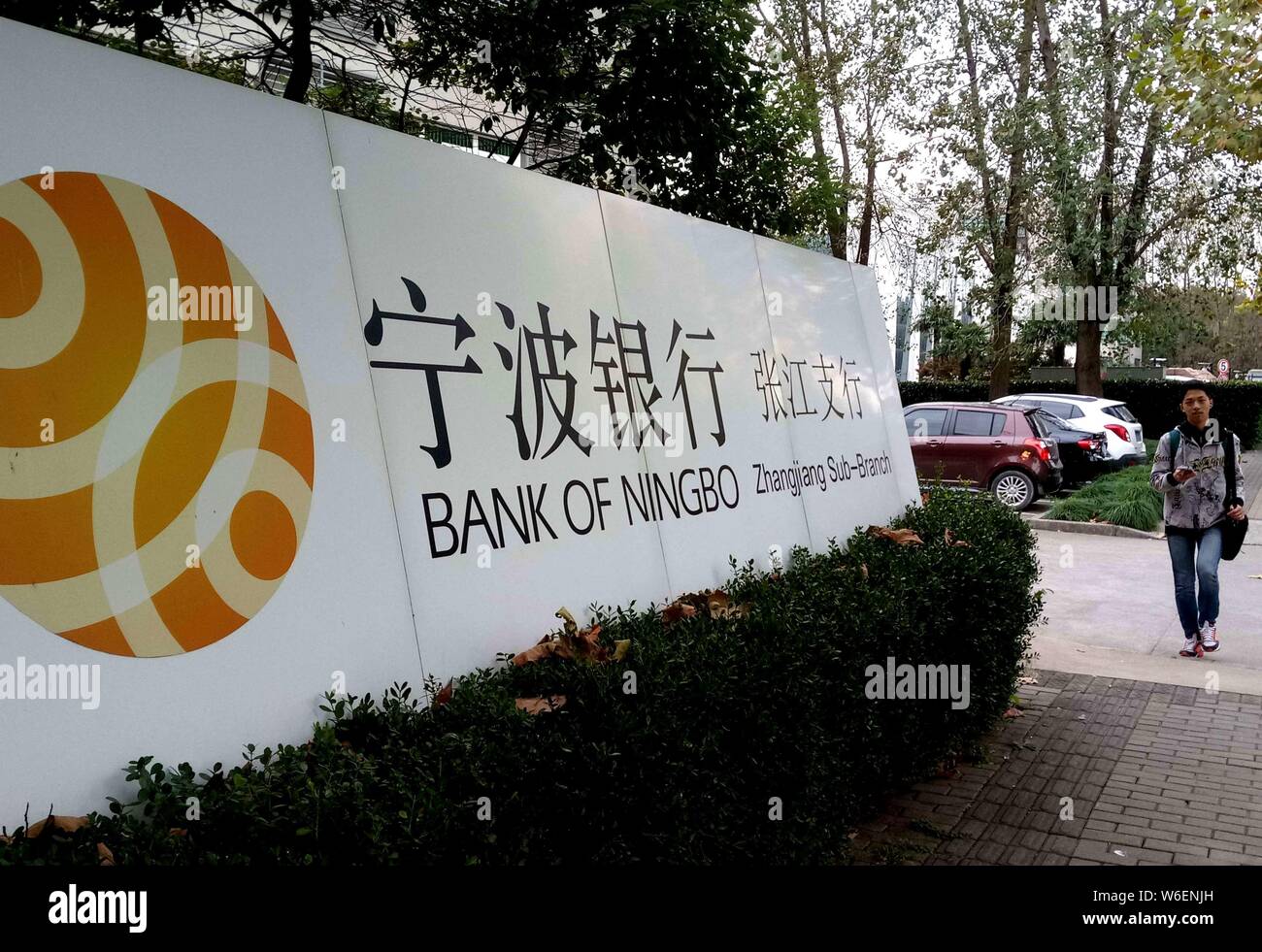
  • Bank of Ningbo Boosts Profitability with Strong Regional Presence and Strategic Growth Initiatives

    Bank of Ningbo Boosts Profitability with Strong Regional Presence and Strategic Growth Initiatives

    Bank of Ningbo is poised to maintain its robust market position, bolstered by its established foothold in China’s affluent regions and solid funding stability, according to a recent report by S&P Global Ratings. While the bank’s strengths shine through its geographic focus and moderate capital adequacy, the rapid expansion of its assets serves as a notable counterbalance to these advantages.

    “The bank has consistently outperformed domestic peers in customer retention and profitability, even amidst economic downturns in its operating regions,” the ratings agency affirmed in a press release. This resilience can largely be attributed to Bank of Ningbo’s deep integration into the local ecosystem, enhanced by agile services that benefit from an early embrace of digital technologies.

    One of the bank’s standout features is its emphasis on cross-border settlements and foreign exchange management, which appeals to its primary clientele: private small to medium-sized enterprises engaged in international ventures. Since being recognized as a domestic systemically important bank (D-SIB) in China in 2021, Bank of Ningbo has enjoyed enhanced customer loyalty and reduced funding costs.

    “We anticipate low credit losses and a high non-performing asset (NPA) coverage ratio for Bank of Ningbo over the next two years. The bank’s credit cost averaged 1.13% over the past five years, outperforming the sector average of 1.27%,” S&P noted.

    As of the end of 2024, Bank of Ningbo commands a 0.58% market share nationwide, with impressive figures of 11.46% in Ningbo City and 3.99% across Zhejiang province. These strengths, coupled with an above-average net interest margin (NIM), position the bank favorably for continued profitability. “The bank’s return on average assets stood at 1.02% and NIM at 2.05% between 2020 and 2024, compared to the sector averages of 0.73% and 1.86%,” S&P elaborated.

    In summary, with its unique local insight and smart digital solutions, Bank of Ningbo isn’t just surviving; it’s thriving in the fast-paced world of banking.

    Questions & Answers

    What factors contribute to Bank of Ningbo’s strong market position?
    The bank’s solid presence in high-income regions, coupled with adequate funding and liquidity, allows it to maintain a competitive edge.

    How has the bank’s digital transformation impacted its operations?
    Early adoption of digital systems has enabled the bank to offer agile services, deepening its integration within the local ecosystem and enhancing customer satisfaction.

    What is the bank’s current market share in China?
    As of the end of 2024, Bank of Ningbo holds a 0.58% market share nationwide, with an impressive 11.46% in Ningbo City and 3.99% in Zhejiang province.

  • Asia’s Construction Insurance Market Set for Robust Growth in 2024!

    Asia’s Construction Insurance Market Set for Robust Growth in 2024!

    Insurers in the construction sector across Asia are gearing up for a robust year in 2024, as highlighted in Aon’s 2025 Global Construction Insurance and Surety Market Report. The report underscores a growth-oriented atmosphere buoyed by enhanced reinsurance treaty performance, a strong underwriting appetite, and ample capacity.

    Long-Term Stability and Profitability

    While the momentum is palpable, insurers are also focused on achieving long-term profitability and stability, which is fostering greater underwriting discipline, even as some markets soften. A delicate balance of risk and reward is becoming the sweet spot for companies navigating these waters.

    Favorable Conditions in Key Markets

    China, Hong Kong, and India stand out as the beacons of favorable insurance market conditions. These regions have witnessed impressive growth, particularly India, where local and foreign insurers have rallied behind infrastructure expansion efforts. In China, insurers are offering modest premium reductions for low-risk profiles, with reinsurers showing an increased appetite for catastrophe exposures—a vital trend given the region’s vulnerability to natural disasters.

    Challenges in Japan

    Conversely, Japan is undergoing a modest hardening cycle, where regulatory scrutiny has prompted insurers to adopt more conservative strategies, impacting the management of large and complex risks.

    Mixed Signals in Southeast Asia

    In Southeast Asia, markets in Singapore, Thailand, and Malaysia are witnessing moderate conditions, while Australia boasts a surge in construction activity across real estate and infrastructure sectors. The post-pandemic boom in residential development has shifted insurer priorities, sparking a rising demand for latent defects insurance and internal water damage protections. Detailed water management plans and strong contractor risk mitigation strategies are proving essential to securing favorable terms.

    Competition in Real Estate

    The real estate sector remains fiercely competitive with robust local insurer capacity. However, ambitious civil engineering projects, especially those involving underground works or exposure to natural catastrophes, are still testing insurer capacity and pricing structures. These complex and high-risk projects often necessitate international market support or unique risk transfer solutions.

    Emerging Trends in Technology-Driven Construction

    The rise of technology-driven construction—think data centers, battery plants, and semiconductor factories—is emerging as a vibrant growth area. Australia, in particular, is seeing insurers respond enthusiastically to defense-related infrastructure projects, propelled by increasing government investment projected through 2029. While the market remains rich in capacity and competitive for preferred risk types, insurers are proceeding with caution concerning catastrophe risks. Therefore, larger, more intricate projects might require tailored insurance structures like excess-of-loss (XOL) or alternative risk transfer (ART) solutions to adequately address coverage needs. If all else fails, you may need to put on a superhero cape to navigate these complexities!

    Questions & Answers

    What is driving growth in the construction insurance market across Asia in 2024? The growth is fueled by improved reinsurance treaty performance, strong underwriting appetite, and ample capacity within the market.

    Which countries are experiencing the most favorable insurance market conditions? China, Hong Kong, and India have reported sustainable growth, with India showing significant support for infrastructure expansion from both local and foreign insurers.

    How are insurers responding to large-scale civil engineering projects? Insurers are increasingly cautious about these projects, which often necessitate bespoke insurance structures to meet coverage requirements, especially due to the heightened risks associated with natural disasters.

  • Vietnam Celebrates Impressive $4.7B Trade Surplus in Just Five Months

    Vietnam Celebrates Impressive $4.7B Trade Surplus in Just Five Months

    The vibrant tapestry of Vietnam’s economy continues to weave success as new trade data emerges, revealing a noteworthy trade surplus of US$4.67 billion for the first five months of 2025. According to the Department of Customs under the Ministry of Finance, the country’s total foreign trade surged to an impressive US$355.79 billion—a remarkable 15.7% increase compared to the same period last year.

    Dynamic Export Growth and Import Trends

    In those five months, Vietnam’s export earnings climbed by 14%, while imports saw a steeper rise at 17.5%. The month of May alone contributed significantly to this upward trend, with trade revenue soaring to US$39.6 billion—an increase of 5.7% from April and 17% year-on-year.

    As we dive deeper into the numbers, the export value reached US$180.23 billion from January to May, reflecting a robust 14% increase year-on-year. Breaking it down, domestic businesses accounted for US$49.62 billion, marking a 12.5% rise, while foreign-invested firms contributed a substantial US$130.61 billion—including crude oil—with a growth rate of 14.5%. A noteworthy feat is that 25 commodities each surpassed the US$1 billion export mark, collectively making up 90% of total shipments. Among these, seven commodities even soared past the US$5 billion threshold, showcasing a hefty 67.3% of the total exports.

    On the import side, Vietnam’s spending reached US$175.56 billion over the same period, marking a significant 17.5% year-on-year increase. Domestic sectors imported goods valued at US$62.04 billion (up 12.9%), while the foreign-invested sector ramped up its purchases to US$113.52 billion (up 20.2%). Notably, 29 items crossed the US$1 billion mark in import value, constituting 86.9% of total imports, with four of these exceeding US$5 billion, capturing 51.6% of the overall import share.

    Key Trading Partners and Market Dynamics

    The statistics tell a compelling story about Vietnam’s trade relationships. The United States firmly held its position as Vietnam’s largest export market, with turnover hitting US$57.2 billion during the quarter. Conversely, China remained Vietnam’s primary supplier of goods, with imports valued at US$69.4 billion.

    In a positive twist, Vietnam experienced a staggering trade surplus of US$49.9 billion with the U.S., which is up 28.5% year-on-year. Surpluses were also recorded with the EU (US$16.3 billion, up 16%) and Japan (US$0.9 billion, an astonishing increase of 74.8%).

    As the economic landscape continues to shift, one has to wonder: could Vietnam soon be the next Asian lion in the making?

    Questions & Answers

    What was Vietnam’s trade surplus for the first five months of 2025?
    Vietnam posted an impressive trade surplus of US$4.67 billion during this period.

    How much did Vietnam’s total foreign trade increase compared to last year?
    The total foreign trade surged to US$355.79 billion, reflecting a remarkable 15.7% year-on-year rise.

    Which countries were Vietnam’s key trading partners during this period?
    The United States was Vietnam’s largest export market, while China continued to be the biggest supplier of goods.

  • Luxury Market Growth Anticipated to Taper Off in 2025 Amid Economic Shifts

    Luxury Market Growth Anticipated to Taper Off in 2025 Amid Economic Shifts

    The luxury goods sector, a dazzling stalwart of economic growth that typically thrives at about 7% annually, is bracing for a slowdown in 2025, according to insights from Morgan Stanley. This promising world of high-end fashion and lavish accessories is finding itself tangled in a web of challenges—rising macroeconomic pressures, constrained pricing power, and plummeting demand from vital markets threaten its golden sheen.

    Challenges from Major Markets

    After a spectacular sales jump of over 80% between 2019 and 2024—boosted by COVID-era savings, U.S. stimulus, and an influx of new consumers—the luxury market is now facing a more uncertain horizon. Key consumer markets such as China, the U.S., and Europe, which cumulatively represent a staggering 75% of the industry’s spending, are showing signs of weakening demand.

    The Post-Pandemic Reality Check

    The industry is grappling with the normalization of growth post-pandemic, compounded by U.S. tariffs, soaring interest rates in Western nations, and widespread expectations of a slower global economy. “We are in a very different environment today,” asserts Edouard Aubin, Morgan Stanley’s Head of European Luxury Brands Research. “Luxury pricing power has eroded following steep price increases after the pandemic, and Chinese demand is likely to remain stagnant at best this year.”

    Shifting Consumer Sentiment

    The once-vibrant spending habits of Chinese consumers, who are typically the biggest patrons of luxury goods, have significantly dialed back. A recent Morgan Stanley AlphaWise survey of over 2,000 Chinese shoppers conducted in April reveals that 60% plan to cut back on spending in the coming six months due to job instability and income worries stemming from new U.S. tariffs.

    Fading Hopes for Recovery

    The outlook for U.S. consumers stepping in to fill the gap appears dim, with hopes for a 2025 rebound rapidly diminishing after a brief surge in April fueled by seasonal buying and pent-up demand. While some companies managed to evade tariff repercussions by shipping their products early, Morgan Stanley warns that the looming risk of recession and declining consumer confidence is a far greater threat to the sector.

    In the short term, demand is projected to remain lackluster, with a flicker of hope that recovery might materialize if U.S. markets continue their climb or if stability returns to China’s beleaguered real estate sector. As the luxury industry faces these turbulent waters, it’s a reminder that even the glitziest of markets must sometimes contend with unpredictable tides.

    Questions & Answers

    What is Morgan Stanley predicting for the luxury goods industry in 2025? They forecast a slowdown in growth, citing rising macroeconomic pressures and weakened demand from key markets.

    Which markets are contributing to the decline in luxury spending? Major consumer markets such as China, the U.S., and Europe are experiencing softer demand, collectively responsible for 75% of the industry’s spending.

    What factors are affecting consumer behavior, especially in China? According to a survey, 60% of Chinese consumers plan to reduce spending due to concerns about job stability and income levels influenced by new U.S. tariffs.

  • Shakey’s Pizza Sets Ambitious Goal: 430 New Locations Planned for 2025 Expansion

    Shakey’s Pizza Sets Ambitious Goal: 430 New Locations Planned for 2025 Expansion

    Shakey’s Pizza Asia Ventures Inc. (SPAVI) is on a sizeable growth trajectory, aiming to launch an impressive 430 new stores this year. Following the first quarter, the company reported a global total of 2,671 stores, buoyed by the addition of 52 outlets primarily under the popular Potato Corner brand.

    Since Q1 2024, SPAVI has expanded its footprint with 439 new openings, including 130 international locations, bringing its overseas branches to nearly 20% of its total network. This push means more pizza lovers can enjoy their slices far and wide!

    During the first quarter, SPAVI announced a net income after tax of PHP182 million—a tantalizing 6% increase from the previous year. Same-store sales also saw a positive uptick, growing by 2%, or an adjusted 4% considering the leap year and the early Easter holiday in 2024. The company has also rolled out its 50th anniversary campaign, which aims to attract even more customers as they celebrate this milestone.

    Looking ahead, SPAVI remains optimistic about reaching its ambitious targets for double-digit revenue and profit growth by 2025. One can almost hear the pizza ovens heating up in anticipation!

    Questions & Answers

    What is the total number of stores SPAVI plans to open this year?
    SPAVI is poised to open 430 new stores in 2024.

    How much was the net income after tax for Q1 2024?
    The company reported a net income of PHP182 million for the first quarter.

    What percentage of SPAVI’s network is made up of international branches?
    International branches now account for nearly 20% of SPAVI’s total store network.

  • Revolut Business Aims to Double Swiss Client Base, Says Chief Executive

    Revolut Business Aims to Double Swiss Client Base, Says Chief Executive

    Currently boasting around 10,000 corporate customers in Switzerland, Revolut Business is making a significant impact across the landscape of local enterprises. They cater to a diverse clientele ranging from solo entrepreneurs to established international corporations. The sweet spot for their core clients typically falls within small to medium-sized businesses, housing between five to fifty employees and experiencing an annual turnover of one to ten million. These Swiss companies often have cross-border operations, whether importing from Europe or exporting to the UK, leveraging Revolut’s services to manage foreign currency transactions and global payments. About half of global users consider Revolut their primary business banking account, a figure that holds strong, albeit slightly lower, in Switzerland.

    Understanding Swiss Business Dynamics

    While approximately 40 percent of Swiss businesses utilize Revolut as their primary account, it is evident that the platform is more than just a tool for occasional international payments. With plans for accelerated growth, Revolut’s expansive offerings are set to become even more attractive, especially with an already impressive traction in the region.

    What Fuels Growth?

    The rise in popularity can be credited to several distinct factors. First and foremost, Revolut presents an all-in-one solution, encapsulating everything businesses need in a single, user-friendly web and mobile interface. The onboarding process is surprisingly quick and straightforward, allowing companies to manage their finances with ease. Spending controls add an extra layer of security, enabling businesses to set limits and define approval protocols for corporate expenditures, key for advertising and day-to-day expenses. Of course, the ability to execute transactions in over 30 currencies at interbank rates serves as a significant lure, especially attractive to Swiss SMEs engaged in European trade.

    A Currency-Forward Thinking Strategy

    Revolut maintains its competitive edge not just in its functionalities but also in its continuous adaptation to customer needs. Recently, it launched access to foreign currency money market funds—ideal for businesses looking to optimize cash management rather than leaving funds idle. While holding investments in foreign currencies may not appeal to everyone, adoption has been swift—especially among startups with USD funding and companies operating in foreign markets. They are keenly aware that a forthcoming launch of local savings options in Swiss francs will broaden appeal even further.

    Upcoming Innovations for Swiss Market

    Looking ahead, Revolut is poised to introduce three exciting offerings in Switzerland. A Euro-denominated savings account, traditional cash savings options, and merchant solutions that enable businesses to accept card payments—complete with physical terminals. Most notably, the FX Forwards product will allow Swiss companies to lock in future exchange rates, catering to a market rife with cross-border trading.

    Seizing Market Share

    With a keen eye on the competitive landscape dominated by established giants like Worldline, Revolut’s strategy focuses on delivering superior technology and pricing. The integration of multiple services on one platform eliminates the need for separate accounts and enables businesses to manage finances seamlessly. Their recent push into active marketing, backed by a growing sales team, highlights their commitment to gaining traction in the Swiss market where approximately 10 percent of the population already uses the Revolut app.

    A Bold Target Ahead

    As the company sets its sights on ambitious growth for 2023 and beyond, General Manager James Gibson is aiming for a 100 percent year-on-year expansion. Doubling their base of business customers in Switzerland within the next year is the goal—an aspiration that promises to reinvigorate the local financial services landscape.

    Questions & Answers

    What is the current focus for Revolut Business in Switzerland? The immediate focus is on expanding our product offerings, including launching a Euro-denominated savings account and merchant payment solutions.

    How does Revolut plan to differentiate itself from competitors in the Swiss market? By providing a fully integrated platform that is user-friendly and competitively priced, we aim to streamline financial management for our customers.

    What does Revolut foresee for its expansion in Switzerland? We anticipate significant growth, aiming to double our Swiss client base within the next 12 months as we invest more resources into the local market.

  • EatKinda eyes US growth as cauliflower ice cream gains traction

    EatKinda eyes US growth as cauliflower ice cream gains traction

    New Zealand-based company EatKinda, which has garnered attention for its innovative cauliflower ice cream, is ramping up its expansion efforts in the United States as part of its global operational scaling.

    Established in 2023, EatKinda has pioneered a unique method for creating frozen treats. The company upcycles cauliflowers that may not be visually perfect, transforming them into plant-based ice cream. The eco-friendly approach extends to its packaging as well, with EatKinda opting for 100 per cent home-compostable tubs for its product.

    Mrinali Kumar, Co-founder and CEO of EatKinda, sees this expansion not only as a personal feat but also as an opportunity to highlight the inventive products emerging from Aotearoa, New Zealand. He emphasized the potential of building with a clear purpose in mind.

    According to EatKinda, the company’s ice cream formulation, which is free from dairy, gluten, soy, and nuts, has found favor among consumers looking for inclusive, sustainable sweet treats.

    In a strategic move, EatKinda is curbing its domestic operations to concentrate on its expansion in the US, a decision backed by investors such as Massey Ventures, WNT Ventures, and Beder Bite Ventures.

    EatKinda has made significant environmental contributions since its inception. The company has successfully redirected over 2900 kilograms of cauliflower from landfills and eliminated the necessity for over 45,000 plastic tubs through its compostable packaging.

    Questions & Answers

    What is unique about EatKinda’s ice cream?
    EatKinda’s ice cream is unique because it’s made from cauliflower, particularly those that are not cosmetically perfect, and it is free from dairy, gluten, soy, and nuts.

    What environmentally-friendly steps has EatKinda taken as a company?
    EatKinda has taken several steps to be environmentally friendly. They have diverted over 2900 kilograms of cauliflower from landfills and switched to 100 per cent home-compostable tubs for their product, eliminating the need for over 45,000 plastic tubs.

    What is the company’s focus in terms of its business operations?
    EatKinda is currently focusing on expanding its operations in the United States while curtailing its domestic operations in New Zealand. This strategic decision is backed by its investors.