Tag: #growth

  • Singapore retail gross sales enhance

    Singapore retail gross sales improved in April, in response to knowledge from the Division of Statistics.

    In March, retail gross sales excluding motor automobiles, slumped three.2 per cent. However in April they recovered a bit of, rising zero.eight per cent.

    Yr on yr gross sales have been down zero.7 per cent on April 2014, though with motor automobiles included within the determine they rose 5 per cent.

    Complete retail gross sales in April 2015 have been an estimated $three.three billion – $200 million greater than the earlier month.

    Gross sales of meals & beverage providers (seasonally adjusted) elevated zero.three per cent over the earlier month, however declined 1.7 per cent in contrast with April 2014.

    The full gross sales worth of meals & beverage providers in April 2015 was estimated at $615 million, decrease than the $626 million in April 2014.

    By class, after seasonal adjustment, gross sales of telecommunications equipment & computer systems,
    optical items & books, medical items & toiletries, furnishings & family gear and
    supermarkets elevated between 1.four per cent and eight.6 per cent month on month.  Gross sales of attire & footwear rose zero.9 per cent.

    On the opposite aspect, gross sales of meals & drinks, watches & jewelry, mini-marts & comfort shops, leisure items and department shops decreased between 1.four per cent and 6.eight per cent in April 2015 in comparison with March 2015.

    Yr on yr, gross sales of telecommunications equipment & computer systems, department shops, watches & jewelry and medical items & toiletries additionally elevated between 2.four per cent and three.eight per cent. In distinction, retail gross sales of petrol service stations decreased 21.1 per cent, partly because of decrease petrol costs.

    Equally, Singapore retail gross sales of meals & drinks, leisure items, attire & footwear, furnishings & family gear, mini-marts & comfort shops and optical items & books declined between 2.6 per cent and seven.zero per cent in April 2015 over April 2014. Supermarkets recorded a lower of zero.5 per cent in gross sales throughout the identical interval.

  • Indonesia retail gross sales progress accelerates

    Indonesia retail gross sales progress accelerates

    Robust gross sales of cell phones and computer systems have powered an sudden improve within the progress fee of Indonesia retail gross sales.

    Financial institution of Indonesia knowledge simply launched confirmed progress of 22.four per cent in April, which adopted an already wholesome 19.7 per cent in March.

    A month in the past, when the March knowledge was launched, the financial institution instructed the looming wet season might mood retail demand and that retailers anticipated worth pressures within the leadup to the Muslim fasting month and Eid-al Fitr.

    So the power of April’s progress got here as a shock.

    In addition to IT and ‘communication gear’, meals, drinks and tobacco gross sales have been additionally robust.

    The Financial institution of Indonesia aggregates knowledge from 650 retailers in 10 main Indonesian cities to create a determine which is effective for the tendencies it displays.

    However the nature of climatic results and non secular observations on shopper spending patterns sees the expansion price see-saw from month to month, starting from as little as three.three per cent in December and 10.9 per cent in January to April’s current excessive.

    As soon as once more, the retailers surveyed stated they anticipated gross sales progress to sluggish in Might, weakened by the car gasoline, spare elements and equipment classes. They stated they anticipate inflationary strain in July to melt resulting from retail low cost packages however past that, will increase once more on account of potential disruption of the availability chain by dangerous climate.

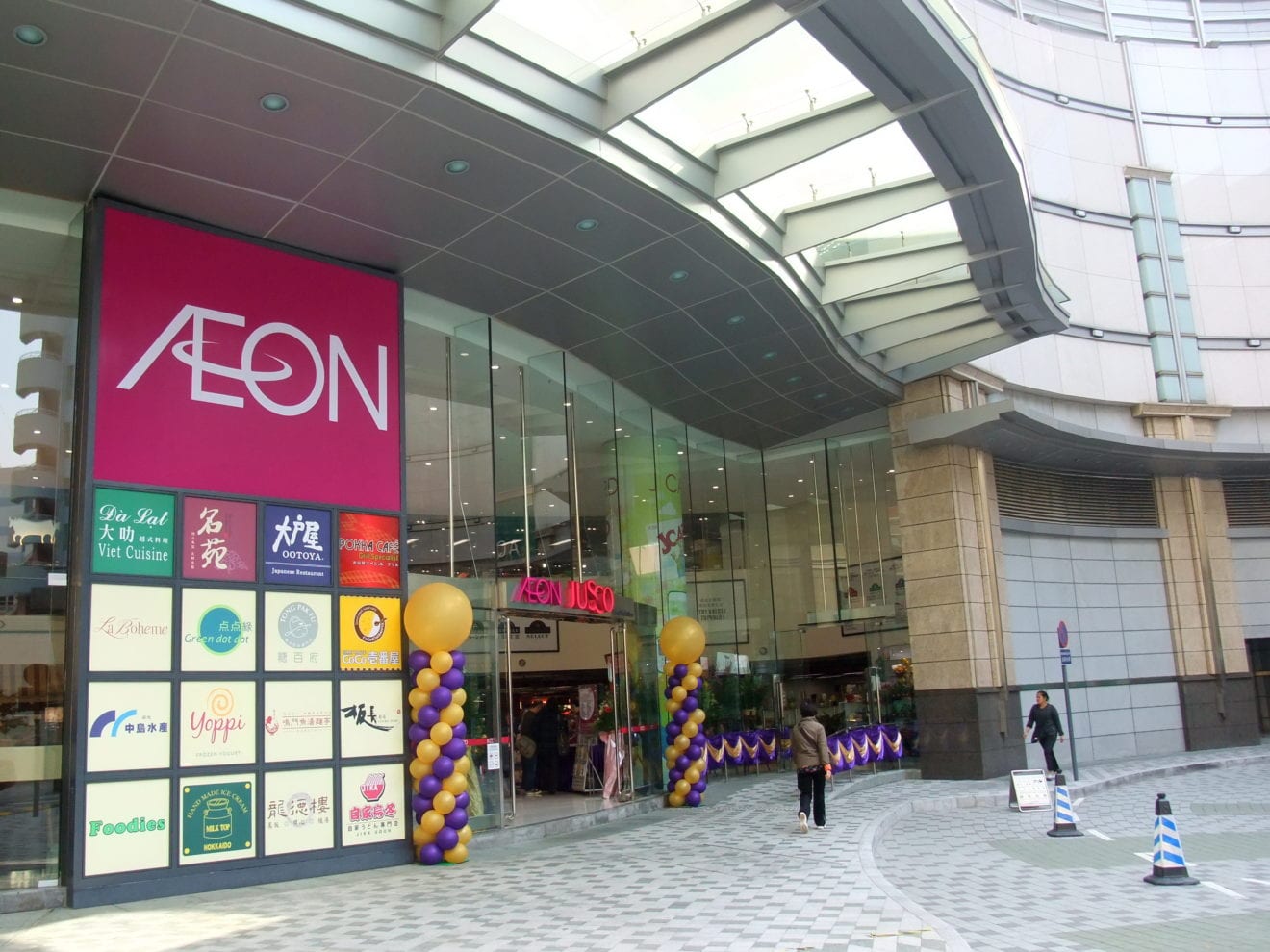
  • Aeon posts 1Q profit growth, sees challenging year

    Aeon posts 1Q profit growth, sees challenging year

    Aeon chairman Datuk Abdullah Mohd Yusof said nevertheless, the group remains confident in meeting the challenges head-on.

    “After consumers get used to the changes in the new tax system, they will start shopping again, especially in the upcoming festive periods,” he told reporters after the group’s annual general meeting yesterday.

    After enjoying four consecutive years of steady growth, Aeon saw its net profit for the financial year ended December 31, 2014 (FY14) drop 7.9% to RM212.71 million from RM230.96 million in FY13.

    However, its net profit rebounded for the first quarter ended March 31, 2015 (1QFY15), growing 5.4% to RM49.4 million or 3.52 sen a share from RM46.88 million or 3.34 sen a share a year ago. Revenue was up by 17.1% to RM1.11 billion from RM945.51 million in 1QFY14.

    Abdullah blamed the net profit decline in FY14 on the rising cost of living and operation costs, as well as an increase in its capital expenditure (capex) for expansion.

    “The [implementation of the] minimum wage also caused [the] costs to go up. The cost of doing business has risen. We have also been accelerating our expansion to have a bigger market share,” said Aeon managing director Nur Qamarina Chew Abdullah.

    Aeon has set aside RM700 million as capex for FY15, an increase from about RM670 million last financial year.

    Abdullah said the budget had been earmarked for the development of upcoming Aeon malls, namely in Shah Alam, Selangor and Klebang, Melaka, which are slated to open in 4Q15.

    The group will also open malls in Kota Baru, Kelantan by 2Q16, and Kuching, Sarawak in 2Q17.

    The overall occupancy rate of its malls currently stands at 93%, a number that Abdullah said is a “fairly good” average.

    Yesterday, Aeon shares closed 0.96% higher at RM3.16, with some 1.77 million shares traded. It closed with a market capitalisation of RM4.39 billion.

  • Singapore retail gross sales slide three.2 per cent

    Singapore retail gross sales slide three.2 per cent

    Singapore retail gross sales in March slumped three.2 per cent after the distortionary impact of motorcar gross sales is faraway from the info.

    Whereas the official figures present a seasonally-adjusted 1.1 per cent enchancment in March 2015 over the earlier month, knowledge from Statistics Singapore exhibits automotive gross sales soared 37 per cent over February and 40 per cent March on March.

    There was an similar three.2 per cent general decline year-on-year for March after automobiles have been eliminated.

    Seasonally adjusted gross sales of meals & beverage providers decreased 5.2 per cent in March 2015 over February and by 1.7 per cent in contrast with March 2014.

    After seasonal adjustment, retail gross sales of automobiles, mini-marts & comfort shops and meals & drinks elevated between 12.9 per cent and 37.1 per cent in March 2015 in comparison with the earlier month (Desk 1). Retail gross sales of petrol service stations and leisure items additionally rose four.9 per cent and 1.1 per cent respectively.

    Then again, retail gross sales of optical items & books, sporting attire & footwear, telecommunications equipment & computer systems, furnishings & family gear, supermarkets, watches & jewelry and medical items & toiletries decreased between 2.four per cent and 10.four per cent in March 2015 in comparison with February 2015.

  • Personal label saving Korean retailers

    Personal label saving Korean retailers

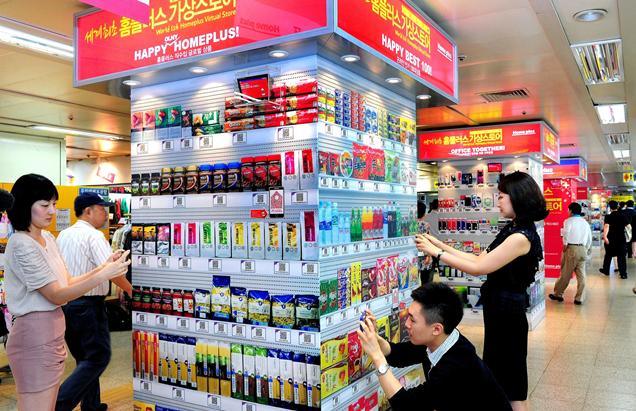
    As South Korea’s giant retailers are affected by damaging progress, personal manufacturers (PB), or personal labels (PL) are providing a ray of sunshine to Korean retailers.

    Gross sales of personal branded items have elevated 20 to 30 per cent within the first quarter in comparison with the identical interval final yr.

    PB items are often 20 to 30 per cent cheaper than different model items, and as they’re turning into more and more widespread, extra clients are constructing belief in sure manufacturers.

    Gross sales of Residence Plus PB items within the first quarter elevated 21 per cent, whereas gross sales of all items mixed solely elevated zero.9 per cent. PB merchandise now account for 28.four per cent of Residence Plus merchandise.

    Gross sales of PL items additionally elevated 15.four perc ent at E-Mart, whose administration report their  1.1 per cent gross sales improve within the first quarter – the primary year-on-year constructive progress price in 13 quarters – was because of the reputation of PB items.

    Gross sales of PB items on the CU comfort chain additionally elevated 7.6 per cent for the primary quarter in 2013, 9.1 per cent in 2014 and 22.eight per cent for a similar interval this yr. Gross sales of such items at 7-Eleven elevated a record-high 34.eight per cent.

    A person with information of Lotte Mart’s operations stated that though there was some distrust in personal manufacturers up to now, nowadays they’re among the many best items, as they’re produced by well-known producers.

    CU stated that it will give attention to creating private hygiene PB items sooner or later, because it has been solely creating snack PB items up to now.

    House Plus additionally stated that it will improve PB manufacturing, saying that as greater than 90 per cent of PB producers are SMEs, the present growth might additionally end in a constructive synergy impact on them.

  • Parkson Retail grows regardless of Vietnam drag

    Parkson Retail grows regardless of Vietnam drag

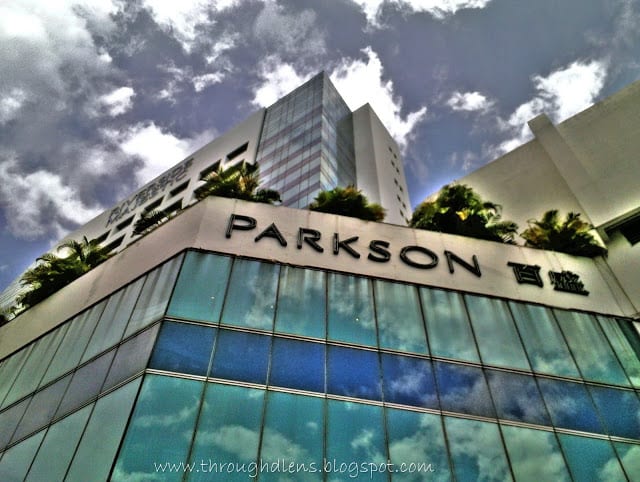
    Listed division retailer operator Parkson Retail Asia has reported a 5.5 per cent year-on-year improve in internet revenue for the third quarter.

    Within the three months to March 31, Parkson posted a revenue of S$7.98 million.

    The corporate attributed the development to elevated gross sales in its Malaysia department shops the place shoppers have been shopping for items prematurely of the introduction of GST on April 1.

    The development got here regardless of a discount in similar retailer gross sales from the corporate’s Vietnam operations, which proceed to wrestle and now faces elevated competitors from the arrival of M&S and the Thailand Central Group’s Robins department shops in the important thing Ho Chi Minh Metropolis and Hanoi markets.

    Gross sales within the Indonesia and Myanmar shops each improved.

    Complete gross sales income for the group rose 9.2 per cent to S$116.58 million.

    CEO Toh Peng Koon stated the corporate expects a decline in Malaysia gross sales following the GST implementation, however expects that can be buffered by the beginning of the pre-Hari Raya festive shopping for season in the direction of the top of June.

    He stated he expects Indonesia and Myanmar to conitnue to ship encouraging outcomes, however warned Vietnam remained a difficult market.

  • Retail boosts SM Investments bottom line

    Retail boosts SM Investments bottom line

    SM Investments Corporation says its retail operations delivered solid 6.5 per cent growth in the first three months of 2015.

    Retail accounts for just 19 per cent of the diversified corporate’s business, with banking accounting for 41 per cent and property 40 per cent. The company delivered its first quarter results this week, reporting an 8.1 per cent increase in net income to P6.7 billion (US$150 million).

    “We are focused on expanding all our core businesses given the favorable economic outlook. Our expansion plans are geared towards meeting the needs of under-served customers across the country and to positioning ourselves to compete effectively in each of our growing markets,” SM president Harley T. Sy said in a statement to the Philippine Stock Exchange.

    SM Retail’s turnover in the quarter was P44.9 billion ($1 billion) and its profit rose 6.5 per cent to P1.3 billion ($29.1 million).

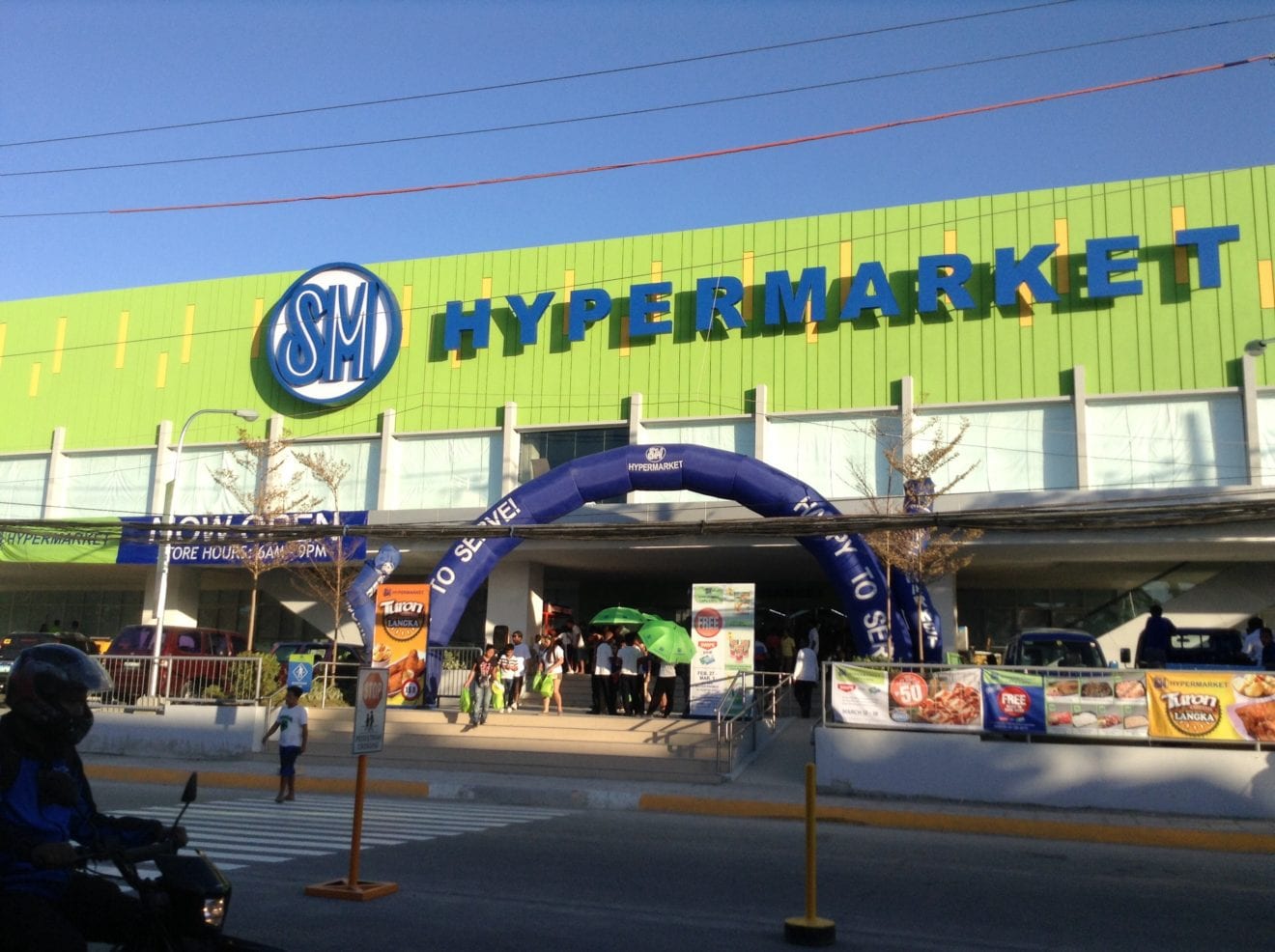
    The company opened 10 new stores in the quarter in the provinces of Luzon, Visayas and Mindanao. As at March 31, it operated 279 stores: 50 SM Stores, 40 SM Supermarkets, 43 SM Hypermarkets, 120 Savemores and 26 WalterMart stores.

    Property division SM Prime Holdings, which owns shopping centres amongst other assets, recorded P16.7 billion ($374 million) in revenue, up nine percent quarter-on-quarter. Its net income soared 176 per cent to P12.6 billion ($282.3 million), including an extraordinary gain of P7.4 billion ($165.8 million).

    SM Corp says its retail and commercial revenue grew 10 per cent to P9.4 billion ($210.6 million).

  • Malls anticipated to submit robust gross sales in April

    Malls anticipated to submit robust gross sales in April

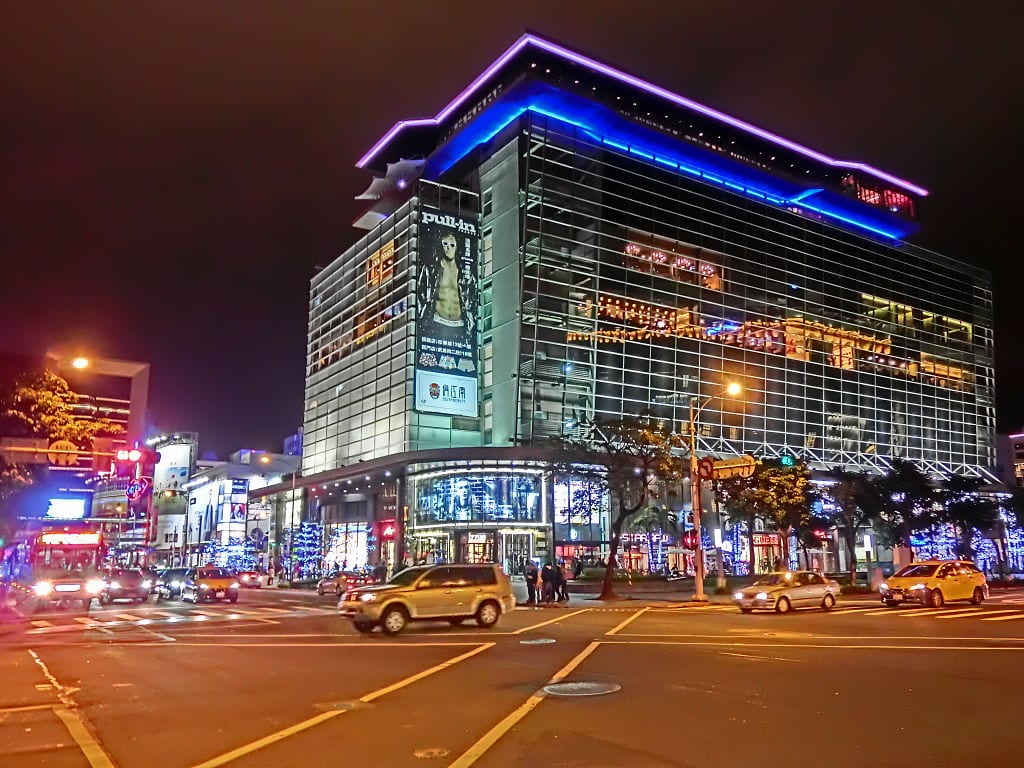
    Malls in Taiwan are anticipated to report robust positive aspects in gross sales in April from the earlier month due to aggressive promotional campaigns forward of Mom’s Day, the Ministry of Financial Affairs (MOEA) stated Friday.

    The MOEA estimated division retailer gross sales in April at NT$25.5 billion (US$83.06 billion), about 23 % greater than a month earlier.

    The gross sales would reverse a 27.5 % month-on month fall recorded in March, which noticed sluggish gross sales as a result of it got here after the Lunar New Yr vacation in February.

    Ought to division retailer gross sales hit NT$25.5 billion in April, it might be the very best quantity ever recorded for the month.

    Expectations that division retailer income rose additionally mirrored the positive factors posted by Taiwan’s inventory market and wage will increase, which left shoppers extra prepared to spend, the MOEA stated.

    In April, the weighted index on the Taiwan Inventory Trade gained 233.61 factors, or about 2.44 %, to shut at 9,820.05 on Thursday, the final buying and selling session of the month.

    In late April, the market’s benchmark index even breached the 10,000-point mark a number of occasions for the primary time in 15 years earlier than falling again under the edge earlier than periods closed.

    The typical nominal wage in Taiwan rose greater than 6 % within the first two months of the yr from a yr earlier with the assistance of larger year-end bonuses, in accordance with Directorate Common of Price range, Accounting and Statistics figures.

    The positive factors constructed by buyers within the inventory market and better wages prompted many shoppers to leap on gross sales promotion campaigns for such items as style gadgets, jewellery and meals providers for Mom’s Day, which falls on Might 10 this yr, the MOEA stated.

    In consequence, main division retailer chains in Taiwan noticed gross sales rise 20-30 % in April, serving to their companies get well from March’s doldrums, the ministry stated.

    Within the first quarter, division retailer gross sales rose 5.eight % from a yr earlier to NT$72.2 billion, which accounted for 26.2 % of all retail gross sales in Taiwan. The expansion topped the 1.eight % year-on-year improve in gross sales posted by Taiwan’s retail sector as an entire.

    The MOEA stated gross sales generated by malls listed here are anticipated to hit a report excessive of about NT$320 billion this yr, up from NT$306.1 billion recorded a yr earlier.

  • Indonesia’s Unemployment Fee Will increase as Financial system Slows

    Indonesia’s Unemployment Fee Will increase as Financial system Slows

    Indonesia’s unemployment price elevated in February, in response to the newest knowledge from the Central Statistics Company, or BPS, amid slower financial progress.

    BPS’s February 2015 knowledge, launched on Tuesday, confirmed there have been 7.45 million unemployed individuals out of the full workforce of 128.three million within the nation. Because of this the unemployment price stands at 5.81 %.

    As compared, in February final yr the variety of unemployed individuals stood at 7.15 million, representing 5.7 % of the whole 125.32 million workforce.

    Nevertheless, in comparison with the earlier knowledge acquired in August 2014, the unemployment fee declined, though the actual numbers have been nonetheless on the rise.

    In August 2014, 7.24 million individuals have been recognized as unemployed, representing a 5.94 % of the whole 121.87 million individuals.

    BPS additionally launched knowledge that confirmed Indonesia’s financial progress slowed to four.71 %, the weakest it has been in additional than 5 years.

    “Therefore, within the absence of forthright stimulus from each financial and monetary fronts, for Indonesia to regain some progress mojo, there isn’t a different approach than for it to imbibe the bitter drugs of reforms,” stated Wellian Wiranto, an economist at OCBC Financial institution in Singapore.

    “From slicing bureaucratic purple tape to liberating up of land for infrastructure tasks in addition to boosting labor productiveness, there are a lot on the record of issues the Jokowi administration should do to inch nearer to the 7 % goal it has in thoughts,” he stated.

    Franky Sibarani, the chief of the Funding Coordinating Board (BKPM), stated the federal government would keep on with its weapons with a goal to create as much as two million new jobs this yr. “We’ll push for extra job availability,” he stated.

    Nonetheless, knowledge from BKPM confirmed that though complete funding elevated by 16.9 % year-on-year to Rp 124.6 trillion ($9.55 billion) within the first quarter, job absorption declined. Direct funding within the nation absorbed 315,229 staff within the first three months of this yr, a decline from 470,510 within the fourth quarter of final yr.

  • China ‘still the land of opportunity’

    China ‘still the land of opportunity’

    China deserves to remain on retailers’ radar says a new report from JLL.

    “China remains a compelling market for global retailers and continues to offer a plethora of untapped opportunities, despite a recent moderation of its GDP growth says Tom Gaffney, regional director, head of retail for JLL in Hong Kong.

    “However, the China market remains complex and diverse. We advise brands to carefully assess their strategic mix of corporate stores and franchises, and to define a strategy that allows them to present a multichannel brand capable of seamlessly merging the worlds of online and offline.”

    His comments come a day after Inside Retail Asia published an analysis of China’s economic growth, largely masked by the single GDP figure which many business leaders and economists focus on.

    JLL’S report, China’s Retail Market: within Reach, offers international food and beverage and fashion retailers’ latest insights on China market expansion strategies. It’s the latest in a series of reports from JLL on China retailing and it comes at a time when many retailers are reconsidering their China strategies to enable the most profitable growth over the long-term.

    At the same time, many foreign brands are planning their first foray into the increasingly maturing Chinese markets.

    Derek Chen, director of retail tenant representation in China, says brands are well advised to make Shanghai and Beijing their starting point and opt for a corporate structure in these markets.

    “Consumers in China’s alpha cities, Shanghai and Beijing, which are among the world’s top five dynamic cities according to JLL’s City Momentum Index, are much more retail-savvy and have high expectations towards customer service. Most importantly, you retain absolute brand protection, which is essential in the China market as you build your brand initially.

    “Due to misalignment of incentives between a franchise partner and the retailer, franchisees are less inclined to focus on building brand longevity even if this adversely impacts the brand’s future. For brands new brand to the market, a corporate structure makes a lot of sense and has many advantages.”

    However, in tier 1.5 markets, such as Tianjin and Nanjing, brands best develop these in a mixed strategy, if corporate control is not an option. These markets offer a level of demand depth and sales productivity potential that can justify corporate control within a few short years, argues JLL.

    “Retailers should only franchise these cities by applying a strategy that would enable them to incrementally regain control over the medium-term. Buying back the top-performing stores prevents the biggest revenue gains from being diluted, and gives the retailer more control over brand marketing in these markets,” the report advises.

    Discussing strategies for third-tier cities and beyond, Chen says third and fourth-tier cities are a new frontier for most international retail brands.

    “We suggest brands use franchises to penetrate these markets quickly over the short and medium term. As these markets lack the degree of sophistication found in major markets and consumers are less discerning, more forgiving and easier to please. [So] the risks of franchising are more contained and manageable, and are usually more cost-effective. In addition, local partners offer valuable local know-how and have a better sense of the psyche of local consumers.”

    Gaffney summarises: “Retailers should fix their China expansion strategy before entering the markets, which will greatly reduce risks down the road. Corporate ownership is advisable for key markets and to build their brands. However, franchises remain irreplaceable when it comes to simultaneously achieving both fast and vast penetration of markets, and to hedge risks.”

  • Vietnamese consumer confidence rises in last quarter

    Vietnamese consumer confidence rises in last quarter

    Vietnamese consumer confidence continued to see rapid improvement in the fourth quarter of 2014, according to the latest Consumer Confidence Index released by Nielsen, a global information and measurement company.

    Nielsen said Vietnam had become the ninth most optimistic country globally, with an index score of 106, an increase of four points compared to the previous quarter.

    Vaughan Ryan, managing director of Nielsen Vietnam, said over the last two quarters there was a significant increase in the confidence of consumers in Vietnam.

  • Asia drives skin giant’s growth

    Asia drives skin giant’s growth

    After weeks of retail giants blaming Hong Kong for falling sales, global skincare brand L’Occitane says the city was one of its fastest growing markets in the first nine months of the financial year.

    In a filing with the Hong Kong Stock Exchange, L’Occitane, registered in Luxembourg, reported a 9.8 per cent global sales increase for the nine months to December 31.

    Sales in core Asian markets outperformed all other: In Hong Kong and Macau on a constant currency basis they rose 15.8 per cent, in Japan, by 19.5 per cent and in China by 13.4 per cent.

    The group’s net sales were euro 882.3 million, the 9.8 per cent rise dwarfing the 0.3 per cent improvement for the concurrent period a year earlier.

    Local currency growth was 10.8 per cent.

    L’Occitane said its online retail channel continued to outperform with a 33 per cent year-on-year growth at constant exchange rates during the first nine months.

    Overall Same Store Sales Growth was 5.9 per cent.

    Russia, China and Japan were among countries with strong same store sales growth for the nine months.

    L’Occitane has been investing heavily in store refurbishments and openings during the last two years. It added 75 stores to its global network during the last nine months and upgraded or relocated 86.

    It added 19 stores in China, where it now has 144, four in Hong Kong to expand to 35, three in Japan, (now 107) and one in Taiwan (now 54).