Retail News CRM

Tag: #growth

  • Gloss coming off Starbucks Asia growth

    Gloss coming off Starbucks Asia growth

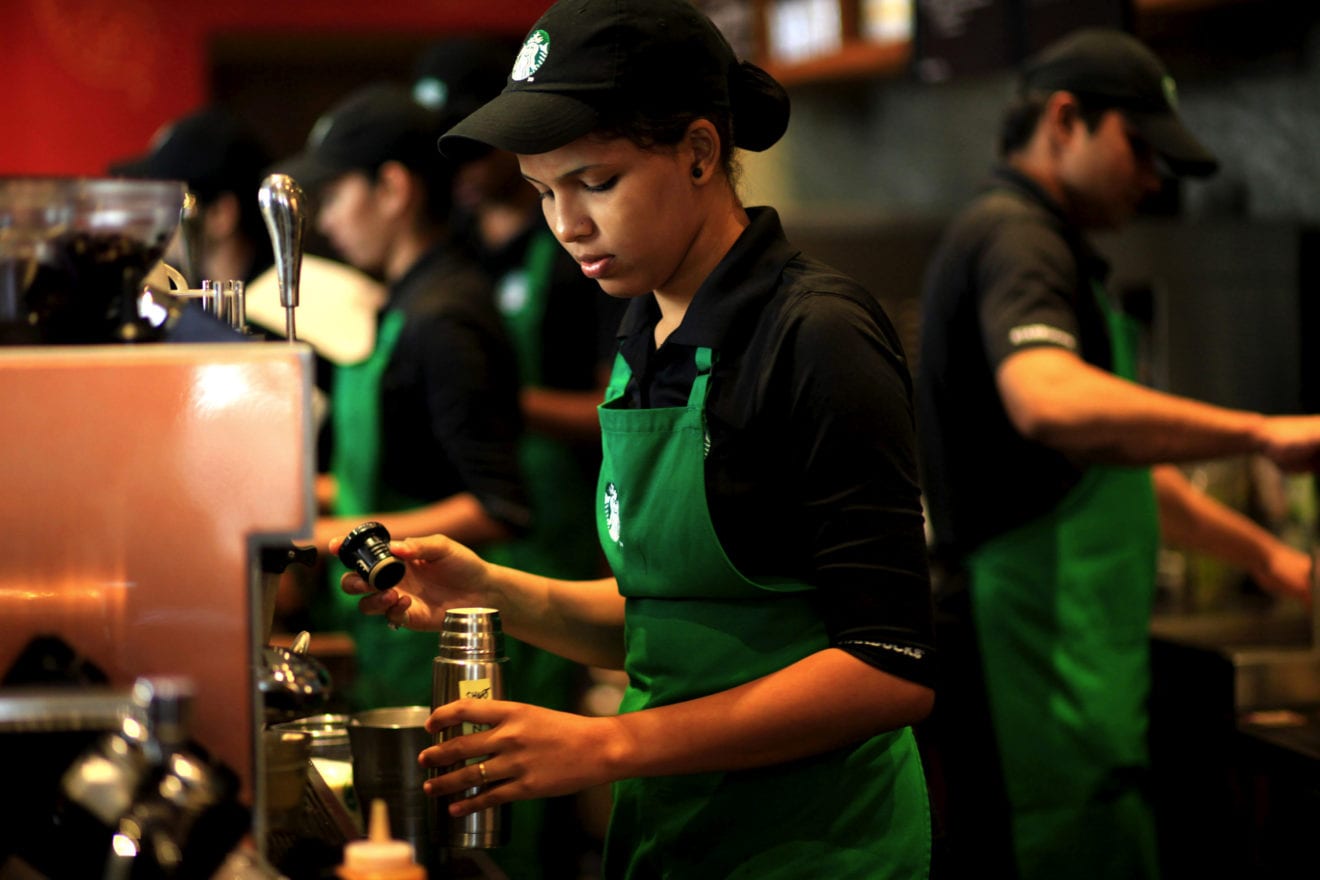
    Global coffee giant Starbucks has finished its financial year on a high, reporting a 17 per cent increase in annual revenue to a record US$19.2 billion.

    But is the Starbucks Asia Pacific business underperforming?

    Neil Saunders, CEO of Conlumino, believes so. He says the company’s last quarter figures were boosted by the acquisition of the balance of its Japan joint venture from partner Sazaby League. Globally it finished the quarter with 1666 more cafes than in the previous year, an impressive figure in itself.

    “For a company of Starbucks size and scale, such results are exceptional and a testament to the company’s innovative attitude, as well as the continued relevance of coffee across many geographies,” says Saunders.

    “While the overall numbers are strong, there is an interesting trend in the detail: namely that although Starbucks performed well across many geographies – including in the more mature core Americas territory – performance in Asia Pacific was surprisingly muted.”

    Saunders says while total revenue held up well, rising 110 over last year, this is mainly because of the Japanese acquisition.

    The opening of 767 new stores in Asia-Pacific (which is essentially Asia given Starbucks has only 25 cafes in Australia and 26 in New Zealand, both run by franchise partners) certainly helped.

    “However, on an underlying basis, same store sales only rose by six per cent – a slightly disappointing outcome, and one that is partly attributable to the general slowdown in China,” says Saunders.

    “If the emerging markets proved to be soft, the same cannot be said of the Americas where comparable sales rose by eight per cent. Here some of the menu changes, including the continued growth of the food offer, have helped to push up average ticket within existing stores. However, in our view the various digital initiatives Starbucks has been developing and pursuing have also paid dividends. Its popular digital app is already widely used for payment, and locks in loyalty both by saving customers time at the register and by making Starbucks a destination by virtue of the fact that the card is preloaded with cash. It is also notable that the average ticket from customers using the mobile app for payment tend to be higher. Naturally, some of this is because Starbucks enthusiasts and most loyal customers are more likely to have the app. However, we also believe that the rewards and advertising, which the app supports, help to stimulate add-on sales.”

    Saunders says Starbucks’ plan to drive evening sales through offering alcoholic beverages and an enhanced food menu in US and UK stores is also encouraging.

    “These improvements should be in a quarter of US stores by the end of 2019. In our view, they’re another example of why Starbucks outperforms: it evolves and innovates its in a way that’s relevant to customers.”

    Next year, Starbucks says it plans to open about 900 new stores in Asia-Pacific, two thirds of them licensed. And it says it expects it earnings in the region to be flat or even down.
  • CIMB Thai to target less aggressive loan growth

    CIMB Thai to target less aggressive loan growth

    For the past five years, CIMB Thai Bank has accelerated its loan growth, especially in retail banking, to comply with Malaysia-based CIMB Group’s policy.

    This has been achieved via housing loans in the retail – or individual – segment in order to build up the bank’s customer base, he said.

    The strategy has resulted in a housing-loan portfolio of Bt50 billion to Bt60 billion, against less than Bt10 billion five years ago, giving CIMB Thai Bank a total retail-banking portfolio of nearly Bt100 billion.

    During this period, the bank targeted overall annual loan growth of above 20 per cent, but this was only achieved in 2013, when lending expanded by 23.2 per cent.

    Last year’s loan growth came in at 11 per cent, with growth of just 4.7 per cent being achieved in the first nine months of this year, against a target of 15-20 per cent, said the CEO.

    In terms of asset size, CIMB Thai Bank’s Bt300 billion gives it a ranking of eighth out of the 11 listed banks in Thailand.

    “Singapore-based United Overseas Bank (Thai) has an asset size of Bt350 billion, and they are okay with this size, as well. With the current scale of CIMB Thai Bank, we should not be aggressive and we should keep to [loan] growth of 10 per cent per year,” Subhak said

    “We discussed this with the group in Malaysia and they agreed with our way. The economic slowdown of the past two years [in Thailand] has impacted on retail lending, causing the bank to spend much more time than expected on expanding business to retail clients and resulting in our return on equity being lower than the target of 5 to 6 per cent,” he said.

    CIMB Thai Bank reported a return on equity of 9.58 per cent for 2012, followed by 7.18 per cent for 2013 and 4.44 per cent for last year, while net profit came in at Bt1.58 billion, Bt1.49 billion and Bt988.8 million, respectively.

    For the first nine months of this year, the bank posted net earnings of Bt847 million, down 6 per cent from Bt900 million in the same period last year.

    Subhak said he expected full-year net profit to be similar to or a little higher than last year’s level, because even though it had posted the highest third-quarter percentage growth among its peers, the sum needed to be put aside as additional provisioning, especially during the current economic environment.

    CIMB Thai Bank recorded a year-on-year rise of 81 per cent in third-quarter net profit to Bt498 million.

    However, the Thai unit of CIMB Group hopes to achieve a return on equity of 10-12 per cent in the next three years, by focusing on non-interest income from areas such as investment banking, treasury products, bancassurance and mutual funds, Subhak said.

    While non-interest income at present contributes 30-35 per cent of the bank’s income, it will not overtake interest income as the main contributor despite the planned shift to a lower gear for loan growth in the coming years, he said.

    In the next two to three years, non-interest income should reach 40 per cent, he added.

    CIMB Group is strongly committed to its investment in Thailand, as reflected in its approval of the local bank’s capital increase of Bt3.68 billion via the issuance of new shares, he stressed.

    CIMB Thai Bank will increase its registered capital from Bt10.54 billion to Bt13.7 billion by issuing 6.325 billion new shares.

    The subscription period is October 26-30 and, after the additional funds are mobilised, its capital-adequacy ratio will rise to 15 per cent, from the current 13.7 per cent.

    CIMB Group is happy with the bank’s performance because of the quarterly profit contribution of 8-10 per cent that it makes to the group, he said.

    Furthermore, the Thai unit has a substantial role in strengthening cross-border deals for the Malaysian banking group.

    The bank is one of four institutions mandated as lead arrangers for a syndicated term loan of US$1.25 billion (Bt44.25 billion) to Charoen Pokphand Group, with CIMB Labuan – part of CIMB Group’s Malaysian operations – lending $250 million as part of the deal.

    CIMB Thai Bank, meanwhile, is the onshore security agent for a $400-million loan to Maxtop Management Corp, a TCC Group company.

    CIMB Labuan is the lender and arranger and offshore security agent, while CIMB SG – CIMB Group’s Singaporean arm – provides the bank account for the deal.

  • Singapore economy grows by 1.8% in Q2

    Singapore economy grows by 1.8% in Q2

    Singapore’s Ministry of Trade and Industry (MTI) announced on Tuesday that the Singapore economy grew by 1.8 per cent on a year-on-year basis in the second quarter, slower than the 2.8 per cent growth in the previous quarter.

    On a quarter-on-quarter seasonally-adjusted annualised basis, the economy contracted by 4.0 per cent, a reversal from the 4.1 per cent growth in the preceding quarter.

    The manufacturing sector contracted by 4.9 per cent year-on-year, extending the 2.4 per cent decline in the previous quarter. The sector was primarily weighed down by declines in the output of the biomedical manufacturing and transport engineering clusters.

    The construction sector expanded at a faster pace of 2.5 per cent year-on-year, supported by a pick-up in public sector construction works, compared to the 1.1 per cent in the previous quarter.

    The wholesale & retail trade sector grew by 5.0 per cent year-on-year, slightly slower than the 5.3 per cent expansion in the previous quarter. Growth was driven by both the wholesale trade and retail trade segments, with the latter being supported in turn by robust motor vehicle sales.

    The accommodation & food services sector contracted at a faster pace of 0.6 per cent year-on-year compared to the 0.1 per cent decline in the previous quarter. The slowdown in the sector was largely due to sluggish performance in the food & beverage segment.

    The finance & insurance sector posted growth of 7.1 per cent year-on-year, extending the 7.8 per cent growth in the previous quarter. Growth was largely underpinned by the fund management segment.

    The information & communications sector grew by 4.5 per cent year-on-year, moderating from the 4.9 per cent growth in the previous quarter. Growth was mainly driven by the IT & information services segment.

  • Huawei hails SE Asia success

    Huawei hails SE Asia success

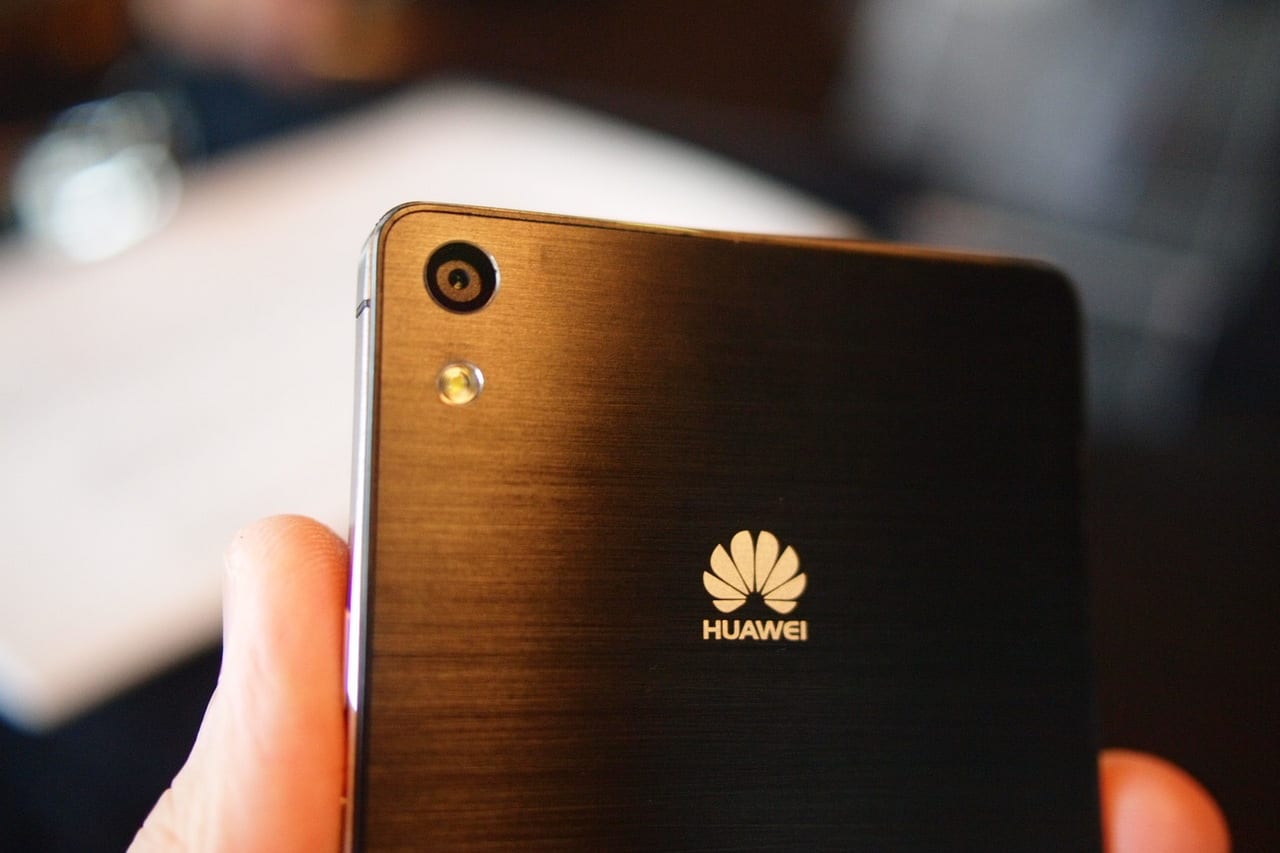
    Smartphone maker Huawei says its determination to concentrate on Southeast Asia is already bearing fruit.

    With the profitable Southeast Asia regional launch of the Huawei P8 and wearable units in Bangkok Thailand in late Might, Huawei is retaining the momentum going by introducing the P8, P8Max, P8Lite, Talkband B2 and AP007 energy financial institution to Myanmar, Laos, and Cambodia, Hong Kong, Taiwan and different Southeast Asia nations and areas.

    The corporate says it set a brand new gross sales document in Myanmar when it launched the P8 handset there on June 6.

    After two weeks of pre-orders of Huawei’s newest flagship merchandise, the primary batch of P8s turned obtainable in 28 outlets throughout Myanmar – all of them bought out by 10am.

    “The regional gross sales supervisor from one among telephone store famous that the P8 has set a brand new gross sales document and has turn into the best-selling handset of their store’s historical past and that they have been amazed by the variety of preorders,” stated Richard Yu, CEO of Huawei Shopper BG.

    says Southeast Asia is now one of many key markets for Huawei, and the corporate is optimistic concerning the potential within the area.

    “Southeast Asia is likely one of the most promising and high-potential financial entities on the earth, each now and sooner or later. It’s considered a strategic market and an engine driving the quick progress of Huawei’s Shopper Enterprise,” Yu stated.

    “In 2014, Huawei noticed over 10 million complete shipments on this area. With the launch of the P8, P8Max and P8Lite this yr, we anticipate complete shipments to succeed in eight million models, a 167 per cent improve.”

    The corporate has seen substantial progress in regional shipments within the area. Thomas Liu, president of Huawei Shopper Enterprise Group Southeast Asia, stated within the first quarter of 2015, smartphone shipments in Southeast Asia rose 120 per cent over final yr.

  • Malaysian attire retail gross sales strong

    Malaysian attire retail gross sales strong

    The Malaysian attire retail business has posted compound annual progress price of 9.9 per cent between 2010 and 2014.

    In accordance with a brand new report the sector achieved complete revenues of US$1.eight billion in 2014.

    However one of the best is but to return. The efficiency of the business is forecast to speed up, with an anticipated CAGR of 10.three per cent for the 5 years from 2014 to 2019, which is predicted to drive the business to a worth of $2.9 billion by the top of 2019.

    Not surprisingly, the womenswear phase led the best way with complete 2014 revenues of $800 million, equal to 47.5 per cent of the business’s general worth, based on the report.


  • Singapore retail gross sales enhance

    Singapore retail gross sales improved in April, in response to knowledge from the Division of Statistics.

    In March, retail gross sales excluding motor automobiles, slumped three.2 per cent. However in April they recovered a bit of, rising zero.eight per cent.

    Yr on yr gross sales have been down zero.7 per cent on April 2014, though with motor automobiles included within the determine they rose 5 per cent.

    Complete retail gross sales in April 2015 have been an estimated $three.three billion – $200 million greater than the earlier month.

    Gross sales of meals & beverage providers (seasonally adjusted) elevated zero.three per cent over the earlier month, however declined 1.7 per cent in contrast with April 2014.

    The full gross sales worth of meals & beverage providers in April 2015 was estimated at $615 million, decrease than the $626 million in April 2014.

    By class, after seasonal adjustment, gross sales of telecommunications equipment & computer systems,
    optical items & books, medical items & toiletries, furnishings & family gear and
    supermarkets elevated between 1.four per cent and eight.6 per cent month on month.  Gross sales of attire & footwear rose zero.9 per cent.

    On the opposite aspect, gross sales of meals & drinks, watches & jewelry, mini-marts & comfort shops, leisure items and department shops decreased between 1.four per cent and 6.eight per cent in April 2015 in comparison with March 2015.

    Yr on yr, gross sales of telecommunications equipment & computer systems, department shops, watches & jewelry and medical items & toiletries additionally elevated between 2.four per cent and three.eight per cent. In distinction, retail gross sales of petrol service stations decreased 21.1 per cent, partly because of decrease petrol costs.

    Equally, Singapore retail gross sales of meals & drinks, leisure items, attire & footwear, furnishings & family gear, mini-marts & comfort shops and optical items & books declined between 2.6 per cent and seven.zero per cent in April 2015 over April 2014. Supermarkets recorded a lower of zero.5 per cent in gross sales throughout the identical interval.

  • Indonesia retail gross sales progress accelerates

    Indonesia retail gross sales progress accelerates

    Robust gross sales of cell phones and computer systems have powered an sudden improve within the progress fee of Indonesia retail gross sales.

    Financial institution of Indonesia knowledge simply launched confirmed progress of 22.four per cent in April, which adopted an already wholesome 19.7 per cent in March.

    A month in the past, when the March knowledge was launched, the financial institution instructed the looming wet season might mood retail demand and that retailers anticipated worth pressures within the leadup to the Muslim fasting month and Eid-al Fitr.

    So the power of April’s progress got here as a shock.

    In addition to IT and ‘communication gear’, meals, drinks and tobacco gross sales have been additionally robust.

    The Financial institution of Indonesia aggregates knowledge from 650 retailers in 10 main Indonesian cities to create a determine which is effective for the tendencies it displays.

    However the nature of climatic results and non secular observations on shopper spending patterns sees the expansion price see-saw from month to month, starting from as little as three.three per cent in December and 10.9 per cent in January to April’s current excessive.

    As soon as once more, the retailers surveyed stated they anticipated gross sales progress to sluggish in Might, weakened by the car gasoline, spare elements and equipment classes. They stated they anticipate inflationary strain in July to melt resulting from retail low cost packages however past that, will increase once more on account of potential disruption of the availability chain by dangerous climate.

  • Aeon posts 1Q profit growth, sees challenging year

    Aeon posts 1Q profit growth, sees challenging year

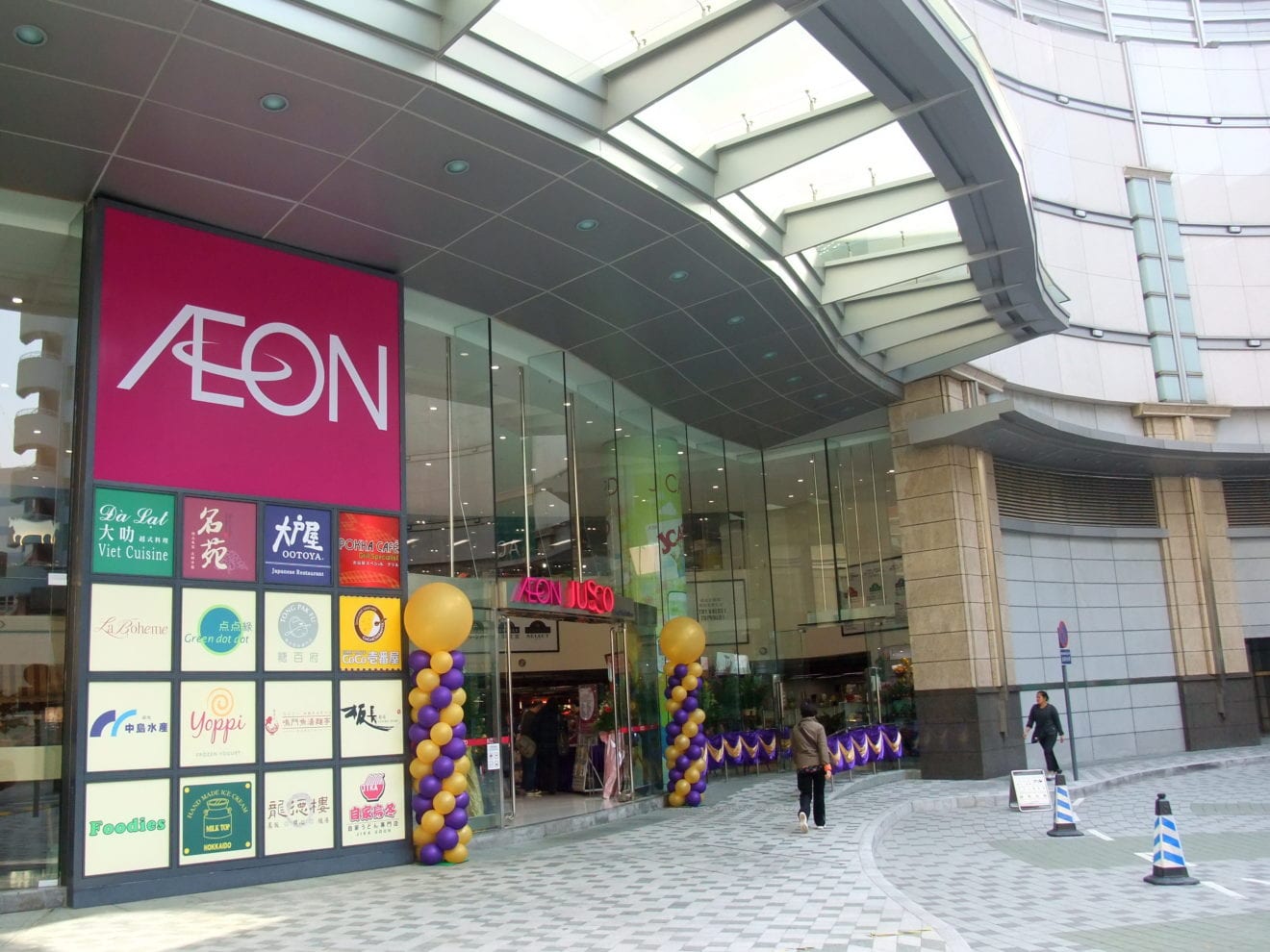
    Aeon chairman Datuk Abdullah Mohd Yusof said nevertheless, the group remains confident in meeting the challenges head-on.

    “After consumers get used to the changes in the new tax system, they will start shopping again, especially in the upcoming festive periods,” he told reporters after the group’s annual general meeting yesterday.

    After enjoying four consecutive years of steady growth, Aeon saw its net profit for the financial year ended December 31, 2014 (FY14) drop 7.9% to RM212.71 million from RM230.96 million in FY13.

    However, its net profit rebounded for the first quarter ended March 31, 2015 (1QFY15), growing 5.4% to RM49.4 million or 3.52 sen a share from RM46.88 million or 3.34 sen a share a year ago. Revenue was up by 17.1% to RM1.11 billion from RM945.51 million in 1QFY14.

    Abdullah blamed the net profit decline in FY14 on the rising cost of living and operation costs, as well as an increase in its capital expenditure (capex) for expansion.

    “The [implementation of the] minimum wage also caused [the] costs to go up. The cost of doing business has risen. We have also been accelerating our expansion to have a bigger market share,” said Aeon managing director Nur Qamarina Chew Abdullah.

    Aeon has set aside RM700 million as capex for FY15, an increase from about RM670 million last financial year.

    Abdullah said the budget had been earmarked for the development of upcoming Aeon malls, namely in Shah Alam, Selangor and Klebang, Melaka, which are slated to open in 4Q15.

    The group will also open malls in Kota Baru, Kelantan by 2Q16, and Kuching, Sarawak in 2Q17.

    The overall occupancy rate of its malls currently stands at 93%, a number that Abdullah said is a “fairly good” average.

    Yesterday, Aeon shares closed 0.96% higher at RM3.16, with some 1.77 million shares traded. It closed with a market capitalisation of RM4.39 billion.

  • Singapore retail gross sales slide three.2 per cent

    Singapore retail gross sales slide three.2 per cent

    Singapore retail gross sales in March slumped three.2 per cent after the distortionary impact of motorcar gross sales is faraway from the info.

    Whereas the official figures present a seasonally-adjusted 1.1 per cent enchancment in March 2015 over the earlier month, knowledge from Statistics Singapore exhibits automotive gross sales soared 37 per cent over February and 40 per cent March on March.

    There was an similar three.2 per cent general decline year-on-year for March after automobiles have been eliminated.

    Seasonally adjusted gross sales of meals & beverage providers decreased 5.2 per cent in March 2015 over February and by 1.7 per cent in contrast with March 2014.

    After seasonal adjustment, retail gross sales of automobiles, mini-marts & comfort shops and meals & drinks elevated between 12.9 per cent and 37.1 per cent in March 2015 in comparison with the earlier month (Desk 1). Retail gross sales of petrol service stations and leisure items additionally rose four.9 per cent and 1.1 per cent respectively.

    Then again, retail gross sales of optical items & books, sporting attire & footwear, telecommunications equipment & computer systems, furnishings & family gear, supermarkets, watches & jewelry and medical items & toiletries decreased between 2.four per cent and 10.four per cent in March 2015 in comparison with February 2015.

  • Personal label saving Korean retailers

    Personal label saving Korean retailers

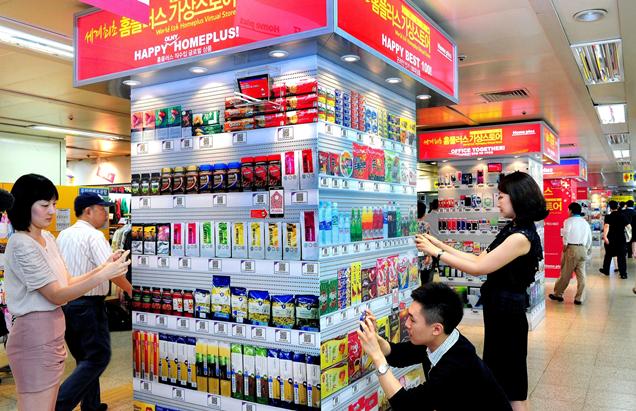
    As South Korea’s giant retailers are affected by damaging progress, personal manufacturers (PB), or personal labels (PL) are providing a ray of sunshine to Korean retailers.

    Gross sales of personal branded items have elevated 20 to 30 per cent within the first quarter in comparison with the identical interval final yr.

    PB items are often 20 to 30 per cent cheaper than different model items, and as they’re turning into more and more widespread, extra clients are constructing belief in sure manufacturers.

    Gross sales of Residence Plus PB items within the first quarter elevated 21 per cent, whereas gross sales of all items mixed solely elevated zero.9 per cent. PB merchandise now account for 28.four per cent of Residence Plus merchandise.

    Gross sales of PL items additionally elevated 15.four perc ent at E-Mart, whose administration report their  1.1 per cent gross sales improve within the first quarter – the primary year-on-year constructive progress price in 13 quarters – was because of the reputation of PB items.

    Gross sales of PB items on the CU comfort chain additionally elevated 7.6 per cent for the primary quarter in 2013, 9.1 per cent in 2014 and 22.eight per cent for a similar interval this yr. Gross sales of such items at 7-Eleven elevated a record-high 34.eight per cent.

    A person with information of Lotte Mart’s operations stated that though there was some distrust in personal manufacturers up to now, nowadays they’re among the many best items, as they’re produced by well-known producers.

    CU stated that it will give attention to creating private hygiene PB items sooner or later, because it has been solely creating snack PB items up to now.

    House Plus additionally stated that it will improve PB manufacturing, saying that as greater than 90 per cent of PB producers are SMEs, the present growth might additionally end in a constructive synergy impact on them.

  • Parkson Retail grows regardless of Vietnam drag

    Parkson Retail grows regardless of Vietnam drag

    Listed division retailer operator Parkson Retail Asia has reported a 5.5 per cent year-on-year improve in internet revenue for the third quarter.

    Within the three months to March 31, Parkson posted a revenue of S$7.98 million.

    The corporate attributed the development to elevated gross sales in its Malaysia department shops the place shoppers have been shopping for items prematurely of the introduction of GST on April 1.

    The development got here regardless of a discount in similar retailer gross sales from the corporate’s Vietnam operations, which proceed to wrestle and now faces elevated competitors from the arrival of M&S and the Thailand Central Group’s Robins department shops in the important thing Ho Chi Minh Metropolis and Hanoi markets.

    Gross sales within the Indonesia and Myanmar shops each improved.

    Complete gross sales income for the group rose 9.2 per cent to S$116.58 million.

    CEO Toh Peng Koon stated the corporate expects a decline in Malaysia gross sales following the GST implementation, however expects that can be buffered by the beginning of the pre-Hari Raya festive shopping for season in the direction of the top of June.

    He stated he expects Indonesia and Myanmar to conitnue to ship encouraging outcomes, however warned Vietnam remained a difficult market.

  • Retail boosts SM Investments bottom line

    Retail boosts SM Investments bottom line

    SM Investments Corporation says its retail operations delivered solid 6.5 per cent growth in the first three months of 2015.

    Retail accounts for just 19 per cent of the diversified corporate’s business, with banking accounting for 41 per cent and property 40 per cent. The company delivered its first quarter results this week, reporting an 8.1 per cent increase in net income to P6.7 billion (US$150 million).

    “We are focused on expanding all our core businesses given the favorable economic outlook. Our expansion plans are geared towards meeting the needs of under-served customers across the country and to positioning ourselves to compete effectively in each of our growing markets,” SM president Harley T. Sy said in a statement to the Philippine Stock Exchange.

    SM Retail’s turnover in the quarter was P44.9 billion ($1 billion) and its profit rose 6.5 per cent to P1.3 billion ($29.1 million).

    The company opened 10 new stores in the quarter in the provinces of Luzon, Visayas and Mindanao. As at March 31, it operated 279 stores: 50 SM Stores, 40 SM Supermarkets, 43 SM Hypermarkets, 120 Savemores and 26 WalterMart stores.

    Property division SM Prime Holdings, which owns shopping centres amongst other assets, recorded P16.7 billion ($374 million) in revenue, up nine percent quarter-on-quarter. Its net income soared 176 per cent to P12.6 billion ($282.3 million), including an extraordinary gain of P7.4 billion ($165.8 million).

    SM Corp says its retail and commercial revenue grew 10 per cent to P9.4 billion ($210.6 million).

  • Malls anticipated to submit robust gross sales in April

    Malls anticipated to submit robust gross sales in April

    Malls in Taiwan are anticipated to report robust positive aspects in gross sales in April from the earlier month due to aggressive promotional campaigns forward of Mom’s Day, the Ministry of Financial Affairs (MOEA) stated Friday.

    The MOEA estimated division retailer gross sales in April at NT$25.5 billion (US$83.06 billion), about 23 % greater than a month earlier.

    The gross sales would reverse a 27.5 % month-on month fall recorded in March, which noticed sluggish gross sales as a result of it got here after the Lunar New Yr vacation in February.

    Ought to division retailer gross sales hit NT$25.5 billion in April, it might be the very best quantity ever recorded for the month.

    Expectations that division retailer income rose additionally mirrored the positive factors posted by Taiwan’s inventory market and wage will increase, which left shoppers extra prepared to spend, the MOEA stated.

    In April, the weighted index on the Taiwan Inventory Trade gained 233.61 factors, or about 2.44 %, to shut at 9,820.05 on Thursday, the final buying and selling session of the month.

    In late April, the market’s benchmark index even breached the 10,000-point mark a number of occasions for the primary time in 15 years earlier than falling again under the edge earlier than periods closed.

    The typical nominal wage in Taiwan rose greater than 6 % within the first two months of the yr from a yr earlier with the assistance of larger year-end bonuses, in accordance with Directorate Common of Price range, Accounting and Statistics figures.

    The positive factors constructed by buyers within the inventory market and better wages prompted many shoppers to leap on gross sales promotion campaigns for such items as style gadgets, jewellery and meals providers for Mom’s Day, which falls on Might 10 this yr, the MOEA stated.

    In consequence, main division retailer chains in Taiwan noticed gross sales rise 20-30 % in April, serving to their companies get well from March’s doldrums, the ministry stated.

    Within the first quarter, division retailer gross sales rose 5.eight % from a yr earlier to NT$72.2 billion, which accounted for 26.2 % of all retail gross sales in Taiwan. The expansion topped the 1.eight % year-on-year improve in gross sales posted by Taiwan’s retail sector as an entire.

    The MOEA stated gross sales generated by malls listed here are anticipated to hit a report excessive of about NT$320 billion this yr, up from NT$306.1 billion recorded a yr earlier.

  • Indonesia’s Unemployment Fee Will increase as Financial system Slows

    Indonesia’s Unemployment Fee Will increase as Financial system Slows

    Indonesia’s unemployment price elevated in February, in response to the newest knowledge from the Central Statistics Company, or BPS, amid slower financial progress.

    BPS’s February 2015 knowledge, launched on Tuesday, confirmed there have been 7.45 million unemployed individuals out of the full workforce of 128.three million within the nation. Because of this the unemployment price stands at 5.81 %.

    As compared, in February final yr the variety of unemployed individuals stood at 7.15 million, representing 5.7 % of the whole 125.32 million workforce.

    Nevertheless, in comparison with the earlier knowledge acquired in August 2014, the unemployment fee declined, though the actual numbers have been nonetheless on the rise.

    In August 2014, 7.24 million individuals have been recognized as unemployed, representing a 5.94 % of the whole 121.87 million individuals.

    BPS additionally launched knowledge that confirmed Indonesia’s financial progress slowed to four.71 %, the weakest it has been in additional than 5 years.

    “Therefore, within the absence of forthright stimulus from each financial and monetary fronts, for Indonesia to regain some progress mojo, there isn’t a different approach than for it to imbibe the bitter drugs of reforms,” stated Wellian Wiranto, an economist at OCBC Financial institution in Singapore.

    “From slicing bureaucratic purple tape to liberating up of land for infrastructure tasks in addition to boosting labor productiveness, there are a lot on the record of issues the Jokowi administration should do to inch nearer to the 7 % goal it has in thoughts,” he stated.

    Franky Sibarani, the chief of the Funding Coordinating Board (BKPM), stated the federal government would keep on with its weapons with a goal to create as much as two million new jobs this yr. “We’ll push for extra job availability,” he stated.

    Nonetheless, knowledge from BKPM confirmed that though complete funding elevated by 16.9 % year-on-year to Rp 124.6 trillion ($9.55 billion) within the first quarter, job absorption declined. Direct funding within the nation absorbed 315,229 staff within the first three months of this yr, a decline from 470,510 within the fourth quarter of final yr.

  • China ‘still the land of opportunity’

    China ‘still the land of opportunity’

    China deserves to remain on retailers’ radar says a new report from JLL.

    “China remains a compelling market for global retailers and continues to offer a plethora of untapped opportunities, despite a recent moderation of its GDP growth says Tom Gaffney, regional director, head of retail for JLL in Hong Kong.

    “However, the China market remains complex and diverse. We advise brands to carefully assess their strategic mix of corporate stores and franchises, and to define a strategy that allows them to present a multichannel brand capable of seamlessly merging the worlds of online and offline.”

    His comments come a day after Inside Retail Asia published an analysis of China’s economic growth, largely masked by the single GDP figure which many business leaders and economists focus on.

    JLL’S report, China’s Retail Market: within Reach, offers international food and beverage and fashion retailers’ latest insights on China market expansion strategies. It’s the latest in a series of reports from JLL on China retailing and it comes at a time when many retailers are reconsidering their China strategies to enable the most profitable growth over the long-term.

    At the same time, many foreign brands are planning their first foray into the increasingly maturing Chinese markets.

    Derek Chen, director of retail tenant representation in China, says brands are well advised to make Shanghai and Beijing their starting point and opt for a corporate structure in these markets.

    “Consumers in China’s alpha cities, Shanghai and Beijing, which are among the world’s top five dynamic cities according to JLL’s City Momentum Index, are much more retail-savvy and have high expectations towards customer service. Most importantly, you retain absolute brand protection, which is essential in the China market as you build your brand initially.

    “Due to misalignment of incentives between a franchise partner and the retailer, franchisees are less inclined to focus on building brand longevity even if this adversely impacts the brand’s future. For brands new brand to the market, a corporate structure makes a lot of sense and has many advantages.”

    However, in tier 1.5 markets, such as Tianjin and Nanjing, brands best develop these in a mixed strategy, if corporate control is not an option. These markets offer a level of demand depth and sales productivity potential that can justify corporate control within a few short years, argues JLL.

    “Retailers should only franchise these cities by applying a strategy that would enable them to incrementally regain control over the medium-term. Buying back the top-performing stores prevents the biggest revenue gains from being diluted, and gives the retailer more control over brand marketing in these markets,” the report advises.

    Discussing strategies for third-tier cities and beyond, Chen says third and fourth-tier cities are a new frontier for most international retail brands.

    “We suggest brands use franchises to penetrate these markets quickly over the short and medium term. As these markets lack the degree of sophistication found in major markets and consumers are less discerning, more forgiving and easier to please. [So] the risks of franchising are more contained and manageable, and are usually more cost-effective. In addition, local partners offer valuable local know-how and have a better sense of the psyche of local consumers.”

    Gaffney summarises: “Retailers should fix their China expansion strategy before entering the markets, which will greatly reduce risks down the road. Corporate ownership is advisable for key markets and to build their brands. However, franchises remain irreplaceable when it comes to simultaneously achieving both fast and vast penetration of markets, and to hedge risks.”