Tag: #growth

  • Hazmat Worries Growing

    Hazmat Worries Growing

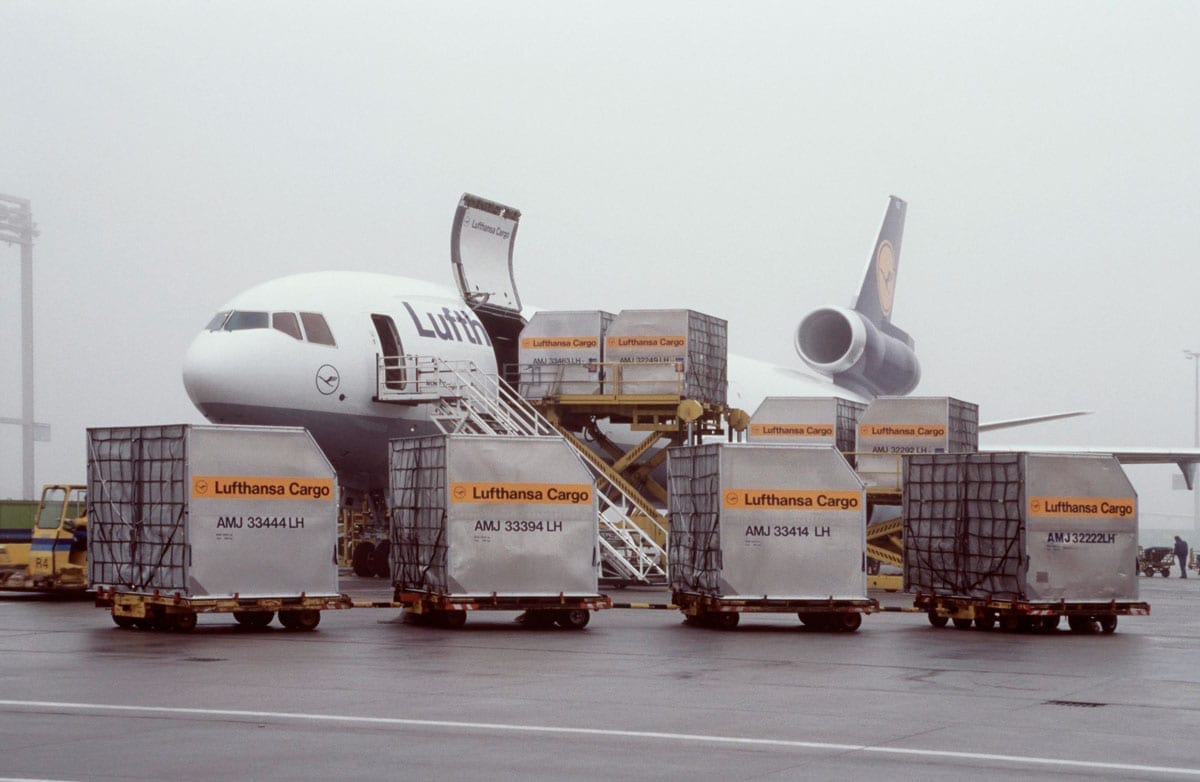
    Concerns are rising about hazardous cargo. Bans on Galaxy Note 7 smartphones by airlines mark the latest flashpoint in a debate on how to reduce risks from carrying dangerous goods, but there are also worries in the maritime sector.

    Troubles with Samsung’s Galaxy Note 7 have reignited the debate on lithium batteries. After faulty batteries on some units went ablaze, several airlines, including Finnair, Qantas, Aeroflot and Air Canada, have banned the smartphone from their cargo holds.

    Samsung has recalled 2.5 million of the smartphones in at least 10 countries and promised to send replacements out as quickly as possible.

    Airlines that knowingly carry the version with potentially defective batteries or shippers that send them as air freight would be breaking IATA’s Dangerous Goods rules, which mandate that “lithium batteries identified by the manufacturer as being defective for safety reasons, or that have been damaged, that have the potential of producing a dangerous evolution of heat, fire or short circuit are forbidden for transport (for example those being returned to the manufacturer for safety reasons).”

    The International Civil Aviation Organization (ICAO) issued an interim ban on lithium-ion battery shipments on passenger aircraft, which came into effect on April 1. According to ICAO, it will stay in force until a new, safer packaging standard has been established.

    The ban has been criticized by battery manufacturers and some shipper organizations. Many airlines have refrained from comment. According to IATA, about 400 million lithium-ion batteries are produced every week. Most of them are shipped by ocean carrier, but a small contingent goes by air.

    Much of the opposition to bans has revolved around the issue of undeclared battery shipments, which are seen to pose a greater risk. In a joint letter sent in early August to ministers of trade, industry and transport, and directors of civil aviation in the world’s largest lithium battery producing countries, IATA, the Global Shippers Forum, the International Air Cargo Association and several battery manufacturer interest groups called for lithium battery safety regulations to be enforced at the point of origin, including the initial shipper and the battery manufacturer.

    The US Federal Aviation Administration (FAA) appears bent on stepping up enforcement. It recently hit a company that had tendered a shipment of 30 four-ounce ‘Fryer Boil-Out Foaming’ tablets made of corrosive sodium hydroxide for air transportation from Florida to North Carolina to UPS with a US$54,000 fine.

    The amount and the fact that a shipper was punished (usually the FAA metes out fines to carriers, who then deal with clients who have tendered hazmat cargo without proper identification) suggest that the administration is sending out a signal, one airline executive commented.

    In June the FAA slapped a US$350,000 penalty on Amazon, after the company had tendered a package containing a one-gallon container of “Amazing! LIQUID FIRE,” a corrosive drain cleaner, for air transport to UPS. DHL was fined US$455,000 for seven hazardous materials violations back in February.

    “It’s like the Wild West where some companies, lacking in logistics expertise, make serious mistakes in the shipping process, such as unwittingly sending hazardous material via air freight without the benefit of knowledgeable, trained shipping professionals who can provide the necessary advice in adhering to regulations and keeping the flying public safe,” remarked Brandon Fried, executive director of the US Airforwarders Association.

    “As e-commerce volumes increase, shippers will likely experience an increase by the FAA in vigorous enforcement of hazardous material regulations to avoid similar occurrences,” he added.

    IATA has warned about hazardous materials being shipped without proper declarations in mail. The rapid growth of e-commerce, drawing in many merchants with scant or no knowledge of hazardous goods regulations, has heightened concerns about this.

    Concerns about misdeclared hazmat shipments are not confined to air cargo. According to mutual insurance association P&I Club, mis-declared cargo is responsible for 27% of incidents on ships, second only to poor packaging.

    Cargo insurance firm TT Club recently issued a warning about hazardous cargo. Peregrine Storrs-Fox, the company’s risk management director, pointed out that risk assessment surveys at ports over the last 12-18 months have found “worryingly little adherence to segregation requirements for dangerous goods.”

    He pointed to the explosion at Tianjin port a year ago, which resulted in insured losses between US$2.5 and US$3.5 billion. “It underlines how cargo in transit, potentially mis-declared, or packed or handled incorrectly, can cause widespread damage and loss of life,” he said.


  • India passing China as top mobile growth market

    India passing China as top mobile growth market

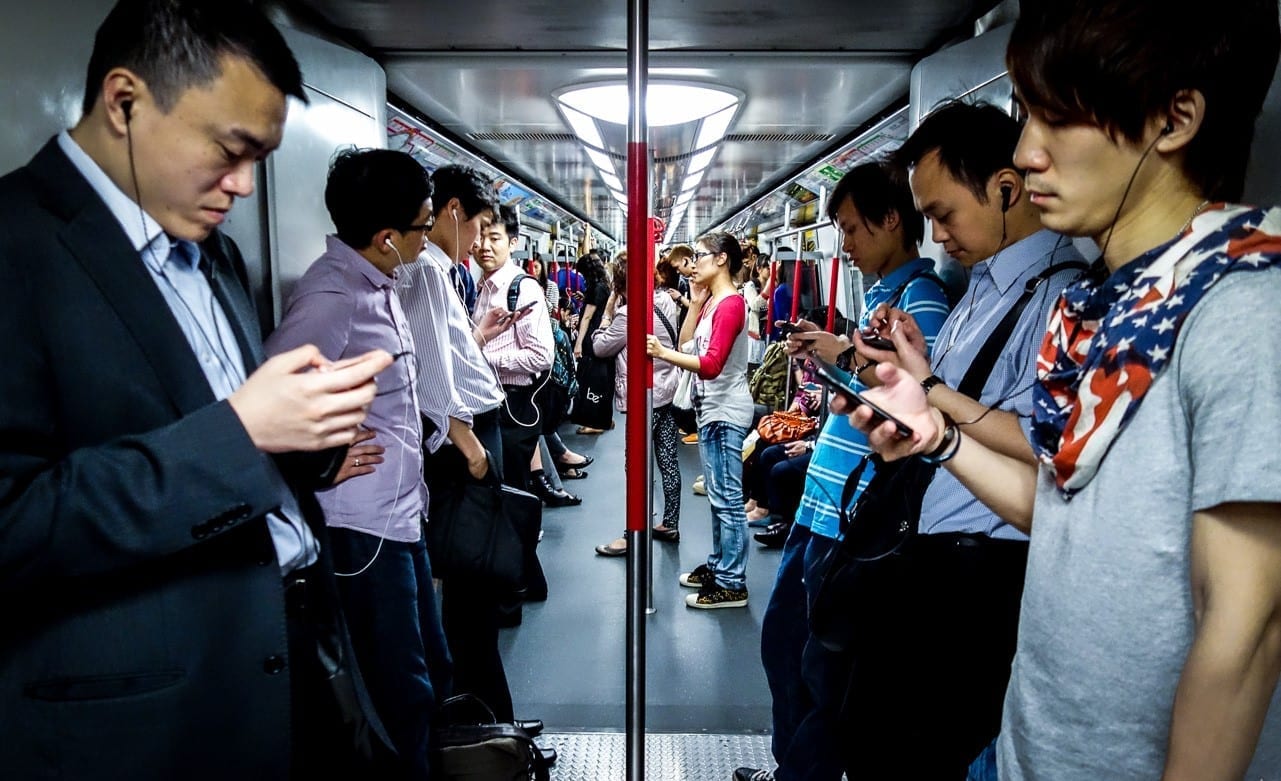
    India is set to overtake China as the most significant mobile growth market worldwide, and Asia is becoming the growth engine of the entire mobile ecosystem, according to the GSMA.

    In a new report, the GSMA predicts that over one billion additional people worldwide will be connected to mobile networks by 2020.

    Around a third of these new users (337 million) will come from India, compared to more than 200 million from China.

    China and India, combined with Indonesia, Pakistan, Bangladesh and Myanmar, will meanwhile collectively account for around 60% of the world’s expected 1.1 billion new subscribers by the end of the decade.

    The report also shows that 46% of the global population is using mobile phones to access the internet, and that this is expected to increase to 60% by 2020. This will make mobile phone ownership the key factor driving global internet penetration.

    Smartphones may also have grown to become the most commonly owned consumer electronics device, with penetration above 80% in some Asian markets including Korea and Singapore. By contrast, smartphone adoption rates in India stand at only 25%, leaving plenty of room for growth.

    Revenue from mobile services worldwide is meanwhile projected to grow by around 2% annually through to 2020, with slowing revenue growth being compensated for with new revenue opportunities resulting from growing mobile internet adoption and the move to higher-speed networks.

  • Why Is China The Center-Piece Of Starbucks’ Growth Story?

    Why Is China The Center-Piece Of Starbucks’ Growth Story?

    China is the brightest star of the Starbucks growth story. The company has almost 2,300 stores in over 100 cities in China, and continues to open more than one store per day. China outshone the other regions in the June quarter, by posting 7% comparable sales growth due to increased traffic. Further, China accounts for over 10 million of the 19 million Starbucks Reward members in China and Asia Pacific (CAP). To reinforce China’s growth potential, Starbucks has plans to open up 2,500 stores for the next five years in the region.

    s1

    Why Is The Focus On China?

    Starbucks is facing intense competition from western brands like McDonald’s, Dunkin’ Donuts, and Burger King, to establish a foothold in China, not to mention the existing domestic players. However, Starbucks differs from the other food chains in the fact that it is seeing continued success in the region, while others, like McDonald’s, which is selling-off its restaurants in mainland China, are seeing their business flailing. The question to be asked here is why is everyone focusing on China. There are a number of reasons. Firstly, the American market is largely mature. Consequently, a large growth impetus cannot be expected from the U.S. That means Starbucks, like others, needs to look at emerging countries and markets with low penetration to drive revenues. This leads us to China, which is the second largest economy in the world. The middle income class in China is expected to double over a period as short as five years. Although, its economy has slowed down recently, China is still among the fastest growing nations, far ahead of Europe and the States.

    s2

    What Is The Reason Behind Starbucks’ Success In China?

    According to data from Roland Berger, Starbucks dominated the Chinese coffee market with an impressive 60% share, while McDonald’s and Costa only make for 13% and 11% of the total. One of the major reasons behind Starbucks’ success in China, when others are failing, is its commitment towards delivering what customers want. Instead of trying to pitch the U.S. bestsellers in China, it came up with new and innovative products, such as green-tea flavored coffee, which holds appeal for the country’s masses. Secondly, rather than pushing take-out orders, which account for the majority of American sales, Starbucks adapted to local consumer wants and promoted dine-in service. Although dine-in services bring in lesser revenue per square meter, Starbucks’ high pricing strategy in the area results in China being as profitable a market as the U.S.

    In addition to all this, Starbucks proved itself to be an employee-friendly workplace. While most western conglomerates treat their Chinese employees like cheap labor, causing the turnover rate to be high, Starbucks has invested in its employees through programs like student loans and subsidized accommodation. This further strengthened Starbucks position in China as satisfied employees are the best marketing agents a company can possibly ask for as they are the ones responsible for customer experience. Moreover, it has smartly partnered with local companies in various parts of China to overcome hurdles, deal with the complex foreign laws, and thus, grow effectively. The recent partnerships with the Chinese company, Tingyi, to manufacture and sell “ready to drink” products in China, is one example.

    s3

    What Is Next For Starbucks In China?

    According to the management, Starbucks plans to make China its largest retail market by the end of 2019. As mentioned before, it plans to open 2,500 new stores over the next five years in the region, even as the concerns about the slowdown in China increase. In 2017, it plans to open up a 30,000 square-foot Starbucks Shanghai Roastery and Tasting Room to appeal to the growing and increasingly rich upper class of China.

    Starbucks has also begun sourcing its coffee beans from areas within China, to seem less foreign and help the domestic coffee industry flourish. Further, Starbucks has branched out into selling tea drinks, such as Teavana, in China. According to Euromonitor, the size of China’s retail tea market was nearly $10 billion in 2014, the largest in the world and far ahead of second-positioned Russia.

    s3

  • BI Targets 11% Credit Growth

    BI Targets 11% Credit Growth

    Governor of central bank Bank Indonesia Agus Martowardojo said that BI is targeting bank credit growth by 11 percent next year.

    According to him, the target is expected to be reached due to the influx of fresh funds into financial institutions through the tax amnesty.

    “We consider that the tax amnesty will bring enough funds,” he said in Jakarta on Friday.

    The estimate, however, is lower than that of the original target of 12.7 percent.

    According to Agus, the change coincided with the approval of the 2017 economic growth target of 5.1 percent.

    Assumptions credit growth of 12.7 percent, he said, is met if the government and the House of Representatives agreed on economic growth target of 5.2 percent.

    The cause of the slow growth of credit is the weakening global economic growth, which is below 3.5 percent, he added.

  • India is world’s third biggest startup hub

    India is world’s third biggest startup hub

    India is the third biggest home to tech startups, following the US and the UK, a study indicates.

    The study, conducted by Assocham in association with Thought Arbitrage Research Institute, also indicates that Bengaluru hosts the largest share of technology startups in the country, followed by Delhi NCR and Mumbai. Hyderabad and Chennai are also popular destinations for prospective tech entrepreneurs.

    “In the technology driven startups, India has moved up to third position with the US occupying the top position with more than 47,000 and the UK with over 4,500. India’s tech startups were to the tune of 4,200 up to 2015,” the report states.

    India also figured among the top 5 largest hosts in the world, along with China (10,000 each) in terms of the total number of startups, comprising both tech and non-tech areas. US leads with 83,000 startups.

    IT hub Bengaluru is host to 26% of domestic tech startups, followed by Delhi NCR (23%) and Mumbai (17%). In the ‘catching up’ category were Hyderabad (8%), Chennai and Pune (6%).

    “The disruptive innovation in technology and process is creating newer Indian startups and foreign investors, including some of the well-known venture capital funds, are showing immense interest in these startups,” Sunil Kanoria, President, Assocham said.

    The awareness that a startup is a vehicle of rapid growth through technological disruption and innovation, has to spread across the economy, the report said. Otherwise, if any small traditional business is treated as a startup, then the ecosystem will never develop properly, it added.

    The study recommended that aligning ‘Startup India’ with ‘Make in India’ and ‘Digital India’ campaigns had the potential to expand the domestic ecosystem for new entrepreneurs.

    It also suggested tax exemption for research and experimentation to encourage fresh ideas without fear of failure. Recommending a Stanford University model in various Indian universities, the Assocham-Thought Arbitrage paper said courses on creation of small businesses should be encouraged in campuses.

  • Alibaba Cloud, IIPL to support Singapore startups

    Alibaba Cloud, IIPL to support Singapore startups

    Alibaba Cloud and Infocomm Investments (IIPL) have announced plans to collaborate to drive technology innovations in Singapore, built upon Alibaba Cloud’s support network and suite of cloud infrastructure services.

    The announcement was made at the Create@Alibaba Cloud Start-up Contest (CACSC).

    The collaboration will combine Infocomm Investments’ existing initiatives for local startups and technology innovations and Alibaba Cloud’s cloud computing resources.

    It will focus on extending sophisticated networking solutions and big data intelligence to a broader base of Singaporean start-ups under Alibaba Cloud’s first global startup program, Create@Alibaba Cloud.

    Alibaba Cloud will also pave way for start-ups in Singapore to leverage Alibaba Cloud’s ecosystem and to gain access to the China market as well as multiple business network resources and funding opportunities.

    In addition, the collaboration will foster innovative exchanges between Singapore and China’s startup ecosystems by inviting accelerators, incubators, and start-ups in Singapore to participate in startup activities in China and vice versa.

    This marks the start of a long term collaboration between both ecosystems to drive innovation, the companies said.

    “We are very proud to work with Infocomm Investments to build a more robust start-up ecosystem in Singapore,” said Sicheng Yu, vice president of Alibaba Group and general manager of Alibaba Cloud Global.

    “This underscores our on-going commitment to drive technology innovation in Singapore, as well as to support local start-ups in their business growth through our cloud capabilities and extensive support network in both local and global markets.”

    The Create@Alibaba Cloud Start-up Contest (CACSC), organized in partnership with Infocomm Investments, is Alibaba Cloud’s first ever global start-up competition, which is aimed at championing start-ups and maximizing their potential.

  • Asia leads Burger King sales growth

    Asia leads Burger King sales growth

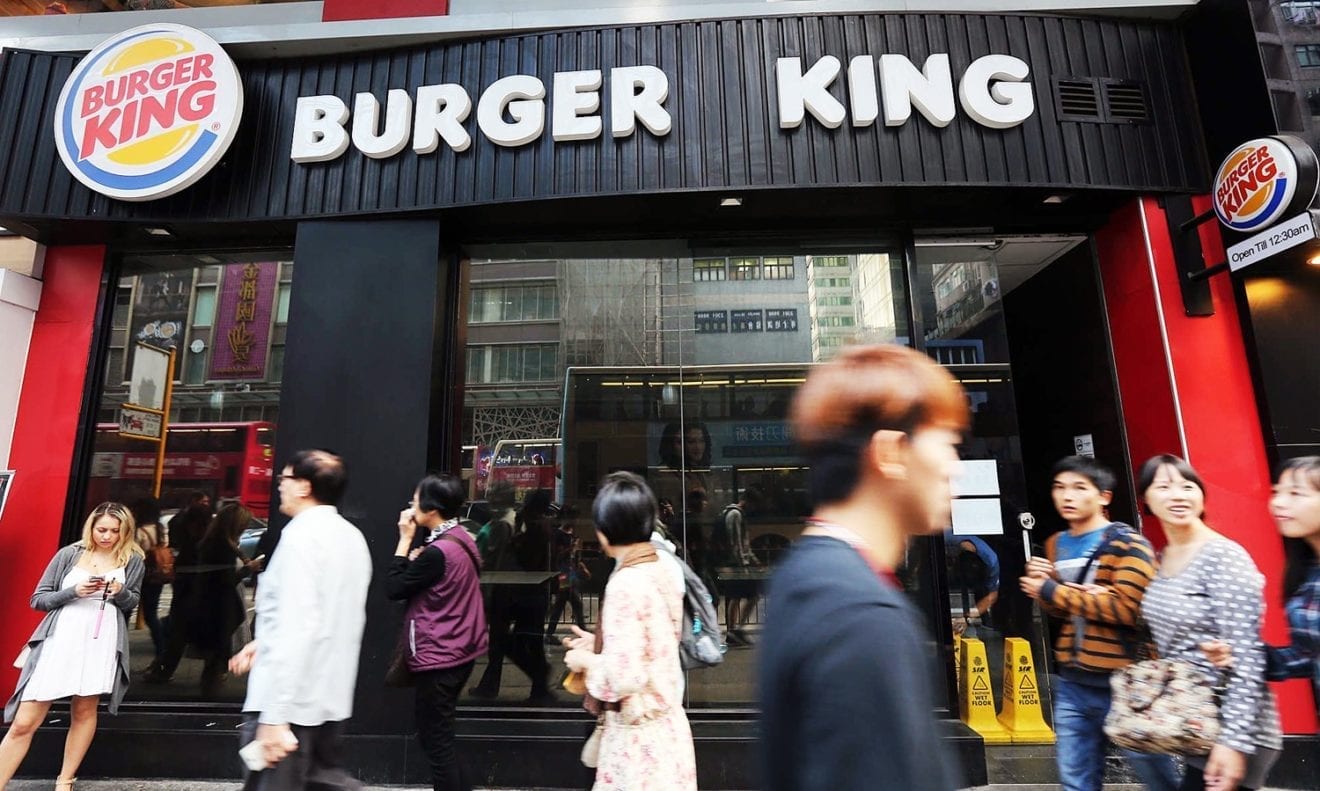
    Burger King sales are growing faster in Asia than in any other part of the world, reports parent Restaurant Brands.

    Sales in Asia rose 5.3 per cent, according to the company’s second quarter earnings data released overnight. Latin America sales rose 4.9 per cent. The performance in those two markets was enough to offset a 0.8 per cent decline in same-restaurant sales across the US and Canada, resulting in flat global systemwide sales growth.

    The success in Asia comes at a time when rivals Yum Brands (parent of KFC and Pizza Hut) and McDonald’s are struggling to maintain growth in Asia, where both companies are trying to sell long-term franchise rights.

    It also partly explains why Restaurant Brands this week announced a priority of expanding its Tim Hortons coffee cafe brand into Asia, with the Philippines the first stop.

    The Asia and Latin American figures were high points in a result best described as “adequate”.

    However, Neil Saunders, CEO of Conlumino, observes that although the headline result of a 0.2 per cent decline in overall revenue looks somewhat gloomy, this is mostly the consequence of a strong US dollar and weak Canadian dollar, which especially affected revenues from Canadian-based Tim Hortons.

    “The underlying numbers are slightly better, with both divisions in positive territory on a comparable sales basis and system-wide sales up by 0.6 per cent even after the impact of exchange rate fluctuations.”

    Saunders says the loss of sales momentum from previous quarters is in line with recent numbers from rivals like McDonald’s and Yum.

    “This trend is being driven, primarily, by a slowdown in spending on eating out by American consumers.  The softness in the US market is disappointing given the initially positive reaction to menu changes and the introduction [by Burger King] of hot dogs. It underlines the fact that menu change and innovation is not now something that can be done periodically: fast food players need to see this as a constant process that has to be supported by ongoing promotions and marketing activity.”

    Saunders believes McDonald’s continues to hold a slight edge over Burger King, and is doing more to shake up its traditional business model to maintain consumer interest and drive growth.

    “All that noted, the one saving grace for Burger King is good cost control which allowed [pre-tax earnings] to grow by 3.7 per cent this quarter.

    “Overall, Restaurant Brands continues to make progress; but with spend tightening and competition intensifying it now needs to up the pace of innovation if it is to grow further,” concluded Saunders.

  • Large customer base benefits RI start-ups

    Large customer base benefits RI start-ups

    Indonesia’s mushrooming start-up companies have the potential to boost the country’s economy, thanks to their large customer base.

    According to Sillicon Valley-based Fenox Venture Capital, the movement could drive the Indonesian economy to expand faster than its Southeast Asian neighbors.

    “Indonesian start-ups are very powerful, in the sense that Indonesia has a very big consumer base. There are actually a lot of customers who can give feedback,” president and CEO Anis Uzzaman said on Friday.

    He said they had the advantage of endorsement from President Joko “Jokowi” Widodo’s administration, resulting in supportive regulations.

    Indonesia’s current rules are quite liberal in terms of supporting start-ups, compared to several other countries, particularly in the field of financing. For instance, Indonesia allows venture capital firms to invest with convertible notes, which are banned in many countries, said Uzzaman.

    A convertible note is a short-term debt that converts into equity. Under the scheme, investors can lend money to a start-up during the first round of funding and receive shares of preferred stock, rather than getting a payback loan plus interest rates.

    “Regulation issues are a common problem across the world, but the current Indonesian government is willing to make changes. It is a good thing,” he said.

    The Jokowi administration expressed its seriousness in expanding into the digital economy when the President visited Silicon Valley, the world’s center of technological innovation, during a working visit to the US in February.

    Envisioning the birth of 1,000 technopreneurs in the country, the administration allows foreign e-commerce players valued over Rp 100 billion (US$7.62 million) to open businesses and team up with financial authorities to support funding for IT companies and small and medium enterprises (SMEs).

    Several start-ups in Indonesia have gained prominence, such as Go-Jek, a motorcycle taxi service application.

    However, Uzzaman claimed that Indonesia often thwarted the efforts of venture capitalists and investors to reach out to start-ups in regions beyond Java.

    In an effort to provide business opportunities for start-ups across the country, Fenox Venture Capital, a Silicon Valley-based venture capital firm, plans to hold a global contest called the Startup World Cup 2017, in partnership with the government’s Creative Economy Agency (Bekraf).

    The event will comprise a start-up conference and competition with participants coming from 15 countries, including Indonesia.

    The countries will hold their own regional qualifications to select the top 10 participants to present their ideas in front of international judges, as well as world investors and tech company CEOs.

    The regional winners will compete to win a $1 million prize in the grand finale, which will be held in Silicon Valley on March 24 next year. Part of the prize will take the form of investments in the winning start-up.

    Fenox expects to see at least 750 startup entrepreneurs from the ASEAN region apply for the competition.

    In Indonesia, the company is conducting road shows in six cities to ensure that start-ups in the region take part in the event.

    “The start-ups should be a PT and we prefer those that already obtained financing, whether from institutional or individual investors,” said Aldi Adrian Hartanto, an associate member at the firm’s Jakarta branch office.

  • Chinese beauty retail market predicted to reach $50bn

    Chinese beauty retail market predicted to reach $50bn

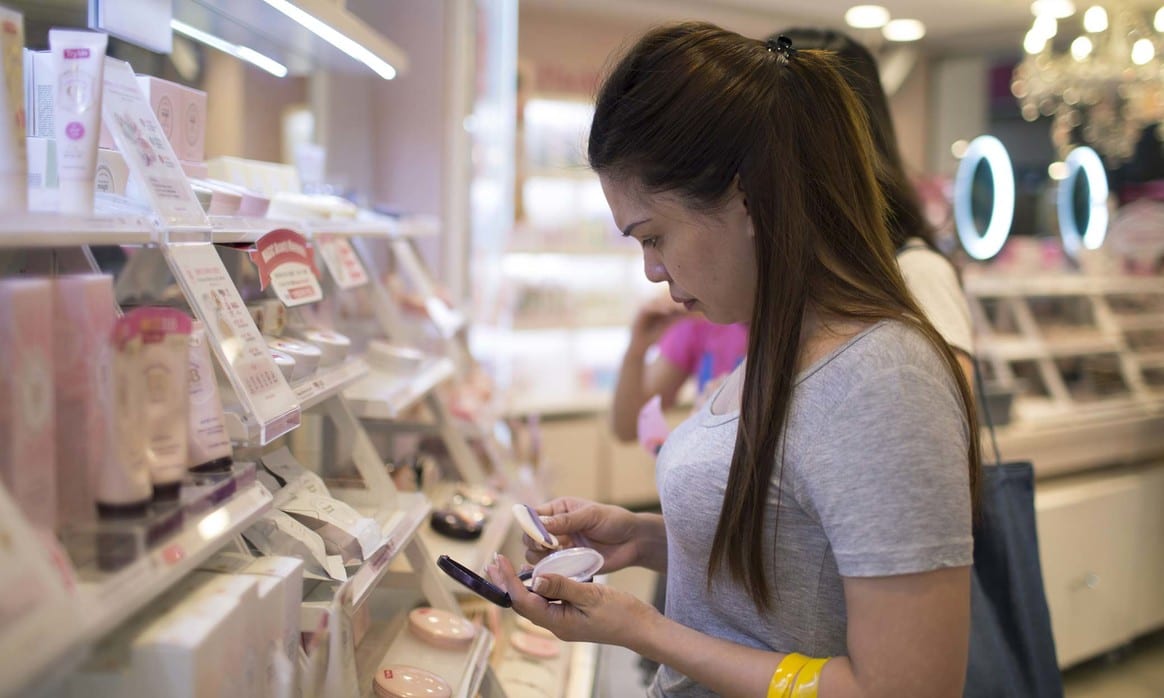
    Despite less frequent purchases, the high demand for skincare products will see the Chinese beauty retail market continue strong growth to reach 338 billion yuan (US$50 billion) in value by 2020, says a new report.

    Research by Mintel shows that 65 per cent of consumers spent more on facial skincare last year than in 2014, despite consumers buying beauty products less often.

    Purchase rates for all beauty and personal-care categories surveyed by Mintel slowed during the three months to October last year. The categories most affected are hair beauty products, beauty supplements and fragrances, falling 32 per cent, 28 per cent and 26 per cent respectively.

    Total retail sales of cosmetics in China grew 12.3 per cent to reach 204.9 billion yuan last year.

    “The beauty retailing market seems resistant to decline, and this is mainly because the dynamic development of the facial skincare market,” says Mintel senior beauty and personal care analyst Chen Wenwen.

    “To leverage their passion and spending power, it is essential for both retailers and manufacturers to engage consumers via mobile platforms.”

    As many as 44 per cent of consumers used a mobile device to pay for beauty/personal care products online in the three months to October – double the number since 2014.

  • Finance ministry believes 2017 growth will be better

    Finance ministry believes 2017 growth will be better

    The Indonesian economy will grow at a faster pace in 2017 than it did in 2016, the Ministry of Finance believes.

    “I believe the economic growth next year will be higher than that of this year,” chief of the ministrys fiscal policy body, Suahasil Nazara, said at a meeting of the working committee of the House of Representatives (DPR) Budget Body here Wednesday.

    Economic growth in the past five years has tended to slow down as internal upheaval and global pressure had slightly affected the national economic performance, he noted.

    The economic slowdown is expected to reach its peak this year after the government issued a series of fiscal policies, the first since 2015, aimed at boosting the national economy, he said.

    “The fiscal policies are aimed at spurring economic growth. This way we encourage tax receipts and divert expenditures to more productive infrastructure projects from non-productive infrastructure projects and cut fuel subsidies. All of these will lead to higher growth,” he added.

    The country began to see the result of the fiscal policies when economic growth was recorded at 4.8 percent in 2015 and 4.92 percent in the first quarter of 2016, he said.

    “In view of that, the assumed economic growth for 2016 is set at 5.2 percent as compared to 4.8 percent in 2015. Since the first quarter of 2016, the economic growth has reached 4.9 percent. We believe the turning point has been visible but it takes time to increase,” he said.

  • Golden opportunity: why now’s the time for brands to move in Myanmar

    Golden opportunity: why now’s the time for brands to move in Myanmar

    In the street outside Yangon’s Shwedagon Pagoda, a Buddhist monk reaches into the folds of his burgundy robes for his mobile phone. He cuts a somewhat incongruous figure, tapping his screen against a backdrop of golden spires, with a steady stream of pilgrims and traffic all around. But this blend of ancient tradition with digital connectivity is now the way of modern Myanmar.

    The pace of change here is on a scale unseen in other fast-growth Asian markets. Just three years ago, buying a mobile SIM card meant handing over $2,000 in cash on the black market; now, there are now three competing networks and a SIM costs just $1.50. Ownership of mobile phones has already shot up to more than 50 per cent – a fact all the more remarkable given that only a third of people here have mains electricity in their homes.

    It is this prevalence of mobile connectivity right at the beginning of Myanmar’s growth curve that is proving such a strong accelerant of change. Mobile connectivity won’t just enable growth, it will direct it, leading entire business sectors – from banking to retailing – to leapfrog stages of development.

    The International Monetary Fund has predicted Myanmar will have the world’s fastest-growing economy this year, with GDP growth of 8.6%. Since the country embarked on a programme of ‘disciplined democracy’, investment has been increasing. The smooth transition to a civilian-led government earlier this year is giving many more businesses the confidence to invest and expand here.

    Economic growth and urbanisation are giving rise to social mobility, and with that, the world’s newest, youngest middle class. Myanmar is home to 51 million people, more than half of them aged under 30. By 2020, Boston Consulting Group anticipates that 10 million will be middle-class or affluent. These people won’t necessarily be wealthy by global standards, but they will have disposable income that puts fashion, fragrance and home appliances within reach. Later, they will be in the market for cars and overseas holidays.

    For brand owners, this represents unprecedented opportunity, and there is a clear early-mover advantage to be had. WPP’s global BrandZ study tracks the way consumers feel about different brands around the world. Some brands are so little understood by consumers, they are a ‘clean slate’ in consumers’ minds. In Myanmar, where shoppers have had little choice about where they shop and the brands they buy, about a third of all brands fall into this ‘clean slate’ category – double the global average.

    That means now is the time for brands to start making an impression, not just on people who are ready to buy, but also on those who are on their way up. Ford and Chevrolet are already here; Coca-Cola, KFC and Pizza Hut are among the other international brands to have launched in Myanmar.

    Consumers in Myanmar are open to trying new products and new brands, but while global brands can serve as shorthand for quality or safety, they are not a badge of honour and do not instantly command a premium. People are embracing the opportunities that digital connectivity offers, but do not seek an express route to ultra-modernity. The languorous pace of life here is seen as something to be treasured; thoughtfulness and self-control are admired, and modest attitudes to spending and thrift can make indulgence seem decadent.

    Brands need to be respectful of tradition, and understand that parents and grandparents are highly influential. BrandZ analysis shows that the strongest brands in Myanmar project idealism and a sense of adventure, but steer clear of individualism and rebellion. They also help consumers navigate what is becoming a sea of choice, emphasizing not just the features of a product but the difference it can make to the consumer’s life. This involves working closely with the traditional retail trade – local ‘Mom and Pop’ shops – which account for the vast majority of sales here. These stores are not just distribution points but trusted sources of information and advice.

    Norwegian mobile phone network Telenor has demonstrated how global brands can achieve local resonance. Its TV campaign reflects the importance of family as a young woman in the city calls her mother in the countryside for urgent cooking advice; she wants to cook ‘nan gyi thohk’ noodles from her home-town to impress her mother-in-law. The ad has been so popular that nan gyi thohk is now ‘the Telenor dish’.

    Similarly, the isotonic drink 100PLUS, from Malaysia, has established a powerful connection with consumers in Myanmar by reflecting what it feels like to be in a hot climate with so much that needs to be done.

    For now, access to television is higher than mobile penetration, but only just. Mobile internet is where consumers are increasingly getting their information, and going online in Myanmar means going on Facebook. Even President Htin Kyaw is a subscriber. Media plans need to be mobile-friendly, if not mobile-first.

    Success in this market requires a nuanced approach both to business and communications. The Buddhist monk on his phone appears to be straddling very distinct worlds; in fact, he is integrating the two in a uniquely Burmese way.


  • End of Growth for Hypermarkets?

    End of Growth for Hypermarkets?

    Hypermarkets, which offer a wide range of products under one roof, once prospered in Korea. Recently, however, sales growth has stagnated with a rapid change in consumer behavior. 

    According to industry watchers, hypermarkets in Korea anticipated high growth this year, following poor performance in 2015 from widespread public fear of MERS in June. But their high hopes have proven to be overly optimistic. 

    Lotte Mart, one of Korea’s leading hypermarket franchises, only saw 0.2 percent year-over-year sales growth in June. Homeplus, Korea’s second largest retailer, even showed negative sales growth. 

    E-mart, a subsidiary of Shinsegae, and the largest retail hypermarket in Korea, also recorded negative growth in May (4.4 percent), but improved its performance in June, although not as much as anticipated. 

    “We can’t disclose our growth rate for June because of government regulations, but considering the base effect caused by the MERS incident, the rate is far from our expectations,” said an E-mart official. “The industry itself is at risk, and its low growth has become a fixated phenomenon.” 

    Among the three retail giants, Homeplus has been suffering most from negative growth in recent years, and starting this year the company decided not to disclose its monthly growth rate in order to avert potential negative influence that it may further pose in the industry.

    “The company policy is not to disclose monthly growth rates,” said a Homeplus official. “But it’s true that the industry is suffering.” 

    Industry experts point to changing consumer trends, with preference rapidly shifting from offline to online purchasing. 

    “There are so few customers at these hypermarkets nowadays,” said an industry official. “Department stores, on the other hand, are more crowded because they often deal with high-end products. But a rising number of consumers are shifting over to e-commerce platforms to purchase daily necessities, which are the main products offered by hypermarkets.”


  • Strong growth for Mulberry

    Strong growth for Mulberry

    British fashion retailer Mulberry has reported a strong set of results as it takes more direct control of its Asian distribution.

    With 2015/16 being the first full year with CEO Thierry Andretta and Creative Director Johnny Coca in charge, the results are a crucial indicator of the efficacy of their strategy. Thankfully, they did not disappoint, as the brand unveiled strong sales growth across both its UK and international divisions – though UK results are inflated due to weak comparatives. Retail sales led the way, with UK retail sales up 9 per cent to £97.4 million and international retail sales up 3 per cent to £21.3 million. Wholesale sales were down 4.1 per cent as Mulberry takes action to rationalise its wholesale distribution network in Asia – a positive step towards taking better control of its brand in the region.

    Digital sales were strong, boosted by a newly-upgraded website and improved fulfilment operations, following investment in its UK factories, but there is much more potential for growth especially as Mulberry plans to extend its digital offer into key international markets through local language websites and local fulfilment over the next few years.

    The brand’s overall strategy of limited but well-considered store openings and a strong focus on refining its multichannel experience is a wise one, and will allow the brand to better engage with its core customers and grow international sales.

    Mulberry reiterated its promise of sticking to its core £500-£995 price bracket in handbags, and alongside Johnny Coca’s continued efforts to modernise the brand while respecting its heritage, Mulberry is on its way to regaining its trademark ‘classic but cool’ credentials – essential for recruiting new shoppers as well as retaining loyalty among core customers.

  • Philippines is Southeast Asia’s fastest-growing smartphone market in Q1

    Philippines is Southeast Asia’s fastest-growing smartphone market in Q1

    IDC reported that the country saw a 20 per cent year-on-year increase, or 3.5 million smartphones shipped to retail stores in 2016.

    Indonesia’s growth was only 3 per cent during the quarter, while Malaysia was down 20 per cent, Thailand flat, Singapore down 13 per cent, and Myanmar down 1 per cent.

    Dominguez attributes the Philippines’ growth to “stronger support from telco operators” in the form of higher subsidies.

    “For instance, MyPhone’s partnership with Smart Communications paved the way for an affordable (US$19) prepaid smartphone kit that comes with mobile data allocation. Apple’s shipments also grew partly due to lower cash-out requirement and more attractive data and app bundles for iPhones offered by telcos,” IDC market analyst Jerome Dominguez said in an interview with Tech In Asia

    Read more about the interview here.

  • Losses Likely To Continue For South Korea Market

    Losses Likely To Continue For South Korea Market

    The losing streak has hit four sessions now for the South Korea stock market, which has surrendered more than 55 points or 2.9 percent along the way. The KOSPI now rests just above the 1,970-point plateau, and the market is looking at continued weakness again on Wednesday.

    The global forecast for the Asian markets is negative ahead of key risk events – specifically today’s FOMC’s rate decision, and next week’s Brexit vote. The European and U.S. markets were down and the Asian markets are tipped to follow suit.

    The KOSPI finished modestly lower on Tuesday as losses from the retailers were tempered by support from the technology stocks and shipping companies.

    Among the actives, Samsung Electronics added 0.44 percent, while SK hynix jumped 2.65 percent, Hanjin Shipping surged 6.26 percent, Hyundai Merchant Marine advanced 2.75 percent, Lotte Confectionery skidded 2.54 percent and Lotte Chilsung tumbled 3.93 percent.

    The lead from Wall Street is soft as stocks were down on Tuesday, if well off their worst levels of the day.

    The Dow slipped 57.66 points or 0.3 percent to 17,674.82, while the NASDAQ edged down 4.89 points or 0.1 percent to 4,843.55 and the S&P 500 dipped 3.74 points or 0.2 percent to 2,075.32.

    Traders expressed trepidation ahead of the Federal Reserve’s monetary policy announcement later today. The Fed is widely expected to leave interest rates unchanged, but traders will keep a close eye on the accompanying statement.

    Ongoing concerns about next week’s referendum on whether Britain will remain in the European Union also weighed on the markets.

    In economic news, the Commerce Department reported stronger than expected retail sales growth in May. The Labor Department also noted that import prices surged more than expected in May amid another substantial increase in fuel prices.