Tag: #growth

  • Payments innovation continues to drive growth in Thailand

    Payments innovation continues to drive growth in Thailand

    Demand for innovative payment solutions is on the rise in Thailand, according to global payments technology company Visa, as the value of transactions made by Thai cardholders continues its high-growth trajectory.

    Total payment volume for all Visa cards rose by 9.3 percent last financial year, with growth coming from Visa debit cards at 18 percent and Visa credit cards at 8.6 percent. Meanwhile, the value of eCommerce transactions conducted on Visa cards rose by 24 percent. 

    “While such growth is not new to the payments industry, we are at a tipping point of innovation. New forms of commerce in the digital and hyper-connected world are emerging. When our clients issue Visa cards, they are issuing more than a card, they are issuing a Visa account that enables their customers to use Visa anywhere, anytime, with any connected device,” said Suripong Tantiyanon, Visa Country Manager, Thailand.  

    To support payments innovation in Thailand, Visa has launched the Visa Developer platform, transforming VisaNet, the world’s largest retail payment network, into an open platform for payments and commerce.

    Developers at merchants, financial institutions, technology companies and startups will have self-serve access to some of Visa’s most popular payment capabilities available through APIs, SDKs, and relevant documentation.

    One example of a solution developed and launched in Thailand is a global loyalty mobile application, using the Visa Direct API to provide real-time payment services. The product allows direct transfer of reward points to users’ Visa cards.

    The Visa Tokens Service (VTS), is another API that enables financial institutions to issue tokens – essentially digital accounts that enhance the security and simplify the consumer purchasing experience when shopping on a mobile phone, tablet, personal computer or other smart device. 

    Visa is also expanding the acceptance of electronic payments across the country. The number of merchant outlets that accept Visa cards has grown to almost half a million in 2016, particularly outside of Bangkok. The number of active mobile point of sale (mPOS) devices is almost close to fifty thousand, buoyed by insurance sales.

    “Enormous potential exists for technology to transform the entire payments experience. Many businesses are still relying on legacy systems in a world where customers want everything now – and, customer experience matters. Visa strives to extend the reach and value of electronic payments in ways that can power these changes,” added Mr. Suripong.


  • Fraudulent transactions hitch for e-commerce growth

    Fraudulent transactions hitch for e-commerce growth

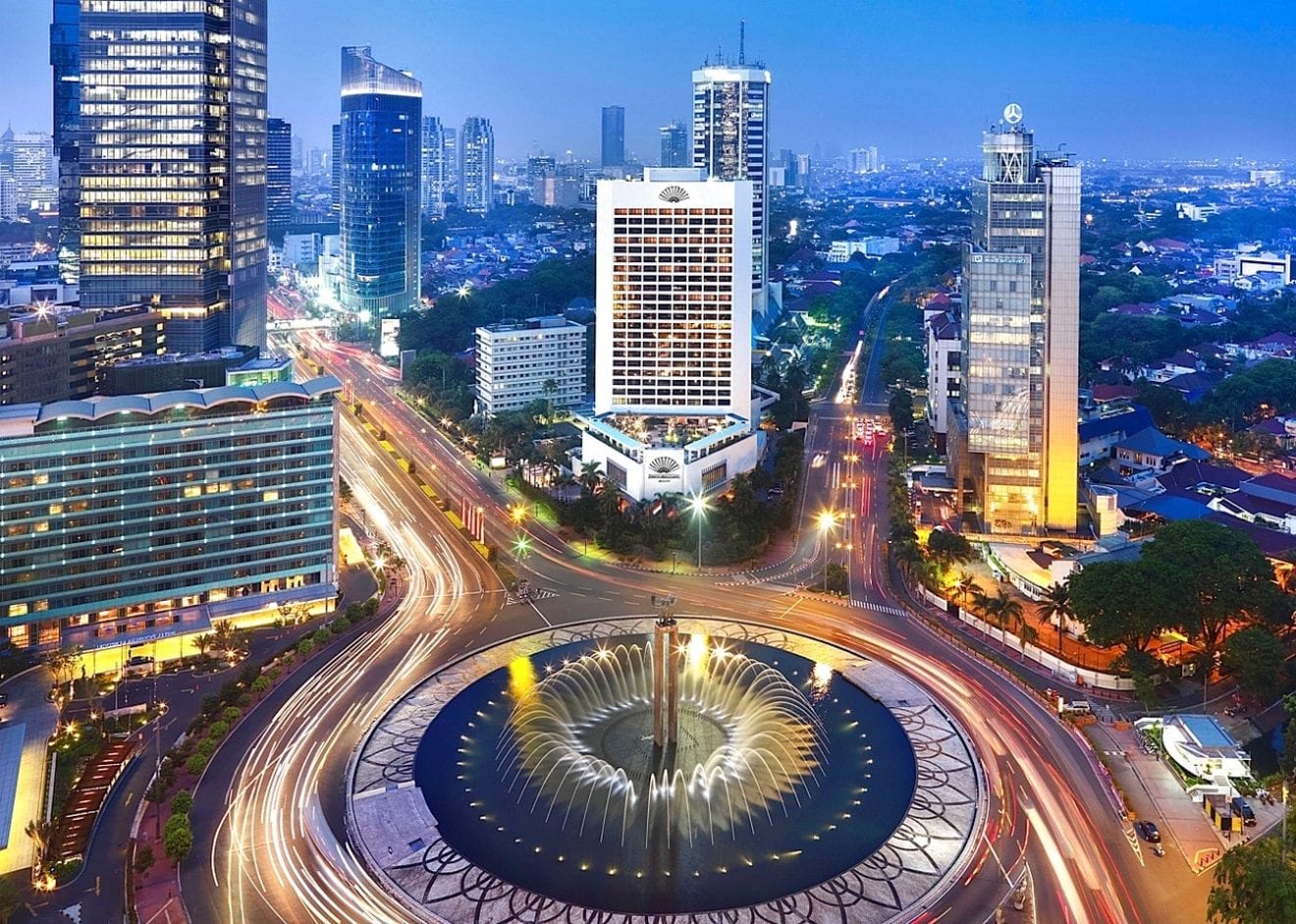
    Interbank network provider Artajasa Pembayaran Elektronis says that the popularity of conventional payment methods in e-commerce has made the sector prone to fraudulent transactions, creating potential obstruction to the growth of e-commerce in Indonesia.

    Artajasa information technology (IT) and operation director Bayu Anantasena said in Jakarta on Wednesday that fraudulent transactions happened due to the lack of a payment authentication procedure in conventional payment methods, including bank transfers and cash-on-delivery (COD) payment.

    The company records that 75 percent of Indonesian e-commerce customers make payments through bank transfers, 20 percent through COD and the remaining 5 percent through credit cards and other methods.

    “Fraudulent transactions occur due to a lack of authentication between e-commerce merchants, issuing banks and customers. As e-commerce businesses grow in Indonesia, transaction security becomes more important for their development,” he said.

    The government expects that by 2020, that nation will record US$130 billion in e-commerce transactions, in line with the country’s anticipated digital boom in following years.

    As many as 87 issuing banks are currently using Artajasa’s ATM Bersama network, including Bank Mandiri, Bank Rakyat Indonesia (BRI) and Bank Tabungan Pensiunan Nasional (BTPN).

  • China drives Ikea growth

    China drives Ikea growth

    China has been cited as one of the major contributors to a year in which Ikea’s profits surged 19.6 per cent.

    Ikea growth was strongest in China, while the company’s largest markets were Germany, the US, France, Britain and Sweden.

    The Stockholm-headquartered furniture and homewares retailer reported a profit of 4.2 billion euros ($US4.5 billion). Total sales rose 7.1 per cent to 34.2 billion euros for the 2016 financial year ending in August, the company said.

    In the past year Ikea has opened 12 new stores and 19 pick-up and order points worldwide, and in the coming year planned to open its first stores in Serbia and in Hyderabad, India.

    “Growth and profitability give us freedom to choose our own way, the flexibility to move fast and the independence to think and invest long term,” Peter Agnefjall, Ikea Group CEO, said in a statement.

    The retailer registered 783 million visits to its 340 stores in 28 countries during the 12-month period but was also expanding its online offers. In addition, 49 stores are operated by other franchises.

    As part of its efforts to reduce its environmental footprint, the company said it was to invest 1 billion euros in sustainable materials. This included forestry and firms involved in recycling, renewable energy and developing biomaterials.

    It said 71 per cent of the energy it used in 2016 came from renewable energy sources such as solar and wind farms. Ikea plans to be energy independent by 2020.

  • Tourism a driving force behind Vietnam’s economic growth

    Tourism a driving force behind Vietnam’s economic growth

    The country is on track to welcome more than 10 million visitors this year.Driving economic growth in Vietnam, the country’s government portal reported yesterday.The country’s economic growth prospects are strongly driven by its travel and tourism sector, the EIU said.

    Foreign arrivals reached more than 9 million from January – November this year, a staggering 25 percent increase from a year ago, the EIU noted, citing official data from the National Tourism Administration.

    The country is on track to welcome more than 10 million visitors by the end of this year, the administration forecast, which would exceed the target by 17.6 percent and last year’s arrivals by 26 percent.

    The EIU said that tourism continues to make a significant contribution to Vietnam’s economy. The tourism sector has not only created job growth in the wider economy, but also supported the development of other sectors such as retail.

    The study attributed the tourism industry’s growth prospects partly to Vietnam’s efforts to relax its visa policy to pave the way for a bigger inflow of international tourists.

    It has already offered visa exemptions for tourists from South Korea, Japan and those from Southeast Asian countries, as well as extended its visa-free policy through to June next year for travelers from the United Kingdom, France, Germany, Spain and Italy.

    With the aim of giving the tourism industry an even bigger push, the Vietnamese government has approved much-touted online visas for travelers on short holidays or casual business visits. The new visa rule, which is expected to come into effect from February next year, but it will be limited to those arriving from Vietnam’s top tourist markets.

    Vietnam’s top 10 tourist markets include China, South Korea, Japan and the United States.

    According to the World Tourism and Travel Council, tourism revenue directly contributed 6.6 percent of Vietnam’s gross domestic product last year. If you take into account that tourism drives other areas like spa and wellness services, dining and retail, the sector contributed around 13.9 percent of GDP.

    EIU experts suggested the Vietnamese government should improve the quality of transport infrastructure, which will in turn further boost growth in the tourism sector.

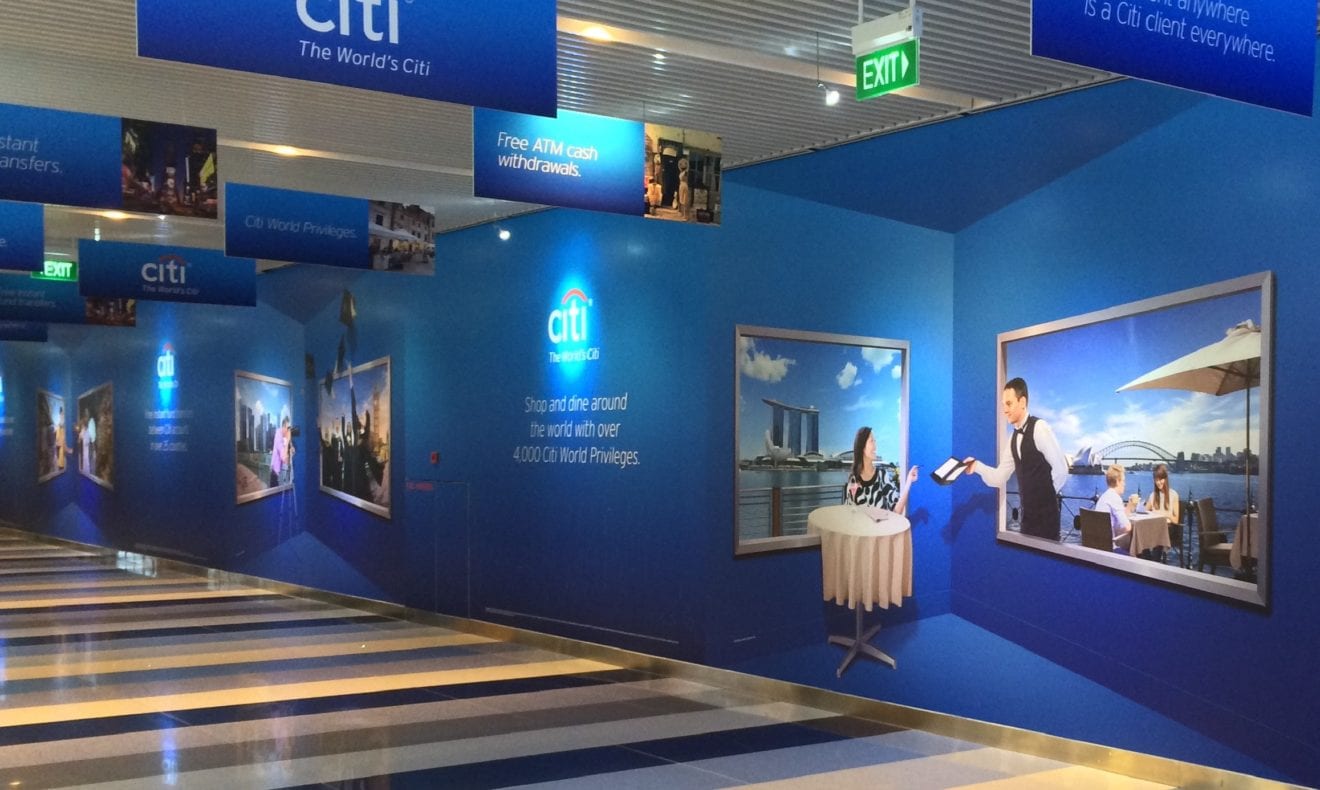
  • Citibank Indonesia reaps high profit growth in Q3

    Citibank Indonesia reaps high profit growth in Q3

    The Indonesian branch of US-based Citibank saw its net profits rise in the third quarter of this year despite the ongoing global economic downturn and sluggish domestic demand.

    The bank’s net profits surged by 64 percent year-on-year (yoy) to Rp 1.9 trillion (US$142.32 million) during the January-to-September period, according to a statement issued on Sunday.

    The profit growth was mainly driven by a 15.5 percent yoy increase in net interest income to Rp 3.05 trillion, along with a 2.79 percent yoy hike to Rp 1.51 trillion in its fee based income.

    “These results reflect the strong momentum of our business, both in institutional banking and consumer banking,” said Citibank Indonesia CEO Batara Sianturi in the statement.

    The bank introduced some initiatives for its institutional and consumer banking businesses in the third quarter, namely Citi Virtual Card Accounts (VCA) for treasury and trade solutions, Citi Priority for wealth management as well as Citi Indonesia Facebook to support the digitization of its cards and retail banking.

    However, it saw its loans decrease by 7.3 percent annually to Rp 39.07 trillion in the first nine months from Rp 42.1 trillion in the same period last year.

    The deceleration in loans was in line with data from the Financial Services Authority (OJK) that show that overall lending in the Indonesian branches of foreign banks dropped by 6.61 percent yoy to Rp 253.1 trillion as of August.

    Bank Indonesia (BI) deputy governor Erwin Rijanto attributed the situation to falling foreign-denominated, or forex, loans, which only grew by 2 percent yoy as of July.

    “This is closely related to global economic conditions. We see that a lot of companies with high exposure to forex loans have temporarily reduced their credit demand. Some of them even decided on early termination of their loans,” he said recently.

    The drop in global commodity and oil prices as well as weak trade are among the factors impacting the banking industry, particularly on forex loans, which are mostly utilized to support the financing of exports and imports.

    This portion of forex lending is also particularly big in Indonesian branches of foreign banks as they are supported by their overseas headquarters.

    Meanwhile, Citibank Indonesia’s report also show that its third-party funds declined by 6.6 percent yoy to Rp 5.25 trillion from January to September.

    Despite the decline in the third-party funds, Batara said the bank managed to grow the portion of current accounts and savings accounts (CASA) — consisting of low-cost funds — to 73.9 percent of its total third-party funds.

    The increase in CASA helped jack up its net interest margin (NIM) to 6.1 percent from 5.3 percent in September last year.

    With an increase in revenue, the bank managed to improve its cost-to-income (BOPO) ratio—which measures efficiency—to almost 80 percent in the third quarter of this year from 91.2 percent a year ago.

    The latest performance was translated into an increase in return on assets (ROA) to 4.4 percent from 2.7 percent in the same period last year, while its return on equity (ROE) rose to 16.5 percent from 10.6 percent.

    The bank’s capital adequacy ratio (CAR) also increased to 29 percent in the third quarter of 2016, from 25.3 percent in the same period last year.

    “As we enter the final quarter of 2016, we believe that the progress we have made in the past three quarters will enable Citibank Indonesia to accelerate its growth imperative and commitment to its stakeholders,” Batara said.

  • FinTech hub opens in Singapore

    FinTech hub opens in Singapore

    LATTICE80, a not-for-profit FinTech Hub, has opened an innovation facility in Singapore’s central business district.

    The new two level facility has been established with the aim of supporting FinTech firms with product development, testing and go-to-market strategies.

    LATTICE80 measures more than 30,000 square feet and features an open event space with the capacity to host 250 people, a private and public lounge, semi-open and open-plan offices, a cafe, boardrooms, meeting rooms, a podcast studio and a nursing room.

    To date, more than 20 foreign and local FinTech companies and associations at varying stages of growth have signed up to be based at the facility. Solution types being worked on by these firms include blockchain, robo-advisors, trading systems, online marketplaces, financial education, cognitive computing, big data analytics and fund management.

    LATTICE80 has partnered with key financial and technology players such as IBM, UOB, KPMG, MatchMove, EZ-Link, Singapore Fintech Consortium, Femtechleaders SG and Metropolitan Management Services to provide solutions and services like APIs, cloud technology and blockchain to support companies.

    Additionally, the National University of Singapore will work hand-in-hand with LATTICE80 to shape the curriculum for FinTech. It will also involve roll outs of training and capability development programmes particularly in the areas of cybersecurity, payment gateway and developing dynamic mobile applications.

    “We want to create a platform that can support the FinTech ecosystem in Asia and form bridges that link to global players. We’re serious about fostering connections with the technology and financial communities here in Singapore and globally,” LATTICE80 CEO Joe Seunghyun Cho said.

    “We’re co-creating the future of innovation, banking and finance in Singapore and considering the enthusiastic group of start-ups we have today, I’m very confident that we have the foundation to create a truly unique world-class community.”

    Companies onboard LATTICE80 include Spark Systems, which is building new generation trading platforms for hedge funds, banks, financial institutions and other high volume institutional participants in the foreign exchange market, and Percipient, a Singapore-based startup which has developed a customized digital solution for the State Bank of India.

  • President hopes economy to grow more than 6 percent in 2018

    President hopes economy to grow more than 6 percent in 2018

    President Joko Widodo (Jokowi) said he hopes the countrys economy could grow more than six percent in 2018 that the 2018 state budget would get healthier.

    “In entering the year 2018, the first thing we want is a growth of more than six percent,” the president said when opening a plenary session of the cabinet at the state palace here on Wednesday.

    Jokowi said he was aware it would not be easy because for that there should be a growth of more than 10 in the investment sector.

    He then asked the head of the Capital Investment Coordinating Board (BKPM) to report estimates including steps that have to be taken to boost investment.

    “The consumption sector needs to grow more than 5 percent, exports are also expected to grow by at least 4 percent and imports by at least two to three percent,” he said.

    He said, however, the figures still leave rooms for corrections or an increase.

    He said he wanted discussion and debate on the 2018 state budget made earlier that implementation would be better.

    Almost all cabinet ministers and head of government agencies attended the cabinet plenary session.

  • Indonesia posts 5% growth in Q3

    Indonesia posts 5% growth in Q3

    Indonesia’s economy grew largely in line with market expectations in the third quarter, though lower government spending and a slowdown among its major trading partners proved a drag on growth.

    Data released by the statistics bureau yesterday showed Indonesia grew 5.02 per cent in the July to September quarter from the same three-month period last year.

    This was close to the median estate of 22 economists surveyed by Bloomberg News of 5.08 per cent though it was below the 5.18 per cent in the second quarter.

    The results are a dampener for South-east Asia’s largest economy – home to more than 250 million people – which has been striving to meet a 7 per cent growth target envisioned by President Joko Widodo when he took office two years ago. Lower commodity prices and weaker global demand have been a consistent roadblock to the target.

    Statistics bureau chief Suhariyanto said a contraction in exports deepened to 6 per cent in the third quarter from the 2.73 per cent slump in the previous one, due to slowing growth in the key markets of China, Singapore and South Korea.

    5.02%

    Indonesia’s growth in the July to September quarter, from the samethree-month period last year. This is below the 5.18 per cent in the second quarter.

    6%

    The contraction in exports in the third quarter, deepening from the 2.73 per cent slump in the previous quarter, owing to slowing growth in key markets China, Singapore and South Korea.

    US$10b

    The budget cut announced in August by Finance Minister Sri Mulyani, for the whole of 2016.

    China grew at a steady 6.7 per cent annually in the third quarter, midway between the government’s goal of 6.5 to 7 per cent.

    Singapore’s growth came in at just 0.6 per cent year on year. South Korea grew 0.7 per cent, marginally ahead of expectations but still a tad below the second quarter.

    Household spending rose 5 per cent in Indonesia, the data showed. But a reversal in government spending was a drag on the economy.

    In August, Finance Minister Sri Mulyani announced a US$10.2 billion (S$14.3 billion) budget cut for the year. “She took the decision to cut government spending, to make sure the aggregate deficit for the year would not exceed 3 per cent of GDP,” OCBC economist Wellian Wiranto wrote in a note. Government spending tumbled 45 trillion rupiah (S$4.75 billion) in the third quarter year on year, data showed.

    Indonesia’s economy has been hobbled by low global commodity prices, tepid foreign investment and infrastructure bottlenecks. Last year’s growth of 4.8 per cent was the weakest since 2009.

    President Joko is seeking billions of dollars to help fund an ambitious agenda to build roads, railways and seaports, Bloomberg reported.

    Reacting to the data yesterday, he said he hoped for a lift in the fourth quarter. “We hope with the trigger of (government) payment realisation and budget disbursement, it can improve slightly.”

    A total of six interest rate cuts by Bank Indonesia this year are helping spur spending as inflation remains inside the 3 per cent to 5 per cent target band.

    Analysts argue that revenue collection from the government’s flagship tax amnesty scheme could help cushion the economy from aggressive state spending cuts.

    “The cuts in spending would continue to weigh on the fourth quarter outlook, but stabilisation of oil and commodity prices should bode well for the overall economy,” UOB economist Ho Woei Chen said.

  • Myanmar’s hyper growth era has ended according to Telenor

    Myanmar’s hyper growth era has ended according to Telenor

    Telenor Myanmar will shift focus towards data services as the era of rapid initial subscriber growth comes to a close.

    Telenor Myanamar CEO Lars Erik Tellmann told that the competitive environment is rapidly changing, with operators targeting internet service use.

    Since launching services in September 2014, Telenor Myanmar’s subscriber base has rapidly increased to 18 million, making the operator the second largest industry player. Myanmar’s telecoms market has been experiencing unprecedented growth after the sector was liberalized in 2011.

    But Tellmann said this growth has slowed significantly now that anybody who wants to own a SIM has now purchased one, so the fight is turning to existing customers. “Super hyper growth has flattened,” Tellman told.

    As of the third quarter, around 40% of Telenor Myanmar’s revenue was generated from data services. In a market with very low fixed line penetration and few PCs, smartphones are the primary way Myanmar consumers are accessing the internet, he said.

    Social media is helping drive increased data consumption, with Facebook, WhatsApp and Viber proving particularly popular in the market.

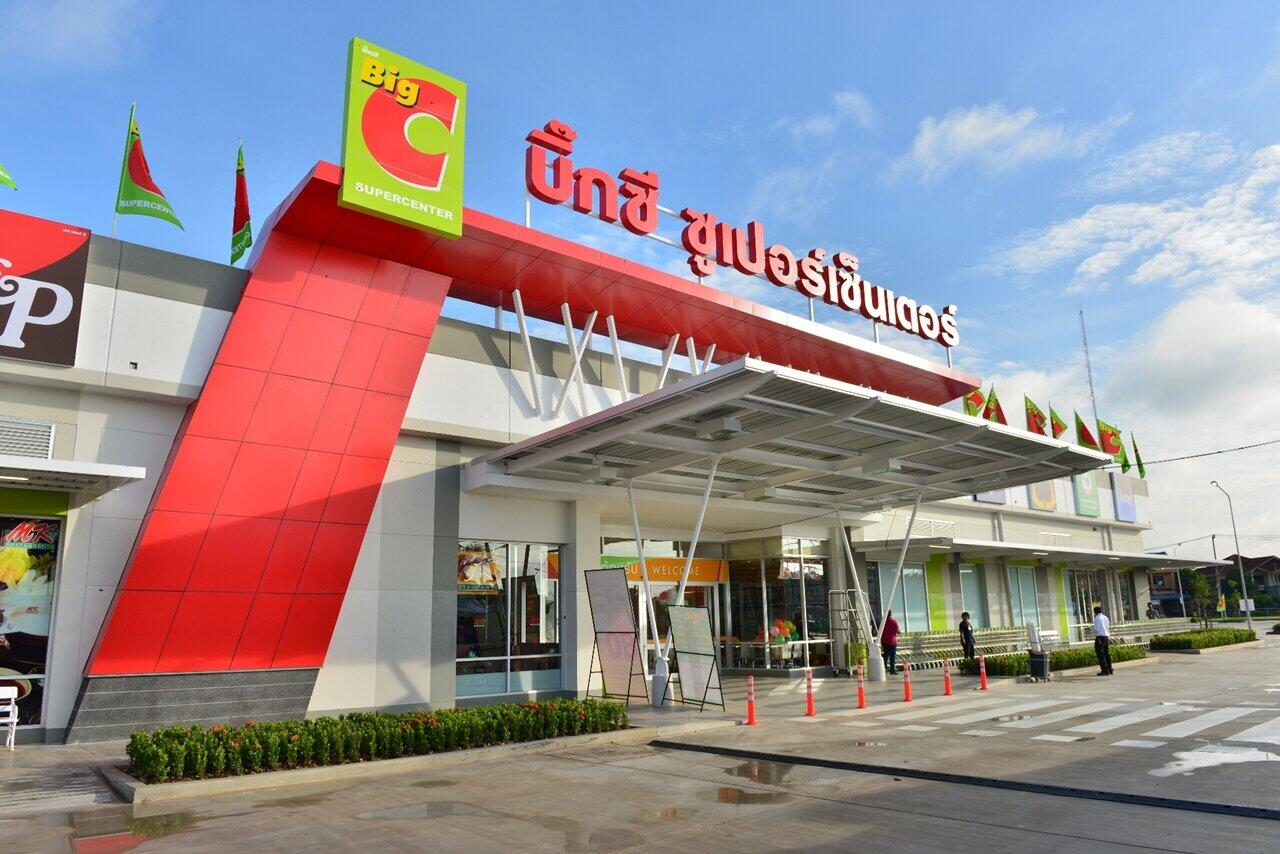
  • Big C profit grows despite challenging economy

    Big C profit grows despite challenging economy

    Thai hypermarket operator Big C Supercenter boosted margins in the latest quarter despite the challenging economic climate.

    The company has reported continued resilient rental and service income growth, margin improvement across the board thanks to a focus on the quality of sales – delivering a “robust” Big C profit boost.

    The third quarter to September 30 was the first full reporting period of its new strategic focus on quality of sales rather than the absolute sales amount.

    “On our operations we continued our push to localise our offer in order to become the ‘Thai retailer with customers in our heart’ as we will be better positioned to serve local communities and their varying tastes,”explained Rumpa Kumhomreun, CFO & VP of accounting and finance, in a filing with the Thai SET. “Our work to capture synergies between BJC and Big C is continuing, and during the quarter we for example moved some of our private label tissue manufacturing to BJC. We also started serving Big C Soft Serve ice cream in pilot hypermarkets and Mini Big C stores. Our access to TCC “land bank” also made it possible for us to open an additional Big C Market store at Pantip Chiang Mai during the quarter.”

    The company also improved its online offer, rebranding its Cdiscount.co.th to Cmart.co.th, with over 70,000 SKUs available.

    Big C’s Total Revenues from retail sales, rental and service income, and other income, for the quarter reached Baht 25.892 billion – a decline of Baht 5.799 billion or 18.3 per cent over the same period last year. This decrease was driven by a retail sales decline of 20 per cent from the same period last year, and a same-store-sales decline of 22.6 per cent.

    “The significantly declining same-store-sales trend was driven by our strategic focus on the quality of sales rather than absolute sales volume,” said Kumhomreun.

    With a similar fall in expenses, however, Big C’s net income attributable to shareholders grew by 14.6 per cent to Baht 1.538 billion for the quarter, up Baht 196 million year-on-year.

    Gross profit margin reached 17.8 per cent for the quarter, representing an increase of 487 basis points from last year.

    Store expansion continued during the quarter in all store formats, with two hypermarkets opening in Phonphisai and Na Thawi, two Big C Market stores in Loei and Chiangmai, 23 Mini Big C stores including 15 franchise stores, and one Pure Drugstore. Those took the store count at the end of September to 128 large format stores (Big C Supercenter, Extra, and Jumbo), 59 Big C Market, 431 Mini Big C (including 21 franchise stores), and 142 Pure Drugstores.

  • Alibaba tipped to record solid quarterly revenue growth

    Alibaba tipped to record solid quarterly revenue growth

    Alibaba Group Holding, the world’s largest e-commerce company, is expected to report another strong quarter of sales in the three months to September 30, as its preparations intensify for the Singles’ Day online shopping festival next week.

    Analysts estimated New York-listed Alibaba’s total second-quarter revenue for its fiscal year that ends March would increase about 50 per cent year on year.

    “We model total revenue to grow 51.7 per cent to 33.64 billion yuan (HK$38.55 billion) versus [market analysts’] consensus estimate of 33.94 billion yuan,” Alicia Yap, the head of regional internet research at Citi Research, said in a report published ahead of Alibaba’s earnings announcement on Wednesday.

    Yap estimated Alibaba’s gross merchandise volume, the total amount of goods sold through the company’s vast online retail platforms, to have grown 22 per cent year on year to 872 billion yuan in the past quarter.

    Citi maintains a “buy” rating on Alibaba shares, and has raised its target price to US$133, up from the previous US$112.

    In an open letter to shareholders early this month, Alibaba chief executive Daniel Zhang Yong said: “During fiscal year 2016, our China retail marketplaces reached a historical milestone when annual gross merchandise volume transaction surpassed 3 trillion yuan, making Alibaba Group the largest retail ecosystem in the world.”

    In the three months to June, Alibaba reported a 59 per cent year on year jump in revenue to 32.15 billion yuan. The gross merchandise volume transacted on its China retail platforms rose 24 per cent to 837 billion yuan.

    Alibaba, which owns the South China Morning Post, runs four business segments – core commerce, cloud computing, digital media and entertainment, and innovation initiatives.

    Citi estimated Alibaba’s revenue from its core commerce business would reach 28.18 billion yuan in the quarter to September, up from 27.24 billion yuan in the quarter to June.

    That segment comprises the China and international online marketplaces operating in retail and wholesale commerce, including Taobao Marketplace, Tmall.com, Juhuasuan, 1688.com, AliExpress and Lazada.

    Citi predicted Alibaba’s cloud computing revenue would reach 1.56 billion yuan in the three months to September. Led by subsidiary Alibaba Cloud, it had revenue of 1.24 billion yuan in the quarter to June.

    Digital media and entertainment revenue was estimated by Citi to have reached 3.35 billion yuan in the past quarter. This segment, which includes UCWeb and Youku Tudou, had revenue of 3.13 billion yuan in the June quarter

    Alibaba’s innovation initiatives segment was forecast by Citi to have posted revenue of 550 million yuan in the three months to September, compared with 535 million yuan in the June quarter. This segment includes the YunOS mobile operating system and web mapping and navigation software AutoNavi.

    We want to offer a large variety of daily necessities to the city’s consumers

    Daniel Zhang Yong, Alibaba chief executive

    Last week, Alibaba said its introduction of the Singles’ Day shopping extravaganza and the Tmall.hk platform to Hong Kong would ramp up e-commerce services outside the mainland.

    “We want to offer a large variety of daily necessities to the city’s consumers,” Zhang said at the launch of Alibaba’s 11.11 Global Shopping Festival in Hong Kong.

    That kicked off a flurry of activities ahead of Singles’ Day, an annual event held on November 11 that will see billions of dollars of goods transacted on Alibaba’s online retail platforms within 24 hours, making it the world’s biggest online shopping event.

    At last year’s 11.11 festival, Alibaba posted a 60 per cent year on year increase in gross merchandise volume to 91.2 billion yuan.

    Daiwa Capital Markets analyst John Choi said in a report that sentiment on Alibaba was positive as “most investors now seem to have a better understanding of Alibaba’s ecosystem”. Daiwa has a “buy” rating on Alibaba.

  • RFID market is growing

    RFID market is growing

    IDTechEx Research has tracked the RFID market since 1999. IDTechEx find that in 2015, the total RFID market is worth $10.1 billion, up from $9.5 billion in 2014 and $8.8 billion in 2013. This includes tags, readers and software/services for RFID cards, labels, fobs and all other form factors, for both passive and active RFID. IDTechEx forecast that to rise to $13.2 billion in 2020.

    In retail, RFID continues to be adopted for apparel tagging – that application alone will demand 4.6 billion RFID labels in 2016 – which still has some way to go with RFID penetrating about 15% of the total addressable market for apparel in 2016. RFID in the form of tickets used for transit will demand 800 million tags in 2016. The tagging of animals (such as pigs, sheep and pets) is substantial as it continues to be a legal requirement in many more territories, with 420 million tags being used for this sector in 2016.

    In total, IDTechEx expects that 8.9 billion tags will be sold in 2015 and 10.4 billion in 2016. Most of that growth is from passive UHF RFID (RAIN RFID) labels. However, in 2015 UHF (RAIN RFID) tag sales by value will only be 11% of the value of HF tag sales, mainly because HF tags where used for security (such as payments, access etc) have a higher price point versus the cheaper, usually disposable UHF (RAIN RFID) tags used for tagging things.

  • T-Hub, Uber launch T-Bridge startup platform

    T-Hub, Uber launch T-Bridge startup platform

    Indian startup incubator T-Hub has joined hands with ride sharing pioneer Uber and TiE Silicon Valley to launch a program that will connect Indian startups with global market opportunities and help bring global new-age companies to the country.

    A press release issued by the startup incubator T-Bridge said that the program will enable startup communities in India and globally to cross-pollinate ideas, innovate and create channels for knowledge transfer. It will also create a network of mentors, VCs, incubators and accelerators that will support the Indian startup ecosystem.

    K T Rama Rao, Telangana Minister for IT on Saturday inaugurated T-Bridge at Uber’s headquarters in San Francisco.

    T-Bridge will provide a platform for such fast-track tech companies looking to tap into India’s huge consumer market for technology and help startups access UberExchange-Uber’s flagship startup mentorship program and TiE Silicon Valley’s mentor network.

    “We have a strong vision to make Hyderabad one of the top 10 startup cities in the world. T-Bridge is one such move towards opening a channel of investment from the world to the state of Telangana. I am proud to open our first outpost in the US in association with Uber and TiE Silicon Valley and believe that this association will forge new partnerships and spur investment and innovation between the two countries,” Rama Rao said at the launch.

    Rachel Whetstone, Uber’s senior vice president for policy and communications, said, Telangana is one of the most progressive states in India; and it has set up a culture of ‘regulatory incubation’ – allowing new ideas and business models to thrive.

    “Today more and more people around the world want to build something themselves. Through initiatives like UberExchange, our mentorship program for Indian startups, we hope to spur entrepreneurship. Creative partnerships like T-Bridge will continue to strengthen ties between India and the global startup scene,” Whetstone said.

  • Korea convenience store boom causes concern

    Korea convenience store boom causes concern

    Around 15 convenience stores were opened in South Korea every day on average last year.

    And the Korea convenience store boom is worrying a ruling lawmaker, who has urged the nation’s fair trade watchdog to seek measures to avoid excessive competition in the market.

    According to the data compiled by Rep. Yoo Ui-dong of the Saenuri Party, 5508 convenience stores were newly established in 2015 alone, casting concerns over a potential oversupply of such shops in the domestic market.

    Yoo said while the numbers may seem to reflect the boom in the industry, such a sharp gain may have an adverse impact on the livelihoods of the shop owners.

    “Currently, we do not have a law that can regulate the opening of a new convenience store right next to another,” Yoo said.

    “The Fair Trade Commission needs to come up with measures to limit the number of new shops.”

  • Creative Industries Contribute to Economic Growth

    Creative Industries Contribute to Economic Growth

    Indonesia`s creative industry is considered to have the potentials to contribute to national economic growth, according to  Head of Research and Industry Development of Industry Ministry Haris Munandar.

    “Currently, the contribution of t creative industries is still relatively small, which is 7 percent of the national industrial growth of 18-20 per cent, but they have great potentials,” Haris said in Jakarta, Friday, October 14, 2016.

    Haris added that the potential can be seen from the various opportunities to develop creative industries in Indonesia, among them an increasing number of middle class Indonesia as potential consumers of creative products.

    “In recent years, the middle class is growing rapidly. This becomes a great opportunity,” said Haris.

    In addition, socio-cultural diversity and natural resources of Indonesia can inspire creative industries to continue to innovate.